




If you've ever found yourself constantly adjusting your TV volume or asking "what did they say?" during movies, you're not alone. Built-in TV speakers have gotten progressively worse as manufacturers make screens thinner and prioritize visual over audio quality. That's where soundbars come in – they're the most popular solution for upgrading your TV's audio without the complexity of a full surround sound system.
Today we're comparing two popular entry-level options: the Amazon Fire TV Soundbar Plus with Subwoofer and the Bose TV Speaker. Both aim to solve the same problem but take dramatically different approaches. Let's dive into which one deserves a spot under your TV.
Before we get into the specifics, it's worth understanding what separates a great soundbar from a mediocre one. The most important factors are dialogue clarity (can you understand what actors are saying?), soundstage width (how much the audio seems to extend beyond the physical speaker), bass response (the low-frequency rumble that makes explosions feel impactful), and connectivity options (how well it works with modern TVs and streaming devices).
The soundbar market has evolved significantly since both these products launched. The Amazon Fire TV Soundbar Plus hit the market in 2023 as part of Amazon's push into home audio, while the Bose TV Speaker has been around longer as Bose's entry-level offering. Since their releases, we've seen the industry move toward more wireless connectivity, better integration with streaming platforms, and increasingly sophisticated virtual surround sound processing.
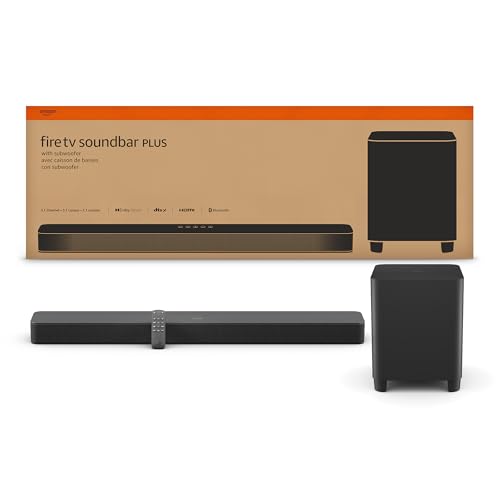
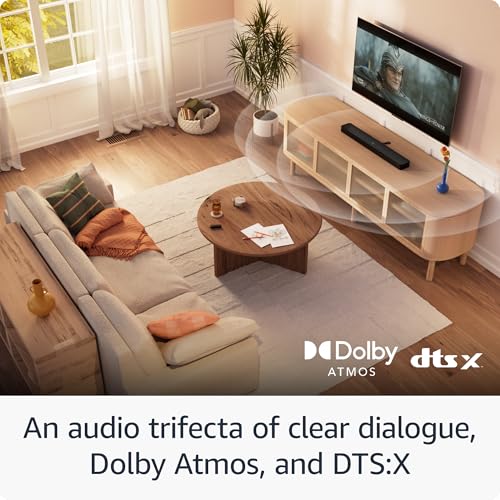
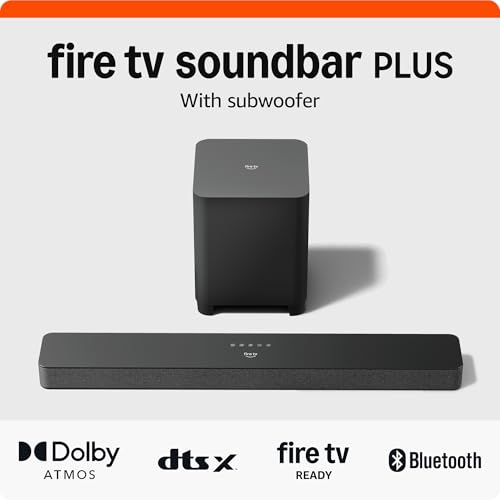
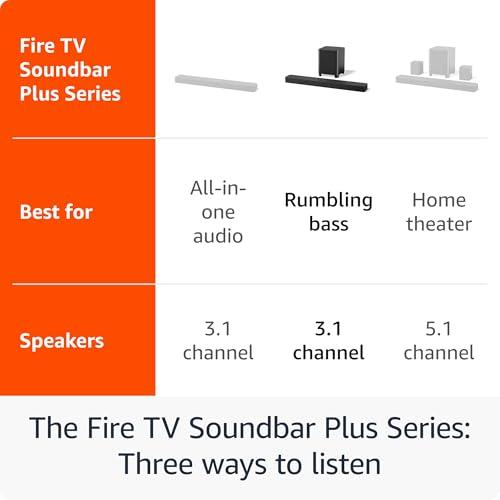
These soundbars represent fundamentally different approaches to improving your TV audio. The Amazon Fire TV Soundbar Plus is what I'd call the "more is more" approach – it includes a wireless subwoofer, supports advanced audio formats like Dolby Atmos (a technology that creates the illusion of sound coming from above and around you), and can expand into a full 5.1 surround system with additional speakers.
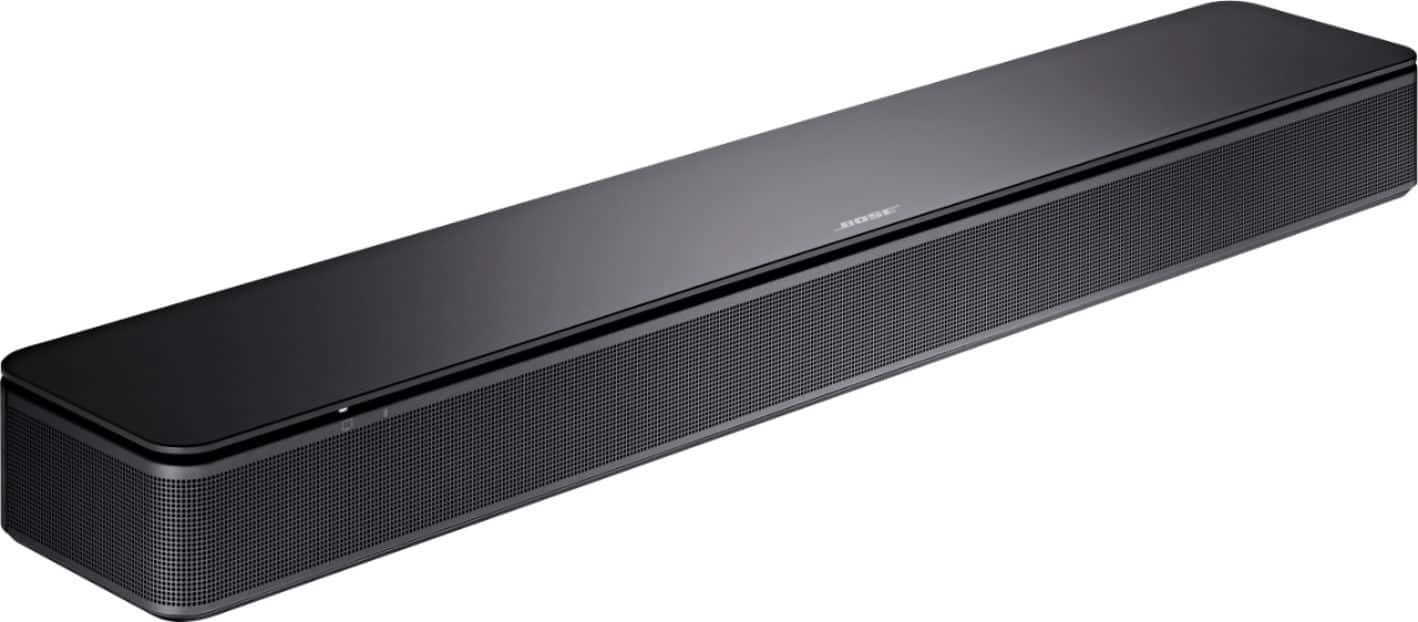
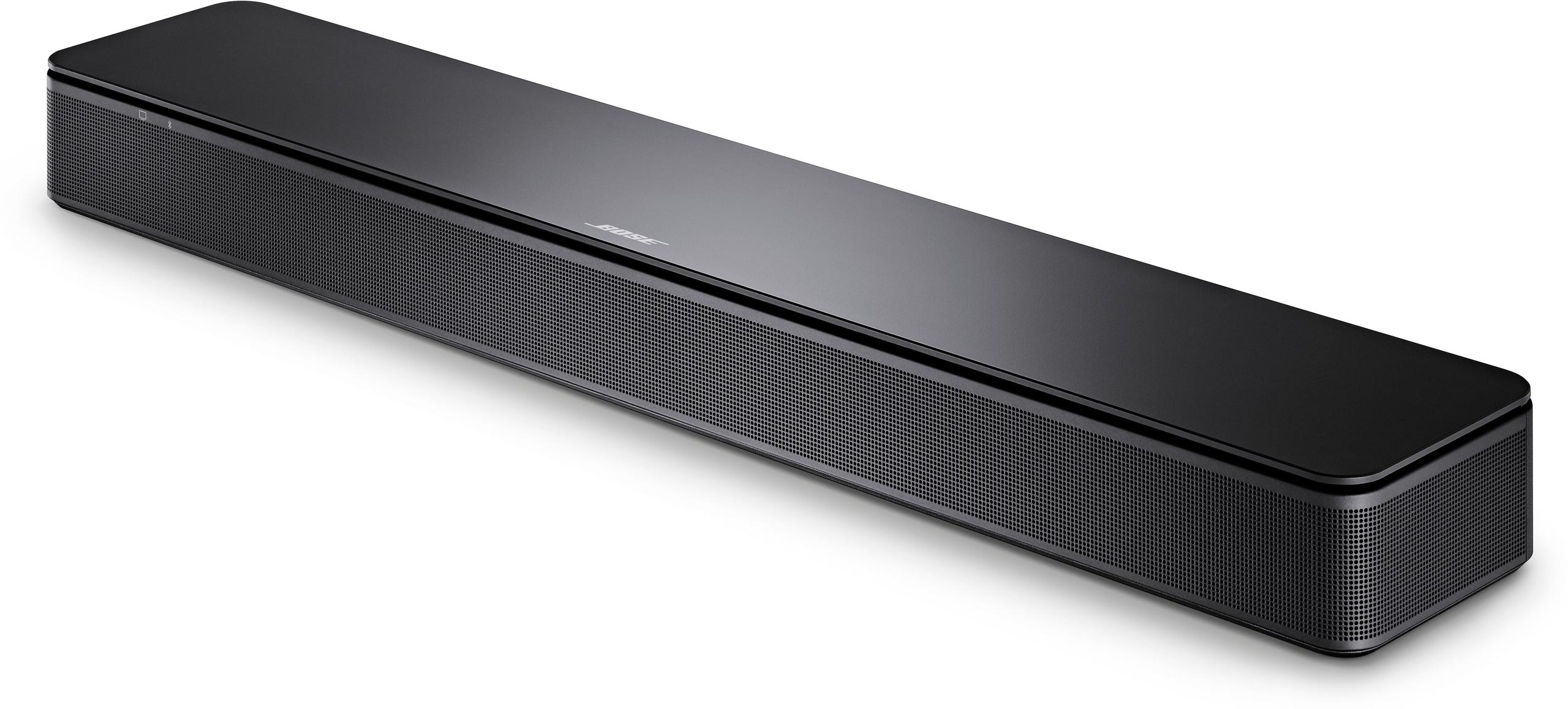
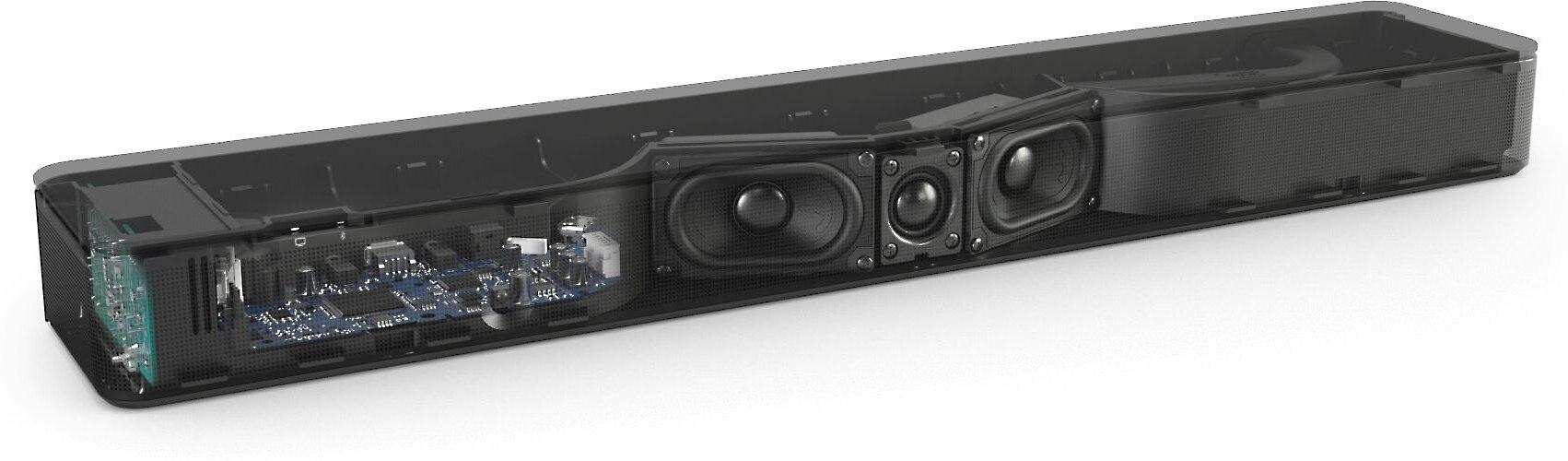
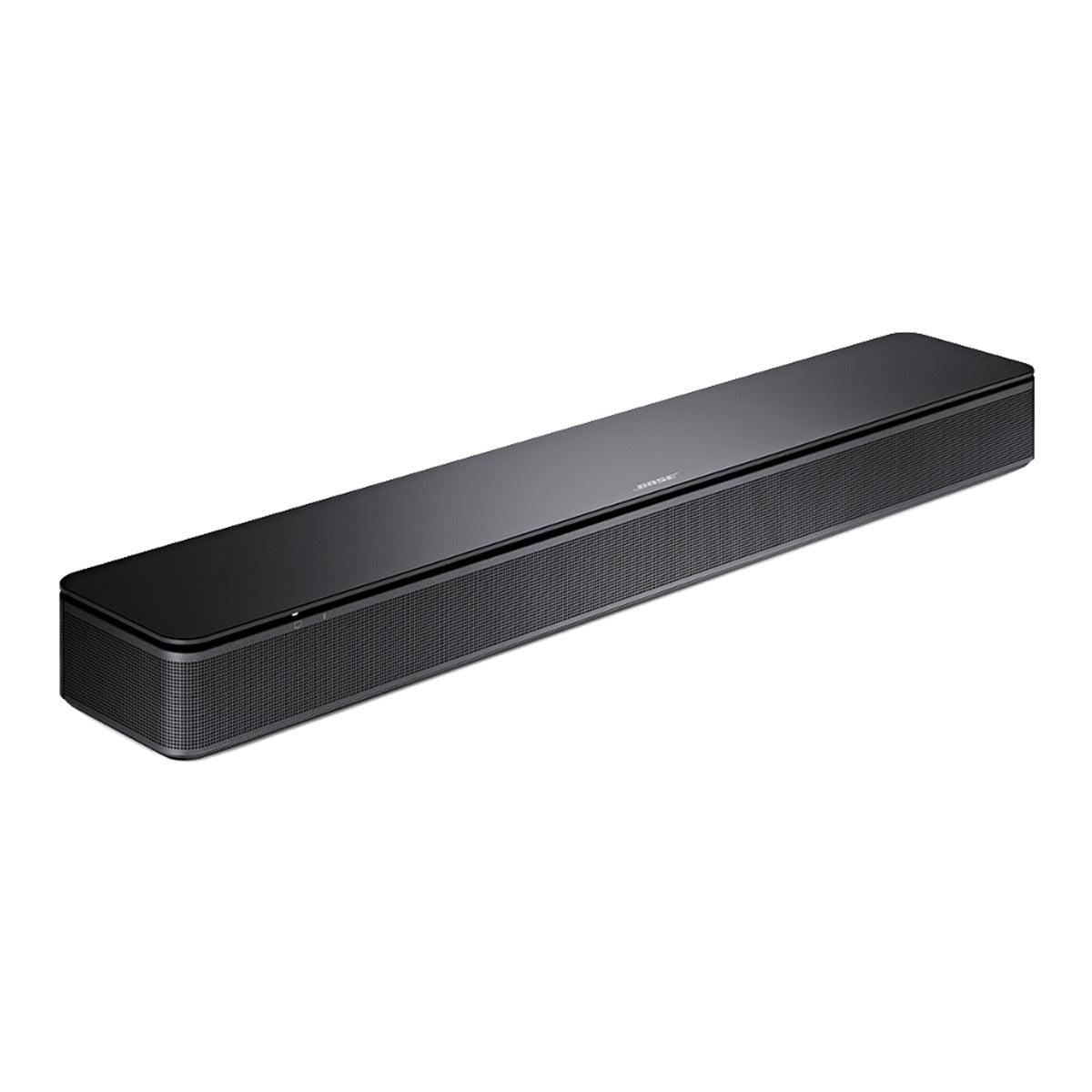
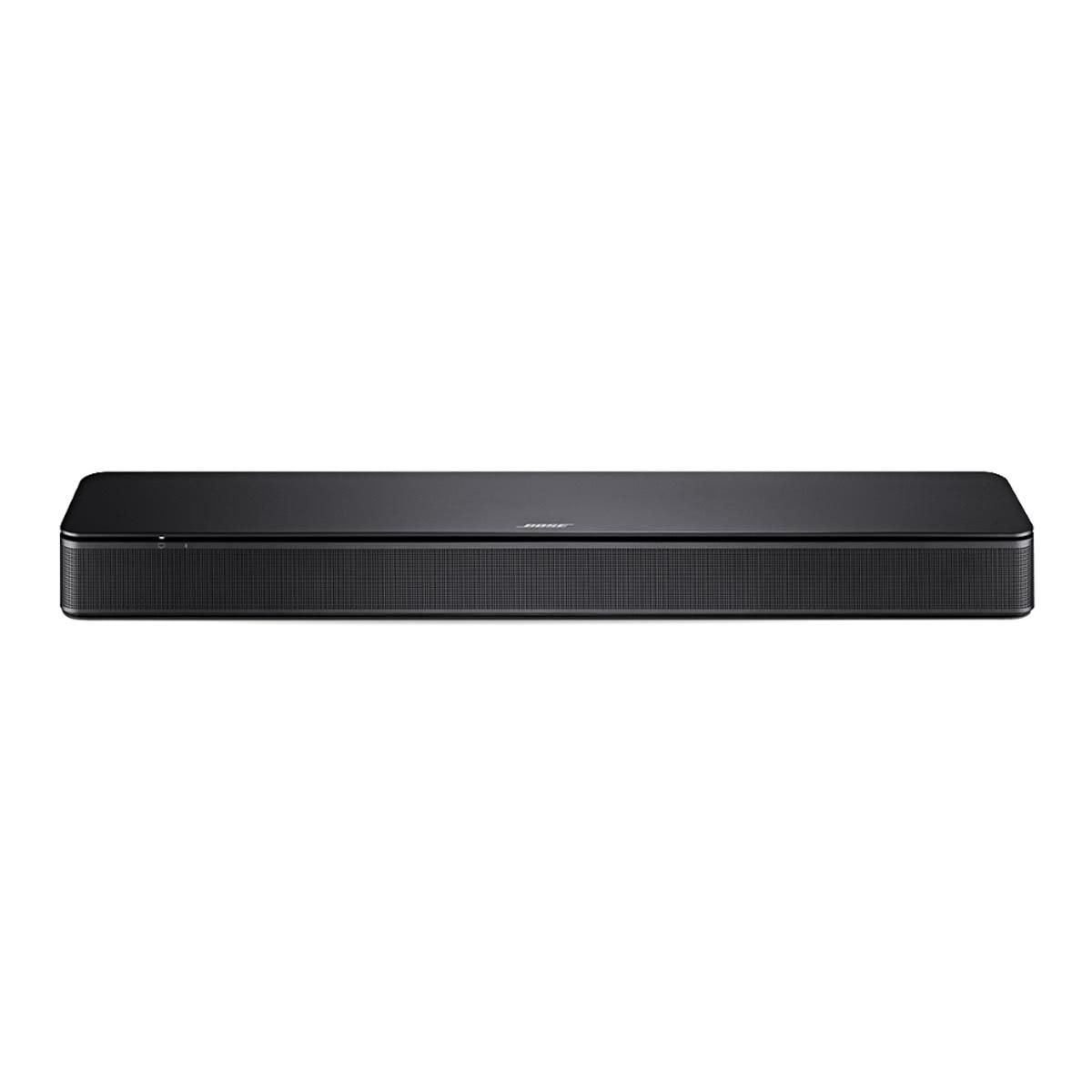
The Bose TV Speaker, on the other hand, embodies Bose's traditional "less is more" philosophy. It focuses intensely on doing one thing exceptionally well: making dialogue crystal clear. It's compact, simple, and designed for people who want better TV audio without any complexity.
In my testing, these two soundbars couldn't sound more different if they tried. The Amazon Fire TV Soundbar Plus delivers what audio reviewers often call a "warm" sound signature – it emphasizes bass and lower frequencies, making everything from explosions to musical basslines feel more impactful. When you're watching an action movie, you'll feel those helicopter rotors and car chases in your chest.
The Bose TV Speaker takes the opposite approach with a "bright" sound signature that emphasizes mid and high frequencies. This makes voices incredibly clear and easy to understand, but you won't get much in the way of bass impact. It's like the difference between a stereo system tuned for rock concerts versus one optimized for talk radio.
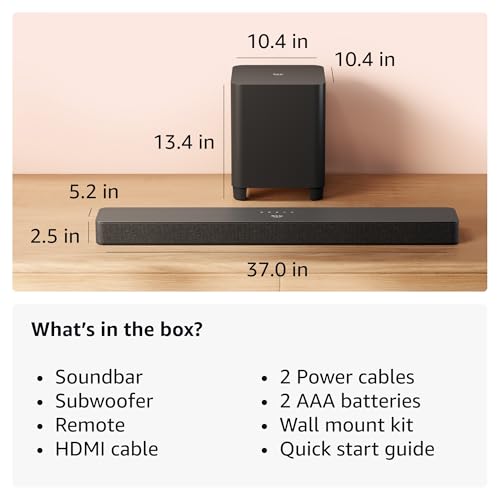
Here's where the biggest difference becomes apparent. The Amazon system includes a wireless subwoofer – that's a dedicated speaker designed specifically to handle low frequencies. This subwoofer connects to the main soundbar without any wires, so you can place it anywhere in your room for optimal bass response. The result is room-filling low-end that makes movie soundtracks come alive.
However, the subwoofer isn't perfect. Several reviews describe it as "one note," meaning it doesn't have the nuanced bass response of more expensive systems. It's great for adding impact to explosions and music, but it lacks the subtlety to reproduce the low-mid frequencies that give male voices their natural warmth.
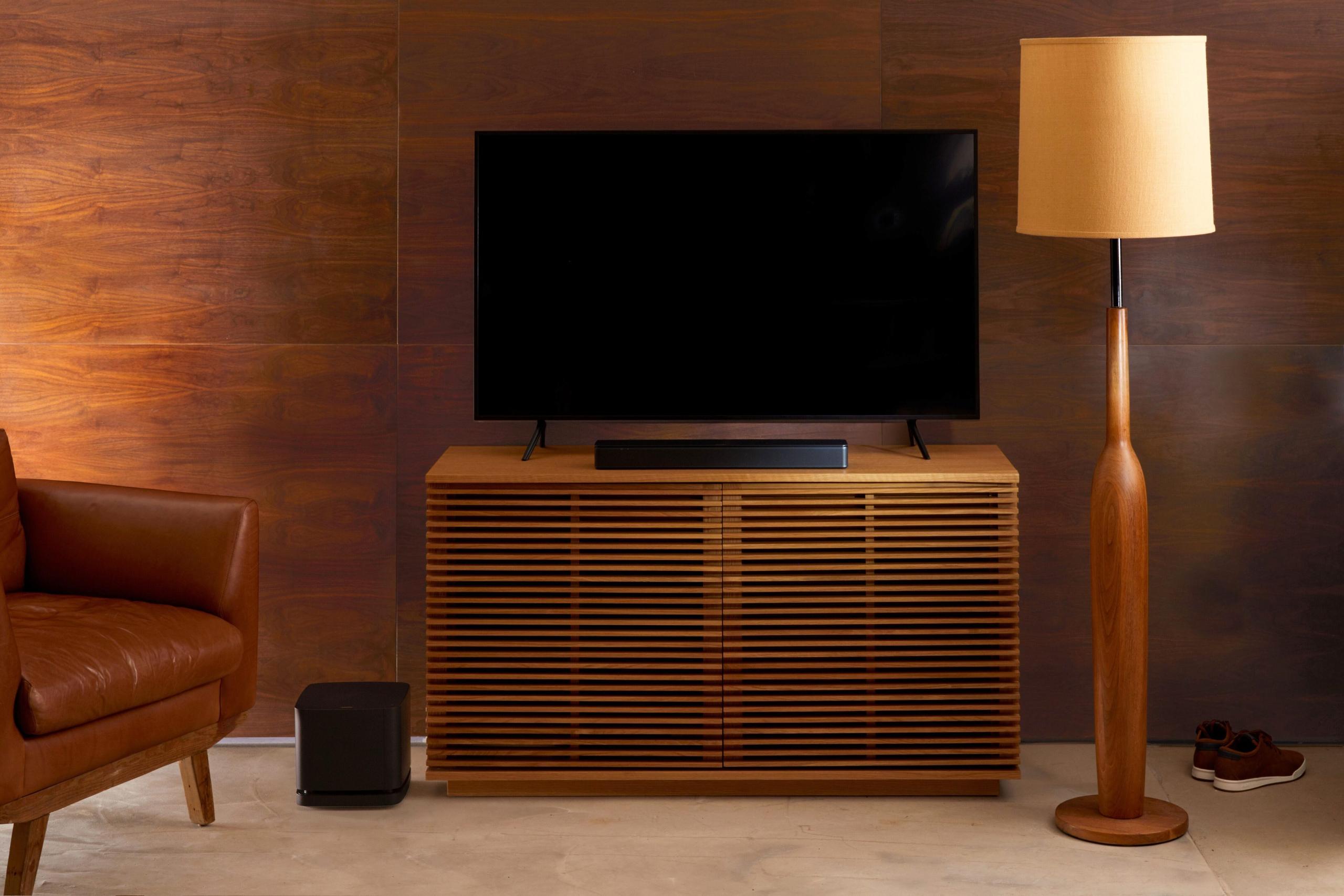
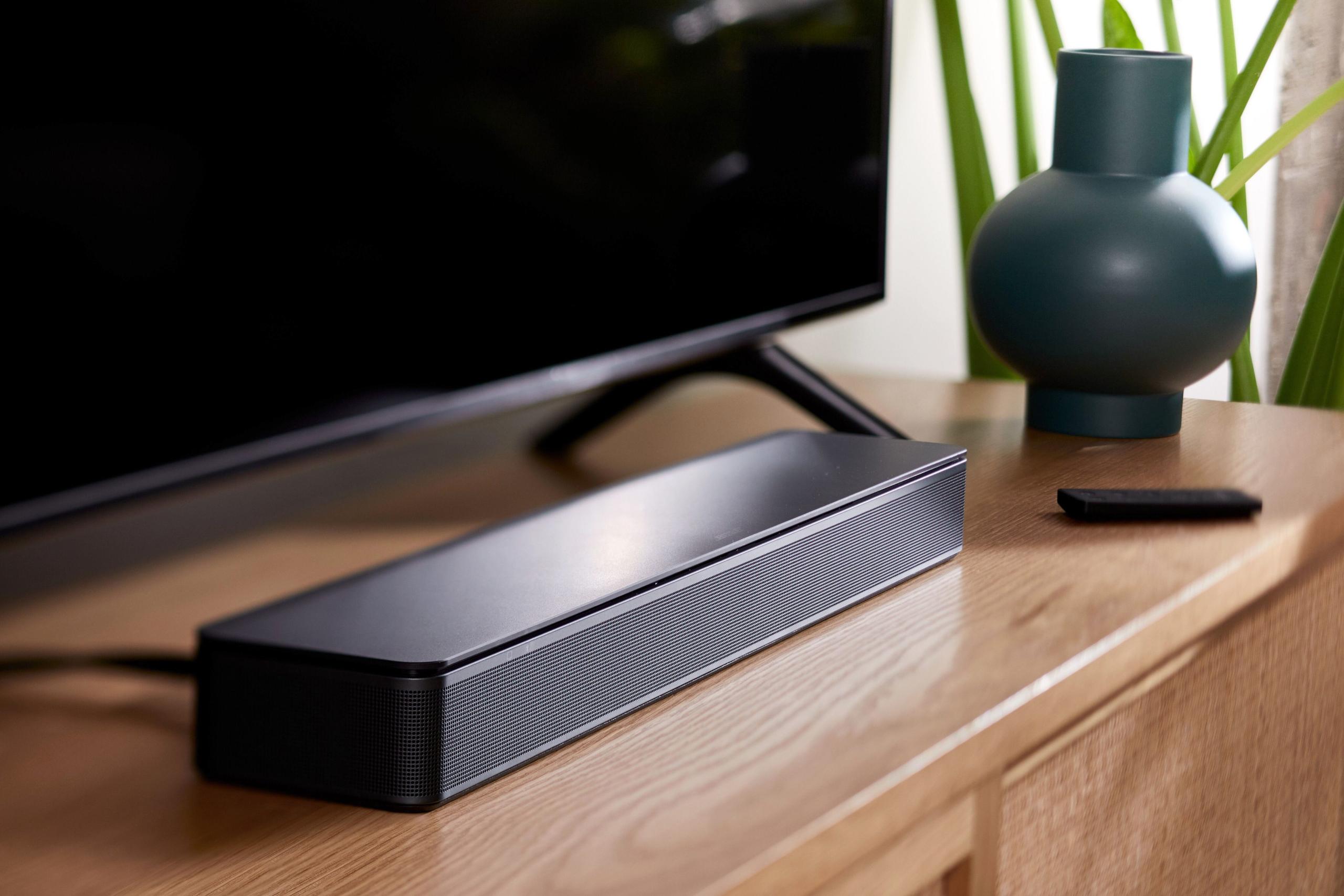
The Bose TV Speaker essentially has no meaningful bass response on its own. Its compact size (about the height of a smartphone lying flat) simply doesn't allow for the large drivers needed to produce deep bass. Bose does offer optional wired subwoofers (the Bass Module 500 or 700), but these require a physical cable connection and cost significantly more than the soundbar itself.
Both soundbars excel at dialogue clarity, but in different ways. The Amazon Fire TV Soundbar Plus uses a dedicated center channel – that's a speaker specifically designed to handle dialogue and vocal frequencies. This approach works well for most content, though some reviews note that the elevated bass from the subwoofer can occasionally overpower speech during action-heavy scenes.
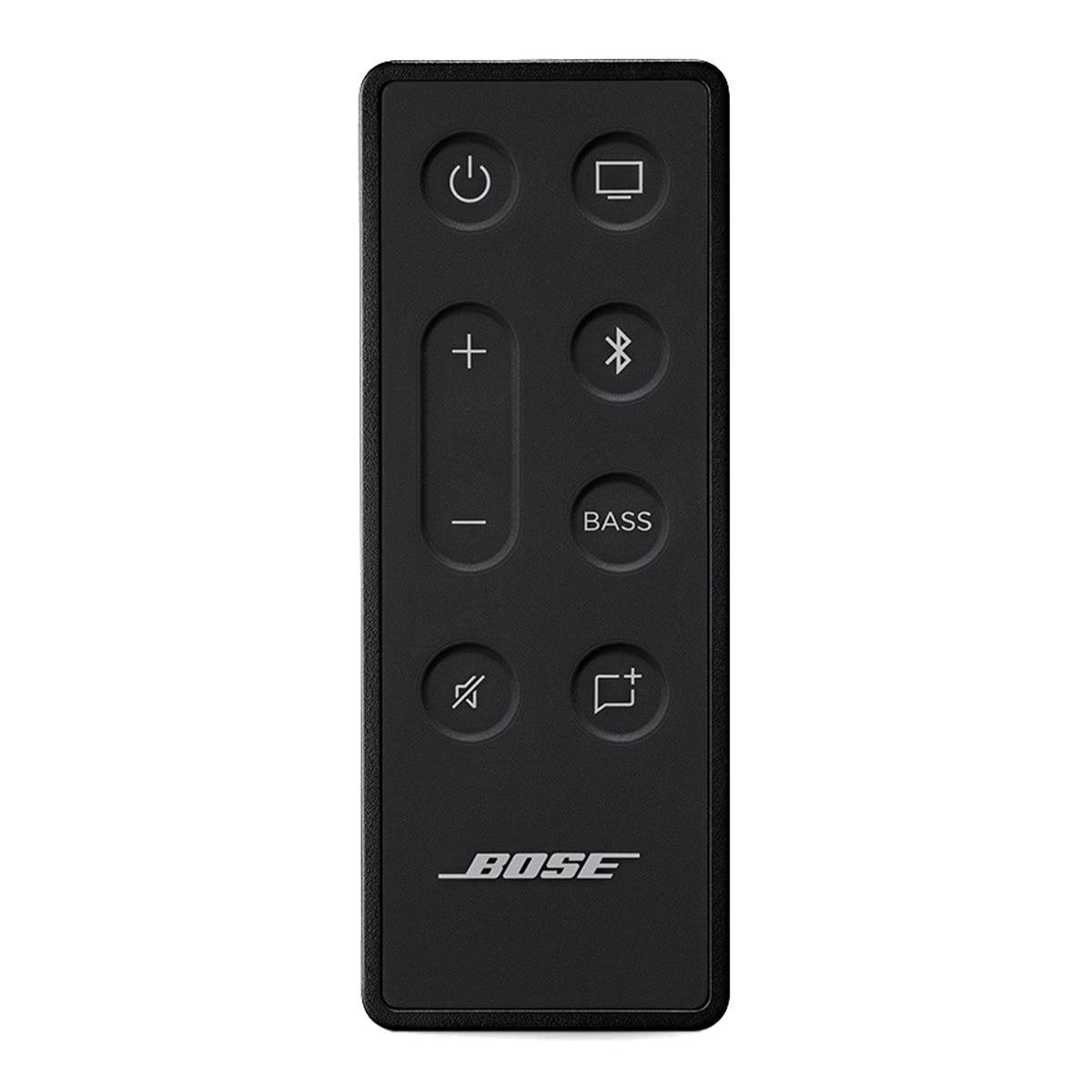
The Bose TV Speaker includes a specialized "Dialogue Mode" that analyzes what you're watching in real-time and automatically adjusts the sound to make voices clearer. This is particularly effective for people who struggle with hearing dialogue over background music and sound effects. In my experience, this feature works exceptionally well for news programs, documentaries, and dialogue-heavy dramas.
Soundstage refers to how wide and spacious the audio sounds – whether voices and effects seem to come from a narrow area directly in front of you or spread across a wider field. The Amazon Fire TV Soundbar Plus creates a soundstage that extends slightly beyond the physical width of the bar itself, though there can be gaps in the stereo image where sounds seem to jump from left to right without smooth panning.
The Bose system's soundstage is more focused but narrower, which actually works well for dialogue clarity since voices stay anchored in the center. However, you won't get the sense of spaciousness that makes movie soundtracks feel immersive.
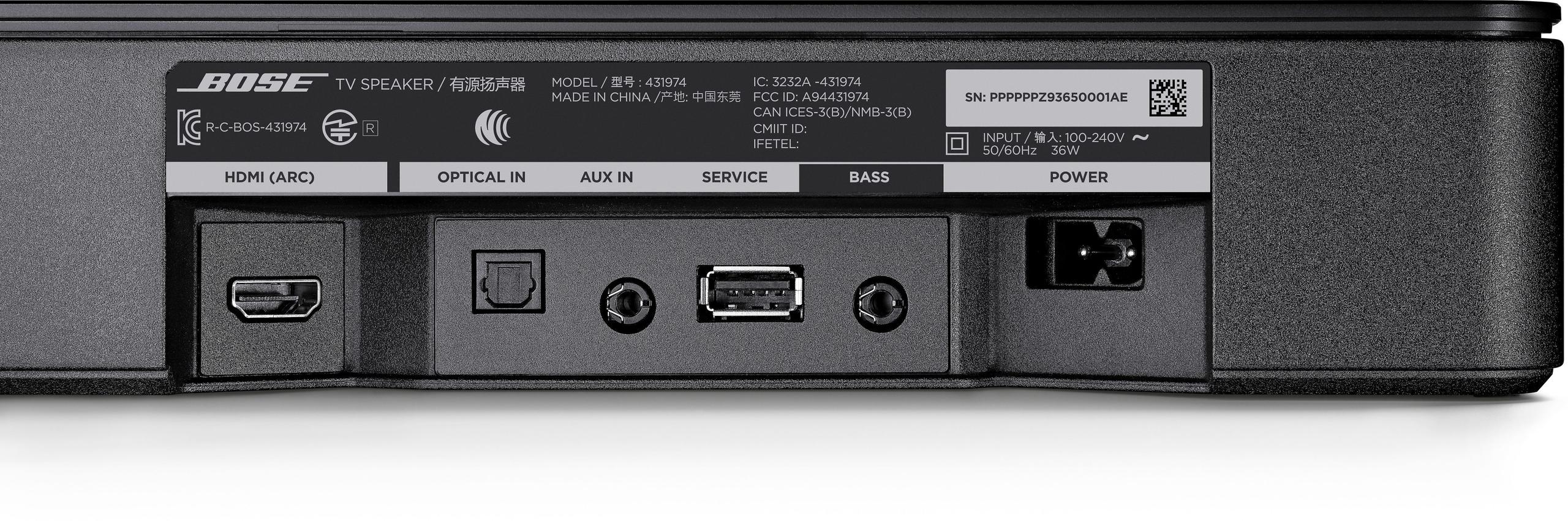
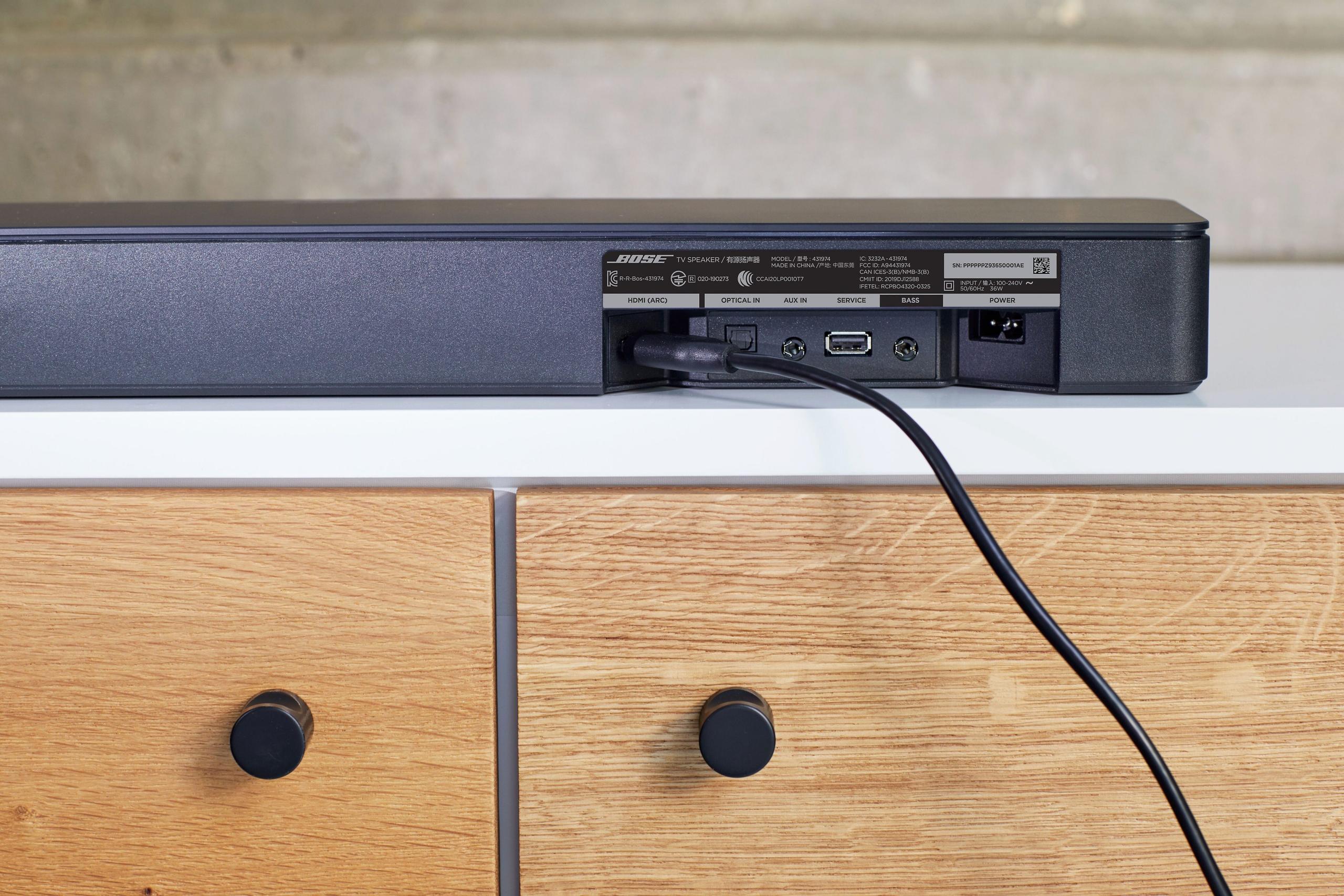
Here's where technical specifications become practically important. The Amazon Fire TV Soundbar Plus includes HDMI eARC (enhanced Audio Return Channel), while the Bose TV Speaker uses standard HDMI ARC.
Think of ARC and eARC as different sized pipes carrying audio data from your TV to your soundbar. eARC is a much larger pipe that can handle high-quality, uncompressed audio formats like Dolby TrueHD and Dolby Atmos. Standard ARC is more like a garden hose – it works fine for basic audio but can't handle the full bandwidth of premium audio formats.
This difference becomes important if you watch a lot of streaming content or 4K Blu-rays with advanced audio tracks. The Amazon system can take full advantage of these high-quality audio formats, while the Bose speaker will receive a compressed version.
Both soundbars include Bluetooth connectivity for streaming music from your phone or tablet. The Amazon Fire TV Soundbar Plus integrates particularly well with Fire TV devices, offering enhanced audio settings and control options when connected to Amazon's streaming hardware.
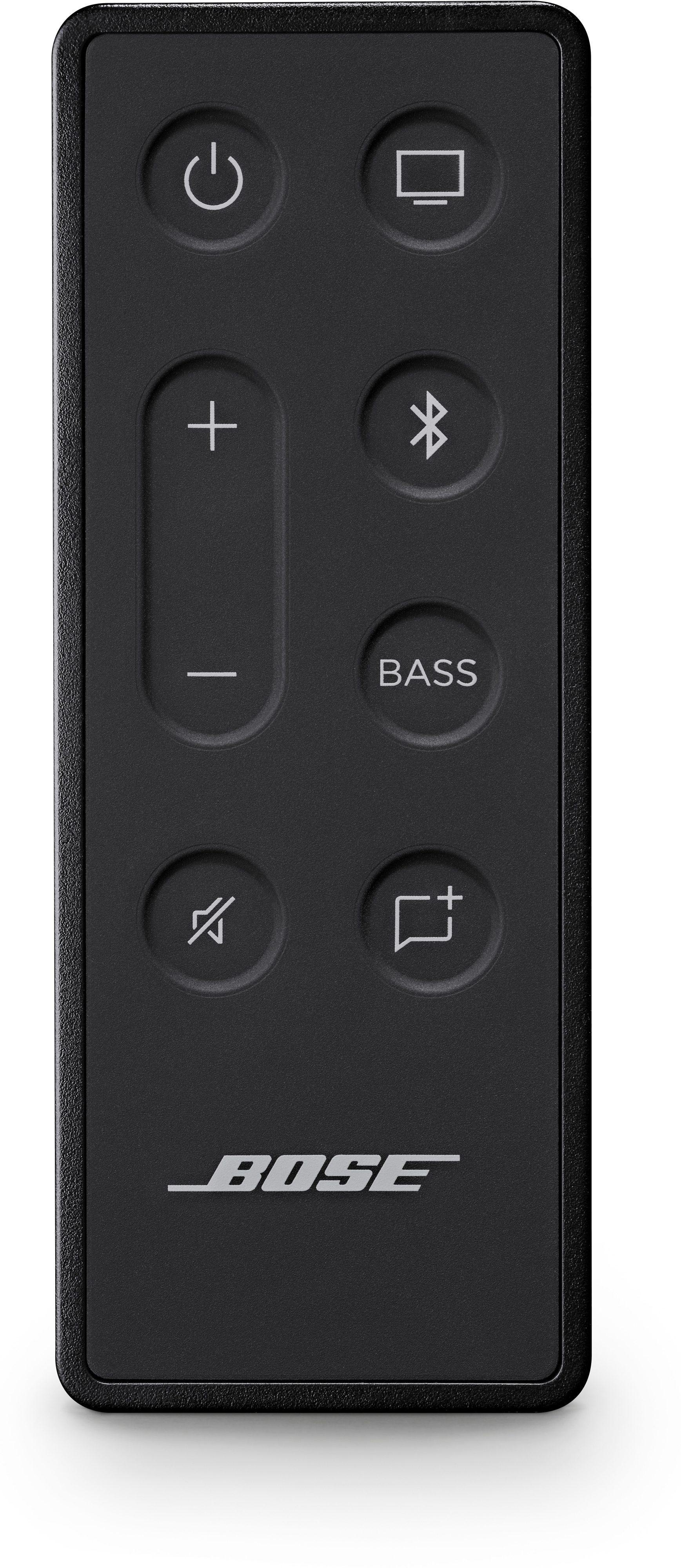
The Bose TV Speaker includes some unique connectivity features like Spotify Connect (letting you stream music directly to the speaker without using your phone's Bluetooth) and Apple HomeKit integration for smart home control. It's also certified as "Roku TV Ready," meaning it works seamlessly with Roku TV's interface and remote control.
This is where the two products diverge most dramatically. The Amazon Fire TV Soundbar Plus is designed as the foundation of an expandable system. You can start with the soundbar and subwoofer, then later add wireless rear speakers to create a full 5.1 surround sound system. All these components connect wirelessly and pair automatically, so there's no complex setup or cable management.
At the time of writing, the complete 5.1 system costs significantly less than comparable offerings from Bose or Sonos – we're talking hundreds of dollars in savings for a complete surround setup.
The Bose TV Speaker can only be expanded by adding one of Bose's premium subwoofers, and this expansion requires a physical cable connection. There are no rear speaker options available, so you're limited to a 2.1 configuration (two main speakers plus subwoofer) at most.
The value difference between these systems is substantial. At the time of writing, the Amazon Fire TV Soundbar Plus with Subwoofer costs only slightly more than the Bose TV Speaker alone – and that's including a wireless subwoofer that would cost hundreds more as an add-on with other brands.
The Amazon system also includes support for advanced audio formats, HDMI eARC connectivity, and extensive expansion options. You're essentially getting features typically found in much more expensive soundbars.
The Bose system commands a premium for the brand name and build quality, but offers fewer features and limited expansion options. If you want to add a subwoofer later, you're looking at nearly doubling your total investment.
For home theater applications, the Amazon Fire TV Soundbar Plus is the clear winner. The included subwoofer provides the low-frequency impact that makes action movies exciting, while the expandability means you can eventually create a true surround sound experience. The support for Dolby Atmos (even though it's virtualized rather than using physical height speakers) adds an extra dimension to movie soundtracks.
However, there are some limitations. The build quality reflects the budget-friendly pricing, and the subwoofer's "one note" character means it's not as refined as premium alternatives. But for the price point, it delivers impressive home theater performance.
The Bose TV Speaker works well for dialogue-heavy content like dramas and documentaries, but lacks the bass impact and soundstage width that make action movies exciting. Without a subwoofer, explosions feel flat and musical scores lack weight.
For regular TV viewing, both soundbars offer significant improvements over built-in TV speakers, but they excel in different areas. The Bose system's dialogue mode is particularly effective for news programs and talk shows, where clear speech is paramount.
The Amazon soundbar provides a more dynamic listening experience that makes even mundane TV programming more engaging, though the enhanced bass can sometimes overwhelm dialogue in certain content.
Neither soundbar is primarily designed for music listening, but they handle it differently. The Amazon system's bass response makes it more suitable for bass-heavy genres like electronic music and hip-hop. The soundstage is wide enough to provide decent stereo separation for acoustic music.
The Bose speaker excels with vocal-centric music and acoustic performances where dialogue clarity translates to better vocal reproduction. However, the lack of bass makes it unsuitable for genres that rely on low-frequency impact.
You want the most audio improvement for your investment. This system provides genuine home theater performance at an entry-level price point. It's ideal for Fire TV owners who will benefit from the enhanced integration, movie enthusiasts who want impactful bass response, and anyone considering future expansion to surround sound.
The Amazon system is particularly well-suited for larger rooms where the wireless subwoofer can be properly positioned, and for households where multiple people with different hearing capabilities need to enjoy content together.
Your absolute priority is dialogue clarity and you have space constraints requiring the smallest possible footprint. The Bose system excels in bedrooms, small apartments, or secondary viewing areas where simplicity and clear speech are more important than bass impact or surround sound capabilities.
It's also the better choice if you're deeply invested in Apple's ecosystem and want HomeKit integration, or if you primarily watch news, documentaries, and dialogue-heavy content rather than action movies and music videos.
At the time of writing, the Amazon Fire TV Soundbar Plus with Subwoofer offers exceptional value for most users. You get significantly more capability – including a wireless subwoofer, advanced audio format support, modern connectivity, and extensive expansion options – for only marginally more cost than the basic Bose TV Speaker.
The Bose system commands a premium for its brand reputation and specialized dialogue enhancement, but the limited features and expansion options make it harder to recommend unless dialogue clarity is your singular priority.
For most people upgrading from built-in TV speakers, the Amazon Fire TV Soundbar Plus provides a more complete and future-proof solution that will grow with your audio needs over time. However, if you value simplicity over features and primarily watch dialogue-heavy content, the Bose TV Speaker's specialized approach may justify its limitations.
The audio upgrade landscape continues evolving rapidly, with wireless connectivity and smart integration becoming increasingly important. The Amazon system's modern feature set positions it better for these ongoing changes, while the Bose speaker's focus on fundamental audio quality ensures it will remain effective at its core mission regardless of technological shifts.
| Amazon Fire TV Soundbar Plus with Subwoofer | Bose TV Speaker |
|---|---|
| Channel Configuration - Determines sound separation and dialogue clarity | |
| 3.1 channels (dedicated center for dialogue, built-in subwoofer) | 2.1 channels (stereo speakers plus center tweeter) |
| Subwoofer Inclusion - Critical for bass impact in movies and music | |
| Wireless subwoofer included | No subwoofer (optional wired Bass Module available separately) |
| Audio Format Support - Affects streaming and Blu-ray audio quality | |
| Dolby Atmos, Dolby TrueHD, DTS:X (all virtualized) | Dolby Digital only (no advanced formats) |
| HDMI Connectivity - Determines audio bandwidth and TV integration | |
| HDMI eARC (higher bandwidth for premium audio formats) | HDMI ARC (standard bandwidth, limited format support) |
| Expandability - Future upgrade options without replacing main unit | |
| Wireless expansion to full 5.1 surround system | Limited to adding wired subwoofer only |
| Physical Size - Space requirements and visual impact | |
| 37 x 5.2 x 2.5 inches (larger footprint) | 23.4 x 4 x 2.2 inches (compact design) |
| Dialogue Enhancement - Specialized features for speech clarity | |
| Dialogue enhancer with 5 adjustment levels | Dedicated Dialogue Mode with automatic content analysis |
| Wireless Streaming - Music playback from mobile devices | |
| Bluetooth 5.0 | Bluetooth 4.2 plus Spotify Connect |
| Smart Home Integration - Voice control and ecosystem compatibility | |
| Fire TV Soundbar Plus integration with Fire TV devices | Apple HomeKit, Siri compatibility, Roku TV Ready certified |
| Sound Customization - User control over audio profile | |
| Independent bass/treble controls (1-9 scale), 4 EQ presets | Bass boost button, limited EQ adjustment |
| Setup Complexity - Installation and configuration requirements | |
| Single connection setup, wireless subwoofer auto-pairs | Single connection setup, compact all-in-one design |
The Amazon Fire TV Soundbar Plus with Subwoofer is significantly better for home theater use. It includes a wireless subwoofer for impactful bass during action scenes, supports Dolby Atmos for immersive surround sound, and can expand to a full 5.1 system with rear speakers. The Bose TV Speaker focuses on dialogue clarity but lacks the bass response and surround sound capabilities that make movies exciting.
Yes, the Amazon Fire TV Soundbar Plus with Subwoofer includes a wireless subwoofer in the bundle. This subwoofer connects wirelessly to the main soundbar and provides substantial bass impact for movies and music. The Bose TV Speaker does not include a subwoofer, though you can purchase Bose's Bass Module separately as a wired add-on.
Both excel at dialogue clarity but in different ways. The Bose TV Speaker has a specialized Dialogue Mode that automatically analyzes content and enhances speech clarity, making it exceptional for news and talk shows. The Amazon Fire TV Soundbar Plus uses a dedicated center channel for clear dialogue but may require adjustment when the subwoofer overwhelms speech during action scenes.
The Amazon Fire TV Soundbar Plus with Subwoofer can expand wirelessly to a complete 5.1 surround sound system by adding rear satellite speakers. All components pair automatically without cables. The Bose TV Speaker can only be expanded by adding a wired subwoofer - no rear speaker options are available.
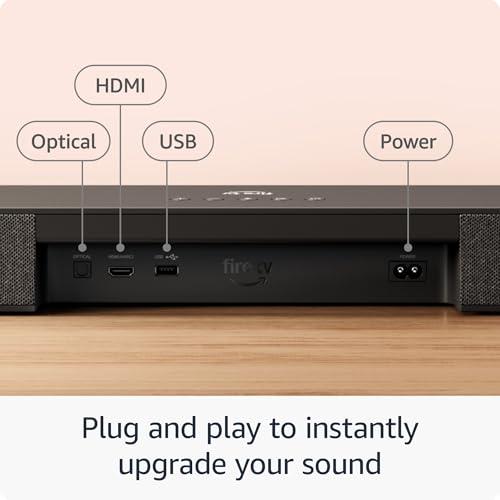
The Amazon Fire TV Soundbar Plus offers superior connectivity with HDMI eARC support for high-bandwidth audio, plus optical, USB, and Bluetooth 5.0. It also integrates deeply with Fire TV devices. The Bose TV Speaker uses standard HDMI ARC with lower bandwidth, but includes unique features like Spotify Connect, Apple HomeKit integration, and Roku TV Ready certification.
The Amazon Fire TV Soundbar Plus with Subwoofer delivers a "warm" sound signature with emphasized bass and rich low frequencies, making it ideal for movies and music. The Bose TV Speaker has a "bright" sound signature that emphasizes mids and highs for exceptional dialogue clarity but minimal bass response without an additional subwoofer.
The Amazon Fire TV Soundbar Plus with Subwoofer provides exceptional value by including a wireless subwoofer, advanced audio format support, HDMI eARC connectivity, and expansion capabilities at a competitive price point. The Bose TV Speaker costs nearly the same but offers fewer features and limited expansion options, though it does provide Bose's renowned build quality.
The Amazon Fire TV Soundbar Plus supports advanced formats including Dolby Atmos, Dolby TrueHD, and DTS:X (all virtualized), allowing it to take advantage of high-quality streaming and Blu-ray audio. The Bose TV Speaker is limited to basic Dolby Digital format support due to its standard HDMI ARC connection.
The Bose TV Speaker is better suited for small spaces with its compact 23.4-inch width and minimal height profile. It focuses on dialogue clarity without overwhelming bass that might disturb neighbors. The Amazon Fire TV Soundbar Plus is larger and designed for more substantial bass impact, making it better for larger rooms where the subwoofer can be properly positioned.
Both soundbars offer simple one-connection setup. The Amazon Fire TV Soundbar Plus with Subwoofer requires plugging in the main bar and subwoofer, which pair automatically. The Bose TV Speaker connects with a single cable and is ready to use immediately. However, the Amazon system offers more advanced setup options when connected to Fire TV devices.
The Amazon Fire TV Soundbar Plus with Subwoofer is superior for music due to its substantial bass response and wider soundstage, making it suitable for various genres including electronic and hip-hop music. The Bose TV Speaker works well for vocal-centric and acoustic music but lacks the bass impact needed for modern music genres.
Choose the Amazon Fire TV Soundbar Plus with Subwoofer if you want the best overall value, home theater performance, bass impact, and future expandability. Choose the Bose TV Speaker if dialogue clarity is your top priority, you have space constraints, primarily watch news and documentaries, or prefer Bose's build quality and brand reputation over features and expandability.
We've done our best to create useful and informative comparisons to help you decide what product to buy. Our research uses advanced automated methods to create this comparison and perfection is not possible - please contact us for corrections or questions. These are the sites we've researched in the creation of this article: rtings.com - cordbusters.co.uk - techradar.com - youtube.com - t3.com - hometechnologyreview.com - youtube.com - hometechnologyreview.com - whathifi.com - developer.amazon.com - manuals.plus - dolby.com - bestbuy.com - projectorscreen.com - forums.audioholics.com - digitaltrends.com - abt.com - crutchfield.com - staples.com - bestbuy.com - pcrichard.com - visions.ca - bose.com - assets.bose.com

Privacy Policy
Terms and Conditions - Affiliate Policy
Home Security
© Copyright 2008-2026.
11816 Inwood Rd #1211, Dallas, TX 75244