


If you've been struggling to hear dialogue clearly on your TV or find yourself constantly adjusting the volume during movies, you're definitely not alone. Modern TVs have gotten incredibly thin and beautiful, but their built-in speakers have become almost useless in the process. That's where soundbars come in – they're designed to dramatically improve your TV's audio without the complexity of a full surround sound system.
Today we're comparing two popular but very different approaches to solving this problem: the Samsung HW-B630F B-Series 3.1ch Soundbar System and the Bose TV Speaker Soundbar. While both aim to make your TV sound better, they take completely different paths to get there, and understanding these differences will help you make the right choice for your specific situation.
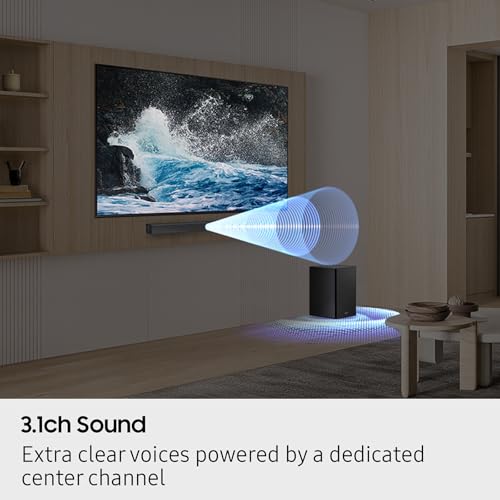
Before diving into the specifics, let's talk about what actually matters when choosing a soundbar. The most important factor is channel configuration – this describes how many separate audio channels the soundbar can reproduce. A 2.0 system has two channels (left and right), while a 3.1 system adds a dedicated center channel plus a subwoofer (that's what the ".1" represents). The center channel is crucial because it handles most dialogue, making voices sound like they're coming directly from the screen rather than floating somewhere between the left and right speakers.
Size and placement flexibility matter too, especially if you have a smaller entertainment center or wall-mounted TV. Connectivity options determine how easily the soundbar integrates with your existing setup, while audio format support affects how well it handles content from streaming services, Blu-rays, and gaming consoles.
The Samsung HW-B630F was released in 2024 as part of Samsung's refreshed B-Series lineup, representing their mid-range offering with significant improvements over earlier models. The Bose TV Speaker launched in 2020 and has remained largely unchanged, which tells you something about Bose's confidence in their focused approach to the problem.
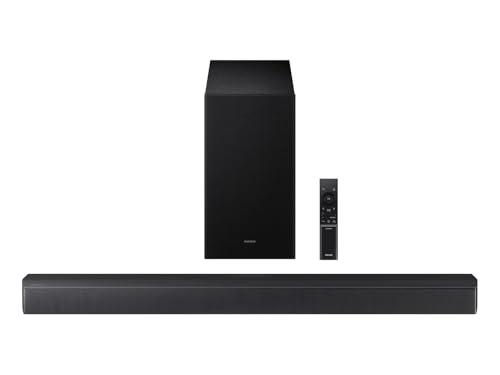
The Samsung HW-B630F takes the "complete system" approach. At the time of writing, it costs roughly $50-70 more than the Bose TV Speaker, but that extra cost gets you a true 3.1-channel configuration with a dedicated center speaker built into the main bar, plus a wireless subwoofer that connects automatically when you plug everything in. This means you're getting genuine surround sound processing and substantial bass response right out of the box.
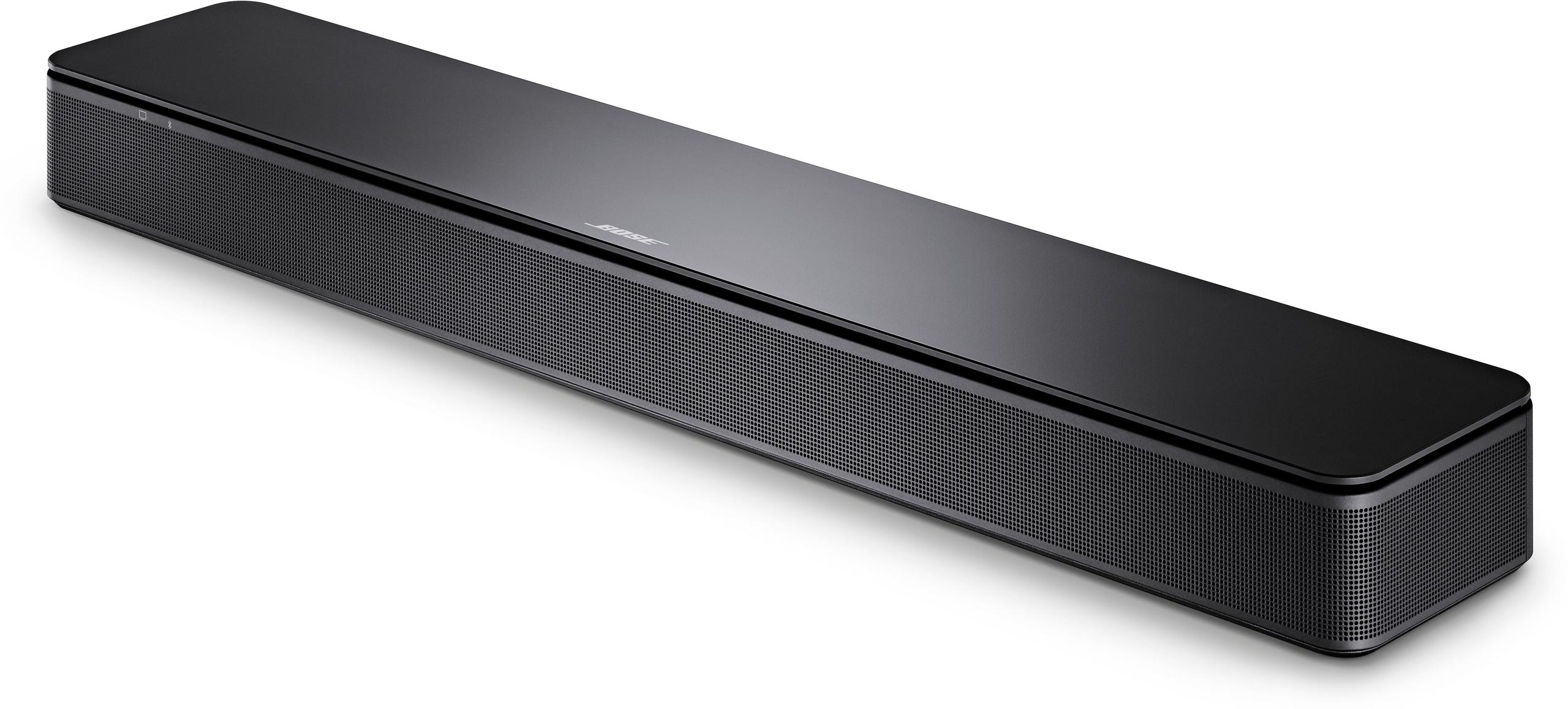
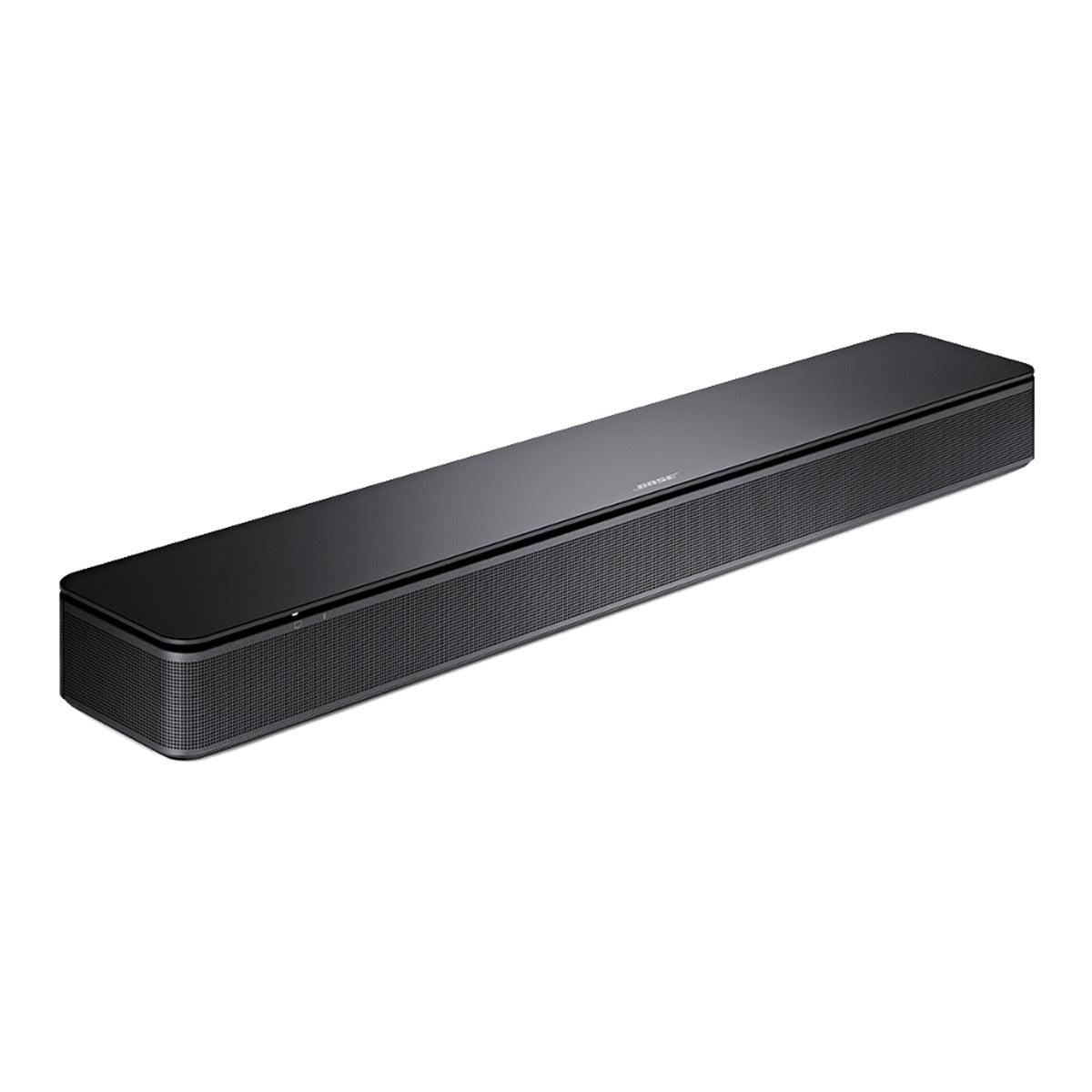
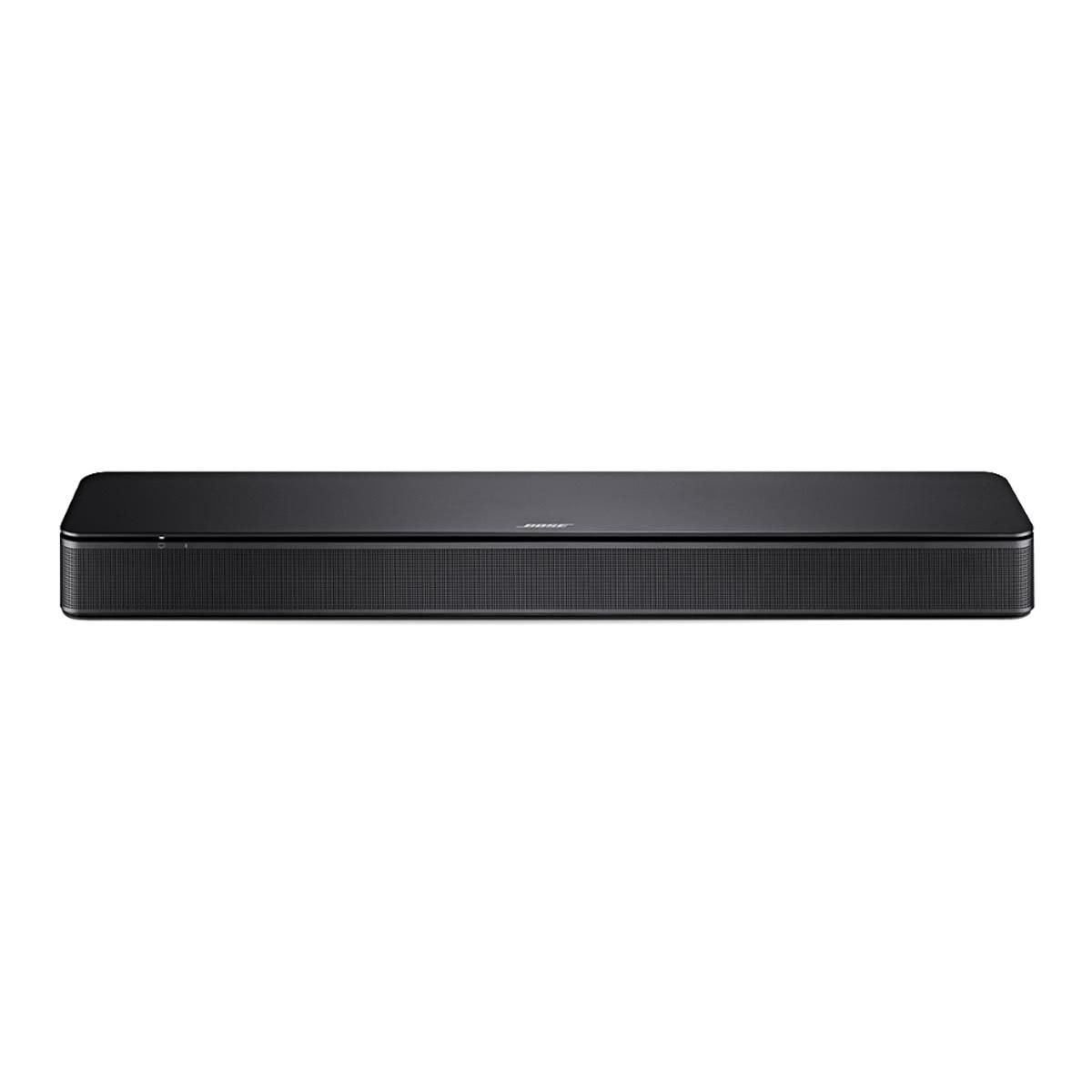
The Bose TV Speaker, meanwhile, follows Bose's traditional philosophy of "less is more." It's a compact 2.0-channel stereo soundbar that focuses intensely on one specific problem: making dialogue crystal clear. Instead of trying to recreate a movie theater experience, it's engineered specifically to solve the most common complaint people have about TV audio – not being able to understand what people are saying.
This is where the fundamental difference between these two soundbars becomes most apparent. The Samsung HW-B630F includes a dedicated center channel driver positioned in the middle of the soundbar. This center channel handles most dialogue and vocal content, creating what audio engineers call "phantom center imaging" – voices appear to come directly from your TV screen rather than from the left and right sides.
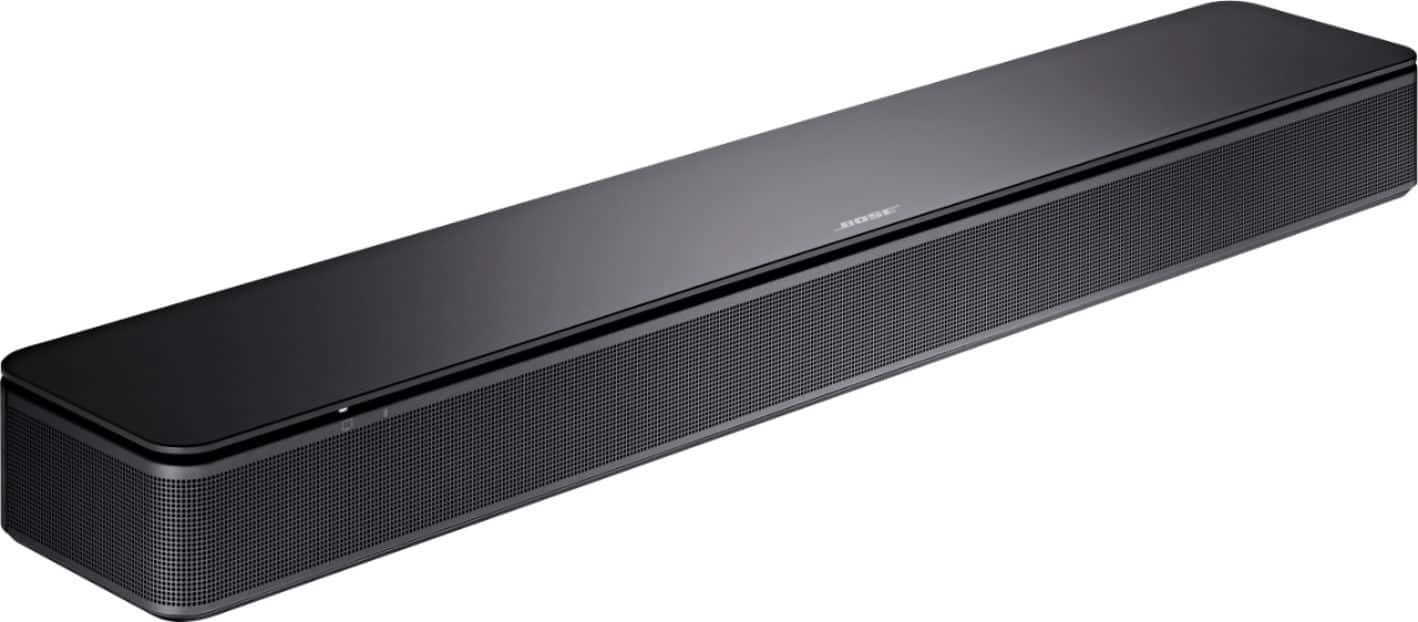
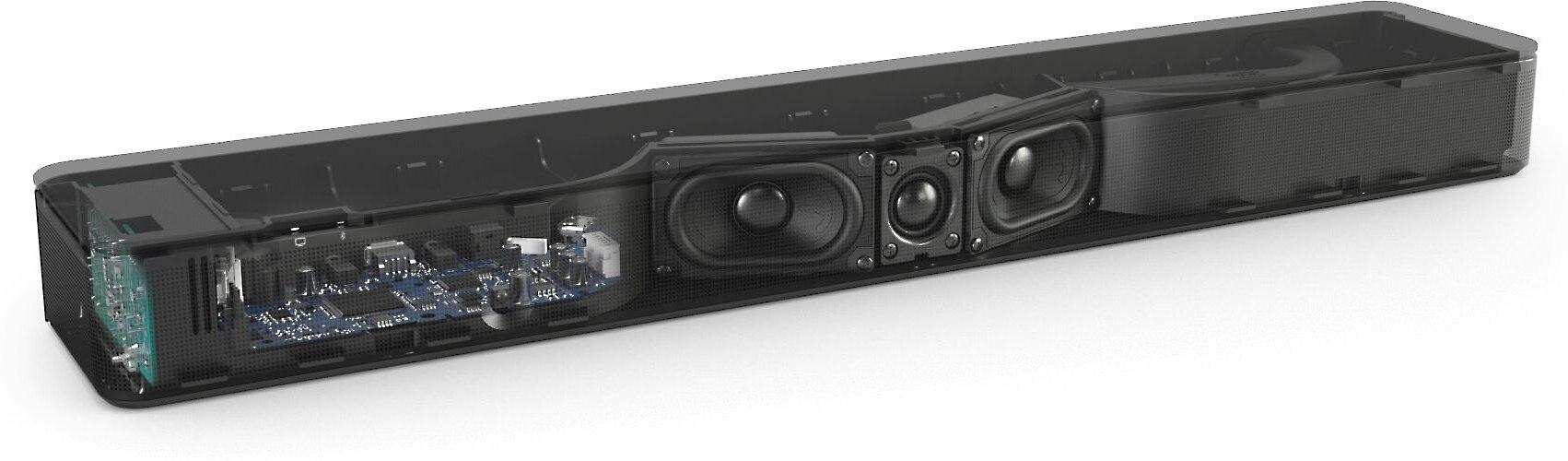
The Bose TV Speaker uses a different approach. It has two full-range drivers angled outward to create a wider stereo image, plus a center tweeter (a small speaker designed to handle high frequencies) that focuses specifically on vocal clarity. Bose's proprietary Dialogue Mode analyzes the incoming audio signal in real-time and boosts the frequency ranges where human speech typically occurs, while simultaneously reducing competing sounds that might mask dialogue.
Based on our research into user reviews and expert testing, both approaches work well, but for different reasons. The Samsung's dedicated center channel provides more consistent dialogue placement and works better when you're sitting off to the side of your TV. The Bose system excels when you're sitting directly in front of the TV and primarily watching dialogue-heavy content like news, documentaries, or dramas.
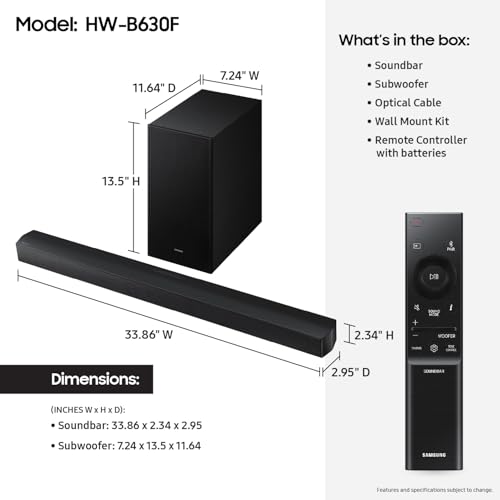
This is probably the most significant performance gap between these two soundbars. The Samsung HW-B630F includes a wireless subwoofer with a 6-inch driver housed in a bass-reflex cabinet – that's a fancy way of saying it has a port that helps extend low-frequency response and increase efficiency. This subwoofer connects wirelessly to the main soundbar and can be placed anywhere within about 30 feet, giving you flexibility in setup.
The Bose TV Speaker relies entirely on its compact drivers for bass response. While Bose has always been impressive at making small speakers sound bigger than they should, physics ultimately wins. Without a dedicated subwoofer, you're simply not going to get the low-frequency impact that makes explosions feel powerful or music sound full and rich.
User reviews consistently highlight this difference. Samsung HW-B630F owners frequently mention being surprised by how much bass the system produces, with some even noting they had to turn the subwoofer down because it was too powerful for their space. Bose TV Speaker users, on the other hand, often mention that while dialogue is exceptional, they miss having more substantial bass for movies and music.
Bose does offer optional Bass Module 500 and 700 subwoofers that can be added to the TV Speaker, but these cost significantly more than the price difference between the two soundbar systems we're comparing. If you're planning to add a subwoofer later, you'll end up spending considerably more than the Samsung system costs upfront.
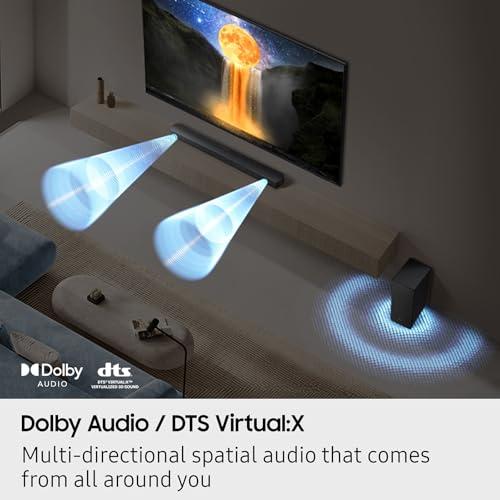
The Samsung HW-B630F includes several technologies designed to create a more immersive listening experience. DTS Virtual:X is a processing technology that uses psychoacoustic tricks to make sound appear to come from directions where there aren't actually any speakers – including above your head. While this isn't as convincing as actual overhead speakers in a true Dolby Atmos setup, it does create a noticeably wider and taller soundstage than traditional stereo presentation.
The Samsung also includes Surround Sound Expansion, which widens the perceived stereo image, and a Game Mode that emphasizes positional audio cues – helpful when you're trying to locate footsteps or gunshots in competitive gaming. These processing modes use the three front channels (left, center, right) plus the subwoofer to redistribute audio elements and create the illusion of a larger speaker array.
The Bose TV Speaker doesn't attempt any of this surround processing. Instead, it focuses on creating the best possible stereo presentation with its angled driver configuration. The two main drivers are positioned to fire slightly outward rather than straight ahead, which helps create a wider stereo image without digital processing. For content that's mastered in stereo or for users who prefer a more traditional listening experience, this can actually sound more natural and less artificial than heavily processed virtual surround.
The Samsung HW-B630F includes several intelligent features that adapt to what you're watching. Adaptive Sound analyzes the incoming audio signal and automatically adjusts equalization, dynamic range, and channel balance based on whether you're watching a quiet drama, an action movie, or a sports broadcast. This means less manual adjustment of volume and settings as you switch between different types of content.
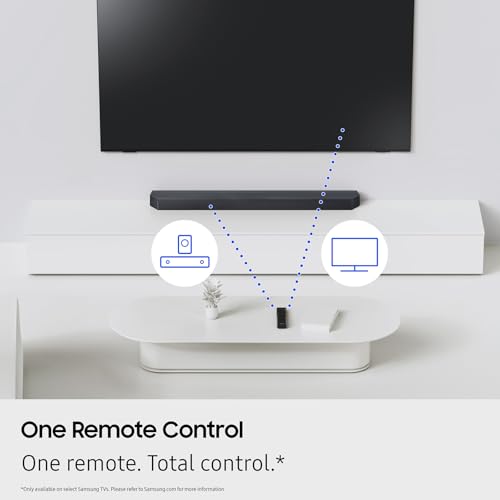
Samsung's integration with their TVs is particularly impressive if you own a compatible Samsung television. The One Remote Control feature allows your Samsung TV remote to control the soundbar's volume and basic functions, eliminating remote control clutter. The soundbar can also tap into the TV's processing to optimize audio based on the specific content being displayed.
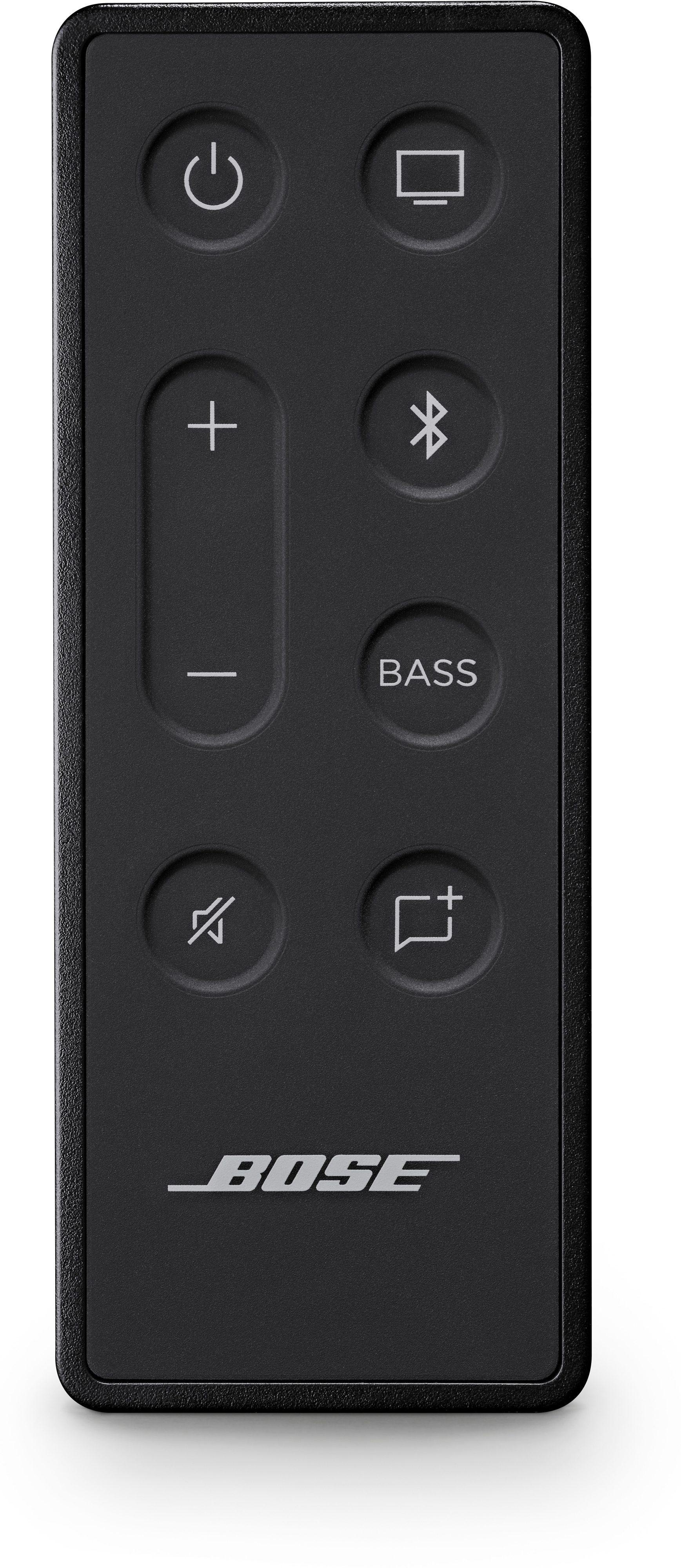
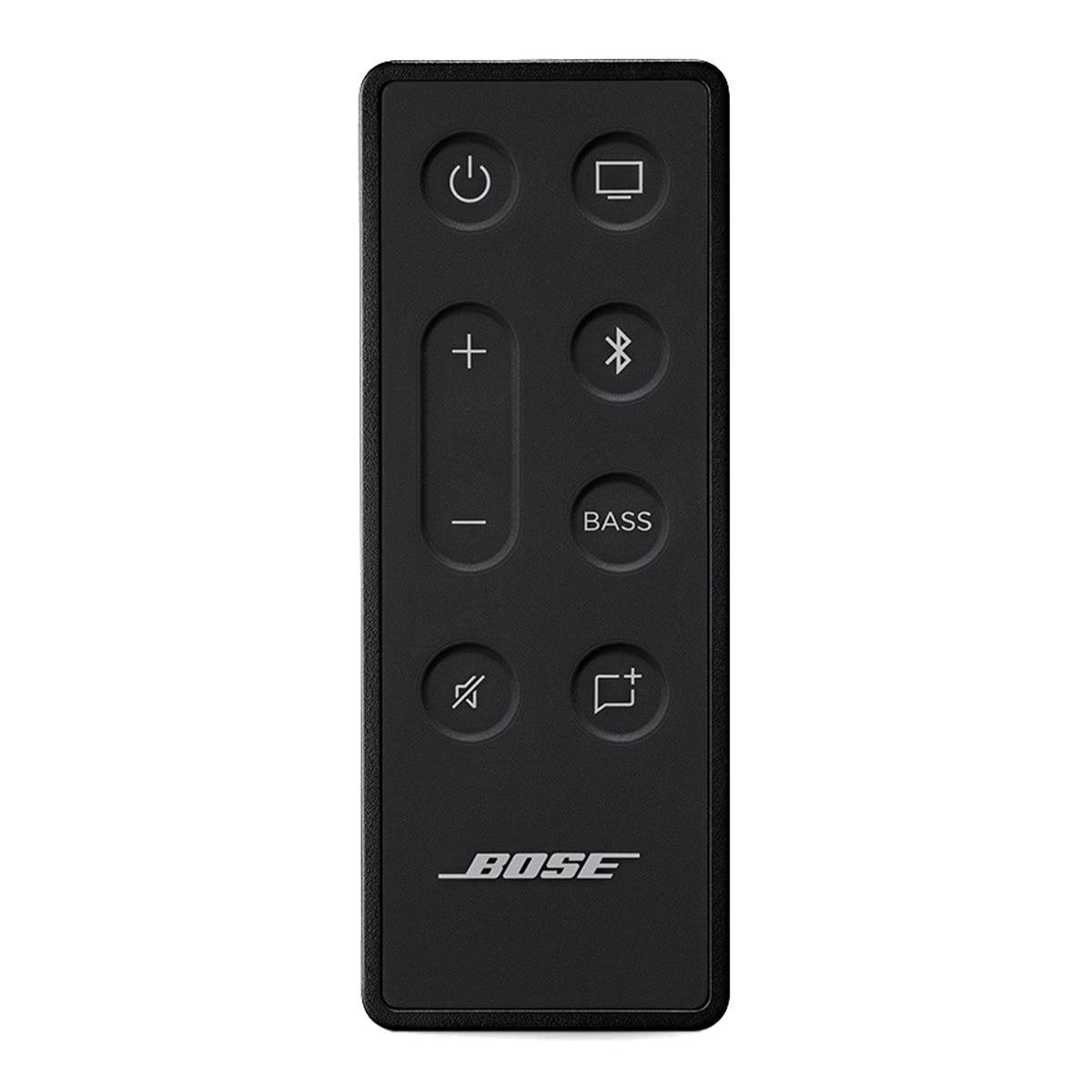
The Bose TV Speaker takes a much simpler approach to smart features. Its primary intelligent feature is the Dialogue Mode, which continuously analyzes audio to enhance speech clarity. There's also basic HDMI-CEC support, which allows the soundbar to turn on and off automatically with your TV, and the system includes Roku TV Ready certification for enhanced integration with Roku TVs.
While the Samsung system offers more features, there's something to be said for Bose's simplicity. If you're someone who prefers "set it and forget it" operation without diving into multiple sound modes and settings, the Bose approach might actually be preferable.
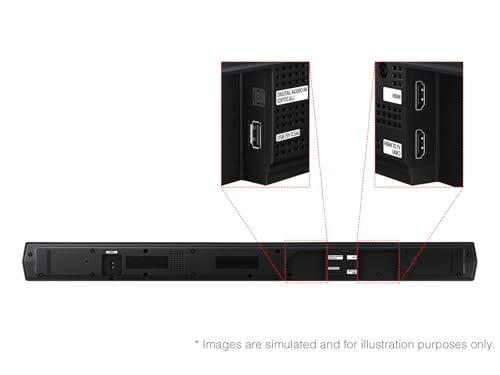
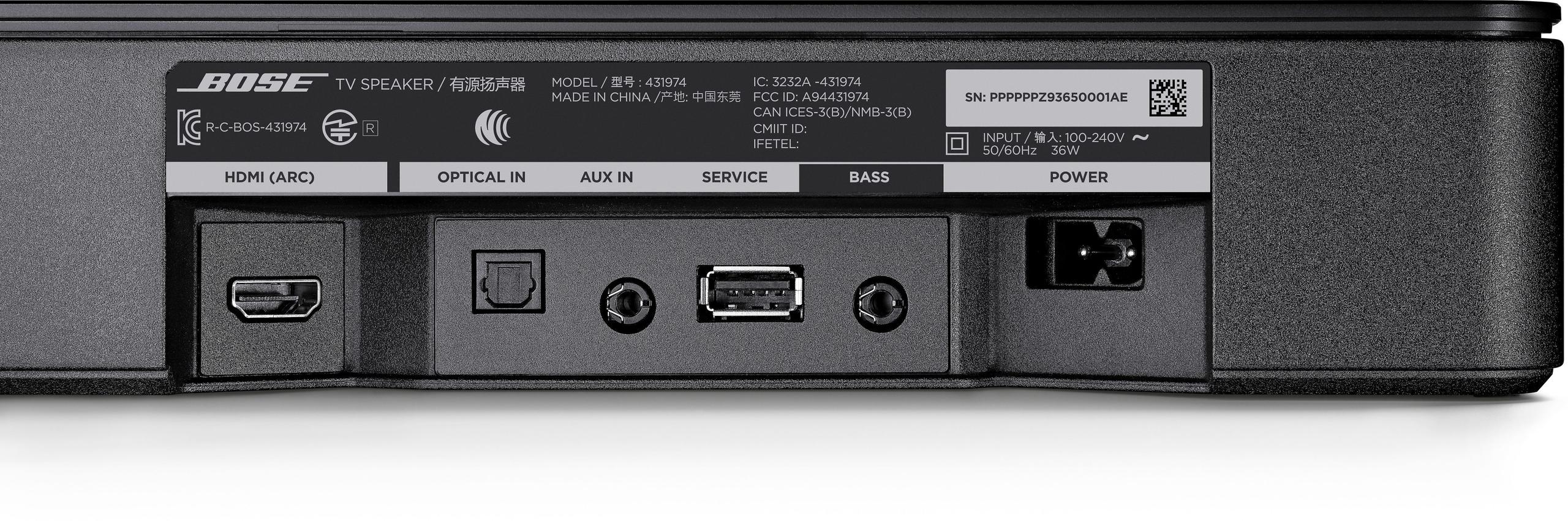
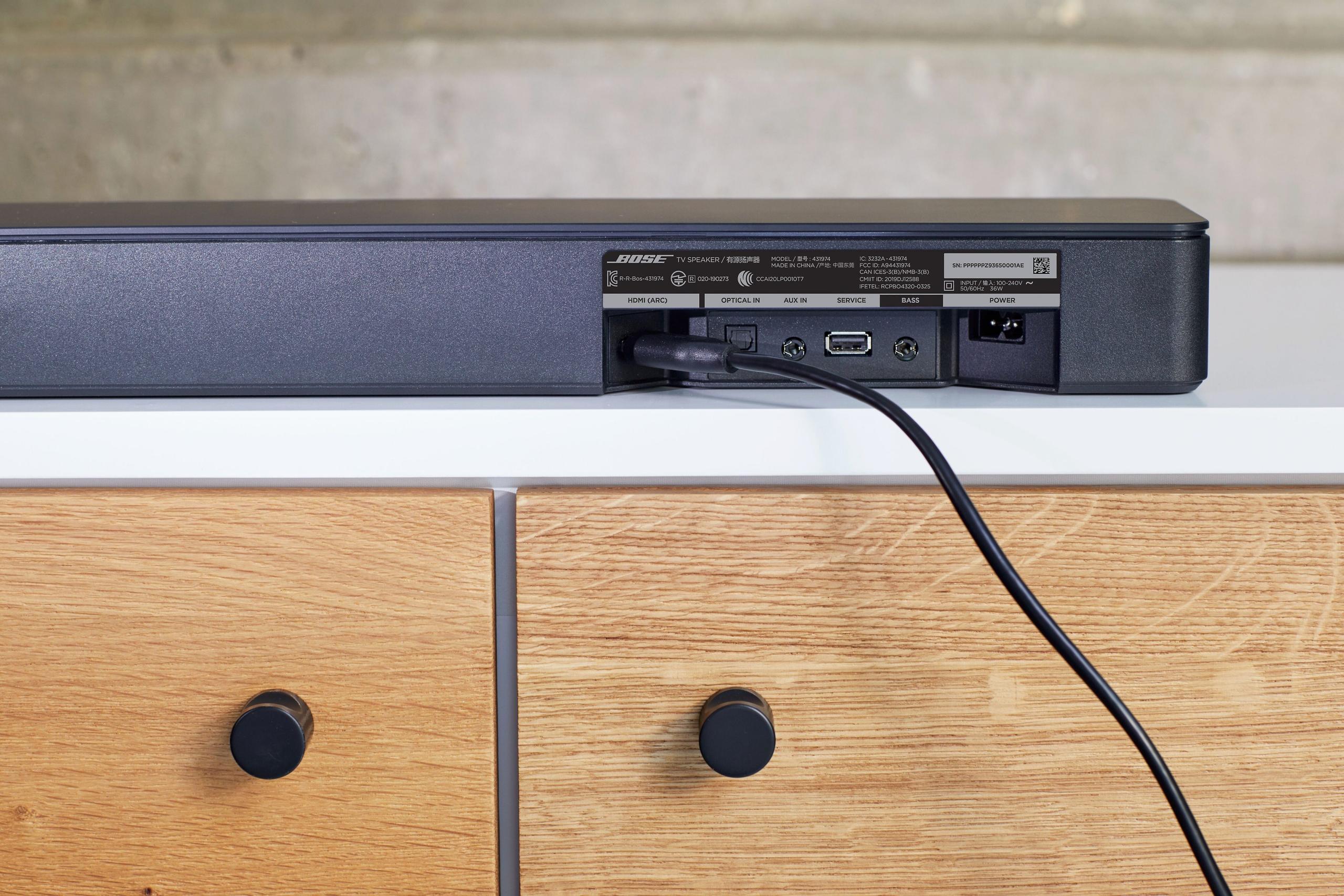
Both soundbars include the essential connections you'll need: HDMI ARC (Audio Return Channel) and optical digital inputs. However, the Samsung HW-B630F goes further by including an HDMI input alongside its HDMI output. This allows you to connect a source device like a streaming player or game console directly to the soundbar, then pass the video through to your TV while processing the audio internally.
The Samsung also includes a USB port for playing music files directly from a flash drive and supports a wider range of audio file formats. Bluetooth connectivity on both units allows wireless streaming from phones and tablets, but the Samsung system can maintain connections to two Bluetooth devices simultaneously – useful for households where multiple people want to stream music.
One limitation worth noting: the Samsung's HDMI connections are version 1.4, which means they support 1080p video pass-through but not 4K HDR. If you have multiple 4K HDR sources, you'll want to connect them directly to your TV and use HDMI ARC to send audio back to the soundbar.
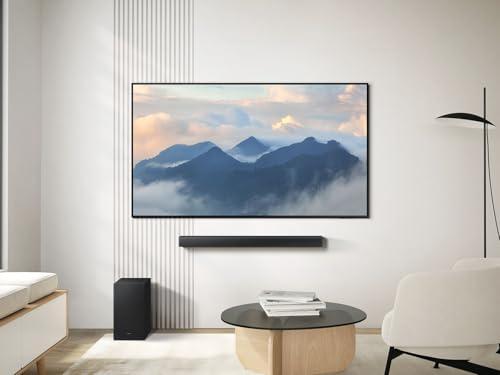
The physical differences between these soundbars are striking. The Samsung HW-B630F consists of a main soundbar measuring about 34 inches wide plus a separate subwoofer that's roughly the size of a small bookshelf speaker. The main bar is relatively slim and shouldn't block your TV's remote sensor, but you do need to account for subwoofer placement. The wireless connection gives you flexibility here – you can place the subwoofer beside your entertainment center, behind your couch, or even in an adjacent corner if that works better for your room layout.
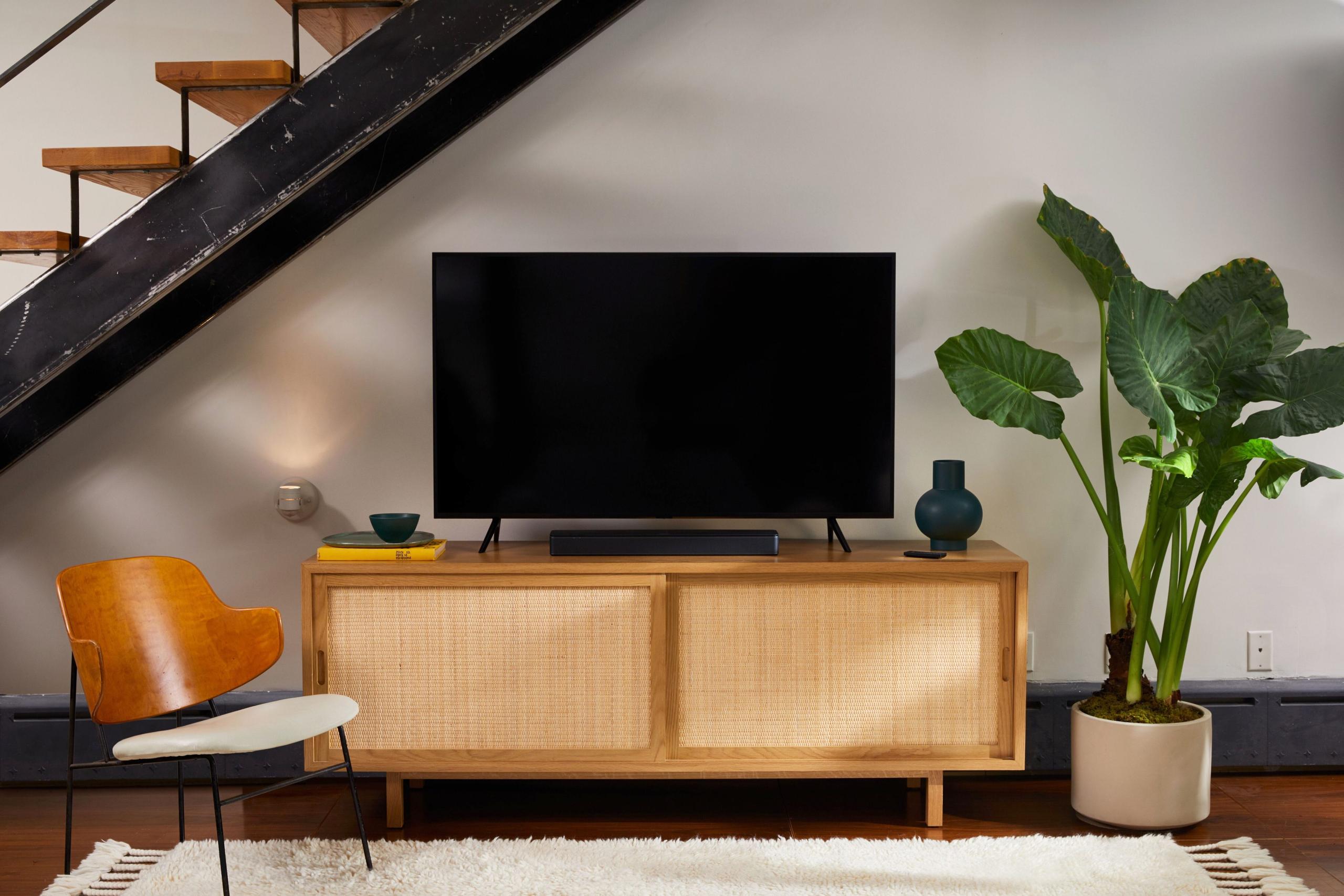
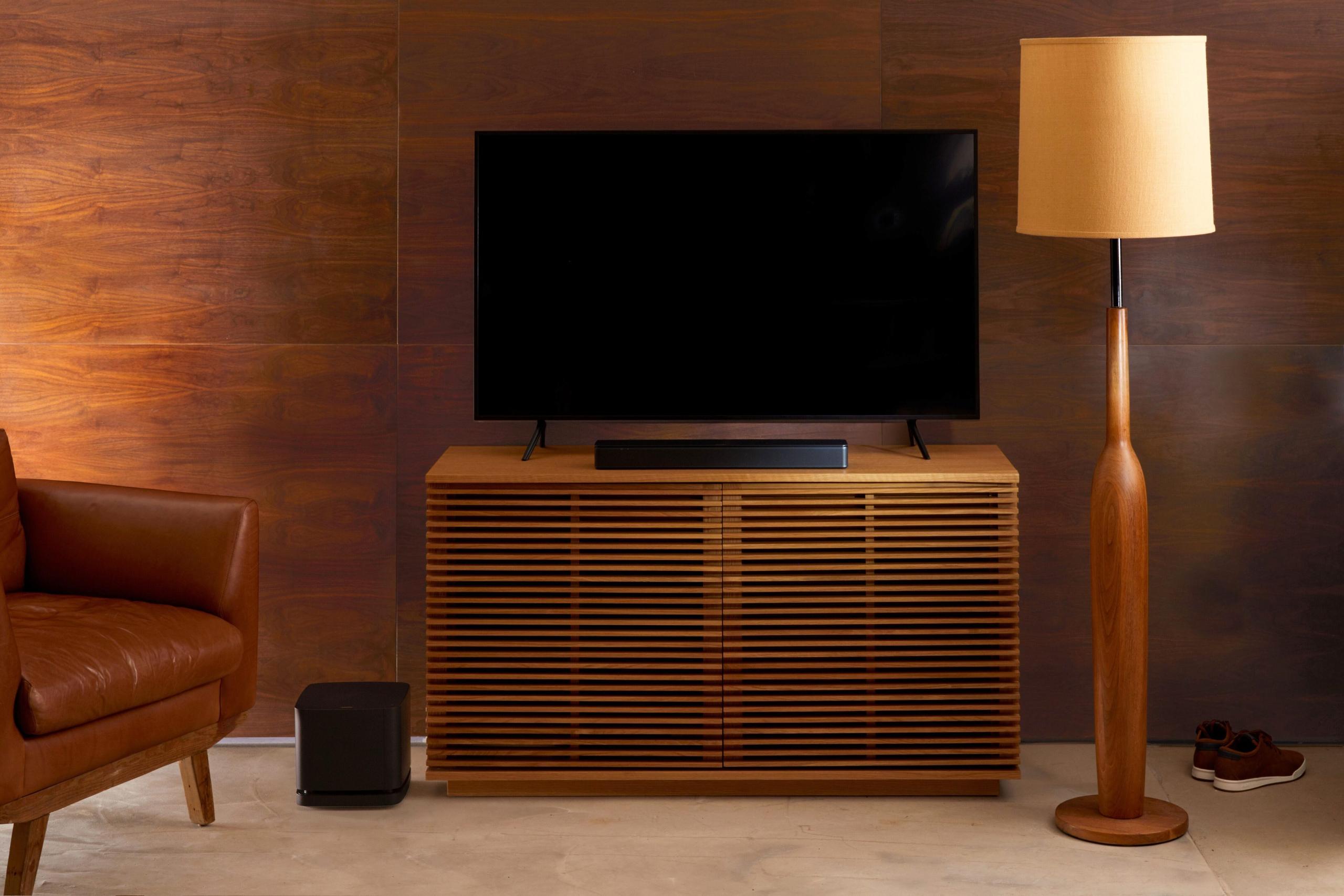
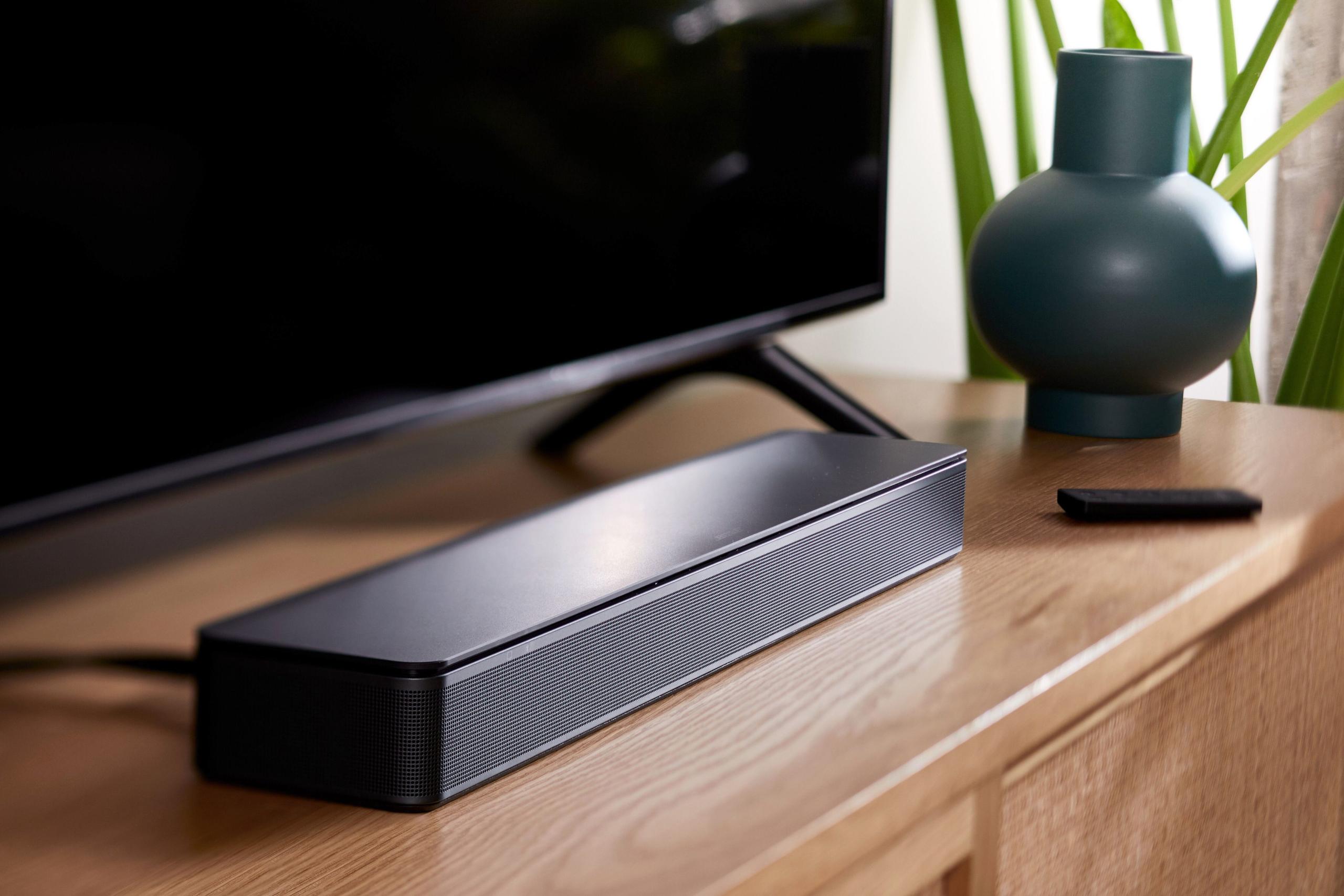
The Bose TV Speaker is remarkably compact – just over 2 inches tall and about 23 inches wide. This makes it one of the most placement-friendly soundbars available, easily fitting in front of most TVs without blocking anything or overwhelming smaller entertainment centers. If you have a smaller TV (under 40 inches) or limited space, this size advantage is significant.
Both soundbars can be wall-mounted if you prefer that installation, though you'll need to consider subwoofer placement with the Samsung system.
At the time of writing, the Samsung HW-B630F typically costs about $50-70 more than the Bose TV Speaker, but this price difference doesn't tell the whole story. With the Samsung, you're getting a complete 3.1-channel system including the wireless subwoofer, multiple sound processing modes, and more connectivity options.
The Bose system's apparent price advantage disappears quickly if you want comparable bass performance. Adding a Bose Bass Module to match the Samsung's low-frequency capability would cost several hundred dollars more, putting the total system cost well above the Samsung's price.
However, value isn't just about getting more features for your money. If you primarily watch dialogue-heavy content, live in a small space, and prize simplicity over versatility, the Bose TV Speaker might represent better value for your specific needs even at a higher per-feature cost.
For home theater use, the Samsung HW-B630F is clearly the more capable system. The combination of dedicated center channel, substantial subwoofer, and virtual surround processing creates a much more cinematic experience. Action movies benefit enormously from the bass extension and dynamic range, while the center channel keeps dialogue intelligible even during complex scenes with lots of effects and music.
The Samsung's Game Mode deserves special mention for gaming enthusiasts. This mode optimizes the soundbar for positional audio cues, making it easier to locate enemies or environmental sounds in games. The lower latency processing also helps maintain synchronization between audio and video during fast-paced gaming.
The Bose TV Speaker can certainly improve your movie-watching experience, but it's more of an incremental upgrade focused on vocal clarity rather than a transformative home theater experience. For quiet dramas, documentaries, or dialogue-heavy films, it excels. For blockbuster action movies or gaming, you'll likely find it lacking without additional bass extension.
Based on our research and analysis of expert reviews and user feedback, here's how to decide between these two soundbars:
Choose the Samsung HW-B630F if you want a complete home theater upgrade that handles everything well. It's ideal for larger TVs (40 inches and up), households that watch a variety of content, and users who want the flexibility of multiple sound modes and connectivity options. The included subwoofer makes it particularly appealing for action movies, gaming, and music listening. If you own a Samsung TV, the integration features make it an even more compelling choice.
Choose the Bose TV Speaker if dialogue clarity is your absolute top priority and you value simplicity over versatility. It's perfect for smaller spaces, users who primarily watch news and dialogue-heavy content, and those who prefer minimal setup complexity. The compact design makes it ideal for smaller TVs or situations where space is at a premium.
The Samsung system represents better overall value for most users, delivering substantially more performance and features for a modest price increase. However, the Bose TV Speaker serves its specific niche extremely well – if that niche matches your needs, you'll be very happy with its focused approach to improving TV audio.
Ultimately, both soundbars will dramatically improve your TV's audio compared to built-in speakers. The choice comes down to whether you want a complete home theater upgrade (Samsung) or a focused solution for dialogue clarity (Bose). Consider your space, viewing habits, and long-term plans when making your decision, and either choice will serve you well for years to come.
| Samsung HW-B630F B-Series 3.1ch Soundbar System | Bose TV Speaker Soundbar |
|---|---|
| Channel Configuration - Determines dialogue clarity and surround immersion | |
| True 3.1 channels with dedicated center speaker for anchored dialogue | 2.0 stereo channels with center tweeter for vocal enhancement |
| Bass Performance - Critical for movies, music, and gaming impact | |
| Wireless 6" subwoofer included (substantial low-frequency extension) | No subwoofer included (limited bass from compact drivers only) |
| Audio Format Support - Affects compatibility with streaming and media content | |
| Dolby Digital 5.1, DTS 5.1, DTS Virtual:X surround processing | Stereo processing only, no surround formats or virtualization |
| Smart Features - Convenience and automatic optimization capabilities | |
| Adaptive Sound, Game Mode, multiple presets, Samsung TV integration | Dialogue Mode only, basic operation with minimal customization |
| Physical Size - Space requirements and TV compatibility | |
| 34" soundbar + separate subwoofer placement required | Compact 23" single unit, fits under most TVs without obstruction |
| Connectivity Options - Determines integration flexibility with devices | |
| HDMI in/out, optical, USB media playback, dual Bluetooth pairing | HDMI ARC only, optical, 3.5mm analog input, single Bluetooth |
| Expandability - Future upgrade potential without replacing entire system | |
| Compatible with optional wireless rear speakers for true 5.1 setup | Optional Bose Bass Modules available but significantly more expensive |
| Value Proposition - What you get for the money difference | |
| Complete 3.1 system with subwoofer for modest premium over Bose | Lower entry price but requires expensive add-ons for comparable performance |
The Samsung HW-B630F is significantly better for movies and TV shows due to its true 3.1-channel configuration with a dedicated center speaker and included wireless subwoofer. This provides clearer dialogue placement, substantial bass for action scenes, and virtual surround processing. The Bose TV Speaker excels specifically at dialogue clarity but lacks the bass impact and immersive features needed for a complete cinematic experience.
With the Samsung HW-B630F, you get a wireless subwoofer included in the box, providing immediate bass enhancement. The Bose TV Speaker requires purchasing an optional Bass Module separately, which costs significantly more than the price difference between the two soundbars. If you want bass without additional purchases, the Samsung system is the clear choice.
Both soundbars offer simple setup, but the Bose TV Speaker has a slight edge due to its single-unit design requiring only one power connection and one audio cable to your TV. The Samsung HW-B630F requires positioning both the soundbar and subwoofer, though the wireless subwoofer connection makes this straightforward. Both support HDMI ARC and optical connections.
The Samsung HW-B630F delivers more complete sound with dedicated channels for left, center, and right audio plus substantial bass extension. It provides better stereo separation and virtual surround effects. The Bose TV Speaker focuses specifically on vocal clarity and offers exceptionally clean dialogue reproduction, but with limited bass response and no surround processing.
The Samsung HW-B630F is superior for gaming thanks to its dedicated Game Mode that optimizes positional audio cues, helping you locate enemies and environmental sounds. The included subwoofer also provides impactful bass for explosions and effects. The Bose TV Speaker lacks gaming-specific features and the bass response that enhances the gaming experience.
The Bose TV Speaker is ideal for small apartments due to its extremely compact 23-inch design that fits easily under most TVs without overwhelming the space. The Samsung HW-B630F requires space for both the soundbar and subwoofer placement, though the wireless subwoofer offers placement flexibility. Consider your available space and whether you want maximum performance or minimal footprint.
The Samsung HW-B630F offers more comprehensive smart features including Adaptive Sound that automatically adjusts to content type, multiple sound modes, and enhanced integration with Samsung TVs. The Bose TV Speaker keeps things simple with primarily its Dialogue Mode feature and basic TV integration. Choose Samsung for more control options or Bose for simplicity.
Both the Samsung HW-B630F and Bose TV Speaker work with any TV brand through HDMI ARC or optical connections. However, the Samsung soundbar offers enhanced features when paired with Samsung TVs, including One Remote Control compatibility. The Bose system has special Roku TV Ready certification for optimal Roku integration.
The Samsung HW-B630F provides significantly better value by including a complete 3.1-channel system with wireless subwoofer for only a modest price increase over the Bose TV Speaker. To achieve comparable bass performance with the Bose system, you'd need to purchase an expensive add-on subwoofer, making the total cost much higher than the Samsung system.
The Samsung HW-B630F offers more connectivity with HDMI input/output, optical digital input, USB port for media playback, and Bluetooth with dual device pairing. The Bose TV Speaker includes HDMI ARC, optical input, 3.5mm analog input, and standard Bluetooth connectivity. The Samsung system provides more flexibility for multiple devices and media sources.
For music listening, the Samsung HW-B630F provides a more complete frequency response with its dedicated subwoofer delivering full bass extension and three-channel stereo separation. The Bose TV Speaker offers clean, detailed sound but lacks the low-frequency extension that makes music sound full and rich. Serious music listeners will prefer the Samsung's more complete audio spectrum.
The Samsung HW-B630F supports optional wireless rear speakers to create a true 5.1 surround system, providing a clear upgrade path. The Bose TV Speaker can be expanded with Bose Bass Module 500 or 700 subwoofers, but these additions are significantly more expensive. The Samsung system offers more affordable expansion options for users wanting to grow their audio setup over time.
We've done our best to create useful and informative comparisons to help you decide what product to buy. Our research uses advanced automated methods to create this comparison and perfection is not possible - please contact us for corrections or questions. These are the sites we've researched in the creation of this article: samsung.com - bhphotovideo.com - crutchfield.com - youtube.com - bestproducts.com - videoandaudiocenter.com - pcrichard.com - bhphotovideo.com - samsung.com - youtube.com - requiremints.com - karlsonline.com - crutchfield.com - youtube.com - donstv.com - samsung.com - bhphotovideo.com - youtube.com - youtube.com - crutchfield.com - costco.ca - rtings.com - crutchfield.com - accio.com - bhphotovideo.com - manuals.plus - samsung.com - saraappliance.com - bestbuy.com - projectorscreen.com - forums.audioholics.com - digitaltrends.com - abt.com - crutchfield.com - staples.com - bestbuy.com - pcrichard.com - visions.ca - bose.com - assets.bose.com

Privacy Policy
Terms and Conditions - Affiliate Policy
Home Security
© Copyright 2008-2026.
11816 Inwood Rd #1211, Dallas, TX 75244