






When your TV's built-in speakers sound like they're trapped in a tin can, it's time to upgrade to a soundbar. But here's where things get interesting—not all soundbars are created equal, and the choice between the VIZIO 5.1 Soundbar SE Dolby Atmos Surround System and the Bose TV Speaker Soundbar perfectly illustrates this point.
These two products represent fundamentally different approaches to solving the same problem: making your TV sound better. One goes all-in on immersive surround sound with multiple speakers and cutting-edge audio tech, while the other focuses on doing the basics exceptionally well in a simple, elegant package.
Before we dive into the specifics, let's talk about what soundbars actually do and why these differences matter. A soundbar's main job is to take the cramped, tinny audio from your TV and transform it into something that actually enhances your viewing experience rather than distracting from it.
The key things to consider when choosing a soundbar include audio quality (how natural and clear everything sounds), surround sound capability (whether it creates that "you're in the movie" feeling), room compatibility (whether it can fill your space with sound), setup complexity (how much work you want to put into installation), and overall value (what you're getting for your money).
Think of it this way: some people want a Swiss Army knife with every tool imaginable, while others prefer a really excellent regular knife that does one job perfectly. That's essentially what we're comparing here.
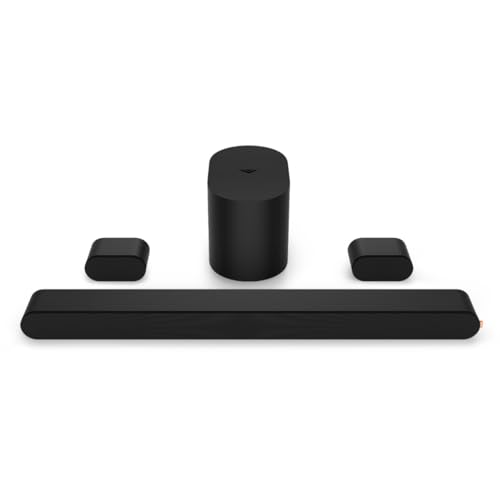
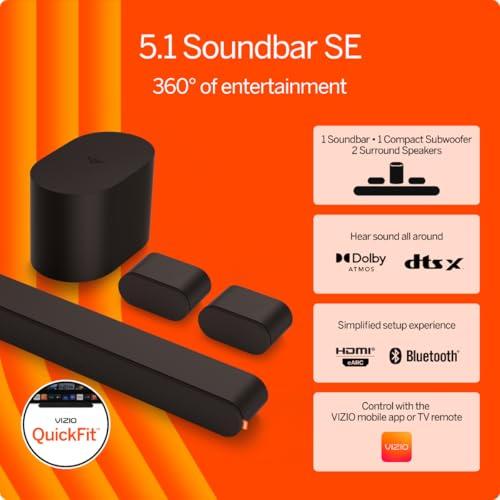
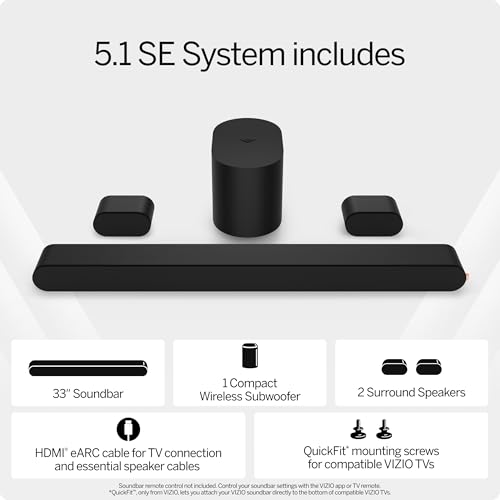
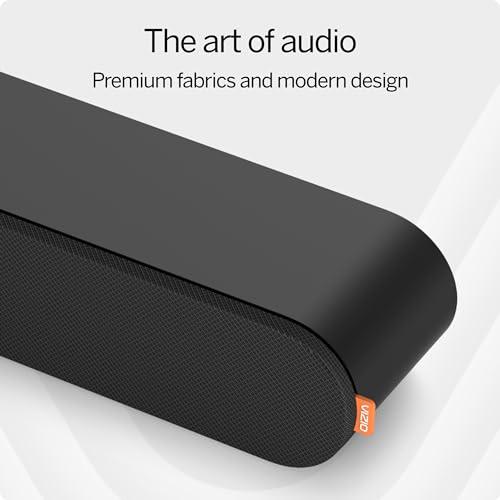
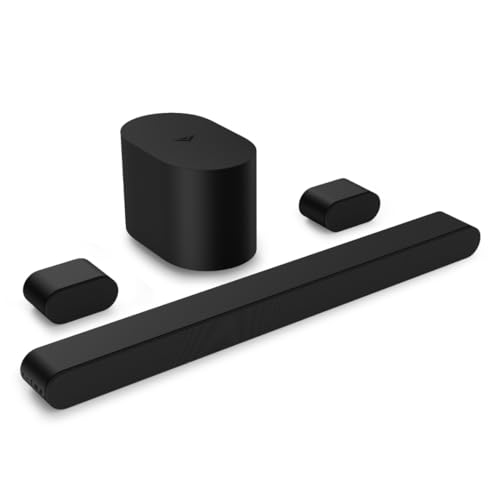
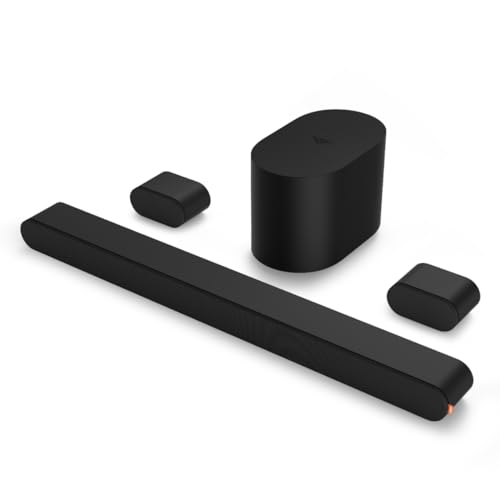
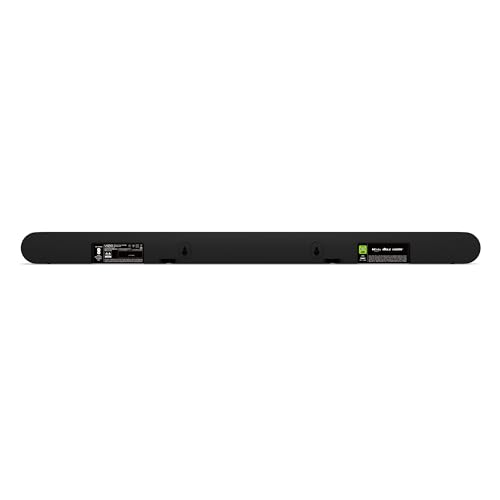
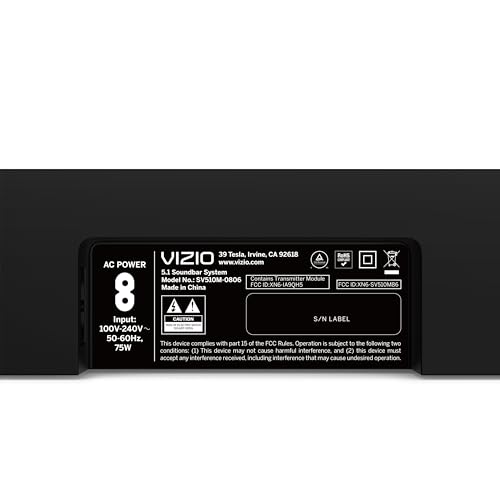
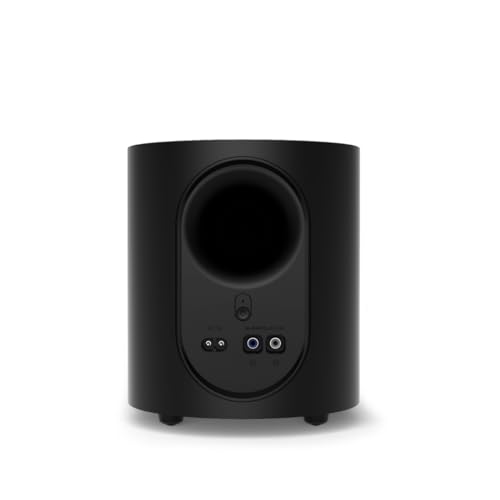
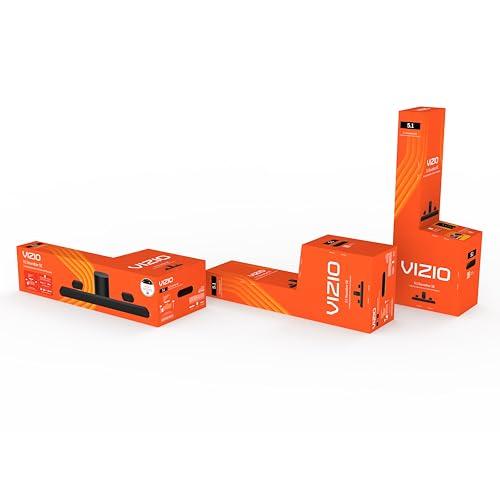
The VIZIO 5.1 Soundbar SE Dolby Atmos Surround System, released in 2024, represents the "give me everything" approach. It's a true 5.1-channel surround system, which means it has five full-range speakers plus a dedicated subwoofer for deep bass. The system includes a 33-inch main soundbar, a wireless subwoofer that you can place anywhere in your room, and two separate satellite speakers that go behind your seating area.
What makes this particularly interesting is its support for Dolby Atmos and DTS:X—these are audio formats that create three-dimensional sound by bouncing audio off your ceiling to create the sensation of helicopters flying overhead or rain falling around you. It's the kind of technology that was exclusive to high-end home theaters just a few years ago.
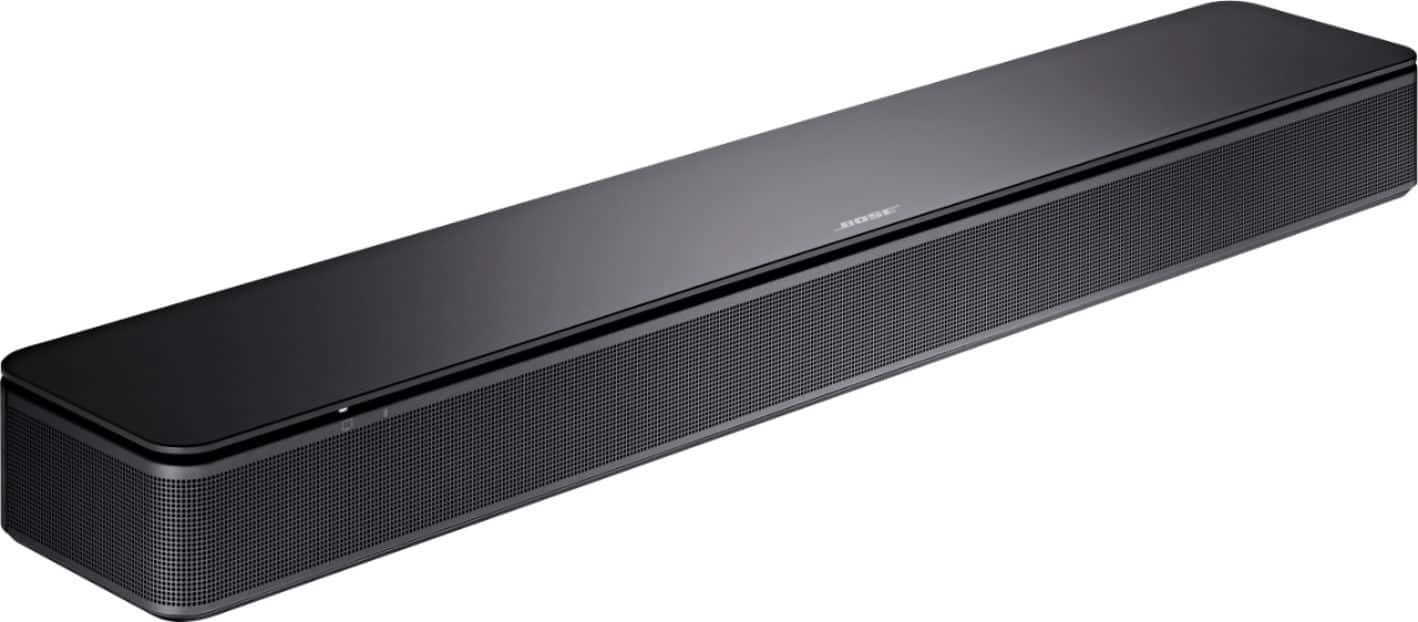
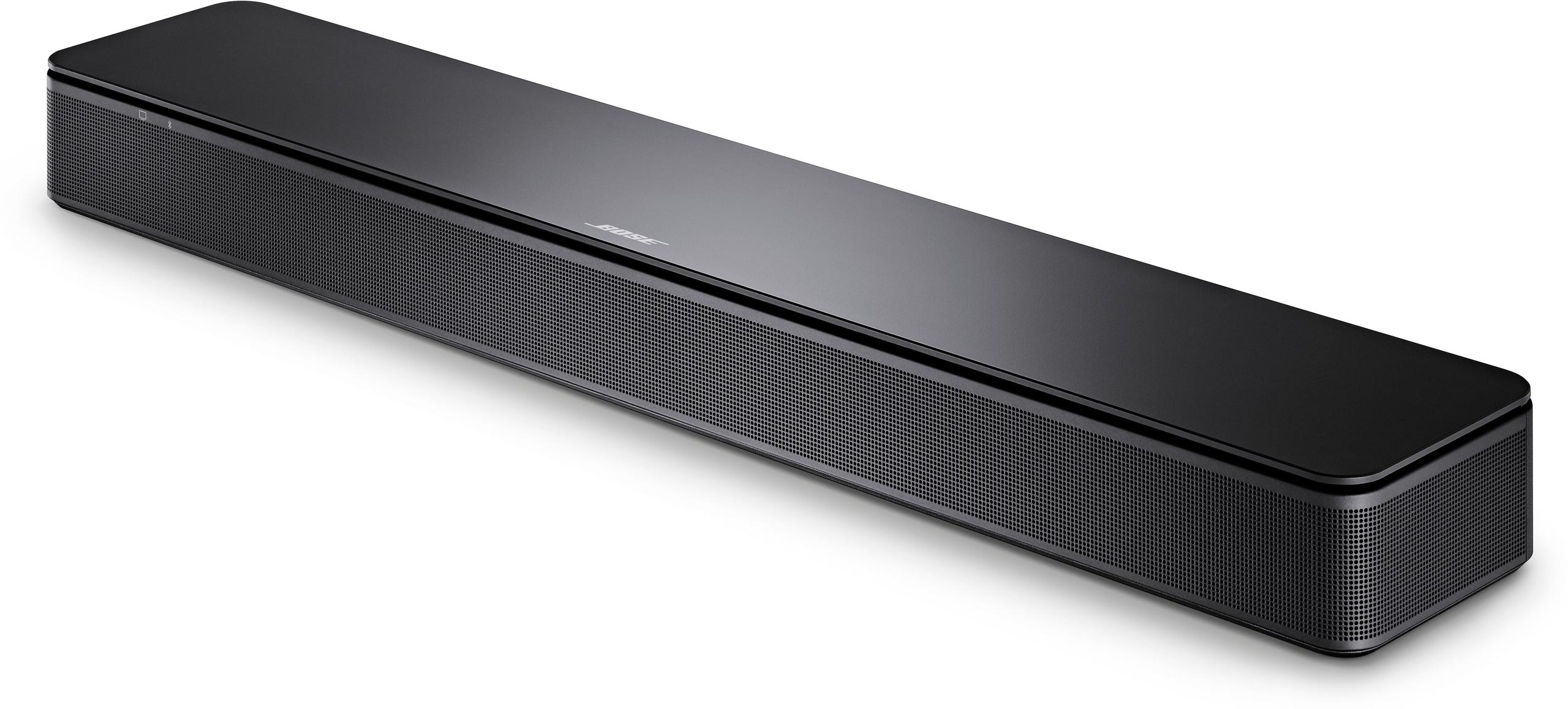
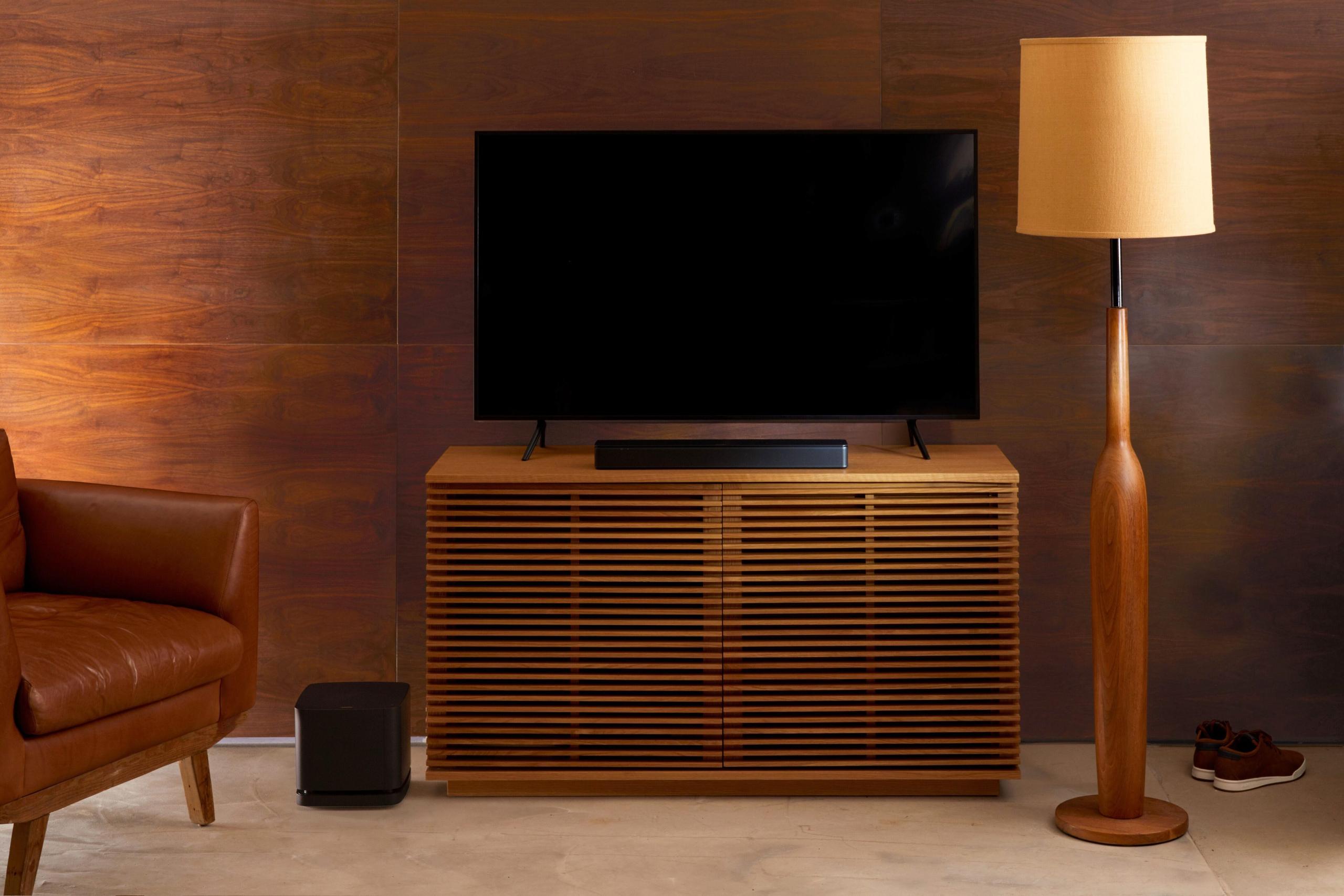
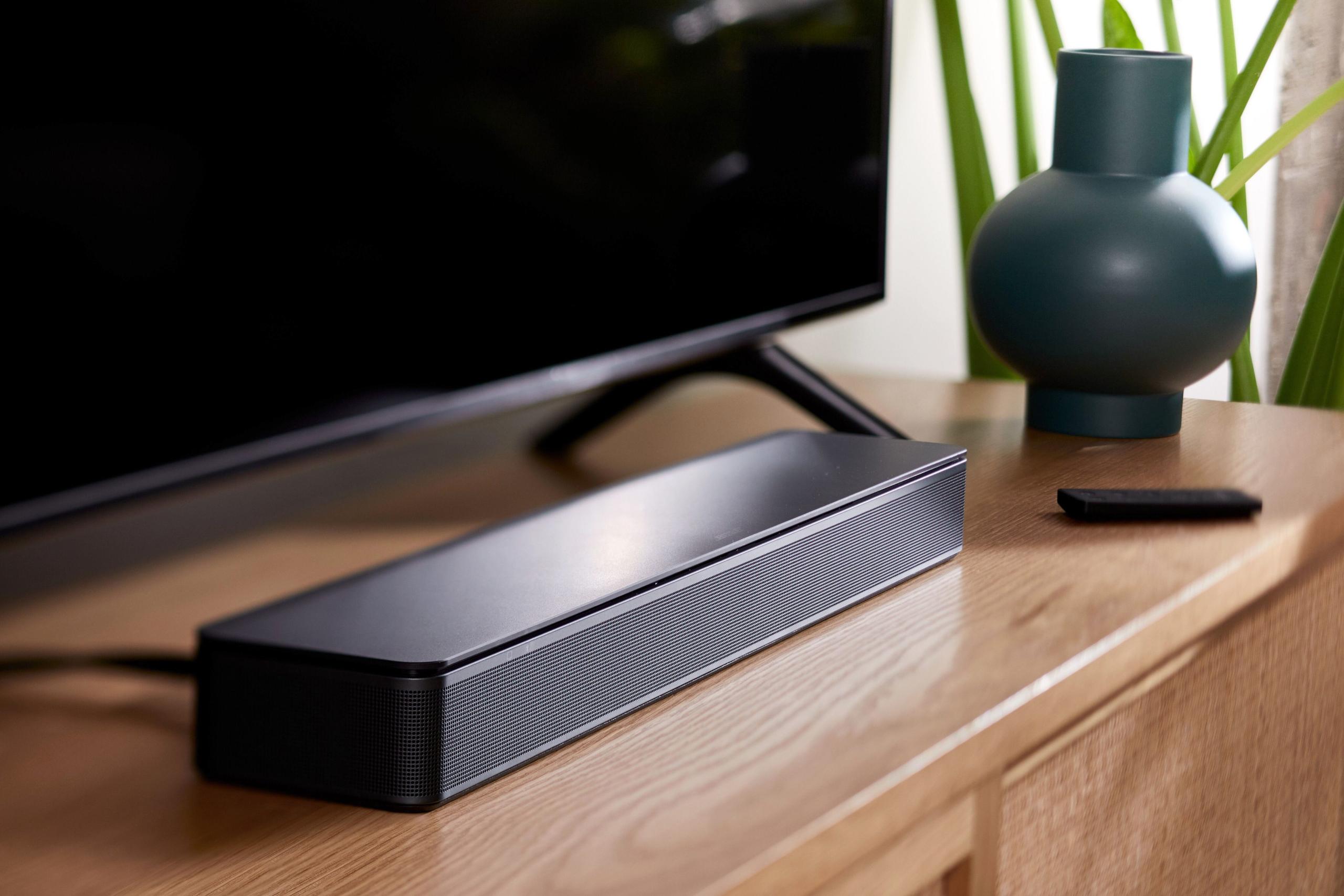
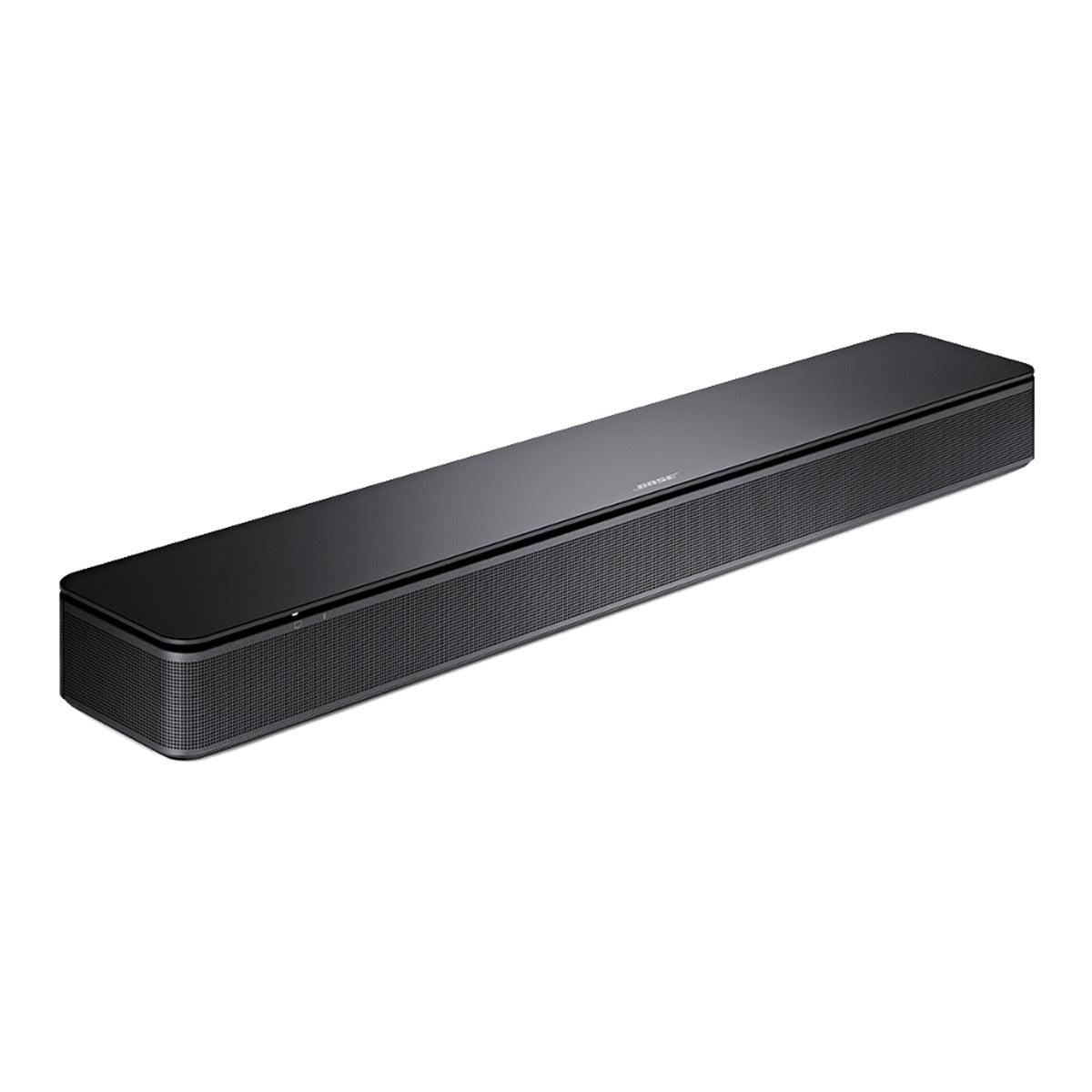
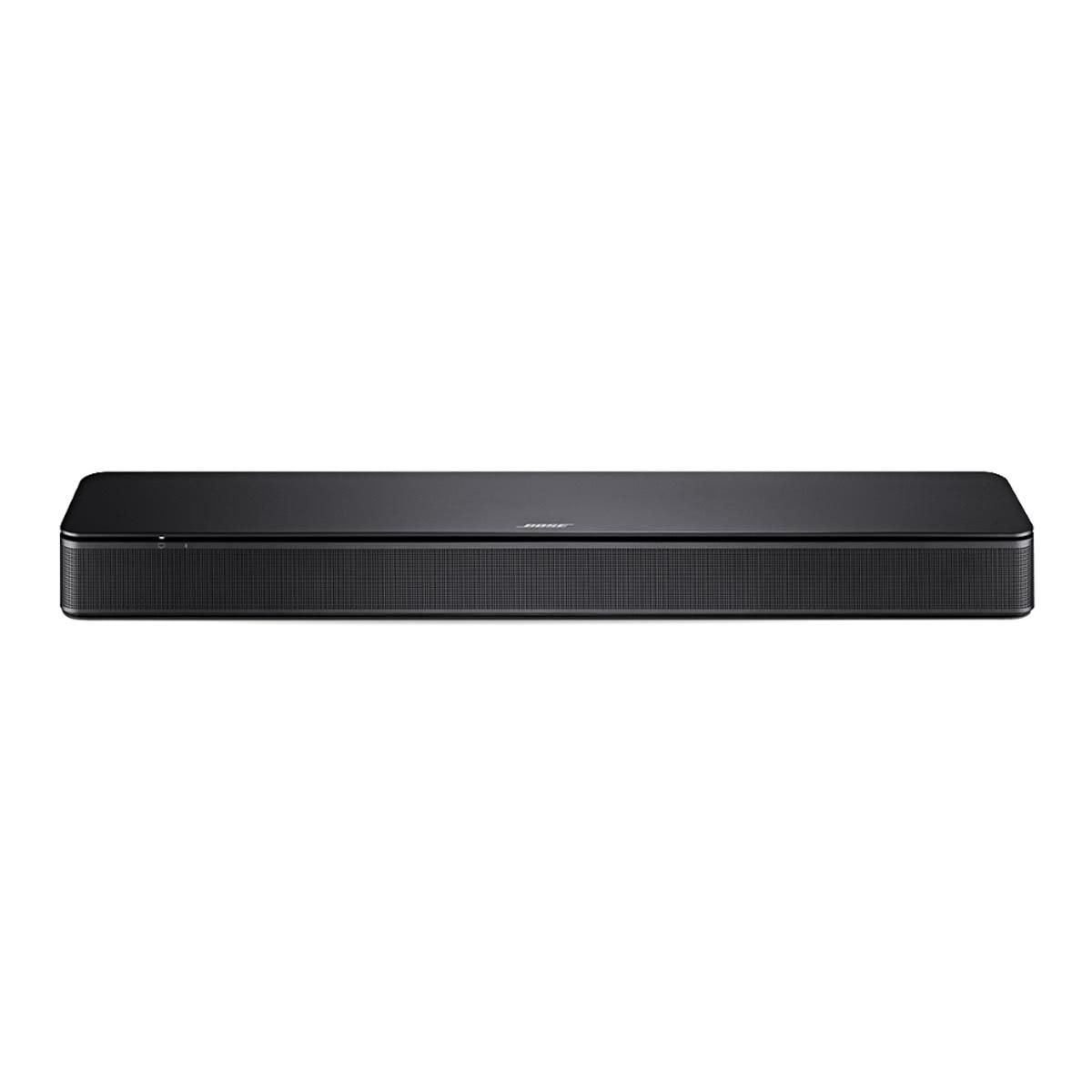
The Bose TV Speaker Soundbar, introduced in 2020, takes the opposite approach. It's a single, compact unit that focuses entirely on making TV dialogue crystal clear and providing excellent stereo sound. No satellite speakers, no separate subwoofer—just one sleek bar that sits in front of your TV and does its job with minimal fuss.
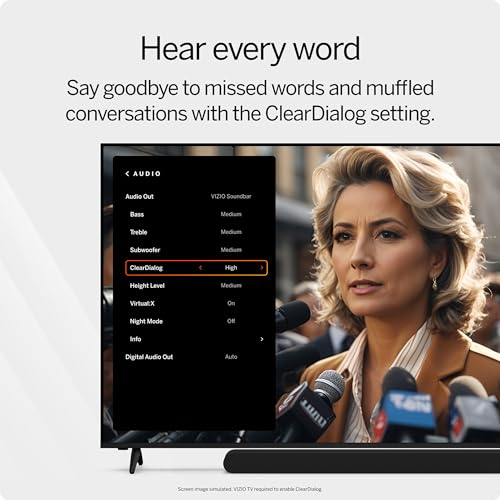
Here's where things get really interesting. The VIZIO 5.1 system delivers genuine surround sound with discrete channels—meaning each speaker plays different audio information to create a complete soundscape around you. When a car drives from left to right across the screen, you actually hear it move behind you through the satellite speakers. The dedicated center channel in the soundbar handles dialogue, while the wireless subwoofer takes care of explosions, rumbling engines, and that deep bass that you feel in your chest.
However, testing reveals some trade-offs. The midrange can sound somewhat congested during complex scenes, and the treble occasionally lacks sparkle. But here's the thing—when everything comes together, especially with Dolby Atmos content, the VIZIO system creates an immersive bubble of sound that genuinely transforms your viewing experience.
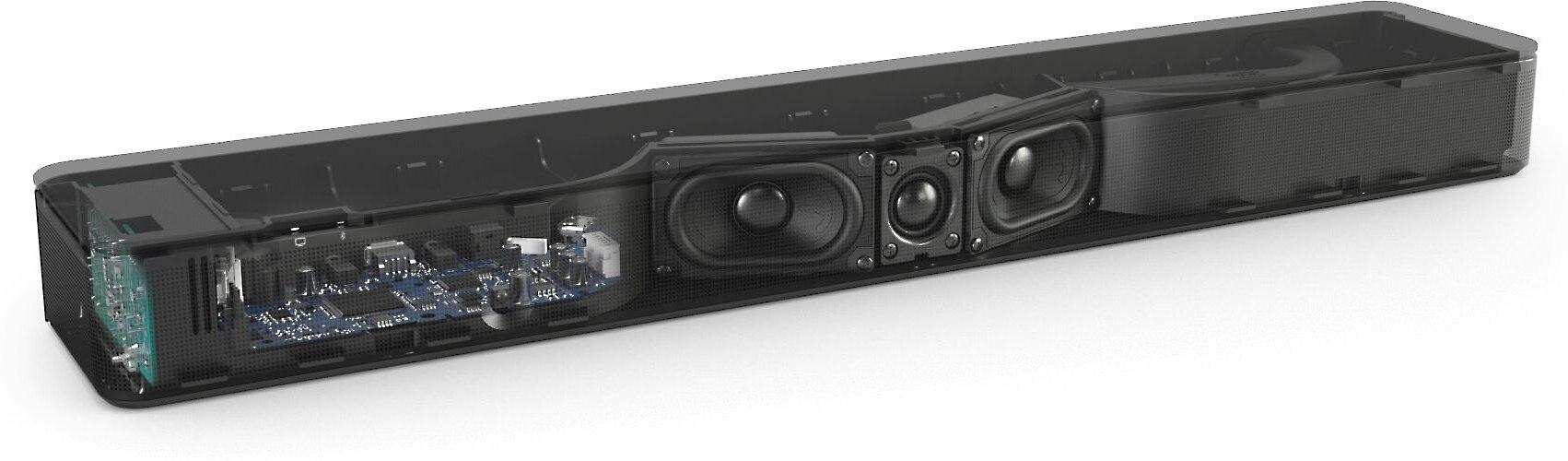
The Bose TV Speaker, on the other hand, excels at what it's designed to do: make dialogue incredibly clear. It uses two full-range drivers angled outward to create a wide soundstage, plus a dedicated center tweeter that focuses specifically on speech frequencies. There's even a "Dialogue Mode" that analyzes what you're watching in real-time and boosts vocal clarity when needed.
What surprised me most about the Bose unit is how much bass it produces despite having no dedicated subwoofer. Bose has always been masterful at making small speakers sound bigger than they should, and this soundbar continues that tradition. It won't rattle your walls, but it provides enough low-end punch to make explosions feel impactful.
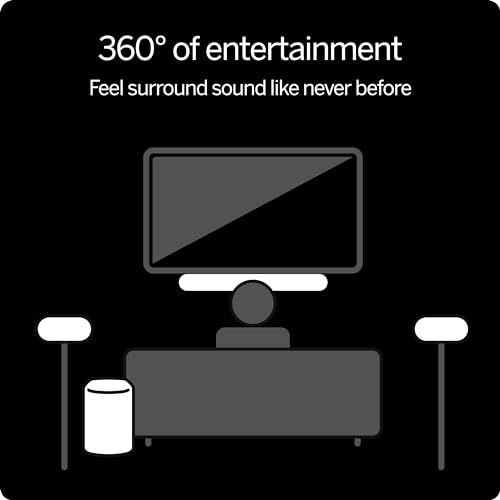
This is where the fundamental difference between these products becomes crystal clear. The VIZIO 5.1 system doesn't just simulate surround sound—it creates it with actual speakers placed around your room. When you're watching a movie with proper 5.1 audio, sounds genuinely come from behind you, beside you, and with Dolby Atmos content, even from above.
The Dolby Atmos implementation is particularly noteworthy. While it's not as dramatic as systems with dedicated height speakers in every corner, the VIZIO soundbar does create a sense of vertical space that extends the audio beyond just left and right. Helicopters hover convincingly overhead, and rain effects seem to fall from the ceiling rather than just from the front of the room.
The Bose TV Speaker doesn't attempt surround sound at all—it's purely a stereo system. However, those angled drivers do create a surprisingly wide soundstage that extends well beyond the physical boundaries of the speaker itself. While you won't get true surround effects, the presentation is spacious and engaging for stereo content.
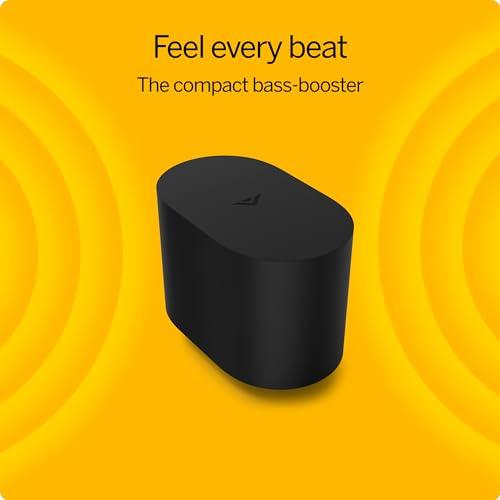
Bass isn't just about loud explosions—it provides the foundation that makes everything else sound natural and full. The VIZIO system's wireless subwoofer extends down to 50Hz, which means it can reproduce the fundamental frequencies of most instruments and sound effects. This dedicated bass driver handles all the heavy lifting, allowing the main soundbar to focus on midrange and high frequencies.
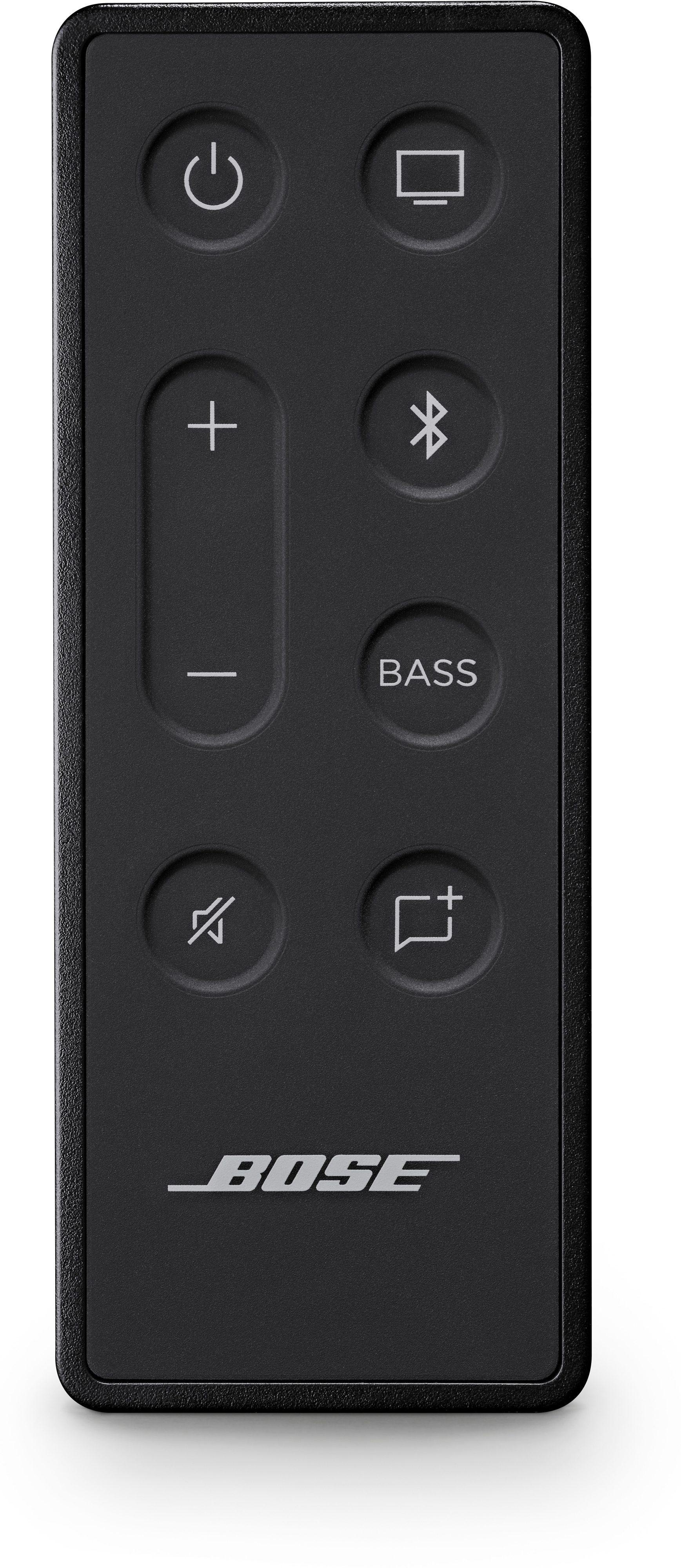
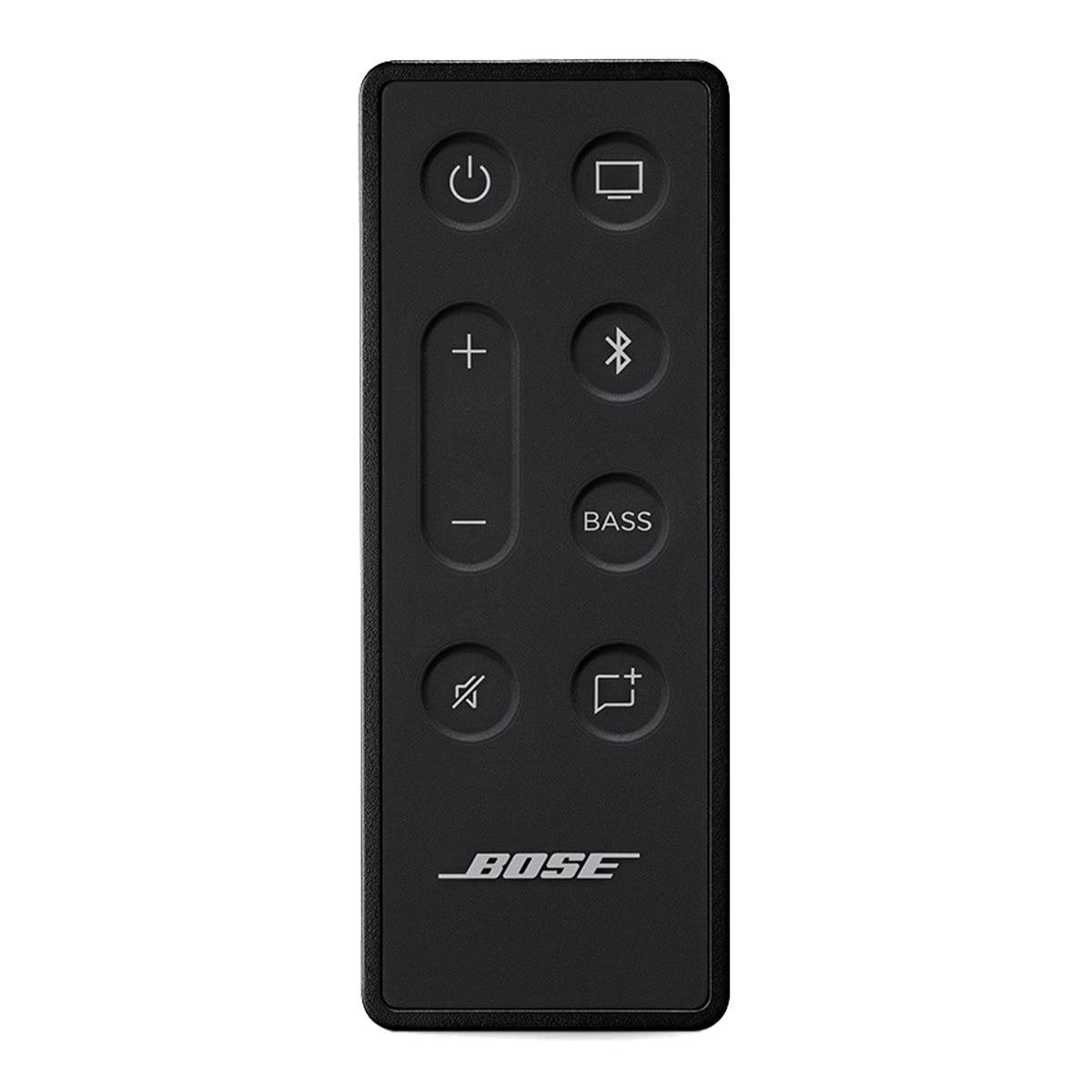
The Bose TV Speaker achieves impressive bass performance through clever acoustic engineering within its compact enclosure. While it can't match the deep extension of a dedicated subwoofer, it produces enough low-end impact to satisfy most TV watching. The bass boost button on the remote adds extra punch when you want it, and the option to add a Bose Bass Module later provides an upgrade path.
Here's where personal preference really matters. Setting up the VIZIO 5.1 system requires thoughtful placement of satellite speakers and the subwoofer. You'll need to find spots for the rear speakers that don't interfere with your room's layout, and you'll want to experiment with subwoofer placement to avoid boomy spots. The payoff is substantial, but it does require effort and planning.
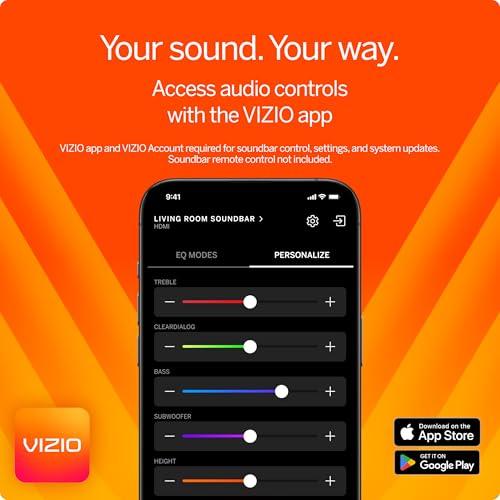
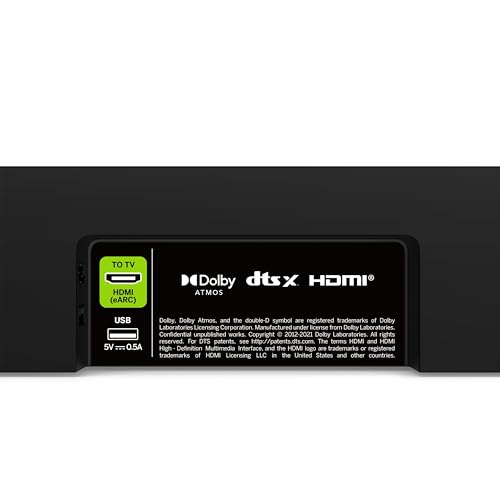
The system connects to your TV via HDMI eARC (Enhanced Audio Return Channel), which is the gold standard for audio transmission. This single cable carries all the audio information and allows you to control the soundbar's volume with your TV remote. Interestingly, VIZIO doesn't include a physical remote—you control everything through their mobile app or your TV's remote, which some people love for simplicity and others find limiting.
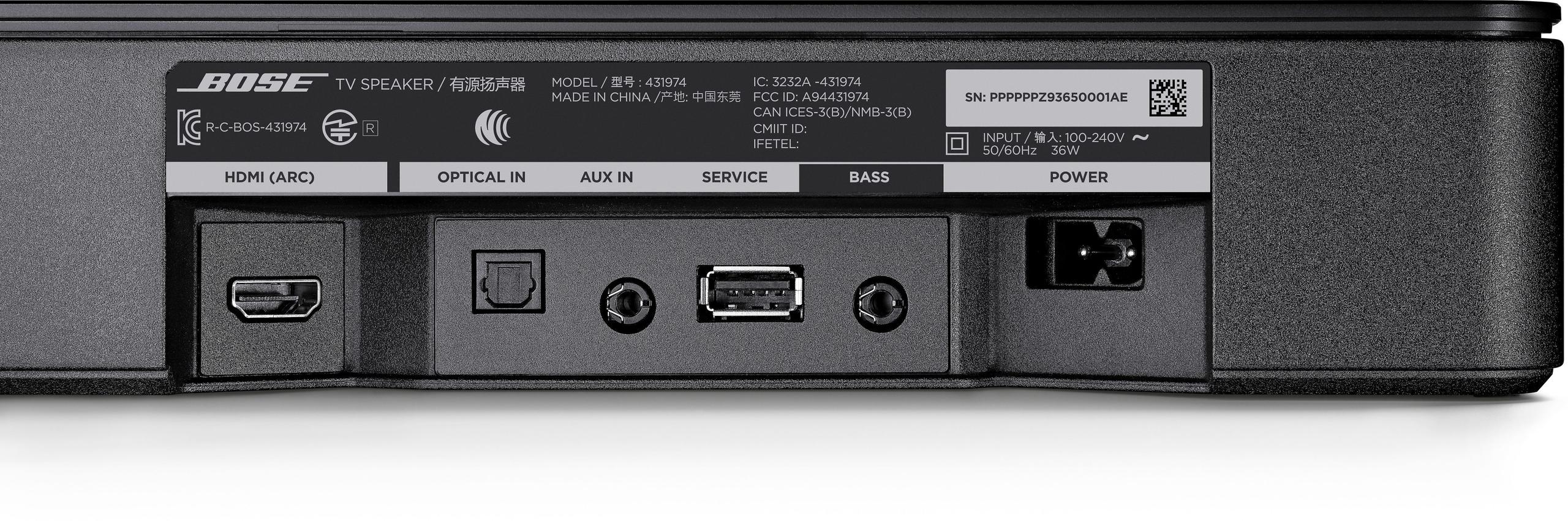
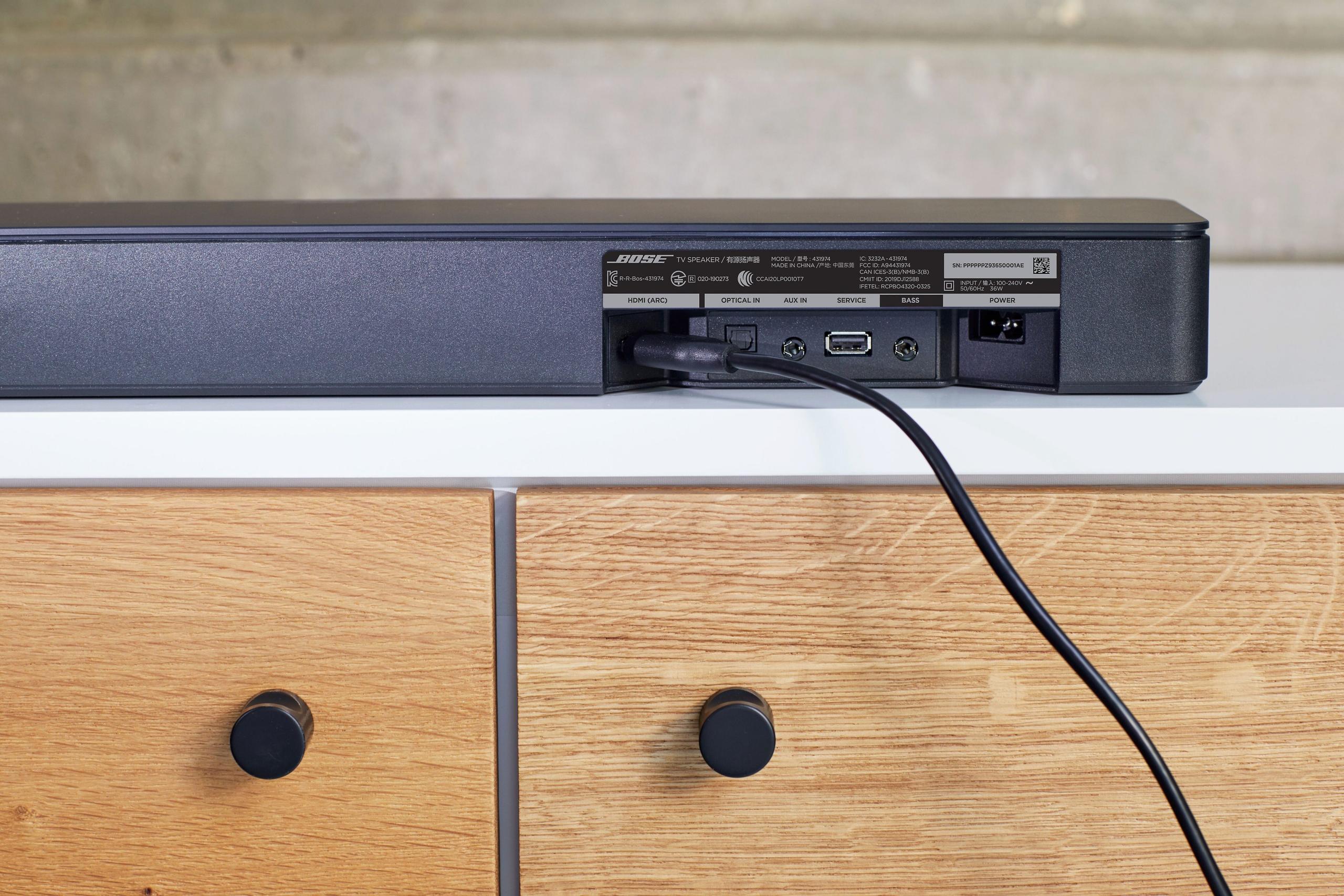
The Bose TV Speaker represents the opposite philosophy: unbox it, connect one cable (either optical or HDMI), and you're done. The included remote gives you immediate access to all functions, including the valuable Dialogue Mode and bass boost. Wall mounting is simple with the optional bracket, and the compact size means it fits virtually anywhere.
At the time of writing, these products occupy different price tiers, which makes sense given their vastly different feature sets. The VIZIO 5.1 system delivers technology and components that would typically cost significantly more from other major brands. You're getting true 5.1 surround sound, Dolby Atmos processing, a wireless subwoofer, and satellite speakers—that's a lot of hardware for the money.
The Bose TV Speaker commands a premium price for what is essentially a high-quality stereo soundbar. You're paying for Bose's acoustic engineering, build quality, and brand reputation. While it might seem expensive compared to basic soundbars, it delivers performance that justifies the cost if your priorities align with what it offers.
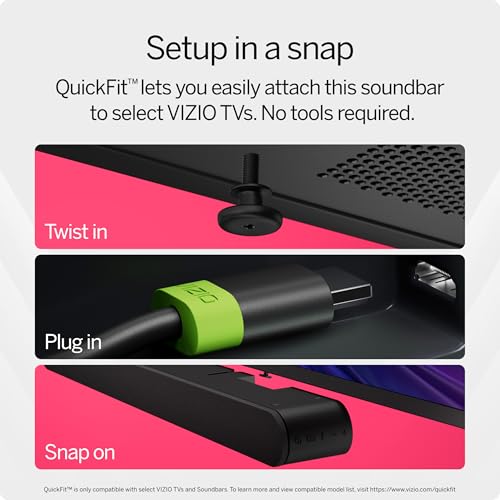
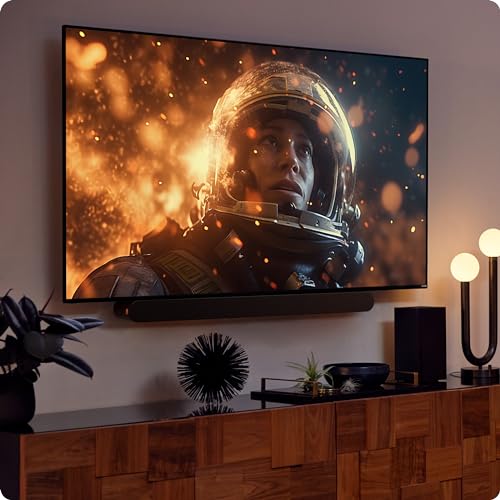
The VIZIO system includes several technologies worth understanding. HDMI eARC support means it can receive high-quality audio formats without compression. Dolby Atmos and DTS:X are object-based audio formats that place sounds in three-dimensional space rather than just in specific channels. The QuickFit mounting system allows tool-free attachment to compatible VIZIO TVs, creating a seamless look.
The Bose TV Speaker focuses on practical features like HDMI-CEC, which automatically turns the soundbar on and off with your TV, and multiple input options including optical, HDMI, and analog connections. The Dialogue Mode uses digital signal processing to analyze content and boost speech frequencies in real-time.
Your room size significantly impacts which product makes sense. The VIZIO 5.1 system really shines in medium to large spaces where it can stretch its legs. The satellite speakers need proper placement to create effective surround sound, and the powerful output can fill substantial rooms without strain.
The Bose TV Speaker excels in smaller to medium-sized rooms where its wide soundstage can create an engaging listening experience without overwhelming the space. Its compact footprint makes it ideal for bedrooms, apartments, or any situation where multiple components aren't practical.
What you watch significantly influences which soundbar serves you better. If you're primarily streaming movies, playing games, or watching content with rich soundtracks, the VIZIO system's immersive capabilities shine. Action movies, concerts, and games with spatial audio benefit enormously from true surround sound.
For news, talk shows, sitcoms, and dialogue-heavy content, the Bose TV Speaker's focus on speech clarity provides immediate, noticeable improvement. Its Dialogue Mode is particularly valuable if you frequently struggle to understand what characters are saying.
Technology evolves rapidly, and these products reflect different approaches to future-proofing. The VIZIO system already supports the latest audio formats and has the processing power to handle current and near-future content. However, its reliance on app control means software updates are crucial for maintaining functionality.
The Bose TV Speaker takes a more conservative approach, focusing on core functionality that's unlikely to become obsolete. Its analog and digital inputs ensure compatibility with virtually any source, and the optional subwoofer upgrade path provides room for growth.
Choose the VIZIO 5.1 Soundbar SE Dolby Atmos Surround System if you want to transform your living room into a genuine home theater. It's perfect for movie enthusiasts, gamers, and anyone who prioritizes immersive audio experiences. You'll need space for multiple components and don't mind spending time optimizing speaker placement. The value proposition is exceptional—you're getting theater-quality audio technology at a fraction of traditional home theater system costs.
Choose the Bose TV Speaker Soundbar if you value simplicity and exceptional dialogue clarity above all else. It's ideal for smaller rooms, minimalist setups, or situations where you want immediate improvement without complexity. If you primarily watch TV shows, news, or talk-heavy content, and you appreciate premium build quality and included accessories, this is your soundbar.
The fundamental question isn't which product is better—it's which product better matches your priorities, room, and usage patterns. The VIZIO system delivers more audio capability for the money, while the Bose unit executes a focused mission with exceptional skill. Both represent excellent values within their intended use cases, making this less about right and wrong choices and more about understanding what you truly need from your audio upgrade.
| VIZIO 5.1 Soundbar SE Dolby Atmos Surround System | Bose TV Speaker Soundbar |
|---|---|
| Channel Configuration - Determines surround sound capability | |
| True 5.1 channels with discrete speakers | 2-channel stereo with center tweeter |
| Physical Components - Affects setup complexity and performance | |
| 3 components: 33" soundbar + wireless subwoofer + 2 satellite speakers | Single 23.4" soundbar unit |
| Dolby Atmos Support - Creates overhead sound effects for immersion | |
| Yes, with 360-degree audio placement | No, stereo-only presentation |
| Bass Performance - Impact on movie effects and music | |
| Dedicated wireless subwoofer extending to 50Hz | Built-in bass with impressive output for size |
| Maximum Output - Room-filling capability | |
| 96dB (suitable for large rooms) | Not specified (optimized for small-medium rooms) |
| Setup Complexity - Time and effort required | |
| Multi-component setup requiring speaker placement | Single cable connection, ready in minutes |
| Remote Control - Daily usability | |
| App or TV remote only (no physical remote included) | Dedicated remote included with all functions |
| Connectivity Options - Flexibility with different devices | |
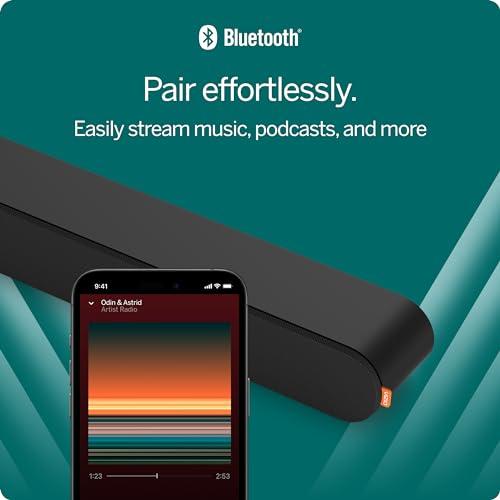
| HDMI eARC primary, Bluetooth streaming | HDMI ARC, optical, 3.5mm analog, Bluetooth |
| Dialogue Enhancement - Speech clarity for TV content | |
| Standard center channel performance | Dedicated Dialogue Mode with real-time analysis |
| Wall Mounting - Space-saving installation | |
| QuickFit system for compatible VIZIO TVs | Universal wall mount bracket (optional) |
| Expandability - Future upgrade options | |
| Complete system, no expansion needed | Compatible with Bose Bass Module (wired connection) |
| Target Room Size - Optimal performance environment | |
| Medium to large rooms with satellite placement space | Small to medium rooms, apartments, bedrooms |
| Primary Use Case - Content type that benefits most | |
| Movies, gaming, music with immersive surround sound | TV shows, news, dialogue-heavy content with clear speech |
The VIZIO 5.1 Soundbar SE Dolby Atmos Surround System is significantly better for movies due to its true 5.1 surround sound with Dolby Atmos support, creating an immersive cinema-like experience. The Bose TV Speaker Soundbar excels for TV shows and dialogue-heavy content with its dedicated Dialogue Mode that enhances speech clarity.
The VIZIO 5.1 system provides true surround sound with five discrete speakers plus a subwoofer, placing sounds all around you for immersive audio. The Bose TV Speaker delivers high-quality stereo sound from a single unit, focusing on clarity and wide soundstage rather than surround effects.
The Bose TV Speaker Soundbar is much easier to set up, requiring only one cable connection and fitting anywhere near your TV. The VIZIO 5.1 Soundbar SE requires positioning multiple components including rear satellite speakers and a wireless subwoofer throughout your room.
The VIZIO 5.1 system includes a dedicated wireless subwoofer for deep, powerful bass extension down to 50Hz. The Bose TV Speaker produces surprisingly good bass from its compact design, though you can add an optional Bose Bass Module for enhanced low-end performance.
The Bose TV Speaker Soundbar is ideal for small rooms due to its compact single-unit design and focused sound delivery. The VIZIO 5.1 Soundbar SE needs adequate space for proper satellite speaker placement and may overwhelm smaller rooms with its power output.
Dolby Atmos creates three-dimensional sound with overhead effects, making you feel like you're inside the action. The VIZIO 5.1 system supports Dolby Atmos for immersive movie experiences, while the Bose TV Speaker focuses on excellent stereo sound without height effects.
The Bose TV Speaker Soundbar excels at dialogue clarity with its dedicated center tweeter and Dialogue Mode feature that analyzes content in real-time. While the VIZIO 5.1 system has a center channel for dialogue, it's optimized more for overall surround sound immersion.
Both soundbars connect via HDMI for the best audio quality. The VIZIO 5.1 Soundbar SE uses HDMI eARC and can be controlled by your TV remote or mobile app. The Bose TV Speaker offers HDMI ARC, optical, and analog connections with an included physical remote.
The VIZIO 5.1 Soundbar SE Dolby Atmos Surround System is superior for gaming due to its surround sound capability and Dolby Atmos support, providing positional audio that helps identify enemy locations. The Bose TV Speaker offers good stereo gaming audio but lacks the immersive surround effects.
The VIZIO 5.1 system's main advantage is delivering true home theater surround sound with Dolby Atmos at an exceptional value. The Bose TV Speaker's primary benefit is providing premium dialogue clarity and stereo sound in an incredibly simple, elegant package.
The VIZIO 5.1 Soundbar SE offers exceptional value by including multiple speakers, wireless subwoofer, and advanced audio processing typically found in much more expensive systems. The Bose TV Speaker Soundbar provides premium build quality and acoustic engineering at a higher cost for its focused feature set.
Choose the VIZIO 5.1 Soundbar SE Dolby Atmos Surround System if you want immersive surround sound for movies and gaming in medium to large rooms. Select the Bose TV Speaker Soundbar if you prioritize dialogue clarity, simple setup, and premium build quality in smaller spaces or for primarily TV content.
We've done our best to create useful and informative comparisons to help you decide what product to buy. Our research uses advanced automated methods to create this comparison and perfection is not possible - please contact us for corrections or questions. These are the sites we've researched in the creation of this article: bestbuy.com - vizio.com - rtings.com - vizio.com - vizio.com - vizio.com - youtube.com - vizio.com - vizio.com - cnet.com - samsclub.com - walmart.com - nfm.com - finelinesdesignstudio.com - dugoutnorthbrook.com - bestbuy.com - bestbuy.com - projectorscreen.com - forums.audioholics.com - digitaltrends.com - abt.com - crutchfield.com - staples.com - bestbuy.com - pcrichard.com - visions.ca - bose.com - assets.bose.com

Privacy Policy
Terms and Conditions - Affiliate Policy
Home Security
© Copyright 2008-2026.
11816 Inwood Rd #1211, Dallas, TX 75244