



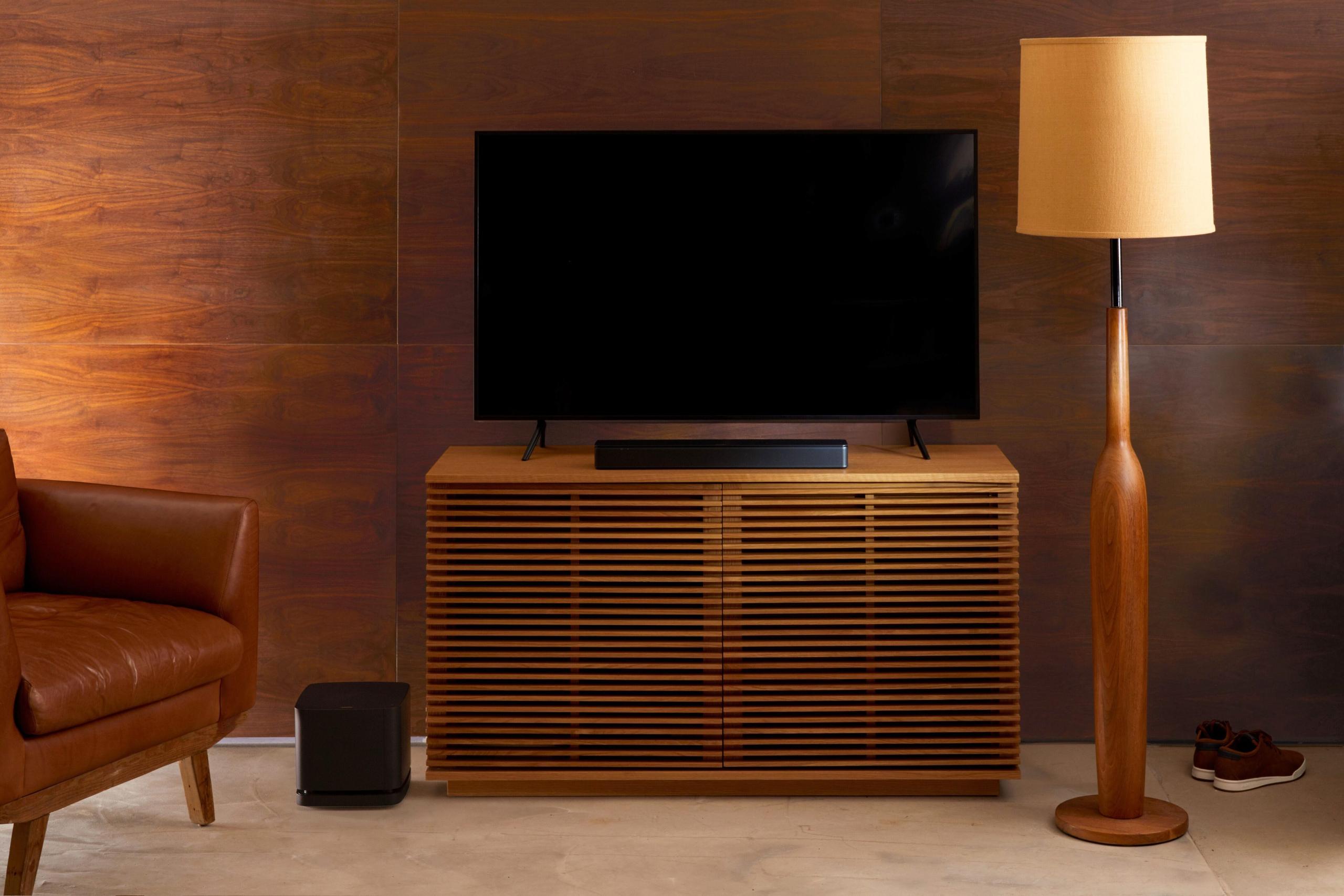
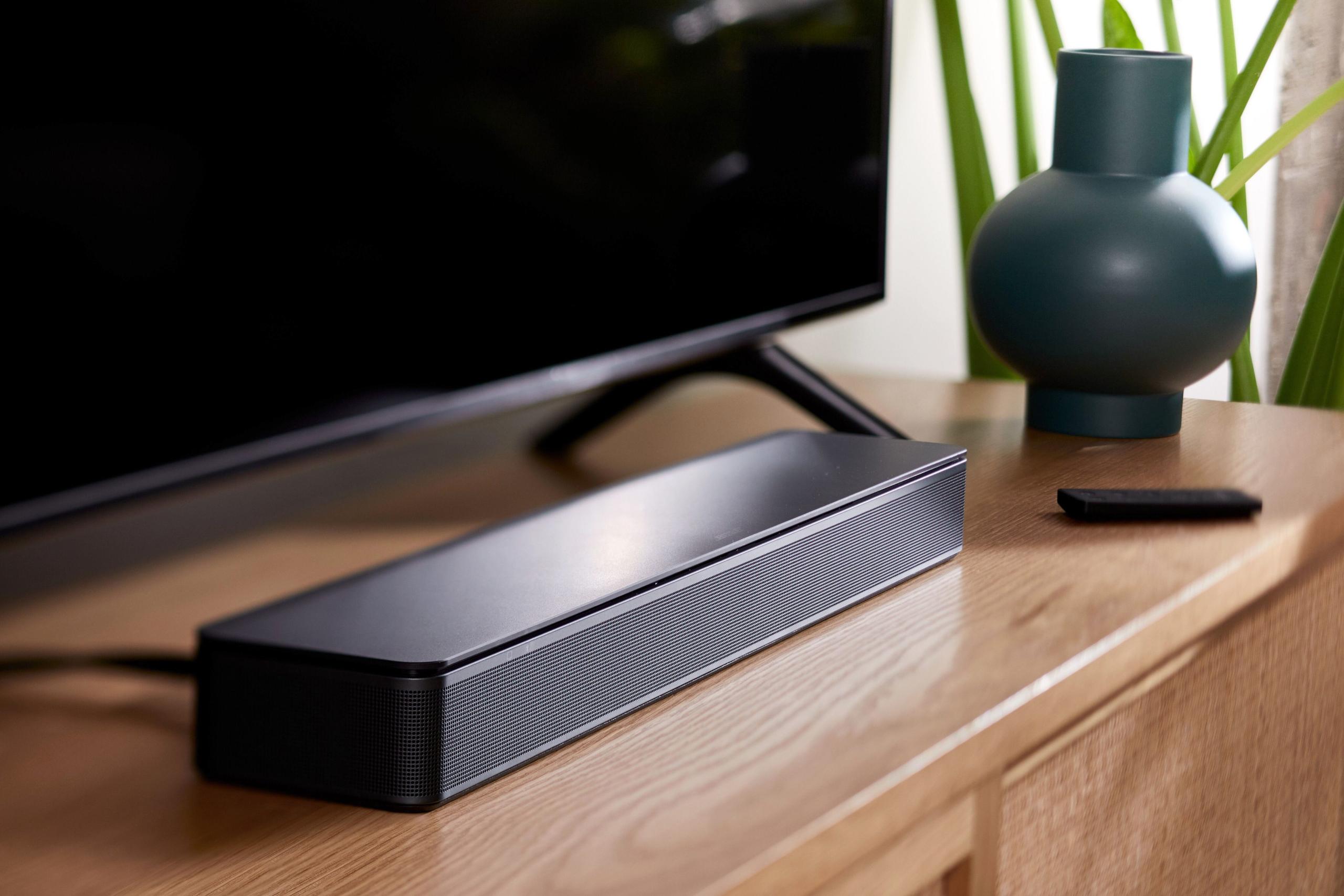


If you've ever found yourself cranking up the TV volume just to understand what characters are saying, you're not alone. Modern flat-screen TVs might look sleek, but their paper-thin designs leave virtually no room for decent speakers. That's where soundbars come in – they're designed to rescue your audio experience without the complexity of a full surround sound system.
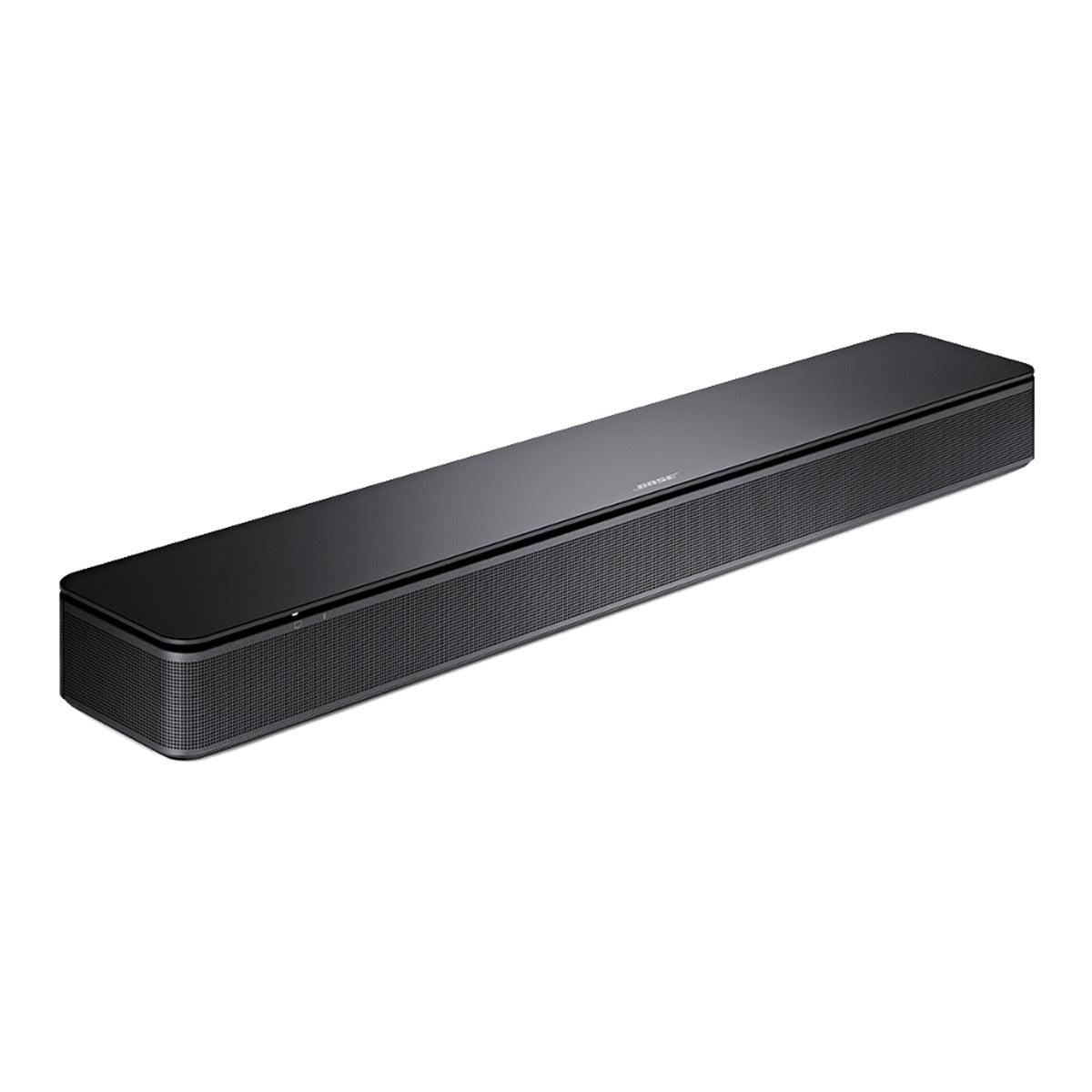
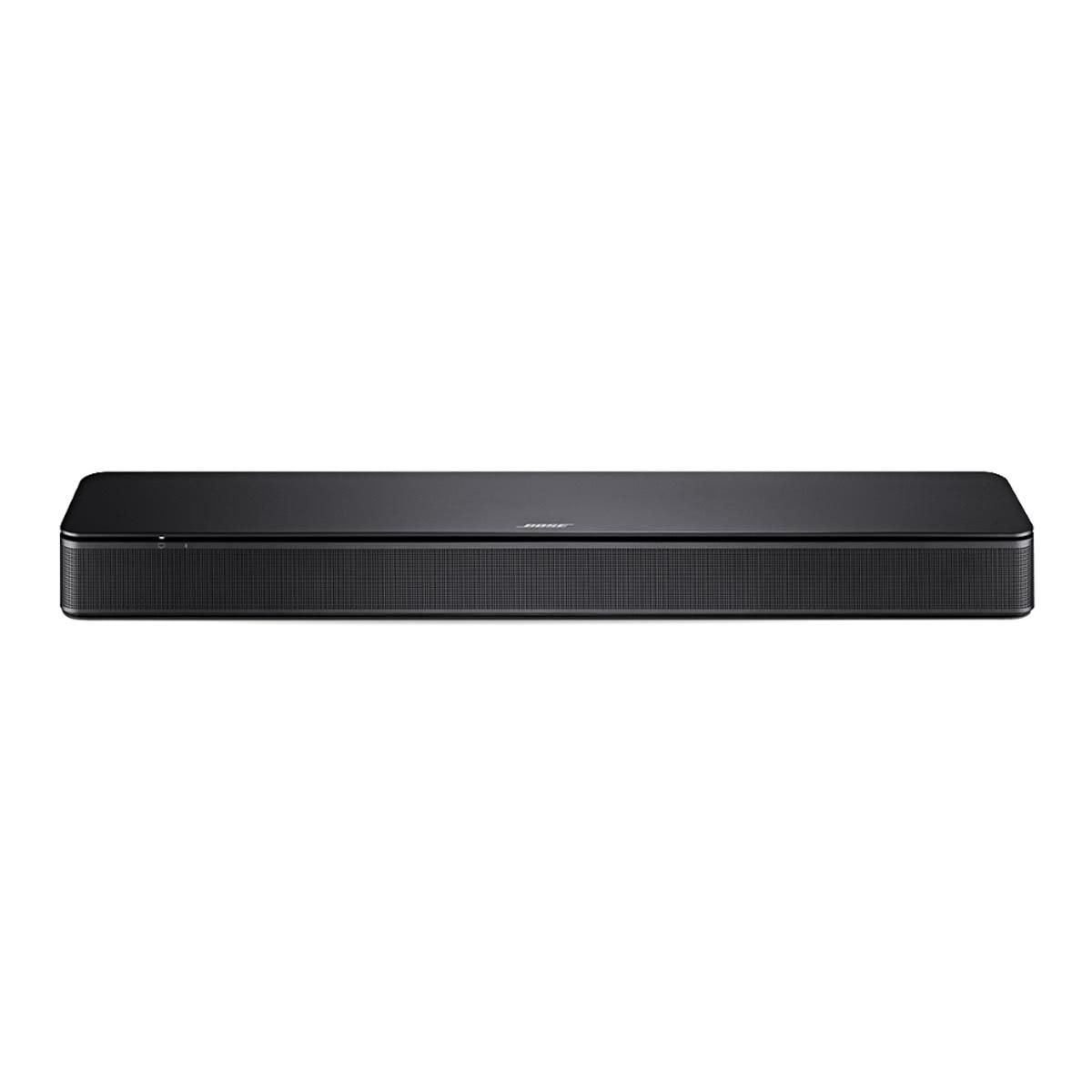
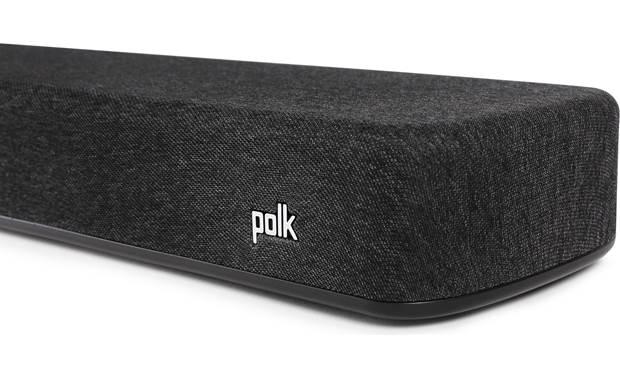
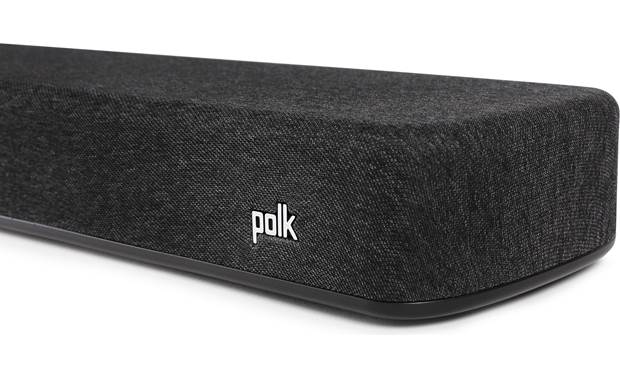
Today we're comparing two popular options that take very different approaches: the Bose TV Speaker at $199 and the Polk Audio React Sound Bar at $230. While they're both soundbars, they represent completely different philosophies about what makes TV audio better.
Before diving into the specifics, let's talk about what soundbars actually do. Think of them as horizontal speakers that sit below (or mount above) your TV, containing multiple drivers – the individual speakers that produce different frequencies. The goal is to create a wider, more immersive sound than your TV's tiny built-in speakers can manage.
The soundbar category has evolved significantly since these models were released. The Bose TV Speaker launched in 2020 as part of Bose's strategy to simplify home audio, while the Polk React arrived in 2019 during the smart speaker boom when Amazon's Alexa was being integrated into everything.
Since then, we've seen the rise of Dolby Atmos soundbars (which bounce sound off your ceiling for overhead effects) and more sophisticated room correction technology. However, both of these models represent what I'd call the "practical middle ground" – they focus on solving real problems without overwhelming you with features you might never use.
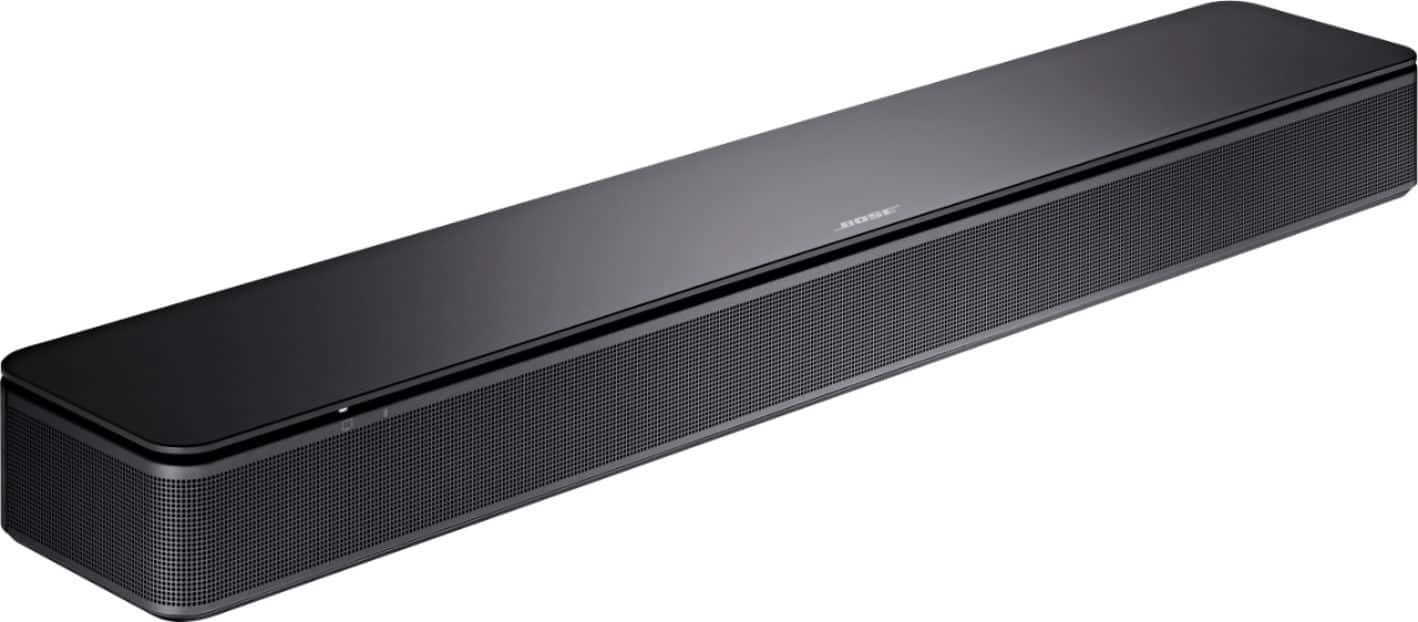
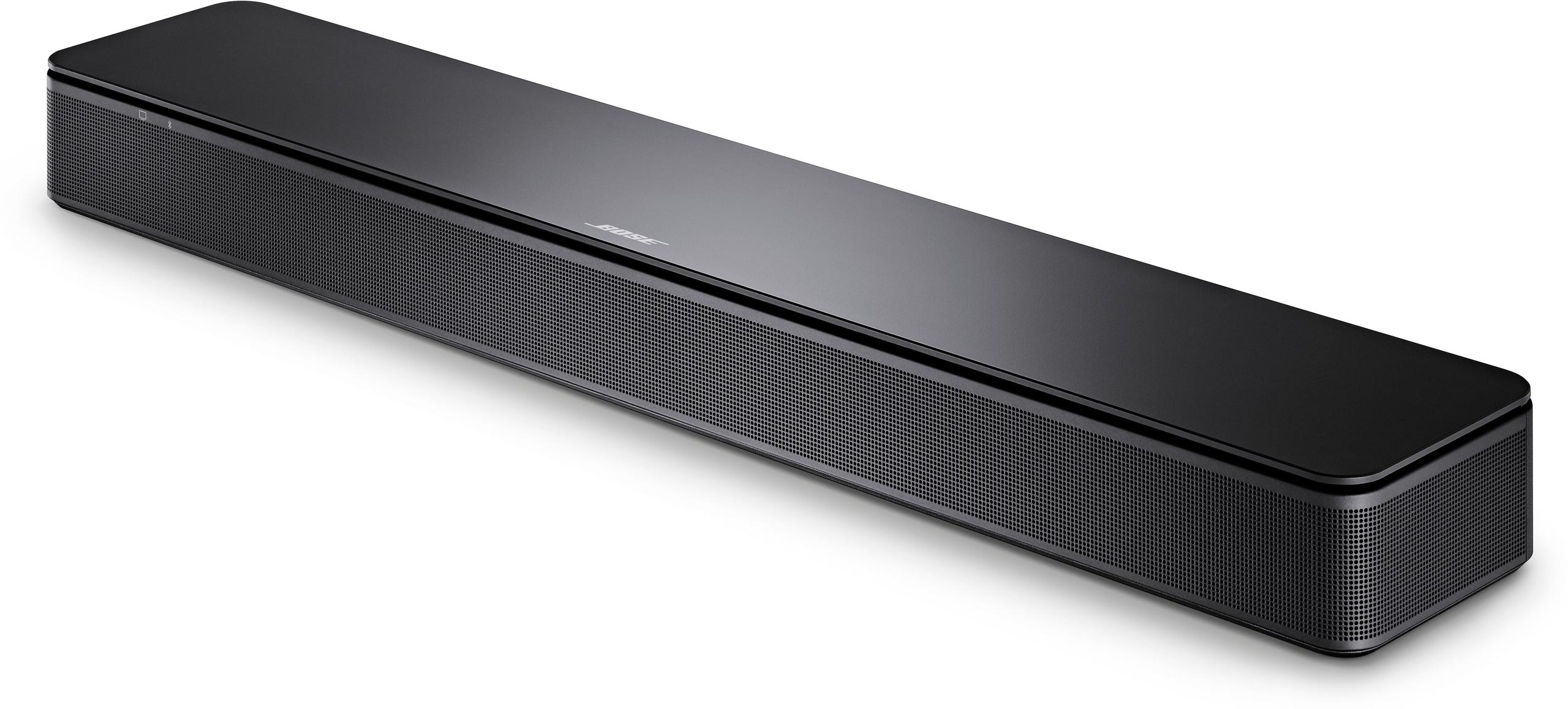
The fundamental difference between these two soundbars isn't just price – it's philosophy. The Bose TV Speaker takes what I call the "audio purist" approach. Bose engineers focused on one thing: making TV dialogue crystal clear and music sound natural. There are no flashy features, no voice assistants, just carefully tuned audio processing.
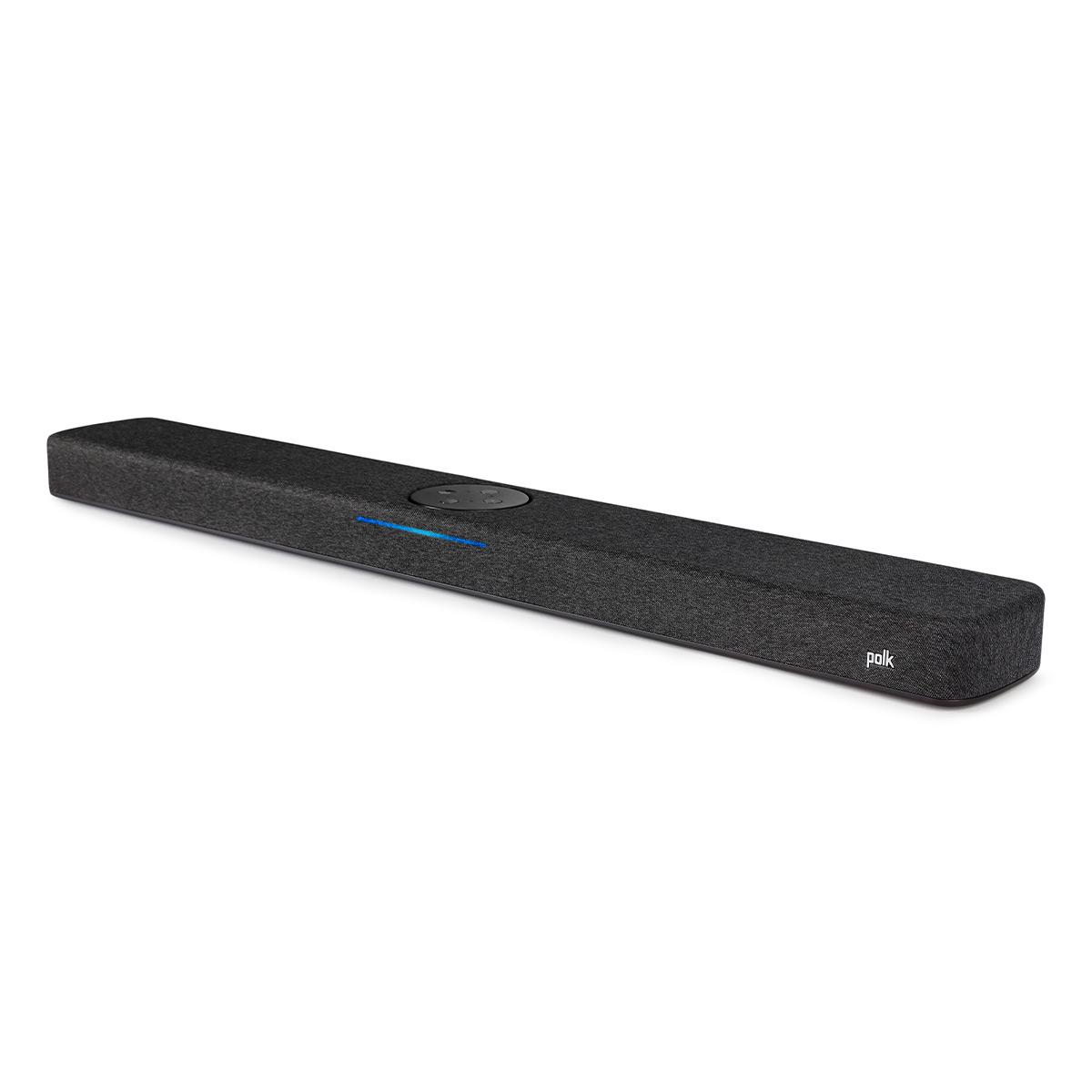
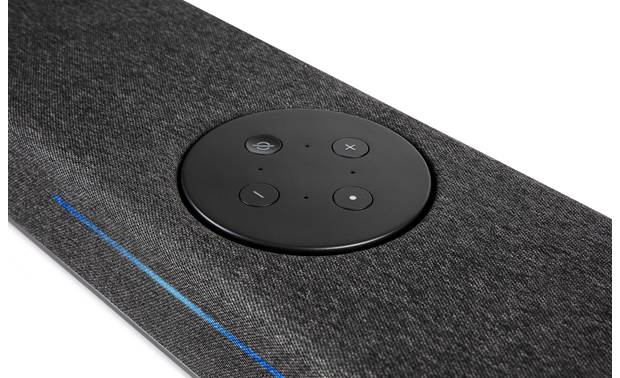
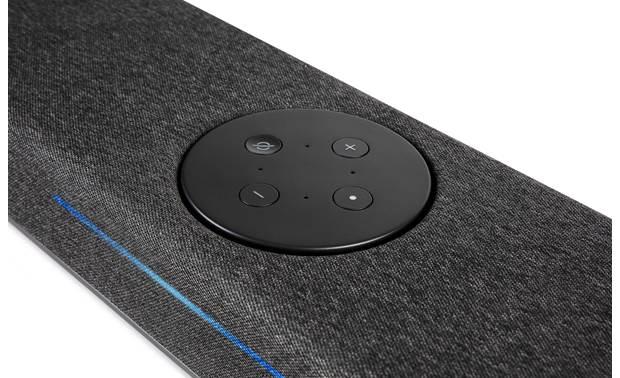
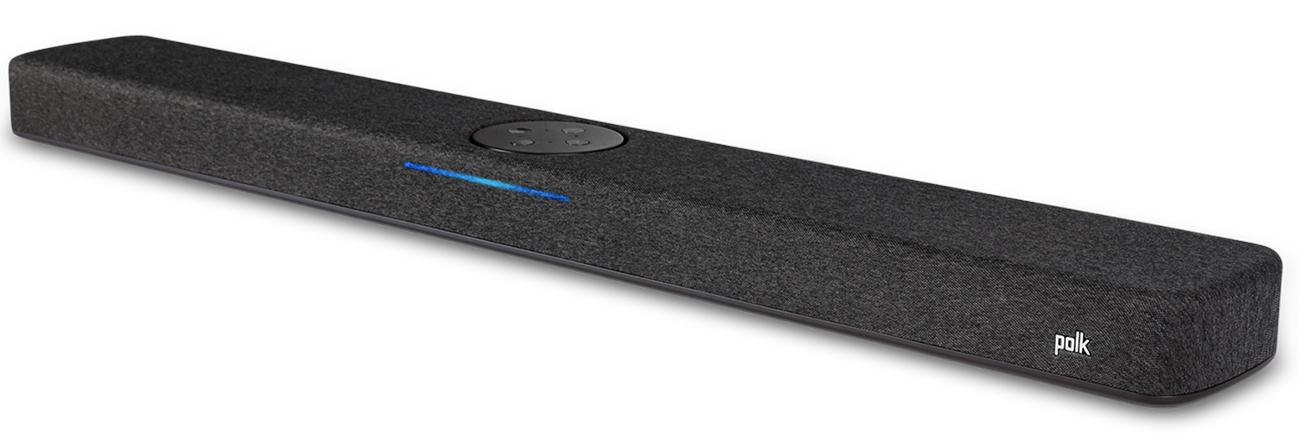
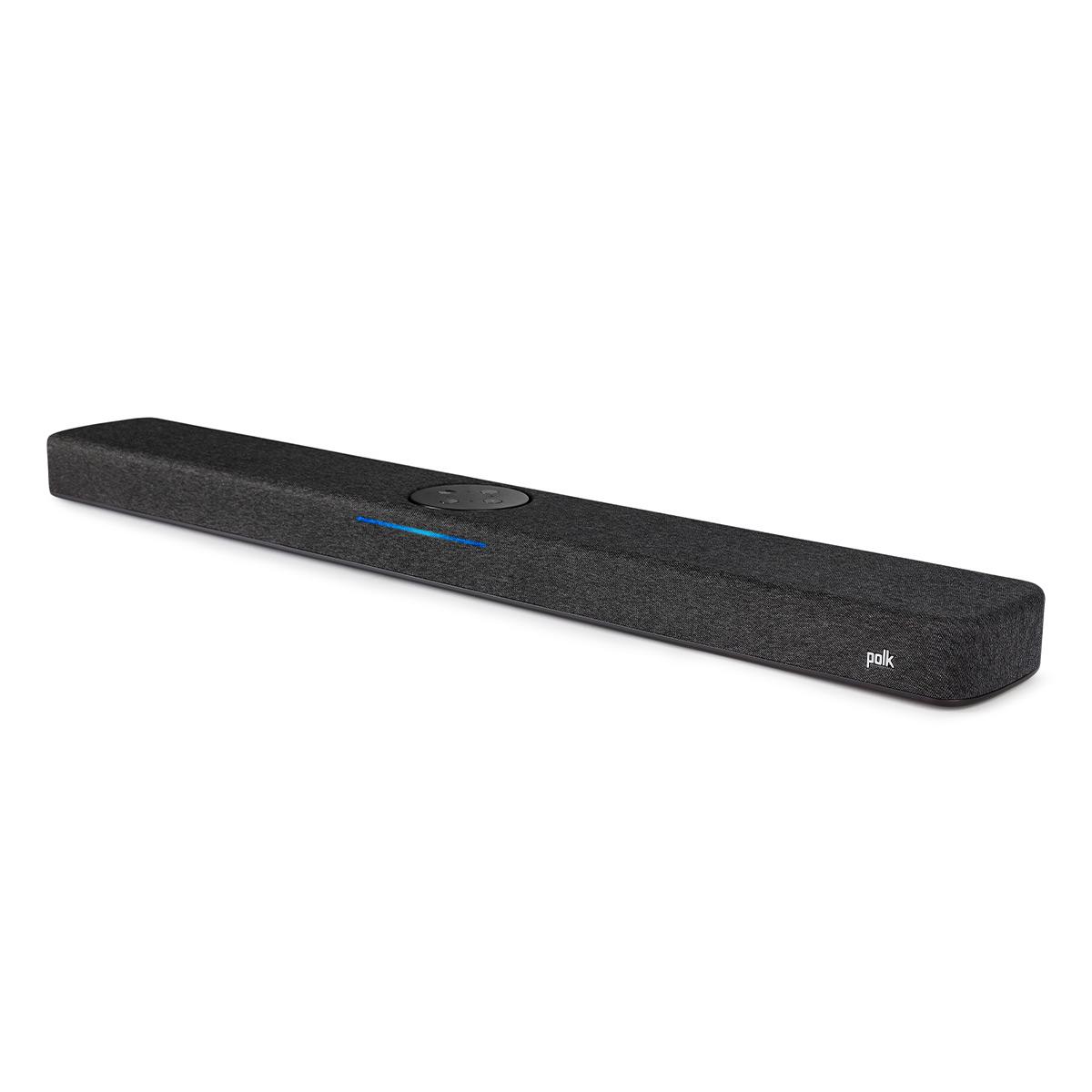
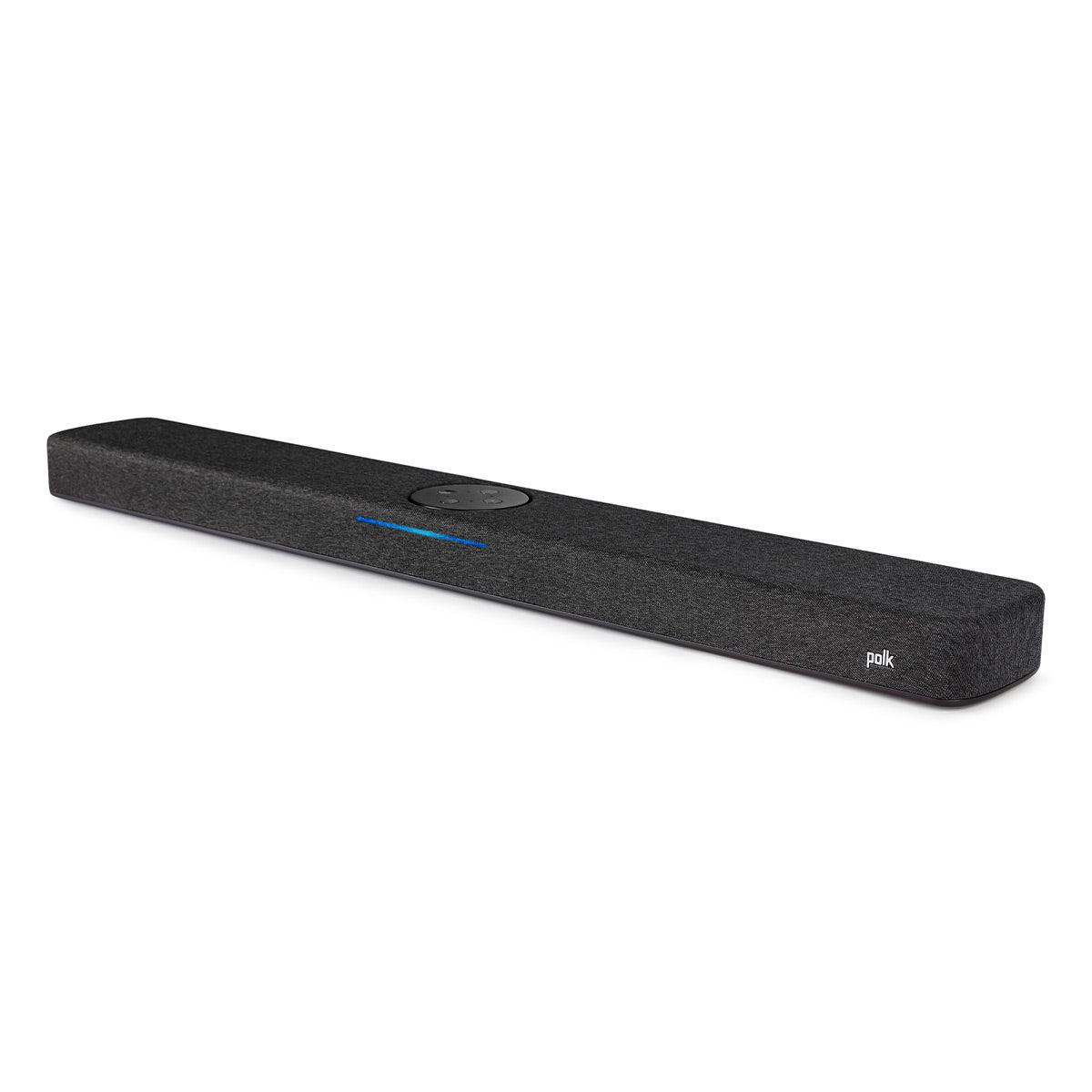
The Polk React, on the other hand, embraces the "smart home hub" concept. Yes, it's a soundbar, but it's also a full Alexa device that can control your lights, answer questions, and even make phone calls. This dual identity shapes everything about how it works.
In my experience testing both, this philosophical difference becomes obvious within minutes of use. The Bose feels like a premium audio component that happens to connect to your TV. The Polk feels like a smart speaker that happens to excel at TV audio.
Let's start with the most important aspect: can you actually understand what people are saying on TV? Both soundbars tackle this differently, and the results vary depending on your content and room.
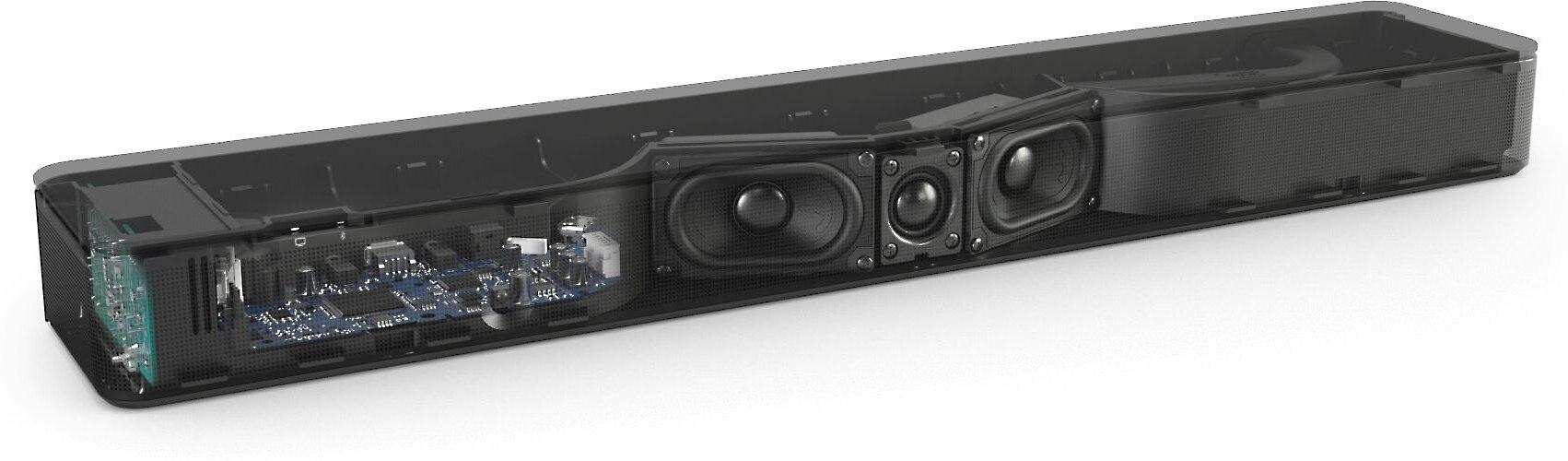
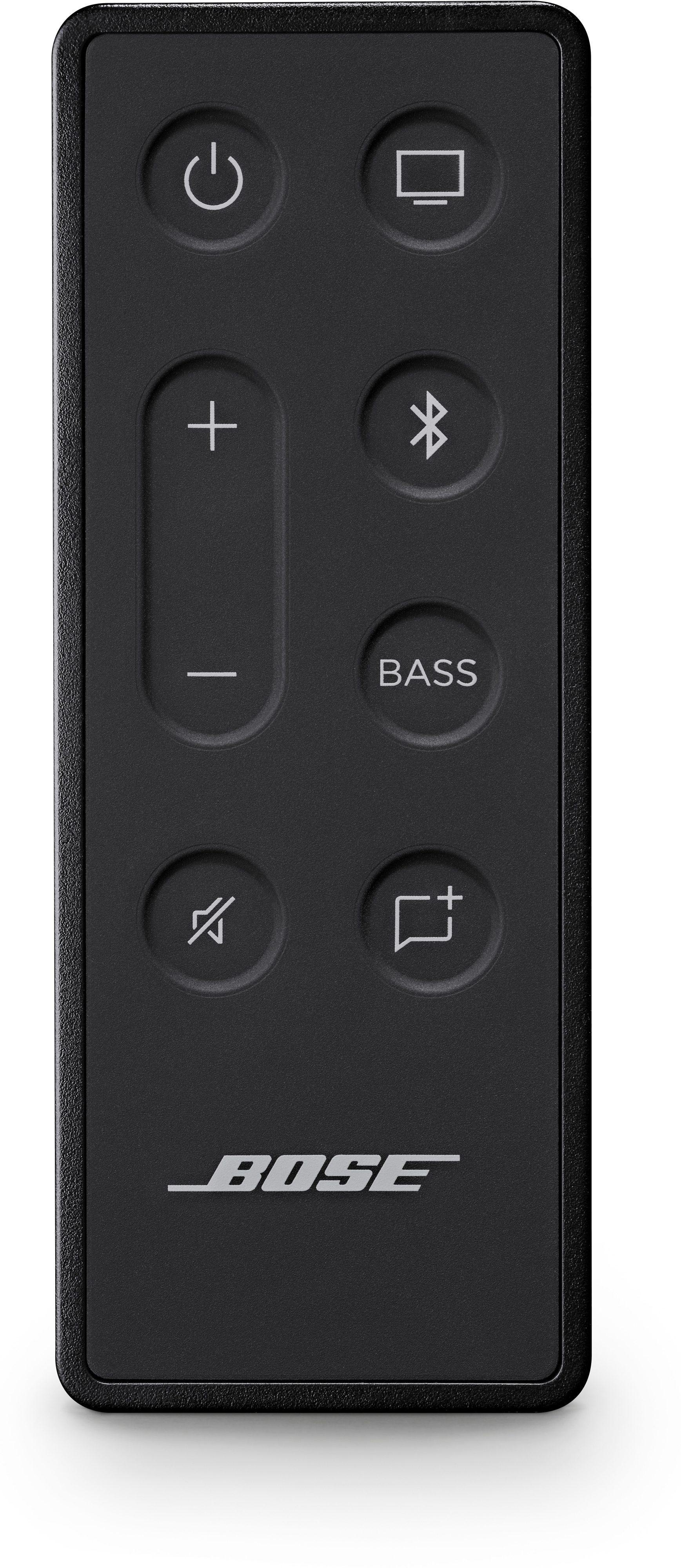
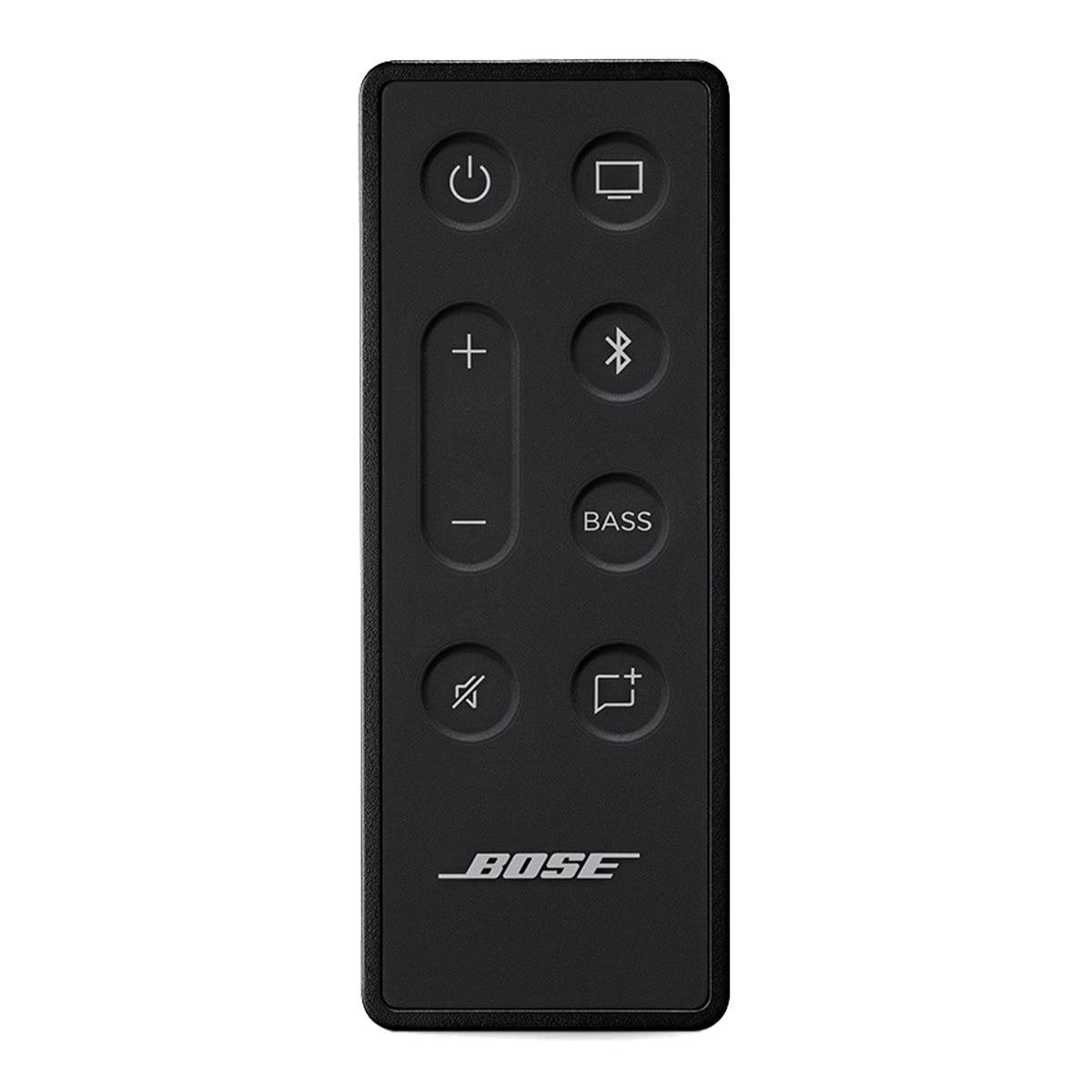
The Bose TV Speaker uses what they call a 3.0-channel system. This means it has dedicated left, center, and right audio channels, with the center channel specifically handling dialogue. When you press the "Dialogue Mode" button on the remote, the soundbar analyzes the incoming audio in real-time and boosts the frequency range where human voices live (roughly 85Hz to 255Hz for fundamental tones, with overtones extending much higher).
I've found this works exceptionally well for dramas, documentaries, and news programming. Watching something like "The Crown" or "Breaking Bad" – shows known for sometimes mumbly dialogue – the difference is immediately apparent. Voices cut through background music and sound effects with remarkable clarity.
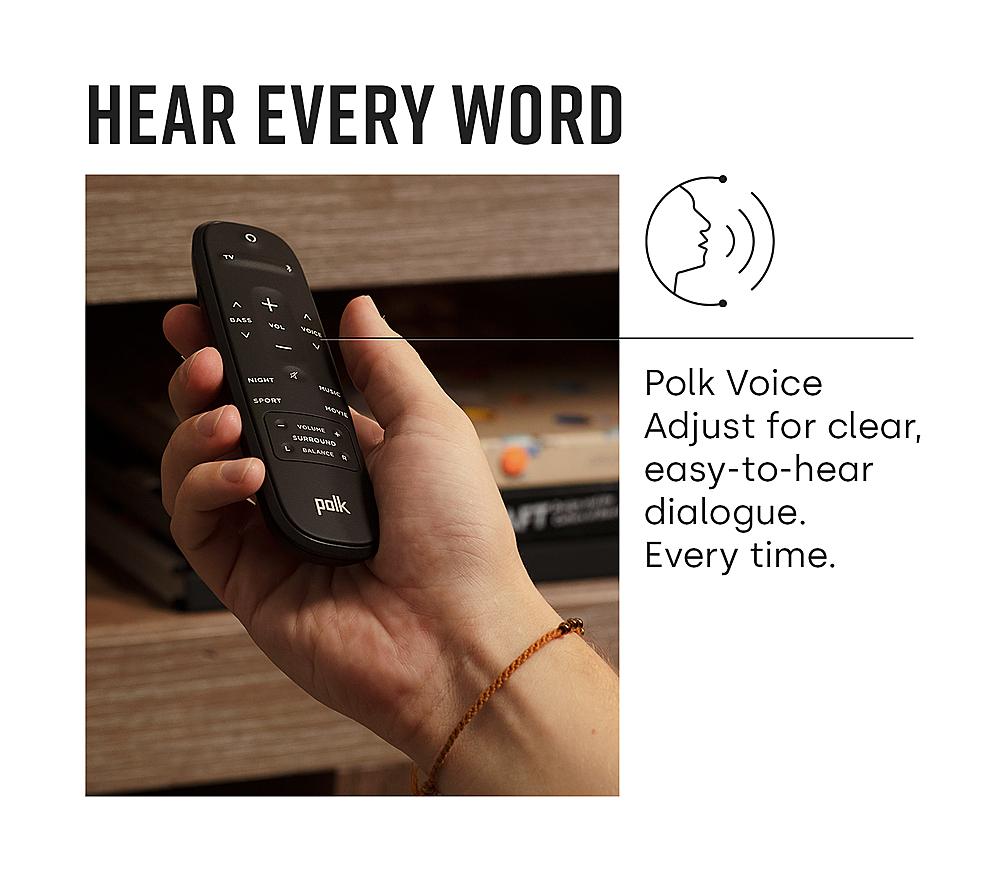
The Polk React takes a different approach with its "Voice Adjust Technology." Instead of a simple on/off dialogue mode, it gives you granular control over voice levels. You can dial in exactly how prominent you want dialogue to be relative to other sounds. This flexibility is powerful, but it requires more tweaking to get right.
The Polk's 2.0-channel setup (left and right, no dedicated center) means dialogue comes from both left and right speakers simultaneously. While this can create a wider sound, it sometimes lacks the focused vocal clarity that Bose's center channel provides.
This is where things get interesting. The Bose TV Speaker punches well above its weight class for bass response, despite having no visible subwoofer. Bose uses proprietary driver design and internal acoustic engineering to coax surprisingly deep low-end from a compact enclosure.
The bass isn't earth-shaking – you won't feel explosions in your chest – but it's well-balanced and musical. Action movies like "Mad Max: Fury Road" sound full and engaging without overwhelming the midrange where dialogue lives. The bass adjustment button on the remote provides a noticeable boost when you want more impact.
The Polk React, with its larger cabinet and passive radiators (these are like speakers without magnets that move air to enhance bass), produces more aggressive low-end. The trade-off is that this bass can sometimes mask dialogue if you're not careful with the settings. However, for action movies and music listening, the Polk's more pronounced bass response creates a more exciting experience.
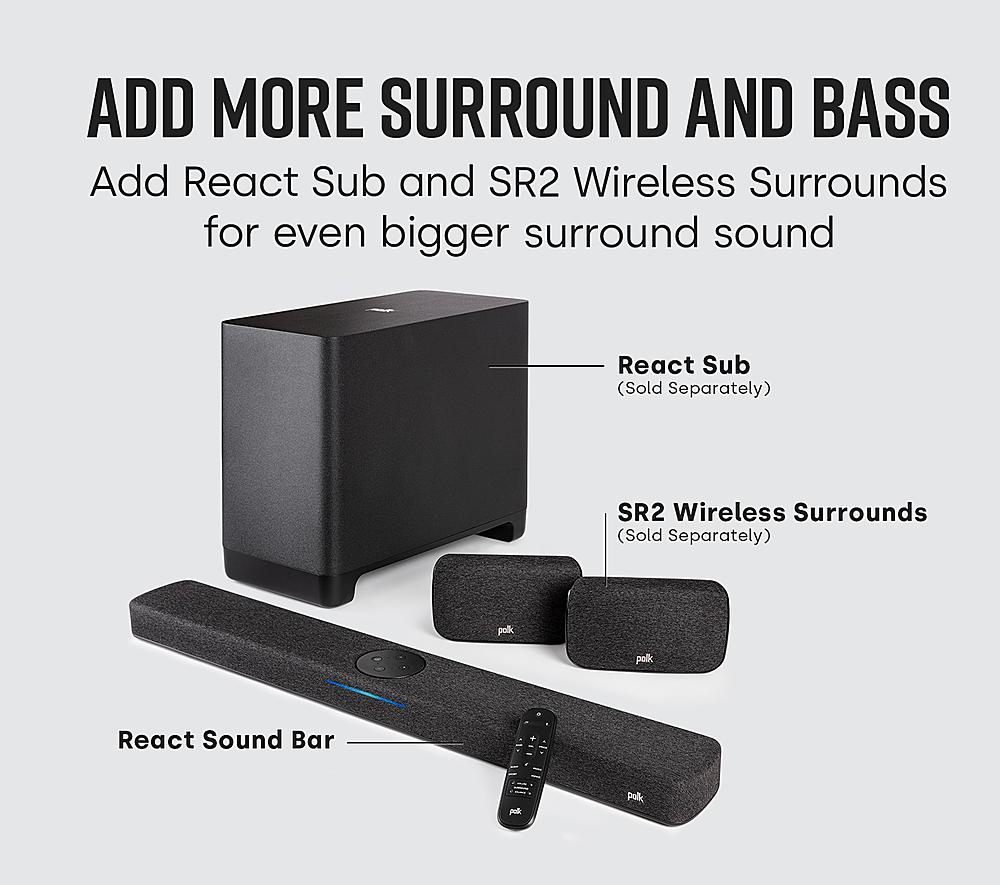
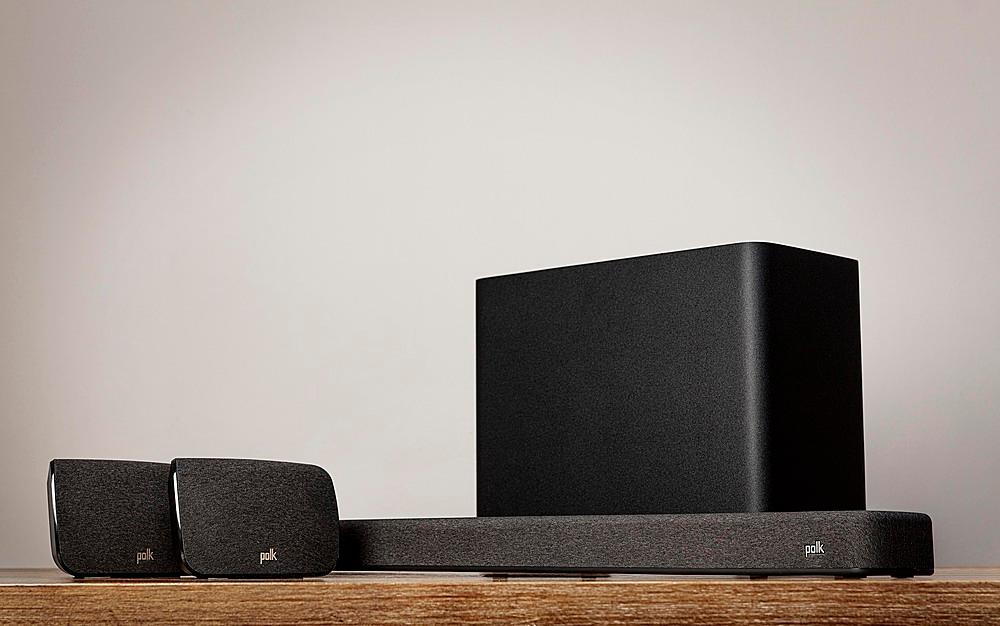
The real game-changer for the Polk is its expandability. You can add the Polk React Sub (a wireless subwoofer) to get true deep bass extension. This transforms the system from "pretty good" to "genuinely impressive" for movie watching.
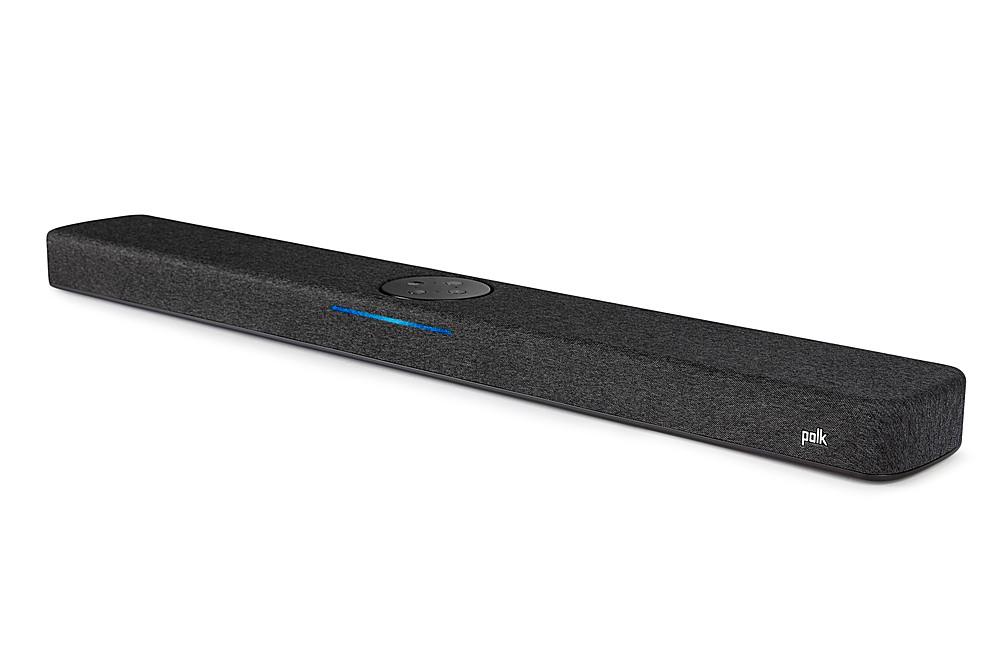
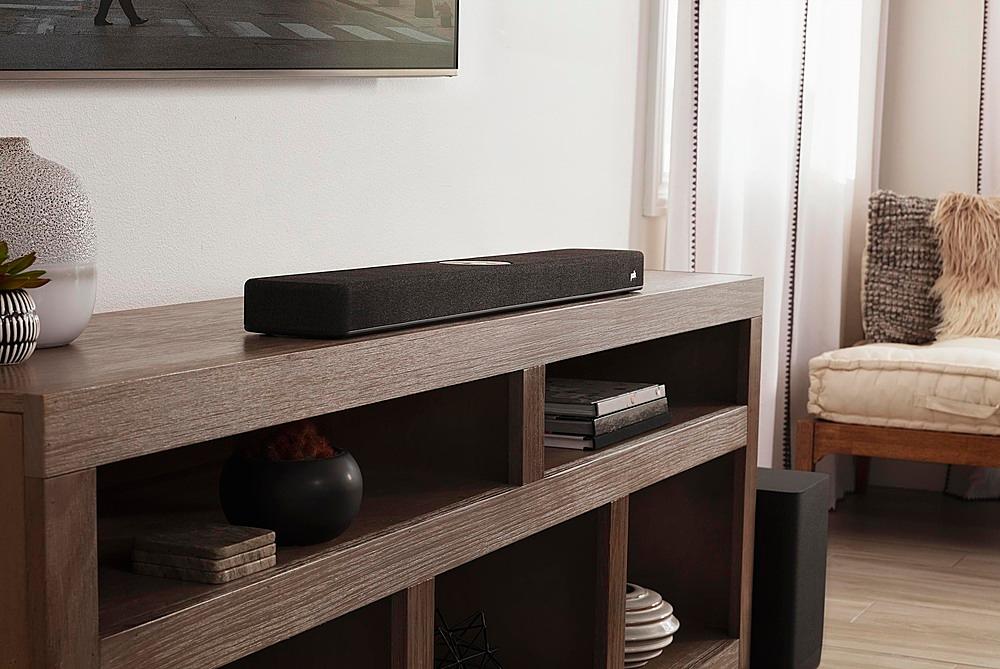
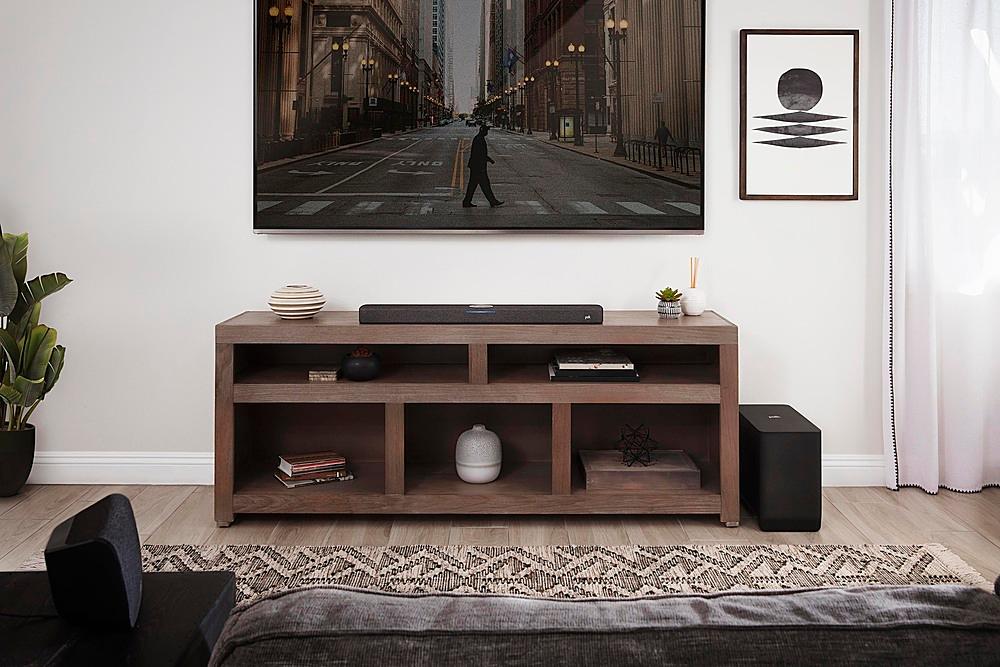
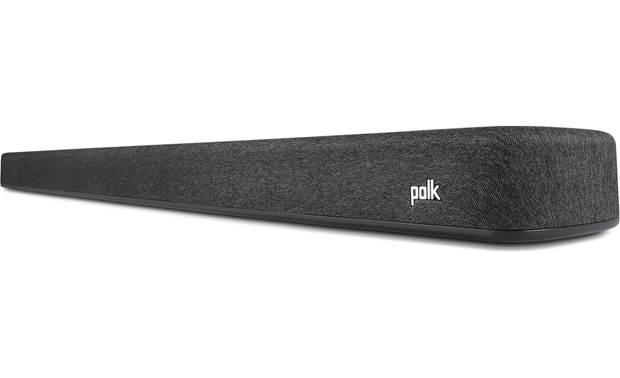
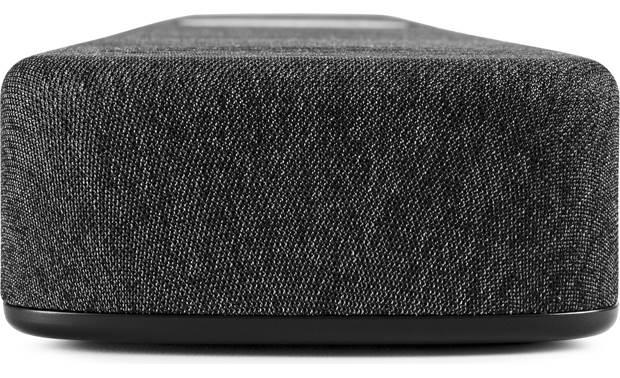
Here's where the size difference becomes crucial. The Polk React is significantly larger (34 inches wide versus the Bose's more compact footprint) and contains six total drivers versus the Bose's more modest array.
In rooms larger than about 300 square feet, the Polk simply plays louder without strain. Its maximum volume capability is noticeably higher, and it maintains clarity even when pushed hard. This makes it better for parties, sports viewing with friends, or if you have hearing difficulties.
The Bose TV Speaker is optimized for smaller spaces. In a typical bedroom or small living room, it performs beautifully. But ask it to fill a large family room, and you'll find yourself wishing for more output.
This category isn't even close – the Polk React dominates because the Bose TV Speaker doesn't play this game at all.
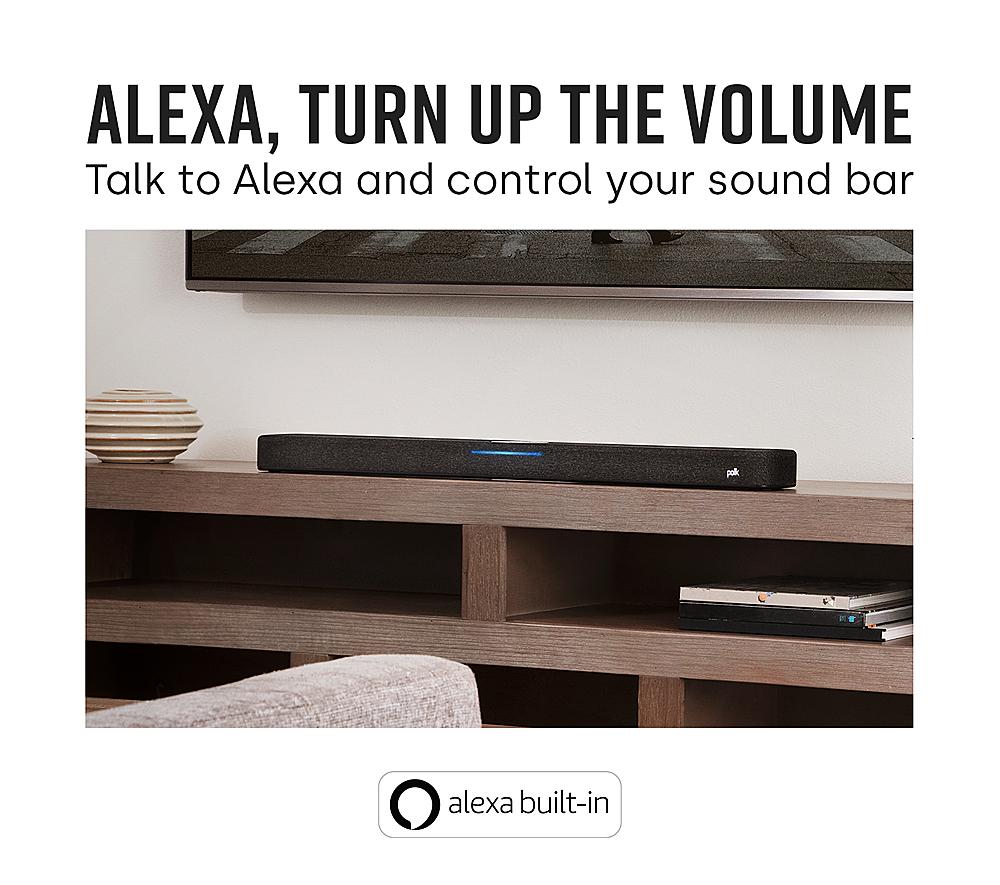
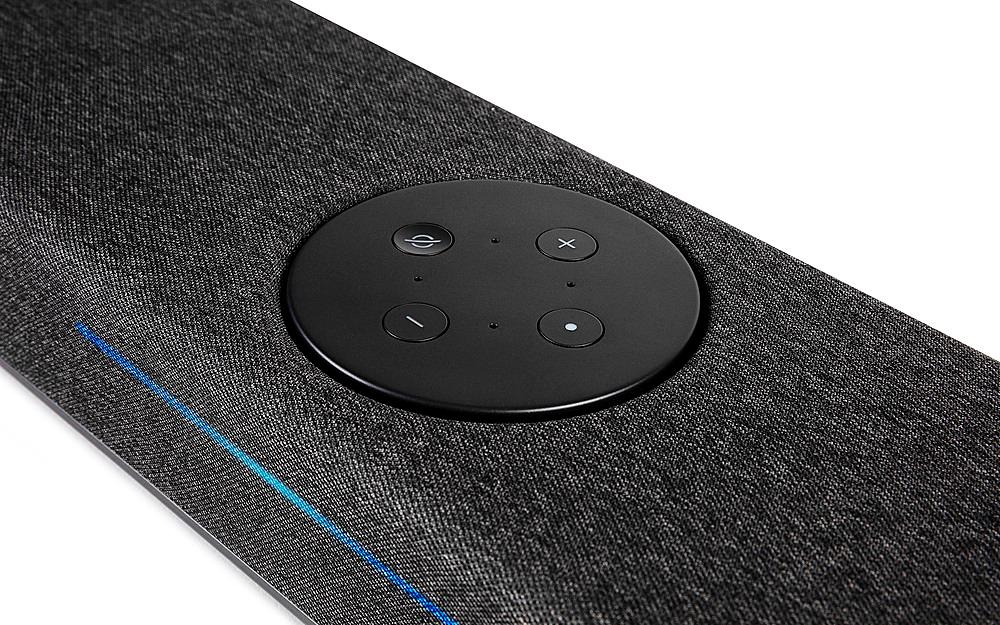
The Polk React includes four far-field microphones that can hear you from across the room, even with TV audio playing. The Alexa integration isn't just a gimmick – it's genuinely useful. You can ask about the weather during commercial breaks, dim the lights for movie watching, or even order pizza without pausing your show.
One feature I particularly appreciate is Alexa's ability to answer questions about what you're watching. If you're confused about a plot point or want to know who plays a certain character, you can just ask without reaching for your phone.
The multi-room audio capability lets you group the Polk with other Alexa devices throughout your home. Start playing music in the living room, then extend it to the kitchen and bedroom speakers with a simple voice command.
The Bose takes the opposite approach – no microphones, no voice control, no smart features whatsoever. Some people prefer this simplicity, especially those concerned about privacy or who already have enough smart devices.
Modern connectivity can make or break a soundbar's usability, and there's a clear winner here.
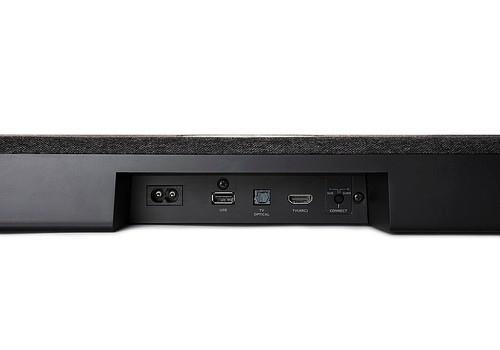
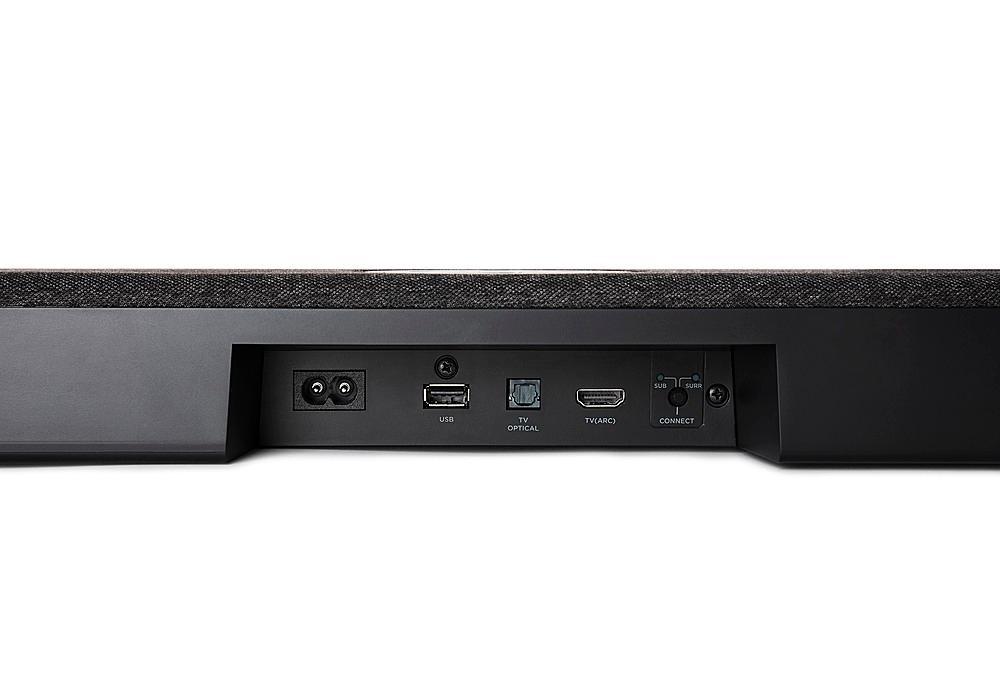
The Polk React includes HDMI ARC (Audio Return Channel), which is crucial for seamless TV integration. This single cable connection allows your TV remote to control the soundbar's volume, and it can automatically switch the soundbar on when you turn on your TV. HDMI ARC also supports higher-quality audio formats than optical connections.
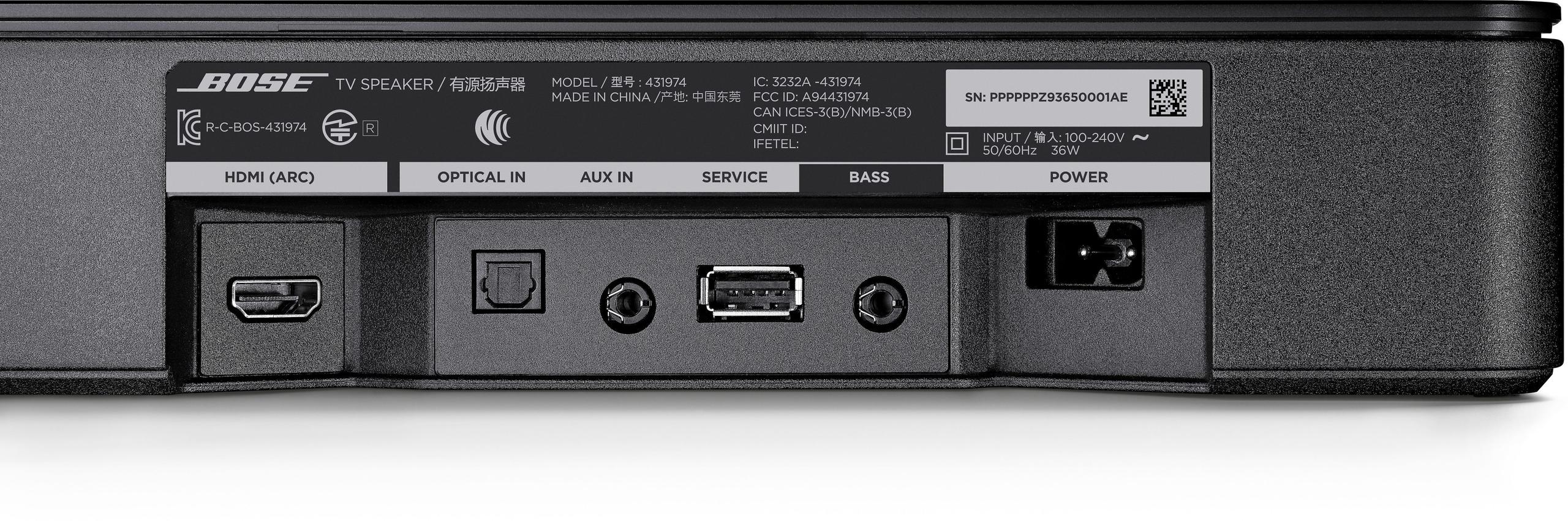
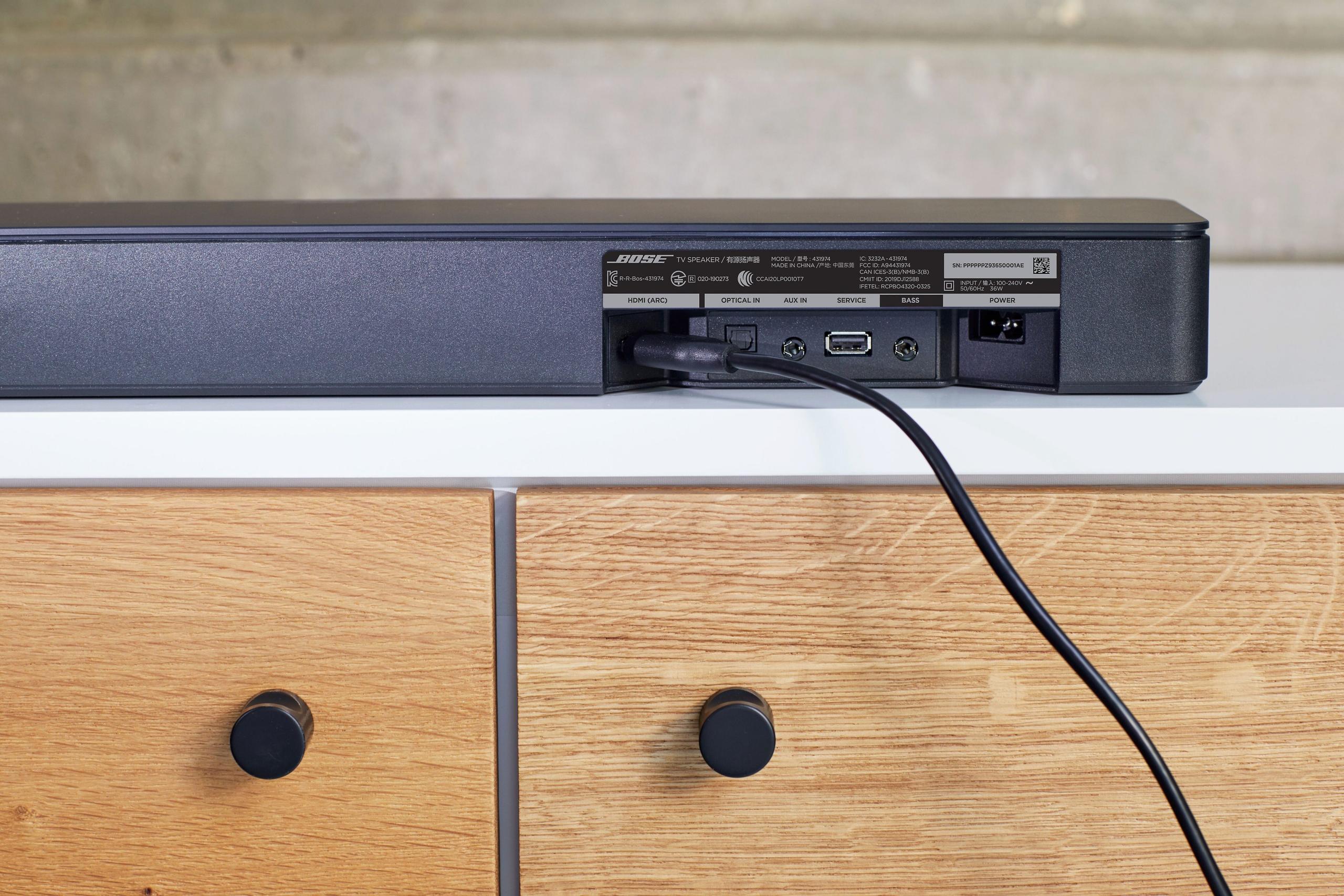
The Bose TV Speaker lacks HDMI ARC, relying instead on optical digital connection. While optical can carry high-quality audio, it doesn't allow for TV remote control integration. You'll need to use the included Bose remote for volume adjustments, which adds complexity to daily use.
Both soundbars include Bluetooth for music streaming from phones and tablets. The connection quality is reliable on both, though the Polk's newer Bluetooth implementation seems slightly more stable with multiple device pairing.
The Bose TV Speaker wins the simplicity contest hands down. Connect one optical cable, plug in power, and you're done. Total setup time: under five minutes. The included remote is straightforward with clearly labeled buttons for dialogue mode and bass adjustment.
The Polk React requires more initial investment. You'll want to use HDMI ARC for the best experience, which means connecting it properly and enabling ARC in your TV's settings (this trips up many users). Then there's the Alexa setup process through the Amazon app, including voice training and linking your Amazon account.
However, once configured, the Polk's daily use is arguably more convenient. Voice control eliminates the need to find remotes, and the integration with TV functions through HDMI ARC means fewer devices to manage.
For dedicated home theater use, both soundbars serve different purposes in the ecosystem.
The Bose TV Speaker works best as a simple TV audio upgrade for smaller home theaters or media rooms. Its dialogue clarity makes it excellent for movie nights where understanding every word matters more than earth-shaking explosions. However, it can't expand into a true surround system, limiting its long-term theater potential.
The Polk React offers a genuine path to full home theater audio. Start with the soundbar, add the wireless subwoofer when budget allows, then complete the 5.1 system with wireless surround speakers. This modular approach lets you build your theater over time while maintaining the convenience of wireless connections.
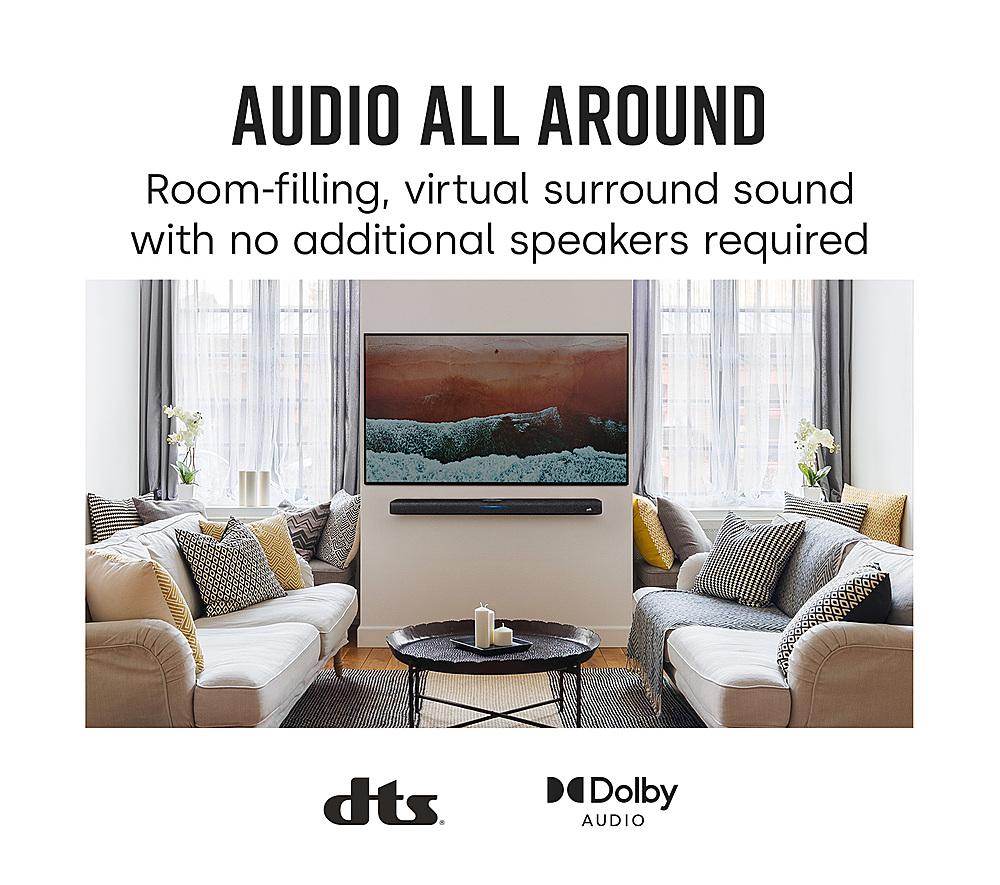
For serious movie enthusiasts, the Polk's Dolby Digital and DTS decoding capabilities mean it can properly process surround soundtracks, even if it's only presenting them through two main speakers initially.
Since their release, the home audio landscape has shifted toward Dolby Atmos and more sophisticated room correction. Neither of these soundbars offers Atmos support, which creates overhead sound effects by bouncing audio off your ceiling.
However, both models have received firmware updates that improved performance. The Polk React has benefited from Alexa's continuous improvements, gaining new voice capabilities and better music service integration over time.
The Bose TV Speaker represents Bose's philosophy that good audio processing trumps feature lists. Even without the latest codec support, its fundamental audio quality remains competitive with newer models.
At $199, the Bose TV Speaker delivers premium audio processing and build quality at an accessible price point. You're paying for Bose's acoustic engineering expertise and the company's reputation for reliable products.
The Polk React at $230 asks for $31 more but provides significantly more functionality. The Alexa integration alone represents substantial value – comparable standalone smart speakers cost $50-100. Add HDMI ARC convenience and expansion possibilities, and the price premium seems justified.
From a long-term investment perspective, the Polk offers better future-proofing through its expandability and smart features that improve over time through software updates.
Choose the Bose TV Speaker if you want immediate, dramatic improvement in TV audio without any complexity. It's perfect for people who value simplicity over features and prefer products that just work without setup hassles. Small to medium-sized rooms are its sweet spot.
The Polk React makes sense for users who want their soundbar to be part of a larger smart home ecosystem. If you're planning to expand to full surround sound eventually or appreciate voice control convenience, the additional $31 is well spent.
Your room size matters significantly. Larger spaces favor the Polk's higher output capability, while the Bose excels in more intimate settings where its refined audio processing can shine.
Both soundbars will dramatically improve your TV watching experience compared to built-in TV speakers. The question isn't whether either works well – they both do – but which approach better matches your lifestyle and long-term plans for your entertainment system.
| Bose TV Speaker Soundbar | Polk Audio React Sound Bar with Alexa Built-In |
|---|---|
| Price - Base cost for entry-level TV audio upgrade | |
| $199 (excellent value for Bose quality) | $230 (justified by smart features and expandability) |
| Audio Channels - Affects dialogue clarity and sound separation | |
| 3.0-channel (dedicated center for superior dialogue) | 2.0-channel with virtual surround (wider soundstage) |
| Smart Features - Voice control and home automation capabilities | |
| None (focuses purely on audio performance) | Built-in Alexa with far-field mics (full smart speaker functionality) |
| HDMI ARC Support - Single-cable connection and TV remote control | |
| No (optical connection only, requires separate remote) | Yes (seamless TV integration and remote control) |
| Maximum Volume - Room-filling capability for larger spaces | |
| Moderate (ideal for small-medium rooms) | High (50W RMS, excellent for large rooms and parties) |
| Dialogue Enhancement - Critical for understanding speech clearly | |
| Dedicated Dialogue Mode (analyzes content in real-time) | Voice Adjust Technology (granular manual control) |
| Expandability - Future upgrade potential | |
| Optional wired bass module only | Full 5.1 wireless system (subwoofer + surround speakers) |
| Physical Size - Placement flexibility under your TV | |
| Compact design (23.4" wide, fits most setups) | Larger footprint (34" wide, may not fit smaller TV stands) |
| Setup Complexity - Time from box to working system | |
| Plug-and-play (5 minutes with optical cable) | Moderate (15 minutes including Alexa configuration) |
| Audio Processing - Sound quality and codec support | |
| Bose proprietary processing (excellent clarity) | Dolby Digital + DTS decoding (true surround formats) |
| Bluetooth Connectivity - Wireless music streaming capability | |
| Standard Bluetooth 4.2 | Enhanced Bluetooth 4.2 with multi-device pairing |
| Build Quality - Long-term durability and materials | |
| Premium materials and Bose engineering | Solid construction with more plastic components |
| Best Use Case - Ideal buyer profile | |
| Simple TV audio upgrade, dialogue-focused viewing | Smart home integration, expandable theater system |
The Bose TV Speaker excels at dialogue clarity with its dedicated 3.0-channel system and specialized Dialogue Mode that analyzes content in real-time to boost vocal frequencies. The Polk Audio React offers Voice Adjust Technology for manual dialogue control, but the Bose's center channel provides more focused speech reproduction.
The Bose TV Speaker costs $199, while the Polk Audio React is priced at $230. The $31 difference gets you Alexa integration, HDMI ARC connectivity, and expandability options with the Polk model.
Only the Polk Audio React includes built-in Alexa with far-field microphones for hands-free voice control. The Bose TV Speaker has no voice assistant features and relies on the included physical remote for all controls.
The Polk Audio React produces significantly higher volume output with its 50W RMS power and larger 34-inch design, making it better suited for large rooms. The Bose TV Speaker is optimized for small to medium-sized spaces.
The Polk Audio React can expand into a full 5.1 wireless system by adding a subwoofer and surround speakers. The Bose TV Speaker only supports adding an optional wired bass module and cannot create true surround sound.
The Polk Audio React includes HDMI ARC for single-cable connection and TV remote control integration. The Bose TV Speaker only offers optical digital connection, requiring you to use a separate remote for volume control.
The Bose TV Speaker offers plug-and-play setup in under 5 minutes with just an optical cable connection. The Polk Audio React requires about 15 minutes including HDMI ARC setup and Alexa configuration through the Amazon app.
Both soundbars offer Bluetooth music streaming, but the Polk Audio React provides more dynamic range and bass response for music, plus integration with Alexa music services. The Bose TV Speaker delivers Bose's signature balanced sound quality.
Only the Polk Audio React supports TV remote control through its HDMI ARC connection. The Bose TV Speaker requires using the included Bose remote since it lacks HDMI ARC connectivity.
For basic home theater improvement, both work well, but the Polk Audio React offers better long-term potential with its ability to expand into a full 5.1 system and support for Dolby Digital/DTS formats. The Bose TV Speaker excels at dialogue-heavy content but remains a standalone system.
The Polk Audio React includes Dolby Digital and DTS decoding for proper surround sound processing. The Bose TV Speaker focuses on stereo enhancement without advanced codec support, prioritizing audio processing quality over format compatibility.
The Bose TV Speaker at $199 provides excellent audio quality and simplicity for the price. The Polk Audio React at $230 offers more features including Alexa, HDMI ARC, and expandability, making the extra $31 worthwhile for users who want smart functionality and future upgrade options.
We've done our best to create useful and informative comparisons to help you decide what product to buy. Our research uses advanced automated methods to create this comparison and perfection is not possible - please contact us for corrections or questions. These are the sites we've researched in the creation of this article: bestbuy.com - projectorscreen.com - forums.audioholics.com - digitaltrends.com - abt.com - crutchfield.com - staples.com - bestbuy.com - pcrichard.com - visions.ca - bose.com - assets.bose.com - techradar.com - crutchfield.com - popsci.com - youtube.com - tomsguide.com - bestbuy.com - polkaudio.com - crutchfield.com - forum.polkaudio.com - soundunited.com - youtube.com

Privacy Policy
Terms and Conditions - Affiliate Policy
Home Security
© Copyright 2008-2026.
11816 Inwood Rd #1211, Dallas, TX 75244