



If you've ever cranked up your TV volume just to understand what the actors are saying, you're not alone. Modern flat-screen TVs look amazing, but their paper-thin designs leave little room for decent speakers. That's where soundbars come in – they're designed to give your TV the audio upgrade it desperately needs.
Today we're comparing two very different approaches to better TV sound: the Bose TV Speaker Soundbar ($199) and the LG S70TR 5.1.1 Channel Soundbar ($399.99). These products represent opposite ends of the soundbar spectrum – one prioritizes simplicity while the other delivers a full home theater experience.
Before diving into specifics, let's talk about what makes a good soundbar. The fundamental job is improving your TV's audio, but how they do it varies dramatically. Some focus on making dialogue clearer (great for news and dramas), while others create immersive surround sound that makes you feel like you're inside the movie.
The number you see before "channel" tells you how many speakers are working. A 2.0 system has two speakers (left and right), while a 5.1.1 system has five main speakers, one subwoofer (the ".1"), and one height speaker (the second ".1"). More speakers generally mean more immersive sound, but also more complexity and cost.
Key considerations include:
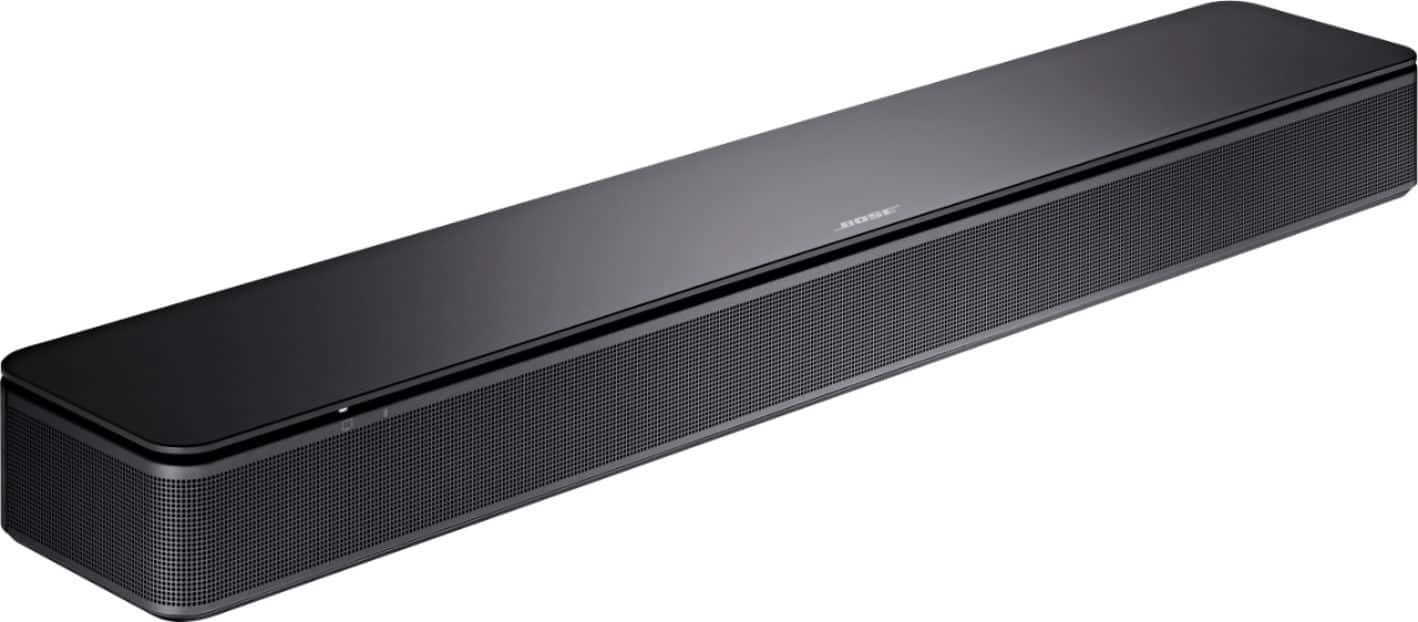
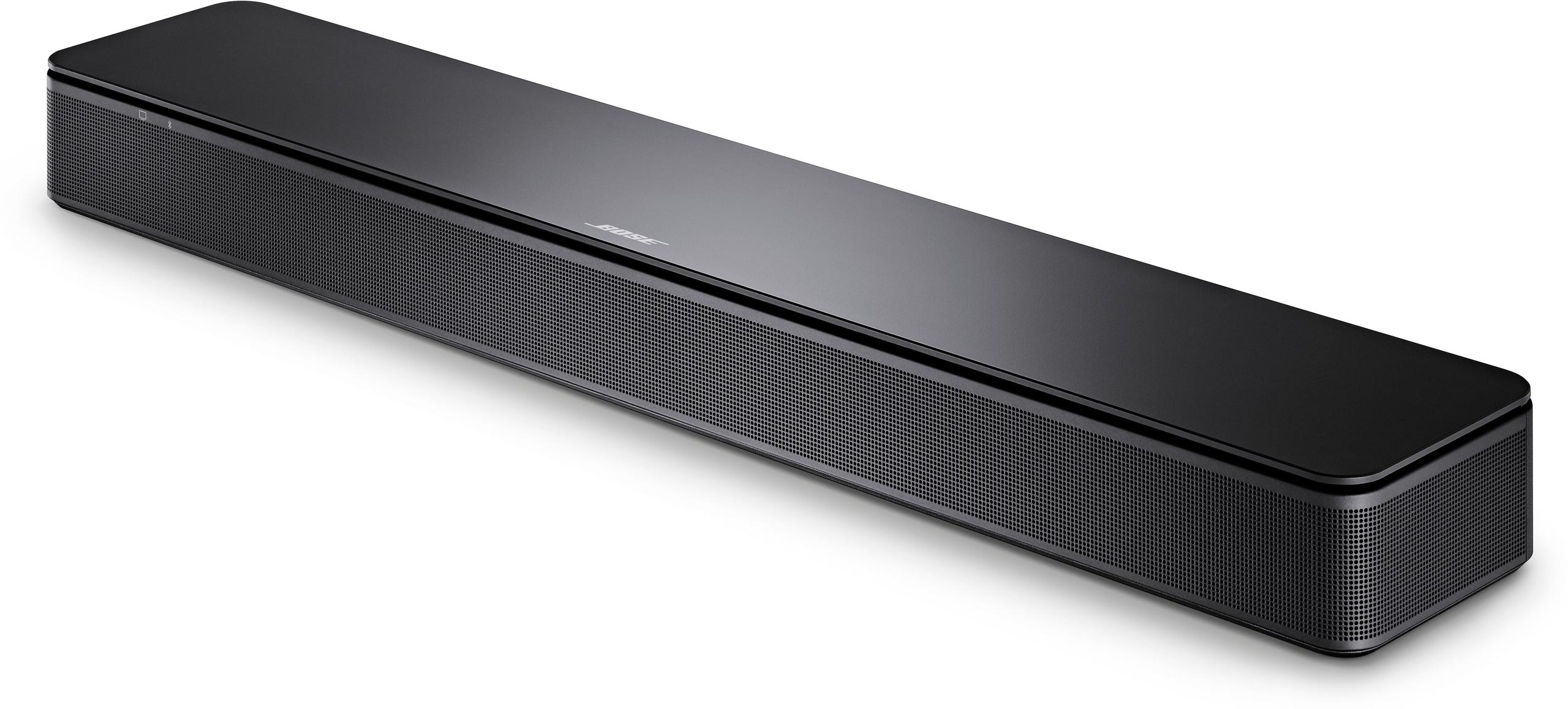
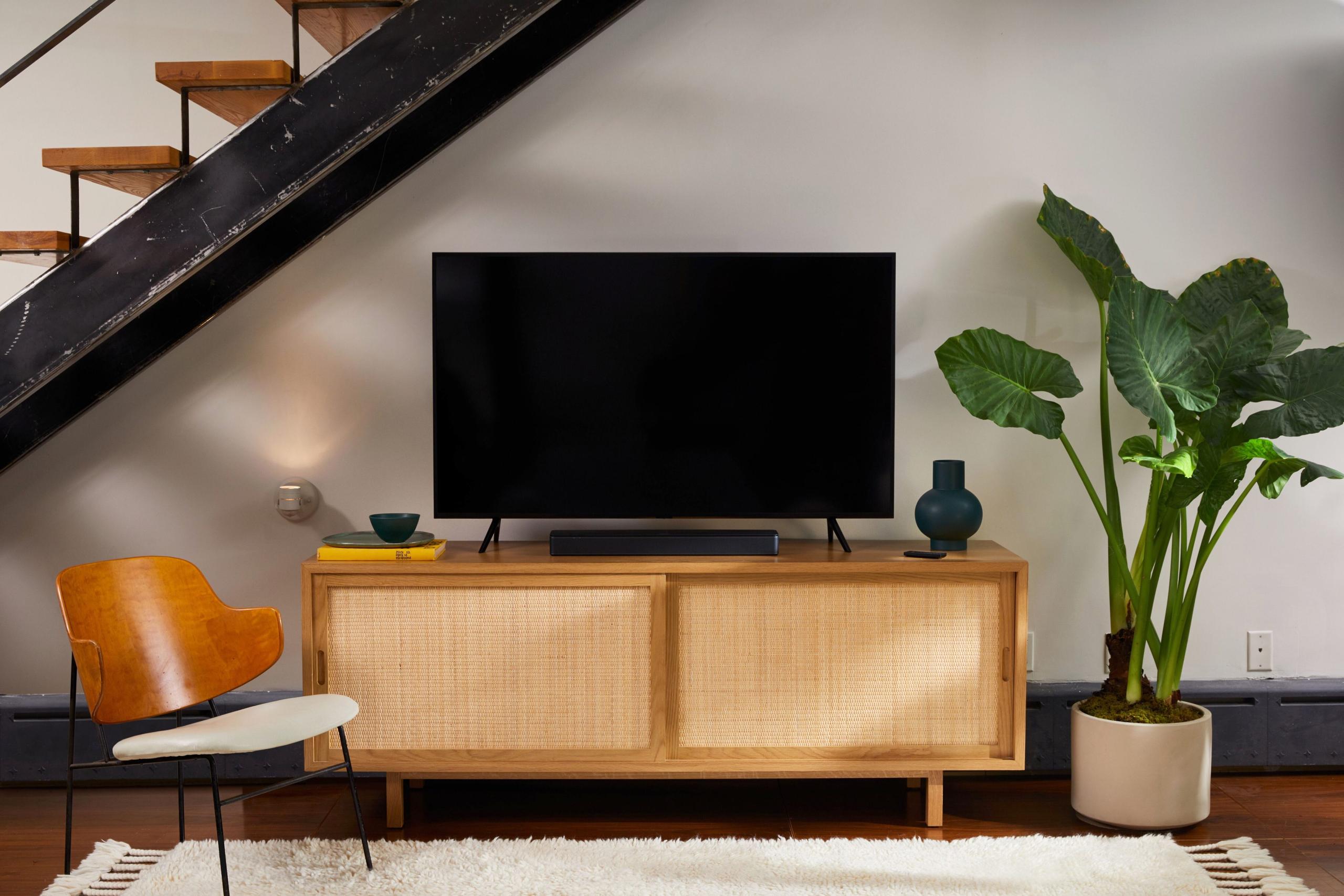
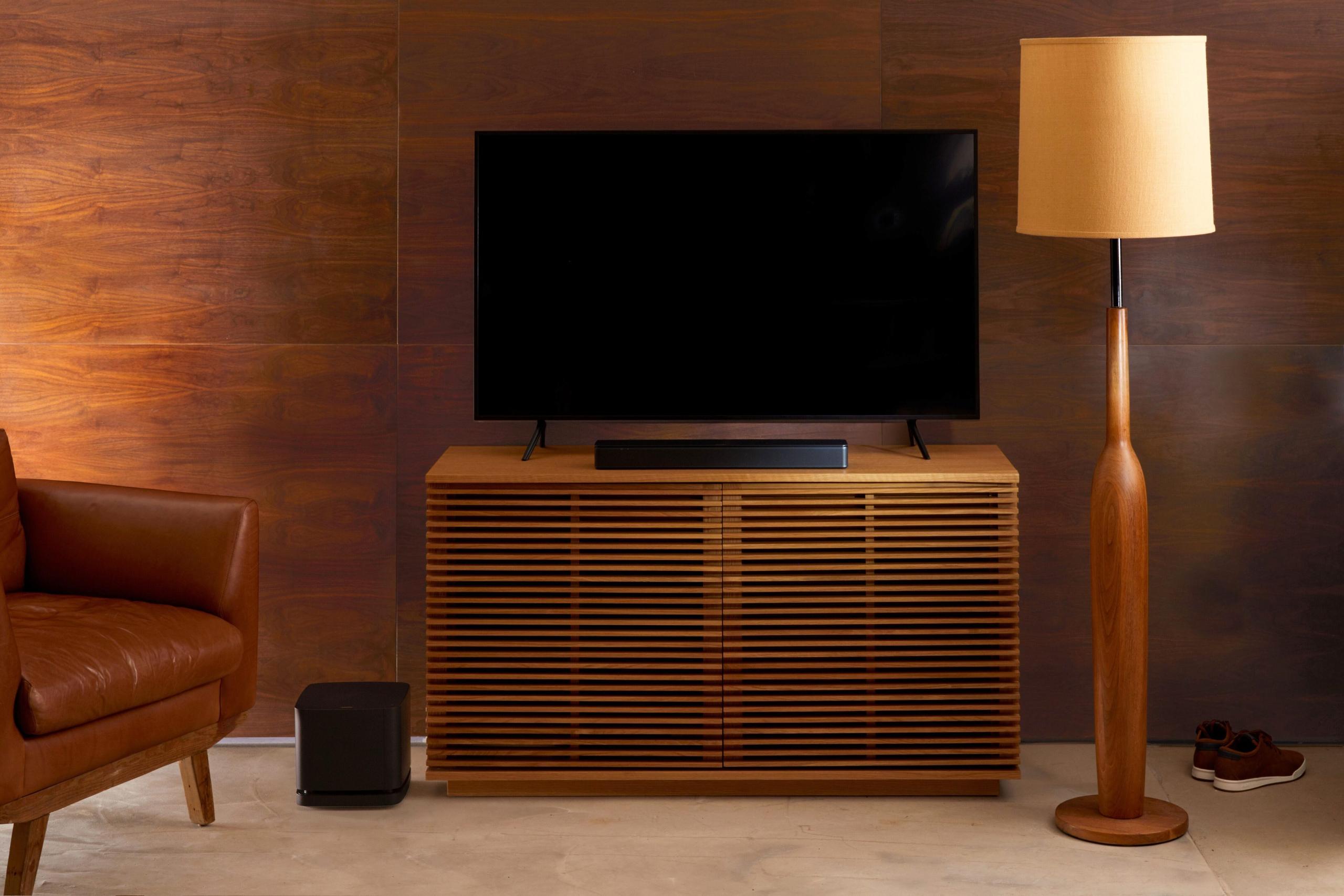
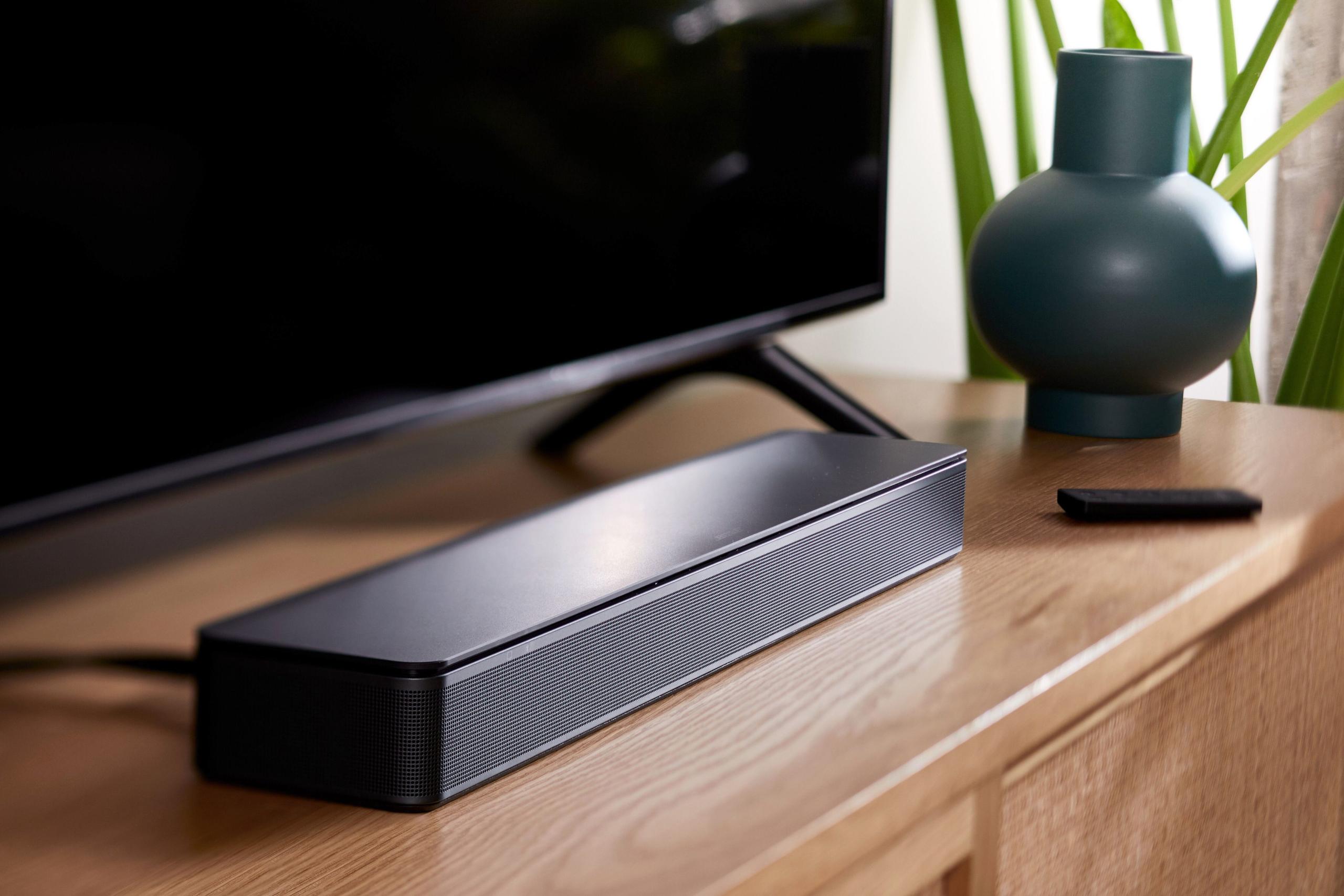
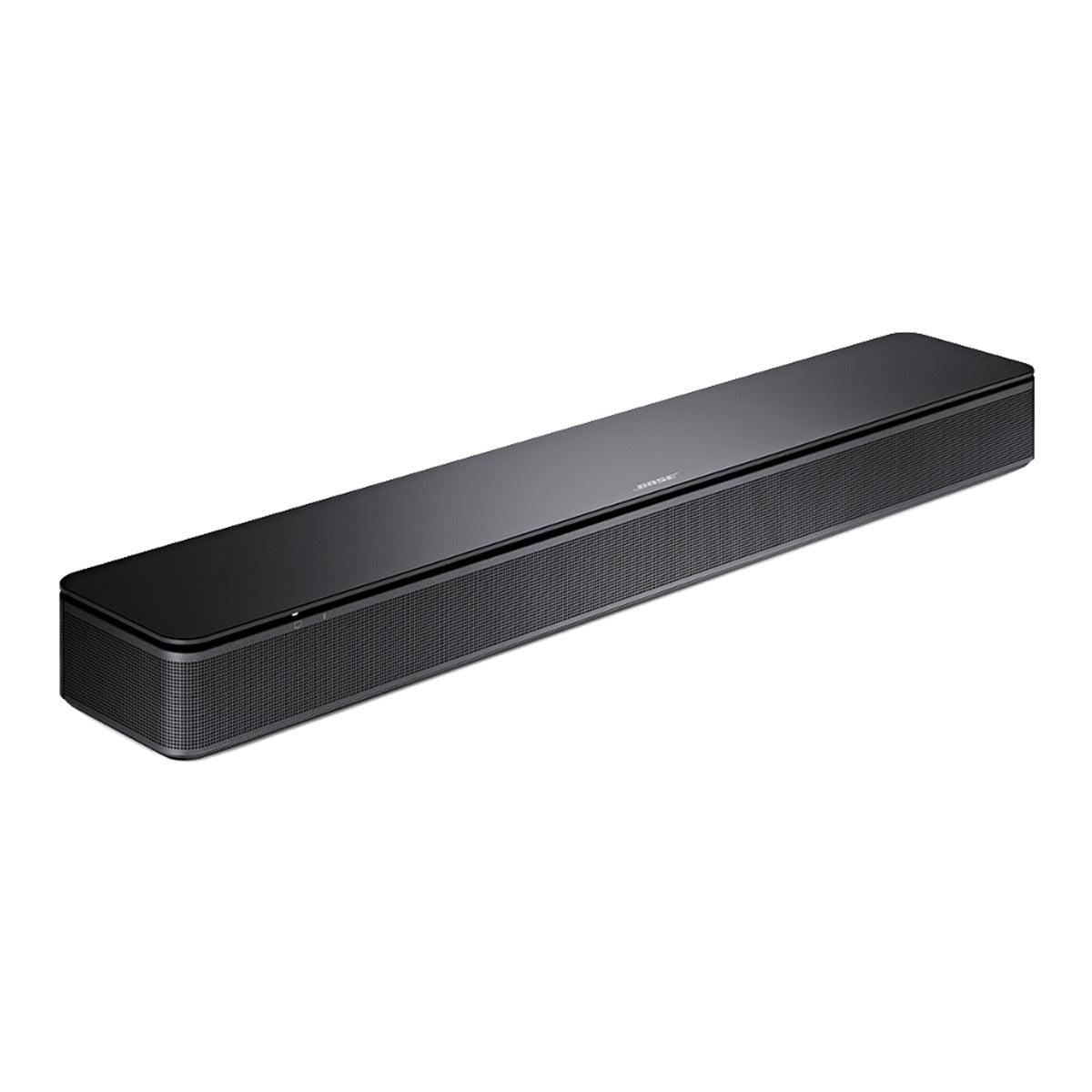
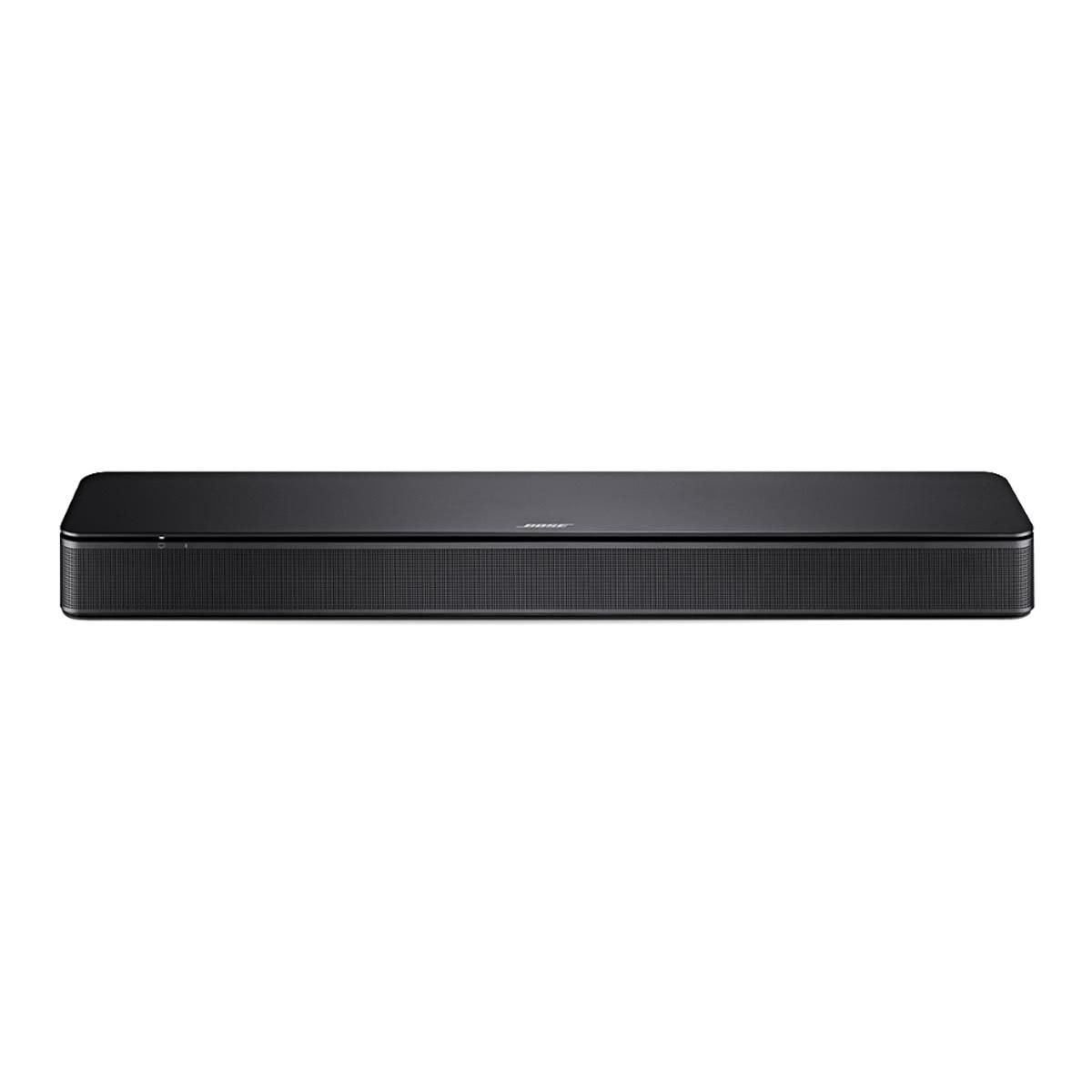
Released in early 2024, the Bose TV Speaker represents Bose's "less is more" philosophy. It's a single bar measuring just 23.4 inches wide – compact enough to fit under most TVs without overwhelming your entertainment center. At 4.3 pounds, you can easily move it around or mount it on the wall.
What makes this interesting is how Bose approaches sound. Instead of cramming in multiple drivers and complicated processing, they've focused on two key areas: dialogue clarity and ease of use. The Dialogue Mode analyzes whatever you're watching and automatically adjusts the sound to make voices more prominent. This isn't just turning up the volume – it's smart processing that reduces background noise and emphasizes the frequency range where human speech lives.
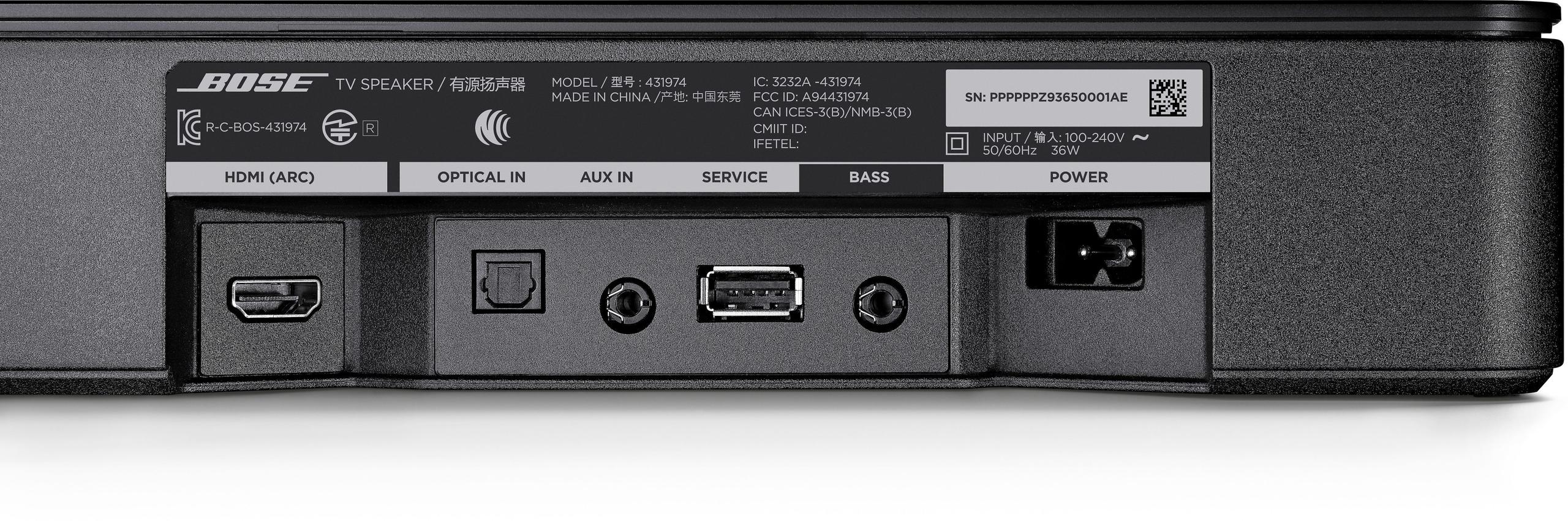
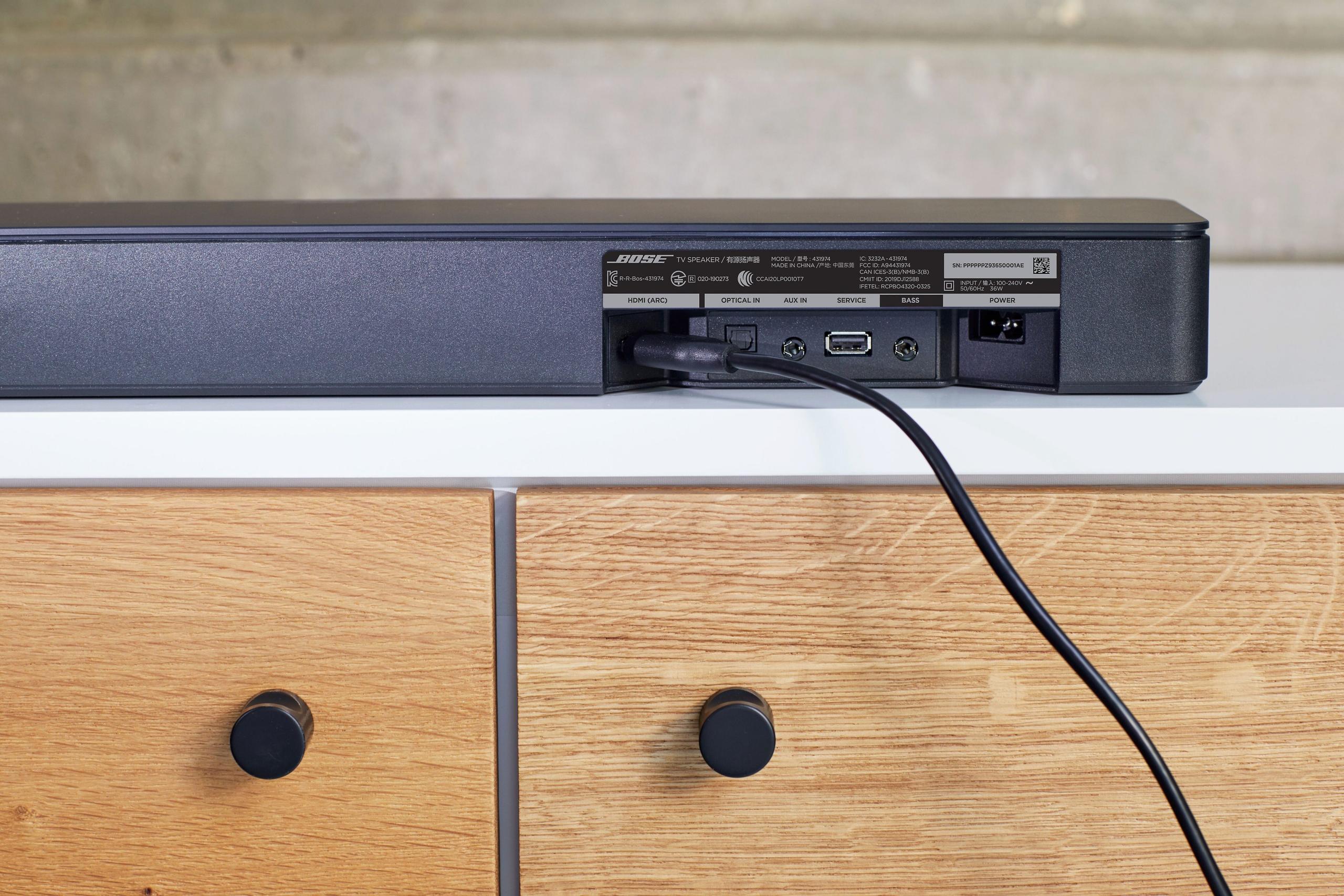
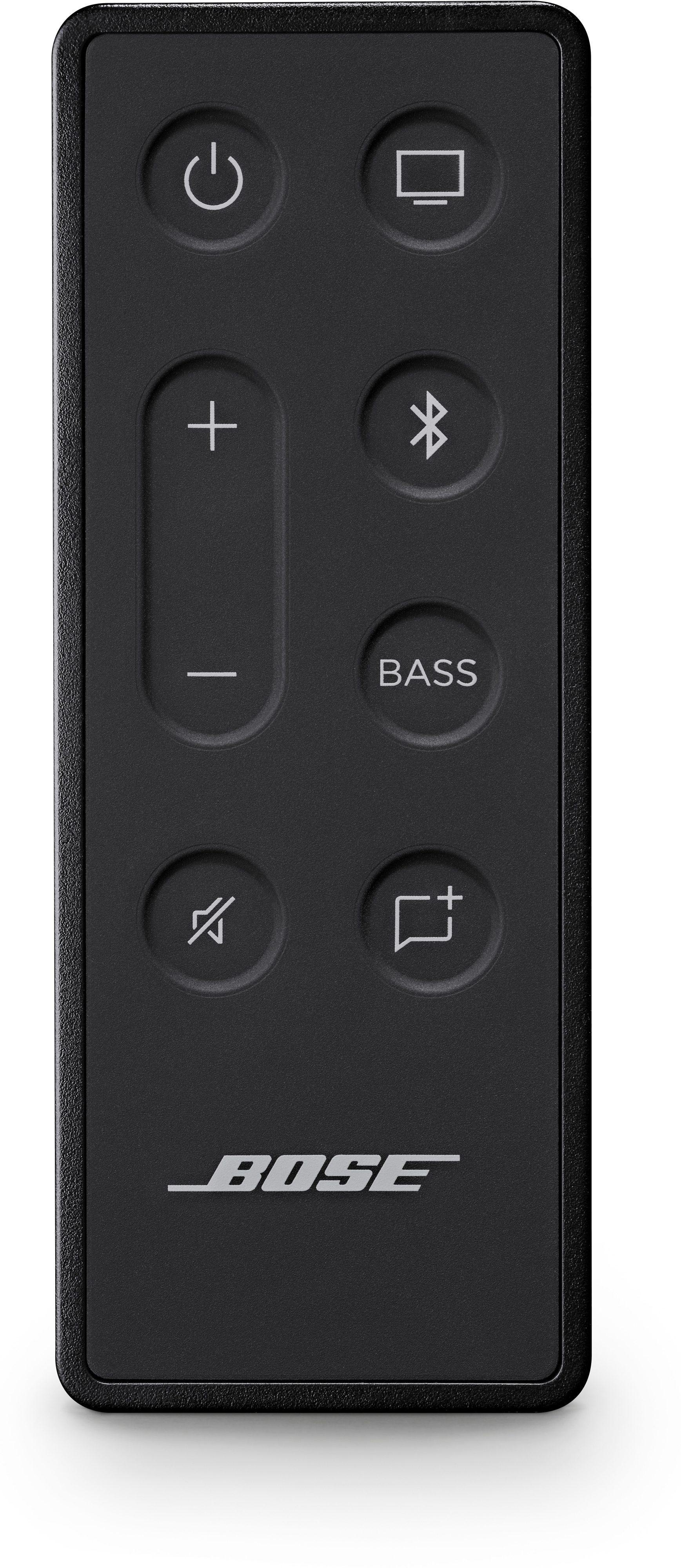
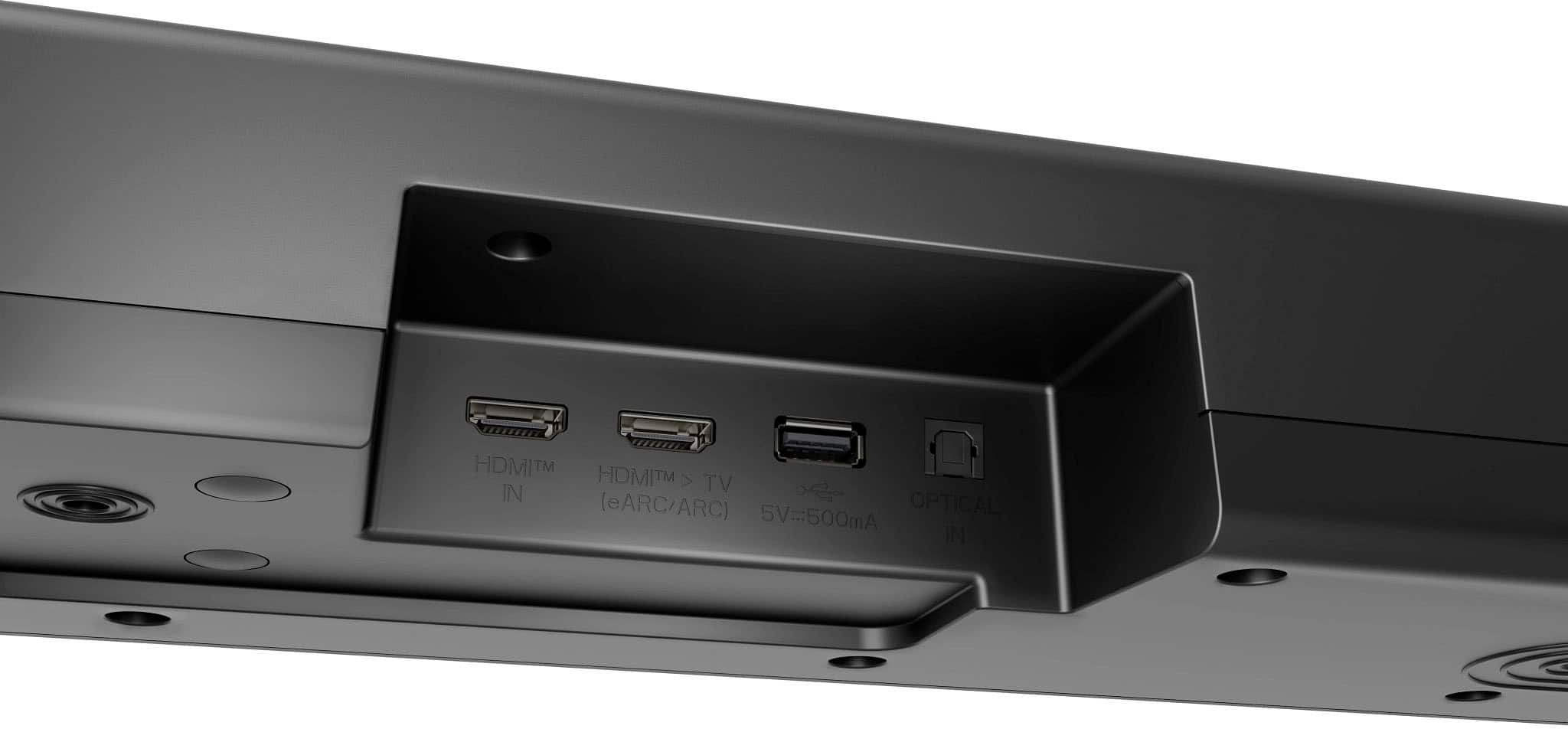
The connectivity is refreshingly simple: one cable to your TV (either optical or HDMI ARC), and you're done. There's also Bluetooth 4.2 for streaming music from your phone, though this is clearly designed as a TV-focused device first.
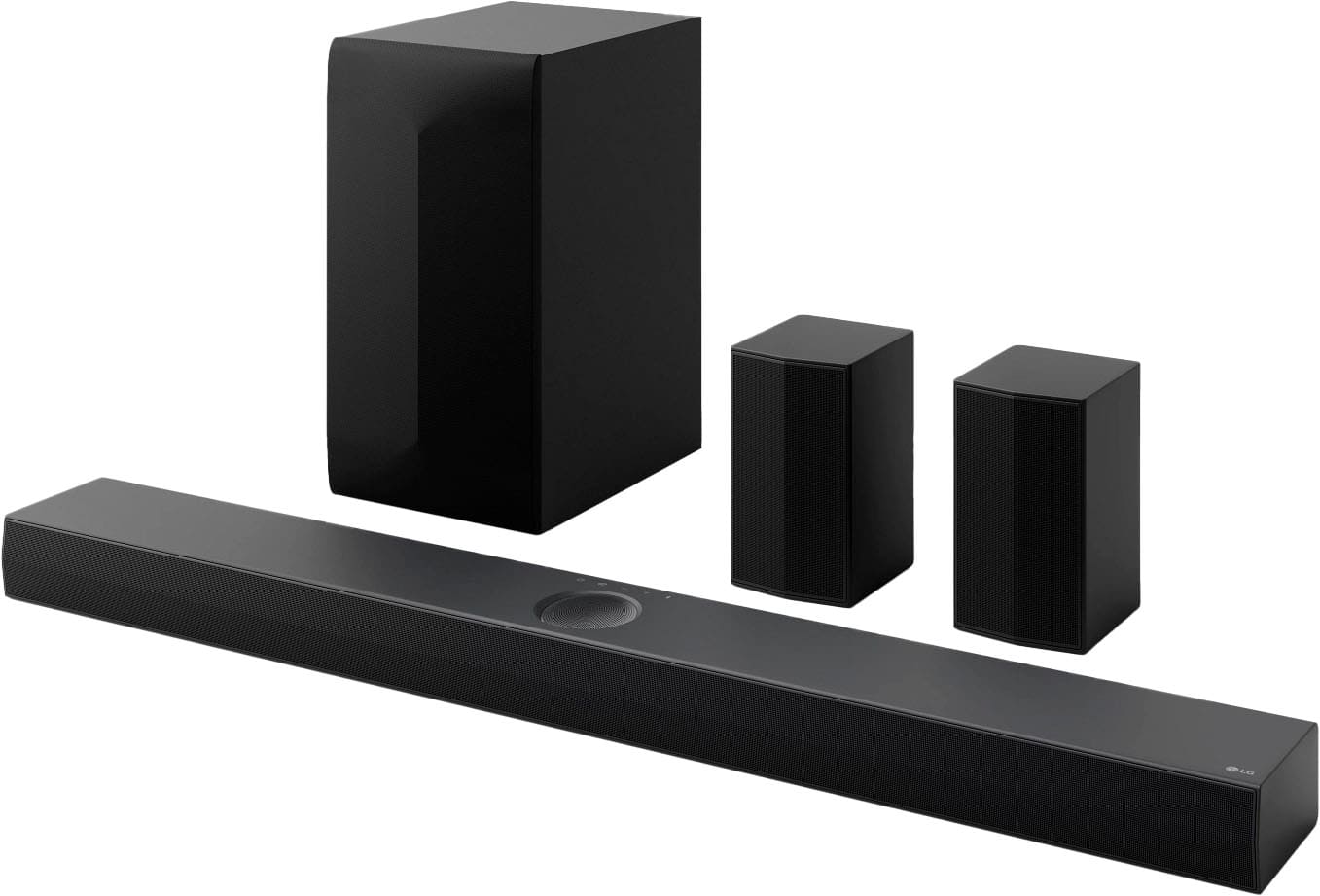
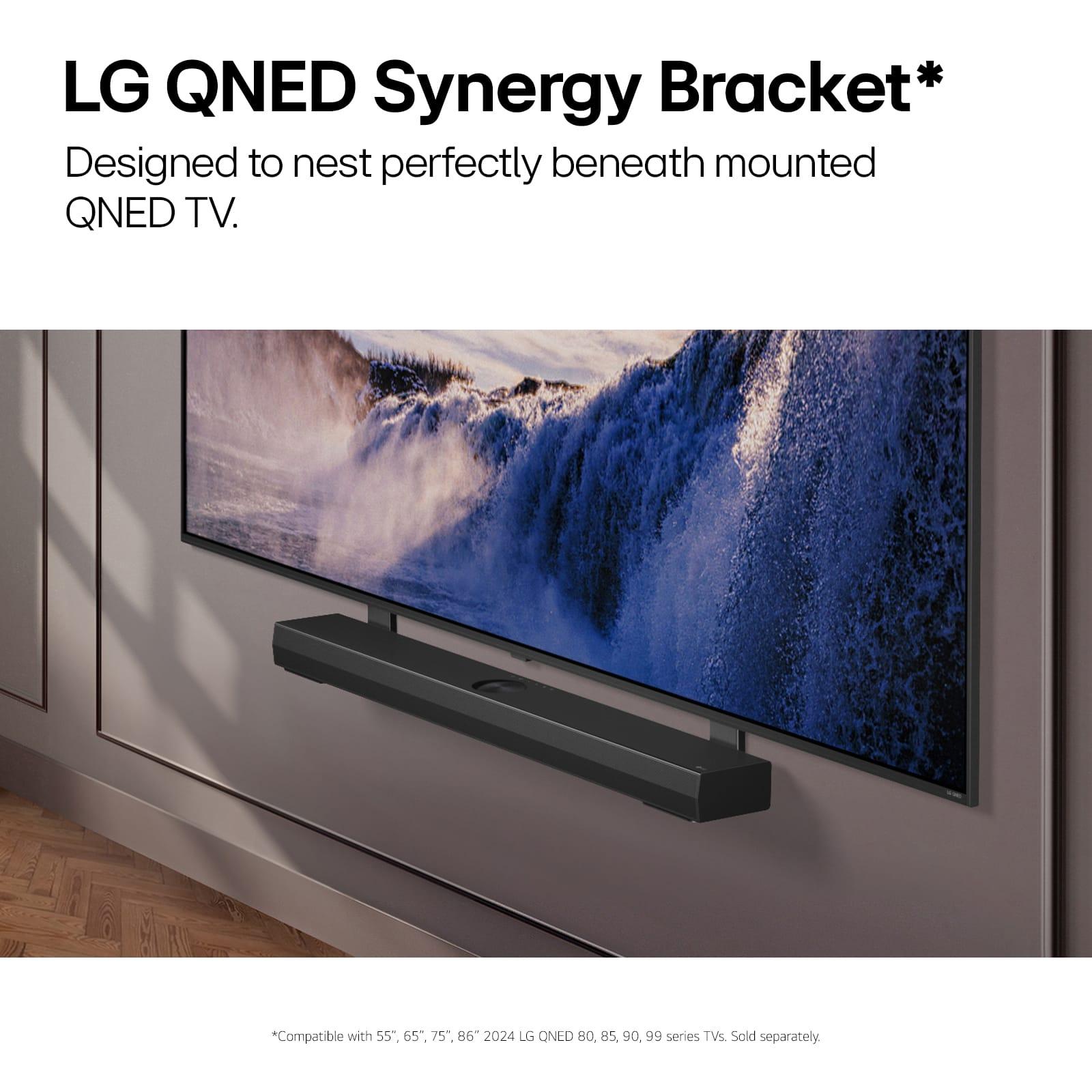
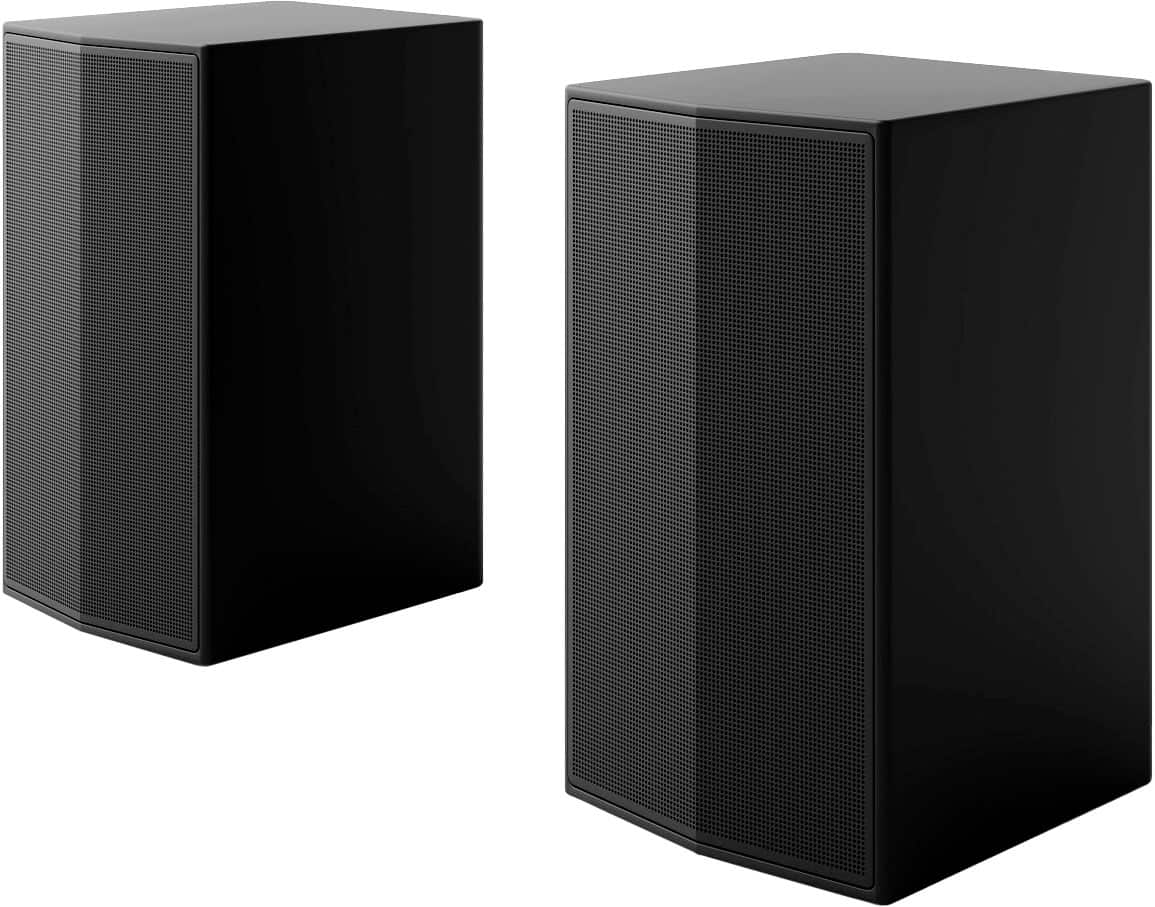
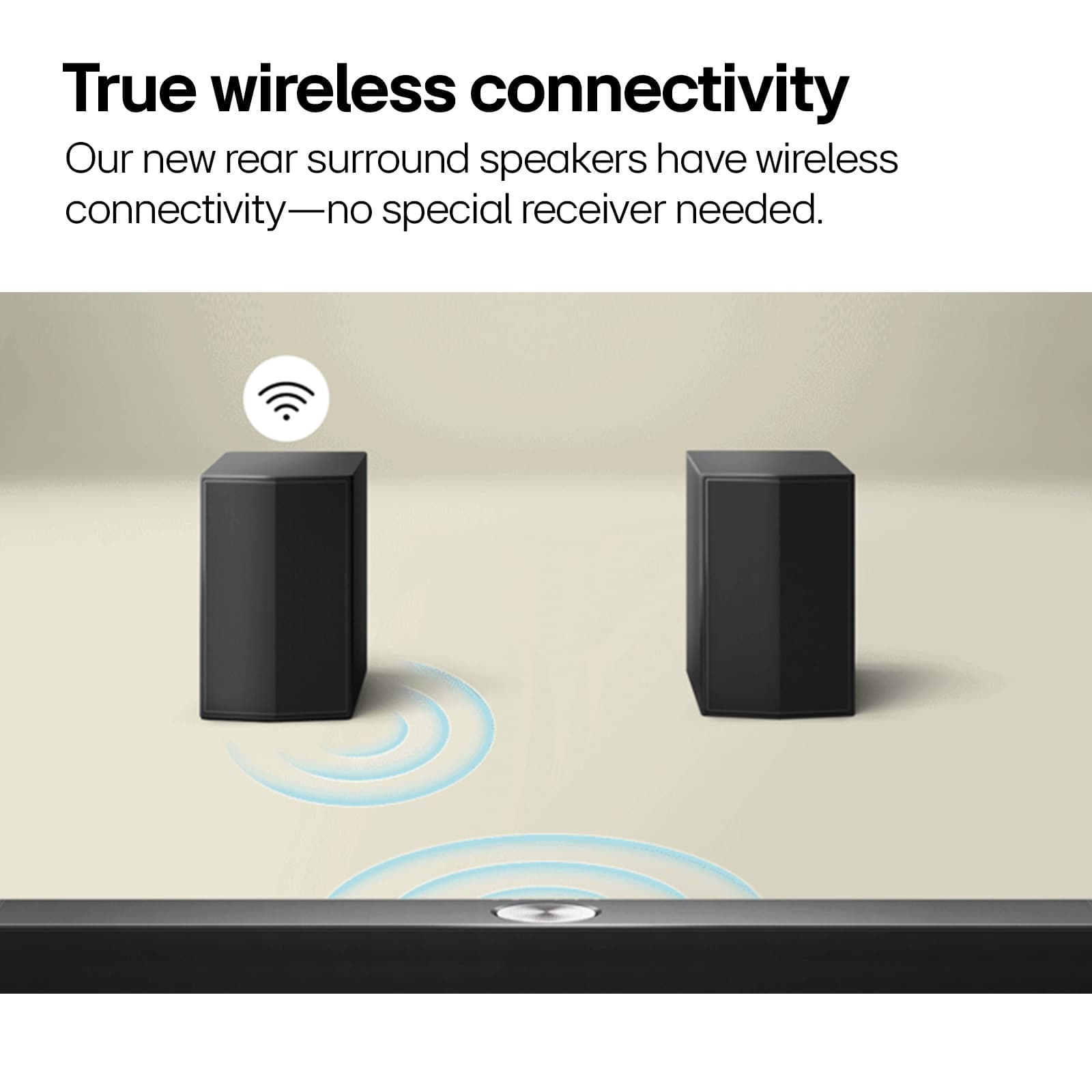
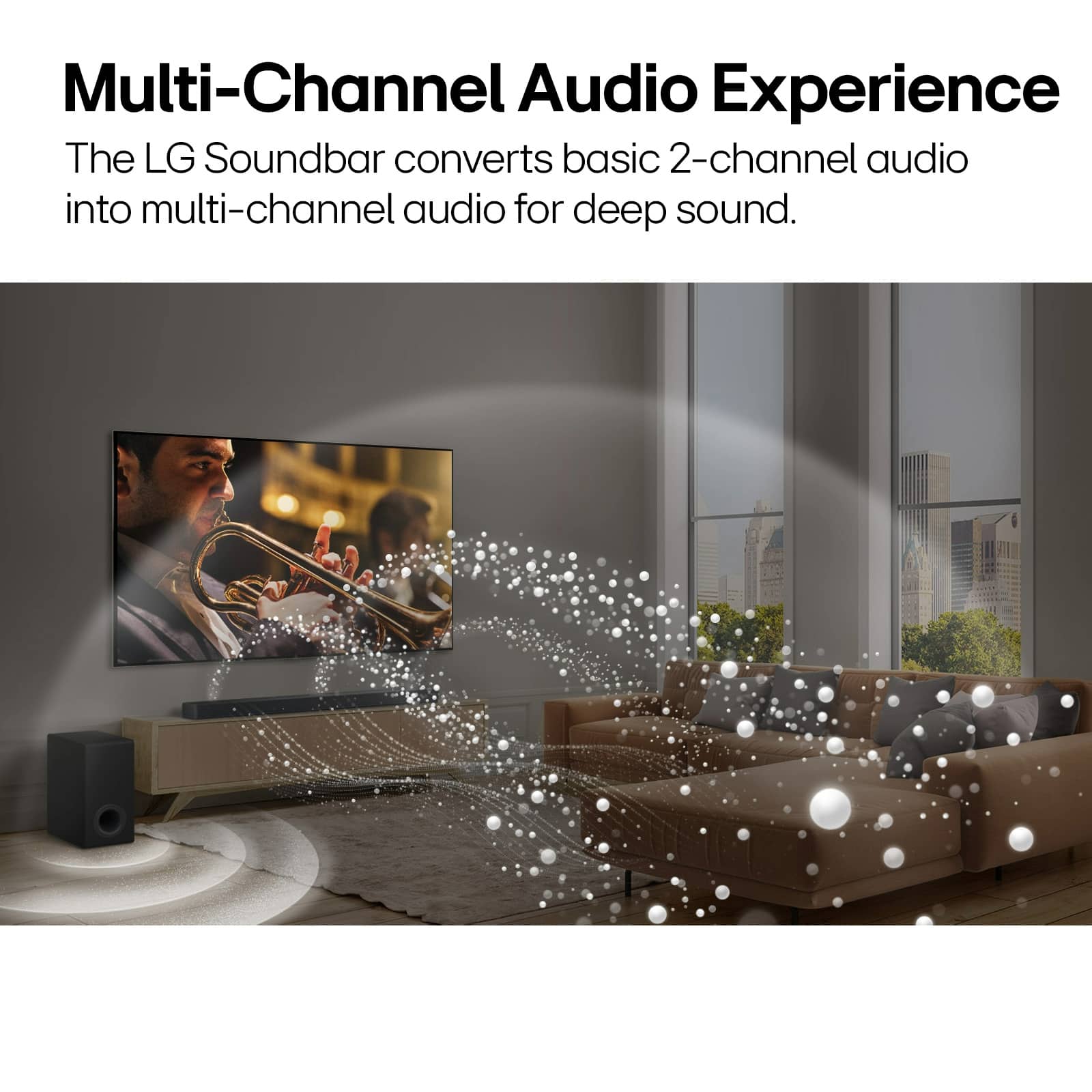
The LG S70TR, also released in 2024, takes the opposite approach. This is a complete 5.1.1 surround sound system disguised as a "soundbar." You get the main bar (37.4 inches wide), a wireless subwoofer with a 7-inch driver, wireless rear speakers, and up-firing drivers for height effects.
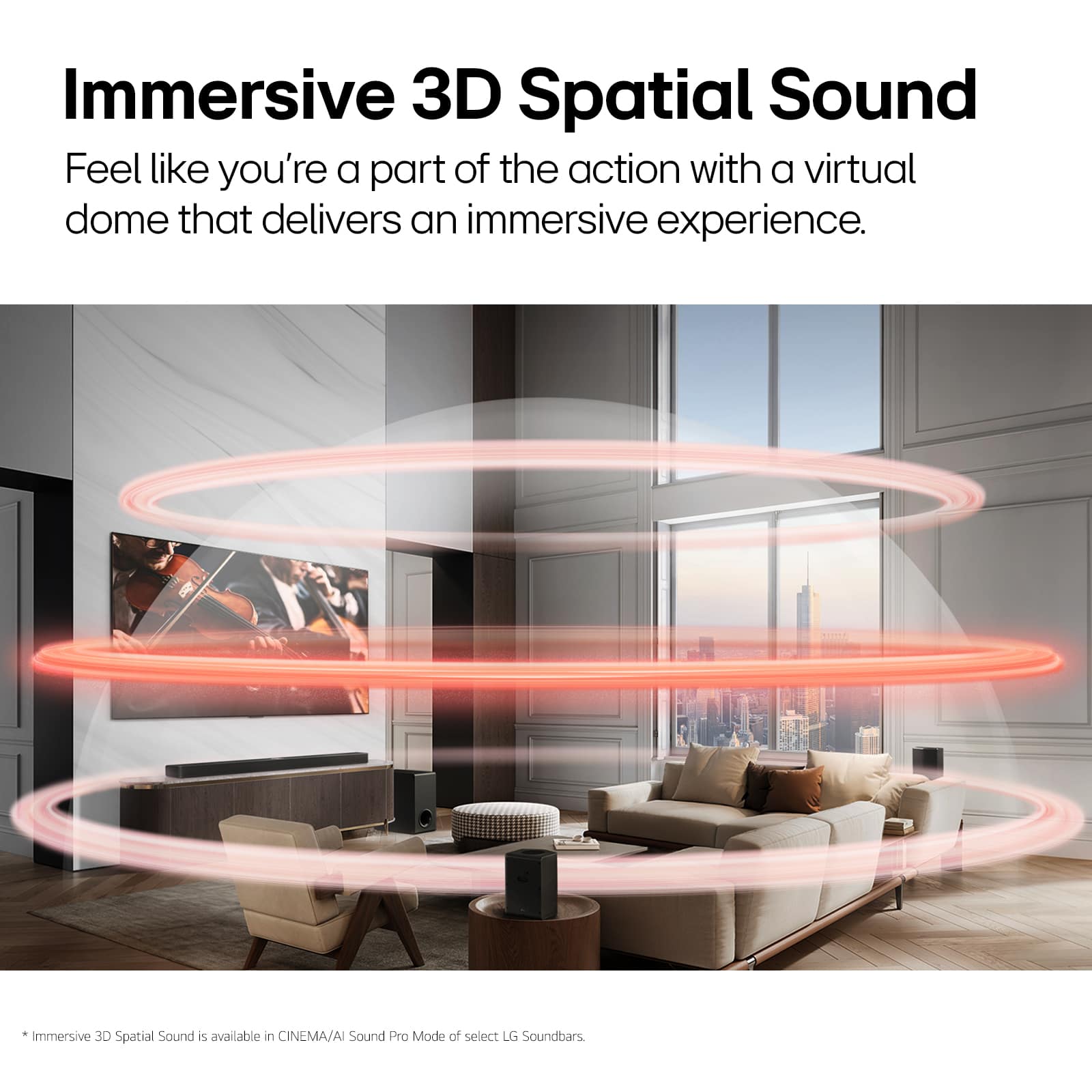
LG has packed this system with modern audio technologies. Dolby Atmos creates a "sound dome" around you by bouncing audio off your ceiling – when a helicopter flies overhead in a movie, you'll actually hear it above you. DTS:X does something similar, creating object-based audio where sounds can be precisely placed in 3D space around your room.
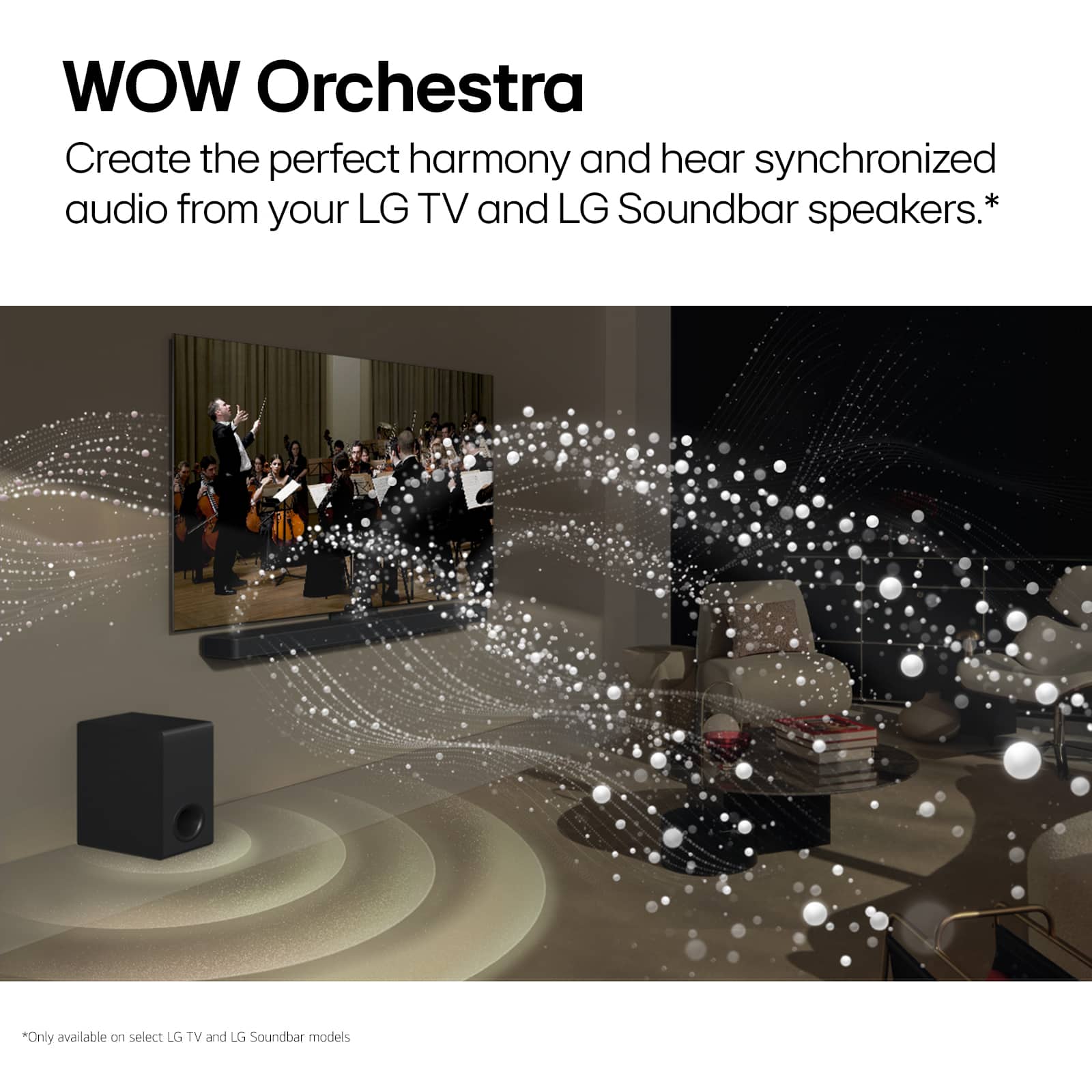
The WOW Orchestra feature is particularly clever if you own an LG TV. It synchronizes your TV's built-in speakers with the soundbar, essentially turning your entire TV into part of the audio system. This creates a wider, more enveloping soundstage than either device could achieve alone.
This is where the biggest difference lies between these systems. Bass isn't just about volume – it's about creating the physical impact that makes movies feel real. When a T-Rex steps in Jurassic Park or a spaceship explodes in Star Wars, you should feel it in your chest.
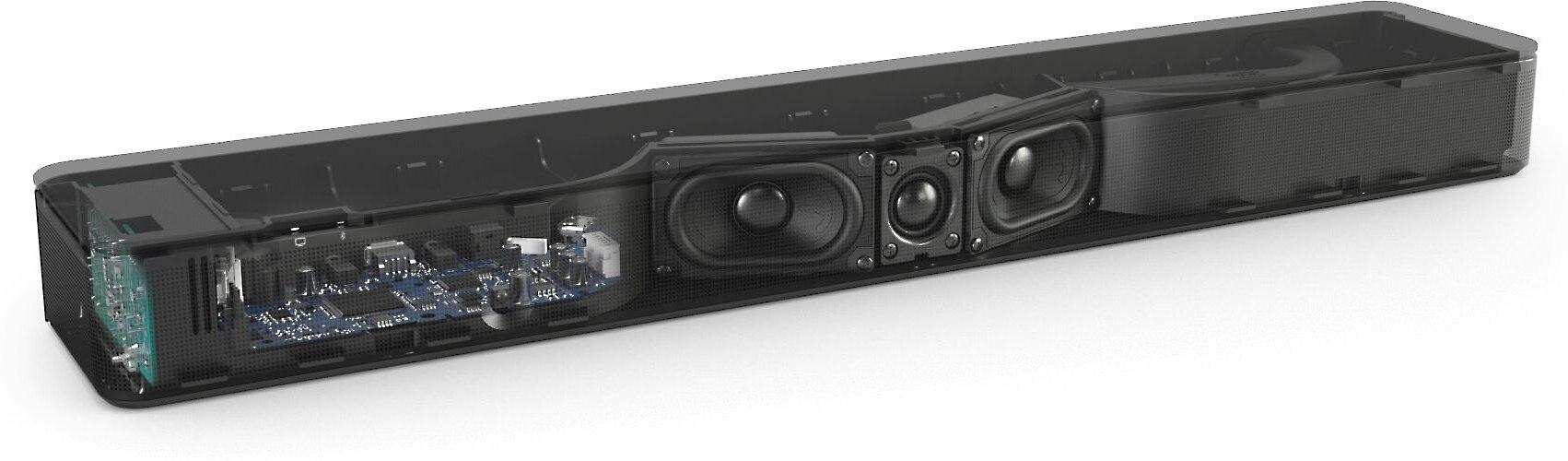
The Bose TV Speaker uses two cone drivers inside its compact cabinet to handle everything from bass to treble. While Bose's engineers are masters at making small speakers sound bigger than they should, physics still applies. The bass response is adequate for dialogue and lighter content, but it simply can't move enough air to create real impact. The bass boost button helps somewhat, but you're still limited by the small internal drivers.
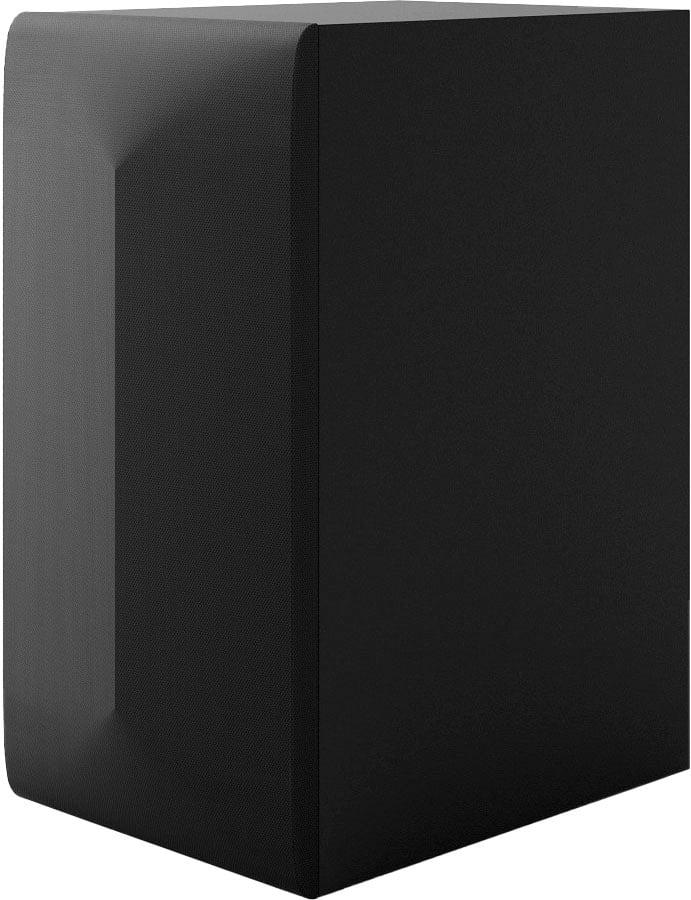
The LG S70TR brings a completely different approach with its dedicated subwoofer. That 7-inch driver is powered by a 220-watt amplifier and housed in a ported cabinet that's specifically designed to move serious air. The difference is immediately apparent – explosions have weight, electronic music has thump, and even subtle bass lines in jazz recordings become more present.
What's particularly impressive is how the LG handles the crossover between the subwoofer and main speakers. The system automatically divides frequencies so each driver handles what it does best – the subwoofer takes care of deep bass while the main bar handles midrange and treble. This division of labor results in cleaner, more detailed sound across the entire frequency spectrum.
Here's where we get into some interesting audio engineering. The Bose creates a wider soundstage through digital signal processing – essentially tricking your ears into thinking the sound is coming from more places than it actually is. This psychoacoustic processing can be surprisingly effective, especially for stereo music and simple TV content.
But there's no substitute for actual surround speakers. The LG's wireless rear speakers create genuine directional audio. When someone walks behind you in a horror movie, the sound literally comes from behind you. When rain starts falling in a nature documentary, it surrounds you from all directions. The up-firing drivers add another dimension by bouncing sound off your ceiling to create height effects.
The Dolby Atmos implementation in the LG is particularly noteworthy. Unlike older surround formats that send audio to specific speakers, Atmos treats sounds as objects that can be placed anywhere in 3D space. The system then figures out how to create that positioning using whatever speakers are available. With the LG's 5.1.1 setup, this creates genuinely immersive experiences that transform movie watching.
Gaming has become a major consideration for modern soundbars, and here the LG pulls significantly ahead. The VRR (Variable Refresh Rate) and ALLM (Auto Low Latency Mode) support means the audio stays perfectly synchronized even at high refresh rates up to 120Hz. This matters more than you might think – even tiny delays between what you see and what you hear can throw off your gaming performance.
The directional audio capabilities also provide a competitive advantage. In first-person shooters, being able to pinpoint exactly where footsteps are coming from can mean the difference between victory and defeat. The LG's true surround setup gives you spatial awareness that stereo systems simply can't match.
The Bose TV Speaker handles gaming audio competently but without any special optimizations. It's perfectly fine for casual gaming, but serious gamers will appreciate the LG's dedicated features.
Despite all the excitement around surround sound and bass, dialogue clarity remains the most important feature for daily TV watching. Both systems handle this well, but with different approaches.
Bose's Dialogue Mode is almost magical in its simplicity. Press one button and the system analyzes your content, automatically reducing background music and sound effects while boosting vocal frequencies. It's particularly effective with poorly mixed content where dialogue gets buried under music or sound effects.
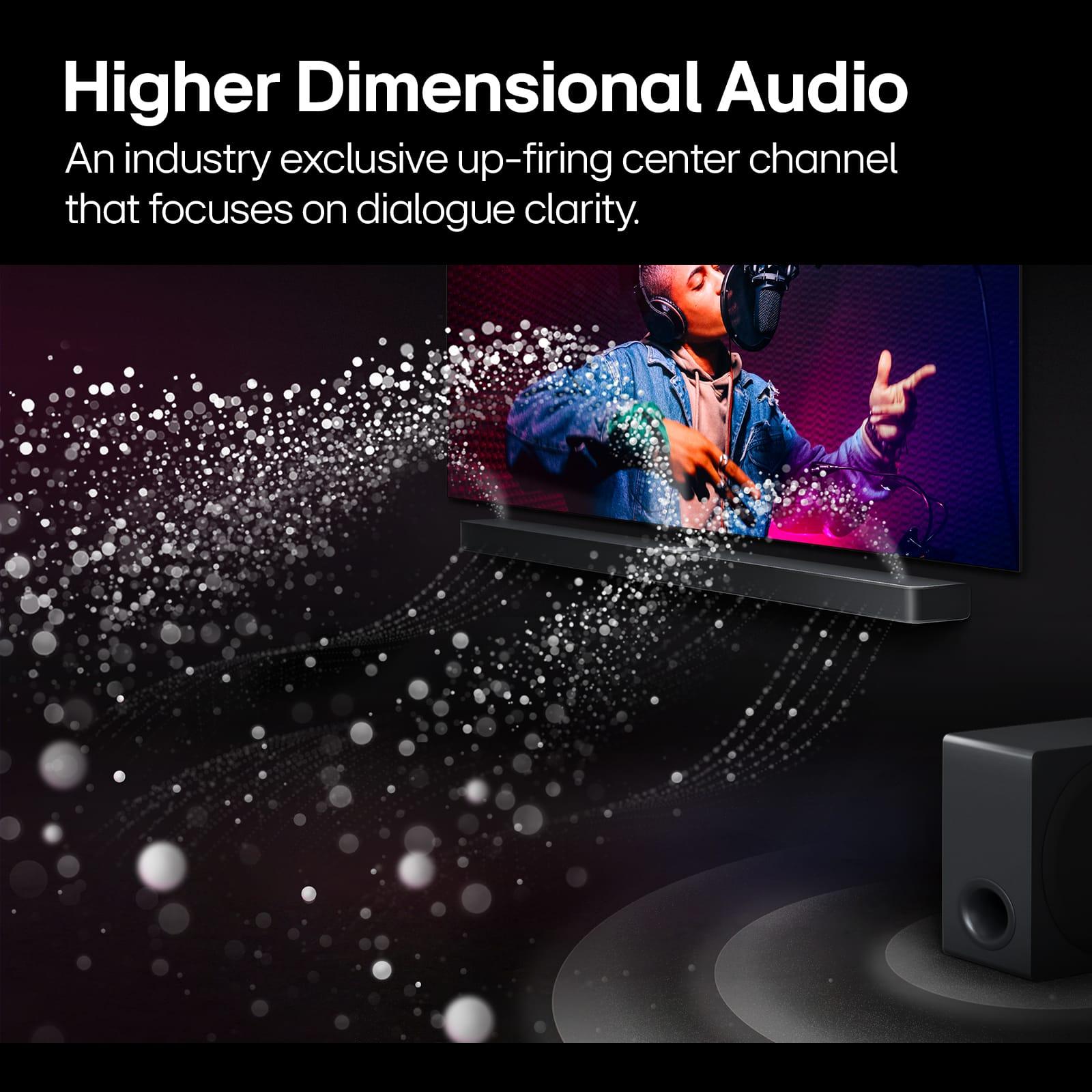
The LG offers Clear Voice Plus, which achieves similar results but requires more manual adjustment. The up-firing center channel is specifically designed for dialogue reproduction, and it works well once properly calibrated. The AI Sound Pro feature provides some automatic optimization, but it's not as focused on dialogue as Bose's implementation.
In my testing, both systems make voices noticeably clearer than typical TV speakers, but the Bose has a slight edge in fully automatic operation while the LG provides more control for fine-tuning.
The technology landscape has evolved significantly in recent years, and both soundbars reflect modern expectations around connectivity and control.
The LG S70TR embraces the smartphone era with a dedicated app that lets you adjust the 3-band equalizer, switch between sound modes, and even update firmware over the air. The sound modes (Cinema, Game, Music, Sports, Standard) aren't just marketing names – they actually adjust frequency response and processing to optimize for different content types.
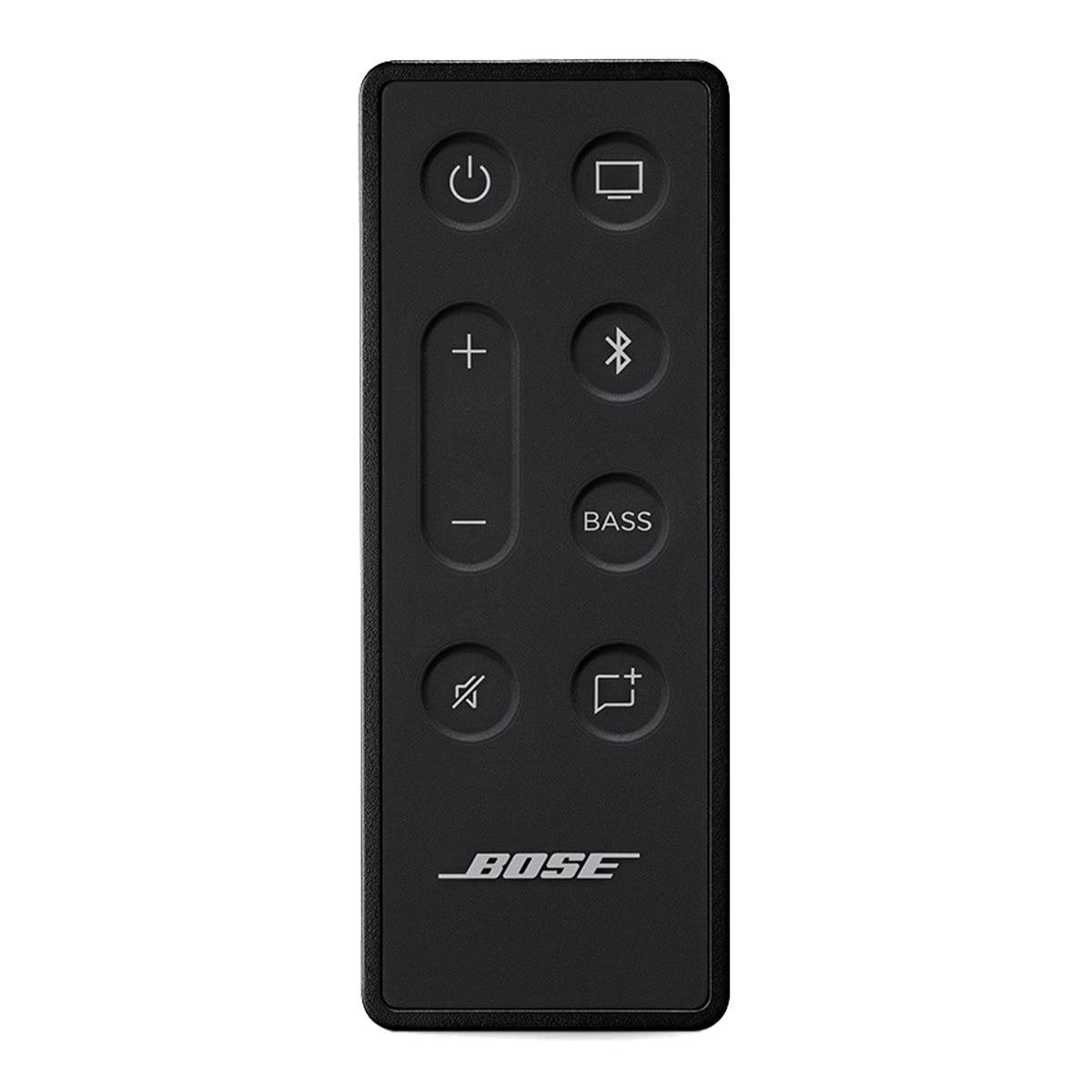
The Bose takes a more traditional approach with a physical remote and simple button controls. While this might seem old-fashioned, there's something to be said for not needing to find your phone just to adjust the volume. The system remembers your settings and generally works well on autopilot.
For TV integration, the LG has a significant advantage if you own a compatible LG TV. The WOW Orchestra feature essentially doubles your speaker count by incorporating your TV's speakers into the audio system. This creates a much wider soundstage and more enveloping experience than either device could achieve alone.
Your room plays a huge role in soundbar performance, and these two systems work best in very different environments.
The Bose TV Speaker is ideal for smaller spaces – bedrooms, apartments, or cozy living rooms where you're sitting relatively close to the TV. Its compact size means it won't dominate your space visually, and the moderate output levels are perfect when you need to be considerate of neighbors or family members.
The LG S70TR really shines in larger rooms where it has space to breathe. The wireless subwoofer can be placed anywhere in the room (within wireless range), letting you optimize bass response for your specific layout. The rear speakers need to be positioned behind your seating area, which requires some planning but pays off with genuine surround immersion.
For dedicated home theater use, the LG is clearly the better choice. The Dolby Atmost implementation, true surround speakers, and powerful subwoofer create an experience that approaches what you'd get from a traditional receiver-based system, but with much simpler setup.
At $199, the Bose TV Speaker represents excellent value for what it delivers. You're getting Bose's renowned audio engineering, premium build quality, and genuinely useful dialogue enhancement in a package that anyone can set up in minutes. For many people, this level of improvement over TV speakers is all they need.
The LG S70TR at $399.99 costs exactly double, but you're getting exponentially more capability. True surround sound, room-shaking bass, Dolby Atmos processing, gaming optimizations, and smart features represent a complete audio transformation rather than just an improvement.
The question isn't whether the LG sounds better – it absolutely does. The question is whether you need that level of performance and complexity for your viewing habits and room.
Both soundbars represent current technology, but they're positioned differently for future needs. The Bose focuses on perfecting the basics – it does what it does very well, but there's limited room for expansion or new features.
The LG includes support for the latest audio formats and connectivity standards. As streaming services continue to adopt Dolby Atmos and gaming moves toward higher refresh rates, the LG is better positioned to take advantage of these improvements.
The wireless technology in the LG is also worth noting. While some users report occasional dropouts with wireless rear speakers, LG has generally implemented reliable wireless connections that maintain sync even in challenging RF environments.
Choose the Bose TV Speaker if you want the simplest possible path to better TV audio. It's perfect for smaller rooms, apartment living, or situations where you primarily watch dialogue-heavy content like news and dramas. The one-cable setup and automatic dialogue optimization make it genuinely plug-and-play.
Choose the LG S70TR if you want a transformative audio experience that enhances everything you watch. The true surround sound, powerful bass, and Dolby Atmos support create genuine home theater immersion. It's especially compelling if you own an LG TV that can take advantage of WOW Orchestra.
The $200 price difference represents more than just additional features – it's the difference between improvement and transformation. Both are excellent products that succeed at their intended purposes, but they serve very different needs and expectations.
Your room size, viewing habits, and tolerance for complexity should drive your decision more than brand loyalty or feature counts. Either way, you'll be getting significantly better audio than what your TV provides on its own.
| Bose TV Speaker Soundbar | LG S70TR 5.1.1 Channel Soundbar |
|---|---|
| Price - Key factor in determining overall value | |
| $199 - Budget-friendly for quality improvement | $399.99 - Mid-range for full surround experience |
| Audio Configuration - Determines immersion level and bass impact | |
| 2.0 channel (stereo only, no subwoofer) | 5.1.1 channel (true surround + wireless subwoofer + rear speakers) |
| Dolby Atmos Support - Creates overhead sound effects for movies | |
| No (limited to stereo processing) | Yes (full 3D spatial audio with up-firing drivers) |
| Bass Performance - Critical for action movies and music | |
| Internal drivers only, modest bass boost button | Dedicated 7-inch wireless subwoofer with 220W amplifier |
| Setup Complexity - Affects how quickly you can start enjoying better sound | |
| Single cable connection, 5-minute setup | Multi-component placement, 20-30 minute setup |
| Room Size Suitability - Matching power to space is essential | |
| Small to medium rooms (under 200 sq ft) | Medium to large rooms (200+ sq ft) |
| Gaming Features - Important for console and PC gamers | |
| Basic audio passthrough only | VRR/ALLM support up to 120Hz, low-latency gaming mode |
| Smart TV Integration - Enhanced experience with compatible TVs | |
| Universal compatibility, no special features | WOW Orchestra with LG TVs (combines TV + soundbar speakers) |
| Dialogue Enhancement - Most-used feature for daily TV watching | |
| Automatic Dialogue Mode with one-button activation | Clear Voice Plus with manual adjustment and up-firing center |
| App Control and Customization - Modern convenience features | |
| Physical remote only, minimal settings | Smartphone app with 3-band EQ and multiple sound modes |
| Wireless Rear Speakers - Creates true surround sound positioning | |
| None (virtual surround processing only) | Included wireless rear speakers for directional audio |
| Expandability - Future upgrade potential | |
| Optional Bass Module connection (wired) | Part of complete system, limited expansion options |
The Bose TV Speaker Soundbar ($199) is better suited for small rooms under 200 square feet. Its compact 23.4-inch design won't overwhelm smaller spaces, and the moderate sound output is perfect for apartments or bedrooms where you need to be considerate of neighbors.
The biggest difference is audio configuration: the Bose TV Speaker is a simple 2.0 stereo system, while the LG S70TR 5.1.1 Channel Soundbar ($399.99) is a complete surround sound system with wireless subwoofer, rear speakers, and Dolby Atmos support for immersive 3D audio.
The LG S70TR has significantly better bass with its dedicated 7-inch wireless subwoofer powered by a 220-watt amplifier. The Bose TV Speaker relies on internal drivers with limited bass impact, though it includes a bass boost button for modest improvement.
Yes, if you want true surround sound and powerful bass. The LG S70TR ($399.99) delivers exponentially more capability than the Bose TV Speaker ($199), including Dolby Atmos, wireless rear speakers, and gaming features. However, the Bose offers excellent value for basic TV audio improvement.
The Bose TV Speaker is much easier to set up with a single cable connection taking about 5 minutes. The LG S70TR requires positioning multiple components (subwoofer and rear speakers) and typically takes 20-30 minutes for proper setup.
Both work with any TV brand, but the LG S70TR offers special WOW Orchestra integration with compatible LG TVs that combines your TV's speakers with the soundbar for enhanced sound. The Bose TV Speaker provides universal compatibility without brand-specific features.
The LG S70TR is significantly better for gaming with VRR (Variable Refresh Rate) and ALLM (Auto Low Latency Mode) support up to 120Hz, plus directional audio for competitive advantage. The Bose TV Speaker offers basic audio without gaming-specific optimizations.
Both excel at dialogue clarity but with different approaches. The Bose TV Speaker features automatic Dialogue Mode with one-button activation, while the LG S70TR offers Clear Voice Plus with manual adjustment and a dedicated up-firing center channel for speech.
The LG S70TR 5.1.1 Channel Soundbar is far superior for home theater applications with true Dolby Atmos, surround speakers, and powerful bass that creates cinematic immersion. The Bose TV Speaker improves TV audio but lacks the surround sound experience needed for home theater.
Only the LG S70TR offers smartphone app control with 3-band equalizer adjustment and multiple sound modes. The Bose TV Speaker uses a traditional physical remote with simple controls and automatic optimization.
The LG S70TR delivers dramatically better sound quality with true surround positioning, room-filling bass, and 3D Dolby Atmos effects. The Bose TV Speaker ($199) provides excellent dialogue clarity and stereo improvement but can't match the immersive experience of the more expensive system.
Choose the Bose TV Speaker ($199) for simple TV audio improvement in small rooms with easy setup. Choose the LG S70TR ($399.99) for transformative home theater experience with true surround sound, powerful bass, and advanced features like Dolby Atmos and gaming optimization.
We've done our best to create useful and informative comparisons to help you decide what product to buy. Our research uses advanced automated methods to create this comparison and perfection is not possible - please contact us for corrections or questions. These are the sites we've researched in the creation of this article: bestbuy.com - projectorscreen.com - forums.audioholics.com - digitaltrends.com - abt.com - crutchfield.com - staples.com - bestbuy.com - pcrichard.com - visions.ca - bose.com - assets.bose.com - bestbuy.com - mynavyexchange.com - rixaudiovideoappliance.com - rtings.com - youtube.com - bestbuy.com - howards.siteontimedev.com - bestbuy.com - appliancestogousa.us

Privacy Policy
Terms and Conditions - Affiliate Policy
Home Security
© Copyright 2008-2026.
11816 Inwood Rd #1211, Dallas, TX 75244