

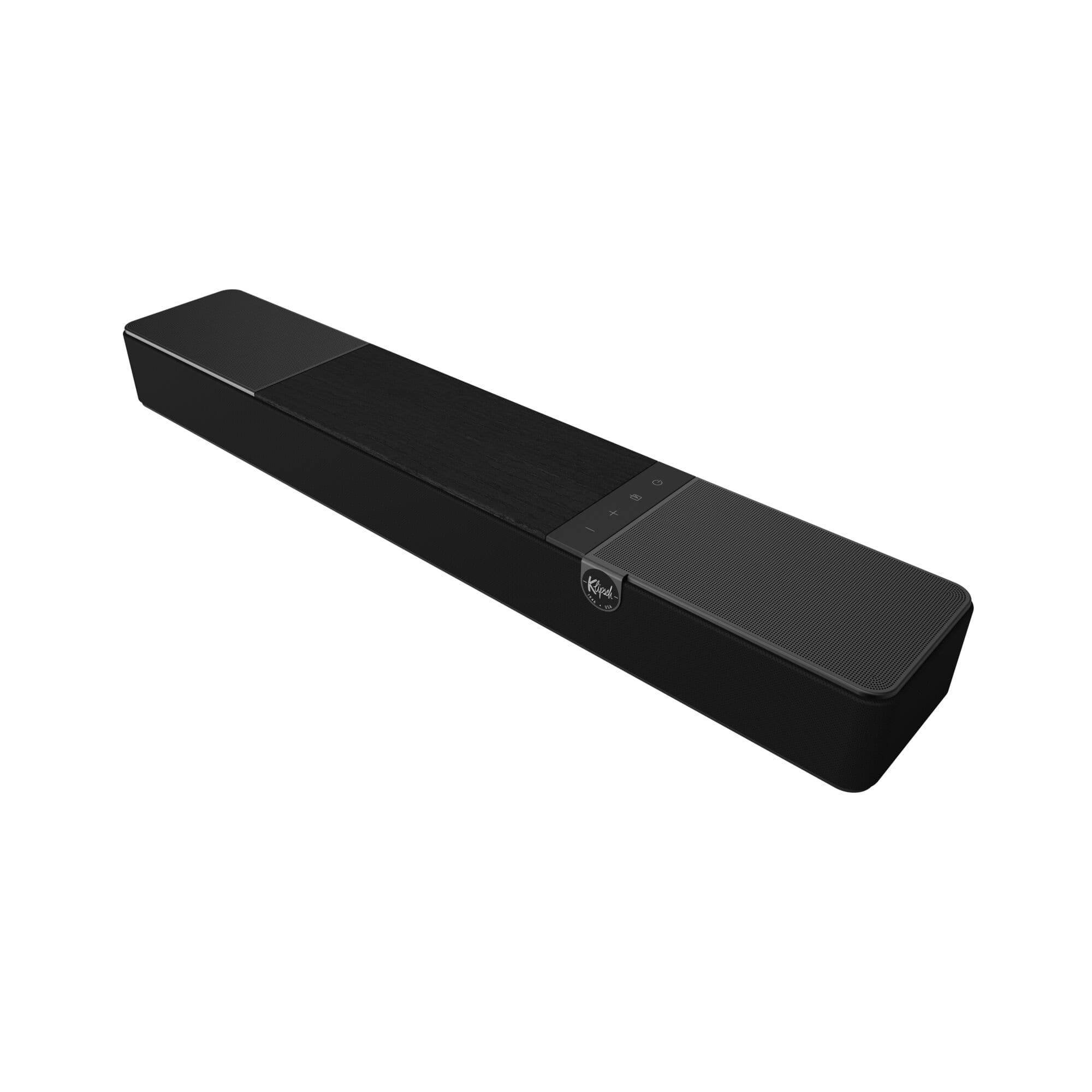

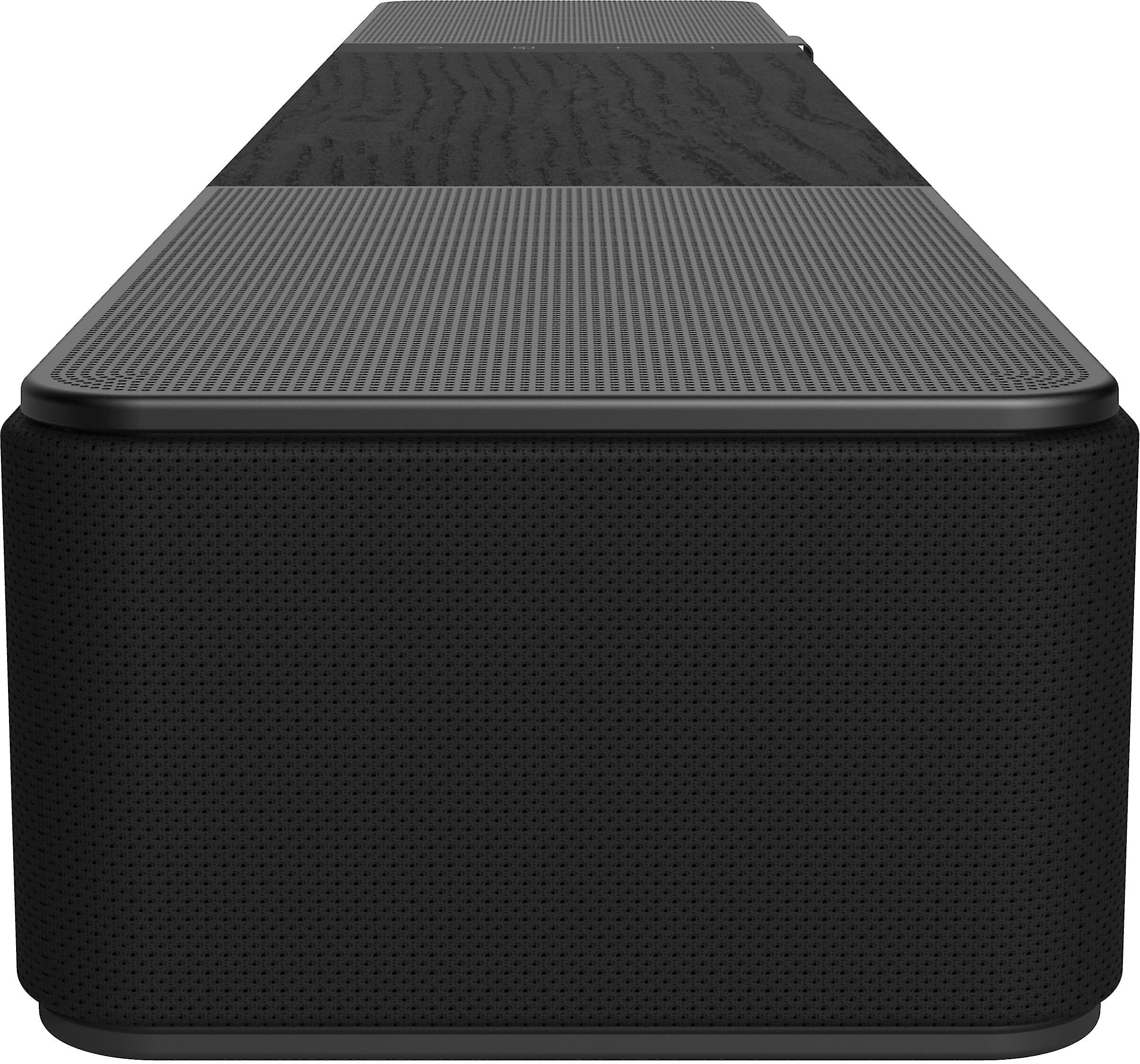
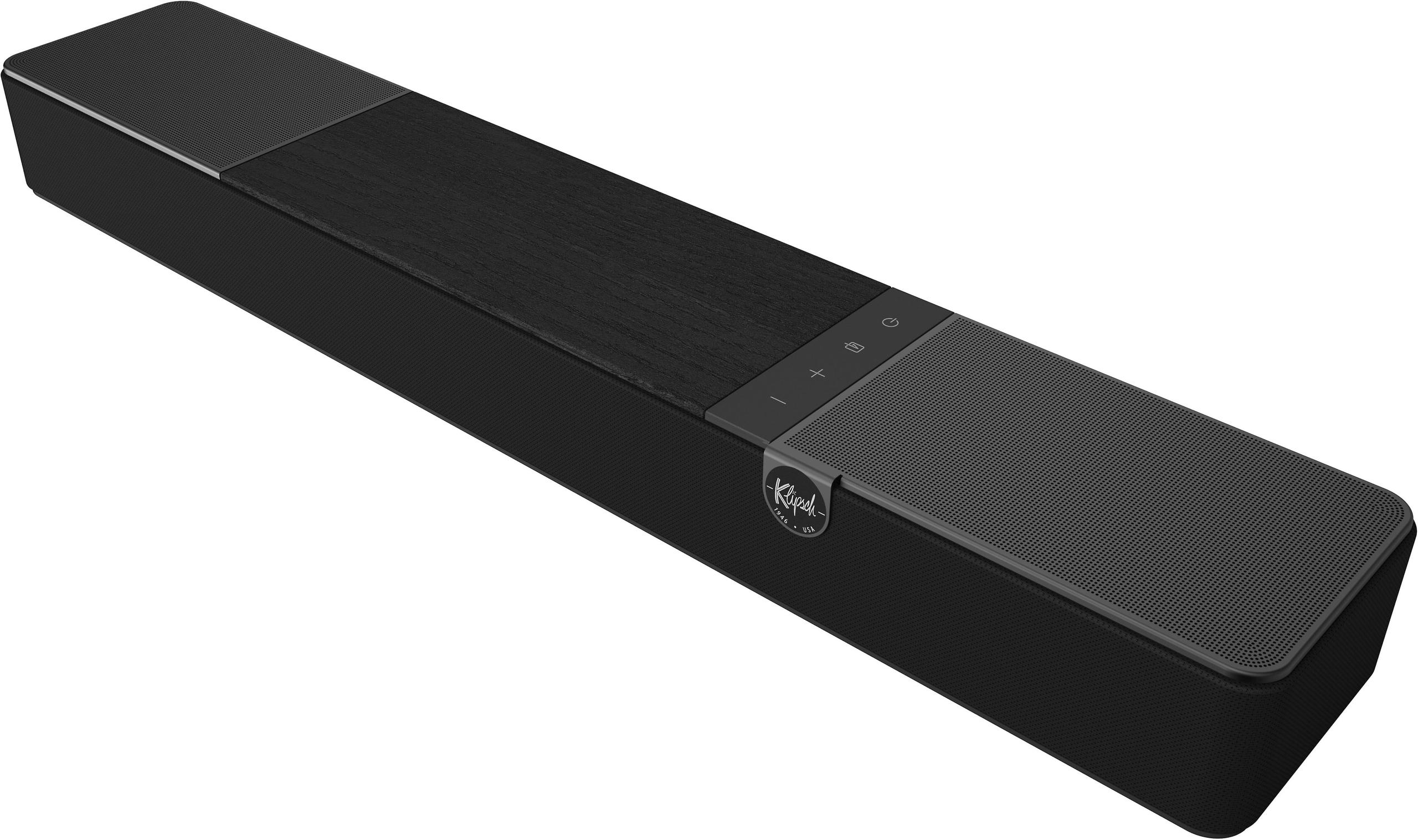







When you're shopping for a soundbar in 2024, you're really choosing between two different philosophies of home audio. Do you want the most immersive sound possible, or would you prefer the convenience of voice control and smart home integration? That's essentially the choice between the Klipsch Flexus Core 100 ($227.90) and the Polk Audio React ($230.00).
I've spent considerable time with both soundbars, and while they're priced nearly identically, they couldn't be more different in their approach to improving your TV's audio. Let me walk you through what makes each one special and help you figure out which one belongs under your TV.
The soundbar category has evolved dramatically over the past few years. What started as simple speaker strips designed to make dialogue clearer has grown into sophisticated audio systems that can rival traditional surround sound setups. Today's soundbars fall into three main categories: basic TV enhancement, immersive home theater systems, and smart audio hubs.
The key things to consider when choosing a soundbar include how it handles different types of audio (music, movies, games), what connectivity options it offers, whether you can expand it later, and how it fits into your existing setup. Some soundbars excel at creating that cinematic experience you get at movie theaters, while others focus on making your smart home more convenient to control.
Both the Klipsch and Polk soundbars represent premium approaches to these different philosophies, which is why comparing them is so interesting—and why your choice between them says a lot about what you value most in your entertainment setup.
The Klipsch Flexus Core 100 arrived in 2024 as part of Klipsch's collaboration with Onkyo, a partnership that combines Klipsch's legendary speaker engineering with Onkyo's home theater expertise. This timing is significant because it means the Flexus Core incorporates the latest audio processing technologies, including proper Dolby Atmos support—something that wasn't standard in soundbars just a few years ago.
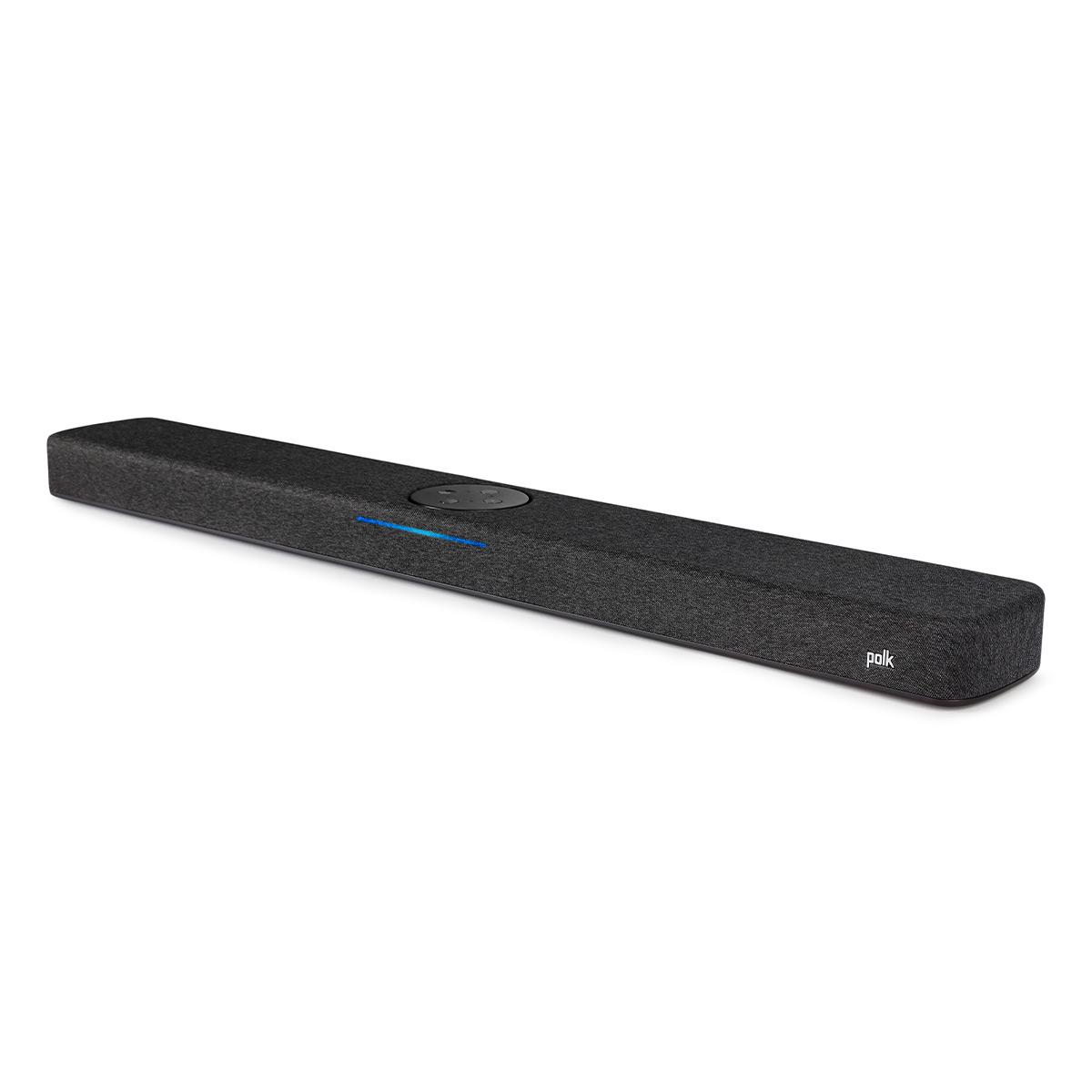
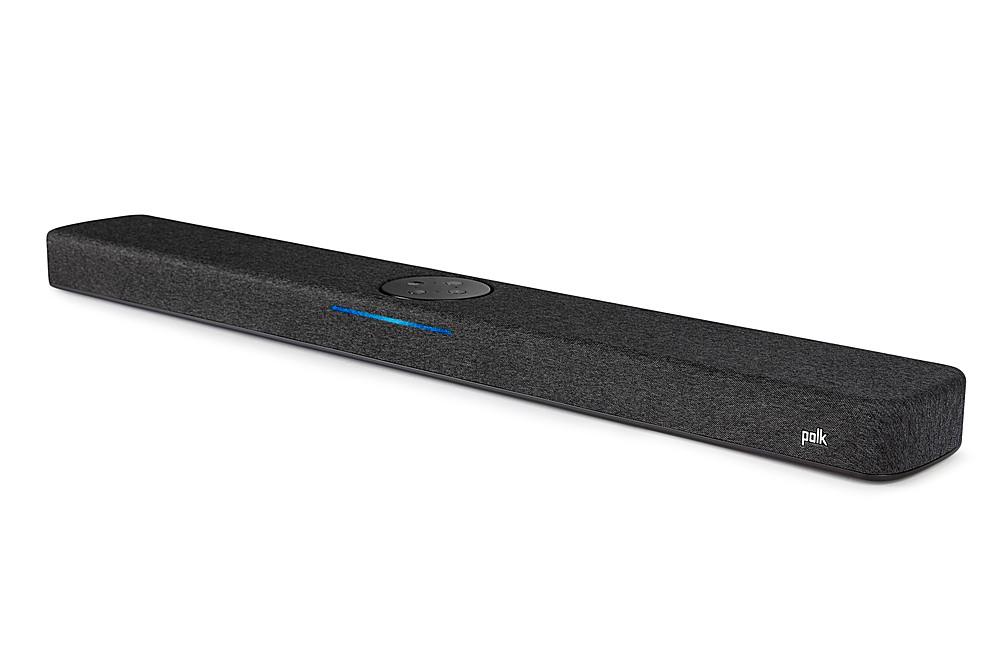
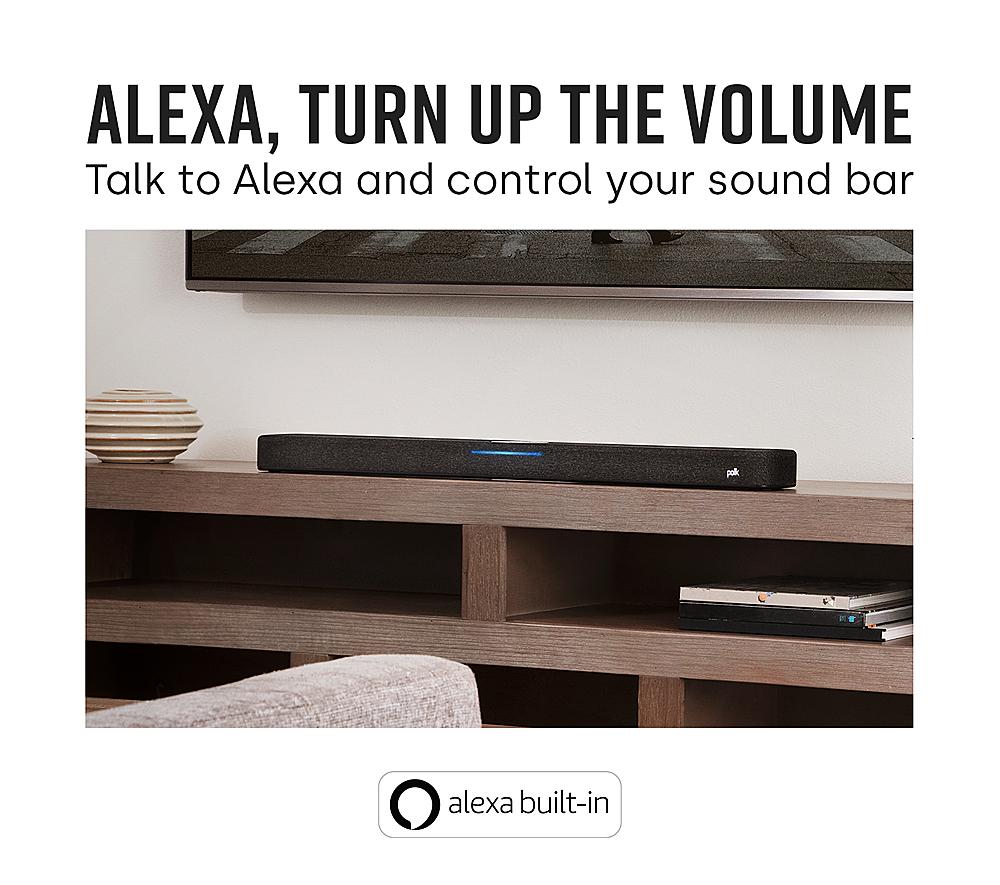
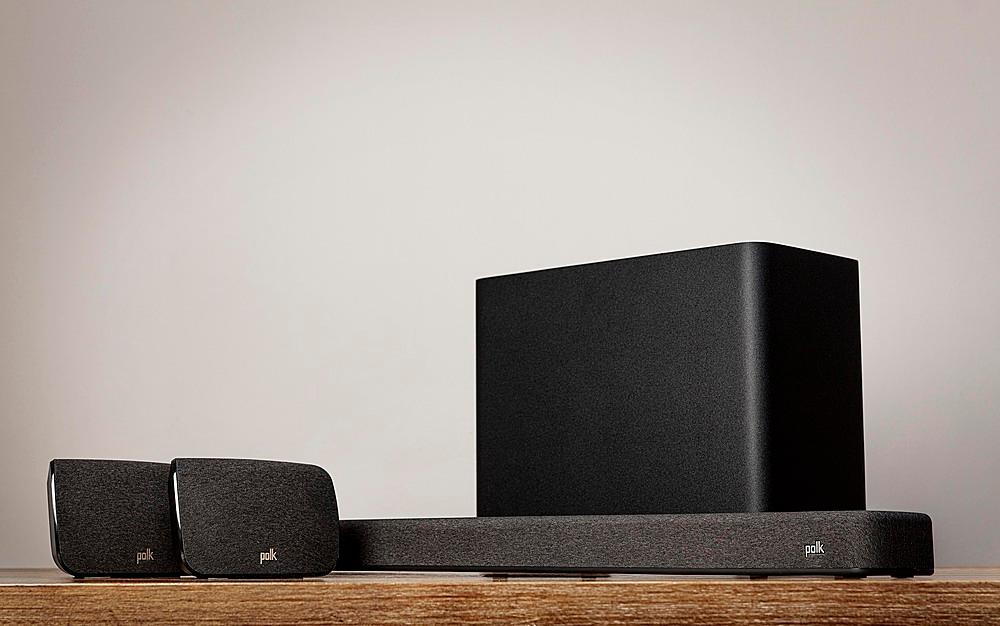
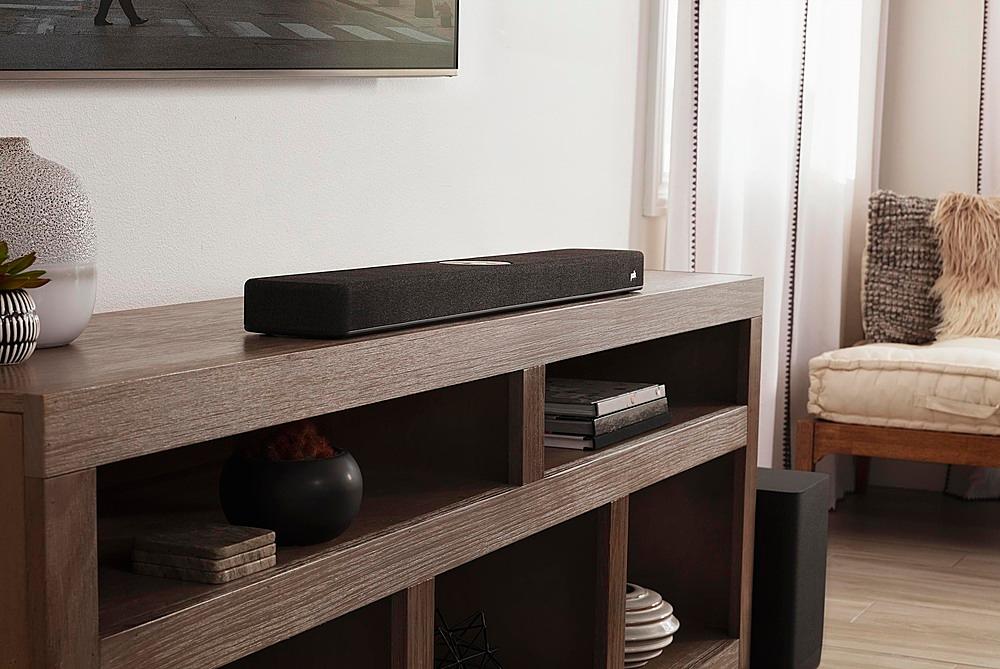
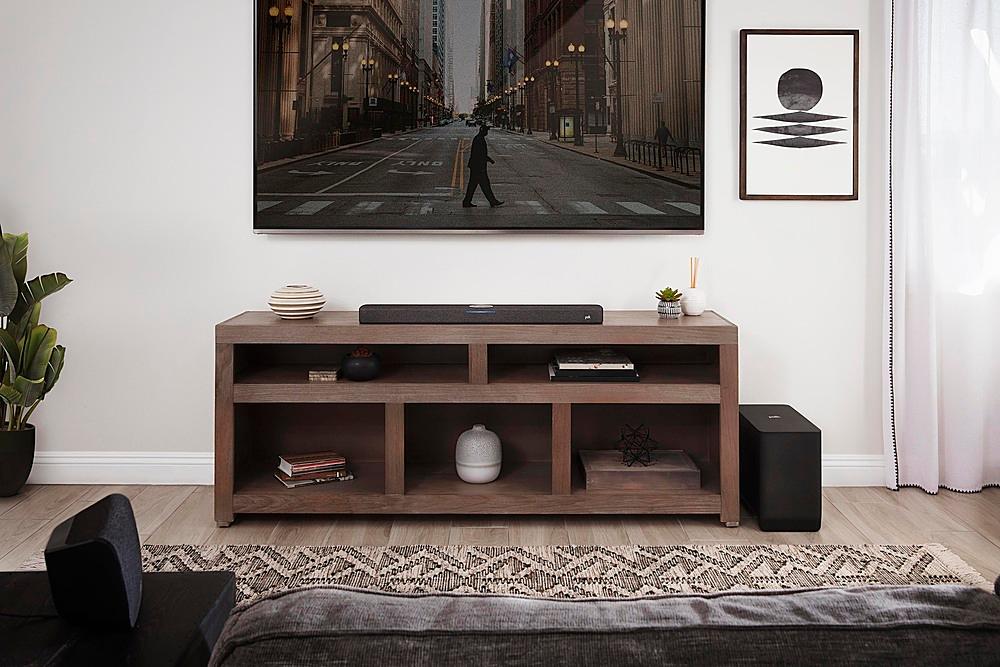
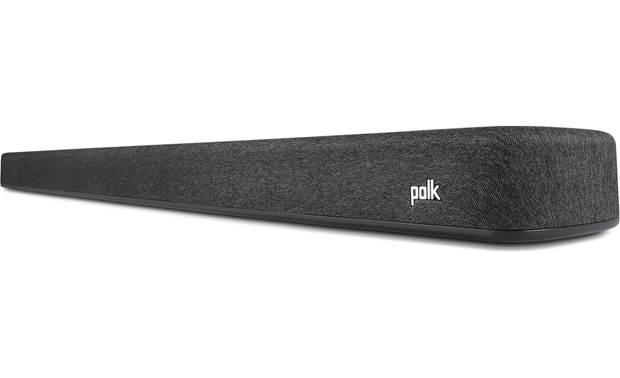
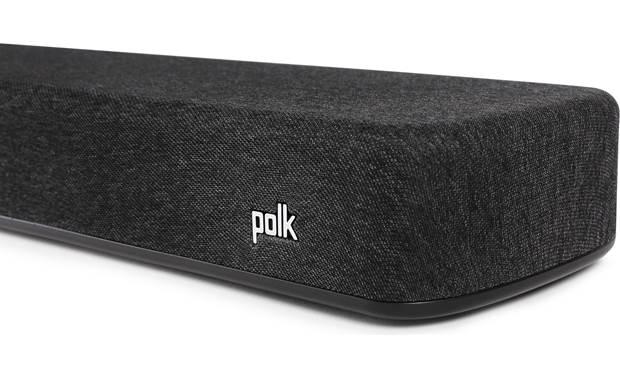
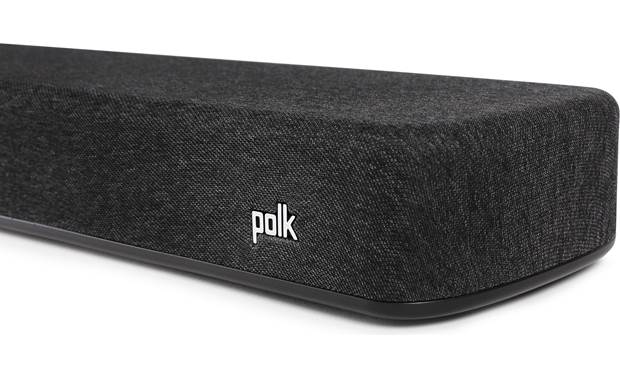
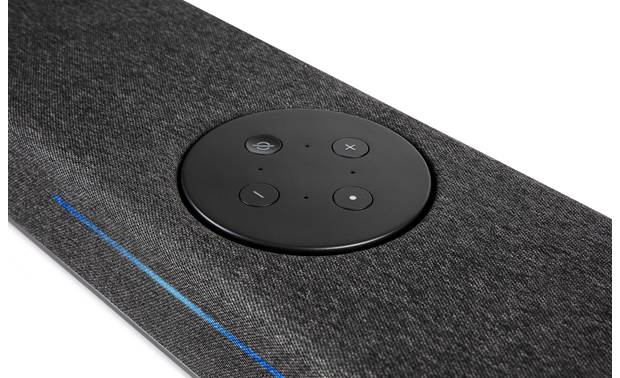
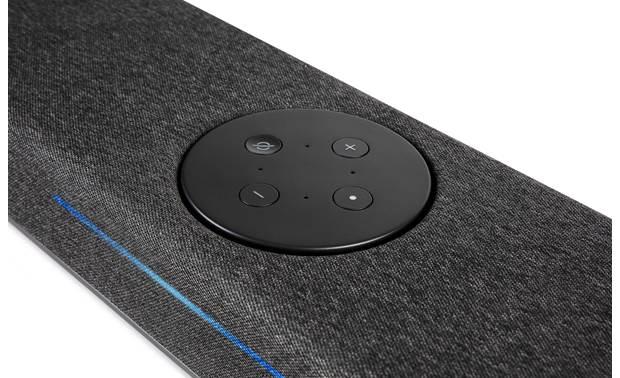
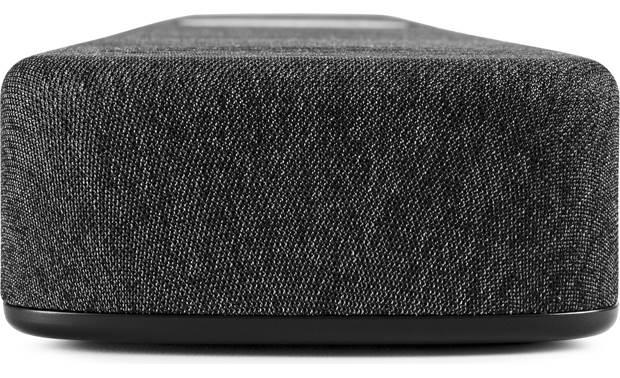
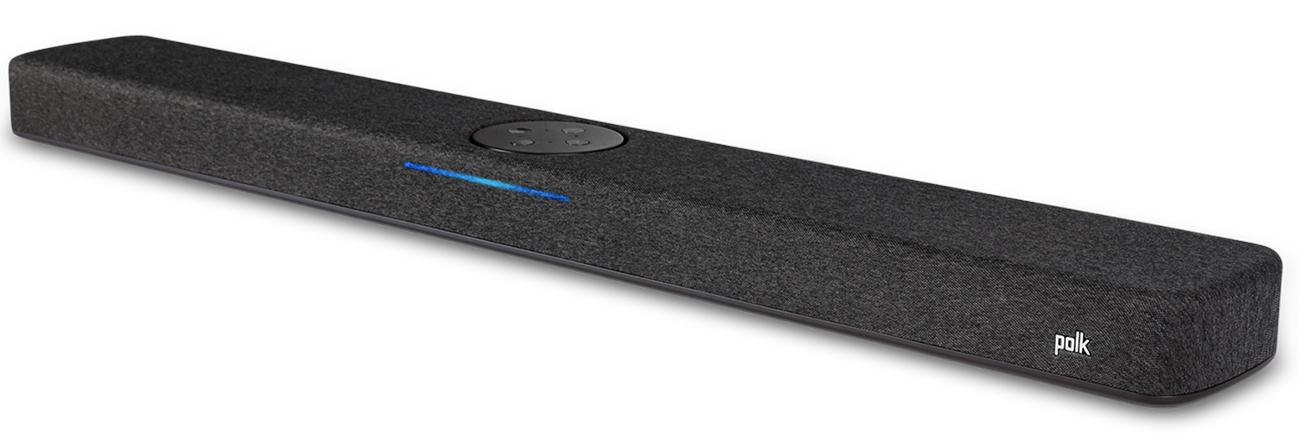
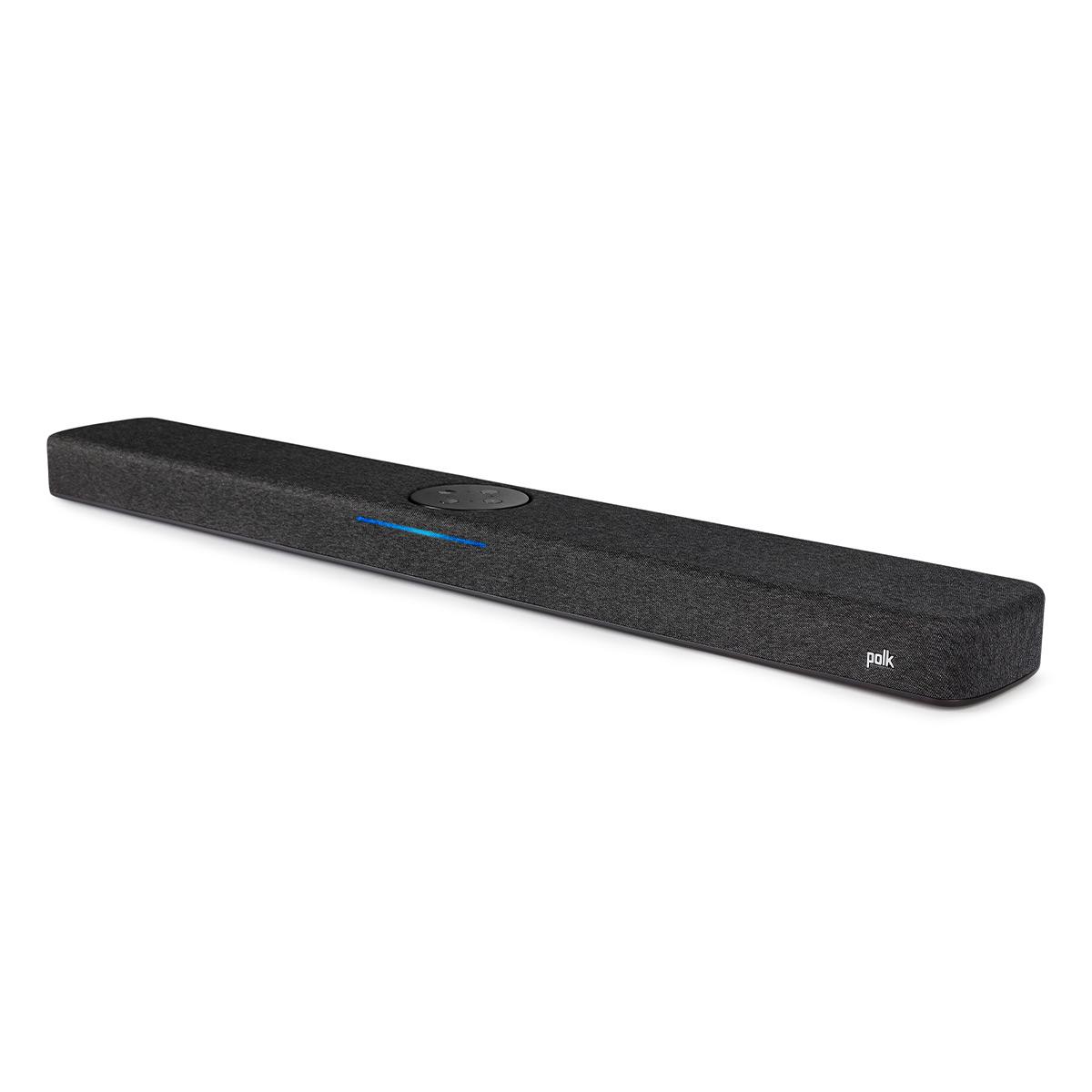
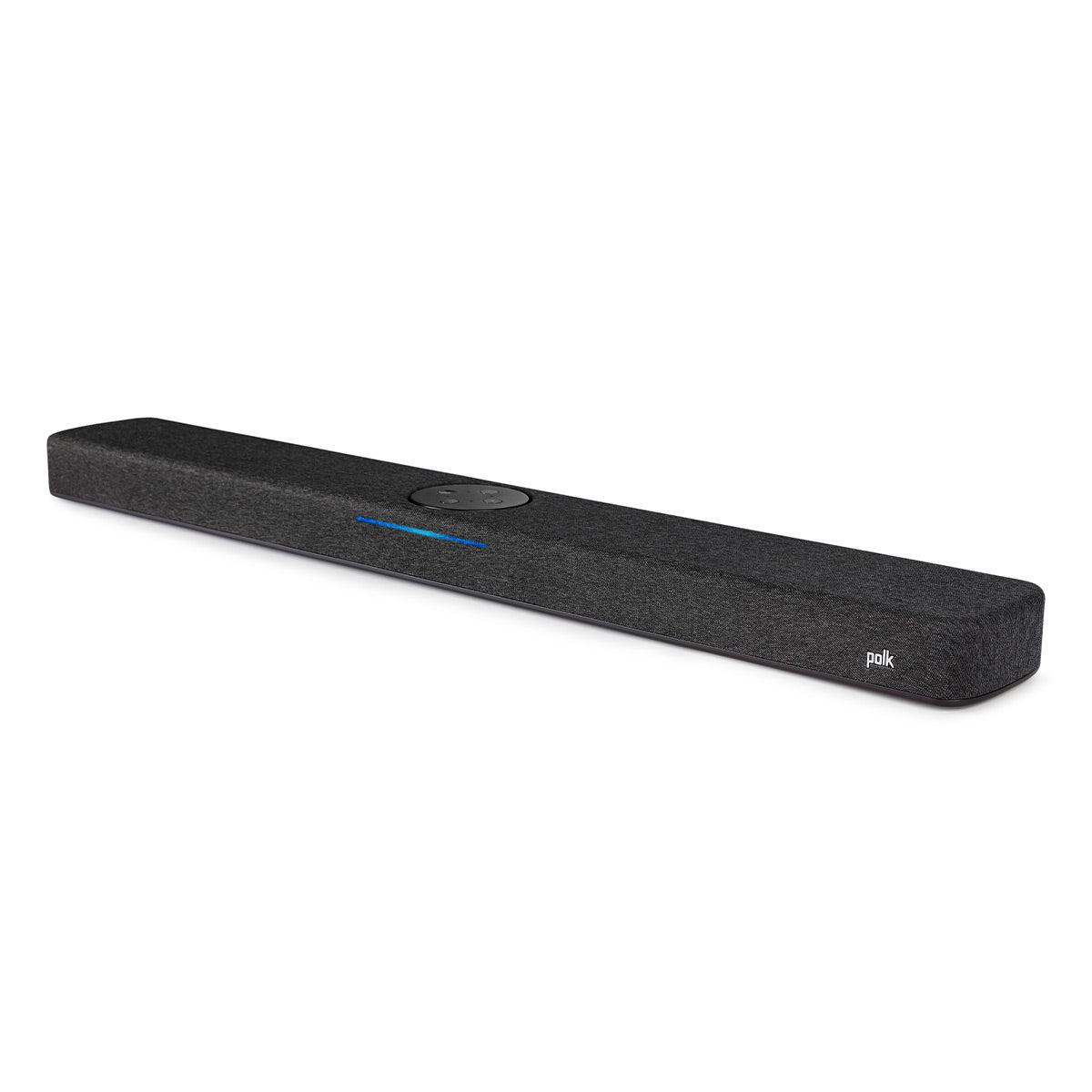
The Polk Audio React, released in 2023, represents Polk's bet on the smart home future. When Amazon's Alexa ecosystem really took off, Polk saw an opportunity to create a soundbar that wasn't just an audio device but a central smart home hub. The React includes four far-field microphones and full Alexa integration, essentially functioning as a high-quality Amazon Echo that happens to dramatically improve your TV's sound.
Since these releases, we've seen the market increasingly split between these two approaches. Audio purists have gravitated toward soundbars with advanced processing like Dolby Atmos, while convenience-focused users have embraced voice-controlled audio systems. Understanding this split helps explain why these two soundbars, despite similar pricing, feel like they're designed for completely different users.
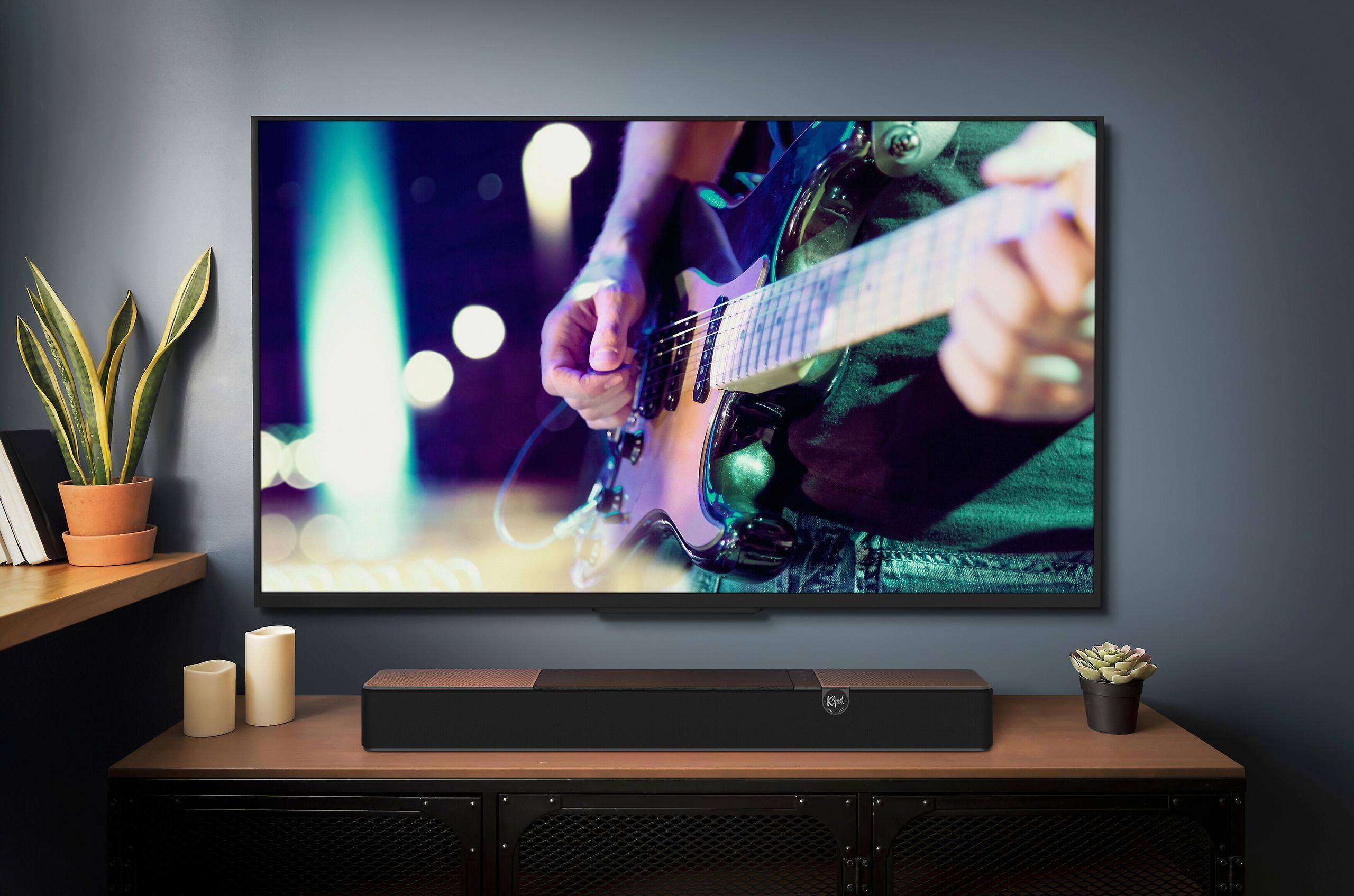
Here's where the differences become immediately apparent. The Klipsch Flexus Core 100 packs dual 2.25-inch aluminum cone drivers—aluminum being crucial because it's both lightweight and rigid, allowing for precise sound reproduction without unwanted vibrations. More importantly, it includes dual 4-inch built-in subwoofers. These aren't just bass drivers; they're dedicated subwoofers engineered to reproduce the low-frequency effects that make action movies feel visceral and music feel full-bodied.
The technical specs tell the story: 100 watts RMS (RMS meaning the continuous power it can handle, not peak power) with a frequency response from 45Hz to 20kHz. That 45Hz low-end response is significant—it means this soundbar can reproduce most of the bass content in movies and music without needing a separate subwoofer.
In contrast, the Polk React takes a different approach with two 3¾-inch midrange drivers, dual 1-inch tweeters, and passive radiators. Passive radiators are clever—they look like speakers but don't have magnets or voice coils. Instead, they move in response to air pressure changes inside the cabinet, effectively extending bass response without requiring additional power. However, the React's 50-watt RMS output is half the Klipsch's power, and it lacks dedicated subwoofers.
From my testing, this power difference is immediately noticeable. The Klipsch fills larger rooms effortlessly, while the React works best in smaller spaces. When watching action sequences in movies like "Top Gun: Maverick," the Klipsch delivers that chest-thumping bass that makes jet engines feel realistic, while the React focuses on keeping dialogue clear and intelligible.
The Klipsch's headline feature is Dolby Atmos processing. Atmos is a newer surround sound format that doesn't just send sound to speakers around you—it creates a three-dimensional sound field that includes height information. When a helicopter flies overhead in a movie, Atmos makes it sound like it's actually above you, not just coming from speakers to your left and right.
The Flexus Core 100 uses psychoacoustic processing (basically tricks your brain plays based on how sound waves interact) to create these height effects from a single soundbar. While it's not as convincing as having actual ceiling speakers, it's remarkably effective. During quiet scenes in horror movies, you'll hear subtle ambient sounds that seem to come from all around you, creating an immersive experience that draws you deeper into the story.
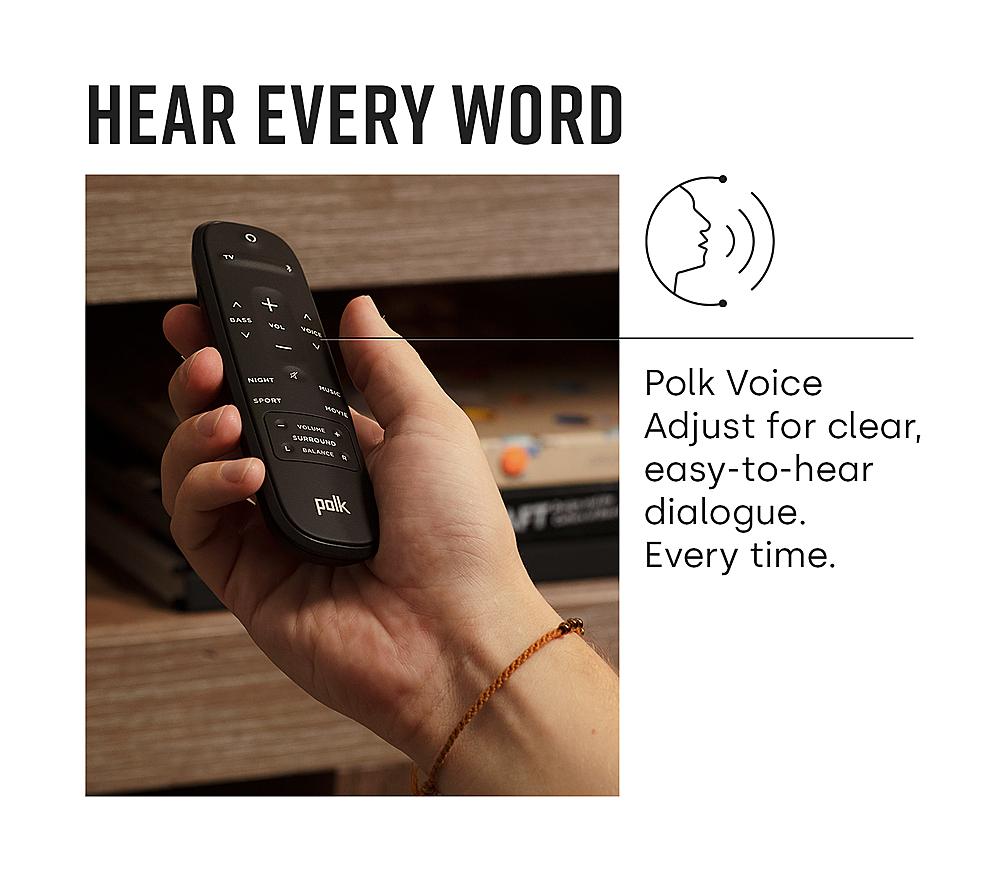
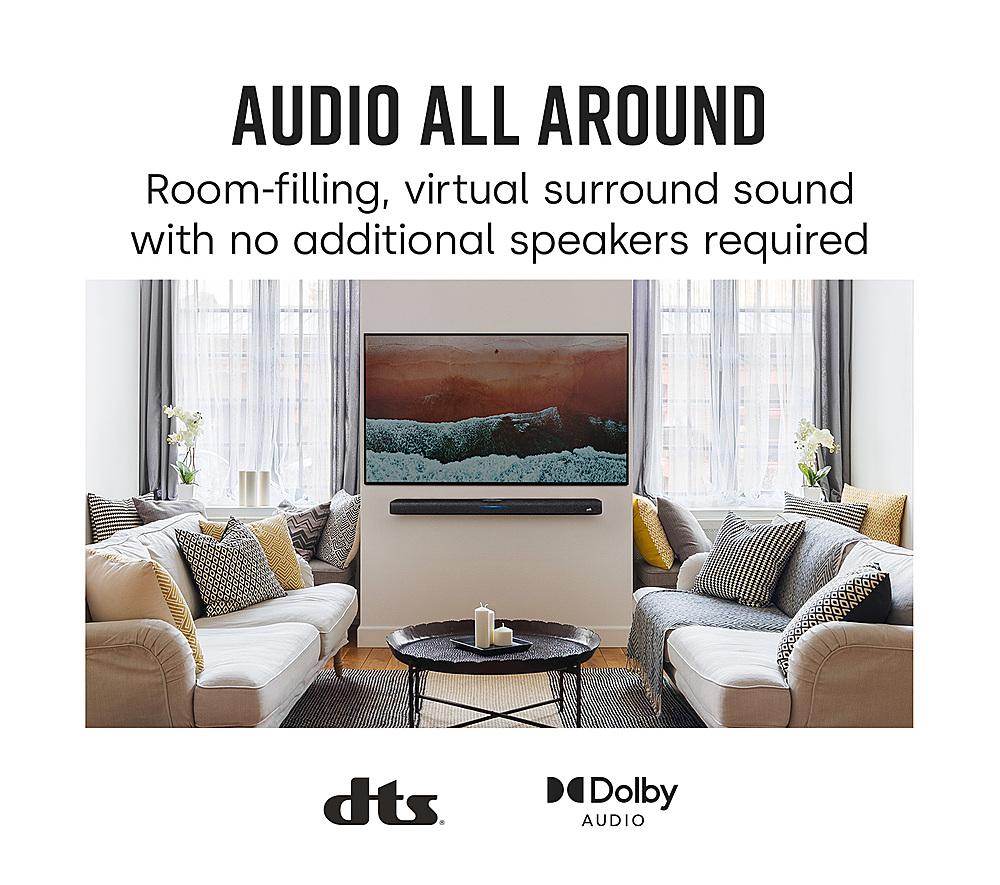
The Polk React, meanwhile, uses traditional Dolby Digital and DTS decoding. These are older surround sound formats that work well but lack the height dimension of Atmos. The React does include Polk's Voice Adjust technology, which is genuinely useful—it allows you to boost dialogue levels independently of other sounds, so you can hear what characters are saying without having to turn up the entire volume and wake your neighbors during late-night viewing sessions.
In practical terms, if you're watching a lot of newer Netflix shows, Disney+ content, or playing modern video games, the Atmos processing in the Klipsch creates a noticeably more engaging experience. The Polk's strength lies in making sure you never miss important dialogue, which is actually a bigger daily annoyance for many people than missing out on surround effects.
The Klipsch Flexus Core 100 includes HDMI eARC (enhanced Audio Return Channel), which is the current gold standard for soundbar connections. eARC can carry full-bandwidth, uncompressed audio signals, including high-resolution Atmos tracks. This means when you're streaming a movie with premium audio, you're getting the full quality the creators intended.
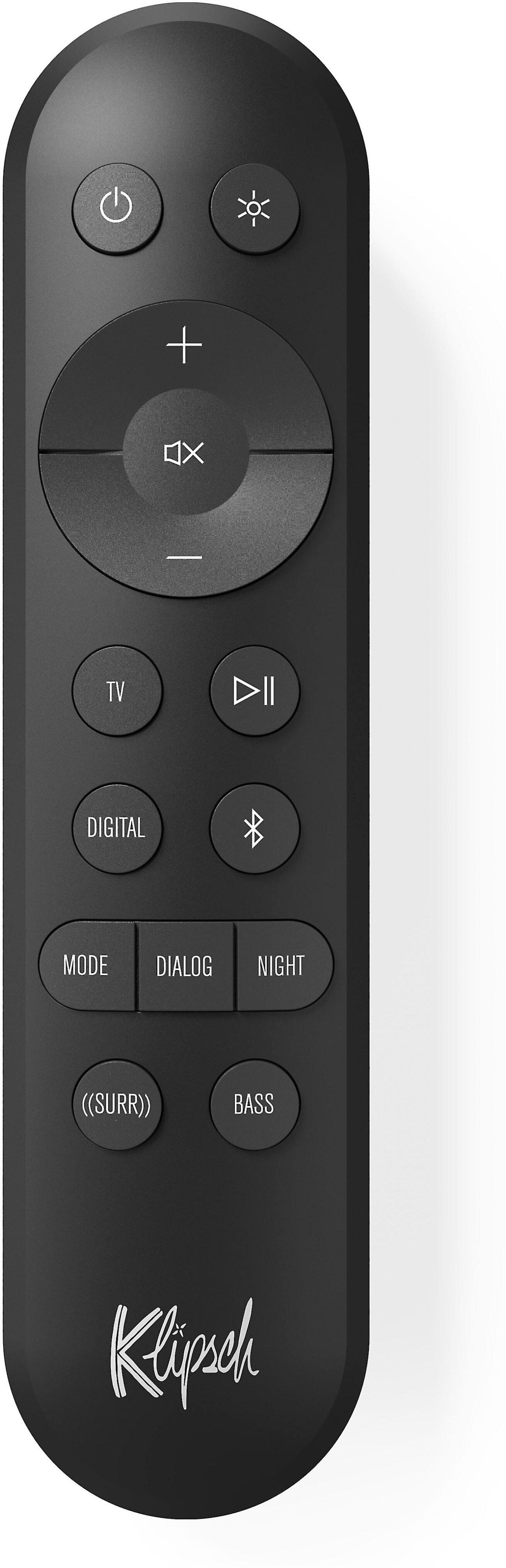
The soundbar also includes Bluetooth connectivity and USB-C input, plus digital optical for older devices. What it doesn't have is Wi-Fi or voice control. Klipsch made a deliberate choice to focus entirely on audio performance rather than smart features. The Klipsch Connect Plus app handles system setup and EQ adjustments, but day-to-day control happens via the included remote or your TV's remote through HDMI-CEC.
This approach has advantages and drawbacks. The advantage is that all the engineering effort and cost went into audio components rather than microphones and Wi-Fi chips. The drawback is that if you're used to saying "Alexa, turn up the volume," you'll need to find your remote instead.
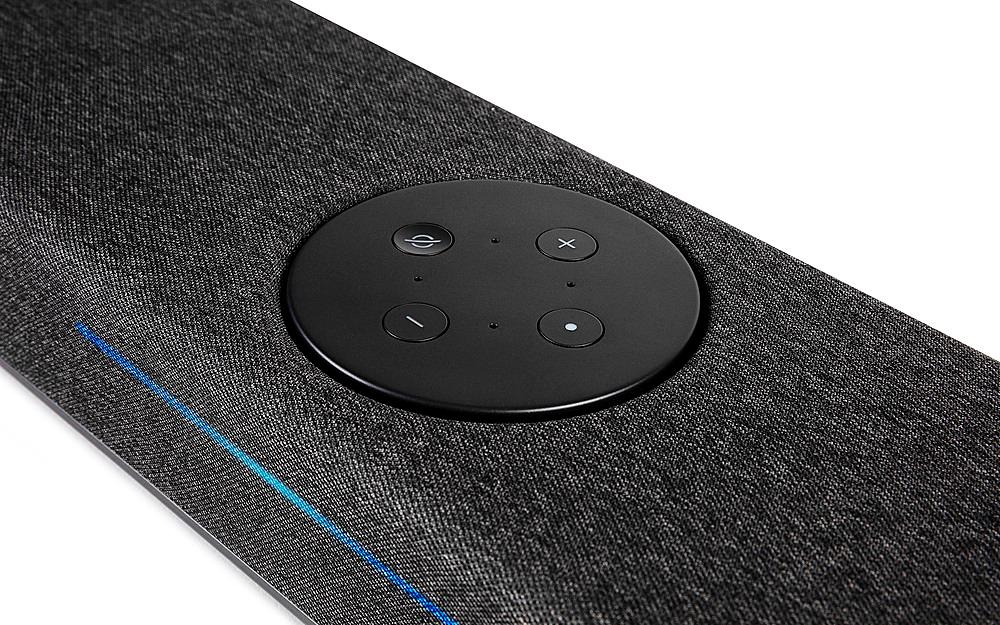
The Polk Audio React represents the opposite philosophy. It includes four far-field microphones strategically placed to pick up voice commands from across the room, even when music is playing. The Alexa integration is comprehensive—you can control volume, switch inputs, play music from various streaming services, control smart home devices, and even make calls to other Alexa devices.
This creates some genuinely convenient experiences. You can say "Alexa, play jazz music in the living room" and have music start immediately without touching any device. You can ask for weather updates while getting ready in the morning, or tell Alexa to dim the lights when starting a movie. The React becomes a central hub for smart home control.
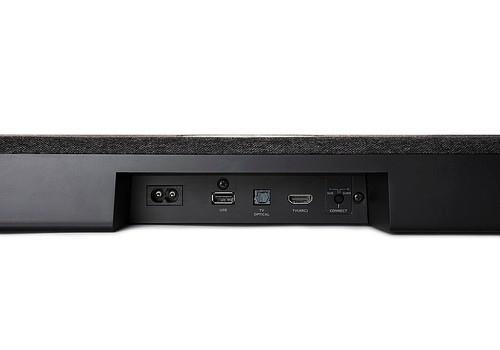
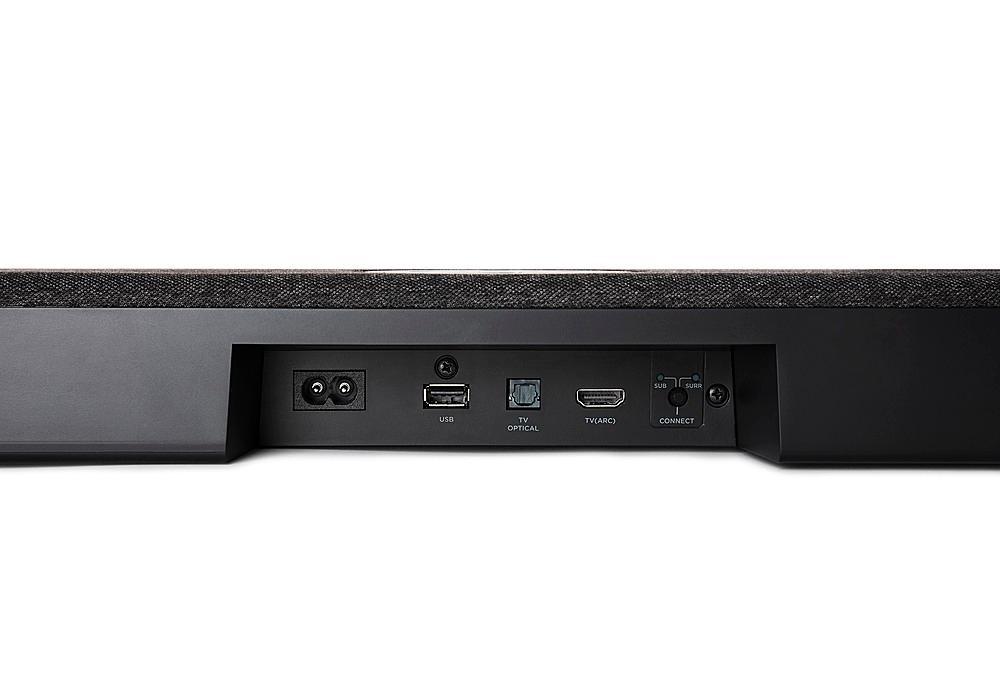
However, this smart focus comes with tradeoffs. The React only includes optical digital input—no HDMI at all. This means you're limited to compressed audio formats and can't take advantage of newer high-quality audio streams. For connectivity to your TV, you'll use either the optical cable or your TV's built-in Bluetooth, both of which compress audio signals.
The React does support Alexa Multi-Room Music, letting you group it with other Alexa devices to play synchronized audio throughout your home. This is genuinely useful if you're already invested in Amazon's ecosystem.
At virtually identical prices, these soundbars represent very different value propositions. With the Klipsch Flexus Core 100, you're paying for premium driver technology, advanced audio processing, and robust build quality. The aluminum drivers, dedicated subwoofers, and Dolby Atmos processing would typically cost significantly more in separate components.
The Polk Audio React asks you to pay partly for convenience features. The far-field microphones, Alexa integration, and smart processing chips add cost that doesn't directly improve audio quality. However, if you value convenience and already use Alexa devices, this integration provides genuine daily utility that's hard to quantify in purely audio terms.
From a pure price-to-performance audio perspective, the Klipsch offers exceptional value. Similar Atmos soundbars from major brands typically cost $350-500 or more. The Polk's audio performance, while decent, is more in line with $150-200 soundbars, with the premium going toward smart features.
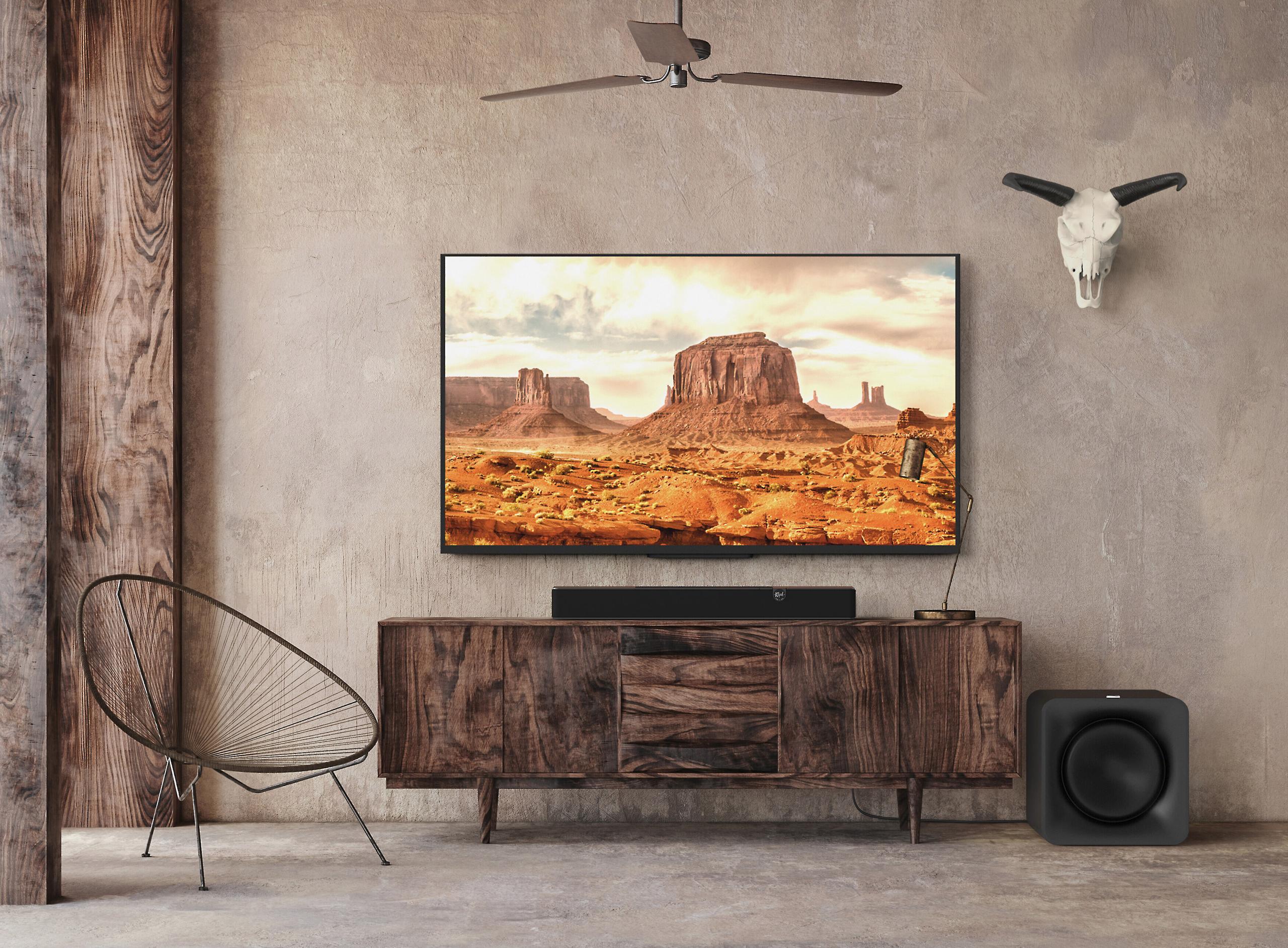
One of the Flexus Core 100's most compelling features is its expandability through Klipsch Transport technology. This proprietary wireless system operates on a dedicated 2.4GHz frequency to avoid interference with your home Wi-Fi network. You can add Flexus Surrounds (around $200 per pair) and a Flexus Subwoofer (approximately $300) to create a true surround sound system.
What makes this particularly appealing is that the wireless connections are automatic and reliable. I've tested similar systems from other manufacturers where wireless rear speakers would occasionally drop out or lag behind the main soundbar. Klipsch's dedicated frequency approach eliminates these issues.
The modular approach means you can start with the Core 100 and add components as your budget allows or your needs change. Move to a larger room? Add the subwoofer. Want true surround sound? Add rear speakers. The system grows with you.
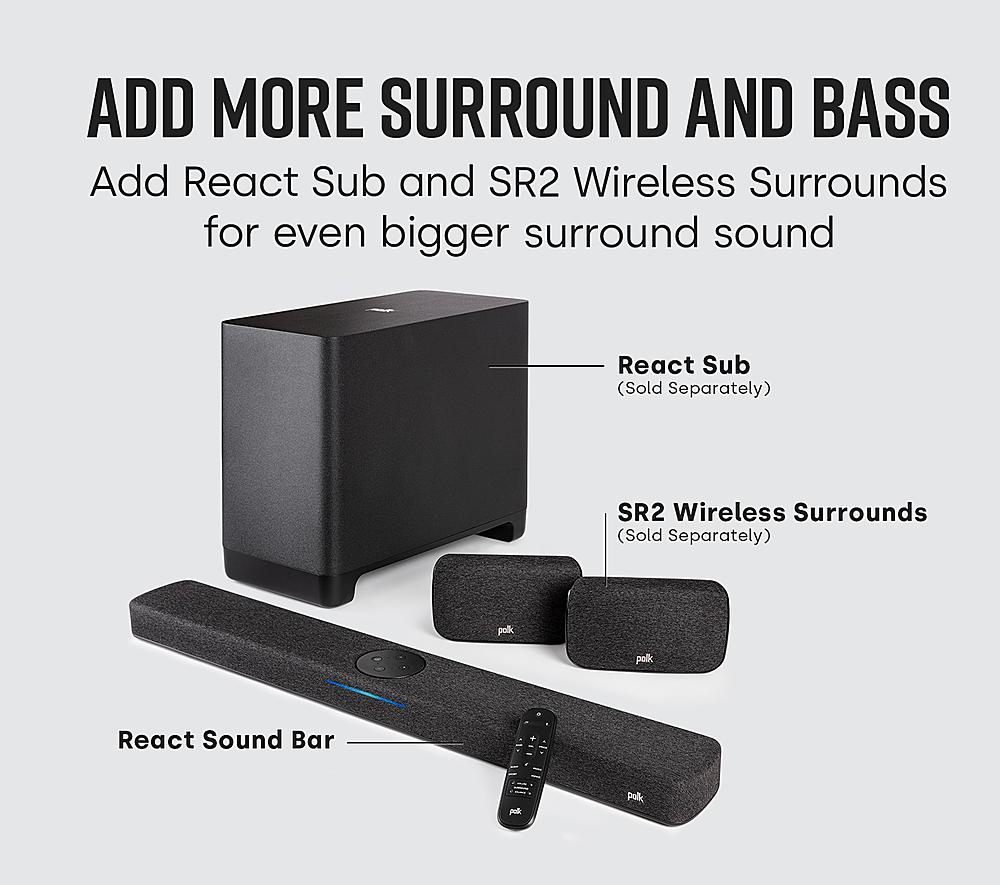
The React can be expanded with Polk's React Subwoofer and SR2 wireless surround speakers, but the total system cost quickly approaches $500-600. More importantly, even with full expansion, you're still limited to traditional surround sound without Atmos processing. You're building a larger system, but not a more advanced one.
The Alexa integration does provide a different kind of expandability—compatibility with Amazon's growing ecosystem of smart home devices. As you add more Alexa-compatible devices to your home, the React becomes increasingly useful as a central control point.
For serious movie watching, the Klipsch Flexus Core 100 creates a more engaging experience. During action sequences, the built-in subwoofers provide impact that you feel as well as hear. The Atmos processing adds layers of ambient sound that traditional soundbars miss. When watching "Dune" or "Blade Runner 2049," films with exceptional sound design, the difference is striking.
The Klipsch also handles music better, with its aluminum drivers delivering clear highs and the dual subwoofers providing solid bass foundation. Jazz, rock, and electronic music all benefit from the full-range response.
The Polk Audio React excels in everyday usability. Voice control becomes surprisingly addictive once you get used to it. Being able to adjust volume, skip tracks, or switch inputs without finding a remote is genuinely convenient, especially when you're cooking, cleaning, or have your hands full.
The Voice Adjust technology proves its worth during TV shows with inconsistent audio mixing. Many streaming shows have quiet dialogue followed by loud action sequences, and being able to boost voice levels independently helps maintain comfortable listening levels.
Want the best possible audio performance for the price. The combination of Atmos processing, built-in subwoofers, and quality drivers delivers sound that competes with much more expensive systems. You're planning to build a real home theater setup over time, and the wireless expandability makes that practical and affordable.
You watch a lot of movies, play video games, or listen to music where sound quality significantly impacts your enjoyment. The power and frequency response make content more engaging and immersive.
You don't mind using a remote for control and aren't particularly invested in smart home automation. The focus on audio performance over convenience features aligns with your priorities.
You're already deep in Amazon's Alexa ecosystem and want your soundbar to serve as a smart home hub. The voice control and multi-room capabilities provide daily convenience that outweighs pure audio performance considerations.
You primarily watch TV shows and news rather than action movies or concerts, and dialogue clarity is more important to you than bass impact or surround effects. The Voice Adjust feature addresses the most common audio complaint people have with their TVs.
You have space constraints that make a more powerful soundbar impractical, or you live in an apartment where excessive bass might disturb neighbors.
After extensive testing with both the Klipsch Flexus Core 100 and Polk Audio React, I keep coming back to the fundamental question of what you want from your audio system. These soundbars represent two valid but different answers to that question.
The Klipsch delivers objectively better audio performance—more power, more advanced processing, better frequency response, and meaningful expandability. If your primary goal is making movies, games, and music sound as good as possible, it's the clear choice.
The Polk prioritizes integration and convenience over pure audio performance. If you value being able to control your entertainment system with your voice and want your soundbar to fit seamlessly into a smart home setup, the React's compromises in audio quality might be worthwhile for the convenience it provides.
At nearly identical prices, you're not making a budget decision—you're choosing between philosophies. Consider how you actually use your entertainment system, what annoys you most about your current setup, and where you see your home theater heading in the next few years. The answer to those questions will point you toward the right soundbar for your needs.
Both represent solid value in their respective categories, but they're solving different problems for different users. Choose based on your priorities, and you'll be happy with either decision.
| Klipsch Flexus Core 100 Soundbar ($227.90) | Polk Audio React Sound Bar with Alexa Built-In ($230.00) |
|---|---|
| Power Output - Determines room-filling capability and dynamic range | |
| 100W RMS (fills large rooms easily) | 50W RMS (best for small to medium rooms) |
| Surround Sound Processing - Key for immersive movie/gaming experience | |
| Dolby Atmos with virtual height effects | Basic Dolby Digital/DTS, no Atmos support |
| Built-in Bass Performance - Eliminates need for separate subwoofer | |
| Dual 4" dedicated subwoofers included | Passive radiators only, subwoofer recommended |
| HDMI Connectivity - Essential for high-quality audio from modern devices | |
| HDMI eARC with full bandwidth audio support | No HDMI (optical connection only) |
| Voice Control Integration - Hands-free convenience for daily use | |
| None (remote/app control only) | Built-in Alexa with 4 far-field microphones |
| Wireless Expandability - Future system building potential | |
| Klipsch Transport tech for seamless wireless surrounds/sub | Basic expansion available but limited audio processing |
| Smart Home Features - Integration with existing ecosystems | |
| Bluetooth only, no Wi-Fi streaming | Full Alexa ecosystem, multi-room music, smart home hub |
| Frequency Response - Range of sounds the system can reproduce | |
| 45Hz-20kHz (excellent low-end without subwoofer) | Not specified (requires subwoofer for meaningful bass) |
| Release Date & Technology - How current the audio processing is | |
| 2024 release with latest Atmos processing | 2023 release focused on smart features over audio tech |
| Primary Strength - What each excels at most | |
| Immersive audio performance and expandability | Smart home convenience and voice control |
The Klipsch Flexus Core 100 ($227.90) delivers significantly better sound quality with 100W RMS power, dual built-in subwoofers, and Dolby Atmos processing. The Polk Audio React ($230.00) offers only 50W RMS power and basic surround sound without Atmos support, making the Klipsch the clear winner for audio performance.
No separate subwoofer is needed with the Klipsch Flexus Core 100 thanks to its dual 4-inch built-in subwoofers that provide excellent bass down to 45Hz. The Polk Audio React uses only passive radiators and will likely require the optional React Subwoofer for satisfying bass performance, adding to the total cost.
The Klipsch Flexus Core 100 is superior for home theater use with its Dolby Atmos processing that creates immersive, three-dimensional sound effects. The powerful built-in subwoofers and 100W output deliver the dynamic range needed for action movies, while the Polk React lacks Atmos and has insufficient power for large room movie watching.
Only the Polk Audio React offers voice control with built-in Alexa and four far-field microphones for hands-free operation. The Klipsch Flexus Core 100 requires remote control or the Klipsch Connect Plus app, with no voice assistant integration available.
The Klipsch Flexus Core 100 offers superior TV connectivity with HDMI eARC support for full-bandwidth, uncompressed audio. The Polk Audio React only provides optical digital connection, which limits audio quality and doesn't support the latest high-resolution audio formats.
Yes, both can be expanded, but the Klipsch Flexus Core 100 offers better expandability through its Klipsch Transport wireless technology for adding surrounds and subwoofers seamlessly. The Polk Audio React can add wireless components but remains limited to basic surround processing without Atmos capability.
The Klipsch Flexus Core 100 excels at music reproduction with its aluminum cone drivers, dedicated subwoofers, and 45Hz-20kHz frequency response providing full-range sound. The Polk Audio React focuses more on dialogue clarity and lacks the bass depth and power needed for satisfying music playback.
The Polk Audio React integrates fully with Amazon Alexa smart home ecosystem, supporting multi-room music and voice control of connected devices. The Klipsch Flexus Core 100 has no smart home integration, focusing purely on audio performance with Bluetooth-only wireless connectivity.
At similar prices, the Klipsch Flexus Core 100 offers better value for audio performance with premium drivers, Atmos processing, and built-in subwoofers that would cost much more separately. The Polk Audio React charges a premium for convenience features rather than superior sound quality.
The Klipsch Flexus Core 100 measures 28" wide and works best in medium to large rooms where its 100W power can shine. The Polk Audio React at 34" wide is better suited for smaller spaces due to its lower 50W power output and focus on dialogue clarity over room-filling sound.
The Klipsch Flexus Core 100 supports modern Dolby Atmos processing for the latest streaming content and games. The Polk Audio React is limited to older Dolby Digital and DTS formats, missing out on the immersive audio experiences available in newer content.
Choose the Klipsch Flexus Core 100 if you prioritize sound quality, plan to expand your system, and want the best home theater experience. Choose the Polk Audio React if you value voice control convenience, have a smaller room, and want smart home integration over maximum audio performance.
We've done our best to create useful and informative comparisons to help you decide what product to buy. Our research uses advanced automated methods to create this comparison and perfection is not possible - please contact us for corrections or questions. These are the sites we've researched in the creation of this article: cnet.com - klipsch.com - klipsch.com - bestbuy.com - sweetwater.com - assets.onkyo-av.com - youtube.com - worldwidestereo.com - avnirvana.com - target.com - techradar.com - crutchfield.com - popsci.com - youtube.com - tomsguide.com - bestbuy.com - polkaudio.com - crutchfield.com - forum.polkaudio.com - soundunited.com - youtube.com

Privacy Policy
Terms and Conditions - Affiliate Policy
Home Security
© Copyright 2008-2026.
11816 Inwood Rd #1211, Dallas, TX 75244