

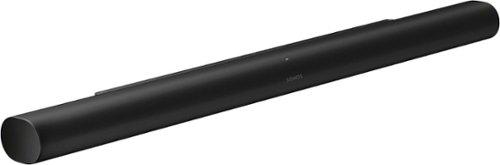
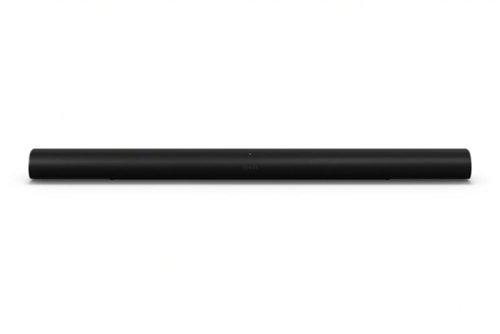
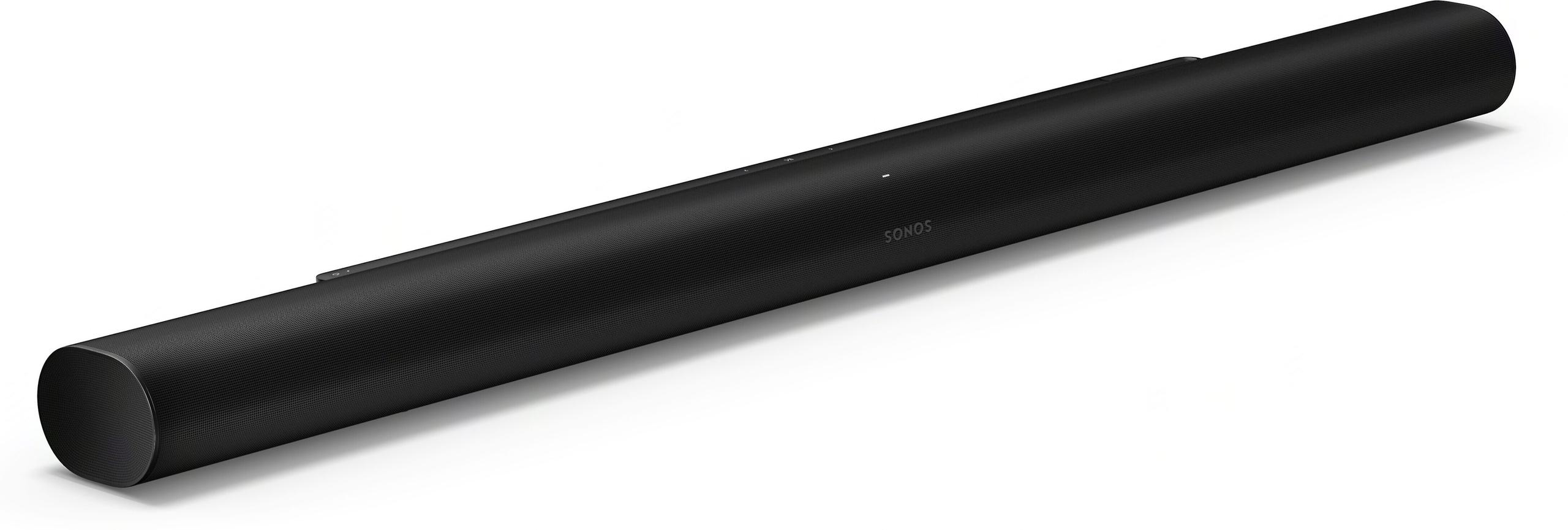
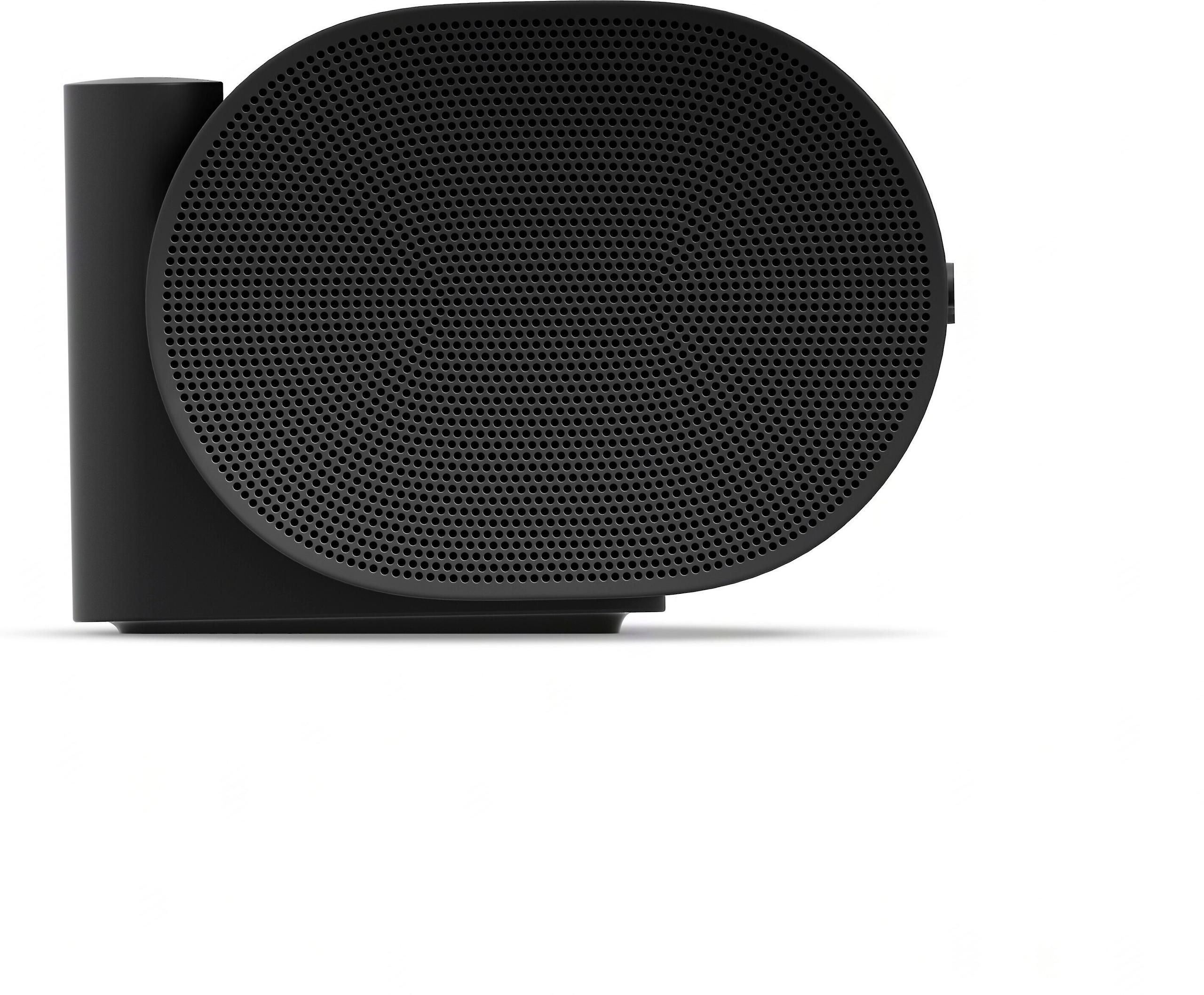
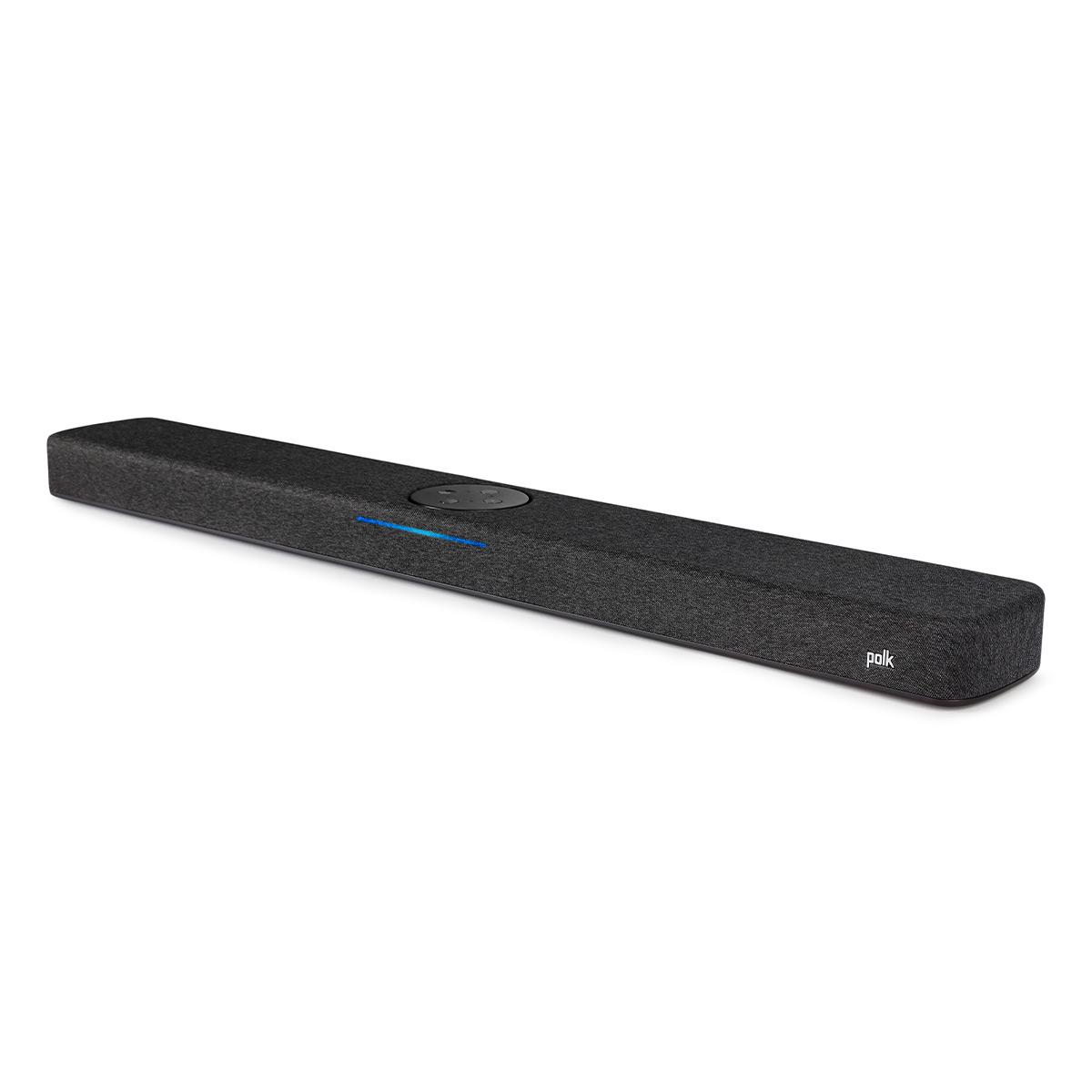

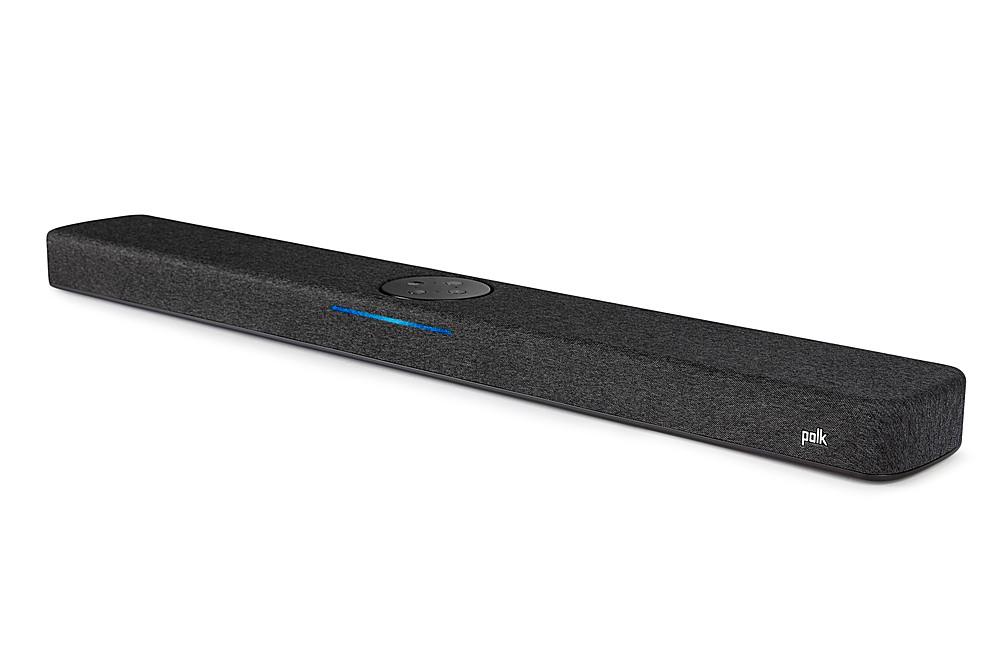




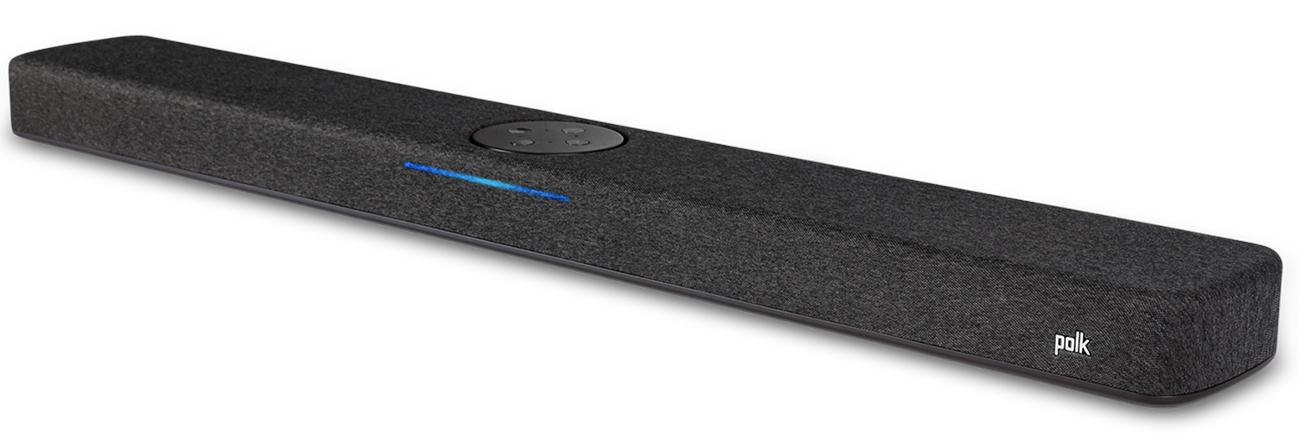
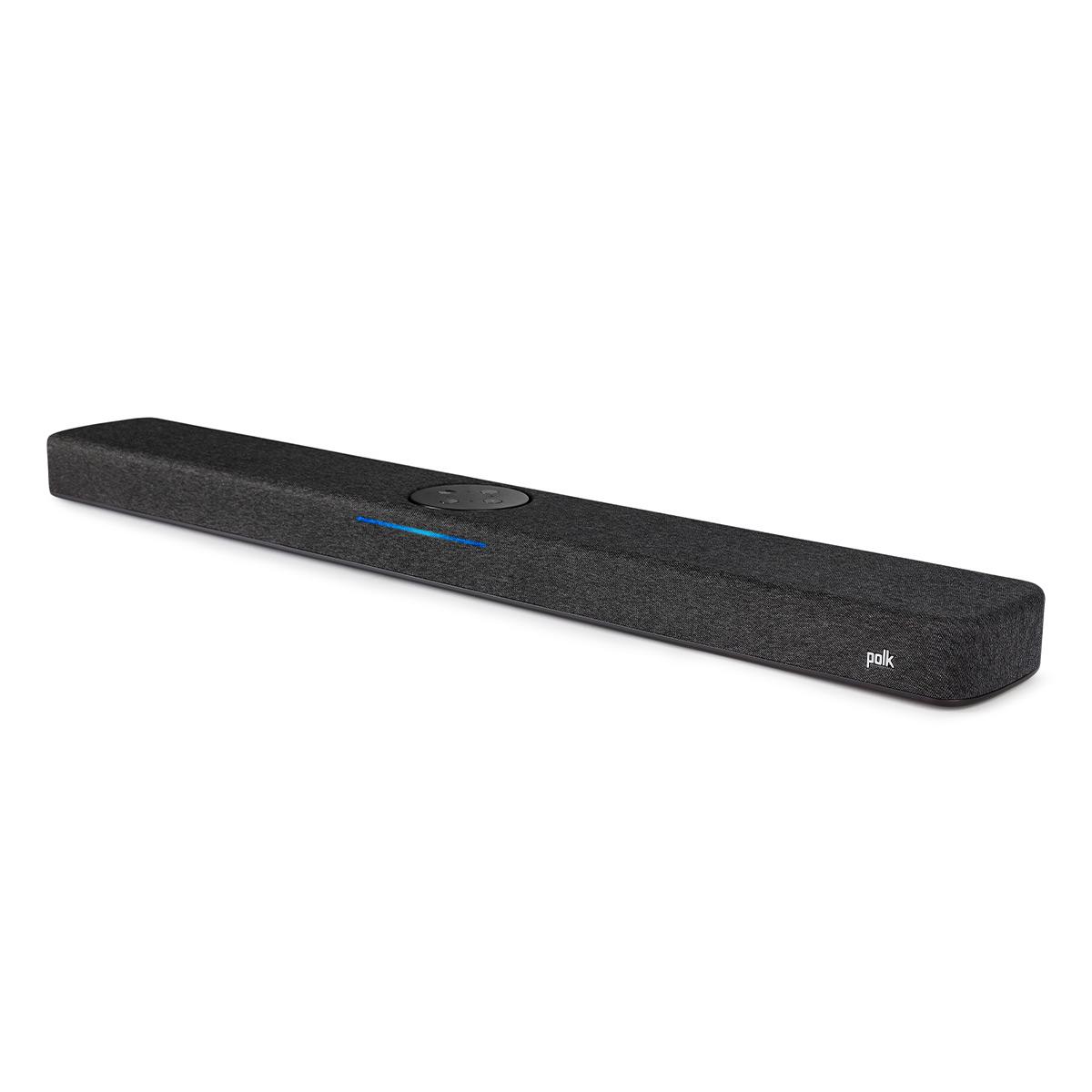
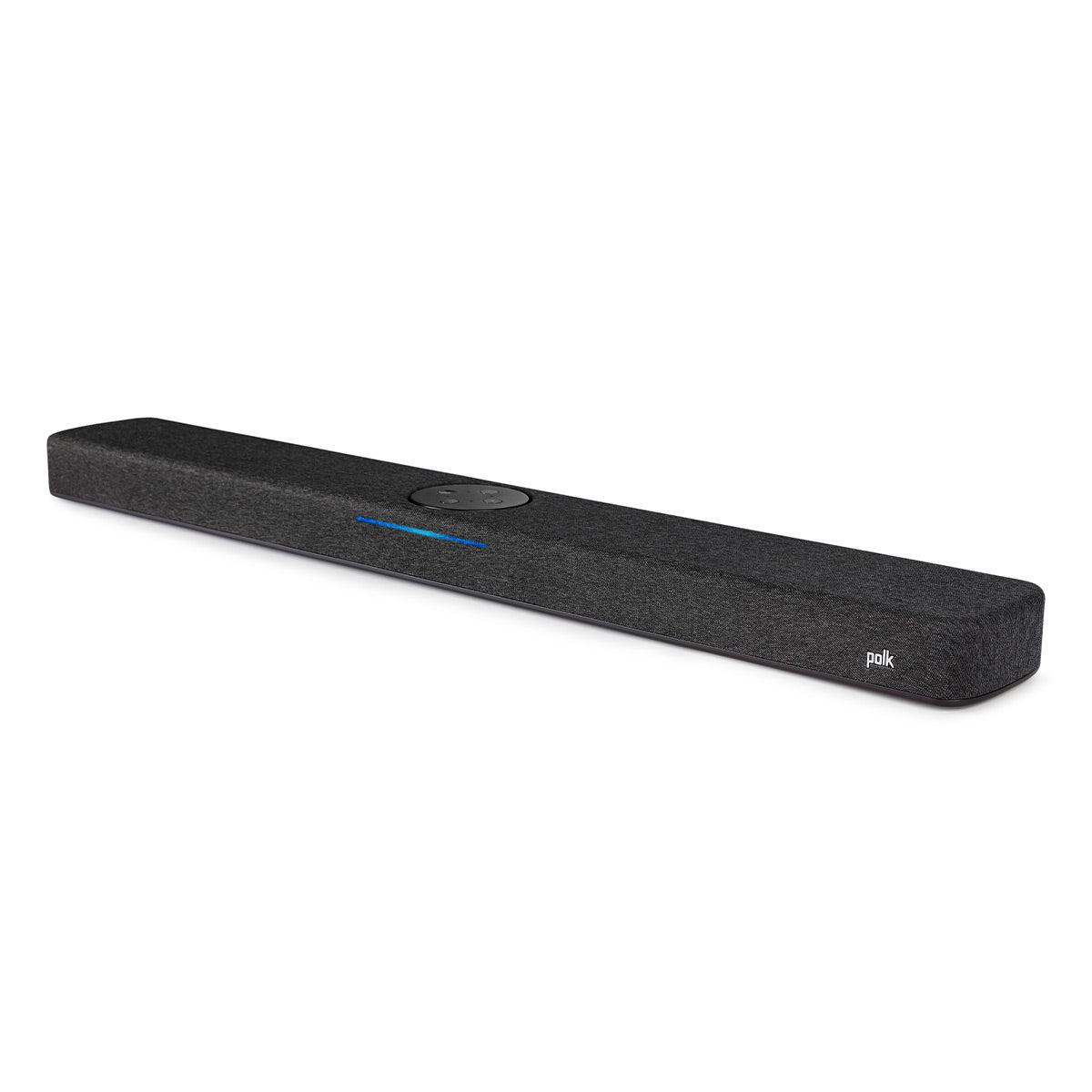
When I first started writing about audio gear, soundbars were pretty basic affairs – essentially wide speakers that sat under your TV and made dialogue a bit clearer. Fast forward to today, and we're looking at sophisticated audio systems that can create immersive home theater experiences or seamlessly integrate with your smart home setup. The Sonos Arc Ultra Dolby Atmos Soundbar ($929) and Polk Audio React Sound Bar with Alexa Built-In ($230) represent two very different approaches to solving the same problem: making your TV sound dramatically better.
The soundbar market has evolved into distinct tiers, each serving different needs and budgets. Today's soundbars aren't just about volume – they're about creating spatial audio experiences, integrating with streaming services, and sometimes replacing entire home theater setups.
The key considerations haven't changed much conceptually, but the technology behind them has gotten incredibly sophisticated. Audio quality remains paramount, but now we're talking about object-based audio formats like Dolby Atmos (which places sounds in 3D space around you) rather than just left and right channels. Smart features have become equally important, with voice assistants and wireless connectivity transforming soundbars into entertainment hubs.
Expandability matters more than ever because these systems can grow with your needs. Room compatibility has gotten more nuanced too – it's not just about power anymore, but about how well the soundbar can adapt its sound to your specific space using room correction technology.
The price difference between these soundbars immediately tells you they're targeting different users. The Sonos Arc Ultra at $929 costs exactly four times more than the Polk React at $230, but this isn't just arbitrary pricing – it reflects fundamentally different engineering priorities and target audiences.
Sonos released the Arc Ultra in late 2024 as an evolution of their popular Arc soundbar, incorporating lessons learned from years of user feedback and technological advances. The company focused heavily on addressing the original Arc's bass limitations while maintaining its excellent build quality and ecosystem integration. Since its release, Sonos has continued their tradition of regular software updates, adding features like improved room correction and enhanced streaming codec support.
The Polk React, launched earlier as part of Polk's effort to compete in the smart soundbar space, takes a different approach entirely. Rather than chasing audio perfection, Polk prioritized smart home integration and value. Since its release, updates have been more modest, focusing primarily on Alexa compatibility improvements and basic bug fixes.
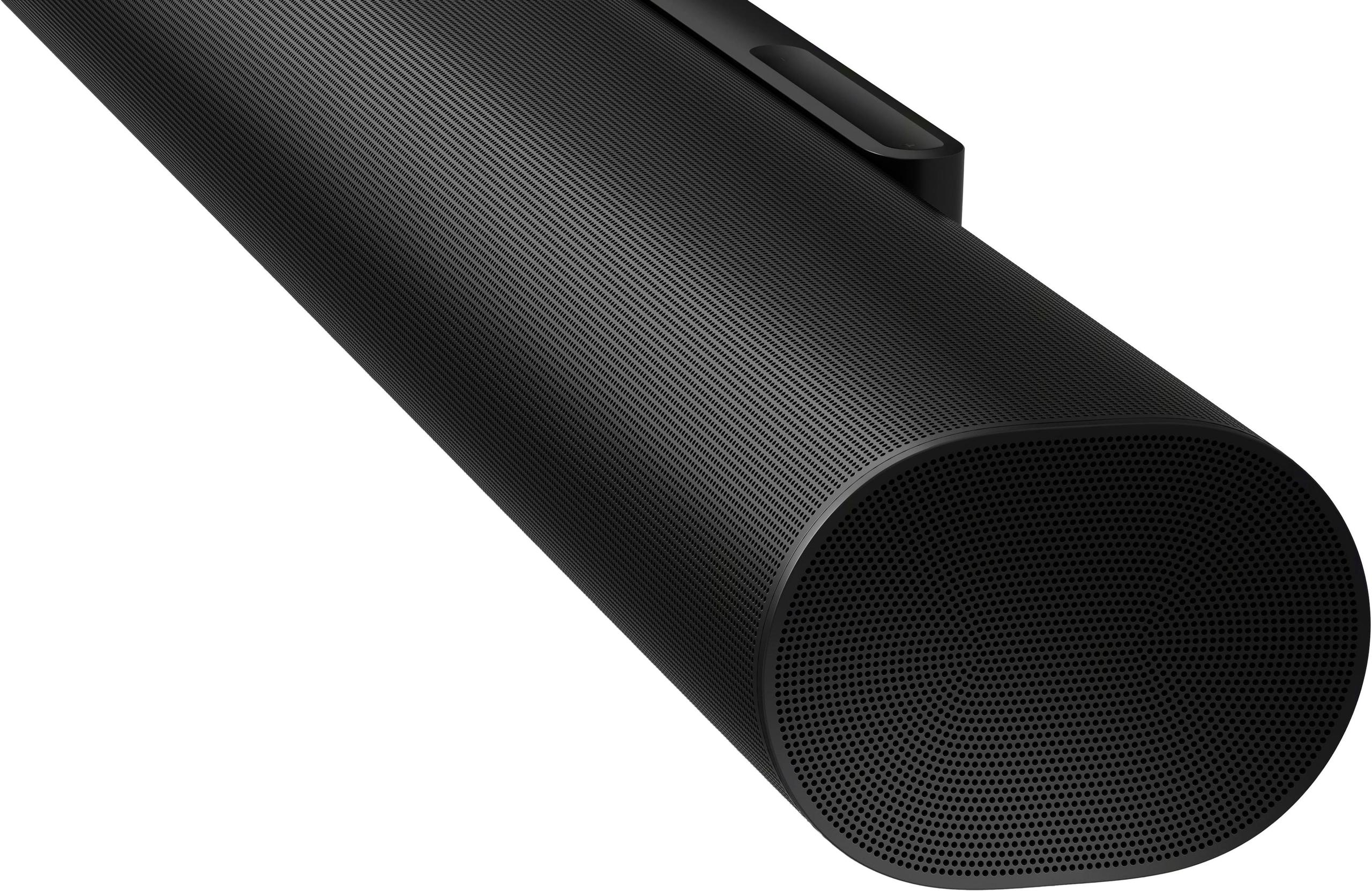
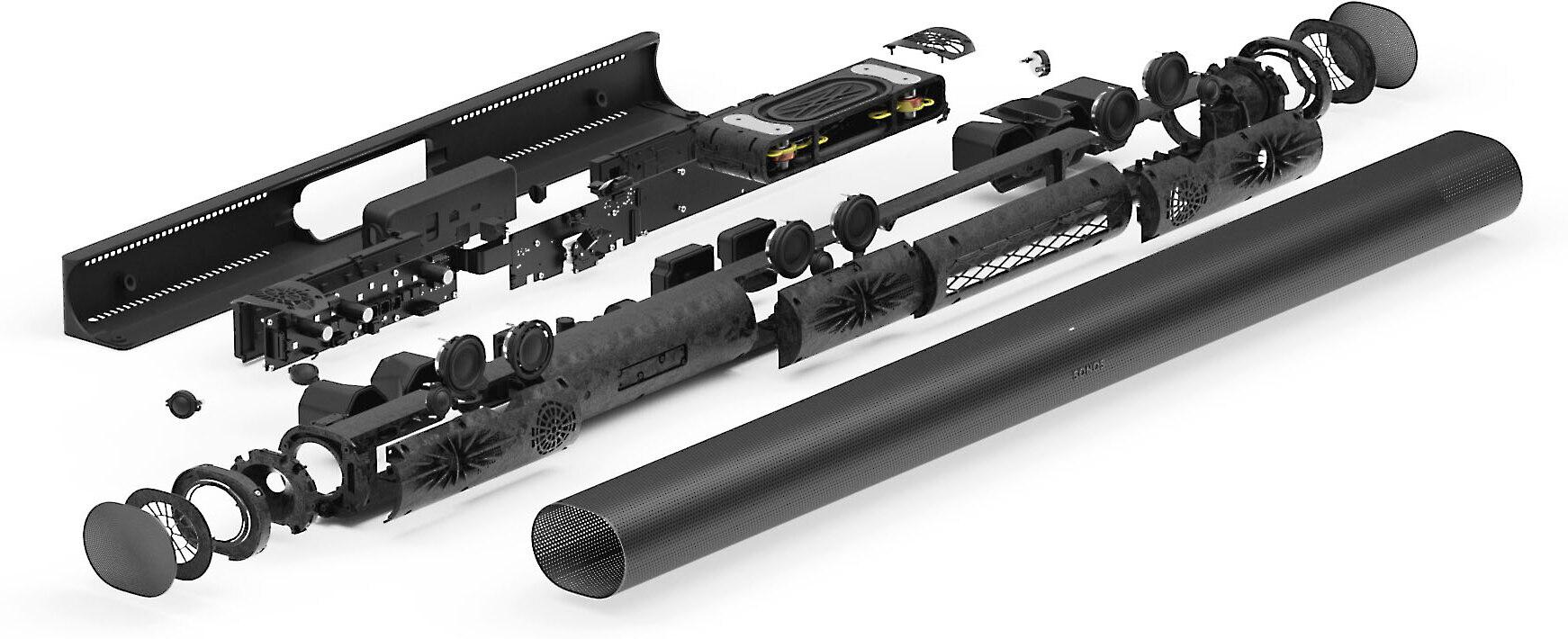
This is where the differences become most apparent, and frankly, most important for your daily experience. The Sonos Arc Ultra represents some seriously impressive acoustic engineering. Its 14-driver array isn't just about having more speakers – it's about precise control over how sound moves through your room.
The Arc Ultra's Dolby Atmos implementation creates what's called a 9.1.4 channel experience. Let me break that down: nine ear-level channels handle dialogue and most sound effects, one subwoofer channel manages bass, and four height channels create those overhead effects that make you feel like helicopters are actually flying over your head. The soundbar achieves this through a combination of upward-firing drivers (speakers that bounce sound off your ceiling) and advanced digital signal processing that calculates exactly how to delay and modify each audio signal.
What makes this particularly impressive is the Sound Motion woofer technology. Traditional subwoofers use large, heavy drivers that move a lot of air to create bass. Sonos developed a system that produces similar bass output with much less physical movement, reducing vibration and allowing them to fit more drivers into the same space. In practical terms, this means you get meaningful bass without the soundbar rattling your TV stand or requiring an immediate subwoofer purchase.
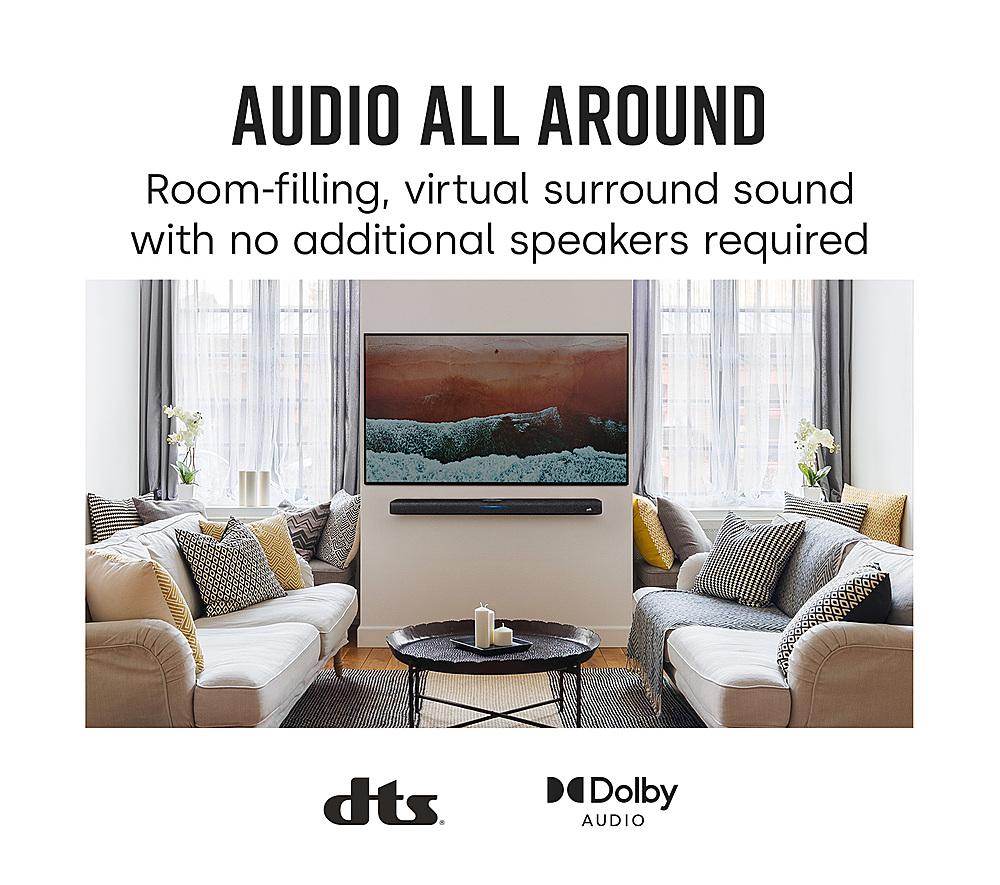
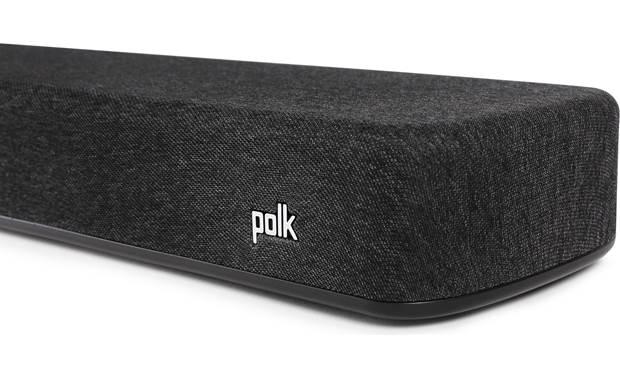
The Polk React takes a more traditional approach with its 2.1-channel setup (two main channels plus a subwoofer channel handled by passive radiators – speakers without magnets that move air using the pressure created by the active drivers). It uses virtual surround sound processing, which means it's using psychoacoustic tricks to make stereo sound seem like it's coming from multiple directions. This works reasonably well, especially for the price, but it can't match the physical reality of having drivers actually firing in different directions.
Bass performance reveals another key difference in approach. The Arc Ultra's integrated Sound Motion woofer provides what I'd call "architectural bass" – it's designed to support the overall soundstage without overwhelming dialogue or becoming boomy in smaller rooms. The bass is clean, controlled, and well-integrated with the mid and high frequencies.
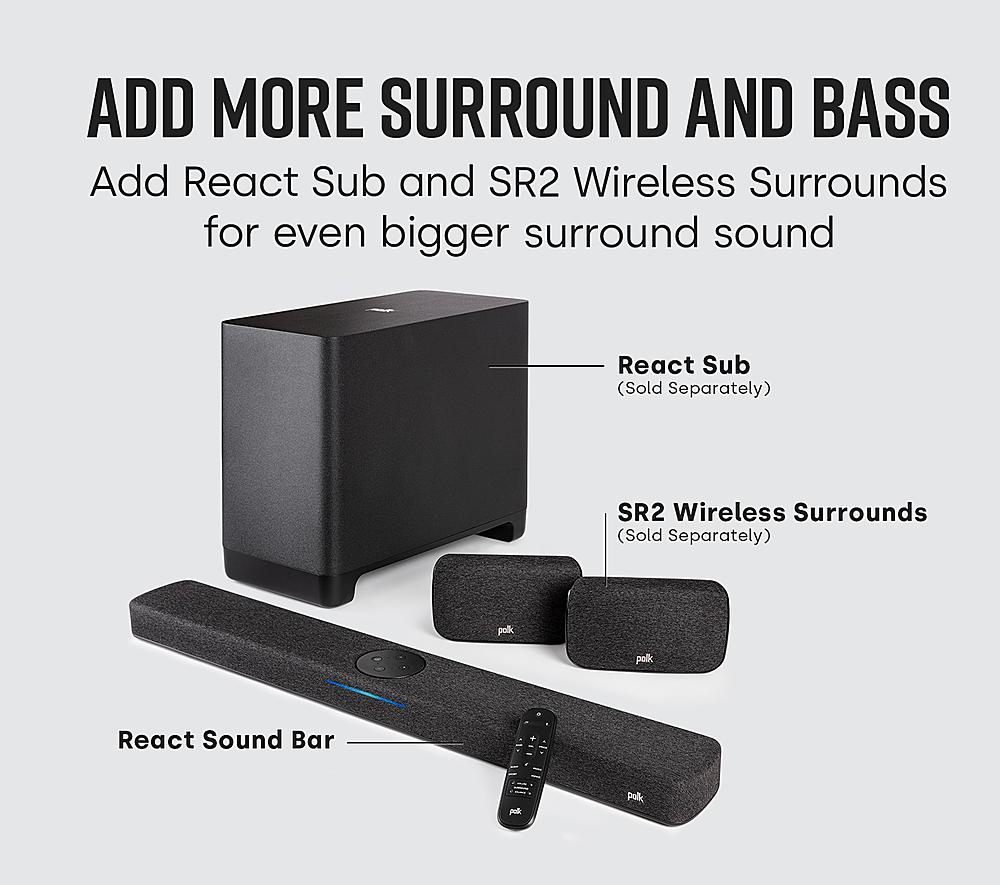
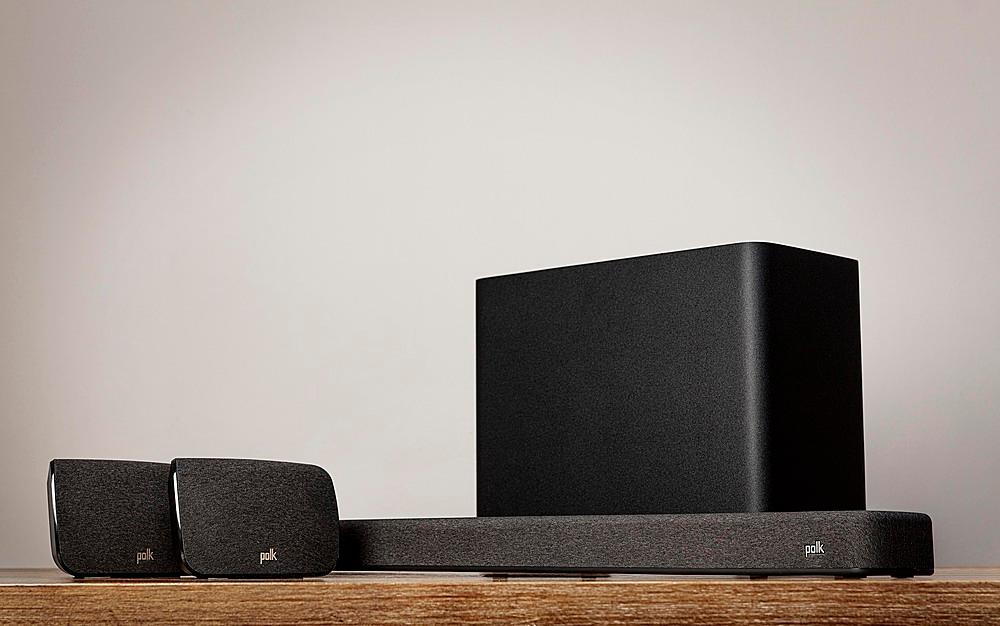
The Polk React's dual passive radiators provide some low-end reinforcement, but you'll definitely want to add their optional React Subwoofer ($200) for any serious bass response. Here's where the value equation gets interesting: even with the subwoofer, you're still spending less than half what the Sonos costs, and you're getting dedicated bass drivers that can potentially outperform the Sonos in pure low-end output.
From a home theater perspective, bass isn't just about explosions and car chases – it provides the foundation that makes dialogue feel natural and music sound full. The Sonos gives you immediately satisfying bass right out of the box, while the Polk system requires additional investment but potentially offers more flexibility in bass placement and output.
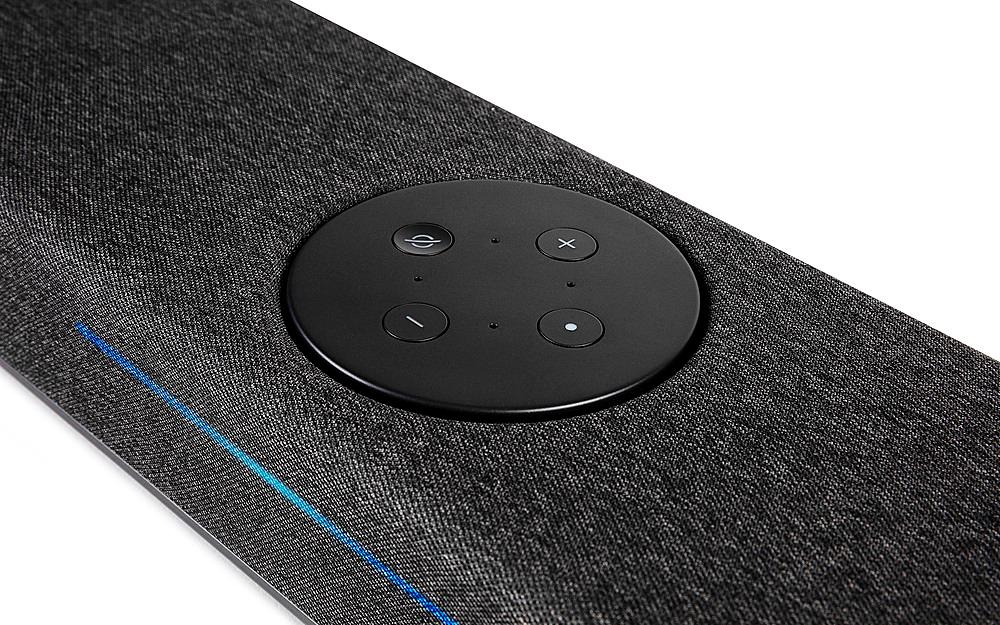
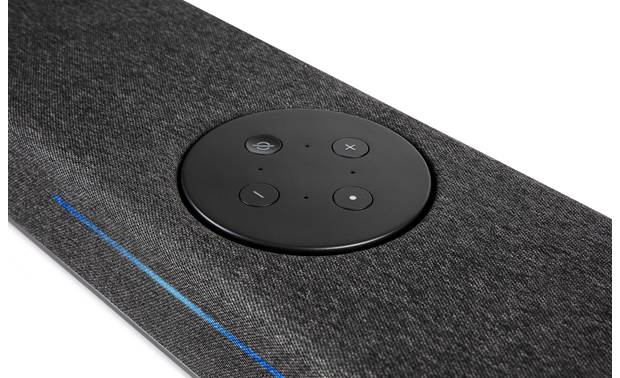
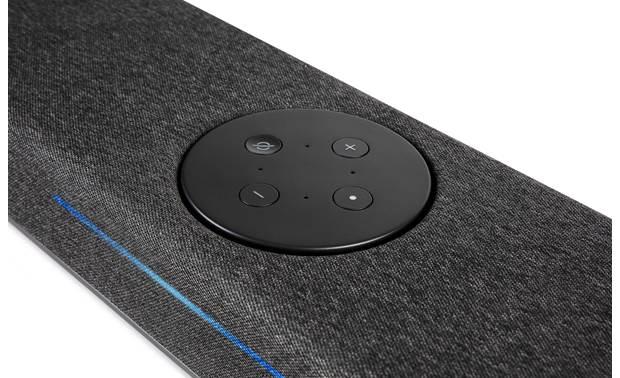
This is where the Polk React really shines, and it's worth understanding why built-in voice assistants matter more than you might think. The React has four far-field microphones with advanced beamforming – technology that can focus on your voice while filtering out background noise, including the soundbar's own audio output. This means you can say "Alexa, lower the volume" during a loud action scene, and it'll actually hear you.
The integration goes deeper than just voice control. The React essentially functions as a high-quality Amazon Echo that happens to be connected to your TV. You can use it for smart home control, weather updates, music streaming, and even Alexa's calling features. The multi-room audio capability means you can group it with other Alexa devices throughout your home for synchronized music playback.
The Sonos Arc Ultra, despite its premium positioning, requires an external device for voice control. This isn't necessarily a weakness – it allows you to choose your preferred voice assistant and upgrade it independently – but it does mean additional devices and setup complexity.
Where Sonos excels is in its wireless streaming capabilities. AirPlay 2 support means seamless integration with Apple devices, and the Sonos app provides a more sophisticated music listening experience with better sound quality controls and EQ options. The company's commitment to ongoing software updates means features are regularly added – recent updates have included new streaming service integrations and improved room correction algorithms.
Both systems support expansion, but they approach it differently. The Sonos ecosystem is more expensive but more sophisticated. The Sonos Sub ($749) uses dual force-canceling drivers to eliminate cabinet vibration while producing deep, room-filling bass. The surround speakers integrate seamlessly with Trueplay room correction, which uses your iPhone's microphone to measure room acoustics and automatically adjusts the sound.
The Polk system offers more budget-friendly expansion with the React Subwoofer ($200) and SR2 surround speakers. While less sophisticated than Sonos's offerings, they provide genuine surround sound at a fraction of the cost. A complete Polk system (soundbar, subwoofer, and surrounds) costs around $550-650, compared to $1,200-1,500 for the equivalent Sonos setup.
For dedicated home theater use, the differences become most pronounced. The Sonos Arc Ultra creates a genuinely immersive experience with properly mixed Dolby Atmos content. Watching movies like "Top Gun: Maverick" or "Dune," you'll hear jets screaming overhead and sand storms enveloping the room. The height channels aren't just gimmicks – they add genuine spatial information that makes the viewing experience more engaging.
The soundbar's dialogue enhancement is particularly impressive for home theater use. Rather than just boosting certain frequencies, it uses AI-powered processing to identify and clarify speech while maintaining the natural balance of the soundtrack. This is crucial for modern movies, which often have complex soundtracks that can bury dialogue.
The Polk React provides a more traditional home theater experience focused on clear dialogue and impactful sound effects. Its Voice Adjust technology works well for ensuring you don't miss important dialogue, and the virtual surround processing creates a reasonably convincing sense of space. For most TV watching and casual movie viewing, it's entirely satisfactory.
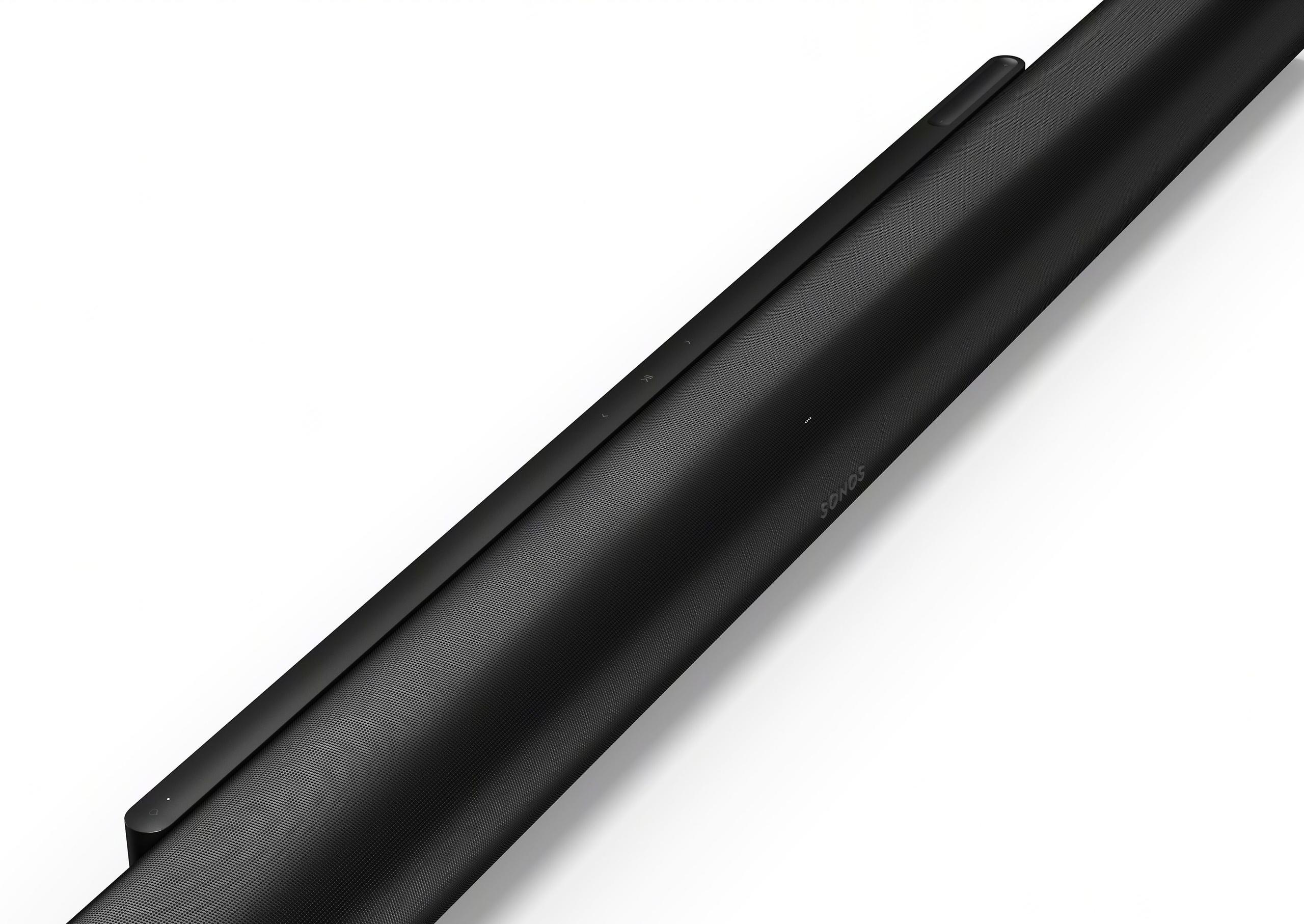
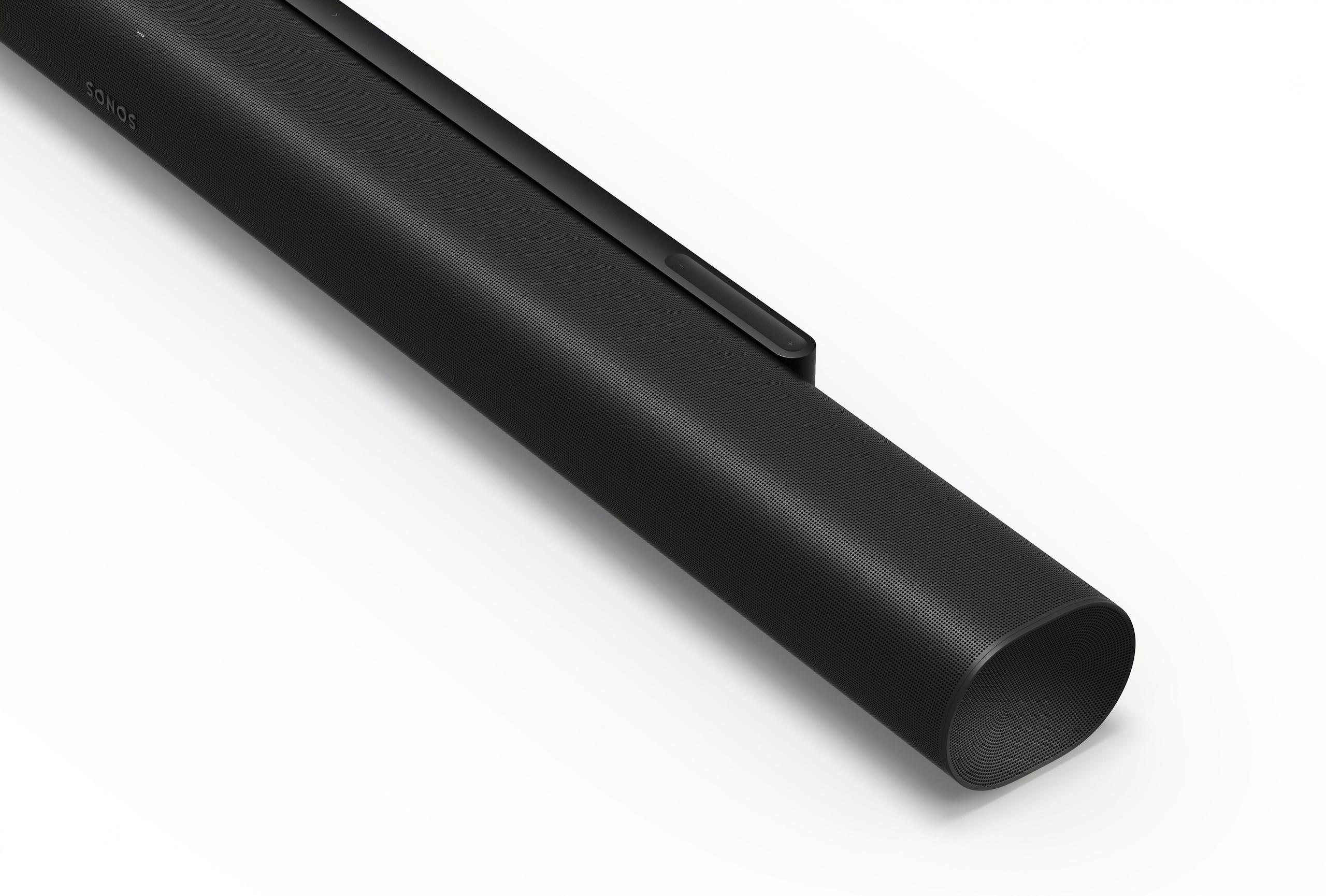
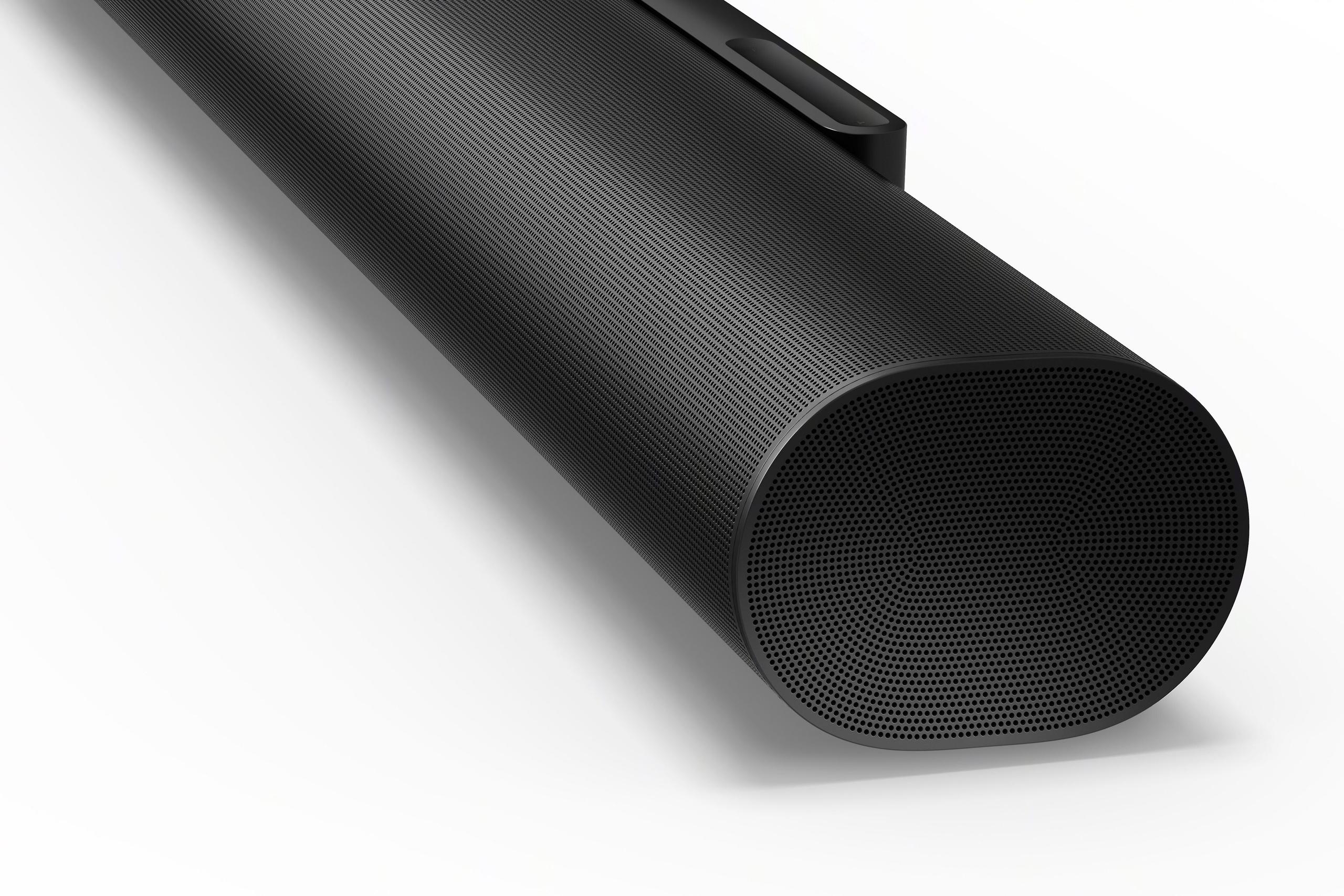
The Arc Ultra's premium build quality is immediately apparent. The materials feel substantial, the touch controls are responsive, and the overall aesthetic works well with high-end TVs and furniture. Its compact profile (despite being nearly four feet wide) means it fits under most TVs without blocking the screen or looking awkward.
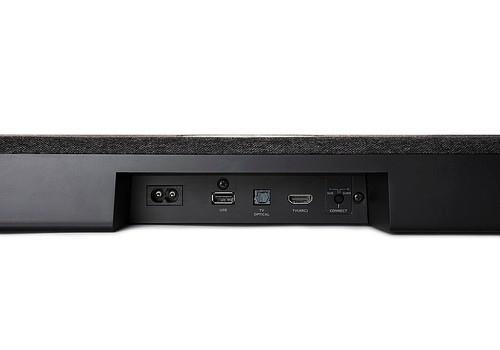
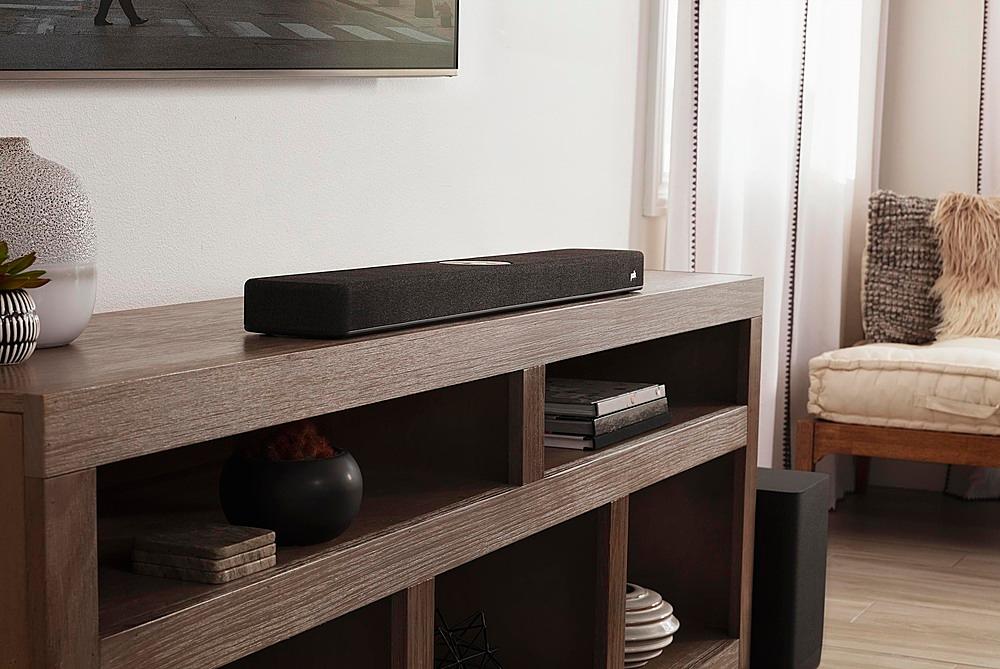
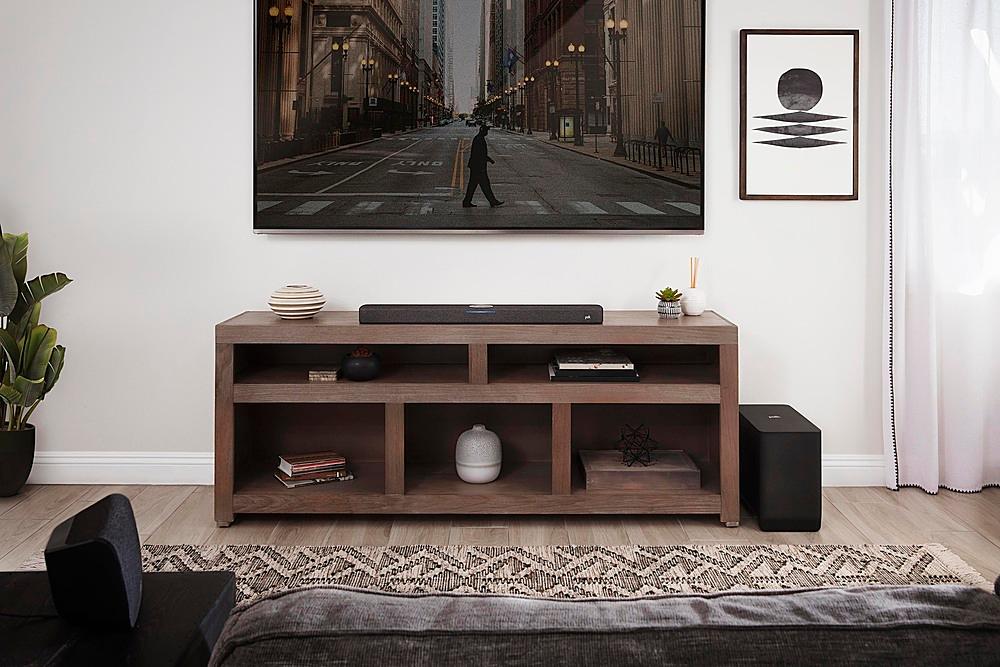
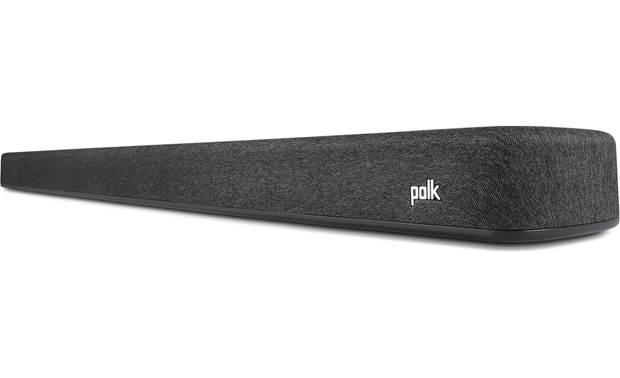
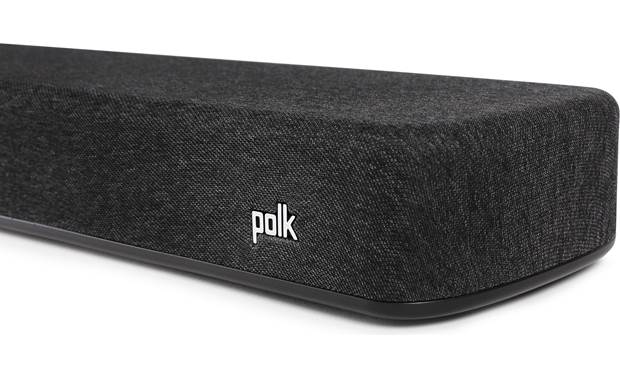
The Polk React is more utilitarian but still well-built. At 34 inches wide, it's more suitable for smaller TVs, and its straightforward design doesn't draw attention to itself. The setup process is refreshingly simple – connect the HDMI cable, plug it in, and Alexa is ready to go.
Choose the Sonos Arc Ultra Dolby Atmos Soundbar if you're building a dedicated home theater setup, frequently stream music, or want the best possible audio performance regardless of cost. The Arc Ultra justifies its premium pricing through superior engineering, genuine Dolby Atmos processing, and long-term software support. It's an investment in audio quality that will likely satisfy for years to come.
The Polk Audio React Sound Bar with Alexa Built-In makes sense if smart home integration is a priority, you're working within a strict budget, or you prefer to build your system gradually. The built-in Alexa functionality alone adds significant value, and the option to add a subwoofer and surrounds means you can grow the system as your needs and budget allow.
From my experience testing both systems, the Sonos provides a more refined, immersive audio experience that particularly shines with high-quality content. The Polk offers exceptional value and convenience, especially for users who want smart features without complexity. Your choice should align with whether you prioritize ultimate audio quality and long-term investment (Sonos) or practical smart features and immediate value (Polk).
Both represent solid choices within their respective market segments, but they're solving slightly different problems for different types of users. The key is honestly assessing your priorities, room setup, and how much you're willing to invest in your audio experience.
| Sonos Arc Ultra Dolby Atmos Soundbar | Polk Audio React Sound Bar with Alexa Built-In |
|---|---|
| Price - Initial investment and value proposition | |
| $929 (premium tier targeting audiophiles) | $230 (budget-friendly with smart features) |
| Audio Channels - Determines surround sound capability | |
| 9.1.4 Dolby Atmos with true height channels | 2.1 virtual surround with Dolby Digital/DTS |
| Driver Configuration - More drivers typically mean better sound separation | |
| 14 drivers: 7 tweeters, 6 midwoofers, 1 Sound Motion woofer | 4 drivers: 2 tweeters, 2 midrange, plus 2 passive radiators |
| Built-in Voice Assistant - Convenience for smart home control | |
| None (requires external Alexa/Google device) | Built-in Alexa with 4 far-field microphones |
| Wireless Connectivity - Affects streaming options and setup flexibility | |
| WiFi, AirPlay 2 (no Bluetooth) | WiFi, Bluetooth 4.2, AirPlay support |
| Bass Performance - Critical for movies and music | |
| Integrated Sound Motion woofer (no external sub needed initially) | Requires optional React Subwoofer ($200) for meaningful bass |
| Dimensions - Important for TV compatibility and room aesthetics | |
| 46.18" W x 3.13" H x 4.35" D (fits larger TVs) | 34" W x 2.25" H x 4.8" D (better for smaller setups) |
| Room Correction - Optimizes sound for your specific space | |
| Trueplay tuning with iPhone microphone measurement | Basic sound presets (Night, Music, Sport, Movies) |
| Expandability Cost - Total system investment for full surround | |
| ~$1,200-1,500 with Sonos Sub and surrounds | ~$550-650 with React Sub and SR2 surrounds |
| Software Updates - Long-term feature additions and improvements | |
| Regular updates adding new features and streaming services | Basic firmware updates, limited ongoing development |
| HDMI Support - Connection quality and compatibility | |
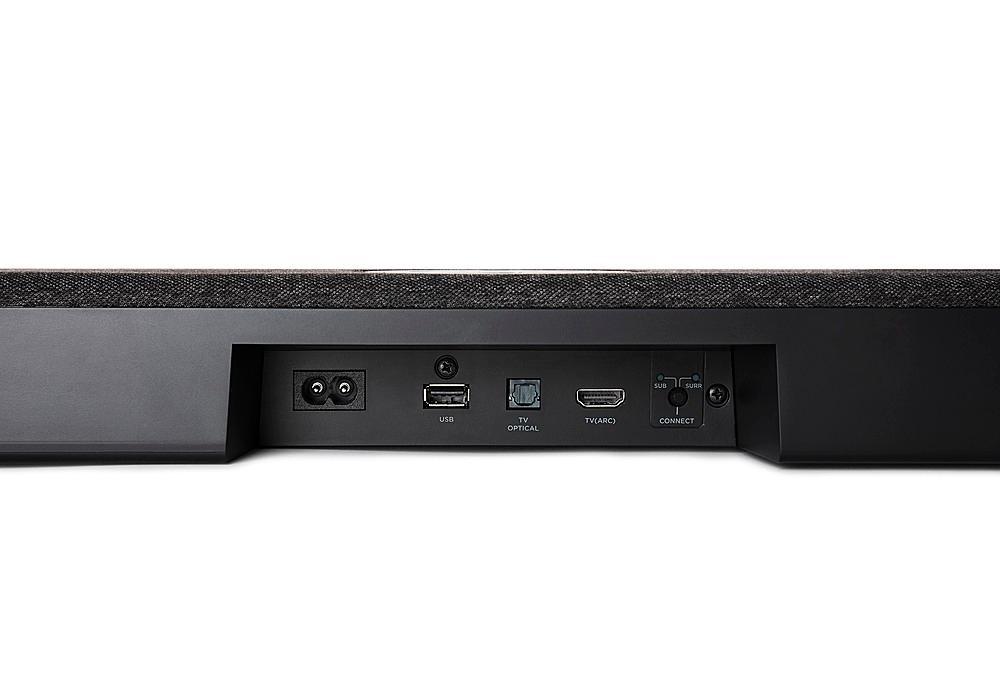
| HDMI eARC (enhanced Audio Return Channel) | HDMI ARC (standard Audio Return Channel) |
The Polk Audio React Sound Bar with Alexa Built-In at $230 offers exceptional value with built-in Alexa and solid audio performance, while the Sonos Arc Ultra Dolby Atmos Soundbar at $929 justifies its premium price with superior Dolby Atmos processing and advanced audio engineering. Choose Polk for budget-conscious buyers prioritizing smart features, or Sonos for audiophiles wanting the best possible sound quality.
Dolby Atmos creates immersive 3D audio by adding height channels that bounce sound off your ceiling. The Sonos Arc Ultra delivers true Dolby Atmos with dedicated upward-firing drivers, while the Polk React only supports virtual surround sound. If you watch lots of movies and want a cinematic experience, Atmos is worth the investment. For casual TV viewing, virtual surround is adequate.
The Polk Audio React wins decisively with built-in Alexa, four far-field microphones, and seamless smart home control. You can adjust volume, control smart devices, and stream music using voice commands. The Sonos Arc Ultra requires a separate Alexa or Google device for voice control, though it offers superior music streaming through AirPlay 2 and the Sonos app.
The Sonos Arc Ultra Dolby Atmos Soundbar delivers significantly better sound quality with 14 precisely-engineered drivers, dedicated height channels, and advanced Sound Motion woofer technology. The Polk React provides clear dialogue and decent stereo sound but lacks the spatial audio and refined frequency response of the premium Sonos system.
The Sonos Arc Ultra includes an integrated Sound Motion woofer that provides satisfying bass without requiring an immediate subwoofer purchase. The Polk React benefits greatly from adding the optional React Subwoofer ($200) for meaningful bass response. Even with the subwoofer, the total Polk system costs less than the Sonos alone.
The Polk Audio React Sound Bar offers simpler setup with plug-and-play HDMI ARC connection and immediate Alexa functionality. The Sonos Arc Ultra requires the Sonos app, WiFi network configuration, and potentially room calibration with Trueplay tuning. Polk is better for users wanting immediate functionality, while Sonos rewards the extra setup effort with superior performance.
Both soundbars support wireless expansion, but with different cost structures. The Sonos Arc Ultra can add the Sonos Sub ($749) and surround speakers for a total system cost of $1,200-1,500. The Polk React offers more affordable expansion with the React Subwoofer ($200) and SR2 surrounds, bringing the complete system to around $550-650.
The Sonos Arc Ultra Dolby Atmos Soundbar excels at music with superior frequency response, AirPlay 2 support, and the sophisticated Sonos app with advanced EQ controls. The Polk React handles music adequately and offers convenient Bluetooth connectivity, but it's optimized more for TV dialogue than musical accuracy.
Both soundbars prioritize clear dialogue but use different approaches. The Sonos Arc Ultra features AI-powered Speech Enhancement with multiple adjustment levels and dedicated center channel drivers. The Polk React uses Voice Adjust technology to boost dialogue frequencies. Both are effective, but the Sonos system offers more sophisticated processing.
The Polk Audio React at 34 inches wide suits smaller TVs and more compact setups, while the Sonos Arc Ultra at 46 inches wide is designed for larger TVs. Both have low profiles that shouldn't block your TV screen, but consider your TV stand width and overall room aesthetics when choosing.
The Sonos Arc Ultra Dolby Atmos Soundbar receives regular software updates that add new streaming services, improve performance, and sometimes introduce entirely new features. The Polk React Sound Bar gets basic firmware updates but limited ongoing development. If you want a system that improves over time, Sonos has a much stronger track record.
For dedicated home theater use, the Sonos Arc Ultra provides superior immersion with true Dolby Atmos, precise sound placement, and excellent integration with high-end systems. The Polk React works well for casual movie watching and TV viewing, especially when paired with its subwoofer. Choose Sonos for serious home theater enthusiasts, or Polk for everyday entertainment with smart home convenience.
We've done our best to create useful and informative comparisons to help you decide what product to buy. Our research uses advanced automated methods to create this comparison and perfection is not possible - please contact us for corrections or questions. These are the sites we've researched in the creation of this article: bestbuy.com - shopjetson.com - youtube.com - ign.com - crutchfield.com - dowtechnologies.com - sonos.com - appleinsider.com - pcrichard.com - clefdesol.com - sonos.com - businessinsider.com - audioadvice.com - en.community.sonos.com - techradar.com - crutchfield.com - popsci.com - youtube.com - tomsguide.com - bestbuy.com - polkaudio.com - crutchfield.com - forum.polkaudio.com - soundunited.com - youtube.com

Privacy Policy
Terms and Conditions - Affiliate Policy
Home Security
© Copyright 2008-2026.
11816 Inwood Rd #1211, Dallas, TX 75244