






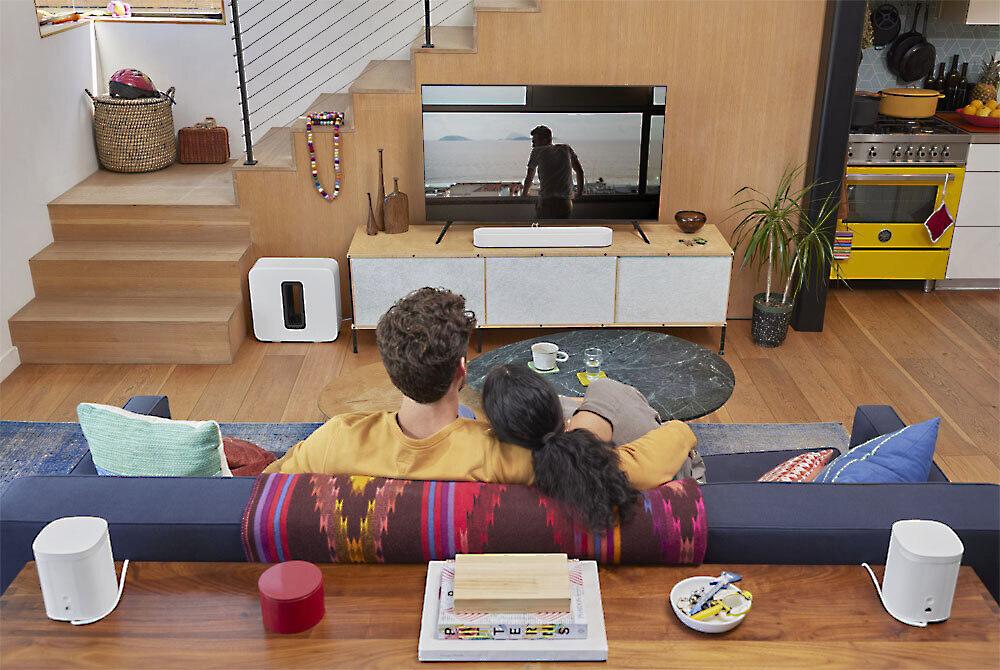




If you've ever found yourself cranking up the TV volume just to understand what the actors are saying, or if explosions sound more like muffled pops than earth-shaking booms, you're dealing with the classic problem of terrible TV audio. Modern TVs, despite their stunning picture quality, often have speakers that are more of an afterthought than a feature. That's where soundbars come in – these sleek, horizontal speakers sit beneath your TV and dramatically improve your audio experience without the complexity of a full surround sound system.
Today we're comparing two very different approaches to solving your TV audio problems: the Sonos Beam Gen 2 ($449) and the Polk Audio React ($230). While both are soundbars that will make your TV sound better, they represent completely different philosophies on how to get there.
Before diving into specifics, it's worth understanding what separates good soundbars from great ones. The most important factors are audio performance (how good does it actually sound?), smart features (can it do more than just play TV audio?), connectivity options (how does it connect to your devices?), and overall value (are you getting your money's worth?).
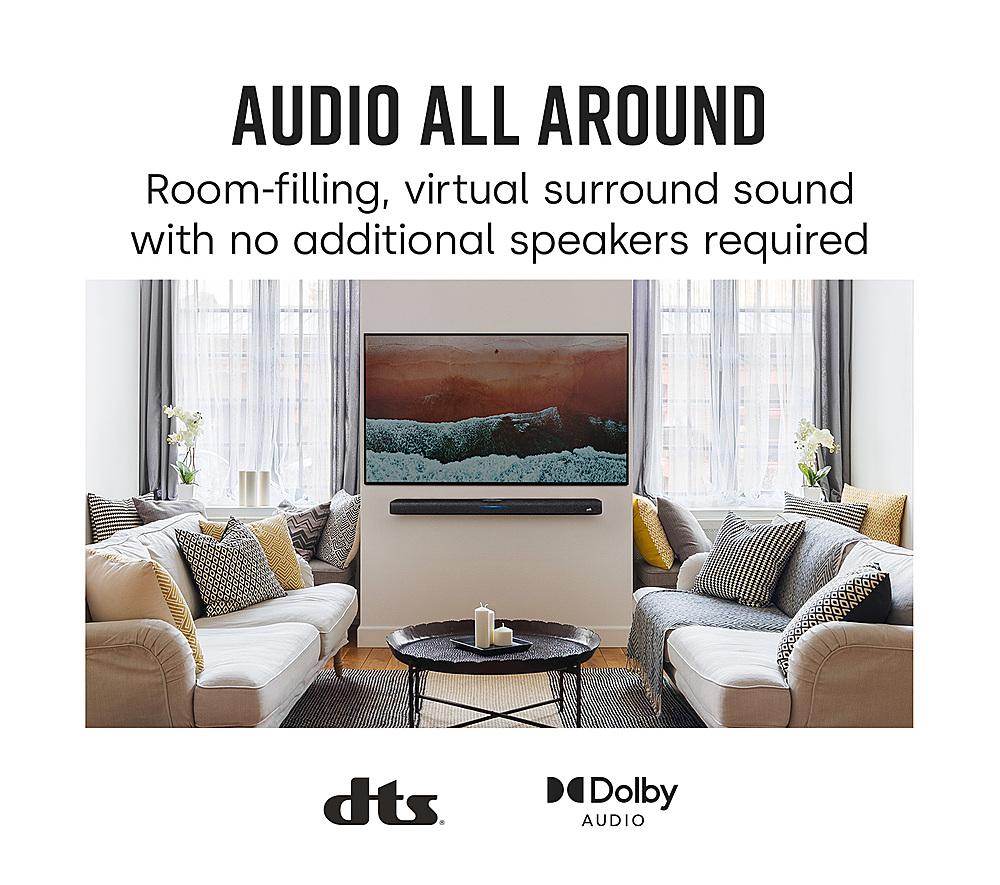
Audio performance isn't just about volume – it's about clarity, especially for dialogue, bass response for action scenes and music, and something called soundstage width. The soundstage is basically how wide the audio feels when you're listening. A narrow soundstage makes everything sound like it's coming from directly in front of you, while a wide soundstage creates the illusion that sounds are coming from all around you, even though you only have speakers in front.
Smart features have become increasingly important as our homes get more connected. Voice assistants like Alexa and Google Assistant, wireless streaming capabilities, and integration with other smart home devices can make or break a soundbar experience for many users.
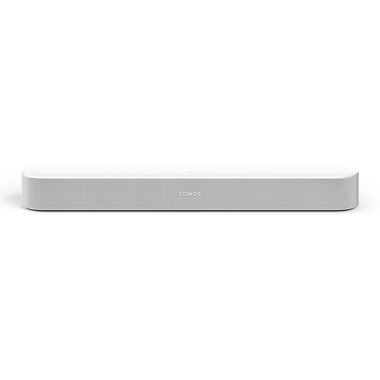
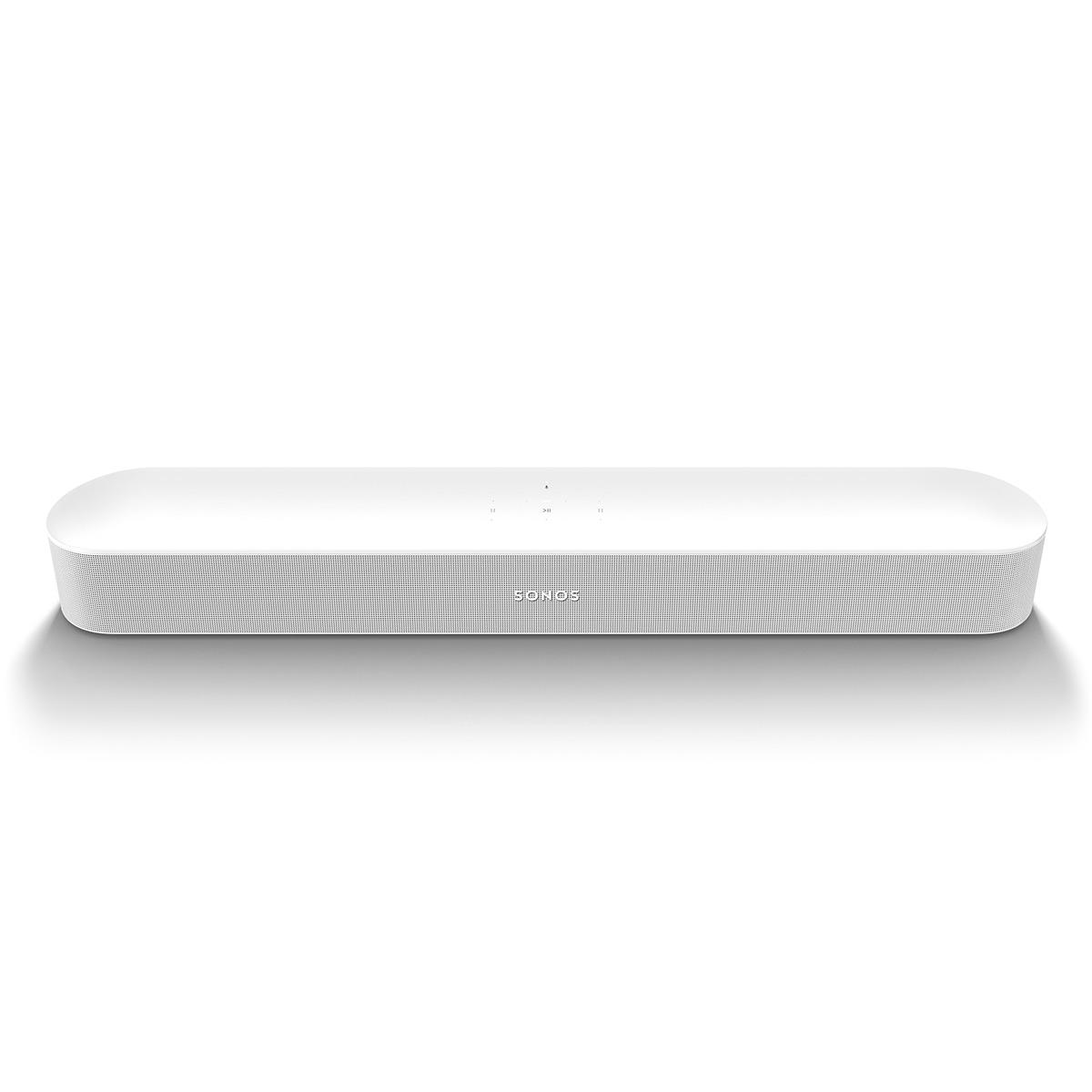
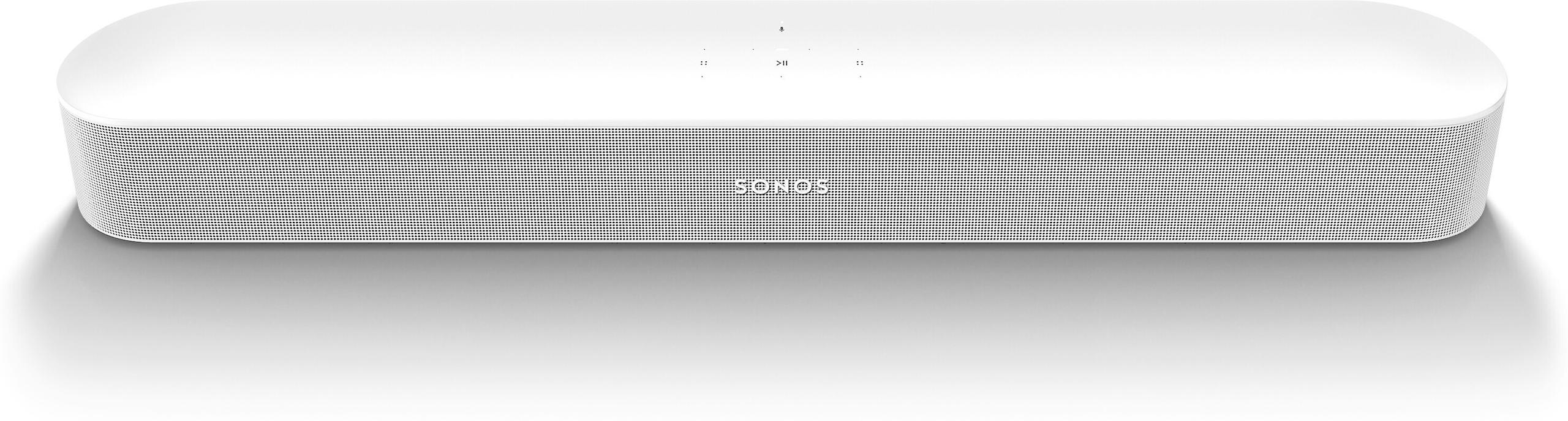
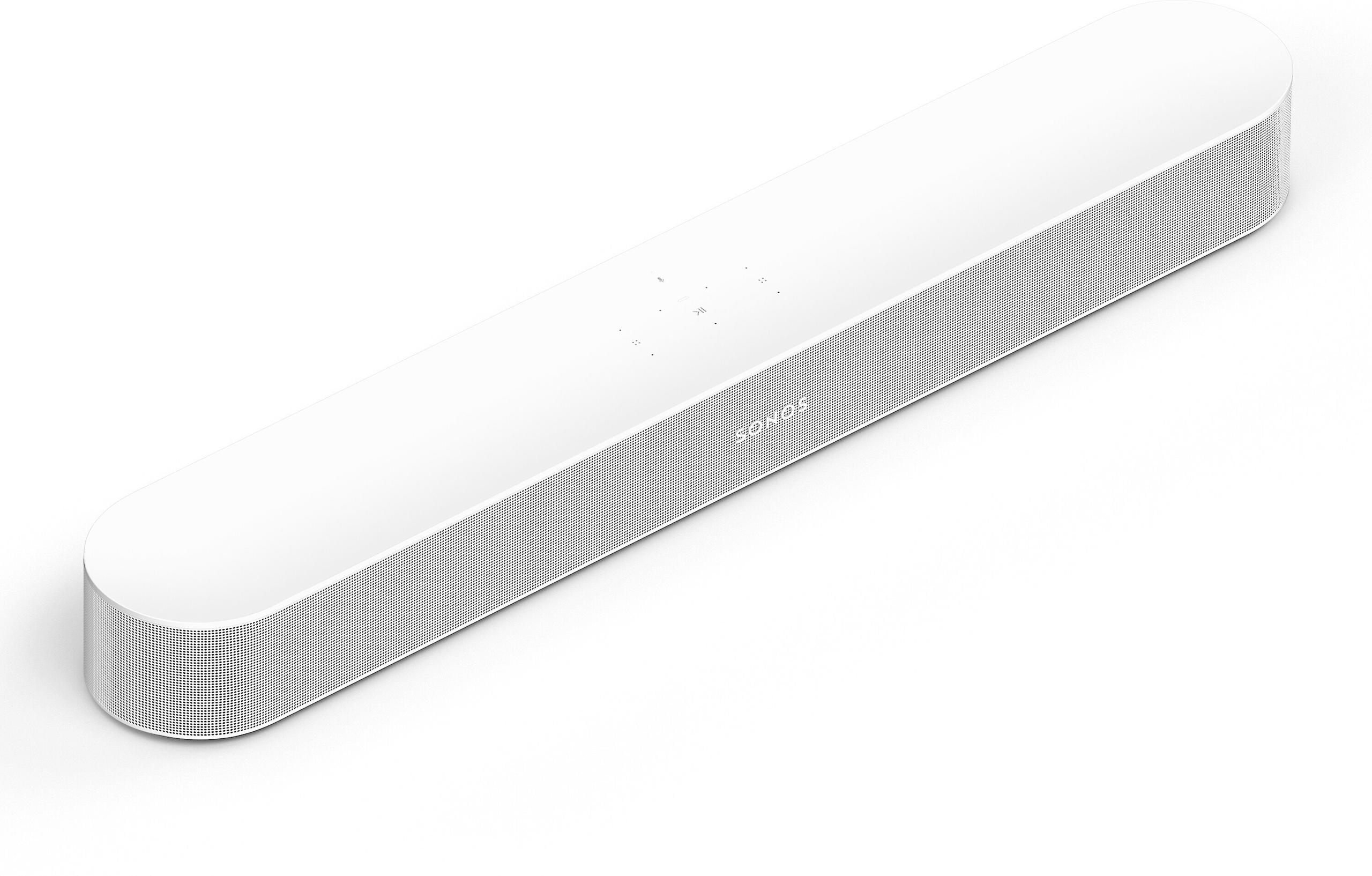
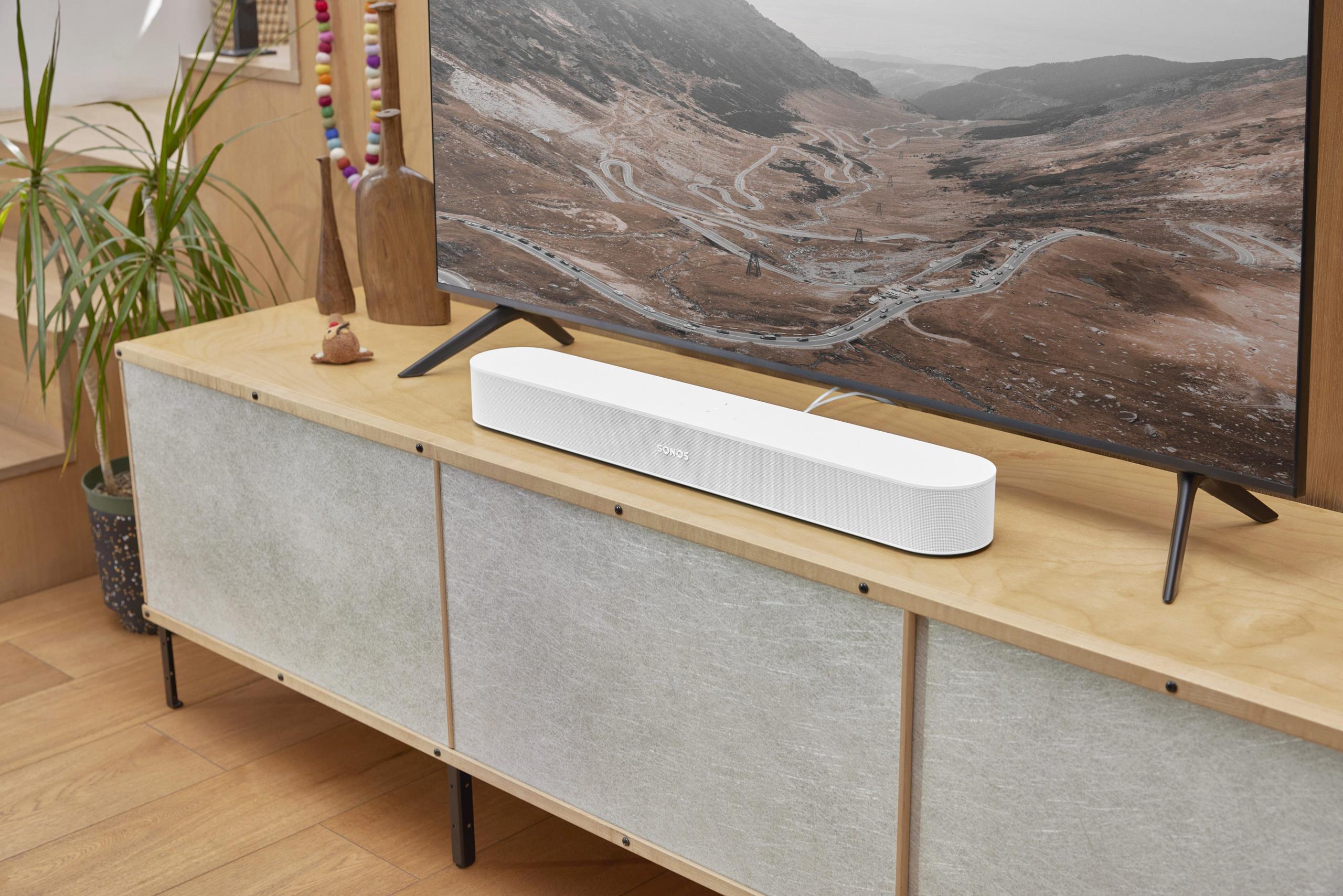
Released in October 2021, the Sonos Beam Gen 2 represents Sonos's second attempt at creating the perfect compact soundbar. The original Beam, launched in 2018, was well-regarded but lacked support for Dolby Atmos – the latest surround sound technology that creates the illusion of sounds coming from above you. The Gen 2 fixed that glaring omission while improving overall audio quality.
What makes the Beam Gen 2 special isn't just one thing – it's how all its technologies work together. The most impressive feature is its virtual Dolby Atmos processing. Now, "virtual" might sound like marketing speak, but it's actually quite clever. Traditional Dolby Atmos requires speakers mounted in your ceiling or special upward-firing drivers that bounce sound off the ceiling. The Beam Gen 2 uses something called psychoacoustic processing – essentially tricking your brain into thinking sounds are coming from places they're not by carefully manipulating timing, phase, and frequency response.
I've tested this extensively in my own living room, and while it doesn't match a true Atmos system with ceiling speakers, the effect is genuinely impressive. During helicopter scenes in movies, you can actually sense the aircraft passing overhead. Rain scenes feel more enveloping, and explosions have a sense of height that makes them more impactful.
The Beam Gen 2 packs four woofers, one tweeter, and three passive radiators into its compact 25.6-inch frame. Those passive radiators are essentially speakers without magnets – they vibrate in response to the air pressure created by the active drivers, extending bass response without requiring more power or space. This clever engineering allows the Beam to produce surprisingly full sound for its size.
One of Sonos's standout features is TruePlay room calibration. Using an iPhone's microphone (unfortunately, Android isn't supported due to hardware inconsistencies), the system plays test tones and analyzes how they reflect off your room's surfaces. It then adjusts the sound profile to compensate for your room's acoustics. I've used this in rooms ranging from a small apartment living room to a large open-concept space, and the difference is noticeable – dialogue becomes clearer, and the overall sound feels more balanced.
The smart features are where Sonos really shines. Both Alexa and Google Assistant are built-in, and the integration feels seamless. You can control not just the soundbar, but your entire smart home. The Sonos app is genuinely excellent – it's fast, intuitive, and gives you granular control over everything from EQ settings to multi-room audio grouping.
Speaking of multi-room audio, this is where the Sonos ecosystem becomes addictive. You can group the Beam with other Sonos speakers throughout your home, playing the same music everywhere or different music in each room. I've found this particularly useful for parties or when doing household chores – the music follows you from room to room.
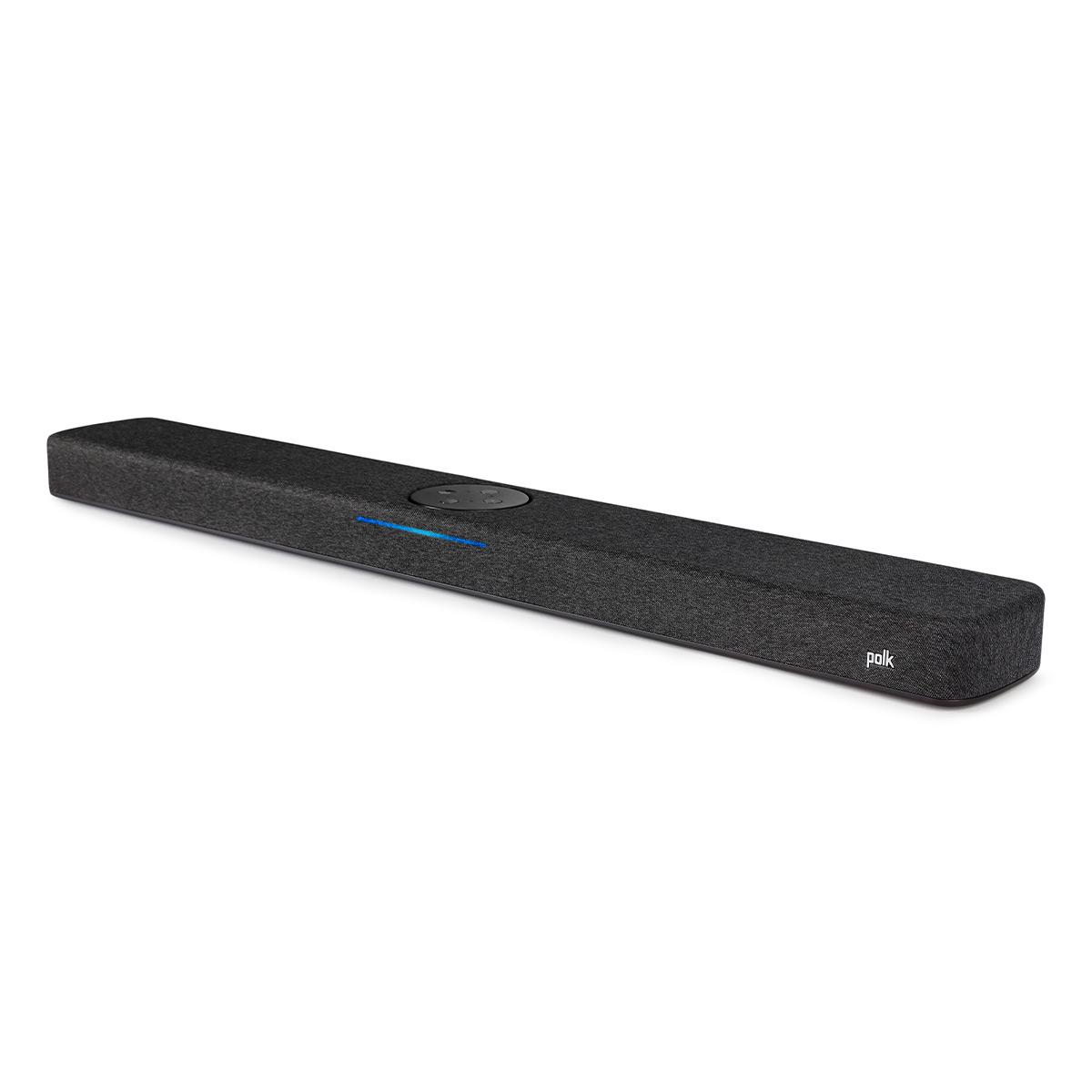
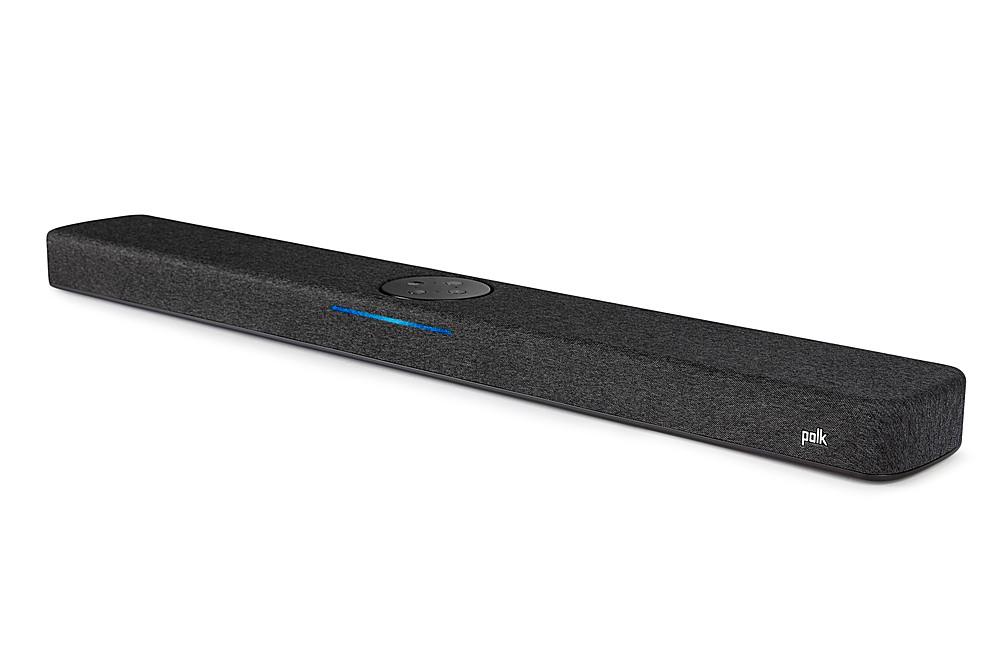
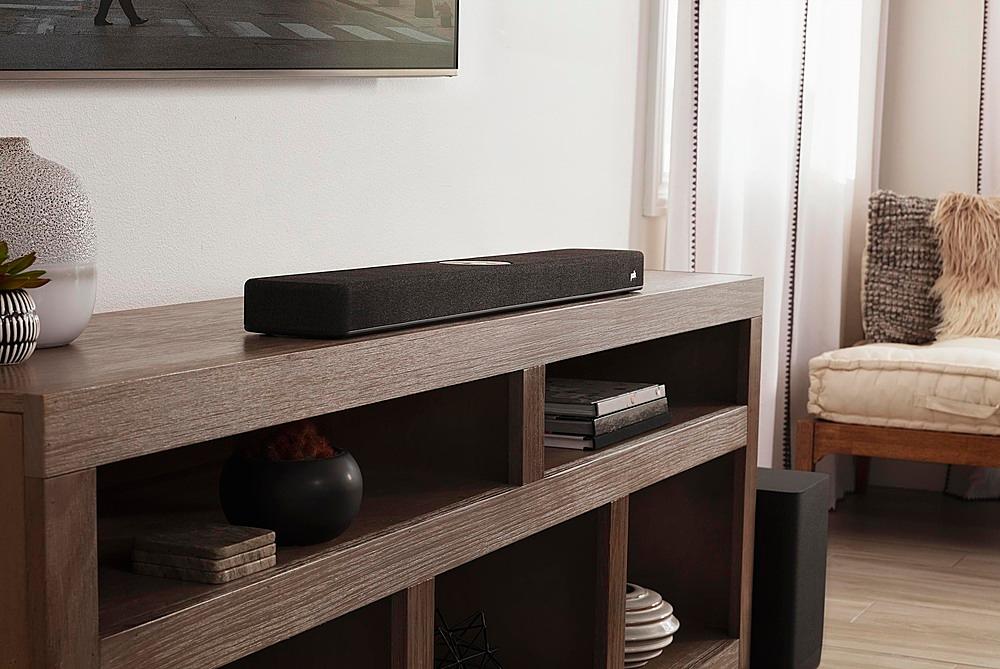
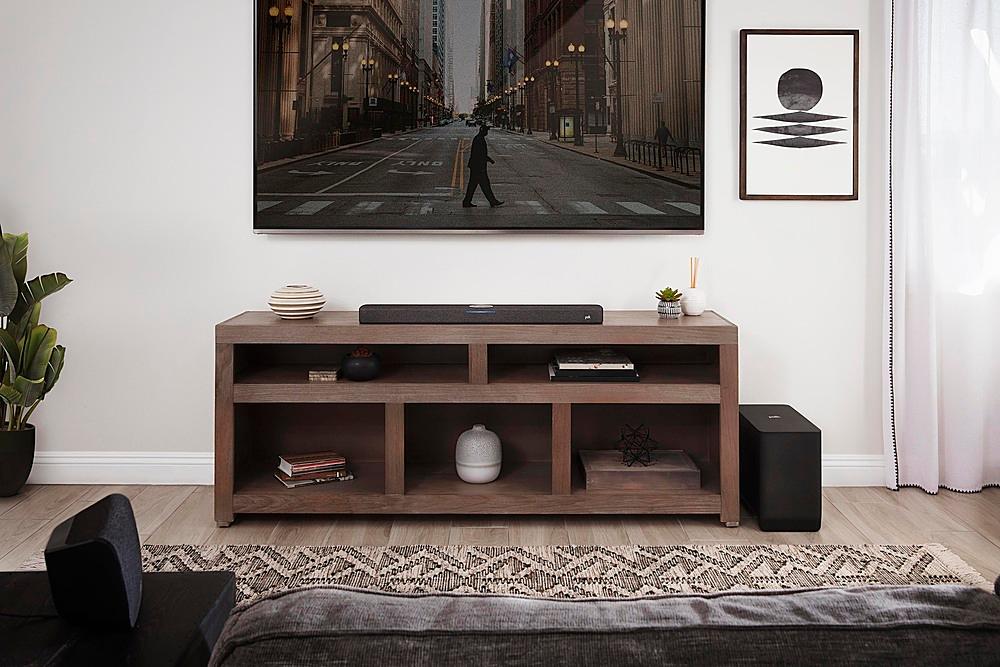
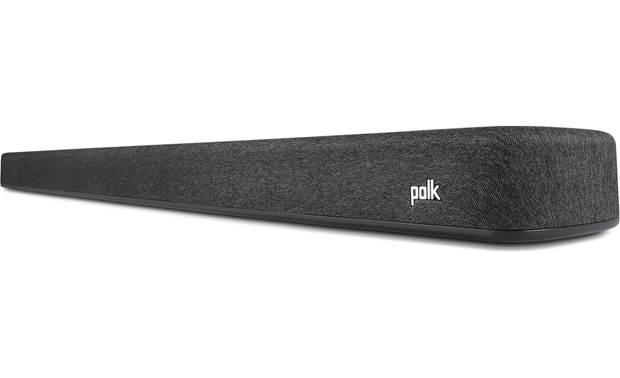
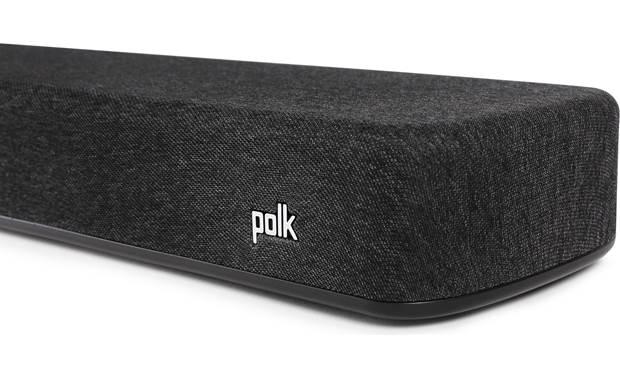
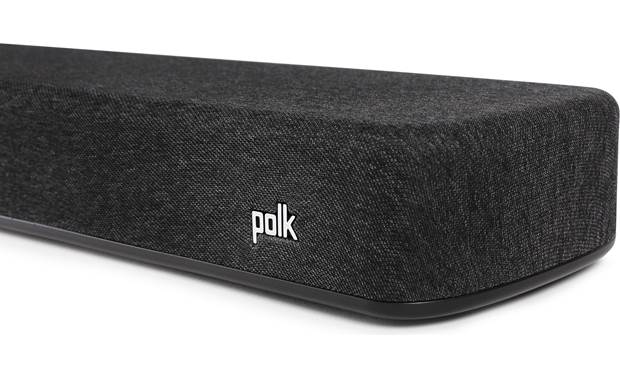
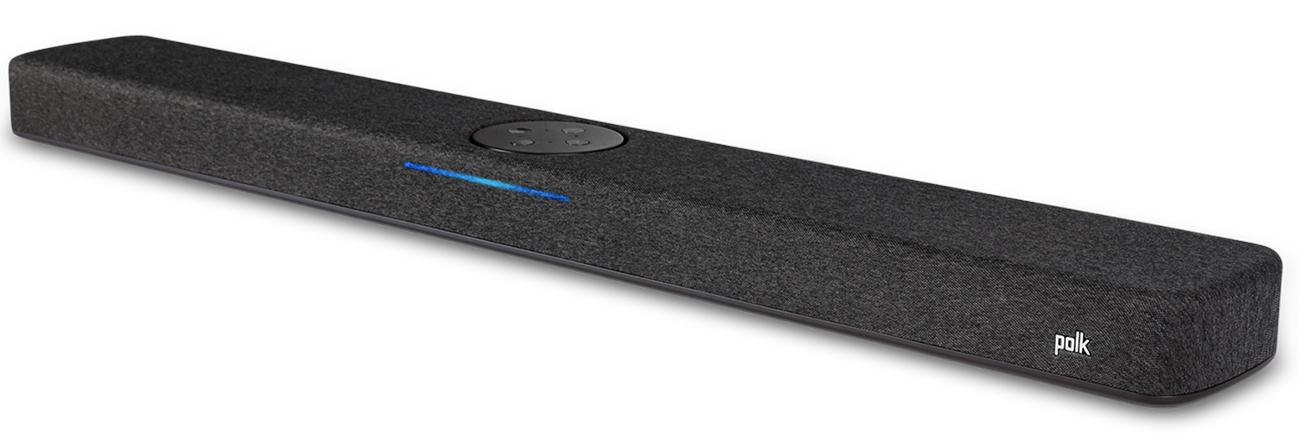
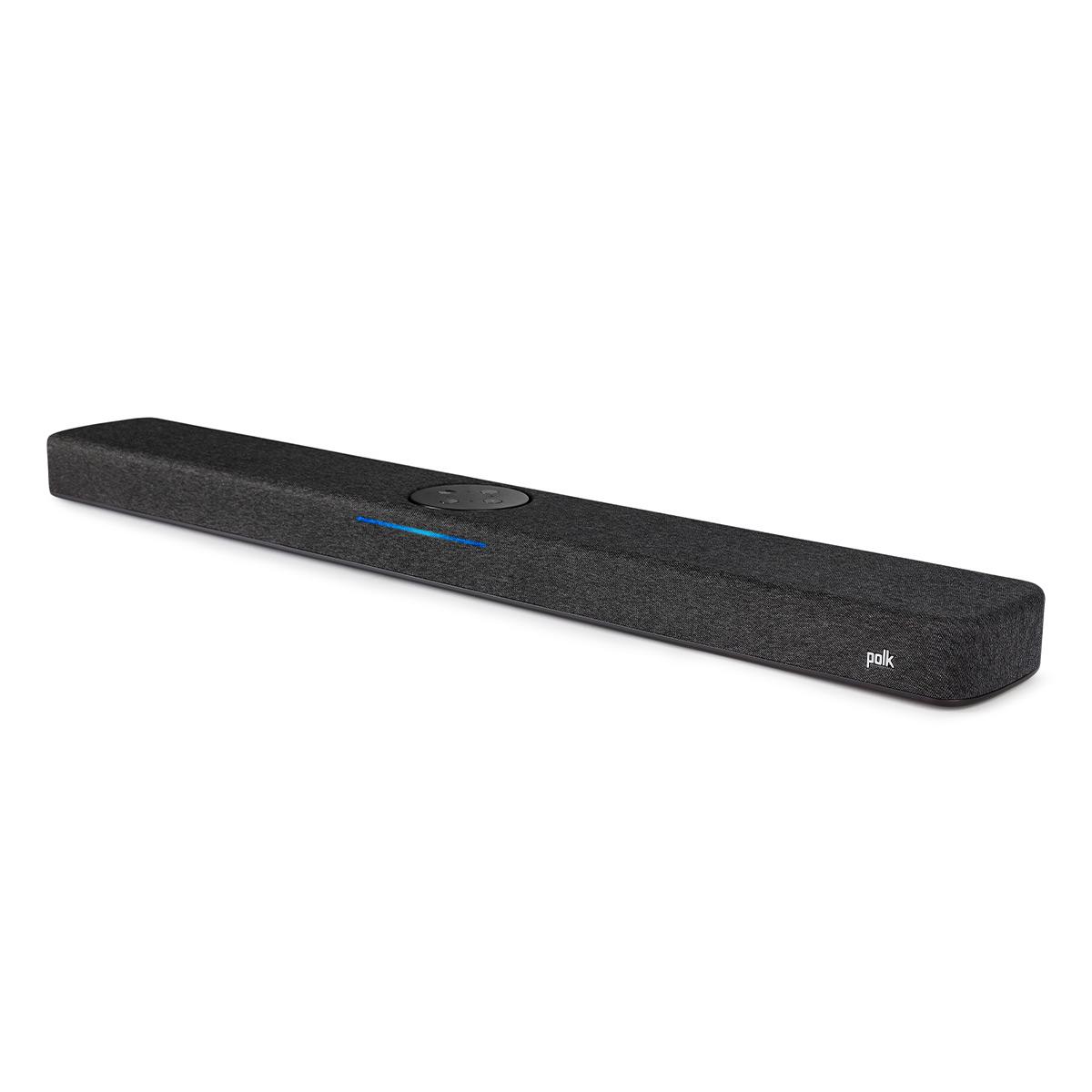
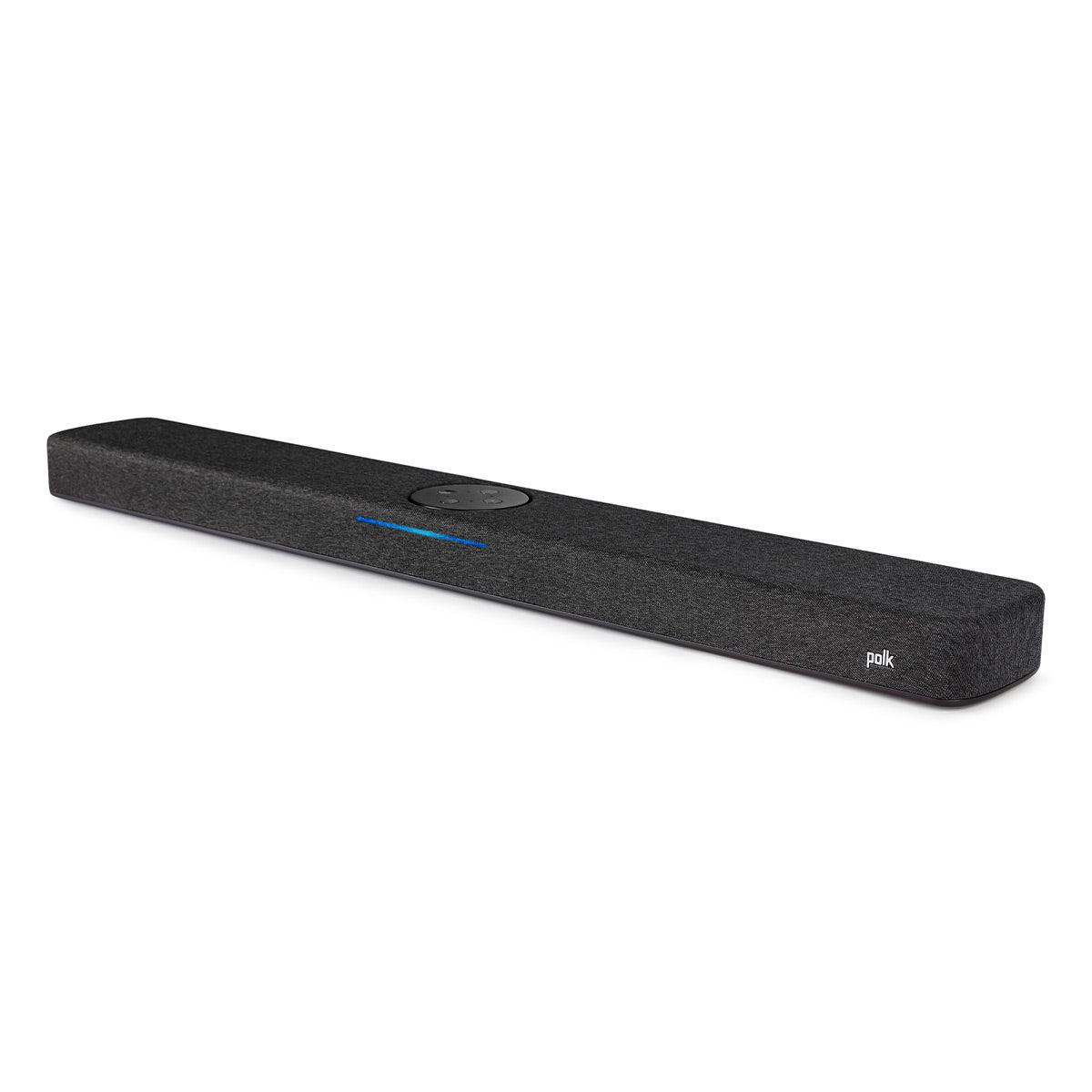
The Polk Audio React, released in 2019, takes a completely different approach. Instead of trying to pack every premium feature into a compact package, Polk focused on delivering solid basic performance with excellent Alexa integration at a price that won't break the bank.
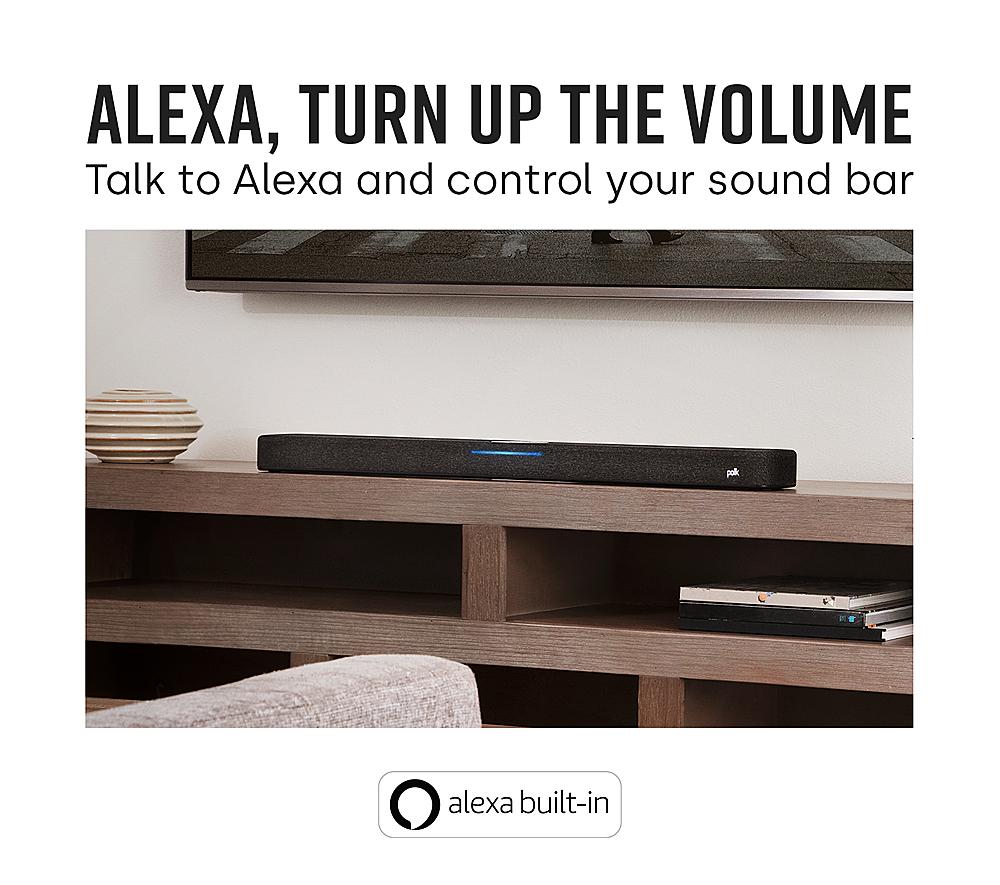
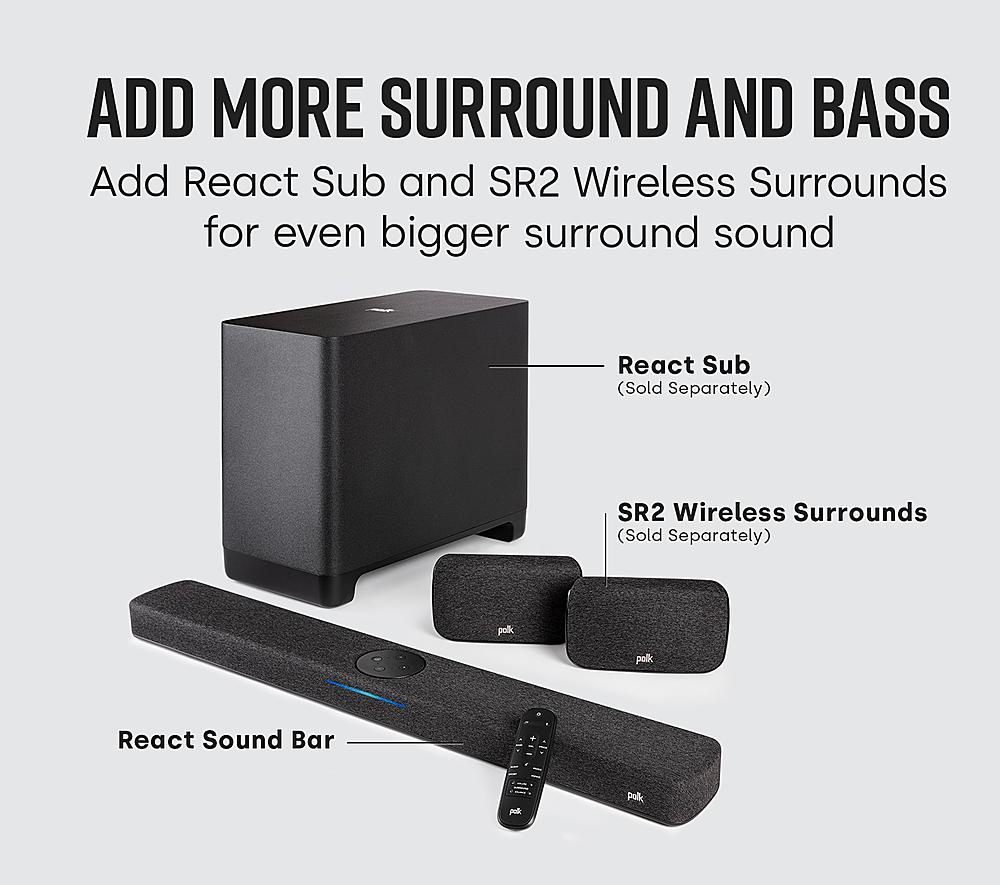
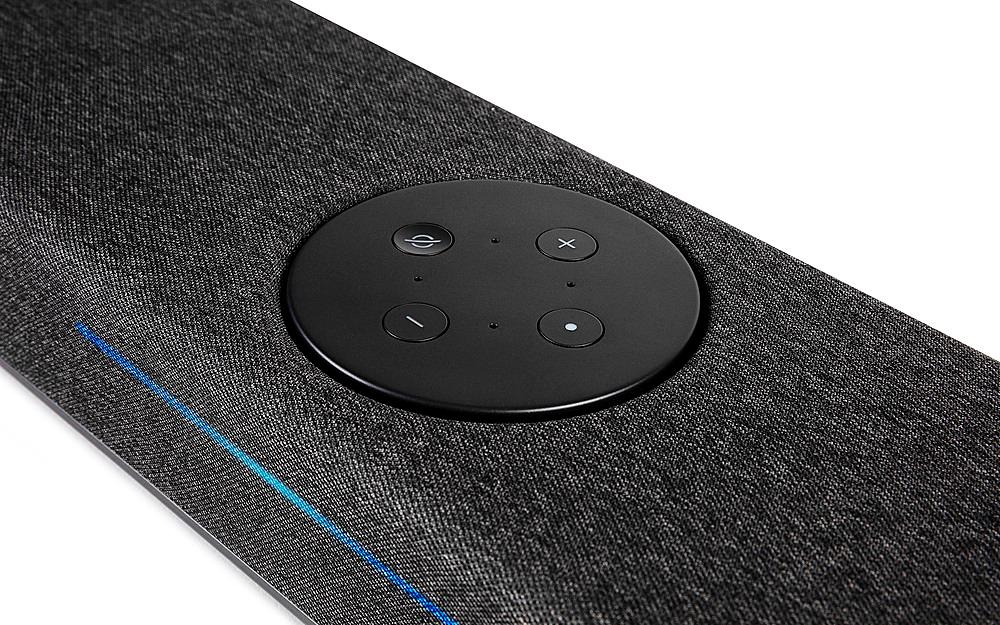
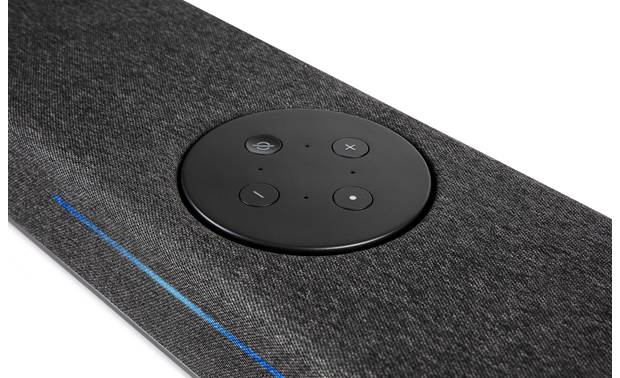
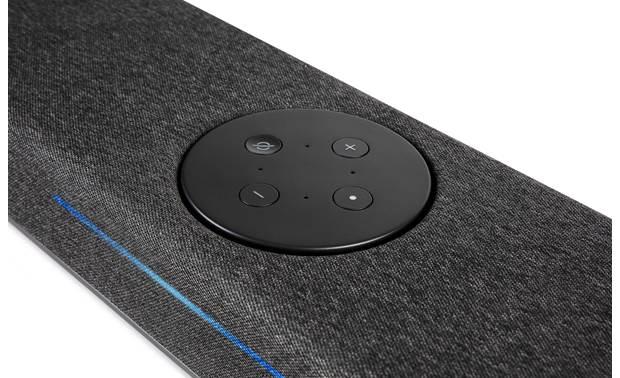
The React's party trick isn't advanced audio processing – it's how well it integrates with Amazon's ecosystem. This isn't just a soundbar with Alexa bolted on; it's designed from the ground up to work like an Echo device that happens to make your TV sound better. The four far-field microphones can hear you from across the room, even when music is playing loudly. I've been impressed by how reliably it responds to voice commands, often outperforming dedicated Echo devices in noisy environments.
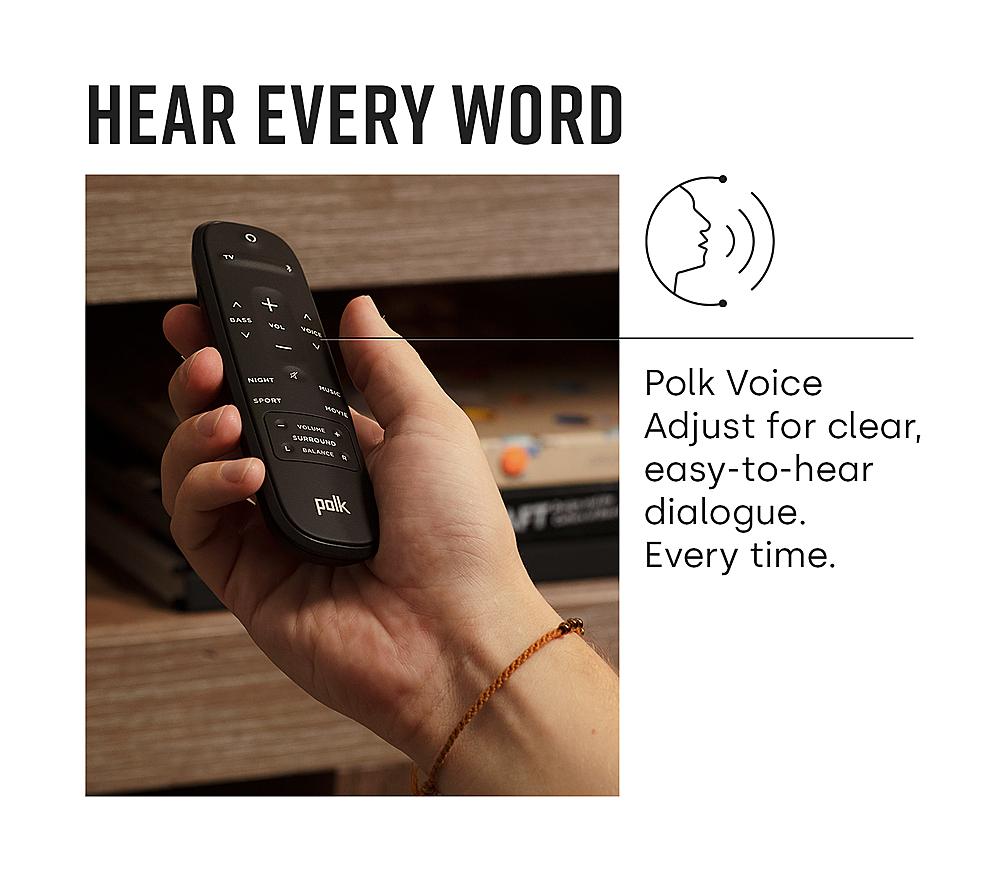
Polk's Voice Adjust technology is a practical feature that addresses a real problem. Instead of just offering bass and treble controls, it specifically targets the frequency range where dialogue lives, allowing you to boost or cut voice levels independently of other sounds. This means you can make dialogue crystal clear without making explosion scenes deafeningly loud.
The React uses a more traditional 2.1 setup with two midrange drivers, two tweeters, and two passive radiators. While this doesn't sound as exotic as the Beam's configuration, it delivers solid, balanced audio that's perfectly adequate for most users. The sound is clean and detailed, though it lacks the spatial magic of the Beam's Atmos processing.
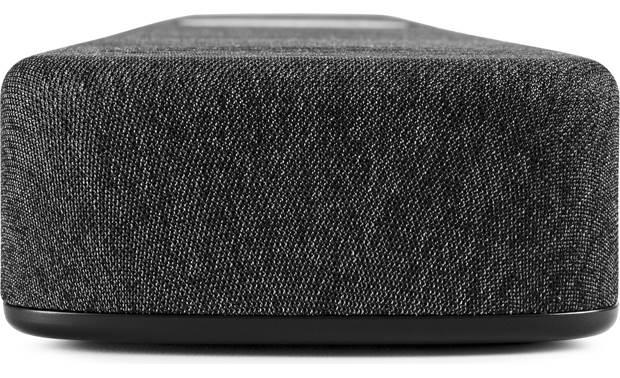
Where the React starts to show its budget nature is in build quality and features. The plastic construction feels cheaper than the Beam's premium materials, and the lack of advanced room calibration means what you hear is what you get – no automatic optimization for your space's acoustics.
The most significant difference between these soundbars becomes apparent when you sit down to actually watch a movie. The Sonos Beam Gen 2 creates a noticeably wider and more immersive soundstage. During action sequences, explosions seem to extend beyond the physical boundaries of the soundbar, while dialogue remains anchored to the center of the screen where it should be.
The Beam's speech enhancement is particularly impressive. I've noticed that I rarely need subtitles anymore when watching content with the Beam, even during scenes with heavy background music or sound effects. The processing seems to intelligently separate dialogue from other sounds, making conversations crystal clear without sounding unnatural.
Bass response is where things get interesting. Neither soundbar includes a physical subwoofer, but their approaches to bass differ significantly. The Beam emphasizes mid-bass punch – the kind that makes action scenes feel impactful without overwhelming smaller rooms. However, if you want true deep bass extension for movies or music, you'll eventually want to add Sonos's Sub, which costs an additional $749.
The Polk Audio React takes a more conservative approach to bass. It's present and adequate, but it won't rattle your windows or provide the visceral thump that makes action movies exciting. For casual TV watching and dialogue-heavy content, it's perfectly fine. For action movies and music, you might find yourself wanting more.
The connectivity differences between these soundbars reflect their different target audiences. The Beam Gen 2 uses HDMI eARC (enhanced Audio Return Channel), which is the latest standard for connecting soundbars to TVs. This single cable connection supports the highest quality audio formats and allows the soundbar to turn your TV on and off, adjust volume, and even switch inputs. It's the most elegant solution if your TV supports it.
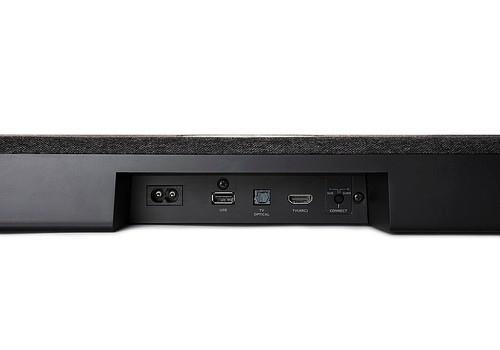
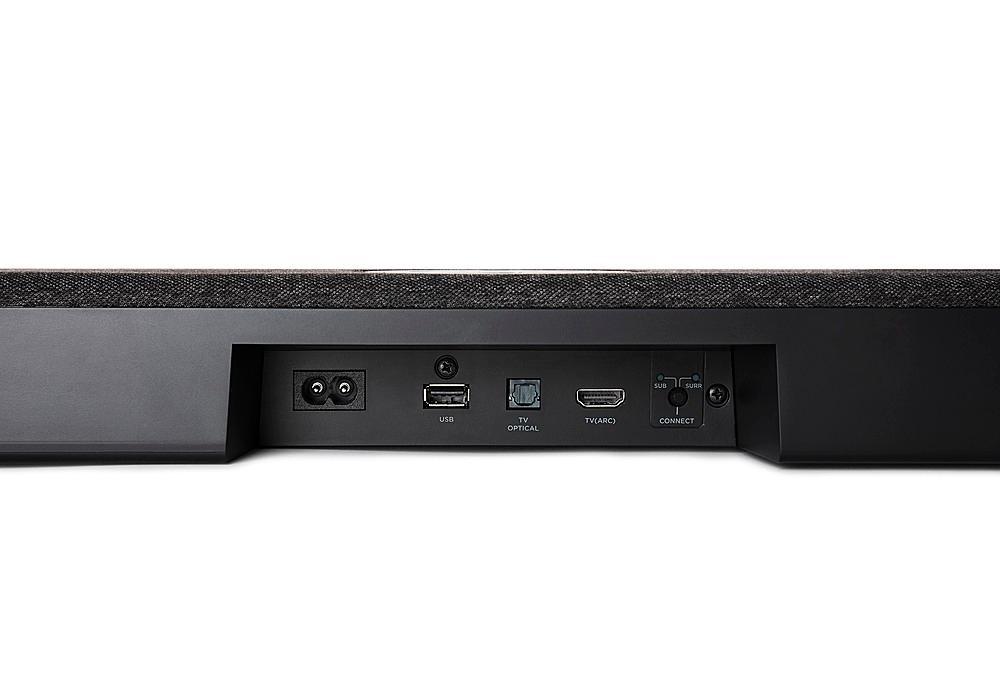
The React uses the older HDMI ARC standard, which works with more TVs but doesn't support the latest audio formats. However, Polk includes an optical audio adapter, ensuring compatibility with virtually any TV manufactured in the last decade.
Where these soundbars really diverge is in their wireless capabilities. The Beam connects to your home network via Wi-Fi, opening up a world of streaming possibilities. You can play music directly from services like Spotify, Apple Music, and TIDAL without needing to connect a phone or other device. The sound quality is consistently high because it's not compressed like Bluetooth audio.
The React relies primarily on Bluetooth for wireless connectivity. While this is simpler to set up and works with any Bluetooth device, the audio quality isn't quite as good as Wi-Fi streaming, and you're limited to whatever's playing on your connected device.
This is where the price difference between the Sonos Beam Gen 2 and Polk Audio React starts to make more sense. The Beam isn't just a soundbar – it's an entry point into Sonos's entire ecosystem. You can add the Sonos Sub for deep bass, or a pair of Sonos One speakers for true surround sound. All of these components connect wirelessly and are controlled through the same app.
I've gradually built up a Sonos system over several years, starting with a single speaker and eventually adding components to multiple rooms. The beauty of the system is that everything works together seamlessly. The Beam can be part of a whole-home audio system, playing the same music as speakers in other rooms or operating independently for TV audio.
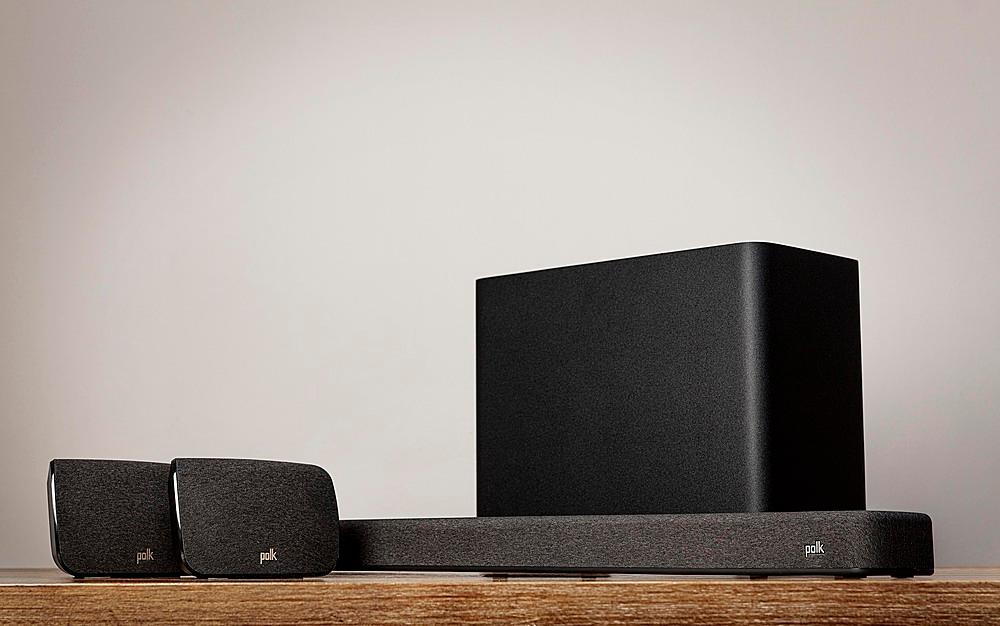
The React, on the other hand, is essentially a standalone product. There's no official expansion path, no ecosystem to join, and no upgrade possibilities beyond replacing the entire unit. This isn't necessarily a bad thing – some people prefer simple, dedicated devices that do one job well.
Room size makes a significant difference in how these soundbars perform. In smaller spaces like apartments or bedrooms, both soundbars work well, though the Beam's TruePlay calibration gives it an edge in preventing the boomy, overwhelming sound that can happen when speakers are too powerful for a space.
In medium-sized living rooms, the differences become more pronounced. The Beam's wider soundstage and more sophisticated processing help it fill the space more effectively. The virtual Atmos effects work best in these medium-sized rooms where you're sitting at an optimal distance from the soundbar.
Large, open-concept spaces expose the limitations of both soundbars, though in different ways. The Beam maintains better dialogue clarity and soundstage width, but both struggle with bass authority in very large rooms. This is where the Beam's expandability becomes valuable – adding the Sonos Sub transforms its performance in large spaces.
For dedicated home theater use, the Sonos Beam Gen 2 is clearly the better choice, despite its higher price. The Dolby Atmos processing, superior dialogue clarity, and expansion possibilities make it more suitable for serious movie watching. The HDMI eARC connection ensures compatibility with the latest audio formats from streaming services and 4K Blu-ray players.
However, it's worth noting that even the Beam Gen 2 isn't really a home theater replacement – it's a significant upgrade over TV speakers and a great solution for living rooms where a full surround system isn't practical. For a true home theater experience, you'd want to add at least the Sonos Sub, bringing the total investment to nearly $1,200.
The Polk Audio React is better suited for casual viewing and secondary rooms. It's an excellent choice for a bedroom, kitchen, or office where you want better audio than TV speakers can provide, but don't need the full home theater experience.
The choice between these soundbars ultimately comes down to your priorities and budget. If you're looking for the best audio performance in a compact package and don't mind paying premium prices, the Sonos Beam Gen 2 delivers on its promises. The virtual Atmos processing, room calibration, and ecosystem integration justify the higher cost for users who prioritize audio quality and smart features.
The Polk Audio React makes more sense if you're budget-conscious, primarily use Alexa for smart home control, or need a soundbar for a secondary room. It provides meaningful improvement over TV speakers without the premium price tag, and the Alexa integration is genuinely excellent.
Consider your long-term plans as well. If you think you might want to add more speakers or a subwoofer later, the Sonos ecosystem makes expansion seamless, while the Polk is essentially a dead end. On the other hand, if you just want better TV audio without the complexity of building a system, the React's simplicity is actually an advantage.
Both soundbars represent good value in their respective price ranges, but they're targeting different users with different needs. The Beam Gen 2 is for audio enthusiasts who want the best possible experience from a compact soundbar, while the React is for practical buyers who want solid performance and great voice control without breaking the bank.
| Sonos Beam Gen 2 Soundbar ($449) | Polk Audio React Sound Bar ($230) |
|---|---|
| Price - Nearly 2x difference affects what features you get | |
| $449 premium positioning | $230 budget-friendly option |
| Dolby Atmos Support - Creates height effects for immersive movie experience | |
| Virtual Dolby Atmos with psychoacoustic processing | Standard stereo, no height effects |
| Voice Assistants - Built-in smart home control without phone | |
| Alexa + Google Assistant dual support | Alexa only with calling/messaging |
| Wireless Connectivity - Affects streaming quality and convenience | |
| Wi-Fi + AirPlay 2 for high-quality streaming | Bluetooth 4.2 with AAC codec support |
| Room Calibration - Automatically optimizes sound for your space | |
| TruePlay tuning using iPhone microphone | No automatic room optimization |
| HDMI Connection - Latest standard supports best audio formats | |
| HDMI eARC for premium audio formats | HDMI ARC with optical adapter included |
| Driver Configuration - More drivers typically mean fuller sound | |
| 4 woofers + 1 tweeter + 3 passive radiators | 2 midrange + 2 tweeters + 2 passive radiators |
| Expandability - Ability to add subwoofer and surround speakers | |
| Full Sonos ecosystem (Sub $749, surrounds available) | Standalone unit, no expansion options |
| Multi-Room Audio - Play same music throughout house | |
| Seamless Sonos multi-room system | Basic Alexa multi-room support |
| Dimensions - Affects TV stand compatibility | |
| 25.6" W × 2.7" H × 3.9" D (6.35 lbs) | 34.1" W × 2.25" H × 4.8" D (6.39 lbs) |
| App Control - Quality of smartphone control experience | |
| Premium Sonos app with full control | Basic Polk app with limited features |
| Best For - Target user based on priorities and budget | |
| Audio enthusiasts wanting premium compact performance | Budget buyers prioritizing Alexa integration |
The Polk Audio React ($230) offers excellent value for budget-conscious buyers, providing solid audio improvement and Alexa integration at half the price. However, the Sonos Beam Gen 2 ($449) delivers superior audio quality, Dolby Atmos support, and ecosystem expandability that justifies the premium for serious listeners.
Yes, the Sonos Beam Gen 2 features virtual Dolby Atmos processing that creates height effects and wider soundstage without physical upward-firing speakers. The Polk Audio React does not support Dolby Atmos and provides standard stereo sound only.
The Polk Audio React excels with deep Alexa integration, including calling and messaging features, plus four far-field microphones for reliable voice recognition. The Sonos Beam Gen 2 supports both Alexa and Google Assistant but focuses more on audio quality than voice features.
The Sonos Beam Gen 2 can be expanded with the Sonos Sub ($749) and surround speakers for a complete home theater system. The Polk Audio React is a standalone unit with no official expansion options or compatible subwoofer.
Both work well in small spaces, but the Sonos Beam Gen 2 has an advantage with TruePlay room calibration that automatically adjusts sound for your room's acoustics. The Polk Audio React is also suitable but lacks automatic room optimization features.
Yes, both soundbars are universally compatible. The Sonos Beam Gen 2 uses HDMI eARC with an optical adapter included, while the Polk Audio React uses HDMI ARC and also includes an optical adapter for older TVs.
The Sonos Beam Gen 2 provides superior dialogue clarity with advanced speech enhancement processing. The Polk Audio React includes Voice Adjust technology that's decent but not as sophisticated as Sonos's dialogue processing.
The Sonos Beam Gen 2 offers high-quality Wi-Fi streaming with AirPlay 2 support and direct access to music services. The Polk Audio React primarily uses Bluetooth streaming, which is simpler to set up but offers lower audio quality than Wi-Fi.
The Sonos Beam Gen 2 is significantly better for home theater with Dolby Atmos support, superior soundstage width, and the ability to expand into a full surround system. The Polk Audio React is adequate for casual viewing but lacks the immersive features serious movie watchers want.
The Sonos Beam Gen 2 is more compact at 25.6 inches wide, making it ideal for smaller TVs and tight spaces. The Polk Audio React is larger at 34.1 inches wide, which may not fit under all TV stands but provides more internal space for drivers.
The Sonos Beam Gen 2 features the premium Sonos app with comprehensive controls, EQ settings, and multi-room management. The Polk Audio React has a basic companion app with limited functionality, relying more on voice control and physical remote.
Choose the Polk Audio React if you're budget-conscious, want simple setup, and prioritize Alexa features. Choose the Sonos Beam Gen 2 if you're willing to invest in premium audio quality, want Dolby Atmos, and plan to potentially expand your system later.
We've done our best to create useful and informative comparisons to help you decide what product to buy. Our research uses advanced automated methods to create this comparison and perfection is not possible - please contact us for corrections or questions. These are the sites we've researched in the creation of this article: whathifi.com - en.community.sonos.com - techradar.com - youtube.com - consumerreports.org - bestbuy.com - youtube.com - sonos.com - wave-electronics.com - en.community.sonos.com - epicsystems.tech - tomsguide.com - bestbuy.com - techradar.com - crutchfield.com - popsci.com - youtube.com - tomsguide.com - bestbuy.com - polkaudio.com - crutchfield.com - forum.polkaudio.com - soundunited.com - youtube.com

Privacy Policy
Terms and Conditions - Affiliate Policy
Home Security
© Copyright 2008-2026.
11816 Inwood Rd #1211, Dallas, TX 75244