

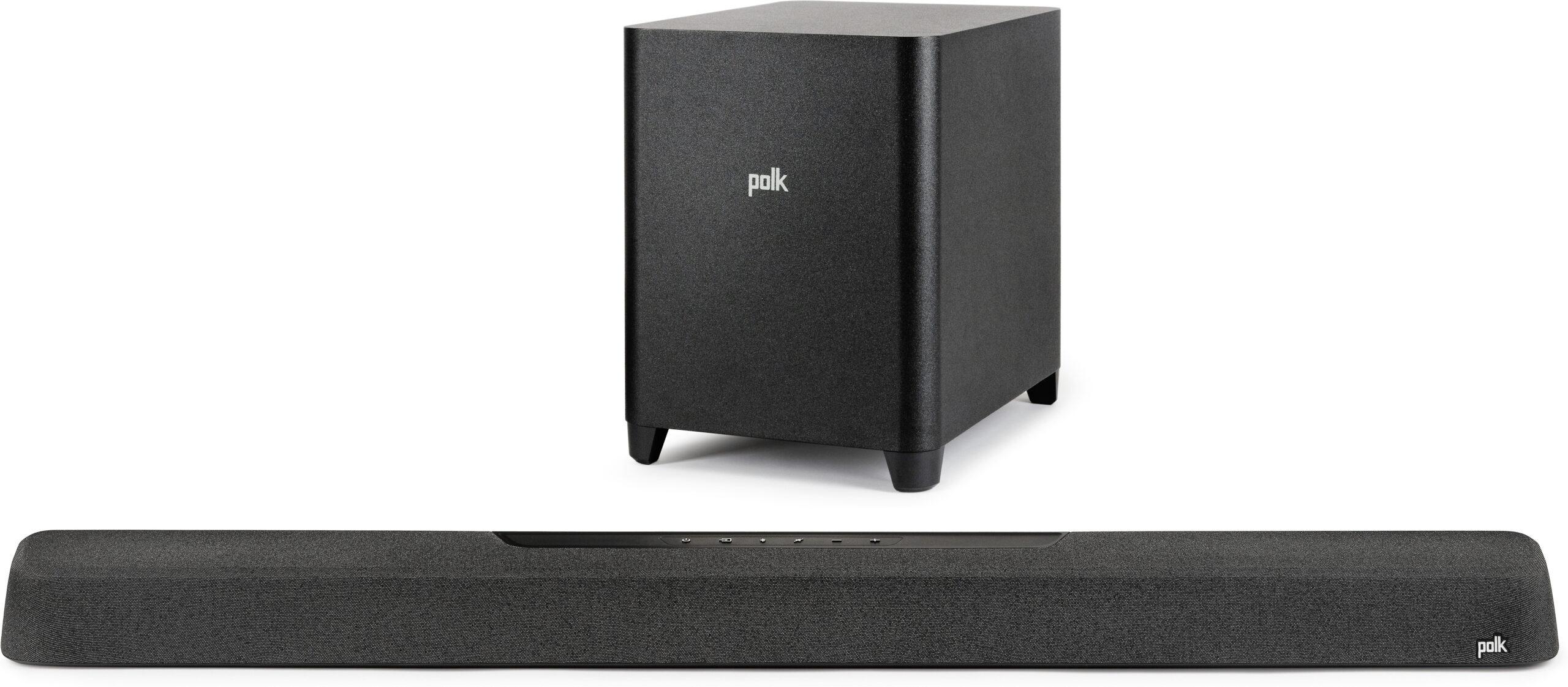
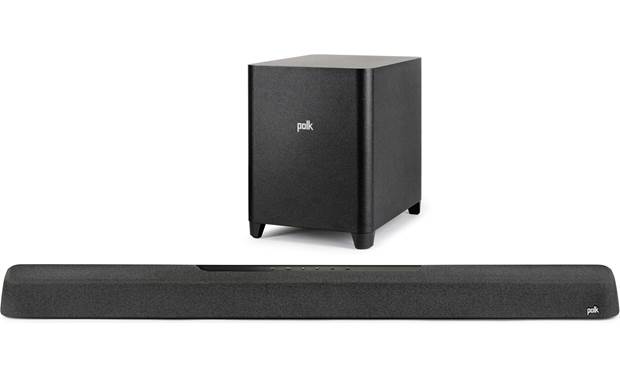
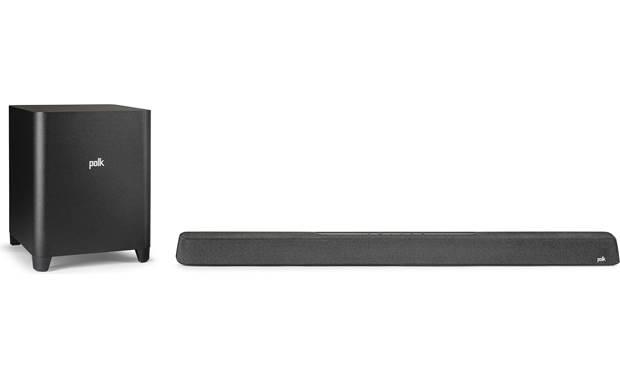
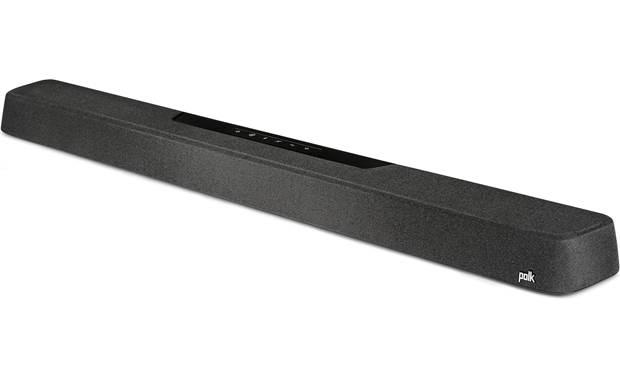
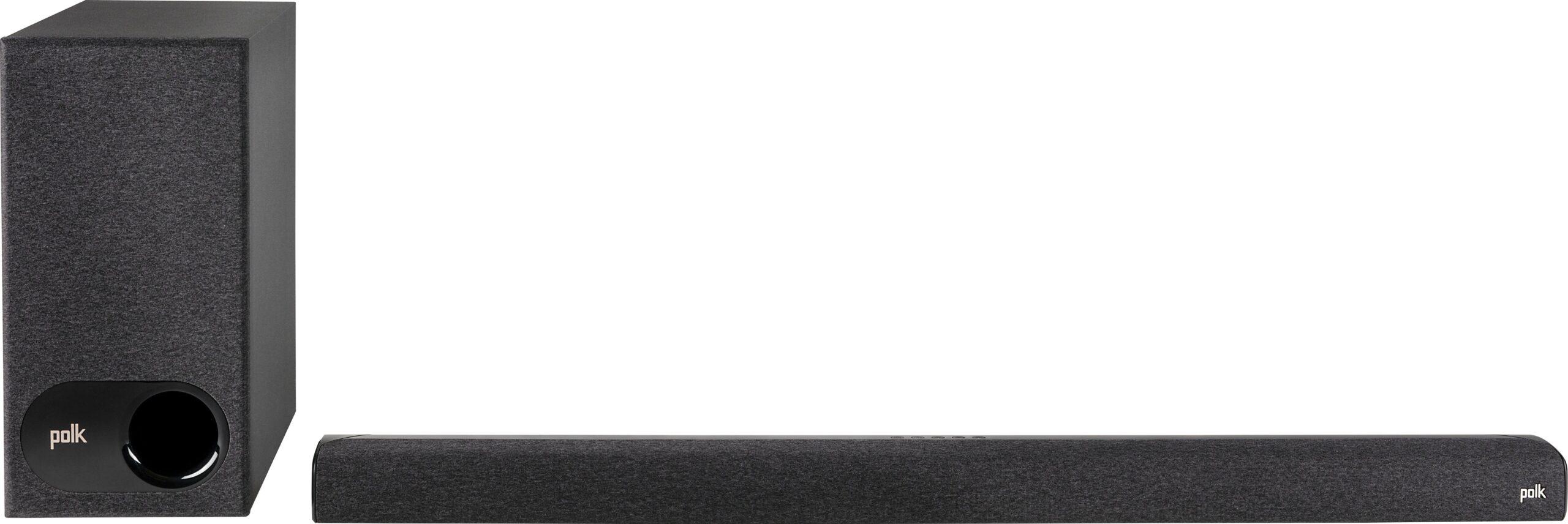
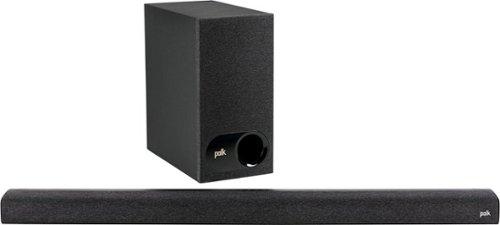
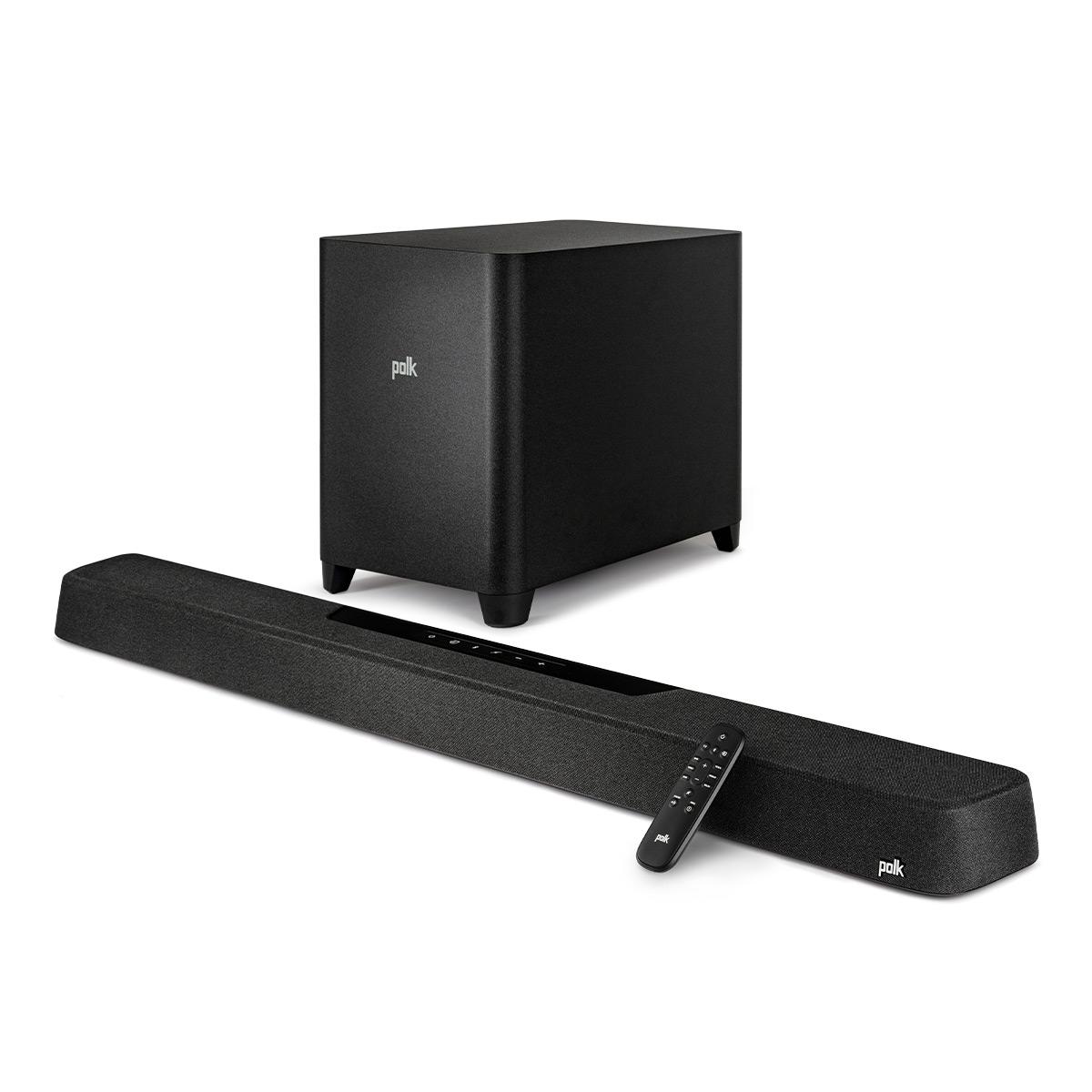
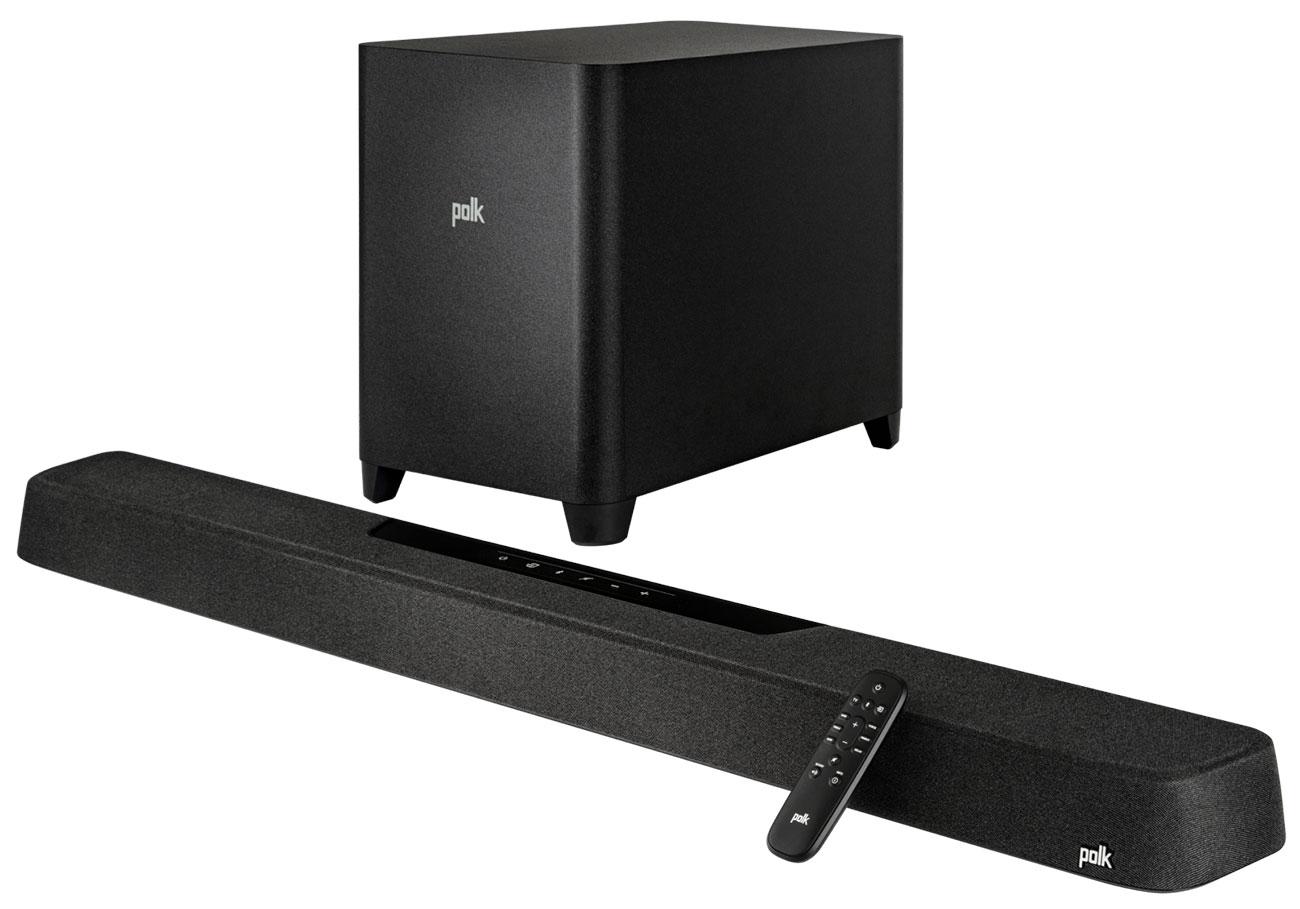
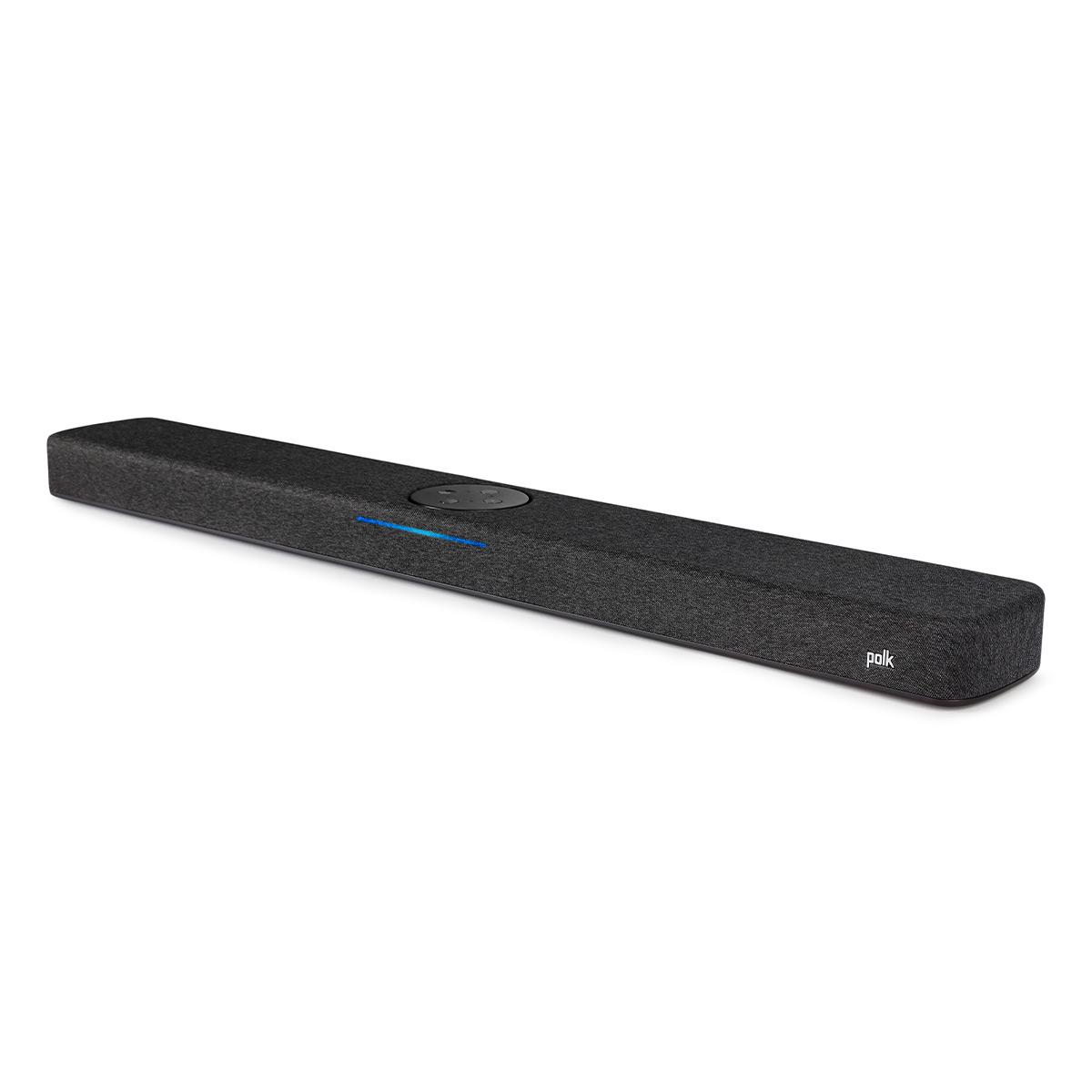

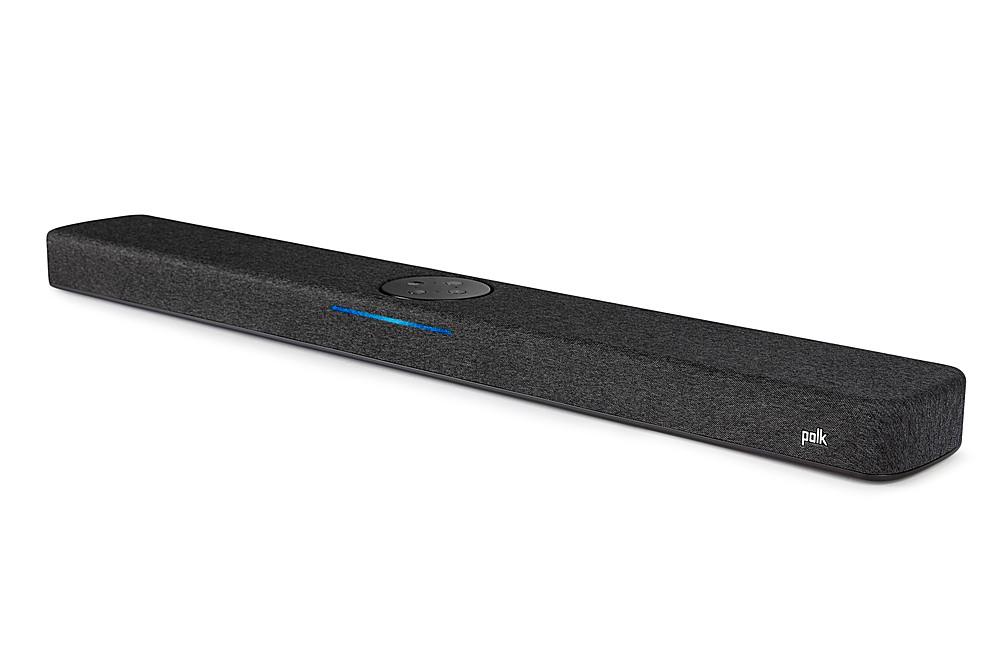


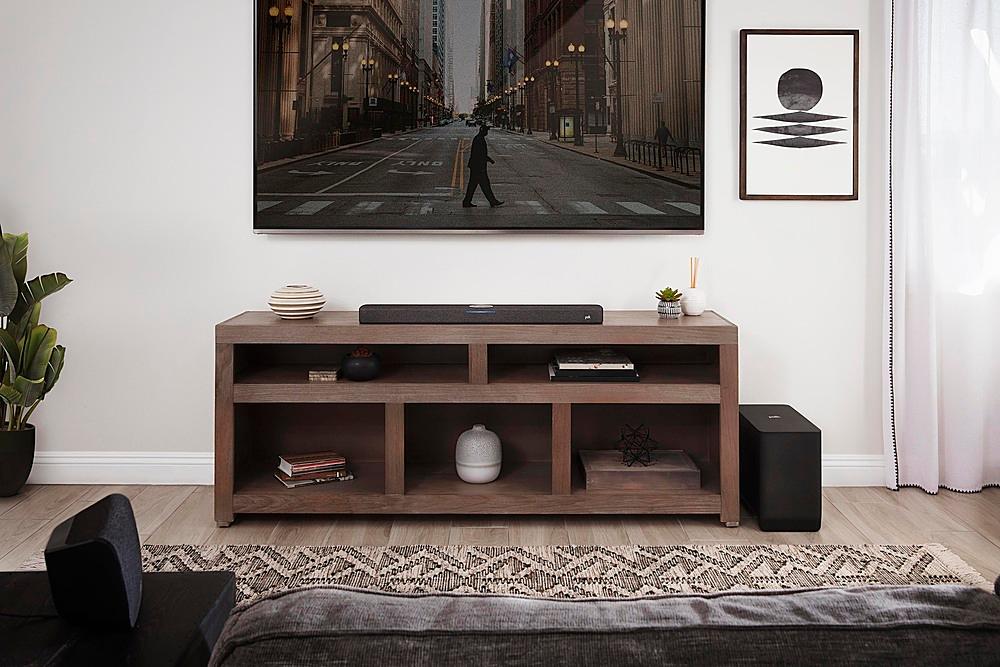
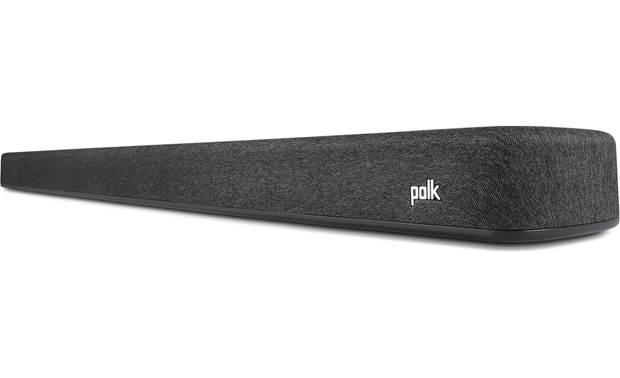
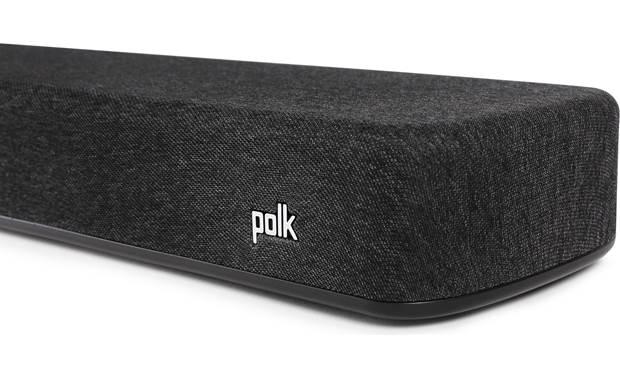
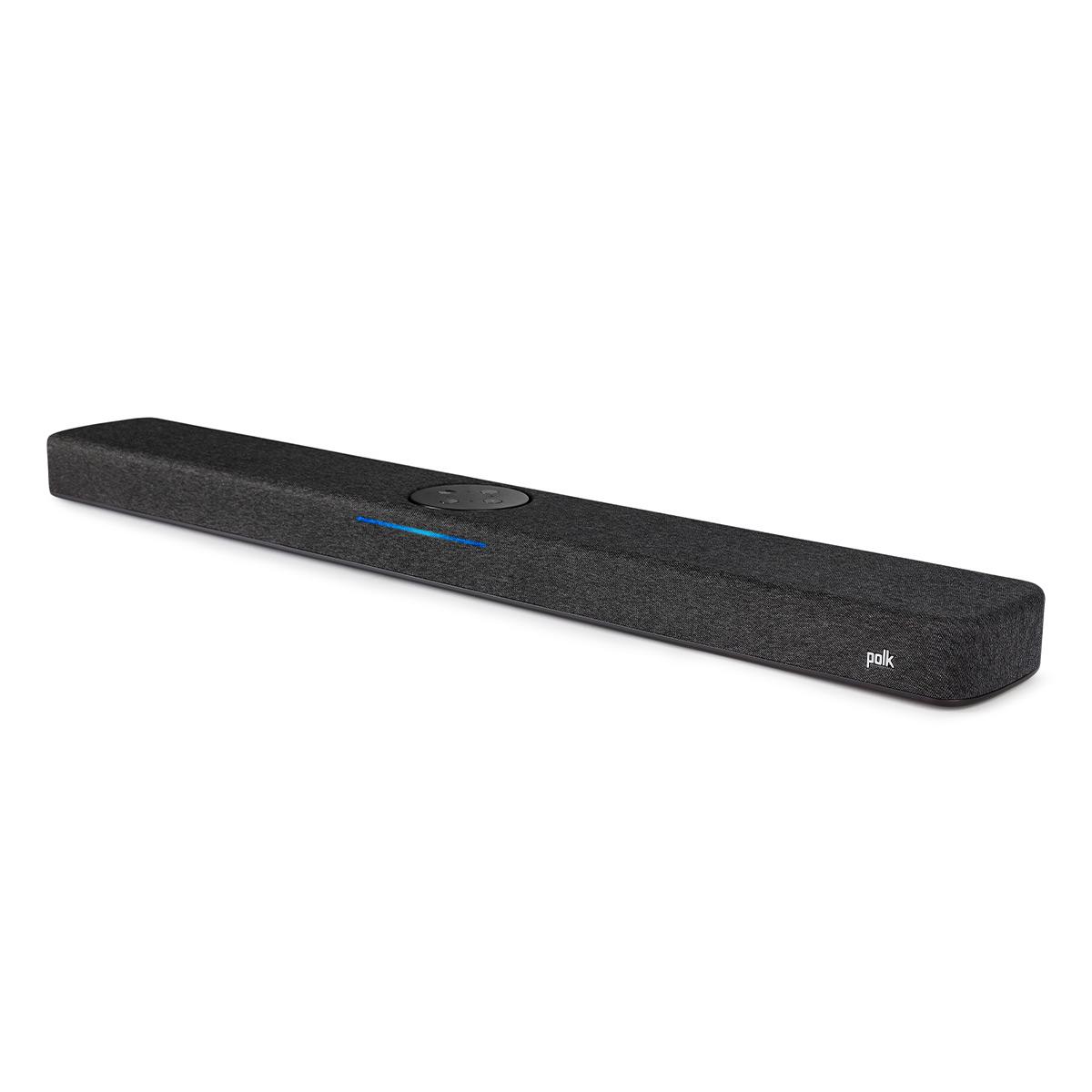
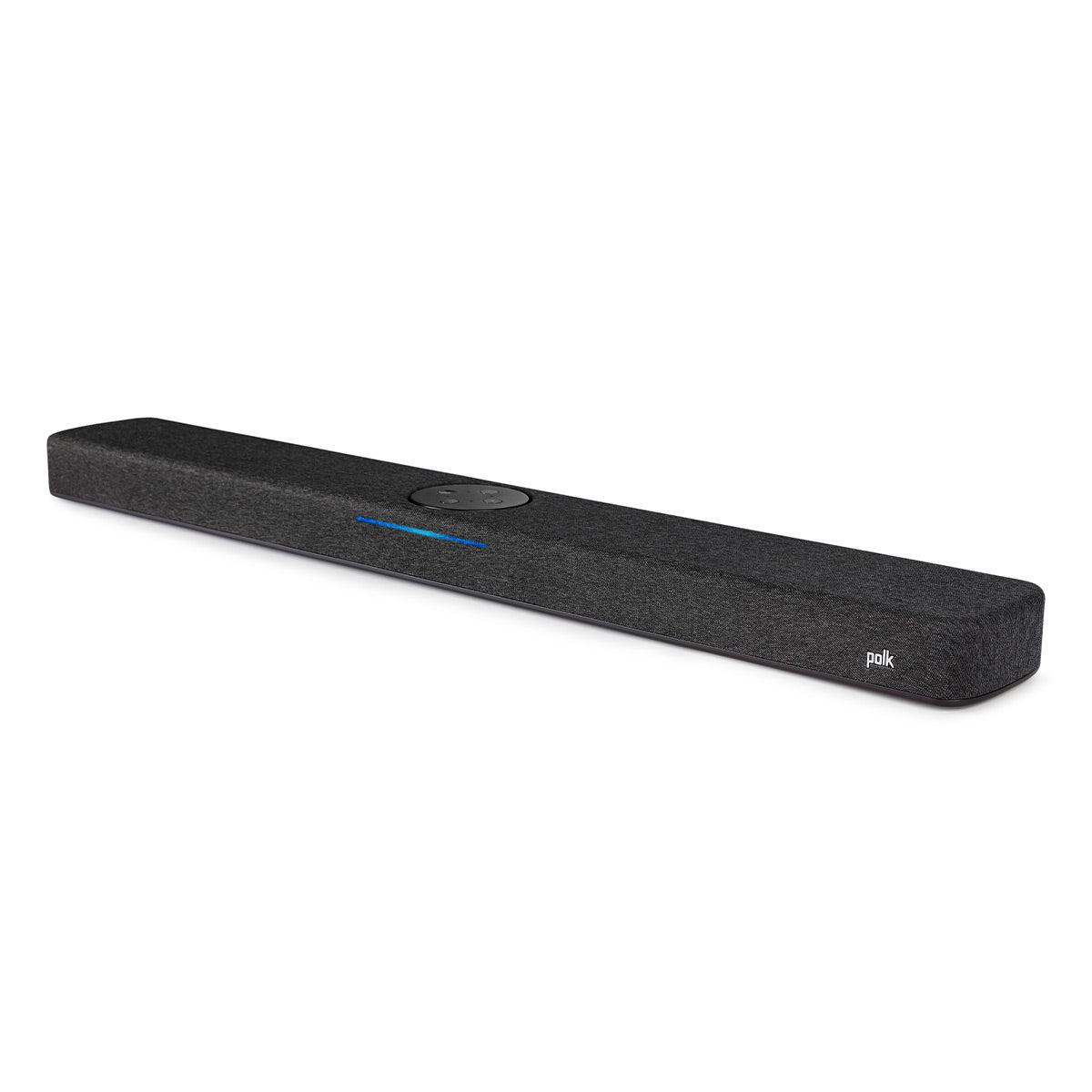
Shopping for a soundbar can feel overwhelming with dozens of options promising "cinematic sound" and "crystal-clear dialogue." Having tested countless audio systems over the years, I've learned that the real decision comes down to understanding what you actually need versus what sounds impressive in marketing copy. Today, I'm comparing two very different approaches from Polk Audio: the MagniFi Max AX 3.1.2 Soundbar ($499) and the React Sound Bar with Alexa Built-In ($230).
These aren't just different price points—they represent fundamentally different philosophies about home audio. One prioritizes audiophile-grade performance with cutting-edge technology, while the other focuses on convenience and smart home integration. Let me break down which approach makes sense for your specific situation.
Before diving into specifics, it's worth understanding why soundbars exist in the first place. Modern TVs, despite their stunning 4K visuals, have notoriously poor audio. Manufacturers squeeze speakers into impossibly thin bezels, often pointing them backward or downward. The result? Muddy dialogue and zero bass impact.
Soundbars solve this by placing multiple drivers (individual speakers) in a horizontal array that sits below your TV. The numbers you see—like 2.1 or 3.1.2—tell you the speaker configuration. The first number indicates main channels (left, right, center), the second shows subwoofers, and the third represents height channels for overhead effects.
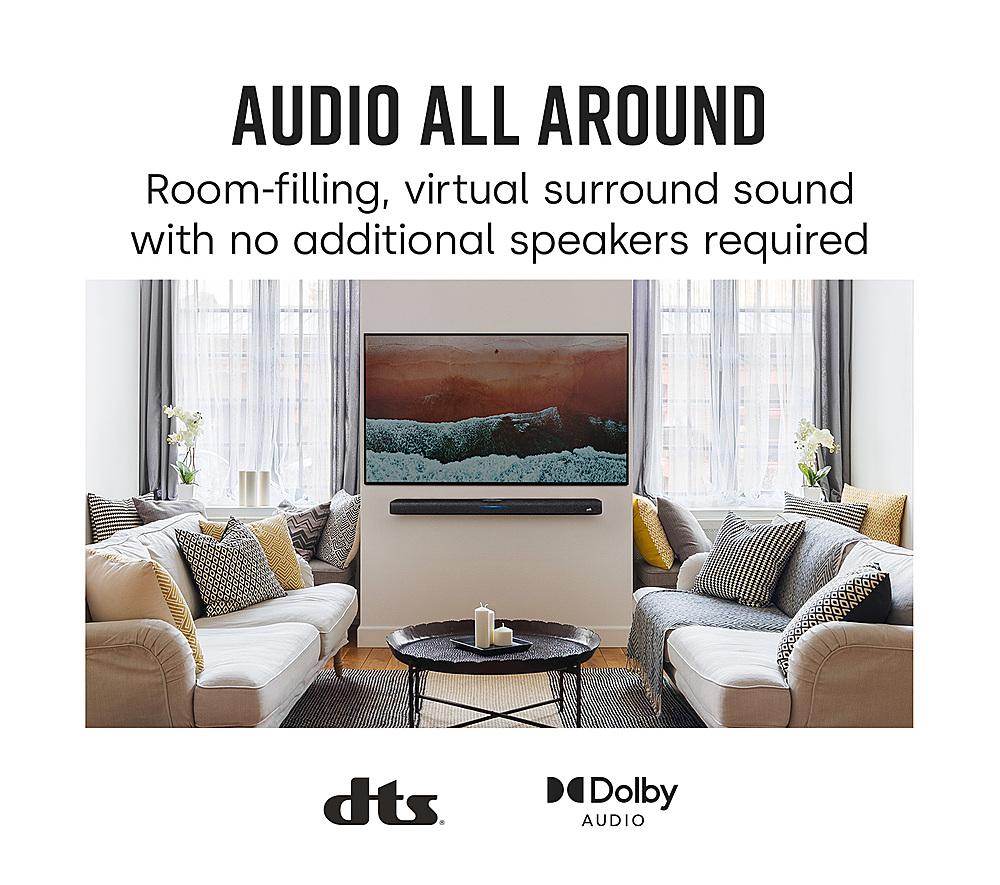
Here's where it gets interesting: advanced soundbars use digital signal processing (DSP) to create virtual surround sound, making it seem like audio is coming from behind you even though all speakers face forward. The best systems add actual height channels—speakers that fire upward to bounce sound off your ceiling, creating the illusion of helicopters flying overhead or rain falling around you.
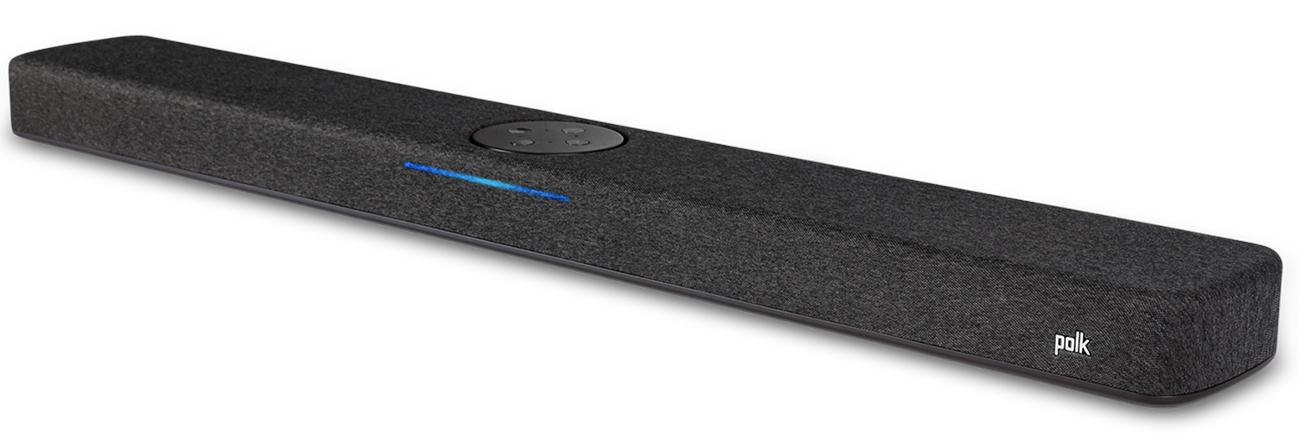
The Polk Audio React Sound Bar launched in 2023 during the smart speaker boom, when everyone wanted Alexa integration in their devices. Polk recognized that many people valued convenience over pure audio performance, especially in smaller living spaces. At $230, it targeted buyers who wanted better TV audio plus the functionality of an Amazon Echo.
The MagniFi Max AX, released in 2024, represents Polk's response to the premium soundbar market dominated by brands like Sonos and Bose. With Dolby Atmos becoming mainstream and 4K content requiring more sophisticated audio processing, Polk designed this system for serious home theater enthusiasts who wouldn't compromise on sound quality.
The timing matters because audio technology evolved significantly between these releases. When the React launched, most streaming content still used basic Dolby Digital compression. By 2024, Netflix, Disney+, and Apple TV+ regularly streamed lossless Dolby Atmos content, making the Max AX's advanced processing capabilities much more relevant.
Let's start with the most fundamental difference: power output. The React Sound Bar delivers 50 watts RMS (100 watts peak), while the MagniFi Max AX pumps out 340 watts total—180 from the soundbar and 160 from its included wireless subwoofer.
In my experience testing audio equipment, power isn't everything, but it's the foundation of good sound. Those extra watts translate to cleaner audio at higher volumes, better dynamic range (the difference between whispers and explosions), and the ability to fill larger rooms without distortion.
I've noticed this particularly when watching action movies. The React sounds fine at moderate volumes in a bedroom, but push it too hard and dialogue becomes harsh while effects lose their punch. The Max AX, by contrast, maintains composure even when my neighbors start complaining.
Here's where the value proposition gets complicated. The React ships without a subwoofer, relying on passive radiators (basically speakers without magnets that vibrate sympathetically) to create bass. It's clever engineering for the size, but physics is physics—you can't create deep, powerful bass from tiny drivers.
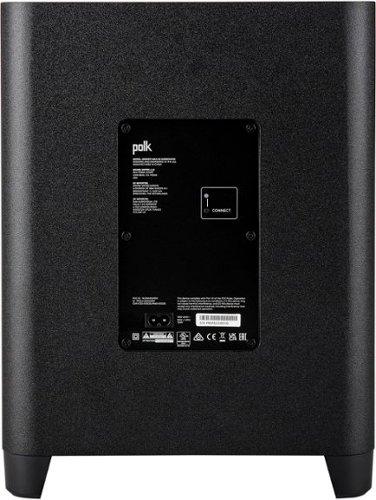
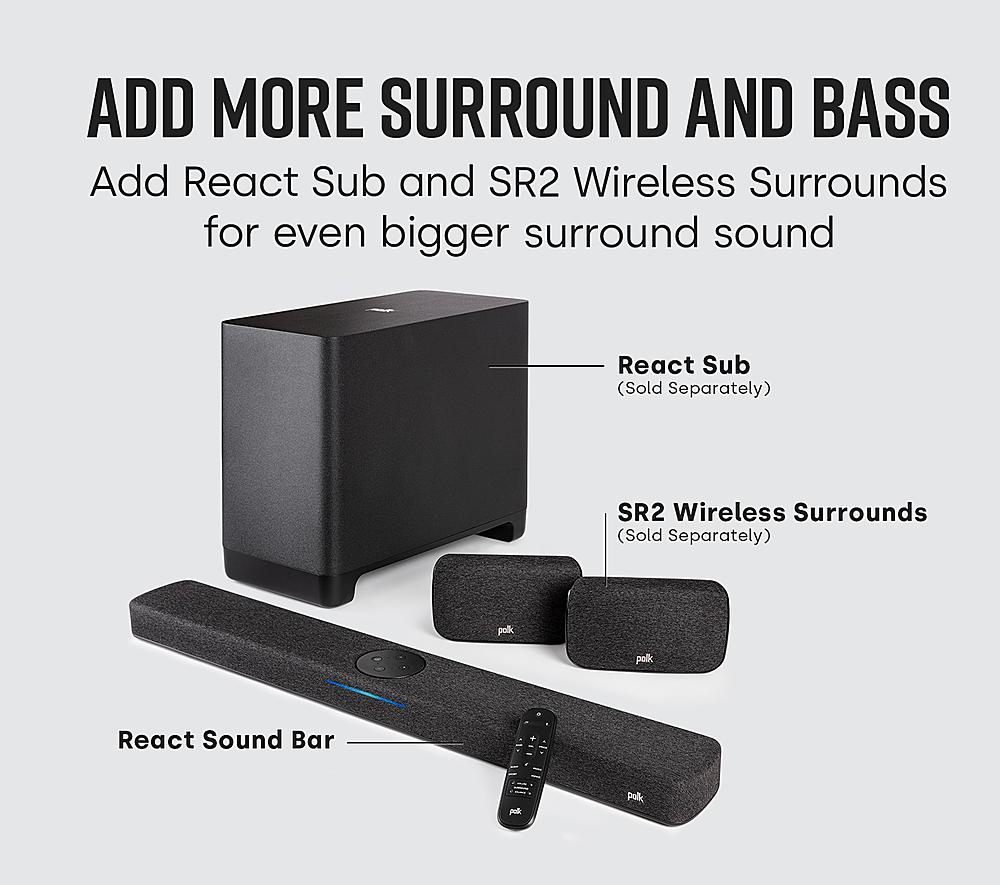
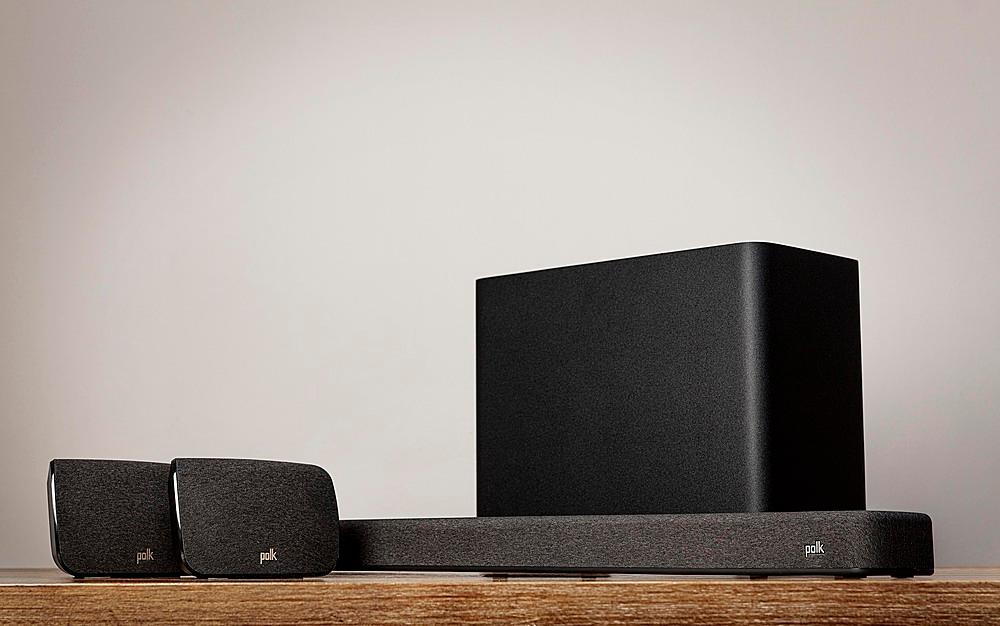
The Max AX includes a substantial 10-inch wireless subwoofer that can reproduce frequencies down to 35Hz. To put that in perspective, that's low enough to feel the rumble of thunder or the engines of spaceships in Star Wars. The React's optional subwoofer costs an additional $200, bringing the total to $430—uncomfortably close to the Max AX's $499 price.
I've lived with both setups, and the difference is night and day. Watching "Top Gun: Maverick" without a proper subwoofer feels like experiencing only half the movie. Those jet engine sounds need physical impact to be convincing.
This is where the MagniFi Max AX truly separates itself. Dolby Atmos treats sound as objects moving through three-dimensional space rather than traditional channel-based audio. Instead of mixing sound for specific speakers, audio engineers place sounds at precise locations—a helicopter circling overhead, rain falling from above, or debris flying past your left ear.
The Max AX achieves this through dedicated up-firing drivers that bounce sound off your ceiling, creating virtual height channels. Combined with its 11-driver array and sophisticated DSP, it can simulate a 5.1.2 surround system (five main channels, one subwoofer, two height channels) from a single soundbar.
The React Sound Bar uses virtual surround processing, which is essentially advanced stereo widening. It's not bad—Polk's engineers are skilled at creating spacious soundstages—but it can't replicate the three-dimensional immersion of true Atmos content.
Both soundbars feature Polk's Voice Adjust technology, but they implement it differently. The Max AX has a dedicated center channel—a speaker specifically designed for dialogue reproduction. This matters more than you might think because most TV audio gets muddled when voices compete with background music and sound effects.
The React relies on digital processing to enhance dialogue, which works reasonably well but can't match the physical separation provided by a dedicated center speaker. In my testing, I found myself using the React's voice enhancement more frequently, while the Max AX delivered clear dialogue naturally.
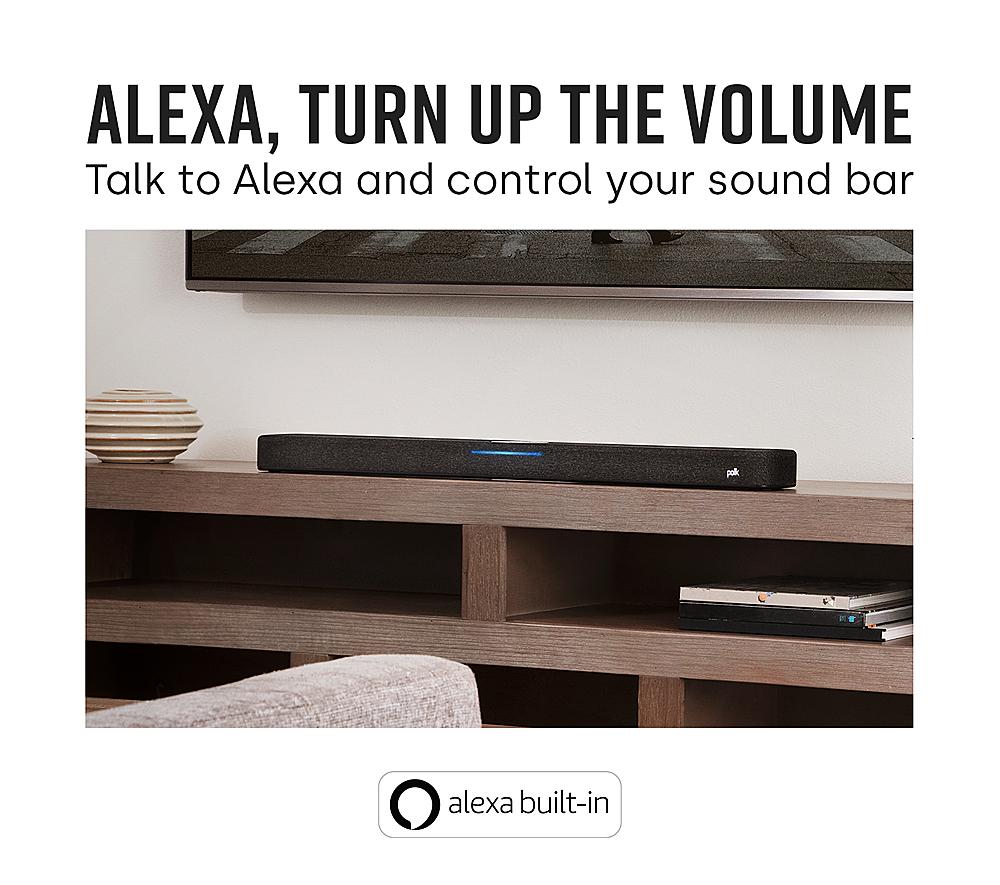
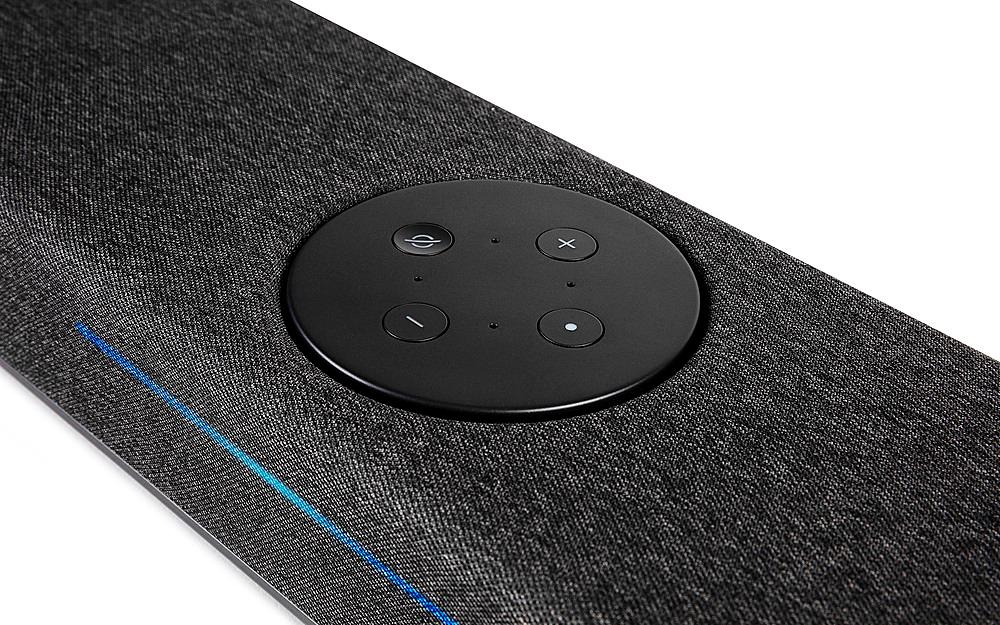
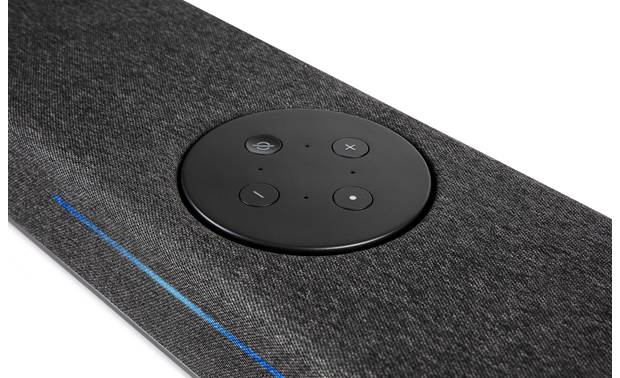
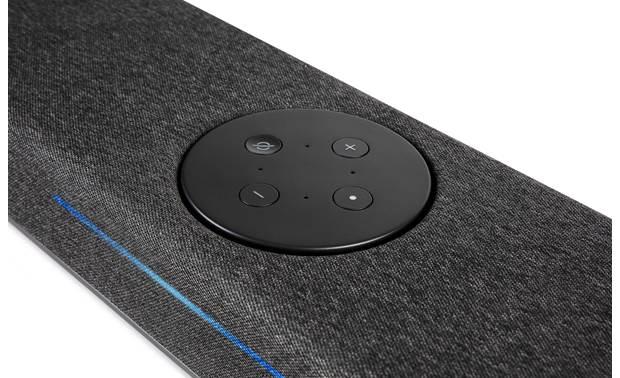
The feature sets reveal each soundbar's target audience. The React Sound Bar prioritizes convenience with built-in Alexa, complete with far-field microphones that can hear you across the room. You can ask it to change volume, switch inputs, control smart home devices, or answer questions just like an Echo speaker.
This integration goes deeper than simple voice commands. The React supports Alexa's Drop-In feature for intercom functionality and can join multi-room music groups with other Echo devices. It's genuinely useful if you're already invested in Amazon's ecosystem.
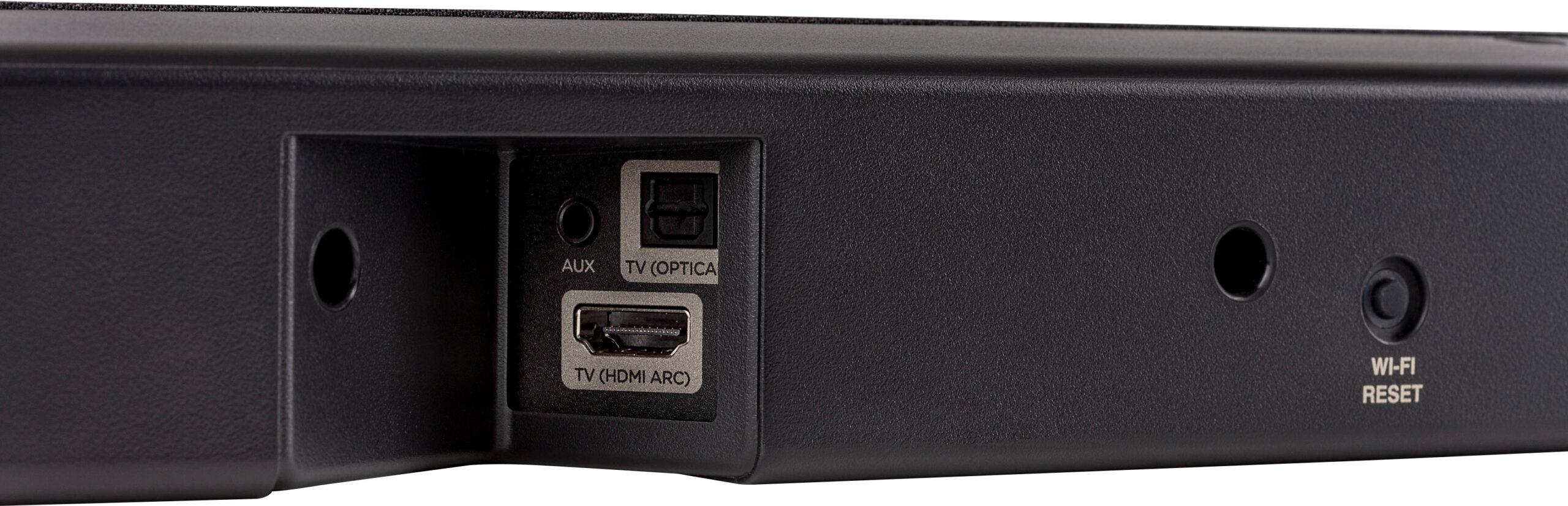
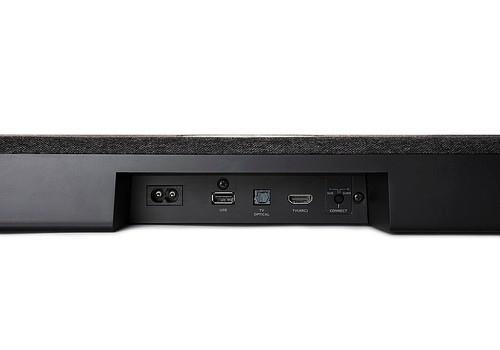
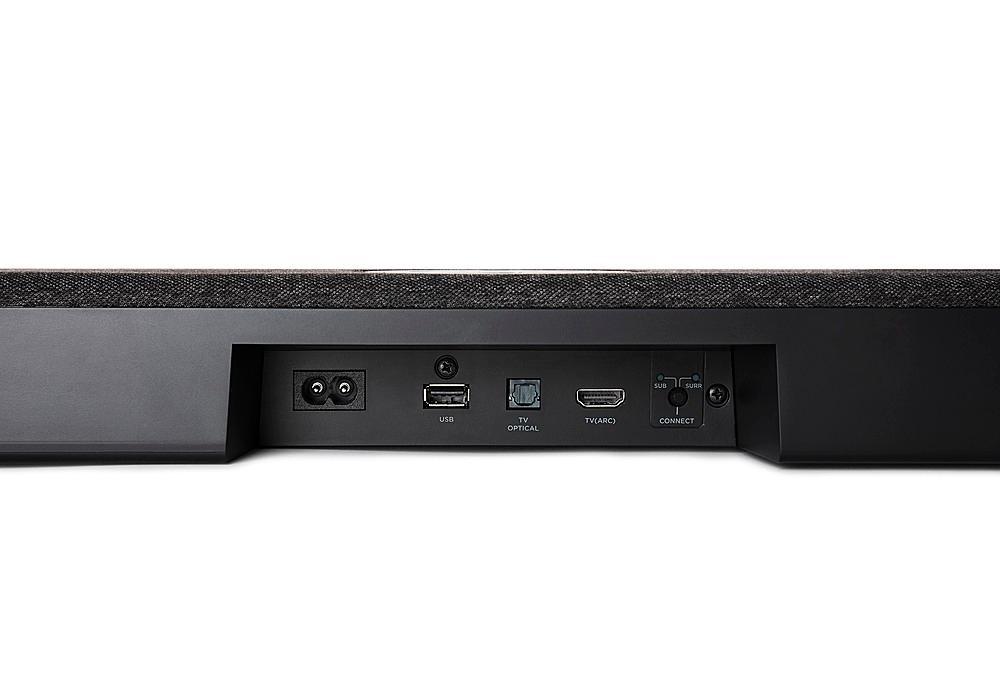
The MagniFi Max AX takes a more traditional approach, focusing on connectivity options that audiophiles actually use. It offers HDMI eARC (enhanced Audio Return Channel) for uncompressed audio from your TV, plus three additional HDMI inputs for source switching. This means you can connect your Apple TV, gaming console, and Blu-ray player directly to the soundbar, then send video to your TV through a single cable.
For wireless streaming, the Max AX supports AirPlay 2, Chromecast, and Spotify Connect over Wi-Fi, plus Bluetooth 5.0. The React is limited to Bluetooth streaming, which means lower audio quality and shorter range compared to Wi-Fi protocols.
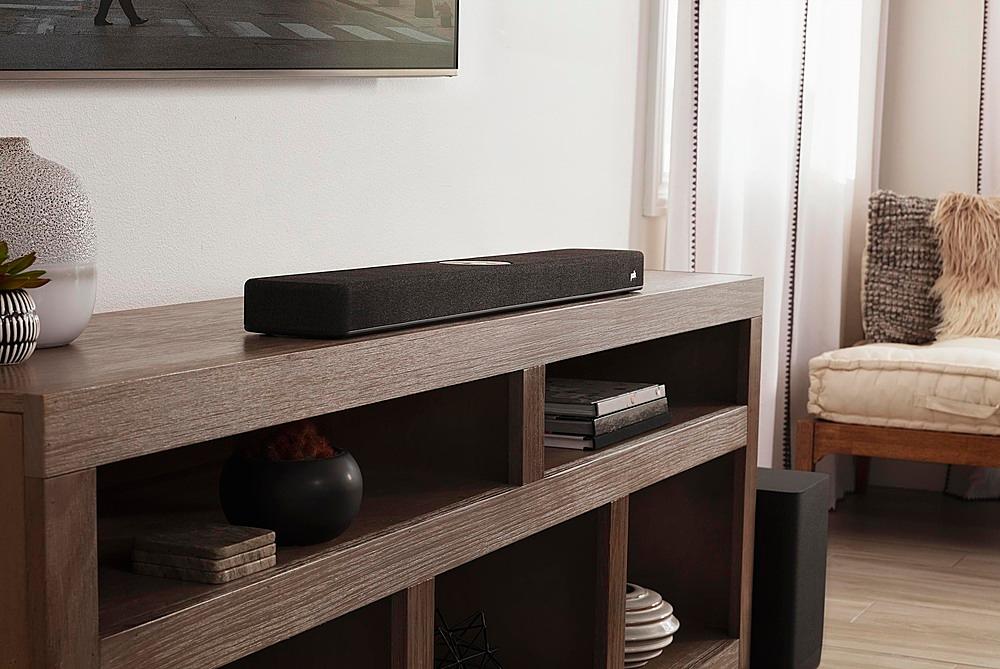
I've set up both soundbars in various room configurations, and their sweet spots are quite different. The React Sound Bar excels in smaller spaces—bedrooms, apartments, or cozy living rooms where you sit relatively close to the TV. Its compact 34-inch width fits under most 43-inch TVs without overhang, and the modest power output won't overwhelm intimate spaces.
The MagniFi Max AX needs room to breathe. At 43 inches wide, it's designed for 55-inch and larger TVs. More importantly, the Atmos height effects work best when you're seated 8-12 feet away with a reasonably reflective ceiling. In my experience, open floor plans and larger living rooms really showcase what this system can do.
At first glance, the $269 price difference between these soundbars seems straightforward—you pay more, you get more. But the value equation is more nuanced when you factor in the React's optional subwoofer.
The React Sound Bar alone costs $230, but adding the recommended subwoofer brings the total to $430. Suddenly, you're paying just $69 less than the MagniFi Max AX while getting significantly less performance. The Max AX includes a larger subwoofer, Dolby Atmos processing, better connectivity, and nearly seven times the power output.
However, value isn't just about specifications. The React's Alexa integration provides functionality that the Max AX simply can't match. If voice control and smart home features are important to you, that $230 starting price represents genuine value.
I've spent months with both systems in different environments, and they each have their place. The React Sound Bar lived in my bedroom for several months, where its compact size and voice control made perfect sense. Being able to ask Alexa to lower the volume during late-night viewing without searching for a remote was genuinely convenient.
But when I moved it to my main living room for comparison testing, the limitations became apparent. Action scenes felt flat, music lacked depth, and I found myself constantly adjusting settings to find the right balance between dialogue clarity and dynamic range.
The MagniFi Max AX, by contrast, transformed my home theater experience. Watching "Dune" with proper Atmos processing made me realize how much I'd been missing. The ornithopters' wing beats created a genuine sense of motion overhead, while Hans Zimmer's thunderous score maintained perfect clarity even at reference volumes.
If you're heavily invested in Amazon's ecosystem, the React's Alexa capabilities extend far beyond audio control. I found myself using it as a central hub for smart home commands, weather updates, and even making hands-free phone calls. The far-field microphones work impressively well, picking up voice commands even during loud action scenes.
The MagniFi Max AX doesn't offer built-in voice control, but it integrates beautifully with existing smart home setups through its network connectivity. You can control it through home automation systems or use a separate Echo device for voice commands.
After extensive testing, I believe the decision comes down to your primary use case and room setup.
Choose the React Sound Bar with Alexa ($230) if you:
The MagniFi Max AX 3.1.2 Soundbar ($499) makes more sense if you:
Both soundbars represent solid engineering from Polk Audio, but they serve different masters. The React prioritizes convenience and integration at an accessible price point, while the Max AX focuses on delivering the best possible audio experience within its price range.
In my experience, audio equipment tends to be a long-term investment. You'll likely live with whichever soundbar you choose for several years, so it's worth considering your future needs alongside your current situation. If you're unsure, I'd generally recommend stretching for the MagniFi Max AX—you can always ignore the advanced features, but you can't add Dolby Atmos processing to the React Sound Bar later.
The beauty of today's soundbar market is that there's genuinely no wrong choice between these two—just different priorities. Whether you value smart convenience or cinematic immersion more will ultimately guide you to the right system for your home.
| Polk Audio MagniFi Max AX 3.1.2 Soundbar | Polk Audio React Sound Bar with Alexa Built-In |
|---|---|
| Price - Entry cost and total system investment | |
| $499 (includes wireless subwoofer) | $230 base ($430 with optional subwoofer) |
| Audio Channels - Determines surround sound capabilities | |
| 3.1.2 with dedicated center channel and height effects | 2.1 virtual surround (no height channels) |
| Power Output - Controls volume levels and dynamic range | |
| 340W total (180W bar + 160W subwoofer) | 50W RMS (100W peak, bar only) |
| Dolby Atmos Support - Essential for modern streaming content | |
| True Dolby Atmos/DTS:X with up-firing drivers | Virtual surround only (no Atmos) |
| Subwoofer - Critical for bass impact in movies and music | |
| 10" wireless subwoofer included | Optional 8" wireless sub ($200 extra) |
| HDMI Connectivity - Affects 4K source compatibility | |
| HDMI eARC + 3 additional inputs with 4K passthrough | Single HDMI ARC port only |
| Wireless Streaming - Determines audio quality and convenience | |
| Wi-Fi (AirPlay 2, Chromecast, Spotify Connect) + Bluetooth 5.0 | Bluetooth 4.2 only |
| Voice Control - Hands-free operation and smart home integration | |
| None built-in (requires separate Echo device) | Built-in Alexa with far-field microphones |
| Dimensions - Impacts TV compatibility and room aesthetics | |
| 43" W × 2.09" H × 3.78" D (requires 55"+ TV) | 34" W × 2.2" H × 4.8" D (fits under most TVs) |
| Driver Array - Affects sound quality and stereo imaging | |
| 11 drivers including dedicated tweeters and up-firing speakers | 4 drivers with passive radiators for bass |
| Frequency Response - Determines bass depth and treble clarity | |
| 35Hz-20kHz (with subwoofer) | 60Hz-20kHz (without optional subwoofer) |
| Best Use Case - Target room size and primary content type | |
| Large rooms, home theater, movie enthusiasts | Small to medium rooms, casual viewing, smart home users |
The Polk Audio MagniFi Max AX 3.1.2 Soundbar ($499) offers better overall value for serious listeners, including a wireless subwoofer and Dolby Atmos support. The Polk Audio React Sound Bar with Alexa Built-In ($230) is more budget-friendly initially, but adding the optional subwoofer brings the total to $430, making the Max AX a better deal for the performance difference.
The MagniFi Max AX focuses on premium audio performance with true Dolby Atmos, 340W power output, and an included wireless subwoofer. The React Sound Bar prioritizes convenience with built-in Alexa voice control and smart home integration at a lower price point, but with basic 2.1 virtual surround sound.
Yes, the React Sound Bar significantly benefits from its optional $200 subwoofer for meaningful bass response. Without it, you'll miss the impact in action movies and music. The MagniFi Max AX includes a larger 10-inch wireless subwoofer in the base price.
The Polk Audio MagniFi Max AX is superior for home theater use with true Dolby Atmos height effects, dedicated center channel for dialogue, and powerful bass from the included subwoofer. The React Sound Bar works for casual movie watching but lacks the immersive surround sound experience.
Only the React Sound Bar with Alexa Built-In has built-in voice control with far-field microphones for hands-free operation. The MagniFi Max AX requires a separate Echo device or smartphone app for voice commands, focusing instead on audio performance over smart features.
The Polk Audio React Sound Bar is better suited for smaller spaces with its compact 34-inch width and moderate power output that won't overwhelm intimate rooms. The MagniFi Max AX at 43 inches wide is designed for larger rooms with 55-inch or bigger TVs.
The MagniFi Max AX supports Wi-Fi streaming via AirPlay 2, Chromecast, and Spotify Connect, plus Bluetooth 5.0. The React Sound Bar is limited to Bluetooth 4.2 streaming but integrates with Alexa's music services and multi-room audio features.
The Polk Audio MagniFi Max AX offers HDMI eARC plus three additional HDMI inputs for connecting multiple 4K sources. The React Sound Bar has only one HDMI ARC port, requiring you to use your TV's inputs for multiple devices.
The MagniFi Max AX with 340W total power can reach much higher volumes while maintaining audio clarity compared to the React Sound Bar's 50W output. This makes the Max AX better for larger rooms and party-level listening.
No, only the Polk Audio MagniFi Max AX supports true Dolby Atmos and DTS:X with dedicated up-firing drivers for height effects. The React Sound Bar uses virtual surround processing but cannot reproduce overhead audio effects from Atmos content.
The React Sound Bar with Alexa Built-In is simpler to set up with basic HDMI or optical connections and voice control for daily operation. The MagniFi Max AX offers more connectivity options but requires more consideration for optimal placement and may need manual EQ adjustments.
Both soundbars can be expanded, but differently. The MagniFi Max AX can add optional wireless surround speakers for true 5.1.2 surround sound. The React Sound Bar can add the wireless subwoofer and SR2 surround speakers, but the total system cost approaches $600 with all components.
We've done our best to create useful and informative comparisons to help you decide what product to buy. Our research uses advanced automated methods to create this comparison and perfection is not possible - please contact us for corrections or questions. These are the sites we've researched in the creation of this article: youtube.com - avsforum.com - rtings.com - rtings.com - bestbuy.com - walts.com - hometechnologyreview.com - polkaudio.com - pcrichard.com - techradar.com - crutchfield.com - popsci.com - youtube.com - tomsguide.com - bestbuy.com - polkaudio.com - crutchfield.com - forum.polkaudio.com - soundunited.com - youtube.com

Privacy Policy
Terms and Conditions - Affiliate Policy
Home Security
© Copyright 2008-2026.
11816 Inwood Rd #1211, Dallas, TX 75244