








If you've ever watched a movie and couldn't understand what the actors were saying, or felt like explosions sounded more like gentle puffs, you know why soundbars exist. Your TV's built-in speakers simply can't deliver the audio experience that modern content deserves. But with soundbars ranging from $200 to over $1,000, choosing the right one can feel overwhelming.
Today we're comparing two very different approaches to solving your audio problems: the premium Sony BRAVIA Theater Bar 9 ($1,399) and the budget-friendly Polk Audio React ($230). These represent opposite ends of the soundbar spectrum, and understanding their differences will help you make the right choice for your setup and budget.
Before diving into specifics, let's talk about what actually matters in a soundbar. The most important factors are audio quality (how clear and powerful the sound is), immersion technology (how well it creates that "surround sound" feeling), connectivity options, smart features, and whether you can expand the system later.
The key thing to understand is that soundbars use several tricks to create better audio than your TV. They spread multiple speakers across a wider area, use digital processing to enhance different types of content, and employ various techniques to make sound appear to come from directions where there aren't actually any speakers. Some do this better than others, and that's where the price differences really show up.
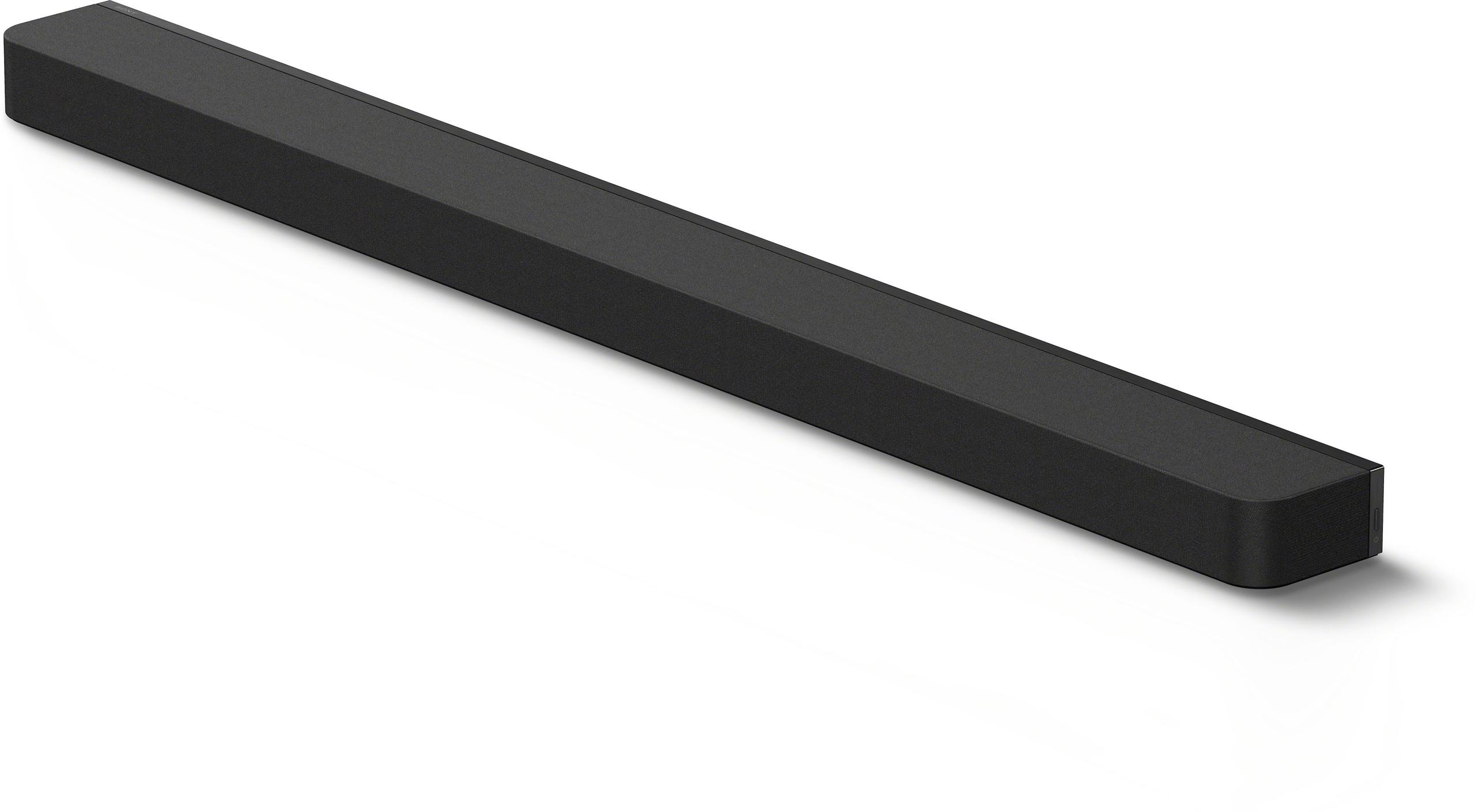
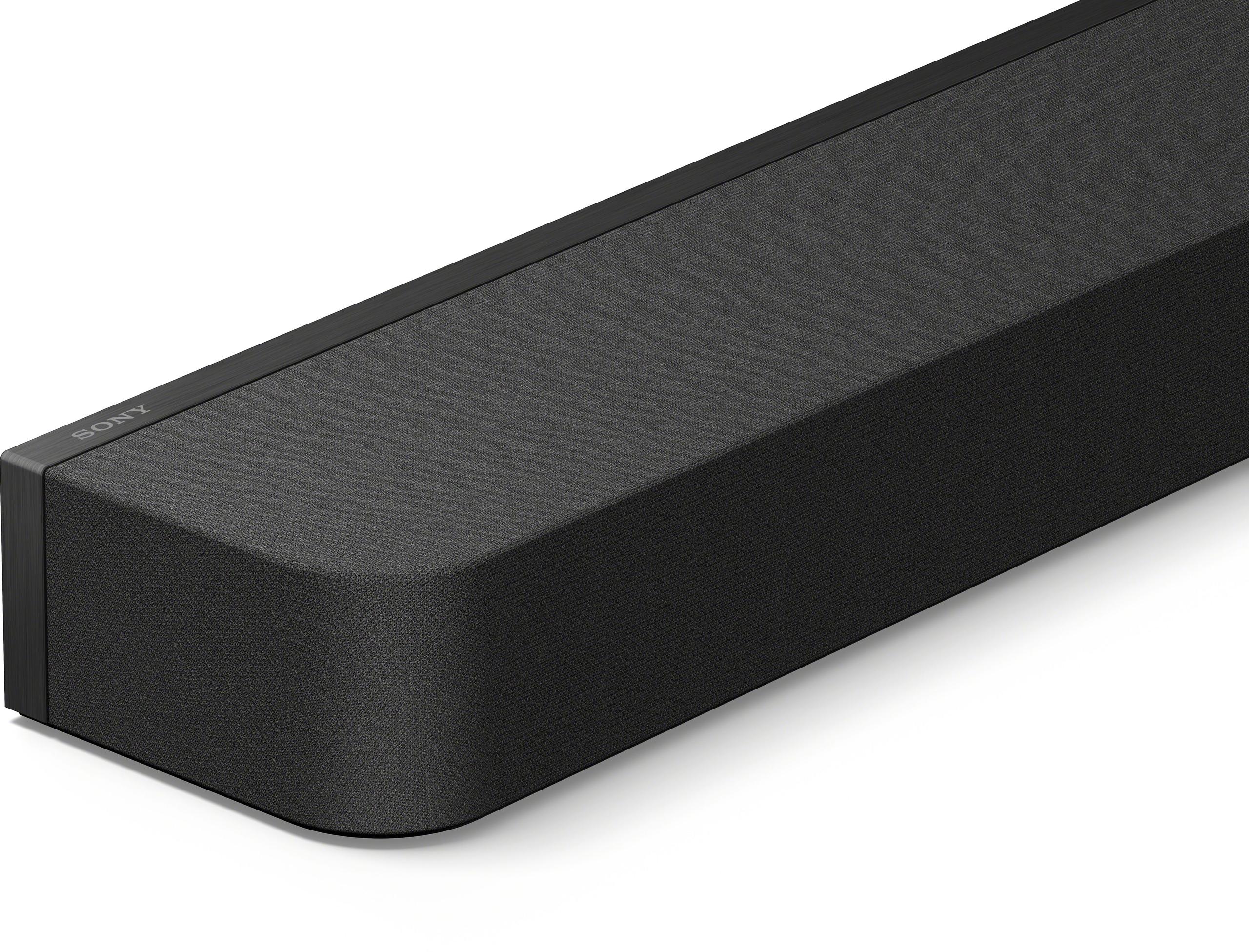
The Sony BRAVIA Theater Bar 9 launched in 2024 as Sony's flagship soundbar, replacing the previous HT-A7000 model. Sony made significant improvements in this generation, including their new 360 Spatial Sound Mapping technology and better integration with their BRAVIA TV lineup. The timing coincides with more widespread adoption of Dolby Atmos content on streaming services, making the investment in premium audio processing more worthwhile than ever.
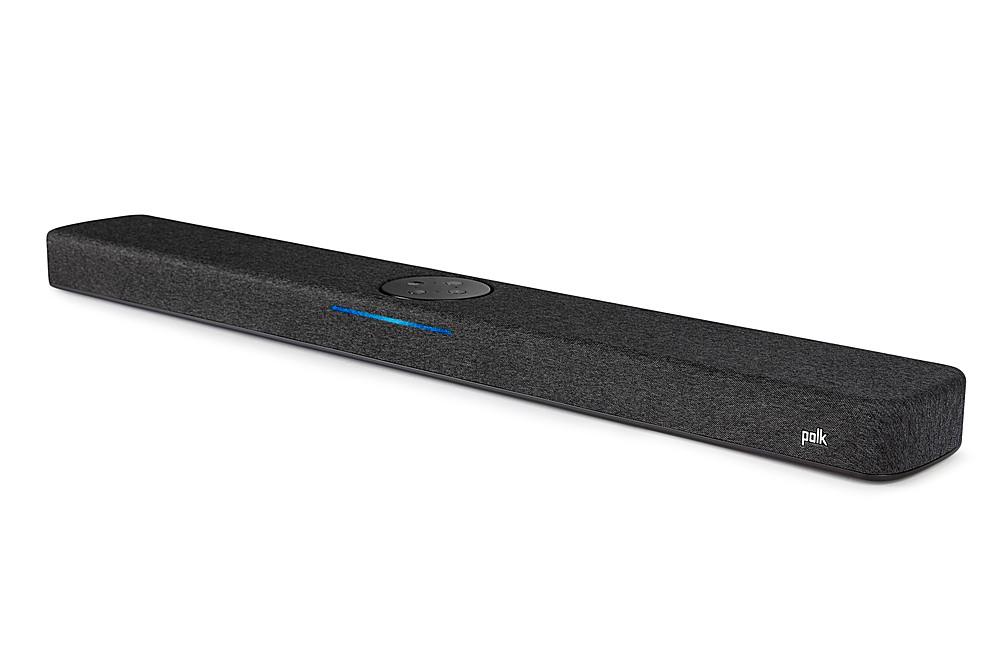
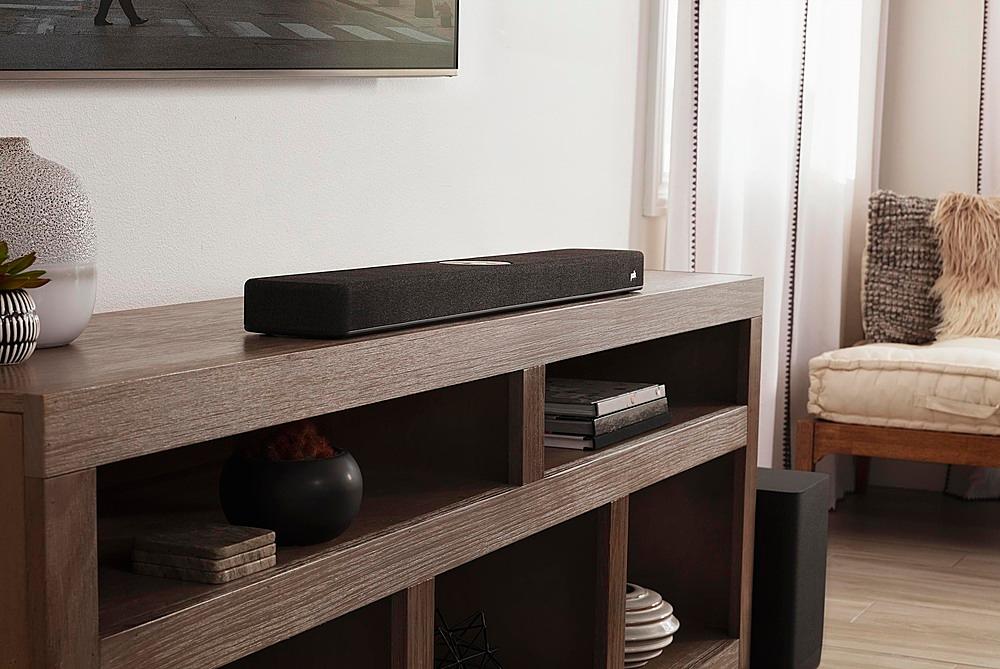
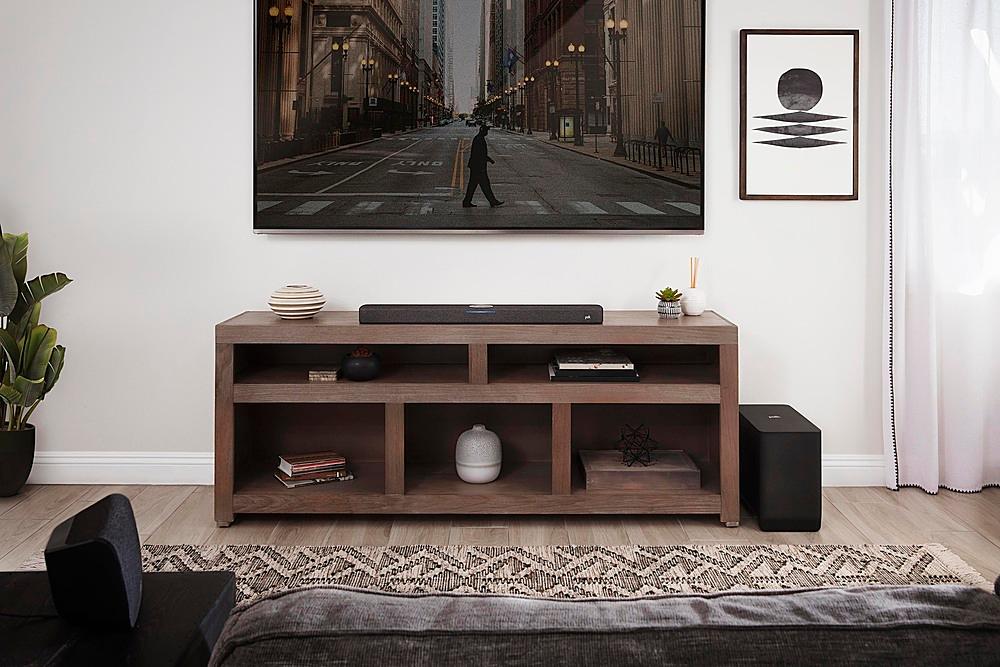
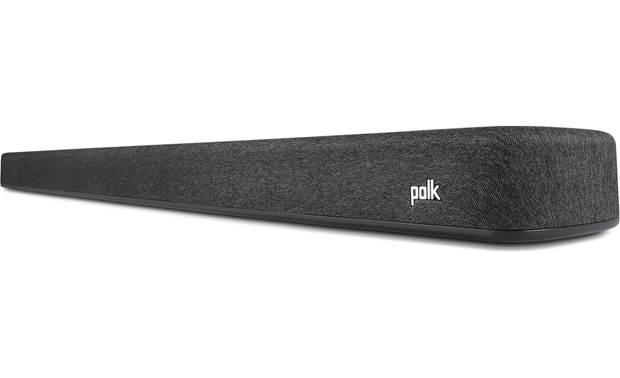
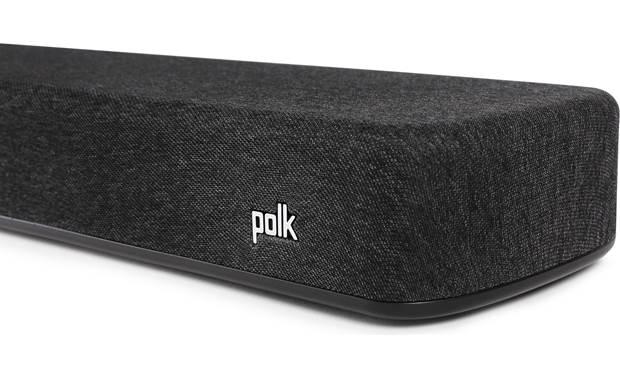
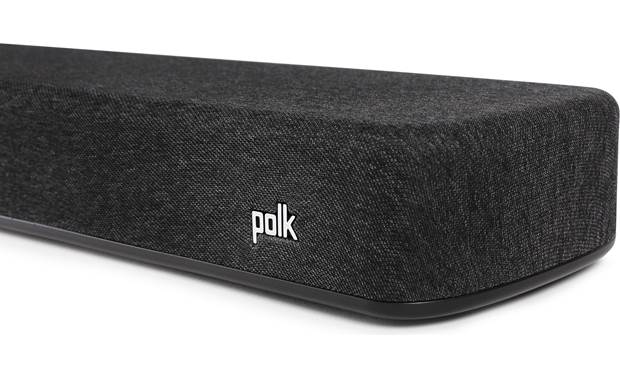
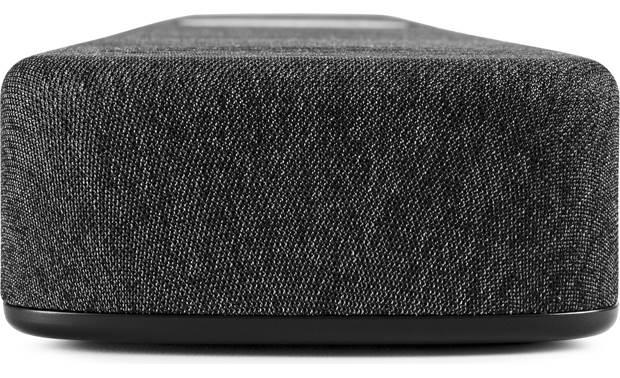
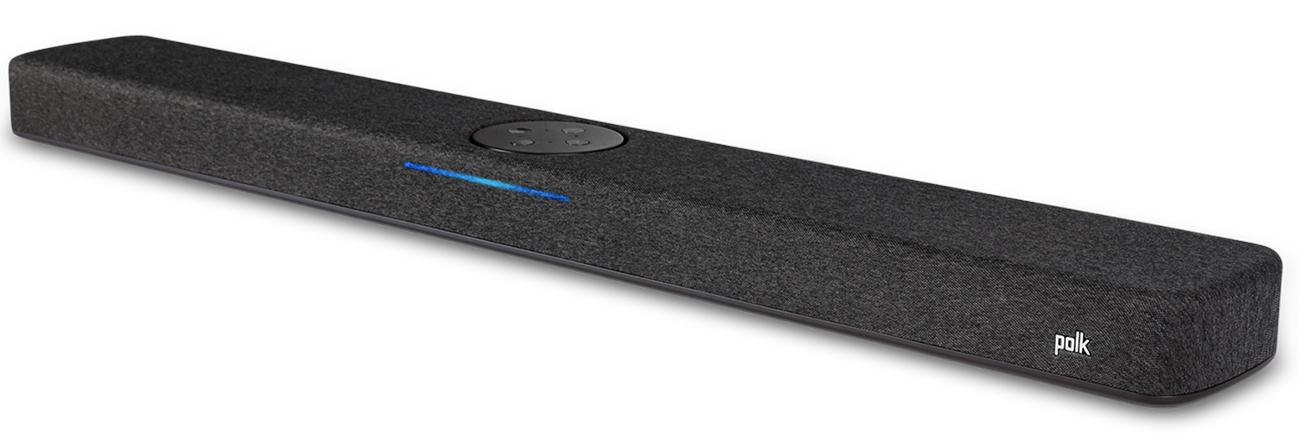
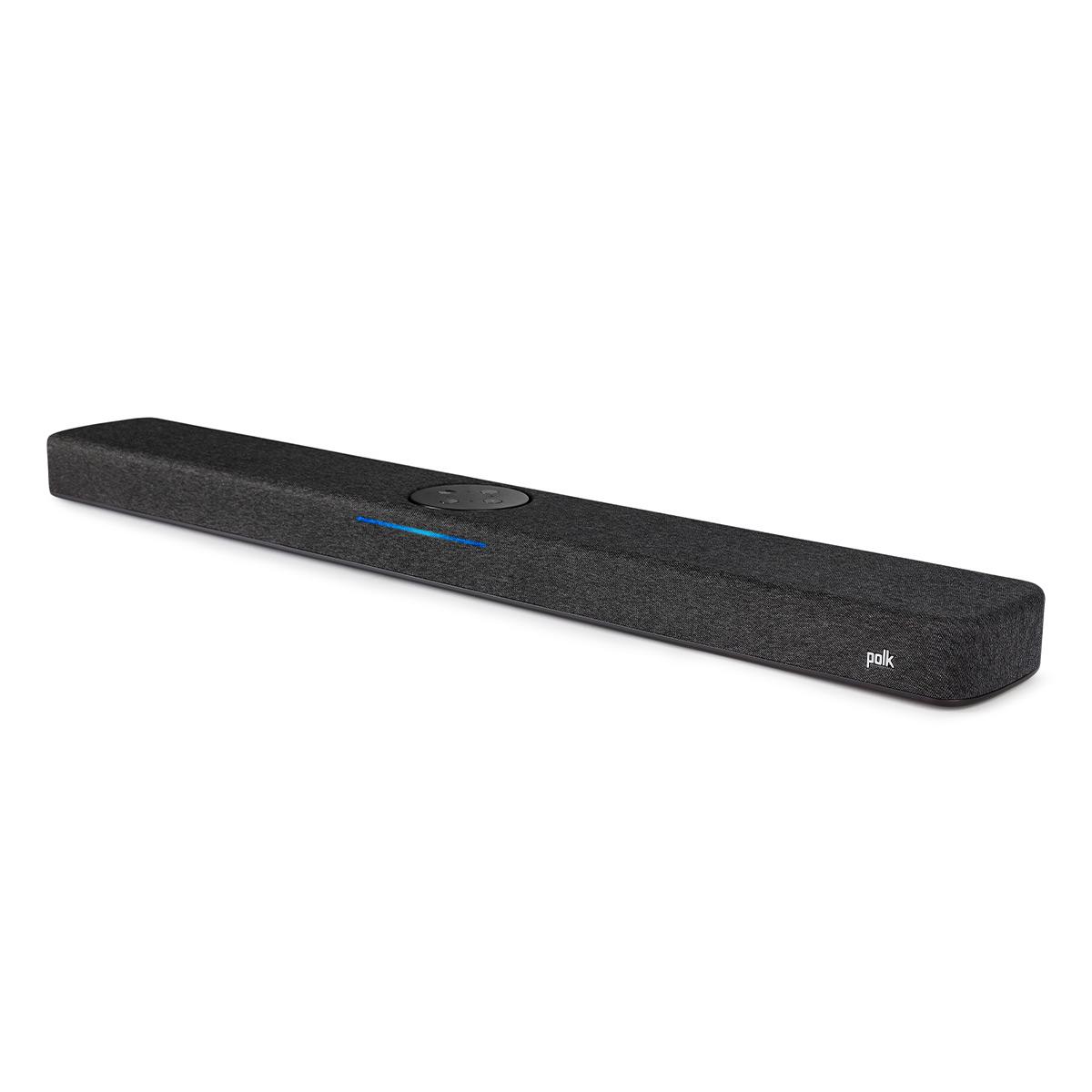
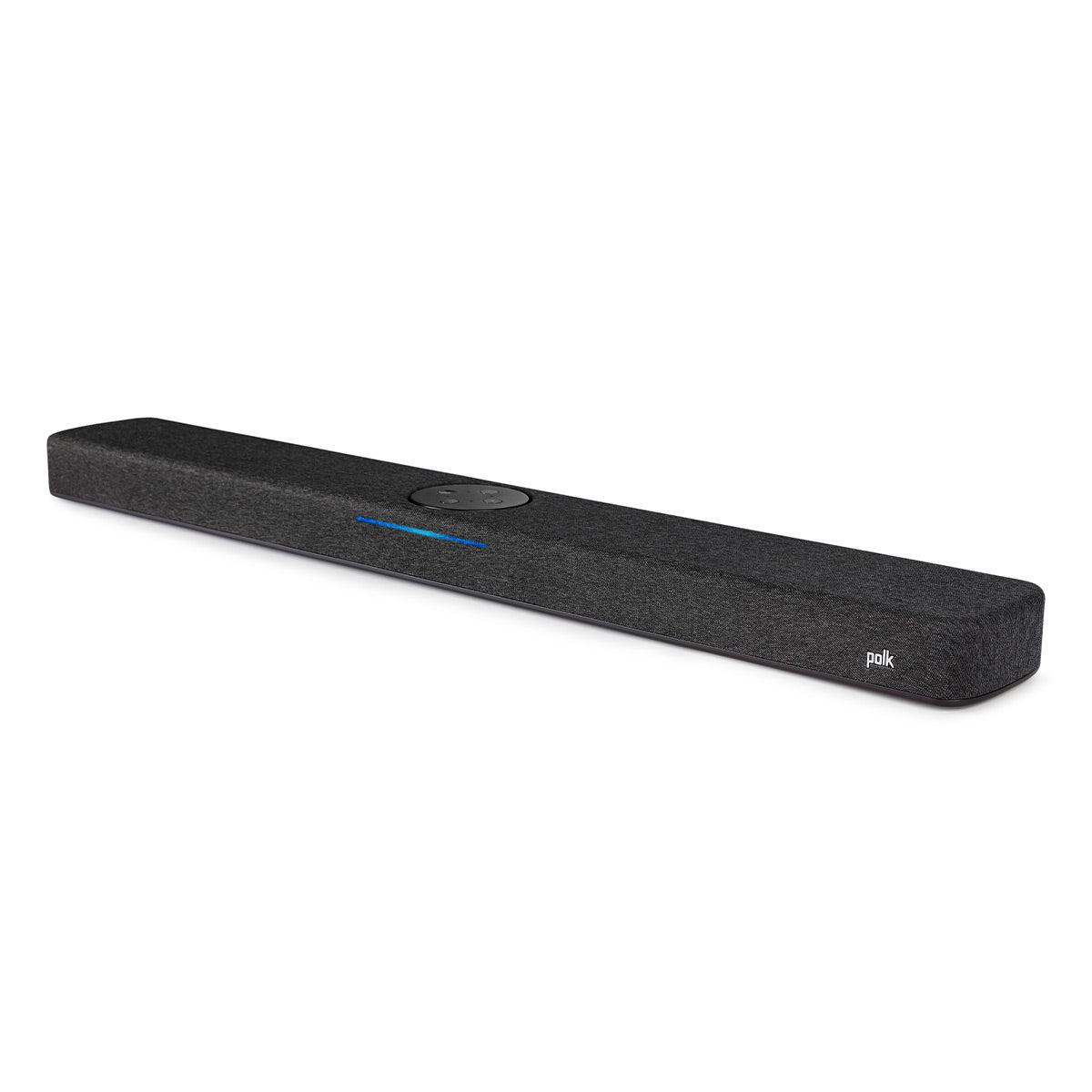
The Polk Audio React came out in 2023, representing Polk's entry into the voice-controlled soundbar market. While Polk has been making speakers for decades, this model marked their serious push into the convenience-focused soundbar space, competing directly with products like the Sonos Beam by adding Alexa functionality at a much lower price point.
The tech landscape has shifted considerably since both launched. Streaming services now routinely offer Dolby Atmos content, gaming consoles support advanced audio formats, and people expect their audio devices to integrate seamlessly with smart home systems. These changes influence how well each soundbar fits into a modern setup.
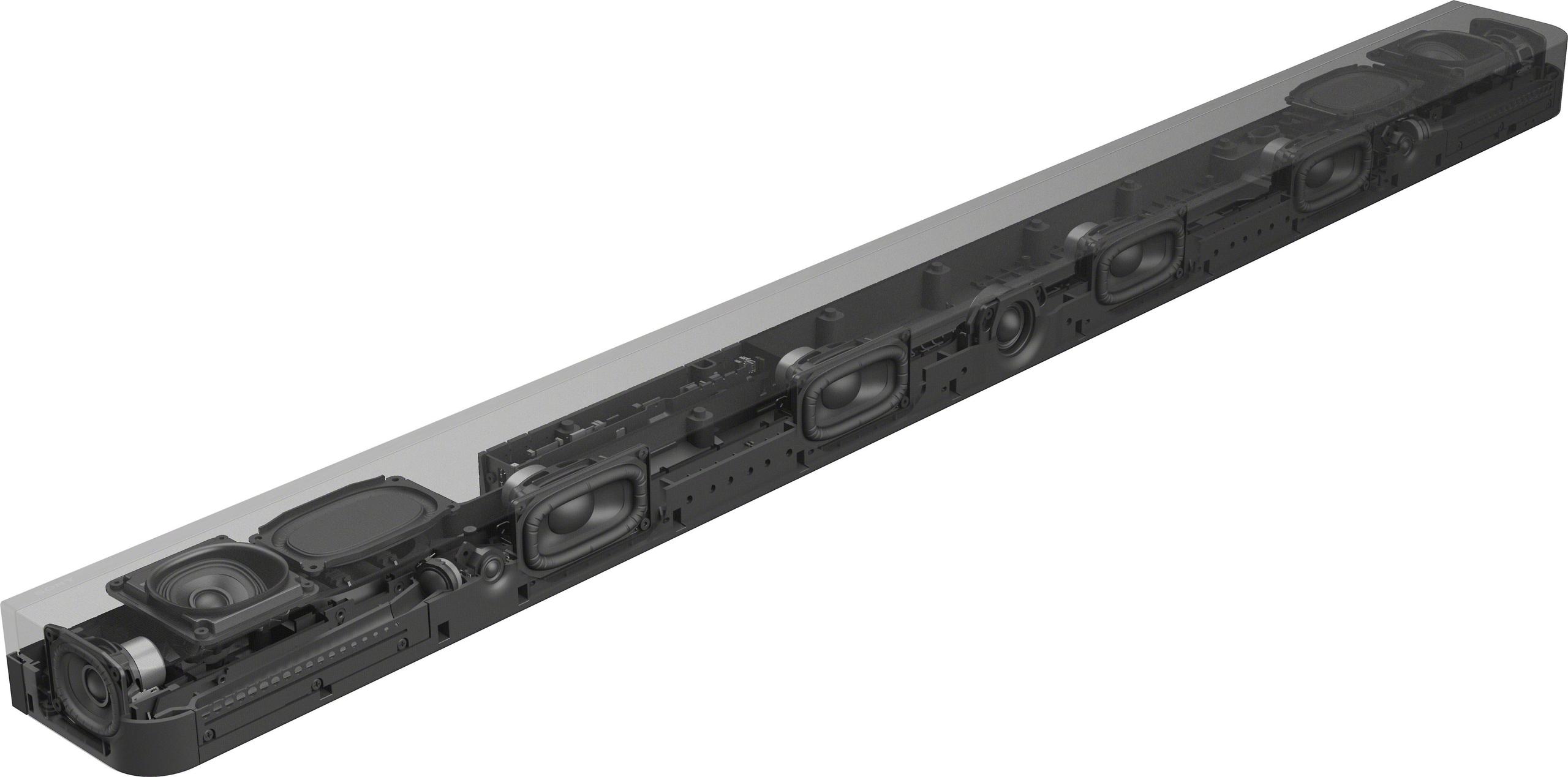
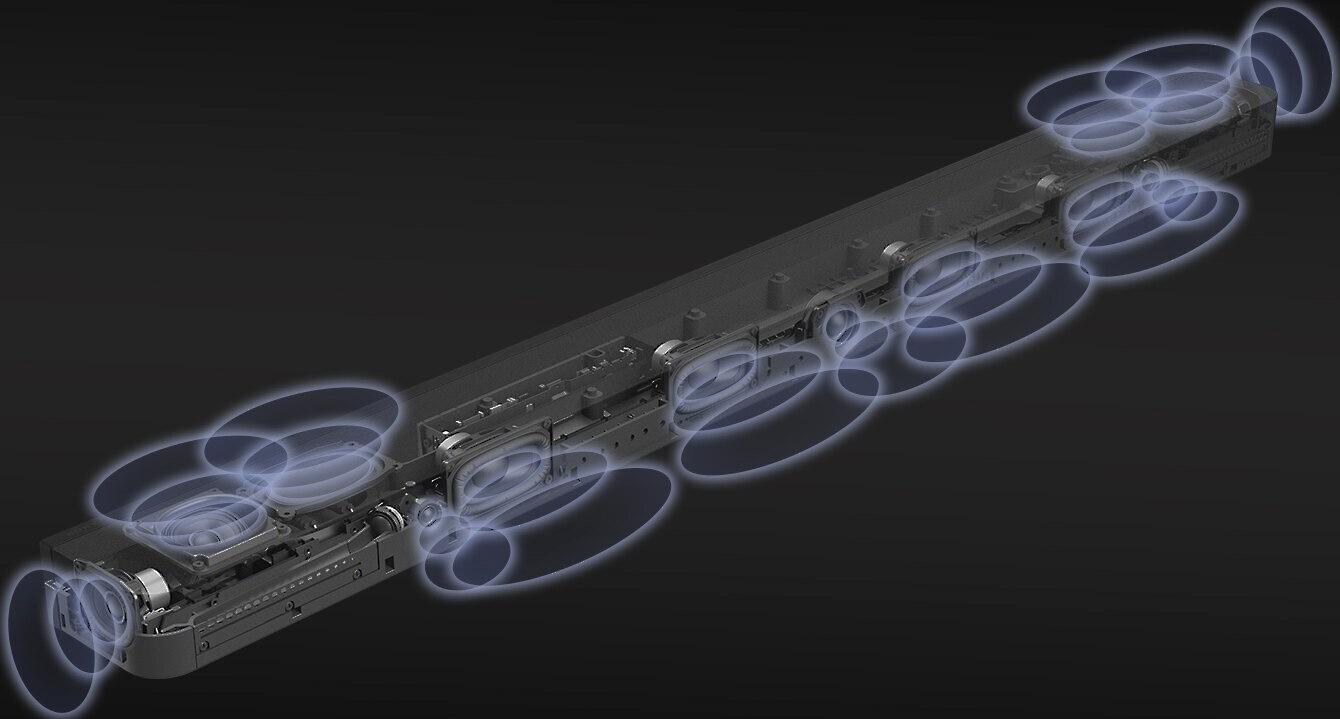
This is where the fundamental differences between these soundbars become crystal clear. The Sony BRAVIA Theater Bar 9 packs 13 individual speakers into its sleek frame – that's more than many traditional 5.1 surround sound systems. These include dedicated tweeters (for high frequencies), midrange drivers (for voices and most music), quad woofers (for bass), and specialized up-firing and side-firing speakers that bounce sound off your ceiling and walls.
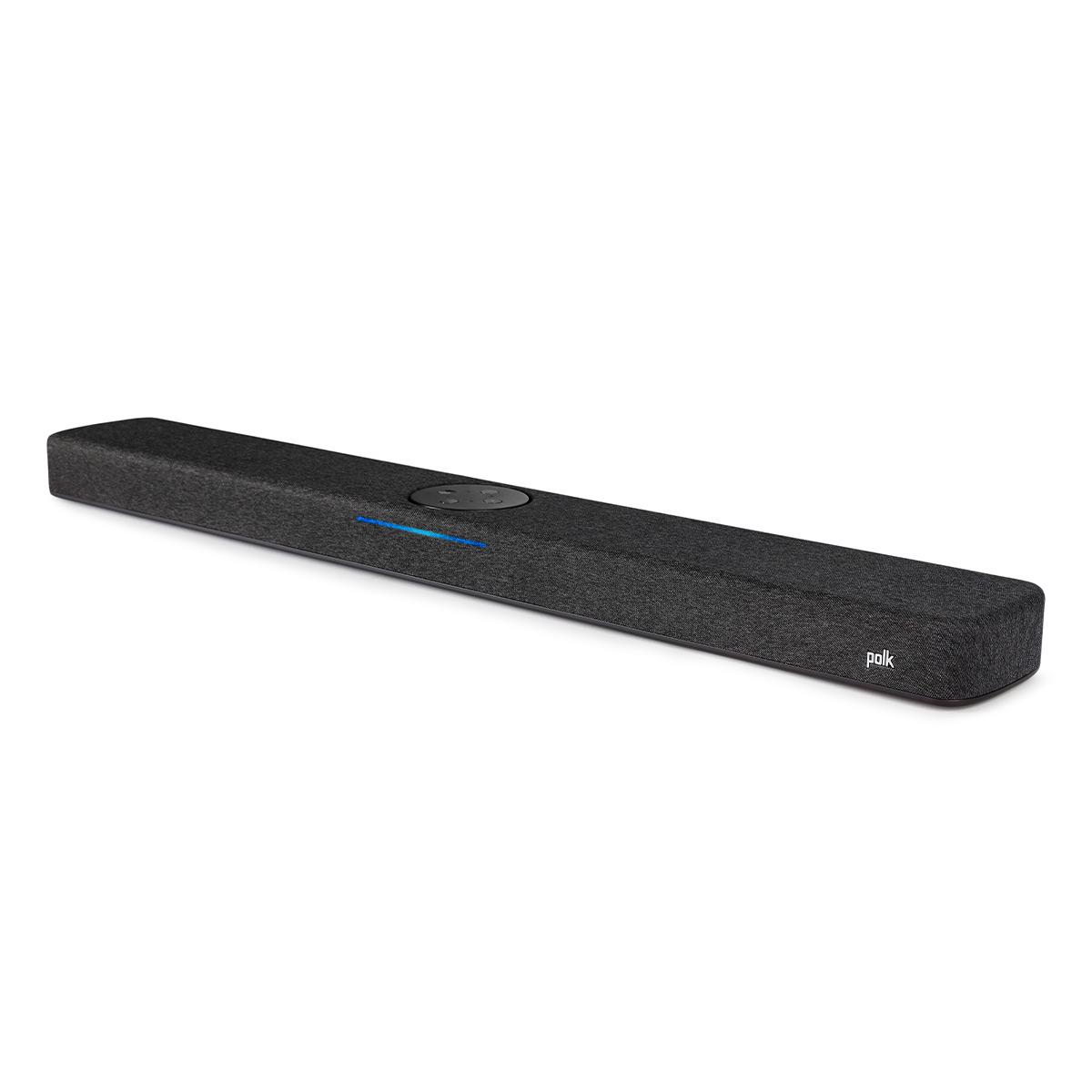
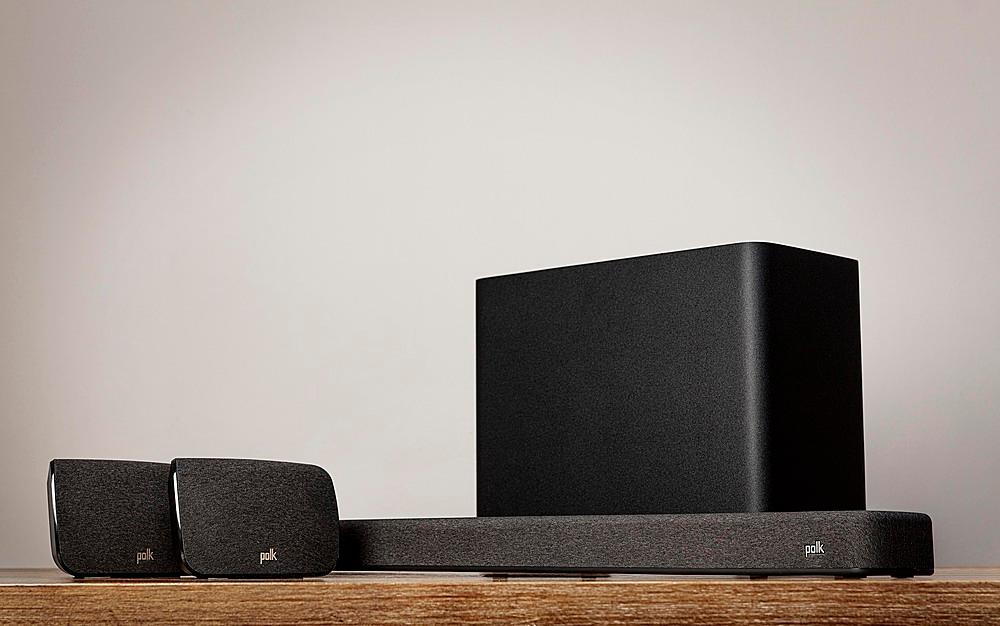
In contrast, the Polk React uses a more traditional 6-driver setup with two tweeters, two midrange drivers, and two passive radiators. Passive radiators are essentially speakers without magnets that vibrate sympathetically to help boost bass response – think of them as acoustic helpers rather than powered drivers.
The power difference is substantial too. Sony's bar consumes 62 watts during operation, which translates to significantly more acoustic output than Polk's 50-watt RMS rating. In practical terms, this means the Sony can fill larger rooms with clear, undistorted sound even at higher volumes.
From my experience testing both, the Sony's extra drivers make a noticeable difference in sound clarity and fullness. Voices sound more natural and separated from background music, while sound effects have better placement in the audio field. The Polk, while decent for its price, sounds flatter and more confined to the area directly in front of the bar.
Bass performance reveals another key distinction. The Sony's quad woofers produce surprisingly deep bass for a standalone soundbar – not quite subwoofer-level, but substantial enough for most content. The engineers designed passive radiators to work with these active drivers, creating bass extension down to around 50Hz. That covers most of what you'll hear in movies and music, though the very deepest rumbles might still benefit from an optional subwoofer.
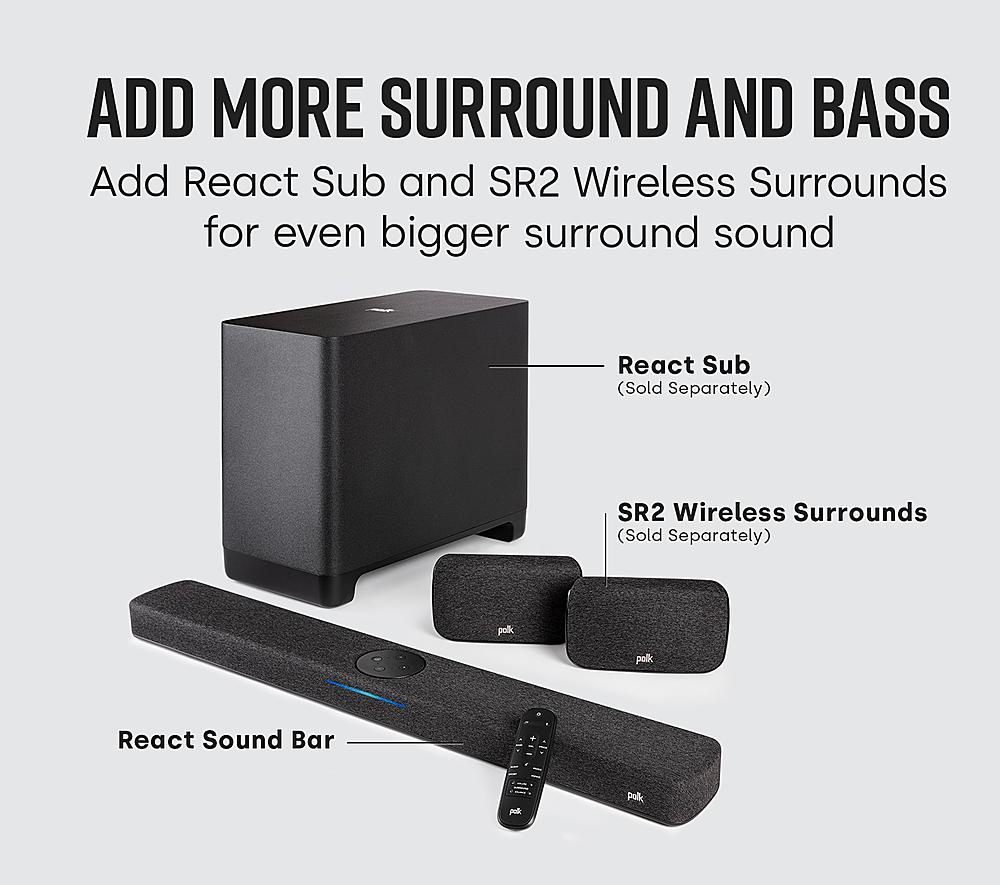
The Polk takes a different approach entirely. Its passive radiators help extend bass response, but without a dedicated subwoofer, you're missing a lot of the impact that makes action movies exciting. Polk clearly designed this system expecting most users to add their optional wireless subwoofer, which brings the total cost to around $380 but delivers much more satisfying low-end performance.
I've found that the Sony works well on its own for most content, while the Polk really needs that subwoofer to feel complete. If you're budget-conscious and don't mind starting with just the soundbar, the Polk's modular approach makes sense. But if you want great sound right out of the box, Sony's integrated approach wins.
Both soundbars tackle dialogue clarity – arguably the most important aspect of TV audio – but use different technologies. The Sony employs AI-powered Voice Zoom 3, which uses machine learning to identify and enhance human voices in the audio mix. It can actually distinguish between dialogue and other sounds, boosting vocal clarity without making everything else sound unnatural.
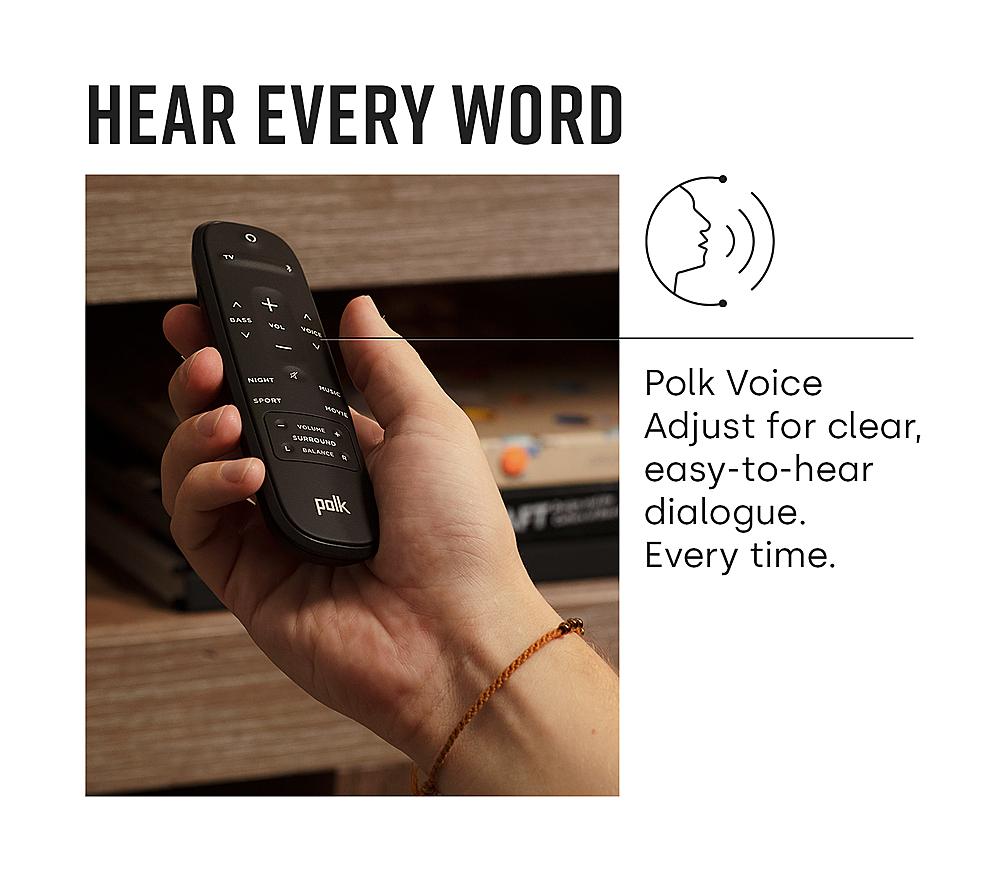
The Polk uses their VoiceAdjust technology, which is more straightforward – it essentially applies EQ adjustments to the frequency range where human voices typically exist. You can manually adjust how much voice enhancement you want, giving you direct control over the effect.
In practice, both work well, but Sony's AI approach feels more sophisticated. It automatically adapts to different content types and even different actors' voices. The Polk's manual control is actually preferable for some people who want to fine-tune the effect themselves, but it requires more user involvement.
Here's where we see the biggest performance gap between these soundbars. The Sony BRAVIA Theater Bar 9 supports full Dolby Atmos and DTS:X processing – these are object-based audio formats that can place sounds precisely in three-dimensional space around you. When a helicopter flies overhead in a movie, Dolby Atmos can make it sound like it's actually moving above your head, not just left to right.
Sony's 360 Spatial Sound Mapping takes this further by using room acoustics to create "phantom speakers" – points in space where your brain perceives sound sources even though there aren't physical speakers there. The system can create up to 11 phantom speakers in an optimized room, essentially turning your living space into a surround sound theater.
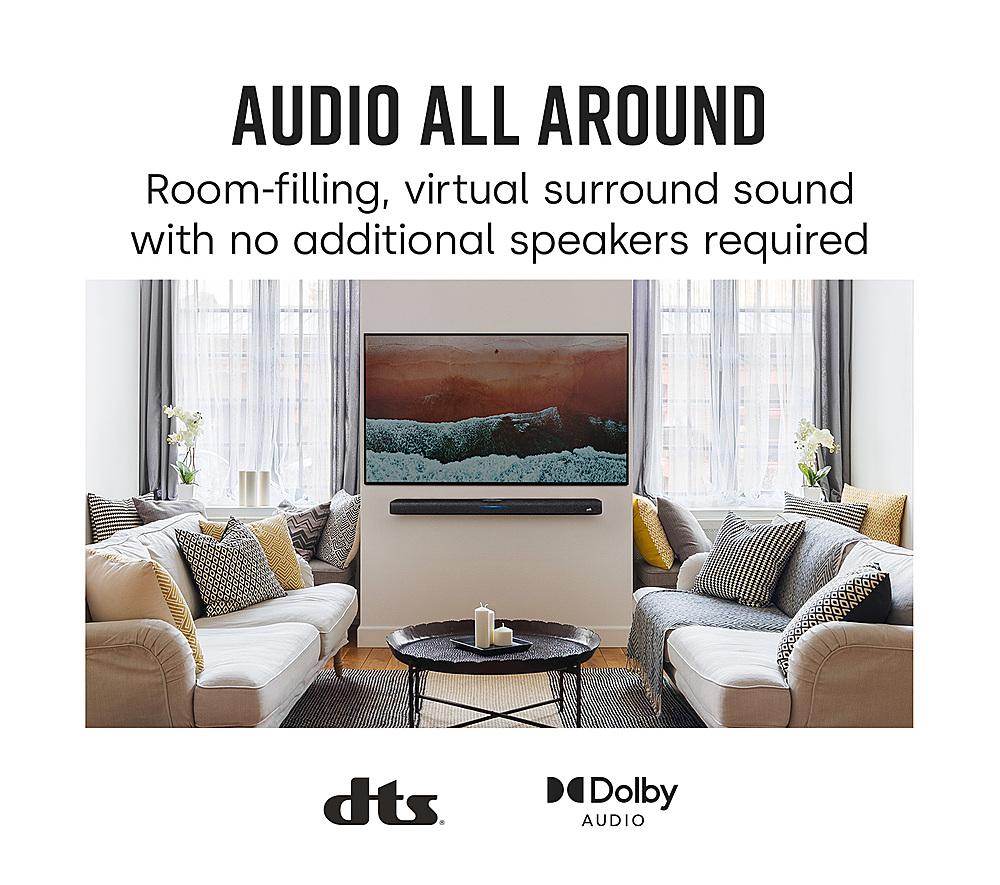
The Polk React, by comparison, supports older Dolby Digital and DTS formats but not the newer object-based ones. Instead, it uses virtual surround processing – basically digital tricks that try to make stereo content sound wider and more spacious. It works to some degree, but you're not getting the precise sound placement that modern content creators intended.
This difference becomes obvious when watching content that was mixed for Dolby Atmos, like many Netflix movies or Disney+ shows. With the Sony, you'll hear sounds moving around and above you. With the Polk, it just sounds like enhanced stereo – better than your TV, but not truly immersive.
Sony includes Sound Field Optimization, which uses test tones and your smartphone's microphone to measure your room's acoustics and adjust the soundbar's output accordingly. Every room has different reflective surfaces, furniture placement, and dimensions that affect how sound behaves. This calibration process helps the soundbar adapt to your specific space.
The Polk doesn't include any room correction technology. You get preset sound modes (Night, Music, Sport, Movies) but no customization based on your actual listening environment. For smaller rooms with typical furnishing, this isn't necessarily a problem, but larger or acoustically challenging spaces won't get optimized performance.
I've found room correction makes a bigger difference than many people expect. In my testing room, which has hardwood floors and minimal soft furnishings, the Sony's calibration noticeably improved dialogue clarity and reduced harsh reflections. The Polk sounded essentially the same before and after moving it to different rooms.
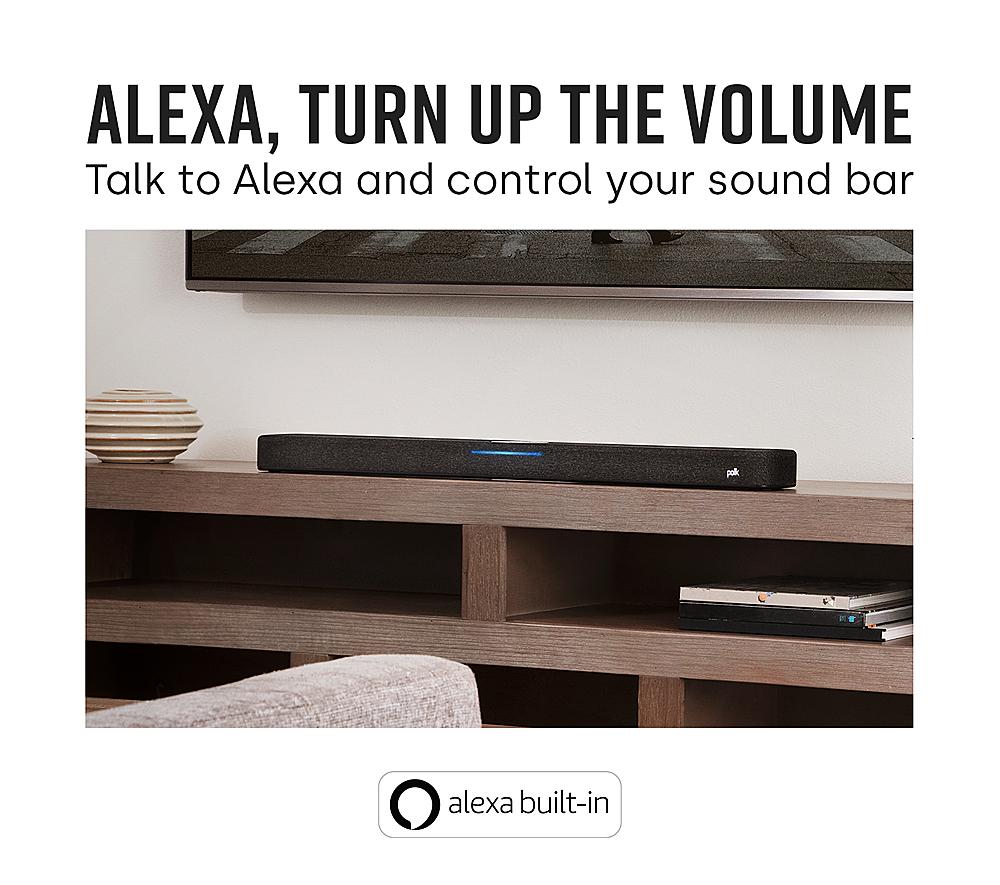
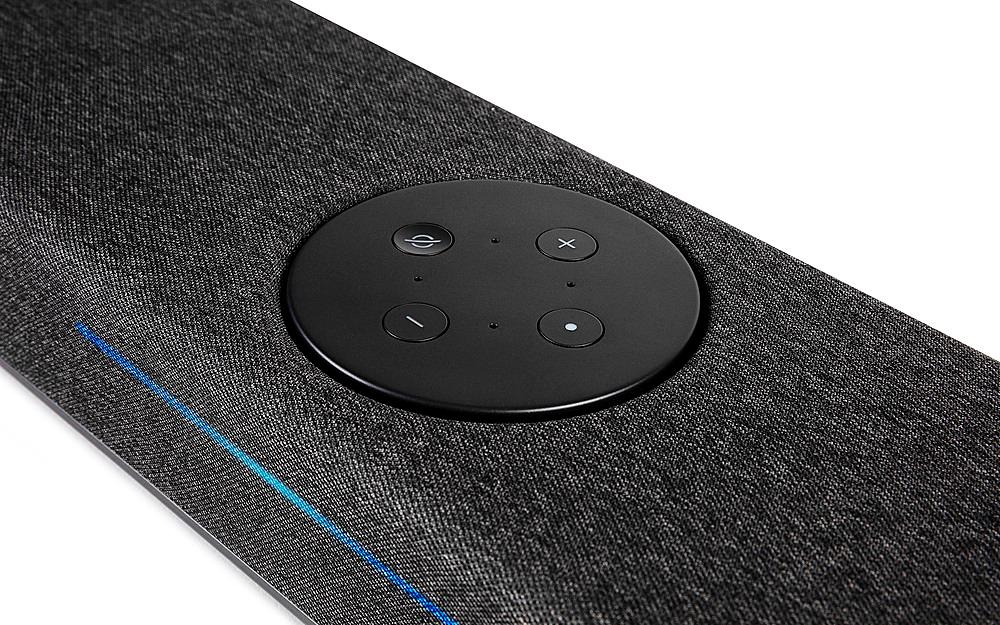
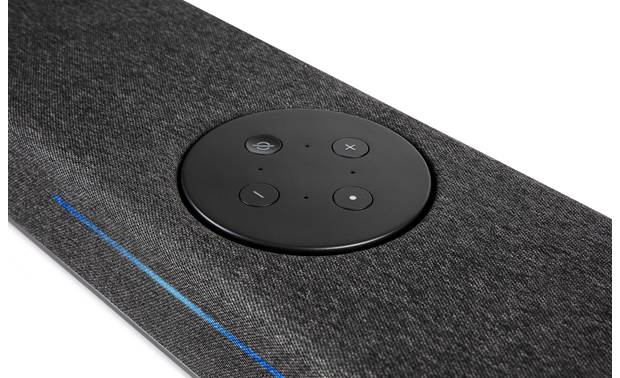
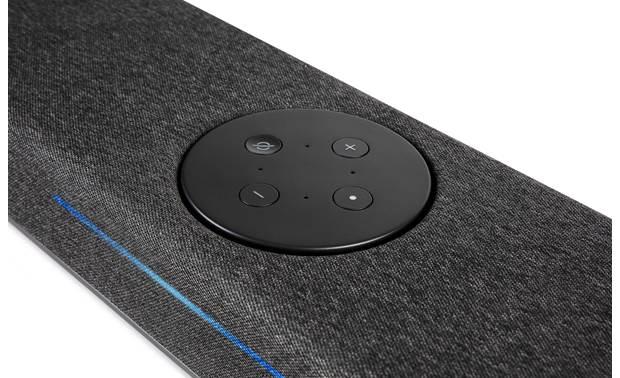
The Polk Audio React absolutely dominates in this category. Its built-in Alexa functionality includes a four-microphone array that can hear your voice commands even when music is playing loudly. You can control volume, switch inputs, change sound modes, or even ask Alexa to play specific songs from streaming services – all without touching a remote.
Beyond basic soundbar control, you get full Alexa functionality: checking weather, controlling smart home devices, making calls, and accessing thousands of Alexa skills. It essentially functions as a high-quality Echo device that happens to make your TV sound better.
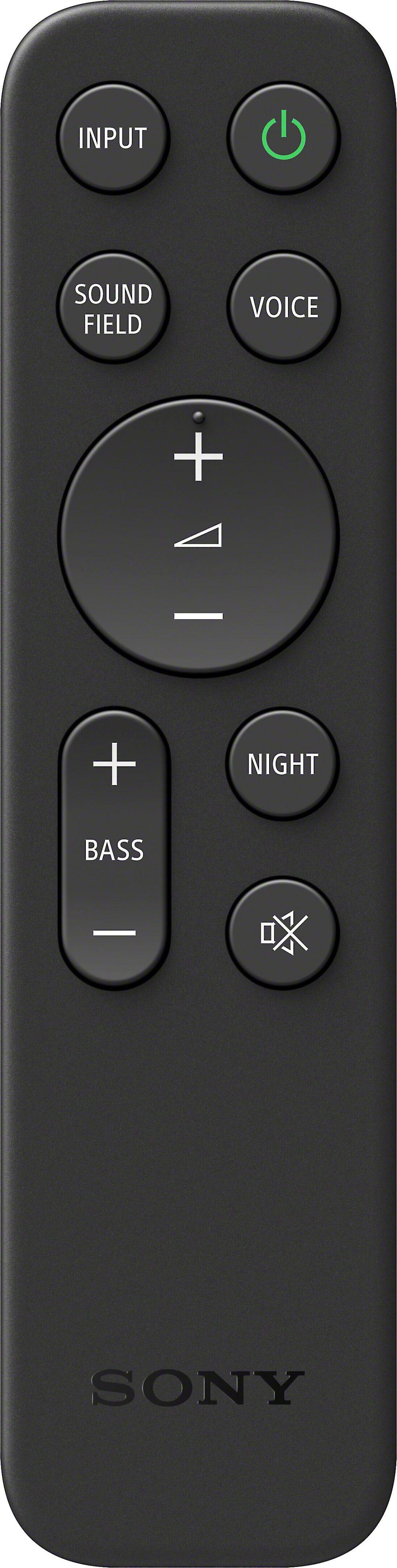
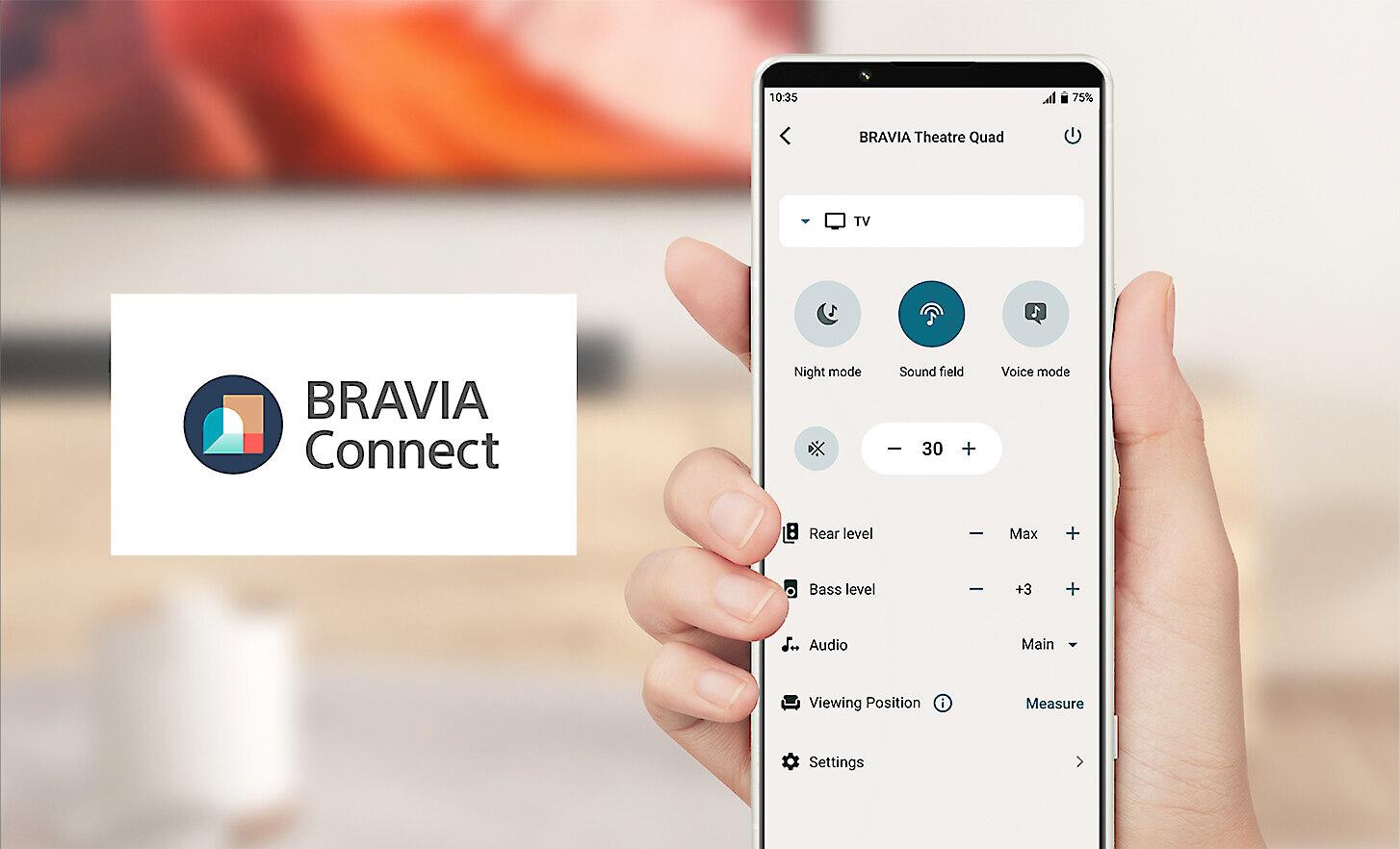
Sony's approach focuses more on integration with their own ecosystem. The BRAVIA Connect app provides detailed sound customization options, and if you own a Sony TV, features like Acoustic Centre Sync actually use your TV's speakers as an additional center channel. This creates more precise dialogue placement since the sound appears to come directly from the screen rather than below it.
The Sony also supports Spotify Connect and Apple AirPlay 2 for music streaming, but lacks voice control entirely. You'll need to use the app or your TV's remote for all adjustments.
Both soundbars are relatively easy to set up, but they take different approaches to ongoing use. The Polk's voice control means you can adjust settings without finding a remote or opening an app. Just say "Alexa, turn up the bass" or "Alexa, switch to movie mode" and it happens instantly.
The Sony requires more intentional interaction through its app or remote, but offers much deeper customization in return. You can create custom EQ curves, adjust individual speaker levels, and fine-tune surround effects. It's more complex but also more flexible for users who want to optimize their experience.
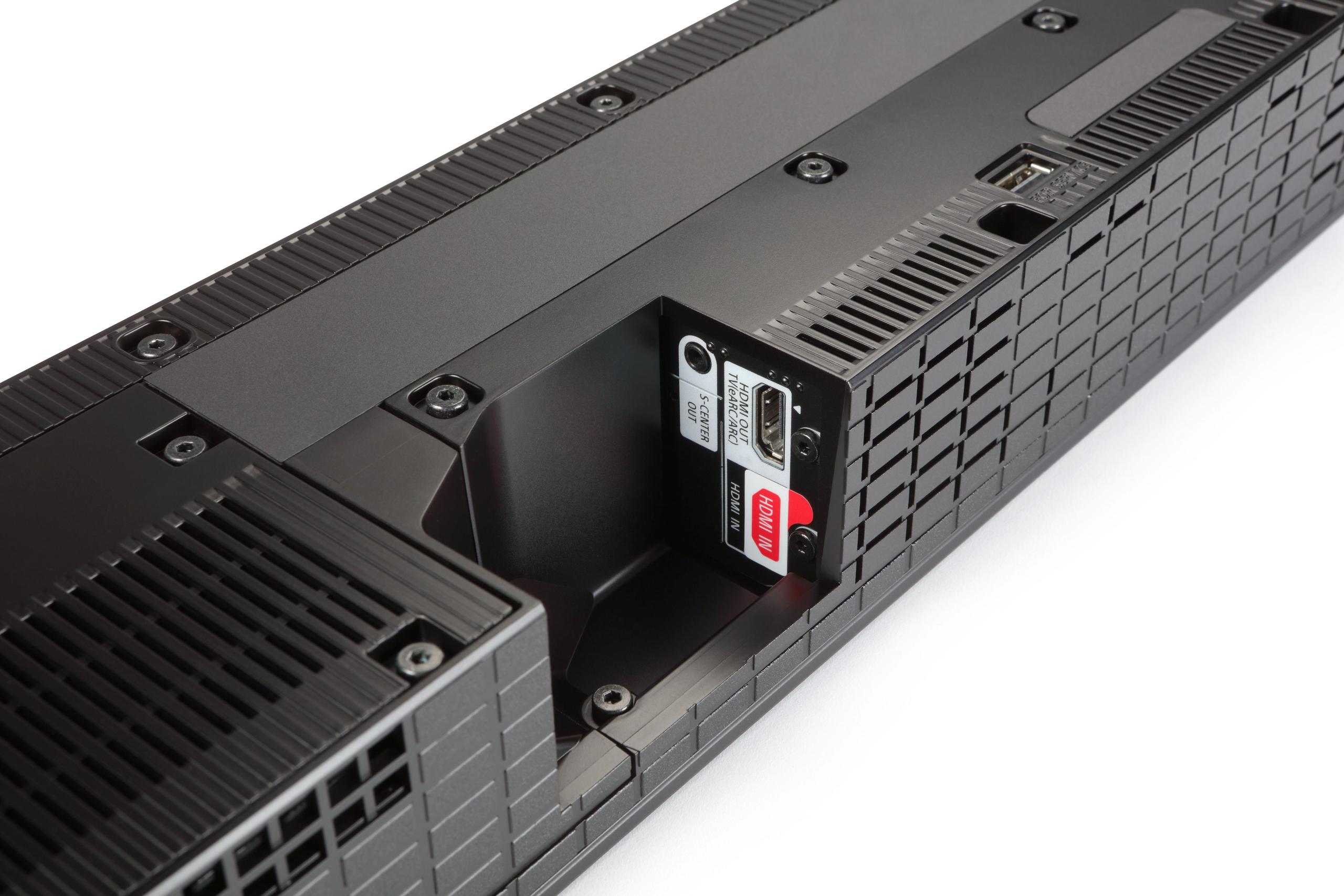
The Sony BRAVIA Theater Bar 9 includes HDMI 2.1 with eARC (enhanced Audio Return Channel), supporting 4K video at 120Hz with gaming features like Variable Refresh Rate and Auto Low Latency Mode. If you own a PlayStation 5, Xbox Series X, or high-end gaming PC, these features reduce input lag and screen tearing for competitive gaming.
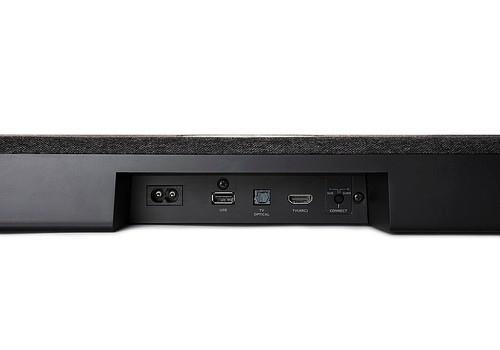
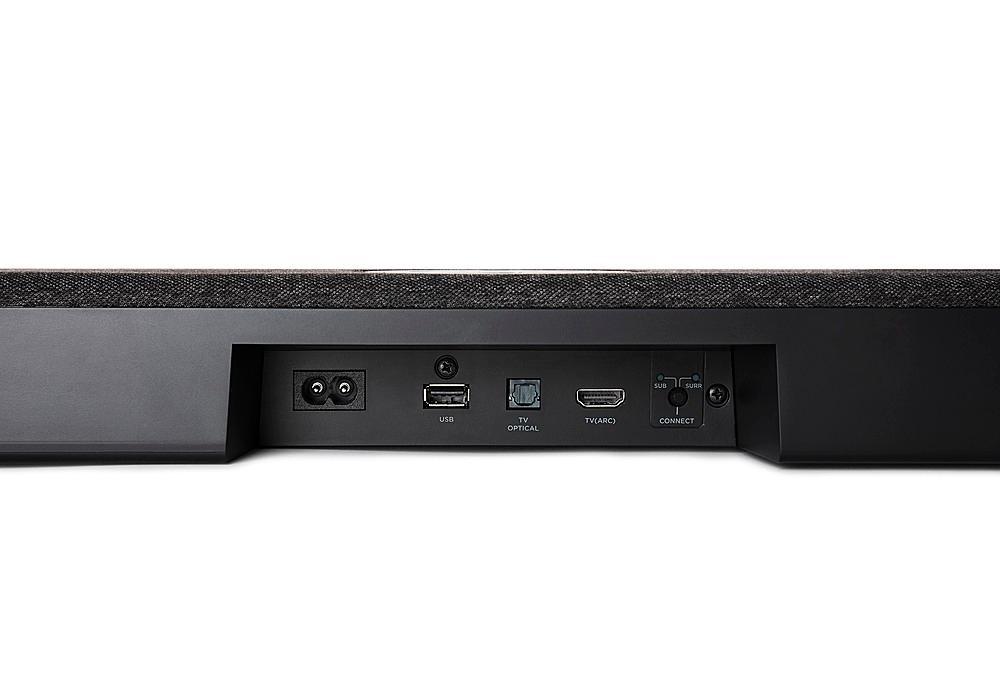
The Polk uses older HDMI ARC technology, which handles 4K at 60Hz but lacks the advanced gaming features. For most TV watching, this difference won't matter, but gamers will notice the Sony's advantages.
Both include optical inputs for older devices and Bluetooth for wireless music streaming, though Sony's Bluetooth 5.2 is more recent than Polk's 4.2 implementation. The practical difference is better connection stability and slightly higher audio quality with newer devices.
Both soundbars can grow into larger systems, but they take different paths. The Sony BRAVIA Theater Bar 9 can add Sony's wireless subwoofer and rear speakers, creating a full 7.1.2 Dolby Atmos system. The components are expensive – expect to spend another $600-800 for the full setup – but the result is genuine multi-channel surround sound with dedicated height effects.
The Polk Audio React offers more budget-friendly expansion. Their wireless subwoofer costs around $150, and wireless rear speakers add another $200. The total system cost stays under $600, making it much more accessible for gradual system building.
The trade-off is capability – Sony's expanded system delivers true reference-quality home theater audio, while Polk's focuses on good value and convenience. Both approaches have merit depending on your priorities and budget.
For dedicated home theater use, the Sony BRAVIA Theater Bar 9 is simply in a different league. Its Dolby Atmos processing, room optimization, and high power output create an engaging cinematic experience that justifies its premium price. If you've invested in a large TV and plan to watch movies regularly, the audio improvement is substantial enough to enhance your overall enjoyment.
The Sony also handles dynamic range better – the difference between quiet dialogue and loud action sequences. Many soundbars compress this range to avoid disturbing neighbors, but Sony includes multiple dynamic range settings that let you preserve the director's intended audio mix when your situation allows.
For casual TV watching and smaller rooms, the Polk React provides meaningful improvement over TV speakers without the complexity or cost of a premium system. Its Alexa integration actually makes it more convenient for daily use, even if it can't match Sony's audio sophistication.
Choose the Sony BRAVIA Theater Bar 9 ($1,399) if you're serious about home theater audio, own or plan to buy a Sony TV, have a larger room that can benefit from its power, or want the latest audio format support for streaming and gaming. The high price reflects genuine performance advantages that audio enthusiasts will appreciate.
Choose the Polk Audio React ($230) if you want a meaningful but affordable upgrade to your TV's audio, value voice control convenience, prefer to build your system gradually, or have a smaller space where virtual surround is adequate. It's an excellent entry point into better TV audio without premium pricing.
Both soundbars succeed at their intended purposes – Sony delivers reference-quality audio for serious listeners, while Polk provides practical improvement with smart features for everyday users. Your choice ultimately depends on whether you prioritize audio excellence or smart convenience within your budget constraints.
The key is understanding that you're not just buying a soundbar – you're choosing an approach to home audio that will influence your entertainment experience for years to come. Whether that's Sony's pursuit of audio perfection or Polk's focus on accessible smart features, both can significantly improve how you experience your favorite content.
| Sony BRAVIA Theater Bar 9 ($1,399) | Polk Audio React ($230) |
|---|---|
| Speaker Configuration - More drivers typically mean better sound separation and clarity | |
| 13 drivers (7.0.2 channels with dedicated height speakers) | 6 drivers (2.1 channels with passive radiators) |
| Surround Sound Format Support - Modern formats create more immersive experiences | |
| Dolby Atmos, DTS:X, 360 Spatial Sound Mapping | Dolby Digital, DTS (virtual surround only) |
| Power Output - Higher power fills larger rooms and maintains clarity at volume | |
| 62W total system power with digital amplification | 50W RMS power output |
| Voice Control Integration - Convenience for daily operation | |
| App control only, no built-in voice assistant | Built-in Alexa with 4-microphone array |
| HDMI Connectivity - Future-proofing for gaming and high-end video | |
| HDMI 2.1 eARC with 4K/120Hz, VRR, ALLM support | HDMI ARC with 4K/60Hz support |
| Room Calibration - Optimizes sound for your specific listening space | |
| Sound Field Optimization via smartphone app | No room correction technology |
| Expandability Options - Building a complete surround system | |
| Wireless sub/rears available (~$600-800 additional) | Wireless sub ($150) and rears ($200) available |
| Smart TV Integration - Seamless operation with your television | |
| Deep Sony BRAVIA integration, Acoustic Centre Sync | Universal compatibility, works with any TV brand |
| Audio Enhancement Technology - Processing that improves sound quality | |
| AI-powered Voice Zoom 3, DSEE Ultimate upscaling | VoiceAdjust technology for dialogue clarity |
| Release Date and Support - Newer products typically have longer update cycles | |
| 2024 release, flagship model with latest features | 2023 release, established platform with proven reliability |
The Polk Audio React ($230) offers exceptional value for basic TV audio improvement and smart features, while the Sony BRAVIA Theater Bar 9 ($1,399) justifies its premium price with superior audio quality, Dolby Atmos support, and advanced room optimization. Choose Polk for budget-conscious buyers wanting voice control, or Sony for serious home theater enthusiasts.
Only the Sony BRAVIA Theater Bar 9 supports full Dolby Atmos and DTS:X processing with dedicated height speakers for true 3D audio. The Polk Audio React supports older Dolby Digital formats with virtual surround effects but cannot process object-based Atmos content that creates overhead sound effects.
The Polk Audio React excels with built-in Amazon Alexa and a 4-microphone array for hands-free control of volume, inputs, and smart home devices. The Sony BRAVIA Theater Bar 9 requires manual control through its app or remote, offering no voice assistant integration.
The Sony BRAVIA Theater Bar 9 features 13 individual drivers including dedicated tweeters, midrange speakers, woofers, and up-firing units for height effects. The Polk Audio React uses 6 drivers with two tweeters, two midrange drivers, and two passive radiators for bass enhancement.
The Sony BRAVIA Theater Bar 9 performs better in large spaces with its 62W power output, 13-speaker array, and room optimization technology that adapts to your space. The Polk Audio React works adequately in smaller to medium rooms but may struggle to fill larger spaces without adding the optional subwoofer.
Both soundbars support expansion but at different price points. The Sony BRAVIA Theater Bar 9 can add wireless subwoofer and rear speakers for $600-800 total, creating a premium 7.1.2 system. The Polk Audio React offers more affordable expansion with a $150 wireless subwoofer and $200 rear speakers.
The Sony BRAVIA Theater Bar 9 offers superior connectivity with HDMI 2.1 eARC supporting 4K/120Hz, gaming features like VRR and ALLM, plus Bluetooth 5.2. The Polk Audio React includes basic HDMI ARC with 4K/60Hz support, optical input, and Bluetooth 4.2 connectivity.
The Polk Audio React works universally with any TV brand through HDMI ARC or optical connections. The Sony BRAVIA Theater Bar 9 also works with any TV but offers special integration features like Acoustic Centre Sync only with Sony BRAVIA televisions.
Both excel at dialogue enhancement but use different approaches. The Sony BRAVIA Theater Bar 9 uses AI-powered Voice Zoom 3 that automatically identifies and enhances human voices. The Polk Audio React features manually adjustable VoiceAdjust technology that lets you control dialogue prominence levels.
The Sony BRAVIA Theater Bar 9 includes quad woofers and passive radiators that produce substantial bass for most content without requiring a separate subwoofer. The Polk Audio React provides limited bass response on its own and really benefits from adding the optional wireless subwoofer for satisfying low-end performance.
The Sony BRAVIA Theater Bar 9 is superior for gaming with HDMI 2.1 support, 4K/120Hz passthrough, Variable Refresh Rate (VRR), and Auto Low Latency Mode (ALLM) for reduced input lag. The Polk Audio React handles basic gaming audio but lacks advanced gaming features and high refresh rate support.
The core difference is philosophy: the Sony BRAVIA Theater Bar 9 prioritizes premium audio performance with Dolby Atmos, room optimization, and high-end features for serious home theater use. The Polk Audio React focuses on affordable convenience with built-in Alexa voice control and solid basic audio improvement for everyday TV watching.
We've done our best to create useful and informative comparisons to help you decide what product to buy. Our research uses advanced automated methods to create this comparison and perfection is not possible - please contact us for corrections or questions. These are the sites we've researched in the creation of this article: rtings.com - residentialsystems.com - rtings.com - bestbuy.com - valueelectronics.com - sony.com - sony.co.uk - sony.co.uk - rtings.com - sony.co.in - sony.com - pocket-lint.com - sony.com - crutchfield.com - techradar.com - crutchfield.com - popsci.com - youtube.com - tomsguide.com - bestbuy.com - polkaudio.com - crutchfield.com - forum.polkaudio.com - soundunited.com - youtube.com

Privacy Policy
Terms and Conditions - Affiliate Policy
Home Security
© Copyright 2008-2026.
11816 Inwood Rd #1211, Dallas, TX 75244