




If you've ever struggled to hear dialogue on your TV or found yourself constantly adjusting the volume during movies, you're not alone. Modern TVs, despite their impressive picture quality, often have terrible built-in speakers. They're thin, face downward, and simply can't produce the rich, clear sound that makes watching movies and shows enjoyable. That's where soundbars come in—they're the most popular solution for upgrading your TV's audio without the complexity of a full surround sound system.
Today, we're comparing two soundbars that take very different approaches to solving this problem: the Bose Solo Soundbar Series II at $199.99 and the Polk Audio React Sound Bar at $230. While both will dramatically improve your TV's sound, they're designed for different types of users and situations.
Before diving into specifics, let's talk about what really matters when choosing a soundbar. The most important factor is dialogue clarity—can you clearly understand what people are saying without cranking up the volume? This is especially crucial for older viewers or anyone with hearing difficulties. Next comes overall sound quality, including how well the soundbar handles music, sound effects, and bass response.
Connectivity is another major consideration. Modern soundbars should connect easily to your TV, preferably through HDMI ARC (Audio Return Channel), which allows you to control the soundbar's volume with your TV remote and ensures the best audio quality. Optical connections work too, but they're more limited in what audio formats they can handle.
Smart features have become increasingly important. Built-in streaming, voice assistants, and smartphone apps can make your soundbar much more versatile. Finally, there's expandability—can you add a subwoofer later for better bass, or additional speakers for true surround sound?
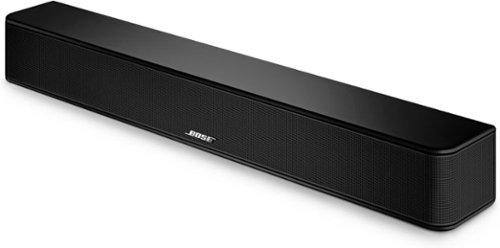
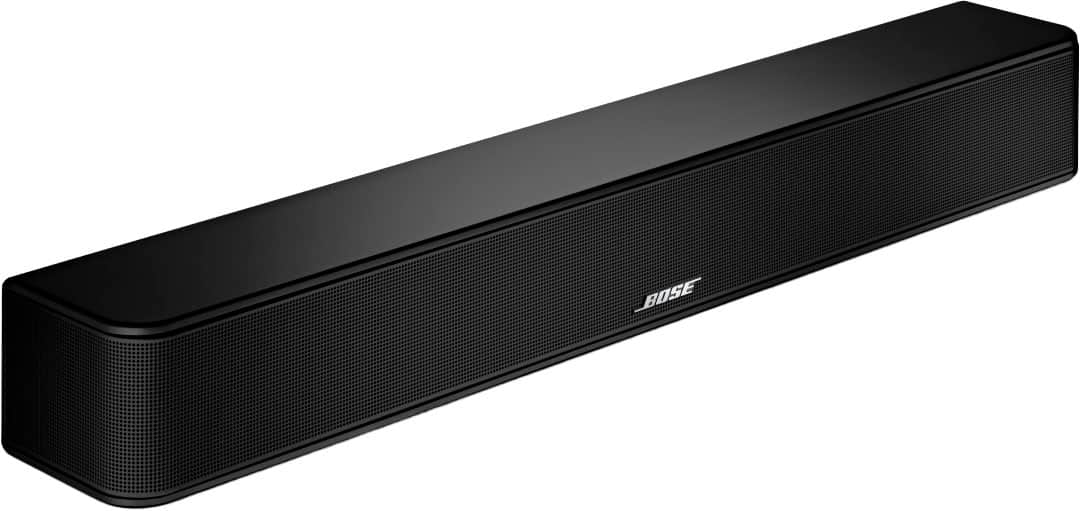
Released in 2020 as an update to the original Solo soundbar, the Bose Solo Soundbar Series II represents Bose's philosophy of "less is more." At just 21.6 inches wide and weighing under 4 pounds, it's designed to fit under virtually any TV without taking up much space. This isn't a soundbar trying to be everything to everyone—it's laser-focused on doing one thing exceptionally well: making dialogue crystal clear.
The Series II improved upon its predecessor with better Bluetooth connectivity (version 4.0 with a 33-foot range) and refined internal processing. Bose also added their proprietary dialogue enhancement mode, which uses advanced signal processing to identify and amplify vocal frequencies while reducing background noise that can muddy speech.
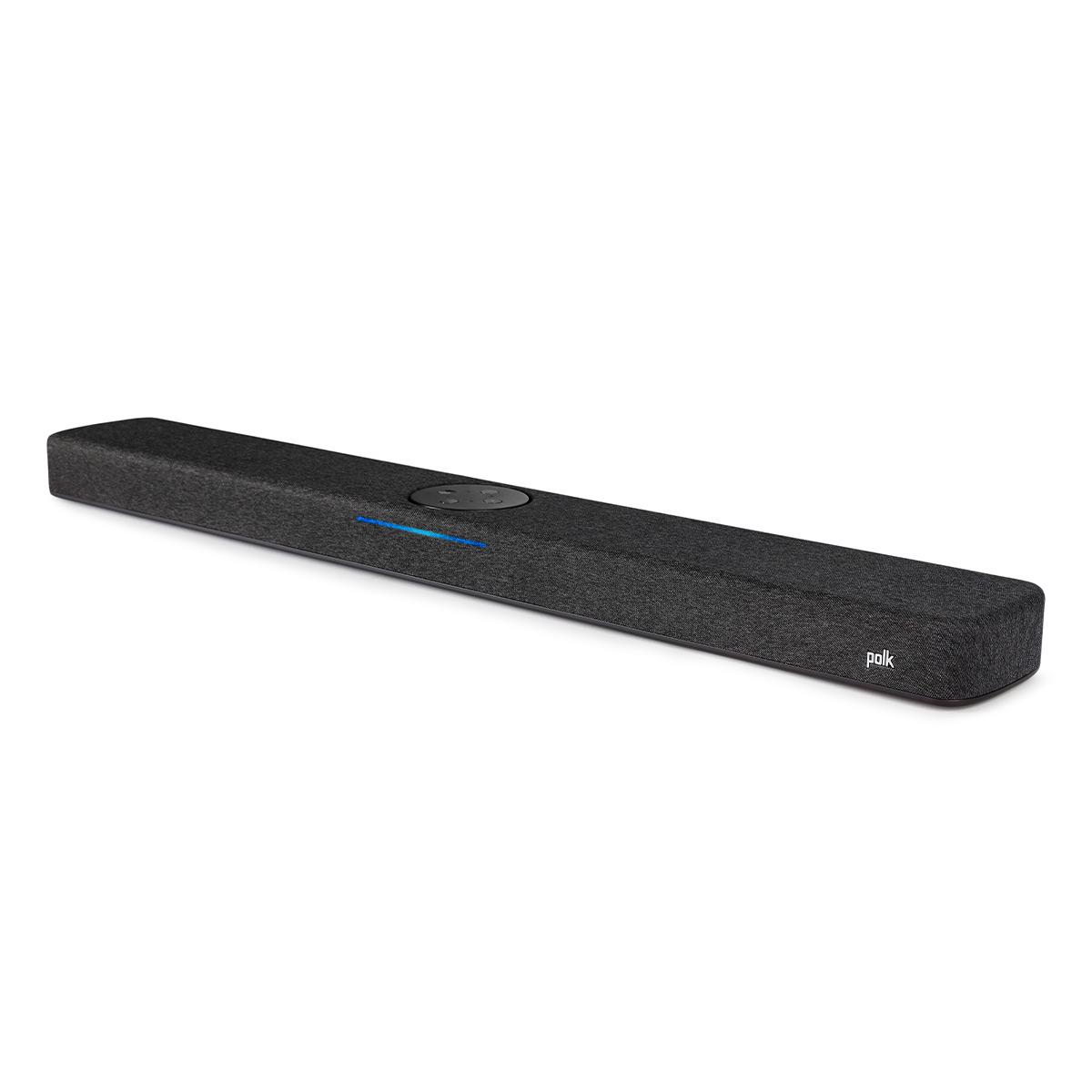
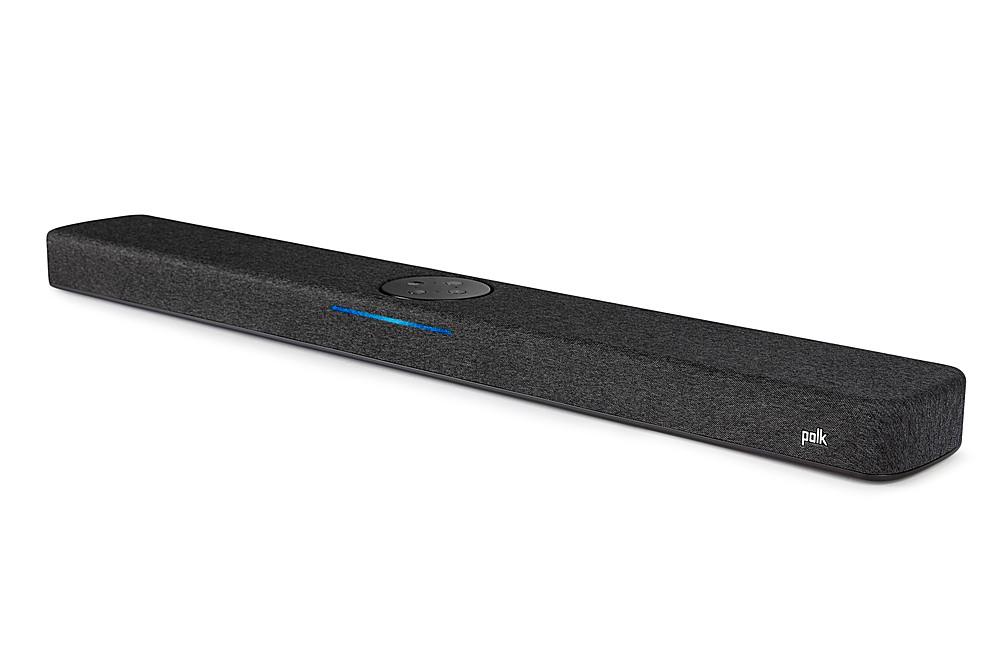
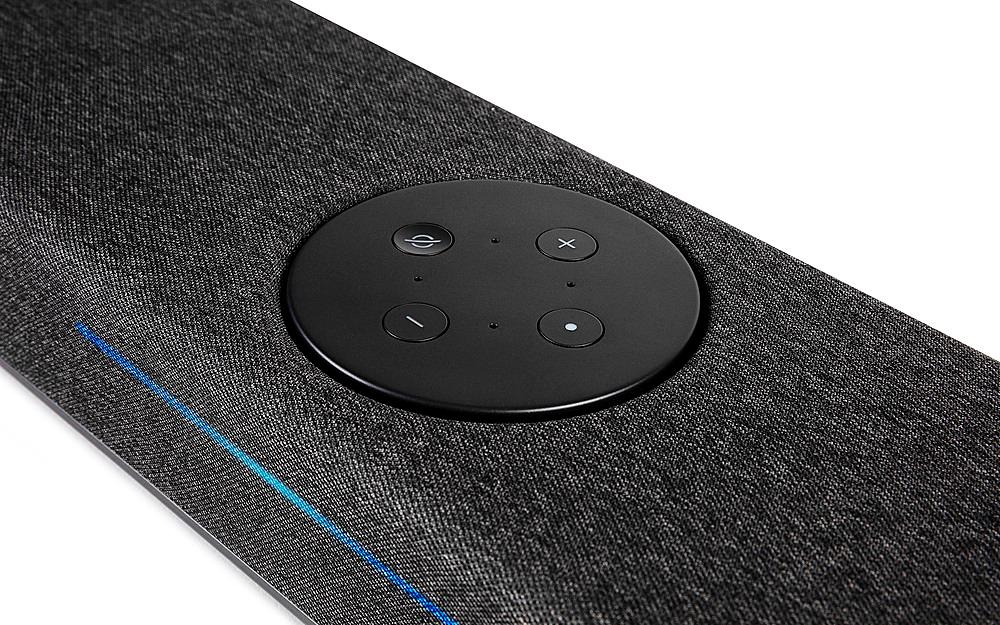
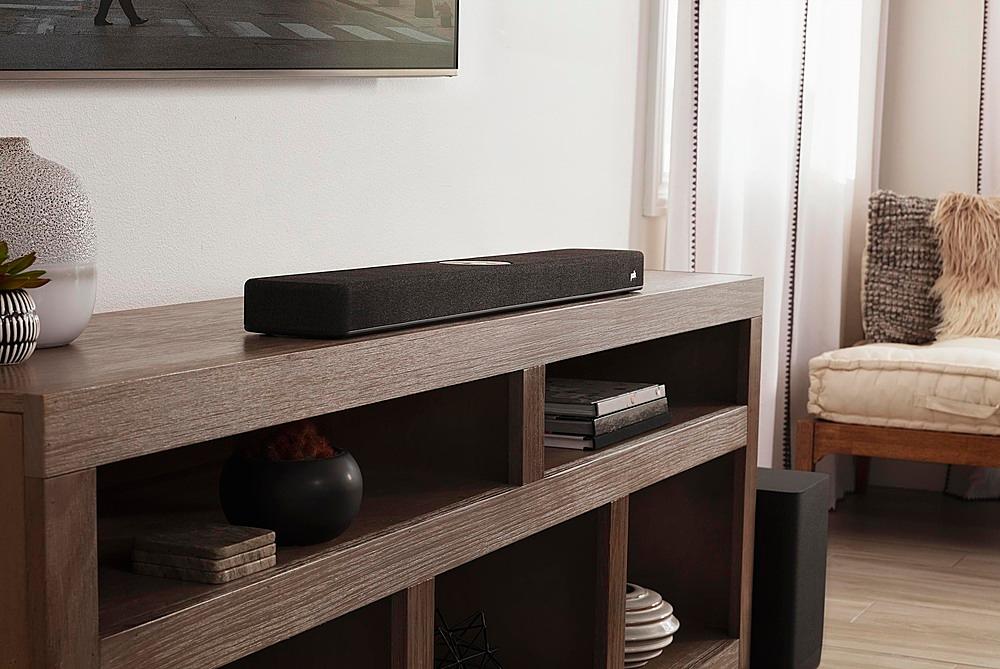
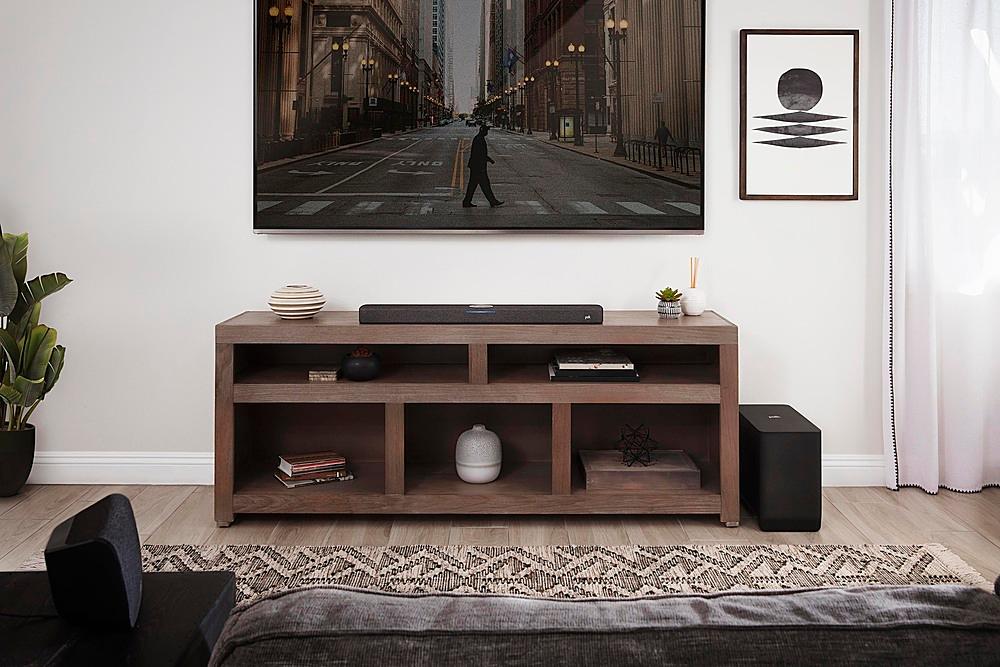
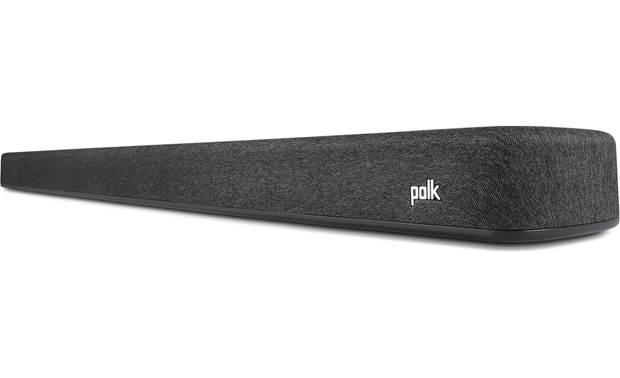
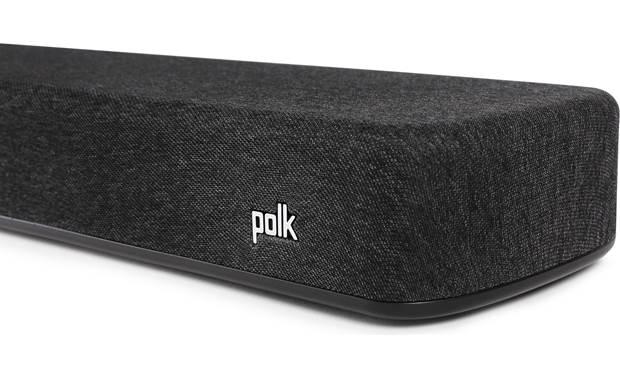
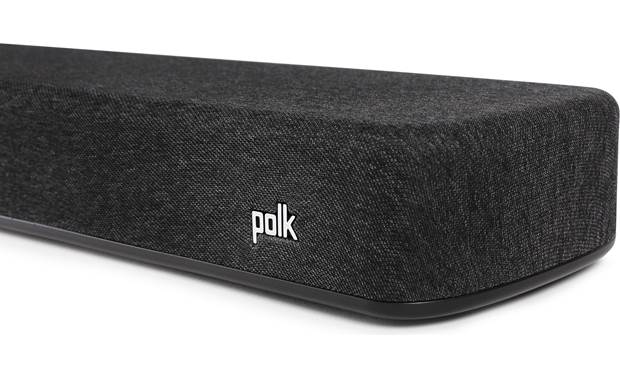
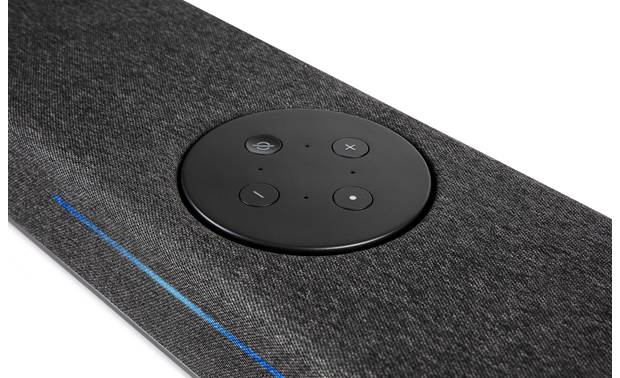
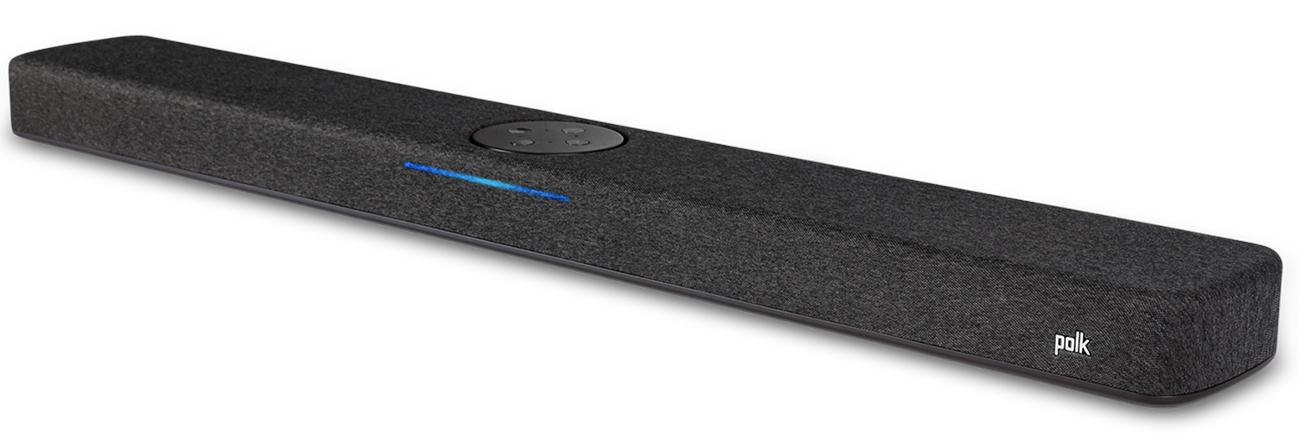
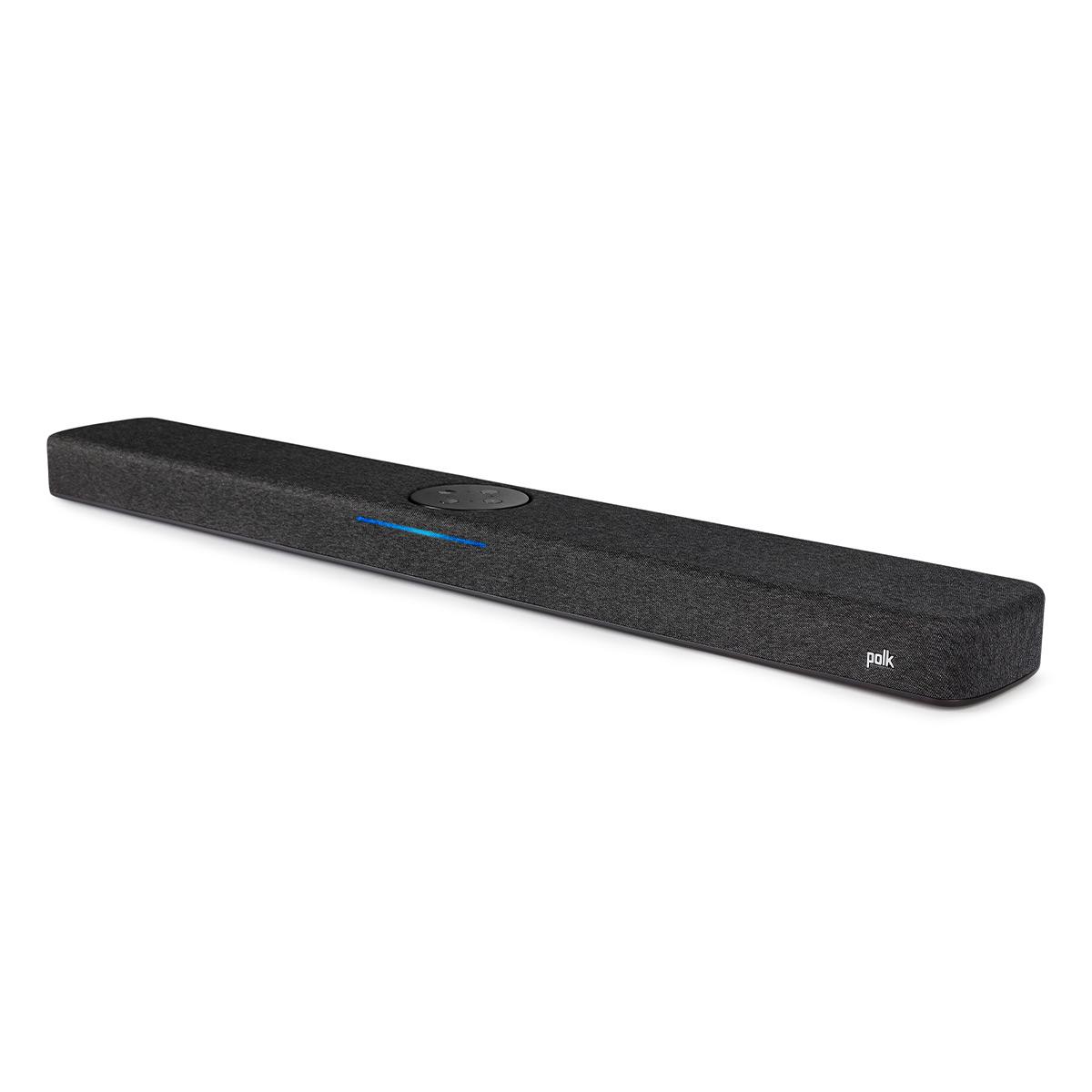
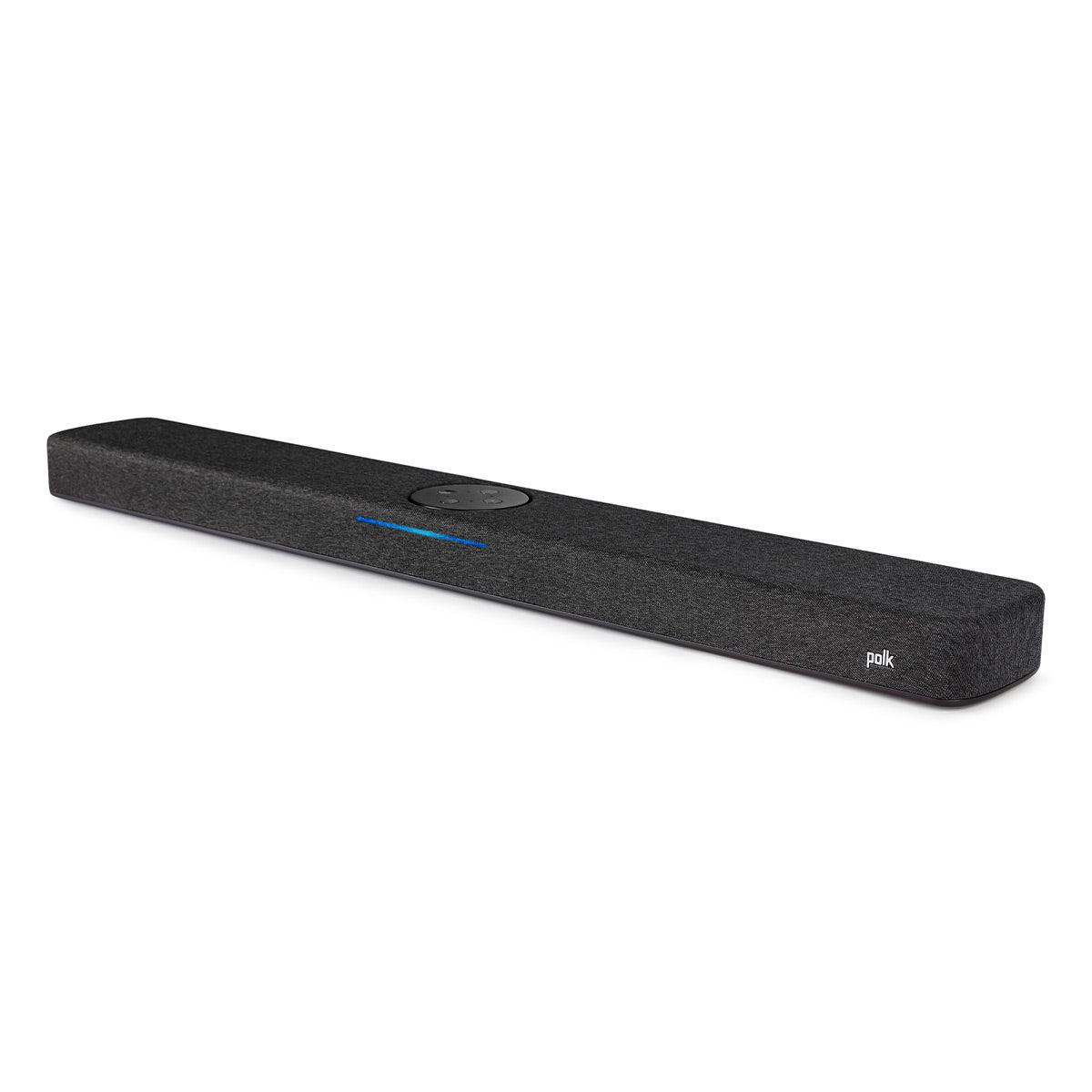
The Polk React, launched in 2019, took a completely different approach. Polk recognized that modern users want their audio devices to do more than just play sound—they want them integrated into their smart homes. The React was one of the first soundbars to feature built-in Amazon Alexa with dedicated far-field microphones, essentially making it a premium Echo device that happens to also be an excellent soundbar.
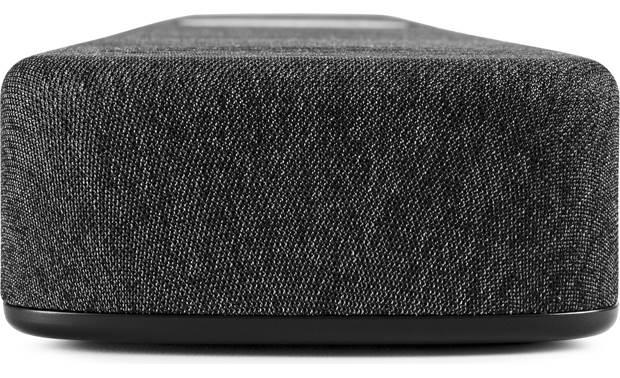
At 34 inches wide, the React is significantly larger than the Bose, but that extra size houses more drivers and technology. It includes full Dolby Digital and DTS decoding (technical terms for audio formats that create surround sound effects from stereo sources), HDMI ARC connectivity, and the ability to expand into a complete home theater system.
In my experience testing both soundbars, the Bose Solo Series II has a clear advantage when it comes to dialogue clarity. Its dialogue enhancement mode doesn't just boost the mid-range frequencies where voices live—it uses sophisticated processing to separate vocal elements from background sounds. When watching news programs or dialogue-heavy dramas, the difference is immediately noticeable. Voices sound natural and clear, even at lower volume levels.
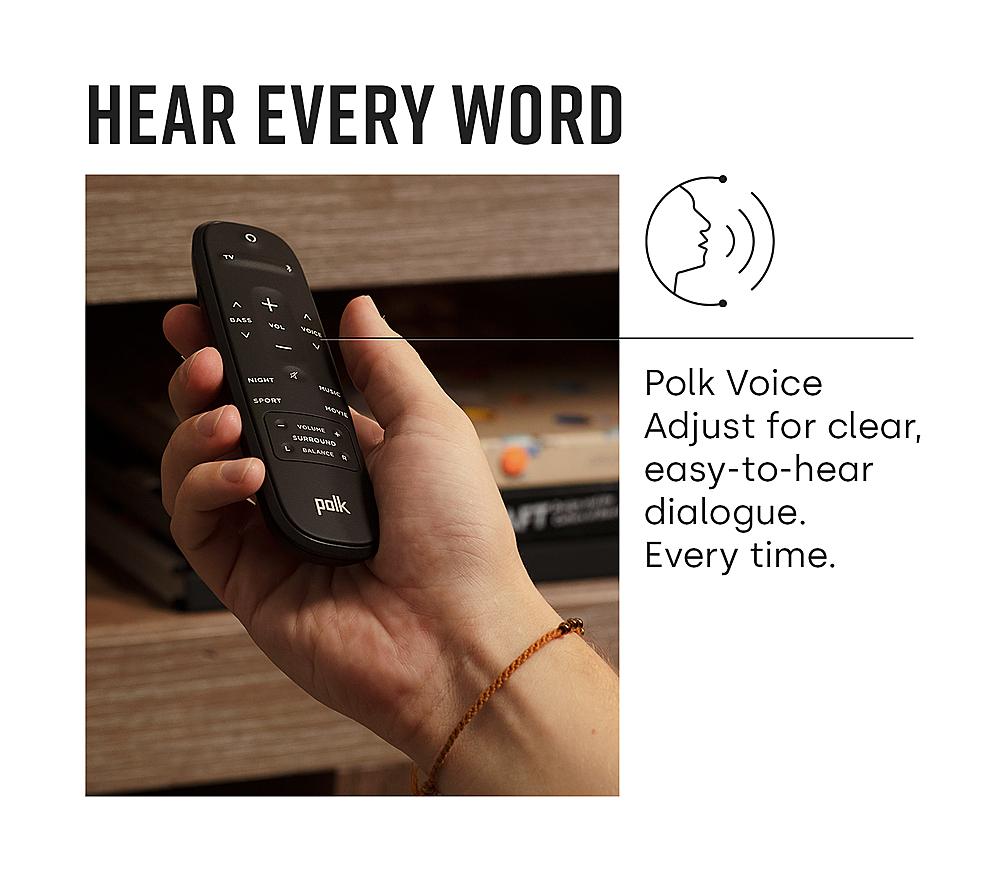
The Polk React includes "Voice Adjust" technology, but it requires manual tweaking through the remote control. While this gives you more control, it also means you need to actively adjust settings based on what you're watching. The React's dialogue clarity is good, but it doesn't match the effortless, automatic optimization of the Bose system.
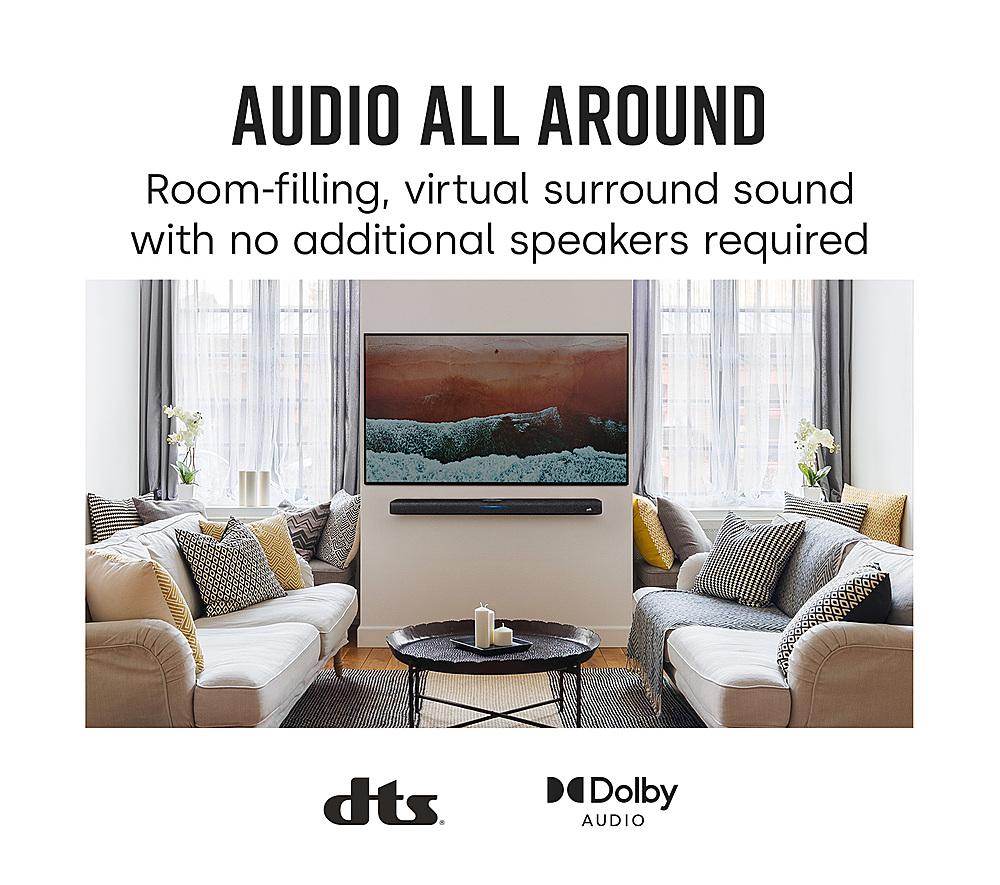
This is where the technical differences become really important. The Polk React supports full Dolby Digital and DTS decoding, which means it can process the multi-channel audio tracks found on Blu-rays, streaming services, and broadcast TV. When you're watching an action movie with these formats, the React creates a wider soundstage and better separation between different audio elements—explosions feel bigger, music sounds more spacious, and sound effects have more precise placement.
The Bose Solo Series II, on the other hand, takes Dolby Digital signals and "downmixes" them to stereo. This means it's taking that multi-channel information and converting it to work with its two-channel setup. While Bose does this very well, you're still losing some of the spatial information that makes movies more immersive.
For streaming content from Netflix, Disney+, or Amazon Prime—which increasingly use Dolby Digital—the Polk React has a technical advantage. However, for regular TV programming and most YouTube content, both soundbars perform similarly well.
The size difference between these soundbars becomes apparent when you consider bass response and overall volume. The Polk React, with its larger cabinet and more powerful 50-watt amplification, can fill larger rooms more effectively. It includes passive radiators (basically speakers without voice coils that help extend bass response) that give it more low-end presence than you'd expect from a soundbar without a separate subwoofer.
The Bose Solo Series II, despite its compact size, punches above its weight in bass response thanks to careful acoustic design. However, it's clearly designed for smaller spaces. In a large living room, you'll find yourself pushing the volume higher to get the same impact, and the bass won't have the same presence as the Polk.
From my testing, the Polk React is better suited for rooms larger than about 300 square feet, while the Bose excels in bedrooms, small apartments, or as a secondary TV soundbar.
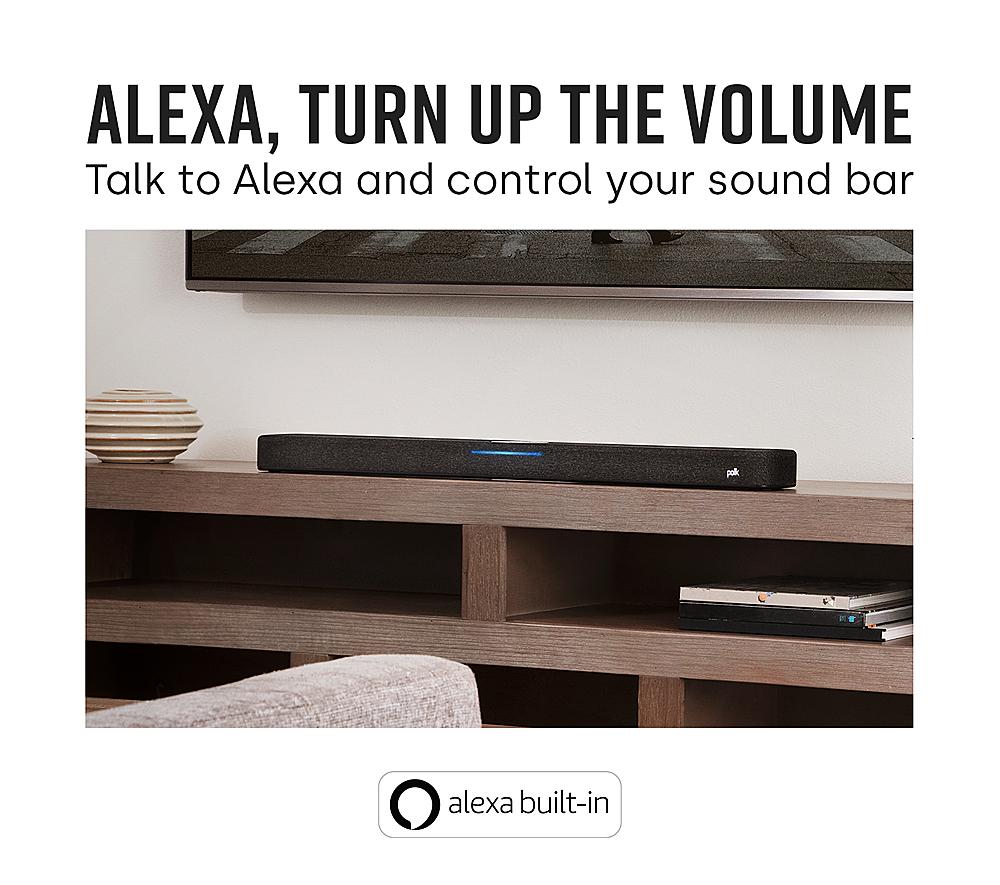
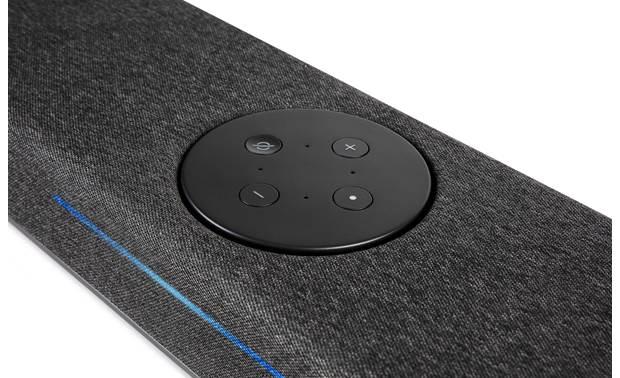
The most significant difference between these soundbars lies in their smart capabilities. The Polk React's built-in Alexa isn't just a gimmick—it's a fully functional voice assistant with four far-field microphones that can hear you even when music is playing. You can ask it to control the soundbar ("Alexa, turn up the volume"), stream music directly ("Alexa, play jazz on Spotify"), or even control other smart home devices.
The React also supports Alexa's multi-room music feature, allowing you to group it with other Alexa devices throughout your home for synchronized playback. This makes it particularly valuable if you're already invested in the Amazon ecosystem.
The Bose Solo Series II takes the opposite approach—no voice assistant, no apps, no complexity. Everything is controlled through the included remote. While this might seem limiting, it's actually refreshing for users who just want their soundbar to work without worrying about software updates, privacy concerns, or connectivity issues.
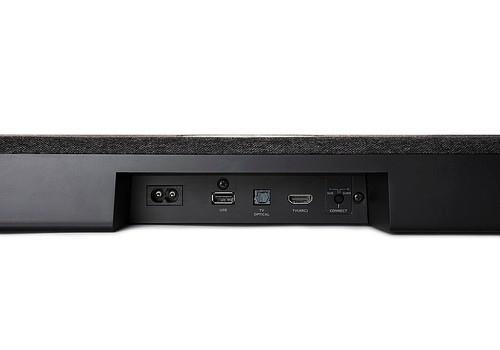
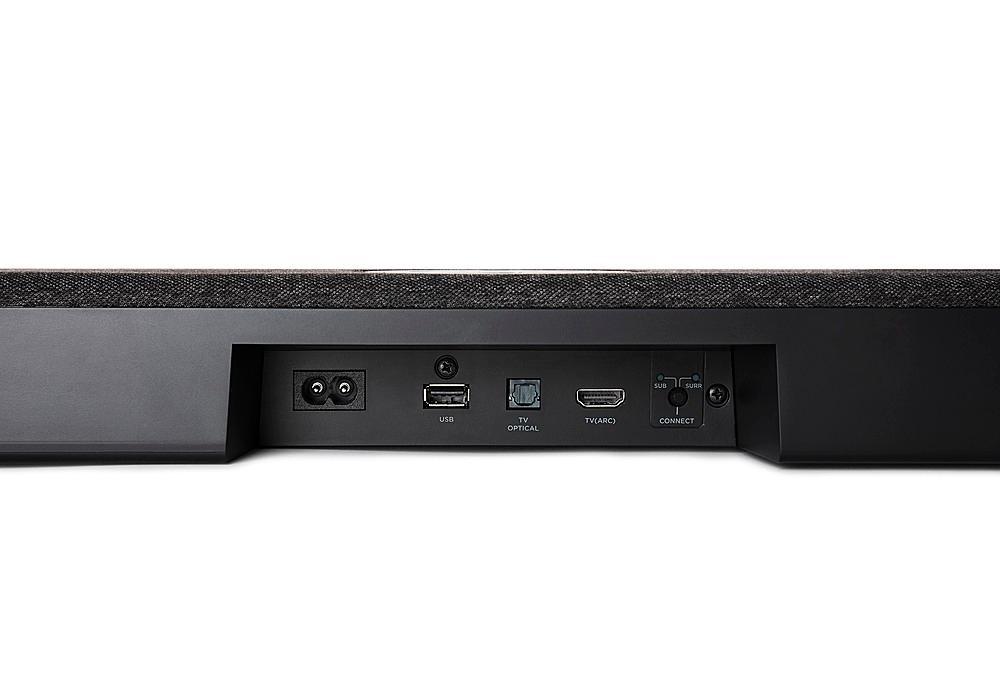
Here's where the technical specifications really matter for everyday use. The Polk React includes HDMI ARC connectivity, which has become the gold standard for soundbar connections. HDMI ARC allows your TV and soundbar to communicate bidirectionally—you can control the soundbar's volume with your TV remote, and the TV can automatically switch to the soundbar when you turn it on. The React also supports 4K passthrough with HDR, meaning you can connect devices directly to the soundbar and it will pass the video signal to your TV without degradation.
The Bose Solo Series II relies on optical and coaxial digital connections. While these work well and provide excellent audio quality, they don't offer the convenience features of HDMI ARC. You'll need to use the soundbar's remote for volume control, and the setup process is slightly more involved.
Both soundbars include Bluetooth for wireless music streaming, but the React's Bluetooth 4.2 implementation is more robust, supporting higher quality codecs and more stable connections.
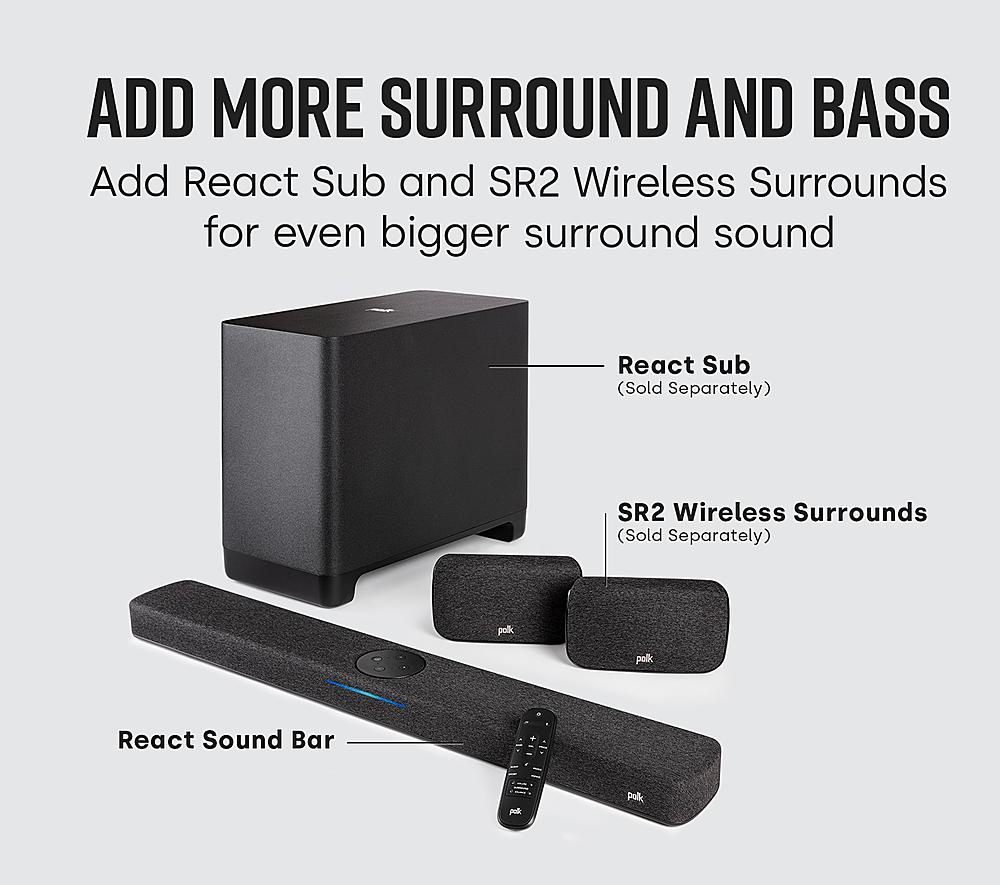
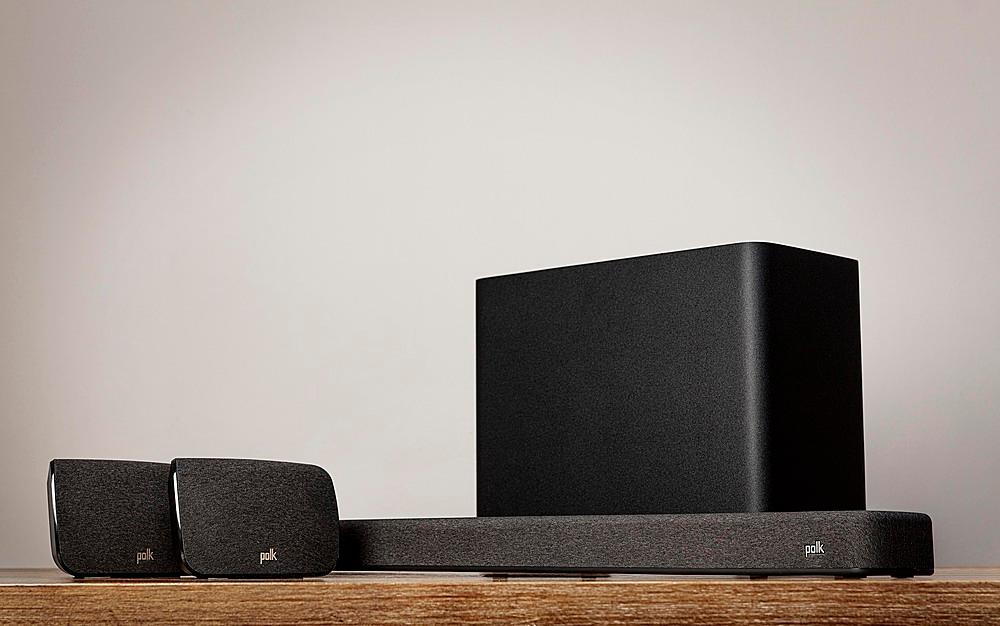
If you're thinking about building a home theater system, the expandability options become crucial. The Polk Audio React is designed as the foundation of a larger system. You can add Polk's wireless subwoofer for $200, which transforms the system from a 2.0 setup to a proper 2.1 system with deep, room-shaking bass. Further expansion is possible with Polk's wireless surround speakers, creating a true surround sound experience.
The React's Dolby Digital processing really shines in a home theater context. When watching movies with well-mixed soundtracks, you'll hear details and spatial cues that simply aren't present with basic stereo processing. The difference is particularly noticeable in action sequences, where explosions, gunfire, and music are layered in complex ways.
The Bose Solo Series II can be paired with Bose's Bass Module, but this is more of an addition than a system expansion. It remains fundamentally a stereo system, which limits its home theater potential. However, for casual movie watching or for users who prioritize dialogue over cinematic impact, this limitation may not matter.
If you live in an apartment, have a bedroom TV, or simply want better sound without complexity, the Bose Solo Series II is hard to beat. Its compact size means it fits under TVs as small as 32 inches without looking oversized. The setup is genuinely plug-and-play: connect the optical cable, plug in the power, and you're done.
I've recommended this soundbar to several older relatives who were frustrated with their TV's audio but intimidated by complex setup processes. The automatic dialogue enhancement means they don't need to fiddle with settings—it just works, making their favorite shows more enjoyable.
The Polk React makes more sense if you're already using Alexa devices throughout your home or if you watch a lot of movies and shows with complex soundtracks. The ability to say "Alexa, play my morning playlist" while getting ready, or "Alexa, turn up the volume" while cooking dinner, adds genuine convenience to daily life.
For movie nights, the React's Dolby Digital processing creates a more engaging experience. Watching something like "Mad Max: Fury Road" or "Blade Runner 2049," you'll appreciate the wider soundstage and better separation of audio elements. The optional subwoofer takes this even further, adding the kind of bass impact that makes action sequences truly visceral.
Since their release, both soundbars have remained competitive, but the audio landscape has evolved. Dolby Atmos has become more common in streaming content, favoring soundbars with more advanced processing capabilities. However, both the Bose and Polk represent the "practical upgrade" category rather than the cutting-edge home theater segment.
The React's Alexa integration has actually become more valuable over time as Amazon has expanded the voice assistant's capabilities and improved its natural language processing. Features that seemed experimental in 2019 now feel essential to many users.
The Bose Solo Series II, meanwhile, has benefited from Bose's continued refinement of their dialogue processing algorithms through firmware updates. The company's focus on this specific use case has kept the soundbar relevant even as competitors have added flashier features.
After extensive testing and real-world use, here's how I'd recommend making your choice:
Choose the Bose Solo Soundbar Series II if you want the clearest dialogue possible in a simple, reliable package. It's perfect for news watching, sitcoms, dramas, and any content where understanding speech is paramount. The compact size and foolproof setup make it ideal for less tech-savvy users or secondary TVs.
Choose the Polk Audio React Sound Bar if you want a more complete entertainment upgrade that integrates with your smart home. The Alexa functionality, HDMI ARC connectivity, and expandability options make it a better foundation for a growing audio system. It's the better choice for movie enthusiasts and anyone who wants their soundbar to do more than just improve TV audio.
The $30 price difference between these soundbars is negligible compared to their different approaches to solving the same problem. Your decision should be based on how you use your entertainment system and what features matter most to your daily routine. Both will dramatically improve your TV's sound—they just do it in distinctly different ways.
In my experience, the Bose excels at its core mission with remarkable consistency, while the Polk offers more versatility and growth potential. Neither choice is wrong; they're simply optimized for different users and environments.
| Bose Solo Soundbar Series II | Polk Audio React Sound Bar |
|---|---|
| Price - Entry cost for TV audio upgrade | |
| $199.99 (best value for dialogue clarity) | $230.00 (premium justified by smart features) |
| Dimensions - Critical for fitting under your TV | |
| 21.6" W x 2.8" H x 3.4" D (fits under most TVs) | 34" W x 2.25" H x 4.8" D (requires larger TV stand) |
| Weight - Indicates build quality and portability | |
| 3.72 lbs (ultra-portable, easy wall mounting) | 6.39 lbs (more substantial, includes wireless subwoofer) |
| Audio Processing - Affects movie and streaming experience | |
| Stereo only, downmixes Dolby Digital | Full Dolby Digital & DTS decoding (better for movies) |
| Voice Assistant - Smart home integration capability | |
| None (simple remote-only operation) | Built-in Amazon Alexa with 4 far-field microphones |
| Connectivity Options - How you connect to TV and devices | |
| Optical, Coaxial, Bluetooth 4.0 | HDMI ARC, Optical, USB, Bluetooth 4.2 (more versatile) |
| Dialogue Enhancement - Most important feature for TV watching | |
| Automatic dialogue mode (industry-leading clarity) | Manual Voice Adjust technology (requires tweaking) |
| Power Output - Room-filling capability | |
| Lower power (ideal for small-medium rooms) | 50W RMS (better for large rooms and loud playback) |
| Expandability - Future upgrade potential | |
| Compatible with Bose Bass Module only | Wireless subwoofer + surround speakers available |
| Setup Complexity - Time from box to working | |
| Plug-and-play with optical cable | More complex but offers HDMI ARC convenience |
| Best Use Case - Who should buy this | |
| Dialogue clarity in small spaces, simple operation | Smart home users, movie lovers, larger rooms |
The Bose Solo Soundbar Series II excels at dialogue clarity with its automatic dialogue enhancement mode that uses advanced processing to make voices clearer without manual adjustments. The Polk Audio React Sound Bar includes Voice Adjust technology but requires manual tweaking to optimize speech clarity.
The Bose Solo Soundbar Series II costs $199.99, while the Polk Audio React Sound Bar is priced at $230.00, making the Polk $30 more expensive but including additional smart features like built-in Alexa.
The Bose Solo Soundbar Series II is ideal for small rooms due to its compact 21.6-inch width and optimized performance for smaller spaces. The Polk Audio React Sound Bar at 34 inches wide is better suited for larger rooms and may overwhelm smaller spaces.
The Polk Audio React Sound Bar offers full Dolby Digital and DTS decoding for enhanced movie experiences. The Bose Solo Soundbar Series II receives Dolby Digital signals but downmixes them to stereo, which limits surround sound effects.
The Polk Audio React Sound Bar features built-in Amazon Alexa with four far-field microphones, functioning as a complete Echo device. The Bose Solo Soundbar Series II has no built-in voice assistant and requires external devices for smart home control.
The Polk Audio React Sound Bar provides HDMI ARC, optical, USB, and Bluetooth 4.2 connections for maximum versatility. The Bose Solo Soundbar Series II offers optical, coaxial, and Bluetooth 4.0 connectivity, focusing on simplicity over extensive options.
Both soundbars support subwoofer expansion: the Polk Audio React Sound Bar works with Polk's wireless subwoofer system, while the Bose Solo Soundbar Series II is compatible with the Bose Bass Module for enhanced low-frequency response.
The Bose Solo Soundbar Series II offers simpler plug-and-play setup with just an optical cable connection. The Polk Audio React Sound Bar has more setup steps but provides HDMI ARC convenience once configured properly.
The Polk Audio React Sound Bar is superior for home theater use with its Dolby Digital processing, higher power output, and expandability options for surround speakers. The Bose Solo Soundbar Series II focuses more on TV dialogue than cinematic experiences.
The Bose Solo Soundbar Series II measures 21.6 inches wide and fits under most TVs, while the Polk Audio React Sound Bar at 34 inches wide requires larger TV stands and may not fit under smaller televisions.
The Bose Solo Soundbar Series II at $199.99 provides excellent value for dialogue improvement and simplicity. The Polk Audio React Sound Bar at $230.00 offers better value for users wanting smart features, HDMI connectivity, and home theater capabilities.
Choose the Bose Solo Soundbar Series II for superior dialogue clarity, compact size, and simple operation. Select the Polk Audio React Sound Bar for Alexa integration, HDMI ARC connectivity, better movie performance, and future expandability options.
We've done our best to create useful and informative comparisons to help you decide what product to buy. Our research uses advanced automated methods to create this comparison and perfection is not possible - please contact us for corrections or questions. These are the sites we've researched in the creation of this article: rtings.com - bose.com - bose.com - assets.bose.com - bestbuy.com - youtube.com - pistonheads.com - costco.com - googlenestcommunity.com - youtube.com - discussions.apple.com - techradar.com - crutchfield.com - popsci.com - youtube.com - tomsguide.com - bestbuy.com - polkaudio.com - crutchfield.com - forum.polkaudio.com - soundunited.com - youtube.com

Privacy Policy
Terms and Conditions - Affiliate Policy
Home Security
© Copyright 2008-2026.
11816 Inwood Rd #1211, Dallas, TX 75244