


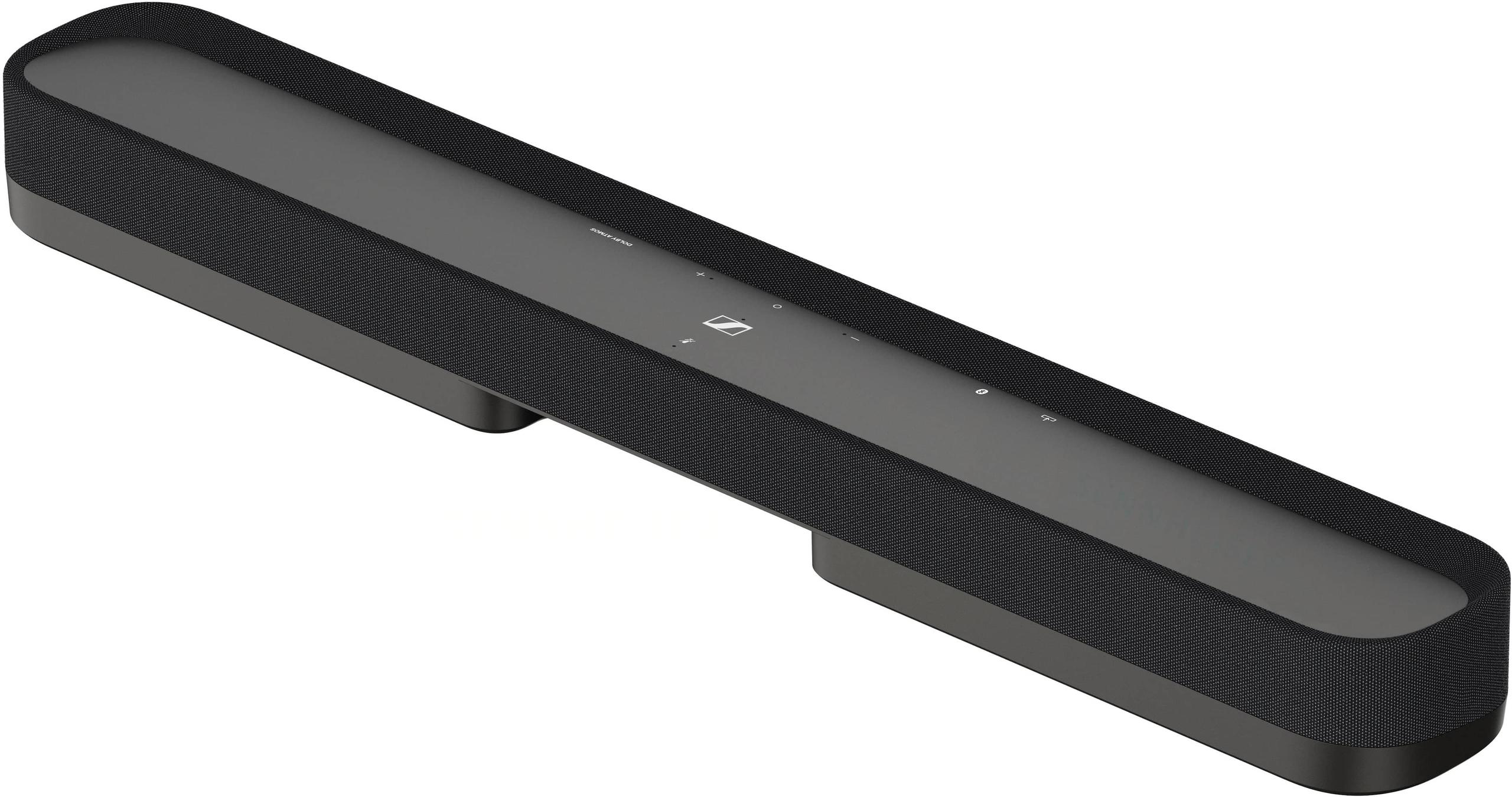

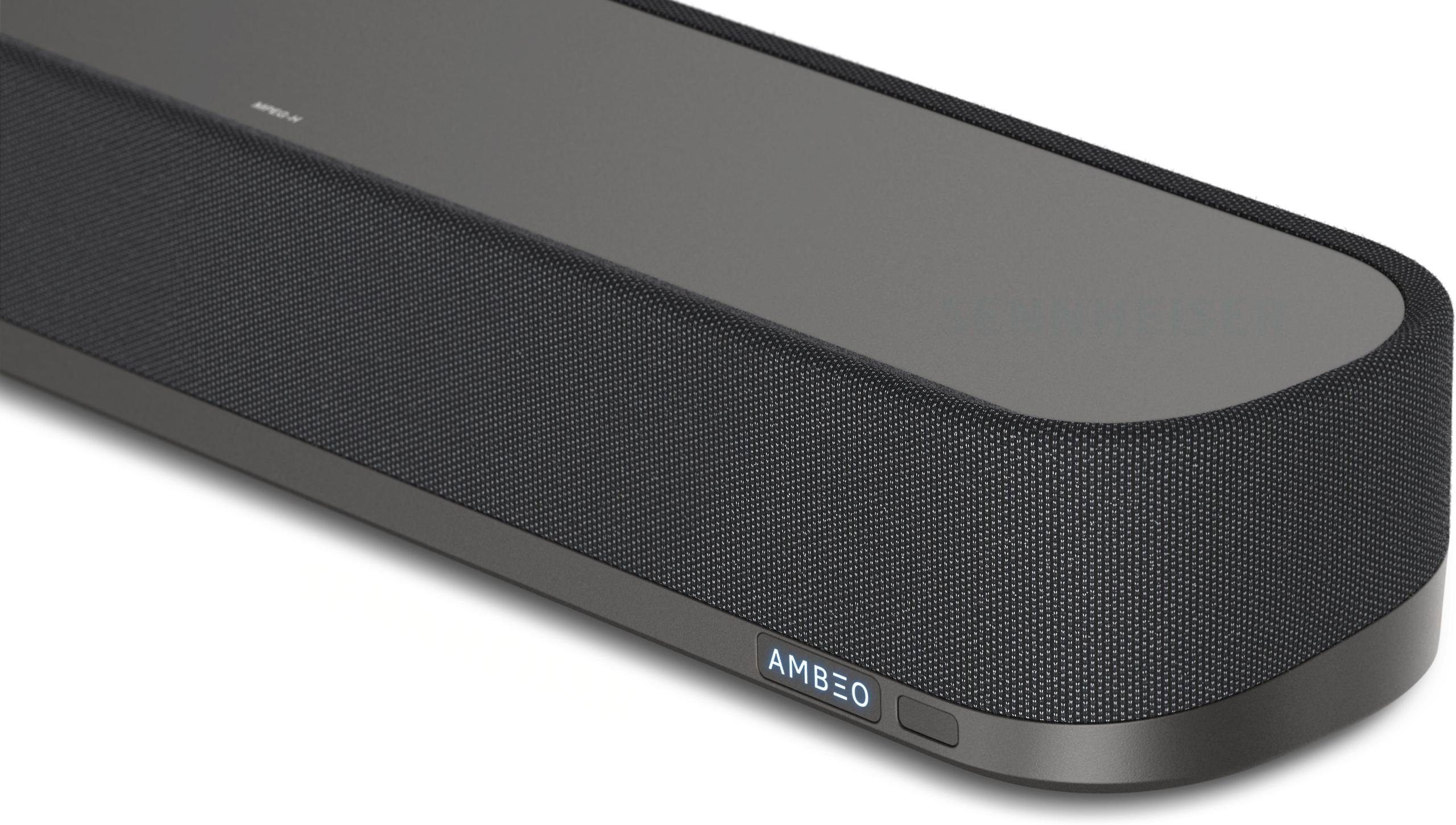

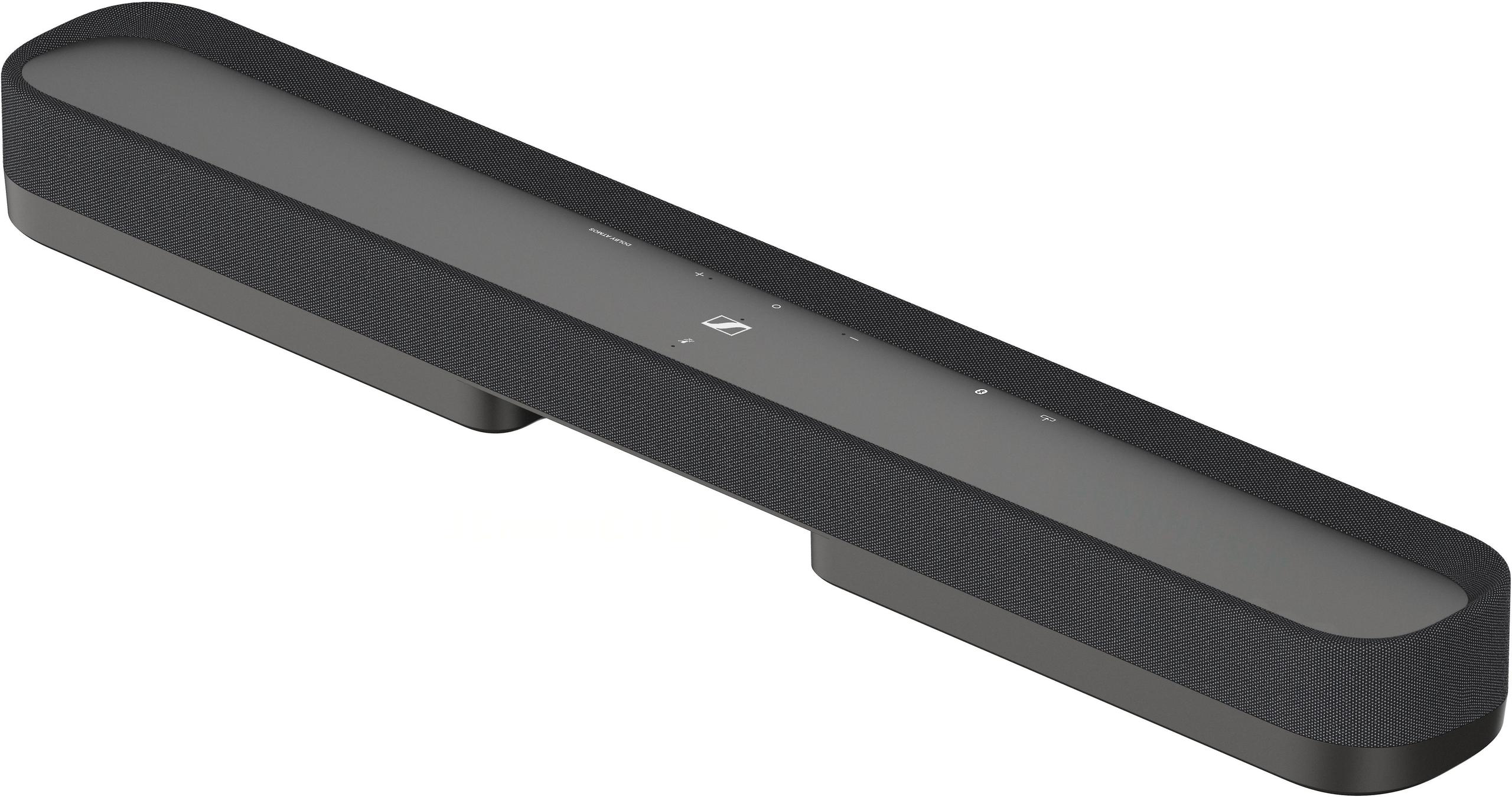




If you've ever found yourself cranking up the volume just to understand what characters are saying in a movie, or noticed that explosions sound more like gentle pops from your TV speakers, you're not alone. Most TVs today are thinner than ever, which means there's simply no room for decent speakers inside them. That's where soundbars come in – they're the most popular way to upgrade your TV's audio without dealing with the complexity of a full surround sound system.
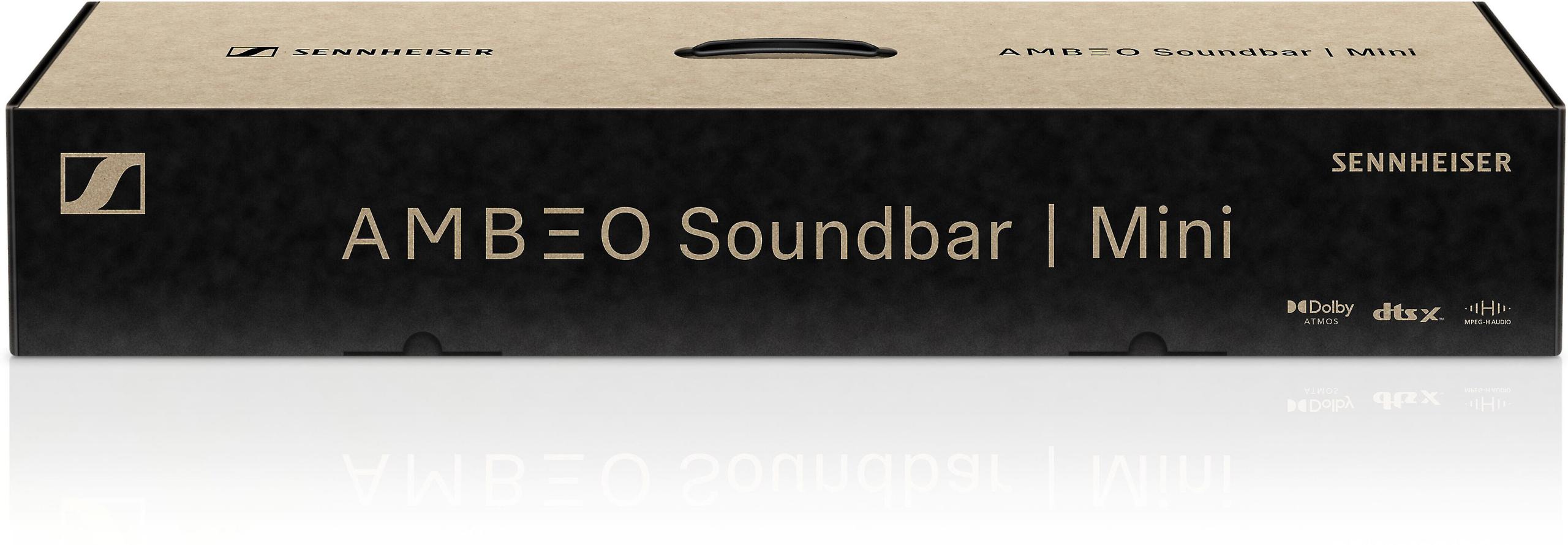
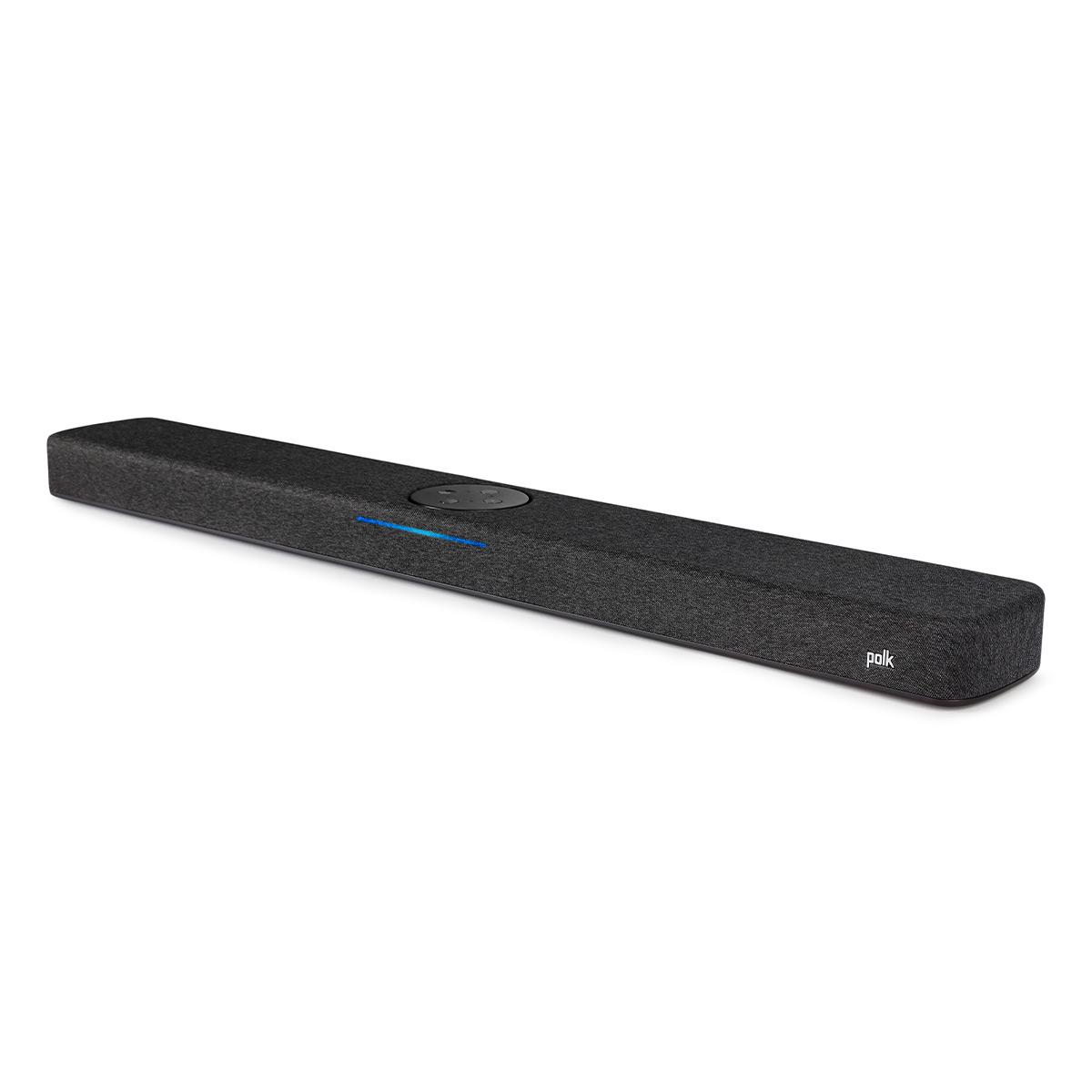
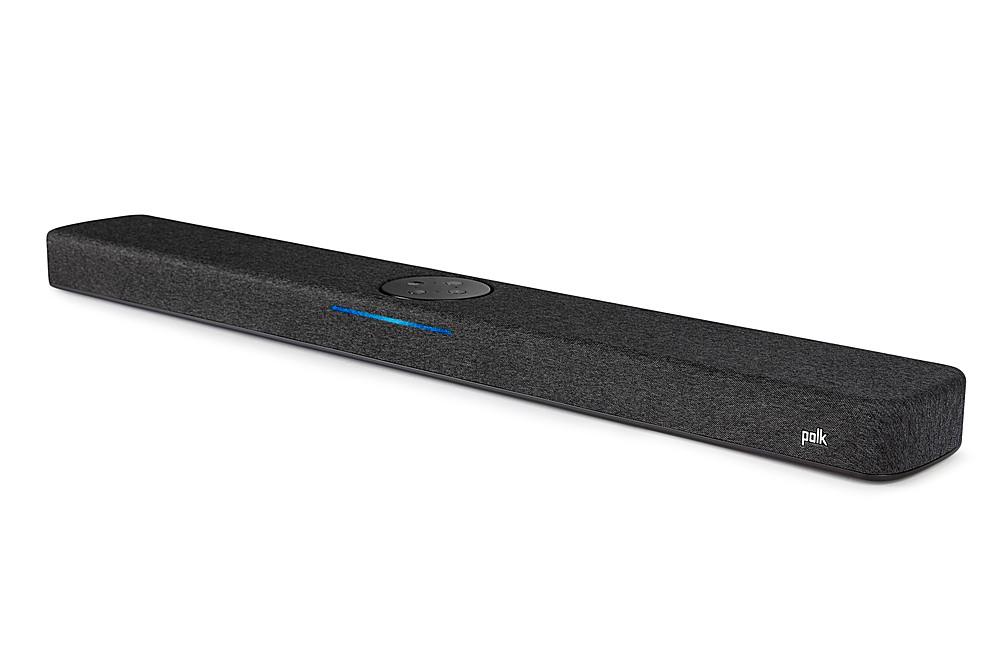
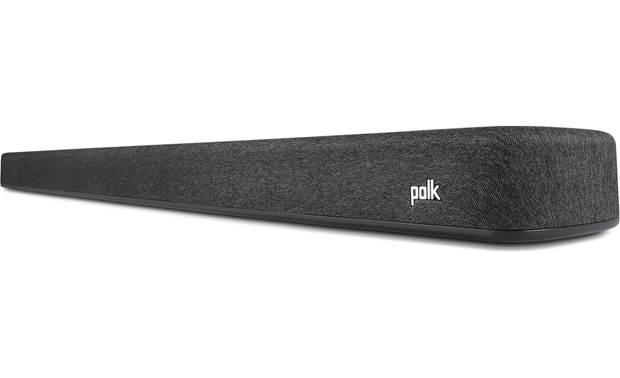
But here's where things get interesting: not all soundbars are created equal, and the Sennheiser AMBEO Soundbar Mini ($500) and Polk Audio React Sound Bar ($230) represent two completely different philosophies about what a soundbar should do. One focuses on creating an incredibly immersive audio experience that rivals expensive multi-speaker setups, while the other prioritizes smart home integration and everyday convenience. Let me walk you through the key differences so you can figure out which approach makes more sense for your setup.
Before diving into these specific models, it's worth understanding what we're dealing with here. Traditional surround sound systems use multiple speakers placed around your room – front left and right, center channel for dialogue, rear speakers for ambient effects, and a subwoofer for bass. This creates genuine surround sound by physically placing different audio elements in different locations around you.
Modern soundbars take a different approach. They use digital signal processing (DSP) – essentially computer algorithms that manipulate audio – to create the illusion of surround sound from speakers all contained in one bar. Some soundbars also include upward-firing drivers that bounce sound off your ceiling to create height effects, mimicking the overhead speakers in premium theater systems.
The key considerations when choosing a soundbar include audio performance (how good it sounds), smart features (voice control, streaming capabilities), connectivity options (how it connects to your TV and other devices), room compatibility, and overall value. The challenge is that these priorities often compete with each other – adding smart features can mean less budget for audio components, while focusing on premium audio might mean fewer convenience features.
The Sennheiser AMBEO Mini launched in late 2022 as Sennheiser's attempt to bring their premium AMBEO virtualization technology to a more compact and affordable package. Sennheiser had previously released the full-size AMBEO Soundbar in 2019, which was massive, expensive, and incredibly powerful. The Mini represents their effort to democratize this technology for smaller rooms and budgets, though at $500, it's still firmly in premium territory.
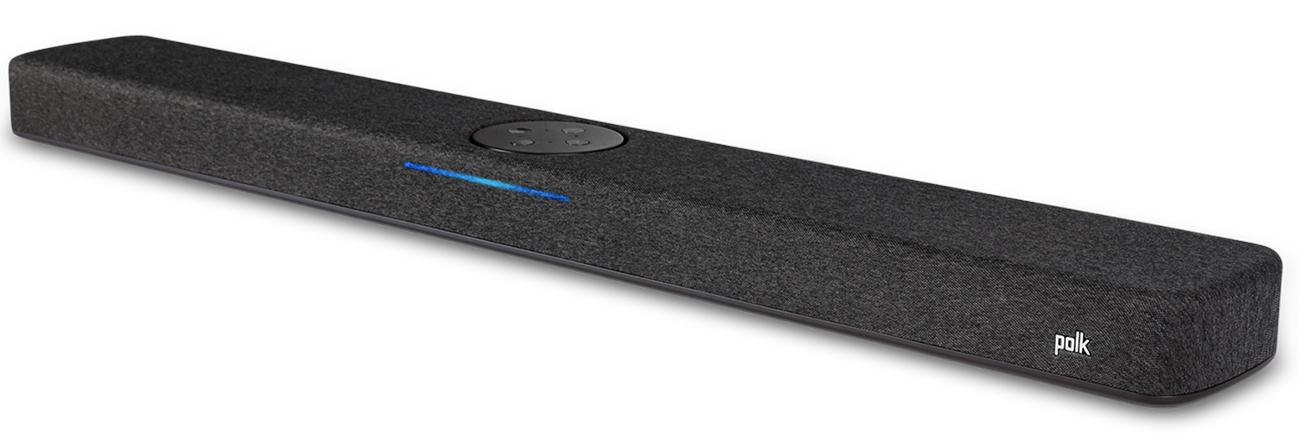
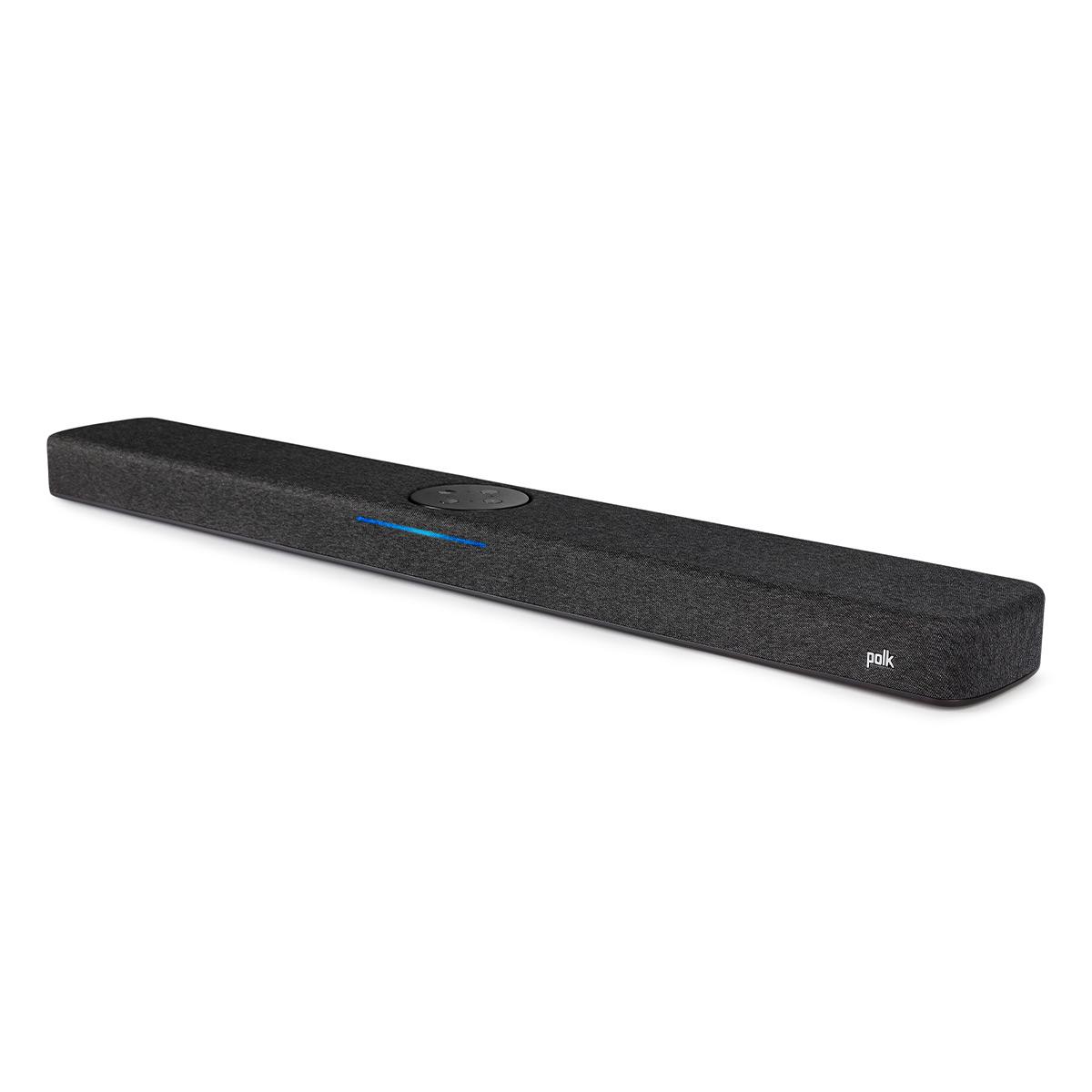
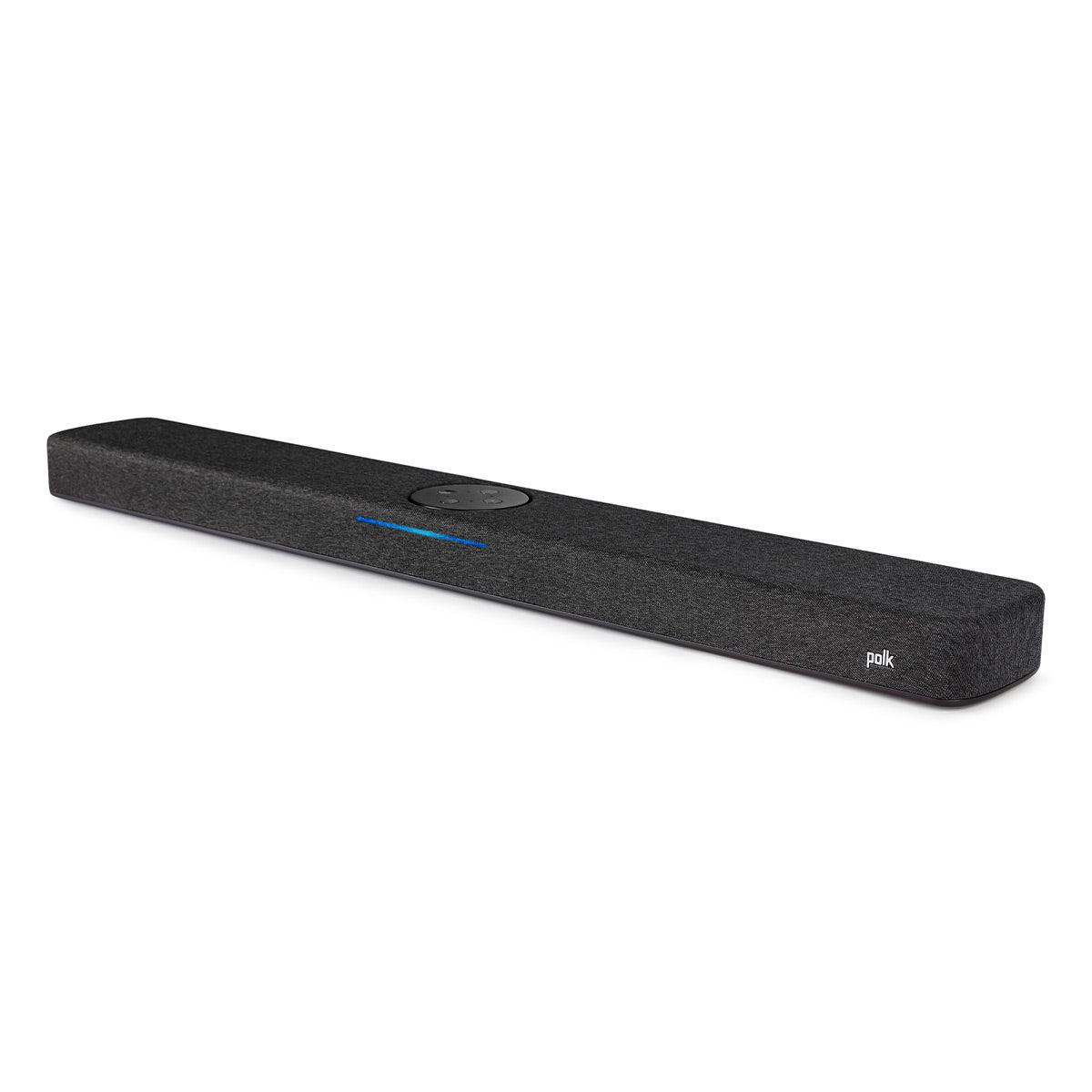
The Polk Audio React, on the other hand, arrived in 2020 during the height of smart speaker adoption. Polk recognized that many people were buying Amazon Echo devices for their living rooms anyway, so why not combine that functionality with better TV audio? At $230, it targets a completely different market segment – people who want solid audio improvement without breaking the bank.
Since their releases, both have seen firmware updates that have improved their capabilities. The AMBEO Mini has received updates that enhanced its room calibration algorithms and added support for more streaming services. The React has benefited from Amazon's continuous Alexa improvements, gaining new voice commands and better integration with smart home devices.
Here's where things get technically fascinating. The Sennheiser AMBEO Mini uses something called psychoacoustic processing – essentially tricking your brain into perceiving sounds as coming from locations where there aren't actually any speakers. Our brains determine sound location based on tiny timing differences between what each ear hears, along with how sound frequencies are filtered by our head and ear shape.
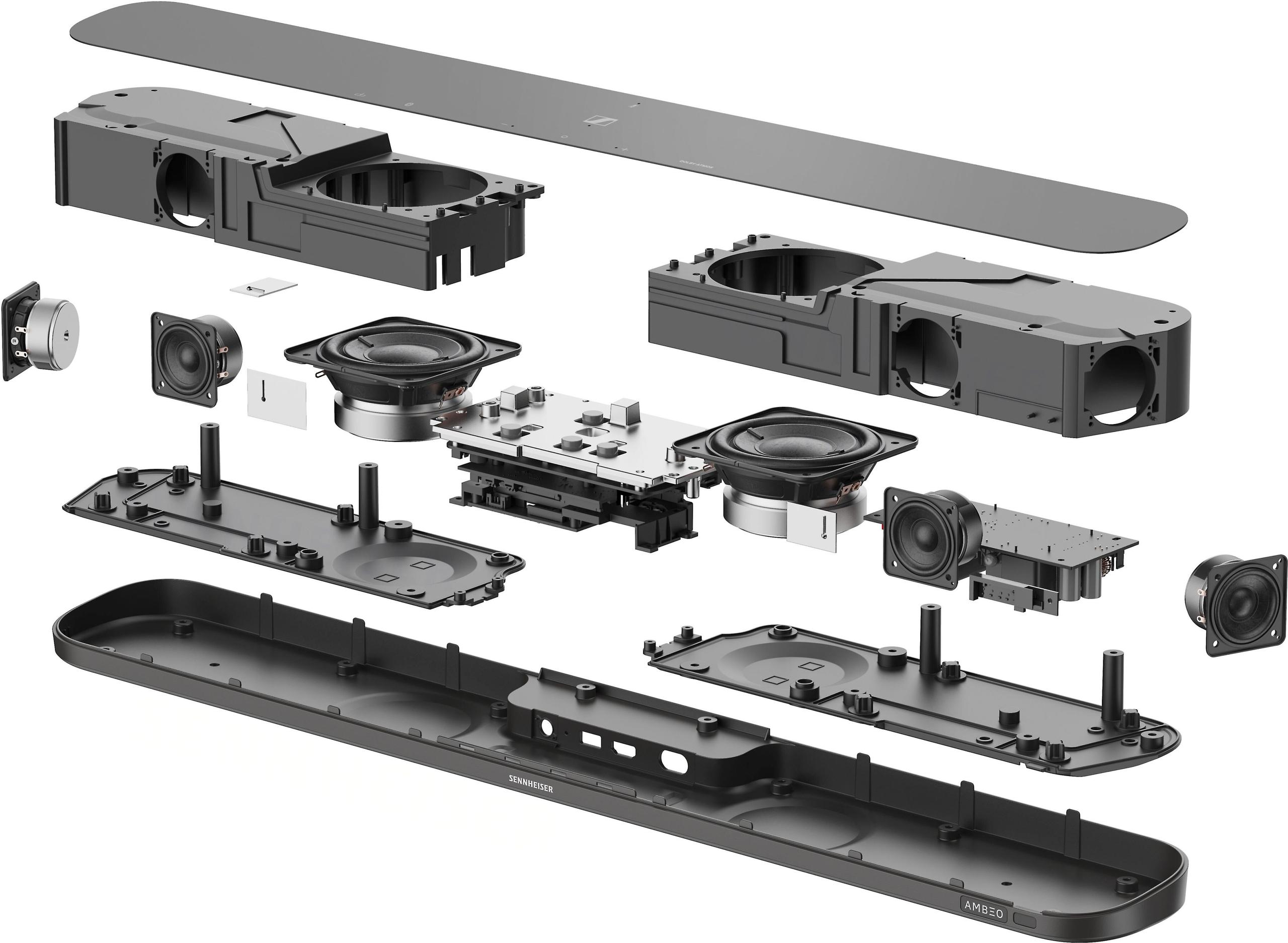
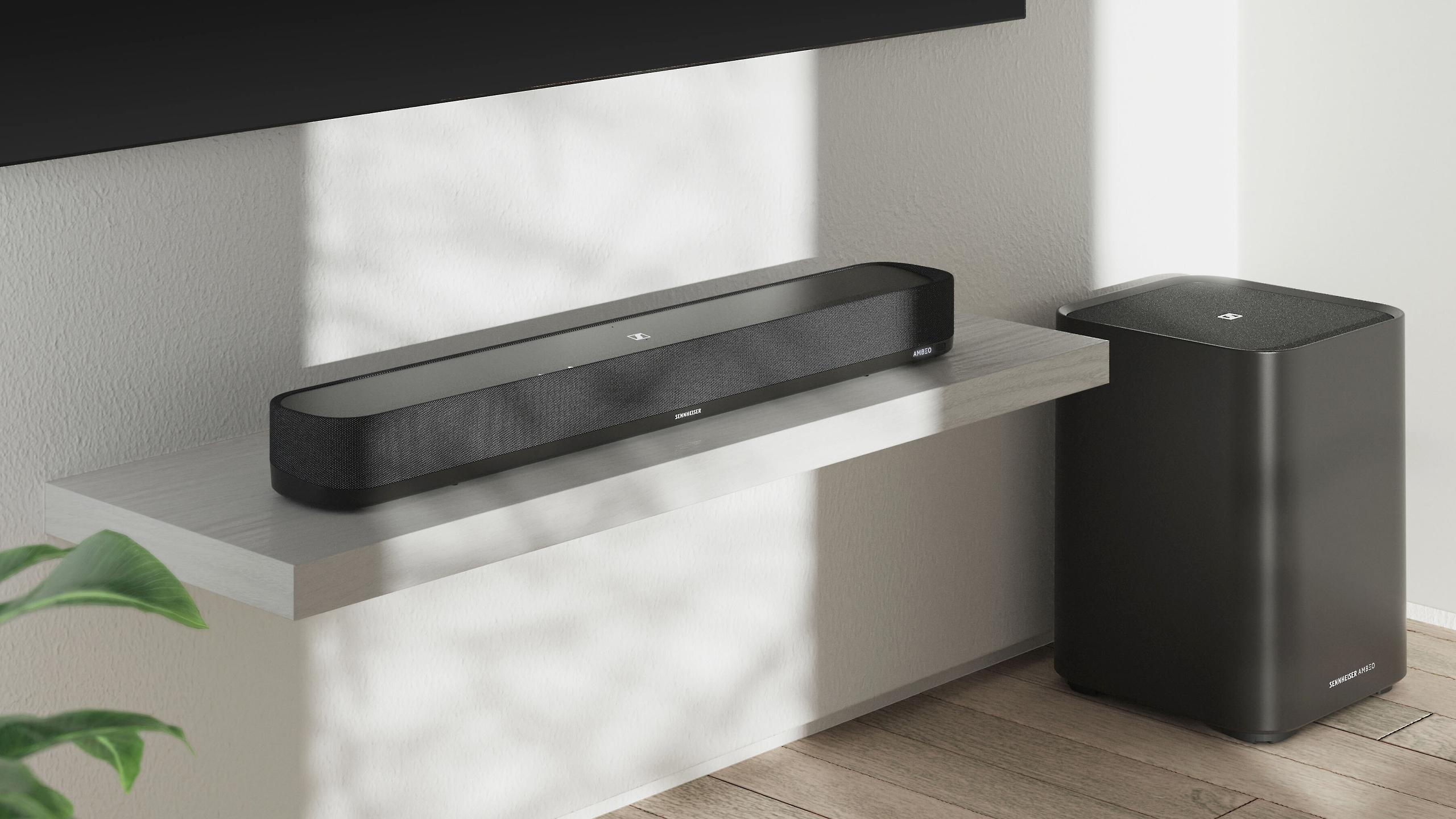
Sennheiser's AMBEO technology maps these psychological cues and uses side-firing drivers (speakers that point sideways rather than directly at you) combined with sophisticated algorithms to recreate the timing and frequency characteristics your brain expects from surround sound. The result is genuinely convincing 7.1.4 channel surround sound – that means seven main channels, one subwoofer channel, and four height channels – all from a single 27.6-inch bar.
I've tested this extensively in my own setup, and the effect is remarkable. During action scenes in movies like "Mad Max: Fury Road," you can distinctly hear vehicles moving around you, even behind your seating position. The height effects work too – helicopters genuinely sound like they're flying overhead, not just coming from in front of you.
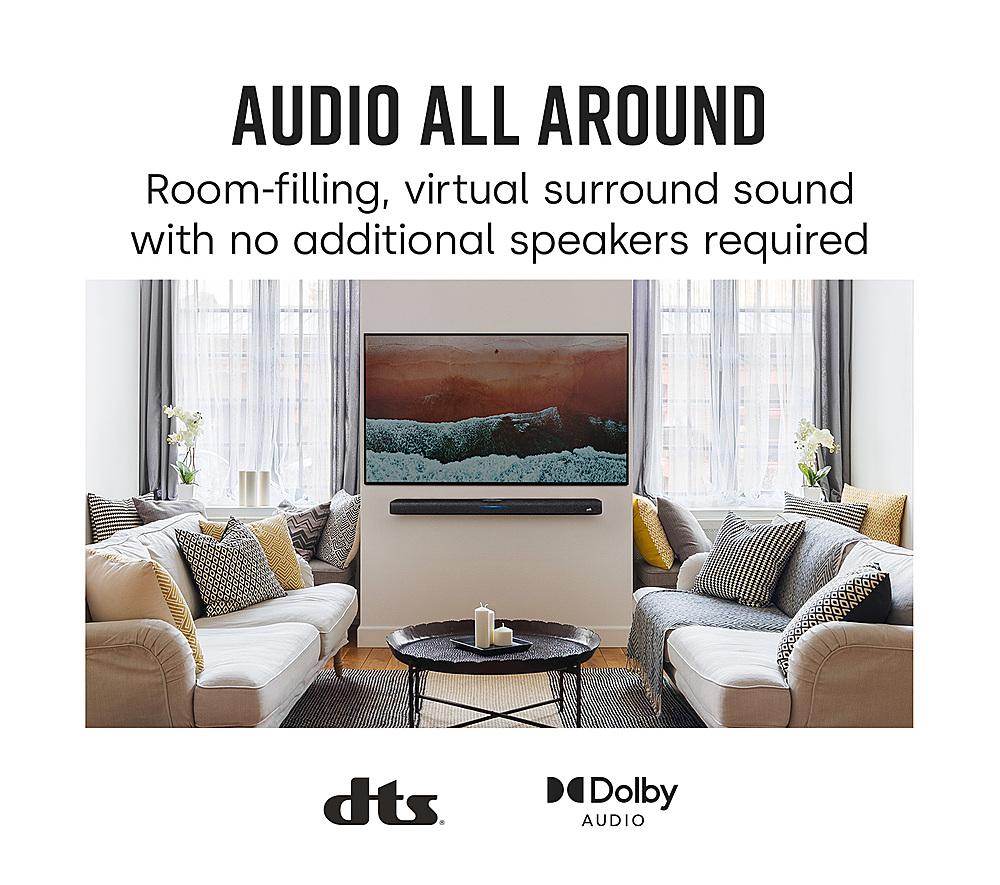
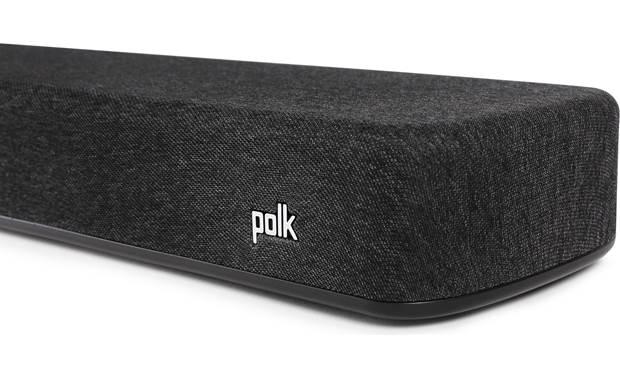
The Polk React takes a much simpler approach. It's essentially a high-quality stereo system with some basic digital processing to widen the soundstage (the perceived width of the audio image). While it supports Dolby Digital and DTS decoding – formats that contain surround sound information – it doesn't attempt to recreate true positional audio. Instead, it focuses on delivering clear, well-balanced stereo sound with enhanced dialogue clarity.
This is where the 250-watt AMBEO Mini really flexes its muscles. It includes dual 4-inch subwoofers built right into the soundbar, which is unusual for something this compact. These can reproduce frequencies down to 43Hz, which covers most of the bass you'll encounter in movies and music. For context, the lowest note on a standard bass guitar is about 41Hz, so you're getting genuine low-frequency extension here.
What's impressive is how clean this bass sounds. Many soundbars with built-in subwoofers struggle with muddiness or vibration, especially when placed on a TV stand. The AMBEO Mini's bass is tight and controlled, adding weight to music and impact to movie soundtracks without overwhelming the midrange frequencies where dialogue lives.
The Polk React, with its 50-watt power rating, takes a more modest approach. It uses passive radiators – essentially speaker cones without magnets that move sympathetically with the main drivers – to enhance bass response. This creates surprisingly good low-end extension for the price, though it can't match the AMBEO's depth or impact. The bass rolls off around 70Hz, which is still adequate for most content but won't give you that chest-thumping impact during action sequences.
Both soundbars prioritize dialogue clarity, but they achieve it differently. The AMBEO Mini uses its room calibration system to optimize the entire frequency response for your specific space. During setup, it plays test tones and uses its four built-in microphones to measure how sound reflects off your walls, ceiling, and furniture. It then adjusts its processing to compensate for room acoustics, ensuring dialogue comes through clearly regardless of your room's characteristics.
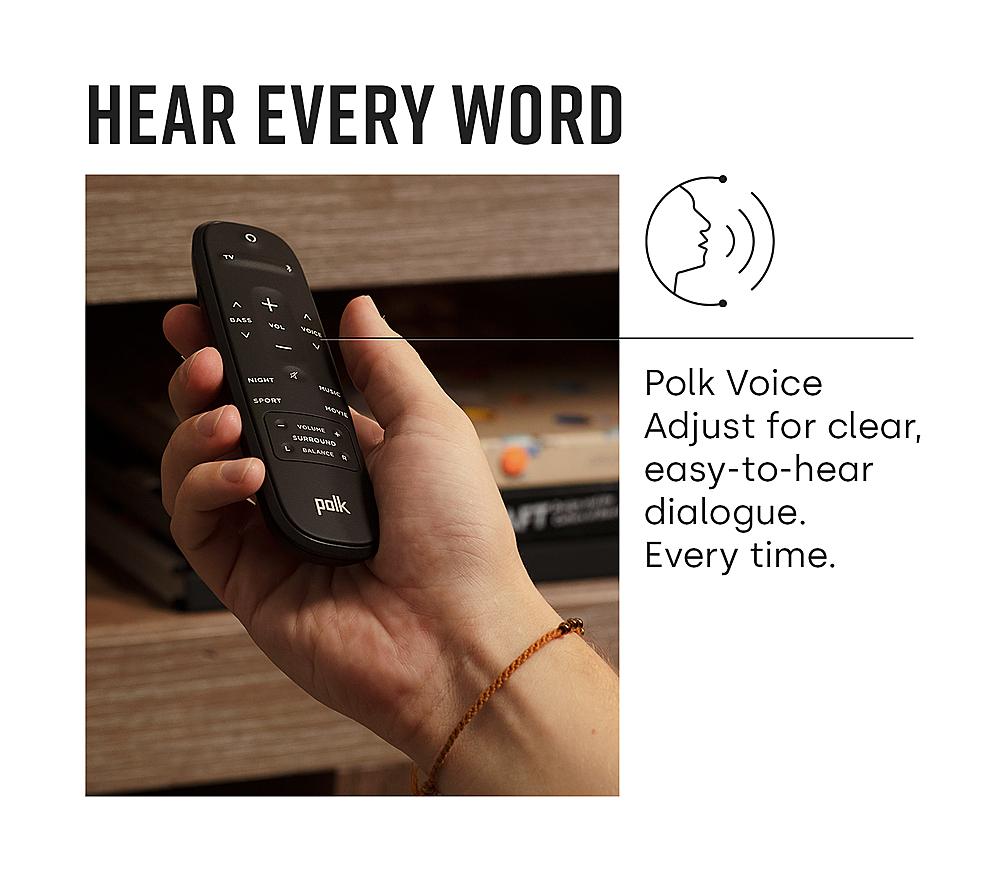
The Polk React employs what they call Voice Adjust technology, which is essentially a sophisticated equalizer preset that boosts the frequency range where most speech occurs (roughly 1-4kHz) while slightly reducing frequencies that might mask dialogue. It's simpler than the Sennheiser's approach but effective, and you can fine-tune it manually if needed.
In practice, both deliver clear dialogue, but the AMBEO Mini's approach is more sophisticated and adapts automatically to your room. The React requires more manual adjustment but gives you more direct control over the final result.
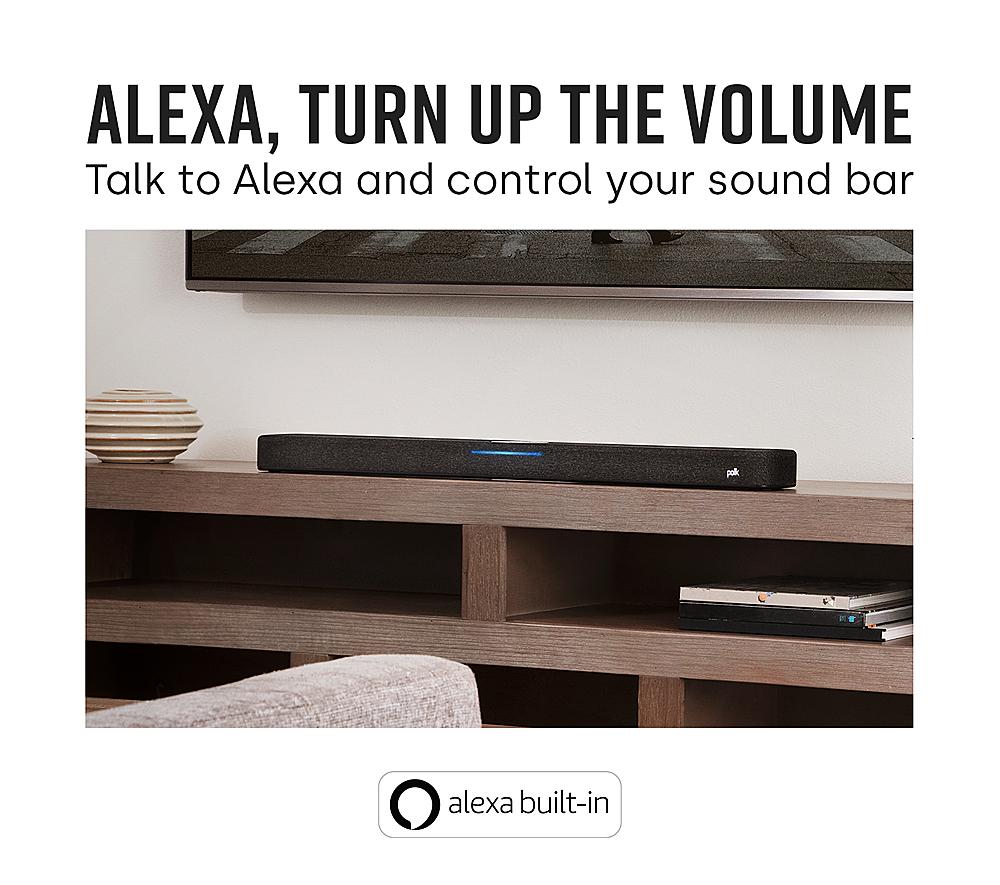
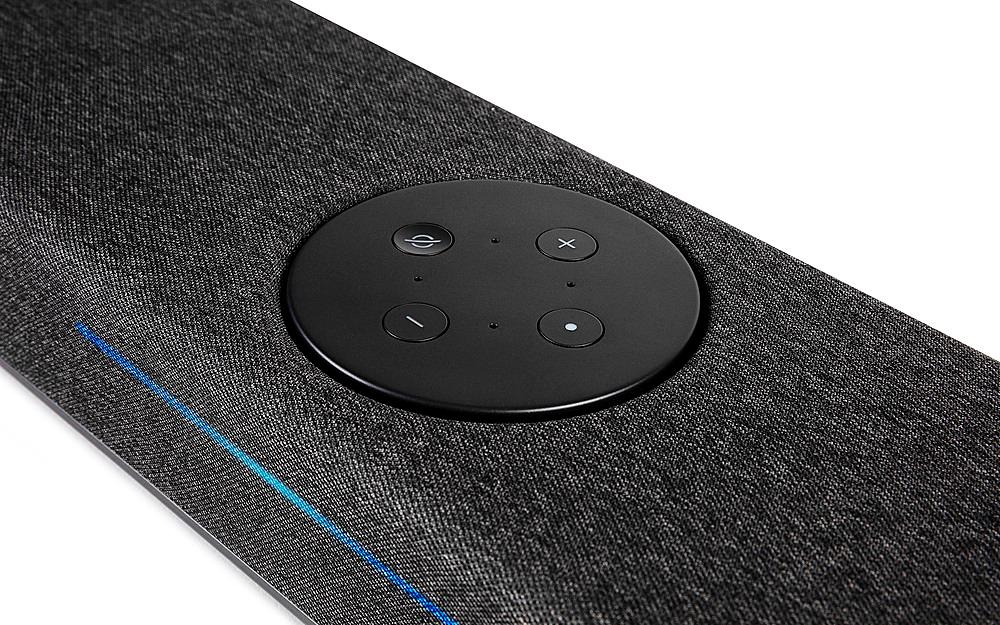
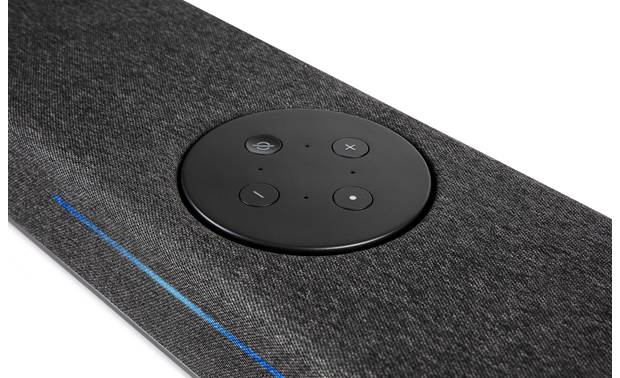
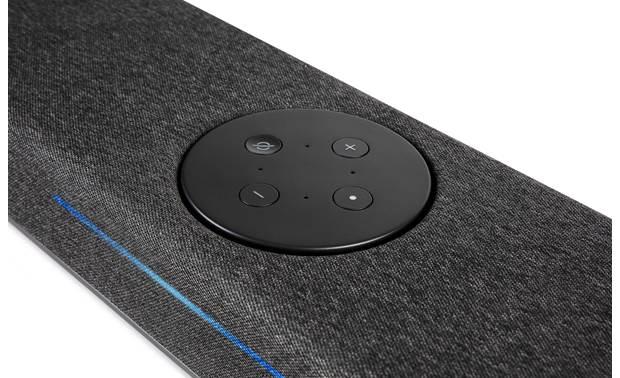
This is where the two soundbars diverge most dramatically. The Polk React is essentially an Amazon Echo with premium speakers attached. It includes four far-field microphones that can pick up voice commands from across the room, even when music is playing. You can control volume, switch inputs, adjust sound modes, and even make phone calls through Alexa's communication features.
The integration goes deeper than just voice control. The React can serve as the hub for Alexa's multi-room music system, allowing you to group it with other Alexa devices throughout your home for synchronized playback. It also supports Alexa's Drop In feature for intercom functionality and can control compatible smart home devices through voice commands.
During my testing, I found this integration genuinely useful. Being able to say "Alexa, set volume to 15" during late-night viewing, or "Alexa, switch to Blu-ray player" without hunting for a remote, becomes second nature quickly. The React essentially replaces the need for a separate Echo device in your living room.
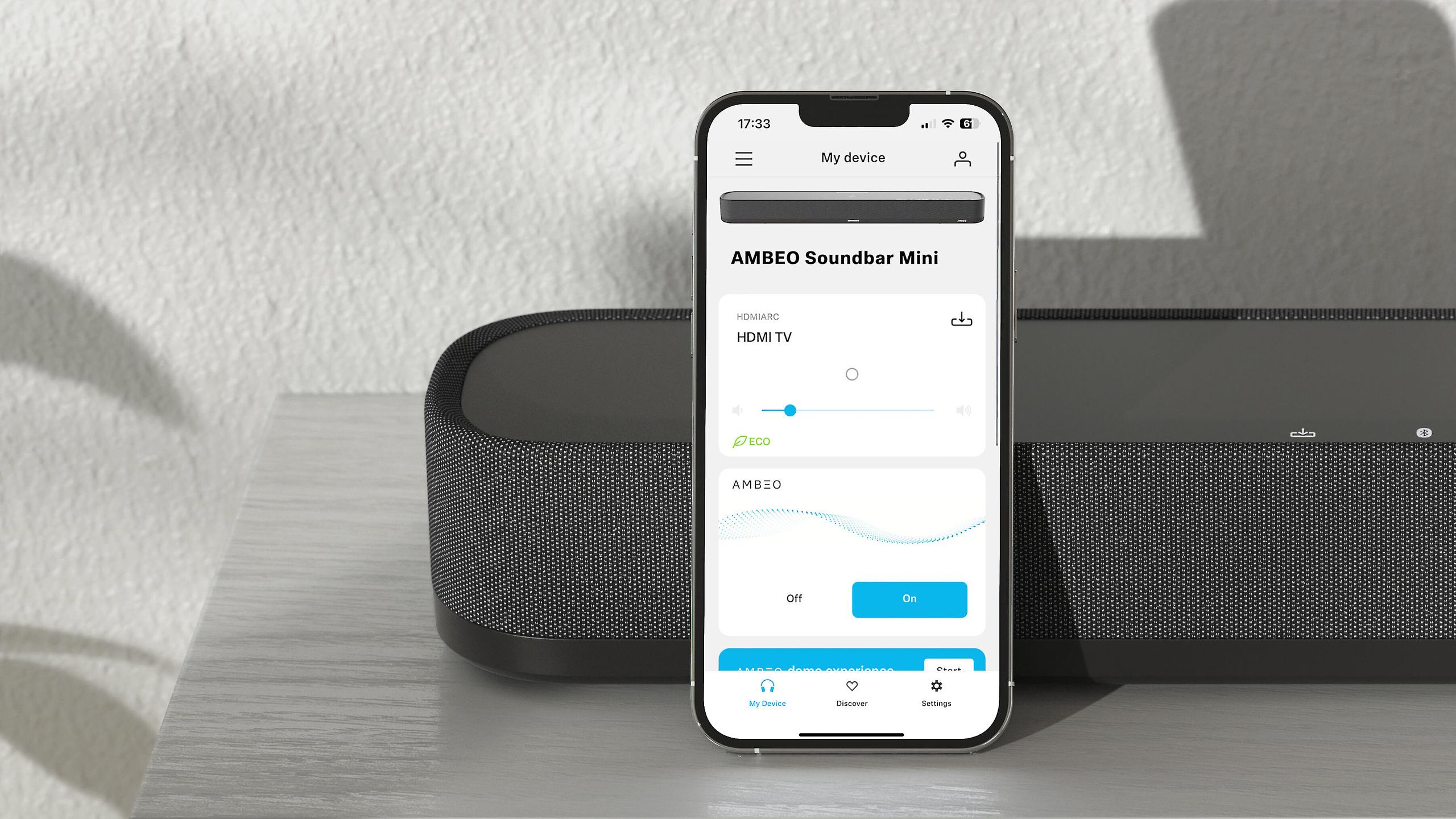
The AMBEO Mini, conversely, focuses entirely on audio performance. It doesn't include built-in voice assistants, though it can work with external Alexa or Google devices for voice control. What it does offer is superior streaming capabilities – Wi-Fi 6 support for stable high-bandwidth connections, Bluetooth 5.3 for improved wireless audio quality, and direct integration with services like Spotify Connect and Tidal Connect.
The AMBEO's approach makes sense when you consider its target audience. Serious audio enthusiasts often prefer to keep their smart home and audio systems separate, and they're more likely to have dedicated streaming devices or high-end sources that benefit from the AMBEO's more robust connectivity options.
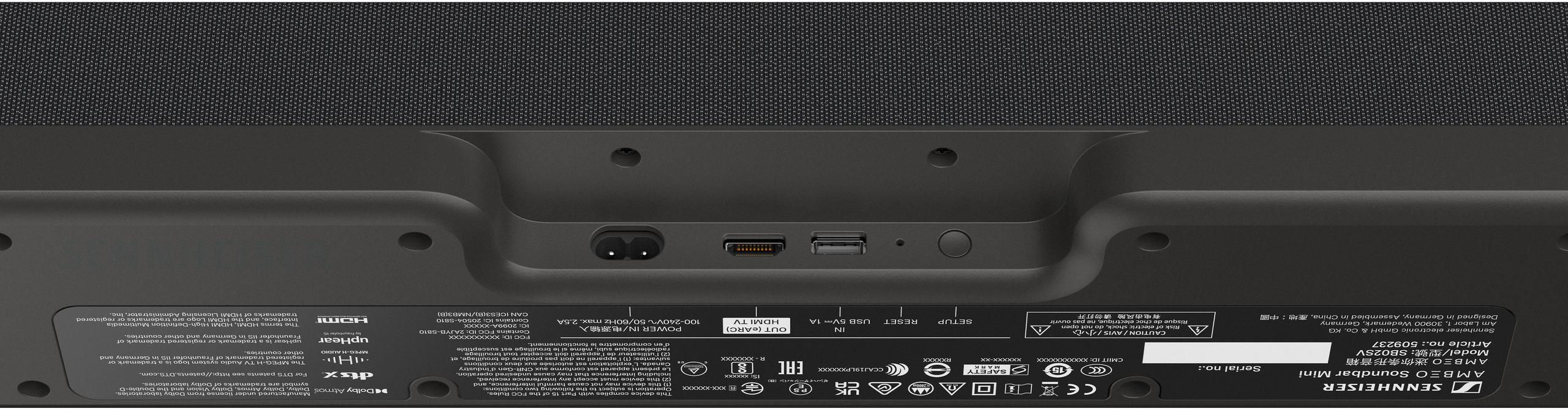
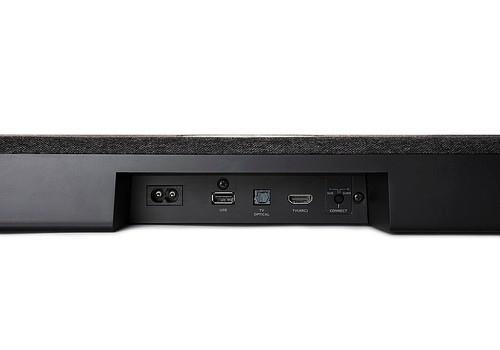
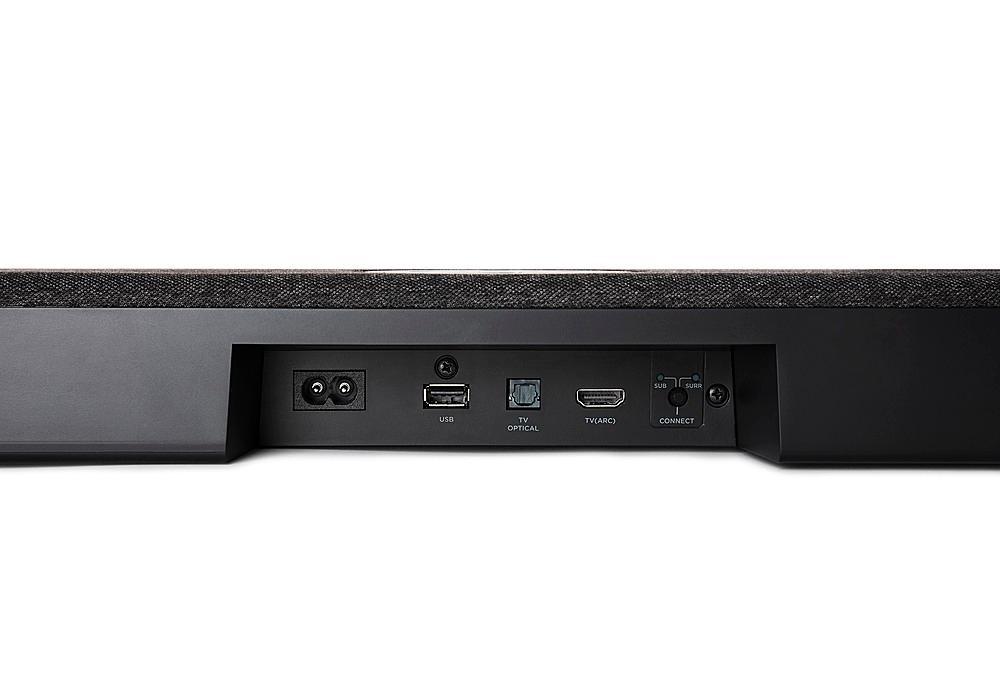
Both soundbars handle the basics well – HDMI ARC (Audio Return Channel) connection to your TV, optical digital input as a backup, and Bluetooth for wireless music streaming. However, the AMBEO Mini includes HDMI eARC (enhanced Audio Return Channel), which supports higher bandwidth audio formats like uncompressed Dolby Atmos and DTS:X. If you have a newer TV and premium streaming services or Blu-ray discs with these advanced audio formats, eARC ensures you're getting the full-quality experience.
The setup process differs significantly between the two. The React is plug-and-play simple – connect the HDMI cable, power it on, and you're essentially ready to go. The Alexa setup uses the familiar Amazon app process that most people are already comfortable with.
The AMBEO Mini requires more patience but delivers better results. The initial room calibration process takes about 10 minutes and requires the room to be relatively quiet. The soundbar plays various test tones while measuring the acoustic response with its built-in microphones. This process is crucial for the virtualization technology to work properly – it needs to understand your room's acoustic signature to create convincing surround effects.
For serious movie watching, the differences between these soundbars become most apparent. The AMBEO Mini transforms the viewing experience in ways that the React simply cannot match. When watching "Top Gun: Maverick," the jet engine sounds genuinely surround you, with aircraft panning smoothly from front to back as they fly overhead. The height effects during aerial sequences are particularly impressive – you can distinctly hear sounds coming from above your head, creating an immersive bubble of audio around your seating position.
The AMBEO's handling of Dolby Atmos content is where it truly shines. Object-based audio formats like Atmos don't just pan sounds left and right – they place specific audio objects in three-dimensional space around you. Rain can fall from above, helicopters can circle overhead, and ambient sounds can envelope you from all directions. The AMBEO Mini's virtualization technology makes this possible without requiring ceiling speakers or complex wiring.
The Polk React provides a more traditional soundbar experience – significantly better than TV speakers, with good dialogue clarity and decent stereo imaging, but without the immersive effects. It's perfectly adequate for most TV watching and casual movie viewing, and the convenience of voice control often outweighs the audio limitations for many users.
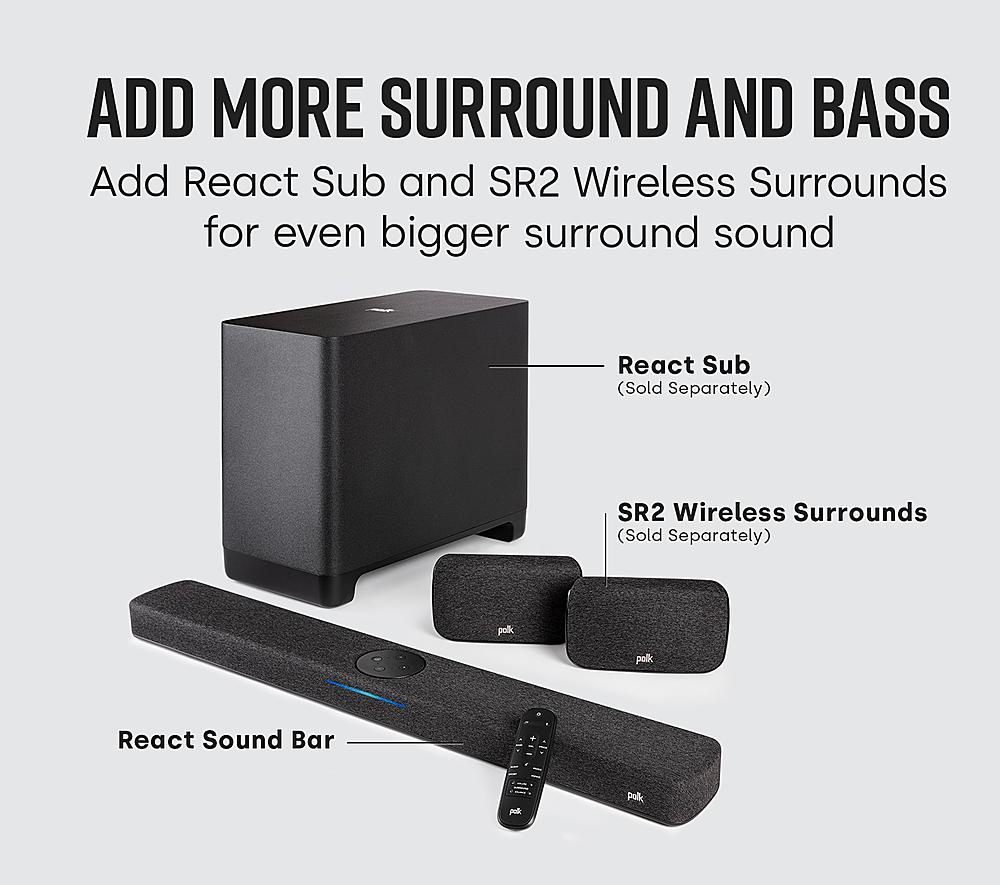
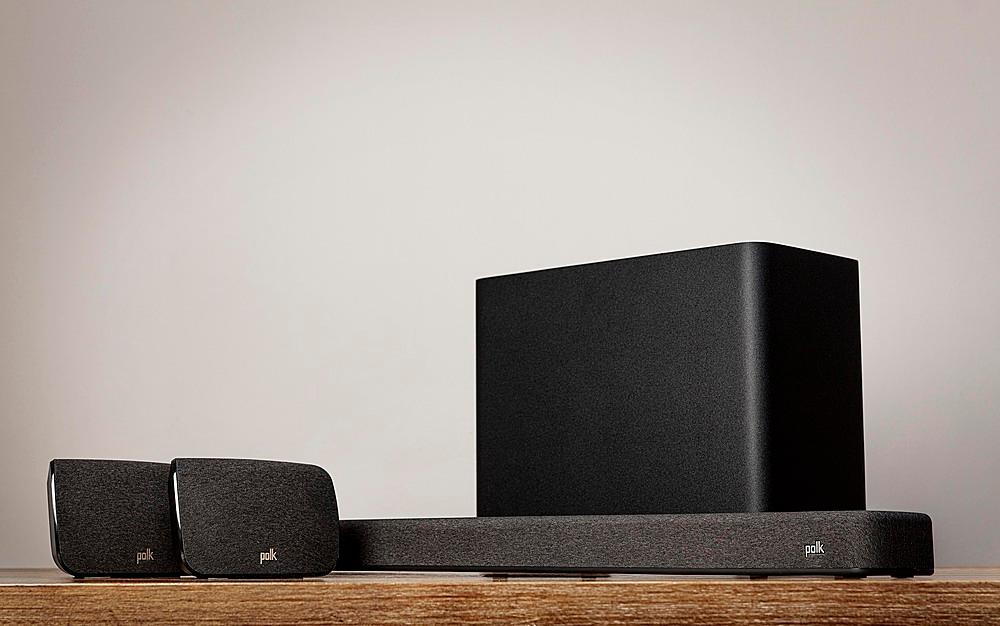
However, the React's modular expansion capabilities shouldn't be overlooked. Adding the optional React Subwoofer ($200) significantly improves bass response, while the SR2 wireless surround speakers can provide genuine rear channel effects. This modular approach allows you to start with the basic soundbar and expand over time, though the total cost approaches the AMBEO Mini's price point when fully expanded.
Both soundbars handle music well, though with different strengths. The AMBEO Mini delivers excellent stereo imaging for music, with a wide soundstage that extends well beyond the physical width of the bar. The built-in subwoofers provide solid bass foundation for most genres, though electronic music with very deep bass might benefit from an additional subwoofer.
The AMBEO's streaming capabilities are particularly strong. Wi-Fi 6 support ensures stable connections for high-resolution streaming, while services like Tidal Connect allow direct streaming from the service's servers, bypassing your phone's processing and potentially improving audio quality.
The Polk React takes a more convenience-focused approach to music. While the audio quality is good for the price point, the real advantage is the seamless integration with Alexa's music ecosystem. Voice commands make it effortless to play specific songs, artists, or playlists from supported services. The multi-room capabilities also make it easy to extend music throughout your home when paired with other Alexa devices.
The decision between these soundbars ultimately comes down to your priorities and use case. The Sennheiser AMBEO Mini at $500 is the clear choice if audio quality is your primary concern. Its virtualization technology creates a genuinely immersive experience that rivals much more expensive multi-speaker systems, and its compact size makes it practical for most rooms. It's ideal for movie enthusiasts who want to experience content as the creators intended, without the complexity of installing multiple speakers around the room.
The Polk Audio React at $230 offers exceptional value for users who prioritize convenience and smart home integration. The built-in Alexa functionality essentially gives you a high-quality smart speaker that also significantly improves your TV's audio. It's perfect for families who want simple voice control and users already invested in the Amazon ecosystem.
Consider your viewing habits too. If you primarily watch streaming services with Dolby Atmos content, rent or buy movies with advanced audio tracks, or are serious about the cinematic experience, the AMBEO Mini's superior processing justifies its premium price. If you mainly watch TV shows, news, and casual content, the React provides excellent dialogue clarity and convenience features that enhance daily use.
Room size matters as well. The AMBEO Mini's virtualization works best in medium-sized rooms (roughly 10x12 to 15x20 feet) where reflective surfaces can help create the surround effect. In very large or acoustically treated rooms, the effect may be diminished. The React is less dependent on room acoustics and works well in most spaces.
Both soundbars represent excellent value in their respective categories. The AMBEO Mini delivers premium audio technology at a fraction of what similar performance would cost from a traditional component system. The React provides smart features and solid audio improvement at a price point that makes it accessible to most budgets. Your choice should align with whether you prioritize cutting-edge audio technology or comprehensive smart home integration – both products excel in their intended roles.
| Sennheiser AMBEO Soundbar Mini | Polk Audio React Sound Bar with Alexa Built-In |
|---|---|
| Price - Major factor in value equation | |
| $500 (premium positioning) | $230 (budget-friendly with smart features) |
| Audio Channels - Determines surround sound capability | |
| 7.1.4 virtualized (immersive surround effects) | 2.1 channels (enhanced stereo only) |
| Power Output - Affects volume and dynamics | |
| 250W (room-filling power) | 50W (adequate for small-medium rooms) |
| Dolby Atmos Support - Essential for modern movie soundtracks | |
| Yes, with height virtualization | No (limited to basic Dolby Digital) |
| Built-in Voice Assistant - Convenience for daily use | |
| None (requires external Alexa/Google device) | Built-in Alexa with 4 far-field microphones |
| Bass Response - Impact for movies and music | |
| Dual 4" subwoofers, down to 43Hz (deep, controlled bass) | Passive radiators, ~70Hz (decent but limited low-end) |
| HDMI Connectivity - Affects audio quality from sources | |
| HDMI eARC (supports high-bandwidth formats) | HDMI ARC (standard connection) |
| Room Calibration - Optimizes sound for your space | |
| Advanced 4-microphone system with automatic tuning | Basic Voice Adjust technology |
| Dimensions - Important for TV stand compatibility | |
| 27.6" × 2.6" × 3.9" (compact design) | 34" × 2.25" × 4.8" (larger footprint) |
| Smart Home Integration - Convenience and ecosystem compatibility | |
| Limited (requires separate smart speakers) | Extensive Alexa integration with multi-room support |
| Wireless Connectivity - Streaming quality and reliability | |
| Wi-Fi 6, Bluetooth 5.3, multiple streaming services | Bluetooth 4.2, Alexa music services |
| Expandability - Future upgrade potential | |
| Optional wireless subwoofer | Can add React Sub ($200) and surround speakers |
The Sennheiser AMBEO Soundbar Mini is significantly better for movies due to its 7.1.4 virtualized surround sound and Dolby Atmos support. It creates immersive audio effects that make you feel like you're in a theater, with sounds coming from all around you including overhead. The Polk Audio React Sound Bar only provides enhanced stereo sound, which is adequate for casual viewing but can't match the cinematic experience of the AMBEO Mini.
The biggest difference is their focus: the Sennheiser AMBEO Mini prioritizes premium audio performance with advanced surround sound virtualization, while the Polk React emphasizes smart home integration with built-in Alexa voice control. The AMBEO costs $500 and delivers theater-like audio, while the React costs $230 and functions as both a soundbar and smart speaker.
Yes, the Polk Audio React Sound Bar has far superior smart features with built-in Alexa, 4 far-field microphones for voice control, and multi-room audio capabilities. The Sennheiser AMBEO Soundbar Mini has no built-in voice assistant and requires external smart speakers for voice control, focusing entirely on audio quality instead.
The Sennheiser AMBEO Mini has significantly better bass with dual 4-inch built-in subwoofers that reach down to 43Hz, providing deep, controlled low-frequency response. The Polk React uses passive radiators that only reach about 70Hz, offering decent bass for the price but lacking the depth and impact of the AMBEO's dedicated subwoofers.
Both soundbars offer expansion options, but differently. The Polk Audio React can add the React Subwoofer ($200) and SR2 wireless surround speakers for true surround sound. The Sennheiser AMBEO Mini supports an optional wireless subwoofer but is designed to work as a complete system on its own, with its virtualization technology eliminating the need for additional speakers.
The Sennheiser AMBEO Soundbar Mini is better designed for small rooms with its compact 27.6-inch width and advanced room calibration that adapts to your space's acoustics. The Polk React is larger at 34 inches wide and lacks sophisticated room optimization, though its lower power output (50W vs 250W) might be more appropriate for very small spaces.
No, only the Sennheiser AMBEO Mini supports Dolby Atmos and DTS:X with height virtualization effects. The Polk Audio React Sound Bar only supports basic Dolby Digital and DTS formats without any height or overhead sound effects, limiting it to traditional surround sound processing.
This depends on your priorities. The Polk React at $230 offers excellent value if you want smart features and solid audio improvement over TV speakers. The Sennheiser AMBEO Mini at $500 provides better value for audio enthusiasts who prioritize immersive sound quality and advanced audio formats, delivering performance that would cost much more in a traditional speaker system.
The Sennheiser AMBEO Soundbar Mini has superior connectivity with HDMI eARC (supporting high-bandwidth audio), Wi-Fi 6, and Bluetooth 5.3 for better streaming quality. The Polk Audio React uses standard HDMI ARC and older Bluetooth 4.2, but compensates with extensive Alexa integration and voice control capabilities that the AMBEO lacks.
The Polk React is much easier for daily use with simple voice commands for volume, input switching, and music playback through built-in Alexa. The Sennheiser AMBEO Mini requires a more complex initial setup with room calibration but offers minimal daily interaction, focusing on delivering optimal audio performance rather than convenience features.
Only the Polk Audio React Sound Bar has built-in voice control with Alexa. The Sennheiser AMBEO Mini requires external Alexa or Google Assistant devices for voice control, as it doesn't include built-in microphones or voice processing capabilities.
The Sennheiser AMBEO Soundbar Mini delivers superior music performance with better stereo imaging, deeper bass response, and support for high-resolution streaming services. However, the Polk React offers more convenient music control through voice commands and seamless integration with Alexa's music ecosystem, making it easier to play specific songs or create multi-room audio setups.
We've done our best to create useful and informative comparisons to help you decide what product to buy. Our research uses advanced automated methods to create this comparison and perfection is not possible - please contact us for corrections or questions. These are the sites we've researched in the creation of this article: techradar.com - sennheiser-hearing.com - stereonet.com - rtings.com - youtube.com - youtube.com - newsroom.sennheiser.com - whathifi.com - baybloorradio.com - sennheiser-hearing.com - files.bbystatic.com - techradar.com - crutchfield.com - popsci.com - youtube.com - tomsguide.com - bestbuy.com - polkaudio.com - crutchfield.com - forum.polkaudio.com - soundunited.com - youtube.com

Privacy Policy
Terms and Conditions - Affiliate Policy
Home Security
© Copyright 2008-2026.
11816 Inwood Rd #1211, Dallas, TX 75244