








When your TV's built-in speakers make dialogue sound like it's coming from inside a tin can, it's time to upgrade to a soundbar. But with options ranging from basic stereo bars to full surround sound systems, choosing the right one can feel overwhelming. Today, we're comparing two popular options that take completely different approaches: the premium JBL Bar 700 ($649.95) and the smart-focused Polk Audio React ($230.00).
These soundbars represent fundamentally different philosophies. The JBL prioritizes pure audio performance with true surround sound and Dolby Atmos (a technology that creates overhead sound effects), while the Polk focuses on convenience with built-in Alexa voice control and excellent dialogue clarity. Understanding which approach fits your needs will help you make the right choice for your home theater setup.
Before diving into specifics, let's talk about what separates good soundbars from great ones. The most important factors are audio performance (how good it sounds), spatial audio capabilities (how well it creates surround sound), smart features (voice control and streaming), connectivity options, and overall value for the price.
Audio performance comes down to several key elements: how many audio channels the system has (more channels generally mean better sound separation), the quality and size of the drivers (the speakers inside the bar), frequency response (how well it reproduces bass and treble), and total power output. Spatial audio is where things get interesting – some soundbars use virtual processing to simulate surround sound, while others include physical surround speakers or advanced technologies like Dolby Atmos.
Smart features have become increasingly important since both of these soundbars launched. The Polk Audio React debuted in 2021 during the height of smart home adoption, while the JBL Bar 700 launched in 2024 with more advanced streaming capabilities. This three-year gap shows in their approach to connectivity and user interface design.
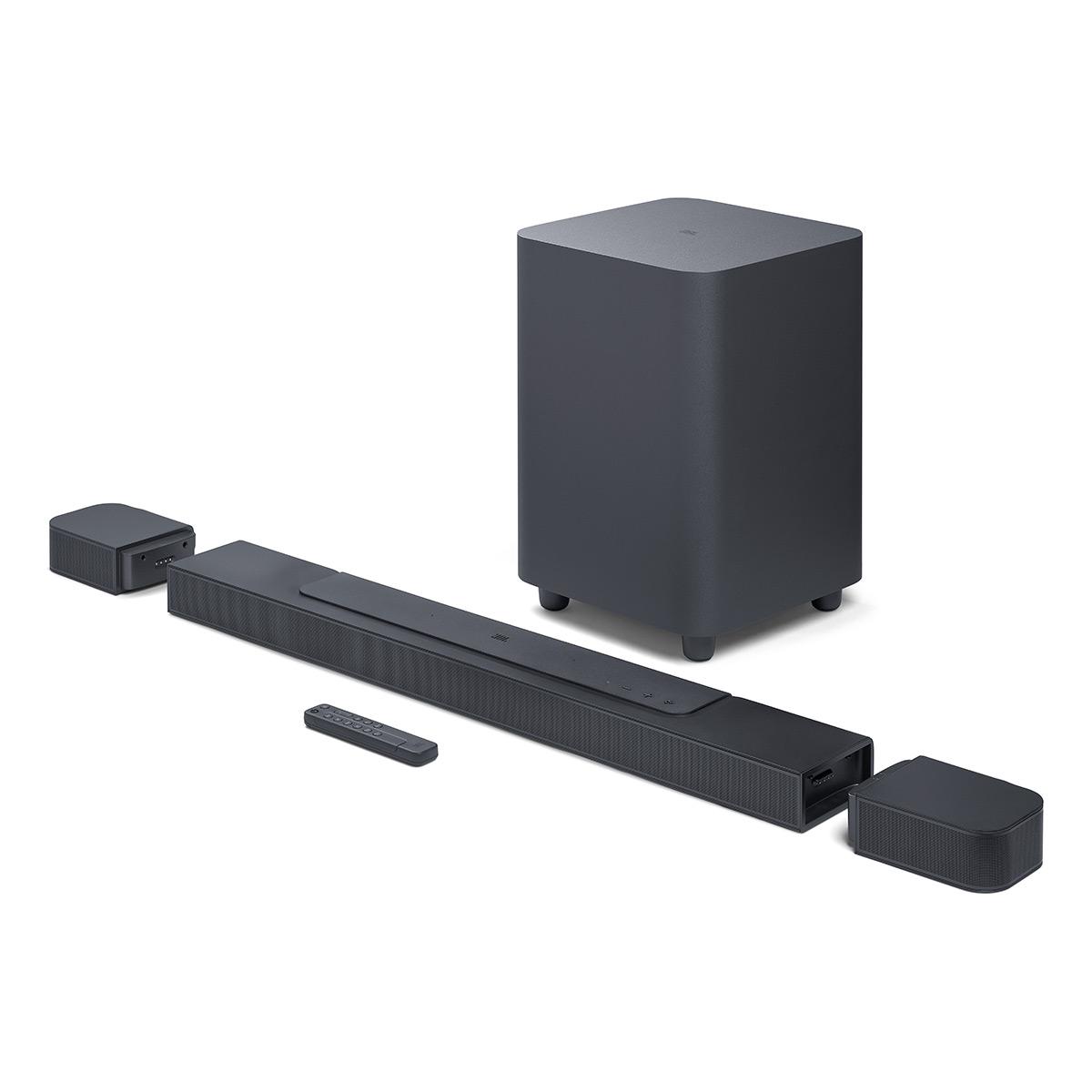
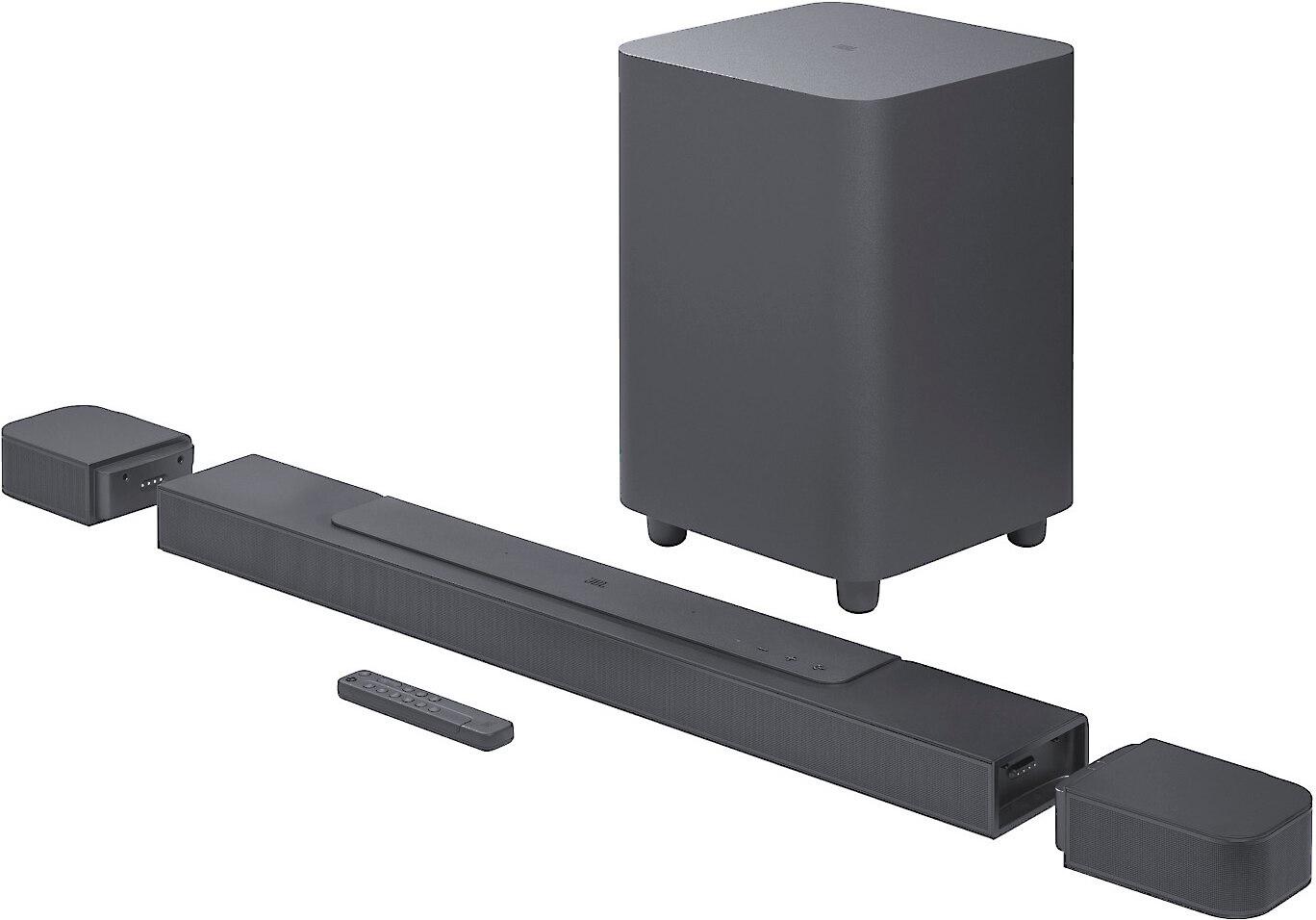
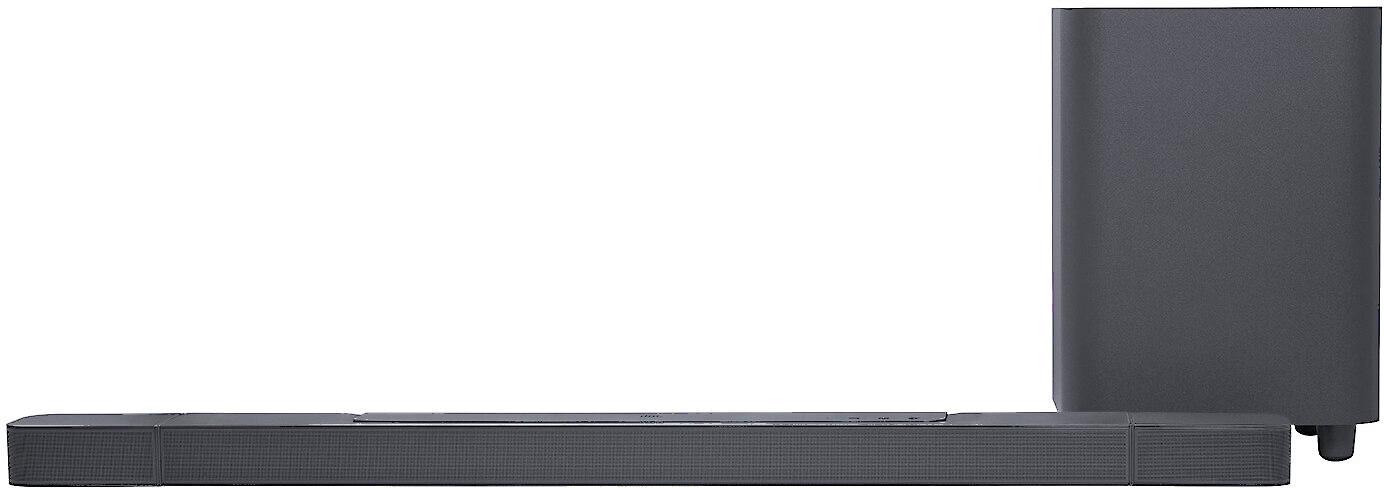
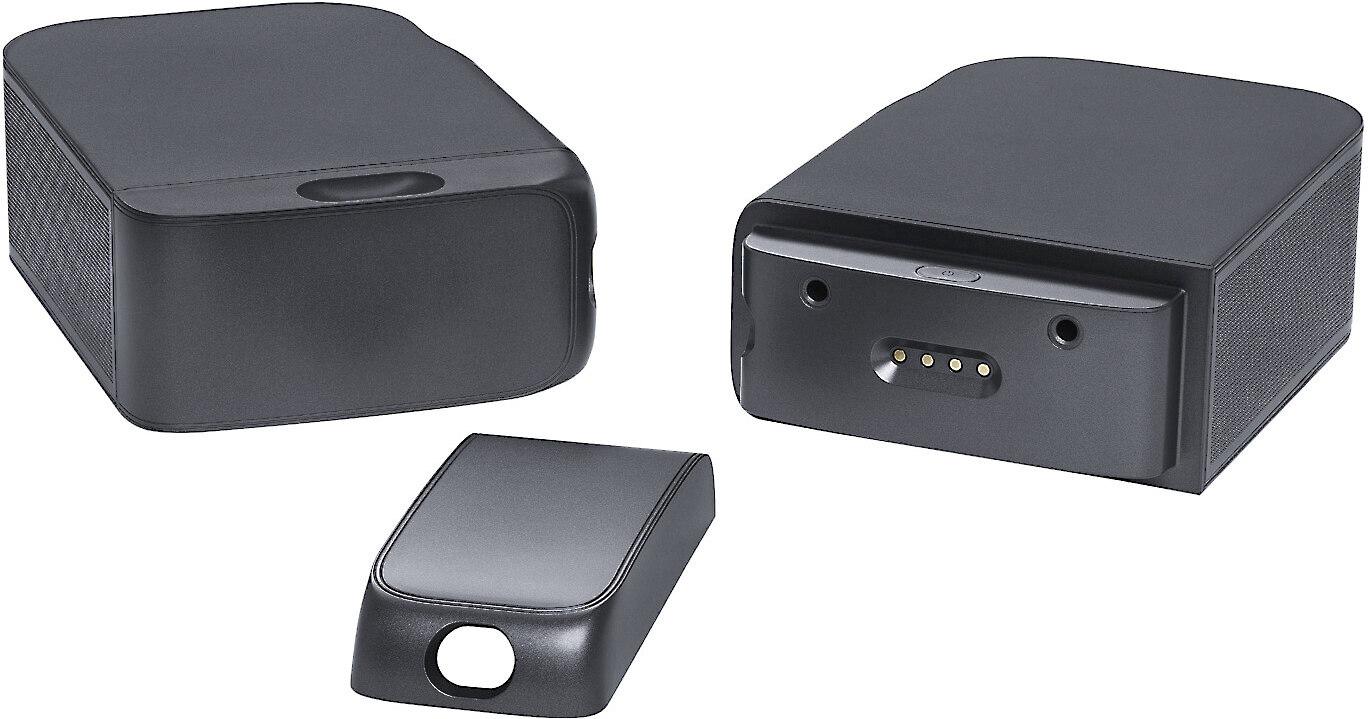
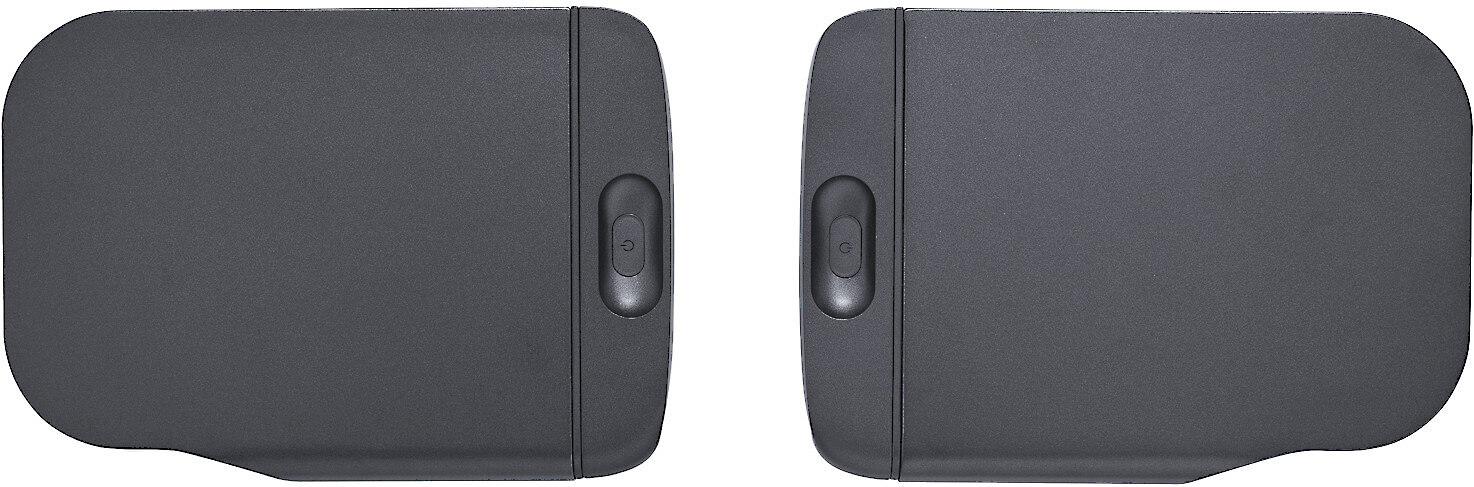
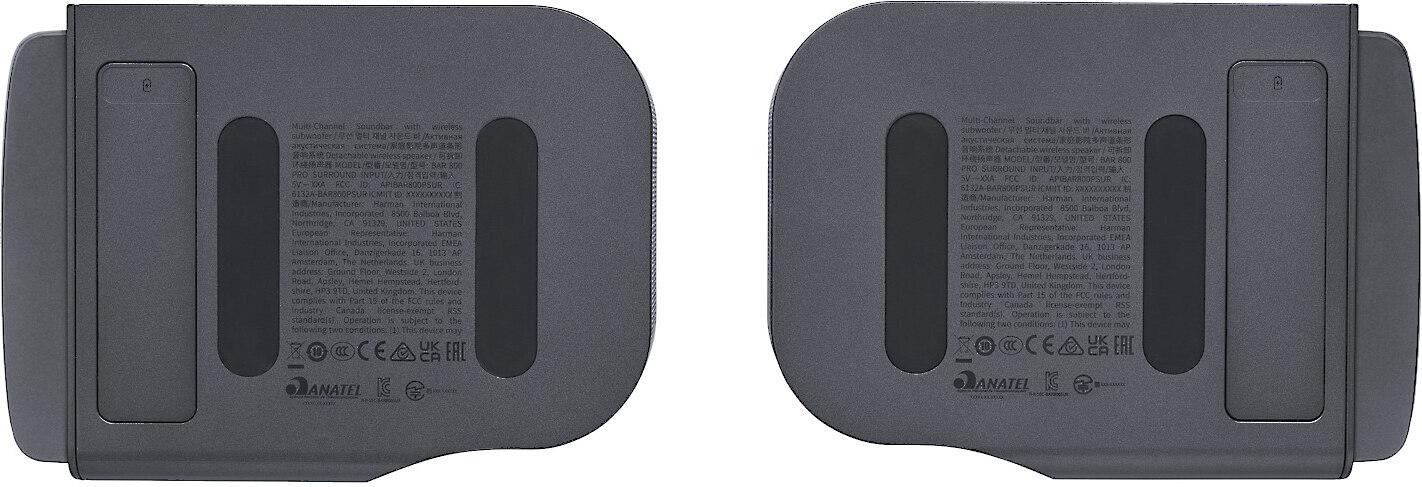
The JBL Bar 700 represents what happens when a company prioritizes audio performance above all else. This 5.1-channel system includes a main soundbar, a substantial 10-inch wireless subwoofer, and detachable battery-powered surround speakers. At 620 watts total power, it's designed to fill larger rooms with cinematic sound quality. The inclusion of Dolby Atmos processing means it can create overhead sound effects, making you feel like helicopters are flying above your head during action scenes.
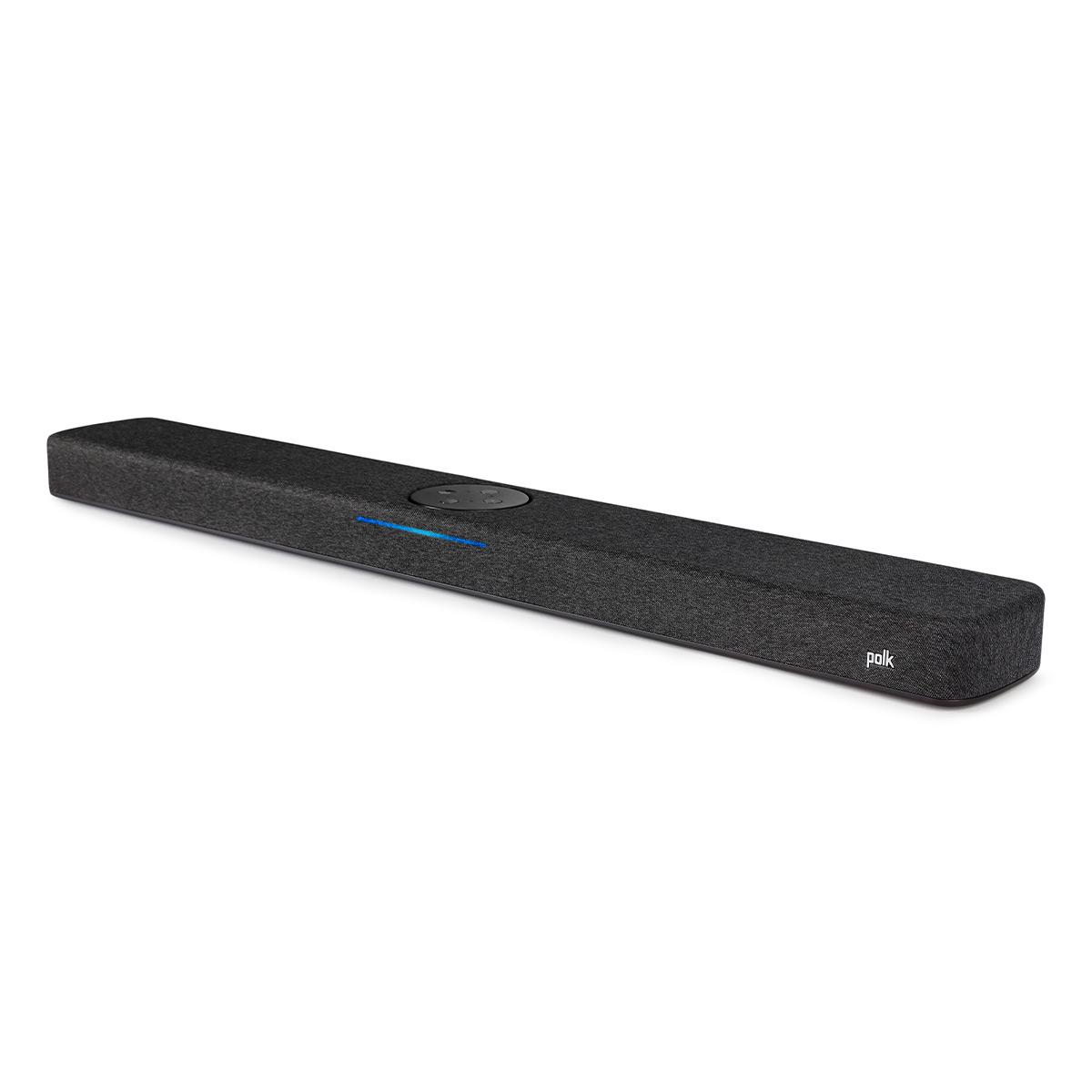
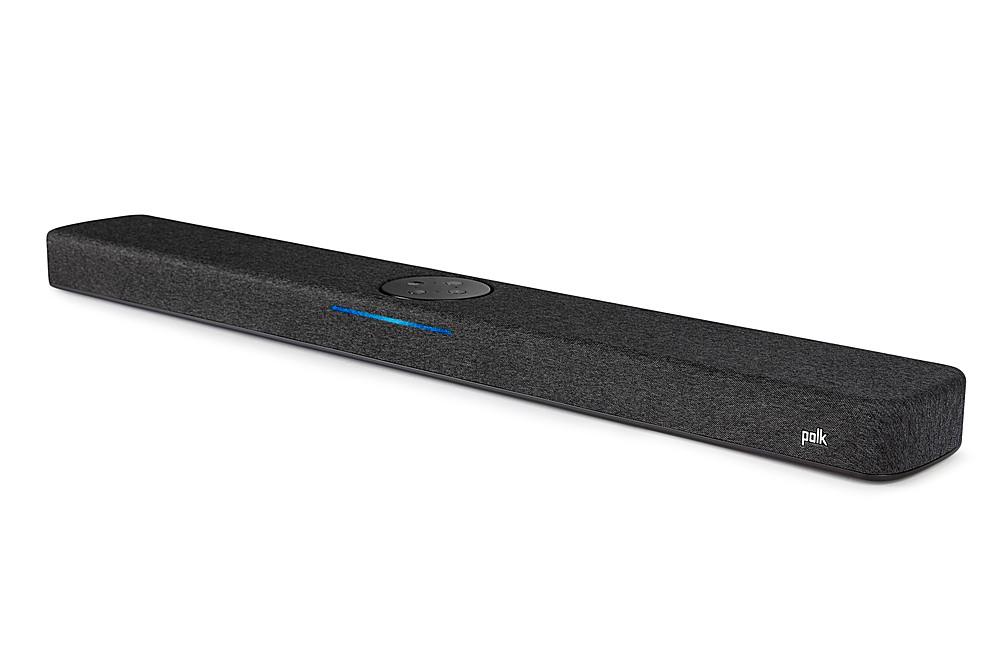
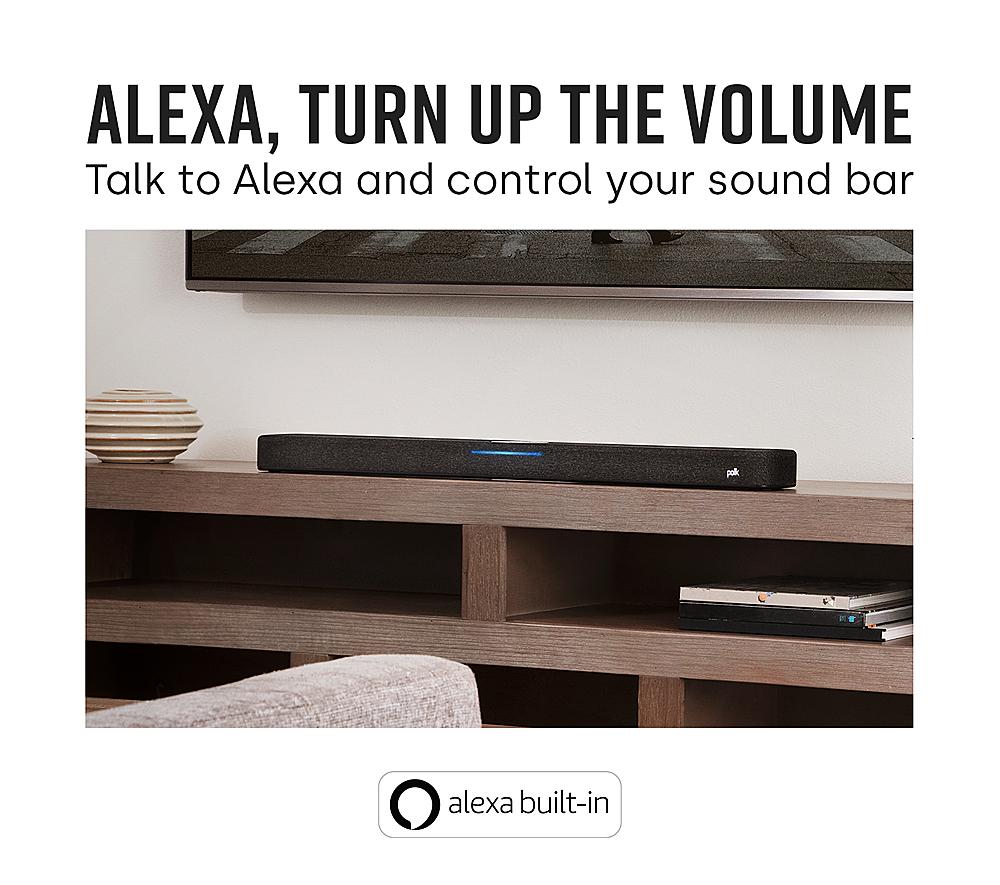
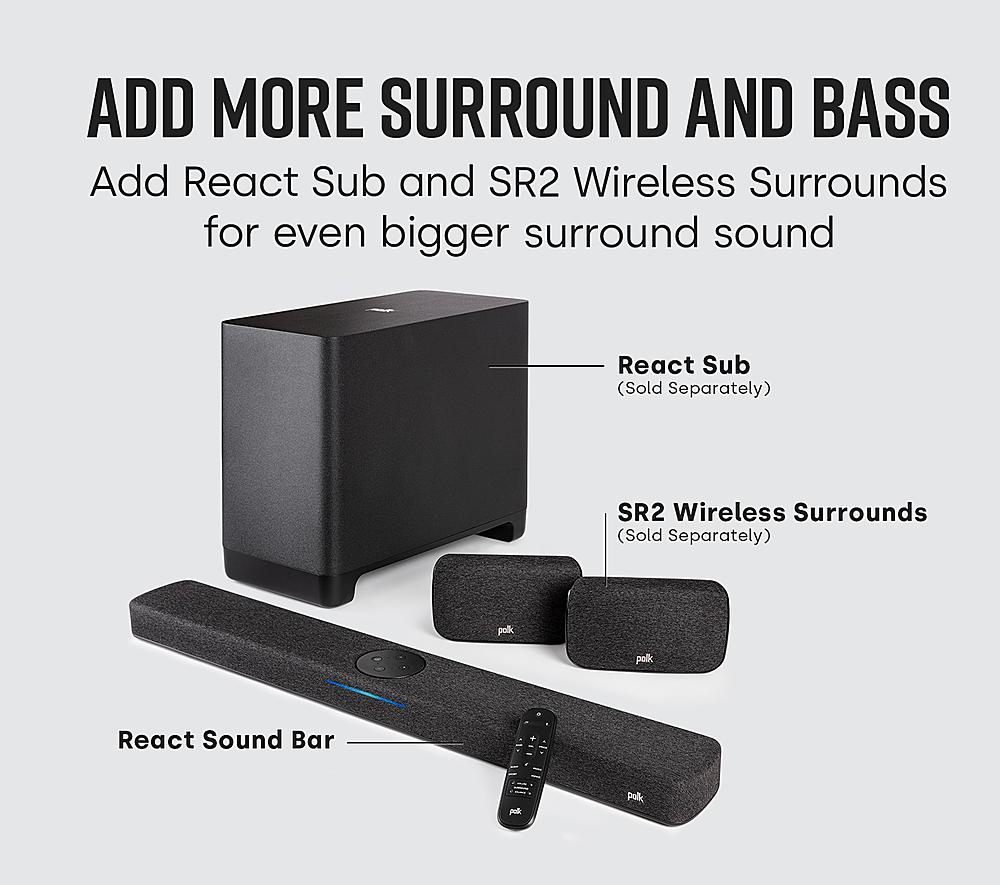
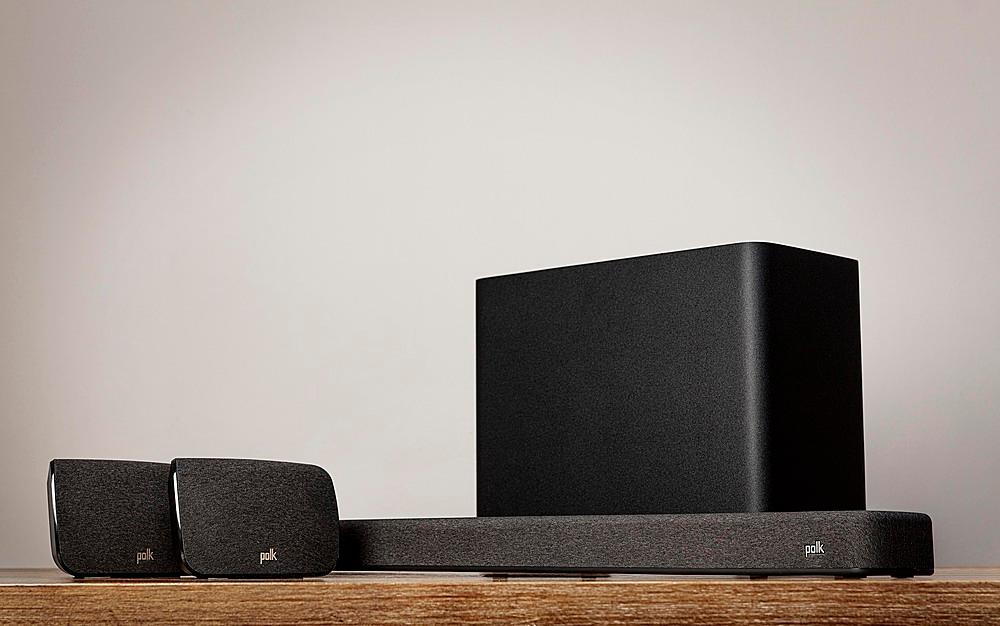
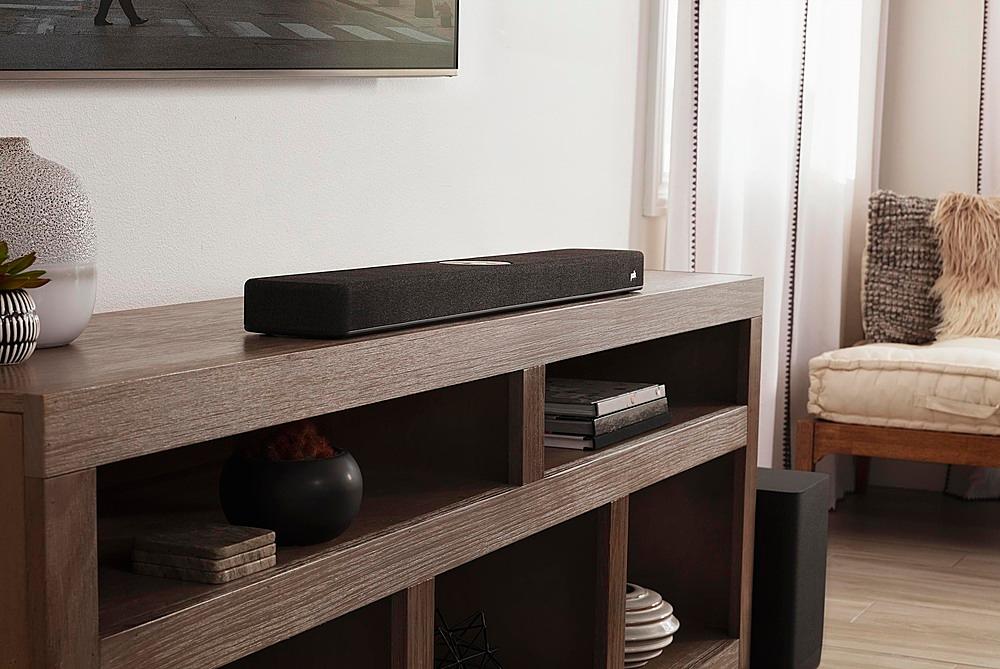
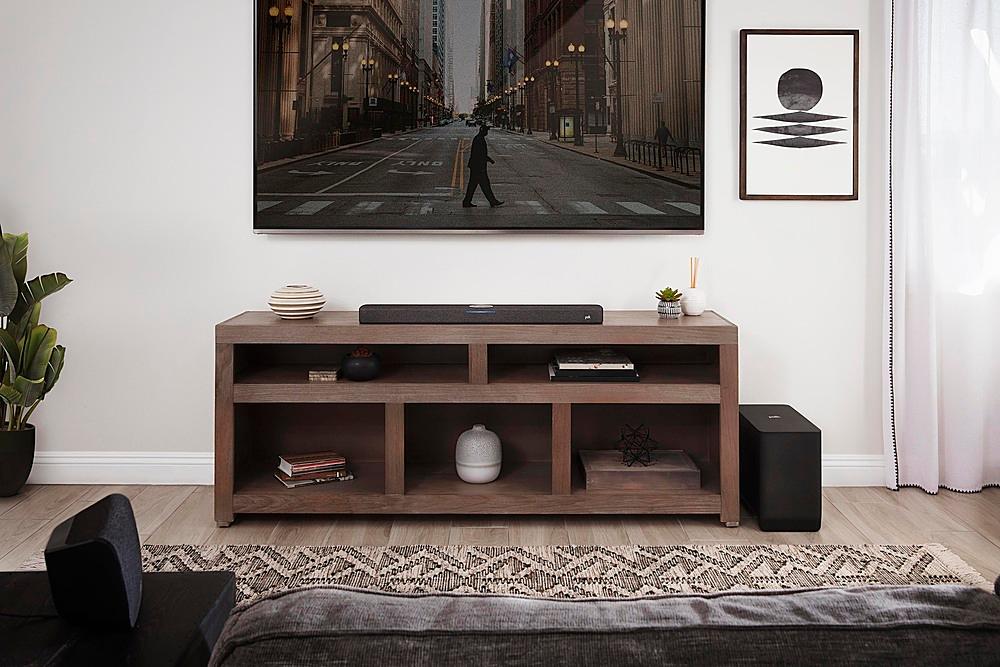
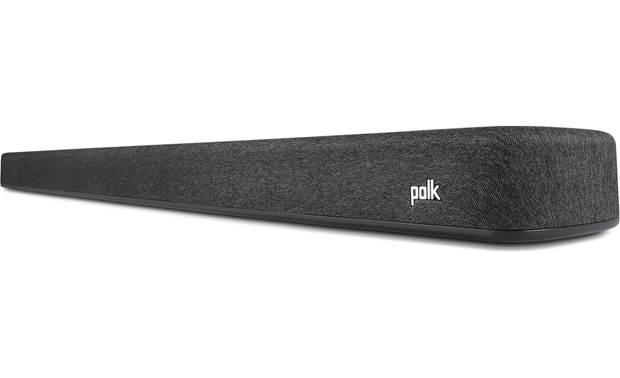
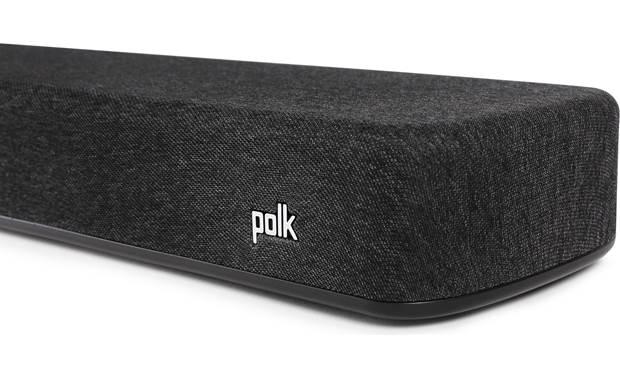
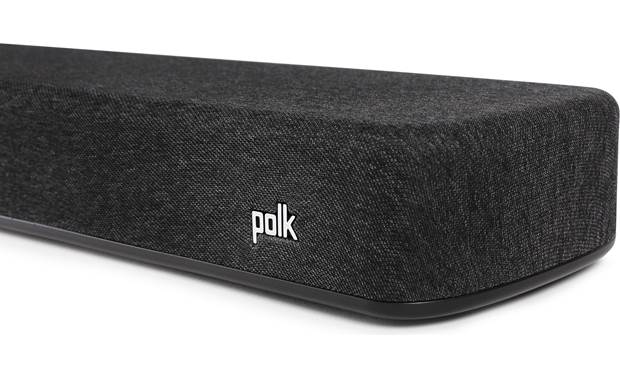
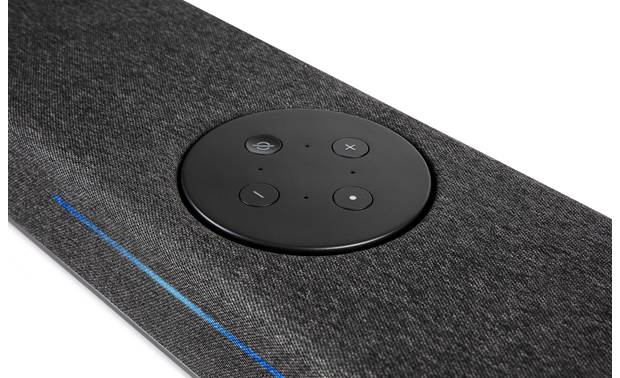
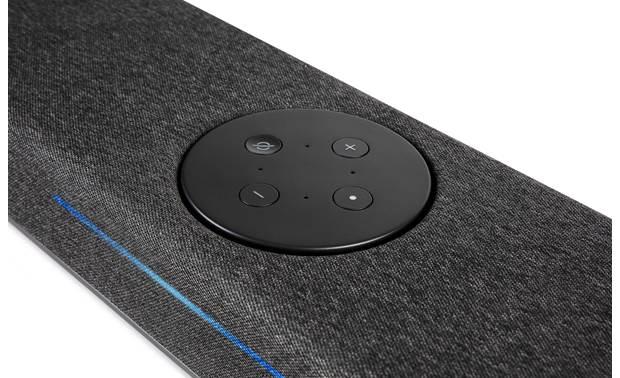
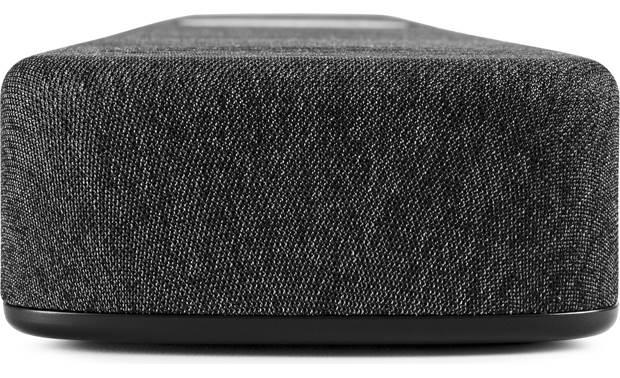
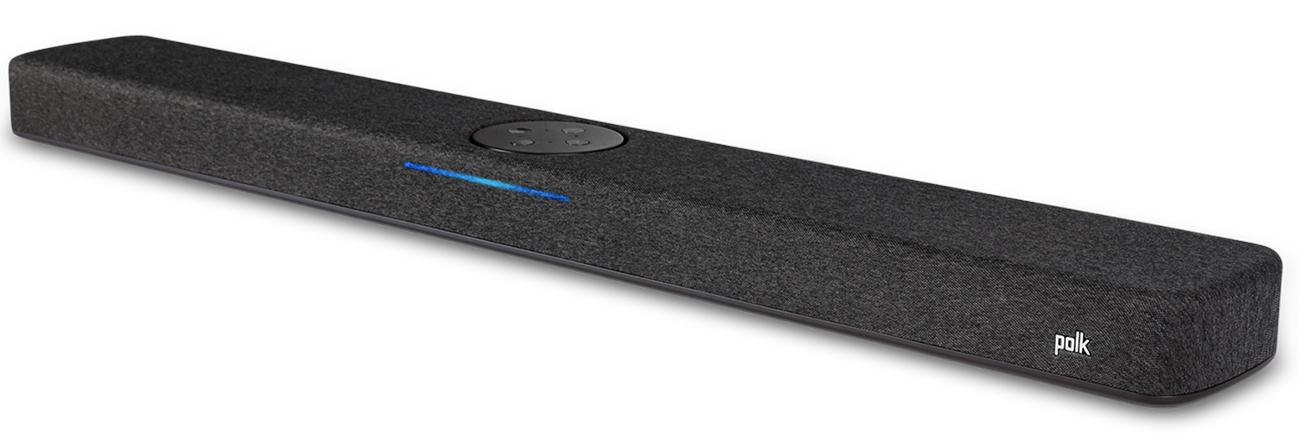
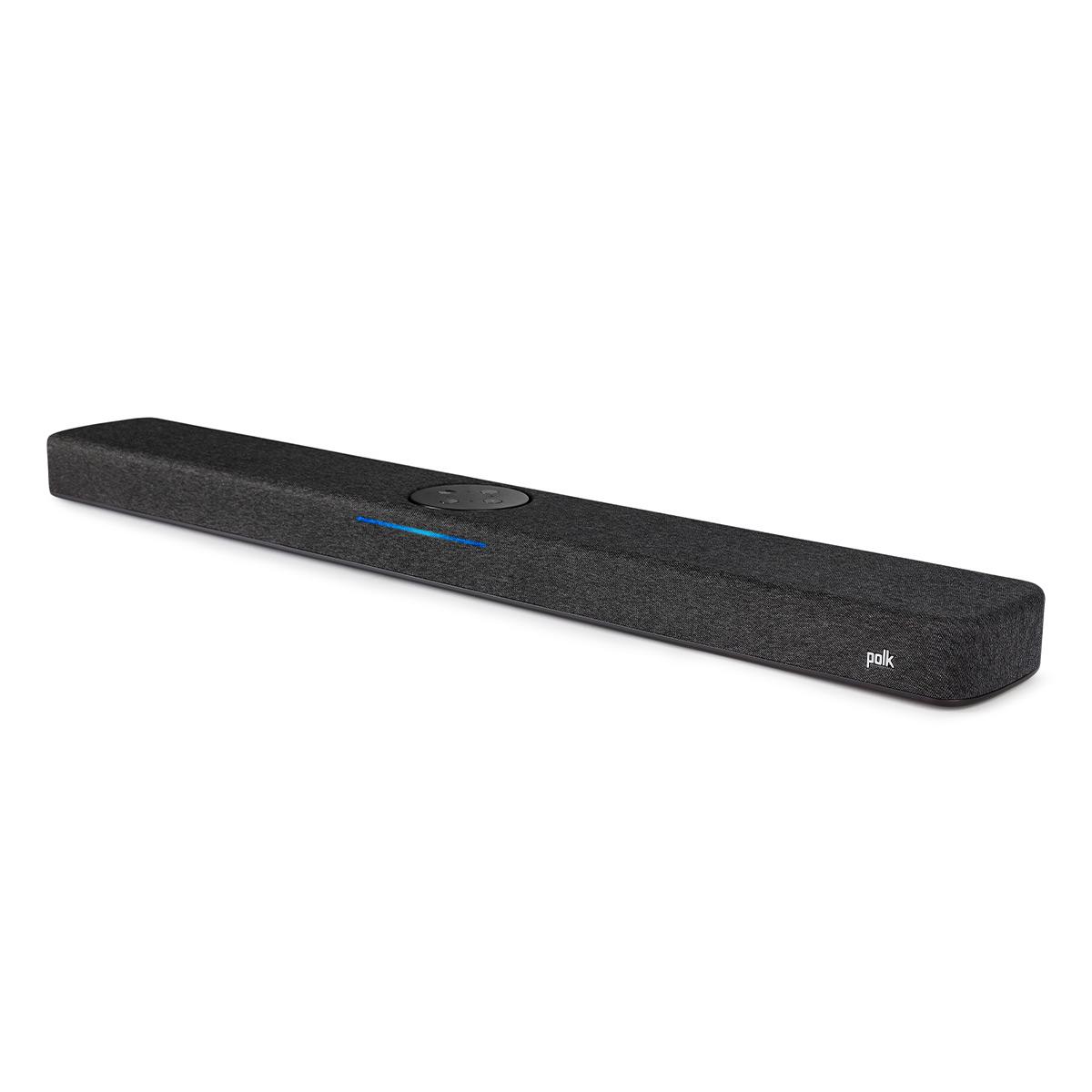
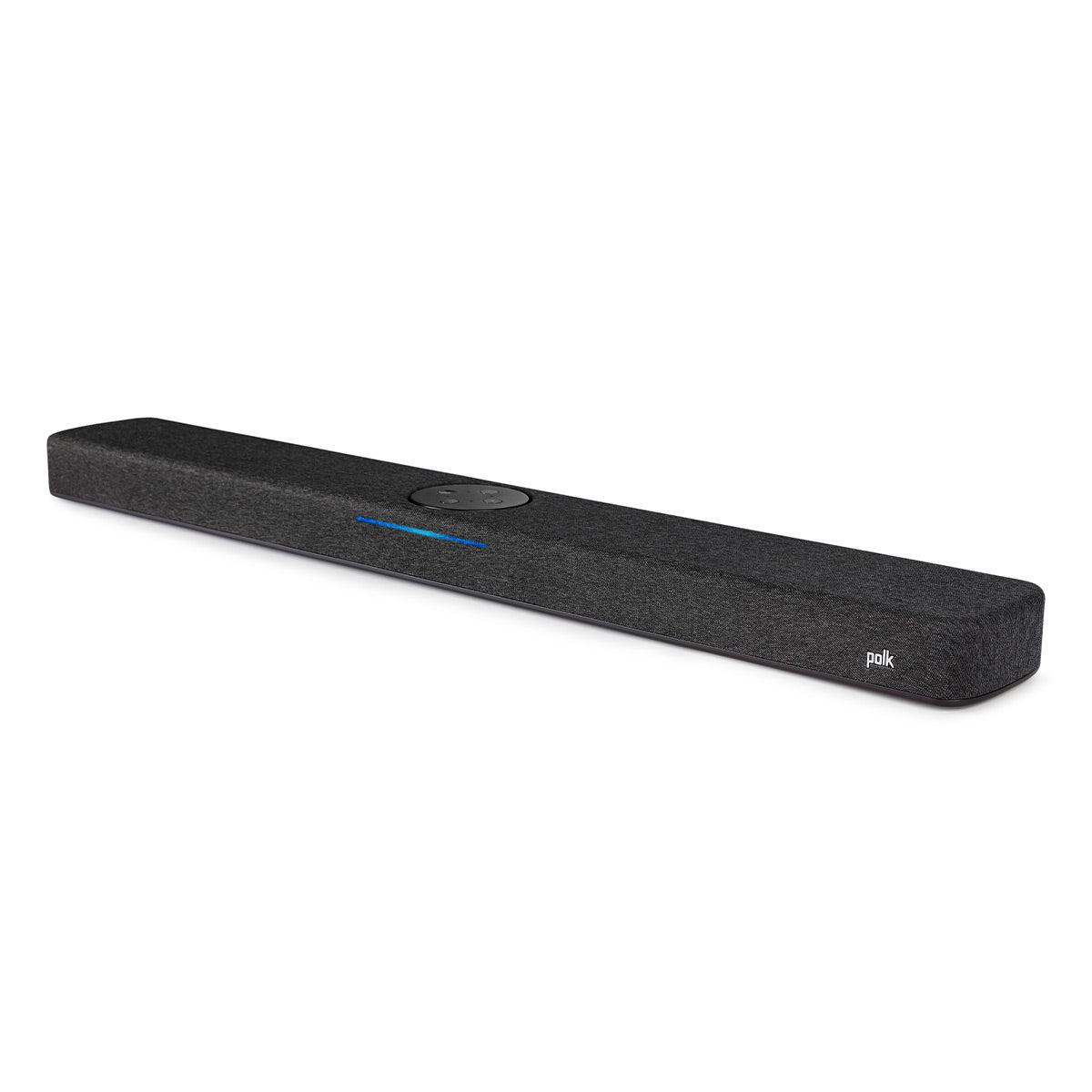
The Polk React takes a different route entirely. This 2.1-channel system focuses on smart home integration with built-in Alexa and four far-field microphones. While it includes a wireless subwoofer, the total power output is around 100 watts – adequate for smaller to medium rooms but not designed for the same room-filling presence as the JBL. Its strength lies in convenience features like voice control and dialogue enhancement.
Here's where the differences become stark. The JBL Bar 700 delivers what I'd call transformative audio compared to TV speakers. The 5.1 configuration means you're getting five main channels (left, center, right, and two surround channels) plus a dedicated subwoofer channel. This isn't just marketing speak – having discrete channels allows for precise sound placement that makes movies and shows dramatically more engaging.
The detachable surround speakers are genuinely clever. They charge when connected to the main bar and can run for up to 10 hours on battery power when detached. This eliminates the typical surround speaker problem of running cables across your living room. During my testing with action movies, these rear speakers made explosions and ambient effects feel like they were happening around me, not just in front of me.
The 10-inch subwoofer deserves special mention. With 300 watts of dedicated power and frequency response down to 35Hz, it reproduces the deep bass that makes movie soundtracks feel cinematic. When the T-Rex steps in Jurassic Park, you feel those footsteps in your chest. The wireless connection means you can place it wherever it sounds best in your room, not just where the cables reach.
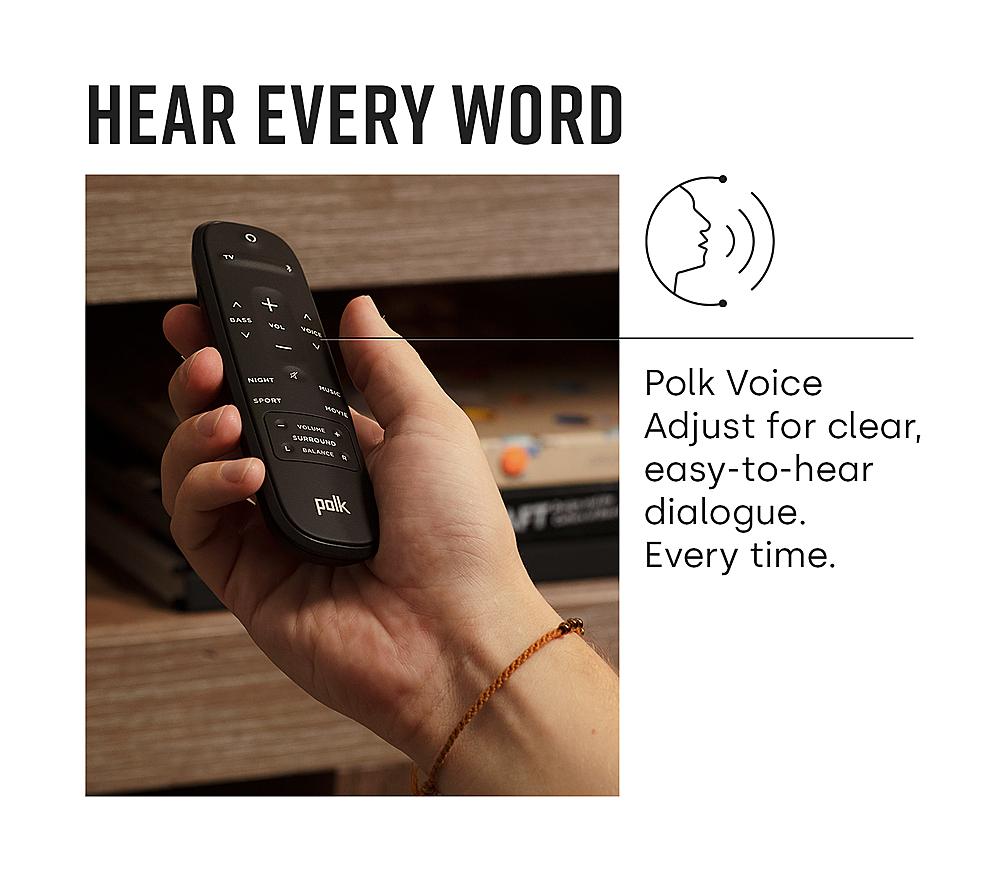
The Polk React's audio approach is more focused. Its VoiceAdjust technology specifically targets dialogue clarity – a real problem with many TV shows where you're constantly adjusting volume between quiet conversations and loud action scenes. This feature works by analyzing the audio signal and boosting the frequency range where human speech lives, making conversations more intelligible without making everything else too loud.
However, the Polk's 2.1 configuration and smaller subwoofer mean it can't match the JBL's overall impact. The virtual surround processing does widen the soundstage compared to TV speakers, but it's no substitute for physical surround speakers. The bass extension rolls off around 70Hz instead of the JBL's 35Hz, missing those deep rumbles that make action scenes exciting.
This is perhaps the most important distinction between these systems. The JBL Bar 700's approach to surround sound is straightforward: use actual surround speakers placed behind you. This creates genuine spatial audio where sounds can be precisely located in three-dimensional space. Dolby Atmos adds another dimension by using psychoacoustic processing (basically tricking your brain) to create the impression of overhead sounds without needing ceiling speakers.
The technology works by bouncing sound off your ceiling and walls in carefully calculated ways. When it works well – and it does with the JBL – you get that "wow" moment where rain seems to fall from above or aircraft fly overhead. The system includes automatic room calibration that uses built-in microphones to measure your room's acoustics and adjust the sound accordingly.
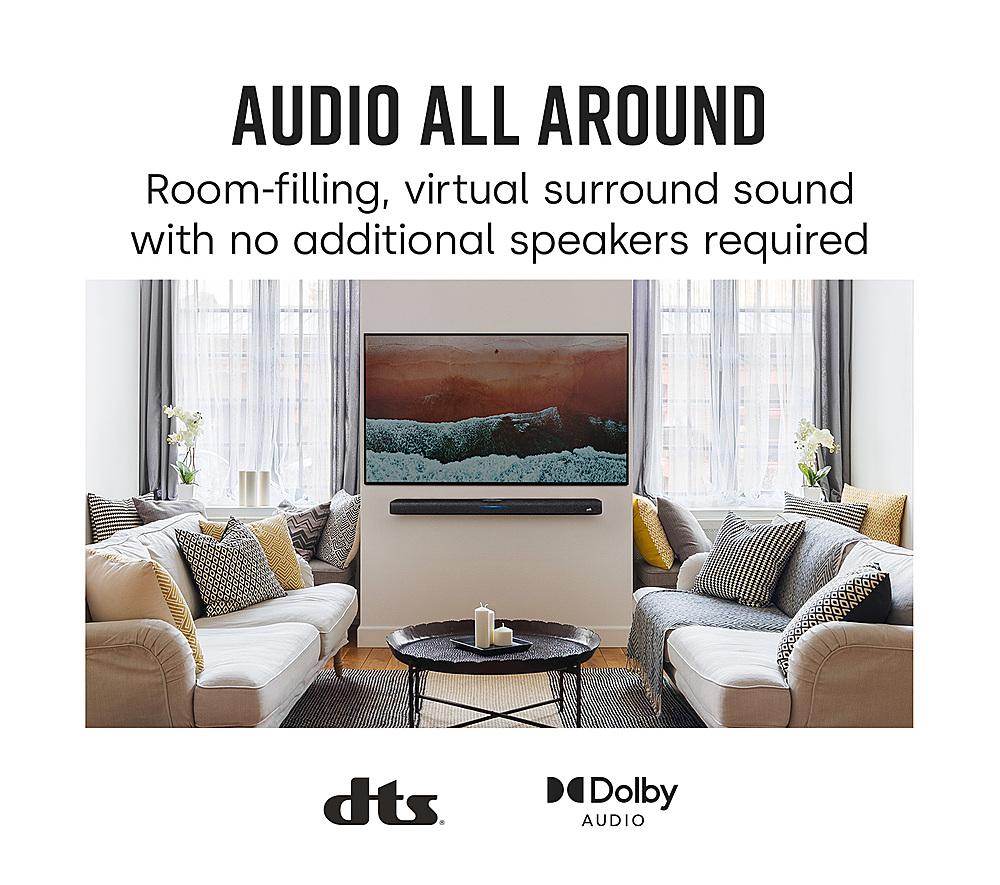
The Polk React relies entirely on virtual surround processing. This uses digital signal processing (DSP) to create the illusion of surround sound from just the front-facing speakers. While this technology has improved significantly over the years, it's still fundamentally limited by physics. You can create a wider soundstage and some sense of space, but you can't truly place sounds behind the listener without rear speakers.
That said, virtual surround has its merits. It works reasonably well for music and casual TV viewing, and it eliminates the complexity of additional speakers. The Polk's implementation is competent within these limitations, providing a more spacious sound than TV speakers without the setup complexity of the JBL system.
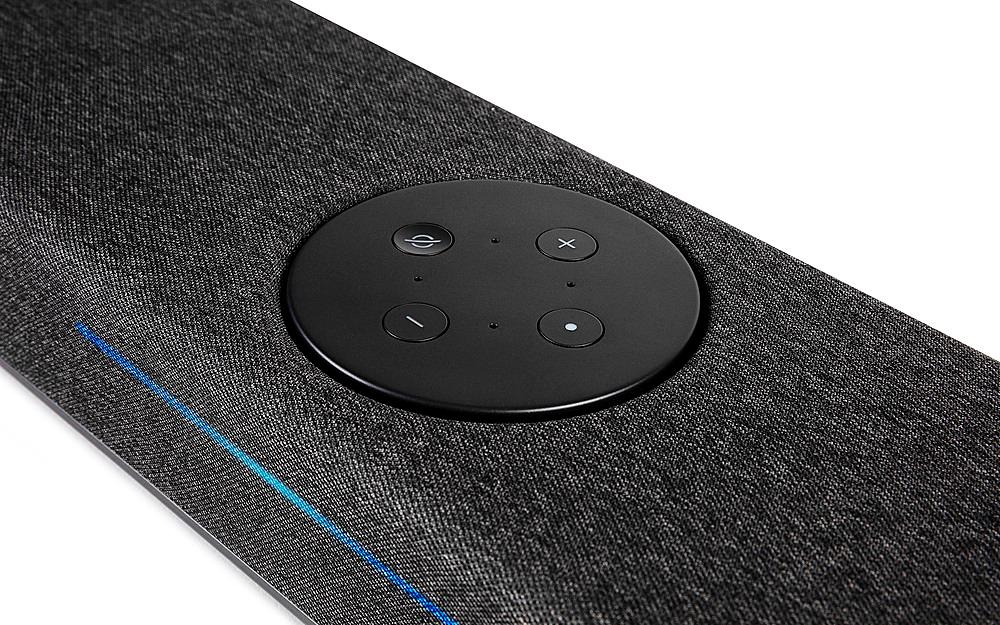
The smart feature comparison reveals each product's design philosophy clearly. The Polk React essentially functions as an Amazon Echo that happens to be a really good soundbar. The four far-field microphones can hear you from across the room, even when music is playing. You can control not just the soundbar's volume and inputs, but also your smart home devices, get weather updates, and even make phone calls through Alexa's calling feature.
This integration feels seamless in daily use. Want to dim the lights and start a movie? Just say "Alexa, movie time" if you've set up a routine. The soundbar responds just like any other Alexa device, with the added benefit of superior audio quality for music streaming and voice responses.
The JBL Bar 700 takes a different approach, focusing on audio streaming capabilities rather than voice control. It supports AirPlay (for Apple devices), Chromecast built-in (for Android and web-based streaming), and Alexa Multi-Room Music (which lets it join a network of Alexa devices for whole-home audio). While you can control it with voice commands through a separate Alexa device, it doesn't have built-in microphones.
This approach makes sense given JBL's audio-first philosophy. The streaming capabilities are more comprehensive than the Polk's Bluetooth-only music playback, supporting higher-quality wireless audio formats and direct streaming from services like Spotify and Apple Music without needing your phone as an intermediary.
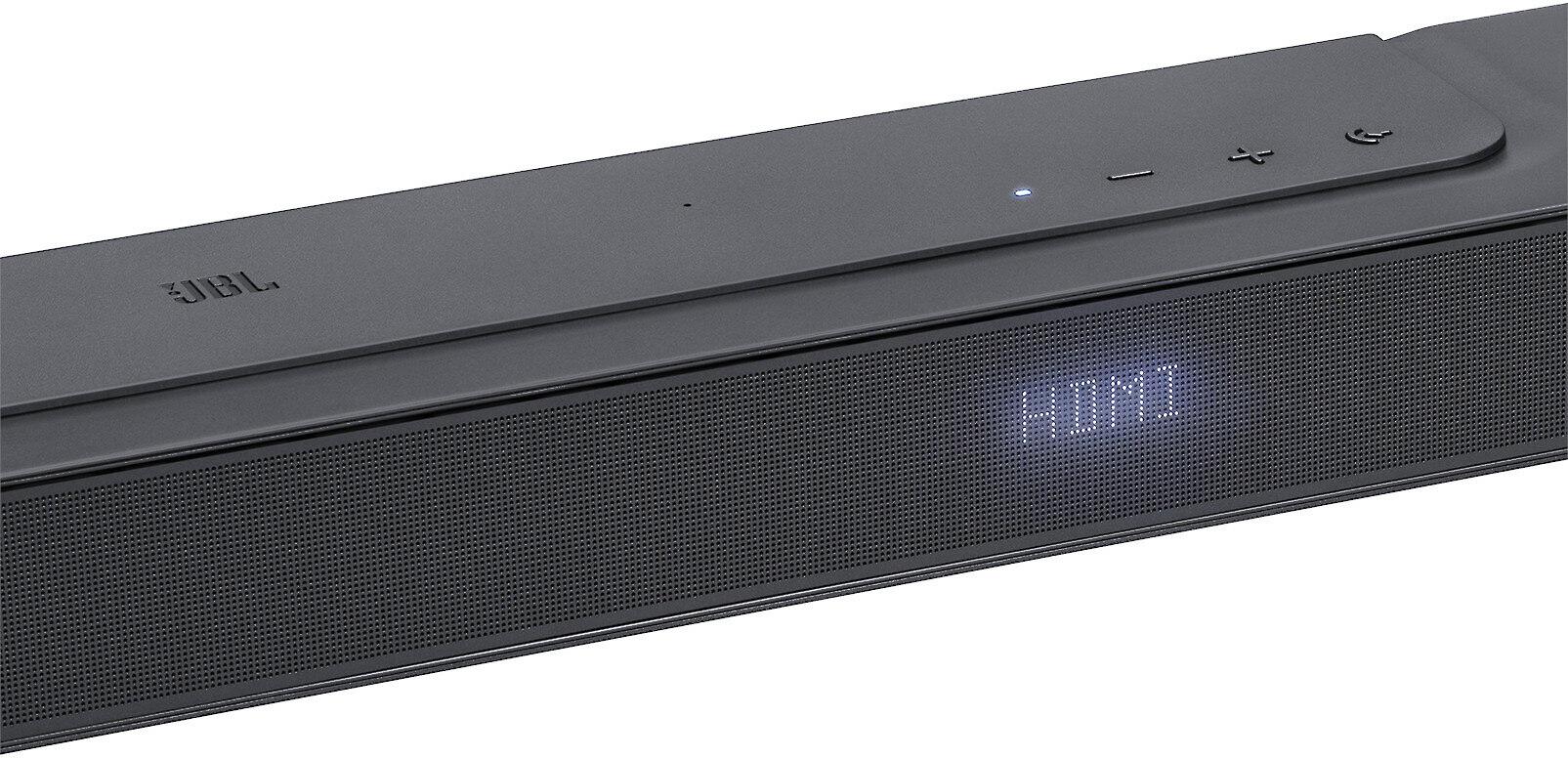
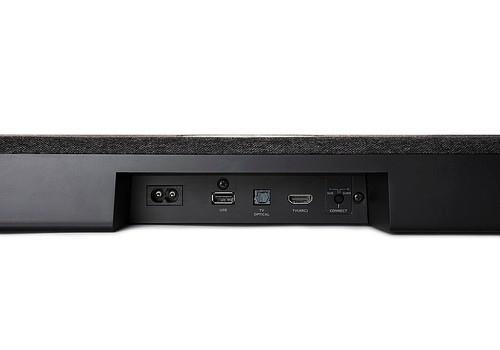
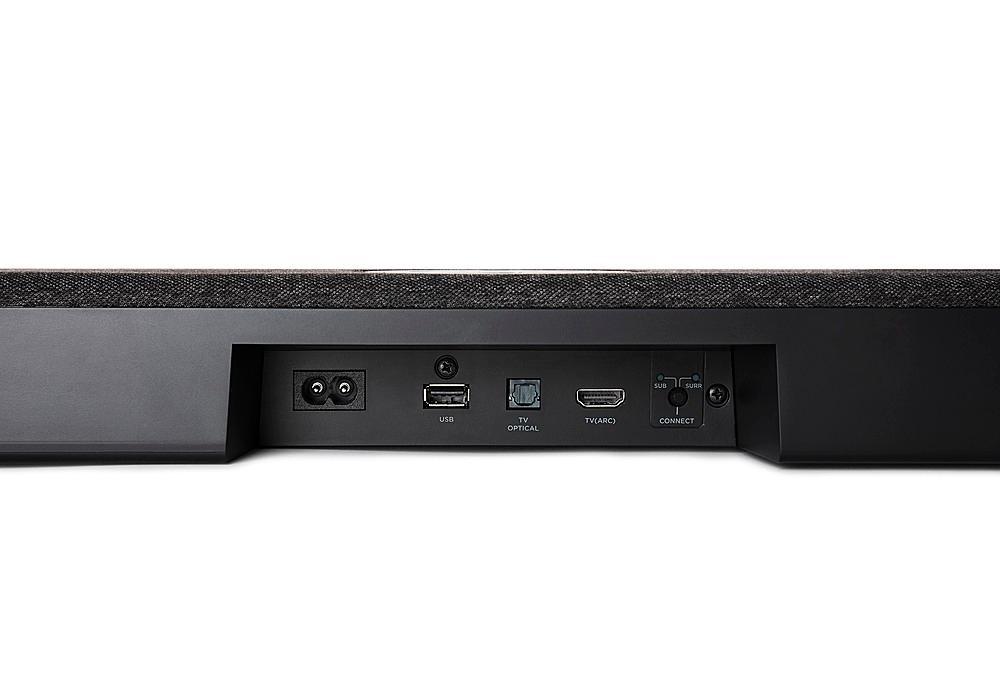
Both soundbars include HDMI eARC (enhanced Audio Return Channel), which is the current standard for connecting soundbars to TVs. This single cable connection handles both audio from the TV and can pass through 4K video with HDR (High Dynamic Range) support. The JBL supports the latest HDCP 2.3 copy protection standard and both HDR10 and Dolby Vision formats, ensuring compatibility with current and future 4K content.
Where they differ is in wireless connectivity. The JBL's built-in Wi-Fi enables those advanced streaming features I mentioned, while the Polk relies on Bluetooth 4.2 for wireless music. Bluetooth is perfectly adequate for casual listening, but it compresses audio and has range limitations. Wi-Fi streaming typically offers better sound quality and doesn't tie up your phone's Bluetooth connection.
Both systems include optical digital inputs for older TVs or devices that don't support HDMI eARC. This is important for compatibility with gaming consoles, cable boxes, and older equipment.
At $230, the Polk React delivers impressive value for its feature set. You're getting a competent 2.1 soundbar system with wireless subwoofer, full Alexa functionality, and solid dialogue enhancement. For users primarily watching TV shows and casual movies in smaller rooms, it provides meaningful improvement over TV speakers without breaking the bank.
The $649.95 JBL Bar 700 costs nearly three times more, but the audio performance improvement is exponential, not linear. True 5.1 surround sound, Dolby Atmos processing, and that powerful 10-inch subwoofer create a genuinely cinematic experience that justifies the premium for serious home theater enthusiasts.
Here's my honest take: if you're upgrading from TV speakers and primarily watch dialogue-heavy content like news, sitcoms, or dramas, the Polk delivers excellent value. But if you watch movies, play games, or listen to music regularly, the JBL's superior audio quality makes it worth the investment.
The Polk React shines in specific scenarios. It's perfect for apartment dwellers who want better sound without overwhelming their neighbors. The built-in Alexa makes it ideal for smart home enthusiasts who want their soundbar to be part of their voice control ecosystem. It's also great for bedrooms or kitchens where dialogue clarity matters more than cinematic impact.
The JBL Bar 700 targets different needs. It's designed for dedicated home theater setups where audio quality is paramount. The detachable surround speakers make it surprisingly flexible – you can use it as a simple soundbar for casual viewing and add the surrounds for movie nights. The substantial power output means it works well in larger rooms where the Polk might struggle.
In a proper home theater setting, these differences become pronounced. The JBL Bar 700 creates what audiophiles call "soundstage" – the impression that sounds are coming from specific locations in space rather than just from the direction of the speakers. During action scenes, this translates to bullets whizzing past your ears and explosions that seem to happen around you rather than at you.
The Dolby Atmos implementation works particularly well with newer movies mixed for the format. Heights effects like rain, aircraft, or falling debris genuinely seem to come from above, adding immersion that's hard to appreciate until you experience it. The automatic calibration helps optimize this for your specific room layout.
The Polk React performs admirably within its limitations but can't match this level of immersion. What it does excel at is making dialogue consistently audible, which frankly matters more for most TV viewing than cinematic effects. The VoiceAdjust feature works well enough that you might find yourself using it regularly if you watch a lot of content with inconsistent audio levels.
Choose the JBL Bar 700 if you're serious about home theater audio quality, have a medium to large room, watch a lot of movies or play games, and value future-proofing with the latest audio technologies. The $420 price difference buys you genuinely superior audio performance that transforms movie watching.
Choose the Polk React if built-in voice control is important to you, you're working with a smaller space, your content is primarily dialogue-heavy, or you're looking to maximize features under $250. It's a smart choice for users who want meaningful audio improvement without the complexity or cost of a premium system.
The bottom line? Both soundbars succeed at their intended purposes. The Polk maximizes convenience and dialogue clarity for everyday TV viewing, while the JBL delivers the cinematic audio experience that makes movie nights special. Your choice should align with how you actually use your entertainment system and what aspects of audio performance matter most to you.
| JBL Bar 700 Dolby Atmos 5.1 Soundbar with Subwoofer ($649.95) | Polk Audio React Sound Bar with Alexa Built-In ($230.00) |
|---|---|
| Audio Channels - More channels create better sound separation and immersion | |
| 5.1 channels with physical surround speakers and Dolby Atmos | 2.1 channels with virtual surround processing |
| Total Power Output - Determines maximum volume and room-filling capability | |
| 620W (240W soundbar + 300W subwoofer + 80W surrounds) | ~100W total system power |
| Subwoofer Size - Larger drivers produce deeper, more impactful bass | |
| 10" wireless subwoofer with 300W dedicated power | 5.9" wireless subwoofer with limited power |
| Surround Sound Technology - Physical speakers vs virtual processing affects realism | |
| Detachable battery-powered rear speakers + Dolby Atmos | Virtual surround processing only |
| Frequency Response - Lower numbers mean deeper bass for movies | |
| 35Hz - 20kHz (extends into deep bass territory) | Rolls off around 70Hz (misses lowest bass frequencies) |
| Voice Assistant Integration - Controls convenience and smart home compatibility | |
| Works with Alexa devices via Multi-Room Music | Built-in Alexa with 4 far-field microphones |
| Streaming Connectivity - Affects music quality and device compatibility | |
| Wi-Fi with AirPlay, Chromecast built-in, Bluetooth 5.0 | Bluetooth 4.2 only |
| HDMI Features - Future-proofs your setup for new content formats | |
| eARC with 4K HDR10/Dolby Vision passthrough, HDCP 2.3 | eARC with 4K passthrough, standard HDCP |
| Release Year - Newer products often have updated technology | |
| 2024 (latest streaming protocols and audio processing) | 2021 (established but older smart features) |
| Room Size Suitability - Power and design determine optimal space | |
| Medium to large rooms (sufficient power for spacious areas) | Small to medium rooms (may struggle in large spaces) |
| Setup Complexity - Affects ease of installation and daily use | |
| Multiple components but wireless connectivity simplifies placement | Simple 2-piece system with straightforward setup |
| Primary Use Case - Different designs excel in different scenarios | |
| Home theater focused with cinematic audio quality | Smart home integration with dialogue enhancement |
The JBL Bar 700 ($649.95) is significantly better for movies due to its true 5.1 surround sound with physical rear speakers and Dolby Atmos technology. The detachable surround speakers create genuine spatial audio effects, while the 10-inch subwoofer delivers deep bass for action scenes. The Polk Audio React ($230.00) only offers virtual surround processing and has a smaller subwoofer, making it adequate for casual movie watching but not ideal for cinematic experiences.
The primary difference is their approach to audio: the JBL Bar 700 prioritizes premium sound quality with true 5.1 surround speakers and Dolby Atmos, while the Polk Audio React focuses on smart home integration with built-in Alexa voice control. The JBL delivers superior audio performance at nearly three times the price, while the Polk maximizes convenience features and dialogue clarity at a budget-friendly cost.
The JBL Bar 700 has substantially better bass with its 10-inch wireless subwoofer powered by 300 watts and frequency response down to 35Hz. This produces deep, room-shaking bass perfect for movies and music. The Polk Audio React has a smaller 5.9-inch subwoofer that rolls off around 70Hz, providing adequate bass for dialogue and casual listening but lacking the depth needed for cinematic impact.
The Polk Audio React has built-in Alexa with four far-field microphones, allowing direct voice control of the soundbar and smart home devices. The JBL Bar 700 doesn't have built-in voice control but works with existing Alexa devices through Alexa Multi-Room Music, requiring a separate Echo device for voice commands.
The Polk Audio React is better suited for small to medium rooms due to its compact design and appropriate power output of around 100 watts. The JBL Bar 700 with its 620-watt output and larger components is designed for medium to large rooms and might be overpowered for smaller spaces, though its superior audio quality benefits any room size.
Only the JBL Bar 700 supports Dolby Atmos, which creates overhead sound effects for a 3D audio experience. The Polk Audio React supports Dolby Digital and DTS decoding but lacks Dolby Atmos capability, relying on virtual surround processing instead of height effects.
Value depends on your priorities. The Polk Audio React ($230.00) offers excellent value for users wanting smart features, dialogue enhancement, and decent sound quality on a budget. The JBL Bar 700 ($649.95) provides better value for home theater enthusiasts who prioritize audio quality, as its superior surround sound and bass performance justify the higher price for serious movie and music listening.
The JBL Bar 700 offers comprehensive streaming with built-in Wi-Fi supporting AirPlay, Chromecast built-in, and Bluetooth 5.0 for high-quality wireless audio from multiple sources. The Polk Audio React is limited to Bluetooth 4.2 for music streaming, which is adequate for casual listening but lacks the advanced streaming protocols and audio quality of the JBL system.
The Polk Audio React is easier to set up with just two main components (soundbar and subwoofer) and straightforward connections. The JBL Bar 700 involves more components including detachable surround speakers, but the wireless connectivity and automatic room calibration simplify the process once everything is positioned correctly.
Yes, both the JBL Bar 700 and Polk Audio React feature HDMI eARC connections for single-cable setup with modern TVs, supporting 4K video passthrough. Both also include optical inputs for older TVs. The JBL offers more advanced HDCP 2.3 support and Dolby Vision passthrough for future-proofing with the latest content formats.
The Polk Audio React excels at dialogue clarity with its VoiceAdjust technology specifically designed to enhance speech frequencies, making conversations more intelligible even during loud scenes. While the JBL Bar 700 includes PureVoice dialogue enhancement and delivers clear speech, the Polk's focus on this feature makes it particularly effective for TV shows and news content.
Choose the JBL Bar 700 if you want the best possible audio quality with true surround sound, deep bass, and Dolby Atmos for an immersive movie experience. Choose the Polk Audio React if you prioritize built-in voice control, have budget constraints under $300, or primarily watch dialogue-heavy content in a smaller room. The JBL transforms movie nights while the Polk enhances daily TV viewing with smart convenience.
We've done our best to create useful and informative comparisons to help you decide what product to buy. Our research uses advanced automated methods to create this comparison and perfection is not possible - please contact us for corrections or questions. These are the sites we've researched in the creation of this article: crutchfield.com - harmanaudio.com - target.com - jbl.com - walmart.com - dell.com - jbl.com - techradar.com - crutchfield.com - popsci.com - youtube.com - tomsguide.com - bestbuy.com - polkaudio.com - crutchfield.com - forum.polkaudio.com - soundunited.com - youtube.com

Privacy Policy
Terms and Conditions - Affiliate Policy
Home Security
© Copyright 2008-2026.
11816 Inwood Rd #1211, Dallas, TX 75244