




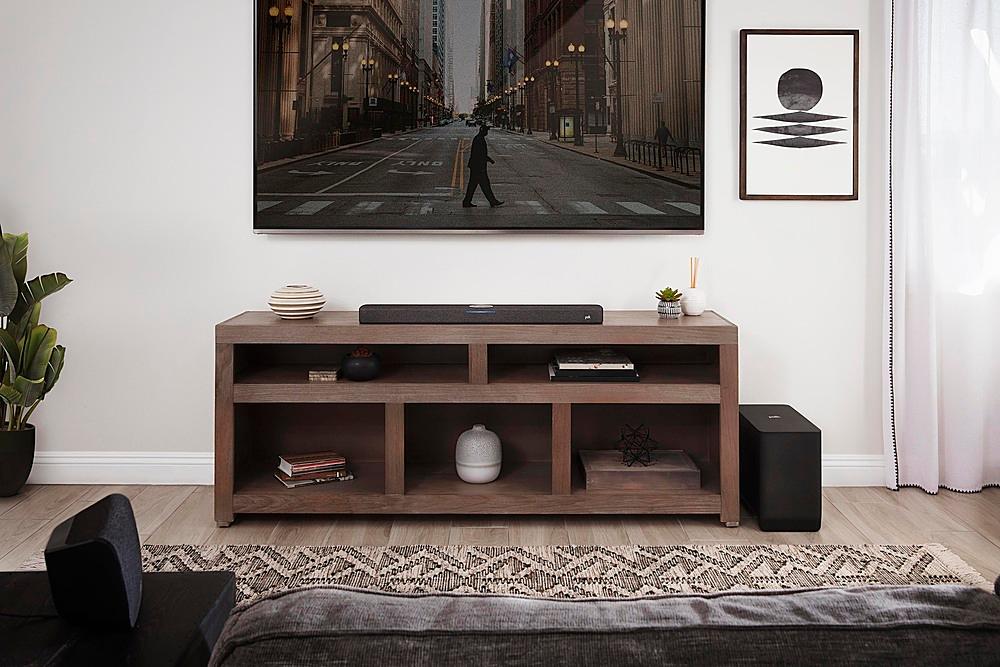
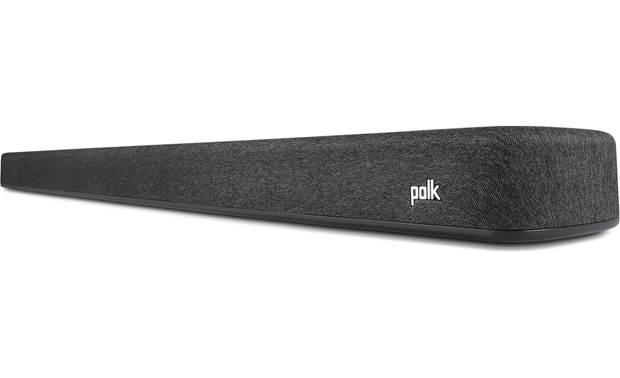
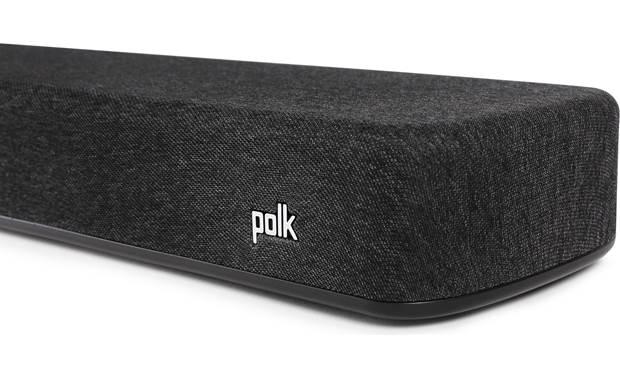
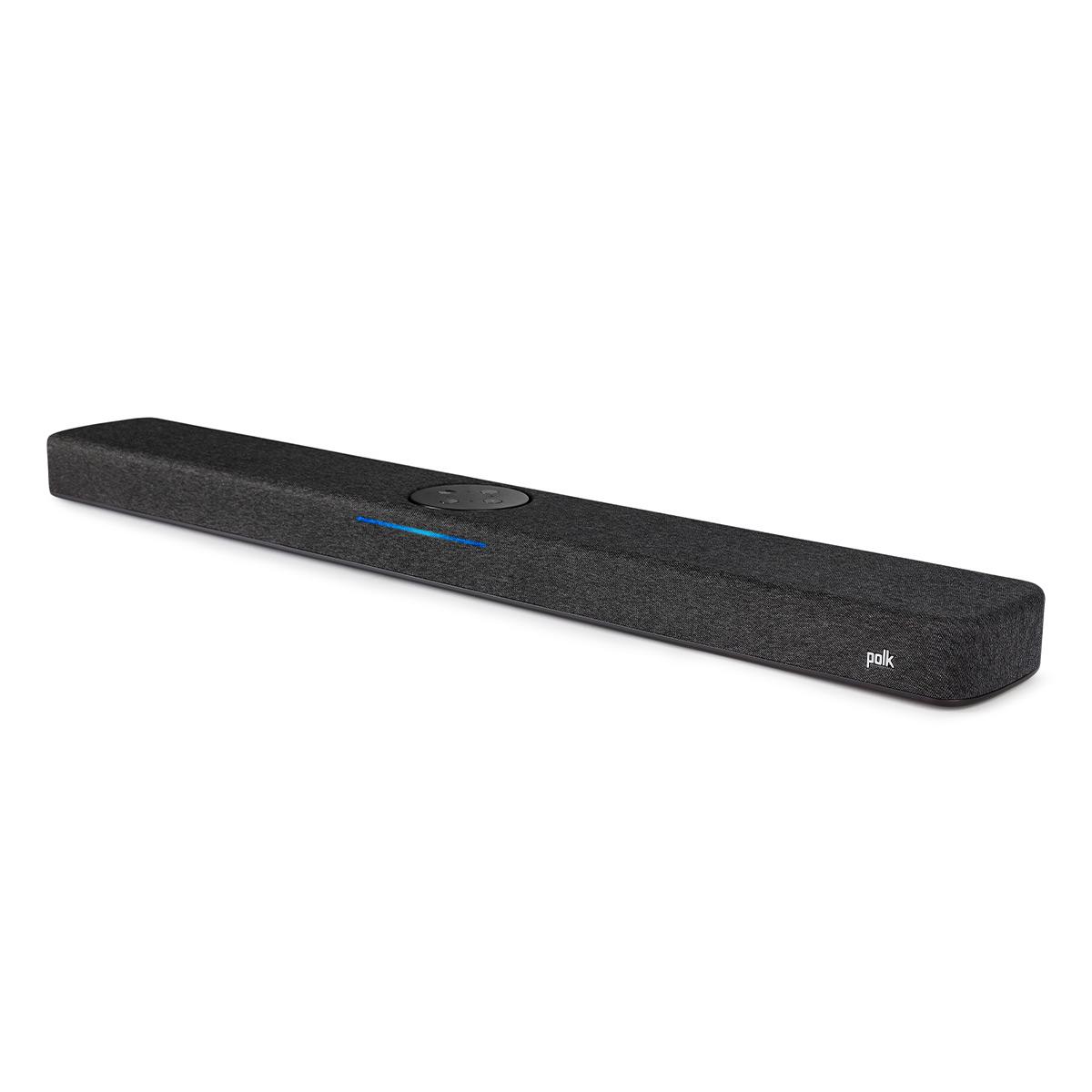
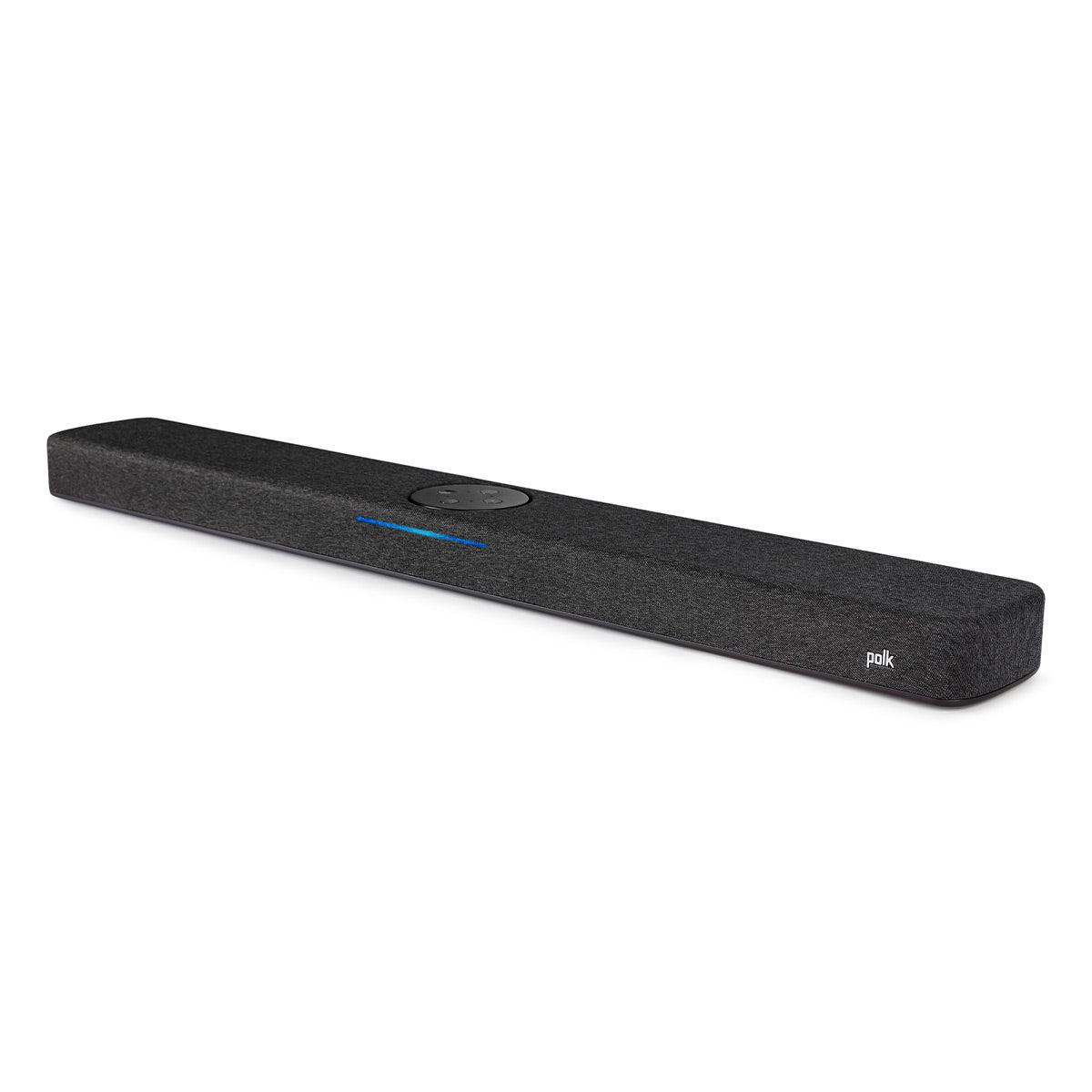
When your TV's built-in speakers make dialogue sound like it's coming from a tin can, it's time for an upgrade. Soundbars have become the go-to solution for better TV audio without turning your living room into a maze of wires and speakers. But choosing the right one means understanding whether you want everything working perfectly right out of the box, or if you prefer starting with a foundation you can build on over time.
Today we're comparing two different approaches from Polk Audio: the Signa S2 represents the traditional "complete package" philosophy, while the React embodies the modern "smart and expandable" mindset. Both were released around 2019-2021, during a period when soundbar technology was rapidly evolving to include voice assistants and wireless connectivity as standard features rather than premium add-ons.
Before diving into specifics, let's clarify what makes a good soundbar. The primary job is improving dialogue clarity – that's why people buy them. Beyond that, you want wider sound staging (making audio feel like it's coming from beyond just the TV screen), better bass response than tiny TV speakers can provide, and ideally some form of surround sound processing.
The numbers and specifications that matter most are frequency response (how low the bass goes and how high the treble extends), driver configuration (how many speakers and what types), and connectivity options. A soundbar that only handles frequencies down to 100Hz will sound thin, while one reaching 45Hz will have satisfying bass presence. Similarly, having dedicated tweeters (small speakers for high frequencies) and midrange drivers creates clearer, more detailed sound than a single full-range driver trying to handle everything.
Power ratings, while marketed heavily, are often misleading. What matters more is how clean the sound stays as you increase volume, and whether the soundbar can fill your specific room size without strain.
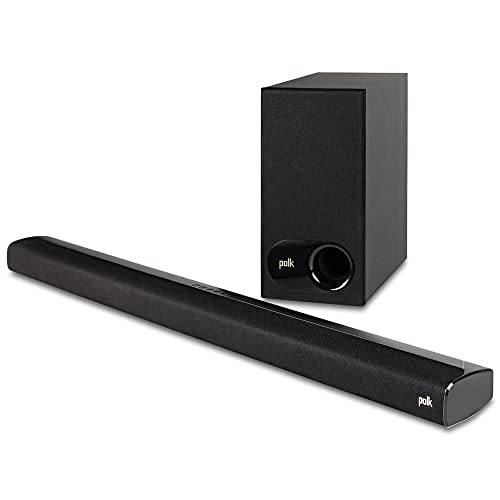
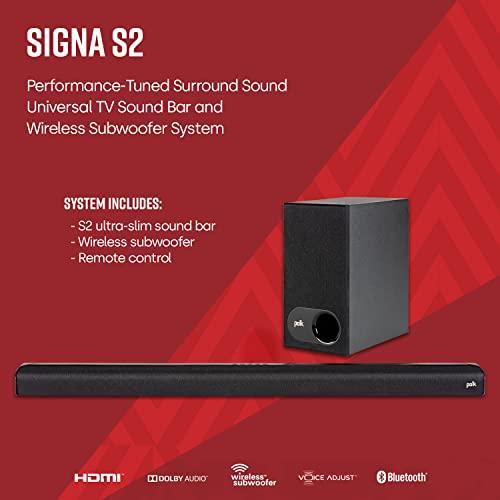
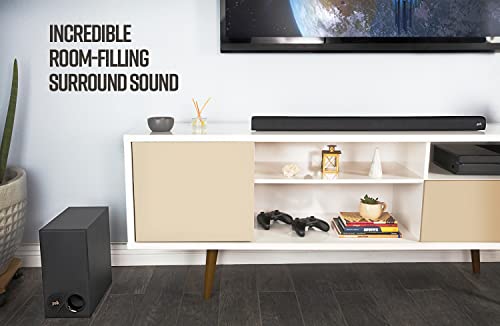
The Signa S2 follows the traditional soundbar playbook: everything you need comes in the box. You get the main soundbar plus a wireless subwoofer (a dedicated bass speaker), all cables, and remote control. Setup takes minutes, and you immediately have full-range audio with impactful bass.
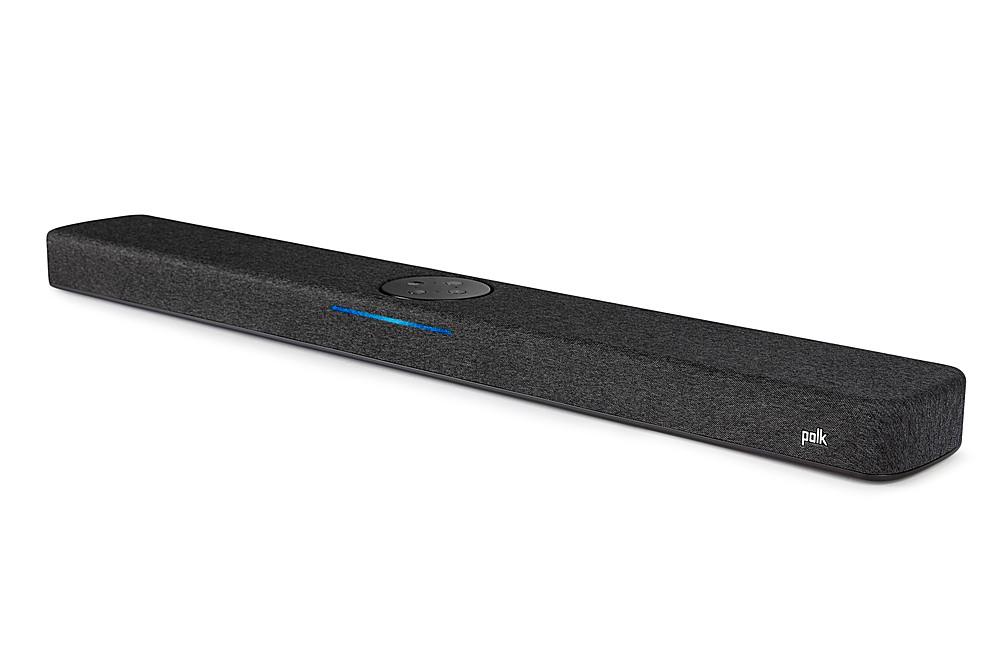
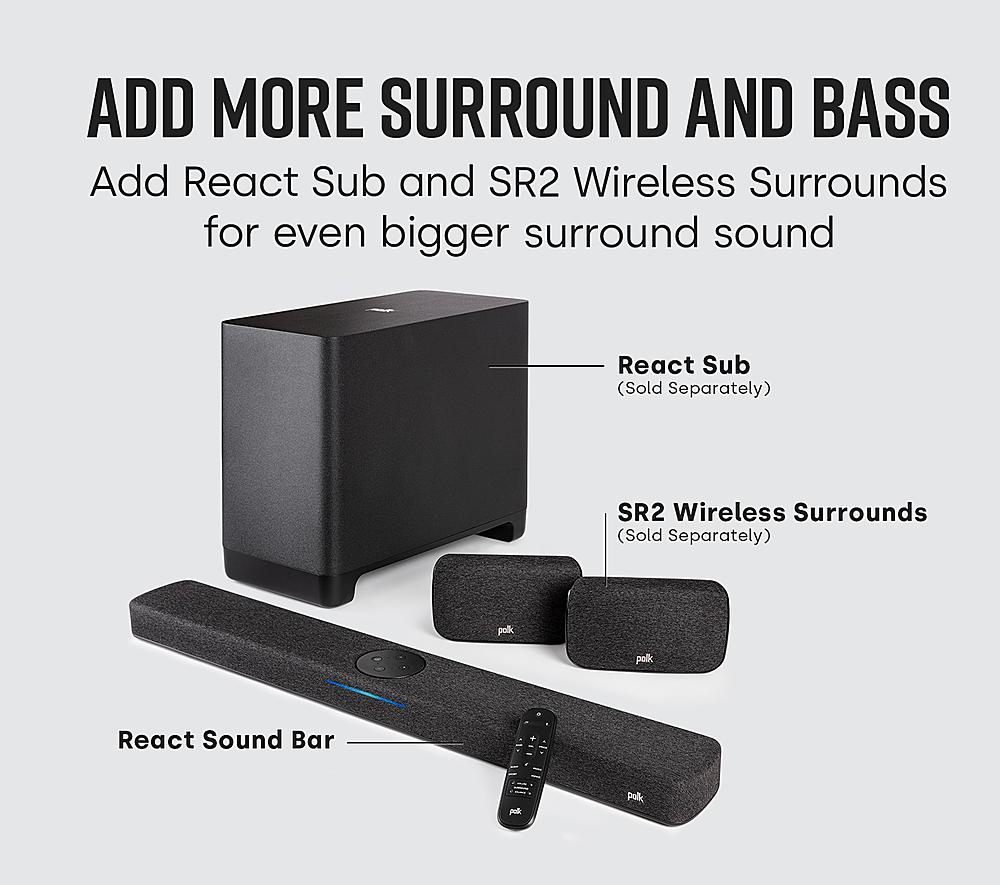
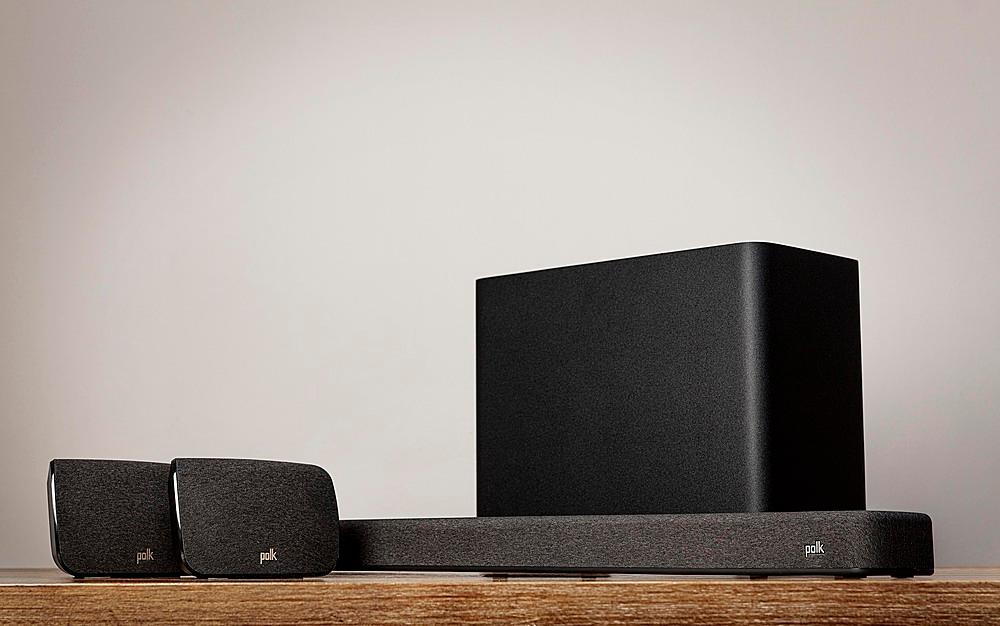
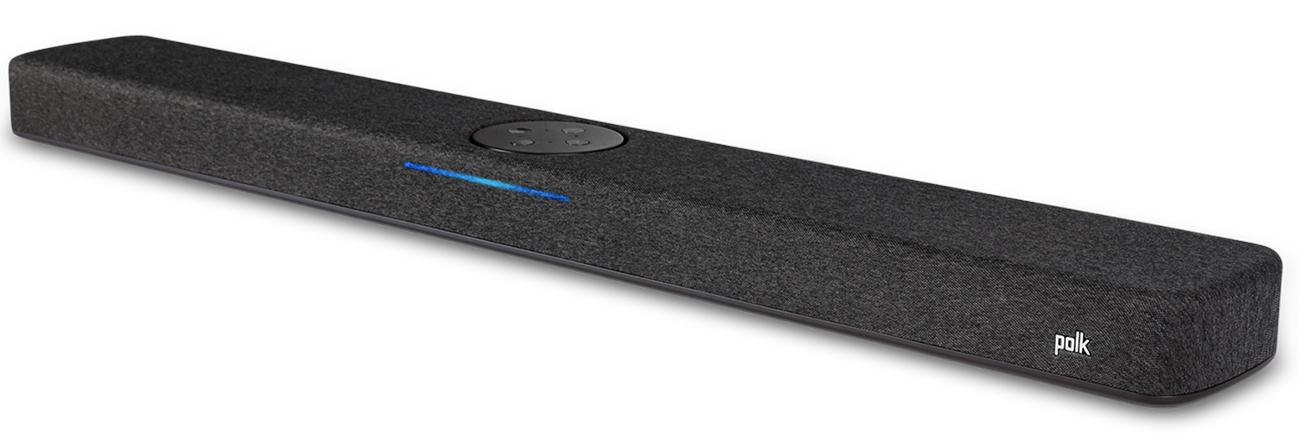
The React, by contrast, starts as just the soundbar itself. It's designed to be the foundation of a larger system you build over time. Want bass? Add the optional wireless subwoofer later. Want true surround sound? Add rear speakers eventually. This modular approach means higher initial cost for equivalent performance, but also means you can customize exactly what you need.
I've found that most people either love the immediate satisfaction of the complete system or get frustrated by the incremental costs of building modularly. There's no wrong choice here – it's about matching your shopping style and budget timing.
The Signa S2 produces what audio enthusiasts call a "V-shaped" sound signature. This means the bass and treble are emphasized while the midrange (where most dialogue lives) remains relatively neutral. In practical terms, this makes music sound exciting and impactful, but can occasionally make dialogue sound slightly recessed compared to sound effects.
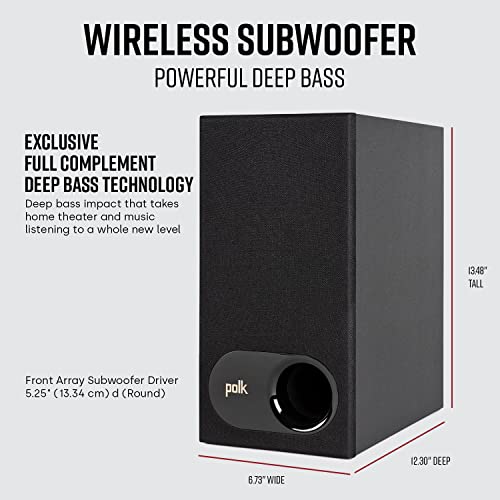
The system uses four drivers in the soundbar itself: two 1.25" x 4.4" oval midrange drivers handle dialogue and most music, while two 1" tweeters manage the high frequencies like cymbal crashes and dialogue consonants. The included wireless subwoofer features a 5.25" driver that reaches down to 45Hz – low enough to reproduce the rumble of explosions and the full weight of bass guitars.
The React takes a different approach with six drivers total, arranged to create better stereo imaging and dialogue clarity. Without the included subwoofer, it relies on passive radiators (speakers that move air but aren't powered) to extend bass response. This creates cleaner midrange reproduction but significantly less low-end impact.
Both soundbars feature Polk's VoiceAdjust technology, but they implement it differently. This feature allows you to boost dialogue frequencies independently from music and sound effects – crucial for modern movies where dialogue is often mixed quietly compared to explosions.
The Signa S2 handles dialogue surprisingly well despite lacking a dedicated center channel speaker. The two midrange drivers work together to anchor voices, and VoiceAdjust can make even whispered dialogue clearly intelligible. However, pushing this feature too hard can make voices sound nasal and unnatural.
The React has a natural advantage here with its more sophisticated driver arrangement. Dialogue sounds clearer and more natural even without VoiceAdjust engaged. When you do use the feature, it integrates more seamlessly with the overall sound signature.
This is where the products diverge significantly. The Signa S2 is strictly a 2.1 system, meaning it takes any surround sound content and mixes it down to stereo plus subwoofer. You get wider sound than TV speakers, but no real surround effects.
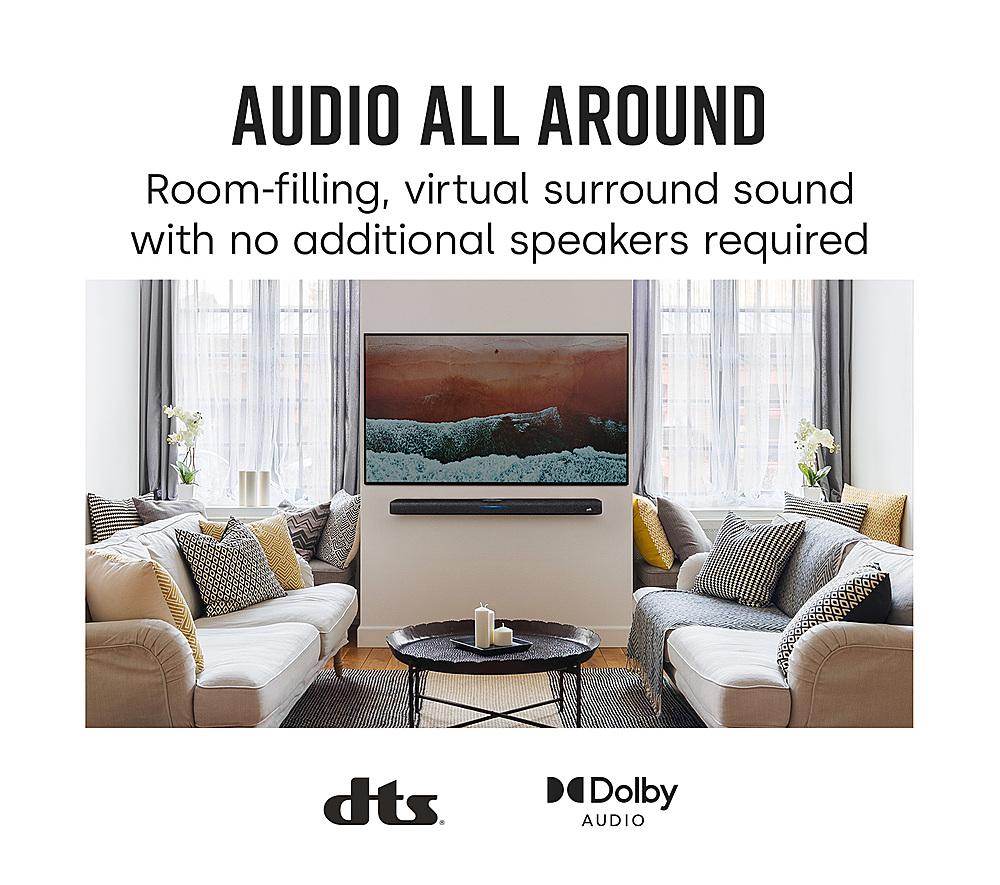
The React supports both Dolby Digital and DTS virtual surround processing. These technologies use psychoacoustic tricks – basically fooling your brain about where sounds are coming from – to create the impression of surround speakers when there aren't any. It's not as convincing as real rear speakers, but it's noticeably more immersive than straight stereo playback.
For movie watching, this difference is significant. Action sequences feel more enveloping on the React, while the Signa S2 keeps everything focused in front of you.
This is the Signa S2's biggest advantage. The included wireless subwoofer provides immediate, room-filling bass that adds weight to everything from movie explosions to kick drums. The 5.25" driver isn't huge by subwoofer standards, but it's properly designed and integrated with the main soundbar.
The bass can be overpowering with some content – I've noticed it makes certain TV shows sound boomy, particularly those with heavy background music. But for movies and music, that extra low-end presence creates a much more engaging experience than what any TV speakers can provide.
The React without its optional subwoofer sounds thin by comparison. The passive radiators help extend bass response below what the main drivers alone could achieve, but there's no substitute for a dedicated powered subwoofer when you want real impact.
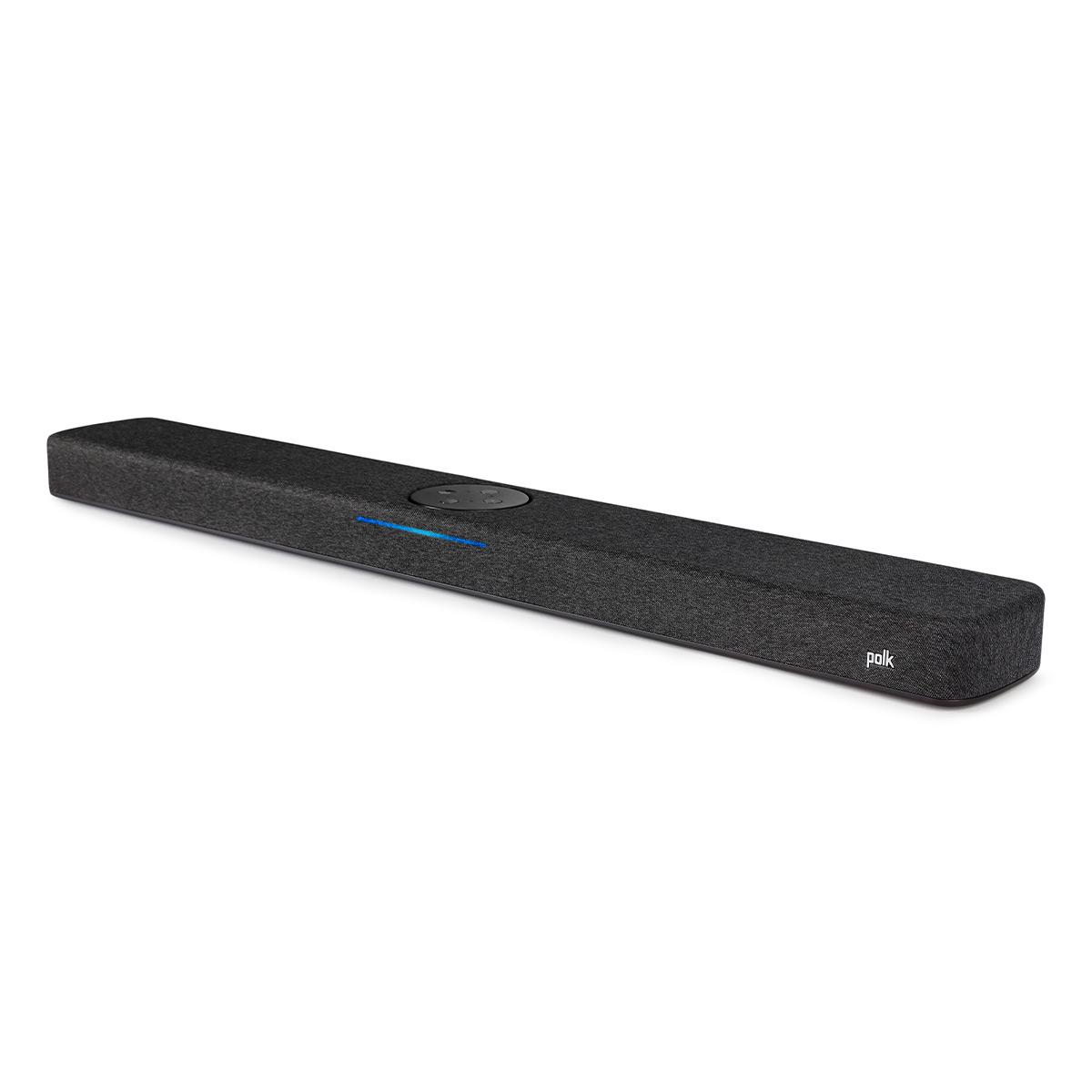
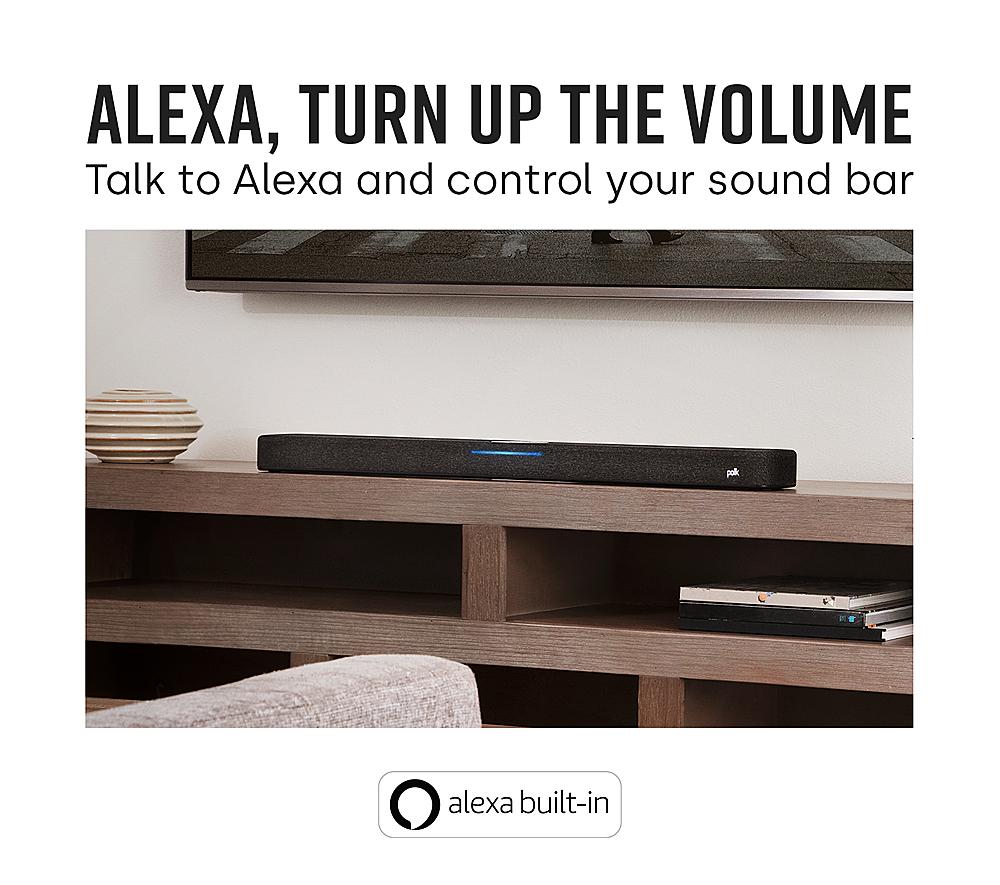
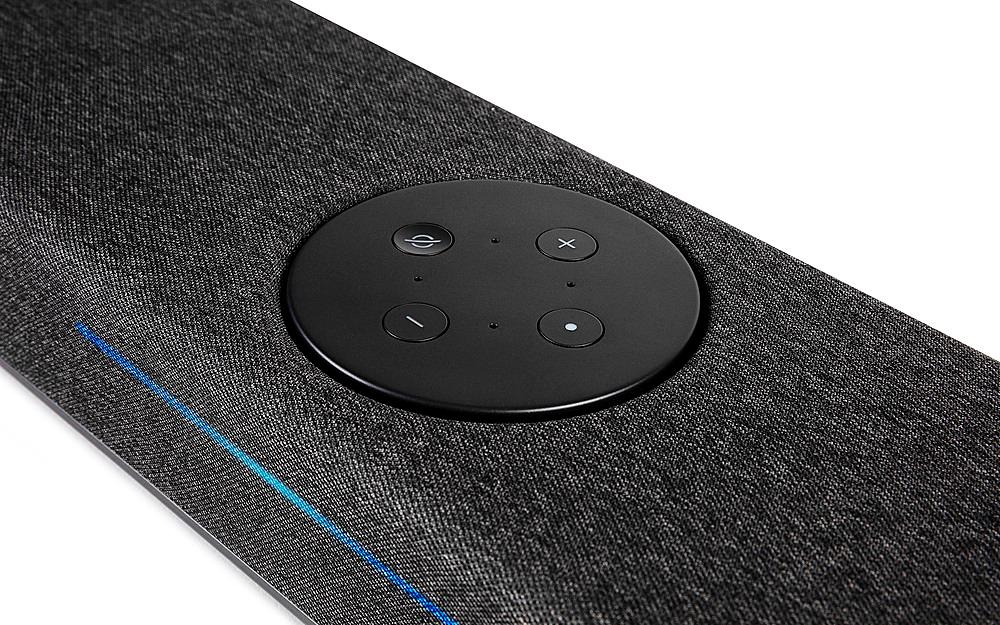
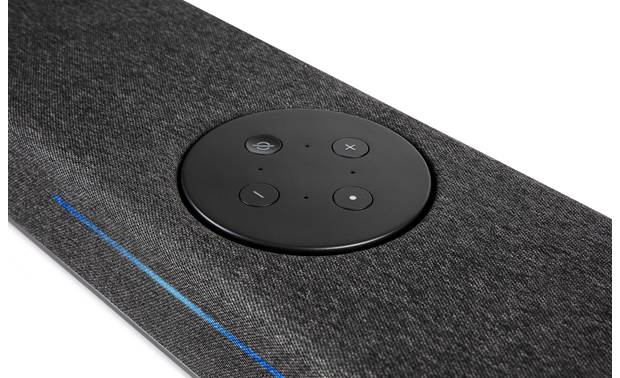
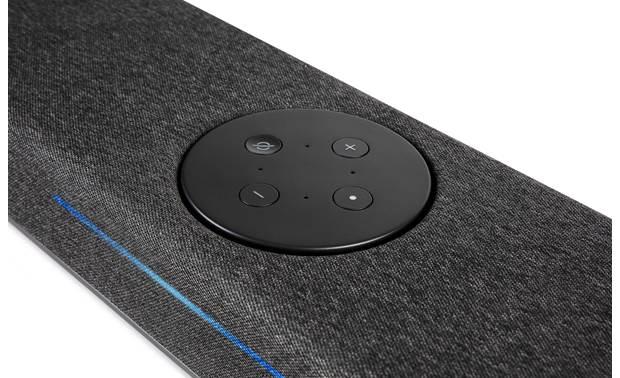
The React represents the modern soundbar approach with built-in Amazon Alexa integration. This isn't just basic voice control – it's a full Alexa device with far-field microphones that can hear commands from across the room. You can control volume, switch inputs, change sound modes, and access all of Alexa's usual features like weather, timers, and smart home control.
The multi-room audio capability is particularly useful. You can group the React with other Alexa devices to play the same music throughout your home, or use it as part of an Alexa intercom system. For households already invested in Amazon's ecosystem, this integration feels natural and convenient.
The Signa S2 offers no smart features beyond basic Bluetooth music streaming. You control everything with the included infrared remote, just like traditional audio equipment. This simplicity appeals to some users who prefer not mixing entertainment systems with smart home networks, but it feels dated compared to modern expectations.
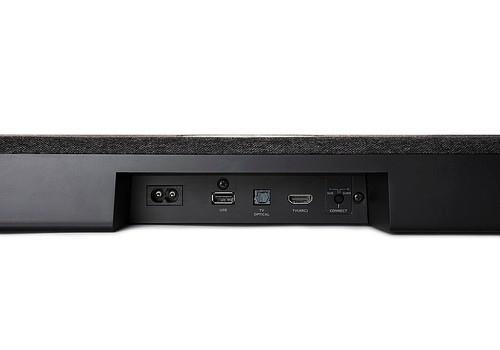
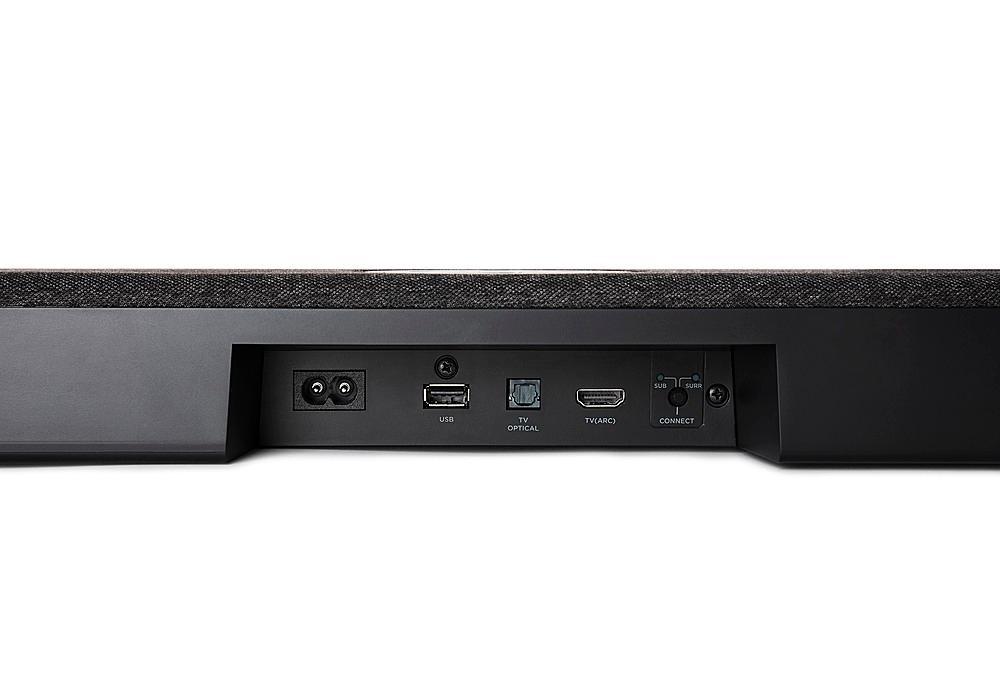
Both soundbars support the essential connections: HDMI ARC (Audio Return Channel, which lets your TV remote control the soundbar volume), optical digital audio, and Bluetooth. The Signa S2 also includes a 3.5mm analog input for older devices.
Setup differences are significant. The Signa S2 follows the plug-and-play approach – connect one cable to your TV, plug in the soundbar and subwoofer, and you're done. The wireless subwoofer pairs automatically, and most users are playing improved audio within five minutes.
The React requires the Alexa app for initial setup, WiFi network configuration, and account linking. While not difficult, it's definitely more involved. The payoff is greater convenience once configured – voice commands eliminate the need to find remotes, and wireless streaming works more reliably than Bluetooth.
For dedicated home theater use, these soundbars serve different purposes. The Signa S2 works best for users who primarily watch streaming content, broadcast TV, and don't prioritize surround sound immersion. It makes dialogue clearer and adds bass impact, which covers 90% of what most people need from better TV audio.
The React is better suited for movie enthusiasts who plan to expand their system over time. The virtual surround processing provides better spatial audio for films, and the expansion path to true 5.1 surround makes it a more future-proof choice for serious home theater applications.
However, neither soundbar supports modern high-end formats like Dolby Atmos or DTS:X, which use height channels for overhead effects. These remain the domain of more expensive soundbars or traditional receiver-based systems.
At the time of writing, the Signa S2 typically costs about $30-50 more than the React, but includes the wireless subwoofer that would cost significantly more as a separate purchase. This makes the Signa S2 a better immediate value if you want full-range audio performance.
The React appears less expensive initially, but reaching equivalent bass performance requires purchasing the optional wireless subwoofer, bringing total costs well above the Signa S2. However, if you plan to eventually build a full surround system, the modular approach can make more sense financially – you're not paying for a subwoofer you'll eventually replace with a better one.
Both products launched during a transition period in soundbar technology. Since their release, we've seen increased emphasis on Dolby Atmos support, better room correction technology, and more sophisticated wireless connectivity. Neither soundbar feels outdated, but newer models in similar price ranges often include features like automatic room tuning and smartphone app control as standard.
The smart features in the React have aged better than the basic approach of the Signa S2. Voice control has become expected rather than novel, and the multi-room audio capabilities feel more relevant as smart homes become mainstream.
I've found the Signa S2 works exceptionally well for everyday TV viewing. The immediate bass impact makes everything from sitcoms to news more engaging, and dialogue clarity improvement is immediately noticeable. The system particularly shines with music, where the V-shaped sound signature makes most genres sound lively and engaging.
The React excels in smart home environments and for users who frequently stream music. Voice control for volume and source switching feels natural once you adapt to it, and the sound quality is genuinely good for dialogue-heavy content. However, the lack of included bass makes it feel incomplete for movie watching without additional investment.
Choose the Signa S2 if you want immediate gratification and complete performance. It's ideal for users who primarily want better TV audio without complexity, those on fixed budgets who need everything in one purchase, and households that prefer traditional remote control over smart features. The included subwoofer makes it particularly good for music listening and movie watching in medium-sized rooms.
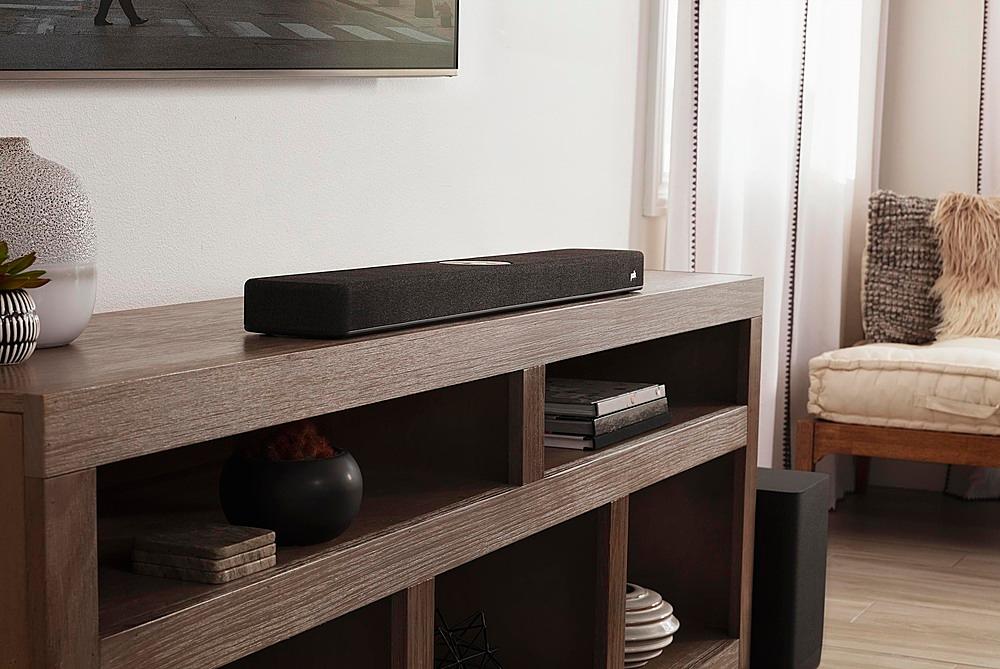
The React makes sense for tech-forward households already using Alexa devices, users who plan to gradually build larger audio systems, and those who prioritize dialogue clarity and virtual surround processing over raw bass impact. It's also better for smaller living spaces where a separate subwoofer might be overwhelming or impractical.
Both soundbars successfully address the core problem of poor TV audio, but they target different user philosophies. The Signa S2 delivers complete, satisfying performance immediately at a reasonable cost, making it the better choice for most users who simply want better TV sound without complications.
The React offers superior long-term flexibility and modern convenience features, making it worth the higher total investment for users who value smart home integration and plan to expand their audio system over time.
Your choice should align with how you prefer to buy technology: everything at once for immediate satisfaction, or building gradually with smart features as priorities. Both approaches are valid, and both products execute their respective philosophies well.
| Polk Audio Signa S2 Sound Bar with Wireless Subwoofer | Polk Audio React Sound Bar with Alexa Built-In |
|---|---|
| System Configuration - Complete vs expandable approach | |
| 2.1 system with wireless subwoofer included | Soundbar only, expandable with optional components |
| Driver Configuration - Affects sound quality and clarity | |
| 4 drivers: 2 midrange (1.25" x 4.4") + 2 tweeters (1") | 6-driver array with more sophisticated arrangement |
| Subwoofer - Critical for bass response and movie impact | |
| 5.25" wireless subwoofer included (45Hz extension) | No subwoofer included (optional wireless available separately) |
| Frequency Response - How low bass goes and how high treble extends | |
| 45Hz - 20kHz (full range with subwoofer) | Not specified (limited without separate subwoofer) |
| Sound Processing - Virtual surround capabilities | |
| Stereo only, downmixes surround content | Dolby Digital & DTS virtual surround sound |
| Smart Features - Voice control and streaming convenience | |
| None (traditional IR remote only) | Built-in Amazon Alexa with far-field microphones |
| Connectivity Options - How you connect devices | |
| HDMI ARC, optical, 3.5mm AUX, Bluetooth | HDMI ARC, optical, Bluetooth, WiFi |
| Multi-Room Audio - Whole-home music streaming | |
| Basic Bluetooth streaming only | Alexa Multi-Room Music support |
| VoiceAdjust Technology - Dialogue clarity enhancement | |
| Yes, but can sound nasal at high settings | Yes, better integration with overall sound signature |
| Dimensions - Placement flexibility under TV | |
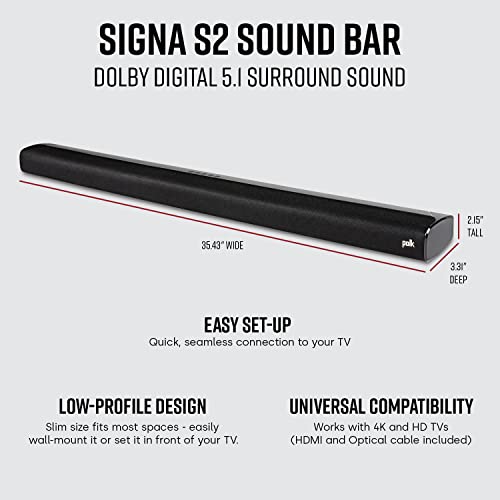
| 35.43" W x 3.22" D x 2.15" H | 34" W x 4.8" D x 2.2" H |
| Setup Complexity - Time to working audio | |
| Plug-and-play, automatic subwoofer pairing | App-based setup through Alexa app required |
| Expandability - Future upgrade options | |
| Limited, essentially complete closed system | Modular design supports wireless sub and surround speakers |
| Best Use Cases - Who should choose each | |
| Traditional TV viewing, immediate complete performance | Smart homes, gradual system building, dialogue-focused content |
The Polk Audio Signa S2 offers better immediate value since it includes a wireless subwoofer in the box, giving you complete 2.1 audio performance. The Polk Audio React costs less upfront but requires purchasing an optional subwoofer separately to match the bass performance of the Signa S2.
Yes, the Polk Audio Signa S2 includes a 5.25-inch wireless subwoofer that pairs automatically with the soundbar. This provides immediate bass enhancement for movies and music without any additional purchases needed.
Yes, the Polk Audio React has built-in Amazon Alexa with far-field microphones, allowing you to control volume, change inputs, and access all Alexa features using voice commands. The Polk Audio Signa S2 only uses a traditional remote control.
The Polk Audio React offers superior surround sound with Dolby Digital and DTS virtual surround processing, creating a more immersive movie experience. The Polk Audio Signa S2 only provides stereo sound and downmixes surround content to 2.1 channels.
The Polk Audio Signa S2 offers plug-and-play setup - just connect one cable to your TV and you're ready. The Polk Audio React requires initial setup through the Alexa app and WiFi configuration, making it slightly more complex but offering greater convenience once configured.
Both soundbars feature Polk's VoiceAdjust technology for dialogue enhancement. The Polk Audio React has a slight advantage with its six-driver configuration providing cleaner midrange reproduction, while the Signa S2 handles dialogue well despite having fewer drivers.
The Polk Audio React is expandable - you can add an optional wireless subwoofer and surround speakers to create a full 5.1 system. The Polk Audio Signa S2 is essentially a complete, closed system with limited upgrade options.
The Polk Audio Signa S2 is better for music due to its included subwoofer providing full bass response and V-shaped sound signature that makes most genres sound lively. The React sounds thinner without an optional subwoofer but offers better wireless streaming options.
Yes, both the Polk Audio Signa S2 and Polk Audio React support Bluetooth for wireless music streaming from phones and tablets. The React additionally supports WiFi connectivity and advanced streaming features through Alexa.
For basic home theater improvement, the Polk Audio Signa S2 provides immediate satisfaction with its included subwoofer and full-range sound. For more serious home theater enthusiasts who want virtual surround sound and plan to expand their system, the Polk Audio React is the better foundation.
The key difference is approach: the Polk Audio Signa S2 is a complete 2.1 system with everything included for immediate performance, while the Polk Audio React is a smart, expandable foundation that starts with just the soundbar and builds over time.
Choose the Polk Audio Signa S2 if you prefer traditional remote control and want everything working immediately without app setup or smart features. The React is better if you value voice control convenience and smart home integration over simplicity.
We've done our best to create useful and informative comparisons to help you decide what product to buy. Our research uses advanced automated methods to create this comparison and perfection is not possible - please contact us for corrections or questions. These are the sites we've researched in the creation of this article: rtings.com - youtube.com - bestbuy.com - rtings.com - consumerreports.org - rtings.com - youtube.com - hometechnologyreview.com - soundbars.com - youtube.com - manuals.plus - creativeaudio.net - parts-express.com - thomsunmusic.com - polkaudio.com - manuals.plus - polkaudio.com - polkaudio.com - polkaudio.com - bestbuy.com - youtube.com - youtube.com - polkaudio.com - techradar.com - crutchfield.com - popsci.com - youtube.com - tomsguide.com - bestbuy.com - polkaudio.com - crutchfield.com - forum.polkaudio.com - soundunited.com - youtube.com

Privacy Policy
Terms and Conditions - Affiliate Policy
Home Security
© Copyright 2008-2026.
11816 Inwood Rd #1211, Dallas, TX 75244