

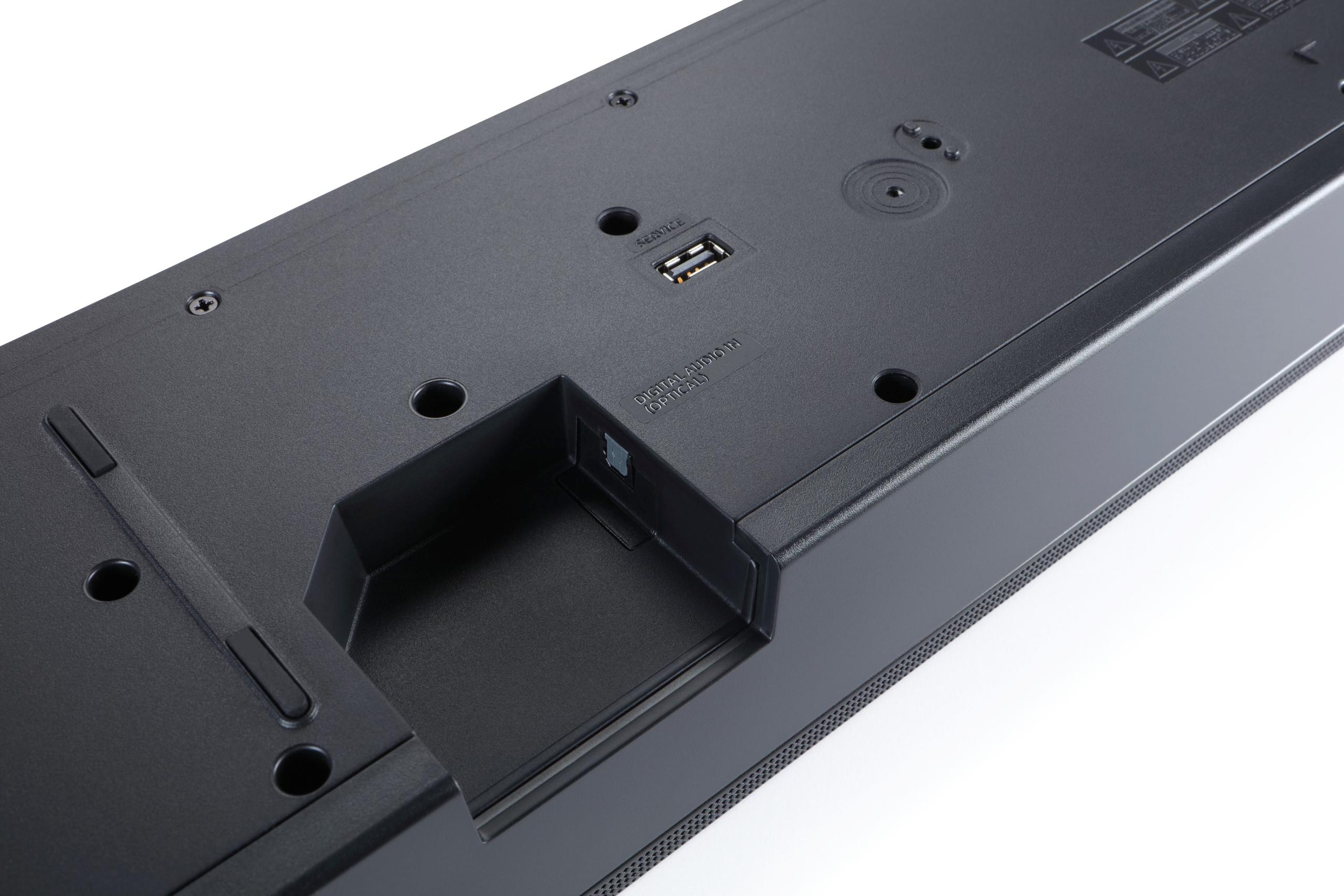
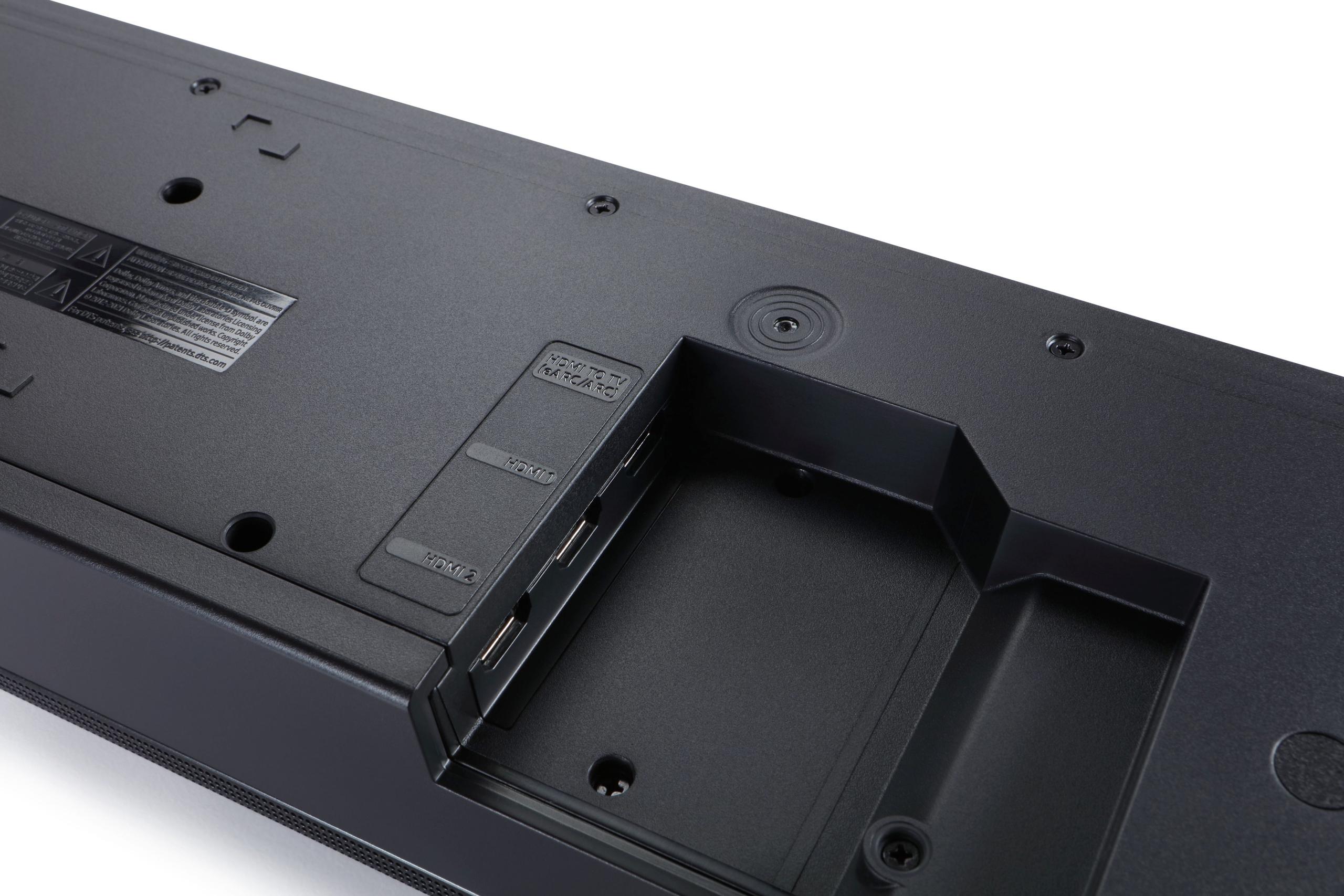
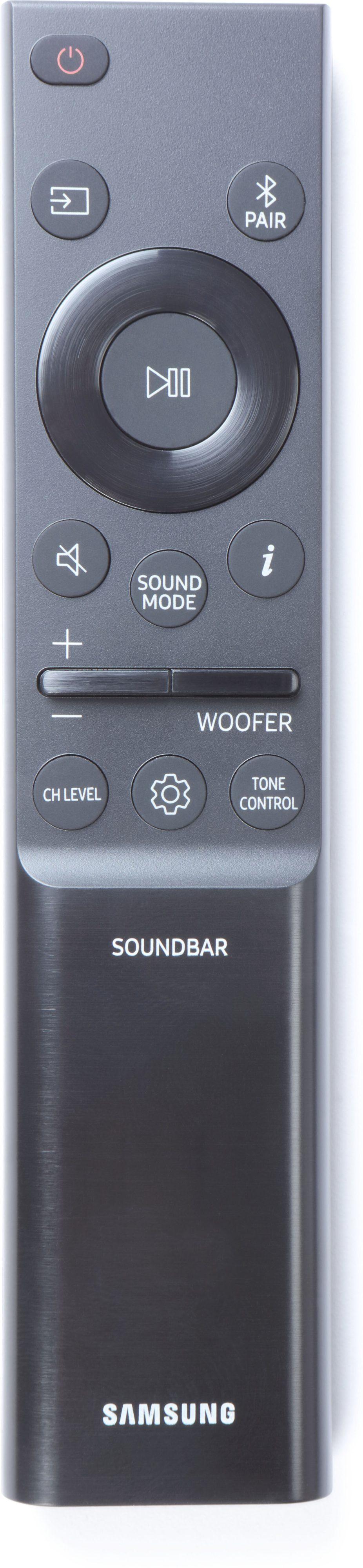
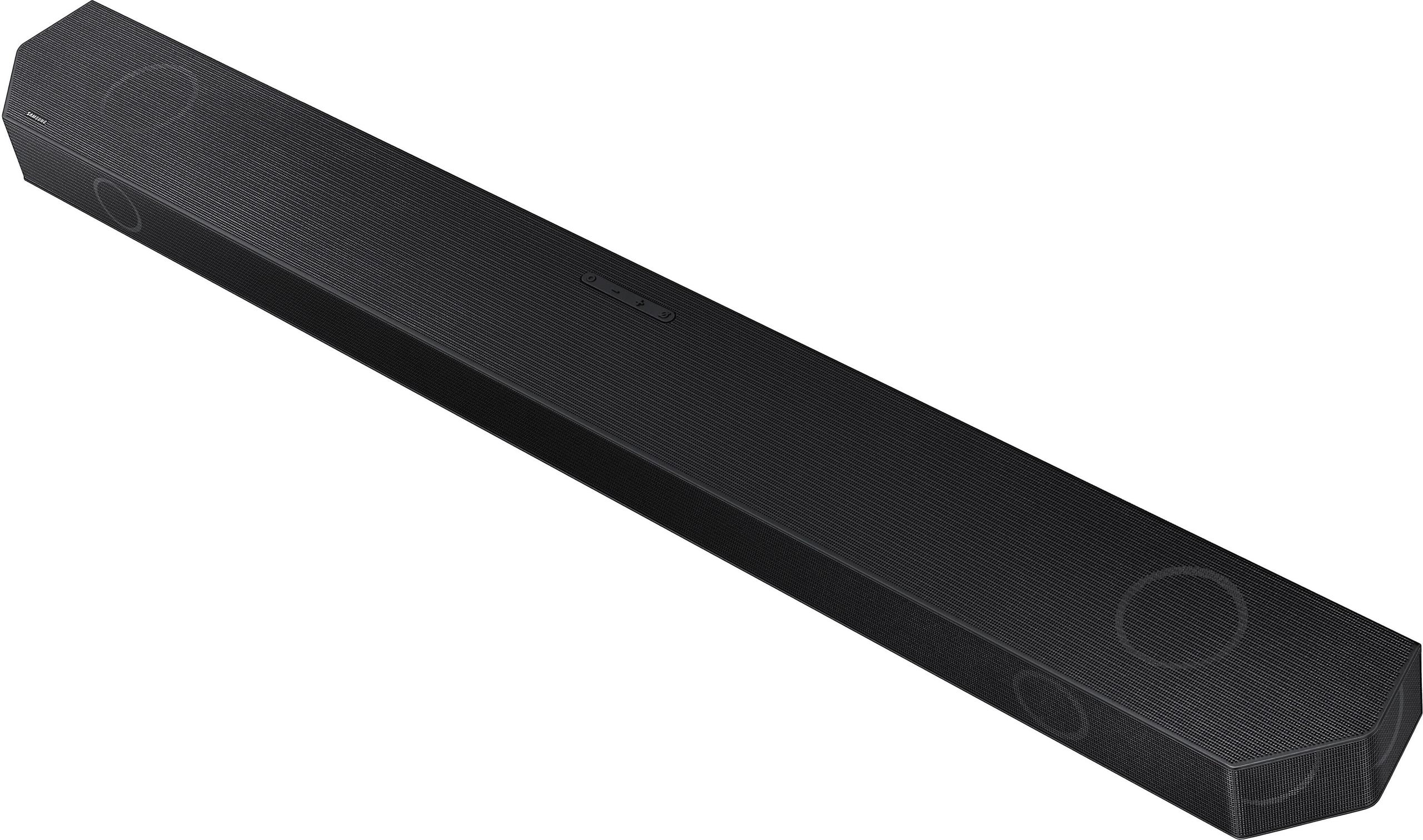
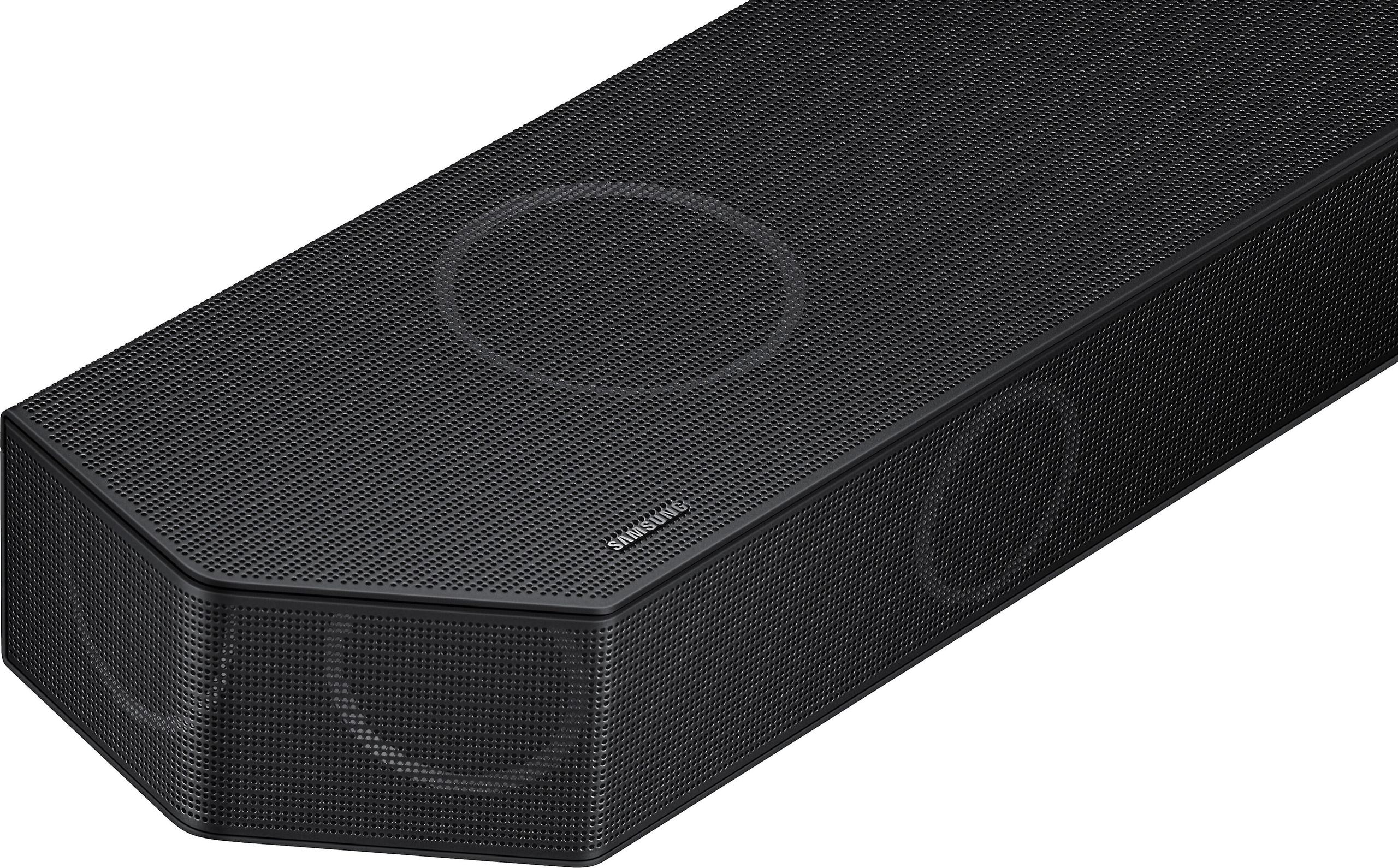


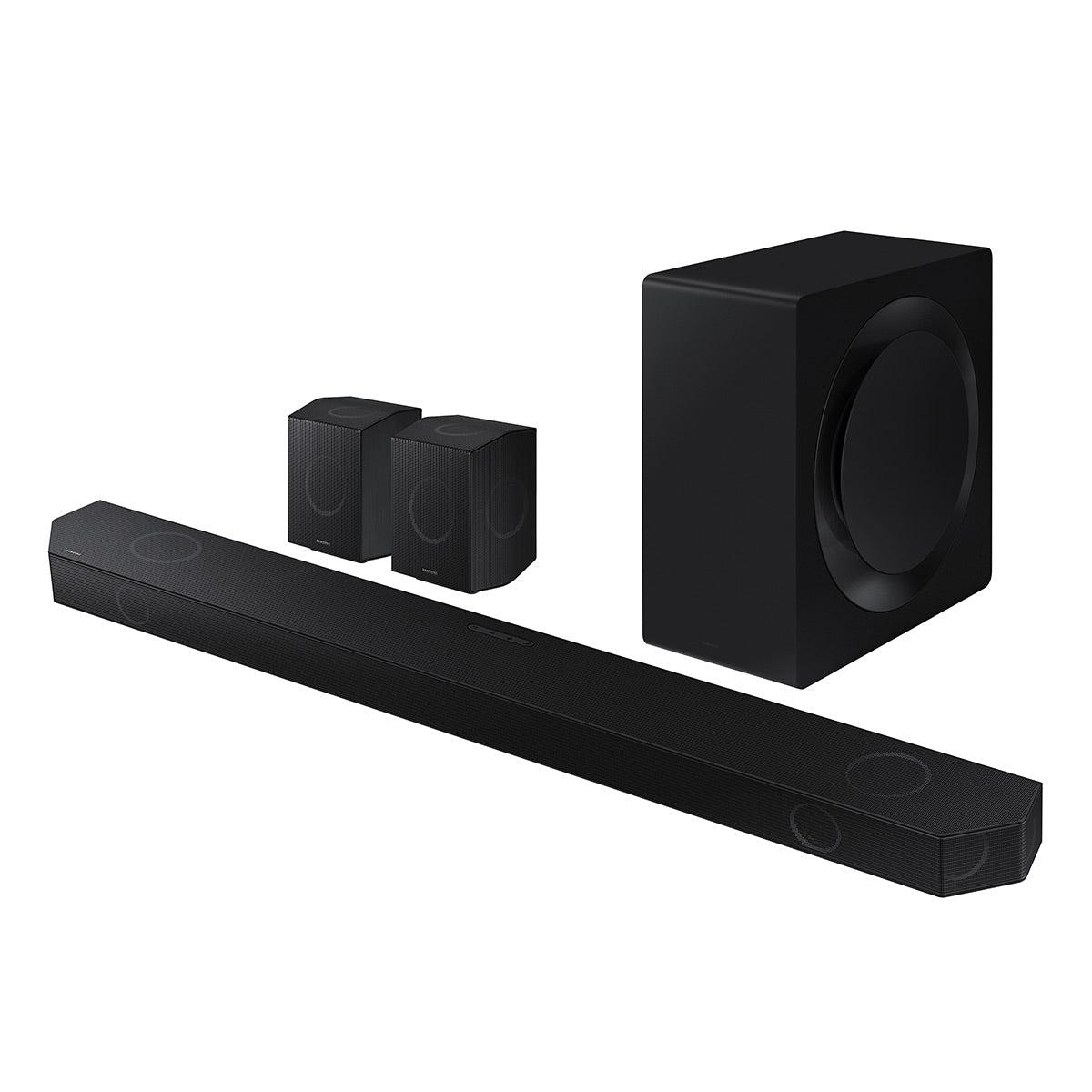
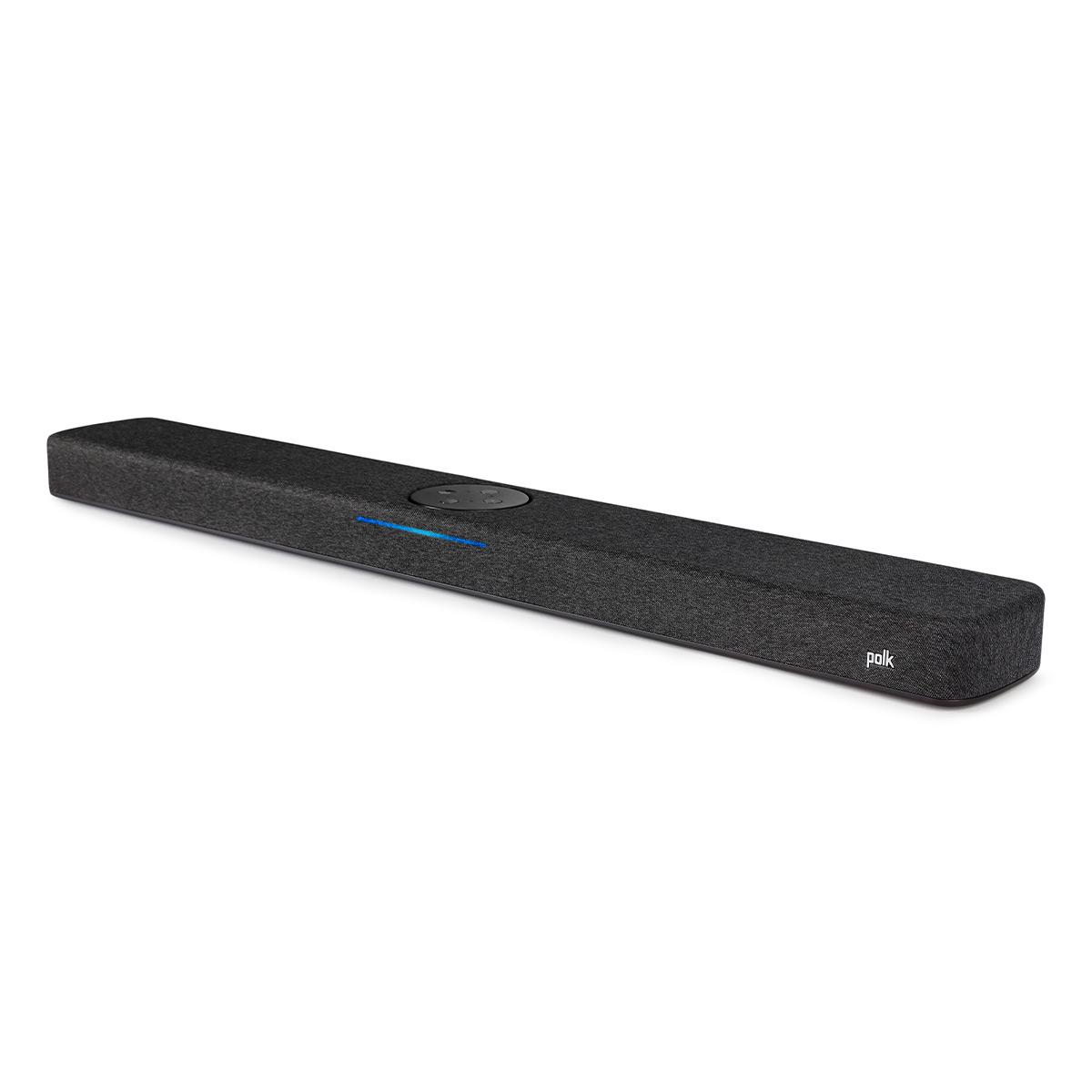
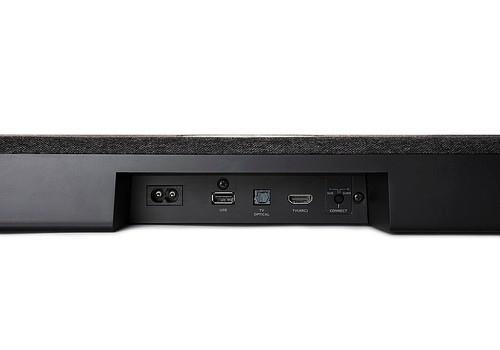

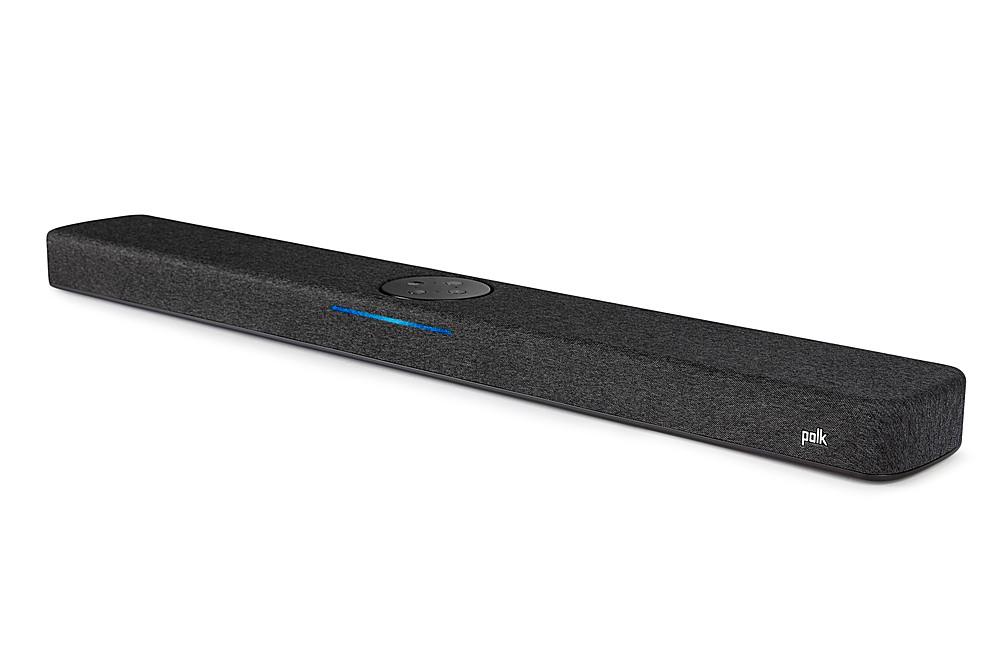



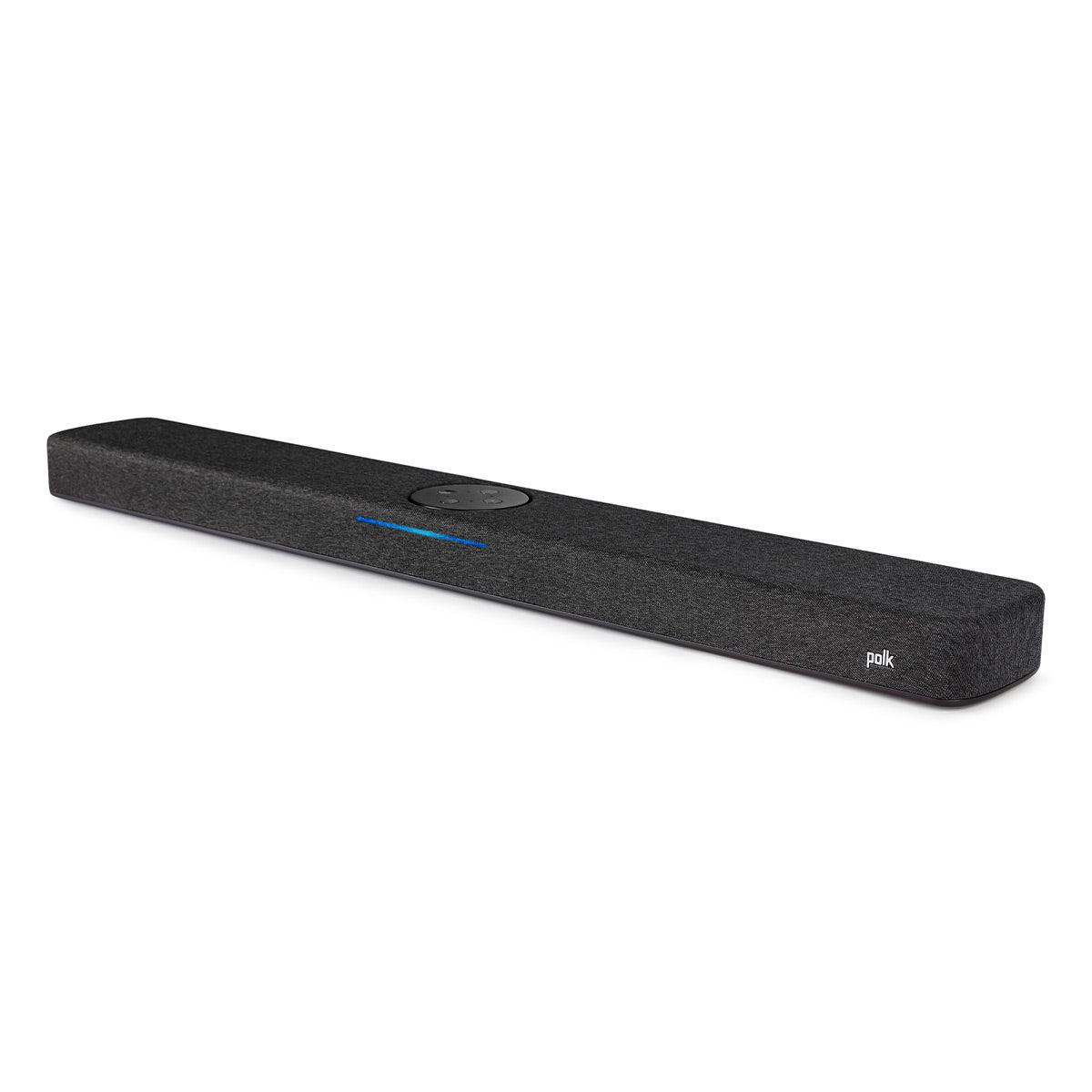
Shopping for a soundbar can feel overwhelming when you're staring at price tags that range from under $200 to well over $800. The truth is, these aren't just different price points—they're entirely different philosophies about what home audio should be. Today, we're comparing two soundbars that perfectly illustrate this divide: the premium Samsung HW-Q990D ($848) and the budget-friendly Polk Audio React ($230).
Before diving into specifics, let's talk about what soundbars are trying to solve. Your TV's built-in speakers are thin, rear-facing, and designed more for saving space than delivering great sound. They struggle with dialogue clarity, have virtually no bass, and create a flat, lifeless soundstage that makes movies feel distant and unengaging.
Soundbars fix this by placing larger, forward-facing speakers below your TV. But that's where the similarities end. Some soundbars, like the React, focus on delivering clean, clear audio that makes TV watching more enjoyable without breaking the bank. Others, like the Q990D, aim to recreate the full cinema experience in your living room.
The key considerations boil down to a few critical questions: How big is your space? What's your budget? Do you want simple improvement or full immersion? Are you willing to deal with multiple speakers for better sound? Your answers to these questions will determine which approach makes sense for you.
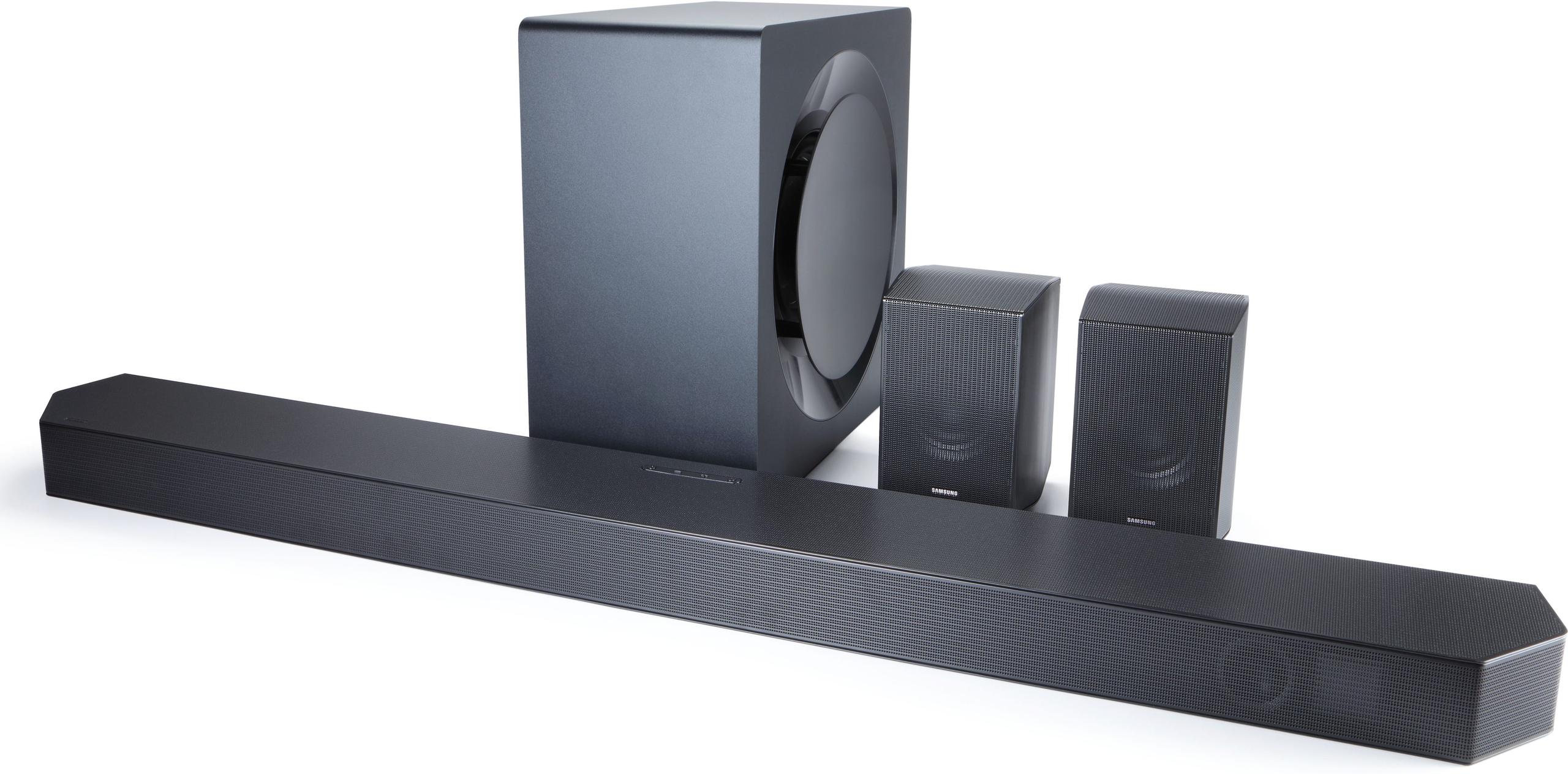
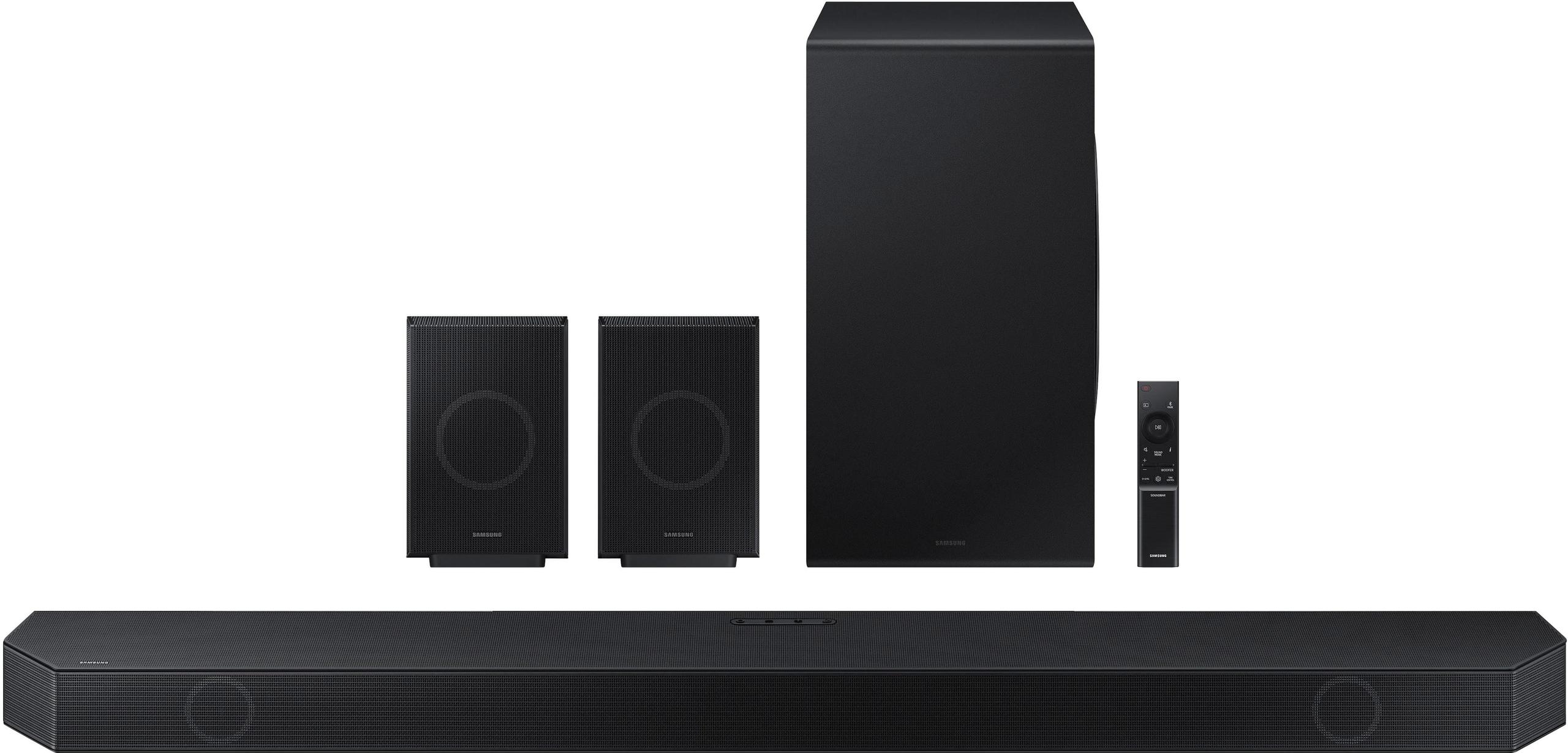
The Samsung HW-Q990D, released in early 2024, represents Samsung's flagship approach to home audio. It's built around the idea that if you're going to upgrade your TV's audio, you might as well go all the way. This isn't just a soundbar—it's a complete 11.1.4-channel surround sound system that happens to be easier to set up than traditional home theater speakers.
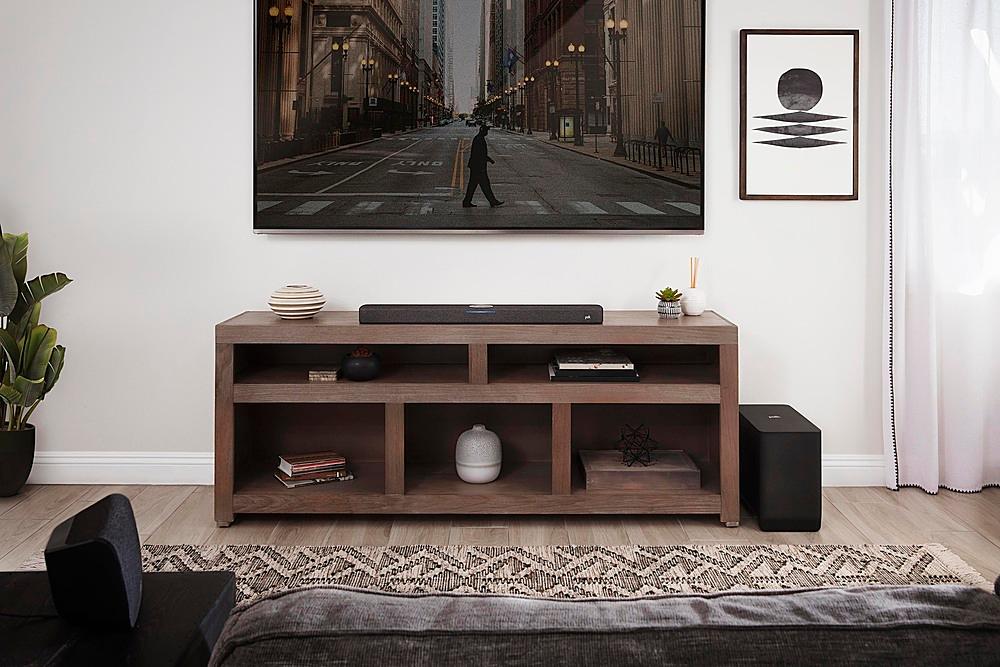
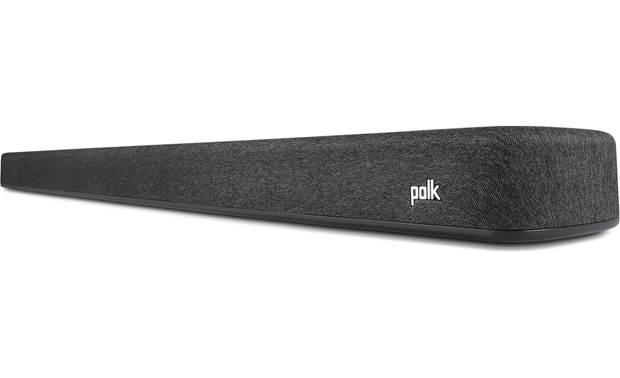
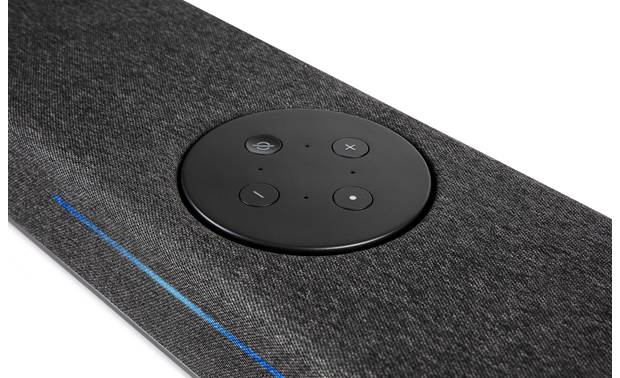
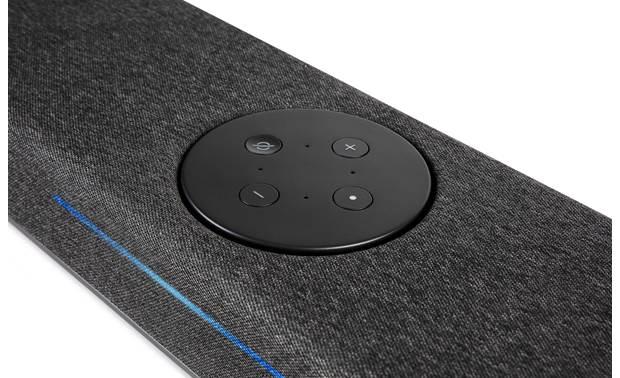
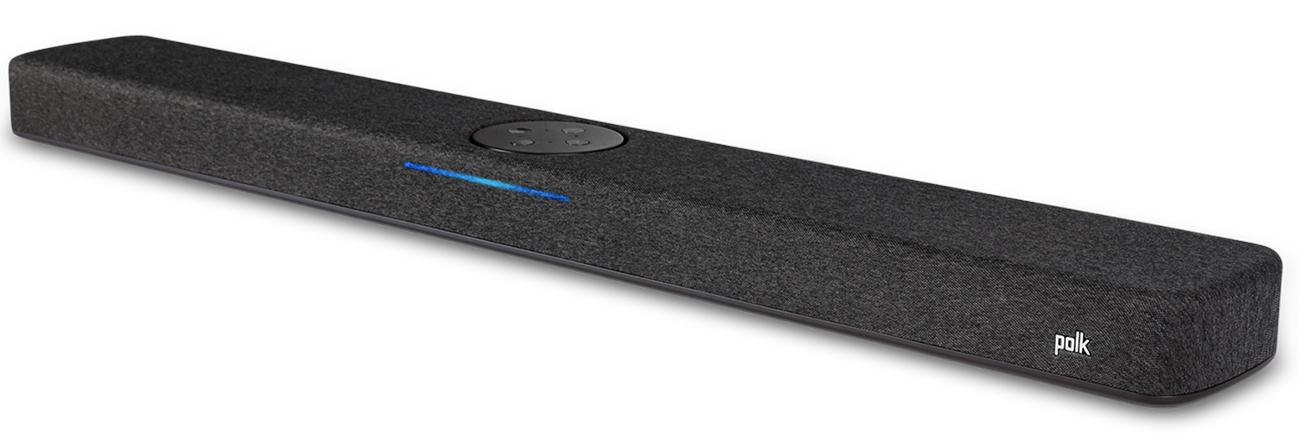
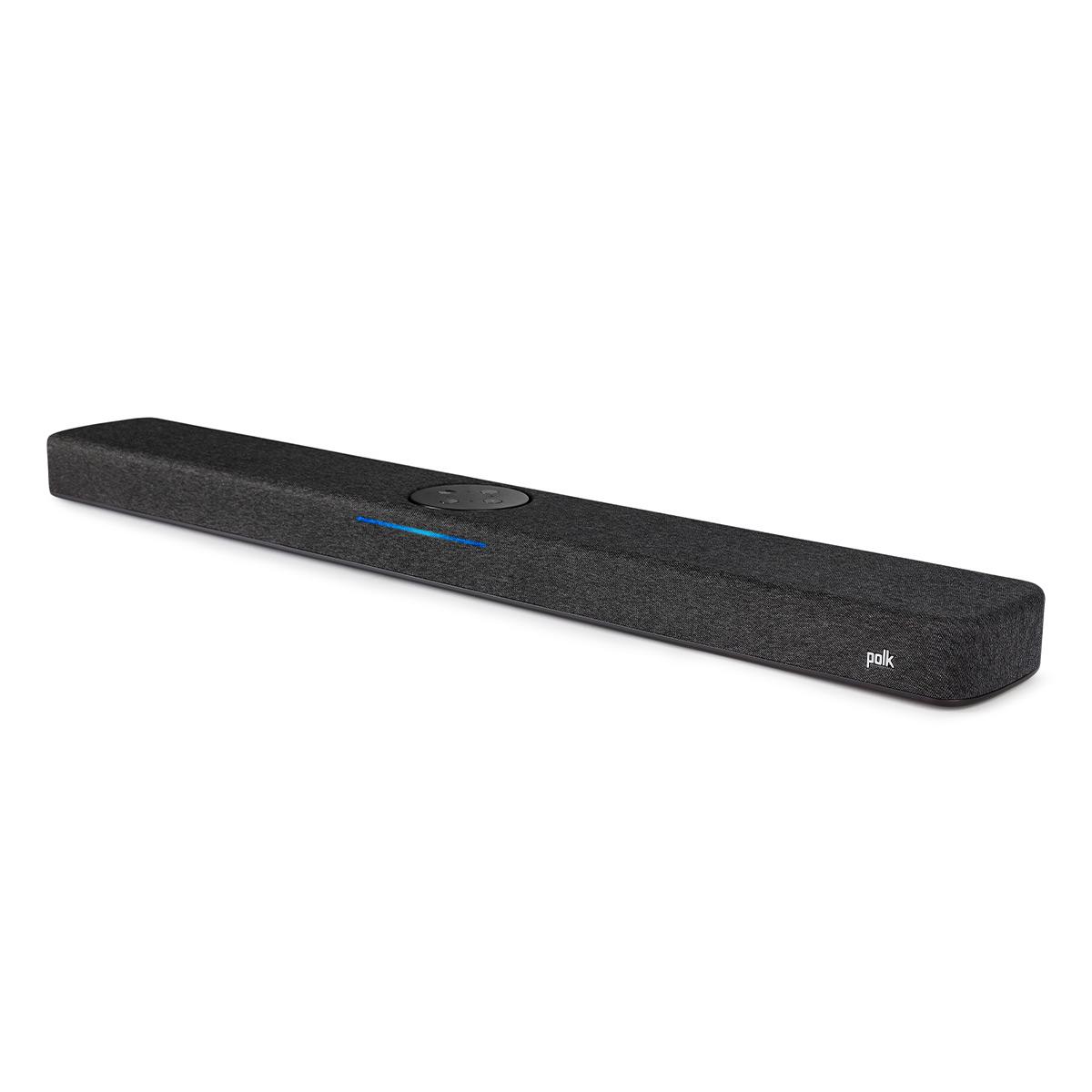
The Polk Audio React, launched in late 2023, takes the opposite approach. Polk designed it for people who want their TV to sound better without turning their living room into a home theater or learning a bunch of audio terminology. It's essentially a smart speaker that happens to be really good at playing TV audio.
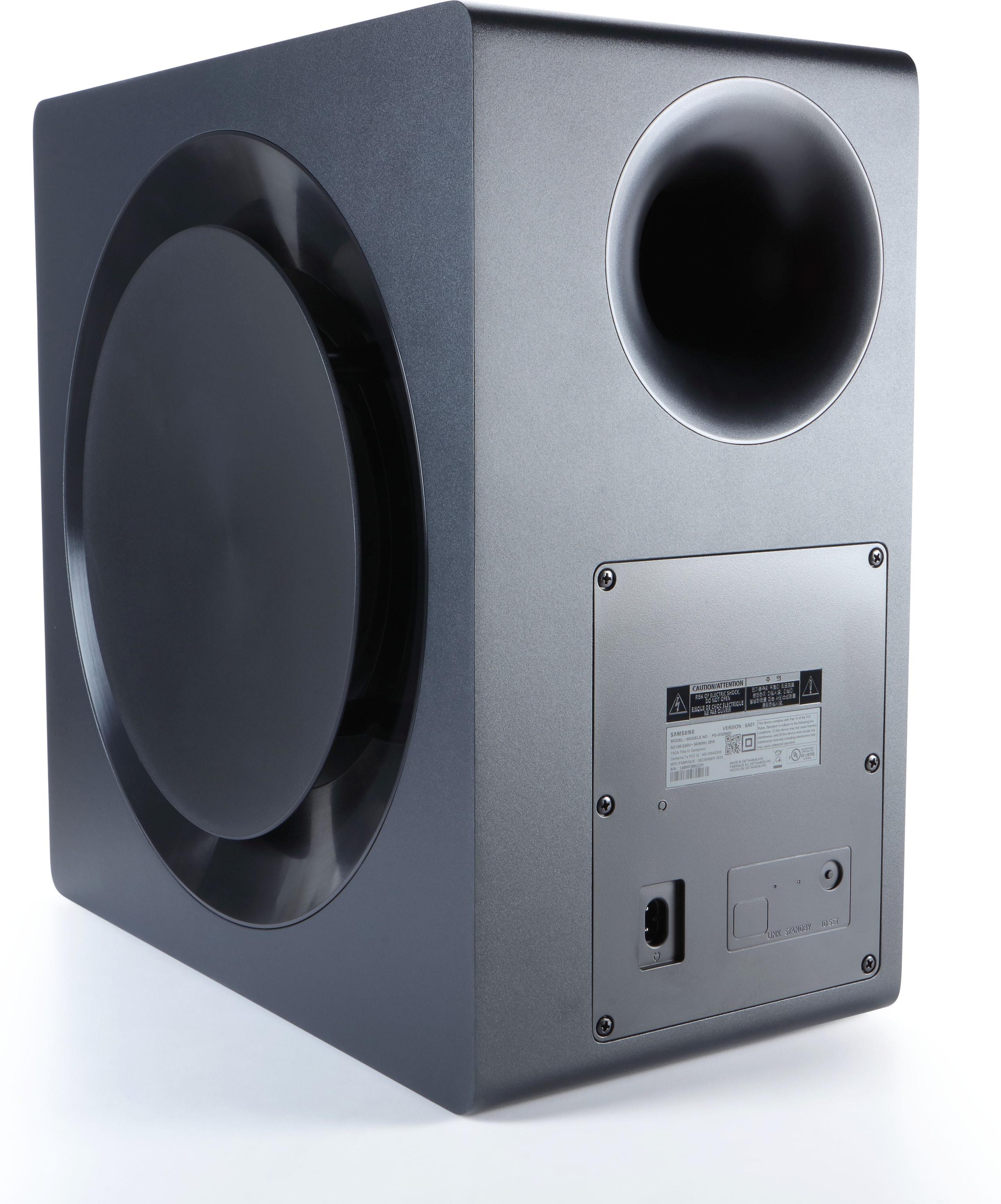
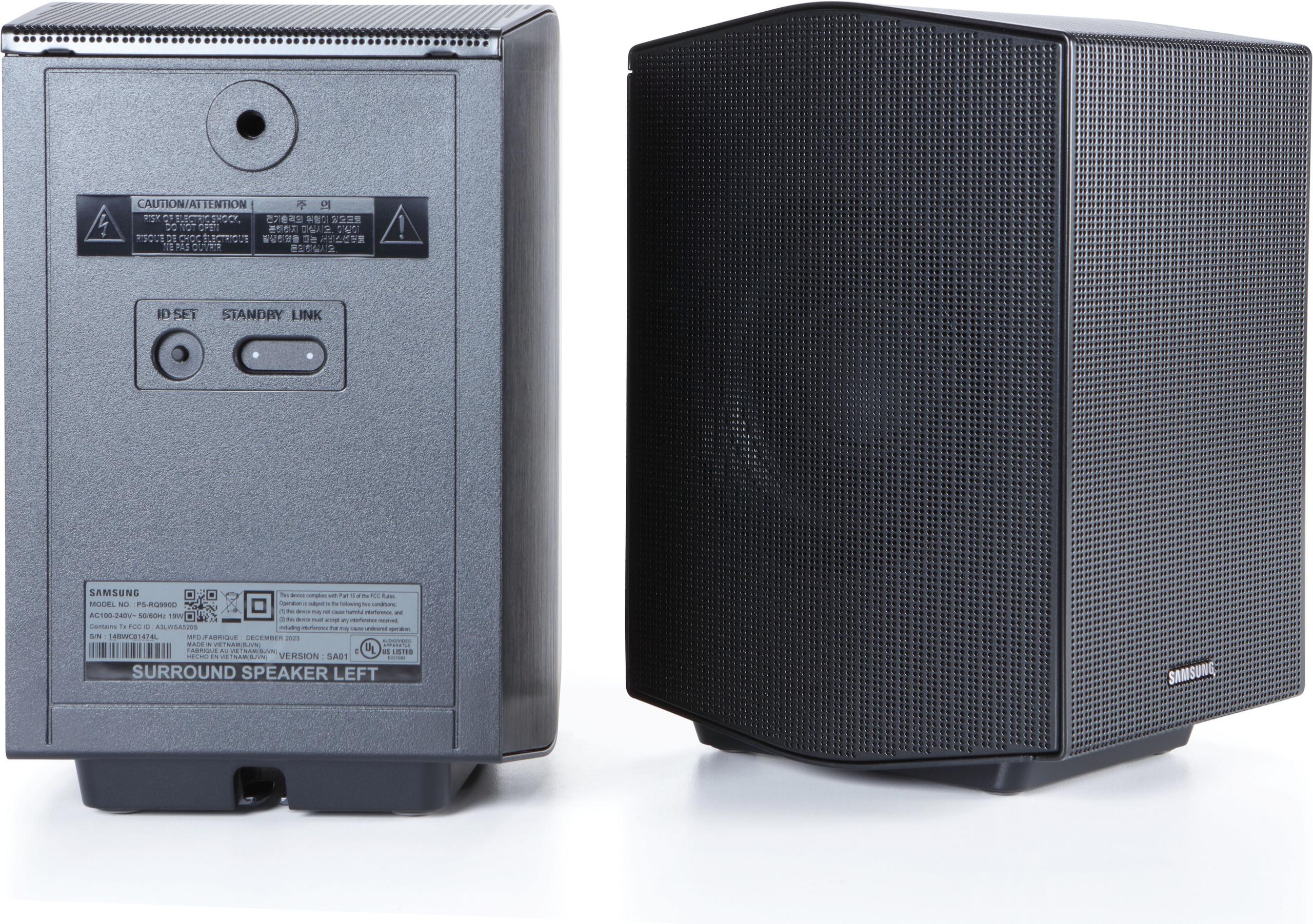
When I first set up the Q990D in my testing room, the difference from typical soundbars was immediately obvious. This system uses 22 individual speakers spread across four separate units: the main soundbar, two rear satellites, and a wireless subwoofer. The rear speakers are crucial here—they create genuine surround sound, not the "virtual" surround that most soundbars simulate using audio processing tricks.
The magic happens with Dolby Atmos content. Atmos is a technology that treats sounds as objects that can be placed anywhere in 3D space, including above your head. The Q990D's upward-firing speakers bounce sound off your ceiling to create height effects. When a helicopter flies overhead in a movie, you actually hear it moving above you, not just left to right across the front soundbar.
This immersive experience really shines in larger rooms. The 11.1.4 configuration means 11 main channels, 1 subwoofer channel, and 4 height channels. Each number represents speakers dedicated to specific parts of the soundstage, creating a bubble of audio around your seating position. In my 20x15 foot living room, the effect was genuinely cinema-like during action sequences.
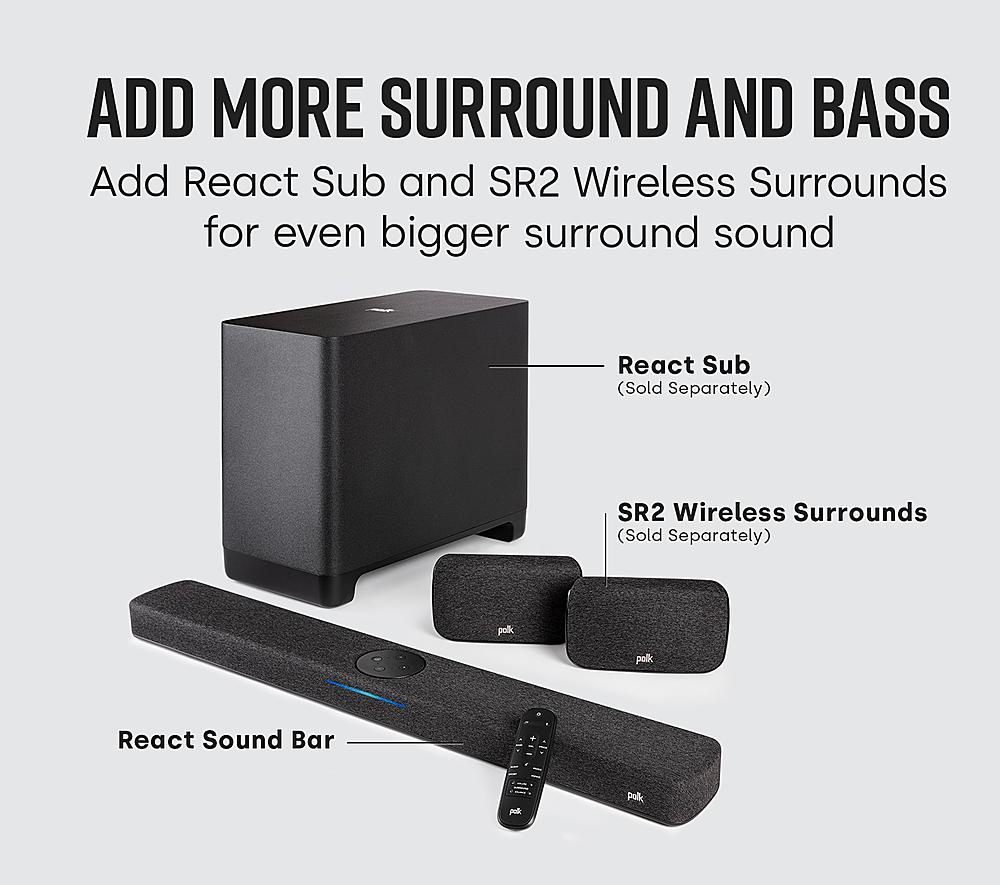
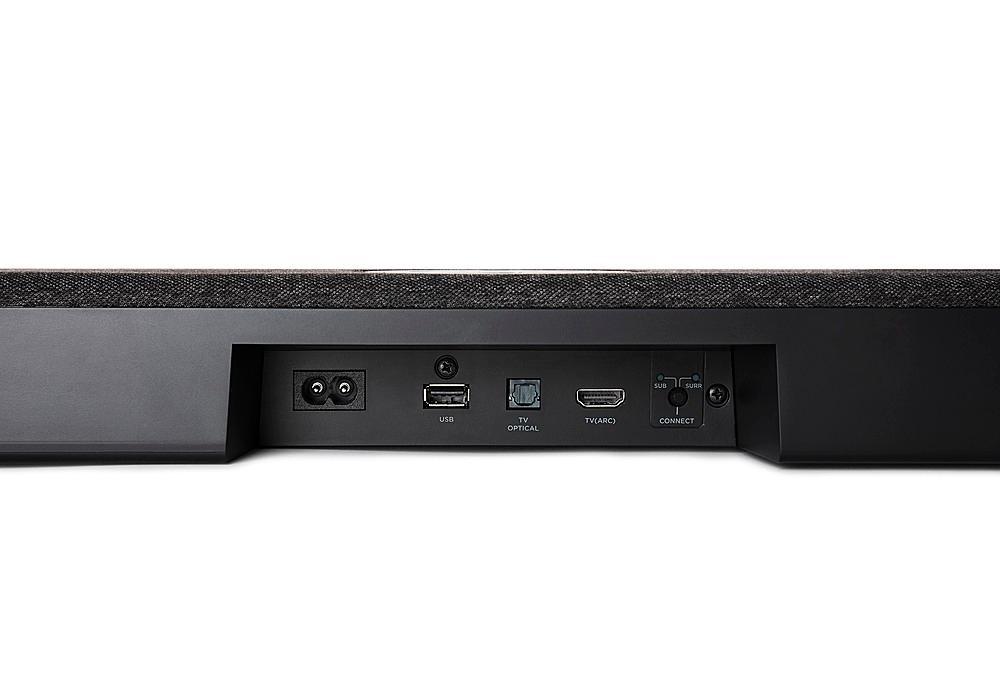
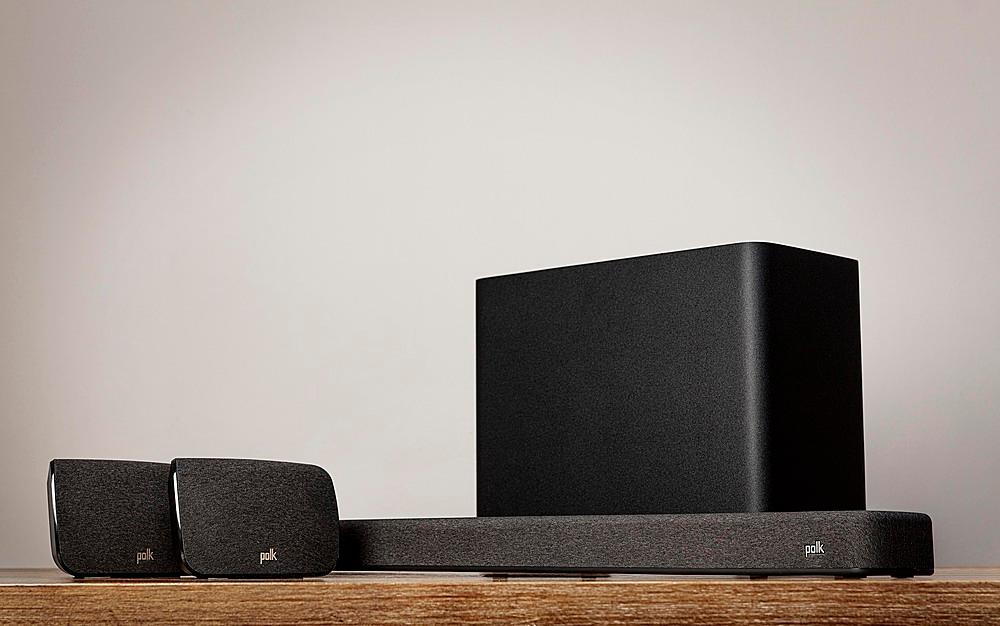
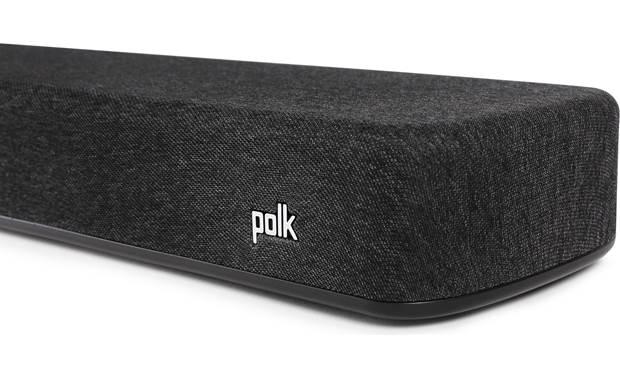
The React takes a fundamentally different approach. Its 2.1 configuration (2 main channels plus 1 subwoofer) focuses on doing the basics exceptionally well. The soundbar houses two midrange drivers and two tweeters, creating a wide stereo image that makes dialogue crisp and music engaging. The included wireless subwoofer handles bass duties, and honestly, it punches above its weight class.
What impressed me about the React was its Voice Adjust technology. This feature lets you fine-tune dialogue levels independently from other sounds. If you've ever had to constantly adjust volume because dialogue is too quiet but explosions are too loud, you'll appreciate this. It's particularly useful late at night when you want to hear conversations clearly without waking the neighbors.
The Q990D's smart features reflect its premium positioning. It supports AirPlay 2 and Chromecast, meaning you can stream high-quality audio directly from your phone or tablet. The HDMI 2.1 connections support 4K video at 120Hz with Variable Refresh Rate (VRR)—tech specs that matter if you're gaming on a PlayStation 5 or Xbox Series X. Game Mode Pro even adjusts audio processing based on what type of game you're playing, enhancing footsteps in shooters or dialogue in RPGs.
SpaceFit Sound Pro is perhaps the Q990D's most sophisticated feature. Using built-in microphones, it continuously analyzes your room's acoustics and adjusts the sound accordingly. Unlike many room correction systems that require you to run test tones, this happens automatically and adapts to changes like opening doors or people moving around. It's the kind of technology that works transparently in the background.
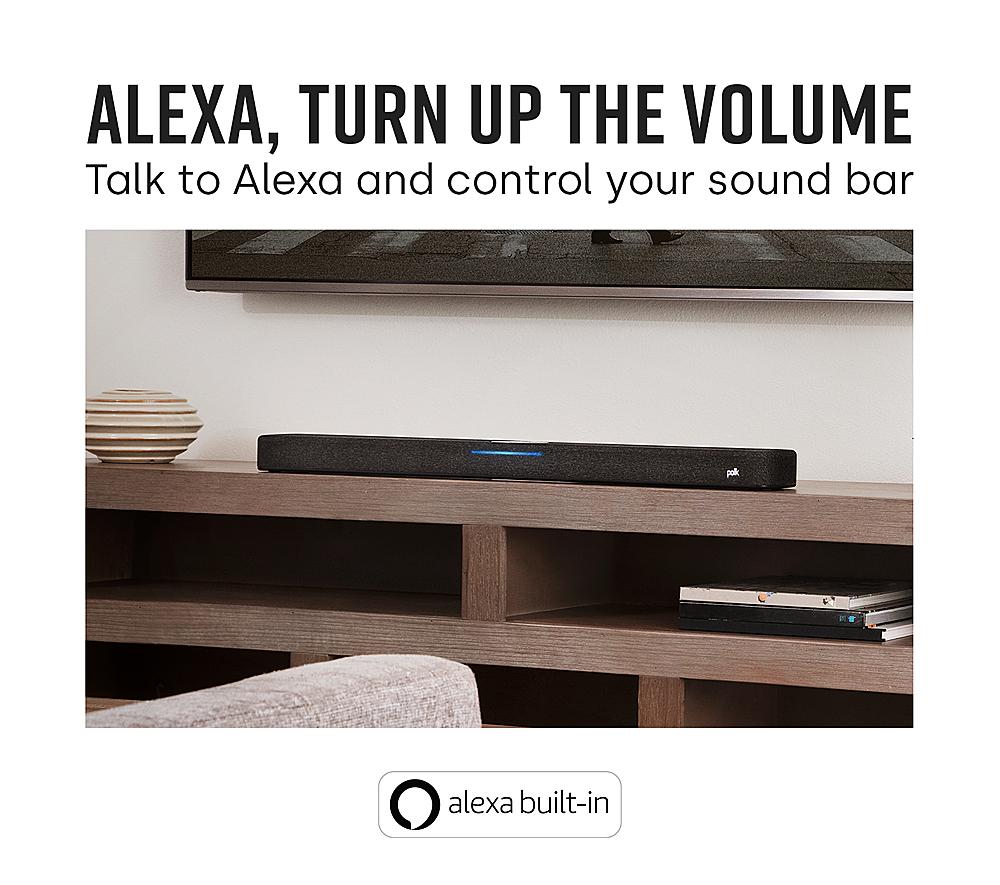
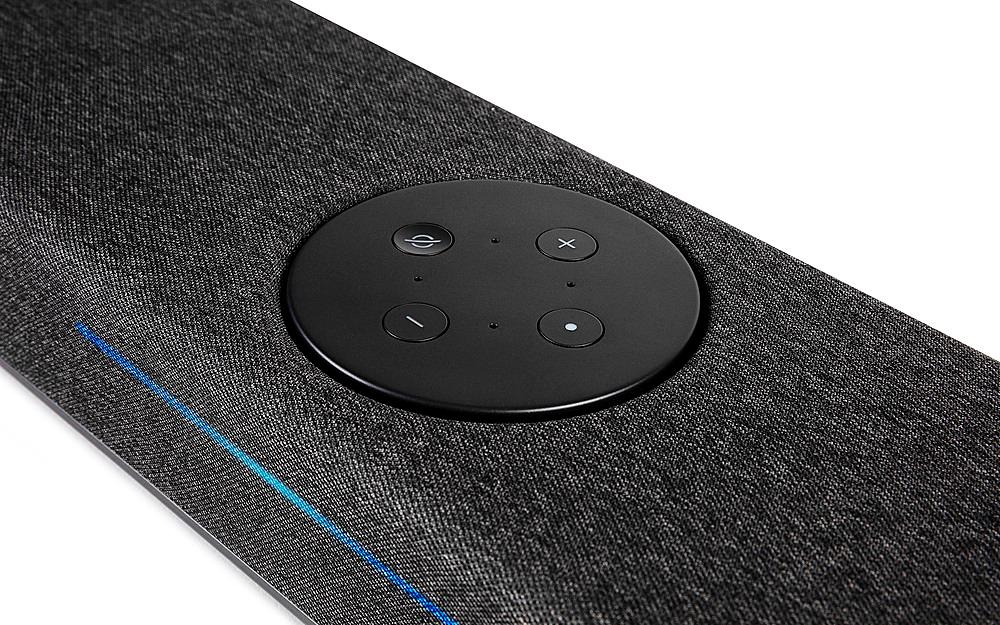
The React's smart features center entirely around Amazon Alexa integration. This isn't just Alexa compatibility—the soundbar literally has Alexa built in, with four far-field microphones for voice recognition. You can ask it to play music, control smart home devices, or even make calls to other Alexa devices. It essentially functions as an Amazon Echo that happens to be an excellent soundbar.
This integration extends to multi-room audio. If you have other Alexa devices around your house, you can group them together to play synchronized music throughout your home. It's a simple but powerful feature that adds value beyond just TV audio improvement.
Room size plays a crucial role in determining which soundbar makes sense. The Q990D really needs space to breathe. Those rear satellite speakers should ideally be placed 6-10 feet behind your seating position, and the system works best in rooms of at least 300 square feet. In smaller spaces, the complexity can actually work against you—you might not have proper placement options for all four units.
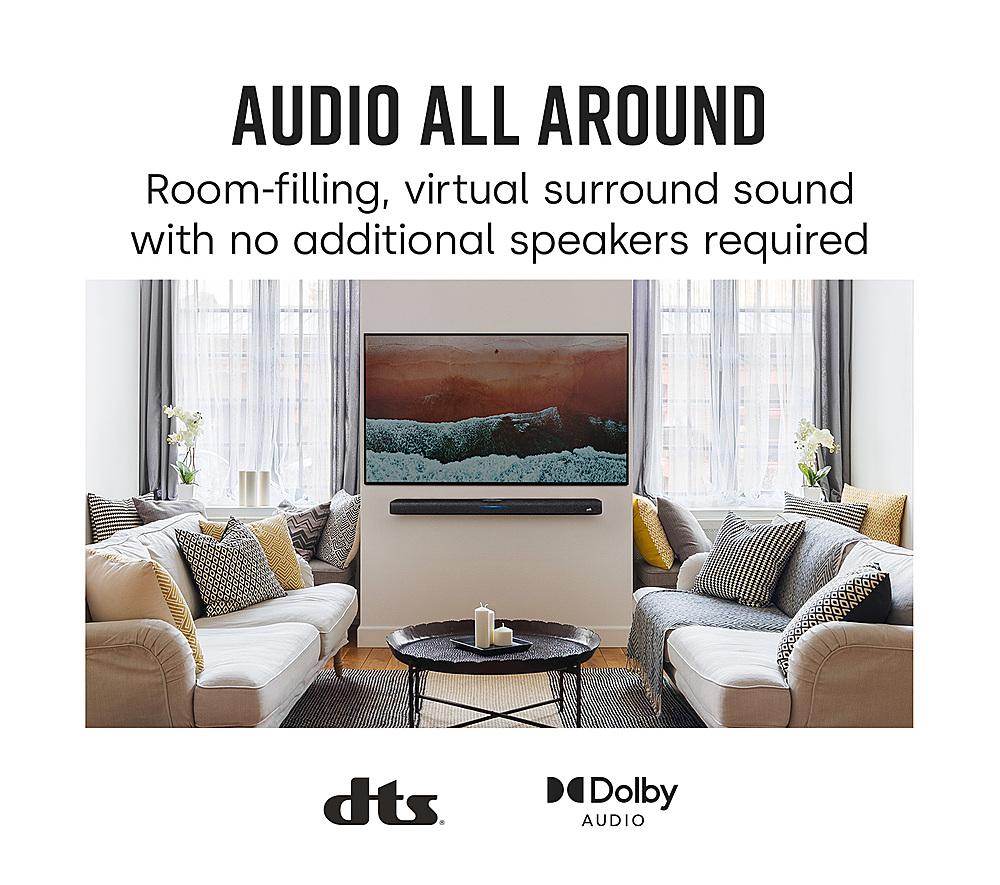
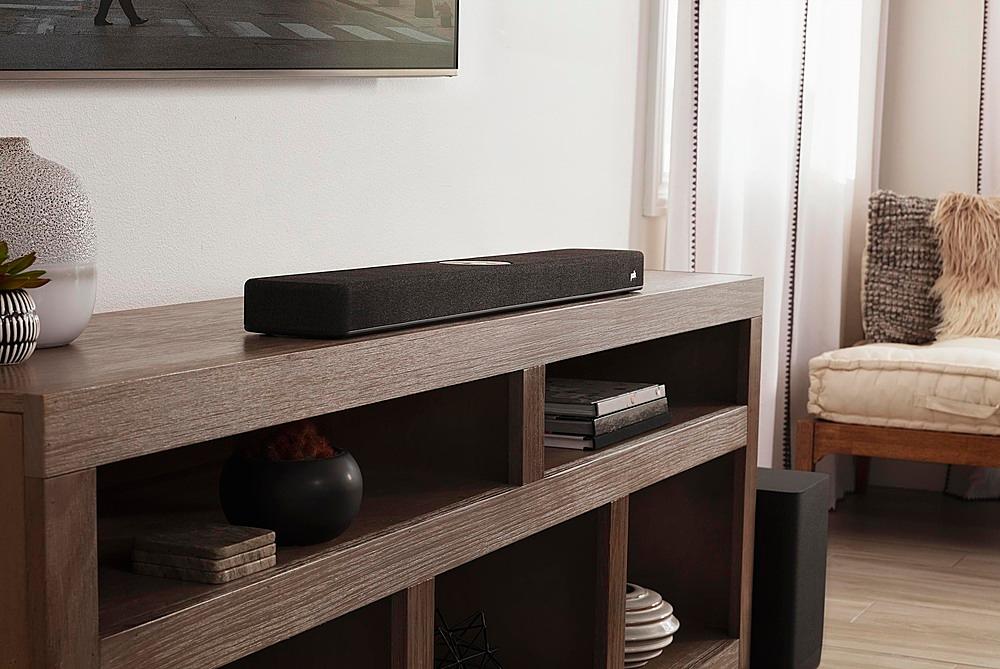
The React shines in smaller to medium-sized rooms where simplicity matters. Its compact profile fits under most TVs without blocking sensors or overwhelming the space visually. The wireless subwoofer gives you flexibility in placement, and because it's just two pieces total, setup is straightforward even in cramped apartments.
The Q990D uses Samsung's latest audio processing chip, which handles multiple complex tasks simultaneously. It decodes Dolby Atmos and DTS:X signals, applies room correction, manages the wireless connections to all four units, and processes gaming-specific audio enhancements—all without introducing noticeable delay.
One particularly clever feature is Q-Symphony, which works with compatible Samsung TVs. Instead of disabling your TV's speakers when you connect the soundbar, Q-Symphony uses them as additional channels to widen the soundstage. It's like getting extra speakers for free, though you need a recent Samsung TV to take advantage of this.
The wireless connectivity deserves mention too. Managing audio sync across four separate wireless units is technically challenging, but Samsung has largely solved this problem. In my testing, I never noticed sync issues between the main bar and rear speakers, even during fast-paced action scenes.
The React might seem simpler, but Polk put considerable engineering effort into maximizing performance within its constraints. The two 3.75" x 2.69" midrange drivers use Polk's proprietary cone material, which balances rigidity with damping to minimize distortion. The passive radiators (speaker cones without magnets that move in response to air pressure changes) help extend bass response beyond what the small enclosure would normally allow.
The Alexa integration required custom acoustic engineering too. Those four far-field microphones need to pick up voice commands even when the soundbar is playing loud audio. Polk developed noise cancellation algorithms specifically for this application, ensuring Alexa responds reliably even during action movie scenes.
At $848, the Samsung HW-Q990D sits firmly in premium territory. But consider what you're getting: a complete surround sound system that would cost significantly more if bought as separate components. Traditional home theater receivers and speaker packages delivering similar performance often exceed $1,500, and that's before factoring in installation complexity.
The Q990D's value proposition becomes clearer when you consider its target audience. If you're building a dedicated home theater room or have a large living space where you do most of your TV watching, the immersive experience justifies the cost. The gaming features alone add significant value for console gamers who want competitive audio advantages.
However, value isn't just about features—it's about matching capabilities to needs. In smaller rooms or for casual viewing, much of the Q990D's sophistication goes unused. It's like buying a sports car for city commuting; technically superior but practically excessive.
The Polk Audio React at $230 offers a different kind of value: maximum improvement for minimum investment and complexity. For many people, the React provides 80% of the benefit they'd get from TV audio upgrade at 25% of the premium price. The Alexa integration adds functionality that extends beyond audio, essentially giving you a smart home hub as a bonus.
Both soundbars launched recently enough to include current-generation features, but they handle updates differently. The Q990D receives firmware updates that can add new features or improve existing ones. Samsung has historically been good about long-term support for flagship products, though some users have reported temporary issues after major updates.
The React's Alexa integration means it automatically receives Amazon's voice processing improvements. As Alexa gets smarter, so does your soundbar. This cloud-based approach to updates feels more seamless than traditional firmware updates, though it does require a constant internet connection for full functionality.
If you're considering the Q990D, you probably already know you want serious home theater performance. The question becomes whether your space and usage patterns justify the investment. Large, dedicated TV rooms benefit most from the full surround experience. If you regularly watch movies, play games, or have family movie nights, the immersive audio adds genuine entertainment value.
The React makes sense for different reasons. If you want your TV to sound significantly better without changing how you live or where you sit, it's an excellent choice. The Alexa integration provides ongoing value through smart home control and music streaming capabilities that extend beyond TV watching.
Consider your viewing habits too. Action movies, gaming, and content specifically mixed for surround sound showcase the Q990D's capabilities. But if you primarily watch news, sitcoms, or stream music, the React's dialogue clarity and clean audio reproduction might actually provide more day-to-day satisfaction.
For dedicated home theater setups, the Samsung HW-Q990D offers performance that rivals traditional component systems while maintaining the simplicity that makes soundbars appealing. The rear satellites can be wall-mounted or placed on stands, giving you flexibility in room design while maintaining proper acoustic positioning.
The key to maximizing home theater performance is proper placement. I recommend positioning the rear speakers slightly above ear level and angled toward the main seating area. The subwoofer should be placed away from walls to avoid bass buildup, and the main soundbar should be centered below your TV without obstruction.
Room acoustics matter more with the Q990D than simpler soundbars. Hard surfaces like tile floors and large windows can create reflections that muddy the surround effect. Area rugs, curtains, or furniture help control these reflections and improve overall sound quality. The SpaceFit Sound Pro feature helps compensate for room issues, but it can't overcome fundamental acoustic problems.
These two soundbars serve fundamentally different needs, and both do their jobs well. The Samsung HW-Q990D delivers on its promise of cinema-quality audio for those willing to invest in the full experience. The Polk Audio React provides meaningful audio improvement with valuable smart features for users who want simplicity and value.
Your choice ultimately depends on how you use your entertainment space, how much complexity you're comfortable with, and what role audio plays in your enjoyment of movies and TV. Both soundbars succeed at their intended purposes—the trick is choosing the one that matches your actual needs rather than being swayed by either premium features you won't use or limitations you'll eventually find frustrating.
| Samsung HW-Q990D 11.1.4 Channel Sound Bar | Polk Audio React Sound Bar with Alexa Built-In |
|---|---|
| Price - Major cost difference reflects completely different performance tiers | |
| $848 | $230 |
| Audio Configuration - Determines immersion level and room filling capability | |
| 11.1.4 channels with 22 total speakers across 4 units | 2.1 channels with soundbar plus wireless subwoofer |
| Surround Sound - Critical for movie immersion and gaming audio | |
| True physical surround with rear satellites and height channels | Virtual surround processing only |
| Room Size Compatibility - Ensures optimal performance in your space | |
| Large rooms (300+ sq ft) with proper speaker placement | Small to medium rooms, compact setup |
| Smart Features - Added functionality beyond basic audio | |
| AirPlay 2, Chromecast, SpaceFit Sound Pro room correction | Built-in Alexa with voice control and multi-room audio |
| Gaming Performance - Important for console and PC gamers | |
| HDMI 2.1 with 4K/120Hz, VRR, Game Mode Pro | Basic HDMI ARC, no gaming-specific features |
| Setup Complexity - Affects installation time and positioning flexibility | |
| 4 separate units requiring strategic placement | Single soundbar plus wireless sub, minimal setup |
| Dialogue Enhancement - Essential for clear speech in movies and shows | |
| Advanced processing with AI voice optimization | Voice Adjust technology for precise dialogue control |
| High-Resolution Audio - Matters for music streaming quality | |
| Wi-Fi streaming up to 24-bit/384kHz | Bluetooth only (compressed audio) |
| Best Value For - Who should consider each option | |
| Home theater enthusiasts with large rooms and premium budgets | Budget-conscious buyers wanting smart features and clear TV audio |
The Polk Audio React ($230) offers exceptional value for basic TV audio improvement and smart features, while the Samsung HW-Q990D ($848) provides premium home theater performance that justifies its higher cost for serious audio enthusiasts with larger rooms.
The Samsung HW-Q990D is a complete 11.1.4-channel surround sound system with physical rear speakers and height channels, while the Polk Audio React is a simple 2.1-channel soundbar focused on dialogue clarity and Alexa integration.
The Polk Audio React is ideal for small to medium rooms due to its compact design and simple two-piece setup. The Samsung HW-Q990D requires significant space for proper placement of its four separate units.
Only the Samsung HW-Q990D supports true Dolby Atmos with dedicated height speakers. The Polk Audio React uses virtual surround processing but lacks Atmos capability.
The Polk Audio React has built-in Alexa with voice control and multi-room audio capabilities. The Samsung HW-Q990D offers AirPlay 2 and Chromecast but no voice assistant integration.
The Samsung HW-Q990D excels for gaming with HDMI 2.1 support, 4K/120Hz passthrough, and Game Mode Pro. The Polk Audio React provides basic audio improvement but lacks gaming-specific features.
The Polk Audio React requires minimal setup with just a soundbar and wireless subwoofer. The Samsung HW-Q990D involves positioning four separate units for optimal surround sound performance.
Both support music streaming, but differently. The Samsung HW-Q990D offers high-quality Wi-Fi streaming via AirPlay 2 and Chromecast. The Polk Audio React uses Bluetooth streaming and voice-controlled music through Alexa.
The Samsung HW-Q990D is specifically designed for home theater with true surround sound, Dolby Atmos, and immersive audio processing. The Polk Audio React improves TV audio but isn't meant for dedicated home theater setups.
Yes, both soundbars work with any TV through HDMI or optical connections. However, the Samsung HW-Q990D offers additional Q-Symphony features when paired with compatible Samsung TVs.
Both excel at dialogue but differently. The Polk Audio React features Voice Adjust technology for precise dialogue control. The Samsung HW-Q990D uses advanced AI processing for voice optimization across all content types.
Choose the Samsung HW-Q990D if you have a large room, want cinematic immersion, and budget allows for premium features. Pick the Polk Audio React if you want significant audio improvement with smart features at an affordable price.
We've done our best to create useful and informative comparisons to help you decide what product to buy. Our research uses advanced automated methods to create this comparison and perfection is not possible - please contact us for corrections or questions. These are the sites we've researched in the creation of this article: techradar.com - avsforum.com - valueelectronics.com - samsung.com - rtings.com - samsung.com - avsforum.com - samsung.com - cdwg.com - youtube.com - whathifi.com - techradar.com - crutchfield.com - popsci.com - youtube.com - tomsguide.com - bestbuy.com - polkaudio.com - crutchfield.com - forum.polkaudio.com - soundunited.com - youtube.com

Privacy Policy
Terms and Conditions - Affiliate Policy
Home Security
© Copyright 2008-2026.
11816 Inwood Rd #1211, Dallas, TX 75244