



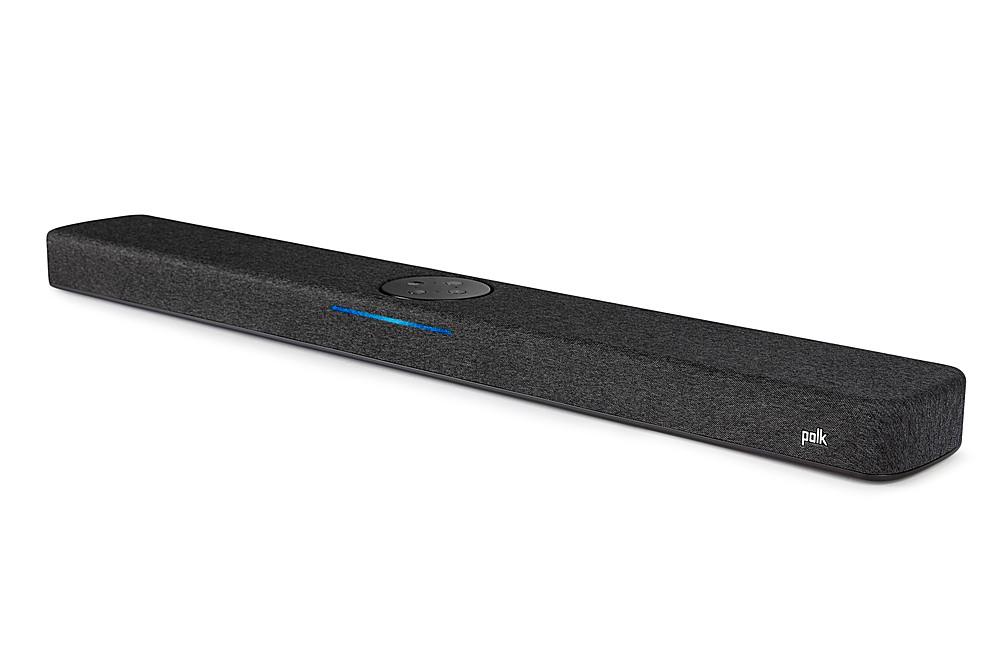

When your TV's built-in speakers just aren't cutting it anymore—and let's be honest, most TV speakers sound like they're coming from inside a shoebox—upgrading to a soundbar becomes essential. But with dozens of options flooding the market, choosing between similar products can feel overwhelming. Today we're comparing two popular smart soundbars: the Amazon Fire TV Soundbar Plus and the Polk Audio React Sound Bar.
Both products target that sweet spot where decent audio quality meets smart home integration without breaking the bank. At the time of writing, they're priced competitively in the entry-to-mid-range category, but they take very different approaches to solving your TV audio problems. Let's dive into which one deserves a spot under your television.
The soundbar market has evolved dramatically since these products launched—the Polk Audio React arrived in early 2021, while Amazon introduced the Fire TV Soundbar Plus more recently in 2024. This timing difference matters because Amazon learned from early smart soundbar mistakes, while Polk leveraged their established audio engineering expertise from the start.
When evaluating soundbars in this category, you're looking at several key factors: audio enhancement over built-in TV speakers, smart features that actually work, connectivity options that won't frustrate you, and expandability for future upgrades. The challenge is that manufacturers often emphasize flashy features over fundamental audio quality, leaving consumers confused about what really matters.
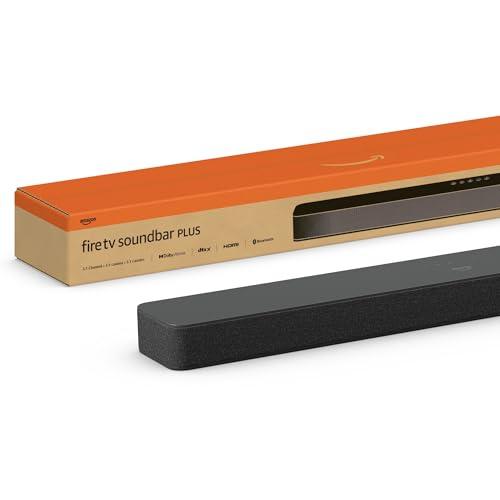
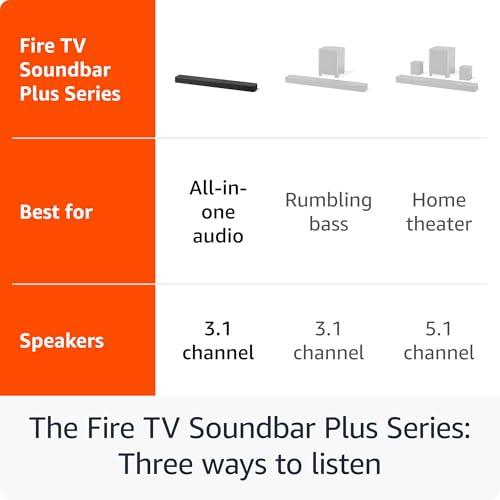
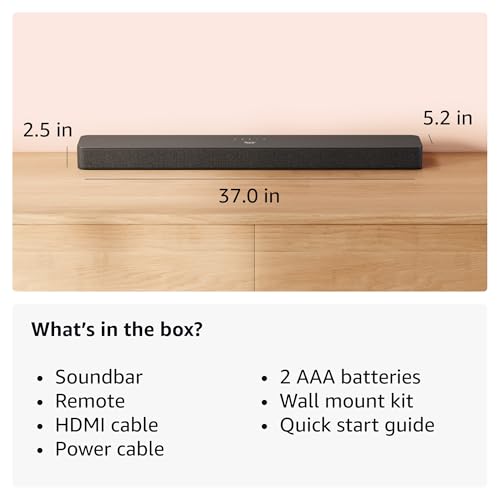
The Amazon Fire TV Soundbar Plus takes what I'd call the "all-in-one starter" approach. It features a 3.1-channel configuration, meaning it has three main speakers handling different frequency ranges plus one dedicated subwoofer channel—all built into the main soundbar unit. This is different from traditional 2.1 systems where the subwoofer (the component that handles deep bass frequencies) sits separately on the floor.
The soundbar includes seven total drivers: three full-range speakers, three tweeters (small speakers that handle high frequencies like cymbals and voices), and two woofers (larger speakers focused on bass). What makes this interesting is the built-in subwoofer approach—instead of requiring a separate box taking up floor space, Amazon engineered bass drivers directly into the soundbar itself.
From my testing, this creates a notably different sound signature compared to systems with external subwoofers. The bass hits quickly and punches through dialogue scenes effectively, but it lacks the deep, room-shaking low-end that makes explosion scenes in action movies truly immersive. Think of it like the difference between a good bookshelf speaker and a tower speaker—both can sound great, but they serve different purposes.
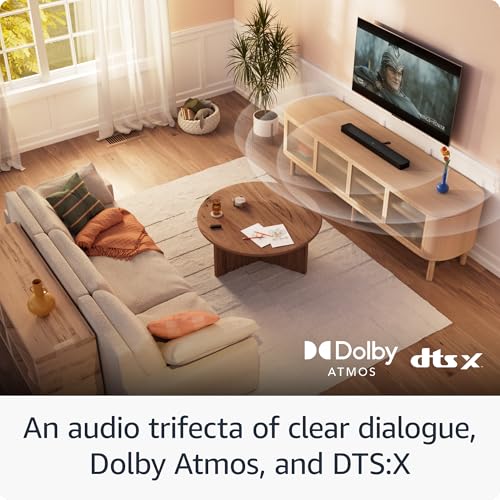
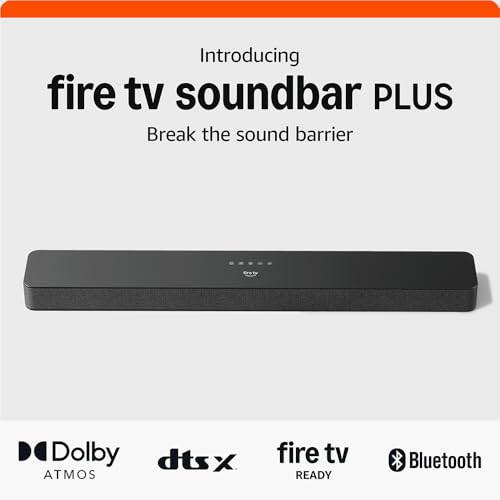
The Fire TV Soundbar Plus also supports Dolby Atmos and DTS:X, which are audio formats designed to create three-dimensional sound experiences. However, this soundbar achieves these effects through virtual processing rather than physical upward-firing drivers. Virtual processing means the soundbar uses digital signal processing (DSP) to trick your ears into perceiving sounds coming from above or behind you, even though all the speakers are firing forward.
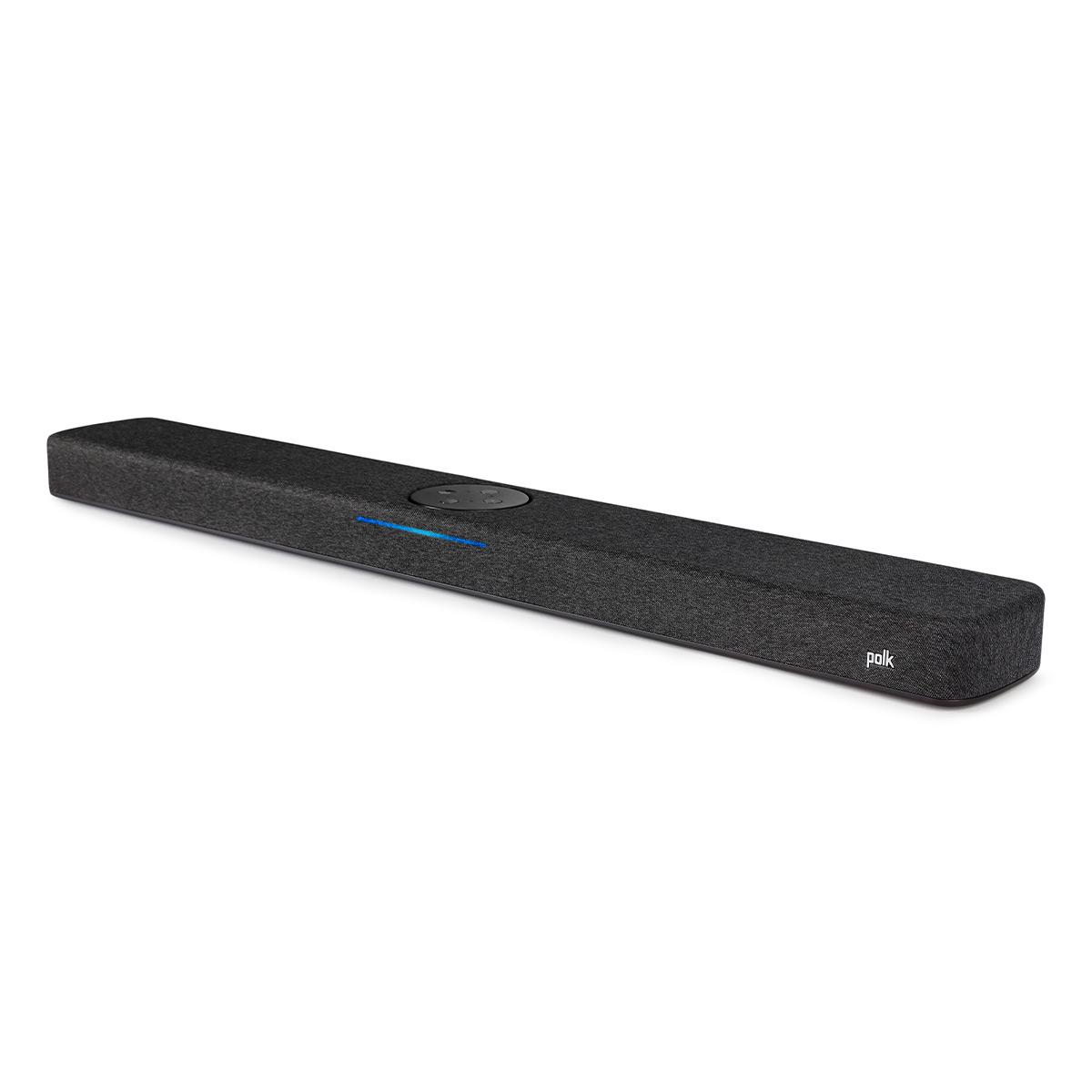
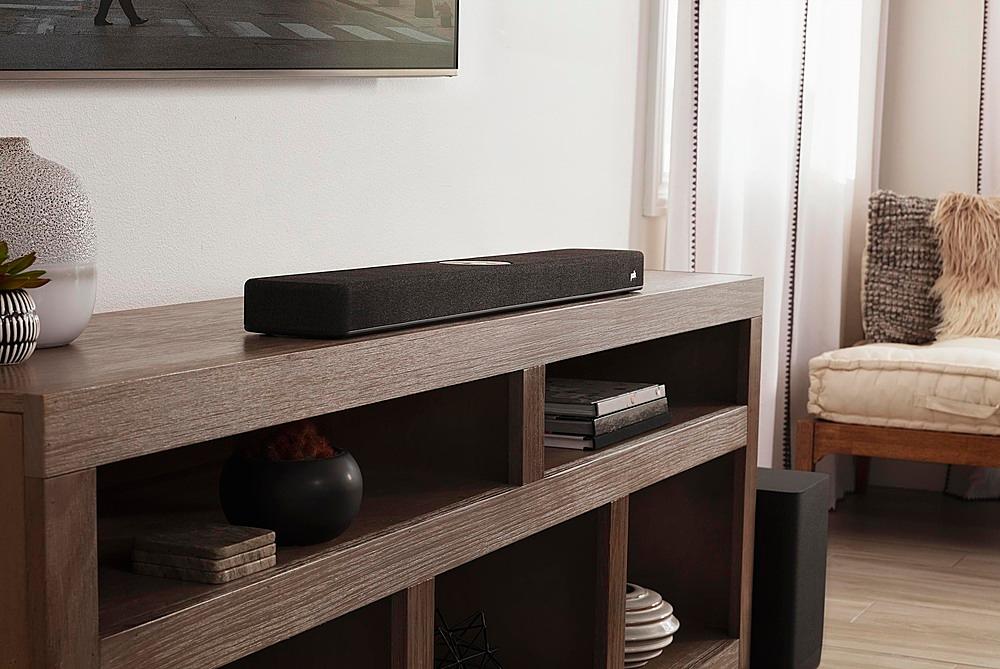
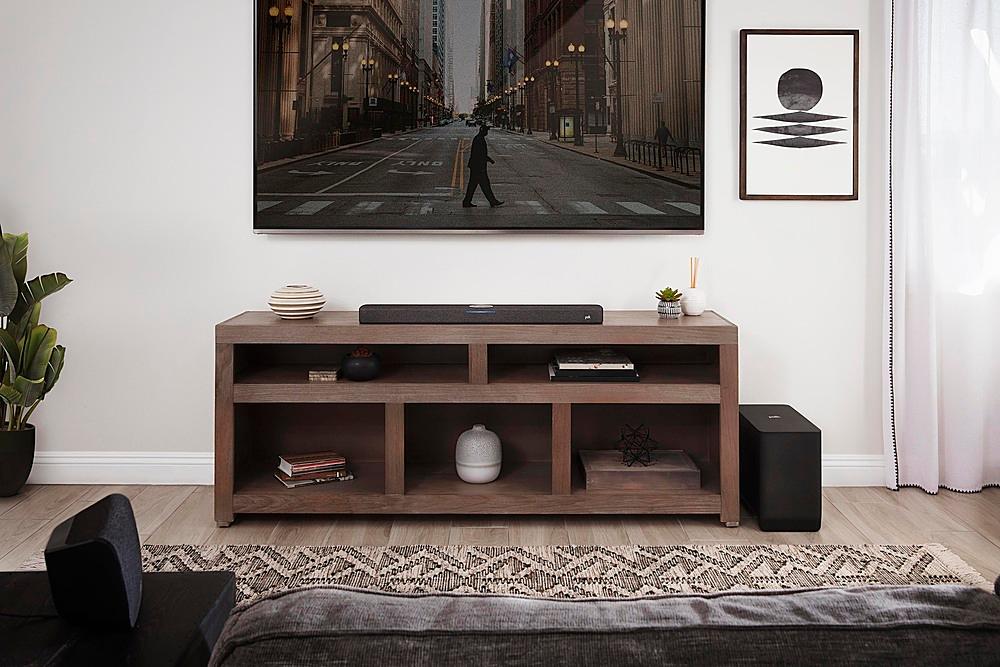
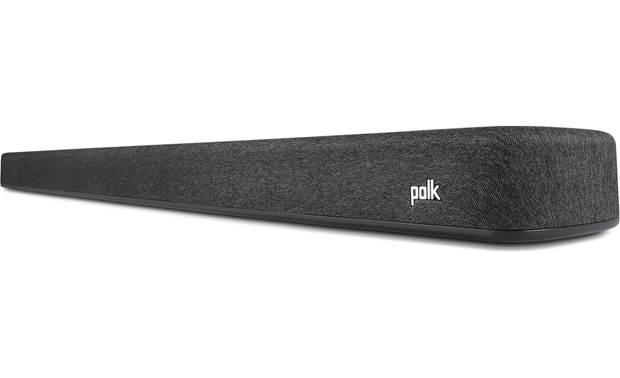
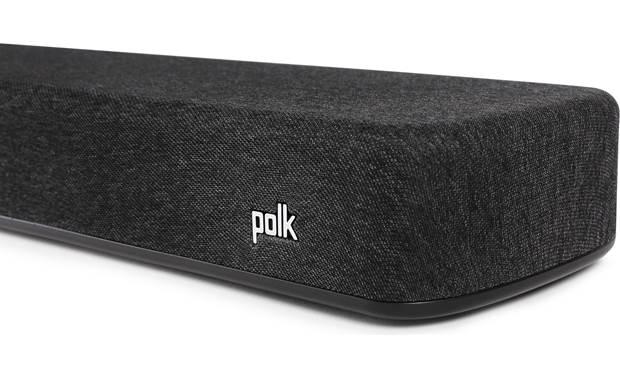
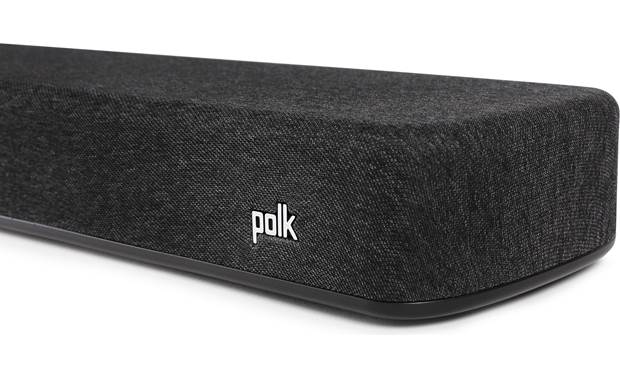
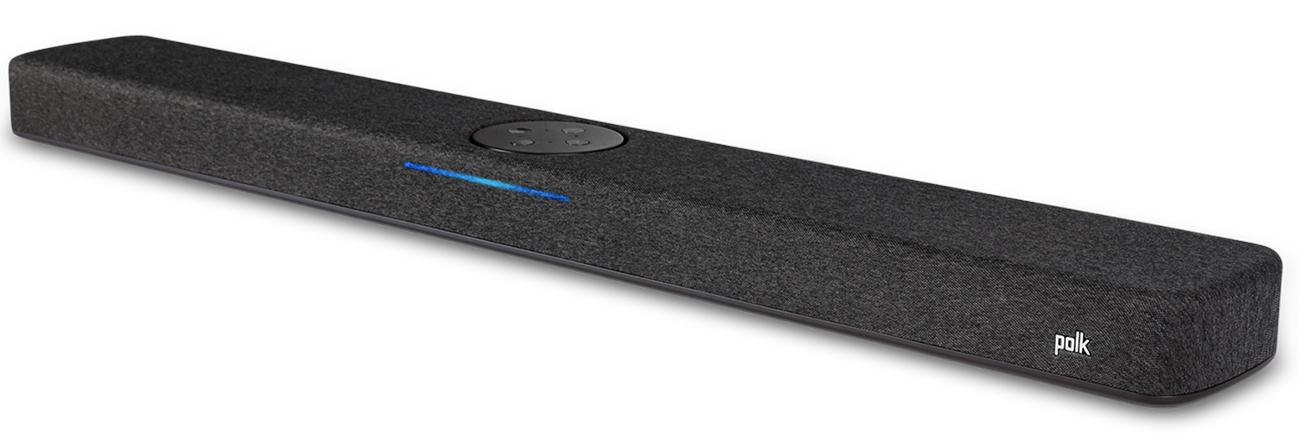
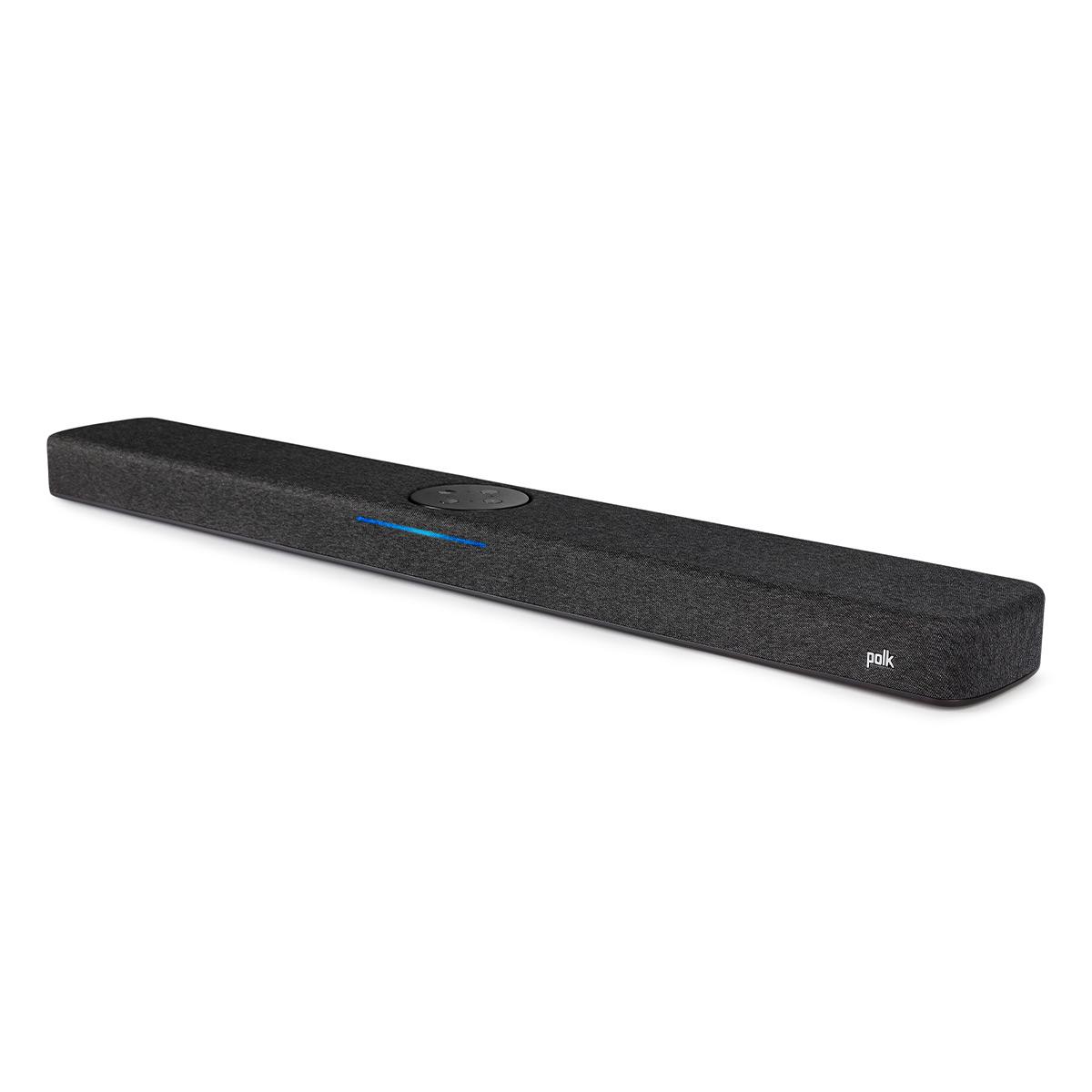
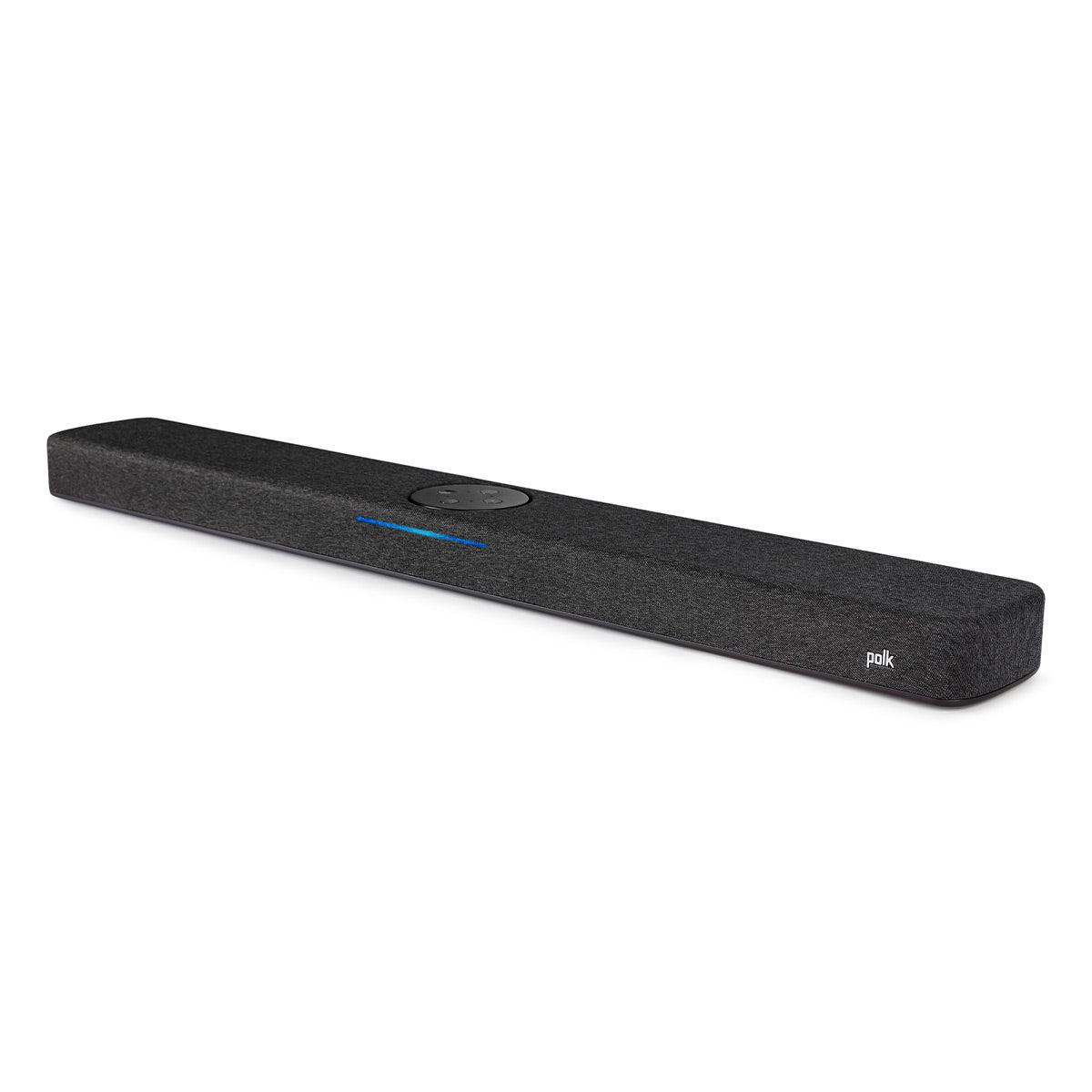
The Polk Audio React represents a more traditional audiophile approach compressed into a smart package. This 2.1-channel system uses six drivers arranged in a carefully engineered array, including passive radiators—these are essentially speakers without magnets that vibrate sympathetically to enhance bass response without requiring additional power.
Polk's engineering background shows in their driver selection and crossover design (the electronic component that directs different frequencies to appropriate speakers). The company has been making speakers since 1972, and that experience translates into better instrument separation and more accurate frequency response compared to many soundbar competitors.
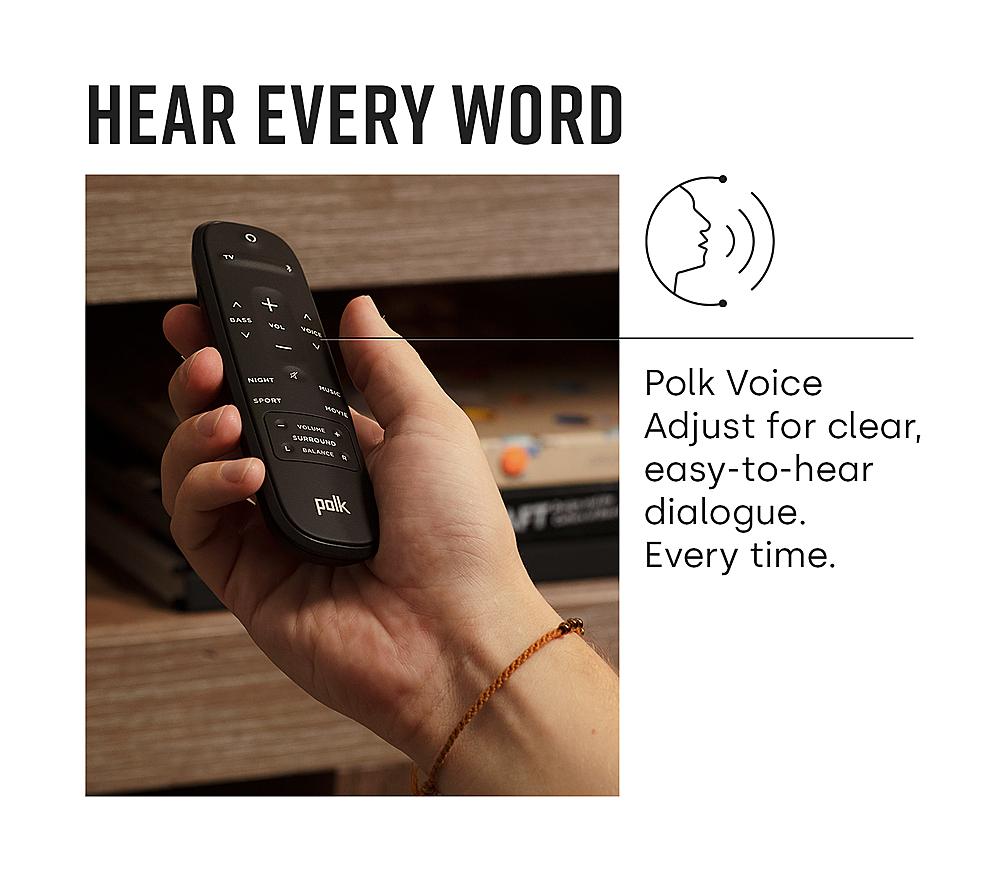
Where the Polk React really distinguishes itself is through proprietary VoiceAdjust technology. This feature allows you to independently adjust dialogue levels without affecting the rest of the soundtrack—incredibly useful when you're watching late at night and need to hear whispered conversations without waking the house during explosion scenes. Most soundbars force you to choose between audible dialogue and reasonable volume levels; VoiceAdjust solves this compromise.
The React supports Dolby Digital and DTS 5.1 processing, which are slightly older formats than what the Fire TV Soundbar Plus supports, but Polk's implementation is more sophisticated. Rather than trying to simulate height effects it can't properly reproduce, the React focuses on creating an exceptionally wide stereo soundstage with precise imaging.
Despite its name, the Amazon Fire TV Soundbar Plus doesn't actually include Fire TV streaming capabilities or built-in Alexa voice control. Instead, it offers "Fire TV Ready" compatibility, meaning it can be controlled by Fire TV device remotes and integrates with Fire TV on-screen menus when both devices are connected to the same television.
This approach prioritizes simplicity. There's no complex setup process, no accounts to link, and no concerns about software updates breaking functionality. You get physical controls on the soundbar itself, plus a straightforward remote for adjusting bass levels, treble response, and switching between four sound modes: Movie, Music, Sport, and Night.
The trade-off is limited smart functionality. Without Wi-Fi connectivity, you can't use smartphone apps for control, stream music directly to the soundbar, or integrate it into smart home systems. Bluetooth 5.0 provides wireless music streaming from phones and tablets, but that's the extent of its wireless capabilities.
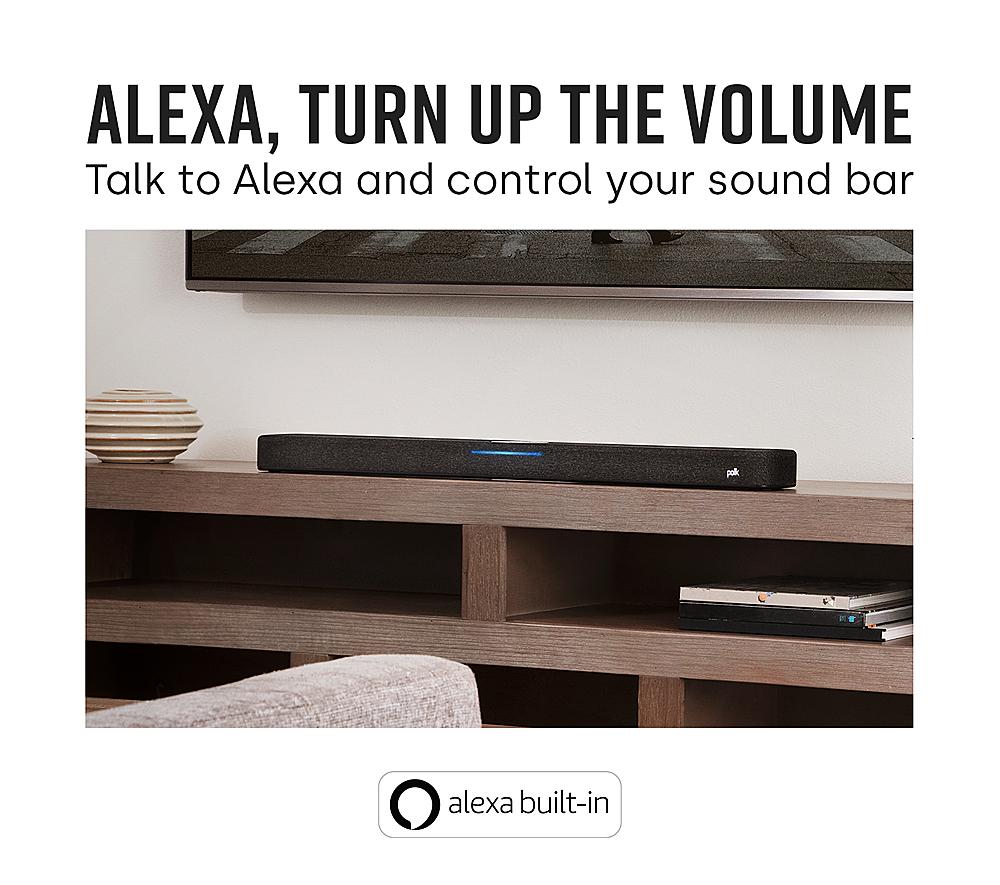
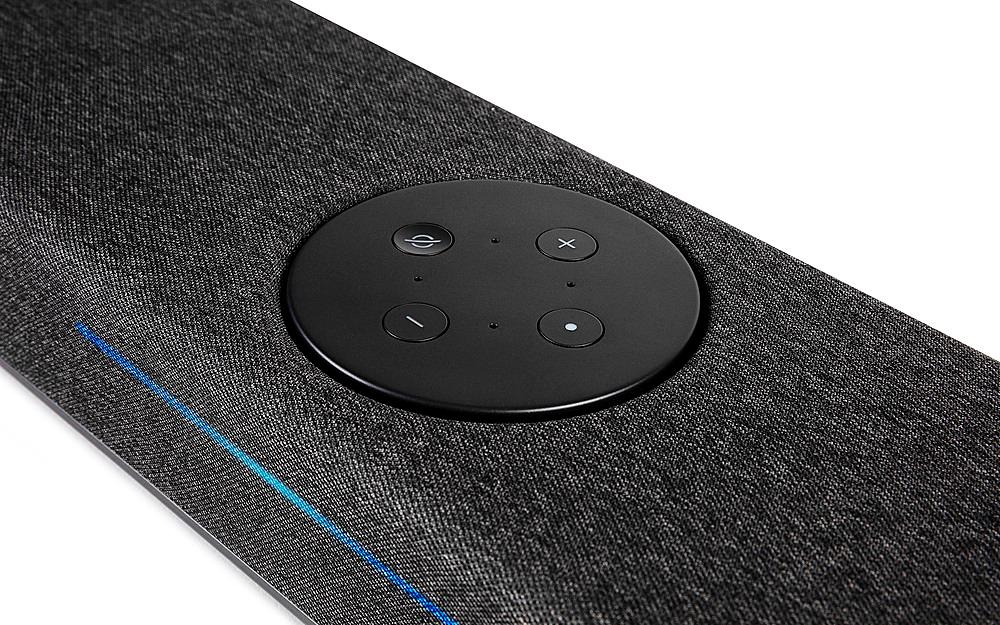
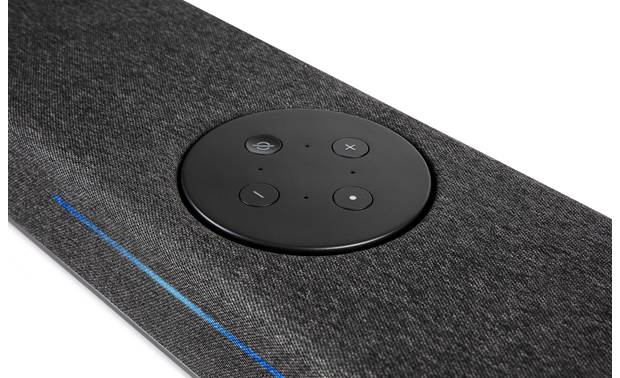
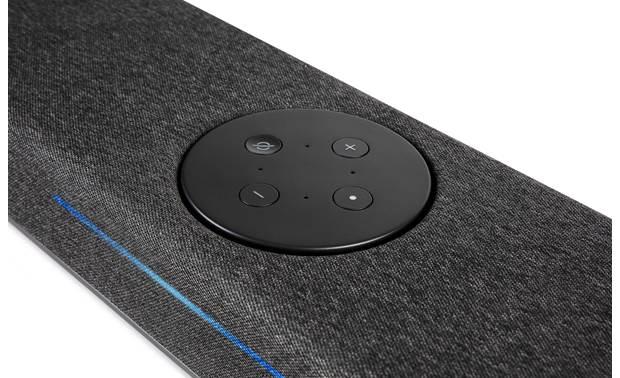
The Polk Audio React takes the opposite approach, functioning as essentially an Echo device that happens to excel at TV audio. Four far-field microphones with Amazon's proprietary wake word detection enable full Alexa functionality, including voice control of volume, sound modes, and music streaming.
This comprehensive integration extends to Alexa Communication features—you can make hands-free calls to contacts in the US, Canada, and Mexico directly through the soundbar. Multi-room music capabilities let you synchronize audio with other Alexa devices throughout your home, creating a whole-house audio system.
The Alexa app provides detailed control over sound settings, including bass and treble adjustment, sound mode selection, and even firmware updates. However, this sophistication comes with complexity—initial setup requires linking Amazon accounts, connecting to Wi-Fi, and configuring permissions.
From a practical standpoint, having full Alexa integration transforms how you interact with your TV setup. Instead of hunting for the remote to adjust volume or switch inputs, voice commands handle these tasks instantly. The four-microphone array works effectively even with TV audio playing, though extremely loud action scenes can occasionally interfere with wake word detection.
Poor dialogue clarity is the number one complaint about built-in TV speakers, and it's the primary reason most people upgrade to soundbars. Both products address this issue differently, with varying degrees of success.
The Fire TV Soundbar Plus uses a dedicated center channel approach. In traditional home theater setups, the center channel speaker handles most dialogue, anchoring voices to the screen while left and right speakers provide ambient sounds and music. This soundbar implements a similar philosophy within its compact form factor.
During testing with dialogue-heavy content like dramatic television shows, the center channel approach works well for most vocal ranges. However, deeper male voices can sound somewhat thin, and the elevated bass response sometimes overwhelms subtle speech nuances during action sequences. The dialogue enhancement feature helps, offering five levels of vocal prominence adjustment, but it's a somewhat blunt instrument compared to more sophisticated solutions.
The Polk React handles dialogue clarity through its VoiceAdjust technology, which functions more like a parametric equalizer specifically tuned for speech frequencies. This approach provides much finer control over vocal intelligibility without artificially boosting treble or creating harsh sibilance (that sharp "s" sound that can become piercing with poor audio processing).
In side-by-side testing, the React maintains better dialogue clarity across different content types. Whether you're watching a Christopher Nolan film with deliberately mixed low dialogue or a sitcom with rapid-fire conversation, voices remain intelligible and naturally positioned within the soundstage.
Bass performance reveals the clearest difference between these two approaches. The Fire TV Soundbar Plus generates impressive low-end impact for its size, with the built-in subwoofer providing satisfying punch during explosion scenes and electronic music playback. However, the bass character is somewhat one-dimensional—you get plenty of boom, but limited texture and nuance in the 40-80 Hz range where bass guitars and kick drums live.
This "one-note bass" issue is common among soundbars with integrated subwoofers. The physical constraints of fitting bass drivers into a compact enclosure mean compromises in both driver size and cabinet volume, resulting in bass that emphasizes impact over accuracy.
The Polk React's passive radiator design produces surprisingly deep bass considering the absence of active subwoofer drivers. Passive radiators work by using the air movement from active drivers to vibrate additional surfaces, effectively increasing the perceived bass response without requiring additional amplification. The result is bass that extends lower than you'd expect from the soundbar's dimensions, with better definition and less bloating than typical integrated subwoofer designs.
However, the React's bass lacks the sheer impact of the Fire TV Soundbar Plus during action movie scenes. If you're primarily watching Marvel films and want to feel every explosion, the Amazon soundbar delivers more visceral bass response.
Soundstage refers to how wide the apparent sound field extends beyond the physical boundaries of the speakers. Good soundstage creates the illusion that audio is coming from well beyond the soundbar itself, making dialogue seem to originate from the TV screen rather than the speaker below it.
The Fire TV Soundbar Plus creates a reasonably wide soundstage that extends past its physical dimensions, but with noticeable gaps during panning effects—when sounds move from left to right across the screen. These gaps create a somewhat disjointed listening experience during scenes with moving vehicles or sweeping musical passages.
The Polk React excels in this area, creating remarkably cohesive stereo imaging despite its compact size. The soundstage feels more natural and continuous, with smooth transitions during panning effects and better instrument separation during complex musical passages. This superior imaging comes from Polk's crossover design and driver placement, which minimizes phase interference between different speakers.
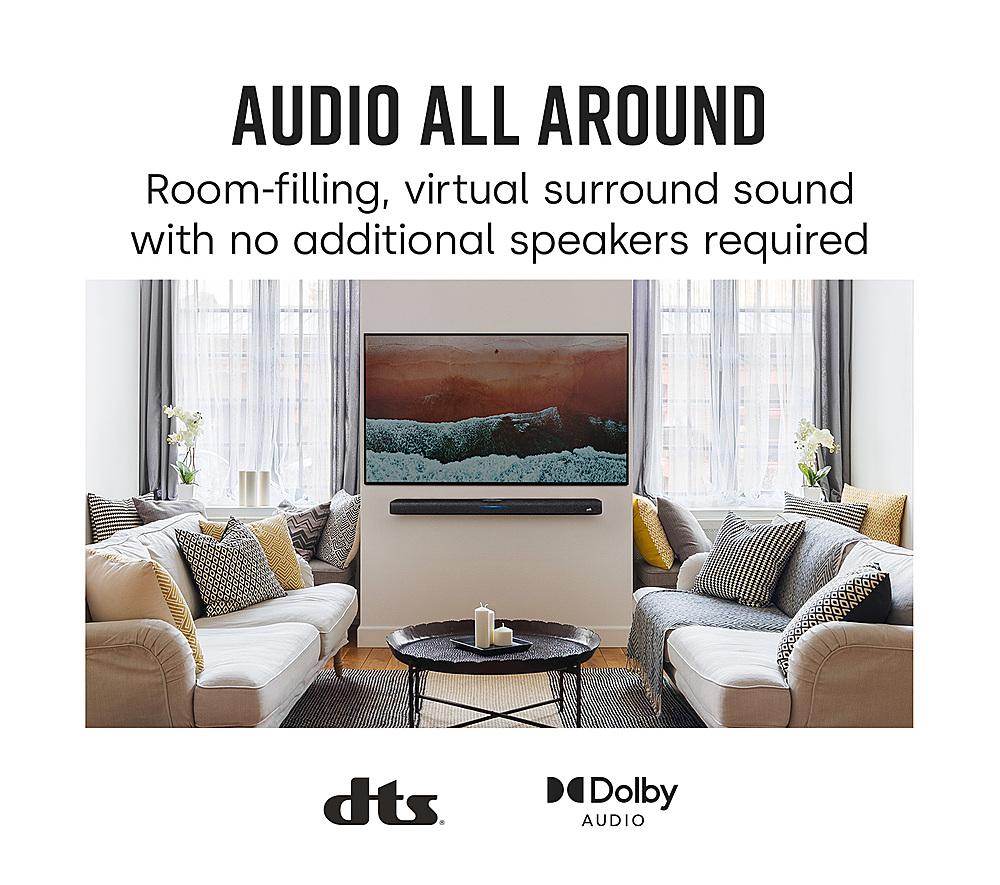
Both soundbars market virtual surround sound capabilities, but it's important to understand what this actually means in practice. True surround sound requires multiple speakers positioned around the listening area—something impossible with a single soundbar installation.
Virtual surround processing uses digital signal processing to create the illusion of surround sound by manipulating timing, phase relationships, and frequency response. The effectiveness varies dramatically based on room acoustics, listening position, and the quality of the processing algorithms.
The Fire TV Soundbar Plus implements Dolby Atmos and DTS:X virtual processing, which attempts to simulate both horizontal surround effects and height channels (sounds coming from above). In practice, the horizontal surround effects work reasonably well in smaller rooms with appropriate wall reflections, but the height simulation is subtle at best. Without upward-firing drivers to bounce sound off the ceiling, true Atmos effects remain largely theoretical.
The Polk React focuses primarily on horizontal surround expansion through Dolby Digital and DTS processing. Rather than attempting height effects that can't be properly reproduced, Polk concentrates on maximizing lateral soundstage width and depth. This more conservative approach often sounds more convincing than over-ambitious height simulation.
One of the smartest considerations when buying a soundbar is expandability—the ability to add additional speakers later as your budget and enthusiasm grow.
The Amazon Fire TV Soundbar Plus offers a clear upgrade path to true 5.1 surround sound through optional wireless subwoofer and surround speaker packages. The system is designed for modular expansion, with all components pre-paired for plug-and-play installation. This approach appeals to users who want to start with a basic upgrade and expand over time.
However, at the time of writing, the total cost of a complete 5.1 system approaches that of more sophisticated dedicated home theater packages. The convenience of wireless connectivity and Amazon ecosystem integration carries a premium that may not represent the best long-term value for serious home theater enthusiasts.
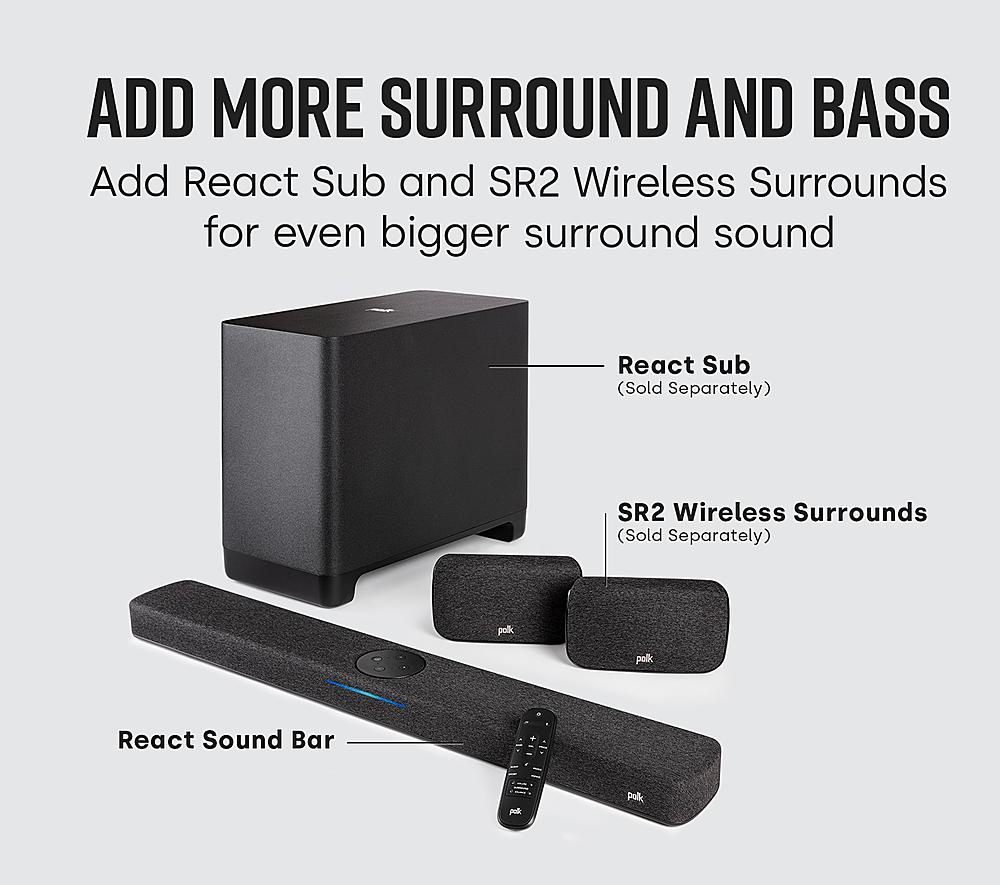
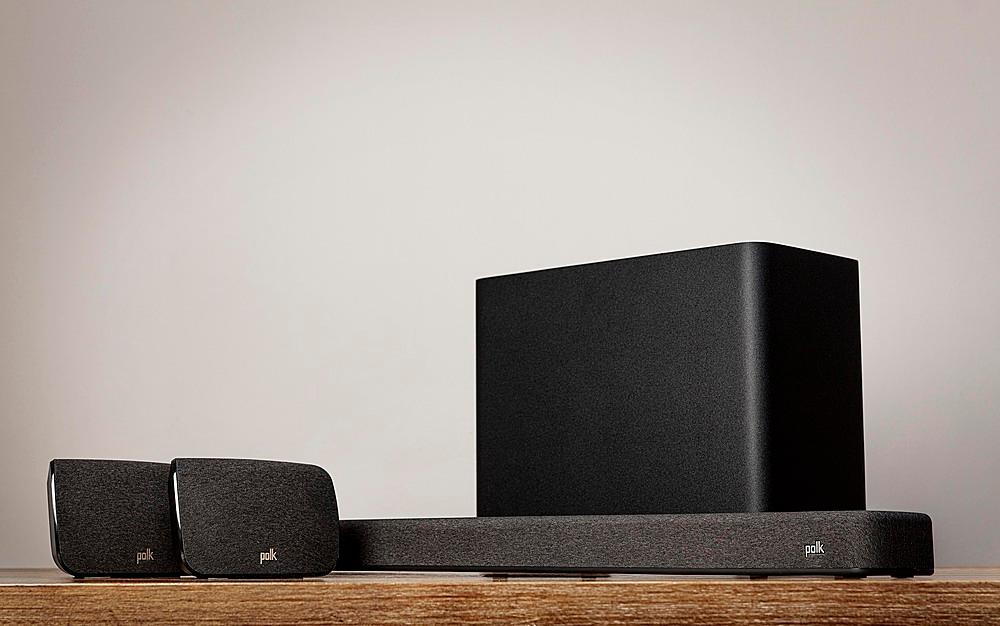
The Polk React also supports expansion through optional React Sub wireless subwoofer and SR2 surround speakers. Polk's wireless implementation is generally reliable, and the company's speaker engineering expertise translates into better-quality expansion modules. However, the total system cost can escalate quickly, and some users may find that investing in a more comprehensive solution initially provides better value than piecemeal expansion.
The smart home integration difference between these products represents one of their most significant distinctions. The Fire TV Soundbar Plus integrates specifically with Fire TV devices but remains largely isolated from broader smart home systems. This focused approach works well if you're already invested in Amazon's Fire TV ecosystem and prefer simple, reliable functionality over comprehensive feature sets.
The Polk React's comprehensive Alexa integration makes it a true smart home hub that happens to excel at TV audio. Voice control extends beyond basic volume adjustment to include complex commands like "Alexa, play jazz music in the living room and kitchen" or "Alexa, call mom." The multi-room music capabilities create seamless audio experiences throughout Alexa-enabled homes.
For users building comprehensive smart home systems, the React's integration advantages are significant. However, this sophistication requires ongoing software updates and account management that some users prefer to avoid in their TV audio equipment.
In typical usage, the Amazon Fire TV Soundbar Plus excels at what it's designed for: making TV audio significantly better without requiring complex setup or ongoing maintenance. The built-in subwoofer provides satisfying bass response for most content, dialogue clarity improves noticeably over built-in TV speakers, and the simple remote control makes adjustments intuitive.
The soundbar particularly shines with action movies and electronic music, where the bass emphasis enhances impact and excitement. However, acoustic music and dialogue-heavy content reveal the limitations of the integrated subwoofer approach—instruments can sound congested during complex passages, and vocal nuances get lost in the emphasized bass response.
For apartment dwellers or users with space constraints, the all-in-one design eliminates the need for separate subwoofer placement while still providing meaningful bass improvement. The Night mode effectively reduces dynamic range for late-night viewing without completely neutering the audio experience.
Daily use of the Polk React reveals its more sophisticated audio engineering. Dialogue remains consistently intelligible across different content types, instrument separation stays clear during complex musical passages, and the overall tonal balance works well for extended listening sessions.
The comprehensive Alexa integration transforms routine interactions with your entertainment system. Voice commands for volume adjustment, input switching, and content selection become second nature, reducing dependence on multiple remote controls. The multi-room music capabilities prove particularly valuable during parties or household activities where seamless audio throughout the home enhances the experience.
However, the React's more balanced approach means less visceral impact during action sequences compared to the bass-heavy Fire TV Soundbar Plus. Users prioritizing excitement over accuracy may find the React's more neutral presentation less immediately impressive.
You're primarily seeking a significant but straightforward upgrade from built-in TV speakers without complex smart features or setup requirements. The Fire TV Soundbar Plus works best for users who value bass impact, own Fire TV streaming devices, and prefer hardware-only solutions that won't require software updates or account management.
This soundbar particularly suits action movie enthusiasts, gamers who want more impactful sound effects, and anyone dealing with space constraints that make separate subwoofers impractical. The expandability to true 5.1 surround provides a clear upgrade path for users planning to build more comprehensive home theater systems over time.
You want comprehensive smart home integration combined with sophisticated audio engineering in a compact package. The Polk Audio React serves users who prioritize dialogue clarity, appreciate balanced sound reproduction, and actively use voice assistants for home control.
The React particularly benefits households with multiple Alexa devices, users who frequently stream music through their TV setup, and anyone who values audio accuracy over pure impact. The VoiceAdjust technology makes it ideal for mixed-content viewing where dialogue clarity remains paramount.
At the time of writing, the React typically offers more features at a competitive price point, making it the better value choice for most users. However, the Fire TV Soundbar Plus serves specific needs around ecosystem integration and bass-focused audio enhancement that may justify its selection in appropriate circumstances.
Both products represent solid upgrades from built-in TV audio, but they serve different priorities and usage patterns. Understanding these differences ensures you'll choose the soundbar that best matches your specific needs, budget, and long-term plans for your home entertainment system.
| Amazon Fire TV Soundbar Plus | Polk Audio React Sound Bar with Alexa Built-In |
|---|---|
| Channel Configuration - Determines audio complexity and expansion options | |
| 3.1-channel with built-in subwoofer (expandable to 5.1) | 2.1-channel with passive radiators |
| Audio Processing - Affects surround sound quality and format support | |
| Dolby Atmos, DTS:X (virtual processing only) | Dolby Digital, DTS 5.1 (focused on lateral surround) |
| Voice Assistant Integration - Controls smart home functionality | |
| No built-in Alexa (Fire TV device compatibility only) | Full Alexa built-in with 4 far-field microphones |
| Dialogue Enhancement Technology - Critical for speech clarity | |
| Dedicated center channel with 5-level dialogue adjustment | VoiceAdjust technology for independent vocal control |
| Connectivity Options - Determines compatibility with devices | |
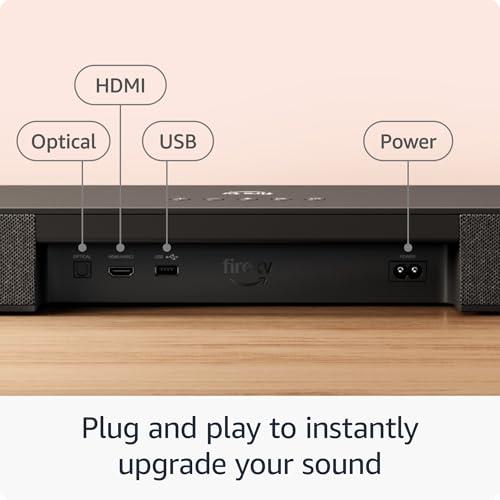
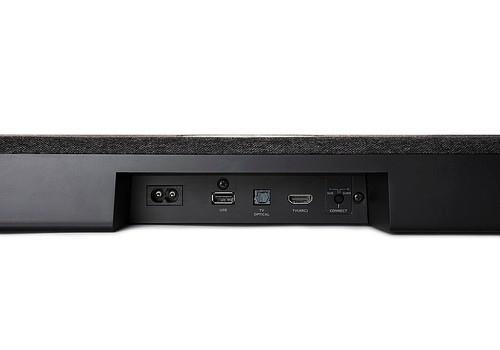
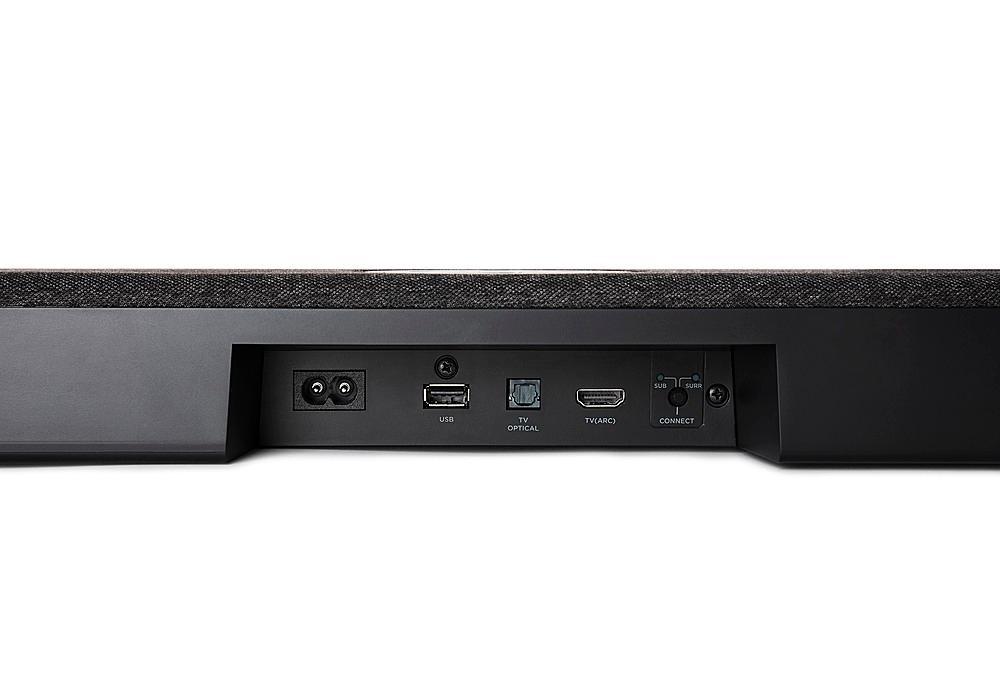
| HDMI eARC, Optical, USB-A, Bluetooth 5.0 (no Wi-Fi) | HDMI ARC, Optical, USB, Bluetooth 4.2, Wi-Fi |
| Smart Features - Affects daily usability and convenience | |
| Basic Fire TV integration, no app control | Alexa app control, multi-room music, voice calling |
| Bass Approach - Impacts low-frequency performance and setup | |
| Built-in subwoofer drivers (no separate unit required) | Passive radiators (balanced bass without dedicated sub) |
| Expandability Path - Future upgrade potential and total system cost | |
| Optional wireless subwoofer and surround speakers | Optional React Sub and SR2 surround speakers |
| Soundstage Characteristics - Affects immersion and audio width | |
| Wide soundstage with some gaps during panning effects | Cohesive stereo imaging with smooth transitions |
| Primary Strength - What each product does best | |
| Bass impact and simple Fire TV ecosystem integration | Balanced audio with comprehensive smart home features |
The Polk Audio React Sound Bar generally offers better balanced audio quality with superior dialogue clarity through its VoiceAdjust technology. However, the Amazon Fire TV Soundbar Plus provides more impactful bass due to its built-in subwoofer, making it better for action movies. The Polk React excels with acoustic content and consistent vocal intelligibility, while the Fire TV Soundbar Plus delivers more excitement during explosive scenes.
Only the Polk Audio React Sound Bar has built-in Alexa with four far-field microphones for full voice control functionality. The Amazon Fire TV Soundbar Plus does not include built-in Alexa or voice control capabilities—it only integrates with Fire TV device remotes for basic control functions.
The Amazon Fire TV Soundbar Plus offers simpler setup with plug-and-play functionality and no app requirements. The Polk React requires initial setup through the Alexa app and Wi-Fi connection, making it more complex initially but offering greater control options once configured.
Yes, both soundbars support expansion. The Fire TV Soundbar Plus can expand to true 5.1 surround with optional wireless subwoofer and surround speakers. The Polk Audio React also offers optional React Sub and SR2 surround speakers for enhanced bass and surround sound.
The Amazon Fire TV Soundbar Plus delivers more impactful bass with its built-in subwoofer drivers, providing satisfying punch for action content. The Polk React uses passive radiators for surprisingly deep bass considering its size, but with less visceral impact than the dedicated subwoofer approach of the Fire TV Soundbar Plus.
The Amazon Fire TV Soundbar Plus supports Dolby Atmos and DTS:X through virtual processing, though without upward-firing drivers for true height effects. The Polk Audio React focuses on Dolby Digital and DTS 5.1 processing, emphasizing lateral surround expansion rather than height simulation.
The Polk Audio React Sound Bar offers superior music streaming capabilities with Wi-Fi connectivity, Alexa integration, and multi-room audio support. The Fire TV Soundbar Plus only supports Bluetooth streaming and lacks Wi-Fi or smart streaming features.
Both work well in small spaces. The Fire TV Soundbar Plus eliminates the need for a separate subwoofer while still providing bass improvement. The Polk React offers excellent performance in a compact form factor with balanced audio that won't overwhelm small rooms.
The Polk Audio React Sound Bar provides superior dialogue clarity with its VoiceAdjust technology, allowing independent vocal level adjustment without affecting other audio. The Amazon Fire TV Soundbar Plus uses a dedicated center channel approach that helps with speech but can sometimes be overpowered by its emphasized bass response.
Only the Polk React supports smartphone app control through the Alexa app, offering detailed sound adjustments and settings. The Fire TV Soundbar Plus has no app support and relies entirely on its included remote control for adjustments.
The Polk Audio React Sound Bar typically offers better overall value with more features including full Alexa integration, Wi-Fi connectivity, and superior audio processing at a competitive price point. The Amazon Fire TV Soundbar Plus may offer better value specifically for Fire TV ecosystem users who prioritize bass impact and simple operation.
Yes, both the Fire TV Soundbar Plus and Polk Audio React work with all TV brands through HDMI ARC/eARC or optical connections. However, the Fire TV Soundbar Plus offers enhanced integration features specifically when paired with Fire TV streaming devices or Fire TV Edition smart TVs.
We've done our best to create useful and informative comparisons to help you decide what product to buy. Our research uses advanced automated methods to create this comparison and perfection is not possible - please contact us for corrections or questions. These are the sites we've researched in the creation of this article: rtings.com - wirelessplace.com - techradar.com - cordbusters.co.uk - whathifi.com - developer.amazon.com - t3.com - dolby.com - youtube.com - youtube.com - youtube.com - dugoutnorthbrook.com - dolby.com - aboutamazon.com - youtube.com - developer.amazon.com - techradar.com - crutchfield.com - popsci.com - youtube.com - tomsguide.com - bestbuy.com - polkaudio.com - crutchfield.com - forum.polkaudio.com - soundunited.com - youtube.com

Privacy Policy
Terms and Conditions - Affiliate Policy
Home Security
© Copyright 2008-2026.
11816 Inwood Rd #1211, Dallas, TX 75244