

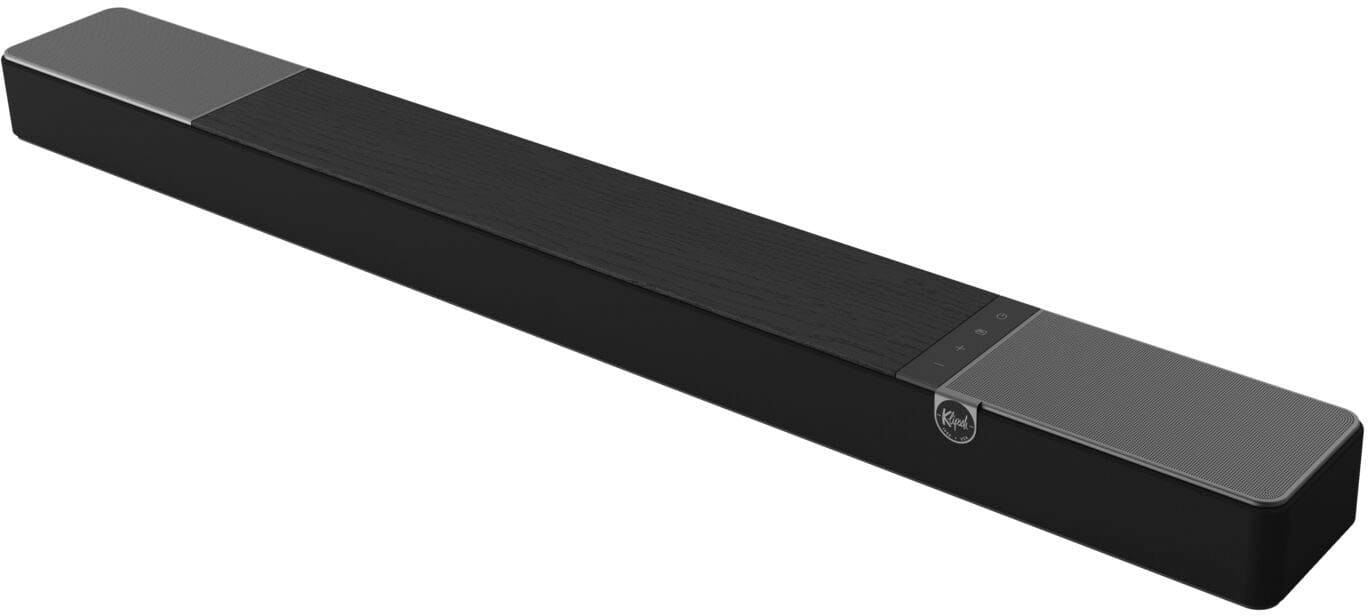
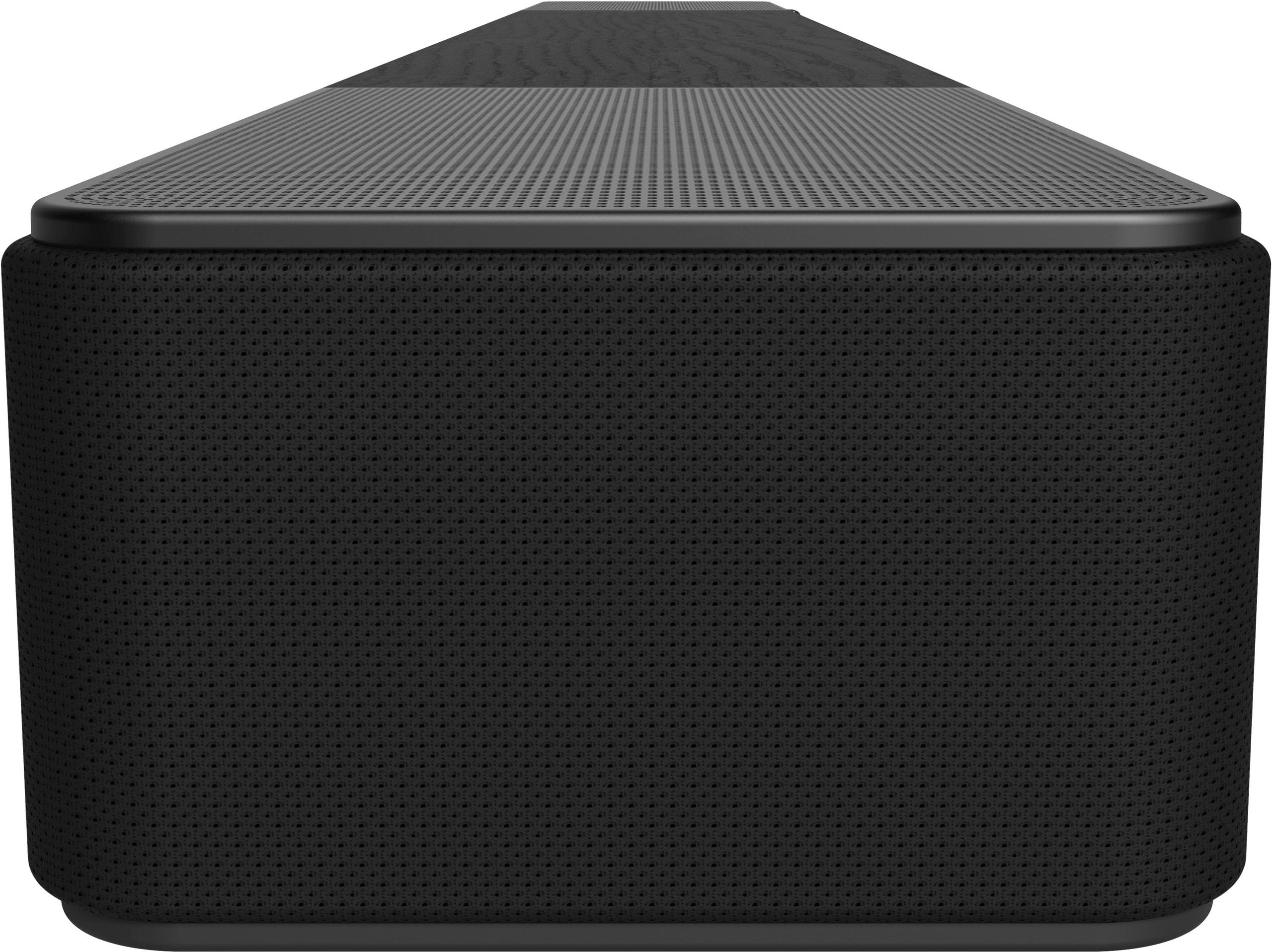
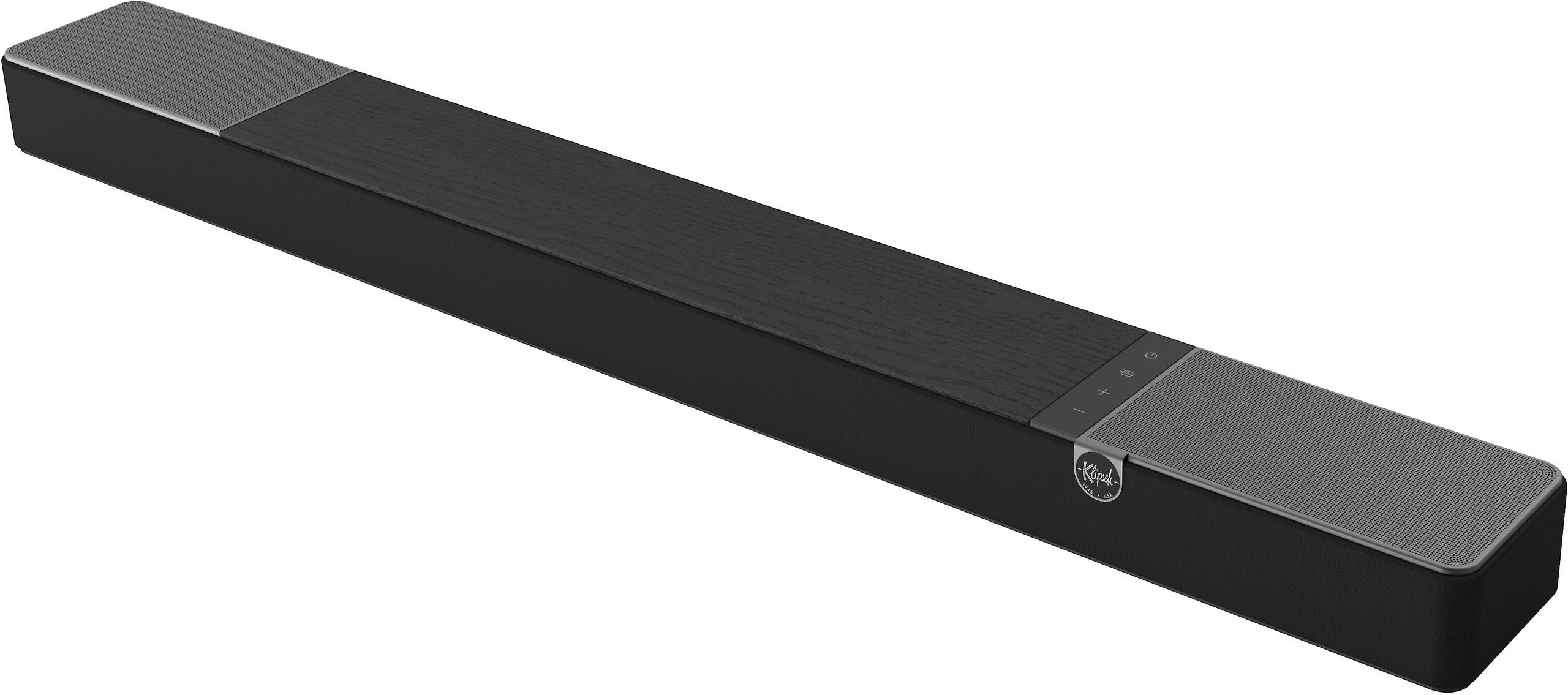

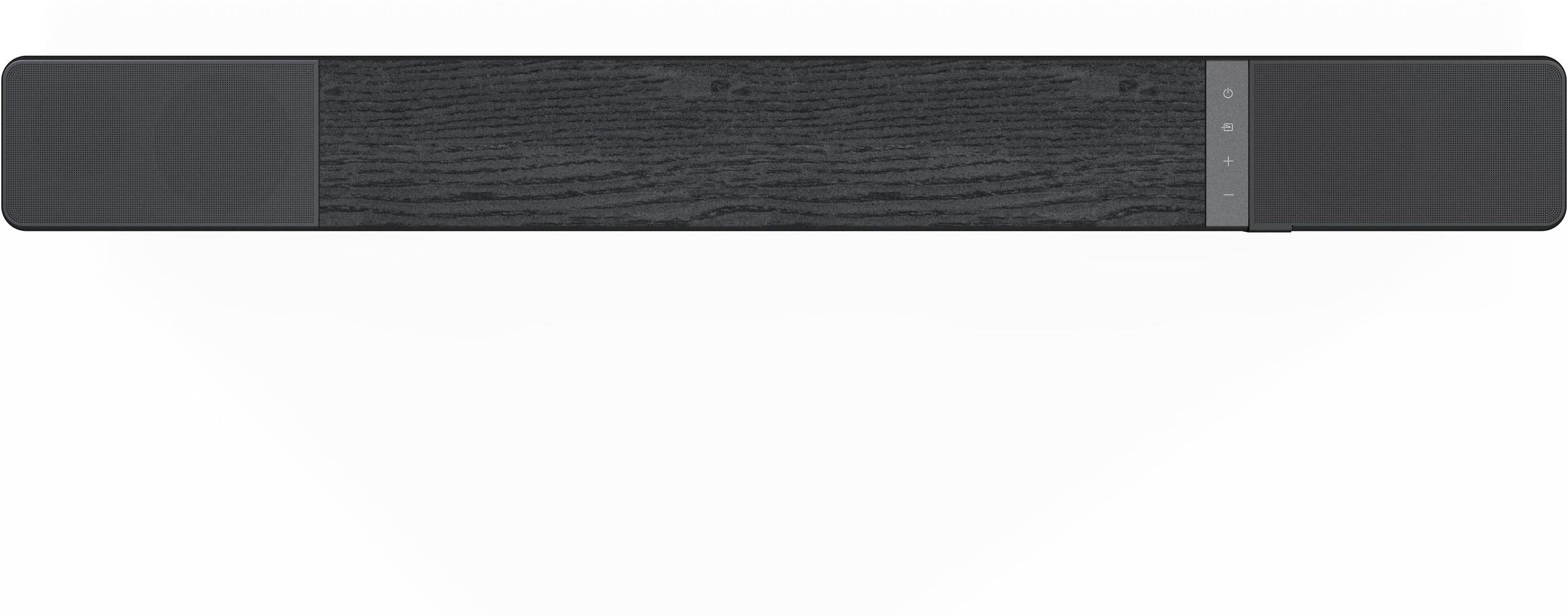


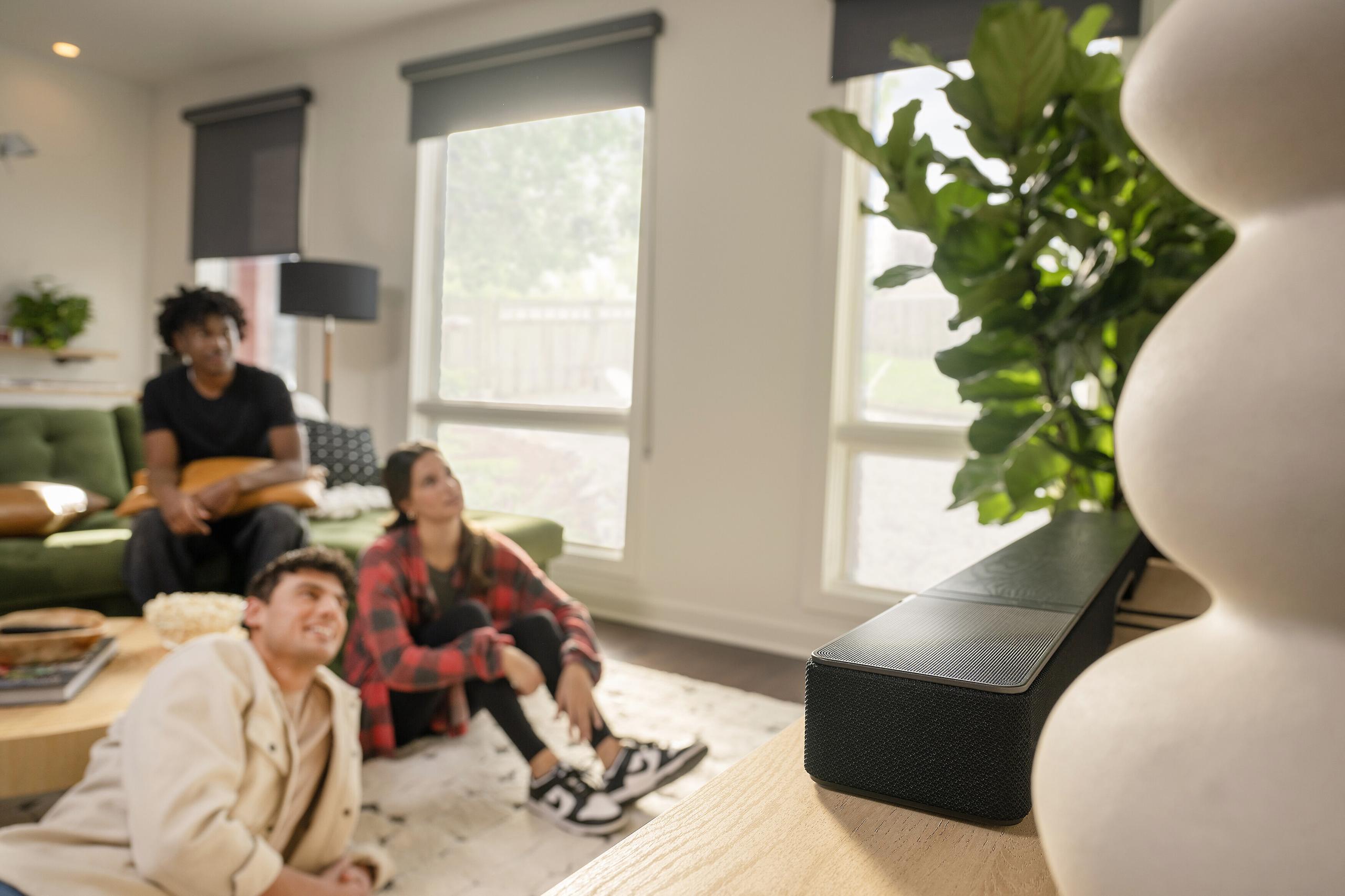



When your TV's built-in speakers just aren't cutting it anymore, a soundbar becomes your best friend. But with so many options out there, choosing between premium audio performance and smart home convenience can feel overwhelming. Today, I'm diving deep into two popular choices that take completely different approaches: the Klipsch Flexus Core 200 ($369) and the Polk Audio React ($230).
These aren't just random picks – they represent two distinct philosophies in soundbar design. One prioritizes immersive audio quality above all else, while the other focuses on seamless smart home integration. Understanding which approach fits your lifestyle and priorities will help you make the right choice for your living room.
Before we jump into the specifics, let's talk about what really matters in a soundbar. Think of it as upgrading from earbuds to proper headphones – the difference isn't just volume, it's about clarity, depth, and that feeling of being surrounded by sound.
The most important factor is channel configuration. When you see numbers like "3.1.2," here's what they mean: the first number is left, center, and right channels (horizontal sound), the second is subwoofers (bass), and the third is height channels (overhead effects). More channels generally mean more immersive sound, but they also drive up complexity and cost.
Bass performance is another crucial consideration. Some soundbars include built-in subwoofers (bass speakers), while others require you to buy a separate subwoofer box. Built-in solutions save space and money upfront, but dedicated subwoofers usually deliver deeper, more powerful bass.
Then there's the question of smart features. Modern soundbars can connect to your phone, respond to voice commands, and integrate with smart home systems. These features add convenience but can also add cost and complexity.
Finally, expandability matters if you think you might want to upgrade later. Some systems let you add wireless surround speakers or additional subwoofers, while others are essentially what you get out of the box.
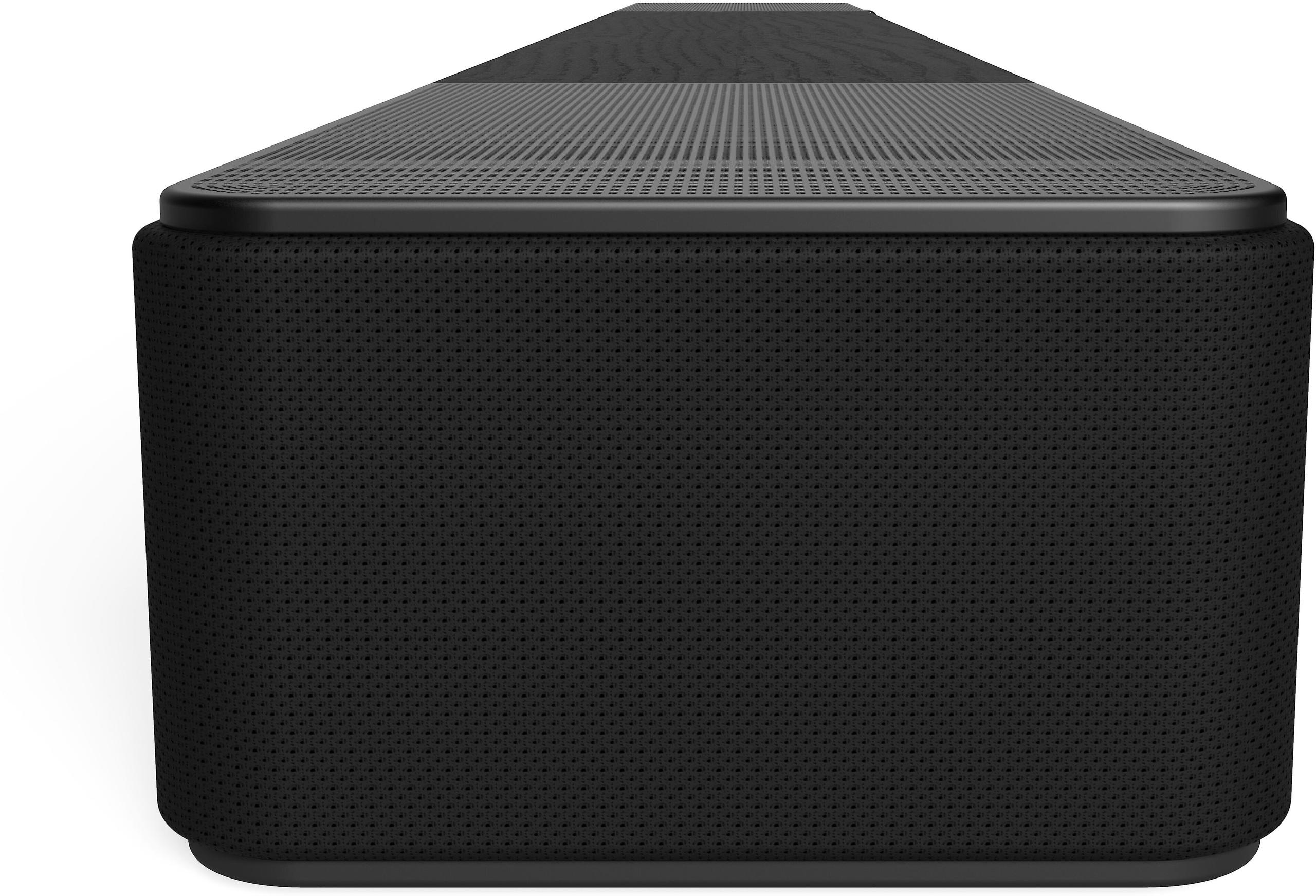
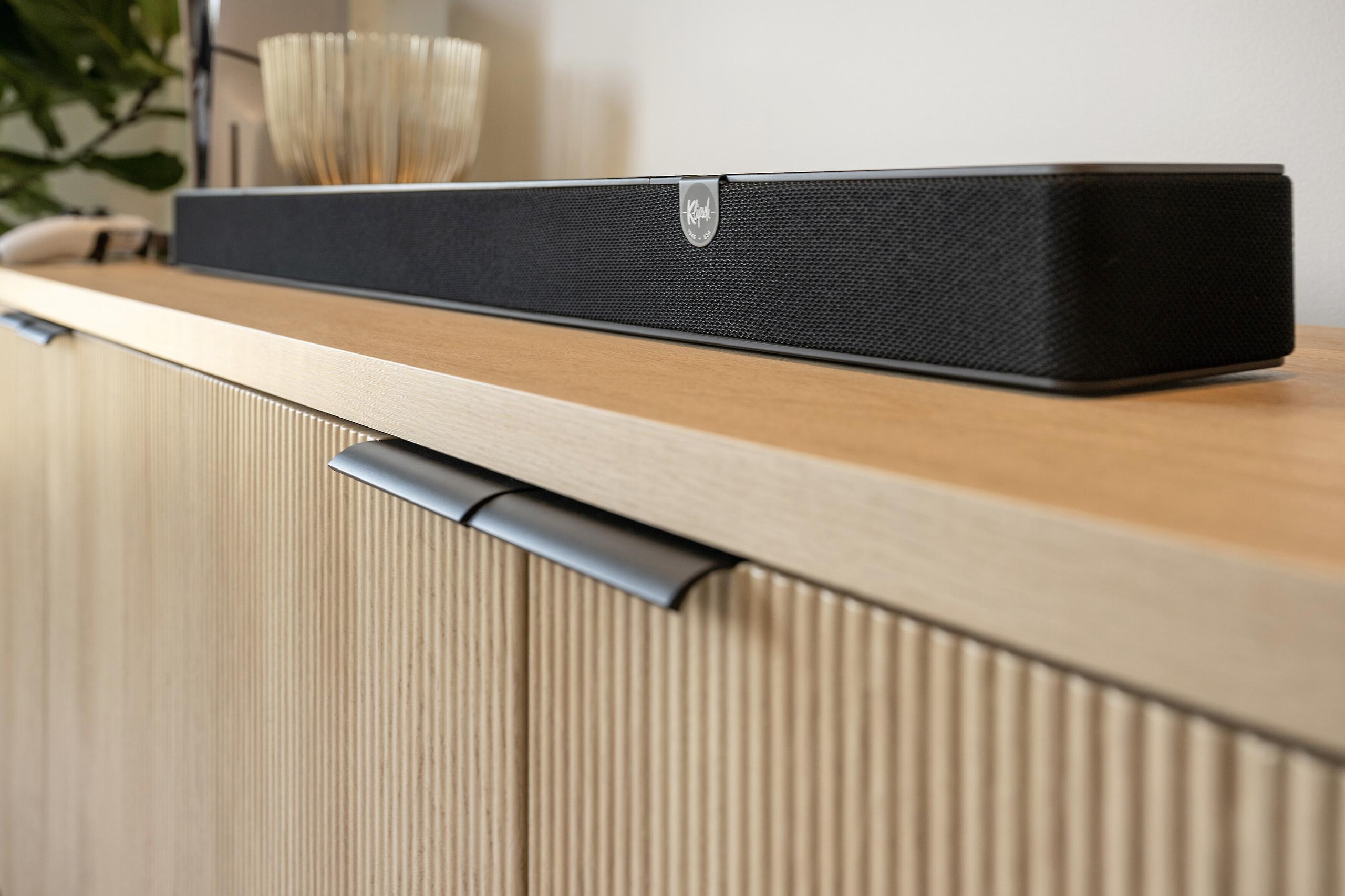
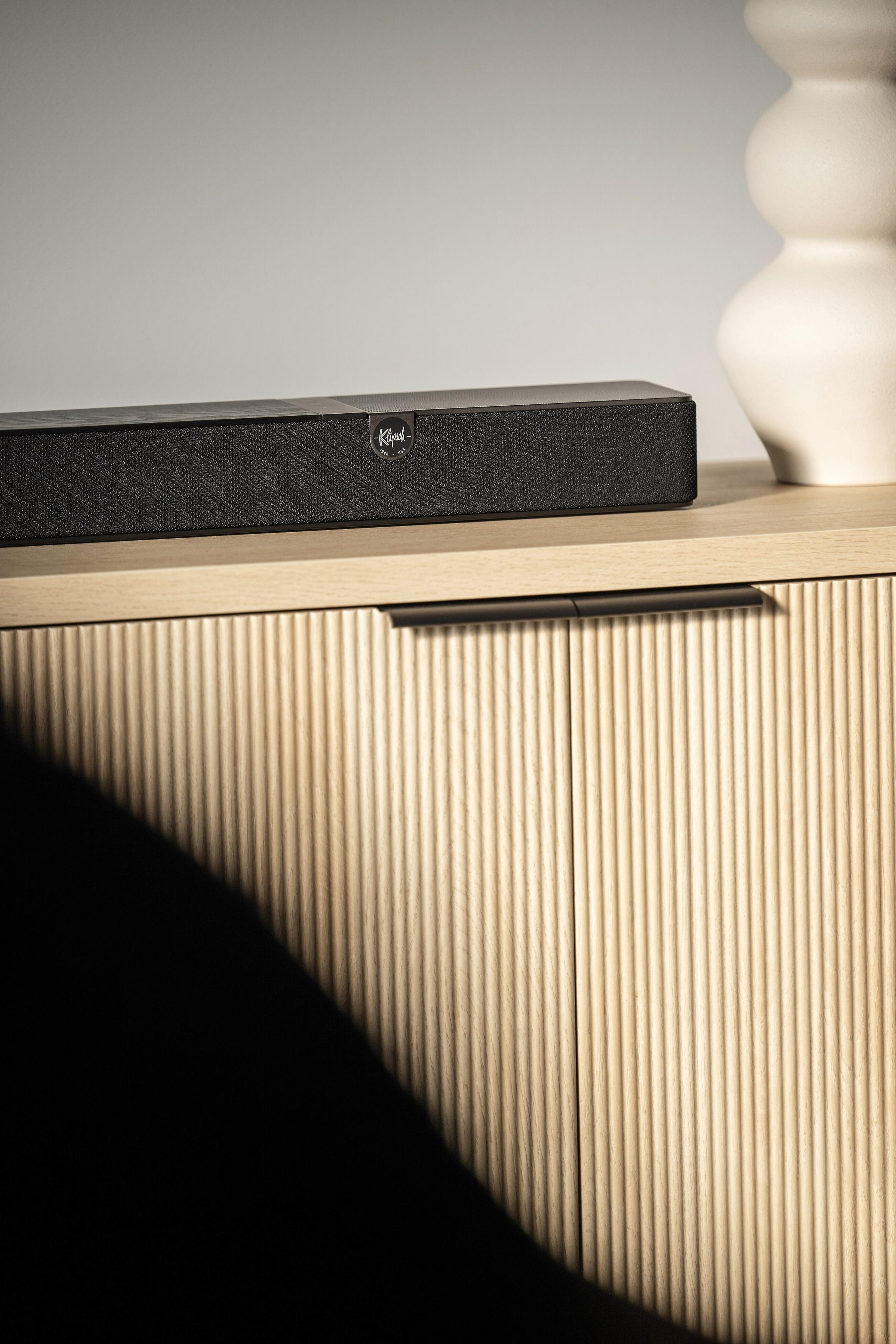
The Klipsch Flexus Core 200, released in 2024, represents Klipsch's latest thinking on premium soundbar design. At $369, it's positioned as a serious home theater upgrade that doesn't require additional components to sound great. Klipsch has been making speakers since 1946, and their signature sound – detailed highs and powerful dynamics – is immediately recognizable.
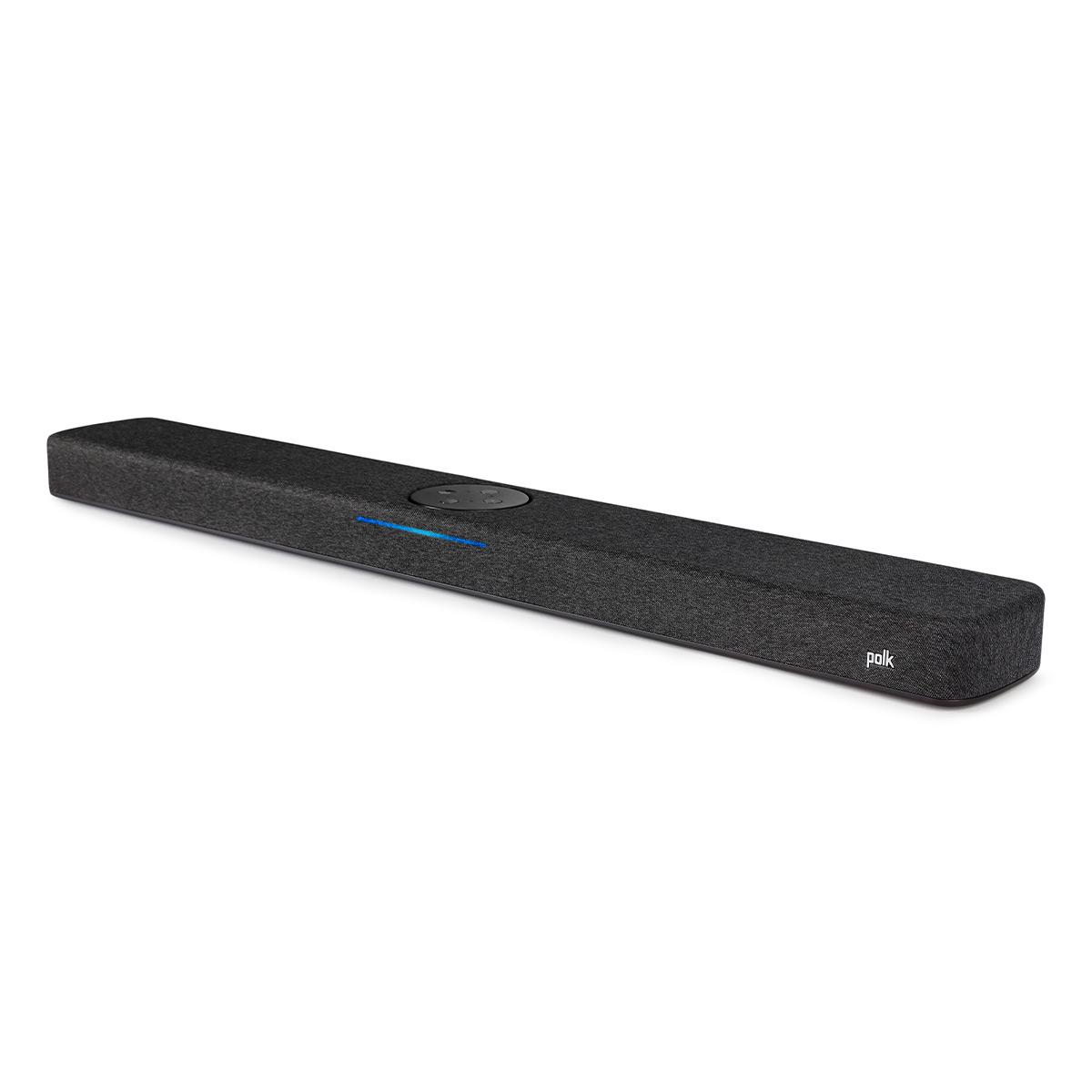
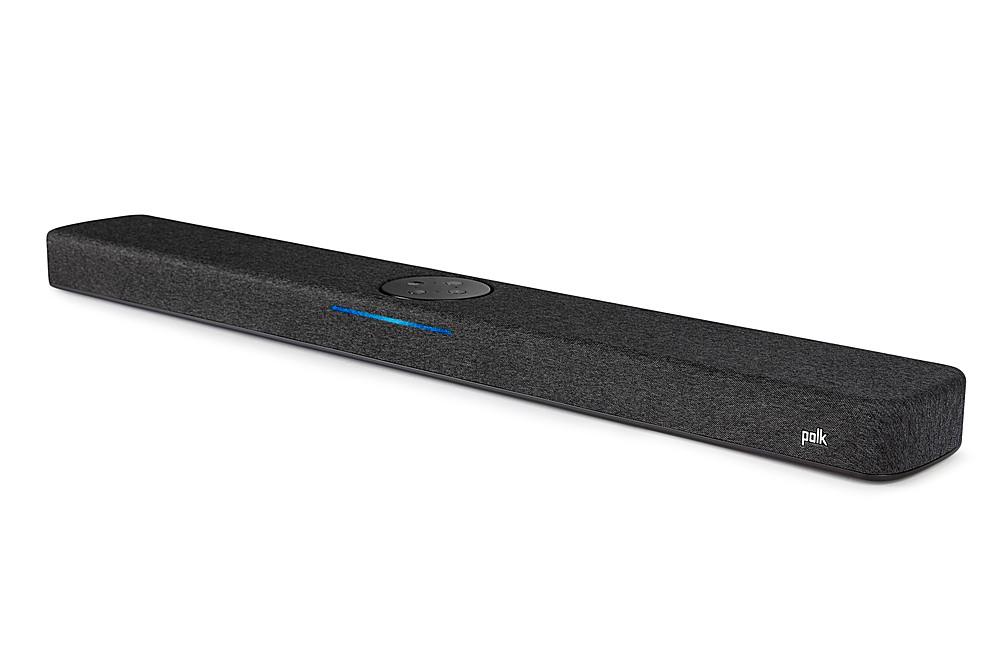
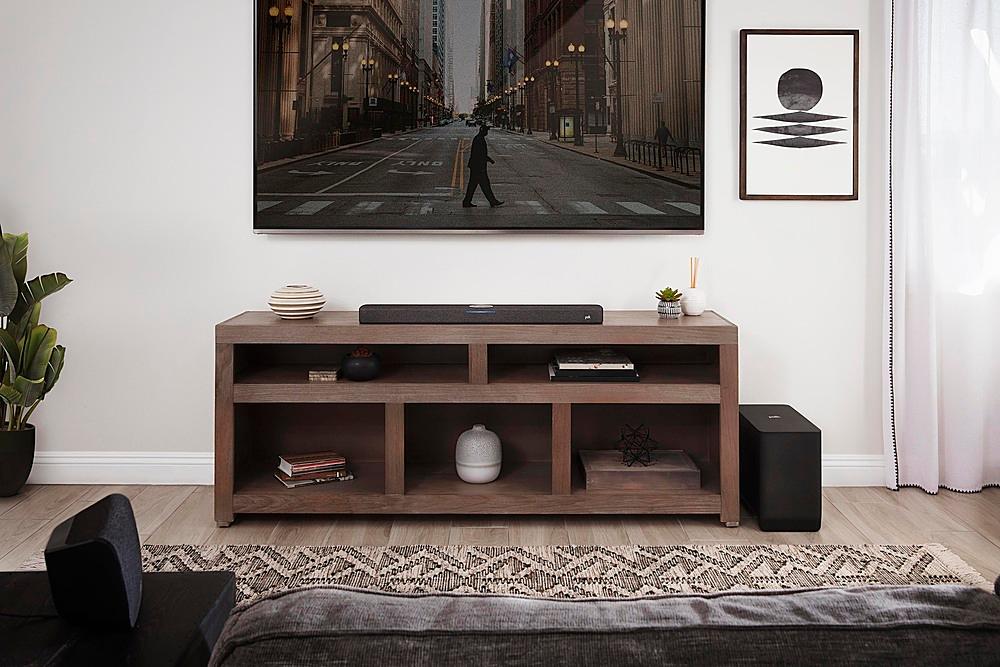
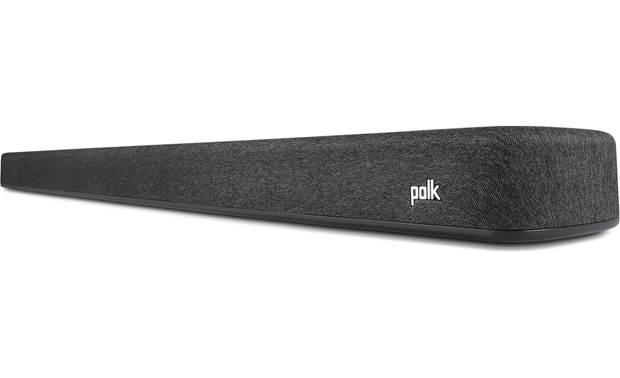
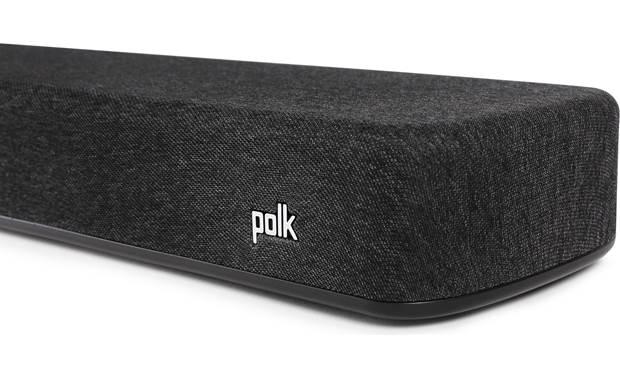
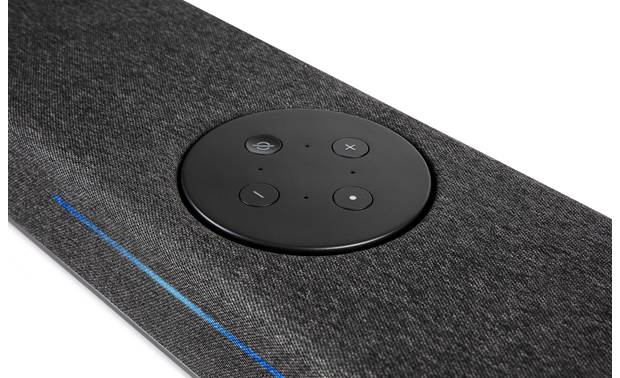
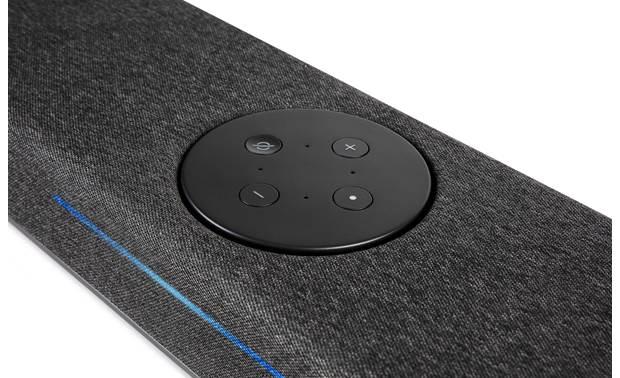
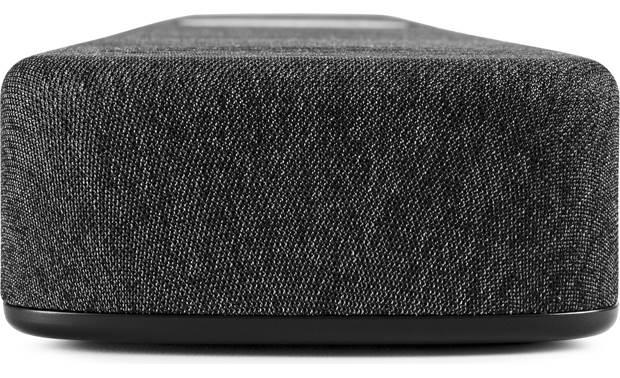
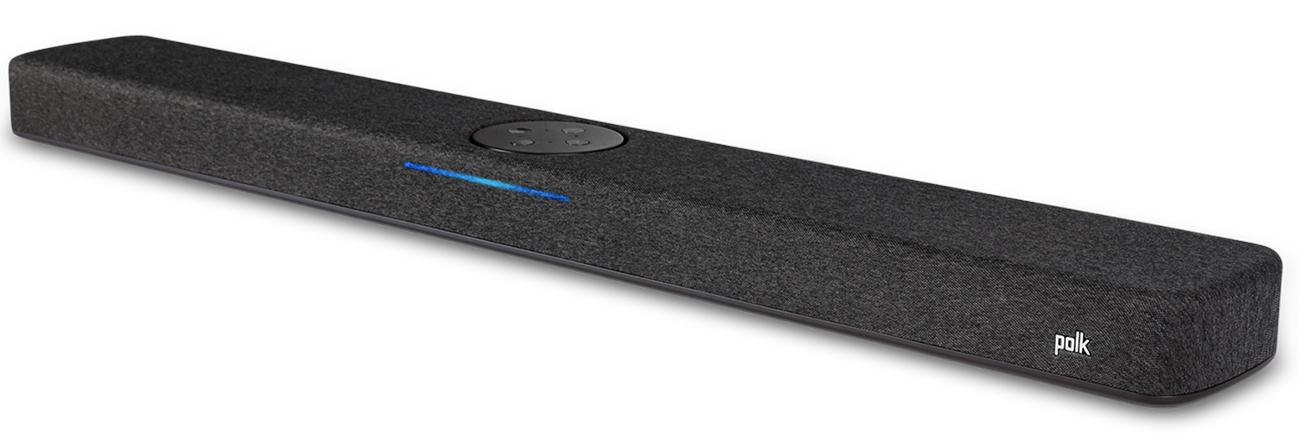
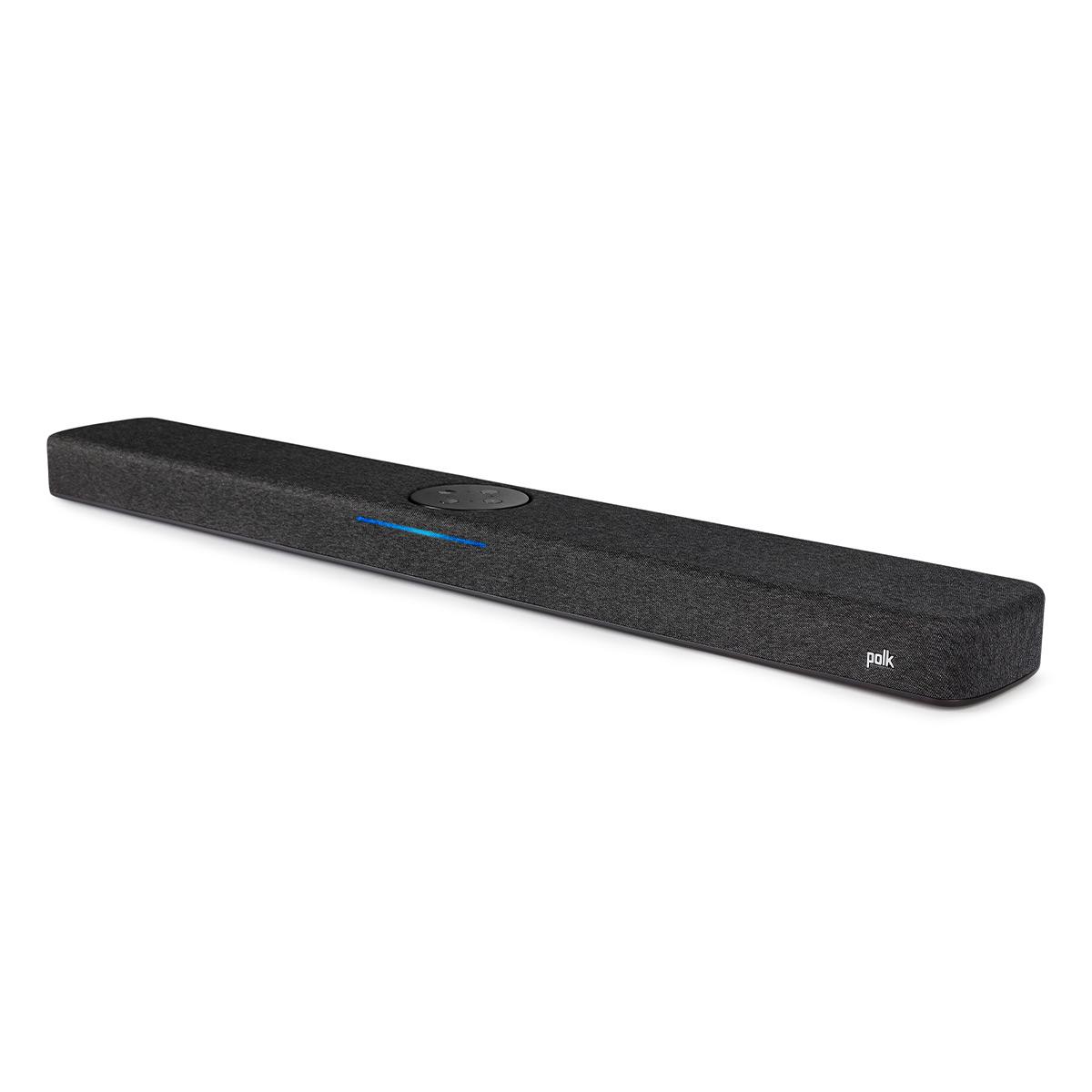
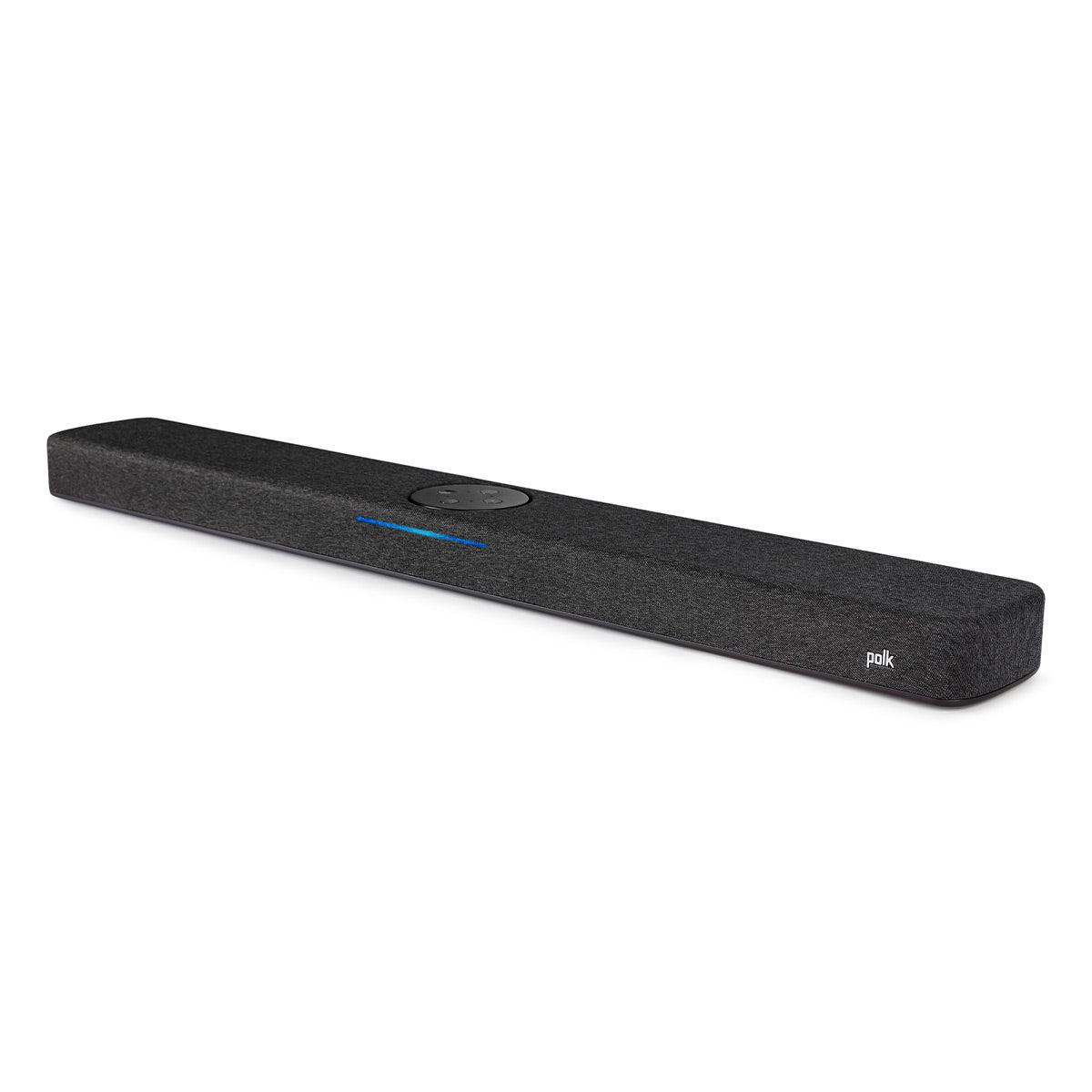
The Polk Audio React, priced at $230, takes a different route entirely. Instead of focusing solely on audio quality, Polk built Amazon's Alexa voice assistant directly into the soundbar. This means you're getting both a TV audio upgrade and a smart home hub in one device. Polk has been in the audio game since 1972, and they've always focused on delivering good sound at accessible prices.
What's interesting is how these represent broader industry trends. The Klipsch reflects the push toward more sophisticated audio processing – specifically Dolby Atmos, which creates the illusion of sound coming from above and around you. The Polk represents the smart home integration trend, where every device in your living room connects and communicates.
The Klipsch Flexus Core 200 uses what's called a 3.1.2 configuration. This means it has three main channels (left, center, right), one dedicated bass channel, and two height channels that fire sound upward toward your ceiling. These height channels are what make Dolby Atmos work – they bounce sound off your ceiling to create the illusion that helicopters are flying overhead or rain is falling around you.
I've tested quite a few Atmos soundbars, and the difference is immediately noticeable in the right content. When watching action movies or playing video games, you'll hear bullets whizzing past your ears and explosions that seem to come from specific locations in space. It's not just louder – it's more dimensional.
The Klipsch uses four 2.25-inch aluminum cone drivers for the main channels, plus a horn-loaded tweeter for high frequencies. Horn-loading is a Klipsch signature technology that essentially amplifies sound by funneling it through a horn shape, like an old-fashioned megaphone but much more sophisticated. This design makes dialogue incredibly clear and detailed, which is crucial when you're trying to follow complex movie plots or hear subtle game audio cues.
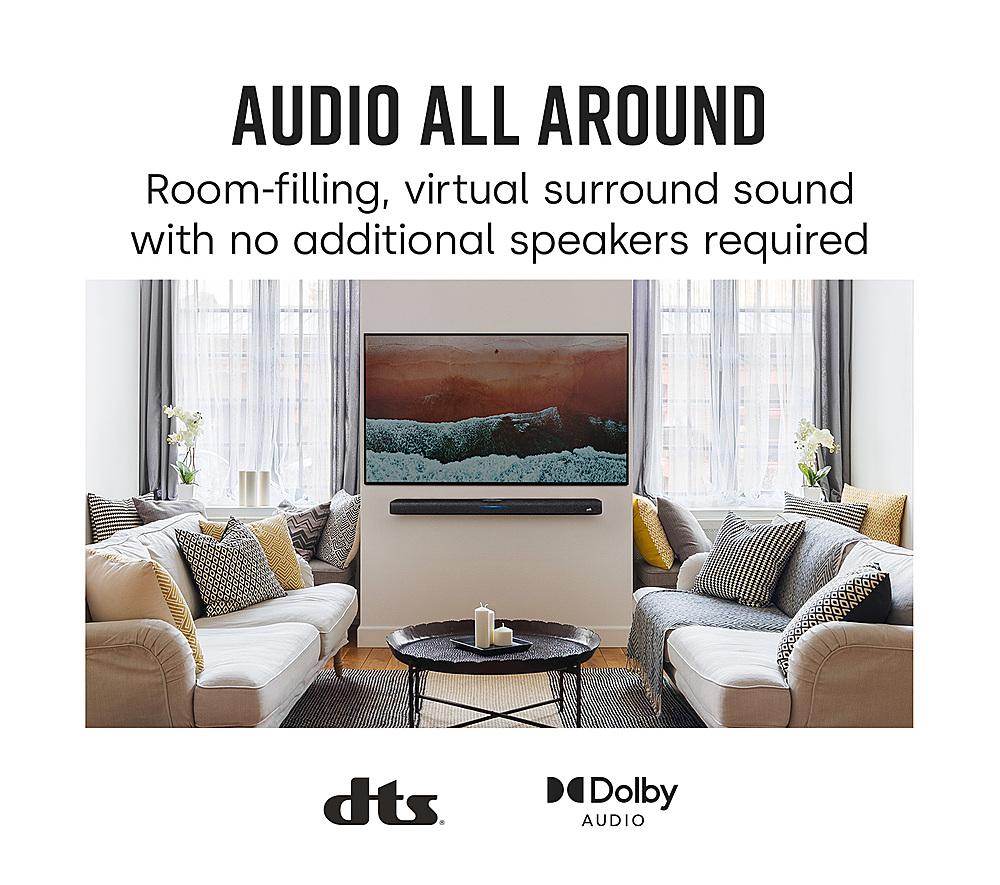
The Polk Audio React takes a different approach called virtual surround sound. Instead of using dedicated height speakers, it uses DTS Virtual:X processing to create the illusion of surround sound through clever audio manipulation. The soundbar analyzes incoming audio and uses psychoacoustic tricks – basically exploiting how your brain processes sound – to make you think you're hearing sounds from directions where there aren't actually speakers.
This works reasonably well for casual TV watching, but it's not as convincing as true multi-channel setups. Think of it like the difference between watching a 3D movie with proper 3D glasses versus one of those old red-and-blue glasses – it works, but the effect isn't as immersive.
The Polk uses two 3.75 x 2.69-inch midrange drivers and two 1-inch tweeters, along with passive radiators for bass enhancement. Passive radiators are essentially speakers without magnets that vibrate in response to the active drivers, helping extend bass response without requiring additional power.
Here's where the approaches really diverge. The Klipsch Flexus Core 200 includes two 4-inch subwoofers built right into the soundbar. These aren't tiny drivers either – 4 inches is substantial for an integrated solution. The frequency response extends down to 43Hz, which means you'll feel the rumble in action scenes and the thump in music bass lines without needing any additional equipment.
I've found that built-in subwoofers often surprise people with their capability. While they can't match the deepest bass of a large floor-standing subwoofer, they provide enough low-end punch for most content. The advantage is simplicity – no additional boxes, no extra cables, no finding space for another component.
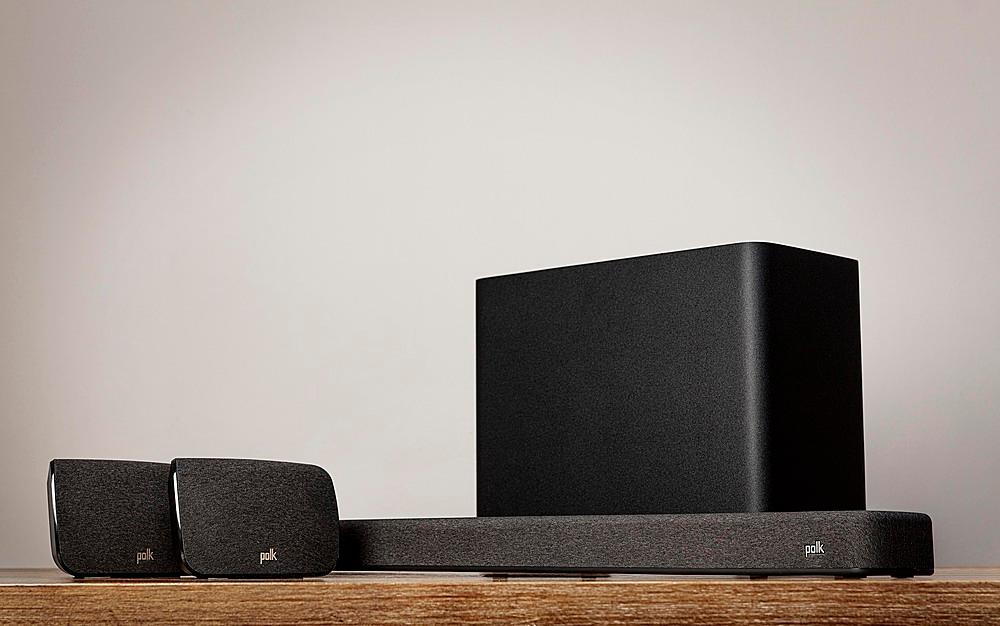
The Polk Audio React, on the other hand, relies on those passive radiators for bass extension. This works adequately for dialogue-heavy content and light music listening, but action movies and bass-heavy music genres will leave you wanting more. Polk offers an optional wireless subwoofer for $200, but that brings the total system cost to $430 – significantly more than the Klipsch's standalone price.
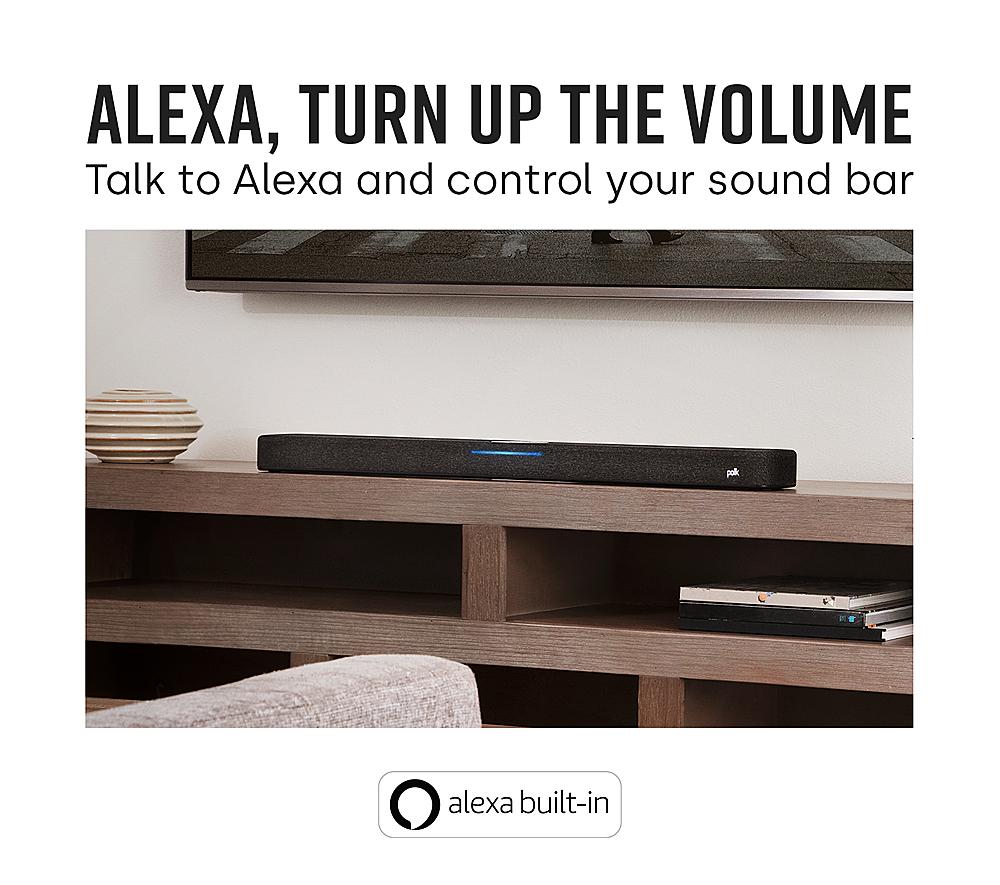
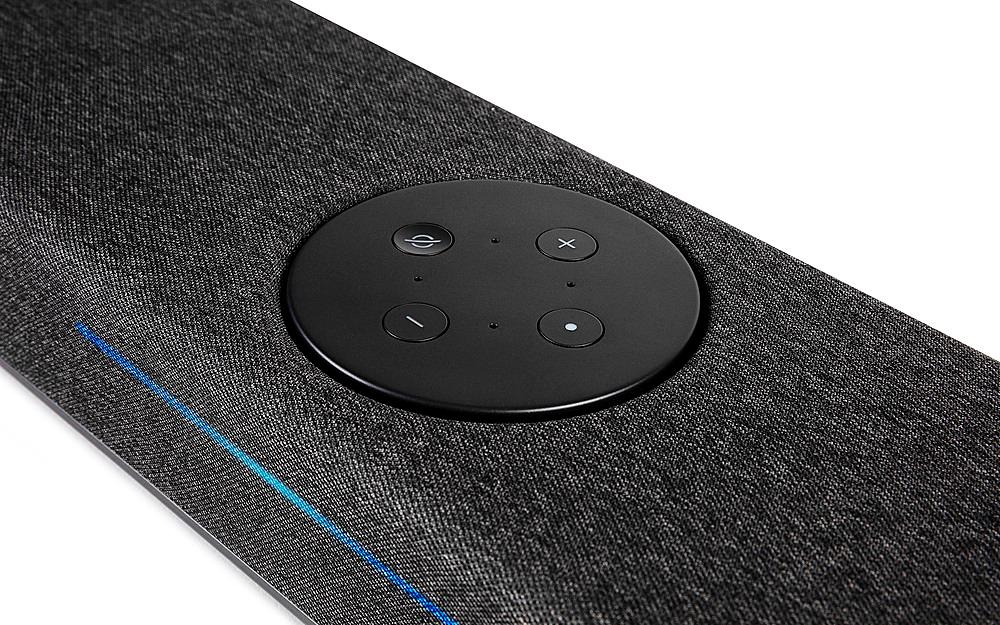
The Polk Audio React's standout feature is its built-in Amazon Alexa capability. This isn't just basic voice control – it's a full Alexa experience with four far-field microphones that can hear you from across the room, even when music is playing.
You can ask it to adjust volume, change inputs, play music from streaming services, control smart home devices, check weather, set timers, and even make calls to other Alexa devices. The multi-room audio feature lets you group the soundbar with other Alexa devices throughout your home, so you can play the same music in multiple rooms or different songs in each room.
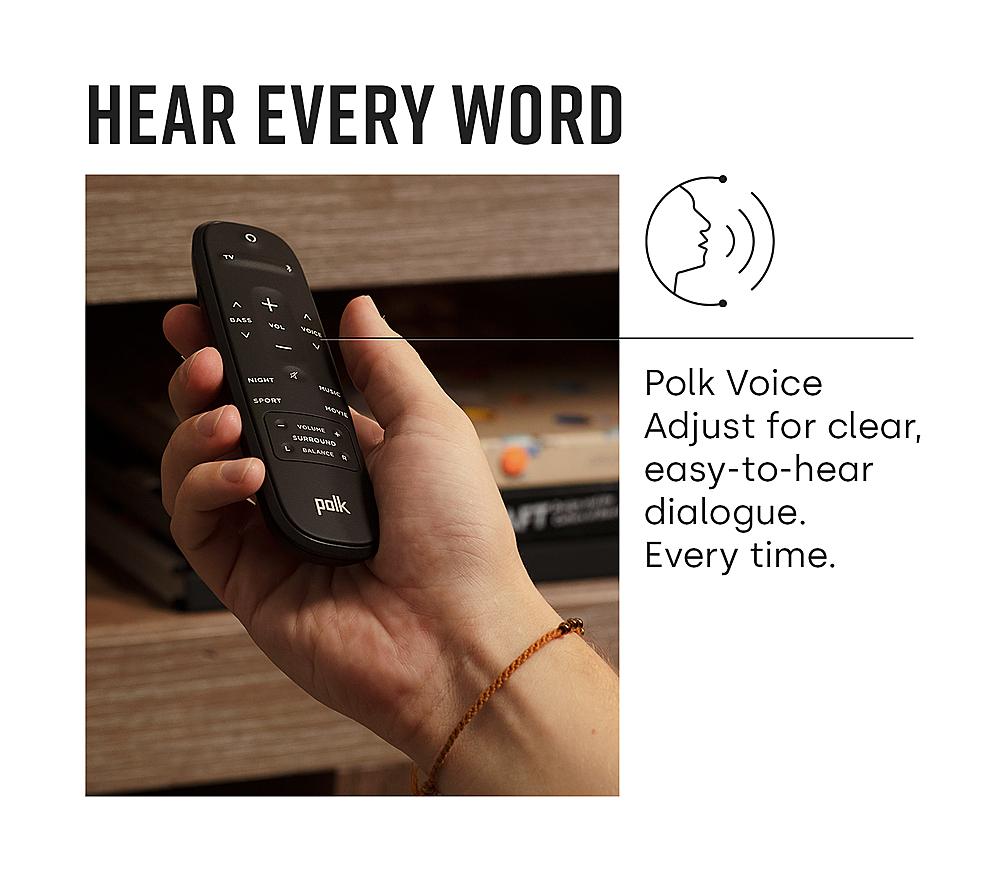
This integration feels natural once you get used to it. Instead of fumbling for a remote, you just say "Alexa, turn up the volume" or "Alexa, switch to movie mode." The Voice Adjust technology is particularly clever – it analyzes incoming audio and can boost dialogue frequencies in real-time, making it easier to understand what characters are saying without drowning out other audio elements.
The Klipsch Flexus Core 200 doesn't have built-in voice control, but it makes up for it with superior connectivity options. The HDMI eARC (enhanced Audio Return Channel) connection is particularly important – it supports lossless audio formats like Dolby TrueHD and DTS-HD, which provide better sound quality than compressed formats.
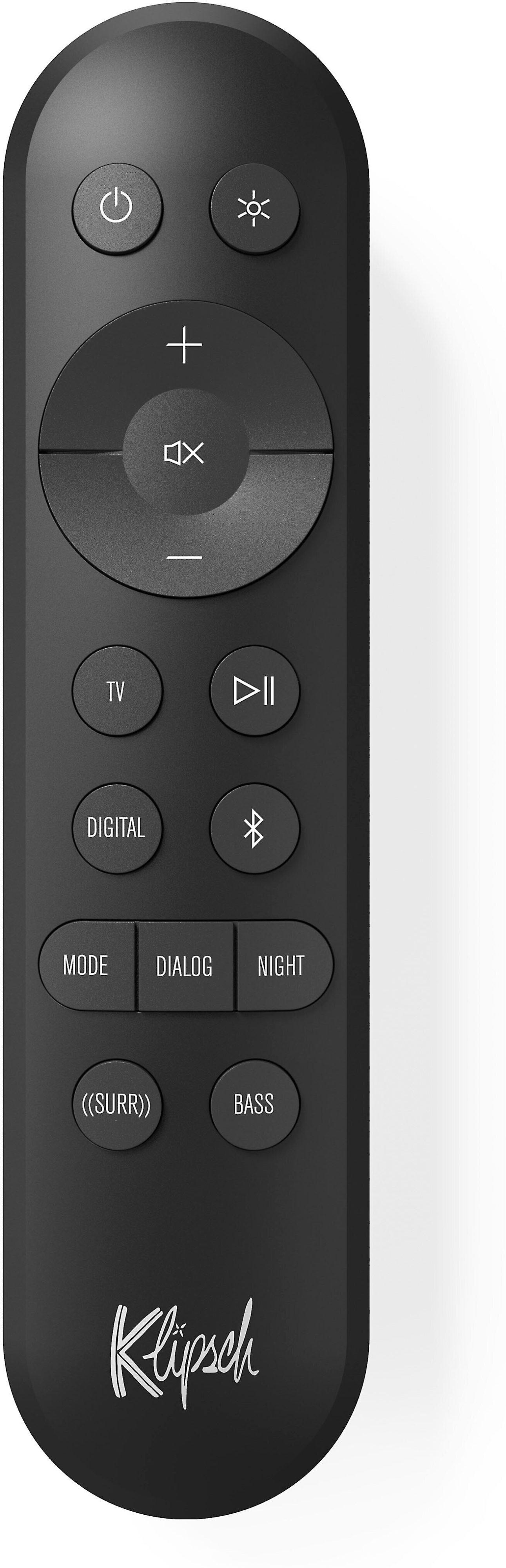
The USB-C input is forward-thinking, as more devices are adopting this connection standard. Bluetooth support handles wireless music streaming, and there's still an optical input for older devices. The Klipsch Connect Plus app provides detailed EQ controls and system management, though it requires using your phone rather than voice commands.
What's interesting is the Klipsch Transport technology – their proprietary wireless system for connecting multiple Flexus components. This creates more reliable connections than standard Bluetooth, which can be prone to dropouts or interference in busy wireless environments.
One area where the Klipsch Flexus Core 200 really shines is expandability. The system is designed to grow with your needs and budget. You can add the Flexus Sub 100 wireless subwoofer for deeper bass impact, or the Flexus Surr 100 wireless surround speakers for true rear-channel effects.
The ultimate configuration supports up to 7.2.4 Dolby Atmos, which means seven main channels, two subwoofers, and four height channels. That's approaching commercial theater levels of immersion. The wireless connectivity means you don't need to run cables across your room, and the system automatically manages the complex audio processing required to make everything work together seamlessly.
This modular approach is smart because it lets you start with a solid foundation and add components as your budget allows or your needs change. Maybe you start with just the soundbar, add surrounds six months later, and then upgrade to a dedicated subwoofer when you move to a larger room.
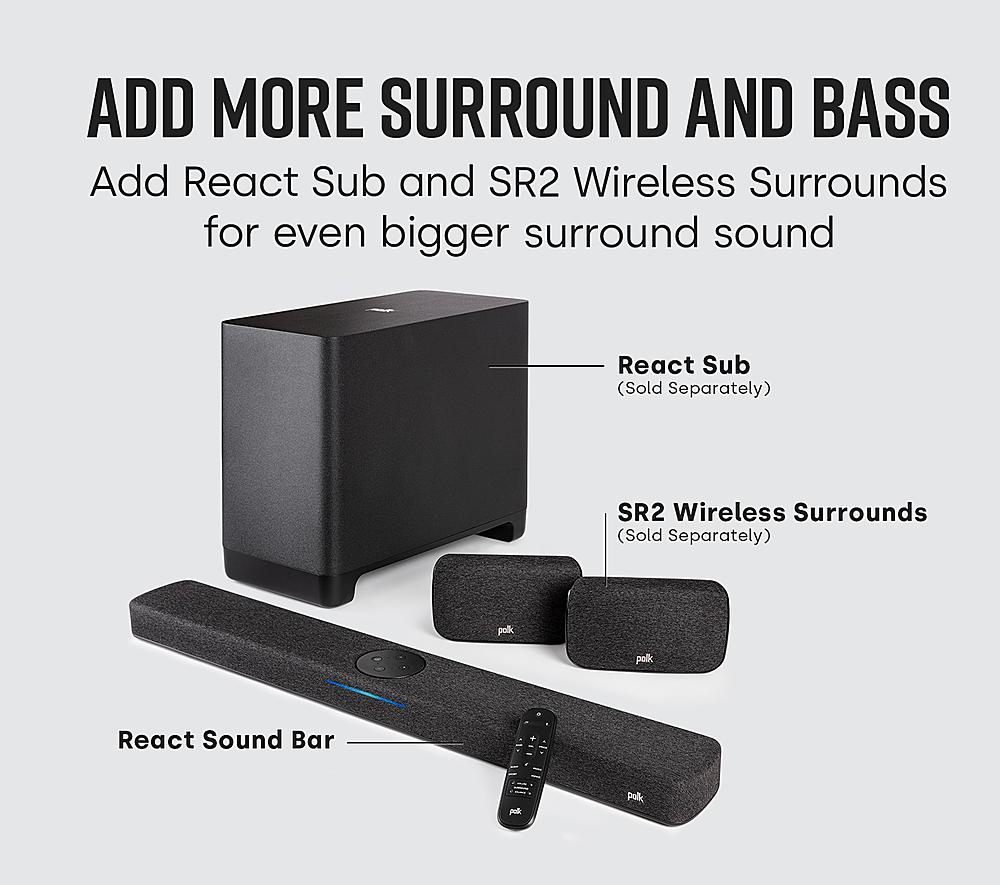
The Polk Audio React can also expand, but the options are more limited. You can add the wireless React subwoofer and SR2 surround speakers to create a 5.1 system, but there's no support for height channels or Dolby Atmos processing.
This isn't necessarily a dealbreaker if you're primarily interested in better TV audio and smart home features. But if you think you might develop more sophisticated audio tastes over time, the upgrade path is more restrictive.
For serious movie watching, the Klipsch Flexus Core 200 is in a different league. The Dolby Atmos processing makes action sequences more engaging and helps with spatial audio – you can actually locate sounds in three-dimensional space around you. The horn-loaded tweeter ensures dialogue remains clear even during complex audio passages, and the built-in subwoofers provide enough punch for most action scenes.
I've noticed that Atmos soundbars like this one are particularly effective with newer movie soundtracks that are mixed specifically for the format. Older content still benefits from the improved drivers and processing, but the height effects are less pronounced.
The Polk Audio React handles movies adequately, especially if you enable the movie sound preset. The Voice Adjust feature helps maintain dialogue clarity, which is often the biggest complaint people have about TV audio. However, action sequences can feel somewhat flat compared to true multi-channel systems.
Both soundbars handle music reasonably well, but with different strengths. The Klipsch Flexus Core 200 delivers that classic Klipsch sound signature – detailed highs, present midrange, and solid bass. Music sounds fuller and more dimensional than typical TV speakers, though it's still not quite the same as dedicated stereo speakers.
The Polk Audio React provides a more laid-back musical presentation that works well for background listening. The Voice Adjust technology can be helpful for vocal-heavy genres, and the Alexa integration makes it easy to start music playback with voice commands.
For gaming, the Klipsch Flexus Core 200 offers significant advantages. The Dolby Atmos processing can provide positional audio cues – you might hear an enemy approaching from behind or above, which can actually improve your gameplay performance in competitive titles.
The HDMI eARC connection supports advanced audio formats from gaming consoles, and the low latency ensures audio stays synchronized with video. Modern games often include sophisticated audio design that takes advantage of multi-channel systems.
When evaluating these products, it's important to consider the total investment required to achieve your goals. The Klipsch Flexus Core 200 ($369) delivers a complete experience out of the box. You get true Dolby Atmos, substantial bass performance, and premium build quality without needing additional purchases.
The Polk Audio React ($230) has a lower entry price, but reaching comparable audio performance requires the optional subwoofer, bringing the total to $430. At that point, you're paying more than the Klipsch while getting fewer features and less sophisticated audio processing.
However, the Polk's smart home integration adds value that's harder to quantify. If you're building an Alexa-based smart home ecosystem, having that functionality built into your soundbar eliminates the need for a separate Echo device and provides a more integrated experience.
The Klipsch Flexus Core 200, being a 2024 release, represents current thinking in soundbar design. The focus on Dolby Atmos reflects the broader industry trend toward more immersive audio experiences. Streaming services like Netflix, Disney+, and Apple TV+ are producing more Atmos content, and gaming consoles support the format extensively.
The wireless expansion capabilities also reflect lessons learned from earlier soundbar generations. Many users would buy a basic soundbar and then wish they could upgrade without replacing the entire system. The modular Flexus approach addresses this directly.
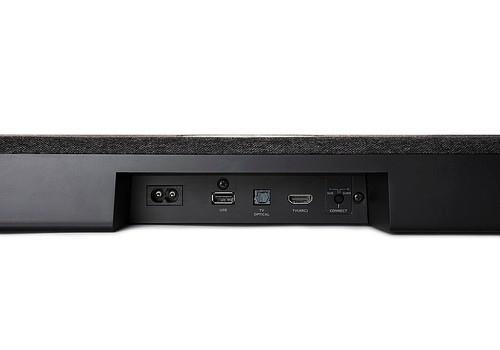
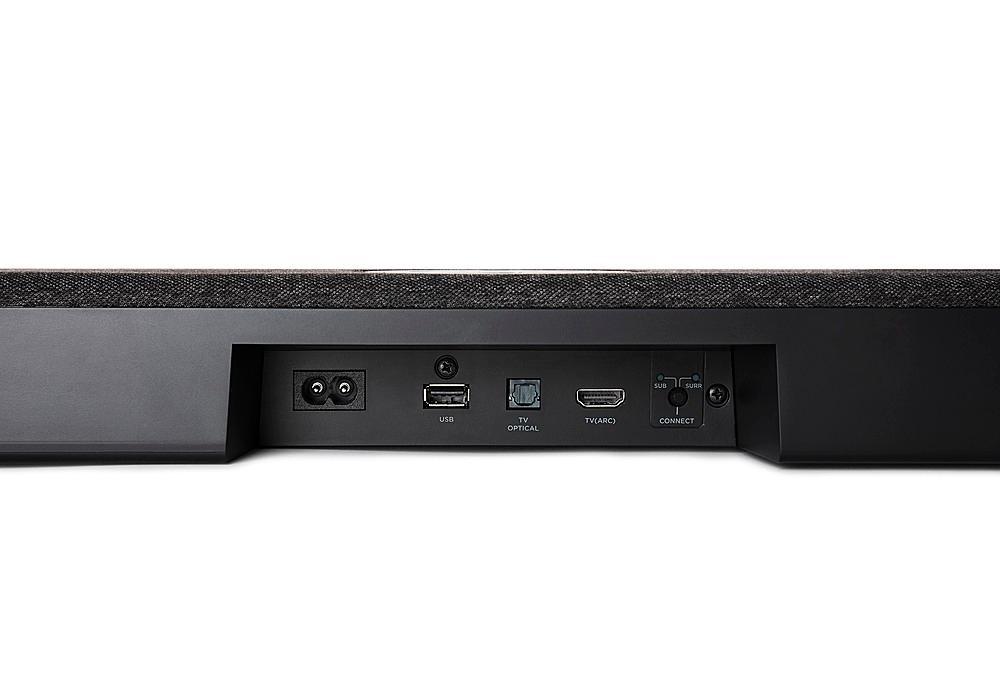
The Polk Audio React was an early entry in the Alexa-integrated soundbar category, and while the concept remains relevant, the execution feels somewhat dated compared to newer releases. The limitation to optical input is particularly restrictive in 2024, when HDMI eARC has become the standard for high-quality TV audio connections.
Choose the Klipsch Flexus Core 200 ($369) if you prioritize audio quality and home theater immersion. It's ideal for movie enthusiasts, gamers, and anyone who wants room-filling sound without the complexity of multiple components. The true Dolby Atmos processing, substantial built-in bass, and expansion possibilities make it a solid long-term investment.
The Klipsch is particularly compelling if you have a medium to large living room, watch a lot of action movies or play games regularly, and value the convenience of an all-in-one solution that doesn't compromise on audio quality.
Choose the Polk Audio React ($230) if smart home integration is your priority and you're looking for a budget-friendly TV audio upgrade. It's perfect for casual TV watchers who want the convenience of voice control and don't need the most sophisticated audio processing.
The Polk makes sense if you have a smaller space, primarily watch dialogue-heavy content like news and sitcoms, already use Alexa devices throughout your home, and want to keep your total investment under $250.
Both products serve their intended audiences well, but they're targeting fundamentally different needs. The Klipsch is about elevating your audio experience, while the Polk is about adding convenience and smart features to basic TV audio improvement. Understanding which priority matters more to you will lead you to the right choice for your home theater setup.
| Klipsch Flexus Core 200 ($369) | Polk Audio React ($230) |
|---|---|
| Price - Entry cost difference of $139 affects total value proposition | |
| $369 (complete system) | $230 (requires $200 sub for comparable bass) |
| Audio Channels - Determines surround sound capability and immersion level | |
| 3.1.2 Dolby Atmos (true overhead effects) | Virtual surround (simulated multi-channel) |
| Built-in Bass - Affects whether you need additional subwoofer purchase | |
| Dual 4" subwoofers (43Hz response, no external sub needed) | Passive radiators only (external sub recommended) |
| Voice Control - Smart home integration and hands-free operation | |
| None (app control only) | Built-in Alexa with 4 far-field microphones |
| Main Connectivity - Determines audio quality from modern devices | |
| HDMI eARC (lossless audio support) | Optical input only (compressed audio) |
| Power Output - Affects volume levels and room-filling capability | |
| 185W RMS (medium to large rooms) | 50W RMS (small to medium rooms) |
| Expandability - Future upgrade options without replacing main unit | |
| Wireless surrounds + subs (up to 7.2.4 Atmos) | Wireless sub + surrounds (max 5.1, no Atmos) |
| Dimensions - Physical footprint and TV compatibility | |
| 44" wide × 3.1" tall (larger TVs) | 34" wide × 2.25" tall (compact, most TVs) |
| Release Year - Technology currency and future-proofing | |
| 2024 (latest Dolby Atmos processing) | Current model (earlier smart integration) |
The Klipsch Flexus Core 200 ($369) is significantly better for movies due to its true 3.1.2 Dolby Atmos system with dedicated height speakers. This creates immersive overhead sound effects that make action scenes more engaging. The Polk Audio React ($230) uses virtual surround sound, which works for casual viewing but can't match the dimensional audio experience of true Atmos processing.
The Klipsch Flexus Core 200 includes dual 4-inch built-in subwoofers that provide substantial bass down to 43Hz, so no additional subwoofer is required. The Polk Audio React has limited bass without its optional $200 wireless subwoofer, making the total cost $430 for comparable low-end performance.
The Polk Audio React ($230) has built-in Amazon Alexa with four far-field microphones, allowing full voice control of the soundbar and smart home devices. The Klipsch Flexus Core 200 ($369) doesn't include voice control but can be controlled through the Klipsch Connect Plus smartphone app.
The Klipsch Flexus Core 200 costs $139 more at $369 versus the Polk Audio React's $230 price. However, the Klipsch delivers true Dolby Atmos, better bass performance, and premium build quality without requiring additional purchases, making it better value for serious home theater use.
The Klipsch Flexus Core 200 ($369) offers superior music performance with its aluminum cone drivers and horn-loaded tweeter, delivering the detailed highs and dynamic sound Klipsch is known for. The Polk Audio React ($230) provides adequate music playback but is better suited for casual background listening rather than critical music enjoyment.
Both soundbars are expandable, but the Klipsch Flexus Core 200 offers more sophisticated options, supporting up to 7.2.4 Dolby Atmos with wireless surrounds and subwoofers. The Polk Audio React can expand to 5.1 with wireless components but doesn't support Atmos height channels for future upgrades.
The Klipsch Flexus Core 200 ($369) excels for gaming with its Dolby Atmos processing providing positional audio cues and HDMI eARC supporting advanced gaming console audio formats. The Polk Audio React ($230) works for casual gaming but lacks the immersive audio positioning that can improve competitive gaming performance.
The Klipsch Flexus Core 200 includes HDMI eARC for the highest quality audio from modern TVs, plus USB-C, Bluetooth, and optical inputs. The Polk Audio React is limited to optical input only, which restricts audio quality and compatibility with newer devices that prioritize HDMI connections.
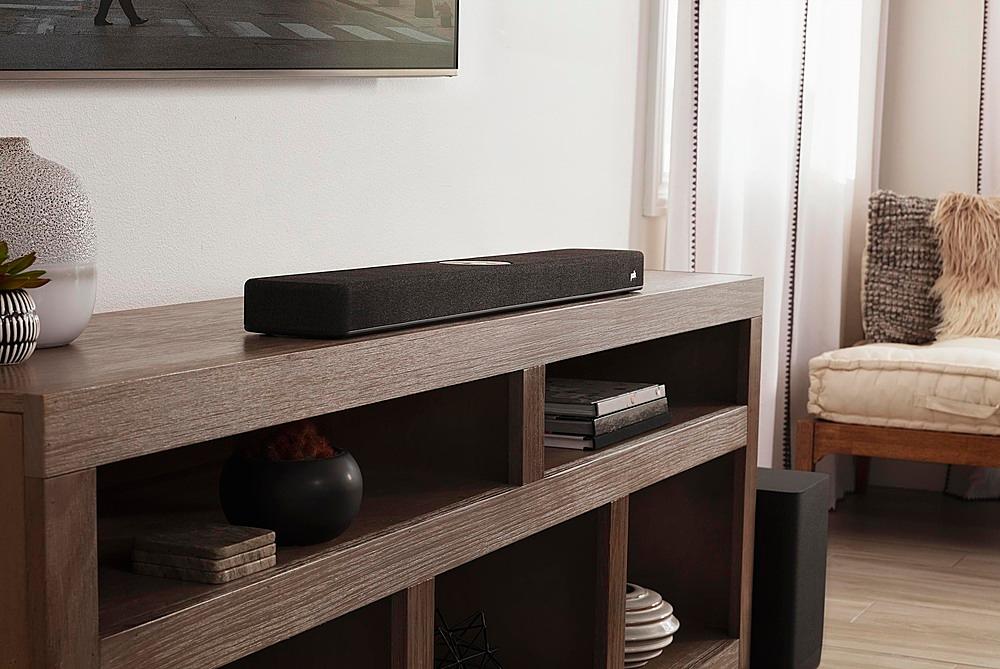
The Polk Audio React ($230) is more suitable for small rooms with its compact 34-inch width and 50W power output. The Klipsch Flexus Core 200 ($369) at 44 inches wide and 185W power is designed for medium to large rooms where its higher output and Atmos effects have space to work properly.
The Polk Audio React integrates fully with Alexa smart home ecosystems, supporting multi-room audio, voice calls, and smart device control. The Klipsch Flexus Core 200 focuses purely on audio performance without built-in smart home features, though it works with connected smart devices through your TV or streaming devices.
Both soundbars handle dialogue well, but differently. The Klipsch Flexus Core 200 ($369) uses a dedicated horn-loaded tweeter for naturally clear speech reproduction. The Polk Audio React ($230) includes Voice Adjust technology that manually boosts dialogue frequencies, which can be helpful for hearing-impaired users or noisy environments.
For users wanting maximum audio improvement, the Klipsch Flexus Core 200 provides a dramatic upgrade with true surround sound and substantial bass. For those prioritizing convenience and smart features with moderate audio improvement, the Polk Audio React offers voice control and decent sound quality at a lower price point.
We've done our best to create useful and informative comparisons to help you decide what product to buy. Our research uses advanced automated methods to create this comparison and perfection is not possible - please contact us for corrections or questions. These are the sites we've researched in the creation of this article: soundandvision.com - avnirvana.com - avsforum.com - cnet.com - klipsch.com - klipsch.com - youtube.com - assets.klipsch.com - klipsch.com - worldwidestereo.com - klipsch.com - crutchfield.com - digitaltrends.com - techradar.com - crutchfield.com - popsci.com - youtube.com - tomsguide.com - bestbuy.com - polkaudio.com - crutchfield.com - forum.polkaudio.com - soundunited.com - youtube.com

Privacy Policy
Terms and Conditions - Affiliate Policy
Home Security
© Copyright 2008-2026.
11816 Inwood Rd #1211, Dallas, TX 75244