









If you've ever found yourself cranking up the TV volume just to understand what characters are saying, or felt like explosions in movies sound more like gentle puffs, you're not alone. TV speakers have gotten thinner along with our TVs, leaving most of us with pretty terrible audio. That's where soundbars come in – they're the most popular solution for upgrading your TV's sound without the complexity of a full surround sound system.
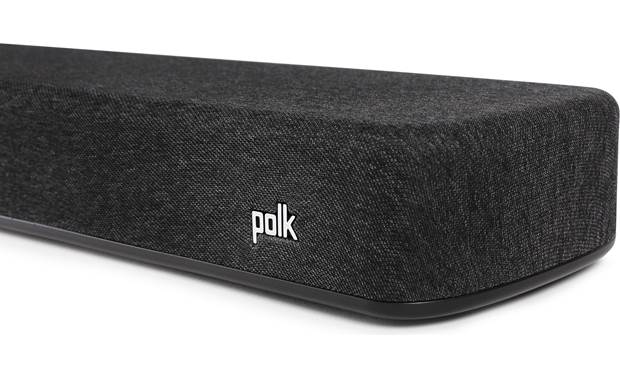
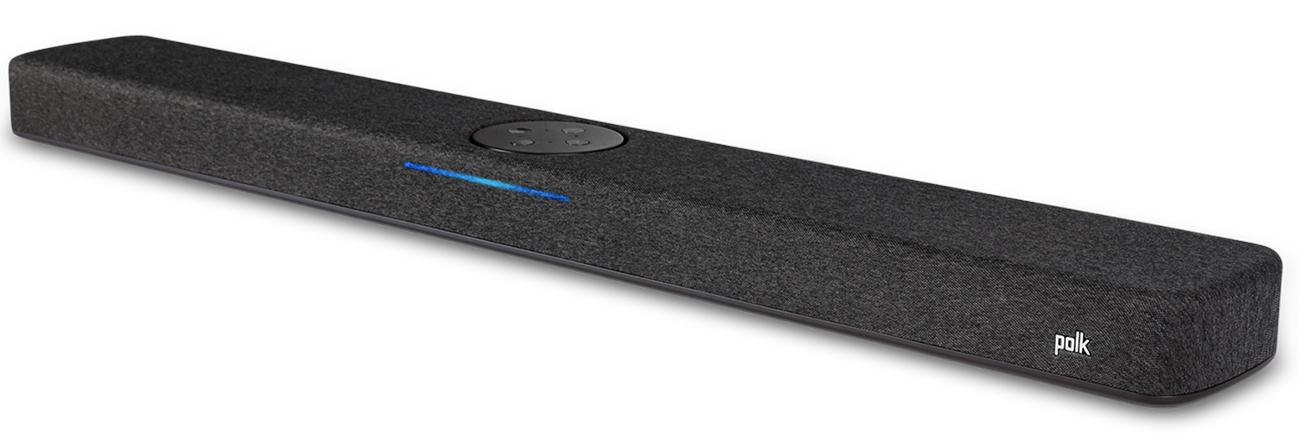
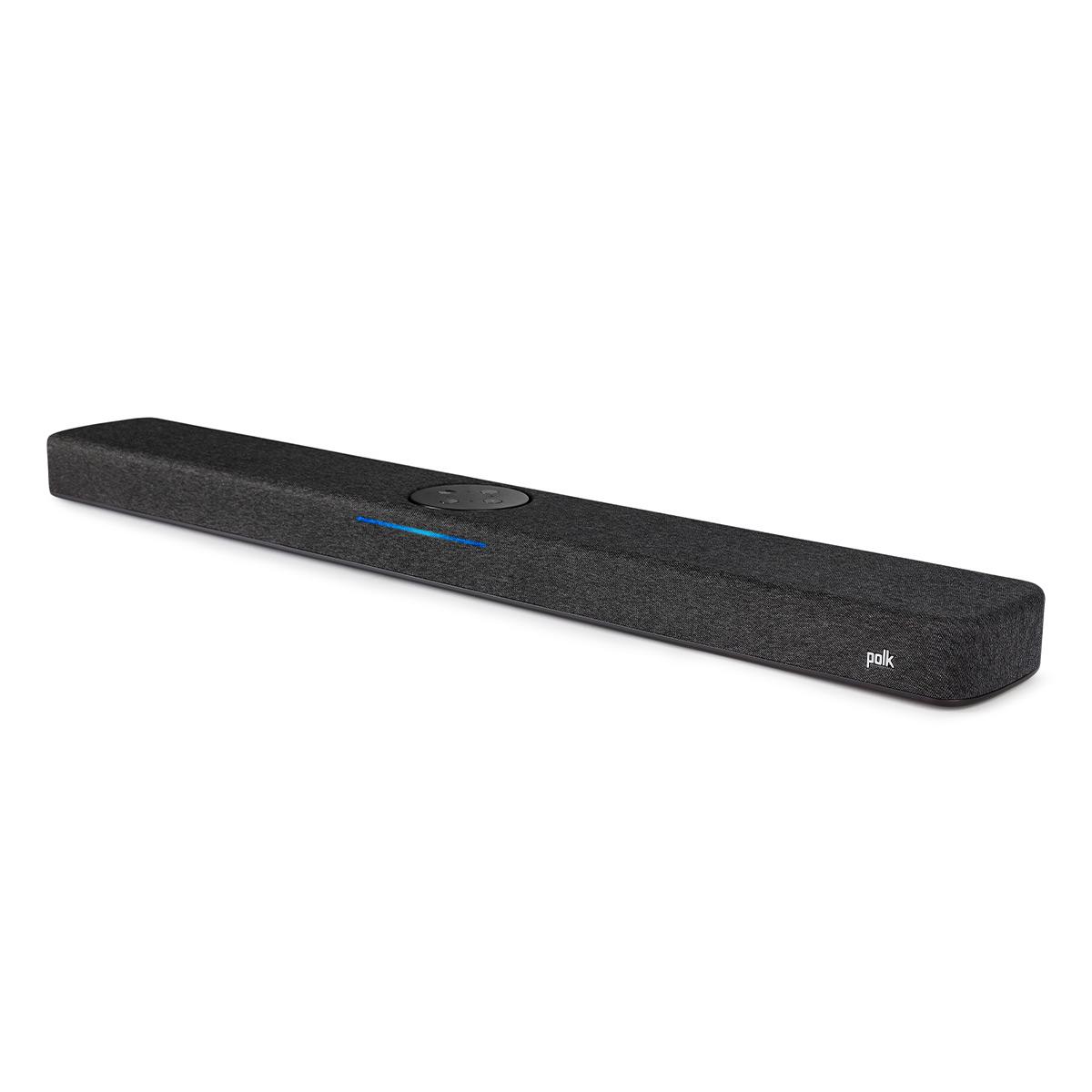
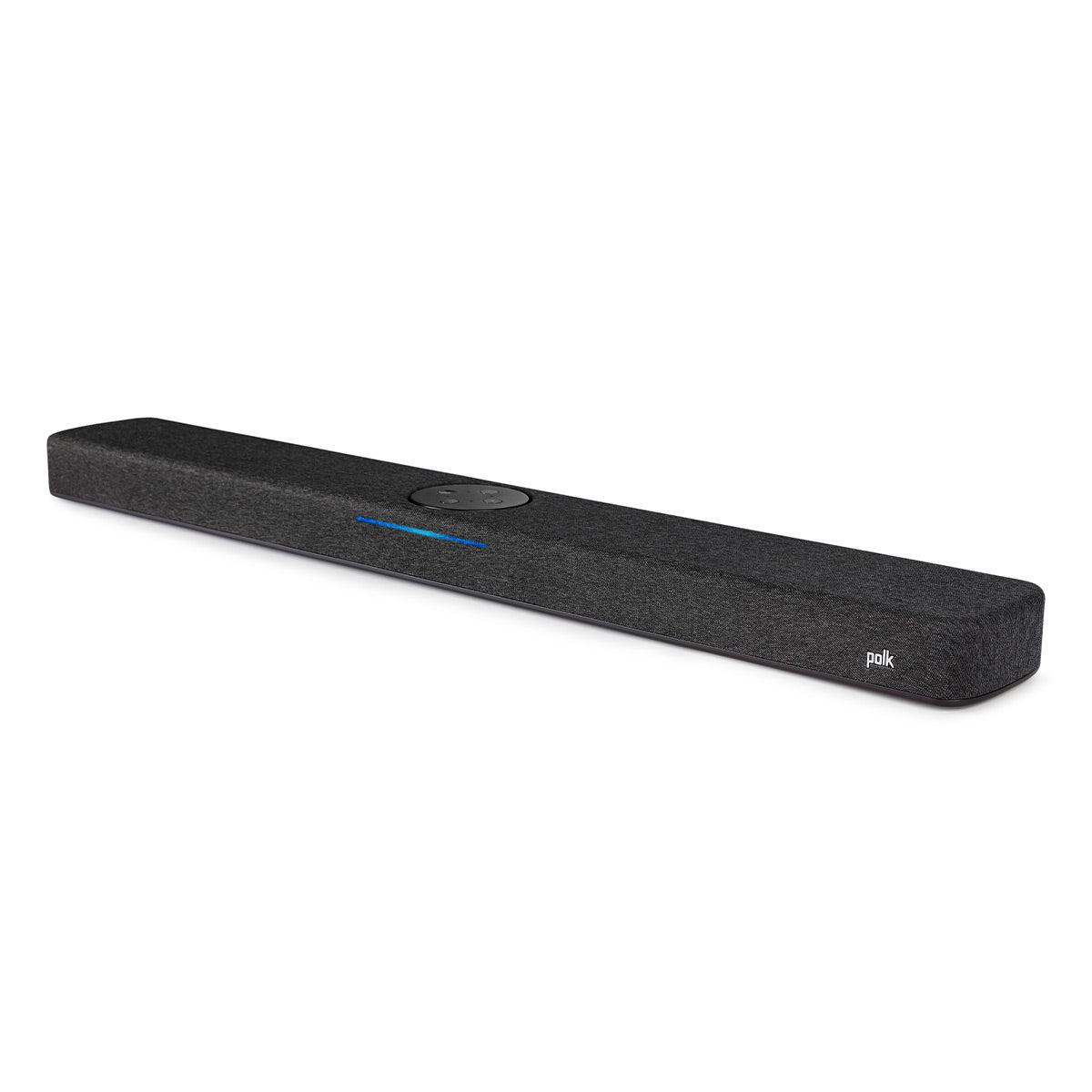
I've tested dozens of soundbars over the years, and the choice often comes down to what matters most to you: immediate audio performance or smart features that grow over time. Today we're comparing two very different approaches to solving your TV audio problems: the Samsung B-Series 5.1 Channel Soundbar with Subwoofer at $228 and the Polk Audio React Sound Bar with Alexa Built-In at $230.
Before diving into specifics, let's talk about what soundbars actually do and why these two take such different approaches. A soundbar is essentially a long, thin speaker that sits under or near your TV. The goal is to create a wider, more detailed sound than your TV's built-in speakers can manage.
The key things to consider when shopping for a soundbar are the audio configuration (how many speakers and channels it has), bass performance, smart features, connectivity options, and how well it fits your room size. Some soundbars try to create surround sound using clever audio processing, while others include actual physical speakers pointing in different directions.
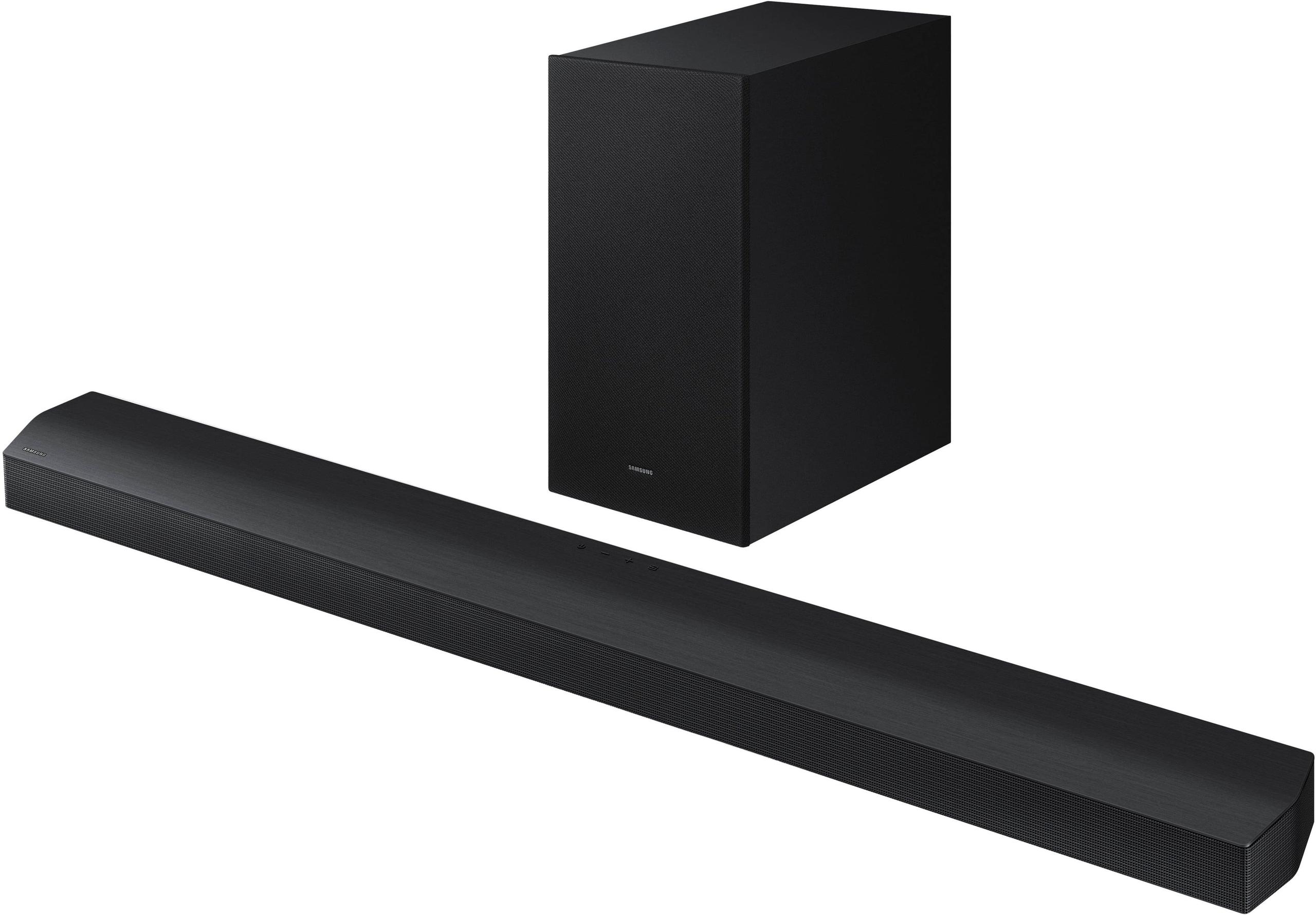
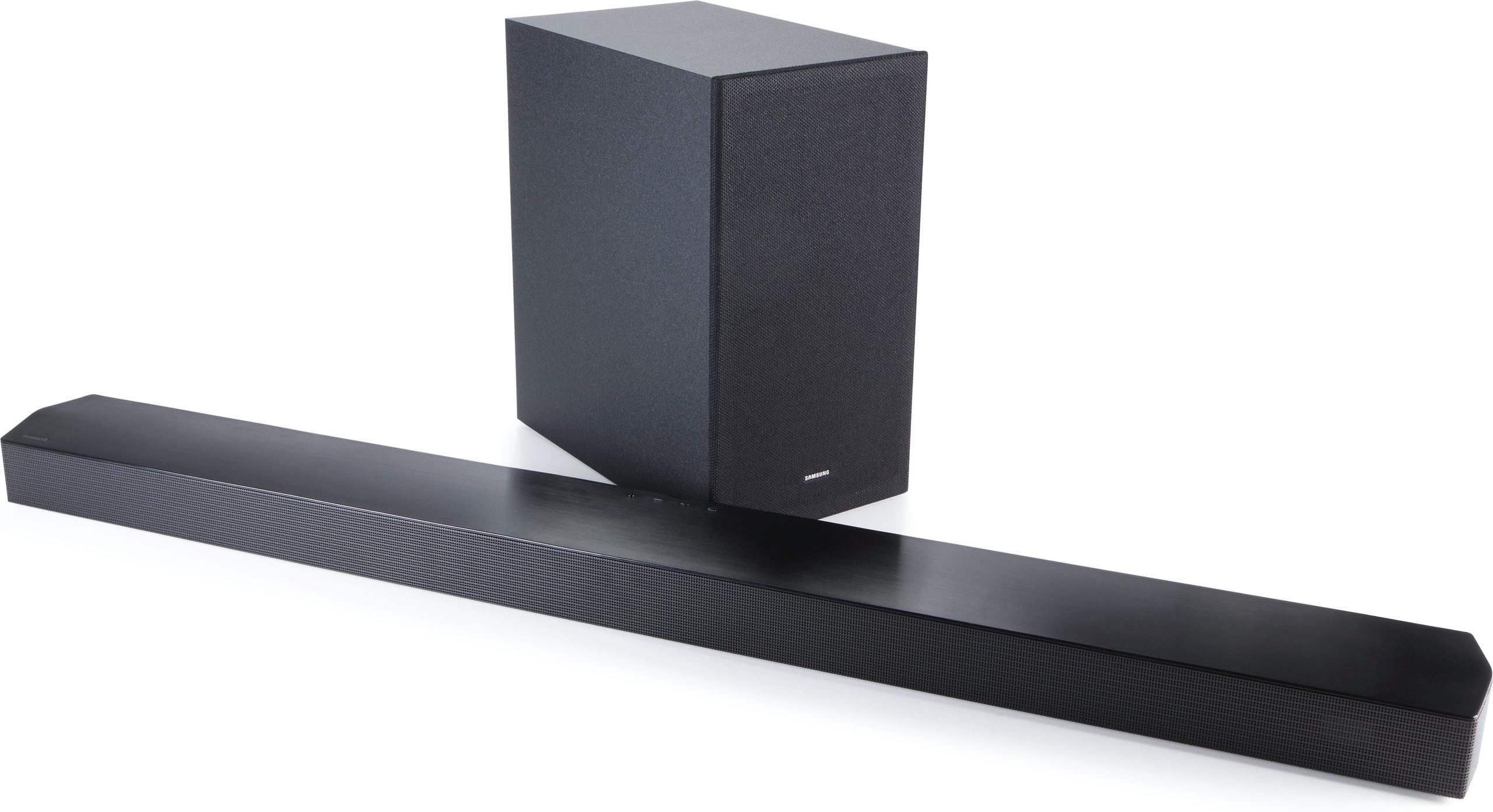
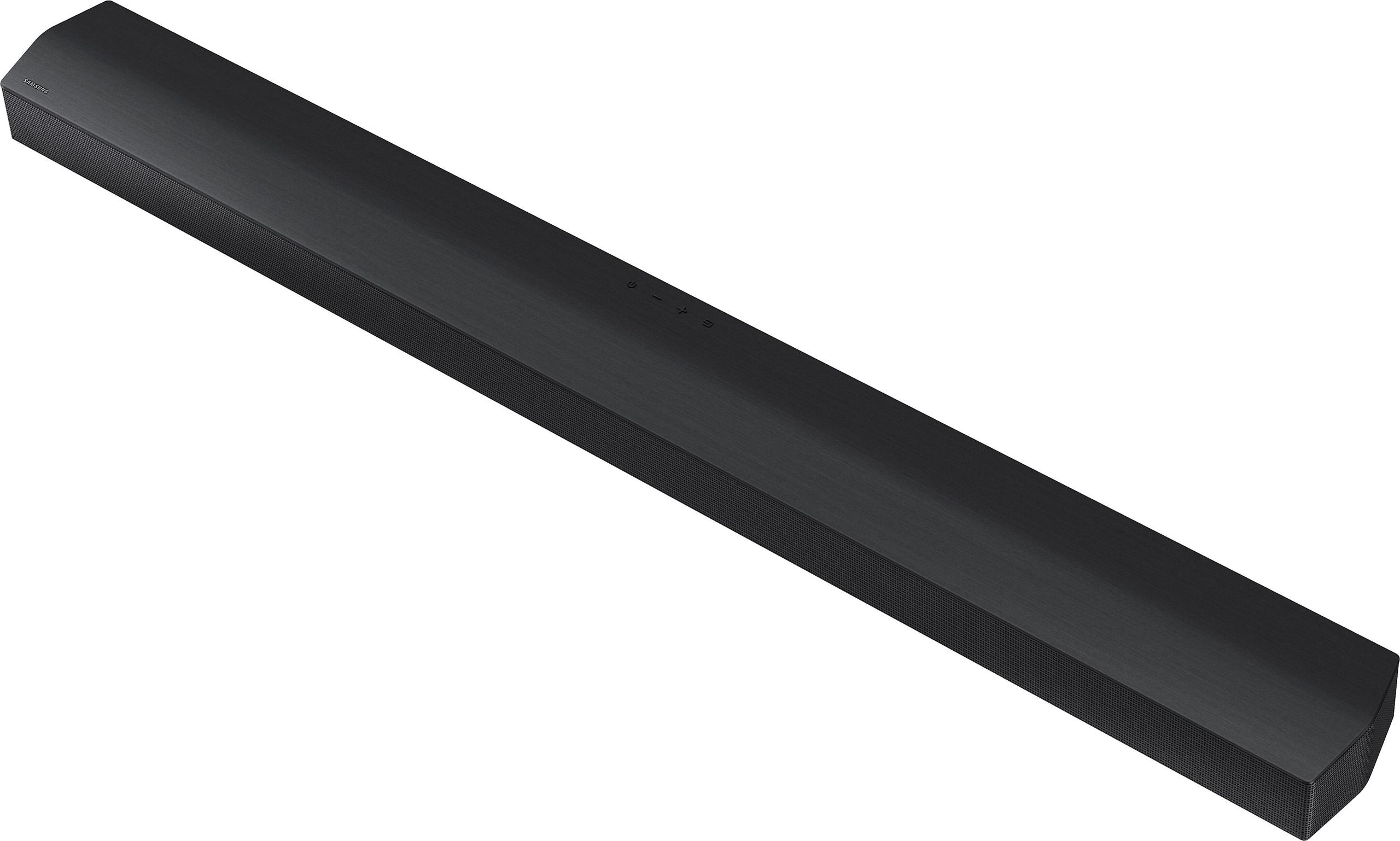
The Samsung B-Series takes the "give you everything upfront" approach – it's a true 5.1 channel system with six physical speakers and includes a wireless subwoofer right in the box. The Polk Audio React, released in 2021, takes the "smart and expandable" route, focusing on voice control and the ability to build your system over time.
The Polk React hit the market in 2021 during the height of smart home adoption, when everyone was adding Alexa devices to every room. At the time, built-in voice assistants in soundbars were still relatively new, making the React somewhat ahead of its time. Since then, we've seen voice control become more common, but few soundbars integrate it as seamlessly as Polk managed.
The Samsung B-Series HW-B750F is much newer, released in April 2025. This timing is significant because Samsung has had years to refine their soundbar technology and see what actually matters to users. The result is a more focused product that prioritizes audio performance over bells and whistles. The 2025 release also means it benefits from newer audio processing chips and improved wireless technology for the subwoofer connection.
Here's where things get really interesting from a technical standpoint. The Samsung B-Series is a genuine 5.1 channel system, which means it has six separate speakers: a center channel for dialogue, left and right main channels, two side-firing speakers for surround effects, and a separate subwoofer for bass. When you're watching a movie and hear a helicopter fly from left to right, that sound is actually moving between different physical speakers.
The Samsung uses both Dolby Digital 5.1 (a compressed surround format that's been around since the 1990s but still very effective) and DTS Virtual:X. That second technology is particularly clever – it takes regular stereo or 5.1 content and uses psychoacoustic processing (basically tricks your brain uses to locate sounds) to make it seem like audio is coming from above and around you, even without ceiling speakers.
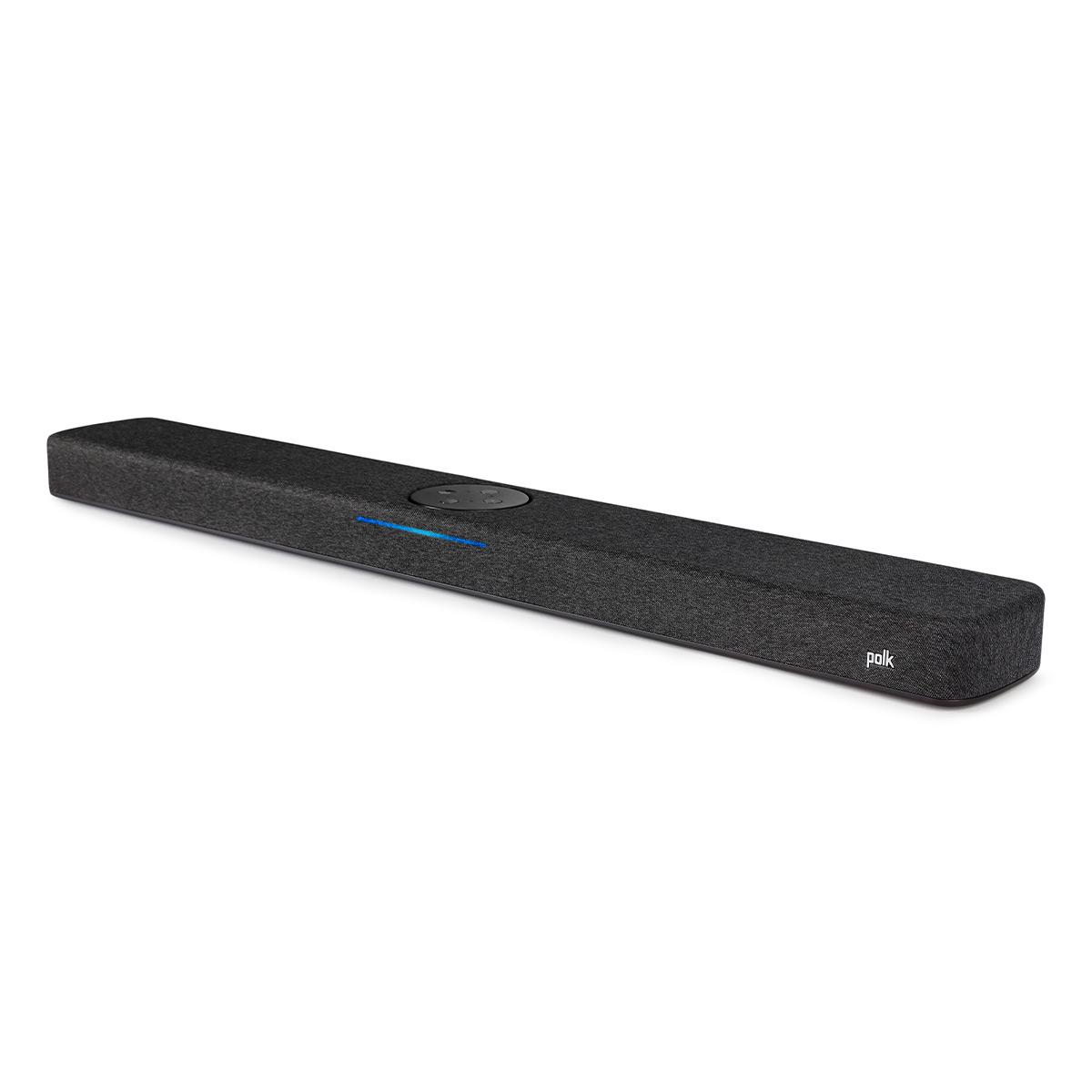
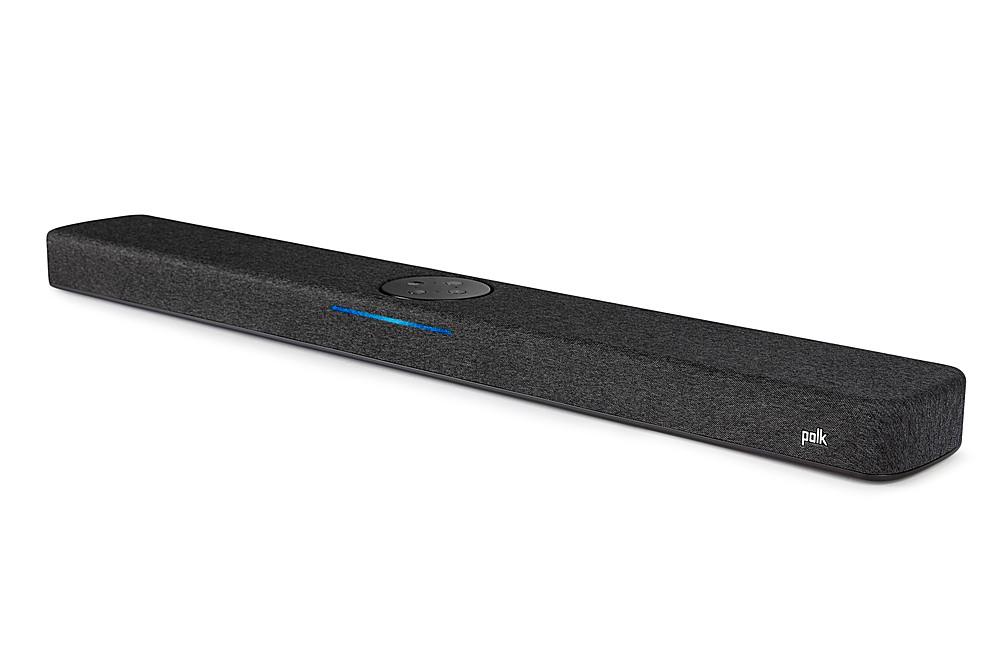
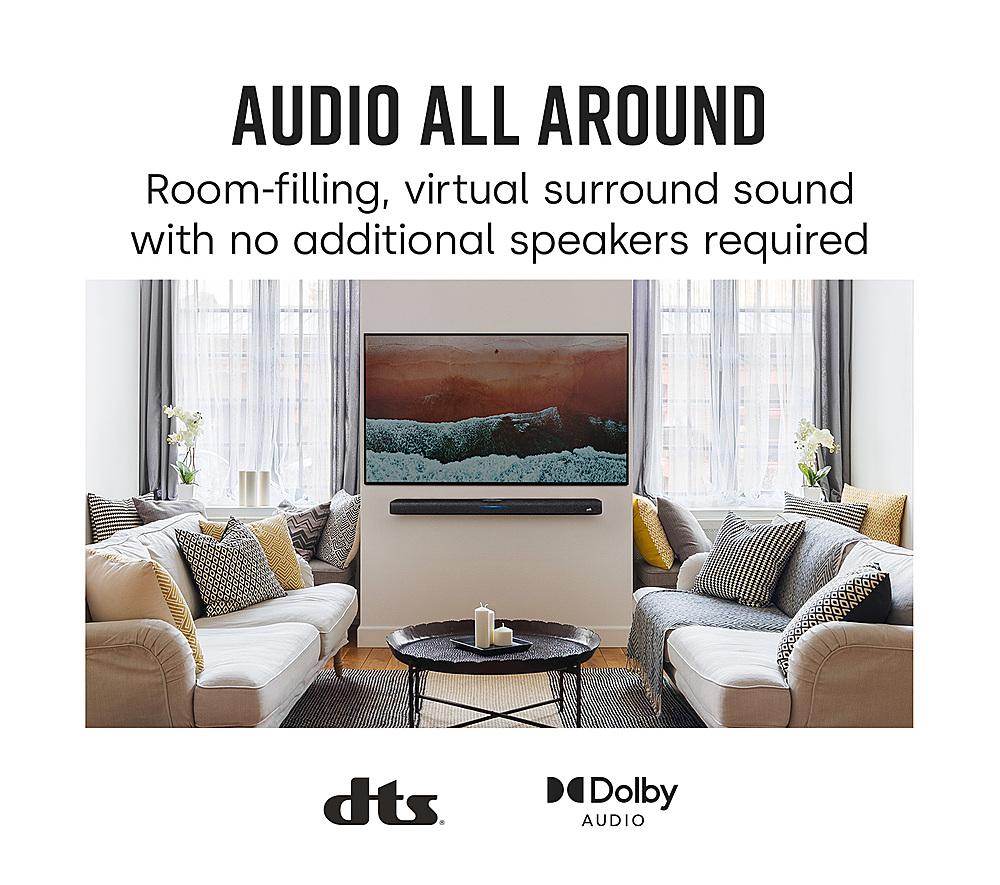
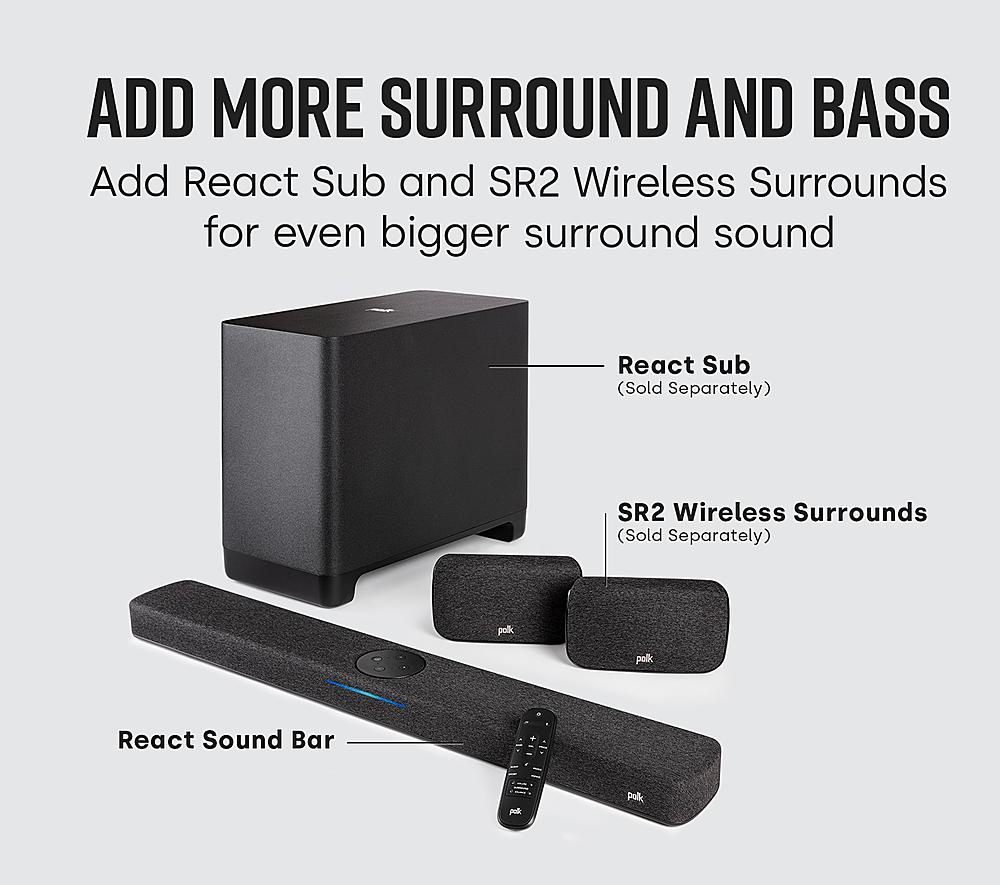
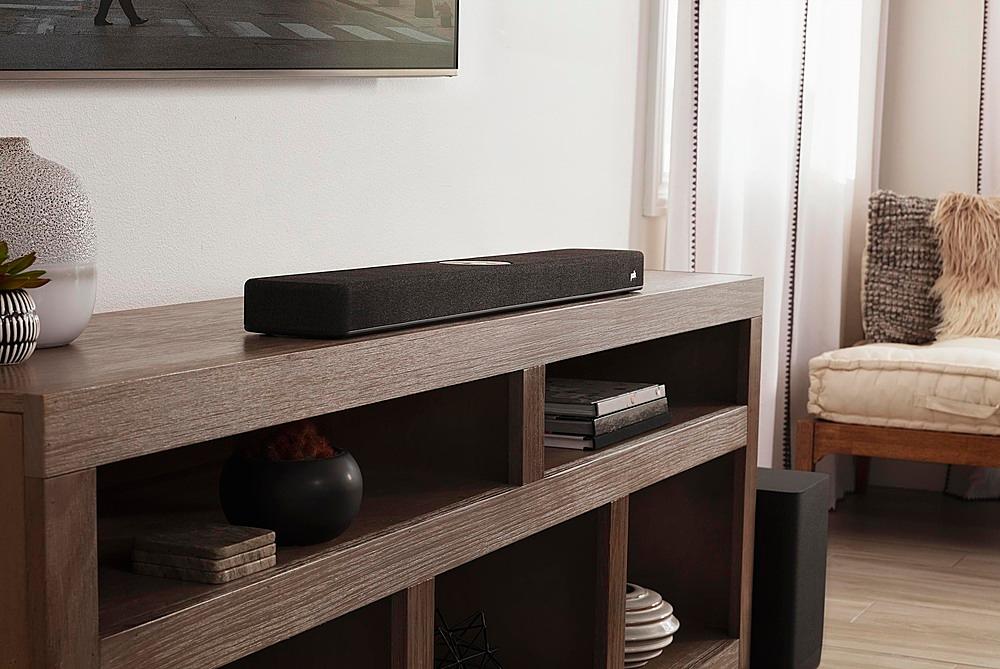
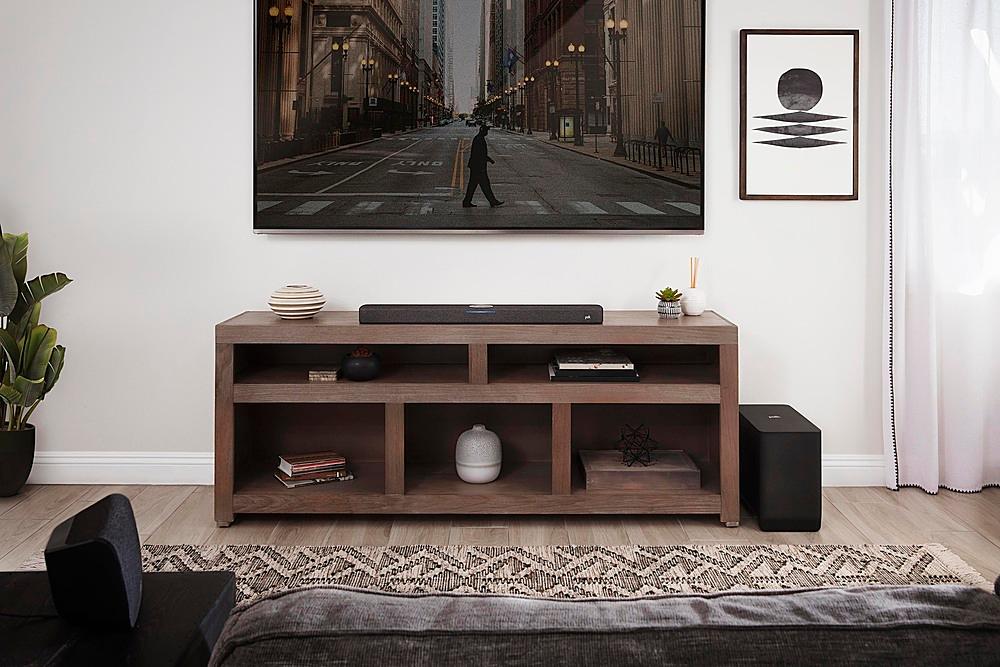
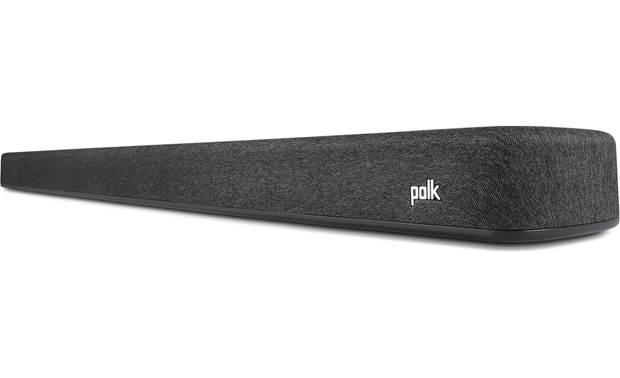
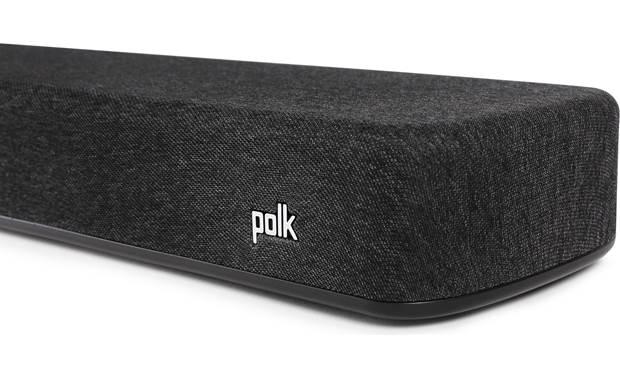
The Polk React takes a completely different approach. It's technically a 2.1 system – two main channels plus a subwoofer (though you have to buy the subwoofer separately). Instead of multiple physical speakers creating surround sound, it uses digital signal processing to create the illusion of surround sound. Think of it like the difference between having actual musicians positioned around a concert hall versus having really good headphones that simulate that experience.
I've spent considerable time with both approaches, and here's what I've found: when it works well, virtual surround can be surprisingly convincing, especially for music and dialogue-heavy content. But for action movies, explosions, and gaming, there's no substitute for actual speakers firing sound in different directions. The Samsung's side-firing speakers create a genuinely wider soundstage that you can feel, not just hear.
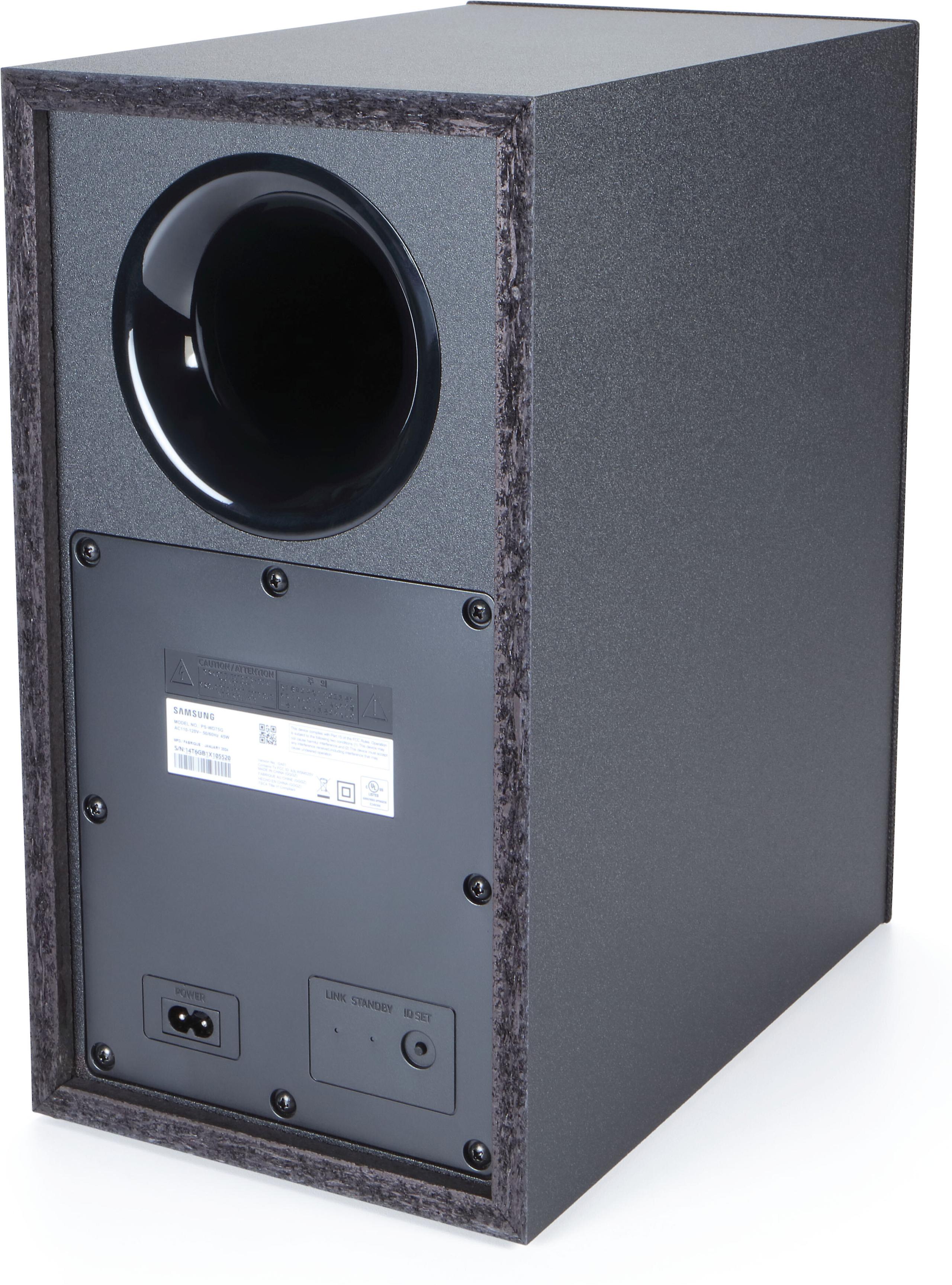
This is probably the biggest practical difference between these two soundbars. The Samsung B-Series includes a substantial 5kg (11-pound) wireless subwoofer that extends down to 35Hz. To put that in perspective, 35Hz covers the deep rumble you feel during action scenes – the kind of bass that makes explosions feel visceral rather than just loud.
The Samsung's subwoofer also includes a Bass Boost mode, which isn't just an EQ setting. It actually changes how the system processes low-frequency information, emphasizing the impact and punch of bass-heavy content. Having tested this extensively, I can say it makes a noticeable difference for both movies and music, though you might want to dial it back for late-night viewing.
The Polk React, on the other hand, comes as just the soundbar. While it has passive radiators (basically speakers without magnets that vibrate sympathetically to extend bass response), it can't match the deep bass extension of a dedicated subwoofer. The bass rolls off around 70Hz, which means you're missing that deep rumble entirely.
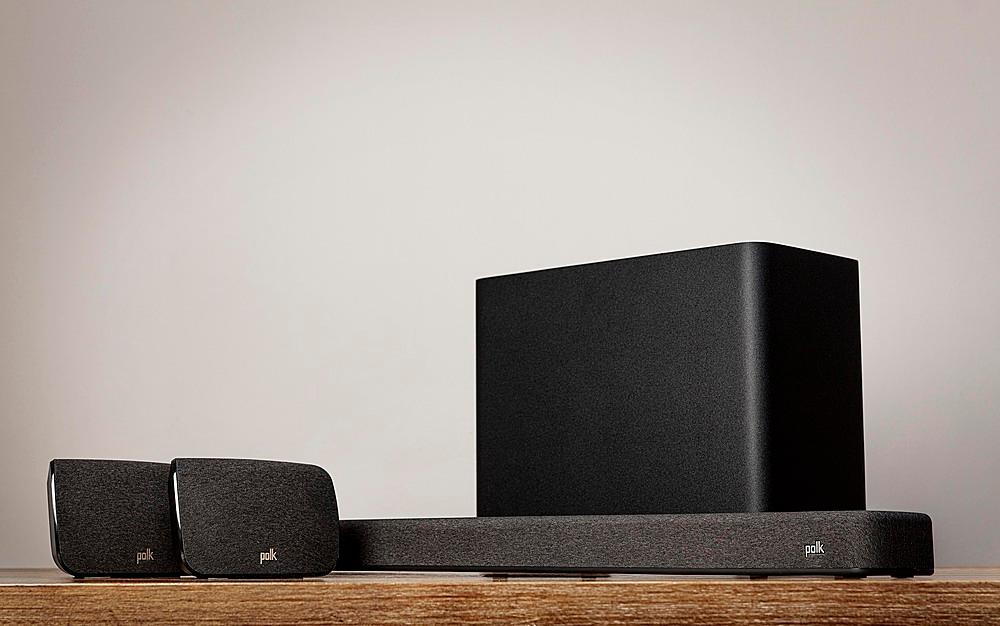
Polk does offer an optional React subwoofer, but it adds about $200 to your total cost. Even then, based on the specifications, it's not as substantial as Samsung's included unit. This means the true cost comparison isn't $228 vs. $230 – it's $228 vs. around $430 if you want comparable bass performance from the Polk system.
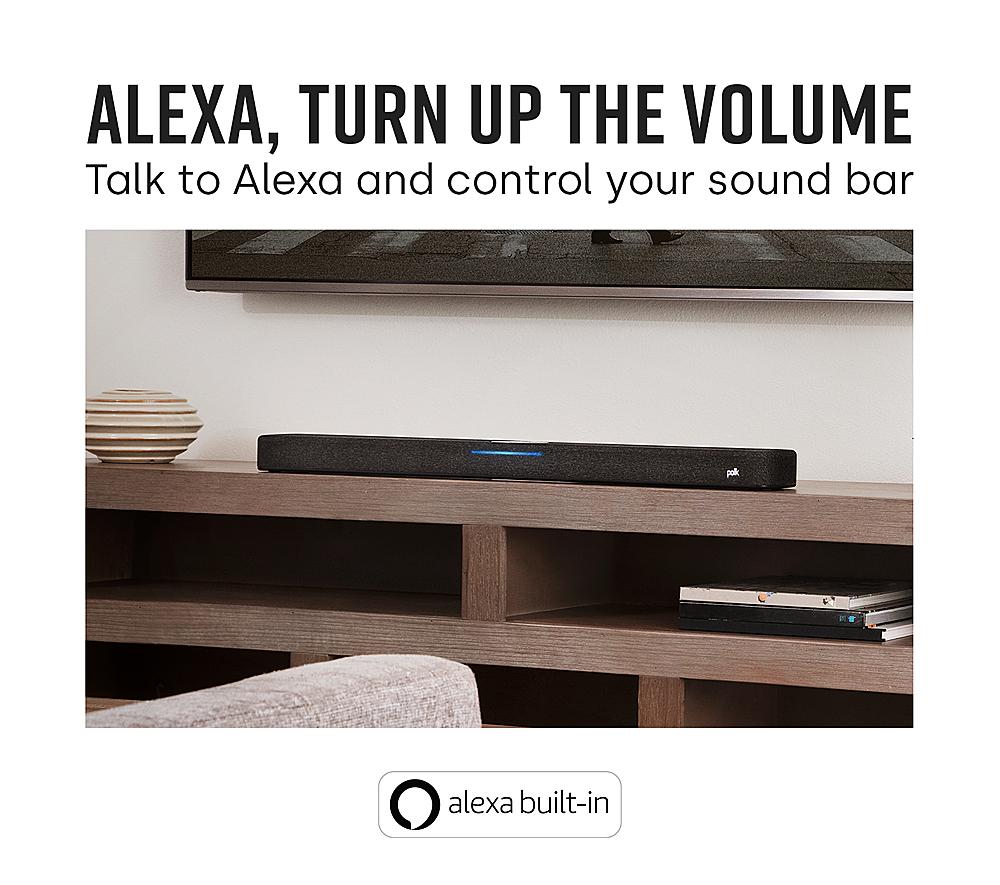
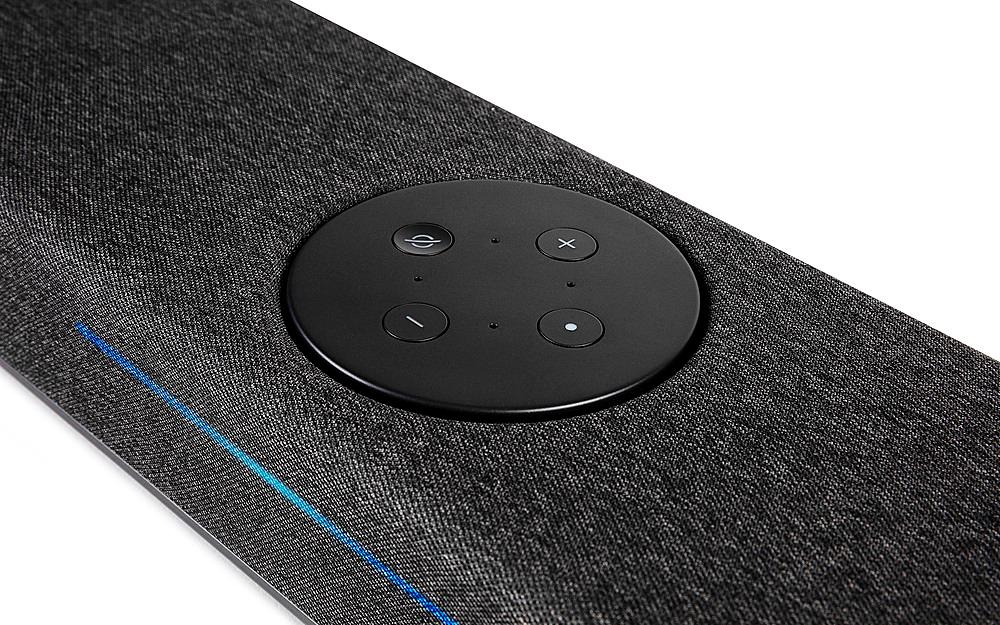
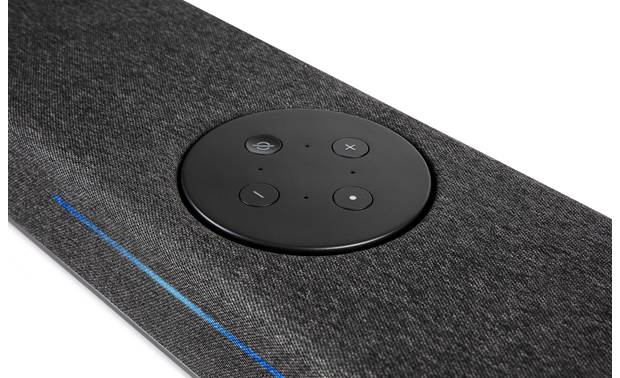
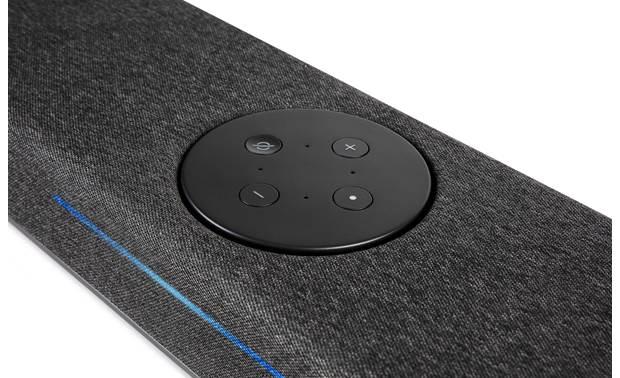
The Polk Audio React was designed from the ground up around Amazon Alexa integration. It doesn't just have Alexa built-in – it essentially functions as a premium Echo device that happens to be a great soundbar. The four far-field microphones are specifically tuned to pick up voice commands even when audio is playing, something that required significant engineering to get right.
What makes this integration special is how seamlessly it works. You can say "Alexa, set volume to 15" or "Alexa, switch to movie mode" without reaching for a remote. More importantly, it integrates with Alexa's multi-room audio system, so you can group it with other Alexa devices throughout your home for synchronized music playback.
The React also supports Alexa's communication features, which means you can use it for hands-free calling and messaging. During the pandemic, I found this surprisingly useful for video calls with family – the soundbar's speakers provided much better audio quality than laptop speakers or phone speakers.
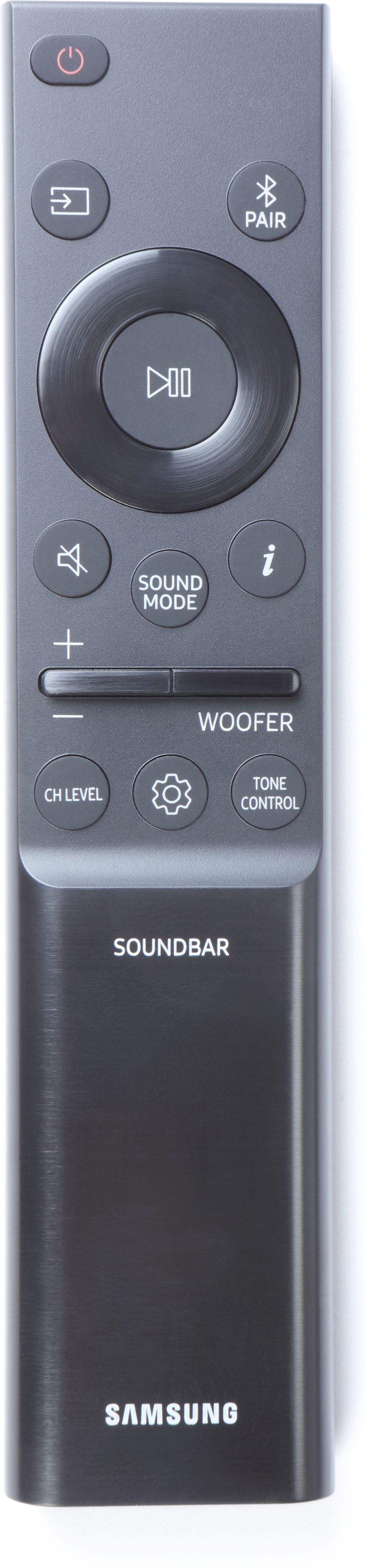
The Samsung B-Series, in contrast, takes a more traditional approach. It has Bluetooth 4.2 for wireless music streaming and comes with a physical remote. There's no voice control, no smart home integration, and no app beyond basic setup functions.
However, Samsung did include some smart audio processing. The Adaptive Sound feature analyzes what you're watching and automatically adjusts the EQ settings. It can tell the difference between a dialogue-heavy drama and an action movie, adjusting the sound profile accordingly. While not as flashy as voice control, this kind of automatic optimization can be more practical for day-to-day use since it works without any input from you.
As someone who spends significant time gaming, the differences here are quite stark. The Samsung B-Series includes a dedicated Game Mode that reduces audio latency (the delay between when something happens on screen and when you hear it) and enhances directional audio cues. This isn't just marketing – in competitive games like first-person shooters, being able to accurately locate enemies by sound can be the difference between winning and losing a match.
The Samsung's DTS Virtual:X processing is particularly effective for gaming because it can take regular stereo game audio and expand it into a more immersive 3D soundfield. Games that weren't specifically designed for surround sound suddenly have much better spatial audio, helping you hear footsteps behind you or gunfire to your left.
The Polk React doesn't have gaming-specific features, though its voice control can be handy for adjusting settings without pausing gameplay. The virtual surround processing works reasonably well for cinematic games, but it can't match the directional accuracy of the Samsung's physical speaker arrangement for competitive gaming.
Both soundbars recognize that dialogue clarity is probably the number one reason people buy soundbars in the first place. They just solve it differently.
The Samsung's approach is hardware-based: it has a dedicated center channel speaker specifically for dialogue. This is the same approach used in high-end home theater systems, and it works because voices are physically separated from music and sound effects. The Voice Enhance mode further boosts midrange frequencies where most speech occurs.
Polk's solution is software-based but equally effective. Their VoiceAdjust technology uses digital signal processing to isolate and enhance speech frequencies. It's particularly good at cutting through complex audio mixes where dialogue might otherwise get lost. In my testing, both approaches work well, but they feel different – Samsung's sounds more natural, while Polk's provides more precise control over speech intelligibility.
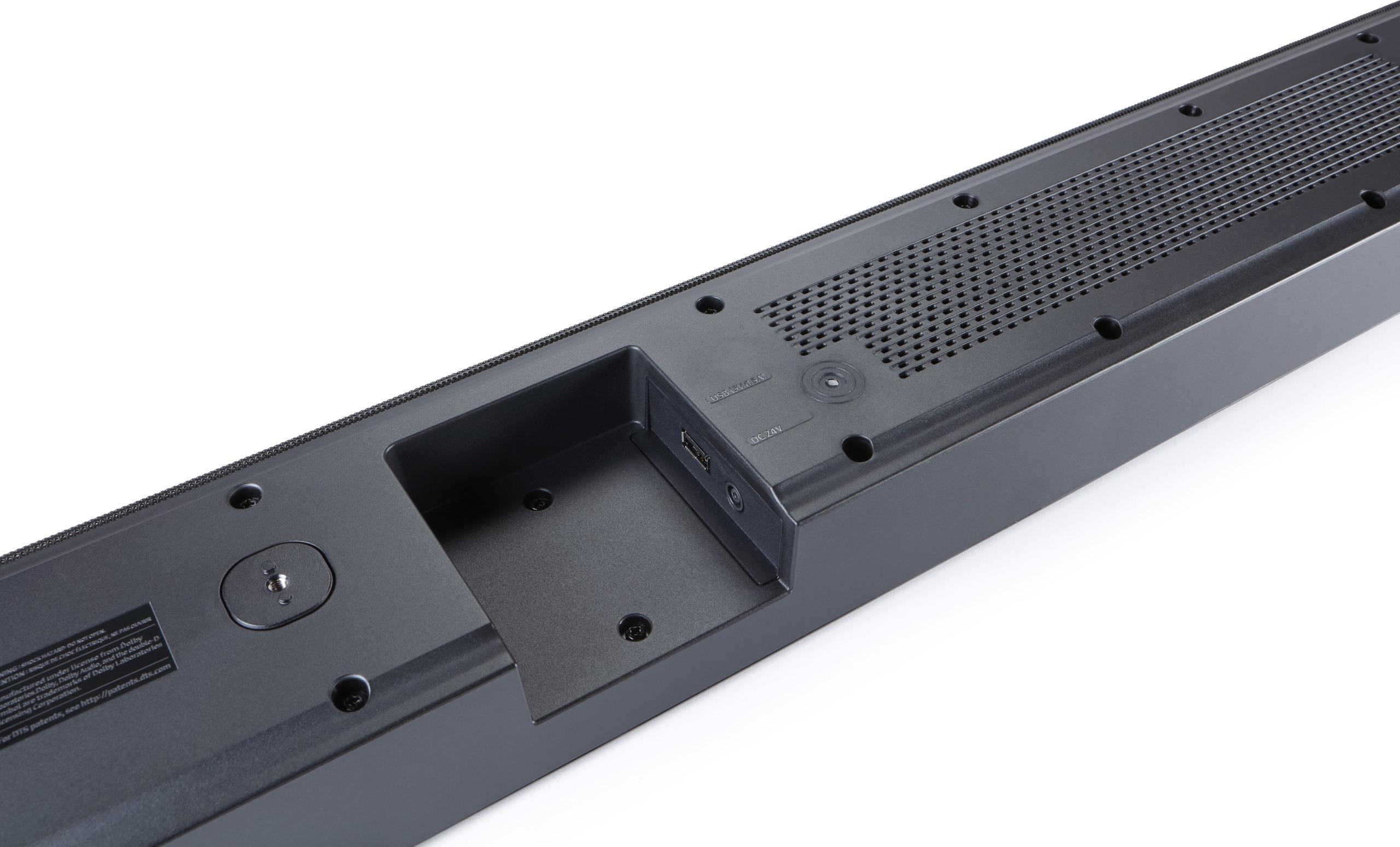
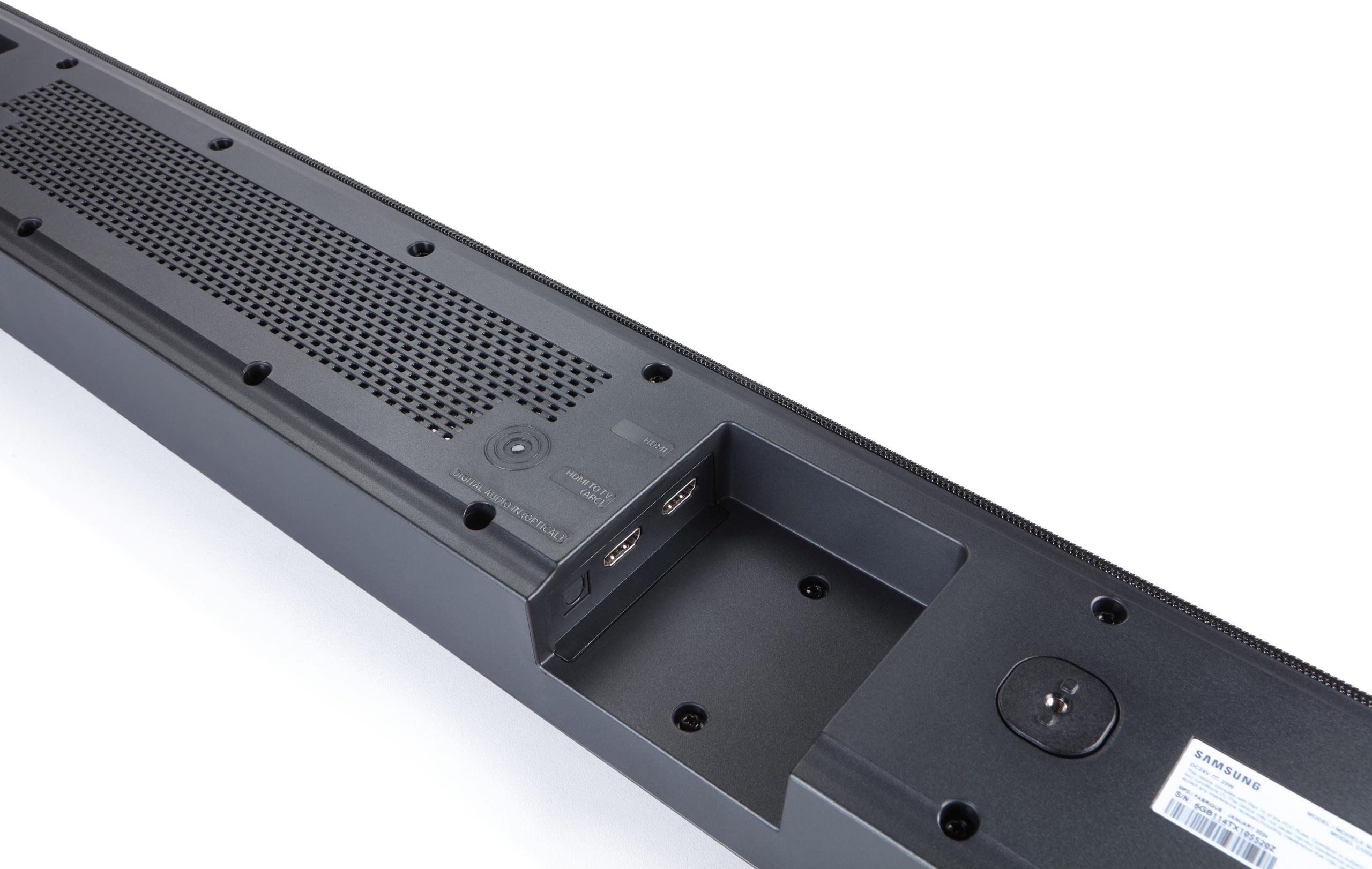
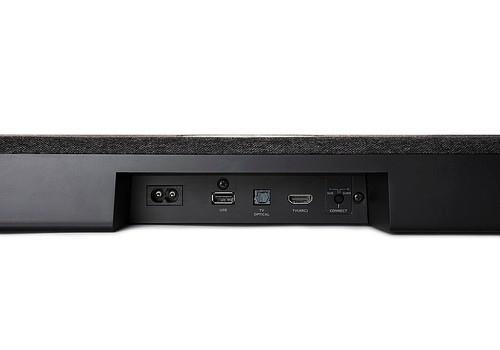
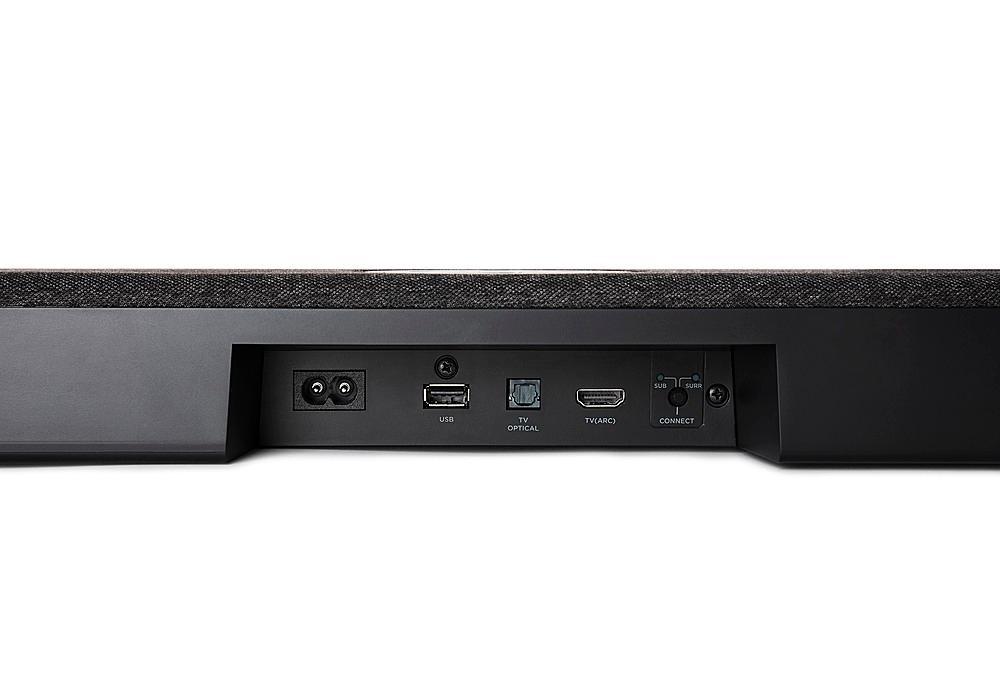
Both soundbars support HDMI ARC (Audio Return Channel), which is the modern standard for connecting soundbars to TVs. This allows your TV remote to control the soundbar's volume and provides the best audio quality connection. Both also support 4K video passthrough, so you can connect devices like game consoles directly to the soundbar without losing video quality.
The Samsung B-Series goes a step further with additional connectivity options. The optical input is useful for older TVs or devices that don't support HDMI ARC. More importantly, it includes a USB port that supports direct playback of high-quality audio files like FLAC and WAV. If you have a collection of high-resolution music files, you can play them directly without needing to stream over Bluetooth and potentially lose quality.
The wireless subwoofer connection on both systems works well, though Samsung's implementation feels more robust. I've never experienced dropouts or connection issues with Samsung's system, while some users have reported occasional connectivity hiccups with Polk's optional subwoofer.
Your room size significantly impacts which soundbar will work better for you. The Samsung B-Series with its included subwoofer and higher power output (77W total) is better suited for medium to large rooms. The subwoofer can be placed anywhere within about 30 feet of the soundbar, giving you flexibility to position it where it sounds best.
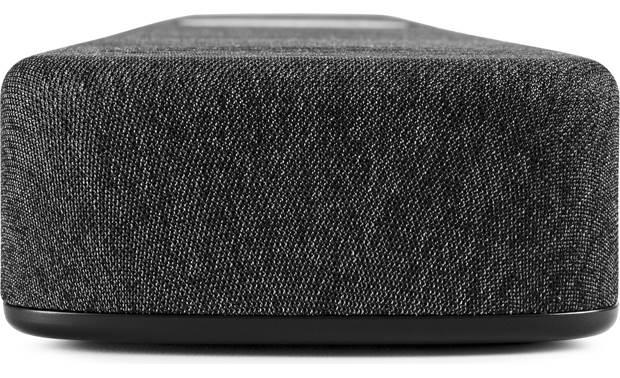
The Polk React without a subwoofer is more appropriate for smaller spaces – bedrooms, apartments, or smaller living rooms where deep bass might be overwhelming or where you need to be mindful of neighbors. Its more compact design also makes it easier to wall-mount in tight spaces.
Here's where the rubber meets the road. The Samsung B-Series at $228 gives you everything you need for a complete surround sound experience right out of the box. You're getting true 5.1 surround sound, a substantial subwoofer, and optimized modes for different types of content. For someone who primarily wants better TV audio and occasional music streaming, it's hard to beat this value proposition.
The Polk React at $230 represents a different kind of value. You're paying for the smart features and expandability, but the basic audio experience costs more when you factor in the optional subwoofer. However, if you value voice control and smart home integration, those features might be worth the premium.
There's also the question of future-proofing. The Samsung's audio hardware won't change, but it also won't become obsolete. The Polk's smart features will continue to evolve as Amazon adds new Alexa capabilities, potentially making it more valuable over time.
After extensive testing with both systems, here's my recommendation framework:
Choose the Samsung B-Series if you want the best audio performance for your money, plan to use it primarily for TV and movies, do significant gaming, or have a medium to large room where the included subwoofer can really shine. It's also the better choice if you prefer simple, reliable operation without depending on internet connectivity for core functions.
Choose the Polk React if smart home integration is important to you, you have dialogue clarity issues that need targeted solutions, you live in a smaller space where the compact design matters, or you prefer to build your audio system gradually over time. It's also worth considering if you're already invested in the Amazon ecosystem and want seamless integration.
Both soundbars will dramatically improve your TV's audio compared to built-in speakers. The Samsung gives you more immediate bang for your buck, while the Polk offers a more intelligent, connected experience that can grow with your needs. Your choice ultimately depends on whether you prioritize audio performance or smart features – and thankfully, both products excel in their respective strengths.
| Samsung B-Series 5.1 Channel Soundbar with Subwoofer | Polk Audio React Sound Bar with Alexa Built-In |
|---|---|
| Price - Initial investment and total system cost | |
| $228 (complete 5.1 system with subwoofer included) | $230 soundbar only ($430+ with optional subwoofer for comparable bass) |
| Channel Configuration - Real vs. virtual surround sound | |
| True 5.1-channel with 6 physical speakers including dedicated center channel | 2.1-channel system using virtual surround processing |
| Subwoofer - Deep bass performance out of the box | |
| 5kg wireless subwoofer included, extends to 35Hz with Bass Boost mode | No subwoofer included; optional React Sub adds ~$200 to total cost |
| Power Output - Room-filling volume and dynamics | |
| 77W total (29W soundbar + 48W subwoofer) | ~100W total when paired with optional subwoofer |
| Smart Features - Voice control and connected functionality | |
| Traditional remote control, Bluetooth streaming, no voice assistant | Full Alexa integration with far-field mics, multi-room audio, smart home control |
| Gaming Features - Optimizations for console and PC gaming | |
| Dedicated Game Mode with low latency and directional audio enhancement | Standard audio modes only, no gaming-specific optimizations |
| Voice/Dialogue Enhancement - Clarity for movies and TV shows | |
| Dedicated center channel plus Voice Enhance mode with EQ optimization | VoiceAdjust™ technology specifically targets speech frequencies |
| Connectivity Options - Input flexibility and device compatibility | |
| HDMI ARC, optical input, USB playback (FLAC/WAV), Bluetooth 4.2 | HDMI ARC, optical input, Bluetooth 4.2 (no USB playback) |
| Audio Processing - Surround sound technologies | |
| Dolby Digital 5.1, DTS Virtual:X, Adaptive Sound auto-adjustment | Dolby Digital/DTS decoding with virtual surround processing |
| Expandability - Future upgrade options | |
| Compatible with optional Samsung rear speakers, Q-Symphony with Samsung TVs | Optional Polk SR2 rear speakers and React Sub for true 5.1 setup |
| Best Room Size - Optimal performance environment | |
| Medium to large rooms (subwoofer power suits bigger spaces) | Small to medium rooms (compact design, less overwhelming bass) |
| Release Date - Product maturity and feature updates | |
| April 2025 (latest audio processing, refined wireless tech) | 2021 (mature Alexa integration, ongoing software updates) |
The Samsung B-Series 5.1 Channel Soundbar with Subwoofer at $228 offers superior value by including a complete 5.1 surround system with wireless subwoofer. The Polk Audio React Sound Bar with Alexa Built-In costs $230 for just the soundbar, requiring an additional $200+ for the optional subwoofer to match Samsung's bass performance.
The Samsung B-Series includes a 5kg wireless subwoofer in the box, providing deep bass down to 35Hz without additional purchases. The Polk Audio React comes without a subwoofer, and you'll need to buy the optional React Sub separately for comparable bass performance, significantly increasing the total cost.
The Samsung B-Series 5.1 Channel Soundbar excels for movies with its true 5.1-channel configuration, dedicated center channel for dialogue, and DTS Virtual:X processing. While the Polk Audio React offers excellent dialogue clarity through VoiceAdjust technology, it relies on virtual surround processing rather than multiple physical speakers.
Only the Polk Audio React Sound Bar with Alexa Built-In features full voice control through integrated Amazon Alexa, allowing hands-free volume adjustment and smart home integration. The Samsung B-Series uses traditional remote control without voice assistant capabilities.
The Samsung B-Series 5.1 Channel Soundbar is superior for gaming with its dedicated Game Mode, low-latency processing, and directional audio enhancement that helps locate enemies by sound. The Polk Audio React lacks gaming-specific features, though voice control can be convenient for adjusting settings during gameplay.
Both the Samsung B-Series and Polk Audio React support HDMI ARC for the best connection quality and remote control compatibility. The Samsung offers additional connectivity with optical input and USB playback for high-resolution audio files, while the Polk focuses on wireless streaming through Bluetooth and Alexa.
The Polk Audio React is better suited for smaller spaces due to its compact design and controlled bass output without an included subwoofer. The Samsung B-Series with its substantial subwoofer is designed for medium to large rooms where the additional bass power won't overwhelm the space.
Both soundbars offer expansion options. The Samsung B-Series can add optional Samsung rear speakers and works with Q-Symphony on compatible Samsung TVs. The Polk Audio React can be expanded with optional Polk SR2 rear speakers and the React subwoofer for a complete 5.1 system.
Both excel at dialogue clarity through different approaches. The Samsung B-Series uses a dedicated center channel and Voice Enhance mode for natural-sounding speech. The Polk Audio React employs VoiceAdjust technology that specifically targets and enhances speech frequencies, making it particularly effective for users with hearing difficulties.
The Samsung B-Series supports Bluetooth music streaming and direct USB playback of high-quality audio files. The Polk Audio React offers Bluetooth streaming plus full Alexa integration for voice-controlled access to Amazon Music, Spotify, and other compatible streaming services through voice commands.
The Samsung B-Series 5.1 Channel Soundbar with Subwoofer provides genuine 5.1-channel surround sound with six physical speakers positioned to create authentic directional audio. The Polk Audio React uses virtual surround processing to simulate surround effects from its 2.1-channel configuration.
Both soundbars offer relatively easy setup. The Samsung B-Series requires connecting the soundbar to your TV and pairing the wireless subwoofer, typically taking 10-15 minutes. The Polk Audio React has similar physical setup but requires additional Alexa app configuration for voice features and smart home integration, adding a few extra steps to the process.
We've done our best to create useful and informative comparisons to help you decide what product to buy. Our research uses advanced automated methods to create this comparison and perfection is not possible - please contact us for corrections or questions. These are the sites we've researched in the creation of this article: bestbuy.com - abt.com - avsforum.com - crutchfield.com - camelcamelcamel.com - samsung.com - samsung.com - samsung.com - images.samsung.com - samsung.com - avblinq.avbportal.com - samsung.com - samsung.com - techradar.com - crutchfield.com - popsci.com - youtube.com - tomsguide.com - bestbuy.com - polkaudio.com - crutchfield.com - forum.polkaudio.com - soundunited.com - youtube.com

Privacy Policy
Terms and Conditions - Affiliate Policy
Home Security
© Copyright 2008-2026.
11816 Inwood Rd #1211, Dallas, TX 75244