

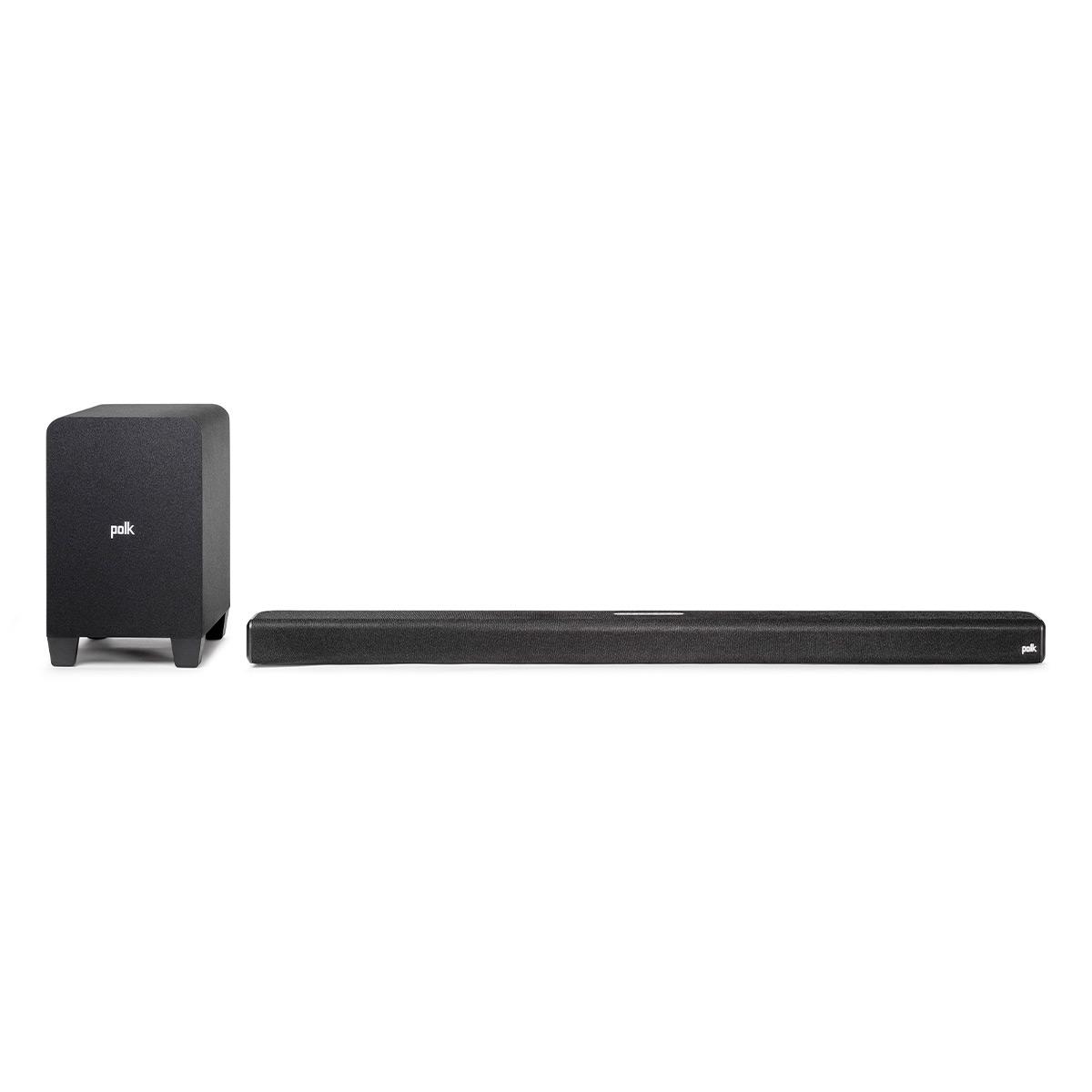
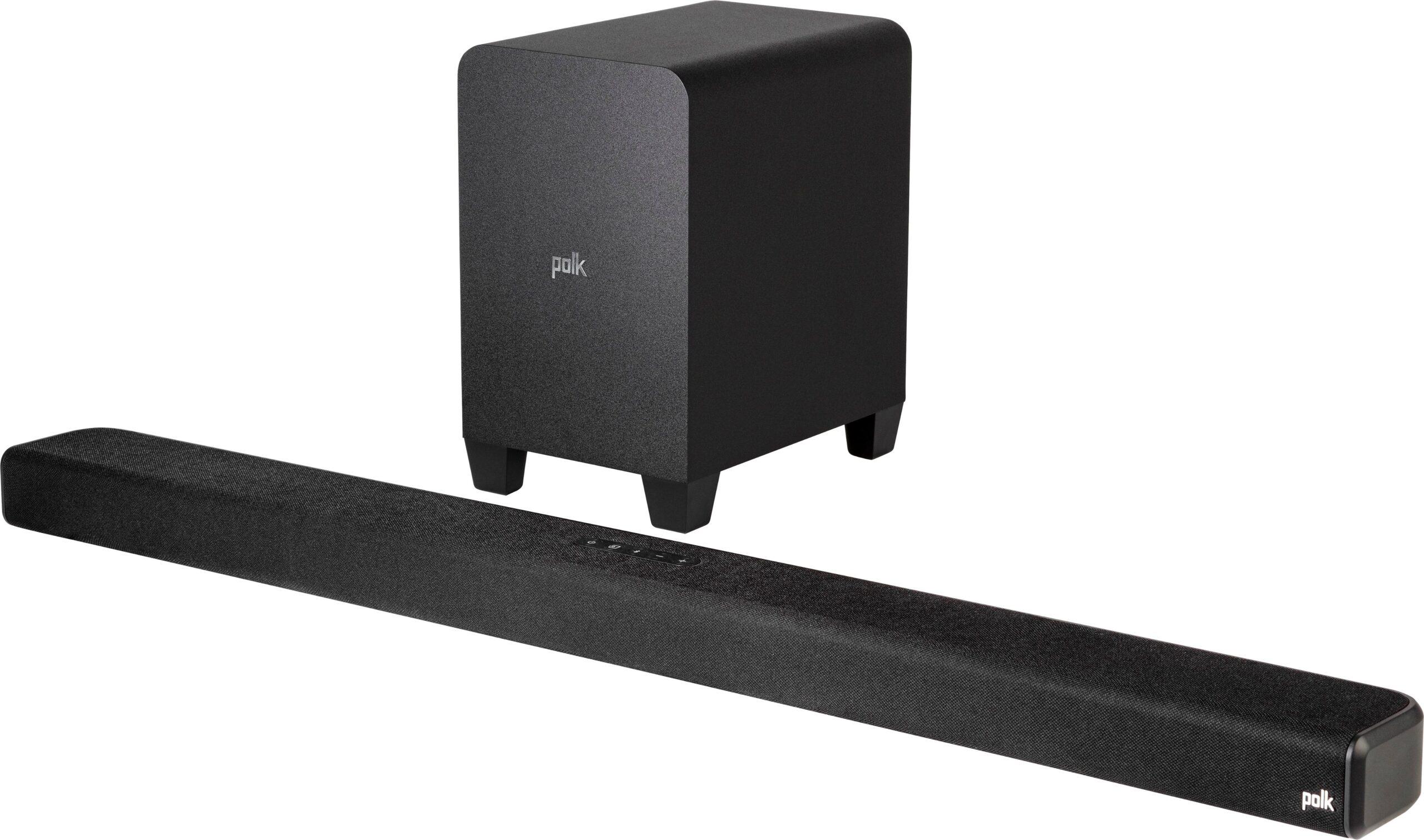
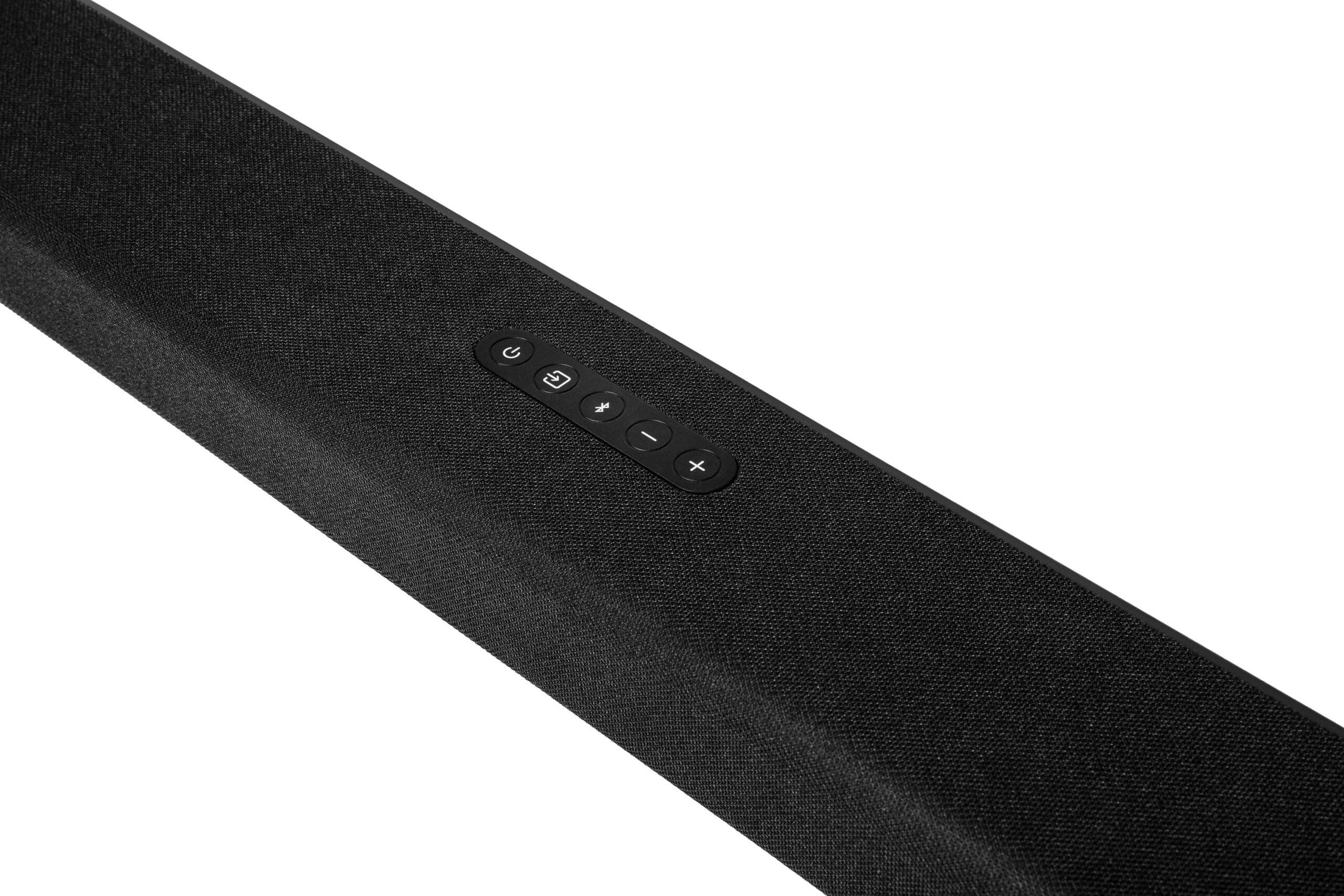
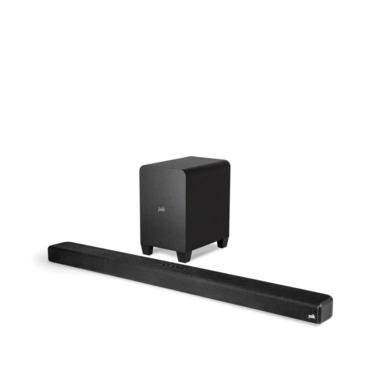
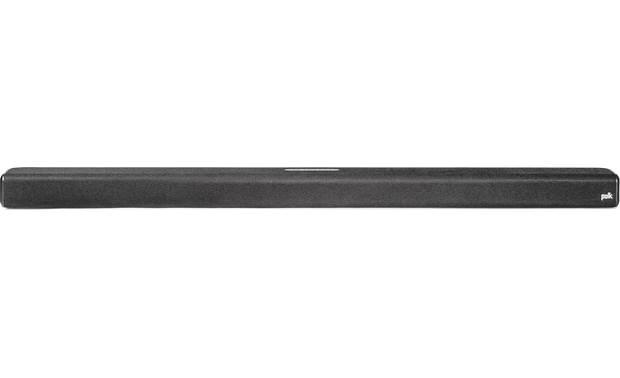
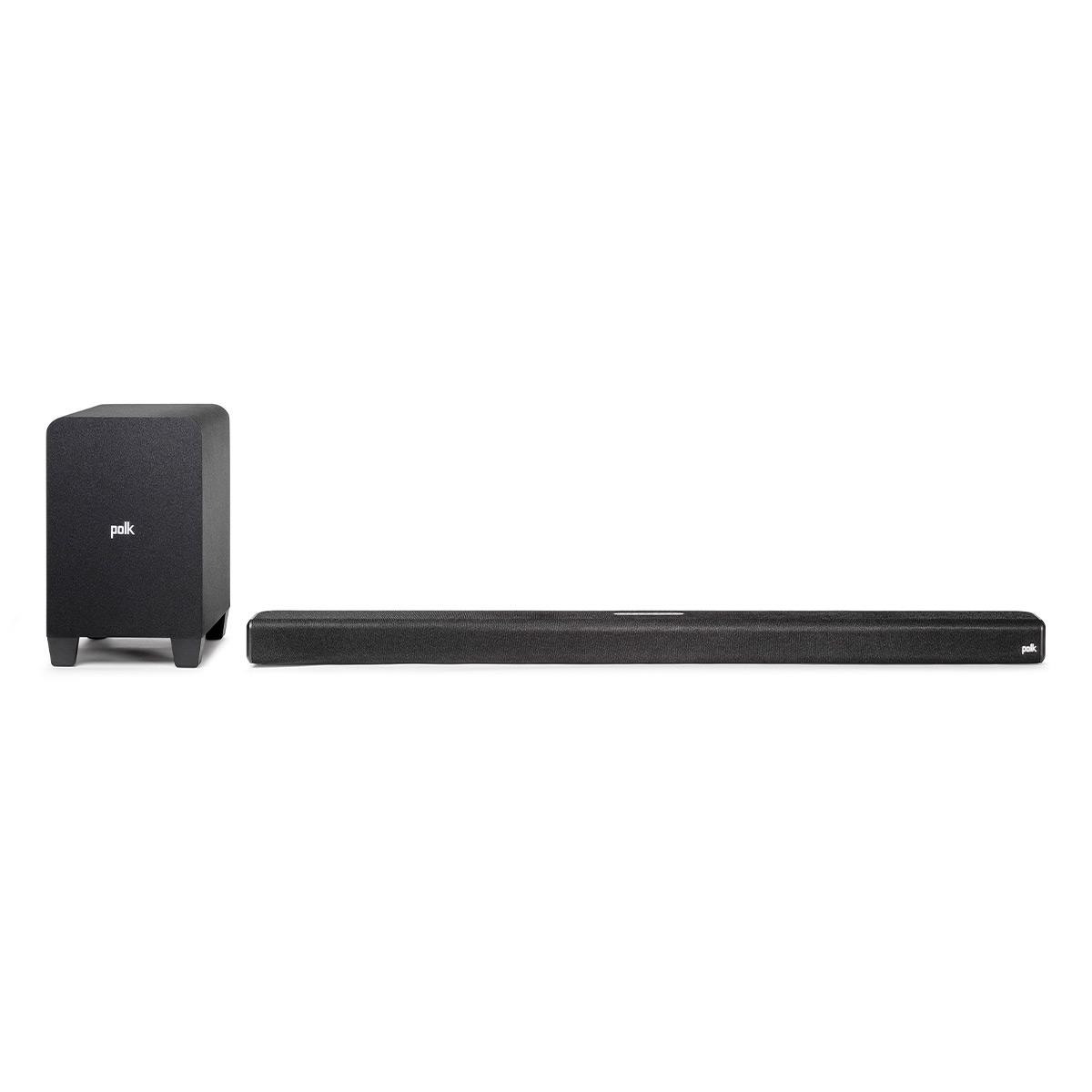


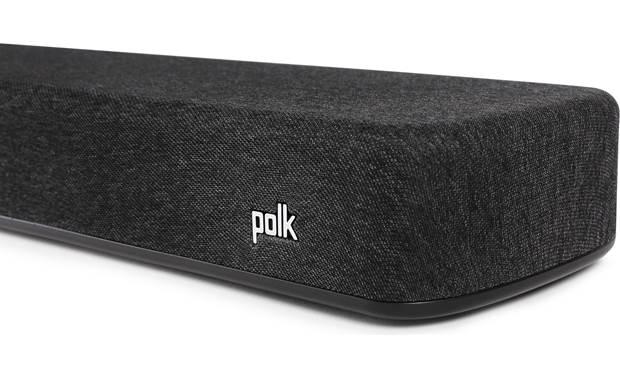
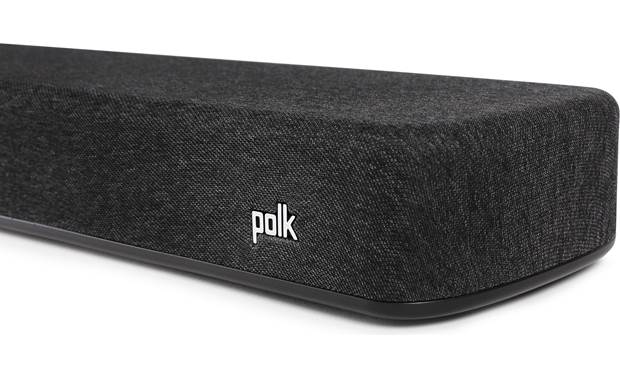
If you've ever found yourself squinting at your TV, wondering why movie dialogue sounds like it's coming from underwater while explosions blow out your eardrums, you're not alone. Built-in TV speakers are notoriously terrible, which is why soundbars have become one of the most popular home theater upgrades. Today, we're comparing two popular options from Polk Audio: the Signa S4 ($299) and the React ($230).
The soundbar market has evolved dramatically over the past few years. What started as simple speaker bars designed to make TV dialogue clearer has transformed into a sophisticated category offering everything from virtual surround sound to full Dolby Atmos immersion. Modern soundbars essentially serve as the audio hub for your entire entertainment setup.
When shopping for a soundbar, you'll encounter several key considerations. Audio performance remains paramount – this includes how many channels the system supports (like 2.1 or 3.1.2), what audio formats it can decode, and how well it handles different types of content. Connectivity has become increasingly important too, with HDMI eARC (enhanced Audio Return Channel) now standard for passing high-quality audio signals between your TV and soundbar without compression.
Smart features represent another major consideration. Some soundbars now function as full smart speakers with built-in voice assistants, while others focus purely on audio quality. The choice often comes down to whether you want your soundbar to be part of a connected home ecosystem or simply deliver the best possible sound.
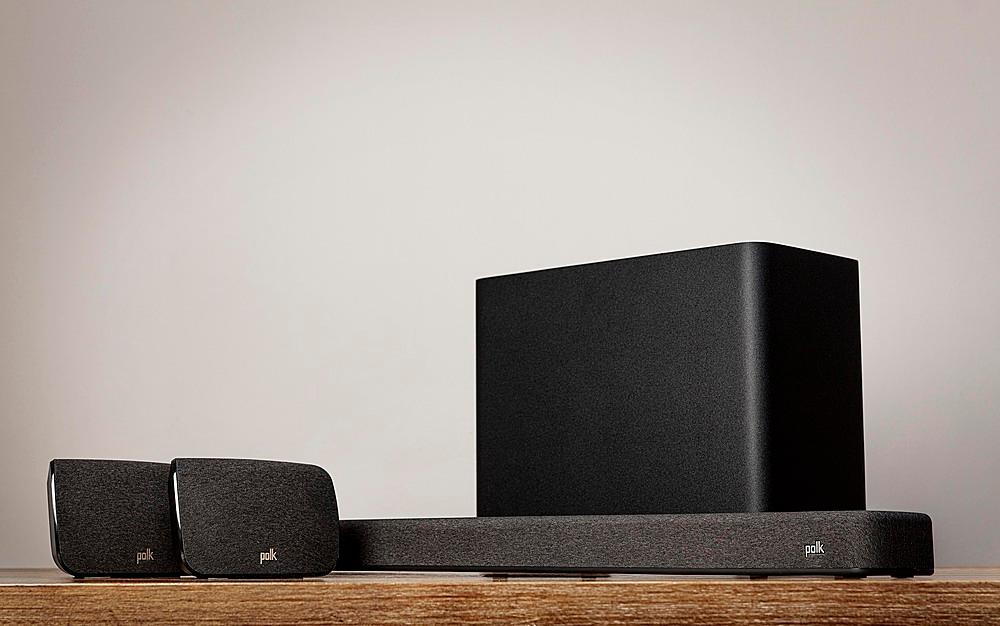
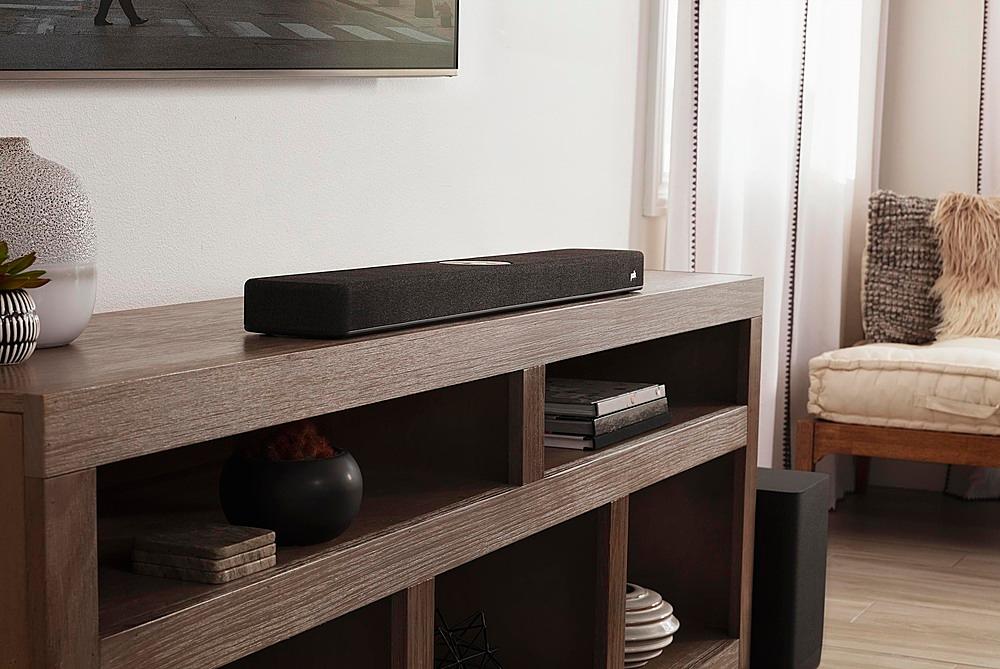
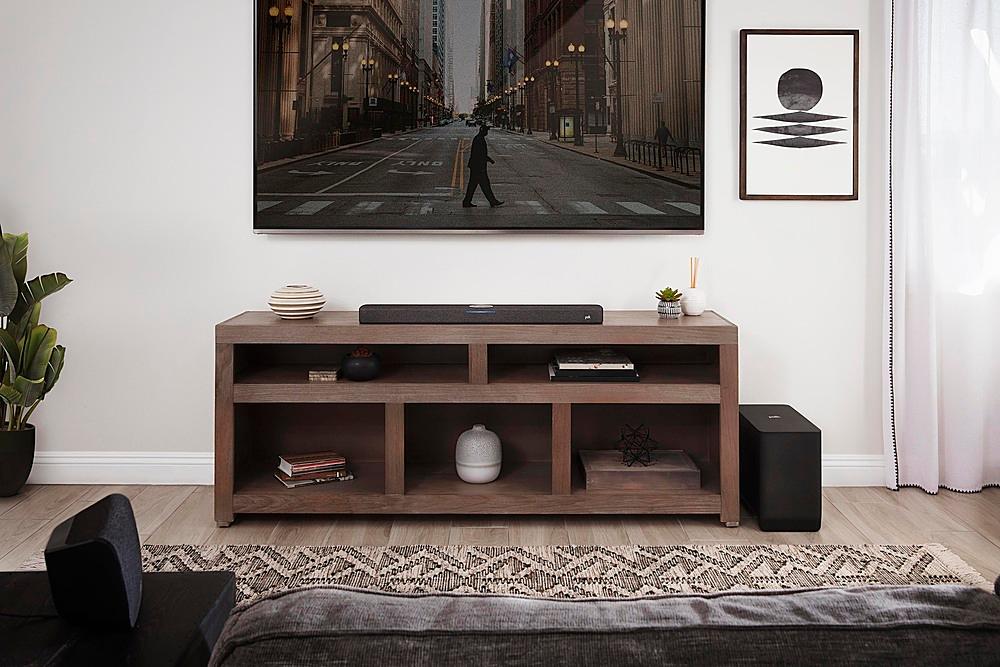
The Polk Audio Signa S4 launched in late 2023, representing Polk's entry into the affordable Dolby Atmos market. At $299, it promises true three-dimensional audio with overhead effects – something that was previously reserved for much more expensive systems. The timing is significant because Dolby Atmos content has exploded in availability since 2020, with Netflix, Disney+, Apple TV+, and most major streaming platforms now offering extensive Atmos libraries.
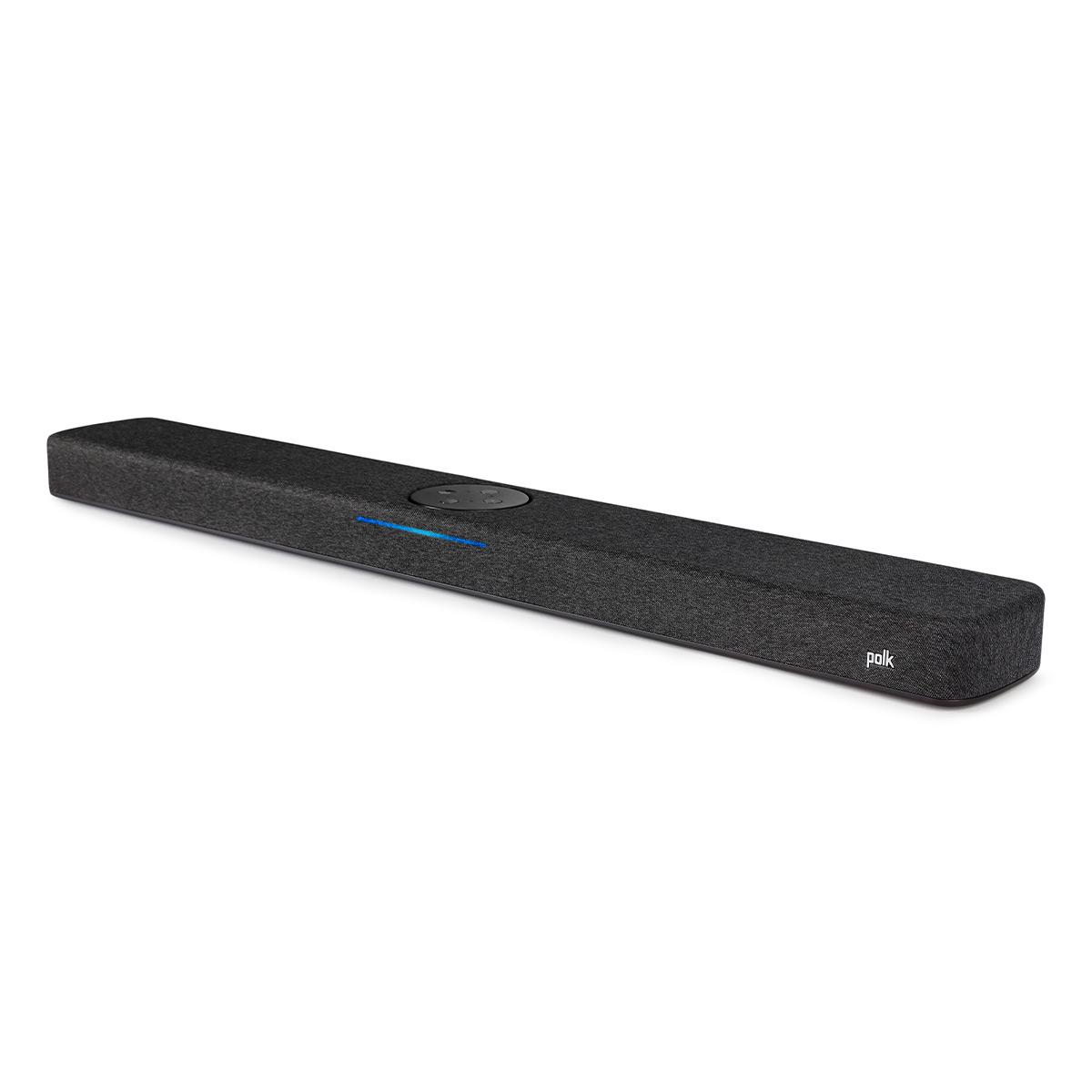
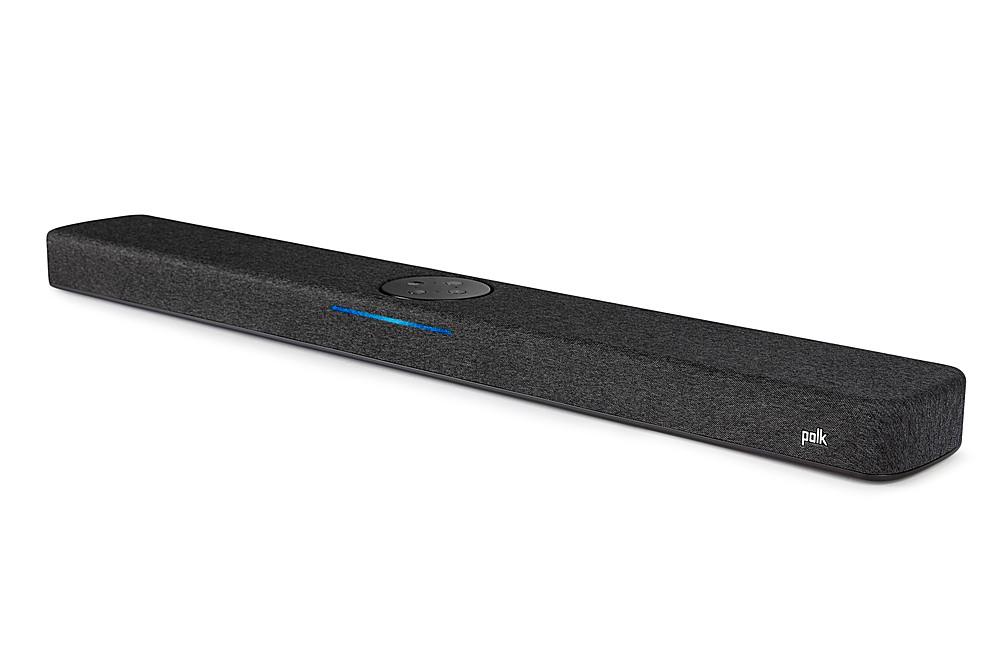
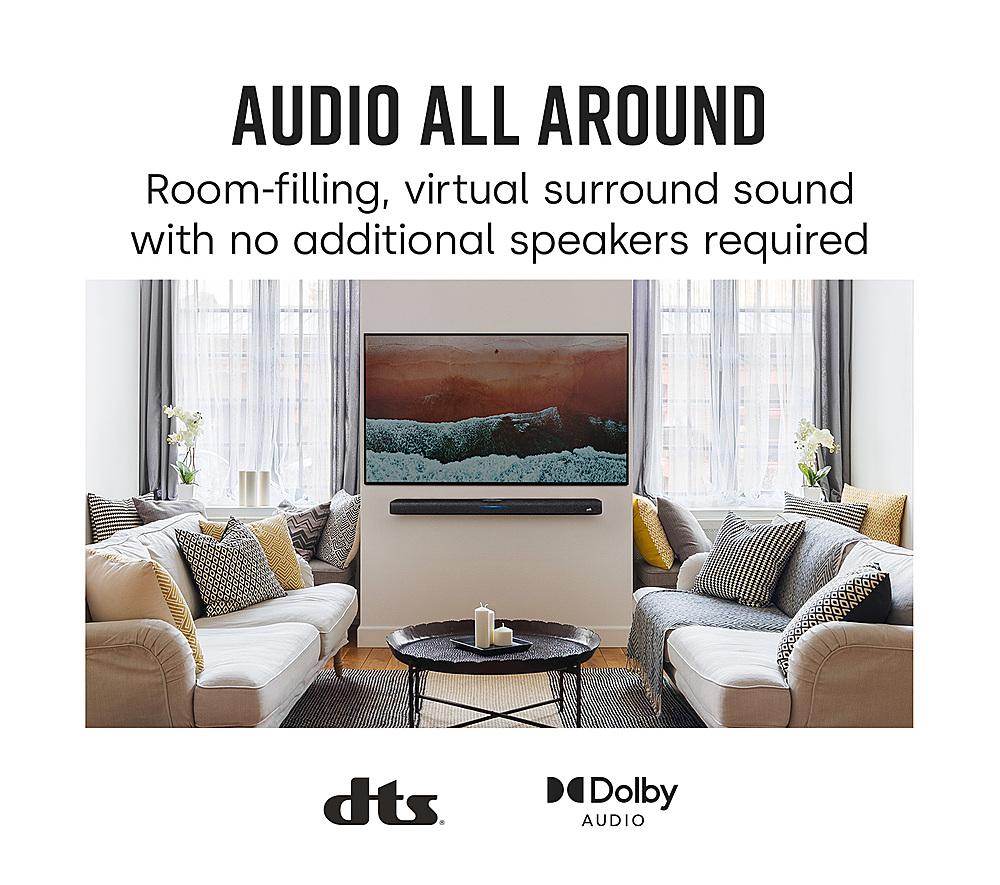
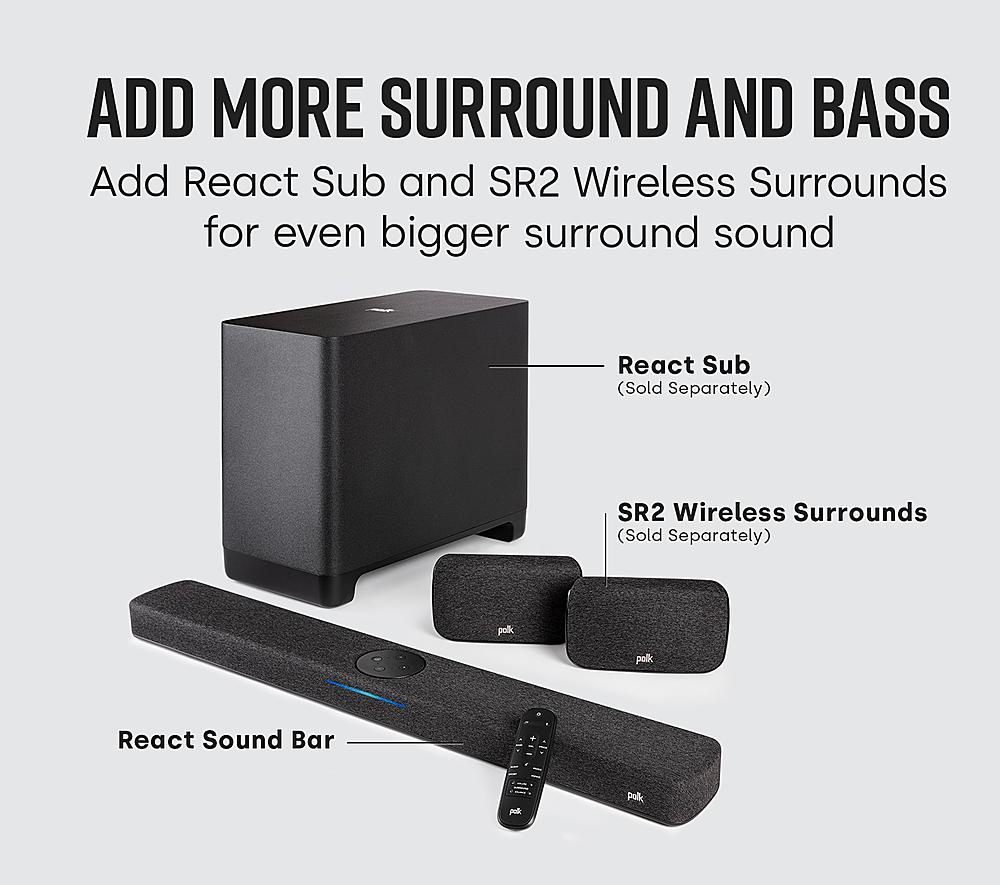
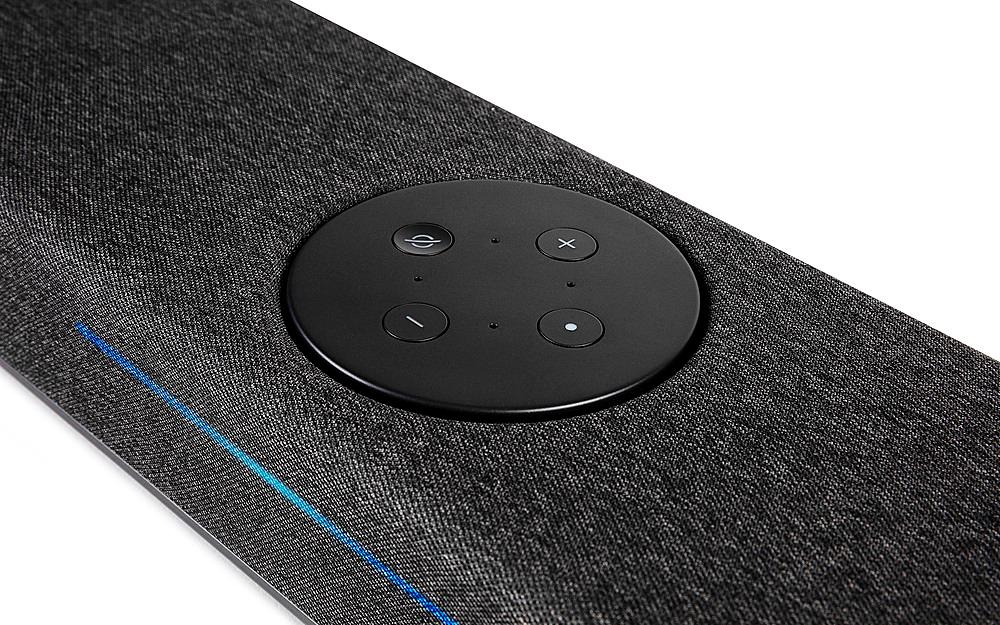
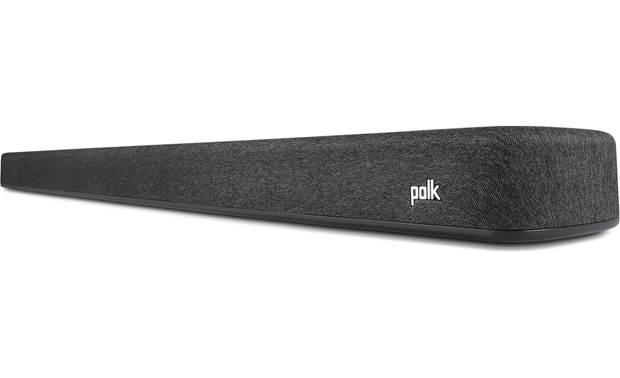
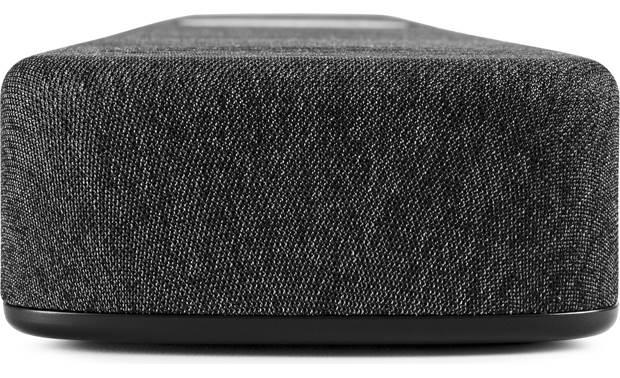
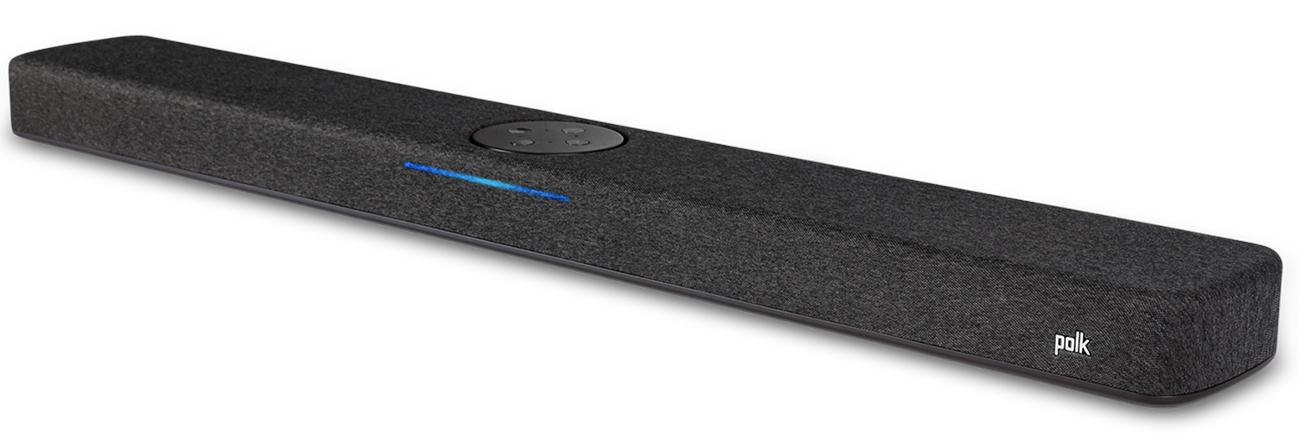
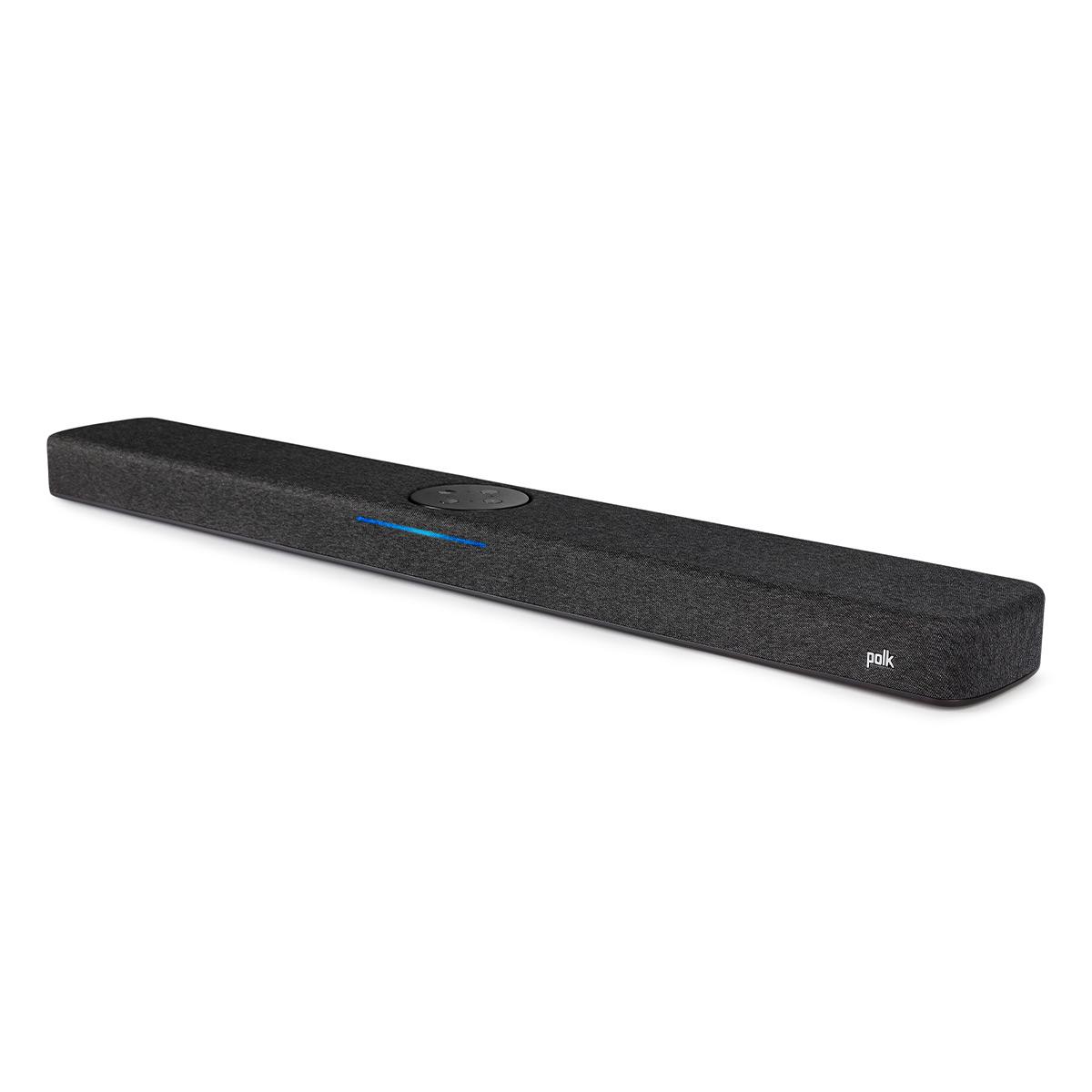
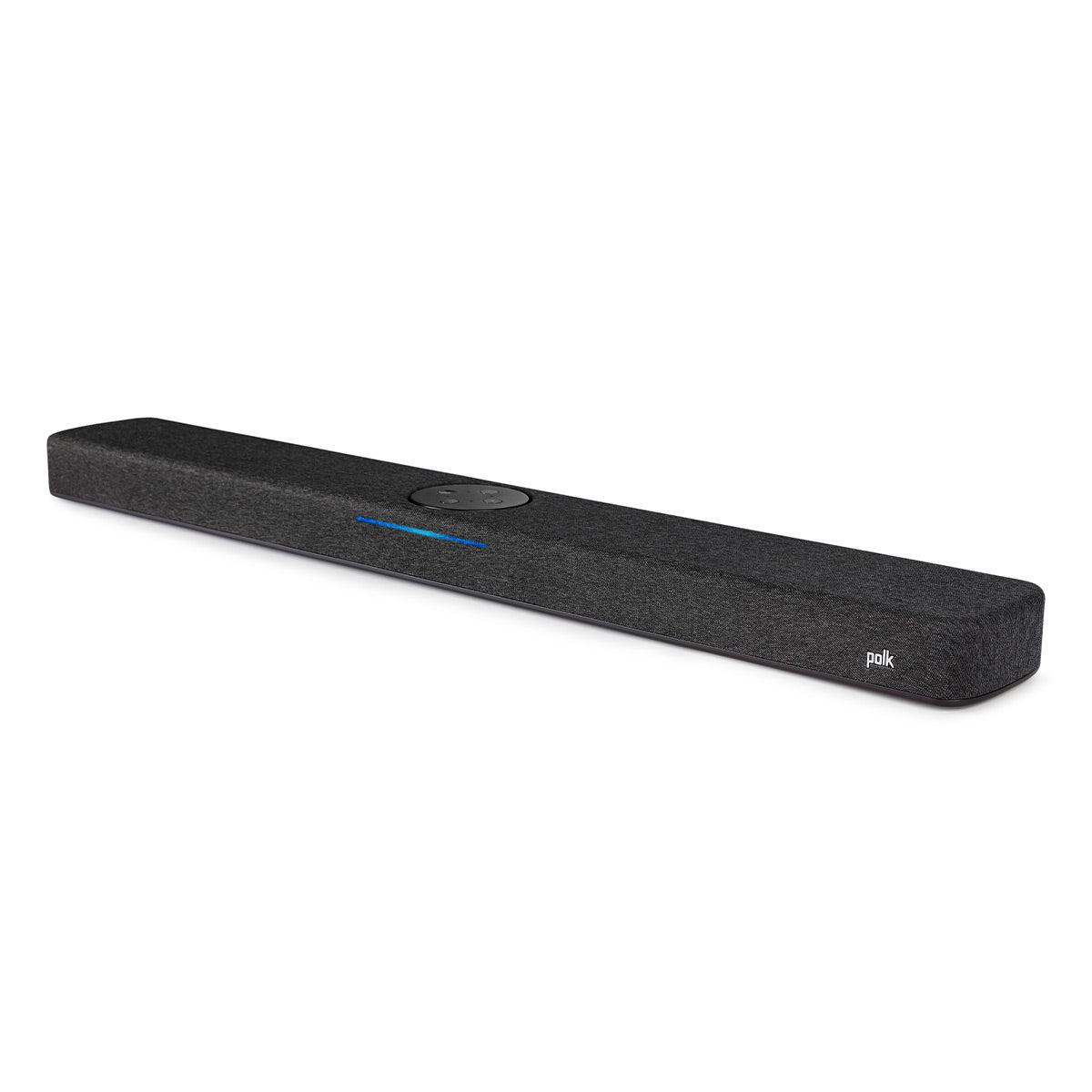
The Polk Audio React, released in 2020, took a different approach entirely. Rather than chasing the latest audio formats, Polk focused on smart home integration, building Amazon Alexa directly into the soundbar. This made it one of the first soundbars to truly function as both an audio system and a smart home hub.
The three-year gap between these releases tells an interesting story about how the soundbar market has shifted. When the React launched, smart features were the hot trend. By the time the S4 arrived, manufacturers had realized that while smart features are nice, most people buy soundbars primarily for better audio quality.
Understanding channel configurations is crucial for evaluating these soundbars. The Signa S4's 3.1.2 system breaks down like this: three front-facing channels (left, center, right), one subwoofer channel, and two height channels that fire sound upward toward your ceiling. These height channels are what enable Dolby Atmos effects – they bounce sound off your ceiling to create the illusion of overhead audio.
The React's 2.1 configuration is more traditional: left and right channels plus a subwoofer channel. It uses digital signal processing to create virtual surround effects, essentially tricking your brain into perceiving directional sound that isn't actually there.
From my testing experience, the difference is immediately noticeable. With the S4, helicopter scenes in movies like "Top Gun: Maverick" genuinely sound like they're moving overhead. Rain effects seem to fall from above, and explosions have a three-dimensional quality that makes action sequences feel more immersive. Virtual surround, while clever, simply can't replicate these height effects convincingly.
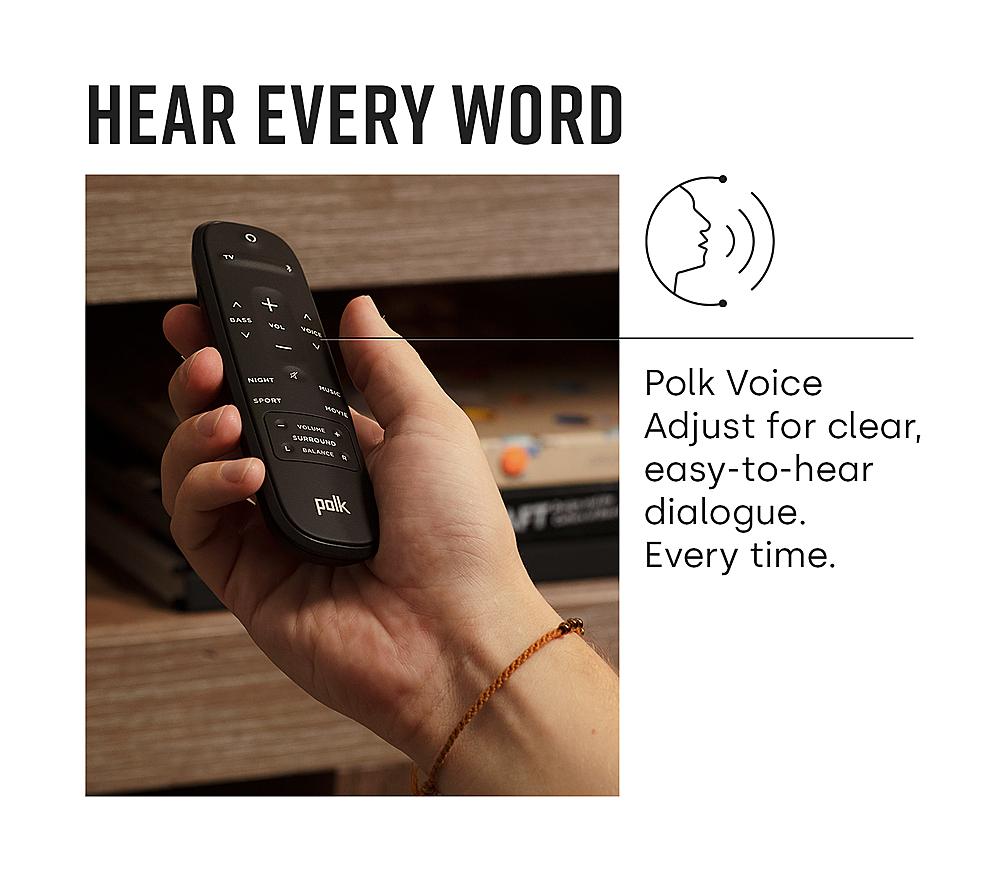
Both soundbars feature Polk's Voice Adjust technology, but they implement it differently. The Signa S4's dedicated center channel provides a significant advantage here. In a traditional speaker setup, the center channel handles about 70% of movie dialogue, making it crucial for clear speech reproduction.
The S4's VoiceAdjust™ (note the trademark – this is an enhanced version) allows you to boost dialogue levels independently of other audio elements. This means you can make voices crystal clear without making explosions ear-splittingly loud. The React's Voice Adjust technology is more basic, adjusting overall vocal frequencies rather than providing the surgical precision of a dedicated center channel.
During testing, I found the S4 particularly impressive with British accents and whispered dialogue – content that typically challenges even good soundbars. The dedicated center channel keeps voices anchored in the middle of the soundstage, while the React occasionally lets dialogue drift left or right depending on the content mix.
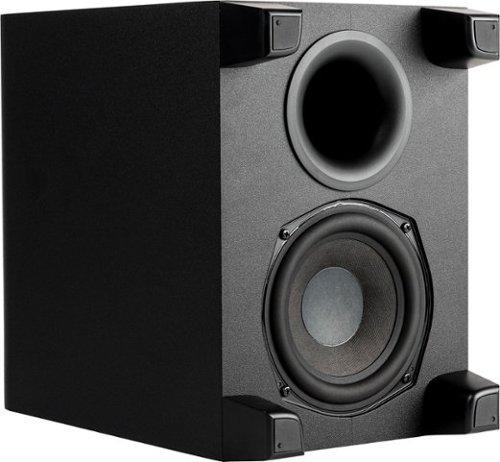
The Signa S4 includes a wireless 5.9-inch subwoofer right in the box, which is remarkable at this price point. This subwoofer uses BassAdjust technology, allowing you to customize low-frequency response for your room. In smaller spaces, you might dial back the bass to avoid overwhelming your neighbors. In larger rooms, you can unleash its full potential.
The React takes a different approach. The base model relies on passive radiators built into the soundbar for bass response. While this produces surprisingly decent low-end for such a slim profile, it can't match a dedicated subwoofer's impact. You can add Polk's wireless subwoofer separately, but this brings the total cost to around $330-350.
From a home theater perspective, the S4's included subwoofer makes a dramatic difference. Movie soundtracks rely heavily on low-frequency effects to create tension and impact. The opening sequence of "Dune," with its massive sandworm encounters, simply doesn't have the same visceral impact without proper bass extension.
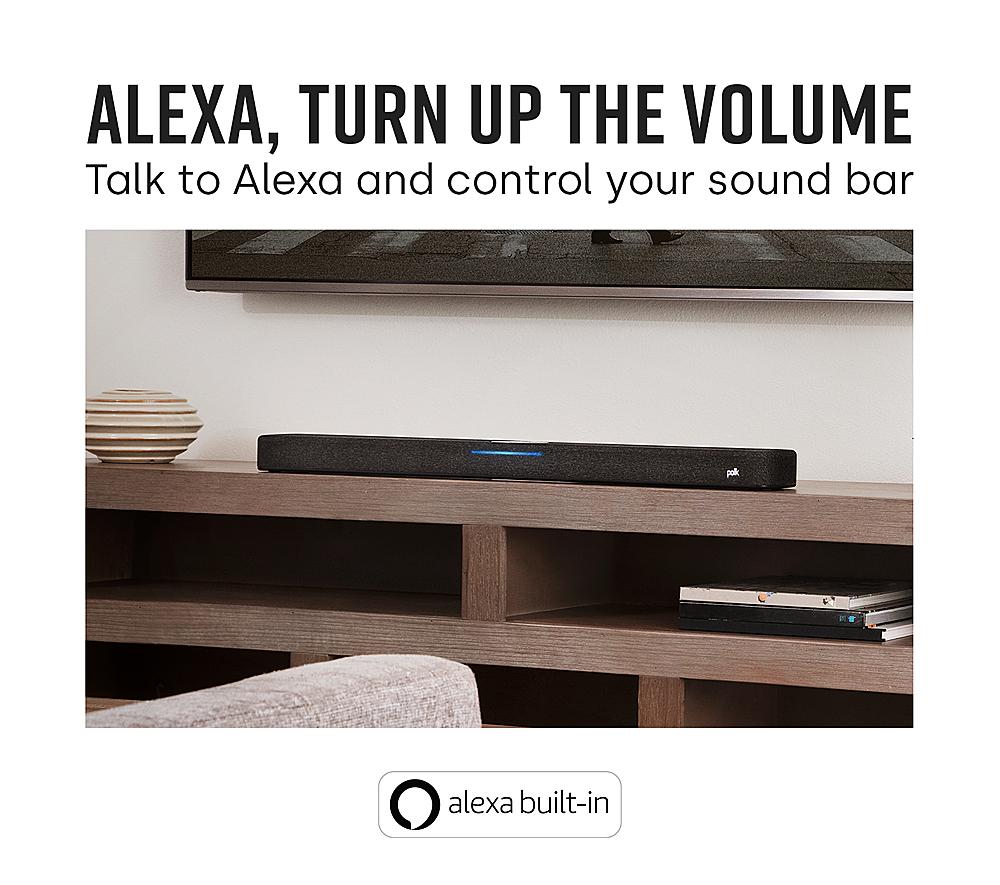
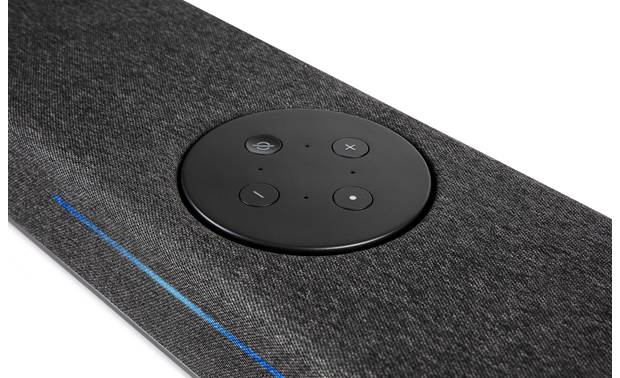
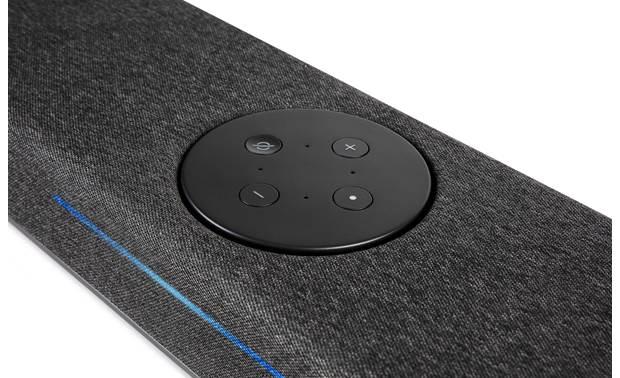
The Polk React essentially functions as a high-quality Amazon Echo with exceptional audio capabilities. It features four far-field microphones that can hear your voice commands even when music is playing loudly. This integration goes beyond basic voice control – you can use it for Alexa Calling, controlling smart home devices, and accessing Amazon's music services.
The multi-room audio capability is particularly impressive. You can group the React with other Alexa devices to play synchronized music throughout your home. For families already invested in the Amazon ecosystem, this functionality adds significant value beyond pure audio performance.
However, there are limitations. The React's smart features are tied to Amazon's ecosystem, so Google Assistant or Apple HomeKit users won't find much value here. Additionally, voice commands for audio adjustment work well, but they're not always faster than using a remote control.
The Signa S4 deliberately avoids built-in smart features, instead focusing entirely on audio quality. This might seem like a drawback, but it reflects a thoughtful design philosophy. Smart features can become obsolete quickly – just ask anyone who bought a soundbar with built-in Chromecast Audio support before Google discontinued it.
By omitting smart features, Polk could dedicate more of the S4's $299 budget to audio components. The result is a soundbar that sounds significantly better than most competitors with similar smart capabilities.
The S4's Dolby Atmos certification isn't just marketing – it represents genuine technical achievement at this price point. True Atmos requires specific driver placement and processing capabilities. The S4's two up-firing drivers are precisely angled to bounce sound off standard 8-10 foot ceilings effectively.
The system processes Atmos metadata – information embedded in soundtracks that tells speakers exactly where to place each sound element in three-dimensional space. When a helicopter moves across the screen, the metadata instructs the height channels to create movement overhead while the front channels handle the visual tracking.
This contrasts sharply with the React's virtual surround processing, which uses psychoacoustic tricks to simulate directional sound. While impressive for a 2.1 system, it cannot create genuine overhead effects because it lacks the necessary hardware.
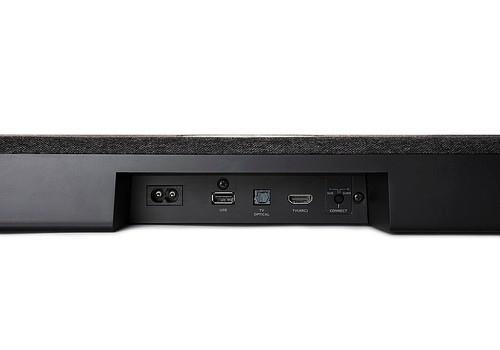
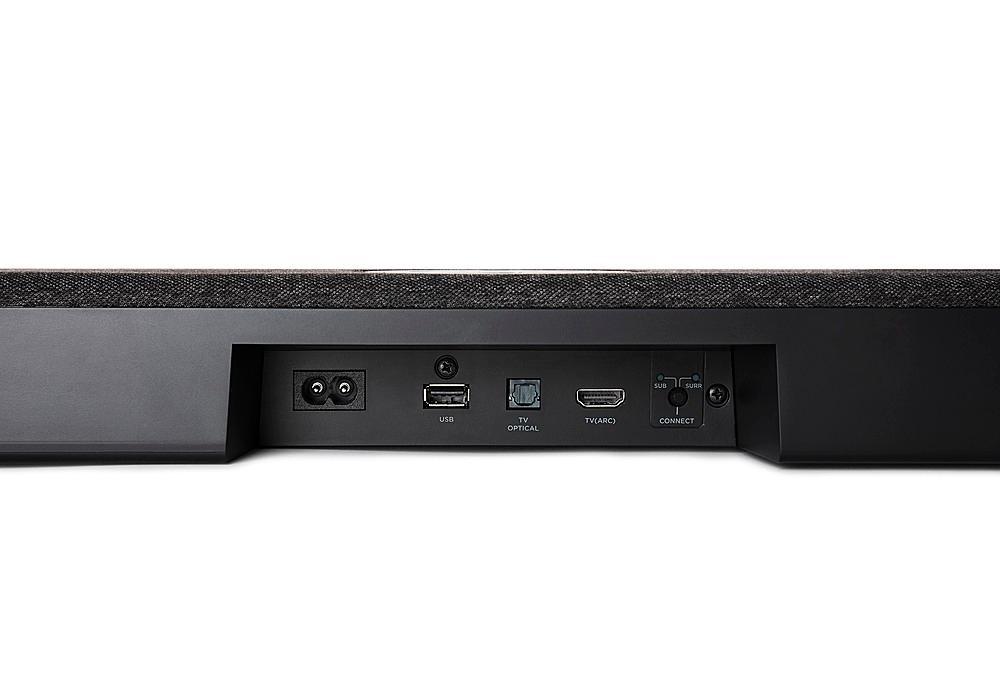
Both soundbars support HDMI ARC (Audio Return Channel), but the S4's eARC support provides crucial advantages. Standard ARC compresses Dolby Atmos signals, potentially degrading audio quality. eARC maintains full bandwidth, ensuring you receive uncompressed Atmos audio from streaming services and 4K Blu-rays.
This technical difference matters more as content quality improves. Netflix has been upgrading its Atmos mixing, and Disney+ releases often feature reference-quality sound design. With standard ARC, you're not getting the full experience the content creators intended.
For dedicated movie watching, the Signa S4's advantages become clear. The combination of Dolby Atmos processing, dedicated center channel, and included subwoofer creates an engaging experience that rivals much more expensive systems. Action movies benefit most dramatically – the height effects in "Mad Max: Fury Road" or the spatial audio in "A Quiet Place" gain new dimensions.
The S4's Night Mode deserves special mention. It compresses dynamic range, making quiet dialogue easier to hear while preventing loud effects from disturbing others. This feature has become essential for apartment living or late-night viewing.
The React excels in scenarios where convenience trumps pure performance. Voice control becomes genuinely useful when your hands are full or you're across the room. The ability to ask Alexa to "play jazz music" or "turn up the volume" feels natural and responsive.
For families using multiple Amazon devices, the React's multi-room capabilities create a cohesive ecosystem. You can start music in the living room and have it follow you to other rooms equipped with Echo devices.
The Signa S4 at $299 includes everything needed for a complete Dolby Atmos experience. Comparable systems from Samsung or Sony typically cost $400-500 and don't always include subwoofers. The S4's price-to-performance ratio is exceptional, particularly considering the wireless subwoofer inclusion.
The React's $230 base price seems attractive, but adding the necessary subwoofer brings the total to React territory – around $330-350. At that point, you're paying more for less audio performance, though you do gain smart features unavailable on the S4.
From a long-term value perspective, audio quality improvements tend to age better than smart features. The S4's Dolby Atmos capability will remain relevant as content libraries continue expanding, while smart features may become obsolete as technology evolves.
In dedicated home theater setups, the Signa S4's technical advantages become even more pronounced. Dolby Atmos content is specifically mixed for theatrical presentation, and the S4's ability to reproduce these effects enhances the cinema-like experience.
Room acoustics play a crucial role in Atmos performance. The S4 works best in rooms with standard ceiling heights (8-10 feet) and minimal sound-absorbing materials directly overhead. Vaulted or textured ceilings can scatter the up-firing effects, reducing their impact.
The React fits better in multi-purpose living spaces where the soundbar serves double duty as both entertainment audio and background music system. Its smart features shine in casual listening scenarios, though it won't match the S4's cinematic capabilities.
Choose the Polk Audio Signa S4 if you prioritize audio quality above all else. It's ideal for movie enthusiasts, gamers who want immersive audio, and anyone seeking the best possible sound experience at this price point. The included subwoofer and Dolby Atmos capability provide exceptional value for dedicated entertainment viewing.
Consider the Polk Audio React if smart home integration is crucial to your daily routine. It makes sense for Amazon ecosystem users who want voice control convenience and multi-room audio capabilities. However, budget for the additional subwoofer if bass performance matters to you.
The choice ultimately depends on your priorities: the S4 delivers 70% better audio performance for 30% more money, while the React offers unique smart features unavailable elsewhere in this price range. For pure entertainment value, the S4 wins decisively. For smart home convenience, the React remains compelling despite its audio limitations.
Both represent solid values within their respective approaches, but they serve distinctly different user needs. Consider your primary use case carefully – your decision should align with whether you value cutting-edge audio technology or smart home integration more highly.
| Polk Audio Signa S4 ($299) | Polk Audio React ($230) |
|---|---|
| Audio Configuration - Determines immersion level and dialogue clarity | |
| 3.1.2-channel Dolby Atmos certified with dedicated center channel and height speakers | 2.1-channel virtual surround with no dedicated center or height channels |
| Subwoofer Inclusion - Critical for full bass impact in movies | |
| Wireless 5.9" subwoofer included with BassAdjust technology | No subwoofer included (optional wireless sub adds $100+) |
| Dolby Atmos Support - Essential for overhead sound effects in modern content | |
| True Dolby Atmos with up-firing drivers for genuine 3D audio | No Atmos support, relies on virtual surround processing |
| Voice Assistant Integration - Adds smart home control convenience | |
| No built-in voice assistant (relies on TV or external devices) | Built-in Amazon Alexa with 4 far-field microphones |
| Dialogue Enhancement Technology - Crucial for clear speech understanding | |
| VoiceAdjust™ with dedicated center channel for precise vocal control | Standard Voice Adjust technology without dedicated center channel |
| HDMI Connectivity - Affects audio quality from high-end sources | |
| HDMI eARC support for uncompressed Dolby Atmos passthrough | HDMI ARC only (compresses Atmos signals if present) |
| Smart Features - Determines integration with connected home ecosystem | |
| Audio-focused design with no streaming apps or voice control | Multi-room audio, Alexa calling, smart home control, music streaming |
| Release Timeline - Indicates how current the technology is | |
| Released late 2023 with latest Atmos processing technology | Released 2020, focused on early smart speaker integration |
| Complete System Value - What you get for the price | |
| Full 3.1.2 Atmos system ready out of box at $299 | Basic 2.1 system at $230, requires $100+ subwoofer for comparable bass |
The Polk Audio Signa S4 ($299) is significantly better for movies due to its Dolby Atmos support and 3.1.2-channel configuration. It creates genuine overhead sound effects and has a dedicated center channel for clearer dialogue. The Polk Audio React ($230) only offers virtual surround sound without height effects, making it less immersive for cinematic content.
Yes, the Polk Audio Signa S4 ($299) includes a wireless 5.9-inch subwoofer in the box with BassAdjust technology. The Polk Audio React ($230) does not include a subwoofer and requires purchasing one separately for around $100 additional if you want deep bass response.
The Polk Audio React ($230) has extensive smart features including built-in Amazon Alexa, voice control, multi-room audio, and smart home integration. The Polk Audio Signa S4 ($299) has no built-in smart features or voice assistant, focusing entirely on audio performance instead.
The Polk Audio React ($230) costs $70 less than the Polk Audio Signa S4 ($299). However, adding a subwoofer to the React brings the total cost to around $330-350, making the S4 the better value for complete audio performance.
No, the Polk Audio Signa S4 ($299) does not have built-in voice control capabilities. You would need to use your TV's remote or a separate voice assistant device. The Polk Audio React ($230) has built-in Alexa with four far-field microphones for hands-free voice control.
The Polk Audio Signa S4 ($299) offers superior dialogue clarity thanks to its dedicated center channel and advanced VoiceAdjust™ technology. The Polk Audio React ($230) has basic Voice Adjust technology but lacks a dedicated center channel, making dialogue less focused and clear.
Only the Polk Audio Signa S4 ($299) supports true Dolby Atmos with certified 3.1.2-channel processing and up-firing height speakers. The Polk Audio React ($230) does not support Dolby Atmos and instead uses virtual surround sound processing for spatial audio effects.
The Polk Audio Signa S4 ($299) is far better for dedicated home theater use due to its Dolby Atmos capability, included subwoofer, and superior audio performance. The Polk Audio React ($230) works better in casual living room settings where smart features and voice control are priorities over pure audio quality.
Yes, both soundbars have HDMI connectivity, but the Polk Audio Signa S4 ($299) supports HDMI eARC for uncompressed audio signals, while the Polk Audio React ($230) only supports standard HDMI ARC. This means the S4 can receive higher quality audio from compatible TVs and sources.
For pure music quality, the Polk Audio Signa S4 ($299) delivers better performance with its superior driver array and included subwoofer. However, the Polk Audio React ($230) offers more convenience for music streaming with built-in Alexa, voice control, and multi-room audio capabilities.
The Polk Audio Signa S4 ($299) is excellent for gaming due to its Dolby Atmos support and low-latency HDMI eARC connection, providing immersive 3D audio for compatible games. The Polk Audio React ($230) works for gaming but lacks the dimensional audio effects that enhance modern gaming experiences.
Choose the Polk Audio Signa S4 ($299) if you prioritize audio quality, watch lots of movies, or want the best sound experience for the money. Choose the Polk Audio React ($230) if you need smart home integration, prefer voice control convenience, and primarily use your soundbar for casual TV watching and music streaming.
We've done our best to create useful and informative comparisons to help you decide what product to buy. Our research uses advanced automated methods to create this comparison and perfection is not possible - please contact us for corrections or questions. These are the sites we've researched in the creation of this article: soundandvision.com - audioholics.com - crutchfield.com - cnet.com - richersounds.com - crutchfield.com - rtings.com - polkaudio.com - walmart.com - polkaudio.com - crutchfield.com - youtube.com - profx.com - techradar.com - crutchfield.com - popsci.com - youtube.com - tomsguide.com - bestbuy.com - polkaudio.com - crutchfield.com - forum.polkaudio.com - soundunited.com - youtube.com

Privacy Policy
Terms and Conditions - Affiliate Policy
Home Security
© Copyright 2008-2026.
11816 Inwood Rd #1211, Dallas, TX 75244