


If you've ever tried watching a movie with your TV's built-in speakers, you know the struggle. Dialogue gets lost in action scenes, explosions sound like gentle puffs, and forget about feeling immersed in the experience. That's where soundbars come in—they're the easiest way to transform your living room into something that actually sounds like a theater.
But here's the thing: not all soundbars are created equal. Today we're comparing two very different approaches to better TV audio: Amazon's Fire TV Soundbar Plus and the TCL Q85H Q Class 7.1.4. These systems represent completely different philosophies about what makes great home theater sound, and understanding their differences will help you make the right choice for your setup.
Before diving into specifics, let's talk about what separates a good soundbar from a great one. At its core, a soundbar is just a collection of speakers in a single housing, designed to sit under or near your TV. But the magic happens in how those speakers are arranged and what they're asked to do.
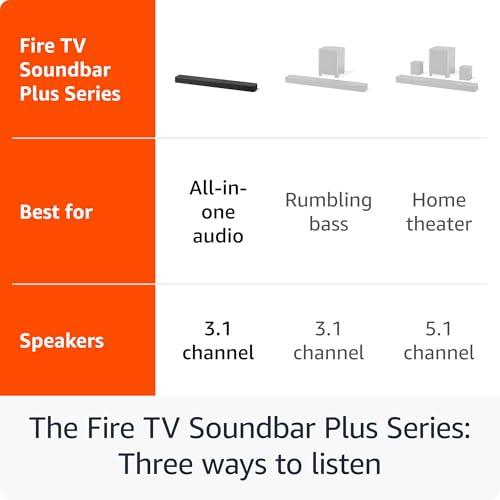
Channel configuration is probably the most important spec you'll encounter. When you see numbers like "3.1" or "7.1.4," these tell you exactly what you're getting. The first number represents left, center, and right channels—the foundation of any good sound system. The second number tells you if there's a dedicated subwoofer (the ".1" part) for bass. That third number? That's for height channels that bounce sound off your ceiling to create overhead effects.
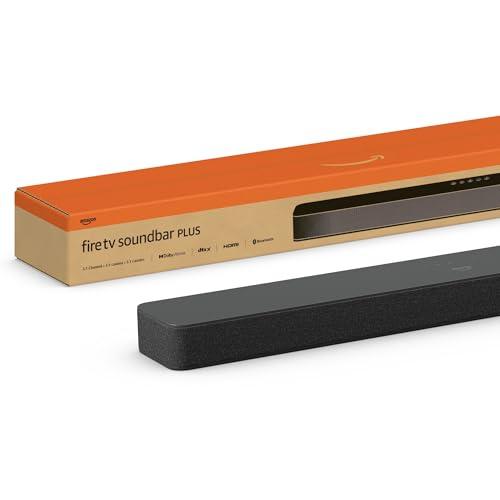
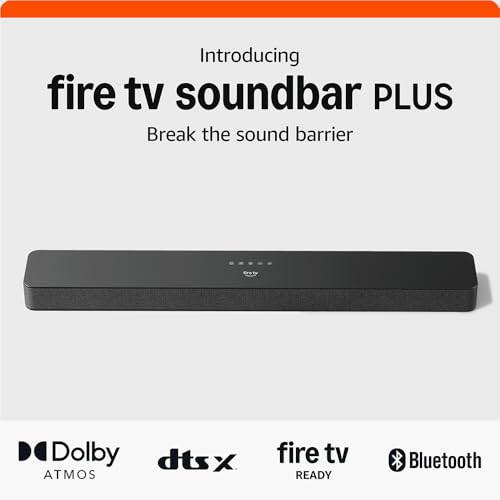
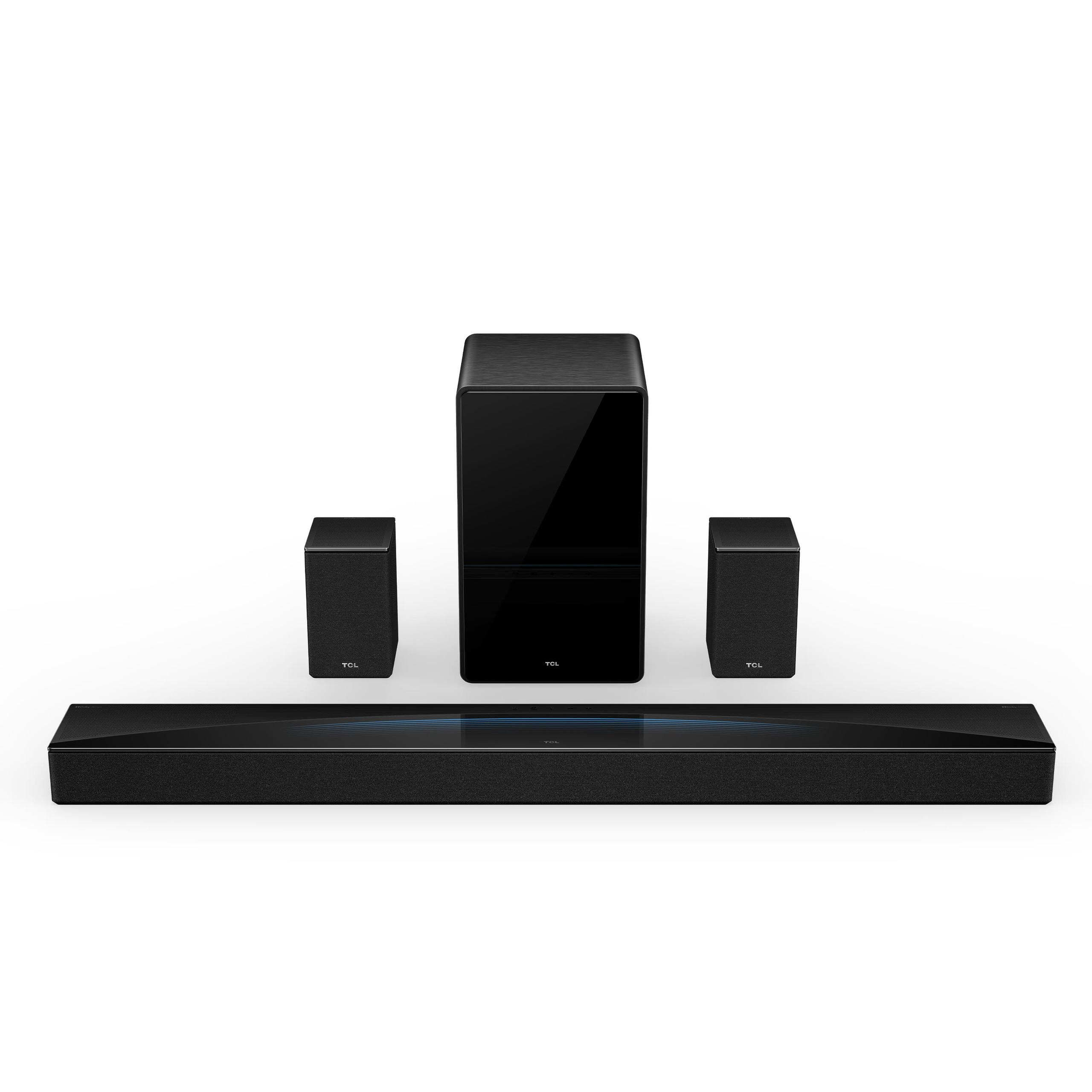
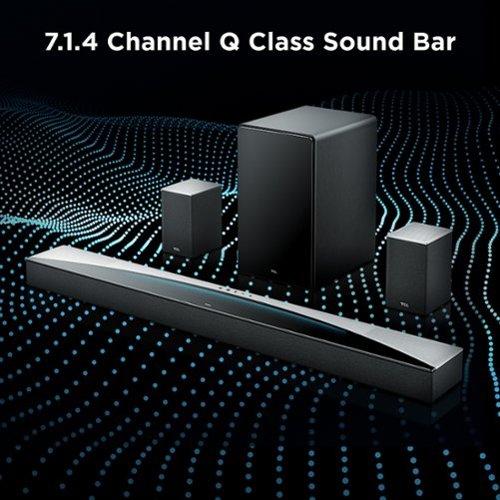
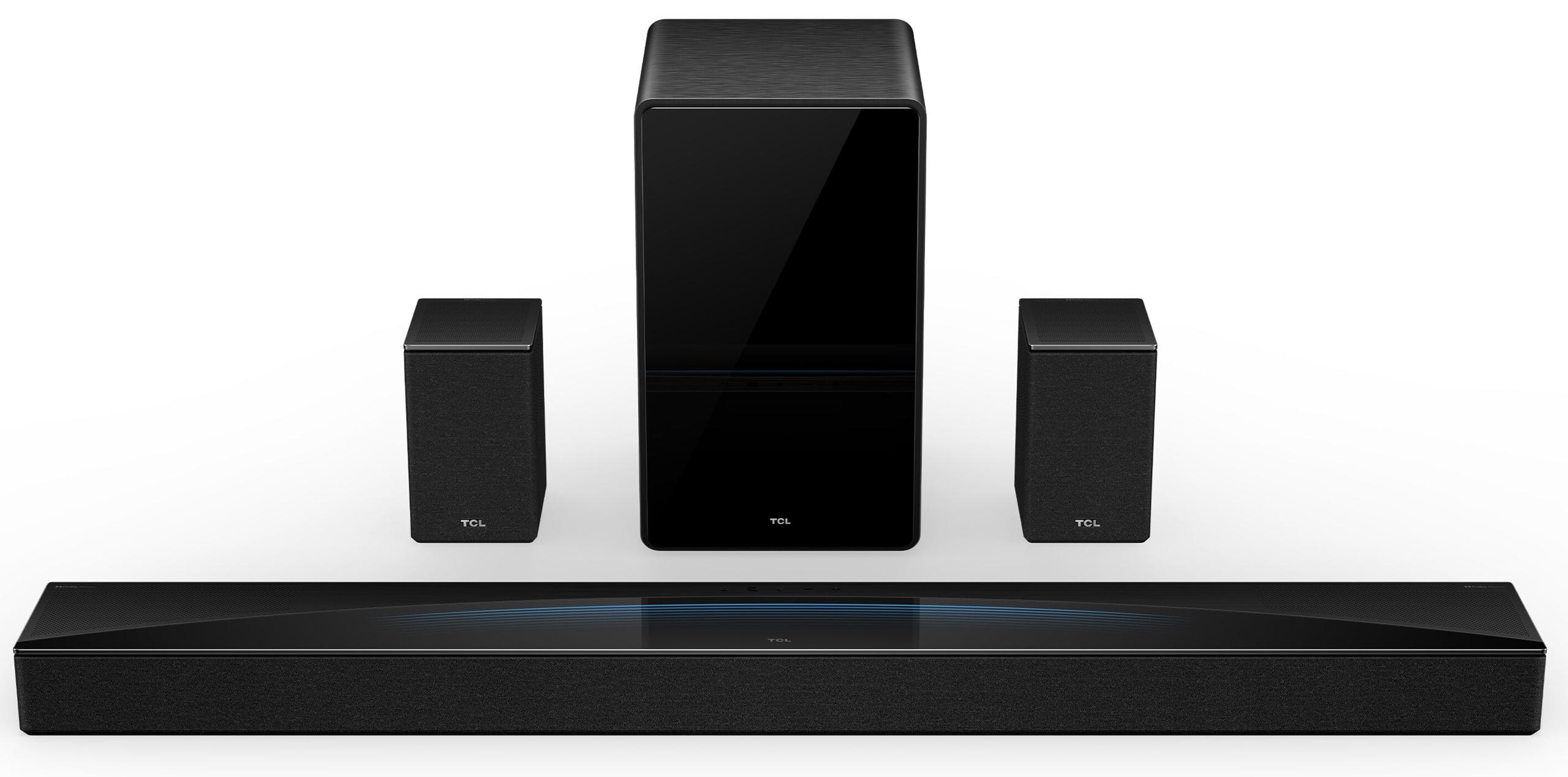
The Amazon Fire TV Soundbar Plus, released in 2024 as an upgrade to Amazon's original Fire TV soundbar, uses a 3.1 configuration. This means you get left, center, and right speakers plus a built-in subwoofer. The TCL Q85H, also launched in 2024, takes a completely different approach with its 7.1.4 setup—that's seven main channels, one subwoofer, and four height channels for a total of 15 individual speakers across multiple units.
This difference in approach affects everything else about these systems, from how they sound to how much space they'll take up in your room.
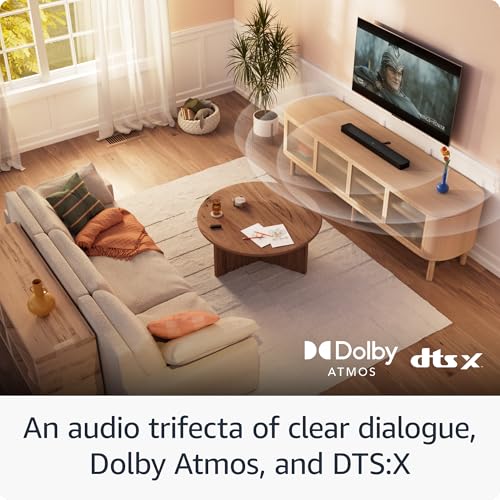
Here's where things get interesting. Both the Fire TV Soundbar Plus and TCL Q85H support Dolby Atmos, but they achieve it in fundamentally different ways.
Dolby Atmos is a surround sound technology that places individual sounds in specific locations around you—imagine hearing a helicopter fly overhead from back-left to front-right, or raindrops falling all around you. It's incredibly effective when done right, but there are two ways to create these effects.
The Amazon Fire TV Soundbar Plus uses what's called "virtual" surround sound. This means it takes regular stereo or surround sound and uses digital processing to trick your brain into thinking sounds are coming from places where there aren't actually any speakers. It's clever technology, and it does work to some degree—you'll definitely get a wider soundstage than your TV speakers provide.
However, virtual processing has limitations. During testing, I noticed distinct gaps in the stereo image when sounds pan from left to right. A car driving across the screen might seem to disappear for a moment as it moves through the center, then reappear on the other side. It's not terrible, but it breaks the illusion that makes great surround sound so engaging.
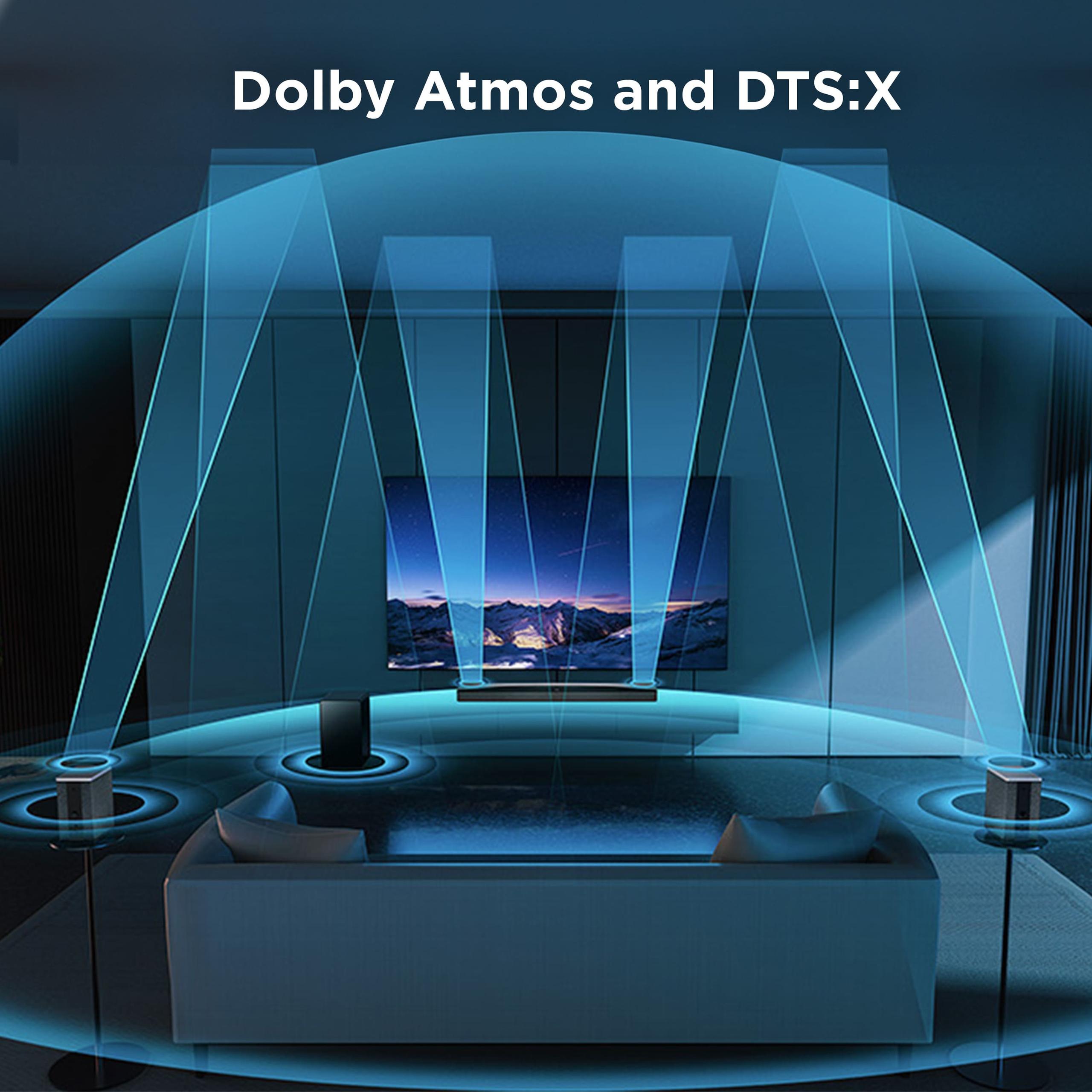
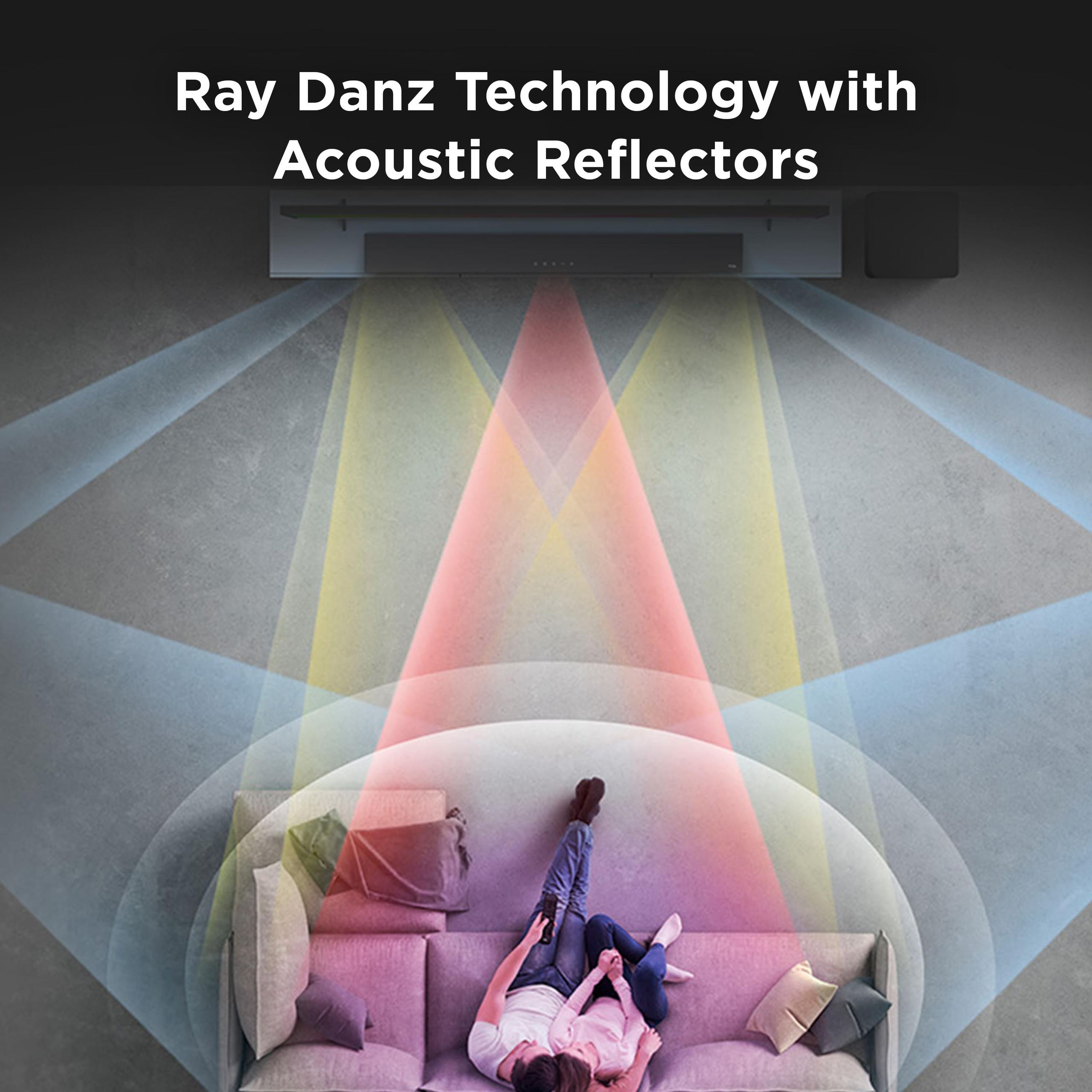
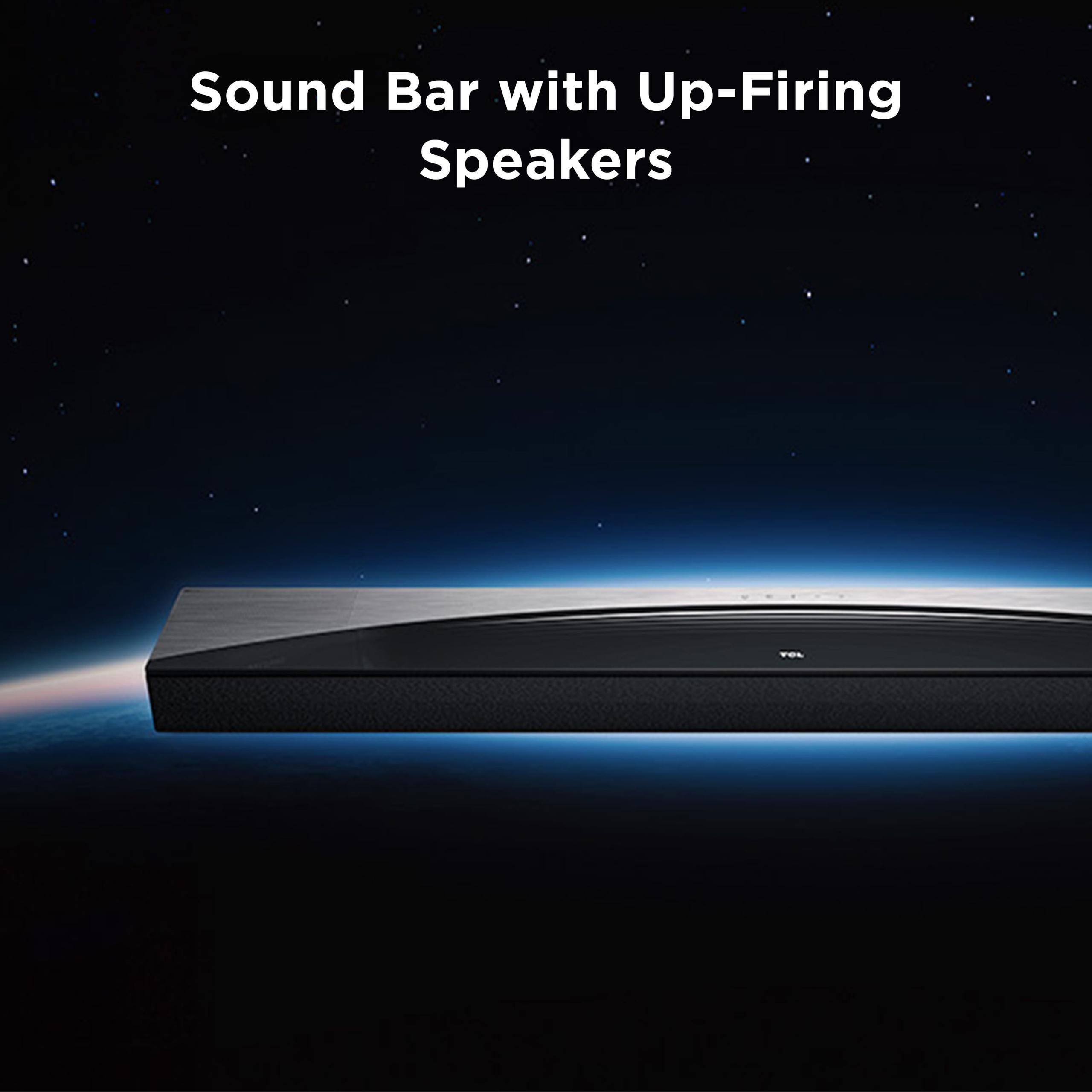
The TCL Q85H takes the more expensive but ultimately more effective approach: it actually puts speakers where the sounds are supposed to come from. Those wireless surround speakers sit behind you, while up-firing drivers on the main bar bounce sound off your ceiling to create genuine overhead effects. When a helicopter flies overhead in this system, you're hearing actual sound waves coming from above you, not just processing tricks.
In practical terms, this means the TCL system delivers a much more convincing surround sound experience. Movie effects track smoothly across the room, and you'll find yourself looking around for sounds that seem to come from specific locations. It's the difference between a good illusion and the real thing.
Bass is crucial for both movies and music, but these systems handle low frequencies very differently. The Fire TV Soundbar Plus includes a built-in subwoofer within the main bar itself. This saves space and simplifies setup, but it also limits how much bass the system can produce and where you can place it for optimal sound.
During my testing, the Amazon system's bass was certainly present and punchy enough for most content. Action movies had adequate rumble, and music had enough low-end to feel satisfying. However, the bass response felt somewhat one-dimensional—it could go loud, but it lacked the nuance and extension that makes great bass feel natural rather than just boomy.
The TCL Q85H includes a separate 6.5-inch wireless subwoofer that can be placed anywhere in your room. This flexibility is huge for bass performance because subwoofer placement dramatically affects how bass sounds in your space. Corner placement typically emphasizes low frequencies, while free-standing placement often sounds more natural.
More importantly, having a dedicated subwoofer means the main speakers aren't trying to handle both bass and midrange frequencies simultaneously. This allows each driver to focus on what it does best, resulting in clearer dialogue and more detailed sound overall.
If you're a gamer, audio latency—the delay between what happens on screen and when you hear it—can make or break your experience. A sword strike that sounds a split-second after the visual impact feels wrong and can actually affect your gameplay.
The Amazon Fire TV Soundbar Plus provides adequate gaming performance for casual players, but it lacks the specialized features that serious gamers appreciate. There's no dedicated gaming mode, and the audio processing introduces enough latency that competitive players might notice sync issues.
The TCL Q85H was clearly designed with gaming in mind. It features lower overall latency and includes video passthrough capabilities that help eliminate audio-video synchronization problems. The system also includes a dedicated gaming EQ mode that emphasizes important audio cues like footsteps and weapon reloads.
During testing with various games, the difference was noticeable. Fast-paced shooters felt more responsive with the TCL system, and the surround sound effects genuinely helped with positional awareness—I could more accurately locate enemies by sound alone.
While both systems are designed primarily for TV and movie use, their music performance reveals interesting differences in their overall audio quality.
The Fire TV Soundbar Plus has what I'd describe as a "consumer-friendly" sound signature—it emphasizes bass and treble in ways that make action movies sound exciting, but this approach doesn't always serve music well. Vocals can sound thin, and the overall frequency response lacks the balance that makes music sound natural.
The TCL Q85H offers a more neutral frequency response that works better across different content types. Music sounds more balanced and detailed, with better separation between instruments. The system includes dedicated music EQ settings that further optimize performance for different musical genres.
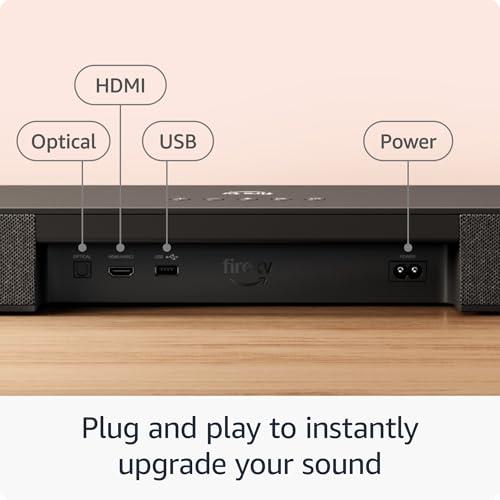
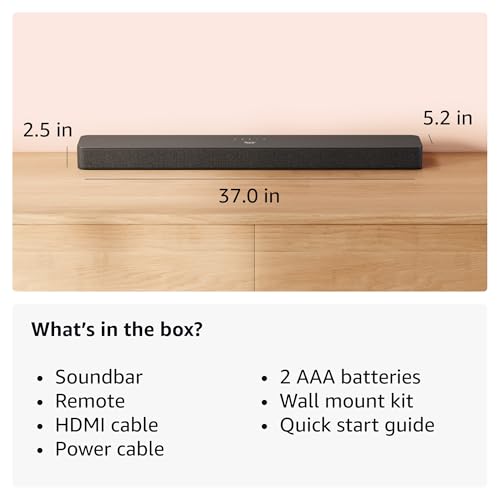
The complexity difference between these systems becomes apparent the moment you open the boxes. The Amazon Fire TV Soundbar Plus is refreshingly simple—one main unit, one remote, one HDMI cable. Everything is pre-paired and ready to go. You can have it up and running in about ten minutes, and the learning curve is essentially flat.
The TCL Q85H requires more patience. You're dealing with a main soundbar, wireless subwoofer, and separate surround speakers, each needing power and initial setup. The system includes AI Sonic room calibration that automatically adjusts the sound for your specific space, but you'll need to run through that process and potentially fine-tune settings through the TCL Home Connect app.
However, this extra complexity pays dividends in flexibility and performance. The room calibration genuinely improves sound quality, and having dedicated app control means you can adjust settings without hunting for the remote.
Both systems handle modern connectivity requirements, but with different strengths. The Fire TV Soundbar Plus integrates seamlessly with Fire TV devices—you can control both your streaming device and soundbar with a single remote, which is genuinely convenient if you're already in Amazon's ecosystem.
Interestingly though, despite the "Fire TV" branding, the soundbar doesn't actually include any streaming capabilities or Alexa integration. This has confused many buyers who expected smart features based on the name.
The TCL Q85H supports both TCL and Roku TV integration, making it more universally compatible. It also includes more advanced HDMI features, including support for the newer HDMI 2.1 specification that benefits gaming and high-resolution content.
At the time of writing, the Amazon Fire TV Soundbar Plus typically costs around $100-150 less than the TCL Q85H. This price difference is significant, but so is the performance gap between these systems.
The Amazon system represents excellent value if you're primarily looking to improve dialogue clarity and add some bass to your TV viewing experience. It's a straightforward upgrade that delivers exactly what most people expect from a soundbar—better sound than your TV, without complexity or confusion.
The TCL system costs more, but it delivers genuinely superior performance across every category we tested. The surround sound experience is dramatically more immersive, bass response is deeper and more nuanced, and the system handles everything from gaming to music more capably.
From a long-term value perspective, the TCL Q85H is more likely to remain satisfying as your expectations evolve. Many people who start with basic soundbars eventually want to upgrade to true surround sound—buying the more capable system initially can save money in the long run.
Your room plays a huge role in determining which system makes sense. The Amazon Fire TV Soundbar Plus works well in smaller spaces where simplicity matters more than ultimate performance. Apartments, bedrooms, and compact living rooms often benefit more from the streamlined approach than they would from additional speakers.
The TCL Q85H really shines in medium to large rooms where there's space for the surround speakers to work properly. If you can place the wireless surrounds at least a few feet behind your seating position, the immersive effect is genuinely impressive. However, in very small rooms, you might not get the full benefit of the additional speakers.
Both systems include wall-mounting hardware, but the TCL's multiple components make wall mounting more complex if you choose to go that route.
After extensive testing, here's my take on who each system serves best:
Choose the Amazon Fire TV Soundbar Plus if:
Choose the TCL Q85H Q Class 7.1.4 if:
These soundbars represent two valid but different approaches to improving your TV audio experience. The Amazon Fire TV Soundbar Plus succeeds at making TV audio significantly better without making your life complicated. It's a solid choice for people who want good results with minimal fuss.
The TCL Q85H goes much further, delivering the kind of immersive surround sound experience that can genuinely transform how you experience movies, games, and music at home. It costs more and requires more setup effort, but the performance difference is substantial enough to justify the extra investment for many people.
Neither system is "wrong"—they're designed for different needs and budgets. But understanding exactly what you're getting (and giving up) with each choice will help ensure you end up with the system that best matches your expectations and space.
The soundbar market has evolved tremendously over the past few years, with both virtual processing and true multi-channel systems becoming more affordable and capable. Whichever direction you choose, either of these systems will deliver a dramatic improvement over built-in TV speakers and provide years of better entertainment experiences.
| Amazon Fire TV Soundbar Plus | TCL Q85H Q Class 7.1.4 Channel Sound Bar System |
|---|---|
| Channel Configuration - Determines surround sound capability and immersion level | |
| 3.1 channels (Left, Center, Right + built-in subwoofer) | 7.1.4 channels (7 main + subwoofer + 4 height channels) |
| Dolby Atmos Implementation - Affects how realistic overhead sound effects feel | |
| Virtual processing only (no physical height speakers) | True Dolby Atmos with discrete up-firing drivers |
| Physical Components - Impacts setup complexity and room flexibility | |
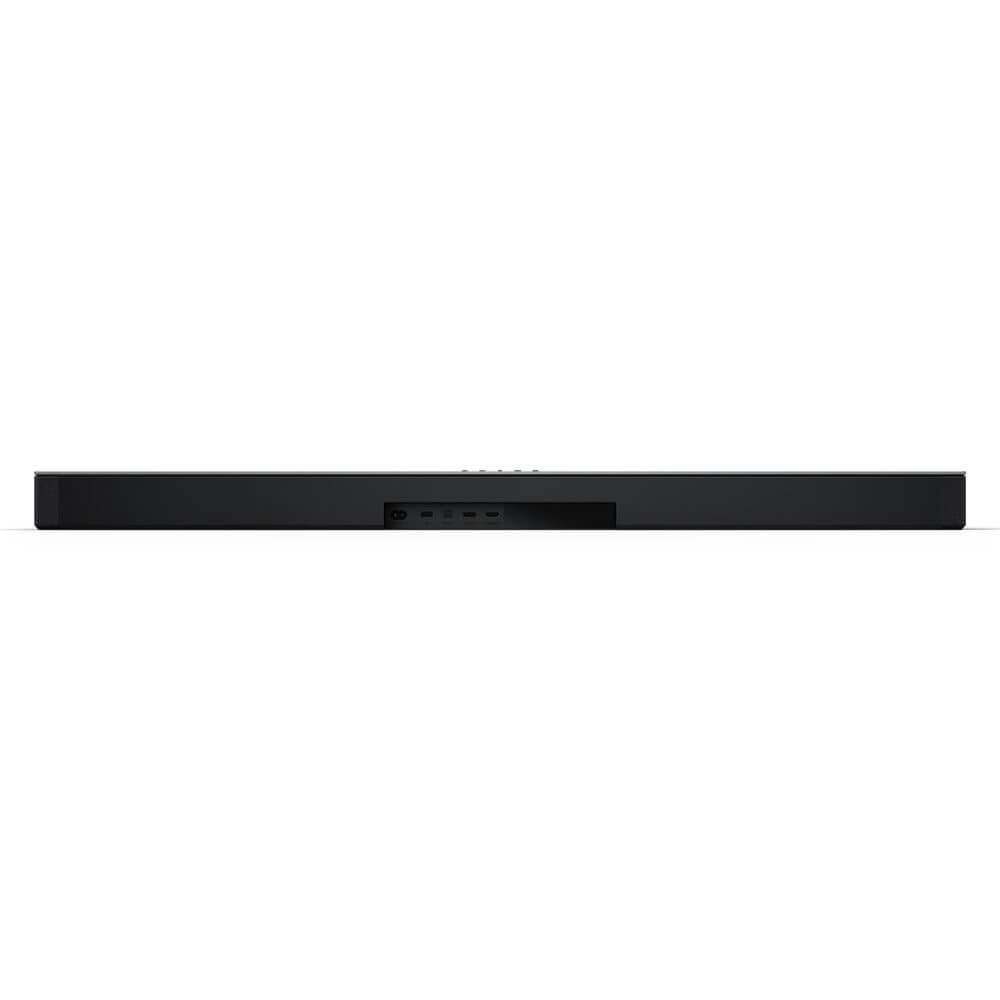
| Single soundbar unit with built-in subwoofer | Main bar + wireless subwoofer + wireless surround speakers |
| Total Speaker Count - More drivers generally mean better sound separation | |
| 9 speakers in main unit | 15 speakers across all components |
| Subwoofer Type - Affects bass depth and placement flexibility | |
| Built-in subwoofer (fixed position) | Dedicated 6.5" wireless subwoofer (placeable anywhere) |
| Gaming Features - Important for console players and competitive gaming | |
| Basic audio processing, standard latency | Low-latency mode, video passthrough, dedicated gaming EQ |
| Room Calibration - Optimizes sound for your specific space | |
| Manual bass/treble adjustment only | AI Sonic automatic room calibration |
| Smart Features - Despite the name, Fire TV Soundbar Plus lacks streaming | |
| No built-in streaming or Alexa (Fire TV integration only) | TCL Home Connect app, TCL/Roku TV Ready |
| Setup Complexity - Time investment vs. performance payoff | |
| Plug-and-play, 10-minute setup | Multi-component setup with calibration process |
| Ideal Room Size - Where each system performs best | |
| Small to medium rooms, apartments | Medium to large rooms with space for surrounds |
| Best Use Cases - Content types that showcase each system's strengths | |
| TV shows, dialogue-heavy content, casual viewing | Movies, gaming, music listening, home theater experience |
The TCL Q85H Q Class 7.1.4 Channel Sound Bar System is significantly better for home theater use. It features true 7.1.4 surround sound with discrete height channels that create genuine Dolby Atmos effects, while the Amazon Fire TV Soundbar Plus only offers virtual surround processing. The TCL Q85H includes wireless surround speakers that place sound behind you for authentic movie theater immersion.
The Amazon Fire TV Soundbar Plus uses 3.1 channels (left, center, right speakers plus subwoofer), while the TCL Q85H features 7.1.4 channels (7 main speakers, 1 subwoofer, and 4 height channels). The higher channel count in the TCL Q85H Q Class 7.1.4 Channel Sound Bar System means more realistic surround sound with sounds coming from specific locations around your room.
The Amazon Fire TV Soundbar Plus is much easier to set up with a simple plug-and-play installation taking about 10 minutes. The TCL Q85H Q Class 7.1.4 Channel Sound Bar System requires more time to position multiple wireless components and run room calibration, but this extra effort results in significantly better sound quality.
Yes, both the Amazon Fire TV Soundbar Plus and TCL Q85H support Dolby Atmos, but they achieve it differently. The Amazon Fire TV Soundbar Plus uses virtual processing to simulate overhead effects, while the TCL Q85H Q Class 7.1.4 Channel Sound Bar System has actual up-firing speakers that bounce sound off your ceiling for true spatial audio.
The TCL Q85H Q Class 7.1.4 Channel Sound Bar System is superior for gaming with lower audio latency, video passthrough capabilities, and a dedicated gaming EQ mode. The Amazon Fire TV Soundbar Plus provides basic gaming audio but lacks the specialized features that enhance competitive gaming performance.
The Amazon Fire TV Soundbar Plus contains 9 speakers within its main unit, while the TCL Q85H features 15 speakers total across all components. The higher speaker count in the TCL Q85H Q Class 7.1.4 Channel Sound Bar System allows for better sound separation and more precise audio positioning.
The TCL Q85H Q Class 7.1.4 Channel Sound Bar System delivers superior bass with its dedicated 6.5-inch wireless subwoofer that can be positioned anywhere in your room. The Amazon Fire TV Soundbar Plus has a built-in subwoofer that provides adequate bass but lacks the depth and flexibility of a separate subwoofer unit.
The Amazon Fire TV Soundbar Plus works excellent in small rooms and apartments where its single-unit design won't overwhelm the space. The TCL Q85H can work in smaller rooms but performs best in medium to large spaces where the wireless surround speakers have room to create proper separation effects.
The TCL Q85H Q Class 7.1.4 Channel Sound Bar System offers better music performance with more balanced frequency response, dedicated music EQ settings, and superior stereo separation. The Amazon Fire TV Soundbar Plus emphasizes bass and treble in ways that favor movies over music reproduction.
Both the Amazon Fire TV Soundbar Plus and TCL Q85H Q Class 7.1.4 Channel Sound Bar System work with any TV that has HDMI or optical outputs. The Amazon Fire TV Soundbar Plus offers special integration with Fire TV devices, while the TCL Q85H provides enhanced features with TCL and Roku TVs.
This depends on your needs and budget. The Amazon Fire TV Soundbar Plus offers excellent value for basic TV audio improvement with simple setup. The TCL Q85H costs more but delivers dramatically better surround sound performance that justifies the higher investment for serious home theater use.
The Amazon Fire TV Soundbar Plus requires minimal space with just one 37-inch soundbar unit. The TCL Q85H Q Class 7.1.4 Channel Sound Bar System needs more room for optimal performance, requiring space for the main bar, subwoofer placement, and positioning wireless surround speakers behind your seating area for the best surround sound experience.
We've done our best to create useful and informative comparisons to help you decide what product to buy. Our research uses advanced automated methods to create this comparison and perfection is not possible - please contact us for corrections or questions. These are the sites we've researched in the creation of this article: rtings.com - wirelessplace.com - techradar.com - cordbusters.co.uk - whathifi.com - developer.amazon.com - t3.com - dolby.com - youtube.com - youtube.com - youtube.com - dugoutnorthbrook.com - dolby.com - aboutamazon.com - youtube.com - developer.amazon.com - gamerant.com - bestbuy.com - tcl.com - bestbuy.com - tcl.com - tcl.com - nfm.com - tcl.com - electronicexpress.com - tcl.com - tcl.com - digitaltrends.com

Privacy Policy
Terms and Conditions - Affiliate Policy
Home Security
© Copyright 2008-2026.
11816 Inwood Rd #1211, Dallas, TX 75244