





If you've been frustrated with your TV's tinny, weak sound, you're not alone. Modern TVs keep getting thinner, which means less space for decent speakers. That's where soundbars come in – they're the most popular solution for instantly upgrading your TV audio without the complexity of a full surround sound system.
Amazon jumped into the soundbar market in 2023 with their original Fire TV Soundbar, and in 2024, they refreshed the lineup with the Fire TV Soundbar Plus series. This new generation brought improved audio processing, better connectivity options, and enhanced integration with Amazon's Fire TV ecosystem. The big question many buyers face is whether to go with the standalone Amazon Fire TV Soundbar Plus or step up to the Amazon Fire TV Soundbar Plus with Subwoofer bundle.
Before diving into the comparison, let's talk about what makes a good soundbar. The key performance areas that matter most are dialogue clarity, bass response, soundstage width (how spread out the audio feels), and overall volume capability. Think of it like this: dialogue clarity keeps you from constantly adjusting volume during movies, bass response gives weight to explosions and music, soundstage creates that immersive feeling, and volume capability determines whether the soundbar can fill your room.
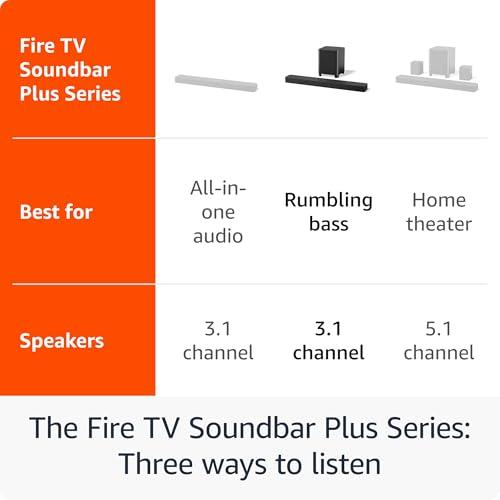
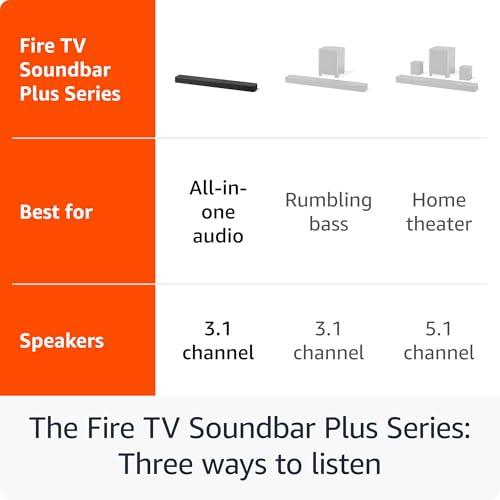
Both the standalone Fire TV Soundbar Plus and the subwoofer bundle use what's called a 3.1-channel configuration. The "3" refers to left, center, and right speakers for stereo sound and clear dialogue, while the ".1" represents low-frequency effects – basically, the bass channel. This setup prioritizes speech clarity, which is exactly what most people need when upgrading from built-in TV speakers.
At the time of writing, Amazon positioned these as mid-range options rather than budget picks, which represents a shift from their usual strategy of heavily subsidizing hardware to build ecosystem adoption. This pricing approach suggests they're confident in the audio quality relative to the competition.
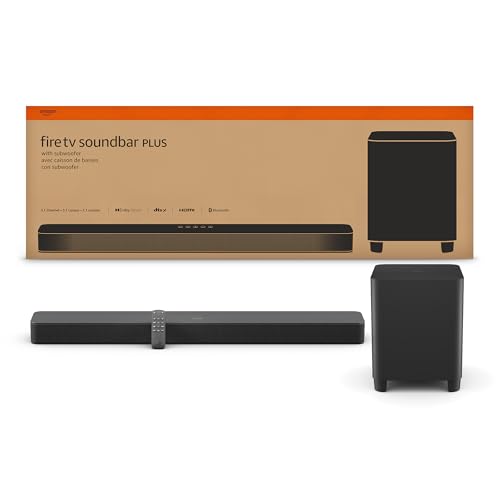
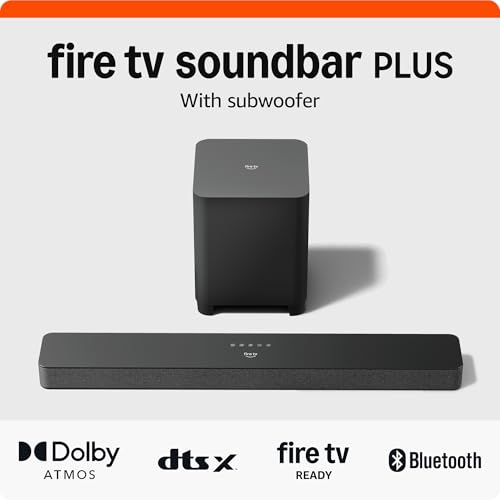
The fundamental difference between these two products comes down to how they handle bass frequencies. The standalone soundbar incorporates subwoofer drivers directly into the main unit, creating an all-in-one solution. The subwoofer bundle, meanwhile, adds a separate wireless subwoofer that handles the low-frequency heavy lifting.
Here's why this matters: bass frequencies are physically demanding to reproduce. They require moving a lot of air, which means you need either large drivers or dedicated space to let smaller drivers work efficiently. When everything is crammed into a slim soundbar, compromises are inevitable.
The standalone version makes a specific trade-off – it "exchanges low-frequency extension for more high-bass and low-mid emphasis." In practical terms, this means you'll get punchy bass for dialogue and higher-frequency bass notes, but deep, room-shaking low-end from movie explosions or electronic music won't have the same impact. It's like comparing a good bookshelf speaker to a tower speaker – both can sound great, but one has physical limitations that affect the lowest frequencies.
During testing, the differences in bass performance become immediately apparent. The standalone Fire TV Soundbar Plus delivers what I'd call "adequate" bass for most TV content. If you're watching sitcoms, dramas, or news, it provides enough low-end support to make dialogue sound full and natural. The 80-watt total power output handles small to medium rooms effectively.
However, when you switch to action movies or bass-heavy music, the limitations show. The integrated subwoofers work hard, but they can't match the physics of a larger, dedicated driver. At higher volumes, the bass becomes what reviewers describe as "flappy and thin" – it loses control and impact.
The subwoofer version changes this equation dramatically. The wireless subwoofer adds dedicated low-frequency extension that transforms movie soundtracks and music listening. When the T-Rex stomps in Jurassic Park or when the bass drops in your favorite song, you feel it rather than just hearing it. This isn't just about volume – it's about creating that visceral connection to the content that makes movies more engaging.
The subwoofer connects wirelessly and pairs automatically with the main soundbar, so setup remains simple. However, some users note that while the bass improvement is substantial, the subwoofer can sound somewhat "one note" compared to more premium systems. This means it's great at delivering impact, but it might not have the nuanced low-mid emphasis that audiophiles prefer.
Both configurations excel in dialogue reproduction, which is often the primary reason people upgrade from TV speakers. The dedicated center channel in the 3.1 setup ensures voices remain anchored to the screen rather than floating somewhere between the left and right speakers.
Amazon includes a dialogue enhancer feature with five adjustment levels, which proves genuinely useful. During busy action scenes where explosions and music might overwhelm speech, boosting the dialogue enhancer keeps conversations intelligible. This feature works identically on both the standalone version and subwoofer bundle, so dialogue quality isn't a deciding factor between them.
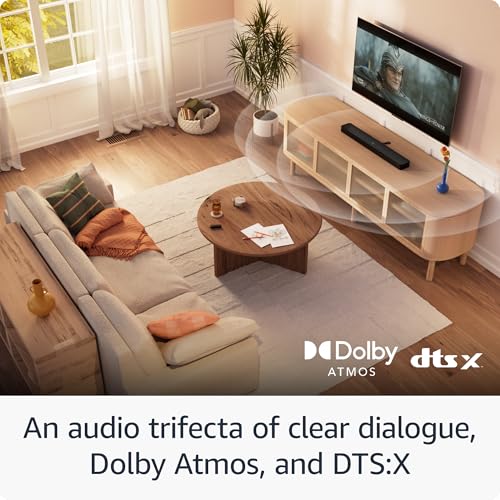
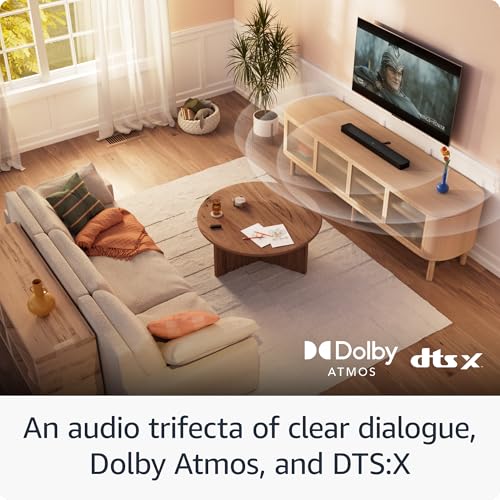
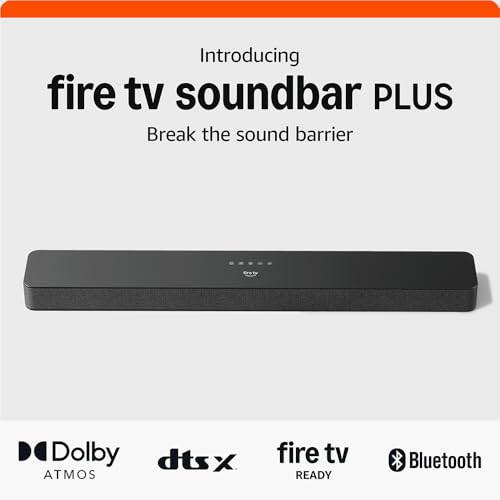
Both versions support virtual Dolby Atmos and DTS:X processing. The "virtual" part is important to understand – these soundbars don't have upward-firing drivers that bounce sound off your ceiling to create true height effects. Instead, they use digital processing to simulate spatial audio. It's like the difference between surround sound speakers placed around your room versus wearing headphones with virtual surround processing – effective, but not the same as the real thing.
The soundstage performance (how wide and immersive the audio feels) is similar between both configurations. You'll get decent left-right separation and the sense that audio extends beyond the physical width of the soundbar. However, some reviewers note gaps in the stereo image for sounds that pan between left and right, and the overall soundstage isn't as wide as you might expect from a 37-inch soundbar.
Both versions can be expanded to full 5.1 surround sound by adding optional wireless rear speakers. This expansion capability makes either choice somewhat future-proof – you're not locked into your initial configuration.
Your room size significantly impacts which version makes sense. In my experience with similar soundbar configurations, room acoustics and size often matter more than the specific brand or model.
For smaller rooms (think typical apartment living rooms or bedrooms under 200 square feet), the standalone Fire TV Soundbar Plus often provides sufficient bass response. The room boundaries naturally reinforce lower frequencies, so you don't need as much raw bass output to achieve satisfying sound. The integrated subwoofers can pressurize a smaller space effectively.
Medium to large rooms (over 200 square feet, or rooms with high ceilings and open floor plans) benefit dramatically from the dedicated subwoofer version. These spaces absorb bass energy, requiring more output to achieve the same perceived impact. The wireless subwoofer can be positioned optimally – often in a corner or along a wall where room boundaries amplify its output.
Both configurations prioritize simplicity, which aligns with Amazon's approach to consumer electronics. Everything comes pre-paired, so you literally just plug components in and they work together. The main soundbar connects to your TV via the included HDMI cable, using the ARC (Audio Return Channel) or eARC (enhanced Audio Return Channel) port. This single cable handles both audio from your TV and allows your TV remote to control basic soundbar functions.
The integration with Fire TV devices goes deeper than simple connectivity. When paired with compatible Fire TV streaming devices or TVs, you get additional audio tuning options through the TV's interface, and you can control both devices with a single remote. This ecosystem integration represents one of the key advantages of choosing Amazon's soundbars over competitors.
Neither version includes a companion app, which some users find limiting compared to brands like Sonos or Samsung that offer smartphone-based control. All adjustments happen via the included remote, which features bass and treble controls (adjustable from 1-9), four listening mode presets (Movie, Music, Sports, Night), and direct access to the dialogue enhancer.
Both soundbars include identical connectivity options: HDMI eARC for high-bandwidth audio, optical digital input for older TVs, Bluetooth 5.0 for music streaming, and a USB-A port for direct media playback. The HDMI eARC support is particularly important because it can handle higher-quality audio formats like Dolby TrueHD and DTS-HD Master Audio that you'll find on 4K Blu-rays and high-end streaming content.
The Bluetooth implementation works well for casual music listening, though audiophiles will prefer the wired connections for best quality. Both versions support the same audio formats, including Dolby Atmos, DTS:X, and various surround sound standards.
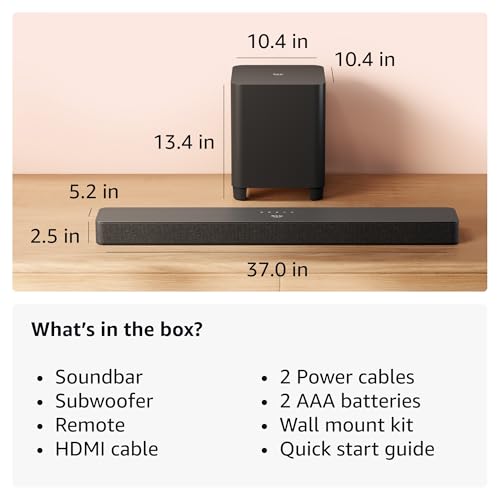
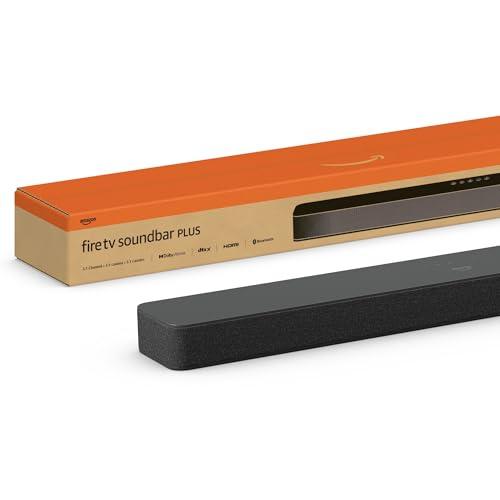
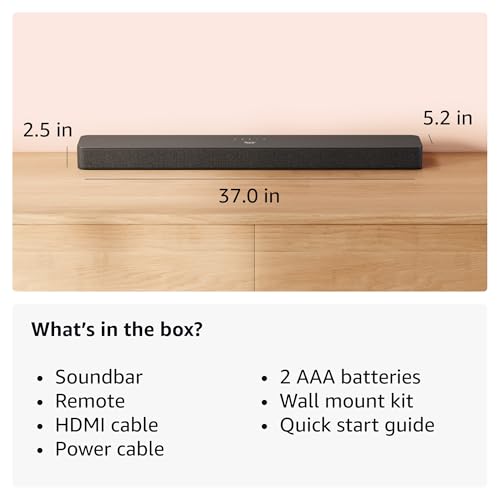
At 37 inches wide, both soundbars are sized for TVs between 50 and 65 inches. The design is understated with a matte black finish and fabric grille that blends into most home theater setups. Build quality reflects the value positioning – these aren't premium materials, but they're solid enough for typical home use.
The subwoofer version obviously requires additional floor space for the wireless subwoofer, which measures about 10.4 inches in each dimension. Subwoofer placement can affect both performance and room aesthetics, so consider whether you have appropriate space before choosing this configuration.
At the time of writing, the price premium for adding the subwoofer represents about a 50% increase over the standalone version. This pricing structure is interesting because it means the subwoofer addition costs more than many standalone subwoofers from other brands, but it includes the advantage of perfect integration and simple setup.
For most users, the subwoofer bundle offers better long-term value despite the higher initial cost. The bass improvement is substantial enough that many standalone soundbar buyers end up wanting more low-end impact later, potentially leading to upgrade costs that exceed the initial savings.
However, the standalone version makes perfect sense for specific scenarios: smaller rooms where bass reinforcement isn't critical, budgets where the price difference matters significantly, or situations where space constraints make additional components impractical.
Both versions work well as the foundation of a home theater system, though with some caveats. The virtual Dolby Atmos processing provides a more immersive experience than standard stereo, but it can't match dedicated surround speaker systems for true cinematic impact.
If you're building a home theater around either of these soundbars, consider the expansion path. Both can be upgraded with wireless rear speakers to create a full 5.1 system. Starting with the subwoofer version gives you a head start on this expansion, while the standalone version would require adding both rear speakers and a subwoofer later.
For movie enthusiasts, the subwoofer bundle is almost always the better choice. The improved bass response enhances everything from dialogue weight to explosive action sequences. The difference is particularly noticeable with modern movie soundtracks that use deep bass for emotional impact.
Choose the standalone Amazon Fire TV Soundbar Plus if you have a smaller room (under 200 square feet), if budget considerations make the price difference significant, if you primarily watch TV shows and news rather than movies, or if space constraints make additional components problematic. It provides a substantial upgrade over TV speakers and handles dialogue beautifully.
Opt for the Amazon Fire TV Soundbar Plus with Subwoofer if you have a medium to large room, if movies and music are important to your entertainment experience, if you value that visceral bass impact, or if you're planning to expand to full surround sound later. The performance improvement justifies the premium for most users.
In my opinion, unless budget or space are primary constraints, the subwoofer version offers significantly better value for the performance difference. The bass improvement transforms the listening experience in ways that you'll appreciate every time you use the system. It's one of those upgrades that makes you realize what you were missing, rather than just providing incremental improvement.
Both options represent solid entries in the increasingly competitive soundbar market, and either will provide a meaningful upgrade over built-in TV speakers. The decision ultimately comes down to your room, your priorities, and your budget – but now you have the information to make that choice confidently.
| Amazon Fire TV Soundbar Plus with Subwoofer | Amazon Fire TV Soundbar Plus |
|---|---|
| Audio Configuration - Determines bass performance and room-filling capability | |
| 3.1 channels + wireless subwoofer (deeper bass extension) | 3.1 channels with built-in subwoofers (compact all-in-one design) |
| Bass Response - Most noticeable difference between these models | |
| Dedicated wireless subwoofer for deep, impactful low-end | Integrated subwoofers with limited low-frequency extension |
| Power Output - Affects maximum volume and room size compatibility | |
| Enhanced dynamic range from dedicated bass driver | 80 watts total (suitable for small to medium rooms) |
| Physical Footprint - Consider your available space | |
| Soundbar + separate 10.4" subwoofer requiring floor space | Single 37" soundbar unit only |
| Room Size Suitability - Critical for performance satisfaction | |
| Medium to large rooms (200+ sq ft) with high impact | Small to medium rooms (under 200 sq ft) |
| Setup Complexity - Both prioritize ease of installation | |
| Two components, wireless pairing (still plug-and-play) | Single component, minimal setup required |
| Dialogue Clarity - Essential for TV and movie watching | |
| Identical dedicated center channel and enhancement features | Identical dedicated center channel and enhancement features |
| Surround Sound Support - Virtual spatial audio processing | |
| Virtual Dolby Atmos/DTS:X (no physical height channels) | Virtual Dolby Atmos/DTS:X (no physical height channels) |
| Expandability - Future upgrade potential | |
| Can add rear speakers for 5.1 (subwoofer already included) | Can add rear speakers and subwoofer for complete 5.1 system |
| Value Proposition - Performance per dollar consideration | |
| Better long-term value for most users despite higher cost | Lower entry price but may leave users wanting more bass |
| Connectivity Options - Identical across both models | |
| HDMI eARC, optical, Bluetooth 5.0, USB-A | HDMI eARC, optical, Bluetooth 5.0, USB-A |
| Fire TV Integration - Amazon ecosystem compatibility | |
| Full integration with single remote control | Full integration with single remote control |
| Best For - Target user scenarios | |
| Movie enthusiasts, larger rooms, music listeners | Budget-conscious buyers, smaller spaces, casual viewing |
The key difference is bass performance. The Amazon Fire TV Soundbar Plus has built-in subwoofers integrated into the main unit, while the Amazon Fire TV Soundbar Plus with Subwoofer includes a separate wireless subwoofer that delivers much deeper, more impactful bass for movies and music.
The Amazon Fire TV Soundbar Plus standalone version works well for smaller rooms under 200 square feet. The room boundaries naturally reinforce bass frequencies, so the integrated subwoofers provide sufficient low-end without needing the additional wireless subwoofer component.
Yes, both the Amazon Fire TV Soundbar Plus and Amazon Fire TV Soundbar Plus with Subwoofer feature identical 3.1-channel configurations with dedicated center channels and dialogue enhancement settings. Speech clarity is excellent on both models.
The Amazon Fire TV Soundbar Plus with Subwoofer is significantly better for movies due to its deeper bass extension. Movie soundtracks rely heavily on low-frequency effects for explosions, rumbling, and emotional impact that the standalone version can't fully reproduce.
Setup remains simple for both models. The Amazon Fire TV Soundbar Plus with Subwoofer comes with pre-paired components that connect wirelessly automatically. You just need to plug in both the soundbar and subwoofer - no manual pairing required.
While both models can be expanded with additional components, the Amazon Fire TV Soundbar Plus would require purchasing separate subwoofer and rear speaker components later. Starting with the Amazon Fire TV Soundbar Plus with Subwoofer gives you a head start on system expansion.
The Amazon Fire TV Soundbar Plus with Subwoofer typically offers better long-term value despite the higher initial cost. The bass improvement is substantial enough that many buyers of the Amazon Fire TV Soundbar Plus end up wanting more low-end impact later.
Yes, both the Amazon Fire TV Soundbar Plus and Amazon Fire TV Soundbar Plus with Subwoofer support virtual Dolby Atmos and DTS:X processing. However, neither has physical up-firing drivers, so the height effects are simulated rather than true spatial audio.
The Amazon Fire TV Soundbar Plus with Subwoofer is superior for music, especially bass-heavy genres like electronic, hip-hop, or rock. The dedicated subwoofer provides the low-frequency foundation that makes music sound full and impactful compared to the Amazon Fire TV Soundbar Plus.
The Amazon Fire TV Soundbar Plus with Subwoofer requires floor space for the wireless subwoofer, which measures approximately 10.4 inches in each dimension. The subwoofer can be placed anywhere within reasonable range of the main soundbar for optimal bass performance.
Yes, both the Amazon Fire TV Soundbar Plus and Amazon Fire TV Soundbar Plus with Subwoofer offer identical connectivity: HDMI eARC, optical digital input, Bluetooth 5.0, and USB-A ports. Both integrate seamlessly with Fire TV devices using a single remote.
For dedicated home theater use, the Amazon Fire TV Soundbar Plus with Subwoofer is the better choice. The enhanced bass response significantly improves movie soundtracks and action sequences. However, if space or budget are primary concerns, the Amazon Fire TV Soundbar Plus still provides a substantial upgrade over TV speakers.
We've done our best to create useful and informative comparisons to help you decide what product to buy. Our research uses advanced automated methods to create this comparison and perfection is not possible - please contact us for corrections or questions. These are the sites we've researched in the creation of this article: rtings.com - cordbusters.co.uk - techradar.com - youtube.com - t3.com - hometechnologyreview.com - youtube.com - hometechnologyreview.com - whathifi.com - developer.amazon.com - manuals.plus - dolby.com - wirelessplace.com - youtube.com - dugoutnorthbrook.com - dolby.com - aboutamazon.com - youtube.com - developer.amazon.com

Privacy Policy
Terms and Conditions - Affiliate Policy
Home Security
© Copyright 2008-2026.
11816 Inwood Rd #1211, Dallas, TX 75244