






If you're tired of squinting at your TV and asking "What did they just say?" for the hundredth time, you're probably ready to upgrade from those tinny built-in TV speakers. The good news is that soundbars have come a long way in recent years, offering genuine home theater improvements without the complexity of wiring speakers throughout your room. But with so many options available, choosing the right one can feel overwhelming.
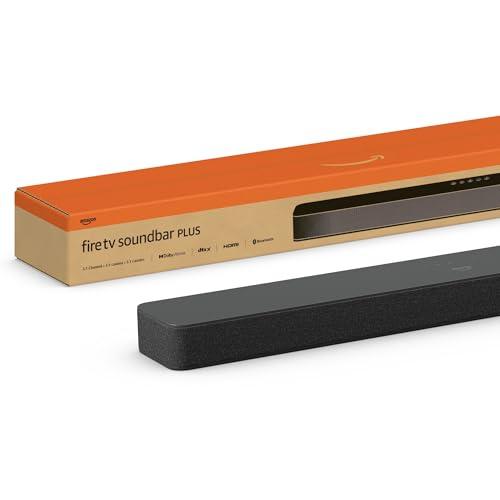
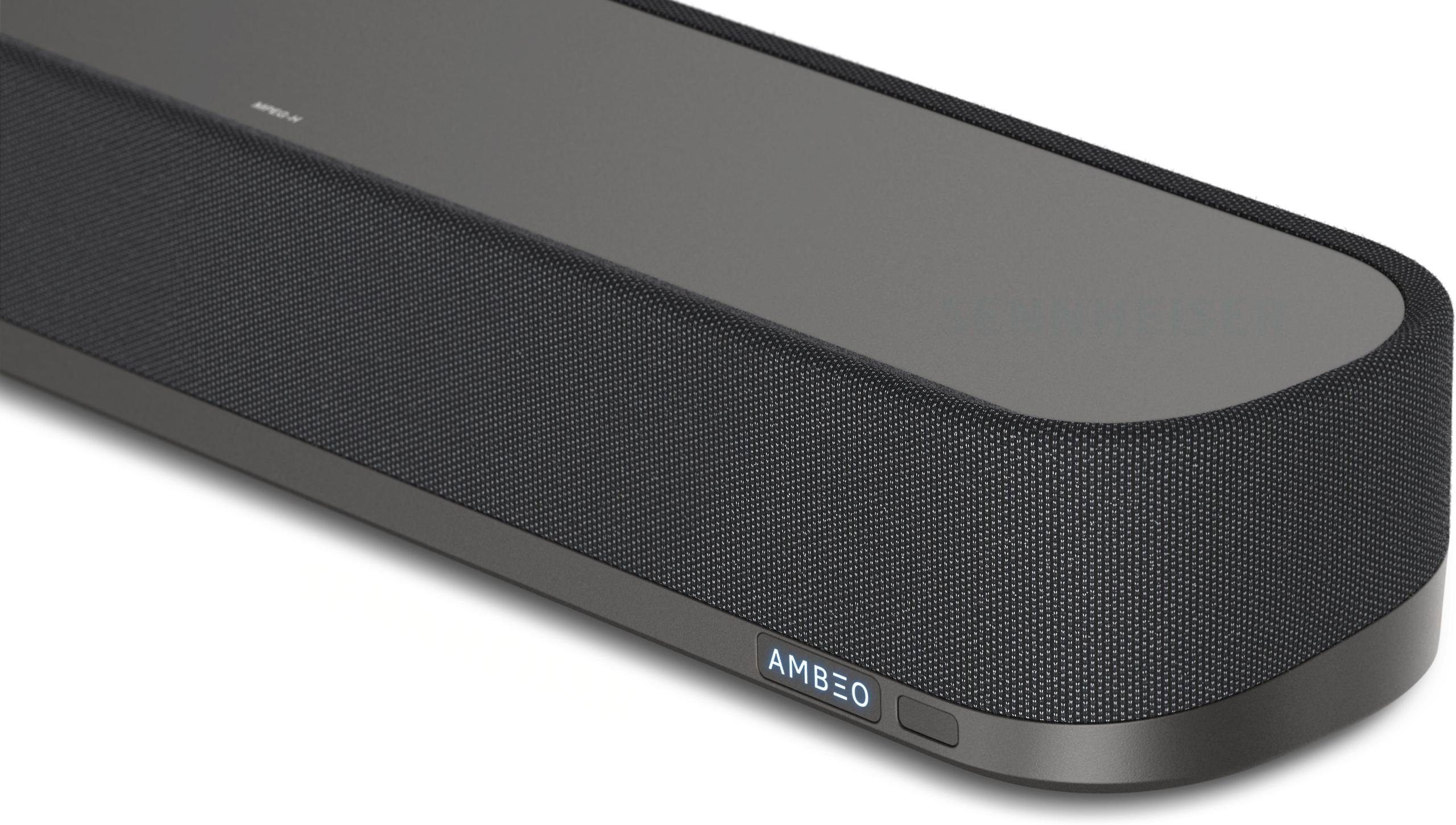
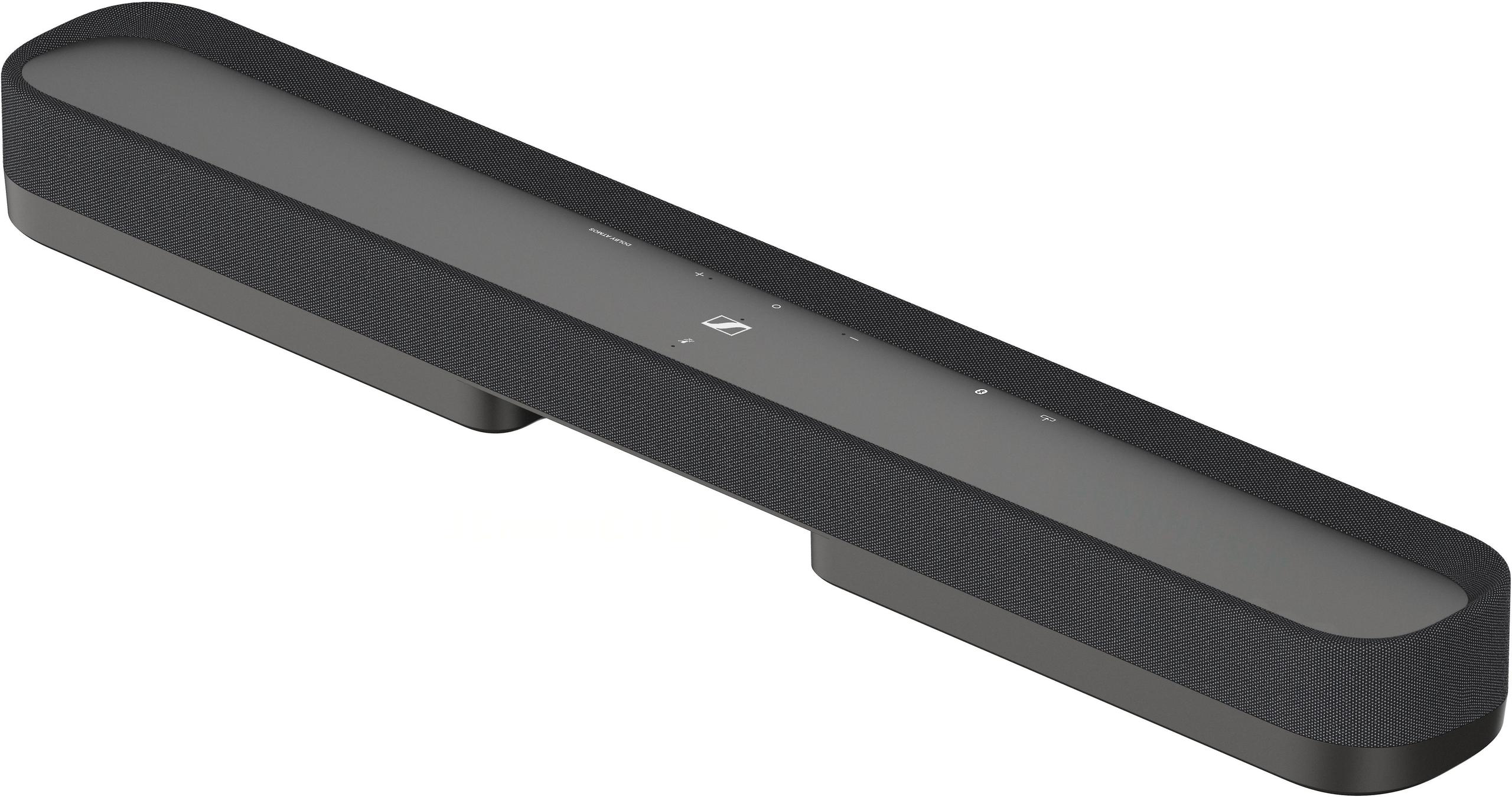
Today we're comparing two very different approaches to better TV audio: the Amazon Fire TV Soundbar Plus, which launched in 2023 as Amazon's entry into serious home theater audio, and the Sennheiser AMBEO Soundbar Mini, released the same year as the compact version of Sennheiser's premium audio technology. These products represent fundamentally different philosophies about what makes a great soundbar, and understanding their differences will help you make the right choice for your space and budget.
Before diving into specifics, it's worth understanding what we're actually talking about when we discuss soundbar performance. At their core, soundbars are trying to solve a simple problem: modern TVs are too thin to house decent speakers. The solution involves cramming multiple speakers into a long, thin enclosure that sits below or above your TV.
The magic happens through something called "channel configuration." When you see numbers like "3.1" or "7.1.4," they're describing how many speakers are working together. The first number represents left, center, and right speakers (so "3" means you get dedicated left, center, and right channels). The second number indicates subwoofers for bass. That optional third number? Those are height channels that bounce sound off your ceiling to create overhead effects.
Modern soundbars also use virtualization technology, which is essentially audio trickery that makes your brain think sounds are coming from places where there aren't actually speakers. It's surprisingly effective when done well, though it can't quite match having real speakers placed around your room.
The Amazon Fire TV Soundbar Plus and Sennheiser AMBEO Soundbar Mini represent two completely different approaches to solving your TV audio problems, and understanding these philosophies is crucial to making the right choice.
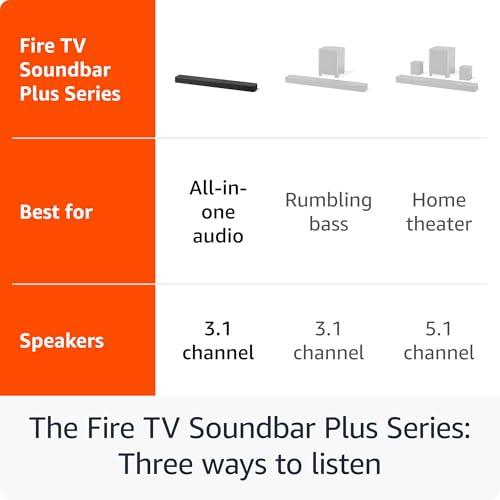
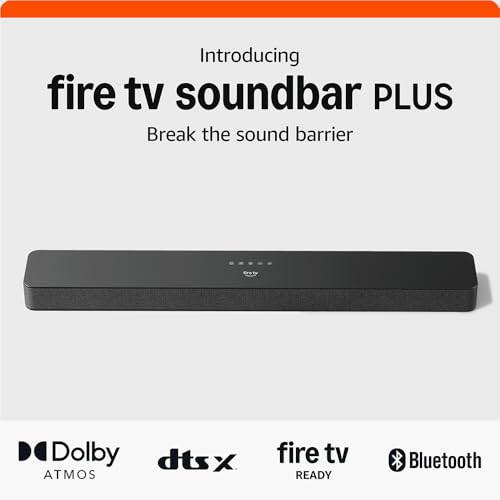
Amazon's approach with the Fire TV Soundbar Plus is what I'd call the "gateway drug" strategy. You start with a reasonably priced 3.1-channel soundbar (meaning left, center, right speakers plus a built-in subwoofer for bass), and if you catch the home theater bug, you can expand it into a full 5.1 surround system by adding wireless rear speakers and an external subwoofer. This modular approach means you're not committing to a massive upfront investment, but you can build a genuinely impressive system over time.
Sennheiser took the opposite approach with the AMBEO Mini. Instead of physical expansion, they've packed incredibly sophisticated audio processing into a compact unit that uses advanced virtualization to simulate a 7.1.4-channel system (that's seven main channels, one subwoofer, and four height channels) from just one small soundbar. It's like having a really smart audio engineer sitting inside your soundbar, constantly adjusting the sound to trick your ears into hearing a much larger system.
When it comes to raw audio performance, these two soundbars couldn't be more different in their execution, though both deliver impressive results for their intended use cases.
The Amazon Fire TV Soundbar Plus takes a straightforward approach with its 3.1 configuration. The dedicated center channel—that's a speaker specifically designed to handle dialogue—makes a real difference when you're watching movies or shows with complex soundtracks. I've found that having a proper center channel eliminates that frustrating experience of hearing explosions perfectly but missing crucial dialogue. The built-in subwoofer provides adequate bass for most content, though it's what audio enthusiasts might call "one-note bass"—it hits hard but doesn't have the nuance to handle complex bass lines in music or the subtle low-frequency effects in well-mixed films.
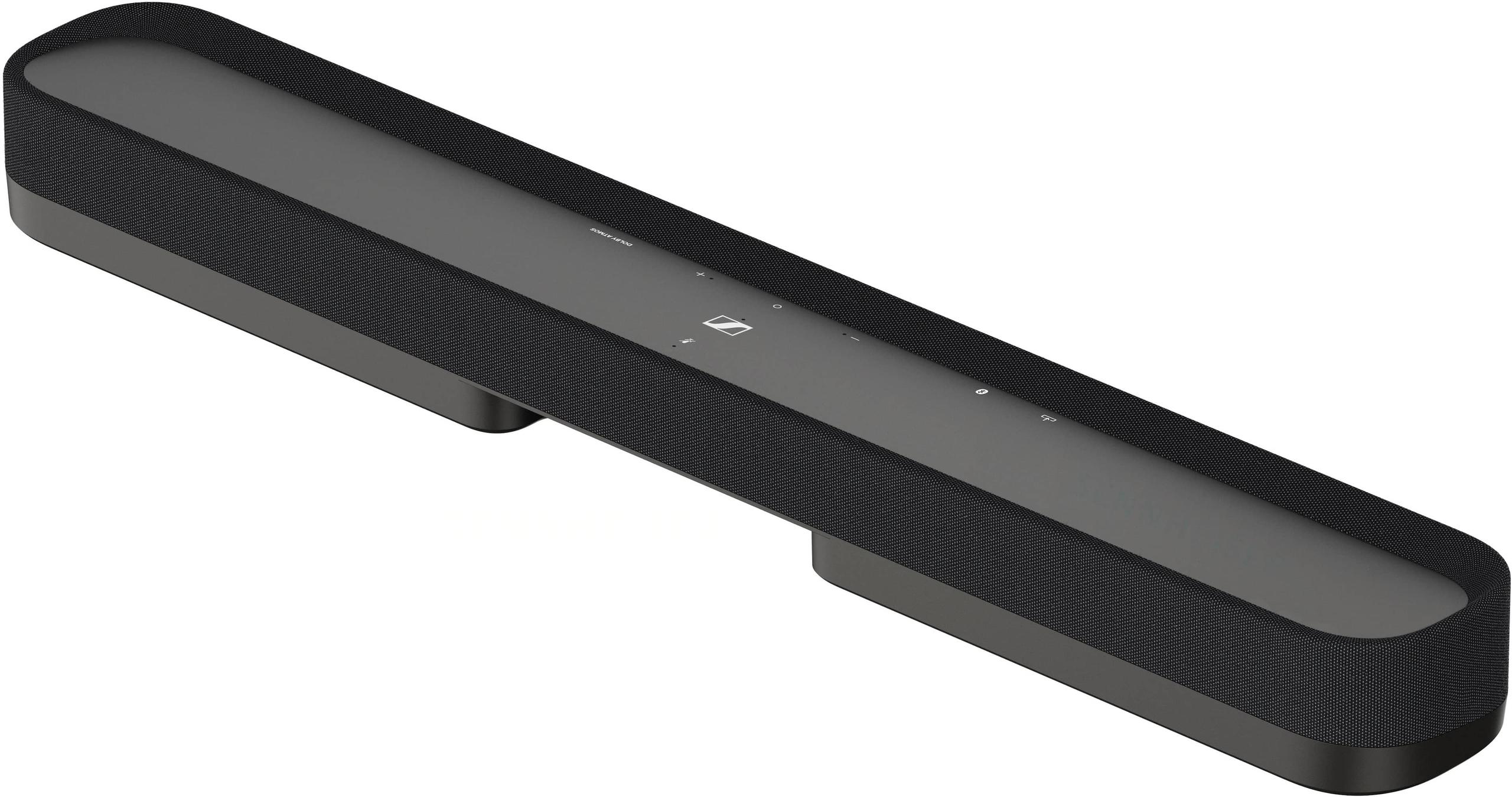
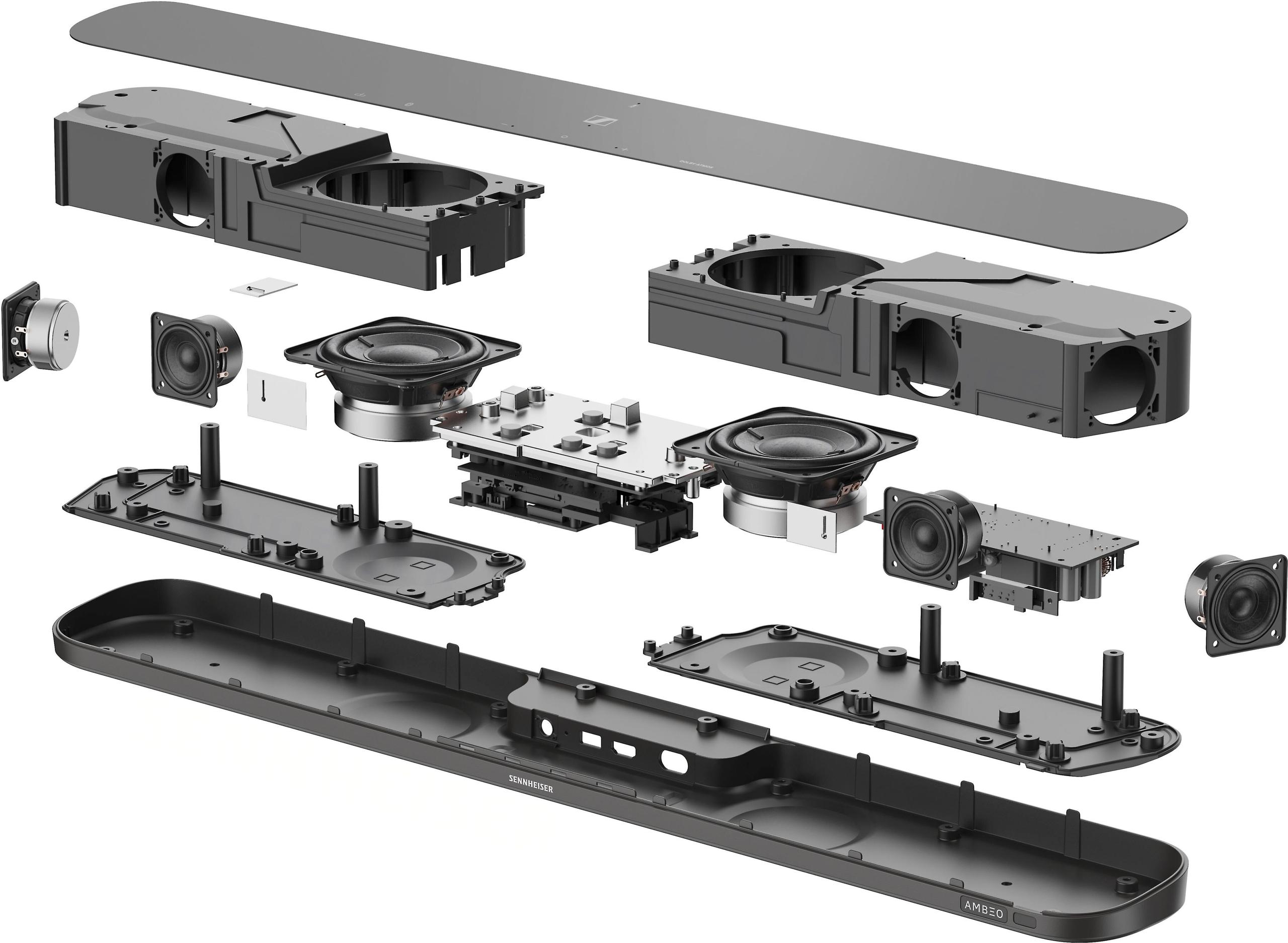
The Sennheiser AMBEO Mini, despite its compact size, delivers 250 watts of power through six carefully engineered drivers. This includes four full-range drivers (two firing forward, two to the sides) and two 4-inch top-firing woofers that can push bass down to 43Hz. To put that in perspective, most compact soundbars struggle to reproduce anything below 80Hz, so the AMBEO Mini's ability to reach into genuine subwoofer territory is genuinely impressive.
What really sets the AMBEO Mini apart is its use of AMBEO Virtualization Technology, developed in partnership with the renowned Fraunhofer Institute (the same organization that helped create the MP3 format). This isn't just marketing speak—the processing is sophisticated enough that in the right room, you'll swear there are speakers behind and above you.
This is where the fundamental difference between these approaches becomes most apparent, and where your room and preferences will heavily influence which is better for you.
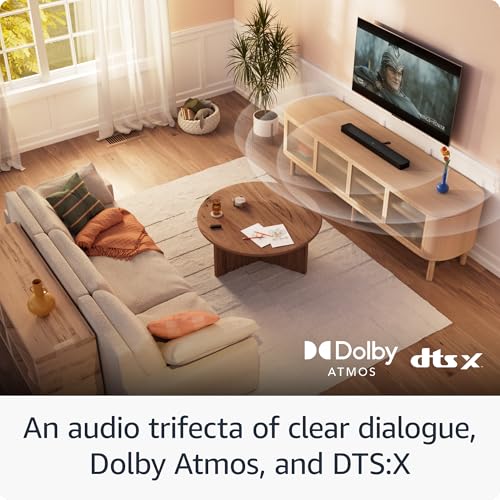
When you expand the Fire TV Soundbar Plus to its full 5.1 configuration, you get real surround sound. Those wireless rear speakers provide genuine directional audio that no amount of processing can fully replicate. If you've ever been in a movie theater when something flies overhead or sneaks up behind the protagonist, you'll appreciate having actual speakers positioned around your room. The soundbar's virtual Dolby Atmos processing handles height effects, but without upward-firing drivers, you're not getting true overhead sound—just processing that widens the soundstage.
The AMBEO Mini creates what's arguably the most convincing virtual surround experience available from a single unit. Its automatic room calibration feature uses built-in microphones to analyze your space and optimize the audio accordingly. In smaller rooms—particularly apartments or condos where the listening position is relatively close to the soundbar—the virtualization can be startlingly effective. I've heard it create convincing rear channel effects and a sense of height that rivals much larger systems.
However, physics still matters. No amount of processing can create the precise localization and impact of discrete rear speakers, especially in larger rooms where the virtualization has more space to break down.
Poor dialogue intelligibility is probably the number one reason people upgrade from TV speakers, so this deserves special attention.
The Fire TV Soundbar Plus handles dialogue through its dedicated center channel, which is specifically designed for speech reproduction. The soundbar includes dialogue enhancement with five levels of adjustment, allowing you to emphasize voices even during complex action sequences. In my experience, this works well for most content, though some users report that very deep male voices can sound a bit thin.
The AMBEO Mini takes a different approach, using virtual center channel processing instead of a discrete speaker. Surprisingly, this works remarkably well—the voice enhancement feature and sophisticated processing actually deliver excellent speech clarity. The midrange reproduction is particularly articulate, which helps with dialogue intelligibility across different voice ranges.
Both soundbars include night modes that compress the dynamic range (the difference between the loudest and quietest sounds), ensuring that dialogue remains audible without explosive sound effects waking the neighbors.
The connectivity story reveals another key difference in philosophy between these products.
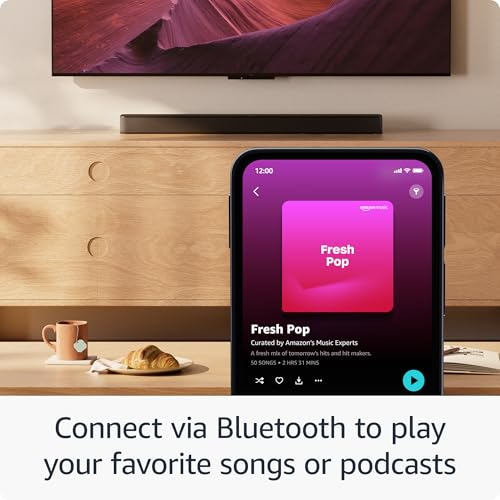
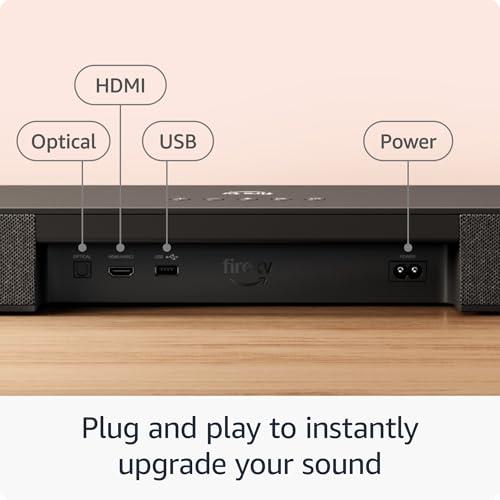
The Amazon Fire TV Soundbar Plus offers practical, straightforward connectivity with HDMI eARC (Enhanced Audio Return Channel—this carries high-quality audio from your TV back to the soundbar), optical digital input, USB-A, and Bluetooth. The real advantage comes from its Fire TV integration. When paired with a Fire TV device, you can control both your TV and soundbar with a single remote, and access deeper audio settings through your TV's interface. However, the soundbar itself doesn't include built-in streaming or Alexa functionality despite the "Fire TV" branding—it's purely an audio device.
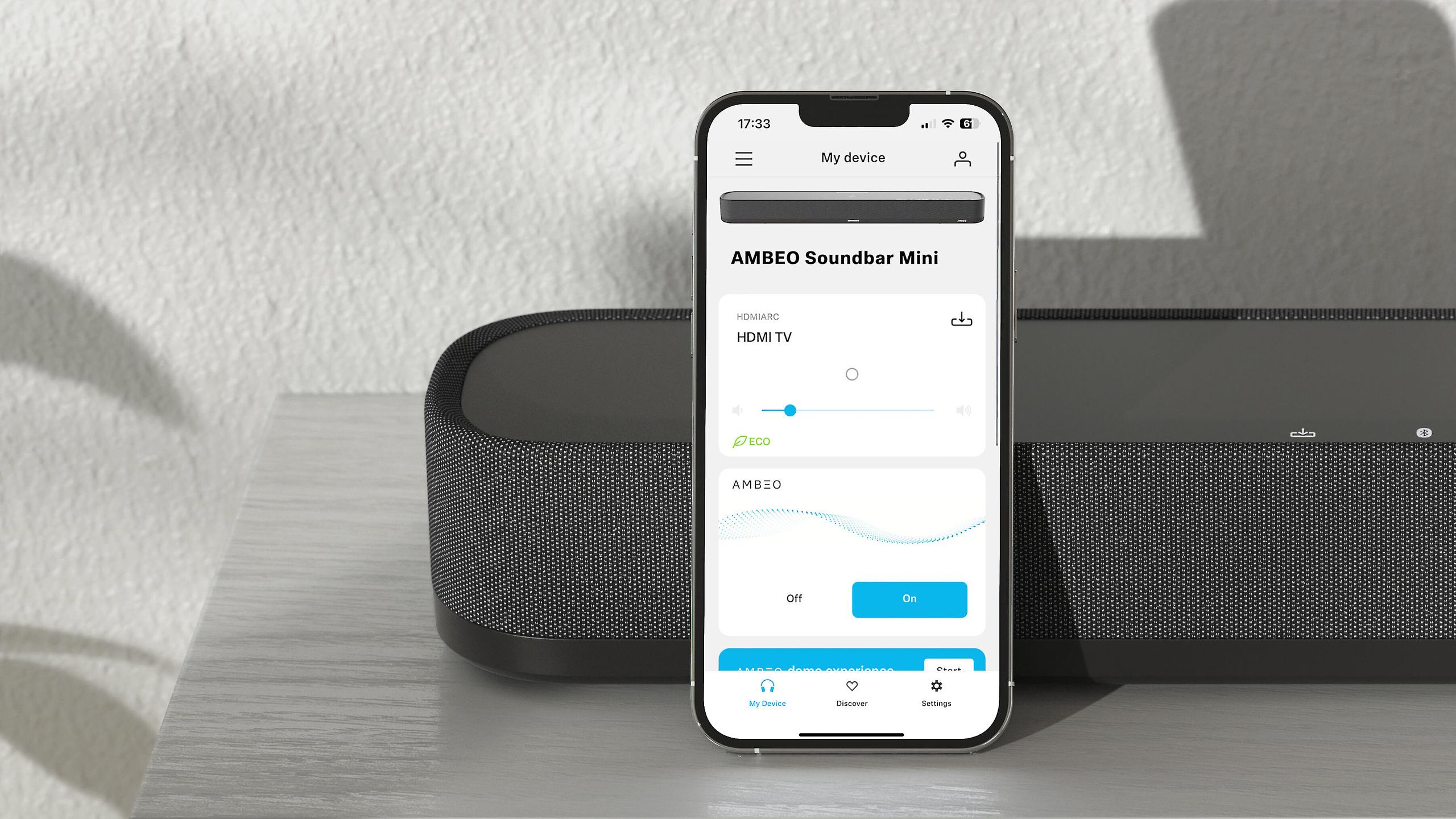
The AMBEO Mini takes a more sophisticated approach to smart features. It includes built-in Wi-Fi, Alexa integration, and support for major streaming services like Spotify Connect and Tidal Connect. The comprehensive Smart Control app provides extensive customization options, including detailed EQ settings and various virtualization modes. The automatic room calibration is particularly impressive—it actually listens to your room and adjusts the audio processing accordingly.
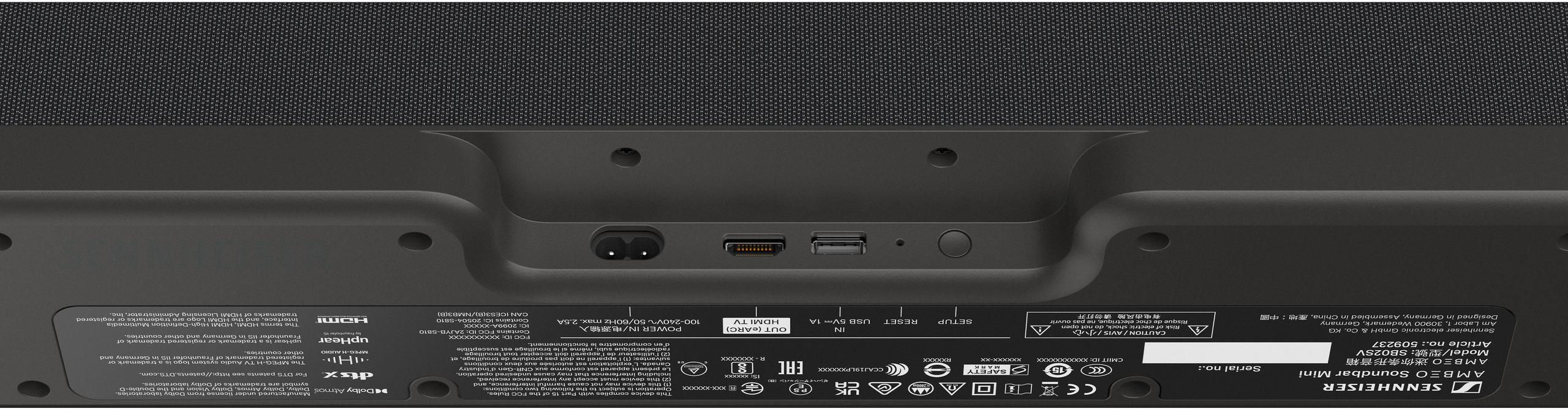
The connectivity limitation with the AMBEO Mini is significant though: it only has one HDMI eARC port and no passthrough capability. If you have multiple devices (game console, streaming device, Blu-ray player), you'll need to connect them directly to your TV and rely on the TV to pass audio to the soundbar.
Physical design isn't just about aesthetics—it fundamentally affects performance and compatibility with your space.
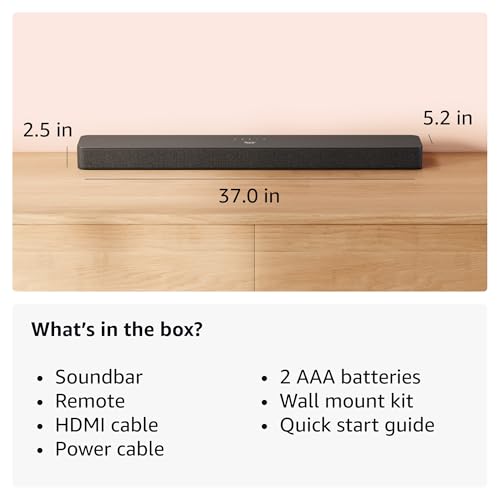
The Fire TV Soundbar Plus measures 37 inches wide, making it ideal for 50-65 inch TVs. It's built with mainstream living rooms in mind, where the soundbar might sit on a TV stand or be wall-mounted below a larger display. The matte-black finish with fabric grille blends into most decor, and the included wall-mounting hardware makes installation straightforward.
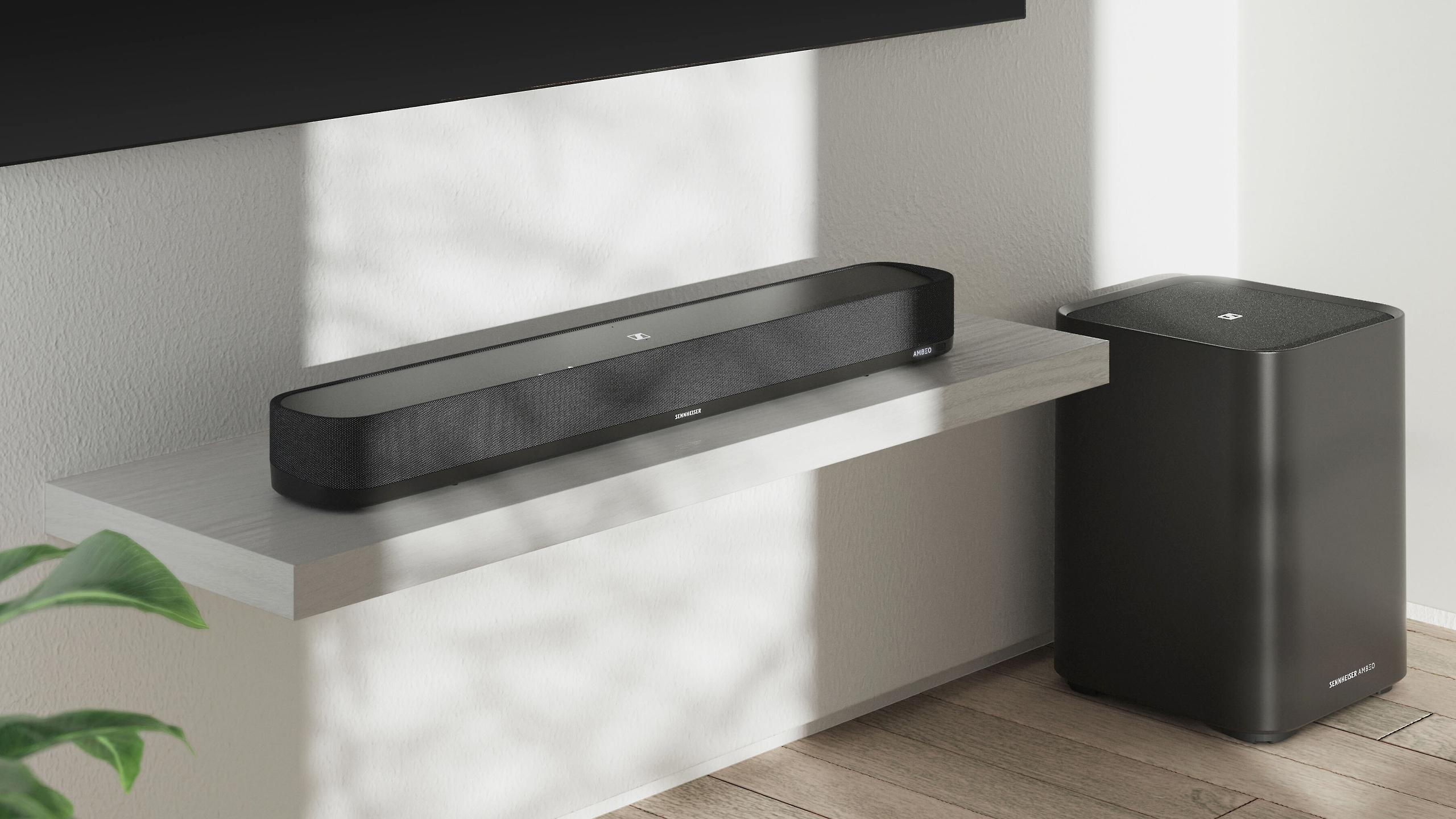
The AMBEO Mini is genuinely compact at just 27.6 inches wide and 2.6 inches tall. This makes it perfect for smaller TVs and tight spaces like apartments or condos. The premium build quality is immediately apparent—Sennheiser's audio engineering expertise extends to physical design, with materials and construction that feel substantial despite the small size.
Room size plays a crucial role in performance. The Fire TV Soundbar Plus, especially when expanded, works best in medium to large rooms where the physical speaker separation can create a genuine surround experience. The AMBEO Mini is specifically optimized for smaller spaces where the virtualization technology works most effectively—typically rooms under 200 square feet where you're sitting relatively close to the soundbar.
At the time of writing, the pricing difference between these products is substantial and reflects their different target markets.
The Amazon Fire TV Soundbar Plus represents exceptional value in the entry-level home theater segment. The standalone soundbar provides a massive upgrade over TV speakers at a very accessible price point. The expandability means you can start small and build a more impressive system as your budget and enthusiasm grow. Even the full 5.1 system costs significantly less than premium single-unit soundbars while providing genuine surround sound.
The Sennheiser AMBEO Mini commands a significant premium but justifies it through advanced audio processing, superior build quality, and sophisticated smart features. When you consider the engineering that goes into creating convincing 7.1.4 virtualization from such a compact unit, the pricing makes more sense. However, it's definitely positioned as a luxury product rather than a mainstream upgrade.
The value equation depends heavily on your priorities. If you want the biggest improvement in sound quality for the least money, the Fire TV Soundbar Plus is hard to beat. If you're in a small space and want cutting-edge audio technology with minimal setup complexity, the AMBEO Mini's premium pricing might be justified.
For dedicated home theater use, both soundbars have distinct advantages depending on your setup.
The Fire TV Soundbar Plus in its expanded 5.1 configuration provides a more traditional home theater experience. Real rear speakers create proper surround effects for movie soundtracks, and the system can fill larger rooms effectively. If you're building a dedicated home theater room or have a larger living space where you primarily watch movies, this approach offers more authentic surround sound.
The AMBEO Mini excels in modern living situations where you can't or don't want to place speakers around the room. Its sophisticated processing can create surprisingly immersive experiences for movies, particularly in smaller, more intimate viewing environments. The automatic calibration means it will sound great regardless of your room's specific acoustics.
After extensive consideration of both products, here's who should choose what:
Choose the Amazon Fire TV Soundbar Plus if you want the best value for money, have a medium to large room, are already invested in the Fire TV ecosystem, or prefer the flexibility to expand your system over time. It's also the better choice if you have multiple HDMI sources that need connecting. This soundbar represents the logical upgrade path for most people moving beyond TV speakers.
Choose the Sennheiser AMBEO Mini if you're in a smaller living space, prioritize cutting-edge audio technology, want extensive smart features and customization options, or are willing to pay a premium for superior processing and build quality. It's the better choice for apartment dwellers, minimalists who want a single-unit solution, or audio enthusiasts who appreciate Sennheiser's engineering expertise.
Both soundbars deliver substantial improvements over TV speakers, but they're designed for different users and different spaces. The Fire TV Soundbar Plus democratizes home theater audio with excellent value and expandability, while the AMBEO Mini pushes the boundaries of what's possible from a compact single unit. Your choice should align with your space, budget, and audio priorities—both will serve their intended users exceptionally well.
| Amazon Fire TV Soundbar Plus | Sennheiser AMBEO Soundbar Mini |
|---|---|
| Channel Configuration - Determines surround sound capabilities and expandability | |
| 3.1 channels (expandable to 5.1 with optional speakers) | 7.1.4 channels (virtualized from single unit) |
| Physical Size - Must fit your TV and room setup | |
| 37" wide × 5.2" deep × 2.5" high (ideal for 50-65" TVs) | 27.6" wide × 3.9" deep × 2.6" high (perfect for smaller spaces) |
| Power Output - Affects maximum volume and dynamic range | |
| Not specified (adequate for medium-large rooms) | 250 watts (impressive for compact size) |
| Bass Extension - How deep the low frequencies go | |
| Built-in subwoofer (expandable with wireless sub) | Down to 43Hz with dual 4" top-firing woofers |
| Dolby Atmos Support - Creates overhead sound effects | |
| Virtual processing only (no upward-firing drivers) | Advanced AMBEO virtualization with physical top-firing speakers |
| Connectivity Options - How many devices you can connect | |
| HDMI eARC, Optical, USB-A, Bluetooth | HDMI eARC only, Wi-Fi, Bluetooth, USB-A |
| Smart Features - Built-in streaming and voice control | |
| Fire TV integration only (no built-in streaming) | Alexa built-in, Spotify/Tidal Connect, room calibration |
| Expandability - Ability to add more speakers later | |
| Yes (wireless subwoofer and rear speakers available) | Optional wireless subwoofer only |
| Room Optimization - Automatic audio adjustment for your space | |
| Manual EQ settings only | Automatic room calibration with built-in microphones |
| Best Room Size - Where each performs optimally | |
| Medium to large rooms (especially when expanded) | Small rooms and apartments under 200 sq ft |
| Primary Value Proposition - What you're really paying for | |
| Exceptional value with expandability at entry-level price | Premium virtualization technology in ultra-compact form |
The Sennheiser AMBEO Soundbar Mini is specifically designed for small spaces and apartments. At just 27.6 inches wide, it fits perfectly under smaller TVs while delivering sophisticated 7.1.4 virtualized surround sound that works exceptionally well in compact rooms. The Amazon Fire TV Soundbar Plus is larger at 37 inches and performs better in medium to large rooms.
Yes, but with different approaches. The Amazon Fire TV Soundbar Plus offers true expandability - you can add wireless rear speakers and an external subwoofer to create a full 5.1 surround system. The Sennheiser AMBEO Soundbar Mini can only add an optional wireless subwoofer, relying instead on advanced virtualization technology for surround effects.
Both excel at dialogue but use different methods. The Amazon Fire TV Soundbar Plus uses a dedicated center channel speaker specifically for dialogue, with five levels of voice enhancement. The Sennheiser AMBEO Mini uses sophisticated virtual center processing that's surprisingly effective, with excellent midrange articulation that keeps voices clear and natural.
The Sennheiser AMBEO Soundbar Mini has Alexa built-in and supports Google Chromecast, plus streaming services like Spotify Connect. The Amazon Fire TV Soundbar Plus doesn't have built-in voice assistants but integrates seamlessly with Fire TV devices for unified remote control.
The Amazon Fire TV Soundbar Plus offers exceptional value as an entry-level home theater upgrade, providing significant improvement over TV speakers at an accessible price point. The Sennheiser AMBEO Mini costs significantly more but delivers premium audio processing and build quality that justifies the higher investment for the right user.
Both include built-in bass capabilities. The Amazon Fire TV Soundbar Plus has an integrated subwoofer that provides adequate low-end response. The Sennheiser AMBEO Mini uses dual 4-inch top-firing woofers that extend bass down to 43Hz, which is impressive for such a compact unit and rivals dedicated subwoofers.
The Amazon Fire TV Soundbar Plus excels in simplicity with plug-and-play setup and pre-paired components. The Sennheiser AMBEO Mini includes automatic room calibration that optimizes sound for your specific space, but offers more complex customization options through its comprehensive mobile app.
The Amazon Fire TV Soundbar Plus creates genuine surround sound when expanded with optional rear speakers, providing discrete left and right surround channels. The Sennheiser AMBEO Mini uses advanced AMBEO virtualization to simulate 7.1.4 surround from a single unit - it's convincing but not true discrete surround sound.
The Sennheiser AMBEO Mini offers superior music performance with built-in Wi-Fi, direct streaming service integration (Spotify Connect, Tidal Connect), and more sophisticated audio processing. The Amazon Fire TV Soundbar Plus handles music adequately via Bluetooth but is primarily optimized for TV and movie audio.
Both soundbars have one HDMI eARC port for connecting to your TV. However, the Amazon Fire TV Soundbar Plus also includes optical and USB inputs for additional sources. The Sennheiser AMBEO Mini has more limited connectivity with just HDMI eARC, requiring you to connect other devices directly to your TV.
The Amazon Fire TV Soundbar Plus performs better in larger spaces, especially when expanded to the full 5.1 system with rear speakers. Physical speaker separation creates more authentic surround effects in big rooms. The Sennheiser AMBEO Mini is optimized for smaller spaces where its virtualization technology works most effectively.
Both support Dolby Atmos, but differently. The Amazon Fire TV Soundbar Plus uses virtual Dolby Atmos processing without physical upward-firing drivers. The Sennheiser AMBEO Mini combines virtual processing with actual top-firing speakers for more convincing overhead effects, making it superior for Atmos content despite its compact size.
We've done our best to create useful and informative comparisons to help you decide what product to buy. Our research uses advanced automated methods to create this comparison and perfection is not possible - please contact us for corrections or questions. These are the sites we've researched in the creation of this article: rtings.com - wirelessplace.com - techradar.com - cordbusters.co.uk - whathifi.com - developer.amazon.com - t3.com - dolby.com - youtube.com - youtube.com - youtube.com - dugoutnorthbrook.com - dolby.com - aboutamazon.com - youtube.com - developer.amazon.com - techradar.com - sennheiser-hearing.com - stereonet.com - rtings.com - youtube.com - youtube.com - newsroom.sennheiser.com - whathifi.com - baybloorradio.com - sennheiser-hearing.com - files.bbystatic.com

Privacy Policy
Terms and Conditions - Affiliate Policy
Home Security
© Copyright 2008-2026.
11816 Inwood Rd #1211, Dallas, TX 75244