




When I first started reviewing soundbars years ago, the market was much simpler. You had basic stereo bars or expensive multi-piece surround systems with little in between. Today's soundbar landscape offers incredible variety, from budget-friendly upgrades to sophisticated home theater systems that rival traditional speaker setups. Two products that perfectly illustrate this evolution are the Polk Audio Signa S2 and the Klipsch Flexus Core 200 – each representing a different philosophy about what a soundbar should accomplish.
Before diving into these specific models, it's worth understanding what separates today's soundbars from the simple stereo units of the past. Modern soundbars use digital signal processing (DSP) – essentially computer chips that manipulate audio signals – to create virtual surround effects, enhance dialogue, and optimize sound for different content types. This processing power has enabled features like Dolby Atmos, which uses psychoacoustic tricks to make sounds appear to come from above you, even without ceiling speakers.
The channel configuration tells you how many speakers and subwoofers a system has. A 2.1 system means two main speakers plus one subwoofer, while a 3.1.2 system adds a center channel for dialogue and two height channels for overhead effects. These numbers matter because they directly impact how immersive and detailed your audio experience will be.
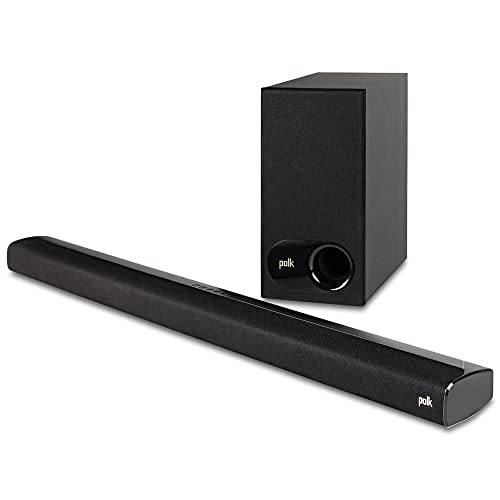
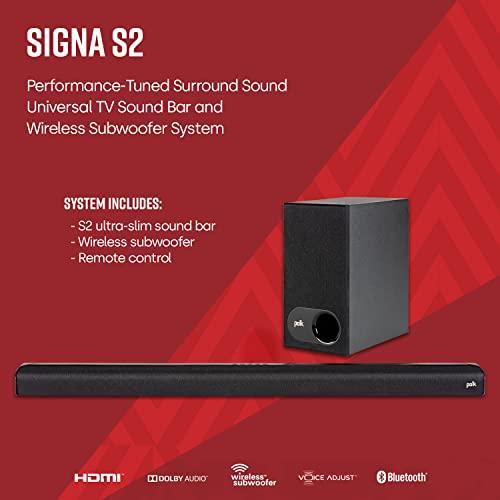
The Polk Audio Signa S2, available since around 2019, represents the sweet spot for budget-conscious buyers who want a meaningful upgrade from TV speakers without breaking the bank. At roughly $200 at the time of writing, it exemplifies how much technology has improved in recent years – features that once cost $500 are now available for a fraction of that price.
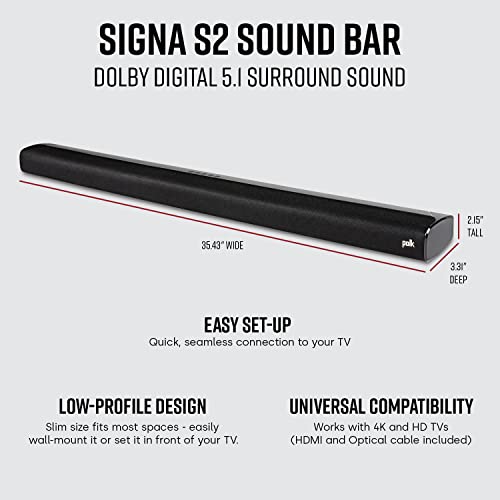
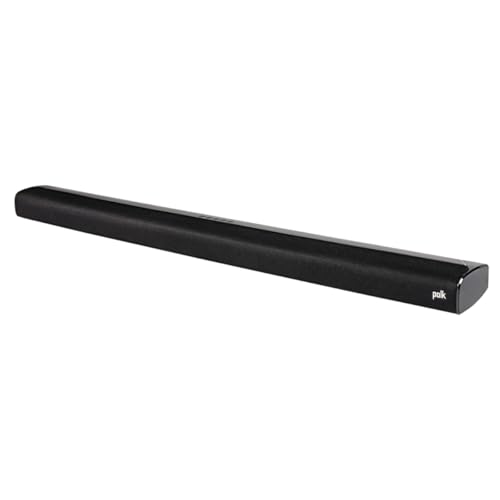
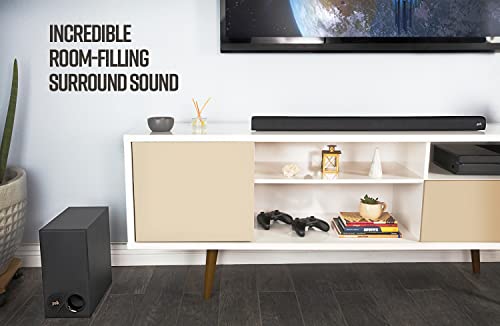
Polk designed the Signa S2 with practicality in mind. At just over 2 inches tall, it's one of the slimmest soundbars available, which matters more than you might think. I've tested dozens of soundbars that look great in photos but block your TV's remote sensor or overwhelm smaller entertainment centers. The Signa S2 avoids these pitfalls entirely.
The build quality feels solid for the price point, though it's clearly designed to meet a budget rather than impress with premium materials. The grille is plastic rather than metal, and the overall aesthetic is understated rather than striking. But here's the thing – in my experience, most people place soundbars where they're barely visible anyway, so spending extra on premium finishes often isn't worthwhile.
The Polk Signa S2 uses what's called a V-shaped frequency response, meaning it emphasizes bass and treble while keeping midrange sounds more neutral. This tuning makes music sound more exciting and helps movie explosions feel more impactful, but it can also make some content sound artificial or overly processed.
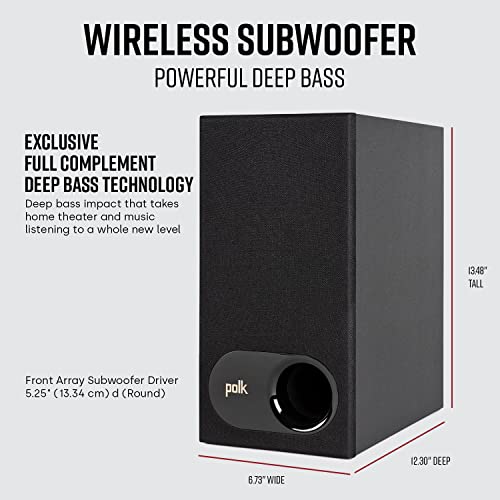
The real star of this system is the wireless subwoofer with its 5.25-inch driver. This subwoofer connects automatically when you plug both units in – no pairing process required – and provides genuine low-frequency extension down to about 45Hz. To put that in perspective, most male voices bottom out around 85Hz, while the rumble in movie soundtracks often reaches into the 30-40Hz range. The Signa S2 gets close enough to that range to make action scenes feel weighty and impactful.
However, the system's limitations become apparent with complex content. Since it's essentially a stereo system with a subwoofer, surround sound movies get "downmixed" – compressed from their original 5.1 or 7.1 format into two-channel stereo. While Polk's processing does create a wider soundstage than your TV speakers, don't expect to hear helicopters flying behind you or rain surrounding you from all directions.
One area where the Polk Signa S2 truly excels is dialogue clarity, thanks to Polk's VoiceAdjust technology. This feature allows you to boost vocal frequencies specifically, making it easier to understand what actors are saying without turning up the entire volume. I've found this particularly useful for British shows or movies with heavy accents where every word matters.
The technology works by identifying frequency ranges where human speech typically occurs (roughly 1-4kHz) and selectively amplifying them. It's not perfect – push the enhancement too far and voices start sounding nasal or artificial – but used moderately, it makes a real difference for anyone who struggles with dialogue clarity.
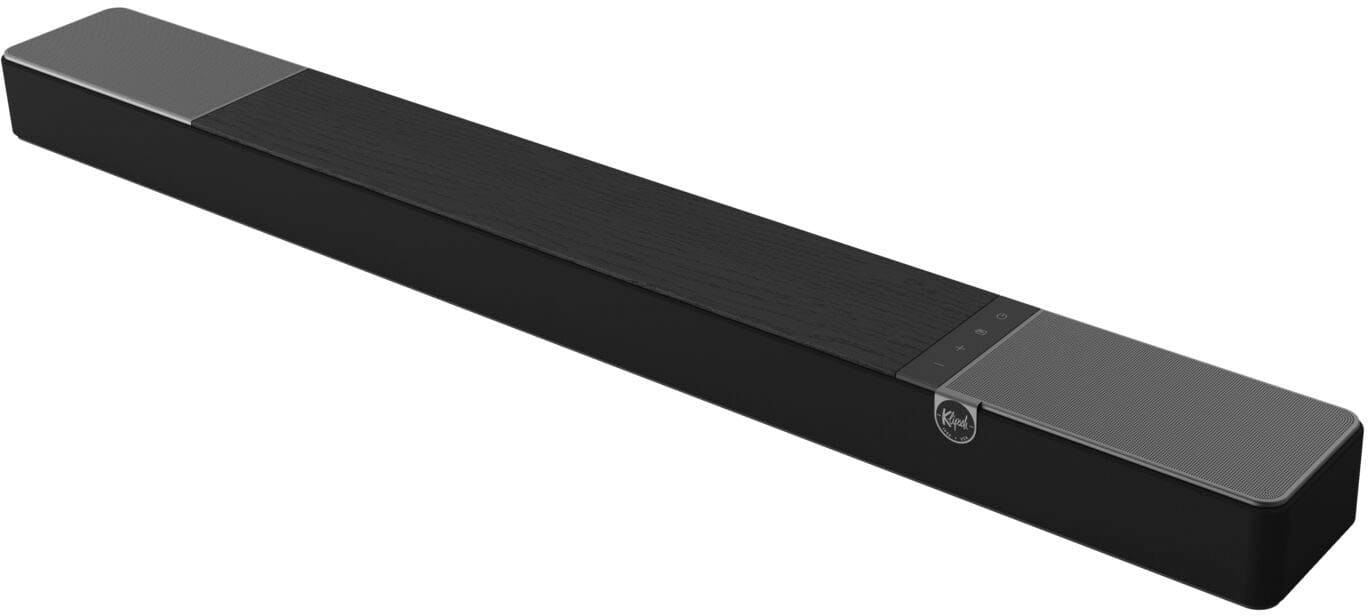
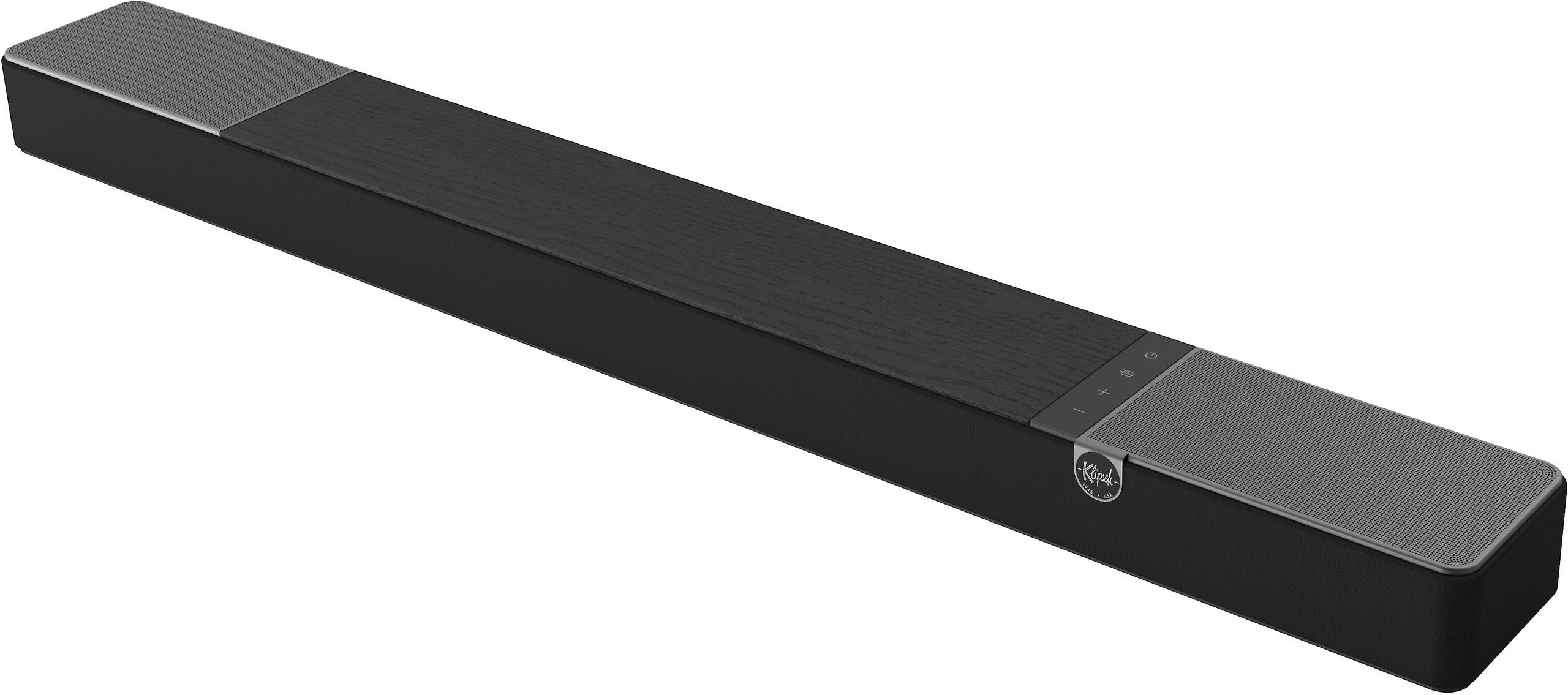
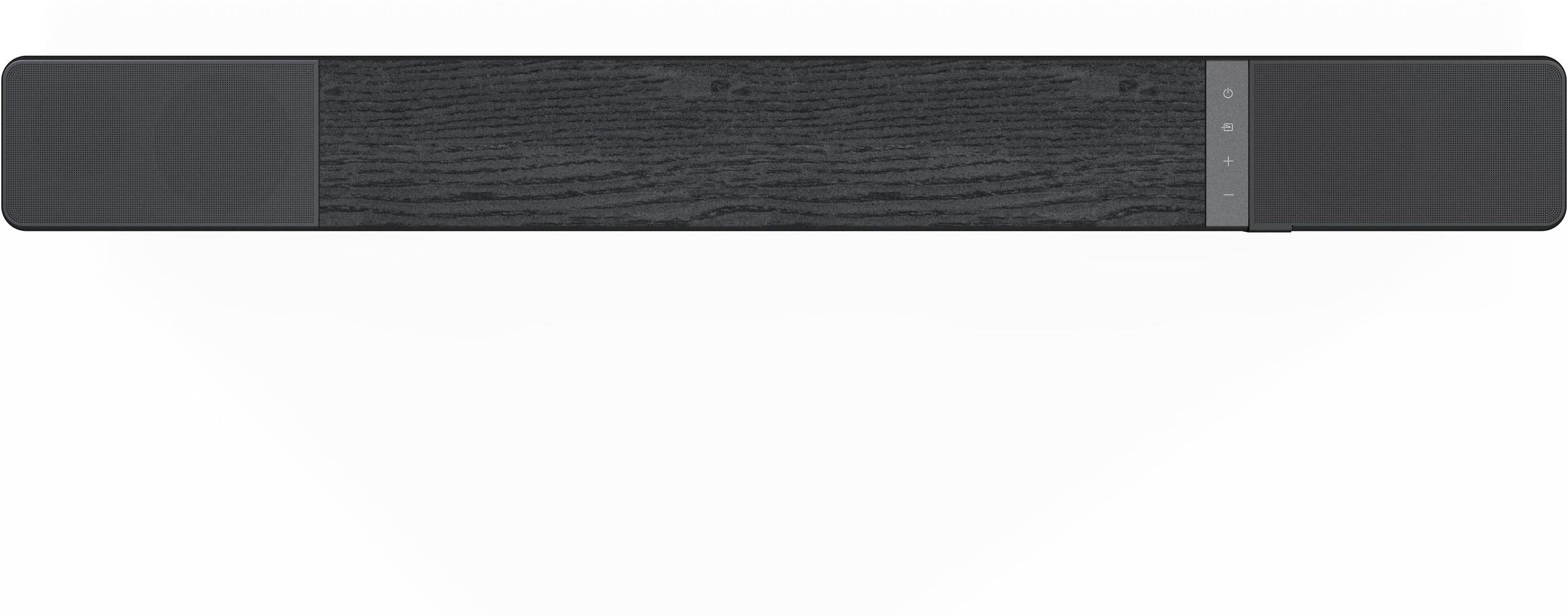
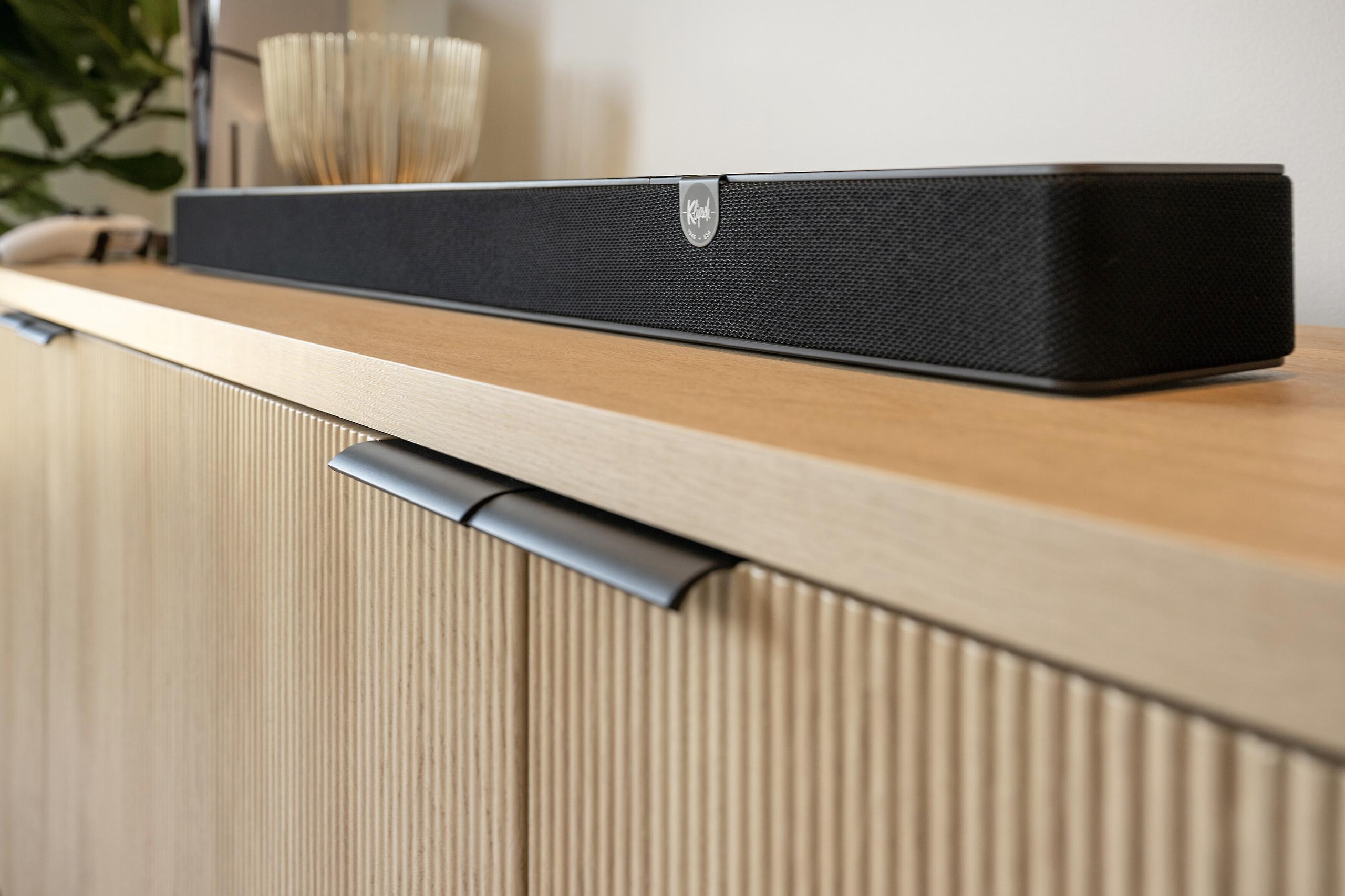
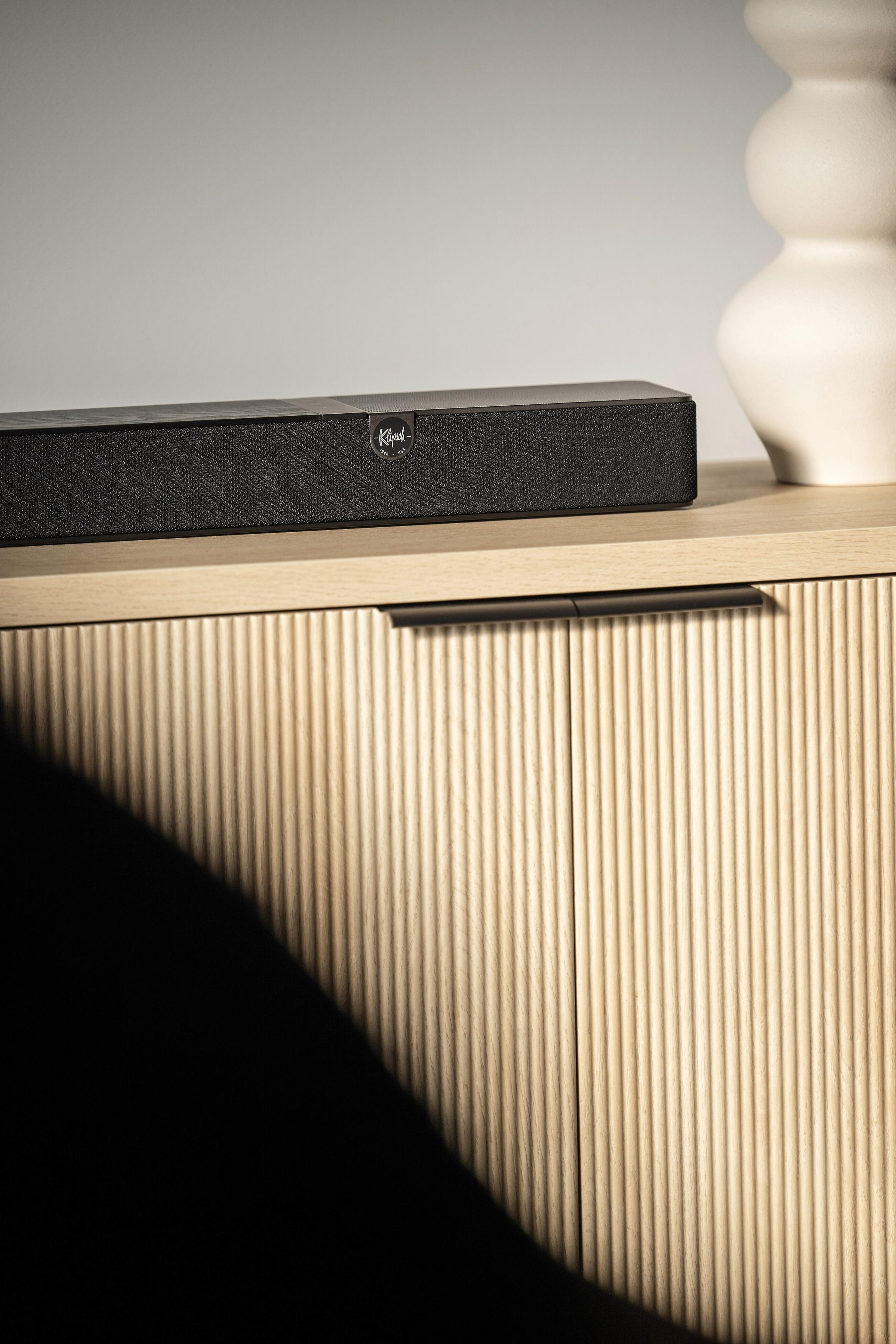
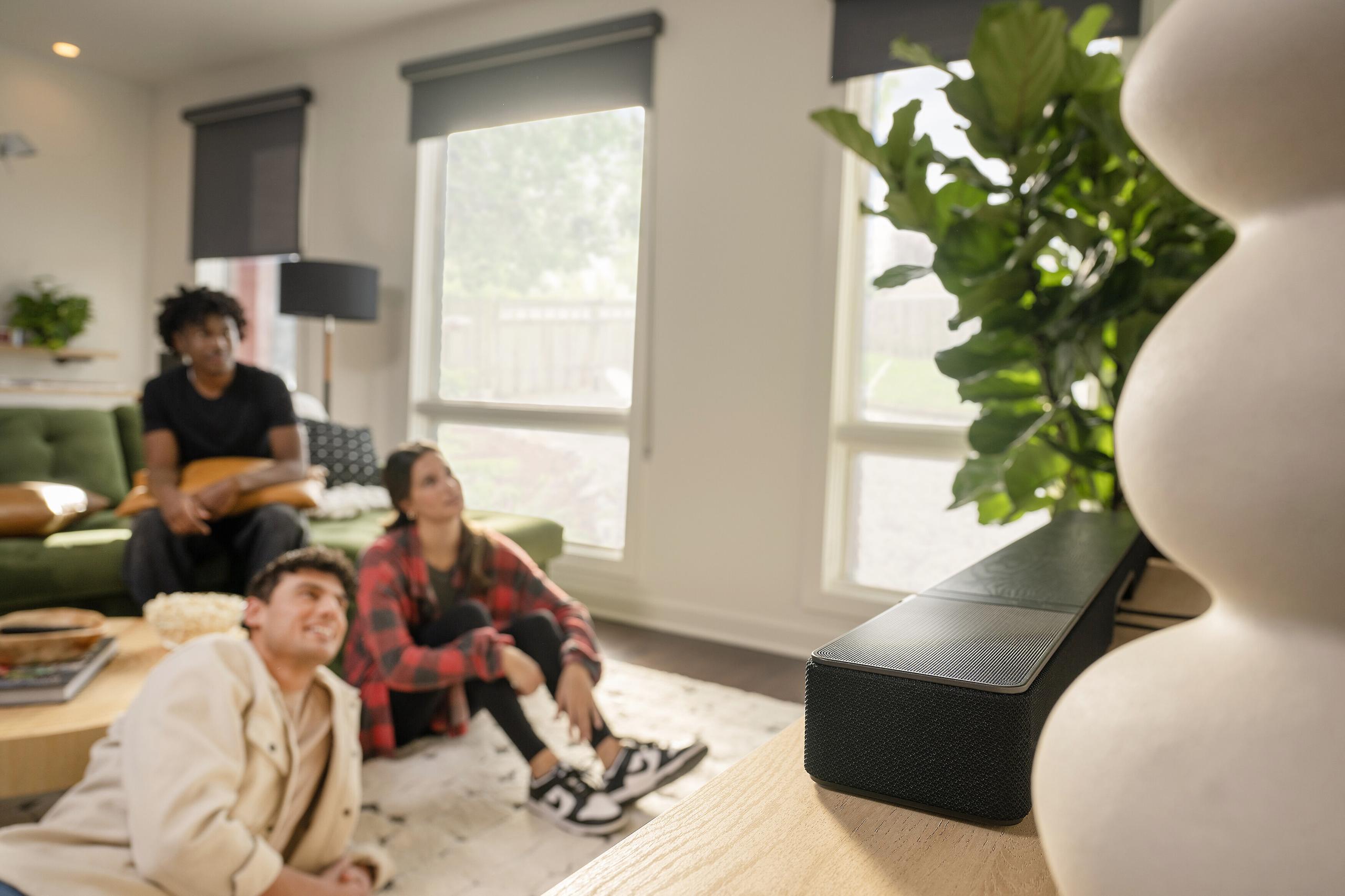
Released in 2024, the Klipsch Flexus Core 200 represents the current state of the art in single-unit soundbar design. Developed in partnership with Onkyo (a respected name in audio electronics), it costs roughly twice as much as the Polk Signa S2 but delivers significantly more sophisticated audio processing and hardware.
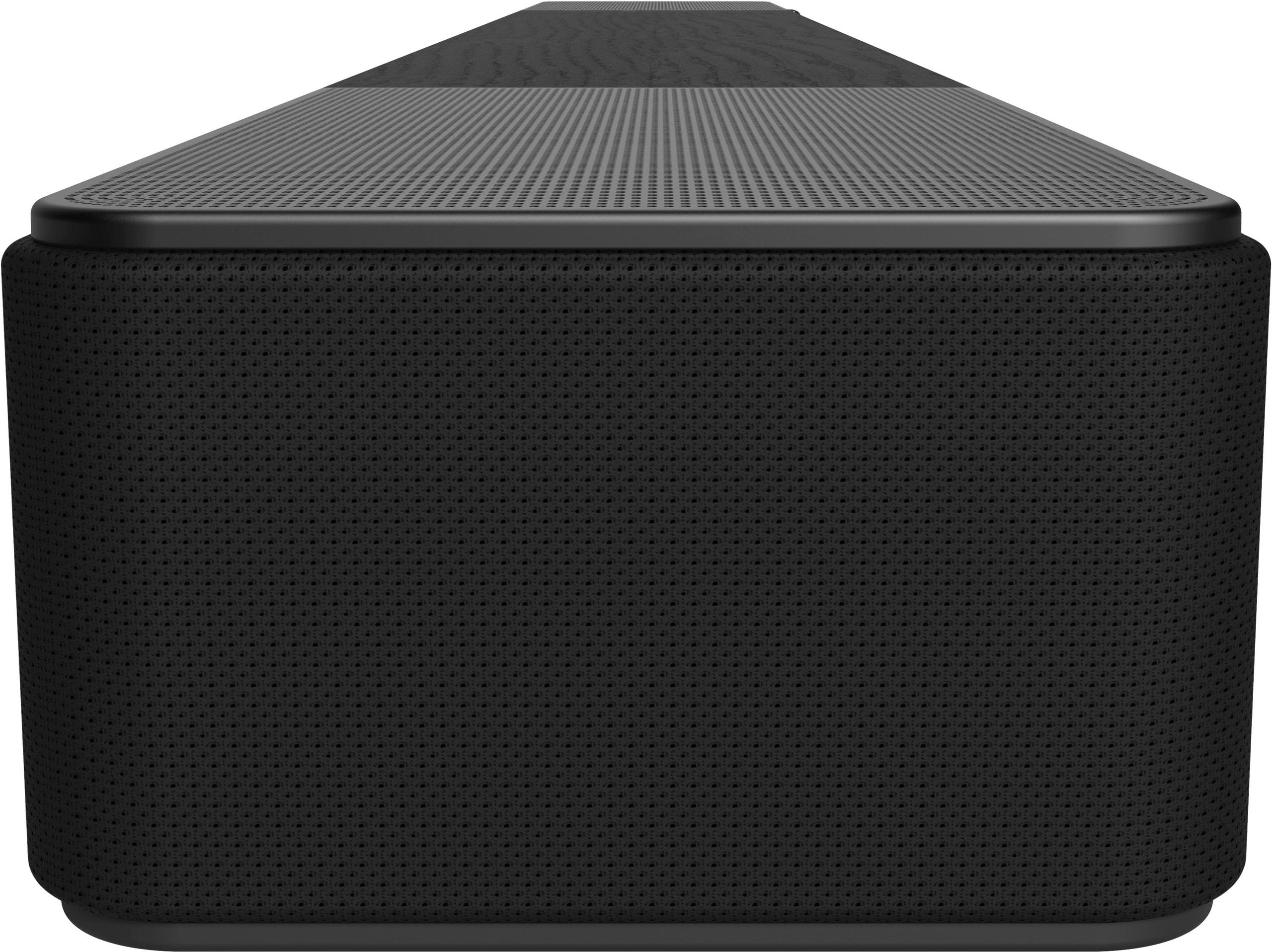
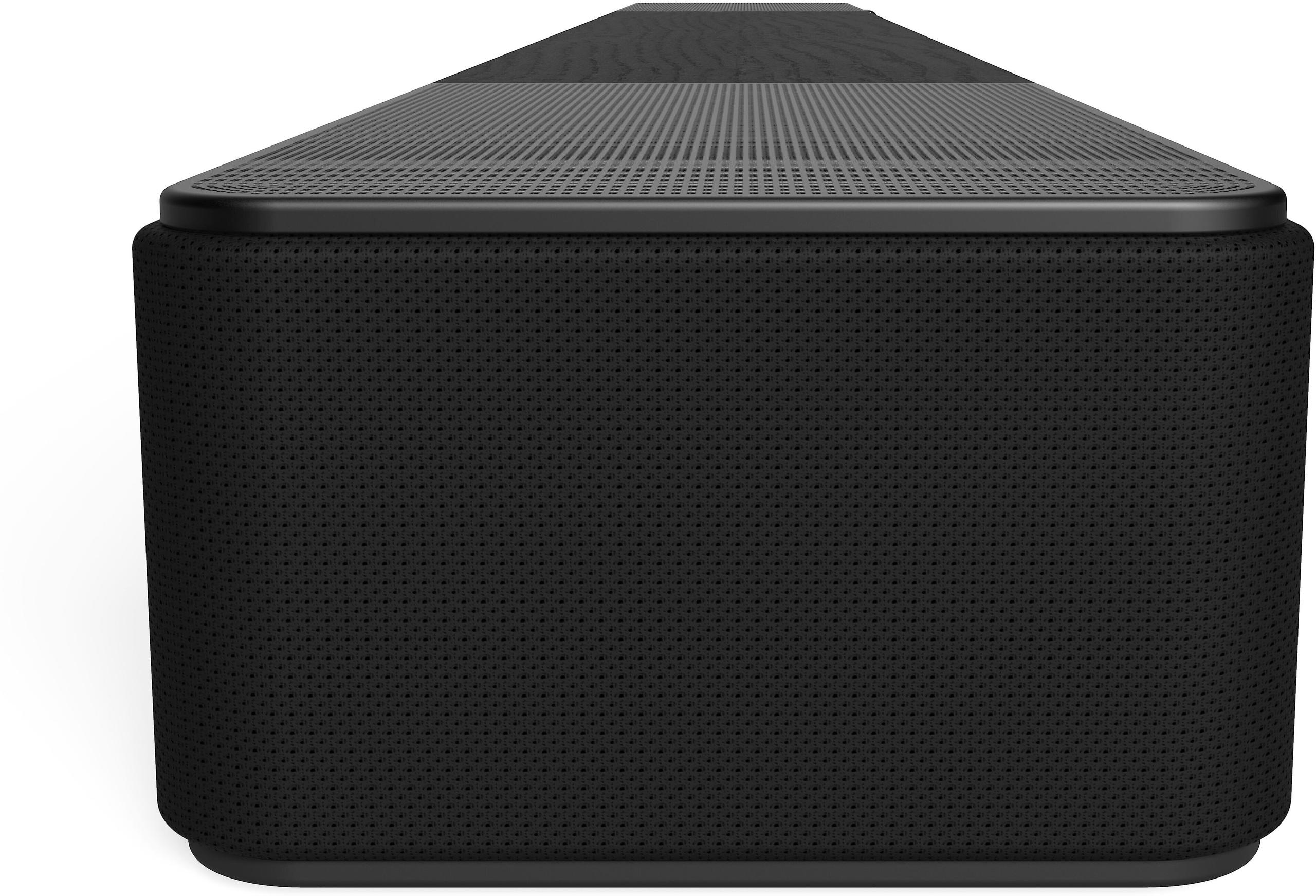
Where the Klipsch Flexus Core 200 really differentiates itself is in its driver array – the individual speakers that actually produce sound. Instead of the Polk's four drivers plus separate subwoofer, the Klipsch packs nine precisely positioned drivers into its enclosure: four front-firing aluminum drivers for main content, two upward-firing drivers for height effects, dual 4-inch built-in subwoofers, and a dedicated horn-loaded center channel tweeter.
That horn-loaded tweeter deserves special mention. Klipsch has been using horn technology since the 1940s, and it offers real advantages for dialogue reproduction. The horn shape acts like a megaphone, focusing sound energy and making voices appear more present and natural. In my testing, this creates noticeably clearer dialogue than systems relying on conventional dome tweeters.
The aluminum drivers aren't just marketing fluff either. Aluminum cones are lighter and stiffer than typical paper or plastic alternatives, allowing them to respond more quickly to audio signals and reproduce transient sounds (like drum hits or gunshots) with greater precision.
Here's where the Klipsch Flexus Core 200 really justifies its premium pricing. Unlike the Polk Signa S2, which simulates surround effects through DSP trickery, the Klipsch implements true Dolby Atmos processing with dedicated height channels.
Dolby Atmos works by treating sounds as objects that can be placed anywhere in three-dimensional space, rather than just left or right channels. The two upward-firing drivers in the Flexus Core 200 bounce sound off your ceiling to create the illusion of overhead audio. When properly set up in a room with a reasonably flat ceiling, this creates genuinely immersive effects – rain seems to fall from above, helicopters pass overhead convincingly, and movie soundtracks gain a sense of vertical space that traditional soundbars simply can't match.
The effectiveness of this technology has improved dramatically since early Atmos soundbars from 2016-2017. Better DSP processing and more sophisticated driver designs mean today's upward-firing speakers create more convincing height effects than their predecessors.
Both systems handle bass differently, with implications for different room sizes and listening preferences. The Polk Signa S2's external subwoofer offers more flexibility in placement – you can position it wherever it sounds best in your room, often in a corner where room boundaries reinforce low frequencies. This can result in more impactful bass than the Klipsch's built-in approach.
However, the Klipsch Flexus Core 200's dual built-in subwoofers offer advantages too. They're already optimally positioned relative to the main drivers, eliminating timing mismatches that can occur between separate subwoofers and soundbars. The built-in design also means no extra cables or power outlets required.
In terms of actual low-frequency extension, both systems reach down to the mid-40Hz range. For context, this covers most movie sound effects and music adequately, though true home theater enthusiasts might eventually want a larger dedicated subwoofer that can reach into the 20-30Hz range where the deepest movie bass lives.
This is where the Klipsch Flexus Core 200's more sophisticated design pays dividends. Its dedicated center channel tweeter means dialogue gets its own dedicated driver, rather than being shared between left and right channels as in the Polk system. This results in more focused, natural-sounding voices that remain clear even during complex movie soundtracks.
The difference is particularly noticeable in action movies where explosions, music, and dialogue compete for attention. The Klipsch keeps voices anchored in the center while effects pan left and right, while the Polk sometimes struggles to maintain this separation during busy passages.
Both systems handle treble differently, reflecting their design priorities. The Polk Signa S2's V-shaped tuning emphasizes high frequencies, which can make music sound more exciting but sometimes creates a harsh or sizzly quality, especially at higher volumes.
The Klipsch Flexus Core 200 takes a more balanced approach, with its horn-loaded tweeter providing extended high-frequency response without the harshness. This makes it more suitable for extended listening sessions and a wider variety of music genres.
Soundstage width – how far left and right the audio seems to extend – is another area where the Klipsch pulls ahead. Its wider driver spacing and more sophisticated processing create a broader sense of space, though neither system can truly replicate the experience of discrete surround speakers placed around your room.
The Polk Signa S2 prioritizes simplicity. Setup involves connecting one cable to your TV (HDMI ARC is preferable, though optical and analog inputs are also available), plugging in both the soundbar and subwoofer, and you're essentially done. The wireless subwoofer pairs automatically, and the included remote provides access to basic sound modes and the VoiceAdjust feature.
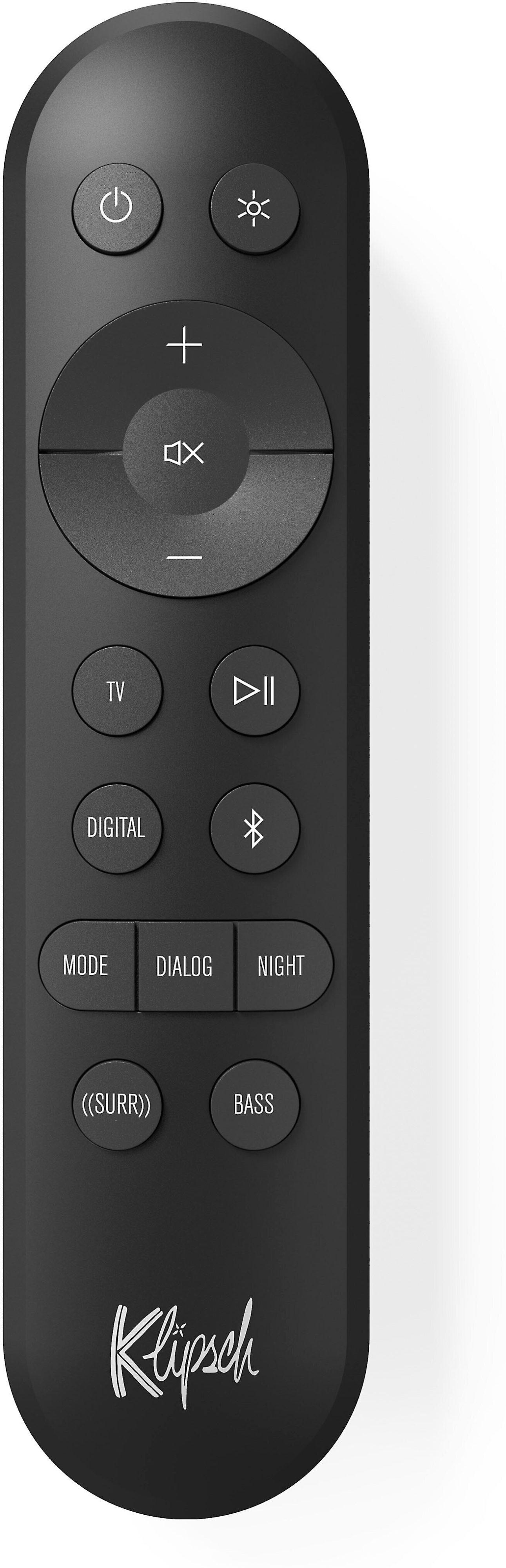
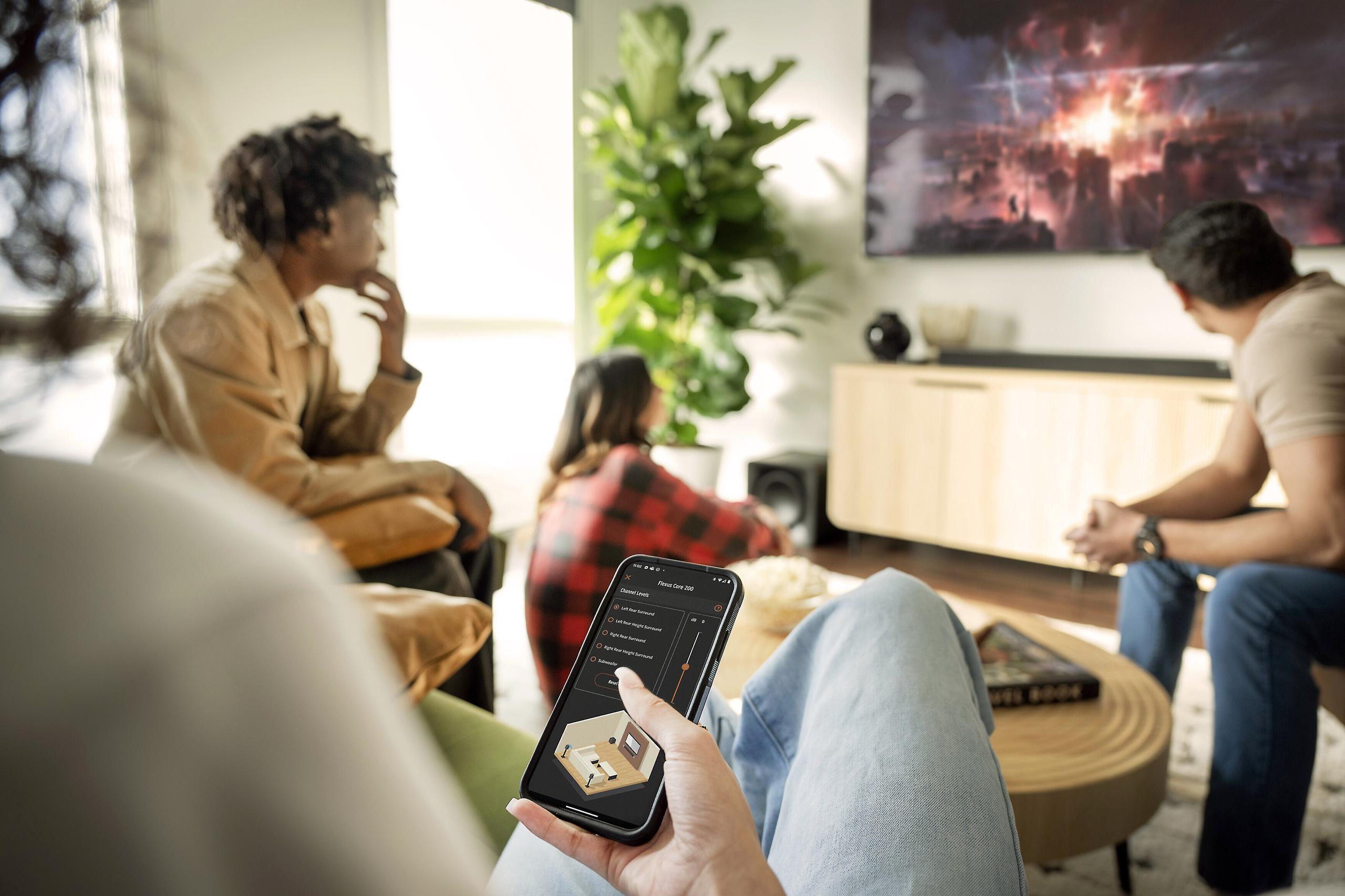
The Klipsch Flexus Core 200 offers more sophisticated control through its Connect Plus app, which transforms your smartphone into a comprehensive remote control. You can adjust detailed EQ settings, create custom sound profiles for different content types, and access advanced features like room correction. However, this added functionality comes with complexity – there are more options to configure and occasionally more things that can go wrong.
I've found that the app-based control systems in modern soundbars work well when they work, but they can be frustrating when connectivity issues arise. The Klipsch app is generally reliable, though I've encountered occasional situations requiring app restarts.
Your room significantly impacts how each system will perform. The Polk Signa S2 works best in small to medium spaces where its wireless subwoofer can pressurize the room effectively. In large, open-plan spaces, it may struggle to fill the room with adequate bass.
The Klipsch Flexus Core 200 has more power on tap (185 watts versus roughly 120 for the Polk) and is better suited to medium and large rooms. Its Dolby Atmos effects also work best in rooms with ceiling heights between 8-12 feet – too low and the reflected sound doesn't have space to develop, too high and the effects become diffuse.
Here's where these systems diverge significantly in their long-term value proposition. The Polk Signa S2 is essentially what you get – there are no expansion options or upgrade paths available. If your needs change or you move to a larger room, you'll need to replace the entire system.
The Klipsch Flexus Core 200 is designed as the foundation of a modular system. You can add the Flexus Sub 100 wireless subwoofer for deeper bass extension, or the Flexus Surr 100 wireless surround speakers to create a full 5.1.2 system with discrete rear channels. This expandability means you can start with just the soundbar and gradually build out a more comprehensive system as your budget and needs evolve.
This modular approach reflects a broader trend in the soundbar market toward systems that can grow with users' needs rather than requiring complete replacement when upgrading.
At the time of writing, the Polk Signa S2 represents exceptional value for buyers seeking a straightforward TV audio upgrade. The inclusion of a wireless subwoofer at this price point is noteworthy – many competing products in this price range either lack a subwoofer entirely or use a wired connection that limits placement flexibility.
The Klipsch Flexus Core 200 costs roughly twice as much but delivers premium features typically found in even more expensive systems. The true Dolby Atmos implementation, sophisticated driver array, and expansion capabilities justify the premium for users who value these features.
However, value isn't just about initial cost – it's also about how well a product serves your needs over time. The Polk might provide better value if you primarily watch TV shows and casual content in a smaller room. The Klipsch becomes the better value if you frequently watch movies, have a larger room, or plan to expand your system later.
After extensive testing with both systems, here's my take on who should choose which:
Choose the Polk Audio Signa S2 if:
Choose the Klipsch Flexus Core 200 if:
The decision ultimately comes down to your priorities and how you plan to use the system. Both represent good value in their respective price ranges, but they're optimized for different use cases and user preferences.
In my experience, most people underestimate how much they'll appreciate good dialogue clarity and bass extension once they have it. Both systems deliver these core benefits, but the Klipsch adds the immersive dimension that makes movie watching significantly more engaging. Whether that extra immersion is worth the additional cost depends on your content consumption habits and budget priorities.
The soundbar market continues evolving rapidly, with new features and better value propositions appearing regularly. However, both the Polk Signa S2 and Klipsch Flexus Core 200 represent solid choices that should serve their respective audiences well for years to come.
| Polk Audio Signa S2 | Klipsch Flexus Core 200 |
|---|---|
| Channel Configuration - Determines surround sound capability and immersion level | |
| 2.1 (stereo + subwoofer) | 3.1.2 (left/center/right + subwoofer + height channels) |
| Dolby Atmos Support - Essential for overhead sound effects in modern movies | |
| No (virtual surround only) | Yes (true Atmos with upward-firing drivers) |
| Total System Power - Impacts maximum volume and dynamic range | |
| ~120 watts | 185 watts RMS |
| Driver Count and Configuration - More drivers typically mean better sound separation | |
| 4 drivers + separate wireless subwoofer | 9 drivers with dual built-in subwoofers |
| Subwoofer Design - Affects bass quality and room placement flexibility | |
| 5.25" wireless external (flexible placement) | Dual 4" built-in (no extra cables, optimized timing) |
| Frequency Response - Lower numbers mean deeper bass extension | |
| 45Hz - 20kHz | 43Hz - 20kHz |
| Dedicated Center Channel - Critical for clear dialogue in movies | |
| No (dialogue mixed with left/right channels) | Yes (horn-loaded tweeter for precise vocal reproduction) |
| Height/Elevation Speakers - Creates overhead sound effects for immersion | |
| None | 2 x 2.25" upward-firing drivers |
| Connectivity Options - More inputs provide greater device compatibility | |
| HDMI ARC, Optical, 3.5mm AUX, Bluetooth | HDMI eARC, Optical, USB-C, Bluetooth |
| App Control and Customization - Advanced EQ and sound tuning options | |
| Basic remote only | Klipsch Connect Plus app with detailed EQ controls |
| Expandability - Ability to add components for larger systems | |
| None (fixed 2.1 configuration) | Modular system (can add wireless sub and surround speakers) |
| Physical Dimensions - Important for TV stand compatibility | |
| 2.15" H x 35.43" W (ultra-slim profile) | 3.06" H x 44" W (larger but accommodates more drivers) |
| Release Year and Technology Generation | |
| 2019 (established budget technology) | 2024 (latest generation with Onkyo partnership) |
| Best Room Size - Optimal performance environment | |
| Small to medium rooms | Medium to large rooms |
| Primary Use Case Optimization | |
| TV shows, casual viewing, dialogue enhancement | Movies, gaming, premium content with Atmos |
The Klipsch Flexus Core 200 is significantly better for movies due to its true Dolby Atmos support with dedicated height channels and a discrete center channel for dialogue. The Polk Audio Signa S2 only offers virtual surround processing and downmixes movie audio to stereo, making it less immersive for cinematic content.
The primary difference is that the Klipsch Flexus Core 200 is a 3.1.2 Dolby Atmos system with built-in subwoofers and overhead sound effects, while the Polk Audio Signa S2 is a simpler 2.1 system with an external wireless subwoofer. The Klipsch offers true surround sound processing, whereas the Polk focuses on basic TV audio improvement.
Both provide good bass but in different ways. The Polk Signa S2 uses a larger 5.25" external wireless subwoofer that can be positioned anywhere for optimal bass response. The Klipsch Flexus Core 200 features dual 4" built-in subwoofers that offer tighter integration with the main speakers but less placement flexibility.
Only the Klipsch Flexus Core 200 supports true Dolby Atmos with upward-firing speakers for overhead sound effects. You'll benefit from Dolby Atmos if you watch modern movies, have streaming services like Netflix or Disney+, and want immersive audio. The Polk Audio Signa S2 doesn't support Atmos and is better suited for basic TV viewing.
The Polk Audio Signa S2 is much simpler to set up and operate, requiring just one cable connection and offering basic remote control. The Klipsch Flexus Core 200 has more complex setup with app-based controls and multiple customization options, making it better for users who want detailed audio adjustments.
Yes, but only the Klipsch Flexus Core 200 offers true expandability. You can add wireless subwoofers and surround speakers to create a full 5.1.2 system. The Polk Signa S2 is a fixed 2.1 configuration with no expansion options, so you'd need to replace the entire system to upgrade.
Both excel at dialogue but differently. The Polk Audio Signa S2 features VoiceAdjust technology that specifically boosts speech frequencies. The Klipsch Flexus Core 200 uses a dedicated horn-loaded center channel tweeter for more natural dialogue reproduction. For TV shows specifically, the Polk's simplicity might be preferable.
The Polk Signa S2 works well in small to medium rooms where its wireless subwoofer can effectively pressurize the space. The Klipsch Flexus Core 200 has more power (185 watts vs ~120 watts) and performs better in medium to large rooms, especially for its Dolby Atmos height effects.
This depends on your needs. The Polk Audio Signa S2 offers excellent value for basic TV audio improvement at a budget price point. The Klipsch Flexus Core 200 provides premium features like Dolby Atmos and expandability that justify its higher cost for serious home theater enthusiasts.
The Klipsch Flexus Core 200 offers more advanced connectivity with HDMI eARC, optical, USB-C, and Bluetooth. The Polk Signa S2 provides HDMI ARC, optical, 3.5mm AUX, and Bluetooth. The Klipsch's eARC support allows for higher bandwidth audio formats, while the Polk covers all essential connection needs.
The Klipsch Flexus Core 200 is superior for music with its balanced frequency response, multiple drivers, and detailed app-based EQ controls. The Polk Audio Signa S2 has a V-shaped sound signature that can make music sound boomy or bright, though it's adequate for casual music listening via Bluetooth.
Choose the Polk Audio Signa S2 if you want a simple, affordable upgrade from TV speakers for casual viewing. Select the Klipsch Flexus Core 200 if you watch movies regularly, have a larger room, value advanced features, or plan to expand your system over time. The Klipsch represents a more future-proof investment for serious home theater use.
We've done our best to create useful and informative comparisons to help you decide what product to buy. Our research uses advanced automated methods to create this comparison and perfection is not possible - please contact us for corrections or questions. These are the sites we've researched in the creation of this article: rtings.com - youtube.com - bestbuy.com - rtings.com - consumerreports.org - rtings.com - youtube.com - hometechnologyreview.com - soundbars.com - youtube.com - manuals.plus - creativeaudio.net - parts-express.com - thomsunmusic.com - polkaudio.com - manuals.plus - polkaudio.com - polkaudio.com - polkaudio.com - bestbuy.com - youtube.com - youtube.com - polkaudio.com - soundandvision.com - avnirvana.com - avsforum.com - cnet.com - klipsch.com - klipsch.com - youtube.com - assets.klipsch.com - klipsch.com - worldwidestereo.com - klipsch.com - crutchfield.com - digitaltrends.com

Privacy Policy
Terms and Conditions - Affiliate Policy
Home Security
© Copyright 2008-2026.
11816 Inwood Rd #1211, Dallas, TX 75244