





When your TV's built-in speakers sound like they're coming through a tin can, it's time to consider a soundbar upgrade. But here's where things get interesting – not all soundbars take the same approach to solving your audio problems. The Polk Audio Signa S2 and Sonos Beam Gen 2 represent two fundamentally different philosophies in soundbar design, each with compelling reasons to choose them.
Before diving into specifics, let's establish what we're dealing with. A soundbar is essentially a horizontal speaker system designed to sit below or mount near your TV, dramatically improving audio quality over those tiny speakers crammed inside modern flat-screen TVs. The challenge manufacturers face is how to create convincing surround sound and deep bass from a compact form factor that won't dominate your living room.
The main considerations when shopping for soundbars include the driver configuration (how many speakers and what types), connectivity options, smart features, room size compatibility, and of course, your budget. Some soundbars focus on delivering maximum bang for your buck with traditional approaches, while others incorporate cutting-edge processing and smart home integration.
At the time of writing, these two soundbars sit in different price tiers – the Polk Audio Signa S2 positions itself as an affordable upgrade that doesn't compromise on audio fundamentals, while the Sonos Beam Gen 2 commands a premium for its advanced features and ecosystem integration.
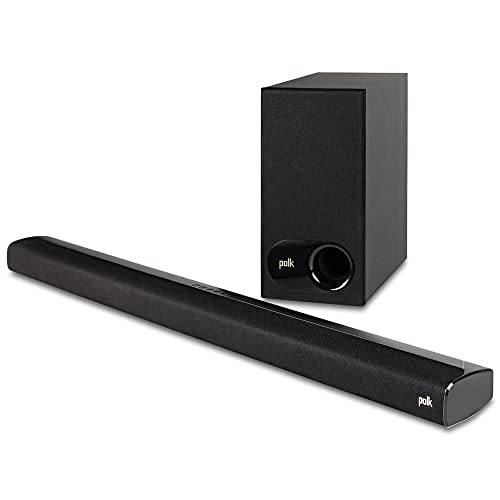
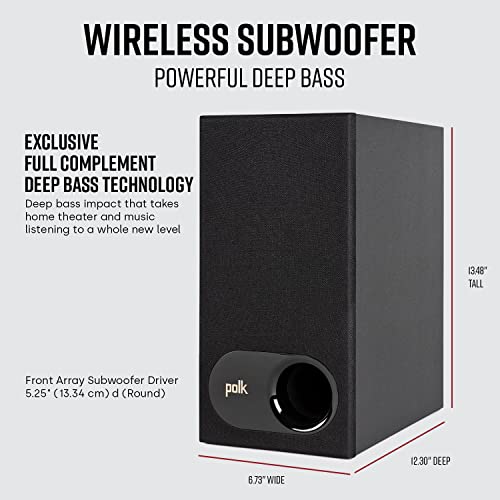
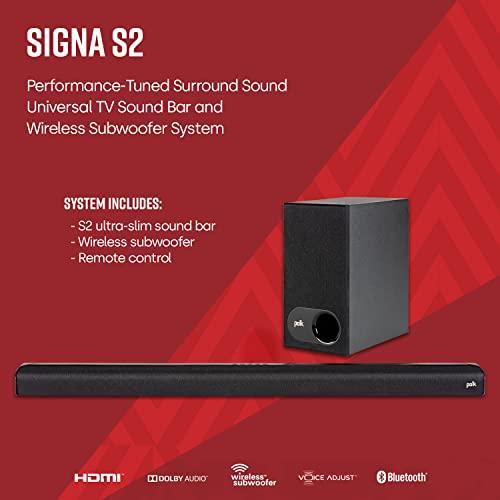
The Polk Audio Signa S2, released in 2019, takes what I'd call the "tried and true" approach. It's a 2.1 channel system, meaning it has two main channels (left and right) plus a dedicated subwoofer (the ".1"). This wireless subwoofer houses a 5.25-inch driver that handles everything below about 150 Hz – that's where you feel explosions in action movies and the punch in your favorite bass-heavy tracks.
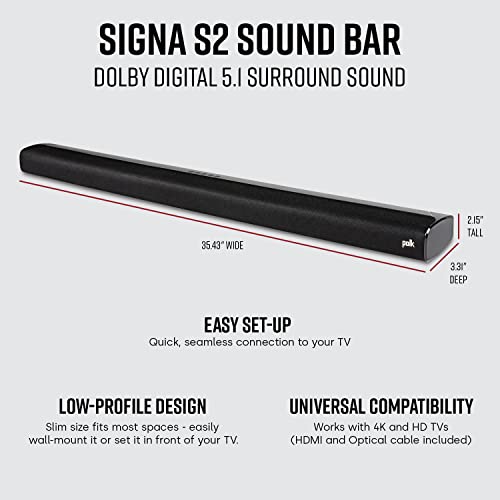
What makes this approach particularly effective is physics. Bass frequencies are omnidirectional, meaning you don't need to pinpoint exactly where they're coming from. This allows Polk to place a dedicated driver in a separate enclosure that can be positioned anywhere in your room for optimal bass response. The main soundbar, measuring just 2.15 inches tall, focuses on midrange frequencies and treble – the stuff you need to hear clearly positioned in front of you.
The soundbar itself contains two 1.25" x 4.4" oval midrange drivers and two 1" tweeters. Those oval drivers are specifically shaped to fit more driver surface area into the slim profile, giving you better midrange reproduction than you'd get from tiny round drivers.
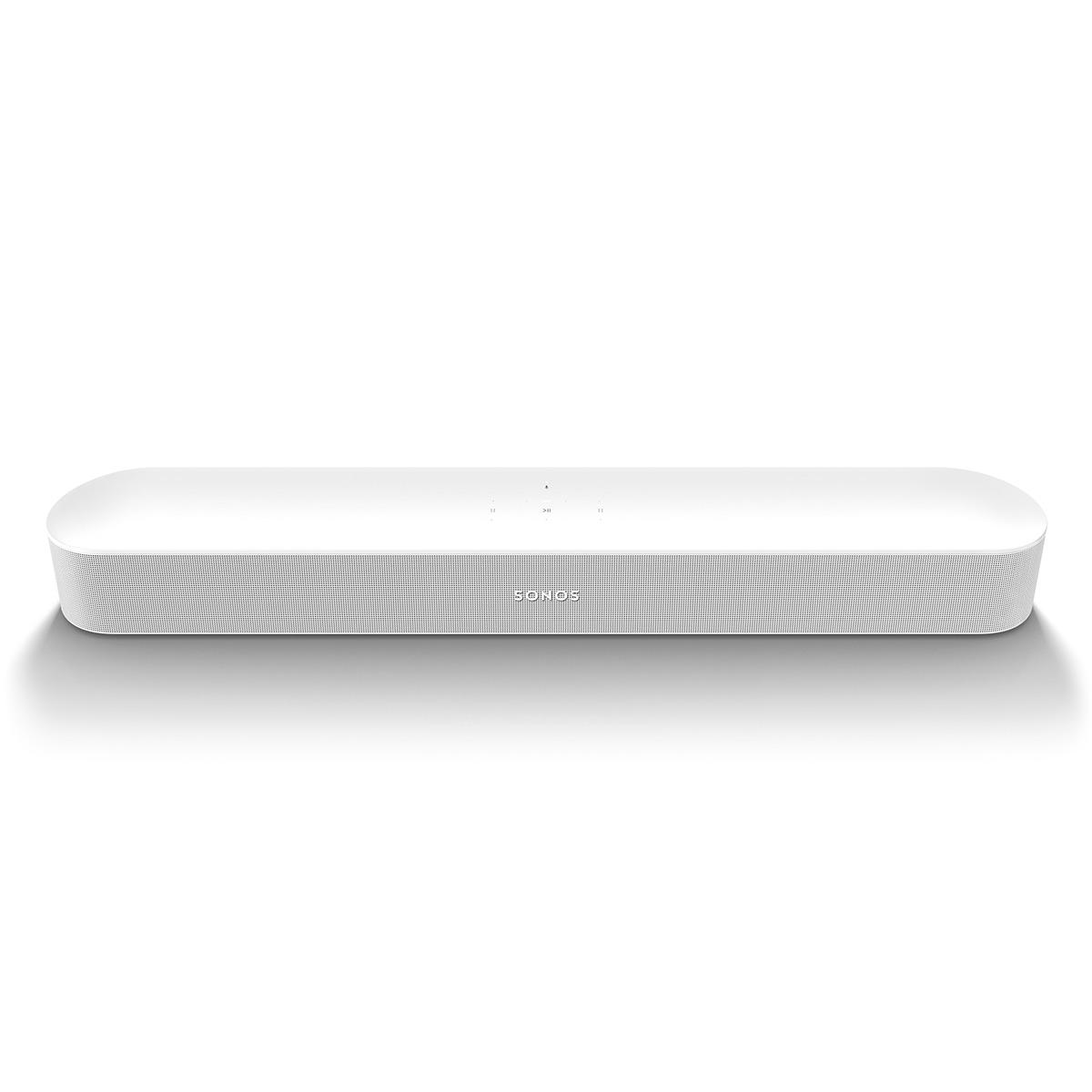
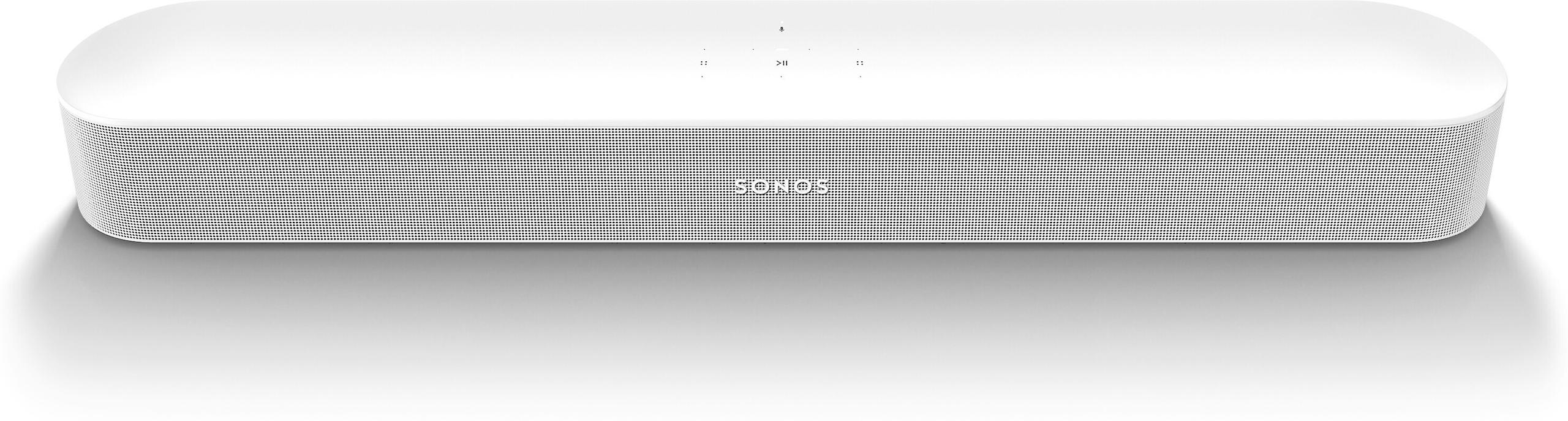
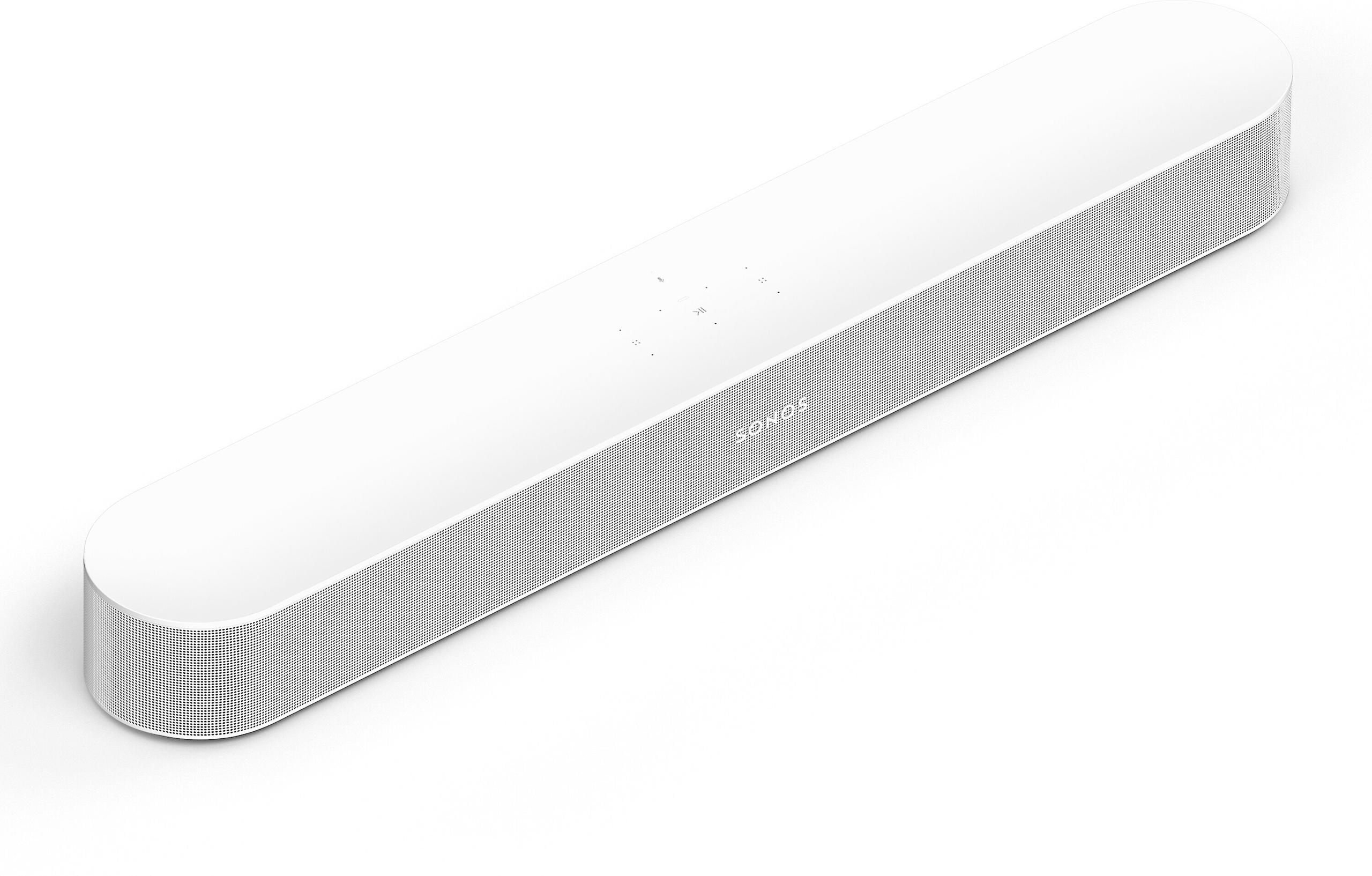
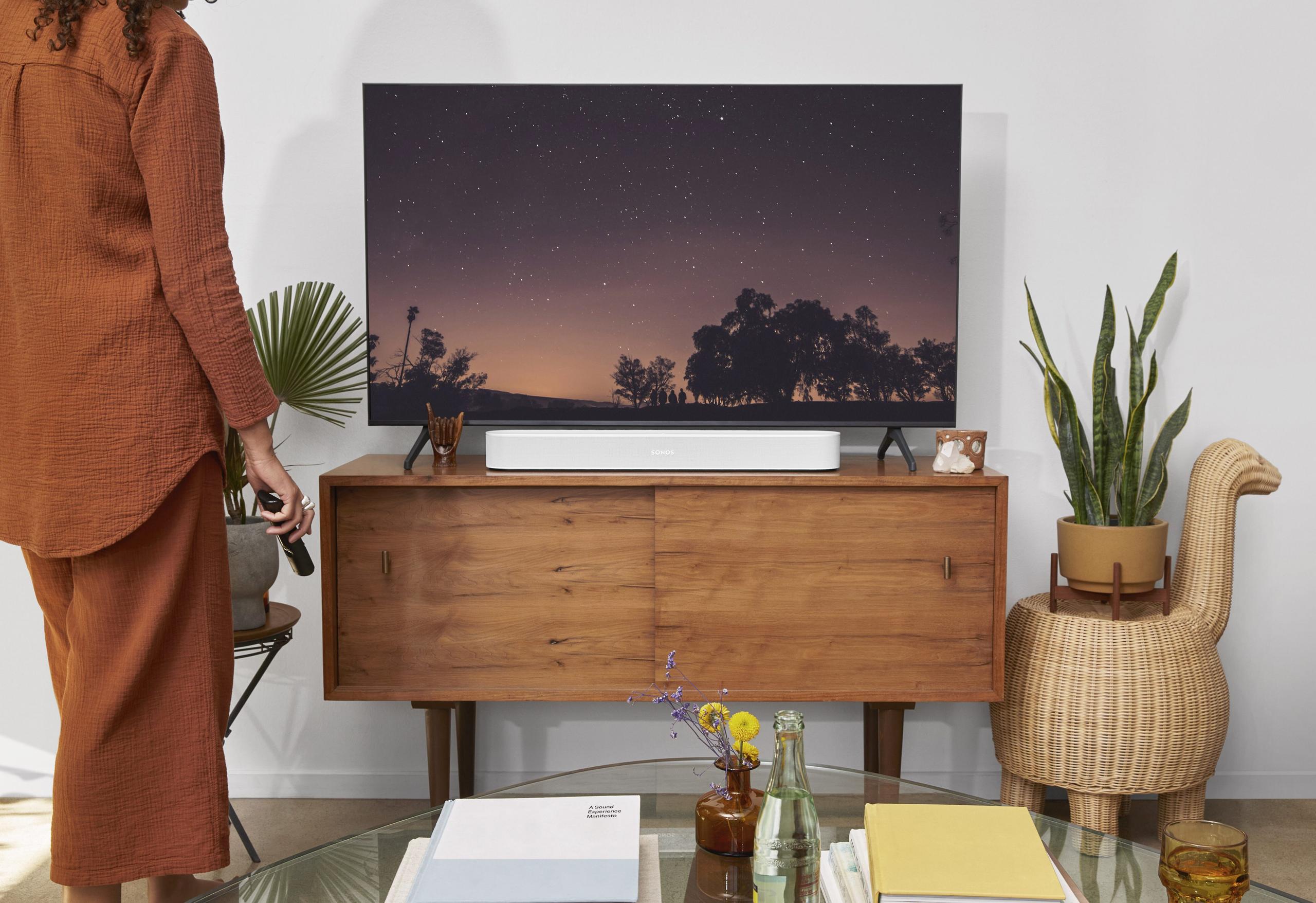
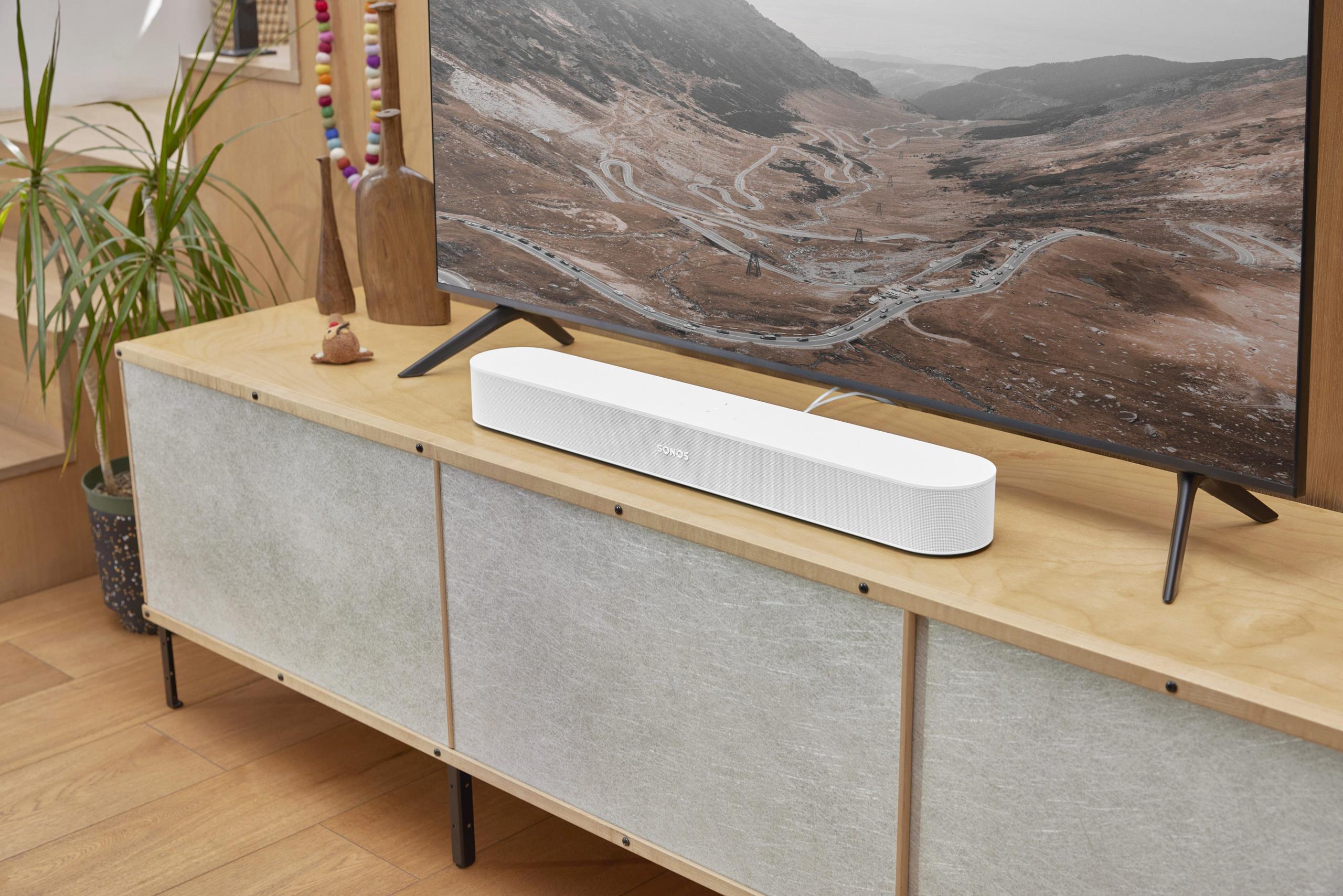
The Sonos Beam Gen 2, launched in 2021, represents a more modern approach. Instead of a separate subwoofer, Sonos crams everything into a single 25.6-inch unit using a 5.0 configuration. This means five discrete audio channels: front left, center, front right, and two surround channels, all created virtually through advanced audio processing.
Here's where it gets technically interesting. The Beam Gen 2 uses four elliptical mid-woofers and one center tweeter, but the real magic happens with three passive radiators. These are essentially speakers without magnets – they vibrate in response to air pressure created by the active drivers, extending bass response without requiring additional amplification or space. Think of them as acoustic resonators that help the compact cabinet punch above its weight in the low-frequency department.
The 2021 upgrade brought Dolby Atmos support, which uses psychoacoustic processing to create the illusion of height channels. While there are no upward-firing drivers like you'd find in larger Atmos soundbars, the processing convincingly places sounds above and around you in smaller rooms.
This is where the fundamental difference becomes most apparent. When I'm watching an action movie like "Mad Max: Fury Road," the Polk Audio Signa S2's dedicated subwoofer delivers bass you can physically feel. Those low-frequency effects that make explosion scenes visceral – that's what a dedicated subwoofer excels at. The 5.25-inch driver in a ported enclosure can move serious air, creating room-pressurizing bass that adds genuine excitement to movies and music.
The Sonos Beam Gen 2, despite its clever passive radiators, simply cannot match this physical impact. Physics is physics – without a large dedicated driver, you're not going to get the same low-end punch. However, what the Beam lacks in visceral bass impact, it makes up for in bass quality and integration. The passive radiators provide surprisingly tight, controlled bass that never sounds boomy or overwhelming.
For music listening, this difference becomes even more pronounced with certain genres. Electronic music, hip-hop, and orchestral pieces with organ pedal notes showcase the Signa S2's bass advantage clearly. The Beam Gen 2 handles acoustic music, jazz, and vocal-centric content beautifully but leaves you wanting more foundation with bass-heavy material.
Here's where the Sonos Beam Gen 2 pulls ahead significantly. Dialogue clarity is arguably the most important performance metric for any soundbar – if you can't understand what characters are saying, no amount of bass will save your viewing experience.
The Beam Gen 2's dedicated center tweeter, combined with Sonos' sophisticated Speech Enhancement processing, delivers remarkably clear dialogue. The center channel approach means voices are anchored precisely to the screen, and the processing can intelligently boost vocal frequencies without making everything sound harsh or unnatural.
The Polk Audio Signa S2 includes VoiceAdjust technology, which is Polk's dialogue enhancement feature, but it's not quite as refined. While it does help boost vocal clarity, pushing the VoiceAdjust setting too high can make dialogue sound somewhat nasal and artificial. Without a dedicated center channel, the Signa S2 relies on phantom center imaging – essentially tricking your brain into hearing voices between the left and right speakers.
The surround sound capabilities reveal another fundamental difference between these approaches. The Sonos Beam Gen 2's Dolby Atmos processing creates a surprisingly convincing surround experience, especially in smaller rooms. The psychoacoustic processing analyzes incoming audio and uses phase manipulation and timing delays to place sounds around and above you.
I've found this works best in rooms under 200 square feet with relatively flat ceilings. In my own testing, watching "Blade Runner 2049," the Beam Gen 2 successfully placed the flying car scenes above and around the listening position, creating genuine immersion despite having no physical surround speakers.
The Polk Audio Signa S2 takes a more straightforward approach with Dolby Digital decoding. It can process surround sound tracks but presents them in a wider stereo field rather than creating discrete surround effects. The soundstage extends beyond the physical width of the soundbar, but you won't get the same enveloping experience as the Beam's virtual processing.
For music playback, these soundbars serve different listening preferences. The Sonos Beam Gen 2 offers more refined musical reproduction with balanced frequency response and excellent stereo imaging. It handles complex orchestral pieces, intimate jazz recordings, and acoustic music with impressive clarity and separation.
The Polk Audio Signa S2 brings more excitement to music playback, particularly with genres that benefit from strong bass presence. While it may not have the Beam's refinement, its V-shaped frequency response (emphasizing bass and treble) makes music sound more dynamic and engaging, even if it's not technically as accurate.
The feature gap between these soundbars is substantial. The Polk Audio Signa S2 keeps things simple with HDMI ARC, optical, and auxiliary inputs, plus Bluetooth for wireless music streaming. Setup takes literally minutes – plug it in, connect one cable to your TV, and you're done. The included remote handles basic functions like volume, input selection, and sound modes.
The Sonos Beam Gen 2 is essentially a smart speaker that happens to be shaped like a soundbar. Built-in Amazon Alexa and Google Assistant mean you can control smart home devices, ask questions, and manage music playback entirely through voice commands. Wi-Fi connectivity enables features like Apple AirPlay 2, Spotify Connect, and support for high-resolution audio streaming.
The Sonos S2 app is required for setup and provides extensive control over sound settings, room correction, and multi-room audio management. TruePlay room calibration uses your iPhone's microphone to analyze your room's acoustics and automatically adjust the sound profile. This isn't just marketing fluff – the difference before and after TruePlay calibration is genuinely noticeable, particularly for dialogue clarity and overall tonal balance.
The build quality difference reflects the price gap between these products. The Sonos Beam Gen 2 feels premium, with a perforated polycarbonate grille that's both more durable and easier to clean than traditional fabric coverings. Even the included cables are color-matched to the unit's finish – small touches that indicate attention to detail.
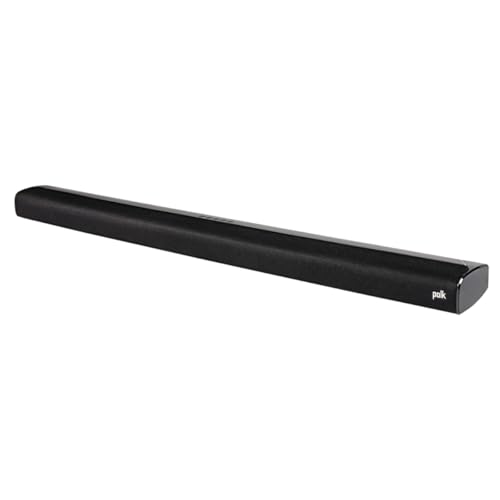
The Polk Audio Signa S2 uses more conventional construction with a fabric grille and plastic housing, but it doesn't feel cheap or flimsy. The ultra-slim profile is actually an advantage for TV compatibility – at just over 2 inches tall, it fits under virtually any TV without blocking the screen or infrared sensors.
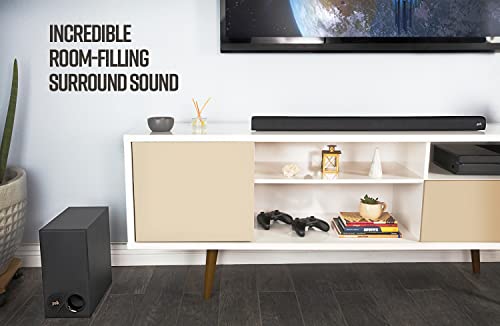
Room size significantly impacts which soundbar will work better for you. The Polk Audio Signa S2 excels in medium to large rooms where the wireless subwoofer can pressurize the space effectively. The ability to place the subwoofer anywhere in the room – behind furniture, in a corner, or along a wall – gives you flexibility to optimize bass response for your specific layout.
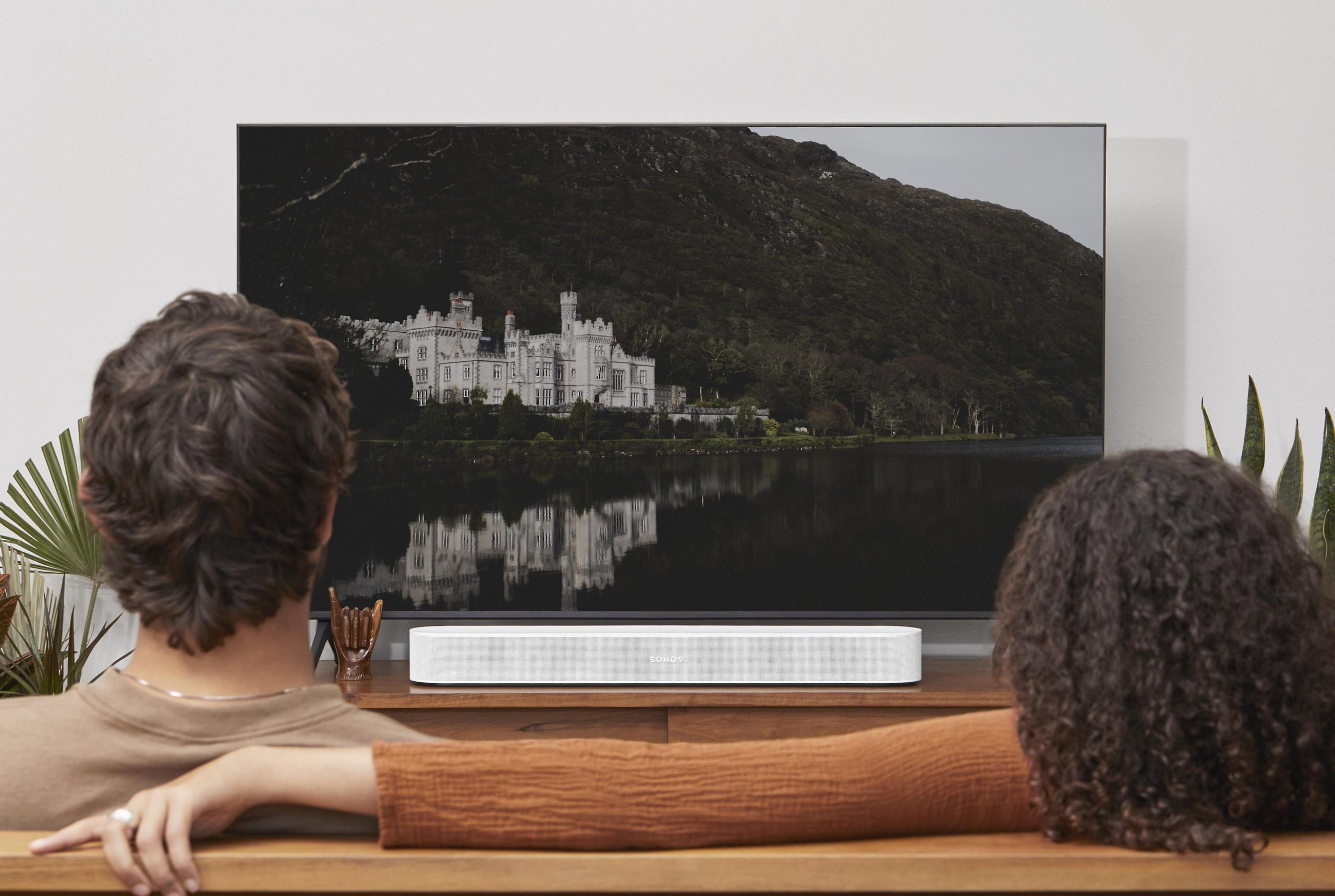
The Sonos Beam Gen 2 is optimized for smaller to medium-sized rooms. In spaces larger than about 300 square feet, it may struggle to fill the room with sound, and the virtual Atmos effects become less convincing. However, in appropriately sized spaces, it delivers surprisingly room-filling audio from its compact form factor.
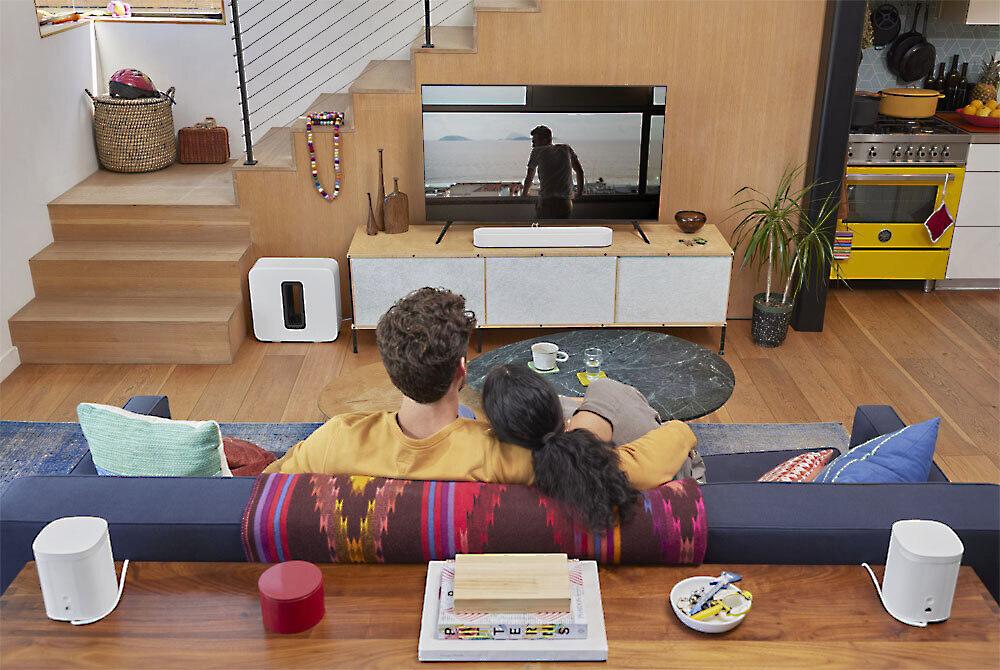
This is where the Sonos Beam Gen 2 truly shines. The ability to integrate with other Sonos speakers creates possibilities that extend far beyond TV audio. You can group the Beam with speakers in other rooms for synchronized music throughout your home, add a Sonos Sub for deeper bass, or incorporate Sonos rear speakers for true surround sound.
The multi-room capabilities are genuinely useful in daily life. I can start music on the Beam while cooking dinner, then seamlessly transfer it to bedroom speakers when heading upstairs, or play different content in each room during parties.
The Polk Audio Signa S2 operates as a standalone system with no expansion options. What you buy is your complete setup, which keeps things simple but limits future upgrade paths.
For dedicated home theater setups, both soundbars have merits depending on your priorities and room characteristics. The Polk Audio Signa S2 brings the visceral impact that makes action movies exciting. The dedicated subwoofer ensures you'll feel every explosion, thunderclap, and dramatic musical crescendo.
However, the Sonos Beam Gen 2 creates a more sophisticated surround experience that works particularly well with dialogue-heavy content like dramas and documentaries. The virtual Atmos processing adds genuine dimensionality to properly mixed content, and the superior dialogue clarity means you'll catch every whispered plot point without reaching for subtitles.
Choose the Polk Audio Signa S2 if you want maximum audio improvement for your investment. It's perfect for people who primarily watch action movies, play bass-heavy video games, or listen to electronic music. The simple setup appeals to anyone who wants better TV audio without dealing with apps, Wi-Fi configuration, or smart home integration.
The dedicated subwoofer makes it ideal for larger rooms or anyone who prioritizes that physical bass impact that makes movies truly exciting. If you're the type of person who cranks up car chase scenes or wants to feel the rumble of spaceship engines, this is your soundbar.
Choose the Sonos Beam Gen 2 if you value audio refinement and smart features over pure impact. It's perfect for smaller living spaces, people who watch a lot of dialogue-heavy content, and anyone who wants their soundbar to double as a smart speaker. The superior build quality and ecosystem integration make it a better long-term investment for audio enthusiasts.
If you're already invested in smart home technology or plan to build a multi-room audio system over time, the Beam's expandability and integration capabilities justify the premium pricing.
Both soundbars succeed at their intended purposes, but they solve different problems. The Polk Audio Signa S2 delivers maximum bang for your buck with satisfying bass impact and simple operation. The Sonos Beam Gen 2 provides a more sophisticated, future-proof solution with smart features and superior audio processing.
At the time of writing, the price difference reflects these different approaches – you're essentially choosing between immediate audio satisfaction and long-term smart audio investment. Neither choice is wrong; it's about matching the product to your specific needs, room characteristics, and priorities.
The best soundbar for you is the one that enhances your most common listening scenarios while fitting comfortably within your budget and technical comfort zone.
| Polk Audio Signa S2 | Sonos Beam Gen 2 |
|---|---|
| Speaker Configuration - Determines bass impact and surround capabilities | |
| 2.1 channels with dedicated wireless subwoofer | 5.0 channels with passive radiators, no separate sub |
| Subwoofer - Critical for deep bass in movies and music | |
| 5.25" wireless subwoofer with ported enclosure | Built-in passive radiators only |
| Dimensions - Important for TV compatibility and room aesthetics | |
| Ultra-slim 2.15" H x 35.43" W (fits under most TVs) | Compact 2.7" H x 25.6" W (ideal for smaller spaces) |
| Dolby Atmos Support - Creates immersive overhead sound effects | |
| No Atmos support (Dolby Digital only) | Full Dolby Atmos with virtual processing |
| Smart Features - Determines streaming and voice control capabilities | |
| Basic Bluetooth streaming only | Built-in Alexa/Google Assistant, Wi-Fi, AirPlay 2 |
| Room Calibration - Optimizes sound for your specific space | |
| Manual sound modes only | TruePlay automatic room correction (requires iPhone) |
| Connectivity Options - Affects compatibility with different devices | |
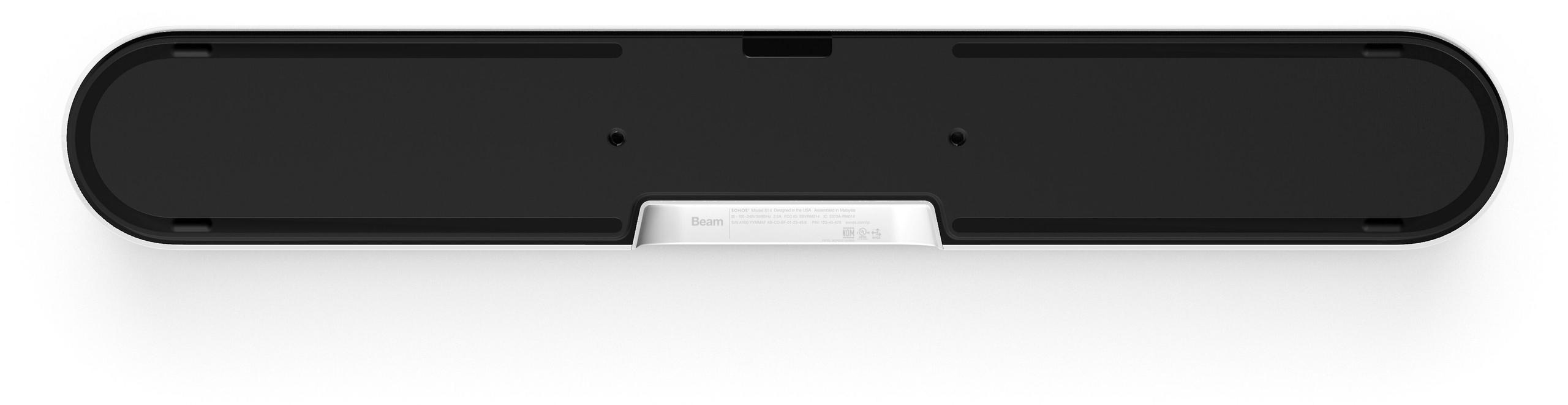
| HDMI ARC, optical, 3.5mm aux (cables included) | HDMI eARC, Wi-Fi, Ethernet (supports advanced audio formats) |
| Multi-Room Audio - Ability to connect with other speakers | |
| Standalone system only | Full Sonos ecosystem integration and expansion |
| Setup Complexity - Time and effort required to get optimal performance | |
| Plug-and-play setup in minutes | Requires app setup and iPhone for room calibration |
| Voice Control - Hands-free operation when TV is off | |
| IR remote control only | Built-in voice assistants work as smart speaker |
| Build Quality - Affects durability and premium feel | |
| Standard plastic construction with fabric grille | Premium materials with perforated polycarbonate grille |
| Ideal Room Size - Where each performs best | |
| Medium to large rooms (subwoofer pressurizes space) | Small to medium rooms (virtual processing works best) |
| Primary Strength - What each does exceptionally well | |
| Deep, room-shaking bass impact for movies/gaming | Superior dialogue clarity and smart home integration |
The Polk Audio Signa S2 is better for action movies due to its dedicated wireless subwoofer that delivers deep, room-shaking bass for explosions and dramatic scenes. However, the Sonos Beam Gen 2 excels with dialogue-heavy films thanks to superior voice clarity and Dolby Atmos virtual surround sound processing.
The Polk Audio Signa S2 includes a wireless subwoofer in the box, providing immediate deep bass without additional purchases. The Sonos Beam Gen 2 doesn't include a subwoofer but uses built-in passive radiators for bass extension - you can add a Sonos Sub later if desired.
The Polk Audio Signa S2 offers plug-and-play setup that takes just minutes - simply connect one cable to your TV and you're done. The Sonos Beam Gen 2 requires Wi-Fi setup through the Sonos app and ideally needs an iPhone for room calibration to achieve optimal performance.
The Sonos Beam Gen 2 has built-in Amazon Alexa and Google Assistant, functioning as a smart speaker even when your TV is off. The Polk Audio Signa S2 doesn't have voice control capabilities and relies on the included remote or your TV remote for operation.
The Sonos Beam Gen 2 offers more refined music playback with balanced frequency response and excellent stereo imaging, especially for acoustic and jazz music. The Polk Audio Signa S2 provides more exciting bass impact that's particularly good for electronic music, hip-hop, and rock genres.
The Polk Audio Signa S2 works well in medium to large rooms where its wireless subwoofer can effectively pressurize the space. The Sonos Beam Gen 2 is optimized for smaller to medium rooms where its virtual Atmos processing and compact design deliver the best performance.
The Sonos Beam Gen 2 integrates with the entire Sonos ecosystem, allowing you to add rear speakers, a subwoofer, or create multi-room audio throughout your home. The Polk Audio Signa S2 operates as a standalone system with no expansion options beyond what's included.
The Sonos Beam Gen 2 provides superior dialogue clarity with its dedicated center tweeter and Speech Enhancement processing that keeps voices anchored to the screen. The Polk Audio Signa S2 includes VoiceAdjust technology but lacks a dedicated center channel, relying on phantom center imaging.
The Sonos Beam Gen 2 supports full Dolby Atmos with virtual processing that creates overhead sound effects without upward-firing speakers. The Polk Audio Signa S2 doesn't support Atmos but handles Dolby Digital surround sound processing.
The Polk Audio Signa S2 features an ultra-slim profile at just 2.15 inches tall, fitting under virtually any TV without blocking the screen or remote sensors. The Sonos Beam Gen 2 is slightly taller at 2.7 inches but more compact in width, making it ideal for smaller TV stands.
Both soundbars support wireless music streaming, but with different capabilities. The Polk Audio Signa S2 offers basic Bluetooth connectivity from phones and tablets. The Sonos Beam Gen 2 provides Wi-Fi streaming with support for Apple AirPlay 2, Spotify Connect, and direct access to streaming services.
The Polk Audio Signa S2 delivers exceptional value by dramatically improving TV audio with included wireless subwoofer and simple operation. The Sonos Beam Gen 2 costs more but provides premium build quality, smart features, room calibration, and ecosystem expandability that justify the higher investment for tech-savvy users.
We've done our best to create useful and informative comparisons to help you decide what product to buy. Our research uses advanced automated methods to create this comparison and perfection is not possible - please contact us for corrections or questions. These are the sites we've researched in the creation of this article: rtings.com - youtube.com - bestbuy.com - rtings.com - consumerreports.org - rtings.com - youtube.com - hometechnologyreview.com - soundbars.com - youtube.com - manuals.plus - creativeaudio.net - parts-express.com - thomsunmusic.com - polkaudio.com - manuals.plus - polkaudio.com - polkaudio.com - polkaudio.com - bestbuy.com - youtube.com - youtube.com - polkaudio.com - whathifi.com - en.community.sonos.com - techradar.com - youtube.com - consumerreports.org - bestbuy.com - youtube.com - sonos.com - wave-electronics.com - en.community.sonos.com - epicsystems.tech - tomsguide.com - bestbuy.com

Privacy Policy
Terms and Conditions - Affiliate Policy
Home Security
© Copyright 2008-2026.
11816 Inwood Rd #1211, Dallas, TX 75244