



When I first started reviewing soundbars back in 2018, the market was much simpler. You had basic models that made TV dialogue clearer, and expensive ones that promised "surround sound." Today's soundbar landscape is far more nuanced, with options spanning from ultra-affordable upgrades to sophisticated home theater systems that rival traditional speaker setups.
The Polk Audio Signa S2 and Sony HT-A5000 perfectly illustrate this evolution. Released in 2020 and 2021 respectively, these two soundbars represent fundamentally different philosophies about what home audio should be – and at the time of writing, their price difference reflects that divide quite dramatically.
Before diving into specifics, let's establish what we're dealing with. A soundbar is essentially a horizontal speaker cabinet designed to sit below or mount near your TV. Think of it as multiple speakers arranged in a single enclosure, engineered to create a wider, more engaging soundstage than your TV's built-in speakers can manage.
The key considerations when shopping for any soundbar boil down to four main areas: audio quality across different types of content, surround sound capabilities (how well it creates the illusion of sound coming from around you), bass response, and dialogue clarity. Value, of course, ties all of these together – you want the best performance you can get within your budget.
What makes this comparison particularly interesting is that these two products approach these challenges from completely different angles, targeting distinct user needs and expectations.
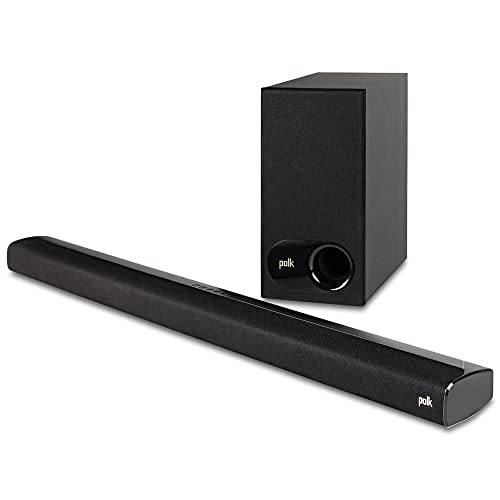
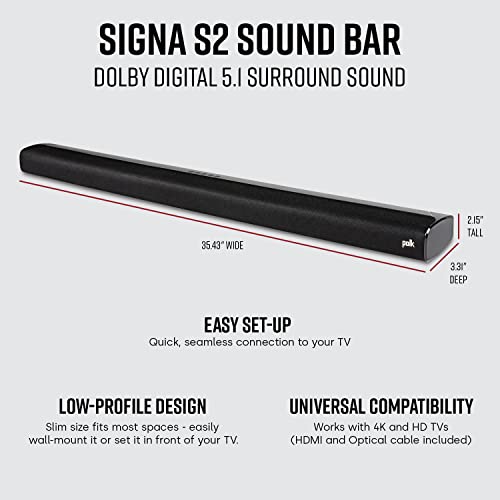
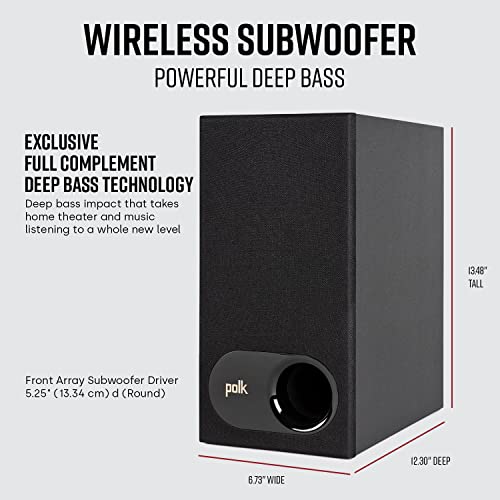
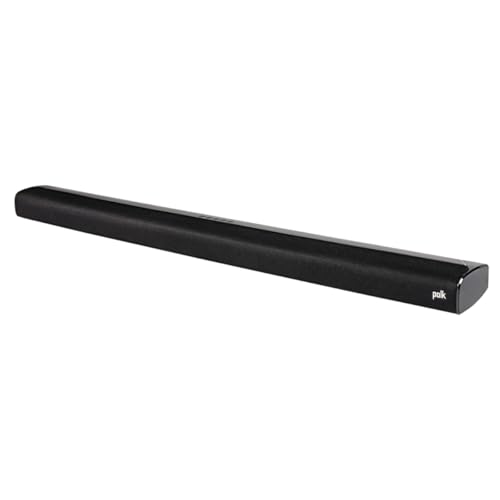
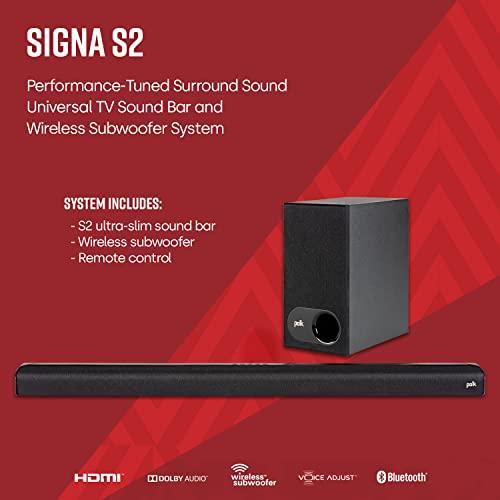
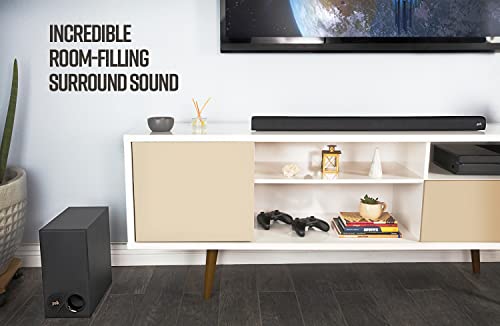
The Polk Audio Signa S2 takes the straightforward route. It's a 2.1 channel system, which means you get stereo sound (left and right channels) plus a dedicated subwoofer channel for bass. The soundbar itself houses two 1.25-inch by 4.4-inch oval midrange drivers and two 1-inch tweeters, while a separate wireless subwoofer with a 5.25-inch driver handles the low-end frequencies.
This setup makes perfect sense for what Polk was trying to achieve: a simple, affordable upgrade that dramatically improves TV audio without overwhelming users with complexity. When you're coming from tinny TV speakers, the difference is immediately apparent.
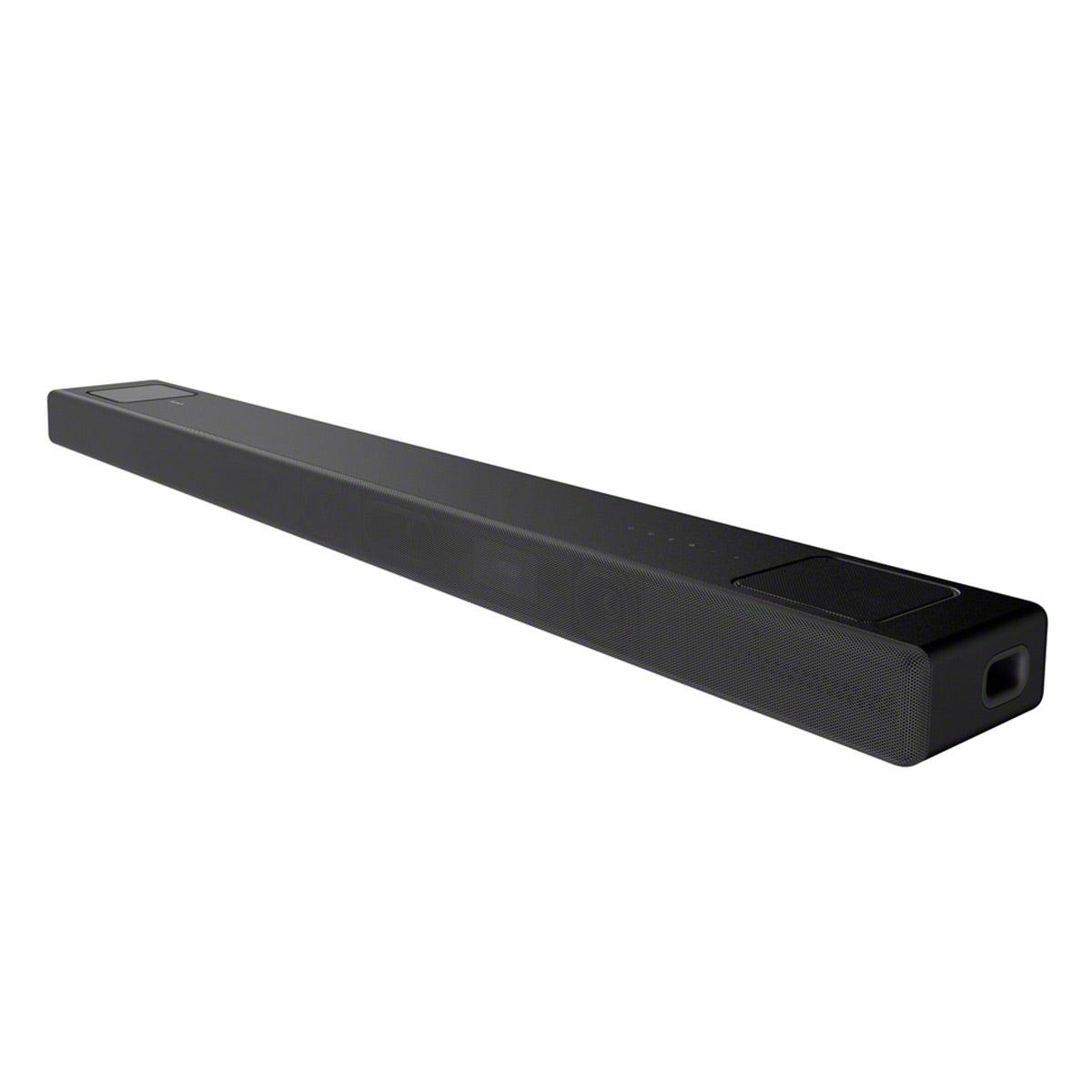
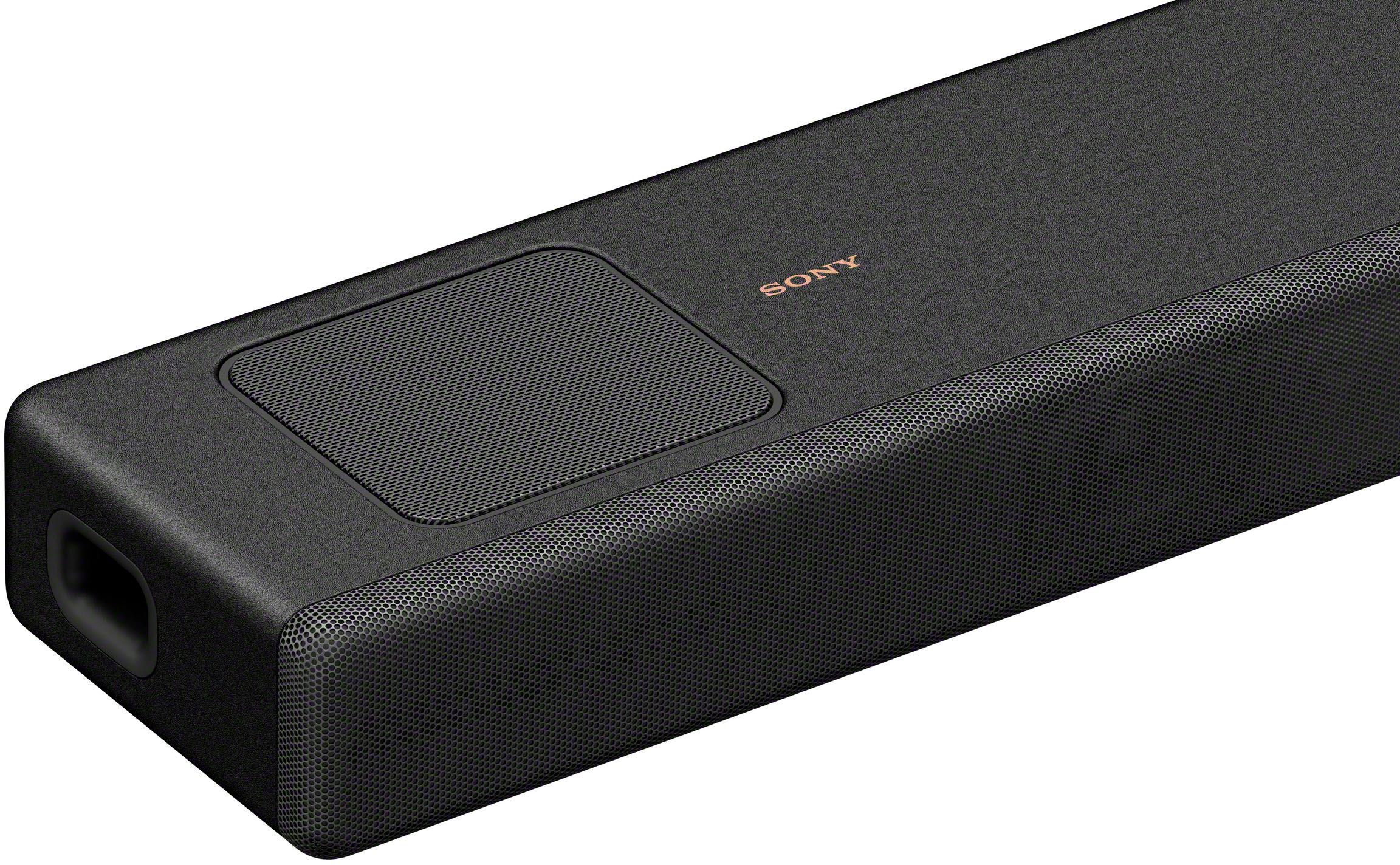
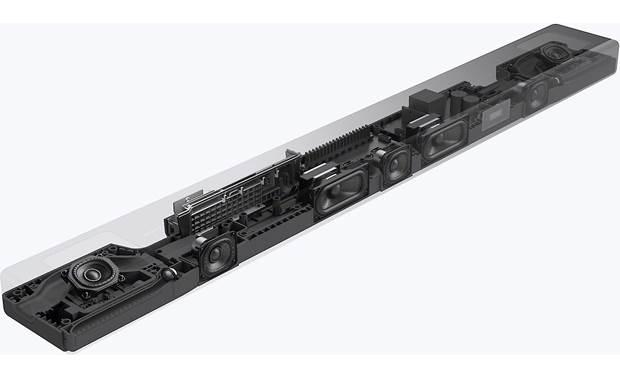
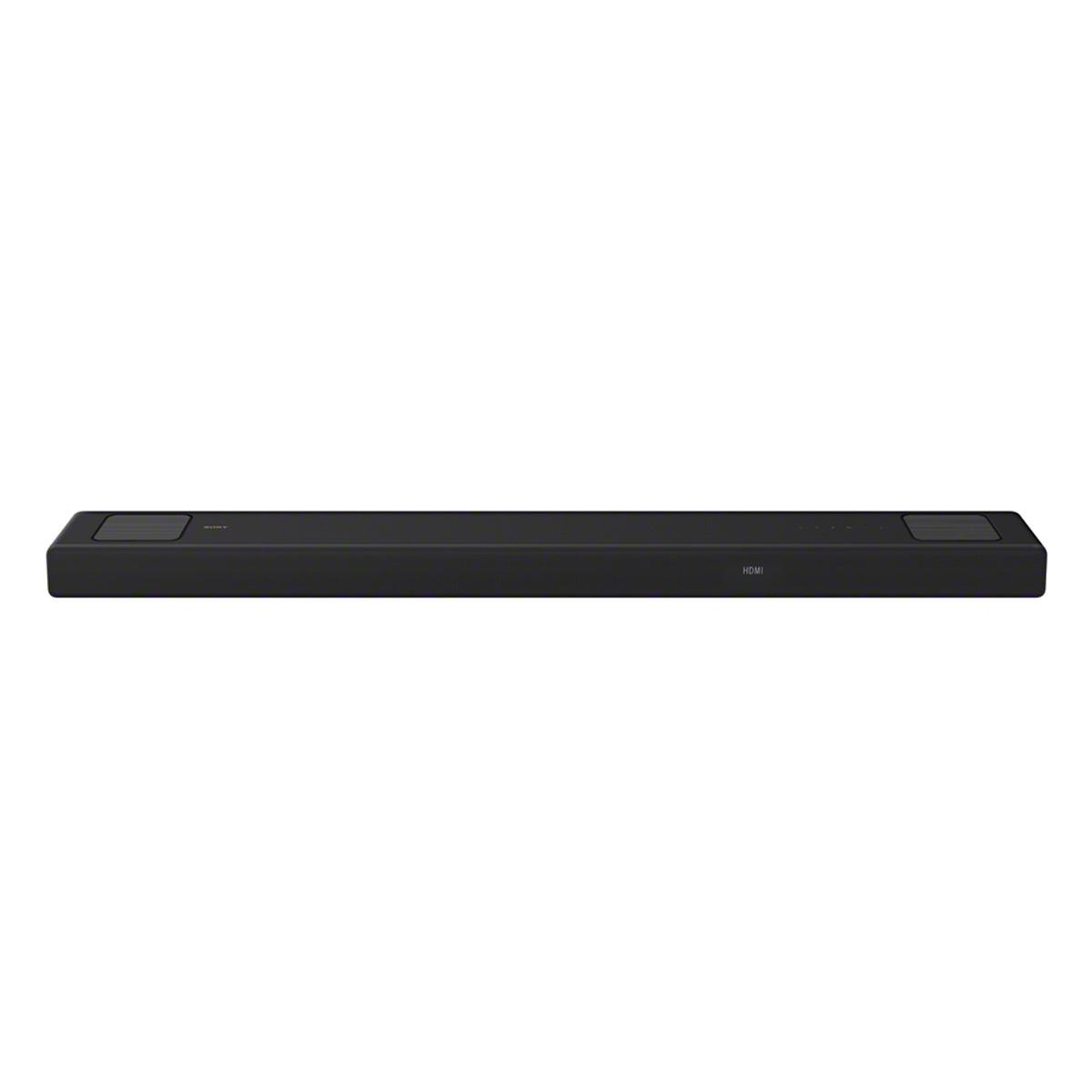
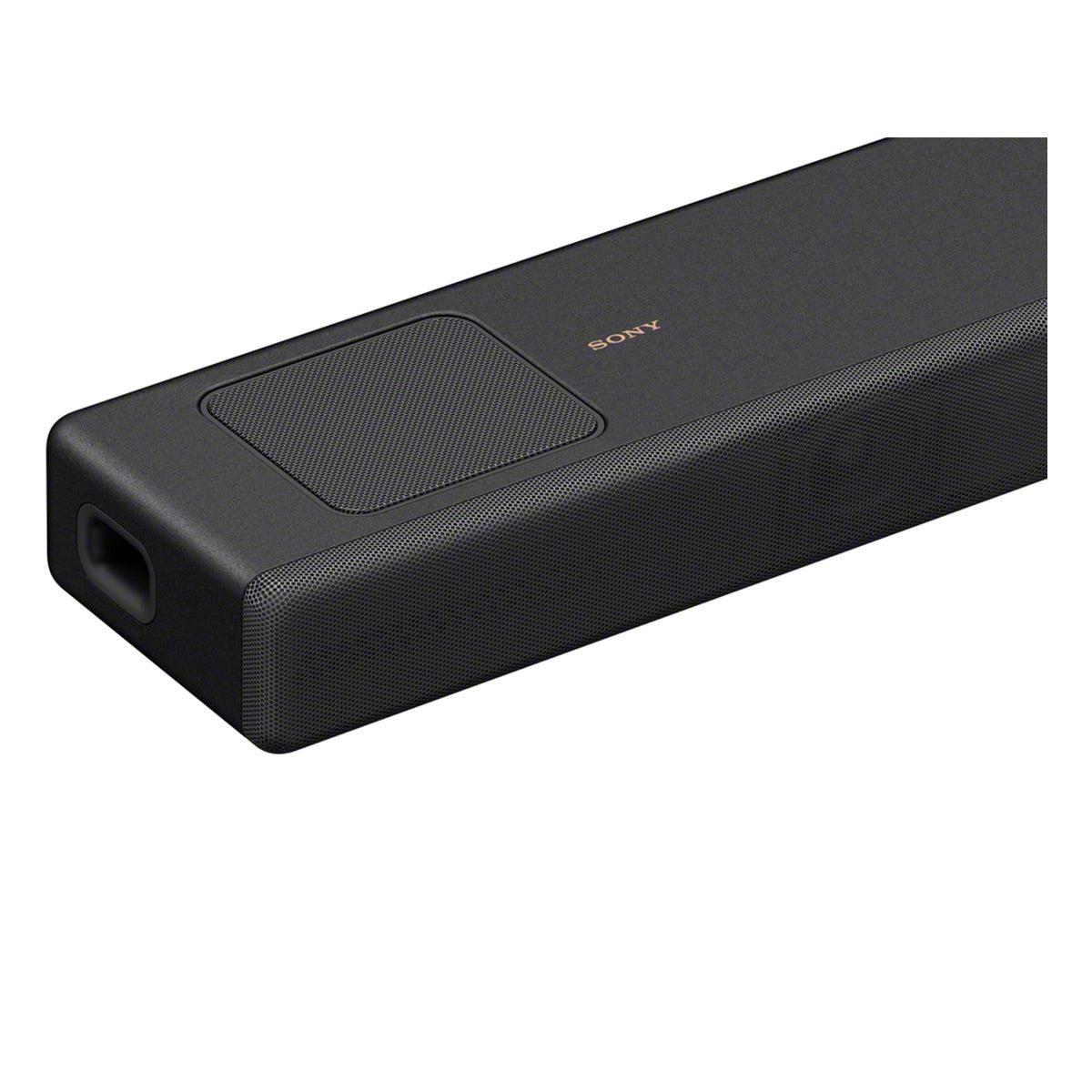
The Sony HT-A5000, released a year later, represents Sony's vision of what a premium soundbar should be. It's a 5.1.2 channel system, which sounds complicated but breaks down logically. The "5.1" part means five main speakers (left, center, right, and two surround channels) plus one subwoofer channel. The ".2" indicates two height channels – upward-firing speakers that bounce sound off your ceiling to create overhead effects.
This configuration allows the Sony to support Dolby Atmos, an audio format that treats sounds as objects moving through three-dimensional space rather than just sending audio to specific channels. It's the difference between hearing a helicopter fly by versus feeling like it's actually passing overhead.
Let's talk about what these different approaches mean for actual listening experiences, because this is where the rubber really meets the road.
The Polk Signa S2 produces what audio engineers call a "V-shaped" sound signature. This means it emphasizes both bass and treble while keeping midrange frequencies relatively neutral. In practical terms, music can sound exciting and punchy, with deep bass from that wireless subwoofer and crisp highs from the tweeters. However, this tuning can sometimes make audio sound artificial or fatiguing during longer listening sessions.
What the Polk does exceptionally well is dialogue clarity, thanks to its VoiceAdjust technology. This feature boosts the frequency range where human voices naturally sit (roughly 1-4 kHz), making it easier to understand what actors are saying without cranking up the overall volume. For TV shows, news, and casual viewing, this makes a huge difference.
The Sony HT-A5000 takes a more sophisticated approach with its 450-watt digital amplification system and X-Balanced drivers. These drivers use a specially shaped diaphragm that maximizes the surface area while minimizing distortion – think of it as getting more sound output from the same space. The result is a more neutral, balanced frequency response that audiophiles tend to prefer.
Where the Sony really shines is in soundstage width and imaging precision. "Soundstage" refers to how wide the sound appears to extend beyond the physical speakers, while "imaging" describes how precisely you can locate specific sounds within that space. During complex movie scenes with multiple characters speaking or action happening across the screen, the Sony maintains clarity and separation in ways the Polk simply cannot match.
This is perhaps the most significant difference between these two products, and it's worth understanding because it fundamentally changes what each soundbar can do.
The Polk Signa S2 doesn't create true surround sound. When it receives a 5.1 surround signal from a Blu-ray movie or streaming service, it has to "downmix" that information into its two-channel format. It's like trying to display a color photograph on a black-and-white screen – you get the basic information, but much of the spatial detail is lost.
The Sony HT-A5000, by contrast, can process and reproduce genuine surround sound through several advanced technologies. Its Vertical Surround Engine creates the impression of height channels even when playing standard stereo content, while S-Force Pro Front Surround generates phantom surround speakers that seem to extend well beyond the soundbar's physical dimensions.
But the real magic happens with Dolby Atmos content. Those upward-firing speakers bounce sound off your ceiling, creating convincing overhead effects. When a spaceship flies across the screen in a science fiction movie, you actually hear it move from front to back and side to side through three-dimensional space. It's genuinely impressive when it works well, though it does require reasonably reflective ceiling surfaces to achieve the full effect.
Bass reproduction showcases another philosophical divide between these products. The Polk Signa S2 uses a traditional approach with its wireless 5.25-inch subwoofer. This separate cabinet can be placed anywhere in your room, allowing you to optimize bass response by experimenting with different positions. Corners typically reinforce bass, while placement away from walls usually provides tighter, more controlled low-end response.
However, the Polk's bass can become overly prominent or "boomy" with certain content, particularly music with heavy electronic elements or action movies with intense low-frequency effects. The subwoofer's port design and relatively simple DSP (digital signal processing) don't provide the level of control that more sophisticated systems achieve.
The Sony HT-A5000 integrates dual subwoofers directly into the soundbar cabinet. While this eliminates placement flexibility, it allows for more precise control over bass response through advanced digital processing. The built-in subwoofers work together, using Sony's algorithms to minimize distortion and provide more even bass distribution throughout your listening area.
In my experience, the Sony's approach works better for most users because it eliminates the guesswork of subwoofer placement while providing more consistent results across different types of content. However, if you have a particularly challenging room or specific preferences for bass response, the Polk's separate subwoofer offers more flexibility to fine-tune the sound.
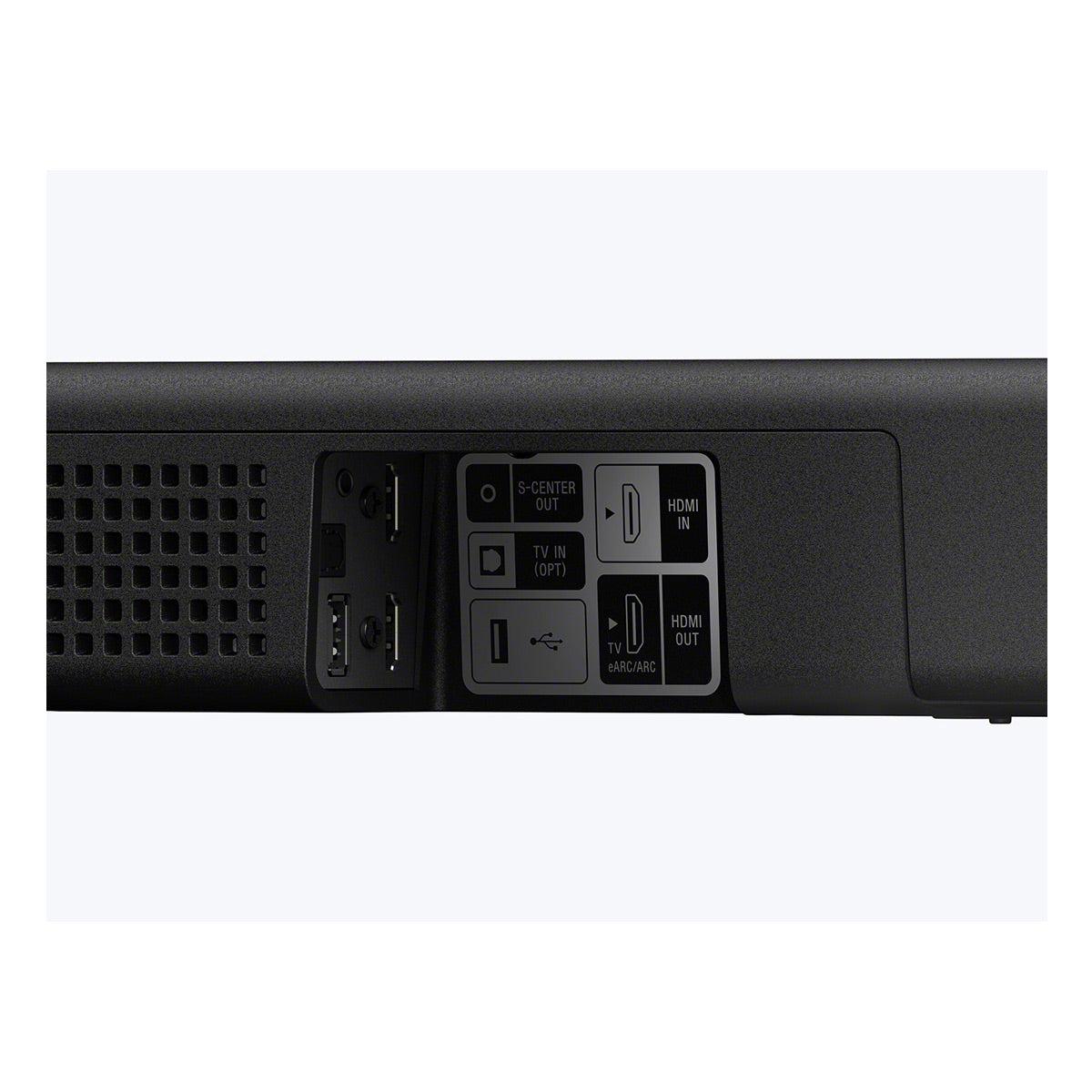
The connectivity differences between these soundbars reflect their different target markets and release years. The Polk Signa S2 covers the basics with HDMI ARC (Audio Return Channel), optical, and 3.5mm analog inputs, plus Bluetooth for wireless music streaming. HDMI ARC is particularly convenient because it allows your TV remote to control the soundbar's volume, creating a more seamless user experience.
The Sony HT-A5000 offers significantly more comprehensive connectivity, including HDMI eARC (enhanced ARC) which supports higher-quality audio formats and faster communication between devices. It also includes Wi-Fi connectivity, Chromecast built-in, AirPlay 2 support, and compatibility with both Google Assistant and Amazon Alexa voice commands.
These additional features transform the Sony from a simple TV audio enhancer into a complete smart speaker system. You can stream music directly from your phone without Bluetooth, control it with voice commands, and integrate it into multi-room audio systems. For users already invested in smart home ecosystems, these capabilities add significant value.
One of the most impressive features of the Sony HT-A5000 is its Automatic Sound Field Optimization. Using built-in microphones, the soundbar analyzes your room's acoustic characteristics and adjusts its output accordingly. This technology compensates for factors like room size, furniture placement, and wall materials that affect how sound behaves in your space.
The process is surprisingly sophisticated. The soundbar emits test tones, measures how they reflect around your room, and then applies digital filters to optimize the frequency response and timing of different speakers. It's like having an audio engineer personally tune your system, except it happens automatically during setup.
The Polk Signa S2 takes a much simpler approach with manually selectable sound modes: Movie, Music, and Night. The Movie mode emphasizes dialogue and reduces harsh frequencies, Music mode provides a more balanced response, and Night mode compresses dynamic range to prevent loud explosions from disturbing others. While less sophisticated than the Sony's automatic optimization, these presets cover most users' needs effectively.
Understanding how these soundbars perform with different types of content helps clarify which might work better for your specific needs.
For television shows and news programming, both soundbars excel, but for different reasons. The Polk Signa S2 makes dialogue crystal clear through its VoiceAdjust technology, while the Sony HT-A5000 provides more natural vocal reproduction through its dedicated center channel. If you primarily watch talking-head content like news or sitcoms, either option will satisfy.
Music playback reveals more significant differences. The Polk can make music sound exciting and energetic, but its V-shaped tuning sometimes sacrifices accuracy for impact. The Sony provides more faithful reproduction of how music was intended to sound, with better instrument separation and more realistic stereo imaging.
For movie watching, particularly action films and thrillers, the differences become dramatic. The Sony HT-A5000 creates genuinely immersive experiences with its Dolby Atmos processing and surround sound capabilities. Explosions have weight and dimension, while subtle atmospheric sounds place you within the scene. The Polk Signa S2 certainly improves upon TV speakers, but it can't create the same level of engagement with complex soundtracks.
Gaming represents another area where the Sony's advantages become apparent. Modern games increasingly use spatial audio to enhance immersion – hearing enemy footsteps approaching from behind, or the realistic acoustics of different environments. The Sony can reproduce these effects, while the Polk reduces them to basic stereo information.
At the time of writing, these two products exist in completely different price brackets, with the Sony HT-A5000 commanding roughly three times the cost of the Polk Signa S2. This price difference reflects not just current performance, but also longevity and upgrade potential.
The Polk represents excellent value for users seeking basic TV audio improvement. It includes everything needed for a complete system, requires no additional purchases, and will satisfy most casual listeners. However, it offers no expansion options and limited compatibility with emerging audio formats.
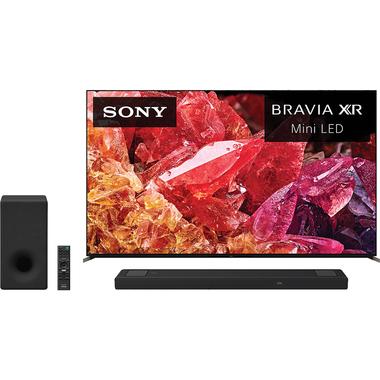
The Sony costs significantly more upfront but provides a foundation for building a complete home theater system. It's compatible with optional wireless rear speakers and additional subwoofers, allowing you to gradually expand capabilities over time. It also supports current and emerging audio formats, providing better future-proofing as streaming services and gaming platforms adopt more advanced audio technologies.
The decision between these soundbars ultimately depends on your specific circumstances, preferences, and long-term plans.
Choose the Polk Audio Signa S2 if you're primarily looking to improve TV dialogue clarity and general audio quality without significant investment. It's perfect for apartments, smaller rooms, or situations where you mainly watch TV shows and casual content. The wireless subwoofer adds meaningful bass impact, and the simple operation appeals to users who prefer straightforward functionality over advanced features.
The Sony HT-A5000 makes sense for users who want genuine home theater performance and have the budget to support it. If you regularly watch movies, play modern video games, or listen to music through your TV setup, the Sony's advanced processing and surround sound capabilities justify the higher cost. Its smart features and expansion options also provide better long-term value for users planning to build more sophisticated systems.
Consider your room size as well. The Polk works well in smaller spaces where its limitations are less apparent, while the Sony really shines in medium to large rooms where its surround processing has space to create convincing effects.
Both soundbars represent solid choices within their respective categories. The Polk Signa S2 excels as an affordable TV audio upgrade that anyone can appreciate, while the Sony HT-A5000 delivers genuine home theater performance for enthusiasts willing to invest in premium audio experiences. Your choice should align with both your current needs and future aspirations for your home entertainment system.
The soundbar market continues evolving rapidly, with new technologies and features appearing regularly. However, these two products illustrate the fundamental decision most shoppers face: prioritizing affordability and simplicity versus investing in advanced capabilities and future expandability. Either choice will dramatically improve upon basic TV audio – the question is how far you want to go.
| Polk Audio Signa S2 | Sony HT-A5000 |
|---|---|
| Channel Configuration - Determines surround sound capabilities | |
| 2.1 channels (stereo + subwoofer) | 5.1.2 channels (surround + height speakers) |
| Dolby Atmos Support - Essential for modern movie experiences | |
| No Dolby Atmos (downmixes to stereo) | Full Dolby Atmos with overhead effects |
| Total System Power - Affects volume and dynamic range | |
| Power not specified (adequate for small-medium rooms) | 450W total system power (fills large rooms easily) |
| Subwoofer Design - Impacts bass quality and room placement | |
| 5.25" wireless subwoofer (flexible placement) | Dual built-in subwoofers (no placement flexibility) |
| Smart Features - Convenience and streaming capabilities | |
| Basic Bluetooth streaming only | Wi-Fi, voice control, Chromecast, AirPlay 2 |
| Room Optimization - Automatic sound calibration | |
| Manual sound modes (Movie/Music/Night) | Automatic Sound Field Optimization with microphones |
| HDMI Connectivity - Audio quality from TV and devices | |
| HDMI ARC (standard audio formats) | HDMI eARC (high-res audio, 8K/4K120 passthrough) |
| Dialogue Enhancement - Critical for TV show clarity | |
| VoiceAdjust technology (boosts vocal frequencies) | Dedicated center channel (natural dialogue placement) |
| Expandability - Future upgrade potential | |
| No expansion options available | Compatible with wireless rear speakers and subwoofer |
| Setup Complexity - Time and effort required | |
| Plug-and-play setup in minutes | More complex but includes automatic calibration |
| Best Use Case - Who should choose each product | |
| TV shows, news, casual viewing in smaller rooms | Movies, gaming, music in dedicated home theater spaces |
| Value Proposition - Performance per dollar spent | |
| Excellent entry-level upgrade from TV speakers | Premium features justify higher cost for enthusiasts |
The primary difference is their channel configuration and capabilities. The Polk Audio Signa S2 is a 2.1 channel system with stereo sound plus a wireless subwoofer, while the Sony HT-A5000 is a 5.1.2 channel system with full surround sound and height speakers for Dolby Atmos. The Sony offers genuine home theater performance, while the Polk focuses on improving basic TV audio at an affordable price.
The Sony HT-A5000 is significantly better for movies due to its Dolby Atmos support, surround sound processing, and dedicated center channel. It creates immersive overhead effects and precise sound placement during action scenes. The Polk Audio Signa S2 improves movie audio over TV speakers but cannot reproduce the spatial effects that modern movie soundtracks are designed for.
The Polk Audio Signa S2 includes a wireless subwoofer in the package, providing deep bass out of the box. The Sony HT-A5000 has dual built-in subwoofers and doesn't require a separate unit, though you can add Sony's optional wireless subwoofer for even more bass if desired.
Both excel at dialogue but use different approaches. The Polk Signa S2 uses VoiceAdjust technology to boost vocal frequencies, making it excellent for TV shows and news. The Sony HT-A5000 has a dedicated center channel that provides more natural dialogue placement and clarity, especially during complex movie scenes with multiple speakers.
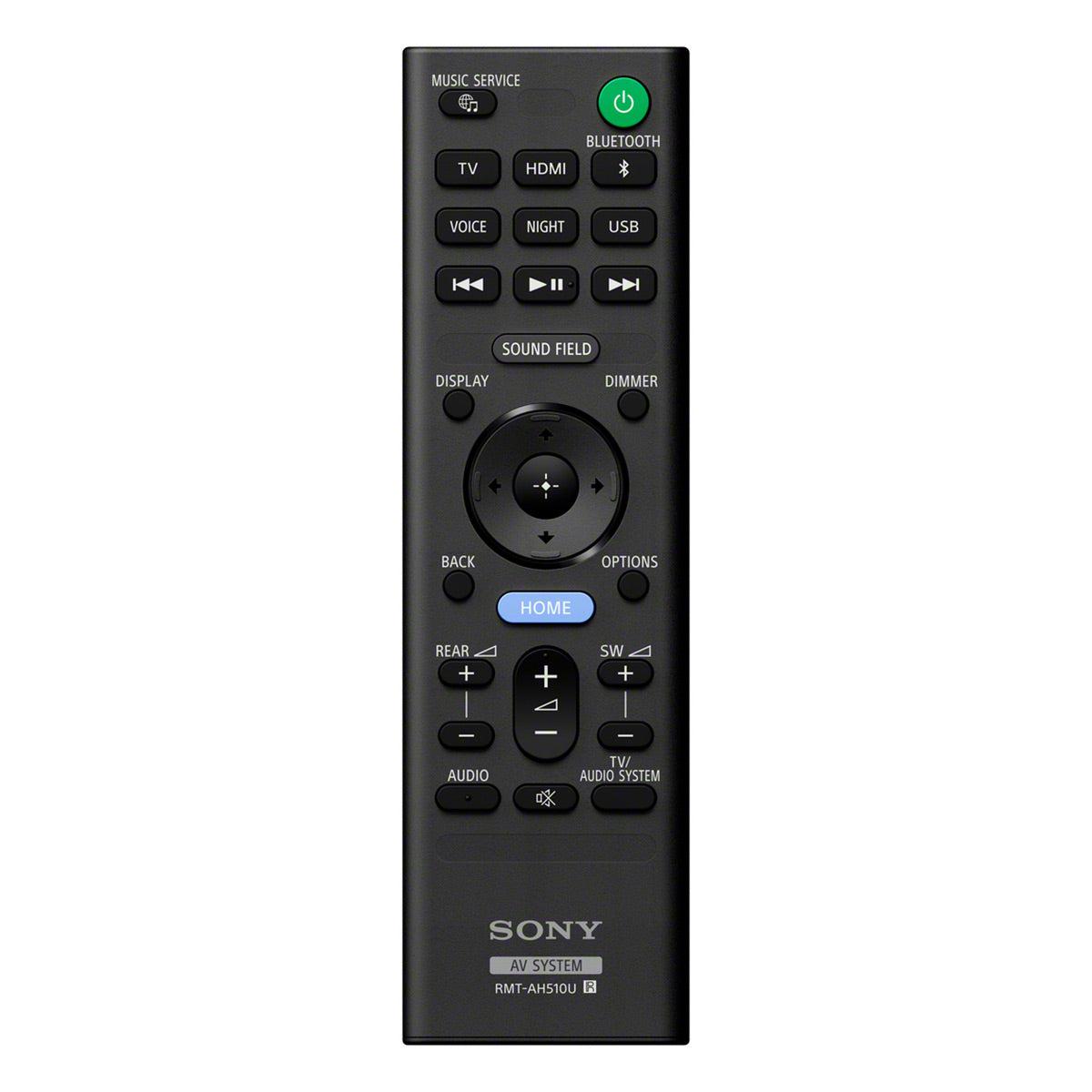
Only the Sony HT-A5000 supports voice commands through Google Assistant and Amazon Alexa integration. The Polk Audio Signa S2 uses a traditional infrared remote and doesn't have smart voice features.
The Polk Audio Signa S2 offers simpler plug-and-play setup that most users complete in minutes. The Sony HT-A5000 has more complex initial setup due to its advanced features, but includes automatic room calibration that optimizes sound without manual adjustment.
Yes, both support wireless streaming but with different capabilities. The Polk Signa S2 uses Bluetooth for basic music streaming from phones and tablets. The Sony HT-A5000 offers Bluetooth plus Wi-Fi streaming, Chromecast built-in, AirPlay 2, and direct access to streaming services.
The Polk Audio Signa S2 is well-suited for small to medium rooms, offering good performance without overwhelming the space. The Sony HT-A5000 can work in smaller rooms but really shines in medium to large spaces where its surround processing has room to create convincing effects.
The Polk Signa S2 offers no expansion options - it's a complete system as purchased. The Sony HT-A5000 can be expanded with optional wireless rear speakers and additional subwoofers, allowing you to build a full surround system over time.
This depends on your needs and budget. The Polk Audio Signa S2 offers excellent value for basic TV audio improvement at a lower price point. The Sony HT-A5000 provides premium home theater features that justify its higher cost for users wanting genuine surround sound and advanced capabilities.
The Polk Signa S2 works with standard HDMI cables and includes one in the box. The Sony HT-A5000 also includes necessary cables but can take advantage of newer HDMI 2.1 features like 8K and 4K/120fps passthrough if you have compatible devices and cables.
The Sony HT-A5000 is better for gaming due to its spatial audio processing, low latency HDMI connections, and support for modern gaming audio formats. It can reproduce positional audio cues that help in competitive gaming. The Polk Audio Signa S2 will improve game audio over TV speakers but doesn't offer the same immersive experience.
We've done our best to create useful and informative comparisons to help you decide what product to buy. Our research uses advanced automated methods to create this comparison and perfection is not possible - please contact us for corrections or questions. These are the sites we've researched in the creation of this article: rtings.com - youtube.com - bestbuy.com - rtings.com - consumerreports.org - rtings.com - youtube.com - hometechnologyreview.com - soundbars.com - youtube.com - manuals.plus - creativeaudio.net - parts-express.com - thomsunmusic.com - polkaudio.com - manuals.plus - polkaudio.com - polkaudio.com - polkaudio.com - bestbuy.com - youtube.com - youtube.com - polkaudio.com - whathifi.com - electronics.sony.com - costco.com - sony.com - expertreviews.co.uk - crutchfield.com - audioadvice.com - sony.com - sony.com - bestbuy.com - videoandaudiocenter.com - community.sony.co.uk

Privacy Policy
Terms and Conditions - Affiliate Policy
Home Security
© Copyright 2008-2026.
11816 Inwood Rd #1211, Dallas, TX 75244