

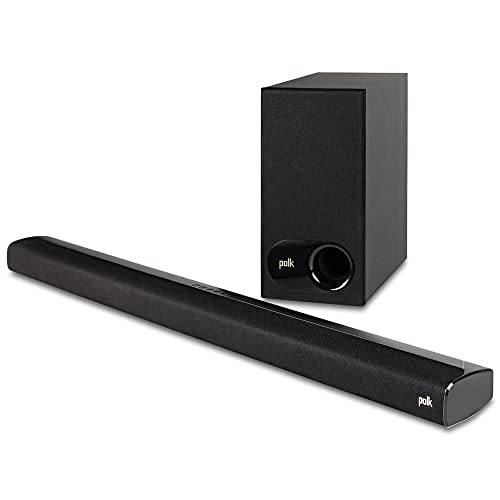




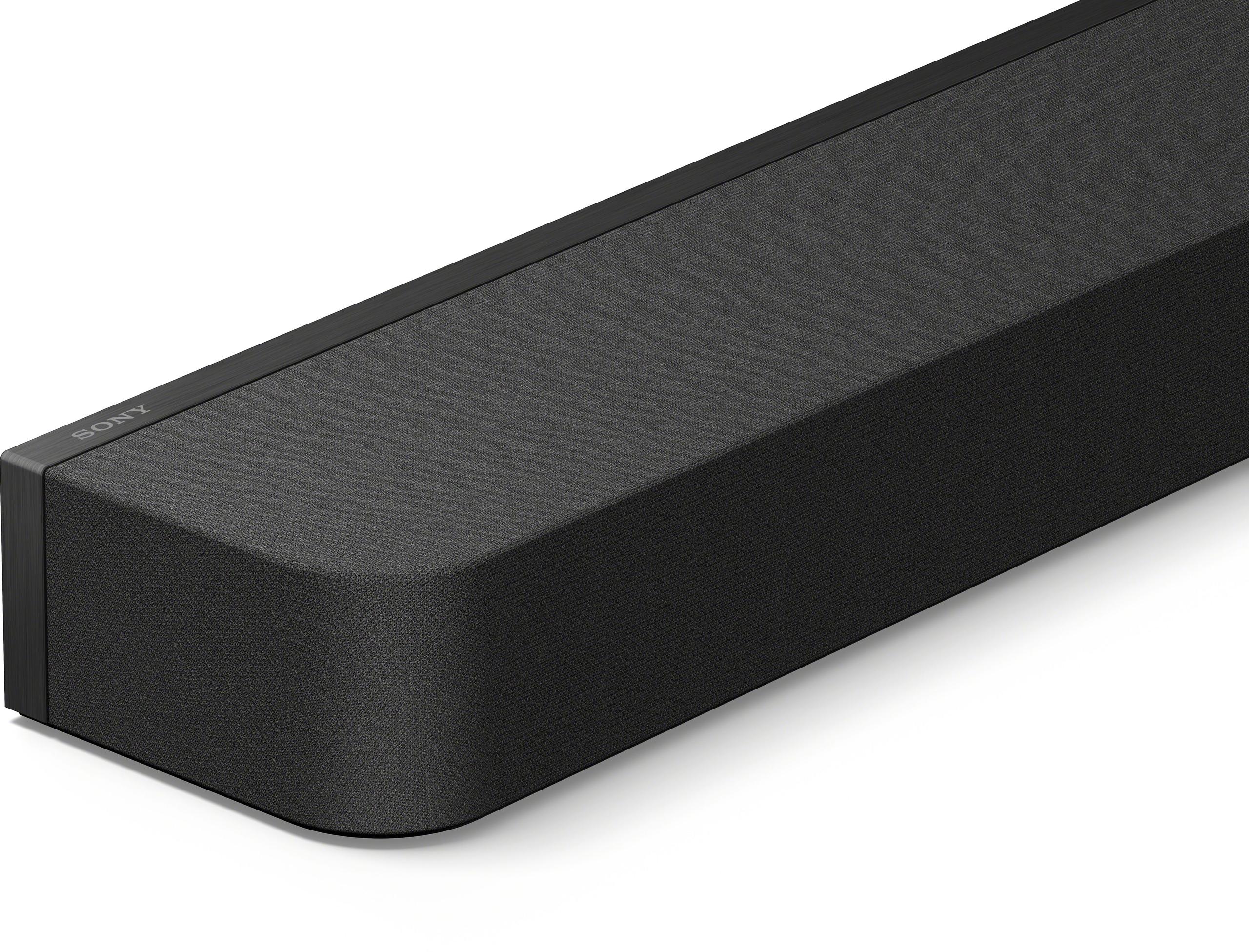


When your TV's built-in speakers leave you squinting to catch dialogue or cranking the volume just to hear explosions, it's time for a soundbar upgrade. But with options ranging from under $200 to well over $1,000, choosing the right one can feel overwhelming. Today, we're comparing two soundbars from opposite ends of the spectrum: the budget-friendly Polk Audio Signa S2 and the premium Sony BRAVIA Theater Bar 9.
Before diving into these specific models, let's establish what makes soundbars tick. A soundbar is essentially multiple speakers housed in a single, elongated cabinet designed to sit below or mount near your TV. The numbers you see like "2.1" or "7.1.4" describe the speaker configuration – the first number represents main channels (left, right, center), the second indicates subwoofers, and a third number (when present) shows height channels for overhead effects.
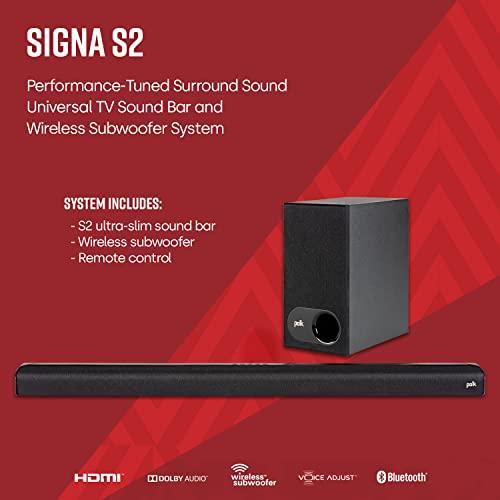
The Polk Audio Signa S2, released in 2018, represents the 2.1 category with left and right channels plus a separate subwoofer. The Sony BRAVIA Theater Bar 9, a more recent release, operates as a sophisticated 7.0.2 system with seven main channels and two height channels, though it achieves this through advanced processing rather than discrete speakers for every channel.
At the time of writing, these products occupy vastly different price tiers – the Polk Audio Signa S2 typically costs under $250, while the Sony BRAVIA Theater Bar 9 commands premium pricing above $1,000. This six-fold price difference reflects fundamentally different approaches to home audio.
The Polk Audio Signa S2 delivers what audio engineers call a "V-shaped" sound signature. This means it emphasizes both bass (low frequencies) and treble (high frequencies) while keeping midrange (vocal frequencies) more subdued. In practical terms, you'll hear punchy bass drums and crisp guitar strings, but vocals might occasionally get lost in the mix.
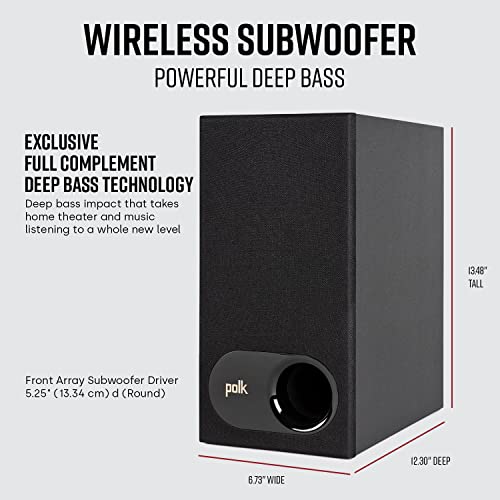
This tuning choice makes sense for a budget soundbar. V-shaped signatures tend to sound immediately impressive – they grab your attention with deep bass and sparkling highs. The Signa S2's wireless subwoofer houses a 5.25-inch driver that can reproduce frequencies down to 45 Hz, which covers most bass guitar notes and movie sound effects. However, the very lowest organ notes and some movie explosions that reach into the 20-30 Hz range will be missing.
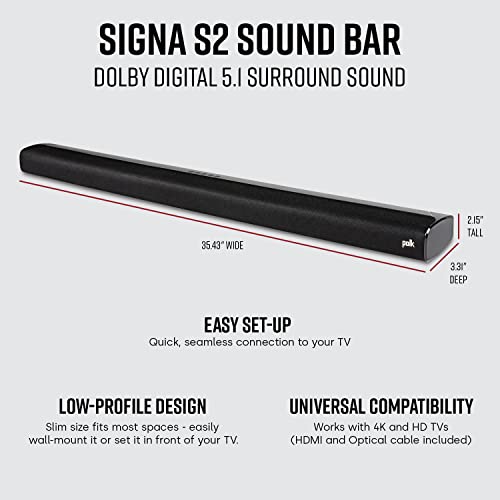
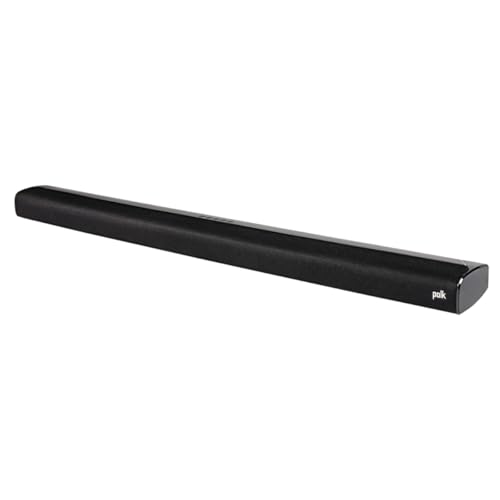
The main soundbar contains four drivers: two oval midrange drivers measuring 1.25" x 4.4" and two 1" tweeters. This configuration provides decent stereo separation, meaning you can distinguish sounds coming from left versus right, but don't expect pinpoint accuracy in sound placement.
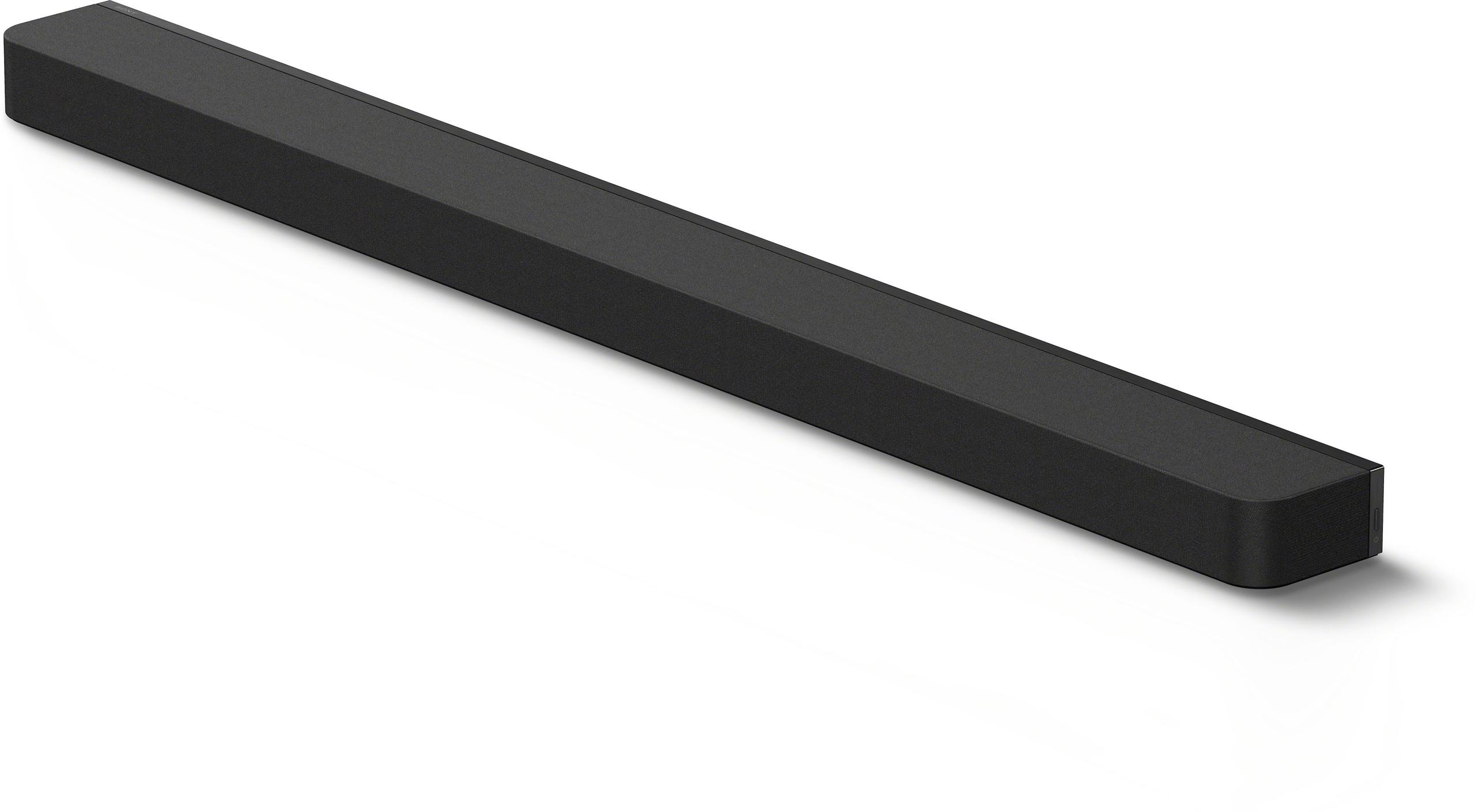
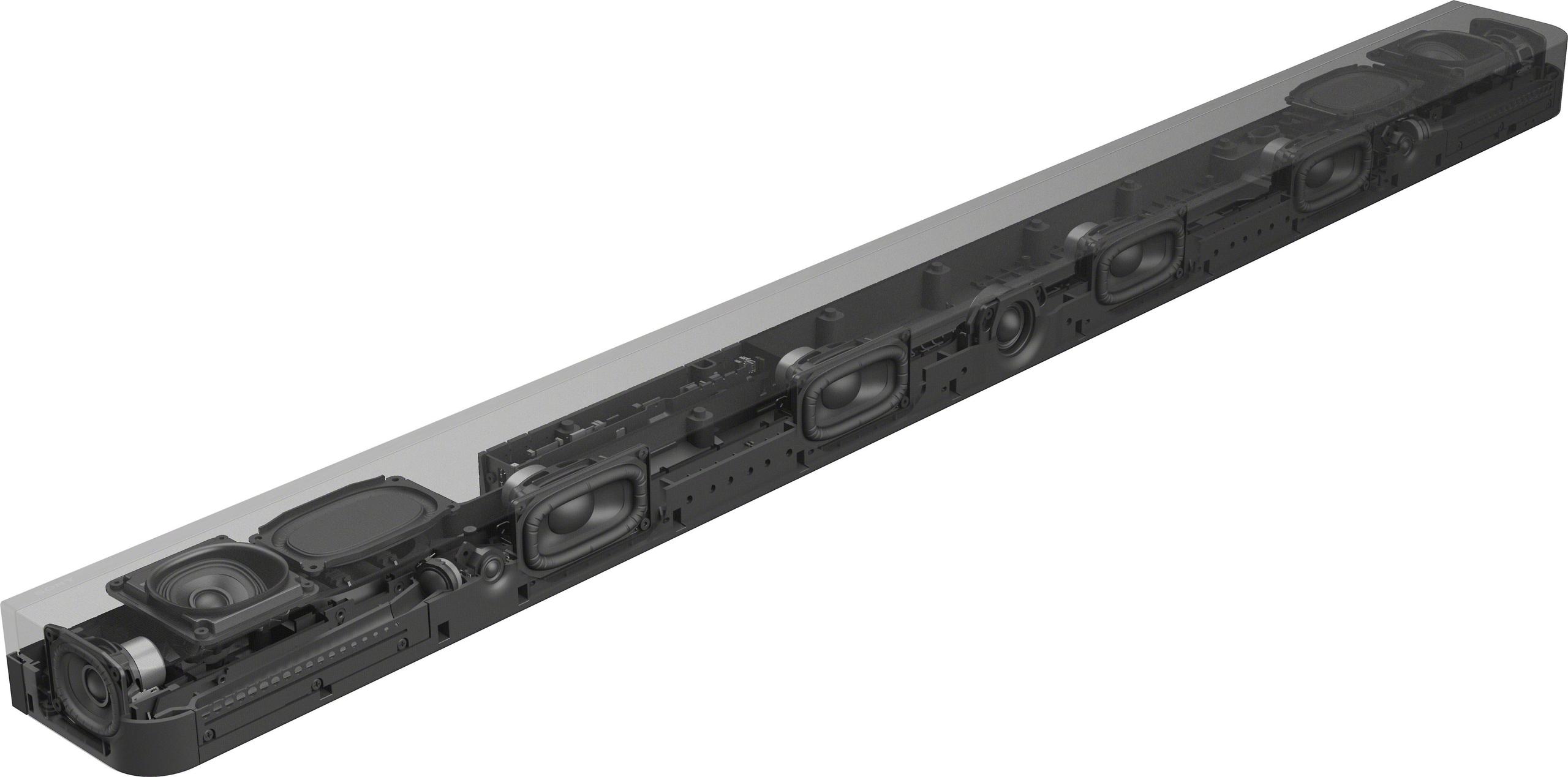
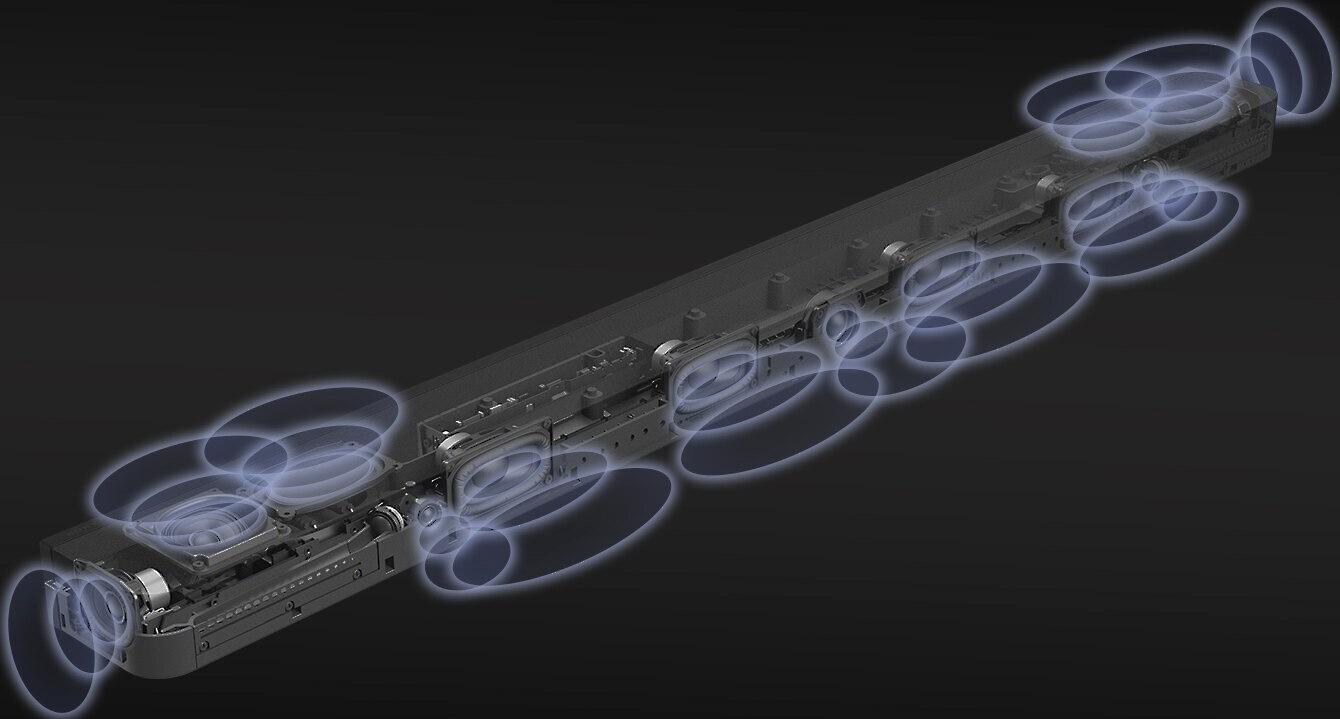
The Sony BRAVIA Theater Bar 9 takes an entirely different approach with its 13-speaker array. Instead of relying on a simple left-right configuration, it uses multiple drivers pointing in different directions – some fire forward toward the listener, others angle upward to bounce sound off the ceiling, and additional drivers aim sideways to reflect audio off walls.
This multi-directional approach enables Sony's "360 Spatial Sound Mapping" technology. Think of it like audio GPS – the soundbar sends out test tones, measures how they bounce around your room, then adjusts its output to create "phantom speakers" in locations where no physical speakers exist. The result is sound that appears to come from behind you, above you, and all around you, despite originating from a single bar in front of your TV.
The frequency response is more balanced than the Polk's V-shaped tuning, meaning dialogue, music, and effects receive more equal treatment. This neutral approach might sound less immediately impressive in a store demo, but it provides more accurate reproduction of how content creators intended their work to sound.
This is where the biggest performance gap emerges between our two contenders. The Polk Audio Signa S2 essentially provides enhanced stereo sound. While it processes incoming surround sound signals (like 5.1 Dolby Digital from Netflix), it downmixes everything to stereo output. You might perceive slightly wider sound compared to your TV speakers, but you won't experience true surround effects.
The Sony BRAVIA Theater Bar 9 supports modern surround formats including Dolby Atmos and DTS:X. Dolby Atmos, in particular, represents a significant advancement in audio technology. Traditional surround sound thinks in terms of channels – left rear, right rear, etc. Atmos thinks in terms of objects – a helicopter can move smoothly overhead from front to back, or rain can seem to fall from above.
The Theater Bar 9's height channels make this possible by bouncing sound off your ceiling. When properly calibrated for your room, you genuinely hear helicopters overhead, not just louder helicopter sounds. This isn't just marketing hype – the difference is immediately apparent when watching Atmos-encoded content from Netflix, Disney+, or 4K Blu-rays.
Poor dialogue clarity represents the number one complaint about TV audio, so this deserves special attention. Both soundbars address this challenge differently.
The Polk Audio Signa S2 includes "VoiceAdjust" technology, which boosts frequencies where human voices typically reside (roughly 300 Hz to 3,000 Hz). You can adjust this enhancement through multiple levels, though higher settings can make voices sound nasal or artificial. Despite lacking a dedicated center channel – the speaker specifically designed for dialogue in traditional surround systems – the Signa S2 manages respectable vocal clarity for most TV content.
The Sony BRAVIA Theater Bar 9 employs "Voice Zoom 3," an AI-powered system that actively identifies human speech patterns and separates them from background audio. This goes beyond simple frequency boosting – the system recognizes the acoustic signature of human voices and processes them differently than music or effects. The result is notably cleaner dialogue, even during complex movie scenes with overlapping conversations, music, and sound effects.
For anyone who frequently watches movies with dense soundtracks – think Christopher Nolan films or Marvel spectacles – the Sony's dialogue processing provides a significant advantage.
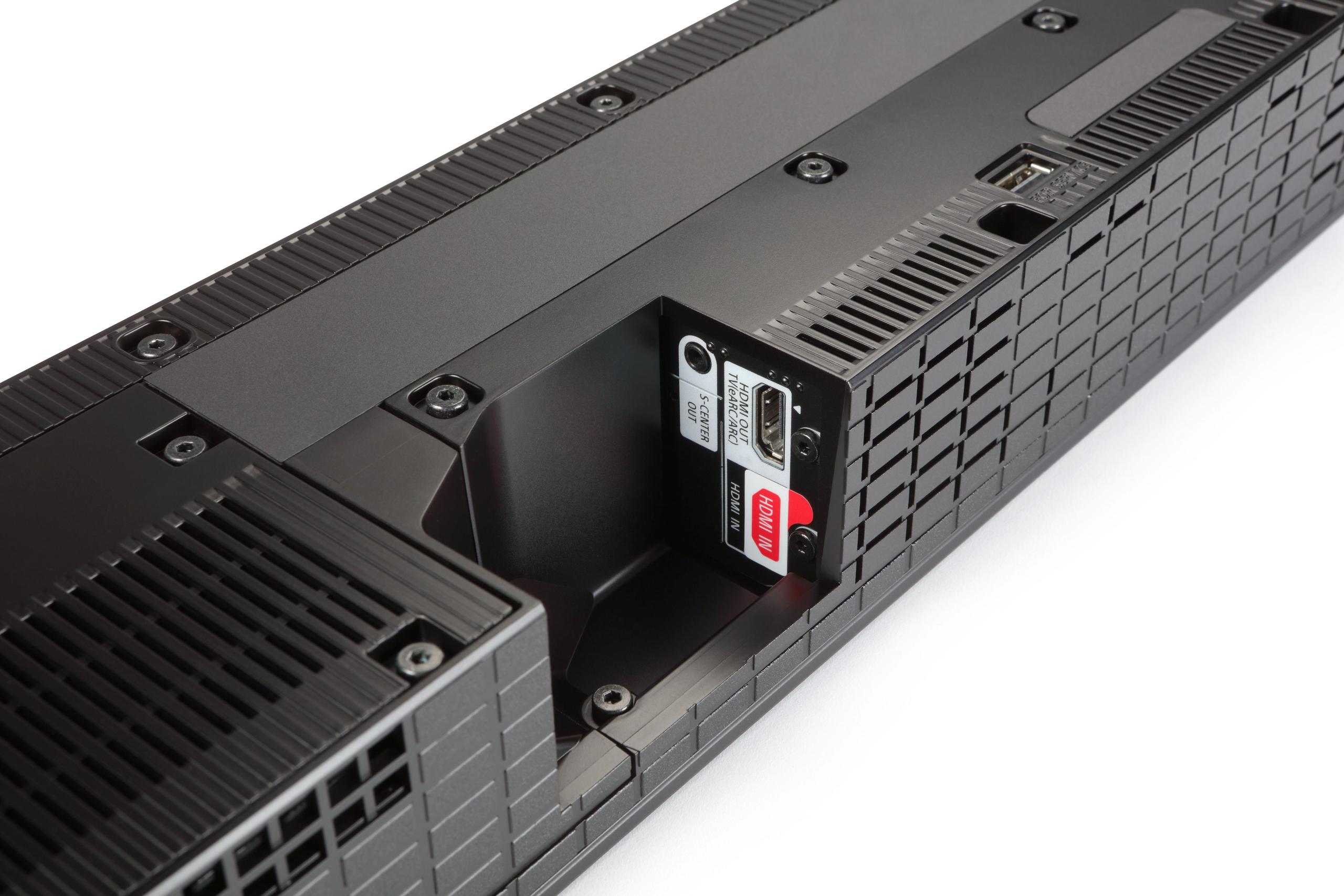
Both soundbars offer HDMI ARC (Audio Return Channel), which allows your TV to send audio back to the soundbar through the same HDMI cable that would typically only carry video. This simplifies setup and often enables volume control through your existing TV remote.
The Polk Audio Signa S2 provides the basics: HDMI ARC, optical input (for older TVs), analog 3.5mm input, and Bluetooth for wireless music streaming. Setup takes minutes, and everything works as expected without fuss.
The Sony BRAVIA Theater Bar 9 supports the newer HDMI eARC standard, which provides higher bandwidth for advanced audio formats. It also includes Wi-Fi connectivity, enabling features like Spotify Connect (direct streaming without your phone as an intermediary) and software updates that can add new capabilities over time.
For Sony TV owners, the integration goes deeper with "Acoustic Centre Sync," which actually uses your TV's speakers as an additional center channel. This creates a more seamless connection between on-screen dialogue and its audio source.
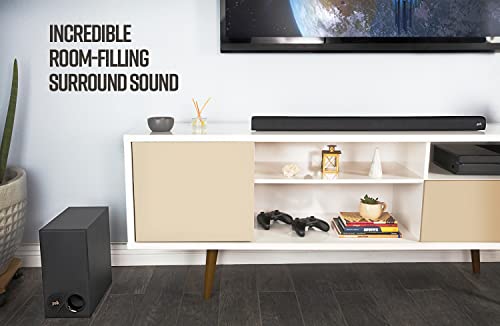
The Polk Audio Signa S2 works best in small to medium rooms. Its compact 35.4-inch width fits most TV stands, and the ultra-slim 2.15-inch height won't block your TV's infrared sensor or obstruct the screen. The wireless subwoofer provides placement flexibility – you can tuck it beside your entertainment center or even place it across the room for better bass distribution.
The Sony BRAVIA Theater Bar 9 demands more consideration for optimal performance. Its 360 Spatial Sound Mapping works best in rooms with reflective surfaces (walls and ceiling) positioned appropriately to bounce sound back to the listening area. Rooms with vaulted ceilings, excessive soft furnishings, or irregular shapes may not achieve the full surround effect.
However, when properly positioned in a suitable room, the Sony can fill much larger spaces effectively. While the Polk might struggle to provide adequate volume and presence in a large family room, the Sony's more powerful amplification and sophisticated processing can handle substantial areas.
Many soundbar buyers primarily focus on improving TV and movie audio, but both bars serve double duty for music streaming.
The Polk Audio Signa S2's V-shaped signature suits certain music genres well. Electronic music, hip-hop, and rock benefit from the emphasized bass and treble. However, acoustic music, jazz, and classical compositions may sound less balanced, with recessed vocals and instruments in the midrange.
The Sony BRAVIA Theater Bar 9's more neutral tuning provides better overall music reproduction. Its ability to create a wider soundstage also benefits stereo music, making instruments and vocals appear more spacious and less confined to the area directly in front of you.
Both support Bluetooth streaming, but the Sony additionally offers Wi-Fi-based streaming through Spotify Connect and Apple AirPlay 2, which typically provides better audio quality than Bluetooth compression.
The Polk Audio Signa S2 represents a complete, fixed system. What you buy is what you get, with no option for future expansion. For many users, this simplicity is actually a benefit – no decision paralysis about additional components or complex setup procedures.
The Sony BRAVIA Theater Bar 9 offers an upgrade path through optional wireless rear speakers and subwoofer. This modular approach means you can start with the soundbar alone and add components as your budget and interests evolve. However, these additional speakers carry premium pricing that can quickly double your total system cost.
For gaming enthusiasts, both soundbars offer different advantages. The Polk Audio Signa S2 provides low-latency audio processing, meaning sound effects remain synchronized with on-screen action. Its emphasis on bass and treble can make explosions and gunfire more impactful in action games.
The Sony BRAVIA Theater Bar 9 supports advanced gaming features through its HDMI eARC connection, including Variable Refresh Rate (VRR) and Auto Low Latency Mode (ALLM) passthrough. Its surround processing can provide competitive advantages in multiplayer games by improving positional audio – you might actually hear opponents approaching from behind.
Choose the Polk Audio Signa S2 if you:
Choose the Sony BRAVIA Theater Bar 9 if you:
At the time of writing, these soundbars serve completely different market segments despite both improving your TV's audio. The Polk Audio Signa S2 delivers exceptional value for budget-conscious buyers seeking a straightforward upgrade. Its performance-per-dollar ratio remains tough to beat in the entry-level category.
The Sony BRAVIA Theater Bar 9 justifies its premium pricing through genuinely advanced technology that creates immersive surround sound experiences approaching dedicated component systems costing thousands more.
Your decision ultimately depends on how important audio quality is to your entertainment experience and whether your budget can accommodate the significant price difference. Both products excel within their intended market segments – just make sure you choose the segment that matches your needs and expectations.
| Polk Audio Signa S2 | Sony BRAVIA Theater Bar 9 |
|---|---|
| Speaker Configuration - Determines surround sound capabilities and immersion level | |
| 2.1 channel (4 drivers + wireless subwoofer) | 7.0.2 channel (13 speakers with height channels) |
| Dolby Atmos Support - Essential for modern movie experiences and streaming content | |
| No Atmos support (stereo processing only) | Full Dolby Atmos and DTS:X processing |
| Sound Enhancement Technology - Advanced features that improve dialogue and spatial audio | |
| VoiceAdjust dialogue enhancement | 360 Spatial Sound Mapping + Voice Zoom 3 AI |
| Frequency Response Range - How deep the bass goes and how clear the highs are | |
| 45 Hz - 20,000 Hz (good bass extension for the price) | Not specified (likely superior based on driver count) |
| Total Power Output - Affects maximum volume and dynamic range | |
| 120 watts total system power | 585 watts total system power |
| Connectivity Options - Determines compatibility with TVs and streaming devices | |
| HDMI ARC, Optical, 3.5mm AUX, Bluetooth | HDMI eARC, Wi-Fi, Bluetooth 5.2, AirPlay 2 |
| Room Calibration - Optimizes sound for your specific space and seating position | |
| None (manual bass adjustment only) | Sound Field Optimization with acoustic mapping |
| Expandability - Whether you can add more speakers later | |
| Fixed 2.1 system (no expansion options) | Optional wireless rear speakers and subwoofer |
| TV Integration - Special features when paired with matching brand TVs | |
| Universal compatibility (works with any TV brand) | Enhanced Sony BRAVIA integration with Acoustic Centre Sync |
| Wireless Subwoofer Included - Important for bass impact without extra purchase | |
| Yes (5.25" driver, factory-paired) | No (sold separately as optional upgrade) |
| Ideal Room Size - Based on power output and sound dispersion capabilities | |
| Small to medium rooms (up to 200 sq ft) | Medium to large rooms (200+ sq ft optimal) |
| Setup Complexity - Time and effort required for optimal performance | |
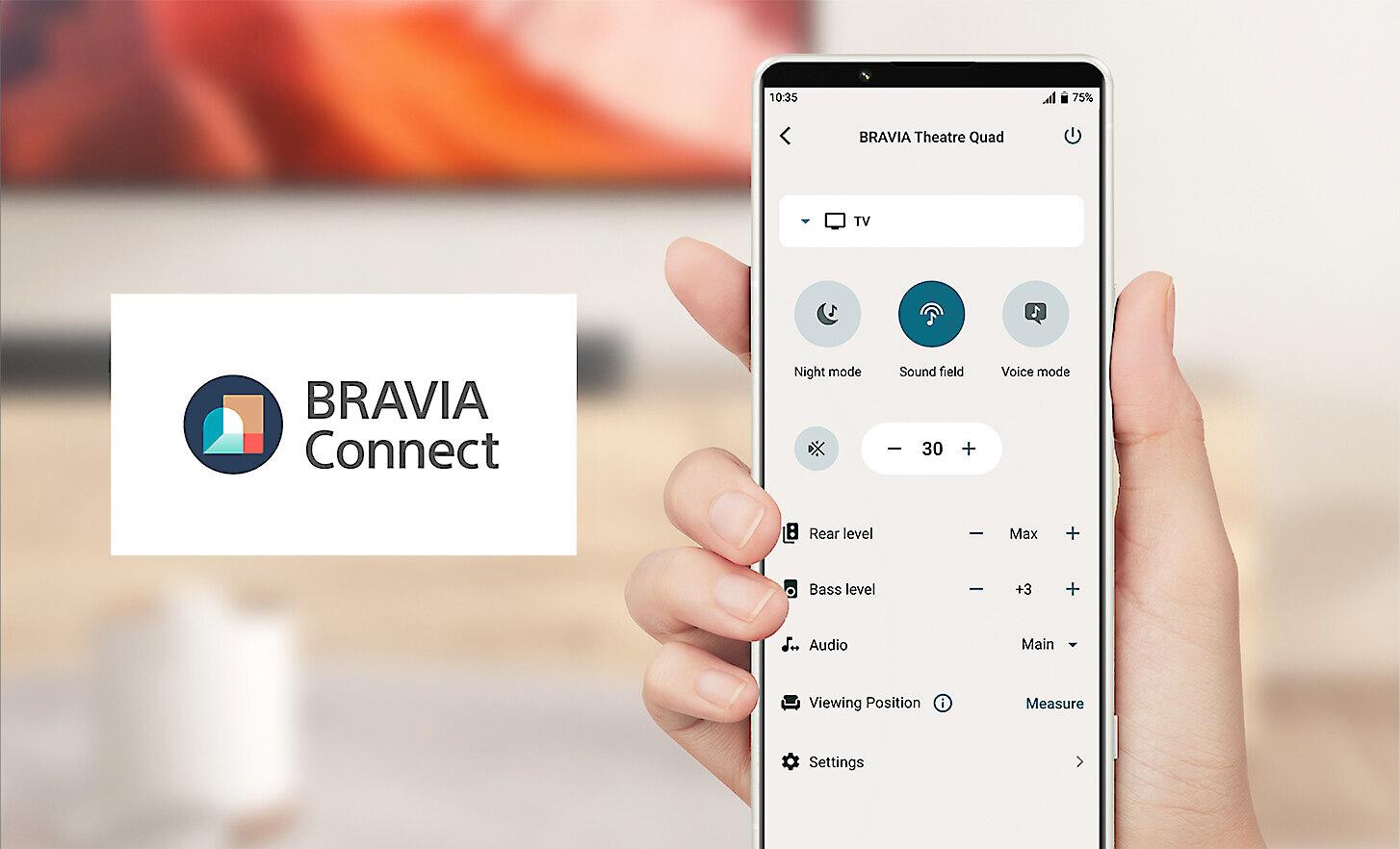
| Plug-and-play (5 minutes setup) | Requires app-based room calibration for best results |
| Release Year - Indicates how current the technology and features are | |
| 2018 (proven, stable technology) | 2024 (latest Sony soundbar technology) |
The Polk Audio Signa S2 offers exceptional value in the budget category, delivering significant improvement over TV speakers with wireless subwoofer included. The Sony BRAVIA Theater Bar 9 justifies its premium pricing through advanced 360 Spatial Sound Mapping and Dolby Atmos support, making it better for serious home theater enthusiasts who prioritize immersive audio experiences.
If you regularly watch movies on Netflix, Disney+, or 4K Blu-rays, Dolby Atmos creates a noticeable overhead sound experience that the Sony BRAVIA Theater Bar 9 supports fully. The Polk Audio Signa S2 lacks Atmos processing, making it better suited for TV shows, news, and casual viewing where basic stereo enhancement is sufficient.
The Polk Audio Signa S2 excels in small to medium rooms with its compact design and wireless subwoofer placement flexibility. The Sony BRAVIA Theater Bar 9 requires adequate ceiling height and wall reflections for its spatial mapping technology to work effectively, making it less ideal for cramped spaces.
The Polk Audio Signa S2 is a fixed 2.1 system with no expansion options, while the Sony BRAVIA Theater Bar 9 supports optional wireless rear speakers and subwoofer modules. This makes the Sony more future-proof if you plan to build a complete surround system over time.
Both models address dialogue clarity differently. The Polk Audio Signa S2 uses VoiceAdjust technology for frequency boosting, while the Sony BRAVIA Theater Bar 9 employs AI-powered Voice Zoom 3 that actively separates speech from background audio. The Sony provides superior dialogue clarity in complex movie scenes.
The Polk Audio Signa S2 offers universal compatibility with any TV through HDMI ARC, optical, or analog connections. The Sony BRAVIA Theater Bar 9 also works with all TV brands but provides enhanced integration features like Acoustic Centre Sync when paired with Sony BRAVIA TVs.
The Polk Audio Signa S2 offers true plug-and-play setup taking just minutes to connect and operate. The Sony BRAVIA Theater Bar 9 requires app-based room calibration and spatial mapping configuration for optimal performance, making initial setup more complex but ultimately more customized.
Both models support Bluetooth music streaming from smartphones and tablets. The Sony BRAVIA Theater Bar 9 additionally offers Wi-Fi connectivity with Spotify Connect and Apple AirPlay 2 for higher-quality wireless streaming compared to the Polk Audio Signa S2's Bluetooth-only wireless capability.
The Sony BRAVIA Theater Bar 9 delivers significantly more power output and maintains clarity at higher volumes thanks to its advanced amplification and processing. The Polk Audio Signa S2 handles moderate volume levels well but may introduce compression and distortion when pushed to maximum output.
The Polk Audio Signa S2 includes a wireless subwoofer in the package, providing immediate bass impact. The Sony BRAVIA Theater Bar 9 relies on its internal drivers for bass and requires purchasing an optional subwoofer separately for deeper low-frequency extension, adding to the total system cost.
Both models support gaming, but the Sony BRAVIA Theater Bar 9 offers advantages through HDMI eARC passthrough features like VRR and ALLM, plus superior positional audio for competitive gaming. The Polk Audio Signa S2 provides low-latency processing and impactful bass for casual gaming without advanced features.
For dedicated home theater setups, the Sony BRAVIA Theater Bar 9 excels with true Dolby Atmos processing, room calibration, and expansion capabilities that create cinema-like experiences. The Polk Audio Signa S2 serves better as a general TV audio upgrade rather than a serious home theater component, though it significantly improves movie watching over built-in TV speakers.
We've done our best to create useful and informative comparisons to help you decide what product to buy. Our research uses advanced automated methods to create this comparison and perfection is not possible - please contact us for corrections or questions. These are the sites we've researched in the creation of this article: rtings.com - youtube.com - bestbuy.com - rtings.com - consumerreports.org - rtings.com - youtube.com - hometechnologyreview.com - soundbars.com - youtube.com - manuals.plus - creativeaudio.net - parts-express.com - thomsunmusic.com - polkaudio.com - manuals.plus - polkaudio.com - polkaudio.com - polkaudio.com - bestbuy.com - youtube.com - youtube.com - polkaudio.com - rtings.com - residentialsystems.com - rtings.com - bestbuy.com - valueelectronics.com - sony.com - sony.co.uk - sony.co.uk - rtings.com - sony.co.in - sony.com - pocket-lint.com - sony.com - crutchfield.com

Privacy Policy
Terms and Conditions - Affiliate Policy
Home Security
© Copyright 2008-2026.
11816 Inwood Rd #1211, Dallas, TX 75244