






When you're watching your favorite show and suddenly realize you've been straining to hear dialogue over background music, or when that action scene's explosions sound more like gentle puffs than thunderous booms, it's time to upgrade your TV's audio. The built-in speakers in modern TVs are frankly terrible – they're designed to fit in impossibly thin panels, not to deliver quality sound.
This is where soundbars come to the rescue. These sleek, horizontal speakers sit below your TV and dramatically improve your audio experience. But choosing the right one can be overwhelming, especially when comparing products from completely different price tiers like the Polk Audio Signa S2 and the JBL Bar 700.
The soundbar market has exploded over the past decade, evolving from simple stereo bars to sophisticated home theater systems. At the time of writing, you'll find everything from basic 2.1 systems (two main channels plus a subwoofer for bass) to complex Dolby Atmos setups that bounce sound off your ceiling to create overhead effects.
The most important considerations when shopping for a soundbar aren't necessarily the flashiest features. Instead, focus on these core elements:
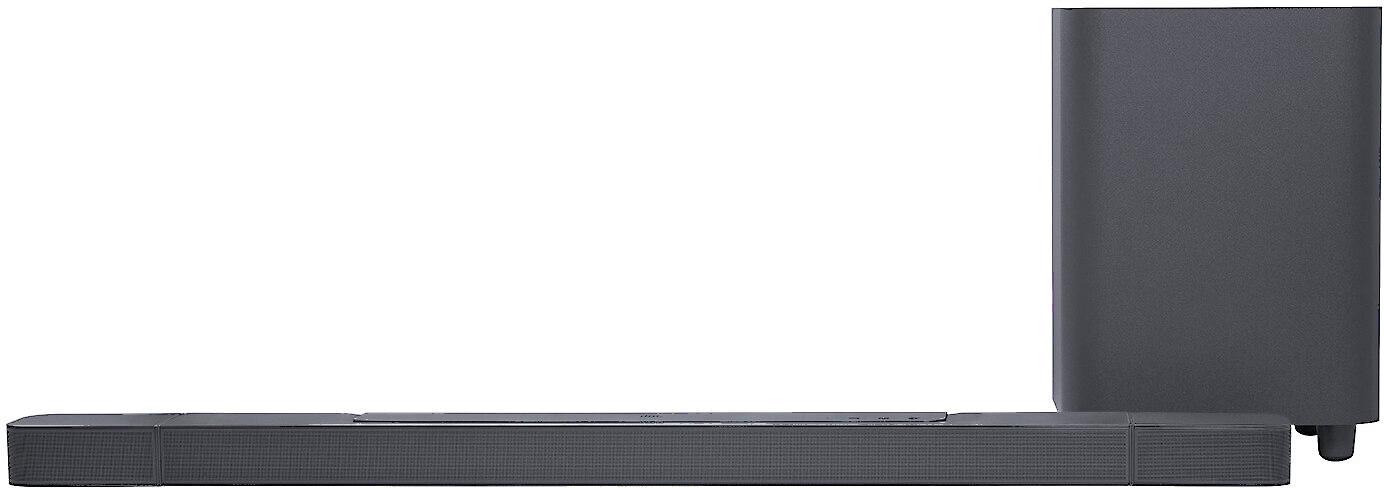
Channel configuration determines how immersive your sound will be. A 2.1 system like the Polk Audio Signa S2 handles left, right, and bass channels. A 5.1 system like the JBL Bar 700 adds center (for dialogue) and rear surround channels, creating a bubble of sound around you.
Room size compatibility is crucial but often overlooked. A powerful system in a tiny room will overwhelm you with bass, while a modest soundbar in a large space will sound thin and ineffective.
Content habits should drive your decision. If you mainly watch news and TV dramas, dialogue clarity matters more than thunderous explosions. Movie buffs and gamers, however, benefit enormously from full surround sound and deep bass.
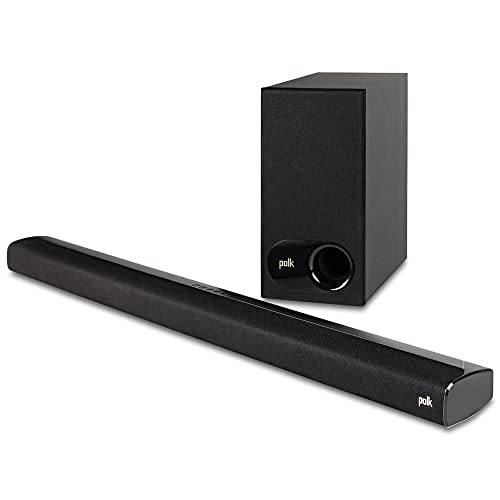
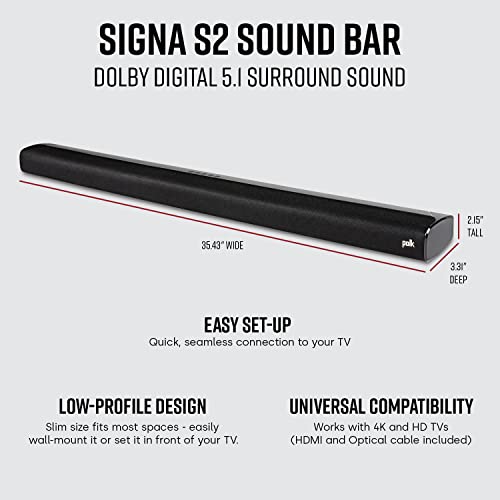
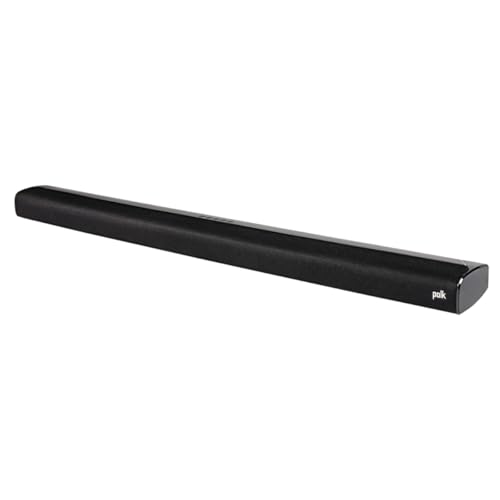
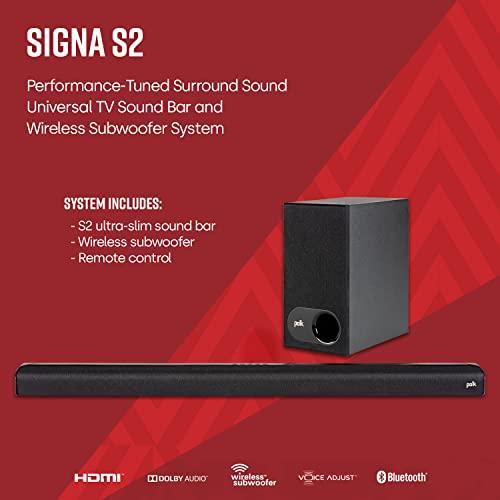
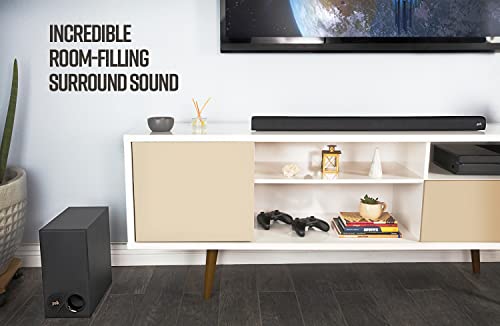
The Polk Audio Signa S2, released in 2019, represents the "keep it simple" philosophy. At roughly one-third the cost of premium options, it focuses on solving the most common TV audio problems: muffled dialogue and weak bass. Think of it as a reliable daily driver – it won't win any performance awards, but it gets the job done without fuss.
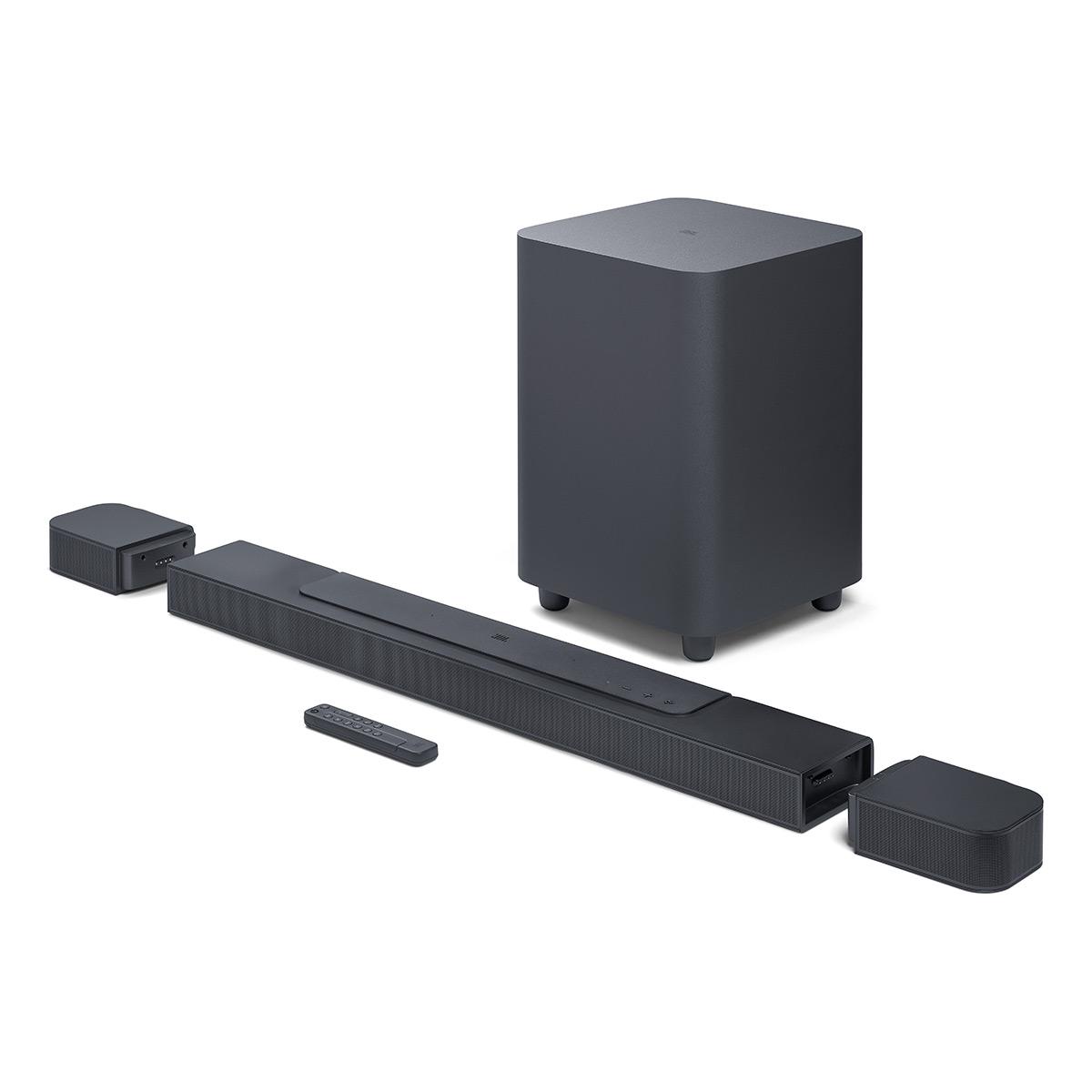
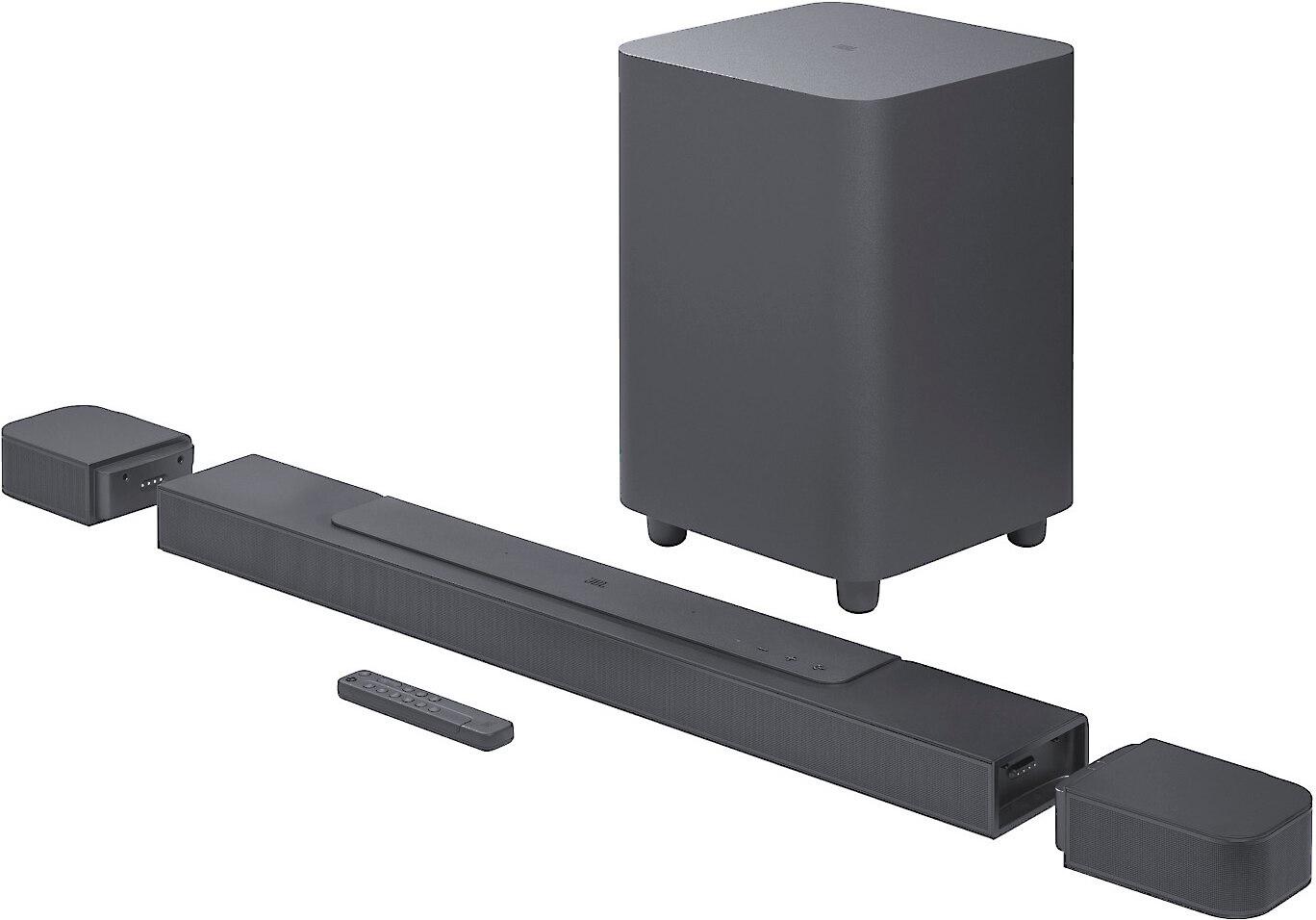
The JBL Bar 700, a more recent entry from around 2021-2022, takes the opposite approach. It's designed for people who want their living room to feel like a movie theater, complete with sounds coming from all directions and even overhead effects through Dolby Atmos technology (which creates the illusion of height by bouncing sound off your ceiling).
Since the Polk Audio Signa S2's release, soundbar technology has advanced significantly. Dolby Atmos has become more mainstream, wireless connectivity has improved, and room calibration features have trickled down from high-end home theater systems. The JBL Bar 700 incorporates many of these newer technologies, while the Signa S2 remains focused on its original mission of simple TV enhancement.
Here's where these two soundbars diverge dramatically, and where understanding some technical details becomes crucial.
The Polk Audio Signa S2 produces what audio engineers call a "V-shaped" frequency response. This means it emphasizes bass (low frequencies) and treble (high frequencies) while keeping the midrange relatively flat. In practical terms, this makes action movies sound punchy and music feel energetic, but it can make some content sound artificially enhanced or "colored."
The JBL Bar 700, with its frequency response spanning from 35Hz to 20kHz, offers a more balanced approach across the audio spectrum. This means voices sound more natural, instruments are better separated, and the overall presentation feels less artificially enhanced. The difference is like comparing a heavily filtered Instagram photo to a professional portrait – both can look good, but one is more accurate to reality.
Power specifications in soundbars can be misleading, but they do tell part of the story. The JBL Bar 700 delivers 620 watts total across its entire system – 240W for the main soundbar, 300W for the subwoofer, and 40W each for the surround speakers. This isn't just about getting loud; more power typically means better control over the drivers (the individual speakers) and less distortion at higher volumes.
The Polk Audio Signa S2 doesn't specify total power output, which is common for budget soundbars. Based on its performance characteristics, it's likely operating in the 100-200W range total. This is perfectly adequate for small to medium rooms, but you'll notice the difference in larger spaces or when you want to feel the impact of movie soundtracks.
The driver configuration tells an even more important story. The JBL Bar 700 uses three racetrack drivers (oval-shaped for better midrange reproduction) and three tweeters in the main bar, plus dedicated drivers in each surround speaker. This setup allows for much better sound separation – you can actually hear different instruments and effects positioned across the soundstage, rather than everything coming from a single point in front of you.
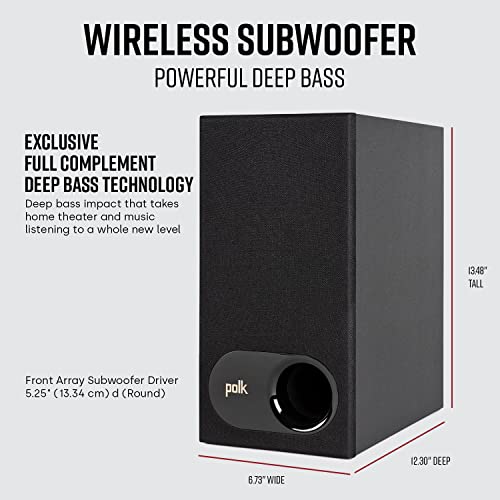
Both systems include wireless subwoofers, but the difference in execution is substantial. The Polk Audio Signa S2's 5.25-inch subwoofer gets the job done for TV enhancement, adding that missing low-end punch that makes explosions feel more impactful and music fuller. However, it can sometimes sound "boomy" – emphasizing certain bass frequencies while missing others, creating an uneven low-end response.
The JBL Bar 700's 10-inch subwoofer is a different animal entirely. The larger driver moves more air and extends deeper into the bass range (down to 35Hz compared to the Signa S2's 45Hz starting point). More importantly, it's better integrated with the main speakers through digital signal processing, creating a more seamless transition between the subwoofer and the soundbar itself.
In practical terms, this means movie explosions don't just get louder with the JBL – they gain texture and depth. Music genres like hip-hop and electronic that rely on deep bass extension sound dramatically more realistic.
This is where these two products fundamentally diverge in their approach to home theater audio.
The Polk Audio Signa S2 is honest about what it is: a 2.1 system designed to improve your TV's audio without claiming to recreate a movie theater. When it encounters surround sound content (like Dolby Digital from Netflix or Blu-rays), it uses downmixing algorithms to fold everything into its two main channels plus subwoofer.
This isn't necessarily bad – many people are perfectly happy with enhanced stereo sound. The Signa S2's virtual surround processing does create some sense of width beyond the physical soundbar, making action scenes feel more expansive than basic TV speakers. But you won't get sounds coming from behind you or the sensation of being surrounded by the action.
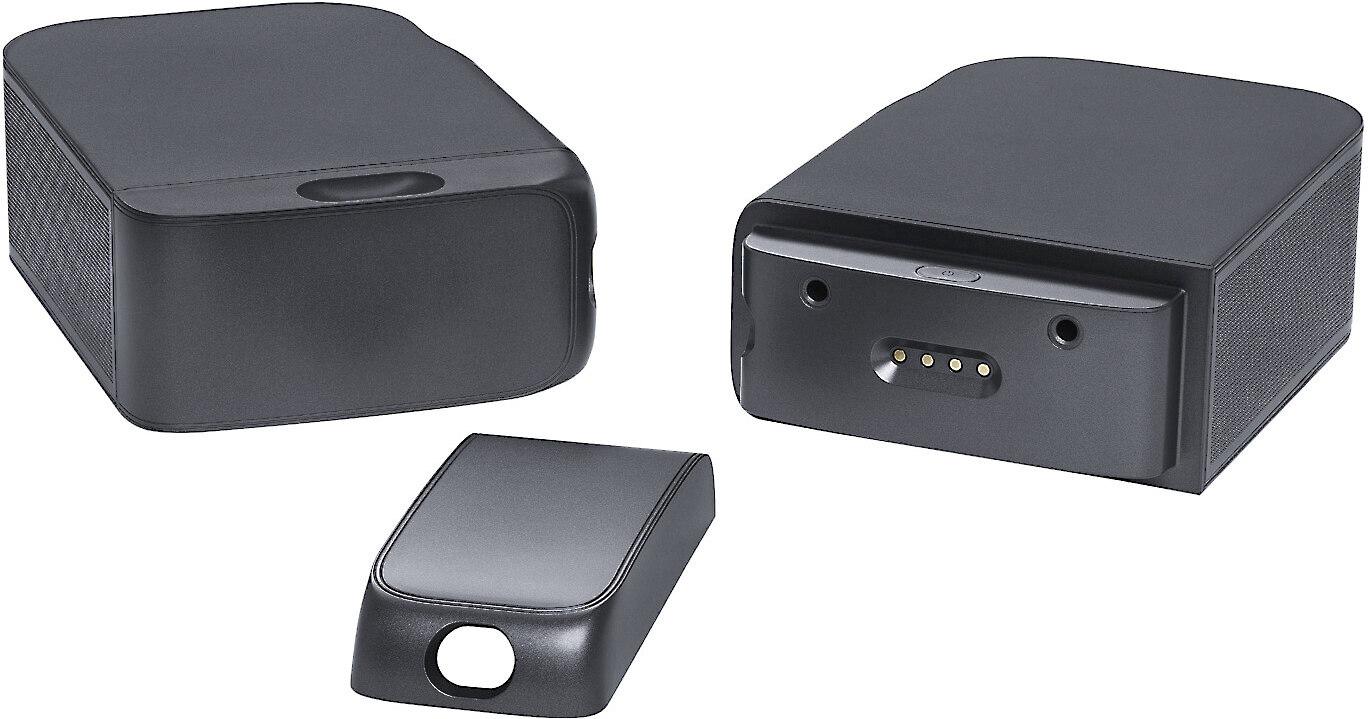
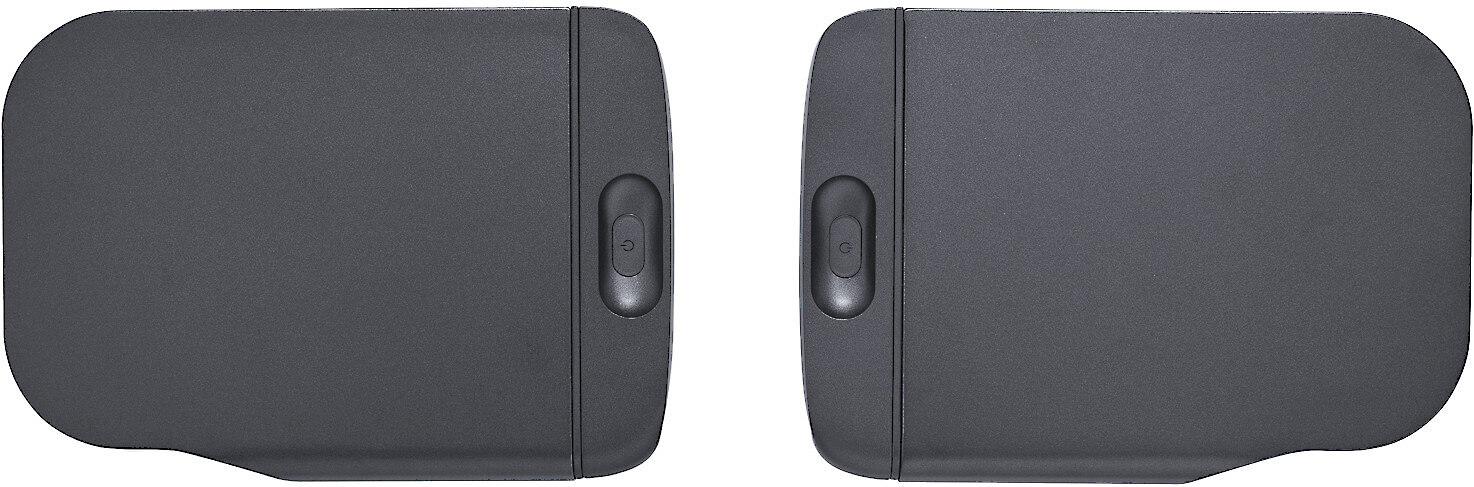
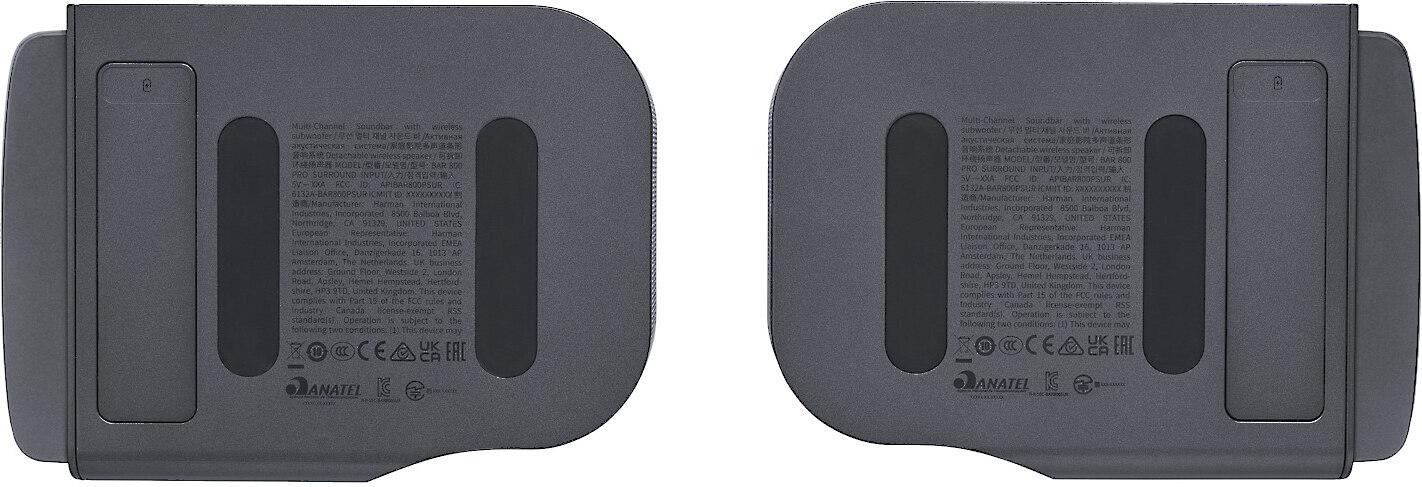
The JBL Bar 700 offers something fundamentally different: actual surround sound with physical speakers placed around your listening area. The detachable battery-powered surround speakers are perhaps its most innovative feature. Unlike traditional surround systems that require running wires to the back of your room, these speakers charge when connected to the main soundbar and can operate wirelessly for up to 10 hours.
This solves the biggest problem with surround sound systems: placement flexibility. You can leave them connected for permanent 5.1 setup, or detach them only for movie nights. The freedom from power cables means you can place them optimally without worrying about outlet locations.
The JBL Bar 700's Dolby Atmos capability represents the current pinnacle of soundbar technology. Atmos creates "object-based" surround sound, where individual sounds (a helicopter, raindrops, or debris falling) can be positioned anywhere in three-dimensional space around you, including overhead.
Since the Bar 700 doesn't have upward-firing drivers, it achieves this through psychoacoustic processing – essentially tricking your brain into perceiving height effects through carefully timed and filtered audio signals. While not as convincing as dedicated height speakers, it's remarkably effective for creating a more immersive experience than traditional surround sound.
Modern soundbars need to work seamlessly with your existing setup and adapt to future technology changes. Here's where the generational difference between these products becomes apparent.
The Polk Audio Signa S2 covers the essentials: HDMI ARC (Audio Return Channel, which lets your TV remote control the soundbar's volume), optical digital input, and a 3.5mm analog connection for older devices. It also includes Bluetooth for wireless music streaming from your phone or tablet.
This connectivity suite was perfectly adequate when the Signa S2 launched in 2019, and it still handles most common scenarios today. The included HDMI and optical cables mean you can set it up immediately without hunting for additional accessories.
The JBL Bar 700 takes connectivity into the modern smart home era. Its HDMI eARC (enhanced Audio Return Channel) support enables higher-bandwidth audio formats and better device communication. The built-in Wi-Fi opens up streaming options through AirPlay, Chromecast built-in, and Alexa Multi-Room Music.
These smart features transform the soundbar from a simple TV accessory into a central audio hub. You can stream music directly without using your TV as an intermediary, integrate it with existing smart home systems, and control it through voice commands via compatible smart speakers.
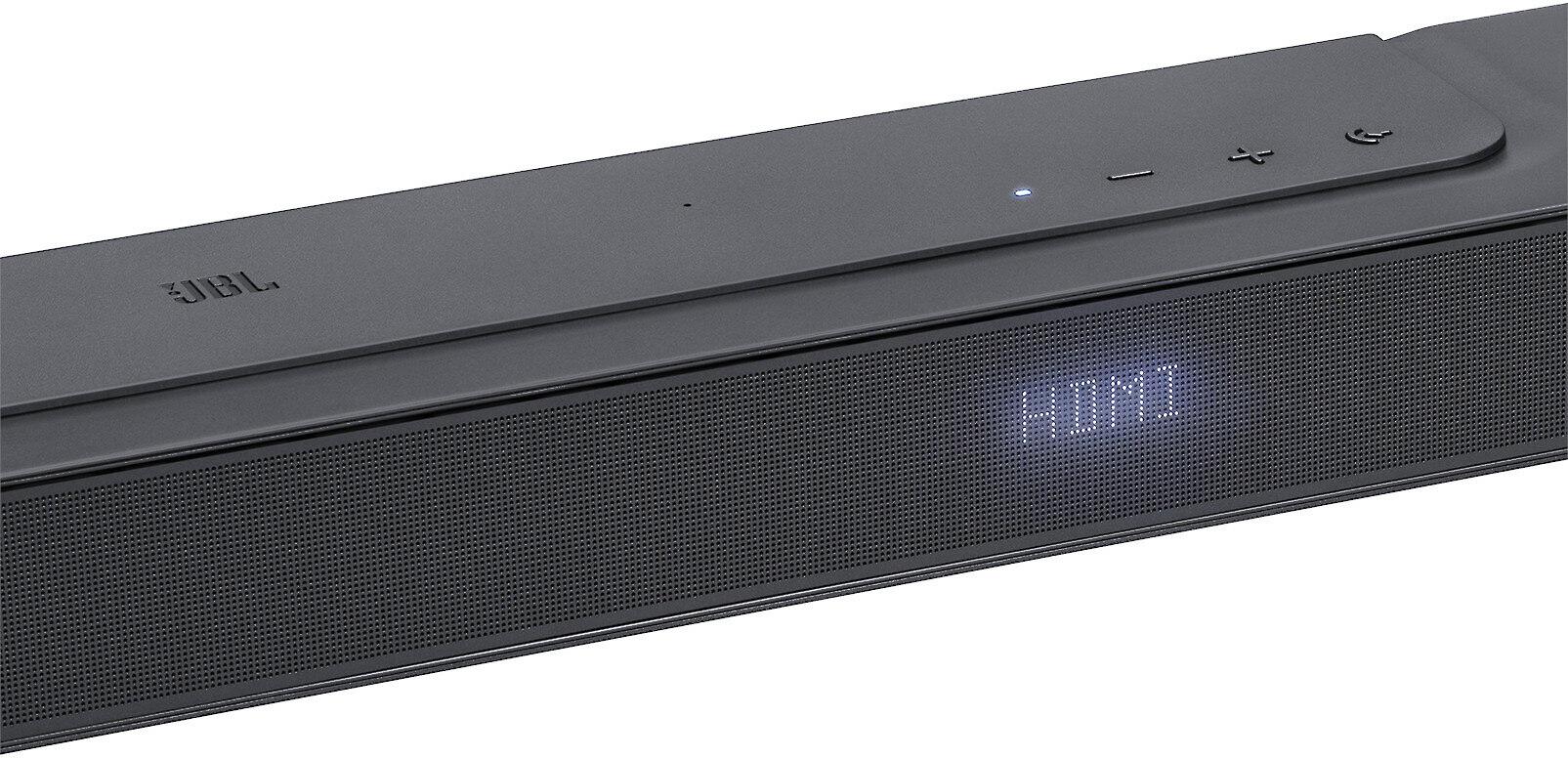
One of the JBL Bar 700's most valuable features is its automatic room calibration system. Using built-in microphones, it analyzes your room's acoustic properties and adjusts the sound output accordingly. This addresses one of the biggest challenges with soundbars: they need to work well in vastly different room configurations, from tiny apartments to large open-plan spaces.
Room calibration isn't just about volume levels – it adjusts timing between speakers, equalizes frequency response to compensate for room acoustics, and optimizes the surround sound field. In my experience with similar systems, this feature alone can make a significant difference in overall sound quality, especially in challenging rooms with hard surfaces or unusual layouts.
Understanding value in soundbars requires looking beyond the sticker price to consider long-term satisfaction and capability growth.
At the time of writing, the Polk Audio Signa S2 typically costs roughly one-third as much as the JBL Bar 700. For many users, this price difference is decisive – it represents the boundary between "affordable upgrade" and "significant investment."
The Signa S2 excels at solving specific problems efficiently. If your main frustration is straining to hear dialogue or missing the impact of music and sound effects, it delivers immediate improvement without complexity. The universal compatibility means it works with virtually any TV from the last decade, and the simple setup gets you up and running in minutes.
For secondary viewing areas, guest rooms, or bedrooms, the Signa S2's modest size and straightforward operation make it an excellent choice. It's also ideal for older users who prefer simple controls and reliable operation over advanced features they might never use.
The JBL Bar 700 costs significantly more, but it's targeting a completely different use case. This isn't just a TV audio upgrade – it's a home theater system that replaces the need for complex multi-speaker installations.
When you factor in what a comparable traditional surround sound system would cost (AV receiver, five speakers, subwoofer, and all the necessary cables and installation complexity), the Bar 700's pricing becomes more reasonable. You're paying for convenience, integration, and sophisticated signal processing that would have required professional installation just a few years ago.
The smart features and room calibration also provide future-proofing value. As streaming services continue adding Dolby Atmos content and smart home integration becomes more important, these capabilities become increasingly valuable rather than just nice-to-have extras.
Choosing between these soundbars depends heavily on how you actually use your entertainment system and what improvements matter most to you.
I'd recommend the Polk Audio Signa S2 for people whose TV viewing centers around news, talk shows, dramas, and documentaries. If you find yourself constantly adjusting volume during shows – turning it up for dialogue, down when music swells – the Signa S2's VoiceAdjust technology and overall frequency balance will provide immediate relief.
It's also excellent for apartment dwellers who need to be mindful of neighbors. The compact wireless subwoofer won't shake the building, but it adds enough low-end warmth to make content more engaging without being intrusive.
College students, seniors, and anyone setting up a bedroom or kitchen TV will appreciate the Signa S2's simplicity. There's something to be said for audio equipment that just works without requiring apps, calibration, or complex setup procedures.
The JBL Bar 700 shines when your living room serves as a primary entertainment hub. Movie nights, gaming sessions, and music listening all benefit enormously from its surround sound capabilities and superior bass response.
The detachable surround speakers make it particularly suitable for apartments where running speaker wires isn't practical. You can achieve true surround sound without permanent installation, and the battery power means you're not limited by outlet locations.
Families with diverse viewing habits will appreciate the Bar 700's versatility. It handles everything from quiet dialogue scenes to explosive action sequences with equal competence, and the smart connectivity means different family members can easily stream their preferred music services.
Understanding a few key technical specifications helps decode marketing claims and predict real-world performance.
The JBL Bar 700's specified frequency response of 35Hz-20kHz (-6dB) provides valuable insight into its capabilities. The 35Hz low-end extension means it can reproduce the deep bass in movie soundtracks and electronic music – those rumbling explosions and synthesizer foundations that you feel as much as hear.
The (-6dB) notation indicates the measurement standard, showing how much the output drops at the frequency extremes. This is honest engineering specification that allows for meaningful comparisons between products.
The Polk Audio Signa S2's 45Hz-20kHz range is still respectable for a budget system, but that 10Hz difference in the low end is audible. Deep bass impacts, the rumble of thunder, and the foundation of musical genres like hip-hop will sound less substantial.
Soundbar power specifications can be misleading because manufacturers use different measurement standards. However, the JBL Bar 700's detailed power breakdown (620W total with specific allocations for each component) suggests more honest engineering than vague "total system power" claims.
More important than raw wattage is power distribution and control. The Bar 700's separate amplification for each component (main bar, subwoofer, and surrounds) allows for better optimization and less distortion at higher volumes.
In practical terms, this means the Bar 700 maintains clarity and control when you turn up the volume for action scenes, while budget systems often compress dynamics and introduce distortion at high levels.
After evaluating both approaches to soundbar design, I find myself recommending each product for distinctly different scenarios.
The Polk Audio Signa S2 succeeds because it knows exactly what problem it's solving. Every time I've set one up for someone primarily frustrated with TV dialogue clarity, the improvement is immediate and satisfying. The VoiceAdjust feature genuinely helps with the endless volume-adjustment dance that plagues modern TV viewing.
However, I've also seen the limitations firsthand. During movie nights or gaming sessions, the Signa S2's narrow soundstage and lack of true surround positioning becomes apparent. It's perfectly adequate for casual viewing, but it doesn't create the immersive experience that transforms how you experience entertainment content.
The JBL Bar 700 represents what I consider the current sweet spot for serious home theater audio without the complexity of traditional component systems. The detachable surround speakers solve the biggest practical problem with apartment-friendly surround sound, and the room calibration feature addresses acoustic challenges that would otherwise require expensive professional tuning.
Choose the Polk Audio Signa S2 if your primary goal is solving TV audio problems efficiently and affordably. It's perfect for people who watch primarily dialogue-heavy content, live in smaller spaces, or want straightforward operation without advanced features. Secondary viewing areas, bedrooms, and setups where simplicity matters most are ideal applications.
The JBL Bar 700 justifies its higher cost when you want genuine home theater enhancement rather than just TV improvement. If you regularly watch movies, play games with immersive soundtracks, or stream music through your TV setup, its surround sound capabilities and superior audio quality provide lasting value.
Consider your room size, content preferences, and tolerance for complexity. The Bar 700's advanced features become more valuable over time as streaming services add more Atmos content and smart home integration becomes more important.
Ultimately, both products succeed at their intended missions. The Polk Audio Signa S2 democratizes better TV audio, while the JBL Bar 700 brings premium home theater experiences to living rooms where traditional surround systems aren't practical. Your choice depends on which mission aligns with your entertainment priorities and budget reality.
| Polk Audio Signa S2 Sound Bar with Wireless Subwoofer | JBL Bar 700 Dolby Atmos 5.1 Soundbar with Subwoofer |
|---|---|
| Channel Configuration - Determines surround sound capability and immersion level | |
| 2.1 channels (stereo + subwoofer) | 5.1 channels with detachable battery surround speakers |
| Dolby Atmos Support - Creates overhead sound effects for cinema-like experience | |
| Not supported (Dolby Digital only) | Full Dolby Atmos with virtual height effects |
| Total System Power - Affects volume capability and bass impact in larger rooms | |
| Not specified (estimated 100-200W based on performance) | 620W total (240W bar, 300W sub, 80W surrounds) |
| Frequency Response - Shows how deep the bass goes and overall audio range | |
| 45Hz - 20kHz (good for TV enhancement) | 35Hz - 20kHz (deeper bass for movies and music) |
| Subwoofer Driver Size - Larger drivers produce deeper, more controlled bass | |
| 5.25" wireless subwoofer | 10" wireless subwoofer with 300W amplification |
| Smart Connectivity - Enables streaming and smart home integration | |
| Bluetooth only | Wi-Fi, AirPlay, Chromecast built-in, Alexa Multi-Room |
| Room Calibration - Automatically optimizes sound for your specific room acoustics | |
| None (manual sound modes only) | Automatic calibration with built-in microphones |
| HDMI Support - Determines compatibility with 4K content and modern devices | |
| HDMI ARC (basic audio return) | HDMI eARC with 4K Dolby Vision passthrough |
| Setup Complexity - Time and effort required to get optimal performance | |
| Plug and play, 5-minute setup | More involved but includes guided calibration |
| Physical Surround Speakers - True surround vs simulated surround sound | |
| Virtual surround processing only | Detachable battery-powered rear speakers (10hr battery) |
| Voice Enhancement - Improves dialogue clarity in movies and TV shows | |
| Polk Audio Signa S2 VoiceAdjust technology | JBL Bar 700 PureVoice dialogue enhancement |
| Ideal Use Case - Best scenarios for each product's strengths | |
| TV dialogue improvement, small-medium rooms, budget-conscious | Home theater enthusiasts, movie nights, gaming, music streaming |
The Polk Audio Signa S2 is much better for beginners due to its simple plug-and-play setup. You just connect one cable to your TV and you're ready to go. The JBL Bar 700 has more advanced features like room calibration and surround speaker placement that can overwhelm first-time soundbar users.
The biggest difference is surround sound capability. The Polk Audio Signa S2 is a 2.1 system that improves TV audio with enhanced dialogue and bass. The JBL Bar 700 is a full 5.1 surround system with physical rear speakers and Dolby Atmos support for true home theater sound.
The Polk Audio Signa S2 works perfectly in small rooms and apartments. Its compact design and moderate power output won't overwhelm tight spaces. The JBL Bar 700 might be overkill for small rooms, though its room calibration feature helps optimize performance for any space size.
For regular TV viewing, the Polk Audio Signa S2 provides excellent dialogue clarity and is perfectly adequate. You only need the JBL Bar 700 if you frequently watch movies, play games, or want immersive surround sound effects that enhance the viewing experience.
The JBL Bar 700 has significantly better bass with its 10-inch subwoofer compared to the Polk Audio Signa S2's 5.25-inch subwoofer. The JBL produces deeper, more controlled bass that extends down to 35Hz versus 45Hz, making explosions and music more impactful.
Yes, both support Bluetooth music streaming from your phone. However, the JBL Bar 700 offers additional wireless options like AirPlay and Chromecast built-in, while the Polk Audio Signa S2 only has basic Bluetooth connectivity.
The JBL Bar 700 is far superior for movies with its true 5.1 surround sound, Dolby Atmos support, and powerful subwoofer. The Polk Audio Signa S2 improves dialogue clarity but can't create the immersive surround sound experience that makes movies feel cinematic.
The Polk Audio Signa S2 takes about 5 minutes to set up with one cable connection. The JBL Bar 700 requires more time for optimal setup including surround speaker placement and room calibration, but the process is guided and user-friendly.
The JBL Bar 700 is much better for gaming due to its surround sound capabilities and HDMI eARC support for high-quality game audio. The Polk Audio Signa S2 will improve game audio over TV speakers but won't provide the directional audio cues that enhance gaming performance.
Neither the Polk Audio Signa S2 nor the JBL Bar 700 can be expanded with additional speakers. However, the JBL Bar 700 already includes detachable surround speakers, so it's a complete system from the start.
The JBL Bar 700 has extensive smart features including Wi-Fi connectivity, voice assistant compatibility, and multi-room audio support. The Polk Audio Signa S2 has basic functionality with just Bluetooth streaming and simple remote control.
Choose the Polk Audio Signa S2 if you want simple TV audio improvement on a budget. Upgrade to the JBL Bar 700 if you're serious about home theater sound quality, watch lots of movies, or want features like Dolby Atmos and true surround sound for the full entertainment experience.
We've done our best to create useful and informative comparisons to help you decide what product to buy. Our research uses advanced automated methods to create this comparison and perfection is not possible - please contact us for corrections or questions. These are the sites we've researched in the creation of this article: rtings.com - youtube.com - bestbuy.com - rtings.com - consumerreports.org - rtings.com - youtube.com - hometechnologyreview.com - soundbars.com - youtube.com - manuals.plus - creativeaudio.net - parts-express.com - thomsunmusic.com - polkaudio.com - manuals.plus - polkaudio.com - polkaudio.com - polkaudio.com - bestbuy.com - youtube.com - youtube.com - polkaudio.com - crutchfield.com - harmanaudio.com - target.com - jbl.com - walmart.com - dell.com - jbl.com

Privacy Policy
Terms and Conditions - Affiliate Policy
Home Security
© Copyright 2008-2026.
11816 Inwood Rd #1211, Dallas, TX 75244