


If you've ever found yourself reaching for the remote to turn up the volume during dialogue scenes, only to be blasted by explosions moments later, you're not alone. TV speakers have gotten progressively worse as manufacturers make screens thinner, leaving little room for decent audio drivers. That's where soundbars come in—they're designed to dramatically improve your TV's audio without the complexity of a full surround sound system.
Today we're comparing two very different approaches to solving this problem: the Amazon Fire TV Soundbar Plus with Subwoofer and the Bose Solo Soundbar Series 2. These products represent fundamentally different philosophies in TV audio enhancement, and understanding these differences will help you make the right choice for your setup.
Before diving into the comparison, it's worth understanding what separates good soundbars from mediocre ones. The most important factors are channel configuration, driver quality, and acoustic design. Channel configuration refers to how many separate audio channels the soundbar can reproduce—a 2.0 system has left and right channels, while a 3.1 system adds a dedicated center channel plus a subwoofer for low frequencies.
The center channel is particularly crucial because that's where dialogue lives in movie soundtracks. Without a dedicated center channel, soundbars rely on "phantom center imaging," where your brain tricks itself into hearing dialogue coming from between the left and right speakers. It works, but it's not as precise or clear as having an actual speaker dedicated to voices.
Driver quality and acoustic volume (the internal air space of the soundbar) determine how much sound the system can produce and how clean it sounds at higher volumes. Larger internal volumes generally allow for better bass response and cleaner overall sound reproduction.
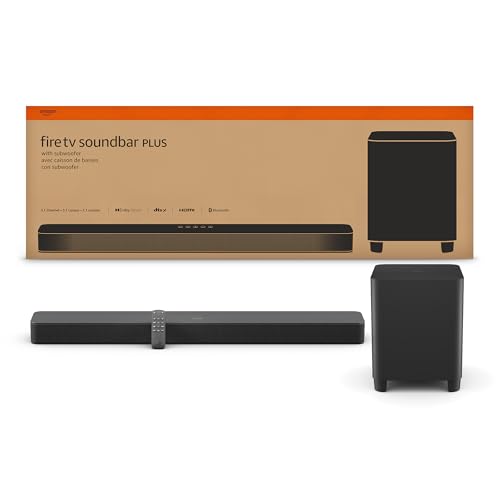
Released in late 2023, the Amazon Fire TV Soundbar Plus with Subwoofer represents Amazon's most ambitious entry into the soundbar market. Unlike their earlier, more basic models, this system was designed from the ground up as an expandable platform that can grow with your needs.
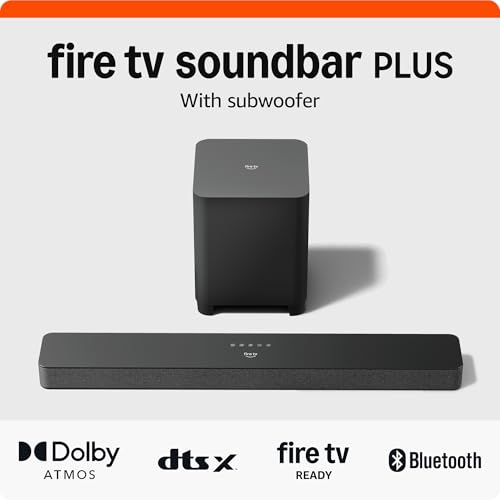
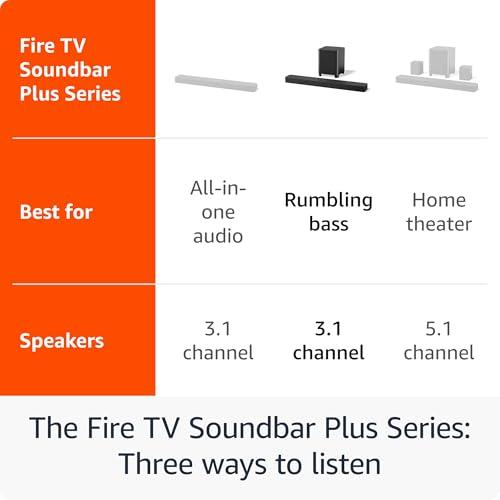
The core soundbar features a 3.1 channel configuration with three full-range speakers, three tweeters, and two built-in subwoofers. That's already more drivers than many competing soundbars pack into their entire system. But the real magic happens when you add the wireless subwoofer, which comes pre-paired and ready to go out of the box.
What sets this system apart is its modular design philosophy. At its most basic level, you get the main soundbar. Add the wireless subwoofer for significantly better bass response. Want true surround sound? You can expand further with wireless rear speakers to create a full 5.1 system. This approach means you're not locked into a fixed configuration—you can start small and build up as your budget and enthusiasm allow.
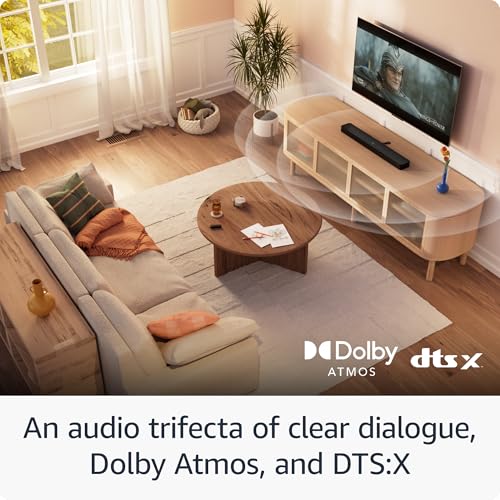
The Amazon Fire TV Soundbar Plus supports both Dolby Atmos and DTS:X, though it's important to understand that these are virtualized implementations. Unlike premium soundbars with physical upward-firing drivers, this system uses digital processing to simulate height effects through its left and right speakers. It's not true spatial audio, but it does create a more immersive experience than standard stereo.
One unique feature is the deep integration with Amazon's Fire TV devices. When paired with a compatible Fire TV, you get access to additional audio tuning options through the TV's settings menu. This goes beyond basic EQ adjustments—you can fine-tune the system's behavior for different types of content. Interestingly, despite the "Fire TV" branding, the soundbar itself doesn't include streaming capabilities or Alexa integration. It's purely an audio device that works best within Amazon's ecosystem.
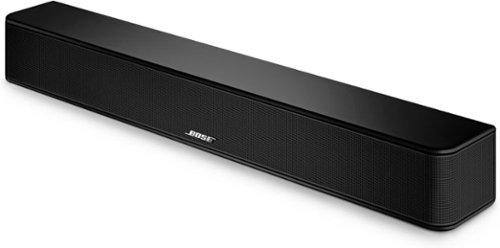
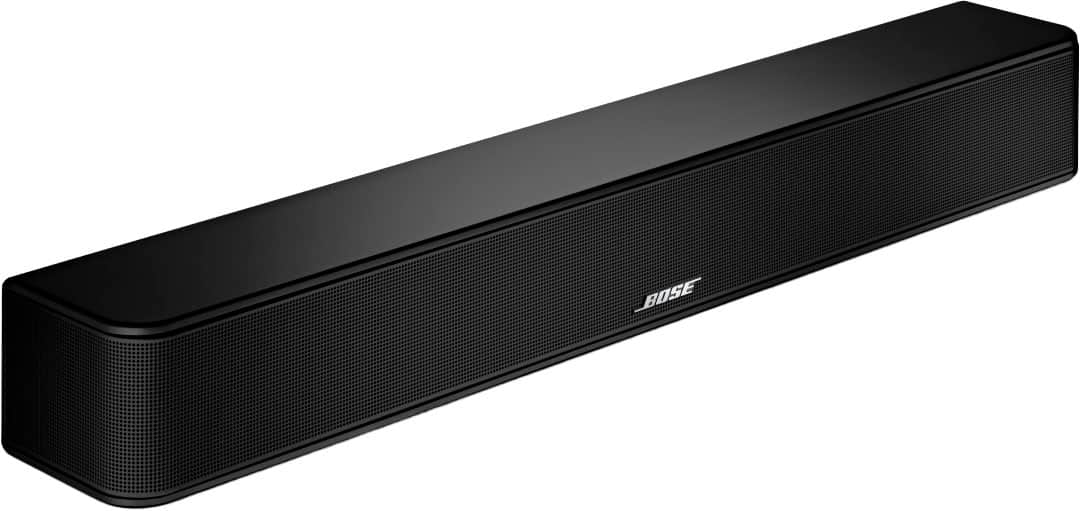
The Bose Solo Soundbar Series 2, released more recently as an update to Bose's entry-level TV audio lineup, takes a completely different approach. Where Amazon went for expandability and features, Bose focused on doing one thing exceptionally well: improving TV dialogue clarity in a compact, affordable package.
This is a 2.0 channel system, meaning it only has left and right speakers with no dedicated center channel. Bose compensates for this limitation through sophisticated digital signal processing (DSP) that enhances dialogue frequencies and creates a wider soundstage than the physical size of the bar would suggest. The angled drivers help create the impression of sound coming from beyond the soundbar's boundaries.
Bose has always excelled at psychoacoustic engineering—the science of how our brains perceive sound. The Solo Series 2 includes a dialogue enhancement mode that doesn't just boost midrange frequencies where voices live, but intelligently processes the audio to make speech more intelligible even when background music or effects are present. It's the kind of subtle but effective audio engineering that Bose is known for.
The trade-off for this focused approach is limited expandability. Unlike the Amazon system, you can't add wireless rear speakers or easily upgrade to surround sound. You're essentially buying a fixed 2.0 system that will serve you well for basic TV audio improvement but won't grow into something more ambitious.
This is where the two systems diverge most dramatically. The Amazon Fire TV Soundbar Plus delivers what I'd describe as a warm, slightly bass-heavy sound signature that works particularly well for movies and action content. The dedicated center channel makes a noticeable difference in dialogue clarity—voices have more focus and presence compared to phantom center imaging.
With the included subwoofer, the system can reproduce frequencies down to around 50Hz, which means you'll actually feel the rumble in action sequences and bass-heavy music. The subwoofer connects wirelessly and includes basic controls for adjusting bass levels. In my testing, the bass can become a bit "one-note" at higher volumes—it's powerful but lacks the nuanced low-mid frequencies you'd get from premium subwoofers. Still, it's a massive improvement over any standalone soundbar's bass capabilities.
The soundstage—how wide and immersive the sound feels—extends noticeably beyond the physical boundaries of the soundbar. This creates a more enveloping experience that works particularly well for movie content. There are some gaps in the stereo imaging when sounds pan between left and center positions, but overall the spatial presentation is impressive for the price point.
The Bose Solo Series 2 offers a more balanced, neutral sound profile optimized for dialogue clarity. Where it excels is in making voices sound natural and intelligible, even at lower volumes. The dialogue enhancement mode is genuinely effective—it doesn't just make voices louder, but actually makes them clearer and easier to understand.
However, the compact size severely limits bass response. This isn't necessarily a problem for TV shows and news, but action movies and music will lack the low-frequency impact that makes content feel immersive. The internal acoustic volume is significantly smaller than the Amazon system, which limits overall output and dynamic range.
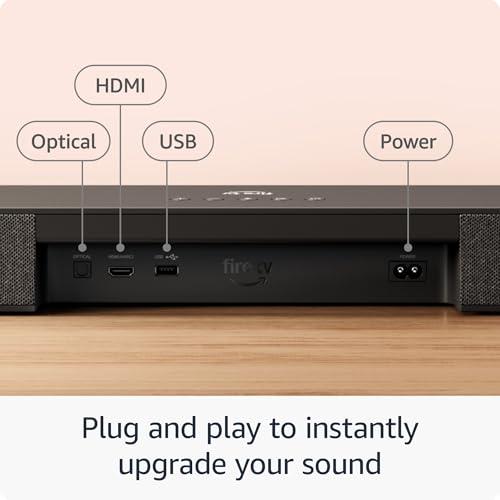
The Amazon Fire TV Soundbar Plus includes HDMI ARC connectivity, which is becoming the gold standard for soundbar connections. HDMI ARC (Audio Return Channel) allows your TV to send audio back to the soundbar through the same cable that receives video signals. This enables higher-quality audio formats and often allows you to control the soundbar's volume with your TV remote.
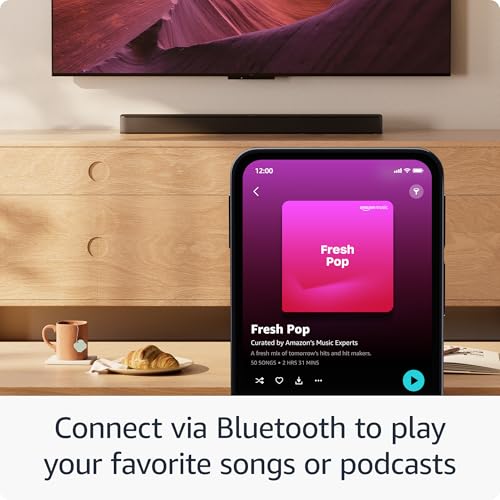
The system also includes optical digital input and Bluetooth connectivity. The Fire TV integration is genuinely useful if you're in Amazon's ecosystem—it unlocks additional audio tuning options and allows for more sophisticated room correction features.
The Bose Solo Series 2 takes a more universal approach with optical connectivity as the primary connection method. While this doesn't support the highest-quality audio formats that HDMI ARC enables, it's compatible with virtually every TV made in the last decade. The setup process is straightforward: connect the optical cable, power on the soundbar, and switch your TV's audio output to optical.
One nice touch is the auto-wake feature—the soundbar automatically powers on when it detects an audio signal from your TV, and powers off after 60 minutes of inactivity. It's these kinds of thoughtful details that make the user experience smoother.
For movie watching, the Amazon Fire TV Soundbar Plus with Subwoofer is clearly the superior choice. The combination of dedicated center channel dialogue, substantial bass response, and wider soundstage creates a genuinely cinematic experience. Action sequences have impact, dialogue remains clear even during busy soundtracks, and the overall presentation is immersive enough to enhance your viewing experience significantly.
The expandability factor becomes particularly important for home theater use. While the basic 3.1 configuration is already a substantial upgrade over TV speakers, adding rear speakers transforms it into a true surround sound system. For dedicated movie rooms or open-concept living spaces, this flexibility is invaluable.
The Bose Solo Series 2 excels in different scenarios. For apartments or smaller rooms where a full subwoofer might be overwhelming for neighbors, its compact design and balanced sound make perfect sense. It's ideal for people who primarily watch TV shows, news, and lighter content where dialogue clarity is paramount but bass impact isn't crucial.
I've found that the Bose system works particularly well in bedrooms or secondary viewing areas where you want better audio than TV speakers but don't need full home theater capabilities. The compact form factor means it won't dominate your entertainment center visually, and the neutral sound signature won't fatigue your ears during longer viewing sessions.
At the time of writing, the Amazon Fire TV Soundbar Plus with Subwoofer costs significantly more than the Bose Solo Series 2—roughly 80% more for the complete Amazon system. However, this price difference reflects genuinely superior performance and capabilities.
The Amazon system's expandability provides excellent future-proofing. You can start with the basic soundbar if budget is tight, add the subwoofer later, and eventually expand to full 5.1 surround sound. This modular approach means your investment can grow with your needs and budget over time.
The Bose Solo Series 2 represents excellent value if your needs are simple and well-defined. For users who want a straightforward upgrade to TV audio without complexity or future expansion plans, the lower price point makes it an attractive option. However, if your audio needs evolve beyond basic TV enhancement, you'll need to replace the entire system rather than building upon it.
Both systems represent significant improvements over their predecessors, but in different ways. Amazon's earlier Fire TV soundbars were basic 2.0 systems that competed primarily on price. The 2023 Fire TV Soundbar Plus represents a major leap in ambition, with proper channel separation, wireless connectivity, and genuine home theater aspirations.
Bose's evolution has been more incremental, focusing on refining their digital signal processing and making their entry-level products more accessible. The Solo Series 2 benefits from audio algorithms developed for their premium soundbars, bringing sophisticated dialogue enhancement to a budget-friendly package.
The broader soundbar market has matured significantly in recent years, with even entry-level products offering features that were premium just a few years ago. Wireless connectivity, mobile app control, and advanced audio processing have become standard expectations rather than luxury features.
The decision between these systems ultimately depends on your priorities, space, and long-term audio goals. If you're primarily interested in improving dialogue clarity for TV shows and don't need substantial bass response, the Bose Solo Series 2 offers excellent value and the reliability of the Bose brand.
However, for most users, I believe the Amazon Fire TV Soundbar Plus with Subwoofer provides better long-term value despite its higher upfront cost. The combination of superior performance, expandability options, and modern connectivity makes it a more versatile and future-proof choice.
For home theater enthusiasts or anyone who regularly watches movies, the Amazon system's bass response and soundstage width create a genuinely more immersive experience. The ability to expand to full surround sound means your investment can grow with your enthusiasm for better audio.
Consider the Bose Solo Series 2 if you have severe space constraints, live in an apartment where bass might disturb neighbors, or have a limited budget with no plans for future audio upgrades. Its compact design and dialogue-focused tuning make it perfect for specific use cases.
Choose the Amazon Fire TV Soundbar Plus if you have medium to large rooms, enjoy movies and varied content, want the option to expand your system later, or prioritize getting the best possible audio performance for your investment.
Both represent significant upgrades over built-in TV speakers, but they serve different audiences with different needs. Understanding these differences will help ensure you choose the system that best matches your specific situation and audio priorities.
| Amazon Fire TV Soundbar Plus with Subwoofer | Bose Solo Soundbar Series 2 |
|---|---|
| Channel Configuration - Determines dialogue clarity and surround capabilities | |
| 3.1 channels (dedicated center channel for clear dialogue) | 2.0 channels (phantom center imaging) |
| Subwoofer Inclusion - Critical for bass response in movies and music | |
| Wireless subwoofer included (extends bass down to ~50Hz) | No subwoofer (limited bass response) |
| Expandability - Future-proofing for better audio | |
| Expandable to full 5.1 surround with wireless rear speakers | No expansion options (fixed 2.0 system) |
| HDMI Connectivity - Enables highest quality audio formats | |
| HDMI ARC + Optical + Bluetooth | Optical + Bluetooth only (no HDMI) |
| Dolby Atmos Support - Enhanced movie audio experience | |
| Yes (virtualized through existing drivers) | No Atmos support |
| Physical Size - Impacts room compatibility and visual footprint | |
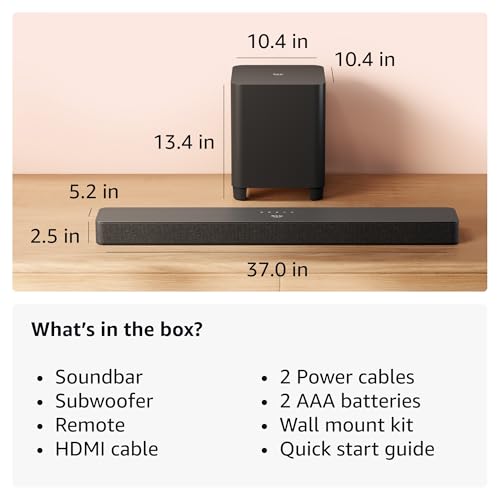
| 37" x 5.2" x 2.5" plus separate subwoofer | 21.6" x 2.8" x 3.4" single unit |
| Smart Features - Additional functionality beyond basic audio | |
| Fire TV integration for advanced tuning (no streaming/Alexa) | Basic auto-wake and sleep functions |
| Dialogue Enhancement - Specialized voice clarity features | |
| Dedicated center channel plus adjustable dialogue enhancer | Dialogue enhancement mode via DSP processing |
| Sound Signature - Overall tonal balance and character | |
| Warm, bass-heavy profile ideal for movies | Neutral, balanced profile optimized for TV content |
| Setup Complexity - Installation and configuration requirements | |
| Moderate (main bar + wireless subwoofer placement) | Simple (single unit with optical connection) |
| Value Proposition - Performance per dollar at time of writing | |
| Higher cost but includes subwoofer and expansion potential | Lower entry price for basic TV audio improvement |
The Amazon Fire TV Soundbar Plus with Subwoofer is significantly better for movies due to its 3.1 channel configuration with a dedicated center channel for dialogue and wireless subwoofer for bass response. The Bose Solo Series 2 works well for TV shows but lacks the bass impact needed for action movies and cinematic content.
Yes, the Amazon Fire TV Soundbar Plus with Subwoofer bundle includes a wireless subwoofer that pairs automatically with the main soundbar. The Bose Solo Series 2 does not include a subwoofer and has limited expansion options for adding one later.
The Amazon Fire TV Soundbar Plus has superior dialogue clarity thanks to its dedicated center channel, which is specifically designed for voice reproduction. While the Bose Solo Series 2 includes dialogue enhancement processing, it relies on phantom center imaging which isn't as precise as a physical center speaker.
The Amazon Fire TV Soundbar Plus can be expanded to full 5.1 surround sound by adding wireless rear speakers. The Bose Solo Series 2 cannot be expanded to surround sound and remains a fixed 2.0 channel system throughout its lifespan.
The Bose Solo Series 2 is better suited for small spaces due to its compact 21.6-inch design and lack of a separate subwoofer that might disturb neighbors. The Amazon Fire TV Soundbar Plus with Subwoofer requires more space and produces more bass, which may not be ideal for apartment living.
Only the Amazon Fire TV Soundbar Plus includes HDMI ARC connectivity for the highest quality audio formats. The Bose Solo Series 2 uses optical connection only, which is compatible with more TVs but doesn't support advanced audio formats like Dolby Atmos.
This depends on your needs. The Bose Solo Series 2 offers excellent value for basic TV audio improvement at a lower price point. The Amazon Fire TV Soundbar Plus with Subwoofer costs more but includes a subwoofer and expansion capabilities, providing better long-term value for serious audio enthusiasts.
The Amazon Fire TV Soundbar Plus is significantly better for music due to its wireless subwoofer providing full-range frequency response and stronger bass. The Bose Solo Series 2 can handle vocals and mid-range well but lacks the low-frequency extension needed for bass-heavy music genres.
The Bose Solo Series 2 is easier to set up as it's a single unit requiring only an optical cable connection to your TV. The Amazon Fire TV Soundbar Plus with Subwoofer requires positioning both the main bar and wireless subwoofer, though the components come pre-paired for convenience.
Both soundbars work with all TV brands, but the Amazon Fire TV Soundbar Plus offers additional integration features when paired with Amazon Fire TV devices. The Bose Solo Series 2 provides universal compatibility through its optical connection that works with virtually any modern TV.
The Amazon Fire TV Soundbar Plus with Subwoofer has dramatically better bass performance due to its dedicated wireless subwoofer that can reproduce low frequencies down to around 50Hz. The Bose Solo Series 2 has minimal bass response due to its compact design and lack of dedicated low-frequency drivers.
For home theater use, choose the Amazon Fire TV Soundbar Plus with Subwoofer due to its superior movie performance, expandability to 5.1 surround sound, and support for Dolby Atmos. The Bose Solo Series 2 is better suited for casual TV viewing rather than dedicated home theater applications.
We've done our best to create useful and informative comparisons to help you decide what product to buy. Our research uses advanced automated methods to create this comparison and perfection is not possible - please contact us for corrections or questions. These are the sites we've researched in the creation of this article: rtings.com - cordbusters.co.uk - techradar.com - youtube.com - t3.com - hometechnologyreview.com - youtube.com - hometechnologyreview.com - whathifi.com - developer.amazon.com - manuals.plus - dolby.com - rtings.com - bose.com - bose.com - assets.bose.com - bestbuy.com - youtube.com - pistonheads.com - costco.com - googlenestcommunity.com - youtube.com - discussions.apple.com

Privacy Policy
Terms and Conditions - Affiliate Policy
Home Security
© Copyright 2008-2026.
11816 Inwood Rd #1211, Dallas, TX 75244