


If you've ever found yourself constantly reaching for the TV remote to adjust volume during shows—cranking it up to hear dialogue, then scrambling to turn it down when music or explosions blast—you're experiencing the classic problem that soundbars were designed to solve. Your TV's built-in speakers simply weren't designed to fill a room with balanced, clear audio.
But here's where it gets interesting: not all soundbars approach this problem the same way. The Samsung HW-B630F and Bose Solo Soundbar Series 2 represent two completely different philosophies for upgrading your TV's sound, and understanding these differences will help you pick the right one for your specific situation.
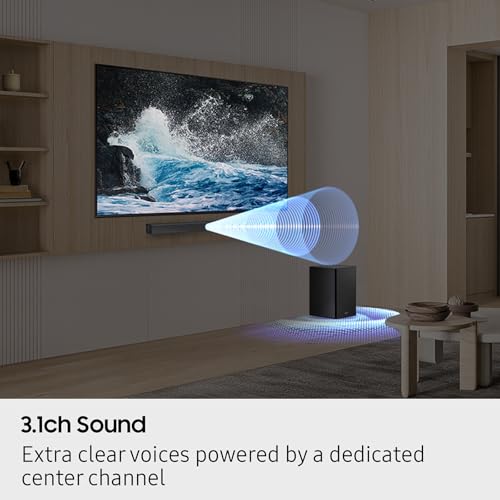
Before diving into these specific models, let's talk about what actually matters in a soundbar. The most important factor is channel configuration—essentially, how many separate audio streams the soundbar can handle. A 2.0 system has left and right channels (like traditional stereo), while a 3.1 system adds a dedicated center channel for dialogue plus a subwoofer channel for bass. This isn't just marketing jargon; it fundamentally changes how your audio sounds.
The second major consideration is bass extension—how low in frequency the system can reproduce sound. Deep bass (below 80Hz) is what you feel in your chest during action scenes, and most compact soundbars simply can't produce it effectively due to physics limitations. This is why many systems include separate subwoofers.
Dialogue clarity deserves special attention because it's often the primary reason people buy soundbars. TV speakers typically struggle with the midrange frequencies where human voices live, especially when there's background music or effects competing for the same frequency space.
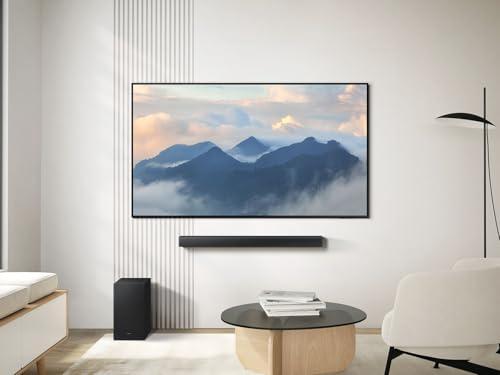
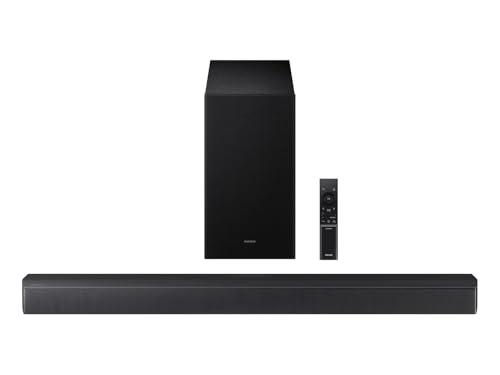
The Samsung HW-B630F, released in 2022, represents the "full system" approach to soundbar design. Samsung built this as a true 3.1-channel system, meaning you get discrete left, center, and right channels in the main soundbar, plus a wireless subwoofer that handles all the bass duties. This is fundamentally similar to a traditional home theater receiver setup, just packaged more conveniently.
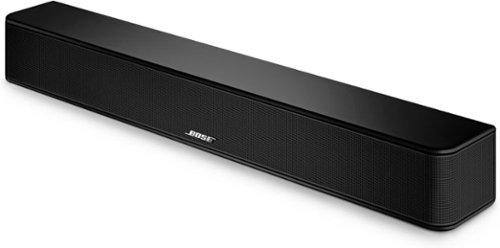
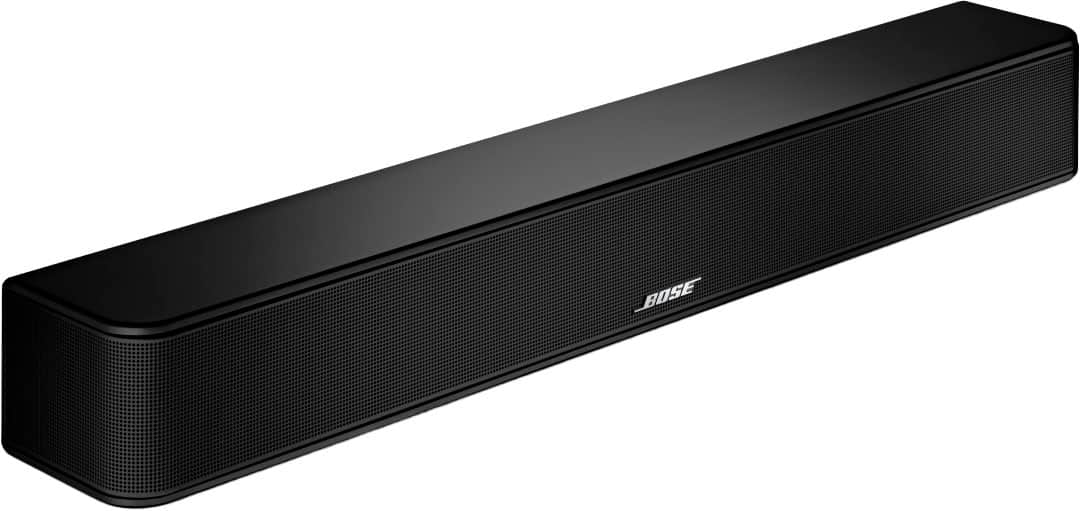
The Bose Solo Series 2, which arrived in late 2024 as an update to Bose's long-running Solo line, takes the complete opposite approach. It's an all-in-one 2.0 system that tries to solve TV audio problems through advanced signal processing and careful acoustic design within a single, compact unit. No separate subwoofer, no complex setup—just improved TV speakers, essentially.
The performance difference between these systems starts with their fundamental architecture. The Samsung HW-B630F's 3.1 configuration isn't just about having more speakers—it's about channel separation. When you're watching a movie and someone speaks on-screen, that dialogue comes specifically from the center channel, which is acoustically isolated from the left and right channels handling music and effects.
This matters more than you might think. In a 2.0 system like the Bose Solo Series 2, dialogue has to compete with everything else happening in the left and right channels. The Bose tries to compensate with what they call "dialogue enhancement mode," which uses digital signal processing (DSP) to emphasize vocal frequencies and reduce competing sounds. It's clever engineering, but it's still working within the limitations of two-channel audio.
From our research into expert reviews and user feedback, the difference is noticeable. The Samsung delivers what reviewers consistently describe as more "anchored" dialogue—voices seem to come from the TV screen rather than floating somewhere in the general vicinity. The Bose certainly improves on TV speakers for dialogue clarity, but it can't match the precision of a dedicated center channel.
Here's where the philosophical difference between these systems becomes most apparent. The Samsung HW-B630F includes a wireless 6-inch subwoofer in a bass-reflex cabinet—that's a speaker box with a carefully tuned port that enhances low-frequency output. This subwoofer can reproduce frequencies down into the 40-50Hz range, which covers most of the bass content in movies and music.
The Bose Solo Series 2, constrained by its compact form factor, simply cannot produce meaningful bass below about 80-100Hz. Physics is unforgiving here: to reproduce low frequencies, you need to move a lot of air, and that requires either large drivers or a lot of power (or both). A 21.6-inch soundbar can only do so much.
In practical terms, this means the Samsung will give you that rumbling impact during action scenes, the satisfying thump of a bass drum in music, and generally more full-range sound. The Bose excels at midrange clarity but leaves you wanting more during bass-heavy content. User reviews consistently mention this limitation with the Bose—it's great for dialogue and most TV content, but movies feel somewhat thin.
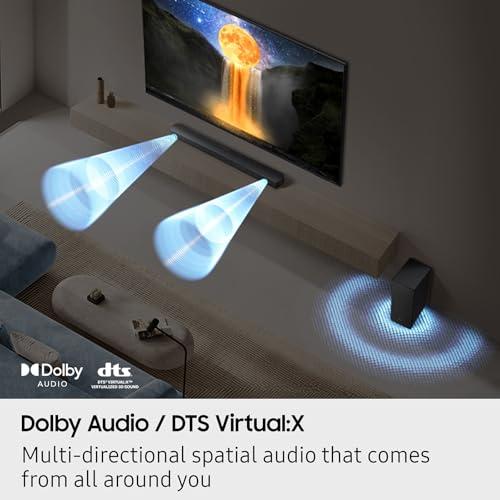
Soundstage refers to how wide and immersive the audio feels—whether sound seems to come from a narrow point in front of you or fills the room with spatial information. The Samsung HW-B630F uses several technologies to expand its apparent soundstage beyond the physical dimensions of the bar.
DTS Virtual:X is the key technology here. This is a sophisticated audio processing system that takes regular stereo or surround sound content and uses psychoacoustic principles—basically, tricks that exploit how your brain processes sound—to create the impression of height and surround effects from a front-facing speaker array. It analyzes the incoming audio and redirects certain frequencies and timing cues to create spatial illusions.
The Samsung also includes Samsung's own "Surround Sound Expansion" processing, which works alongside DTS Virtual:X to widen the apparent soundstage. User reviews frequently mention that the Samsung sounds "bigger than it looks," with effects seeming to extend well beyond the soundbar's physical boundaries.
The Bose Solo Series 2 takes a more traditional approach, using two angled full-range drivers to create some width, but without advanced spatial processing. Bose has always focused more on tonal accuracy and clarity rather than soundstage tricks, and that philosophy shows here.
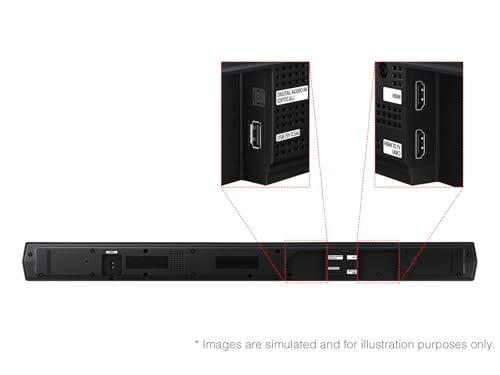
Modern soundbars often serve as the central audio hub for your entertainment system, and connectivity options determine how flexible they'll be as your needs change. The Samsung HW-B630F reflects this hub philosophy with multiple input options: HDMI input and output with ARC (Audio Return Channel), optical digital input, and even a USB port for direct music playback.
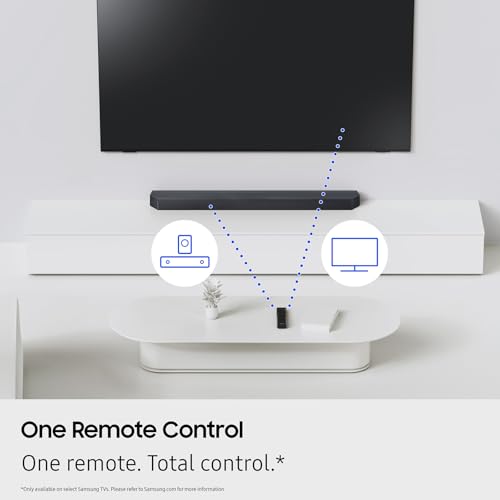
HDMI ARC is particularly important because it allows two-way communication between your TV and soundbar. You can use your TV remote to control soundbar volume, and the soundbar can automatically turn on when the TV does. The Samsung also supports HDMI-CEC, which enables even more integration with compatible devices.
The Bose Solo Series 2 keeps things simpler with optical and coaxial digital inputs plus Bluetooth. This minimalist approach has pros and cons—fewer connections mean less complexity, but also less flexibility as your system grows.
The Samsung HW-B630F includes an impressive array of sound processing modes that adapt to different content types. "Adaptive Sound" analyzes incoming audio in real-time and automatically optimizes EQ and dynamics for the content—boosting dialogue during quiet scenes, managing dynamics during action sequences. "Game Mode" reduces audio latency and enhances positional cues for gaming. "Night Mode" compresses dynamic range so you can watch movies at lower volumes without losing dialogue clarity.
These aren't just marketing features—they address real-world usage scenarios. The Game Mode, for example, can make a meaningful difference in competitive gaming where audio cues help you locate opponents.
The Bose Solo Series 2 keeps features minimal: dialogue enhancement, bass adjustment, and auto-wake functionality. This simplicity is intentional—Bose designed this for users who want better sound without complexity.
Here's where the Samsung HW-B630F shows its long-term value proposition. It supports Samsung's Wireless Surround Kit (sold separately), which can transform the 3.1 system into a true 5.1 setup with discrete rear channels. This gives you an upgrade path that doesn't require replacing the entire system.
The Bose Solo Series 2 offers no expansion options—what you buy is what you get. For users with simple, stable requirements, this isn't necessarily a problem. But it does limit future flexibility.
At the time of writing, these soundbars occupy similar price ranges, but they deliver very different value propositions. The Samsung HW-B630F offers substantially more performance and features per dollar. You're getting a complete 3.1 system with wireless subwoofer, advanced processing modes, comprehensive connectivity, and expansion options.
The Bose Solo Series 2 commands its price partly through brand reputation and build quality, but also through its specific engineering focus. Bose has optimized this design for dialogue clarity and ease of use rather than trying to be everything to everyone.
From a pure performance-per-dollar perspective, the Samsung wins decisively. However, value isn't just about features—it's about how well a product serves your specific needs.
If you're building a dedicated home theater setup, even in a smaller room, the Samsung HW-B630F is the clear choice. The combination of discrete channel separation, substantial bass extension, and virtual surround processing creates a much more cinematic experience. The ability to add rear speakers later means your system can grow with your space and interests.
The bass extension alone makes a huge difference for movie content. Explosions feel impactful rather than thin, musical scores have proper weight, and you get that immersive feeling that draws you into the content.
For general living room use, both soundbars work well, but for different users. The Samsung excels when you want room-filling sound for various content types—movies, sports, music, gaming. Its multiple sound modes adapt to whatever you're watching or listening to.
The Bose Solo Series 2 works better for users who primarily watch dialogue-heavy content like news, talk shows, or dramas, and who value simplicity over features. Its compact size makes it almost invisible under the TV, and setup is genuinely plug-and-play.
Gaming audio has become increasingly sophisticated, with spatial cues and precise positioning often crucial for competitive play. The Samsung HW-B630F's Game Mode specifically addresses this with optimized processing that emphasizes positional audio cues while maintaining dialogue clarity for in-game communication.
The Bose Solo Series 2 can certainly improve gaming audio over TV speakers, but it lacks the spatial processing and low-frequency extension that modern games often rely on for immersion.
Both soundbars reflect their design eras. The Samsung HW-B630F, as a 2022 product, incorporates the mature virtual surround processing that Samsung developed over the previous few years. While it doesn't include Dolby Atmos (which requires upward-firing speakers), its DTS Virtual:X processing represents sophisticated spatial audio technology.
The Bose Solo Series 2, being newer (2024), incorporates Bose's latest work on dialogue enhancement and compact speaker design. However, it represents an evolution of traditional soundbar concepts rather than adoption of newer spatial audio formats.
Since 2022, the soundbar market has increasingly moved toward Dolby Atmos support and more comprehensive smart features. Neither of these models represents the cutting edge of soundbar technology, but they both serve specific market segments effectively.
The Samsung HW-B630F delivers dramatically more performance and features for a similar investment. It's the better choice for most users who want to meaningfully upgrade their TV audio experience. The inclusion of a wireless subwoofer alone transforms the listening experience in ways that no compact single-unit soundbar can match.
However, the Bose Solo Series 2 serves a legitimate niche. For users who genuinely prioritize simplicity, space efficiency, and dialogue clarity above all else, it delivers those qualities in a polished, reliable package.
The key is honest self-assessment of your priorities. If you want noticeably better sound that works well for various content types, choose the Samsung. If you want the simplest possible upgrade that focuses specifically on making TV dialogue clearer, the Bose accomplishes that goal effectively.
In most cases, though, the Samsung HW-B630F represents better long-term value and satisfaction. The performance difference is substantial enough that most users will appreciate the upgrade, and the features provide flexibility as needs evolve over time.
| Samsung HW-B630F | Bose Solo Soundbar Series 2 |
|---|---|
| Channel Configuration - Determines dialogue clarity and spatial sound | |
| 3.1 channels with dedicated center channel for dialogue | 2.0 channels with dialogue enhancement processing |
| Subwoofer - Critical for bass impact in movies and music | |
| Wireless 6" subwoofer included | No subwoofer (compact design prioritizes space saving) |
| Bass Extension - How deep the low frequencies go | |
| Down to ~40-50Hz with subwoofer (full movie impact) | Limited to ~80-100Hz (adequate for dialogue, weak for action) |
| Sound Processing - Advanced features for different content types | |
| DTS Virtual:X, Adaptive Sound, Game Mode, Voice Enhance, Night Mode | Dialogue enhancement mode and basic bass adjustment |
| HDMI Connectivity - Important for modern TV integration | |
| HDMI input/output with ARC support | No HDMI (optical and coaxial only) |
| Bluetooth Features - Wireless music streaming capabilities | |
| Bluetooth 4.2 with multi-device pairing | Bluetooth 4.0 with standard connection |
| Dimensions - Soundbar size and room compatibility | |
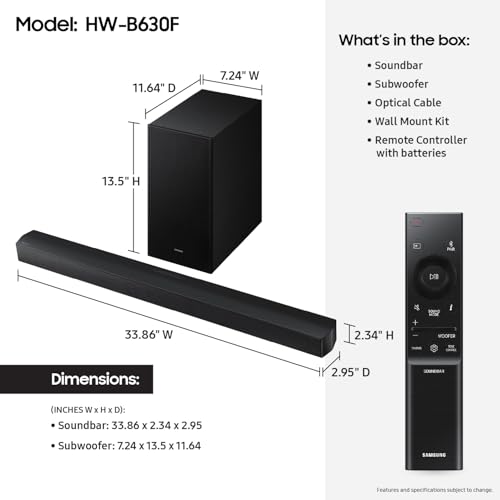
| 33.9" x 2.3" x 3" (fits 40"+ TVs) | 21.6" x 2.8" x 3.4" (ultra-compact for any TV size) |
| Setup Complexity - Time and effort required | |
| Moderate (soundbar + subwoofer positioning) | Minimal (single unit, plug-and-play) |
| Expandability - Future upgrade options | |
| Compatible with wireless rear speaker kit for 5.1 setup | No expansion options available |
| Smart TV Integration - Convenience features | |
| Samsung One Remote Control, HDMI-CEC | Basic remote only, no advanced integration |
| Audio Format Support - Compatibility with different sources | |
| Dolby Digital 5.1, DTS 5.1, multiple formats via HDMI/optical | Dolby Digital (downmixed to stereo), basic format support |
| Room Size Suitability - Performance in different spaces | |
| Medium to large rooms with higher volume capability | Small to medium rooms, optimized for near-field listening |
The Samsung HW-B630F has significantly better bass performance thanks to its included wireless 6-inch subwoofer that can reproduce frequencies down to around 40-50Hz. The Bose Solo Series 2 is limited to frequencies above 80-100Hz due to its compact single-unit design, making it adequate for dialogue but lacking the deep bass impact needed for movies and music.
The Samsung HW-B630F comes with a wireless subwoofer included, so no additional purchase is needed. The Bose Solo Series 2 doesn't include a subwoofer and has no option to add one, relying entirely on its compact design for all frequencies.
Both soundbars excel at dialogue, but through different approaches. The Samsung HW-B630F uses a dedicated center channel specifically for dialogue, while the Bose Solo Series 2 uses advanced dialogue enhancement processing. The Samsung's dedicated center channel generally provides more precise dialogue positioning and clarity.
The Bose Solo Series 2 offers the simpler setup - just place the bar and connect one optical cable. The Samsung HW-B630F requires positioning both the soundbar and wireless subwoofer, plus offers multiple connection options (HDMI, optical) that may require configuration.
The Bose Solo Series 2 is specifically designed for smaller spaces with its compact 21.6-inch width and focused sound output. The Samsung HW-B630F performs better in medium to large rooms where its subwoofer can provide room-filling bass without overwhelming the space.
Both soundbars support Bluetooth connectivity for wireless music streaming from phones and tablets. However, for TV audio, both require a wired connection - the Samsung HW-B630F via HDMI or optical, and the Bose Solo Series 2 via optical or coaxial cable.
The Samsung HW-B630F is superior for gaming due to its dedicated Game Mode that optimizes audio processing for positional cues and reduces latency. It also provides better bass extension for immersive game audio. The Bose Solo Series 2 lacks gaming-specific features and spatial audio processing.
Neither the Samsung HW-B630F nor the Bose Solo Series 2 supports Dolby Atmos. The Samsung uses DTS Virtual:X for spatial audio processing, while the Bose focuses on stereo audio with dialogue enhancement rather than surround sound formats.
The Samsung HW-B630F generally offers better value with its 3.1-channel system, wireless subwoofer, multiple sound modes, and comprehensive connectivity options. The Bose Solo Series 2 costs similarly but provides fewer features, targeting users who prioritize simplicity over performance.
The Samsung HW-B630F can be expanded to a 5.1 system using Samsung's optional Wireless Surround Kit. The Bose Solo Series 2 offers no expansion options - it's designed as a complete, standalone solution.
The Samsung HW-B630F is significantly better for home theater use due to its 3.1-channel configuration, wireless subwoofer for deep bass, and virtual surround processing. The Bose Solo Series 2 improves TV audio but lacks the bass extension and spatial audio needed for cinematic experiences.
The Samsung HW-B630F offers more advanced control options including Samsung One Remote compatibility, HDMI-CEC integration, and multiple sound modes accessible via remote. The Bose Solo Series 2 uses a basic remote with limited controls, focusing on simplicity with features like auto-wake functionality but fewer customization options.
We've done our best to create useful and informative comparisons to help you decide what product to buy. Our research uses advanced automated methods to create this comparison and perfection is not possible - please contact us for corrections or questions. These are the sites we've researched in the creation of this article: samsung.com - bhphotovideo.com - crutchfield.com - youtube.com - bestproducts.com - videoandaudiocenter.com - pcrichard.com - bhphotovideo.com - samsung.com - youtube.com - requiremints.com - karlsonline.com - crutchfield.com - youtube.com - donstv.com - samsung.com - bhphotovideo.com - youtube.com - youtube.com - crutchfield.com - costco.ca - rtings.com - crutchfield.com - accio.com - bhphotovideo.com - manuals.plus - samsung.com - saraappliance.com - rtings.com - bose.com - bose.com - assets.bose.com - bestbuy.com - youtube.com - pistonheads.com - costco.com - googlenestcommunity.com - youtube.com - discussions.apple.com

Privacy Policy
Terms and Conditions - Affiliate Policy
Home Security
© Copyright 2008-2026.
11816 Inwood Rd #1211, Dallas, TX 75244