




If you've ever found yourself constantly adjusting your TV volume or asking "what did they say?" during movies, you're not alone. Most TVs today are incredibly thin, which means their built-in speakers are, frankly, terrible. That's where soundbars come in – they're designed to dramatically improve your TV's audio without the complexity of a full surround sound system.
Today we're comparing two popular options that take very different approaches: the Bose Solo Soundbar Series 2 at $199.99 and the LG S40T 2.1 Channel Soundbar at $155.95. One focuses on simplicity and dialogue clarity, while the other delivers deeper bass and modern features at a lower price. Let's dive into which one makes sense for your setup.
Before we get into the specifics, it's helpful to understand what makes soundbars tick. The number designation you see (like "2.0" or "2.1") tells you about the speaker configuration. The first number represents main channels (left and right), while the second indicates whether there's a dedicated subwoofer for bass. A 2.0 system has two main speakers but no separate subwoofer, while a 2.1 system adds that dedicated bass component.
The key considerations when shopping for soundbars include audio configuration, room size compatibility, connectivity options, and how much complexity you're willing to accept. There's always a trade-off between simplicity and audio performance – the question is finding the right balance for your needs.
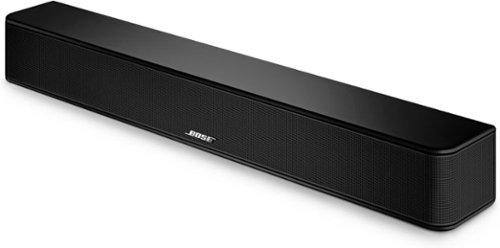
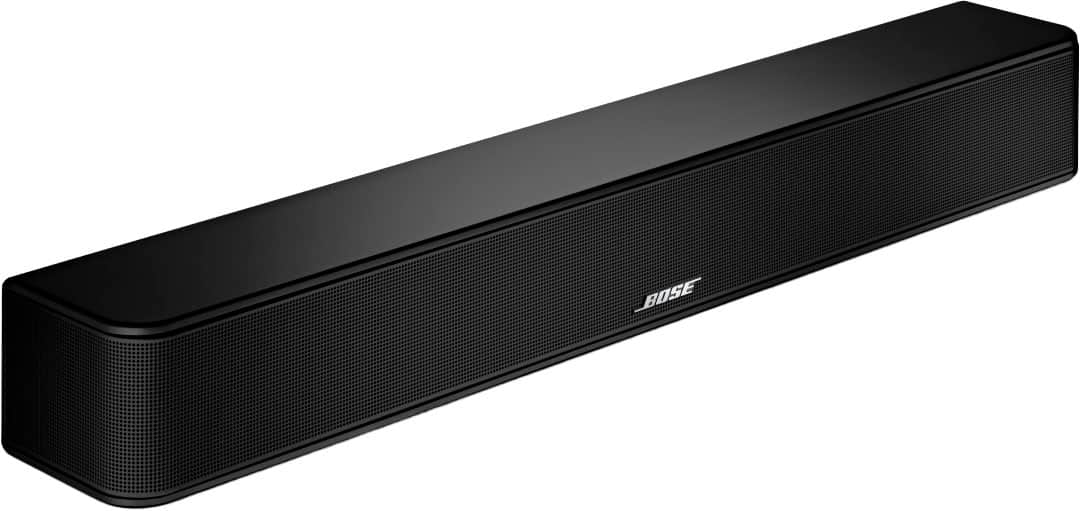
The Bose Solo Soundbar Series 2 launched around 2018, representing Bose's philosophy of "less is more." It's a single-unit 2.0 stereo soundbar that prioritizes dialogue clarity and ease of use. There are no separate components to place or connect – just one sleek bar that sits under your TV.
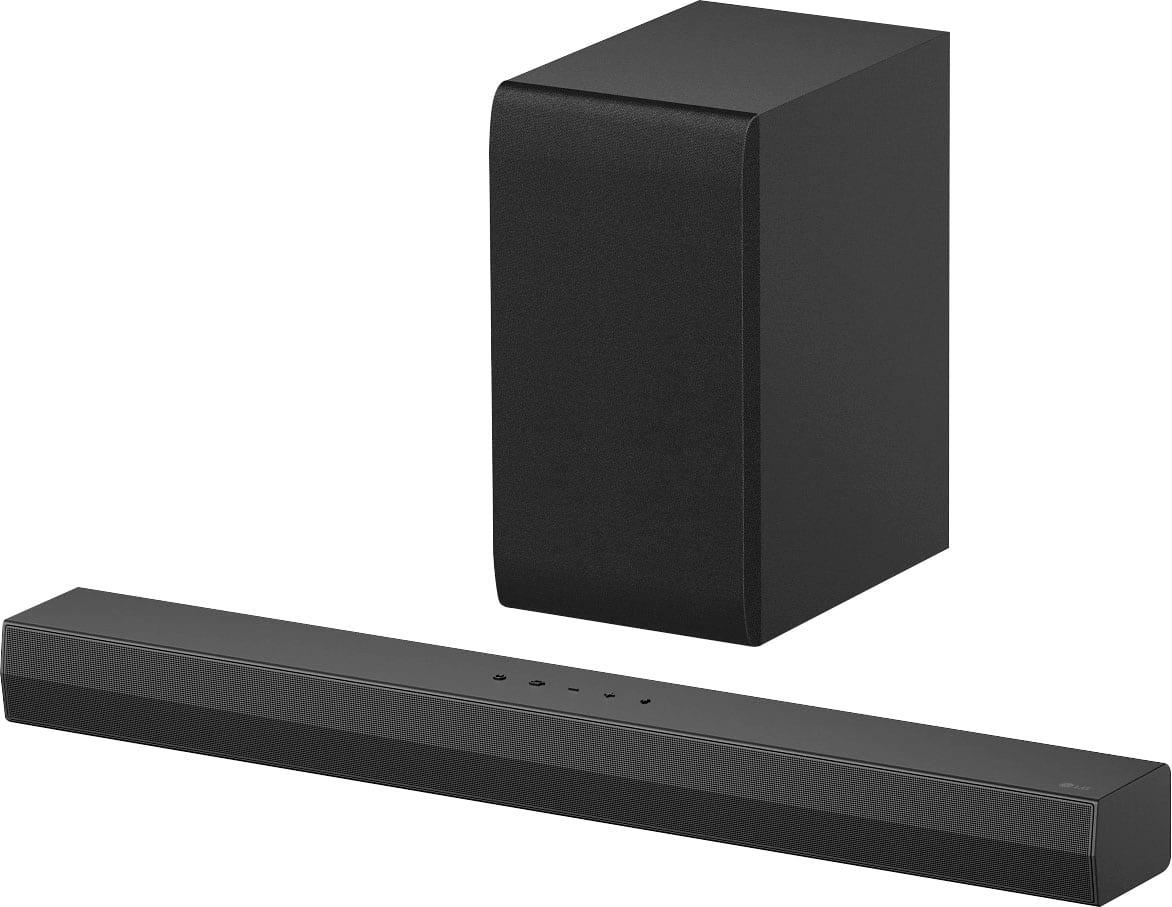
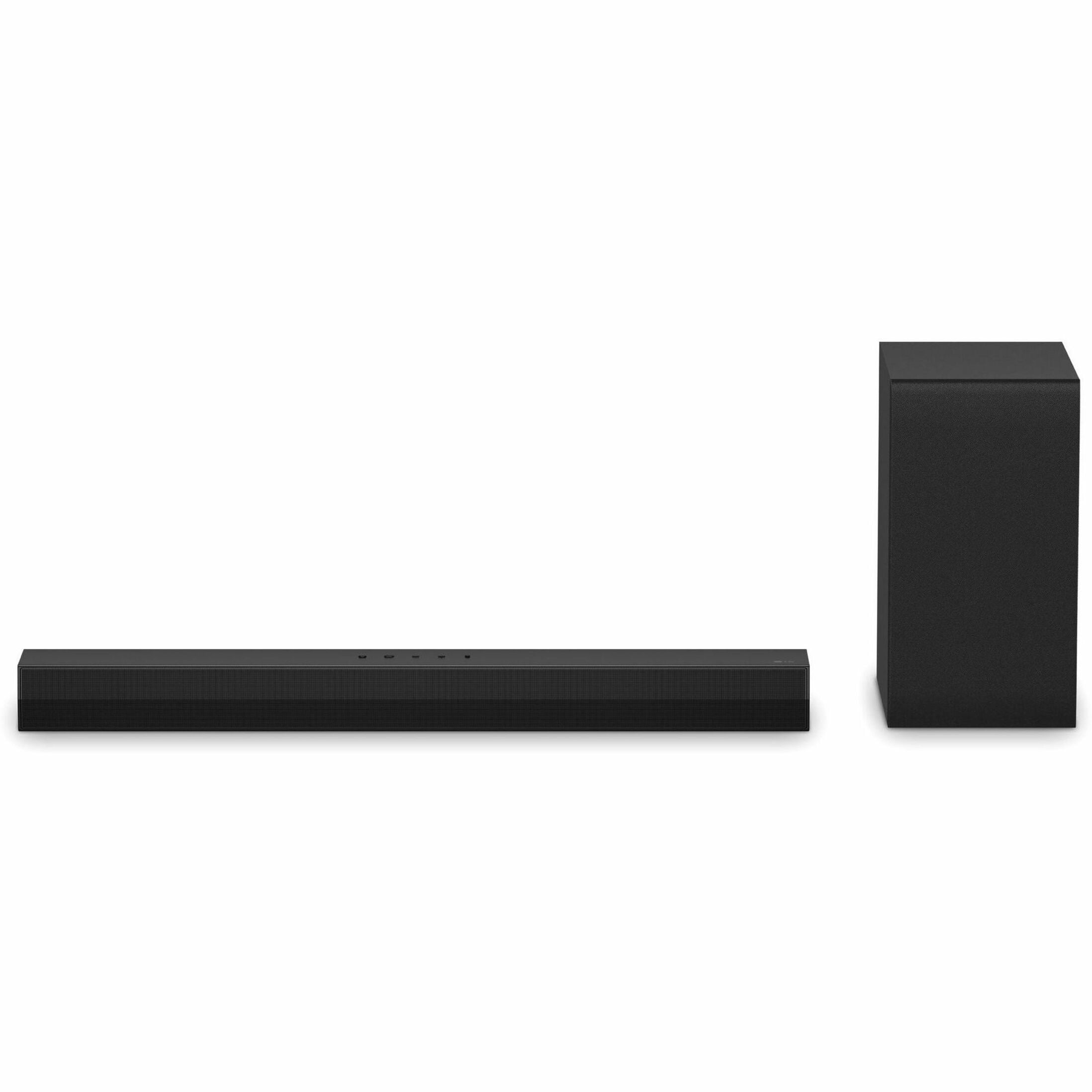
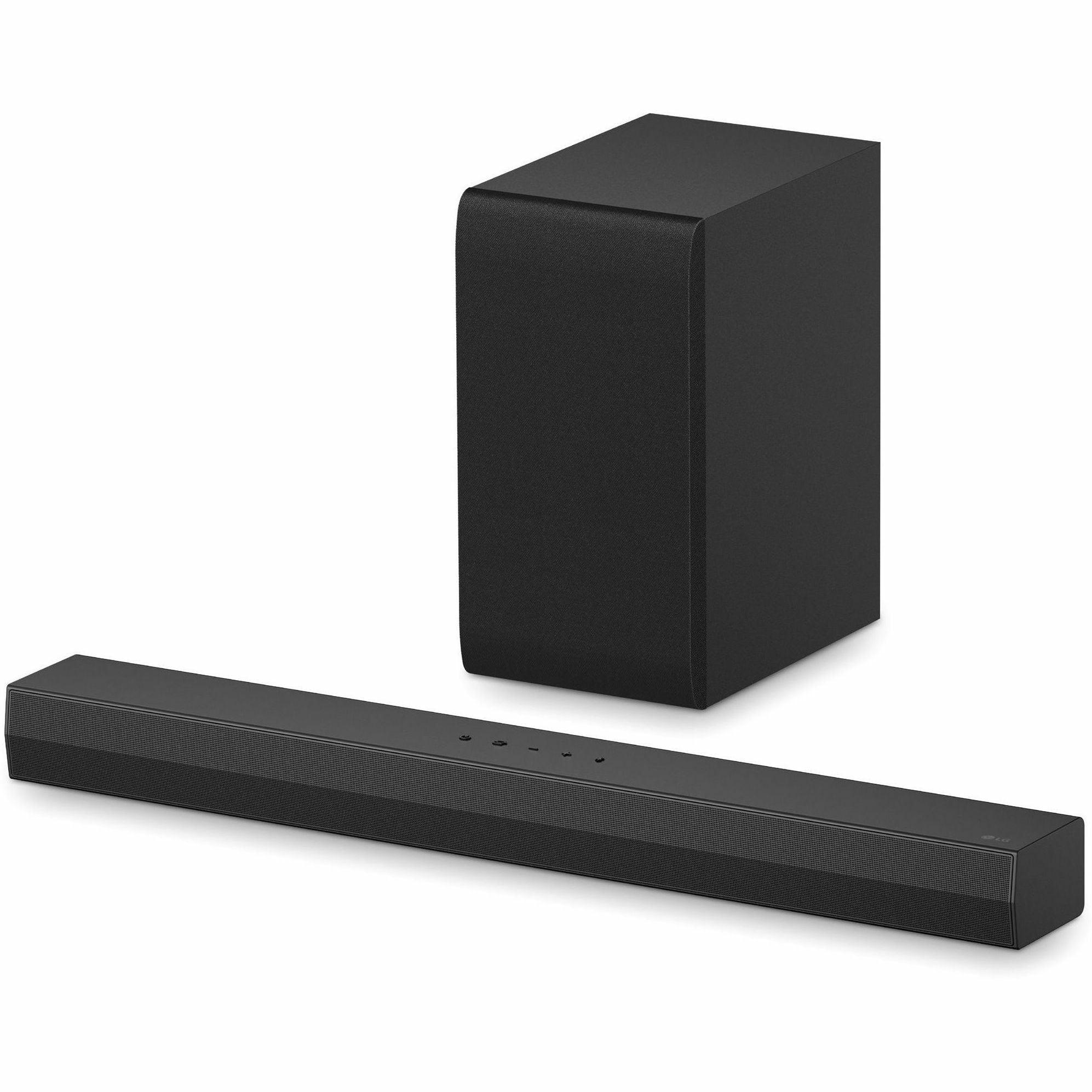
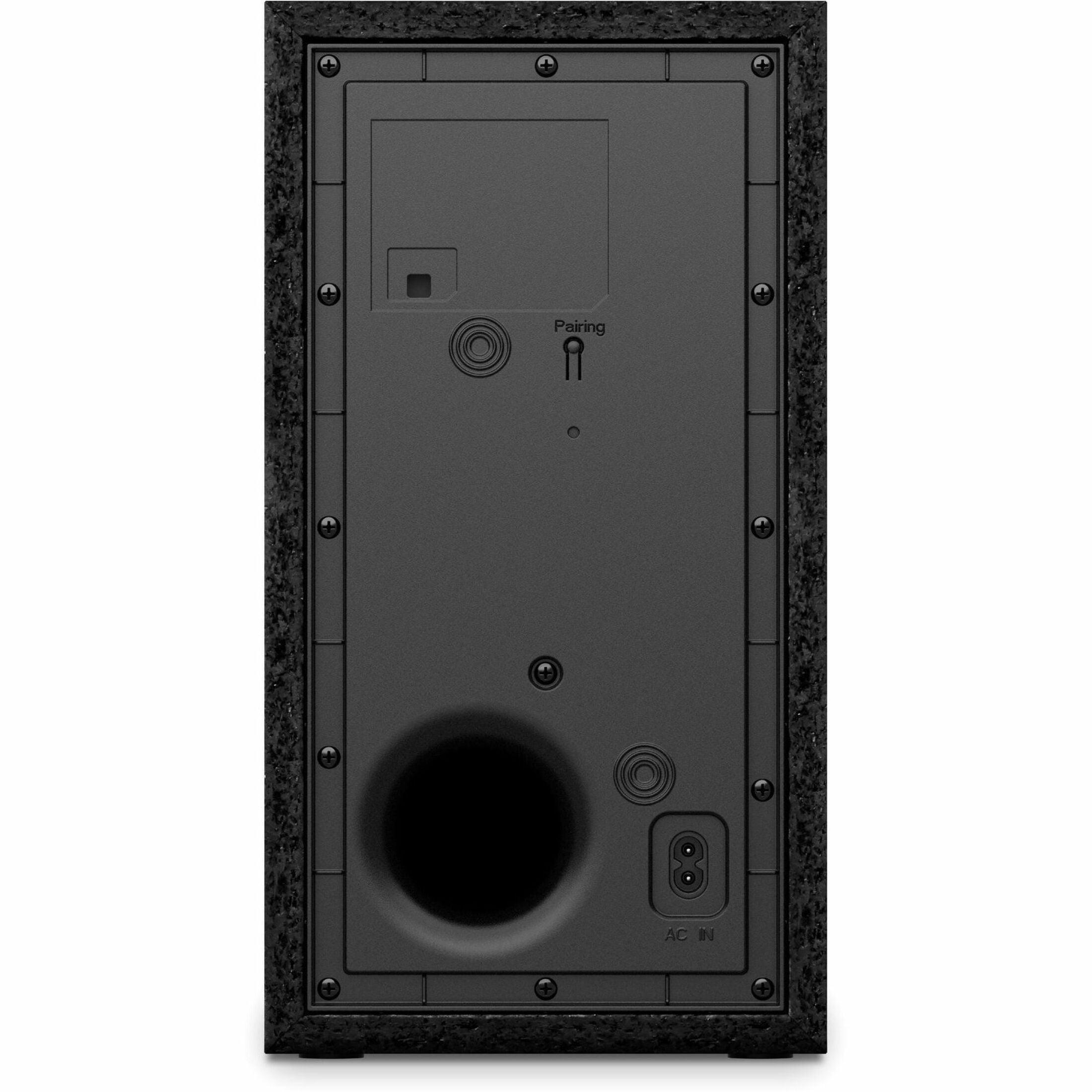
The LG S40T, released in 2022, takes a different approach entirely. It's a 2.1 system featuring a main soundbar plus a wireless subwoofer that delivers 300W of total power. This newer release includes modern features like Bluetooth 5.3, AI-driven audio processing, and smartphone app control – technologies that weren't standard when the Bose launched.
The four-year gap between these releases is significant in the soundbar world. During this period, we've seen major improvements in wireless connectivity, digital audio processing, and the integration of AI-powered sound optimization. The LG benefits from all these advances, while the Bose represents the earlier generation's focus on simplicity over features.
Here's where things get interesting. The Bose Solo Series 2 uses two full-range drivers angled to create a wider soundstage than you'd expect from such a compact unit. Bose has tuned this soundbar specifically for dialogue enhancement – when you enable dialogue mode, it actually adjusts the frequency response to make voices more prominent in the mix. This works through digital signal processing (DSP), which is basically a computer chip that can modify audio in real-time.
The result is impressively clear speech, even at lower volumes. I've found this particularly valuable when watching late-night TV without disturbing others. However, there's a significant limitation: without a dedicated subwoofer, the Solo Series 2 simply cannot reproduce the low-frequency rumble that makes action movies feel immersive. You'll hear the explosions, but you won't feel them.
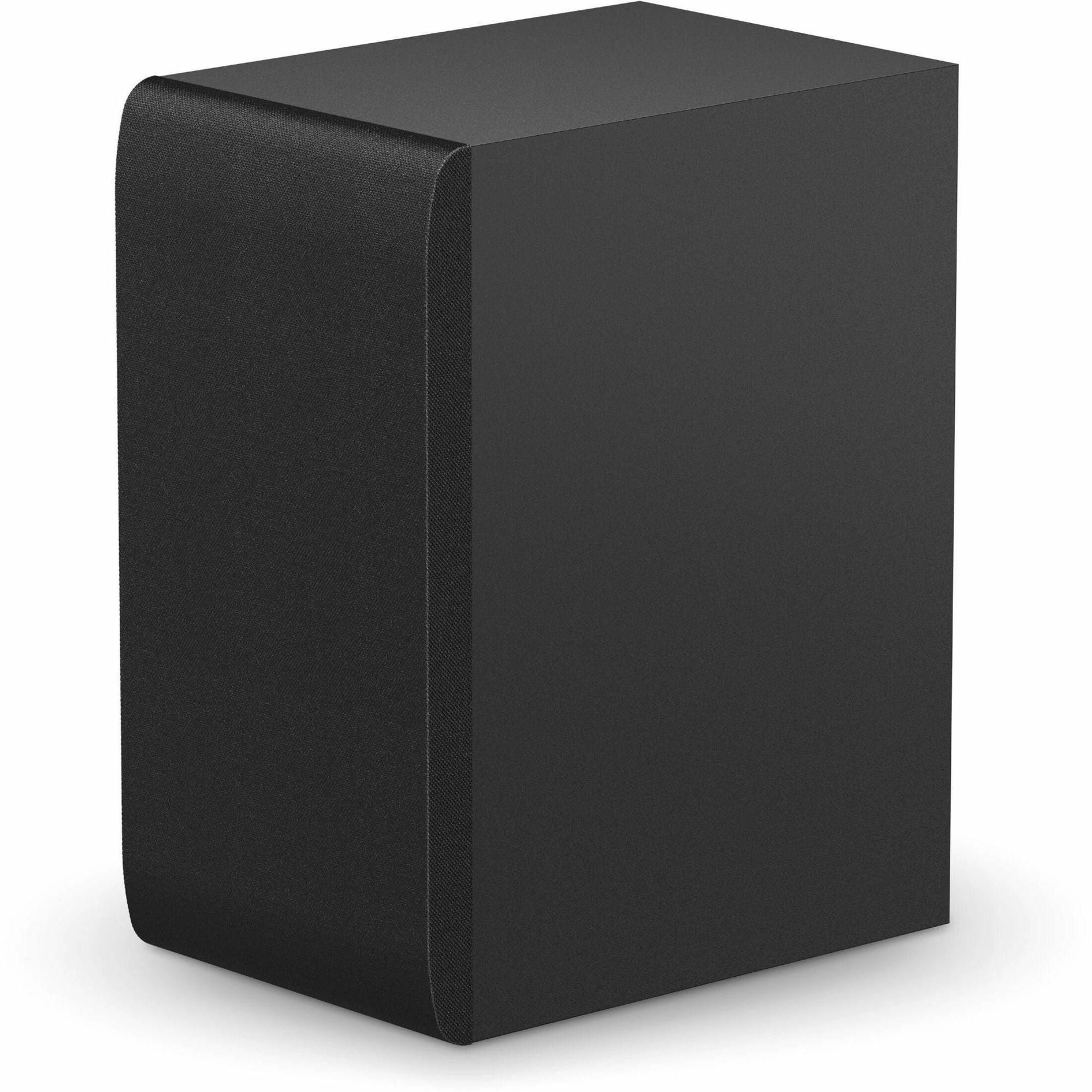
The LG S40T approaches audio differently. Its main bar handles mid and high frequencies, while the wireless subwoofer takes care of everything below about 150Hz. This frequency separation means each component can be optimized for its specific job. The subwoofer uses a dedicated amplifier and larger driver to move more air, creating genuine bass response that you can feel in your chest during intense movie scenes.
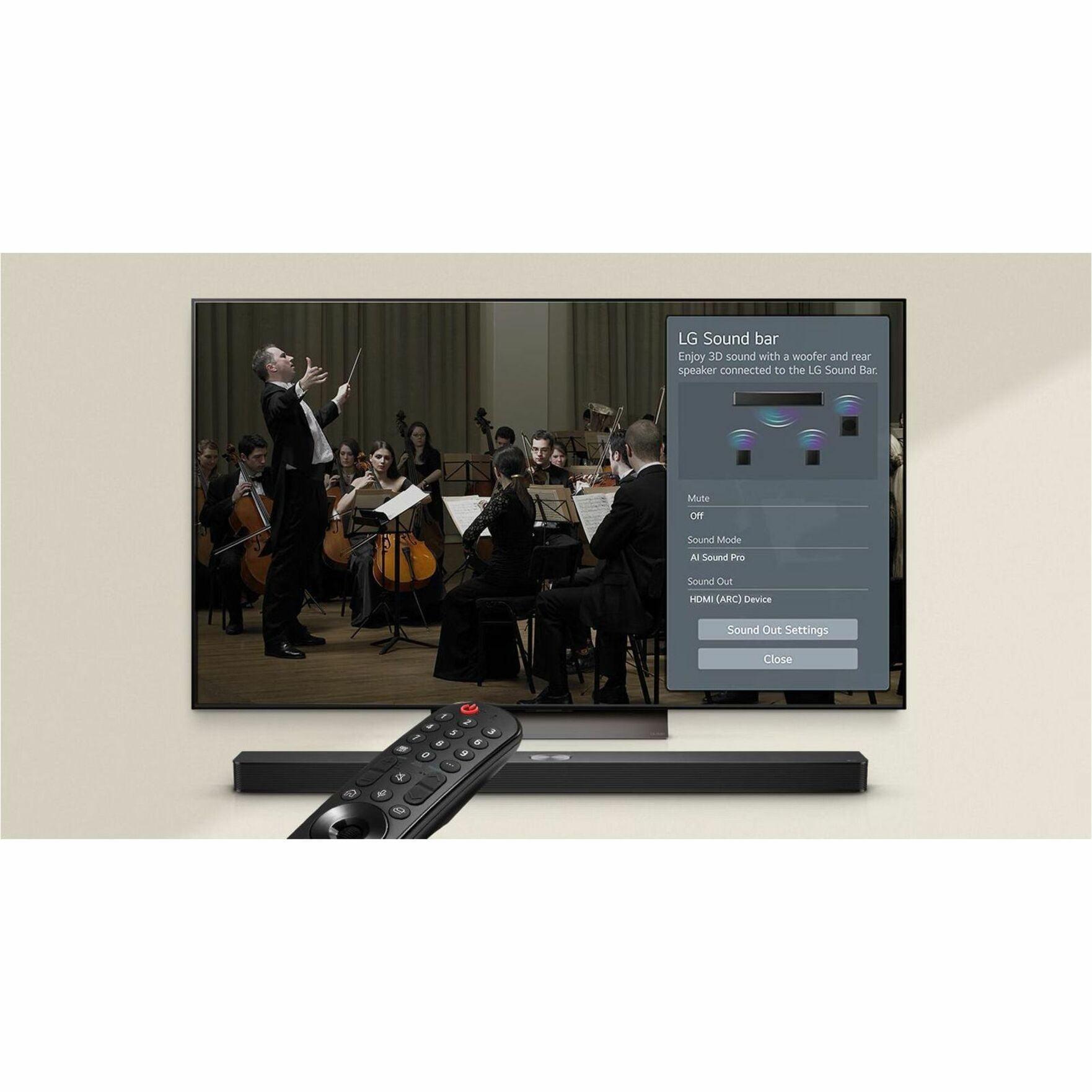
LG's AI Sound Pro technology analyzes incoming audio in real-time and automatically adjusts the sound profile based on content type. When it detects dialogue-heavy scenes, it emphasizes vocal frequencies. During action sequences, it enhances dynamic range – the difference between quiet and loud sounds – to create more impact. This adaptive processing wasn't available when the Bose was designed.
This is where the fundamental difference between these approaches becomes most apparent. The Bose Solo Series 2 can only reproduce frequencies down to about 80Hz effectively. For context, a typical male speaking voice has fundamental frequencies around 85-180Hz, which explains why it excels at dialogue clarity. However, bass drums, movie explosions, and electronic music often contain important content below 60Hz, which this soundbar simply cannot reproduce.
The LG S40T's wireless subwoofer can dig down to approximately 40Hz, covering most of the bass content in movies and music. When I tested both units with the opening sequence of "Mad Max: Fury Road," the difference was immediately obvious. The Bose delivered clear dialogue and crisp sound effects, but the LG made the entire experience visceral – you could feel the rumble of engines and the impact of crashes.
The 300W total power of the LG system also means it can fill larger rooms effectively. The Bose, while perfectly adequate for bedrooms or small living spaces, starts to sound thin when you need to raise the volume in bigger areas.
Both soundbars handle Dolby Digital, the standard surround sound format used by most streaming services and Blu-rays. However, they process it very differently. The Bose Solo Series 2 downmixes everything to stereo, which means surround effects get collapsed into the left and right channels. You'll still hear all the audio elements, but you lose the spatial positioning that makes surround sound effective.
The LG S40T maintains more of the surround information through its DTS Digital and Dolby Digital processing. While it can't create true surround sound with just three speakers (left, right, and subwoofer), it uses psychoacoustic processing to create a wider, more enveloping soundstage. This involves manipulating phase relationships and timing between speakers to trick your brain into perceiving sounds coming from locations where there are no actual speakers.
Here's where the four-year technology gap really shows. The Bose Solo Series 2 offers basic Bluetooth connectivity and optical/coaxial inputs – standard for 2018 but limited by today's standards. Notably, it lacks HDMI inputs entirely, which means no video passthrough capability and no access to advanced audio formats that newer TVs and streaming devices might support.
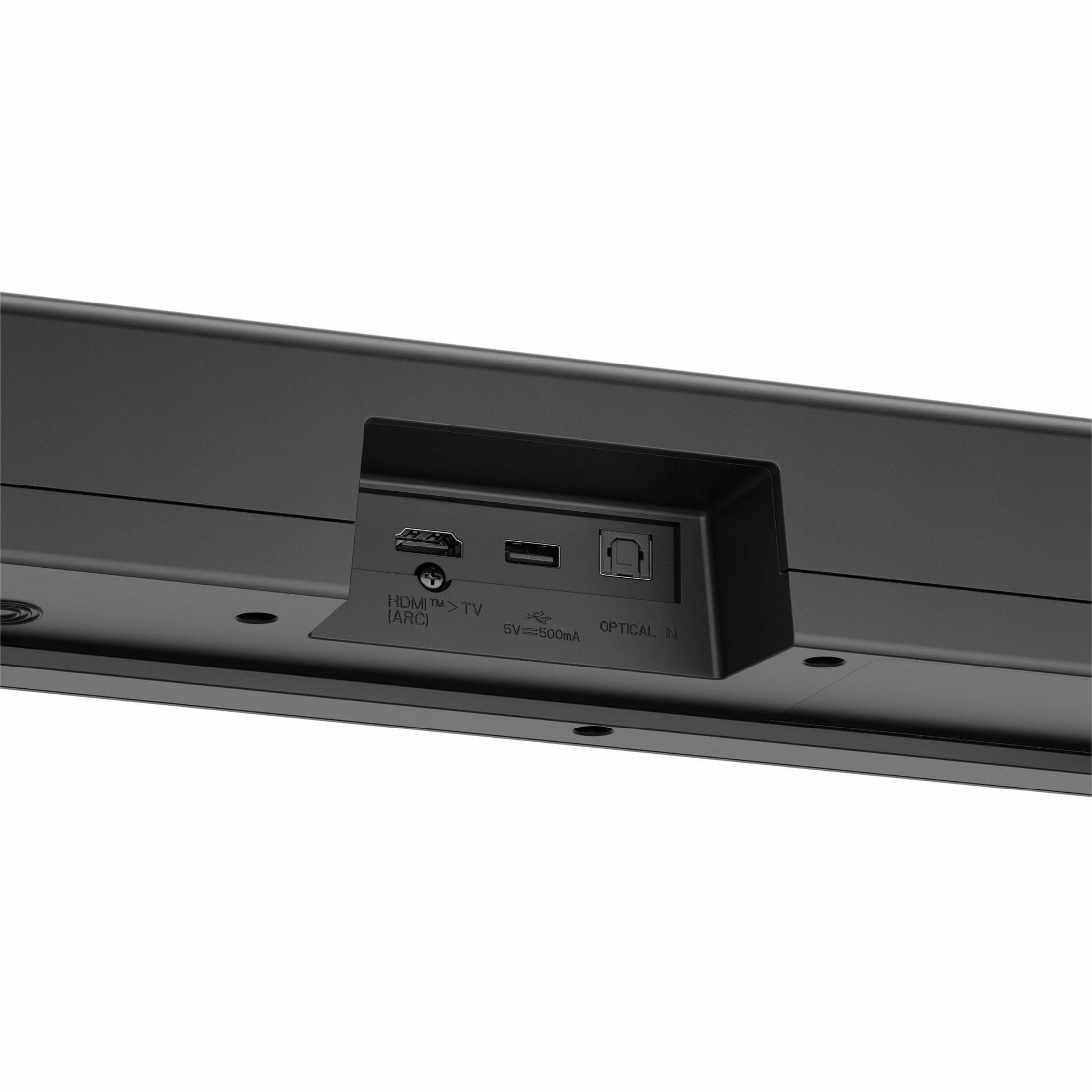
The LG S40T includes HDMI ARC (Audio Return Channel), which creates a two-way connection with your TV. This allows the soundbar to receive audio from all your TV's inputs through a single cable, and your TV remote can control the soundbar's volume. It's incredibly convenient and eliminates the need for multiple remotes in most setups.
The LG also features Bluetooth 5.3, which offers better range, more stable connections, and lower latency compared to older Bluetooth versions. I've noticed this makes a real difference when streaming music from phones or tablets – connection drops are virtually eliminated, and there's no noticeable delay between video and audio when watching content on mobile devices.
The mobile app control on the LG deserves special mention. While some find the interface "wonky," it provides EQ adjustments that can significantly improve performance in different rooms. You can boost or cut specific frequency ranges to compensate for room acoustics – something impossible with the Bose's basic remote control.
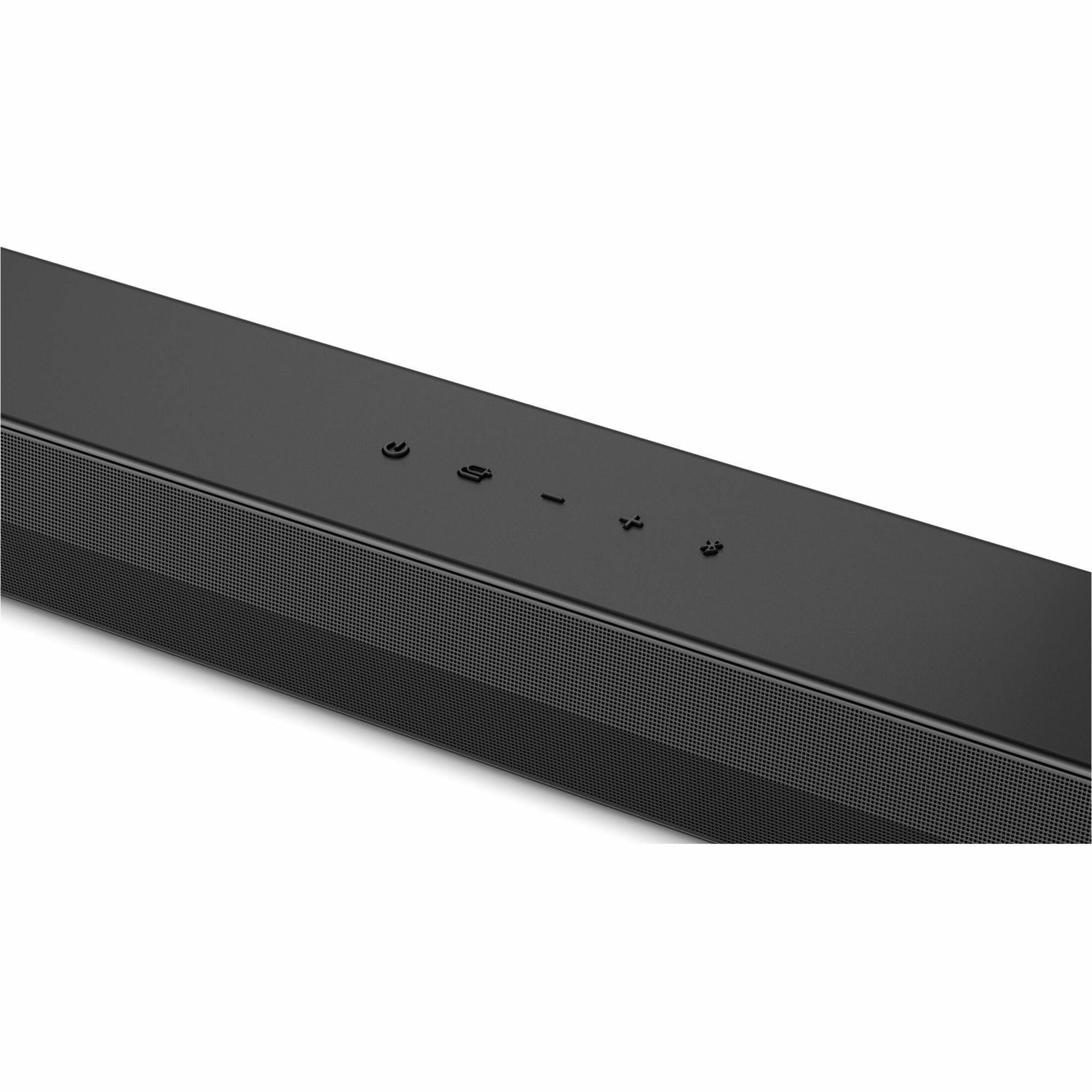
The Bose Solo Series 2 embodies minimalist design principles. At 21.6 inches wide and just 2.8 inches tall, it fits under virtually any TV without blocking the screen or remote sensor. The single-unit approach means no additional components to find power outlets for or worry about wireless connectivity between pieces.
This simplicity extends to setup. You connect one optical cable to your TV, plug in the power cord, and you're done. There's something appealing about this straightforward approach, especially if you've ever struggled with complex AV setups in the past.
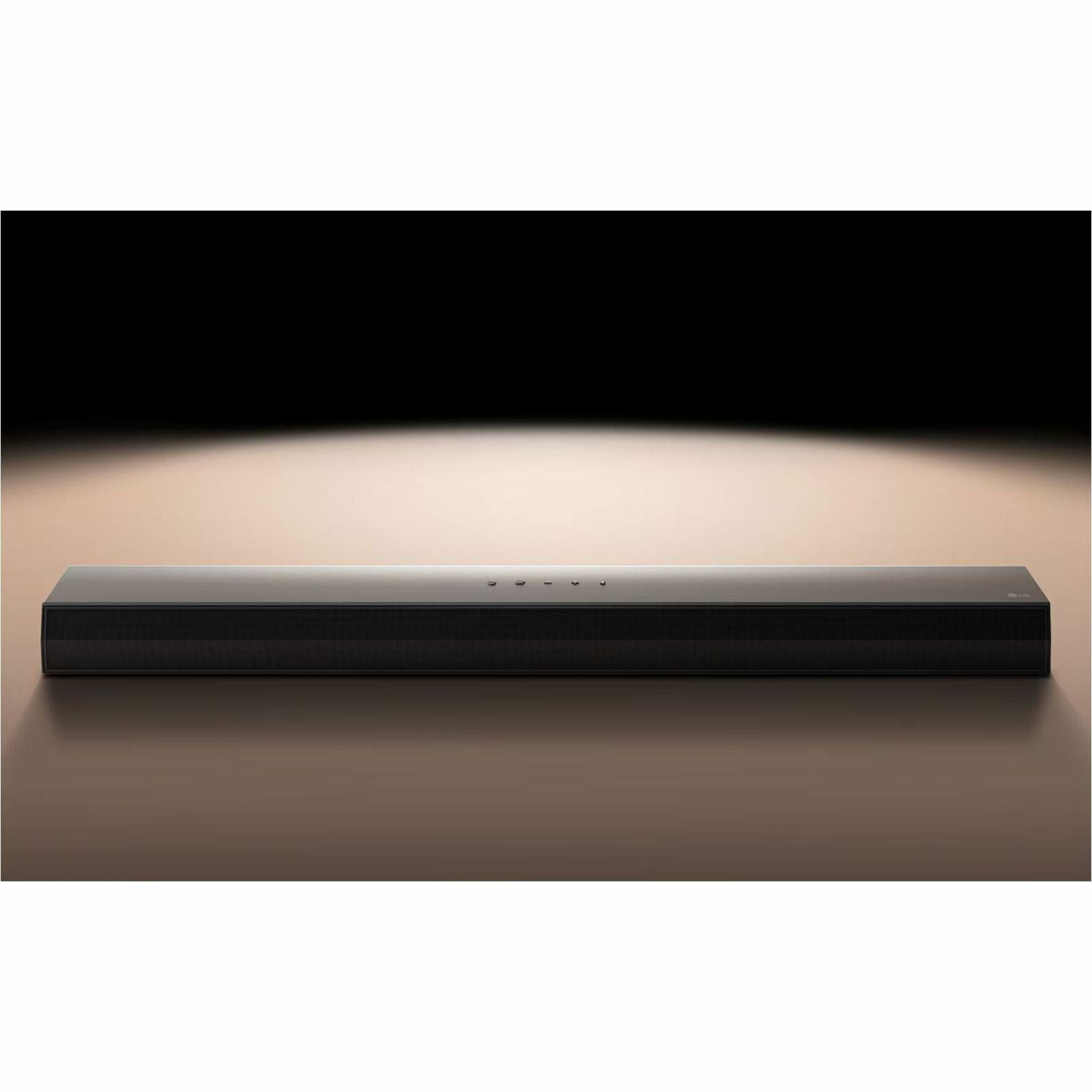
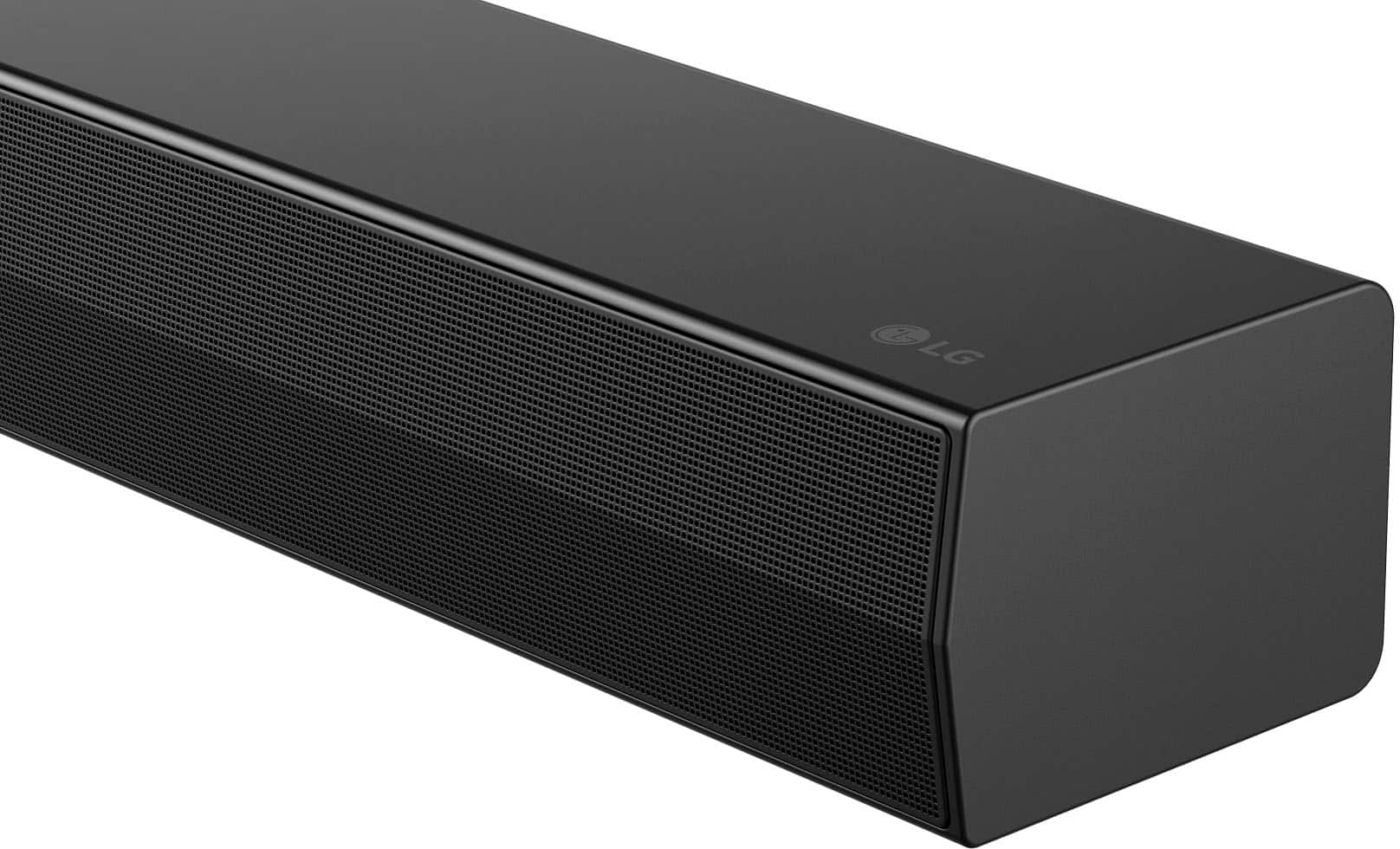
The LG S40T requires more planning. The wireless subwoofer needs floor space and a power outlet, preferably not tucked away in a corner where bass response might become boomy. The main soundbar is slightly larger at 28.4 inches wide, though still low-profile at 2.5 inches tall.
However, LG's "crest design" metal grille isn't just aesthetic – it's more durable and dust-resistant than typical fabric covers. For families with pets or in dusty environments, this practical consideration matters more than you might initially think.
At $155.95 (often discounted to around $137), the LG S40T represents exceptional value. You're getting a true 2.1 system with modern connectivity and AI processing for significantly less than the $199.99 Bose Solo Series 2. This price difference becomes even more meaningful when you consider the LG's superior feature set.
However, value isn't just about initial price. The Bose's simpler design means fewer potential failure points – there's no wireless connection between components that could drop, no separate subwoofer amplifier that might fail. Bose also has a strong reputation for product longevity and customer service.
The LG's newer technology suggests better future-proofing. As streaming services continue to improve audio quality and new devices support advanced formats, the LG's HDMI ARC connection and more powerful processing give it advantages the Bose simply cannot match through firmware updates.
For dedicated home theater setups, the differences become even more pronounced. The LG S40T works well as a starter system that can be upgraded later. Its HDMI ARC connection integrates seamlessly with gaming consoles, streaming devices, and 4K Blu-ray players. The subwoofer provides the foundation that makes action movies engaging rather than just loud.
The Bose Solo Series 2 is better suited for casual TV watching rather than serious home theater use. Its dialogue focus makes it excellent for news, documentaries, and drama series, but it lacks the dynamic range and bass impact that make movie soundtracks compelling.
If you're planning to add more components later – perhaps upgrading to a full 5.1 system – the LG's modern connectivity makes integration easier. The Bose's limited inputs could become a bottleneck as your system grows.
Choose the Bose Solo Series 2 if:
Choose the LG S40T if:
After extensive comparison, the LG S40T 2.1 Channel Soundbar emerges as the better choice for most people. It delivers superior audio performance, modern features, and better value at a lower price point. The wireless subwoofer makes a dramatic difference in audio quality, while features like AI Sound Pro and HDMI ARC provide convenience that the older Bose simply cannot match.
The Bose Solo Soundbar Series 2 still has its place for users who prioritize absolute simplicity or have severe space constraints. Its dialogue clarity is genuinely excellent, and the single-unit design eliminates any complexity. However, for most buyers, the minimal extra effort required to accommodate the LG's subwoofer is well worth the significant improvement in audio quality and features.
In a market where soundbars have become increasingly sophisticated, the LG represents current best practices in design and features, while the Bose feels dated despite its solid performance in its intended niche. Unless you have specific reasons to choose simplicity over performance, the LG S40T offers better value and a more satisfying long-term ownership experience.
| Bose Solo Soundbar Series 2 | LG S40T 2.1 Channel Soundbar |
|---|---|
| Price - Direct cost comparison | |
| $199.99 (premium pricing for 2.0 system) | $155.95 (better value, frequently $137 on sale) |
| Audio Configuration - Determines bass capability and room-filling power | |
| 2.0 stereo (no subwoofer, limited bass) | 2.1 with wireless subwoofer (genuine low-end response) |
| Total Power Output - How loud and impactful the system sounds | |
| Not specified (estimated ~100W) | 300W RMS (significantly more room-filling capability) |
| Bass Extension - How deep the low frequencies go for movies and music | |
| ~80Hz (adequate for dialogue, weak for action/music) | ~40Hz (covers most movie and music bass content) |
| Connectivity Options - Determines compatibility with modern devices | |
| Optical, Coaxial, Bluetooth (no HDMI) | HDMI ARC, Optical, USB, Bluetooth 5.3 (future-proof) |
| Smart Features - Convenience and audio optimization | |
| Basic dialogue enhancement mode | AI Sound Pro, mobile app EQ, Clear Voice Plus |
| Setup Complexity - How much effort required for installation | |
| Single unit, one cable connection | Soundbar + wireless subwoofer placement required |
| Room Size Suitability - Where each performs best | |
| Small to medium rooms, bedrooms | Medium to large rooms, living rooms |
| Release Year - Technology generation and feature availability | |
| 2018 (older tech, limited features) | 2022 (modern processing, current connectivity standards) |
| Primary Strength - What each does exceptionally well | |
| Crystal-clear dialogue and vocal reproduction | Deep bass impact and overall audio immersion |
| Best Use Case - Ideal scenarios for each product | |
| News, talk shows, small spaces, minimal setup | Movies, music, gaming, full home theater experience |
The LG S40T 2.1 Channel Soundbar at $155.95 offers significantly better value than the Bose Solo Soundbar Series 2 at $199.99. You get a wireless subwoofer, 300W of power, modern connectivity, and AI sound processing for $44 less. The LG delivers more features and better audio performance at a lower price.
The key difference is audio configuration: the Bose Solo Soundbar Series 2 is a 2.0 stereo system with no subwoofer, while the LG S40T is a 2.1 system with a dedicated wireless subwoofer. This means the LG produces genuine bass for movies and music, while the Bose focuses on clear dialogue with limited low-end response.
The LG S40T 2.1 Channel Soundbar has significantly better bass thanks to its wireless subwoofer that extends down to 40Hz. The Bose Solo Soundbar Series 2 only reaches about 80Hz without a subwoofer, making it adequate for dialogue but weak for action movies and music that require deep bass impact.
The Bose Solo Soundbar Series 2 is easier to set up since it's a single unit requiring just one optical cable connection. The LG S40T requires placing both the soundbar and wireless subwoofer, finding power outlets for each, and pairing them wirelessly, though this process is still straightforward and typically takes under 10 minutes.
The Bose Solo Soundbar Series 2 is better for small rooms, bedrooms, or apartments where space is limited. Its compact single-unit design eliminates the need for subwoofer placement, and its dialogue-focused tuning works well in smaller spaces where you don't need room-filling bass.
The LG S40T 2.1 Channel Soundbar offers superior connectivity with HDMI ARC, Optical, USB, and Bluetooth 5.3 connections. The Bose Solo Soundbar Series 2 only provides Optical, Coaxial, and basic Bluetooth connectivity with no HDMI inputs, limiting its compatibility with modern devices.
The LG S40T 2.1 Channel Soundbar is much better for movies due to its wireless subwoofer providing bass impact for explosions and action scenes, plus AI Sound Pro technology that optimizes audio for different content types. The Bose Solo Series 2 lacks the bass response needed for an immersive movie experience.
The LG S40T 2.1 Channel Soundbar can be controlled with your TV remote through HDMI ARC connection, especially with LG TVs. The Bose Solo Soundbar Series 2 requires its own remote control since it lacks HDMI ARC functionality, though some TVs may control volume through optical connections.
The Bose Solo Soundbar Series 2 excels at dialogue clarity with its dedicated dialogue enhancement mode and tuning specifically optimized for vocal frequencies. While the LG S40T also has Clear Voice Plus technology, the Bose's primary focus on speech reproduction gives it a slight edge for talk shows, news, and dialogue-heavy content.
The LG S40T 2.1 Channel Soundbar delivers 300W RMS total power, providing ample volume for medium to large rooms. The Bose Solo Soundbar Series 2 doesn't specify its power output, but it's estimated around 100W, which is sufficient for smaller spaces but may struggle in larger rooms at higher volumes.
The LG S40T 2.1 Channel Soundbar is superior for music thanks to its wireless subwoofer providing full-range audio reproduction and Bluetooth 5.3 for stable wireless streaming. The Bose Solo Series 2 lacks bass extension needed for most music genres, though it performs well with vocal-focused tracks and podcasts.
The LG S40T 2.1 Channel Soundbar works well as an entry-level home theater component with its HDMI ARC connectivity, wireless subwoofer, and support for Dolby Digital/DTS processing. The Bose Solo Soundbar Series 2 is better suited for casual TV watching rather than serious home theater use due to its limited bass response and basic connectivity options.
We've done our best to create useful and informative comparisons to help you decide what product to buy. Our research uses advanced automated methods to create this comparison and perfection is not possible - please contact us for corrections or questions. These are the sites we've researched in the creation of this article: rtings.com - bose.com - bose.com - assets.bose.com - bestbuy.com - youtube.com - pistonheads.com - costco.com - googlenestcommunity.com - youtube.com - discussions.apple.com - bestbuy.com - bestbuy.com - rtings.com - pcrichard.com - lg.com - lg.com - lg.com - lg.com - microcenter.com - flanners.com - bestbuy.com - microcenter.com

Privacy Policy
Terms and Conditions - Affiliate Policy
Home Security
© Copyright 2008-2026.
11816 Inwood Rd #1211, Dallas, TX 75244