

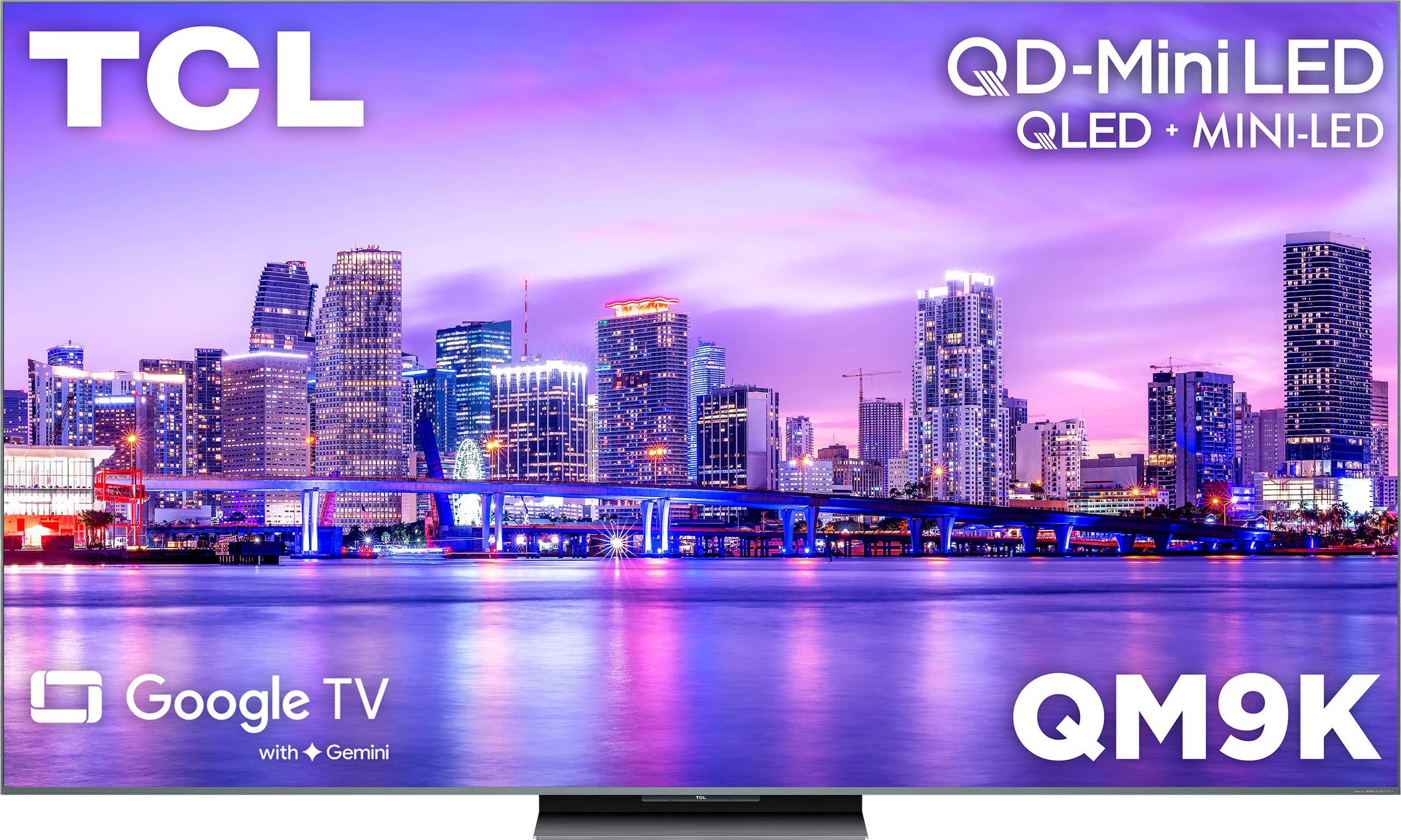
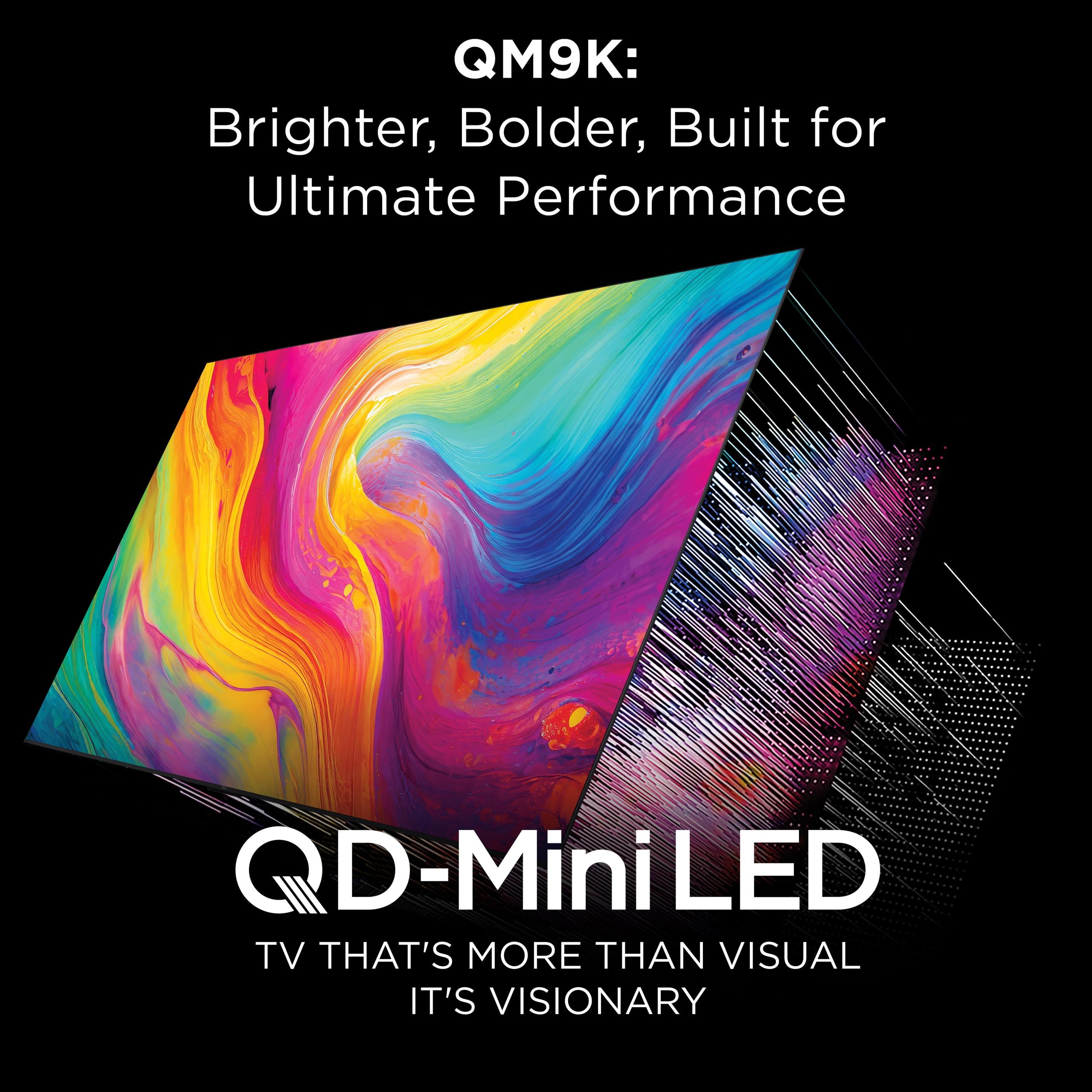
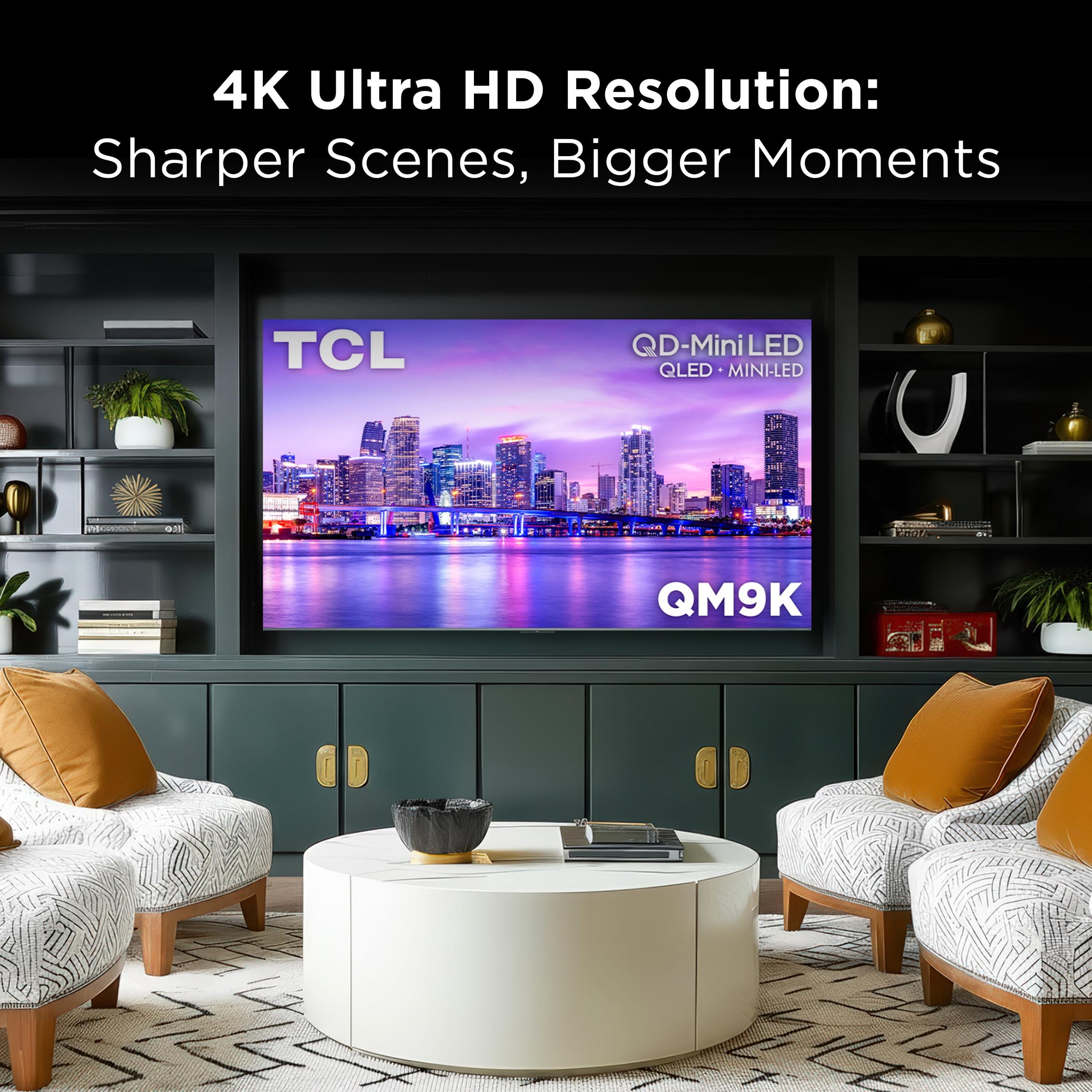
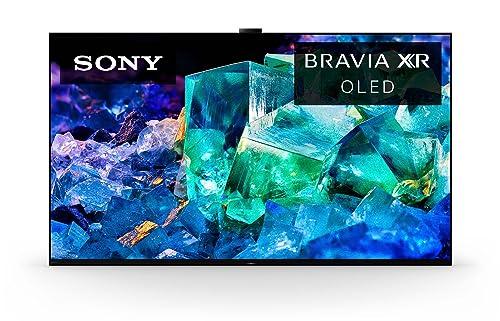



Shopping for a premium 65-inch TV in 2024 means choosing between two fundamentally different display technologies. The TCL QM9K QD-Mini LED Smart TV, released in 2024, represents the cutting edge of Mini-LED backlighting with quantum dot enhancement. Meanwhile, the Sony Bravia XR A95K QD-OLED TV, launched in 2022, pioneered the revolutionary QD-OLED technology that combines self-emitting pixels with quantum dot color enhancement.
Both TVs target serious home theater enthusiasts and gamers, but they take completely different approaches to delivering exceptional picture quality. Understanding these differences is crucial for making the right choice for your viewing habits and room setup.
Before diving into specifics, it's essential to understand what sets these technologies apart. Traditional LCD TVs use a backlight that shines through liquid crystals to create images. OLED (Organic Light Emitting Diode) TVs eliminate the backlight entirely—each pixel produces its own light and can turn completely off to create perfect blacks.
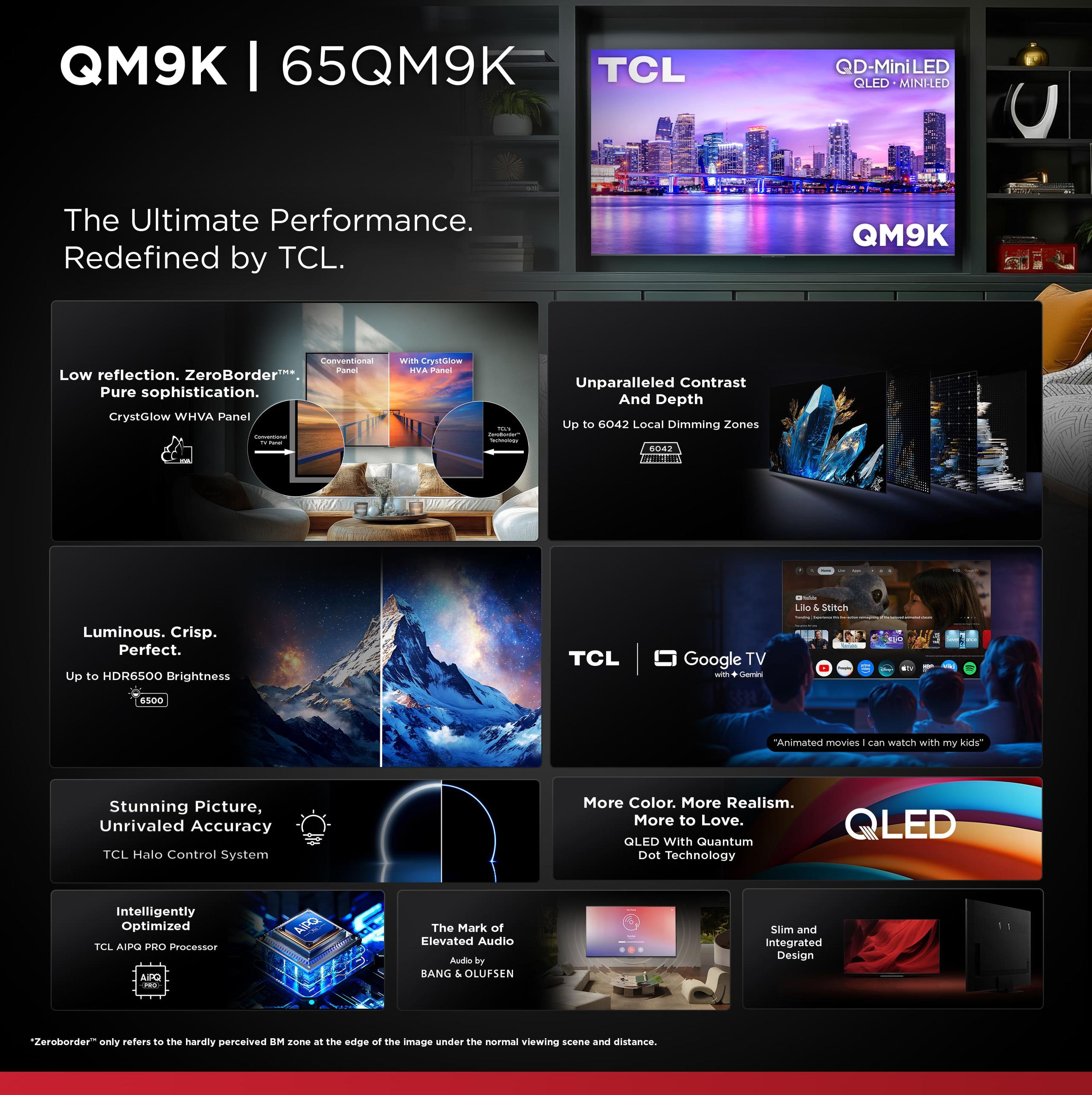
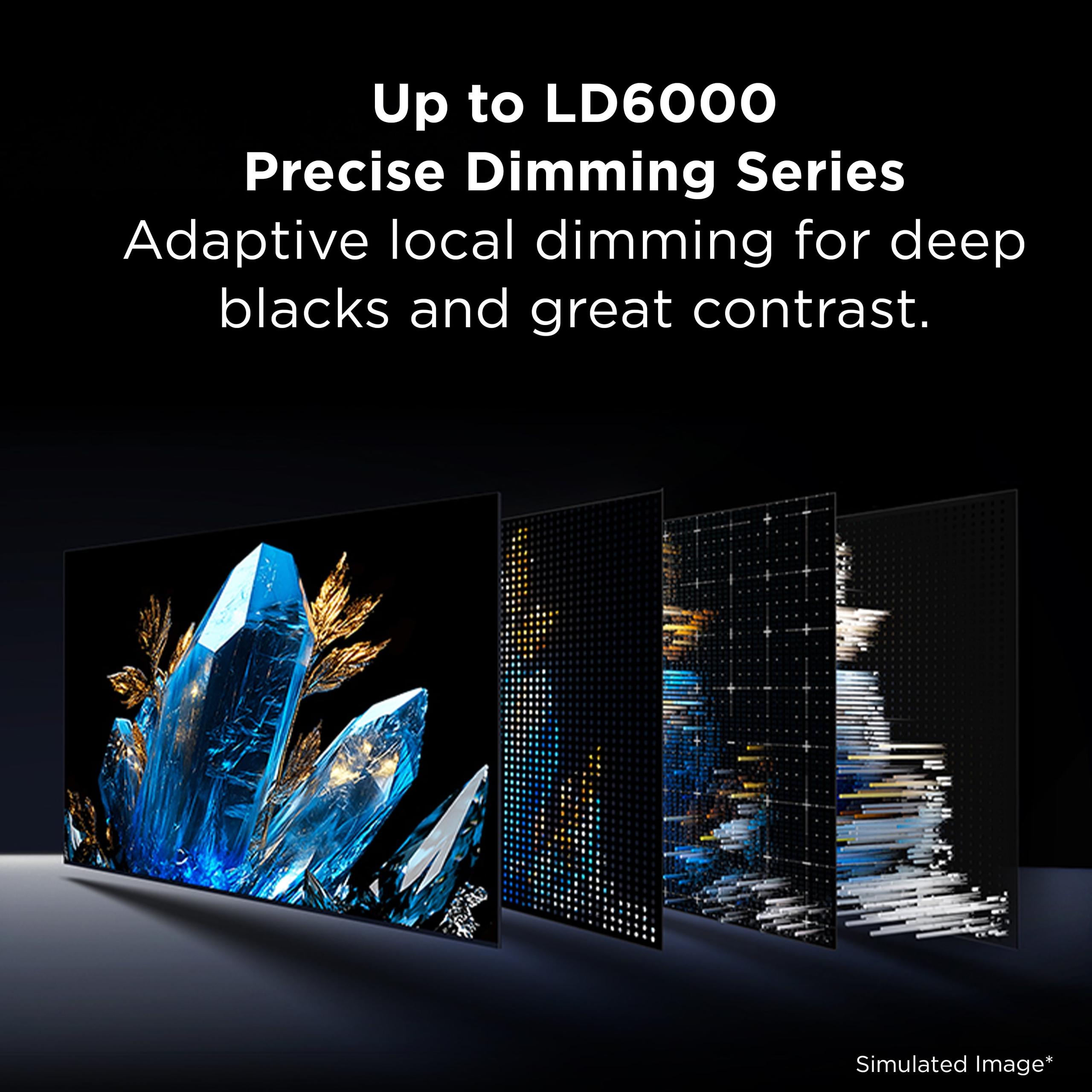
The TCL QM9K uses Mini-LED technology, which shrinks the backlight LEDs to about 1/40th the size of regular LEDs. This allows for thousands of individual dimming zones (up to 6,000 in this model) that can brighten or dim independently. Think of it like having thousands of tiny flashlights behind the screen, each one controllable separately.
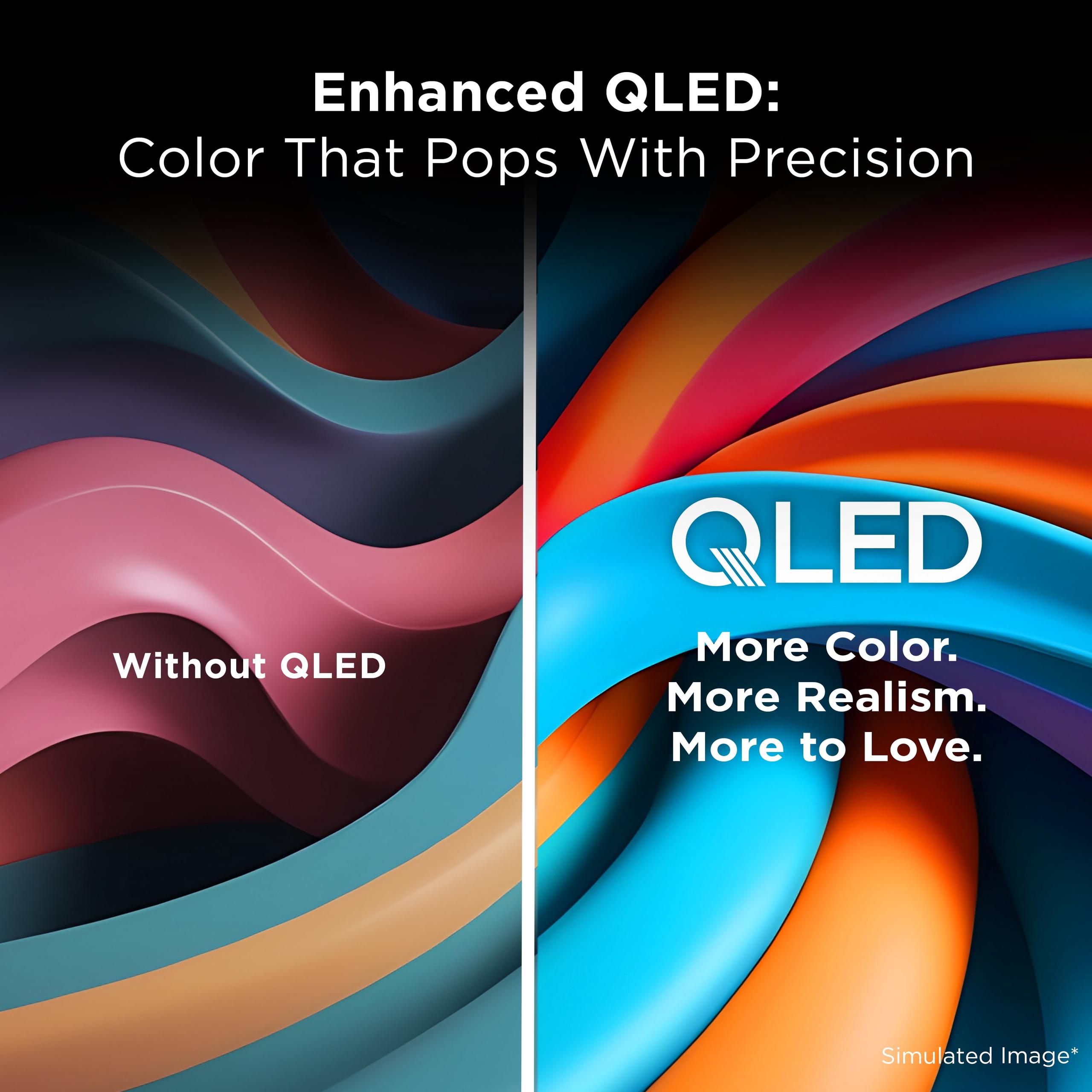
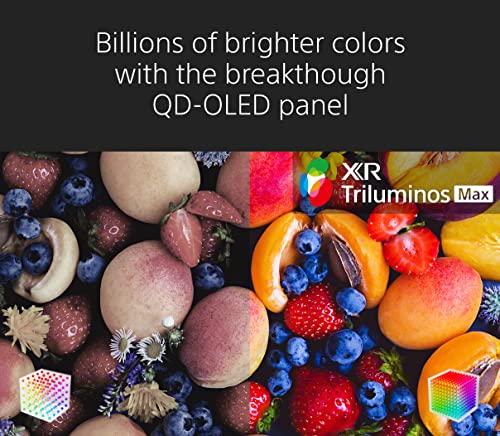
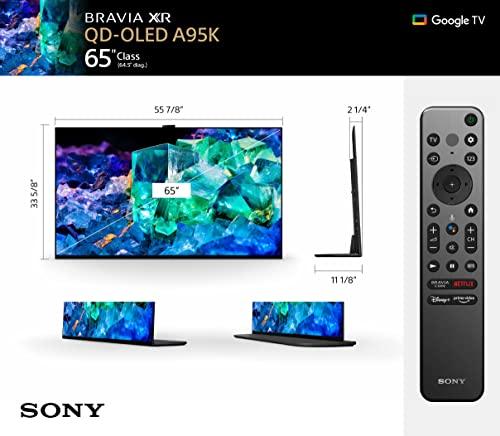
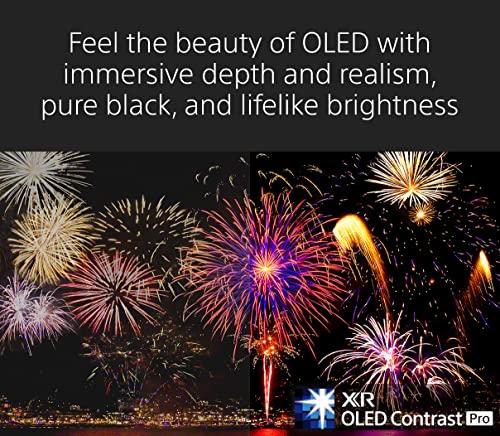
The Sony A95K takes a different approach with QD-OLED technology. It combines OLED's self-emitting pixels with quantum dots—tiny nanocrystals that convert blue light into precise red and green wavelengths. This creates more vibrant colors than traditional OLEDs while maintaining perfect black levels.
The TCL QM9K represents what happens when Mini-LED technology reaches maturity. Its 6,000+ local dimming zones create what TCL calls "Precise Dimming L2 Series"—essentially giving the TV unprecedented control over brightness in different areas of the screen. When you're watching a movie with a bright explosion against a dark sky, those thousands of zones work together to make the explosion brilliant while keeping the surrounding darkness truly dark.
The quantum dot layer adds another dimension by converting the blue LED light into a wider range of colors. The QM9K covers 97% of the DCI-P3 color space, which is the standard used in digital cinema. This means colors appear closer to what filmmakers intended, with particularly noticeable improvements in reds and greens.
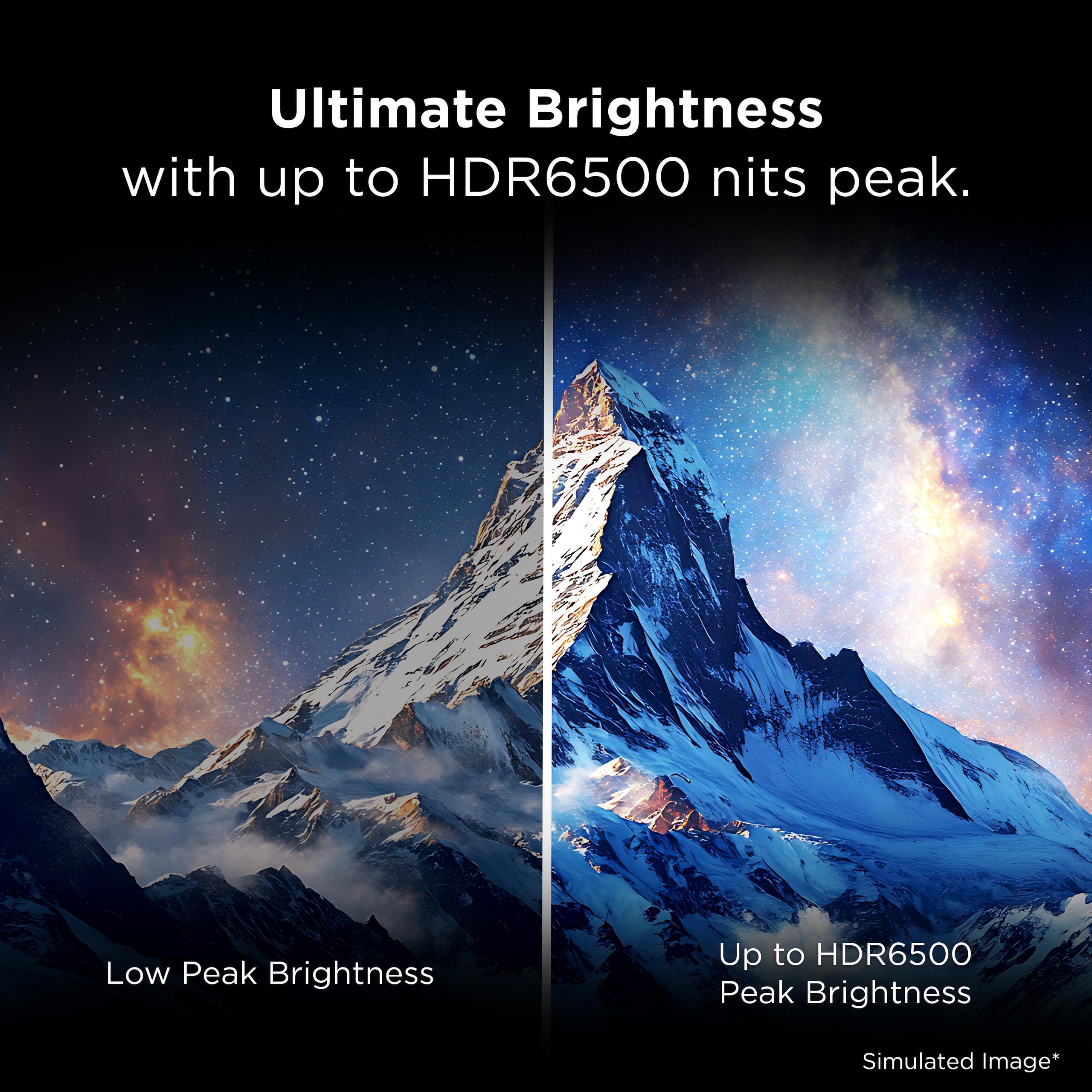
What really sets this TV apart is its peak brightness capability of 6,500 nits. To put this in perspective, a typical sunny day measures about 10,000 nits, while most TVs struggle to exceed 1,000 nits. This extreme brightness capability means HDR (High Dynamic Range) content—which relies on bright highlights to create impact—truly shines on the TCL QM9K.
The Sony A95K takes a completely different approach with its QD-OLED panel. Since each pixel generates its own light, the TV achieves an infinite contrast ratio—bright pixels can sit directly next to completely black pixels without any light bleeding between them. This creates incredibly precise image quality, especially in dark scenes where you can see details in shadows that would be lost on other TVs.
The quantum dot enhancement in QD-OLED technology delivers what Sony calls "200% color brightness" compared to traditional TVs. This doesn't mean the TV is twice as bright overall, but rather that colored objects—like a red car or green grass—appear much more vibrant and realistic than on conventional displays.
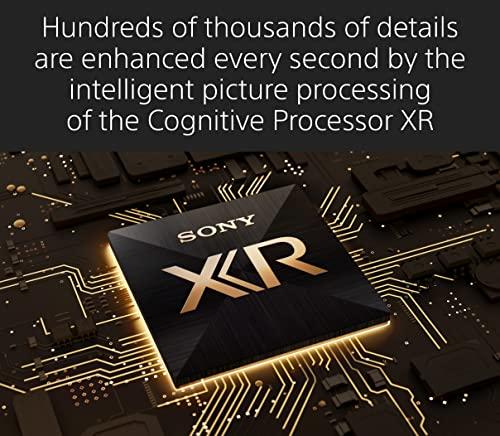
Sony's Cognitive Processor XR analyzes content in real-time, identifying focal points like faces or important objects and enhancing them while de-emphasizing less important areas. This mimics how human vision works—we naturally focus on certain elements while our peripheral vision handles the rest.
Here's where these TVs diverge dramatically. The TCL QM9K is simply brighter—significantly so. Its 6,500-nit peak brightness means HDR content displays with remarkable impact. When watching a sunset scene in a nature documentary or an explosion in an action movie, those bright elements have a almost three-dimensional quality that makes them seem to pop off the screen.
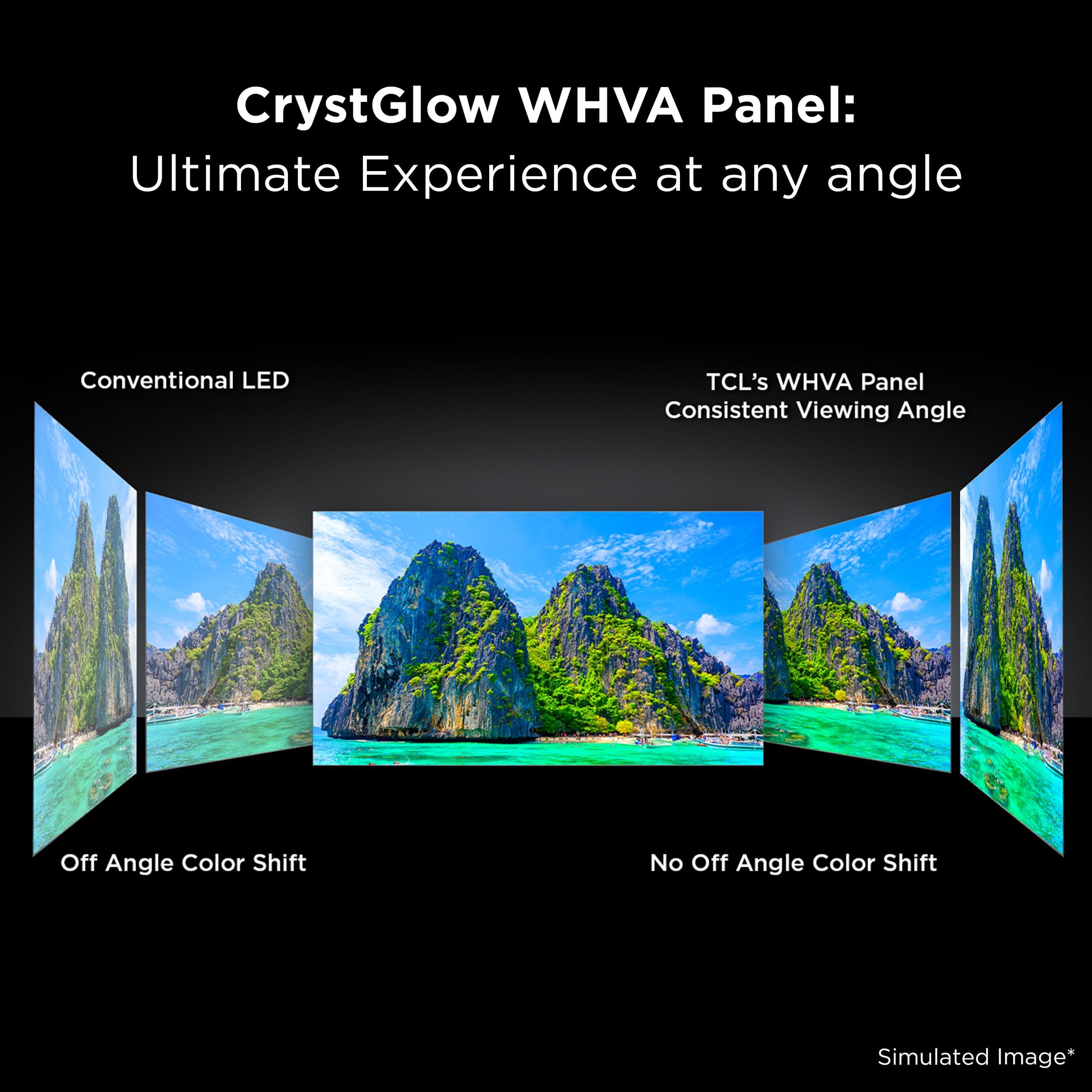
This brightness advantage becomes crucial in real-world viewing conditions. If your TV is in a room with windows or ambient lighting, the TCL QM9K cuts through that environmental light better than almost any other TV. The anti-reflective CrystGlow WHVA panel coating further helps by reducing glare from lamps or windows.
The Sony A95K takes a more nuanced approach to HDR. While it can't match the TCL's peak brightness (topping out around 800 nits), it delivers more controlled and accurate HDR presentation. Bright highlights still look impressive, but the focus is on maintaining the filmmaker's original intent rather than maximum wow factor.
This is where the fundamental technology differences create distinct viewing experiences. The Sony A95K achieves perfect blacks because its pixels can turn completely off. When you're watching a space movie with stars against the blackness of space, that black is truly black—not the dark gray you see on most TVs.
The TCL QM9K can't match this perfect black performance, but its 6,000+ local dimming zones come surprisingly close. The TV's Halo Control System uses sophisticated algorithms to minimize light bleeding (called "blooming") around bright objects. While you might notice slight halos around bright text on dark backgrounds if you look closely, typical viewing distances and content make this largely irrelevant.
What's particularly impressive about the TCL QM9K is how well it maintains this contrast performance even in bright rooms. Many TVs see their black levels rise in ambient light, but the quantum dot layer and high brightness output help maintain perceived contrast even with room lights on.
Both TVs excel at color reproduction but with different personalities. The Sony A95K prioritizes accuracy, with colors that closely match professional monitors used in content creation. The QD-OLED technology delivers particularly impressive performance with subtle color gradations—skin tones look natural, and color transitions are smooth and realistic.
The TCL QM9K tends toward more vibrant, punchy colors that many viewers prefer, especially for sports and gaming content. The quantum dot enhancement creates colors that feel more saturated and lively, though they may not always match the filmmaker's original intent as precisely as the Sony.
Both TVs support the full range of HDR formats, including Dolby Vision, which provides scene-by-scene optimization for the best possible picture quality.
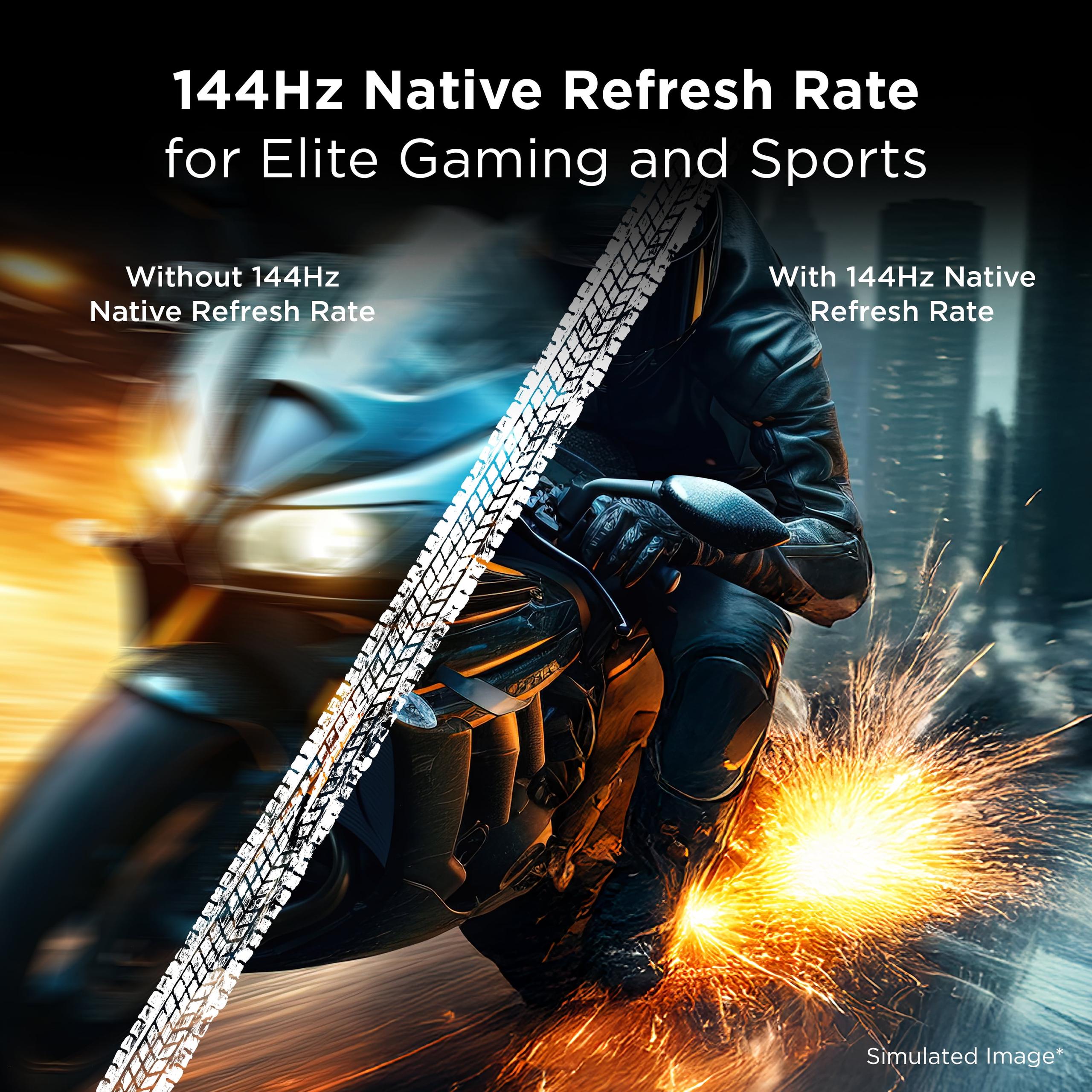
Gaming is where the TCL QM9K shows its technological advancement. Its 144Hz native refresh rate puts it ahead of most TVs, including the Sony A95K's 120Hz maximum. More importantly, the TCL can push this even further with its Game Accelerator 288 feature, supporting up to 288Hz refresh rates at lower resolutions.
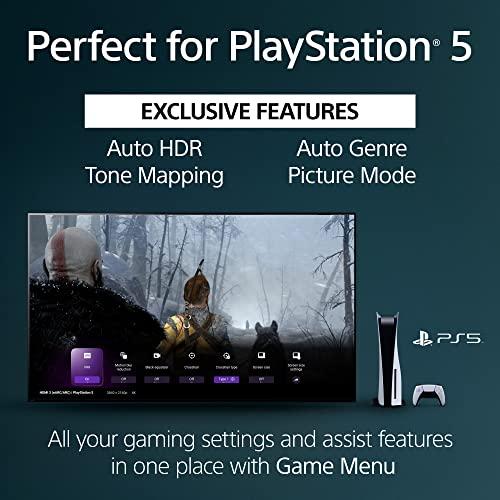
This high refresh rate capability matters most for PC gaming, where higher frame rates create smoother motion and competitive advantages in fast-paced games. Console gamers will find both TVs more than capable, as the PlayStation 5 and Xbox Series X top out at 120Hz for most games.
Input lag—the delay between pressing a button and seeing the response on screen—is where the TCL QM9K truly excels. At just 5.3 milliseconds, it's among the fastest TVs available. The Sony A95K is still very good at 8-10 milliseconds, but competitive gamers will notice the difference.
Both TVs support the essential gaming features: 4K resolution at 120Hz, Variable Refresh Rate (VRR) to eliminate screen tearing, and Auto Low Latency Mode (ALLM) that automatically switches to game mode when it detects a gaming console.
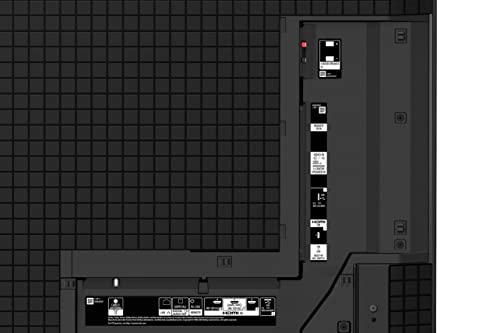
The TCL QM9K includes AMD FreeSync Premium Pro certification, ensuring optimal compatibility with both PC graphics cards and gaming consoles. The TV's four HDMI ports include two HDMI 2.1 connections capable of full 4K@144Hz bandwidth.
The Sony A95K has a significant limitation here—only two HDMI 2.1 ports, with one typically used for eARC audio connectivity. This can be problematic if you have multiple gaming consoles or a gaming PC, as you'll need to choose which devices get the premium connectivity.
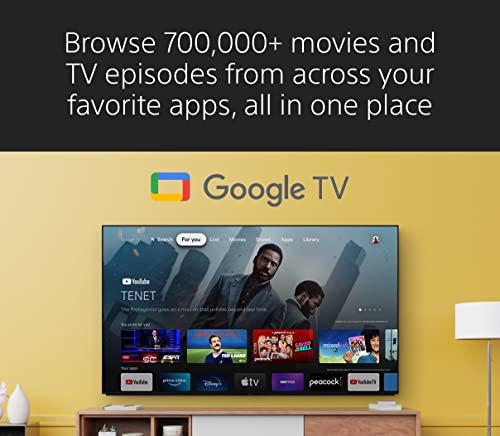
Both TVs run Google TV, providing access to all major streaming services and voice control through Google Assistant. However, the TCL QM9K adds some unique features that enhance daily usability.
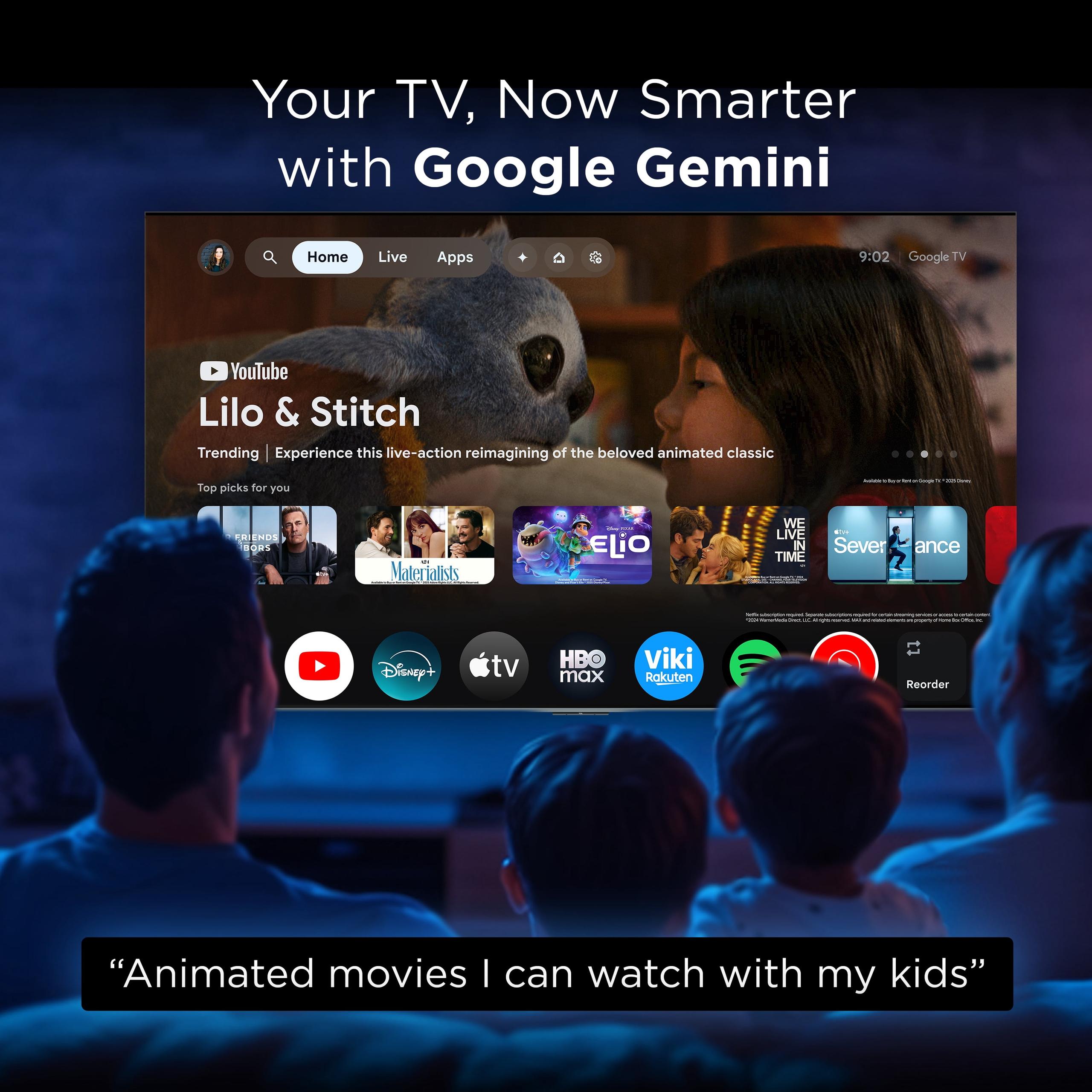
The presence sensor automatically detects when you're near the TV, turning it on and displaying ambient information like weather or news headlines. Google Gemini integration provides more conversational voice control, making it easier to find content or adjust settings without using the remote.
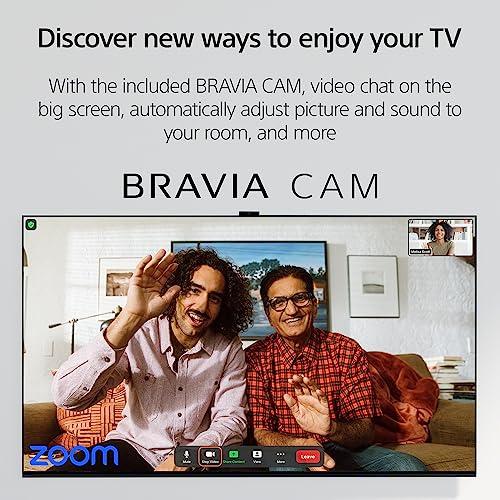
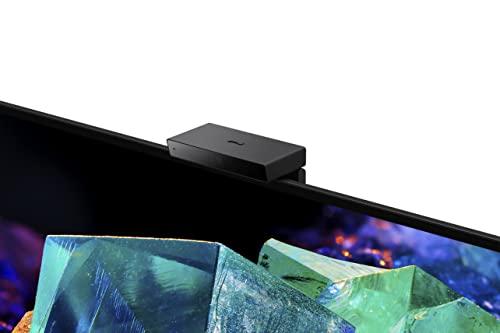
The Sony A95K includes the BRAVIA CAM, which enables gesture control and video calling capabilities. While innovative, these features feel more like novelties than essential functionality for most users.
The audio systems in these TVs represent completely different philosophies. The TCL QM9K uses a more traditional approach with Audio by Bang & Olufsen tuning and a 2.1.1 channel system that includes a built-in subwoofer. This creates room-filling sound with decent bass response that works well for most content.
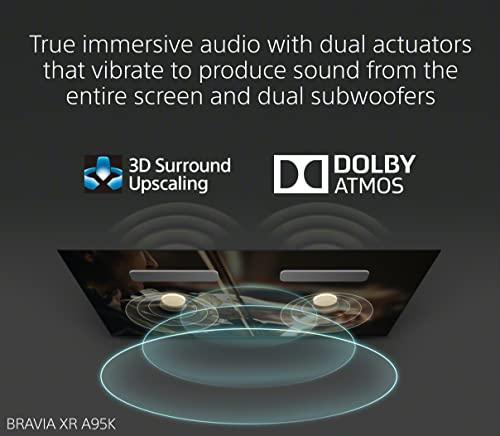
The Sony A95K takes an innovative approach with Acoustic Surface Audio+ technology. The screen itself acts as a speaker, with actuators vibrating the display to produce sound. This creates an incredibly immersive experience where dialogue appears to come directly from characters' mouths on screen.
For home theater enthusiasts, the Sony offers a unique advantage—it can function as the center channel in a surround sound system, seamlessly integrating with external speakers while maintaining its screen-based audio for better dialogue placement.
At the time of writing, the TCL QM9K offers exceptional value in the premium TV segment. You're getting flagship-level Mini-LED technology, extensive gaming features, and impressive brightness performance at a price point that undercuts many competitors significantly.
The Sony A95K, being built around the more expensive QD-OLED technology, commands a premium price. However, this premium buys you cutting-edge display technology that's only available in a handful of TVs worldwide, along with Sony's reputation for long-term software support and build quality.
The value equation depends heavily on your priorities. If maximum brightness and gaming performance matter most, the TCL delivers exceptional performance per dollar. If you prioritize perfect contrast and color accuracy for a premium home theater experience, the Sony's higher cost becomes more justifiable.
For family rooms with large windows or rooms where you watch TV during the day, the TCL QM9K is clearly superior. Its extreme brightness capability and anti-reflective coating help maintain picture quality even with significant ambient light. Colors remain vibrant, and HDR content maintains its impact regardless of room lighting.
The Sony A95K struggles more in bright environments. While it's not unusable, the OLED technology means black levels rise in ambient light, creating a more washed-out appearance compared to its stunning performance in dark rooms.
This is where the Sony A95K truly shines. The perfect black levels create an incredibly immersive experience that makes you forget you're looking at a TV screen. Dark scenes in movies reveal details that get lost on other displays, and the overall image has a depth and dimensionality that's hard to match.
The TCL QM9K still delivers excellent performance in dark rooms, with its local dimming creating impressive contrast. However, the slight light bleed around bright objects becomes more noticeable in completely dark environments.
Choose the TCL QM9K if you want maximum performance for your money. It's ideal for rooms with ambient light, serious gamers who want the highest refresh rates, and viewers who prefer vibrant, punchy picture quality. The extensive connectivity and future-proofed features make it a solid long-term investment.
Choose the Sony A95K if you prioritize absolute picture quality and have a dedicated home theater or dark viewing environment. It's perfect for movie enthusiasts who want the most accurate and immersive viewing experience, and its premium build quality justifies the higher cost for buyers who want the very best available technology.
Both TVs represent excellent choices in their respective approaches to premium performance. The decision ultimately comes down to your viewing environment, content preferences, and whether you value maximum brightness and gaming features or perfect contrast and color accuracy.
| TCL 65" QM9K QD-Mini LED Smart TV | Sony Bravia XR A95K 65" QD-OLED TV |
|---|---|
| Display Technology - Fundamentally affects picture quality and lifespan | |
| QD-Mini LED with 6,000+ local dimming zones (no burn-in risk, extreme brightness) | QD-OLED with self-emitting pixels (perfect blacks, infinite contrast) |
| Peak Brightness - Critical for HDR impact and bright room viewing | |
| 6,500 nits (exceptional for daytime viewing and bright rooms) | ~800 nits (excellent for dark rooms, limited in bright spaces) |
| Black Level Performance - Affects contrast and dark scene detail | |
| Deep blacks with minimal blooming (local dimming creates near-perfect blacks) | Perfect blacks with pixels that turn completely off (infinite contrast ratio) |
| Gaming Refresh Rate - Important for competitive gaming and PC use | |
| 144Hz native, up to 288Hz with Game Accelerator (best-in-class for gaming) | 120Hz maximum (excellent for console gaming, adequate for most users) |
| Input Lag - Critical for responsive gaming | |
| 5.3ms (among the fastest available, ideal for competitive gaming) | 8-10ms (very good, suitable for all but the most demanding gamers) |
| HDMI 2.1 Ports - Needed for next-gen console gaming at full resolution | |
| 2 ports out of 4 total (adequate for most setups) | 2 ports out of 4 total (one often used for eARC audio, limiting gaming connectivity) |
| Color Accuracy - Affects how realistic content appears | |
| Vibrant, punchy colors requiring calibration for accuracy (great for sports/gaming) | Professional-grade accuracy out of box (ideal for movies and cinema content) |
| Smart TV Platform - Determines app availability and user experience | |
| Google TV with Gemini AI and presence sensor (advanced voice control and automation) | Google TV with BRAVIA CAM (gesture control and video calling features) |
| Audio System - Built-in sound quality and home theater integration | |
| Audio by Bang & Olufsen with 2.1.1 channels and subwoofer (traditional approach) | Acoustic Surface Audio+ with screen-as-speaker technology (innovative, immersive) |
| Design and Build - Affects room aesthetics and mounting options | |
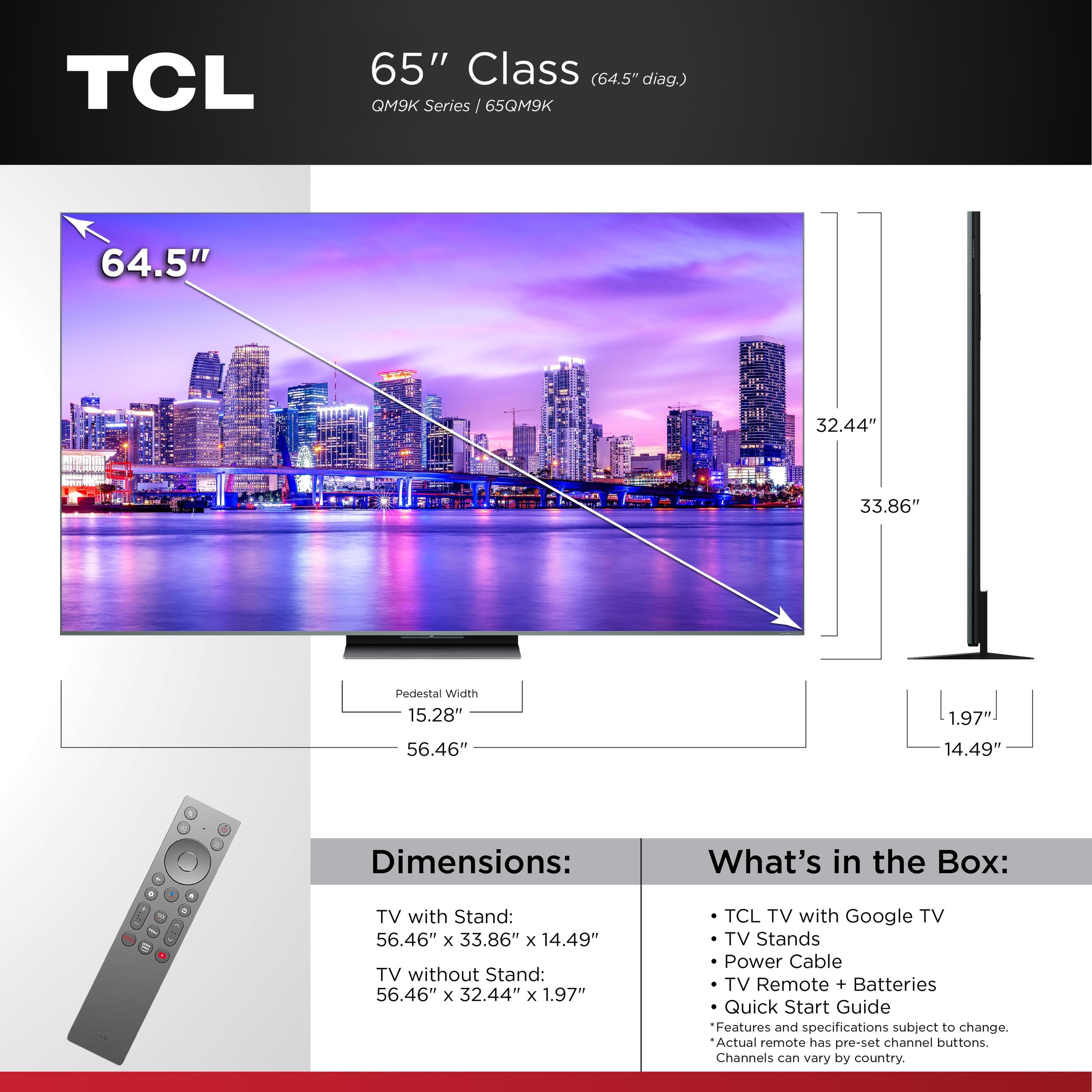
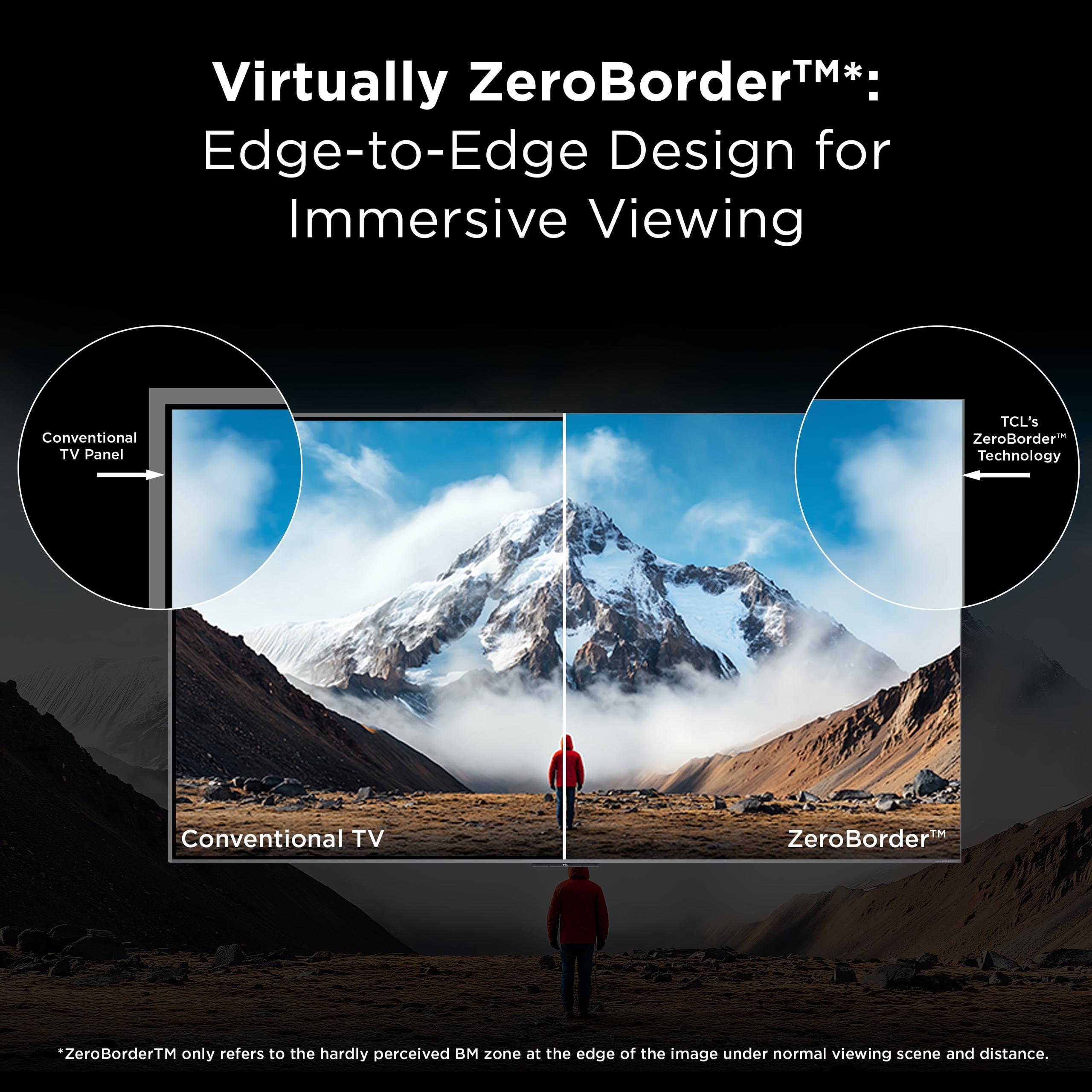
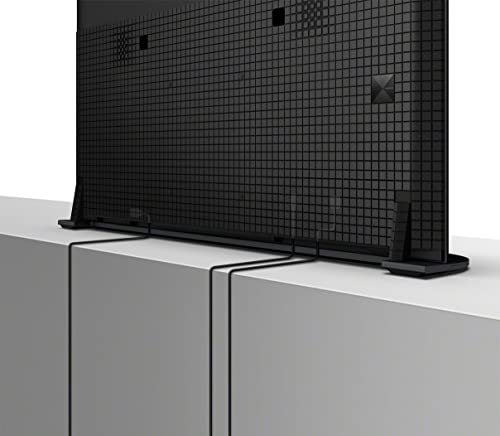
| Modern design with cable management, thicker profile due to Mini-LED array | Ultra-thin premium design with minimalist aesthetic (more premium appearance) |
| Burn-in Risk - Long-term reliability consideration | |
| No burn-in risk with LED technology (worry-free for gaming and static content) | Potential OLED burn-in with static images (requires some viewing habit awareness) |
| Viewing Angle Performance - Important for off-center seating | |
| Good viewing angles with some color shift when viewed from sides | Excellent viewing angles with minimal degradation from any position |
| Motion Handling - Affects sports and action movie clarity | |
| Motion Rate 480 with MEMC, some blur in fast action (very good overall) | Superior motion processing with minimal blur (excellent for all content types) |
The TCL QM9K QD-Mini LED Smart TV is significantly better for bright rooms. Its 6,500 nits peak brightness and anti-reflective coating help maintain picture quality even with windows and ambient lighting. The Sony A95K QD-OLED TV performs best in dark or controlled lighting environments, as OLED technology struggles with black level performance in bright conditions.
The TCL QM9K uses Mini-LED technology with thousands of tiny LEDs behind the screen for backlighting, offering extreme brightness and no burn-in risk. The Sony A95K uses QD-OLED technology where each pixel produces its own light, delivering perfect blacks and infinite contrast but with lower peak brightness capabilities.
The TCL QM9K QD-Mini LED Smart TV offers superior gaming performance with 144Hz native refresh rate (up to 288Hz), 5.3ms input lag, and AMD FreeSync Premium Pro support. The Sony A95K is still excellent for gaming with 120Hz and 8-10ms input lag, but the TCL provides better responsiveness for competitive gaming.
Yes, both the TCL QM9K and Sony A95K QD-OLED TV support 4K gaming at 120Hz through HDMI 2.1 ports. However, the TCL goes further by supporting up to 144Hz natively and even 288Hz at lower resolutions through its Game Accelerator feature.
The Sony A95K QD-OLED TV delivers superior black levels with perfect blacks since pixels can turn completely off. The TCL QM9K achieves excellent black levels through its 6,000+ local dimming zones but can't match the infinite contrast ratio of OLED technology.
The TCL QM9K QD-Mini LED Smart TV has no burn-in risk due to its LED backlighting technology. The Sony A95K, being OLED-based, has potential burn-in concerns with static images displayed for extended periods, though QD-OLED technology has improved resistance compared to traditional OLEDs.
For dedicated home theaters with controlled lighting, the Sony A95K QD-OLED TV excels with perfect blacks, accurate colors, and immersive Acoustic Surface Audio+ technology. The TCL QM9K is better for multi-purpose rooms where brightness and versatility matter more than absolute contrast performance.
Both the TCL QM9K and Sony A95K QD-OLED TV run Google TV with similar app selections. The TCL adds Google Gemini AI integration and presence sensor functionality, while the Sony includes the BRAVIA CAM for gesture controls and video calling.
The TCL QM9K QD-Mini LED Smart TV typically offers better value with flagship Mini-LED technology, extensive gaming features, and extreme brightness at a competitive price point. The Sony A95K commands a premium for its cutting-edge QD-OLED technology and superior build quality.
The TCL QM9K features Audio by Bang & Olufsen tuning with a traditional 2.1.1 channel system including a subwoofer. The Sony A95K QD-OLED TV uses innovative Acoustic Surface Audio+ technology where the screen itself produces sound, creating more immersive audio placement.
For sports, the TCL QM9K QD-Mini LED Smart TV is generally better due to its exceptional brightness, vibrant colors, and superior performance in bright rooms where most sports viewing occurs. The Sony A95K offers excellent motion handling but performs best in darker viewing environments.
Yes, both the TCL QM9K and Sony A95K QD-OLED TV support all major HDR formats including HDR10, HDR10+, Dolby Vision, and HLG. The TCL's extreme brightness gives it an advantage for HDR impact, while the Sony provides more accurate HDR tone mapping and color reproduction.
We've done our best to create useful and informative comparisons to help you decide what product to buy. Our research uses advanced automated methods to create this comparison and perfection is not possible - please contact us for corrections or questions. These are the sites we've researched in the creation of this article: rtings.com - bestbuy.com - youtube.com - youtube.com - youtube.com - techaeris.com - displayspecifications.com - pcrichard.com - residentialsystems.com - us.tcl.com - displayspecifications.com - valueelectronics.com - woodruffappliance.com - tcl.com - pcrichard.com - tcl.com - techradar.com - tcl.com - us.tcl.com - youtube.com - youtube.com - bestbuy.com - youtube.com - tomsguide.com - audioadvice.com - wepc.com - bestbuy.com - tvsbook.com - rtings.com - youtube.com - flatpanelshd.com - rtings.com - youtube.com - reviewed.com - avsforum.com - youtube.com - youtube.com - rtings.com - youtube.com - electronics.sony.com - sonypremiumhome.com - valueelectronics.com - sony.com - displayspecifications.com - flatpanelshd.com - donstv.com - youtube.com - businessinsider.com - youtube.com - displayspecifications.com - bestbuy.com

Privacy Policy
Terms and Conditions - Affiliate Policy
Home Security
© Copyright 2008-2026.
11816 Inwood Rd #1211, Dallas, TX 75244