

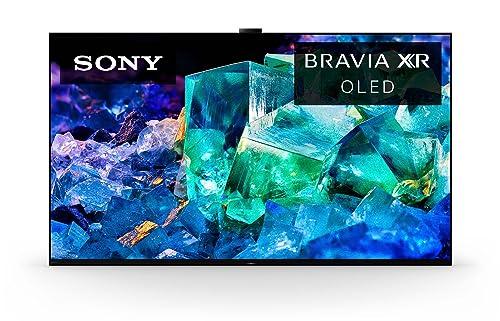



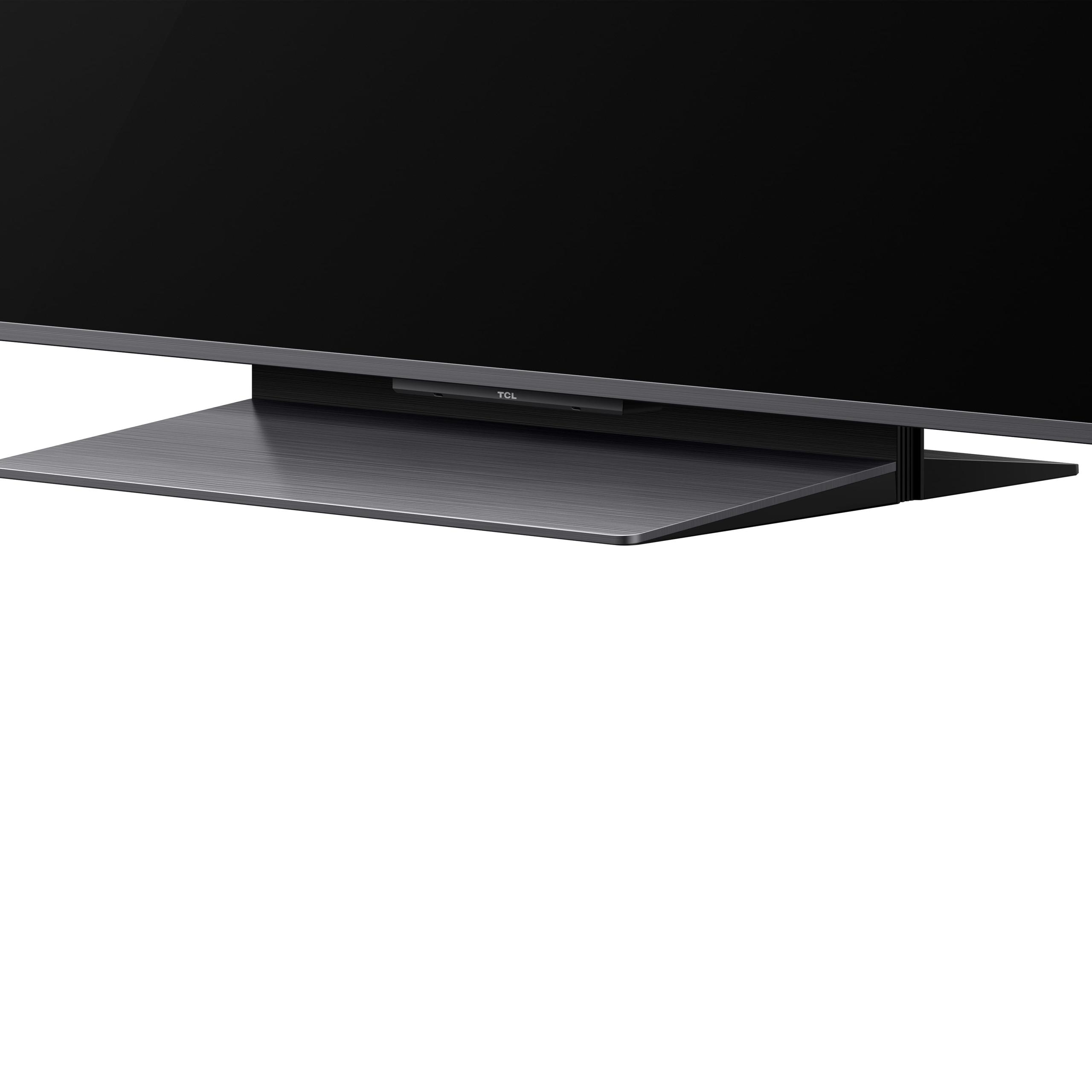
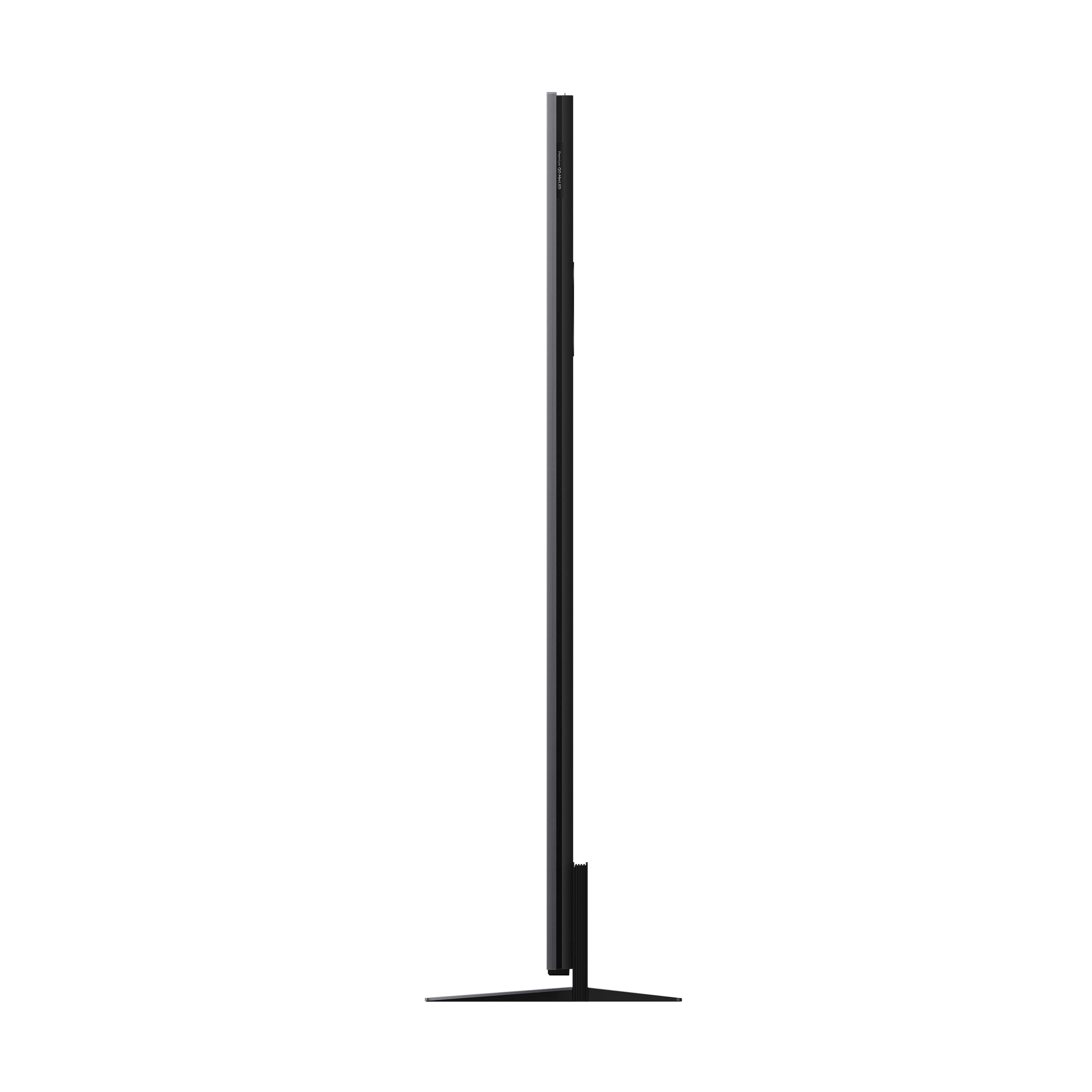
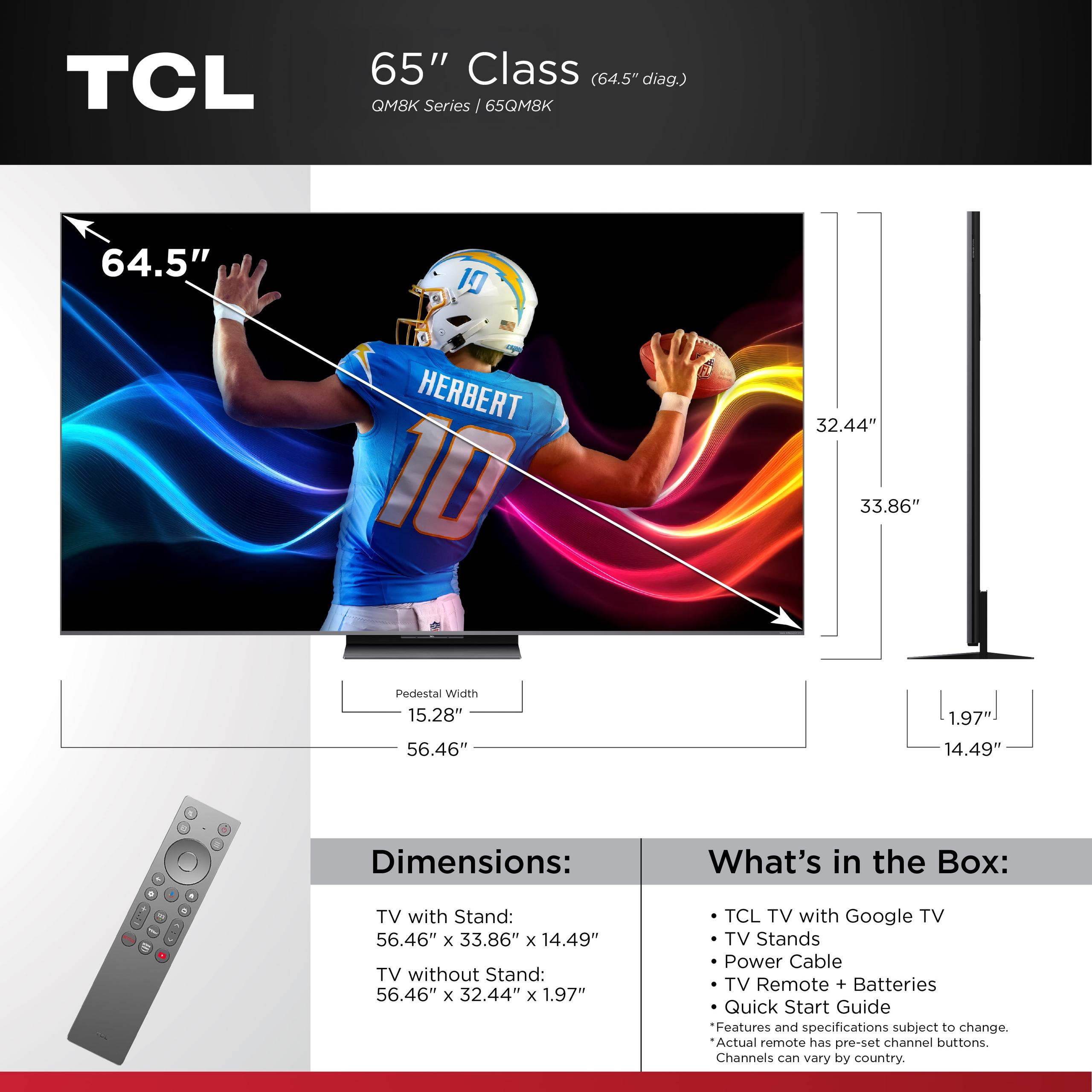



Choosing between the Sony Bravia XR A95K and TCL QM8K Series means deciding between two fundamentally different approaches to premium TV technology. The Sony represents OLED's quest for perfect blacks and natural colors, while the TCL showcases Mini LED's push for extreme brightness and versatility. Both are 65-inch models targeting the premium market, but they excel in completely different scenarios.
The premium TV market has split into two main camps: OLED and Mini LED. These aren't just marketing terms—they represent genuinely different ways of creating images on your screen.
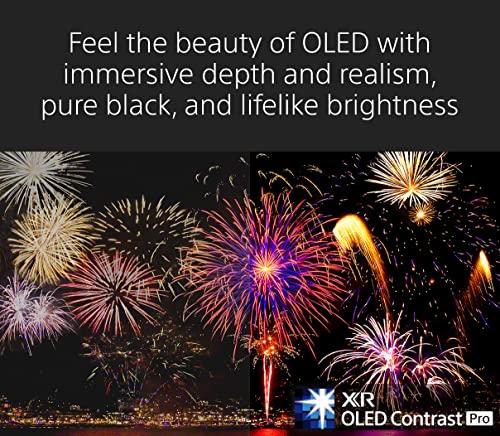
OLED (Organic Light-Emitting Diode) technology is like having millions of tiny individual light bulbs that can turn completely on, dim, or shut off entirely. When an OLED pixel needs to display black, it simply turns off, creating what's called "perfect black" since no light escapes. This is fundamentally different from traditional TVs where a backlight is always on behind the screen.
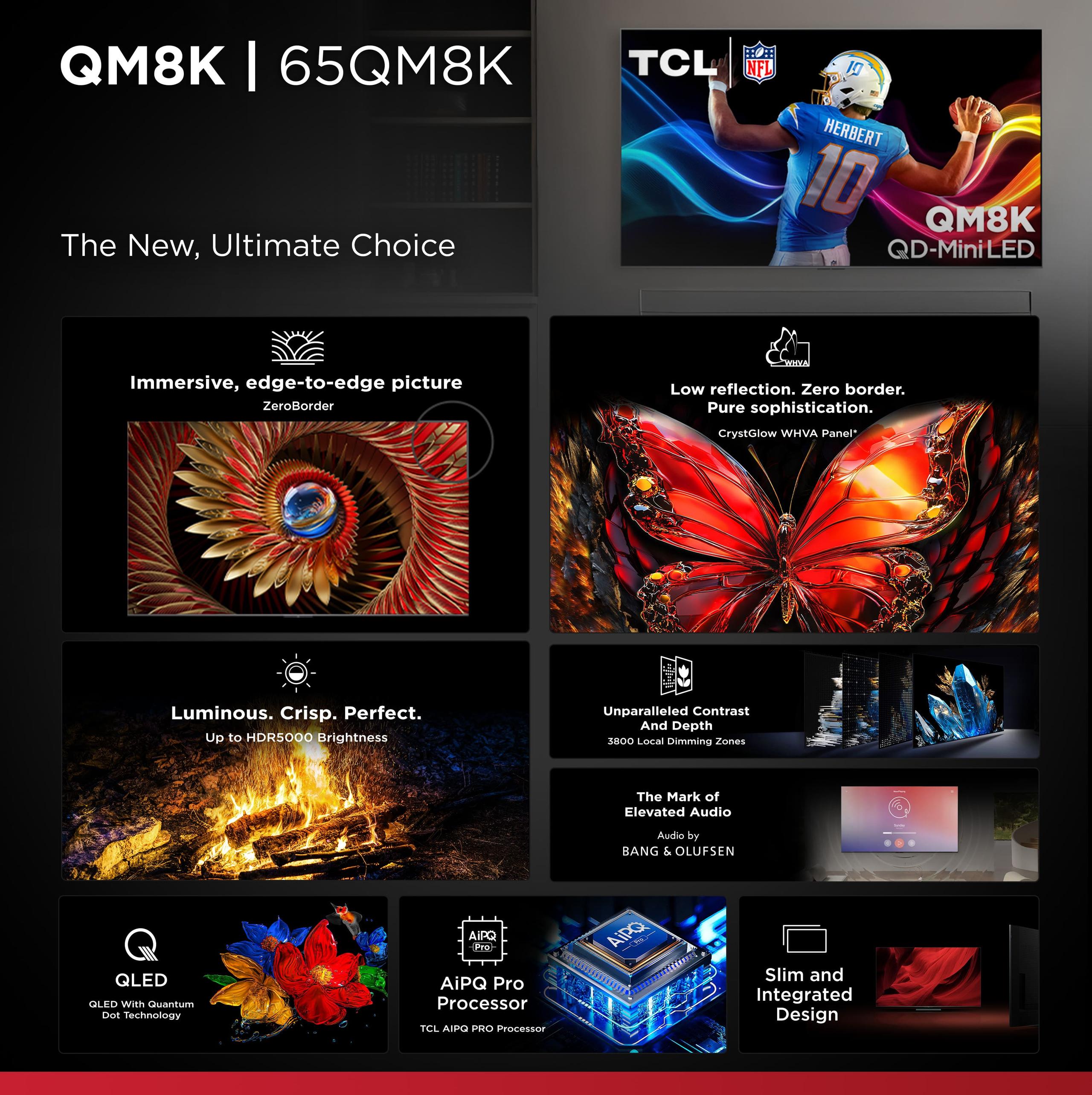
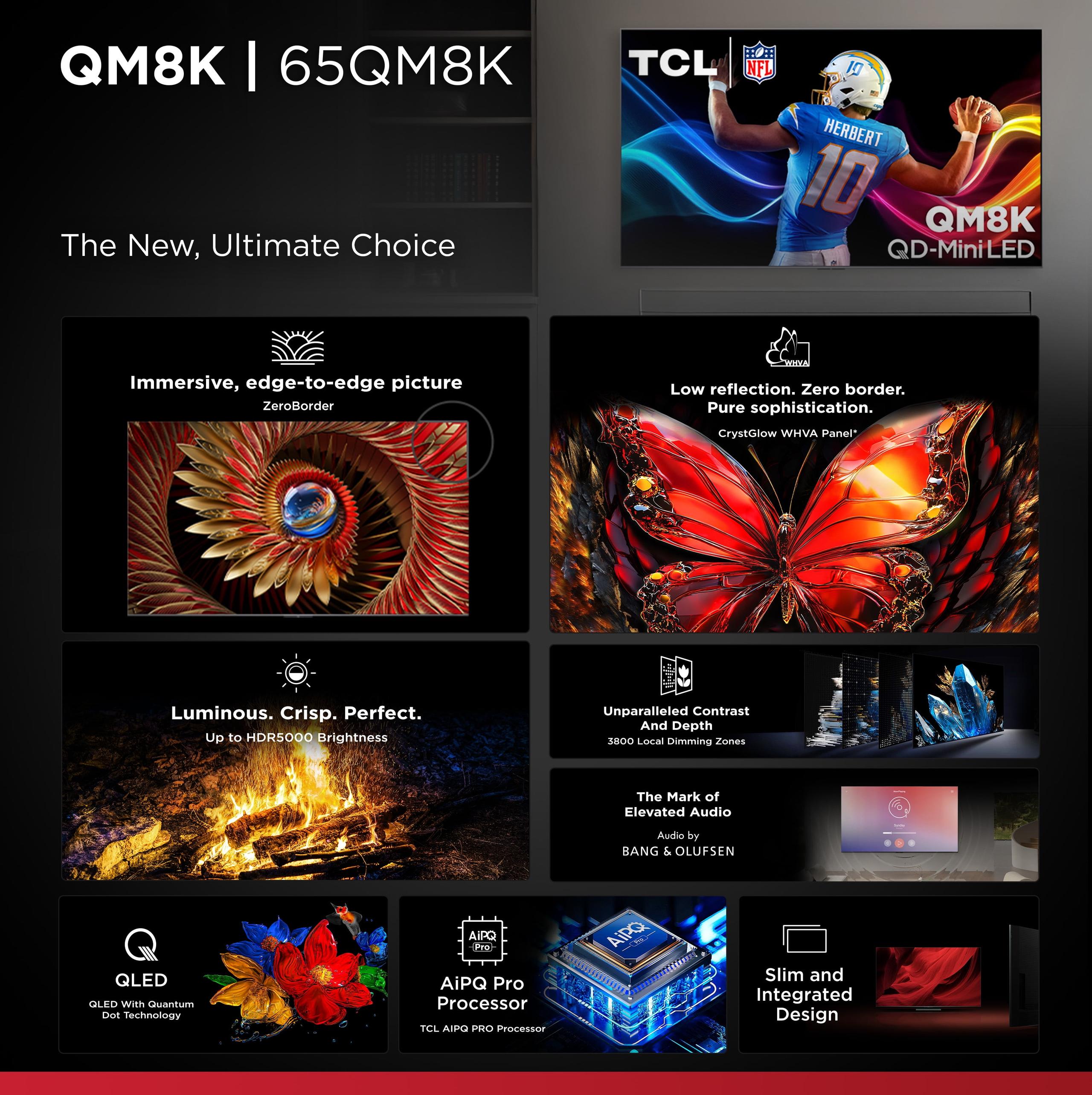
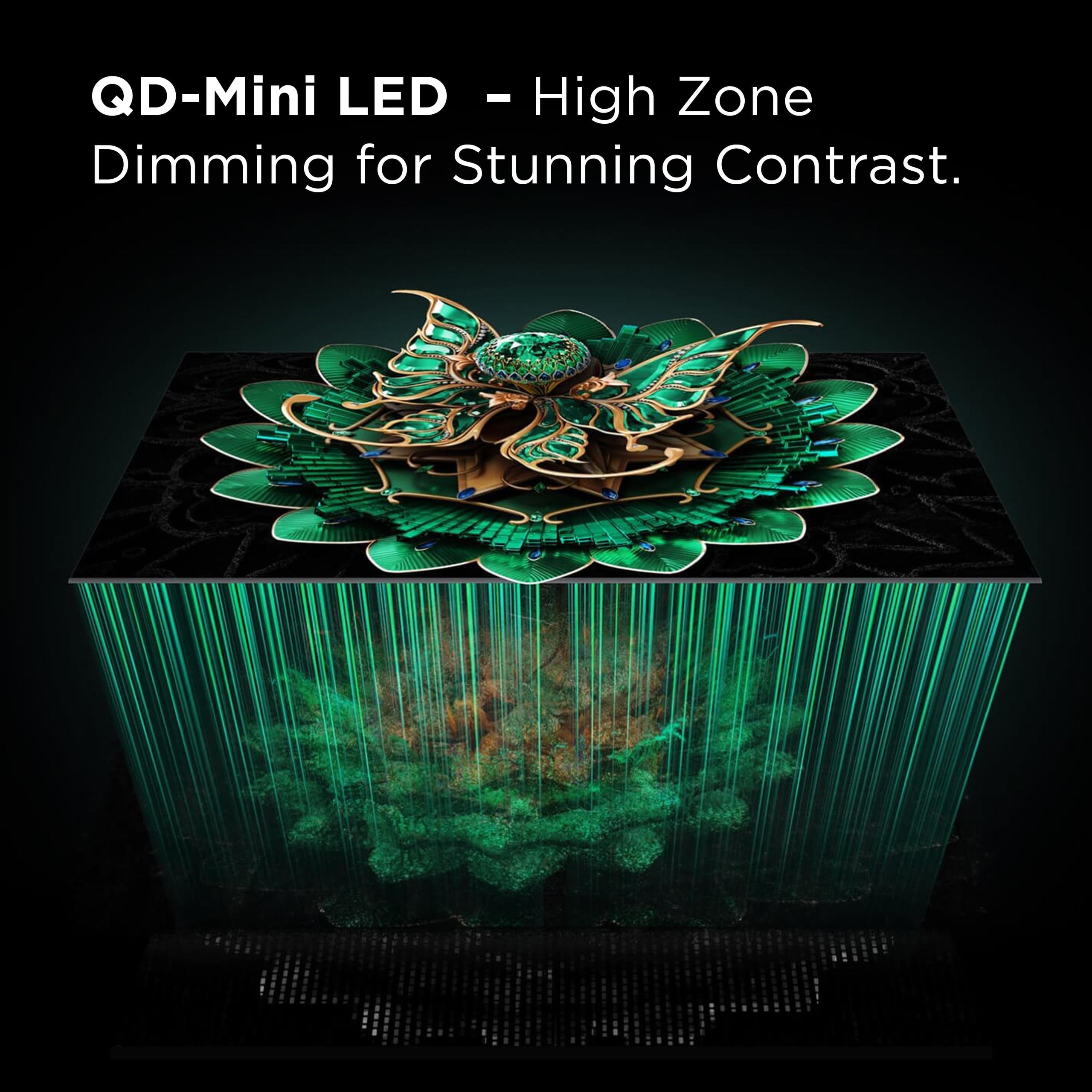
Mini LED takes the opposite approach. Instead of self-illuminating pixels, it uses thousands of incredibly small LED lights behind an LCD panel. These LEDs are grouped into "dimming zones" that can brighten or darken independently. The TCL QM8K has up to 3,800 of these zones, each controlling a small section of the screen. It's like having thousands of tiny flashlights working together to create the image.
The key trade-off? OLED gives you perfect blacks but limited brightness, while Mini LED delivers extreme brightness but can't achieve true black since there's always some light leaking through the LCD panel.
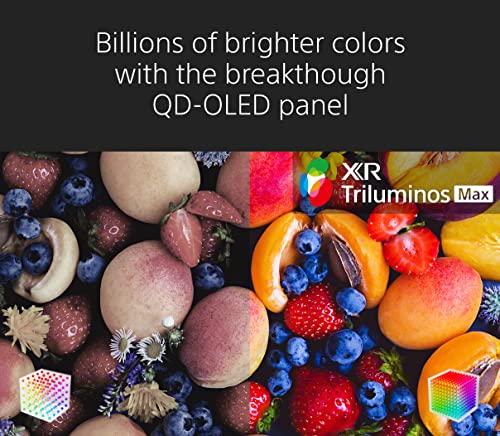
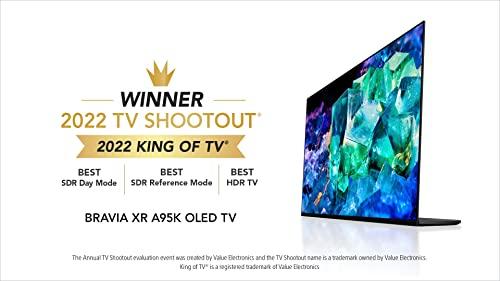
The Sony A95K launched in 2022 as Sony's first QD-OLED TV, representing a breakthrough moment. QD-OLED combines traditional OLED's perfect blacks with Quantum Dot technology for enhanced color and brightness. At the time of writing, you can find this former flagship at significantly reduced prices, making it an interesting value proposition for a premium OLED.
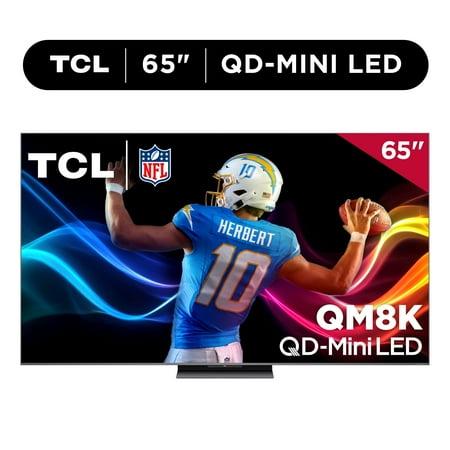
The TCL QM8K represents TCL's 2024-2025 flagship, incorporating the latest Mini LED advances. It's part of TCL's push to compete directly with premium OLED models using brightness as the primary weapon. The timing difference matters here—you're comparing a discounted former flagship against a current-generation model, which affects both features and pricing.
This is where the fundamental technology differences become most apparent. The Sony A95K achieves what's called "infinite contrast" because its OLED pixels can turn completely off. When you're watching a space scene or a movie with black bars, those areas emit literally zero light. It creates an incredibly immersive experience, especially in darker rooms.
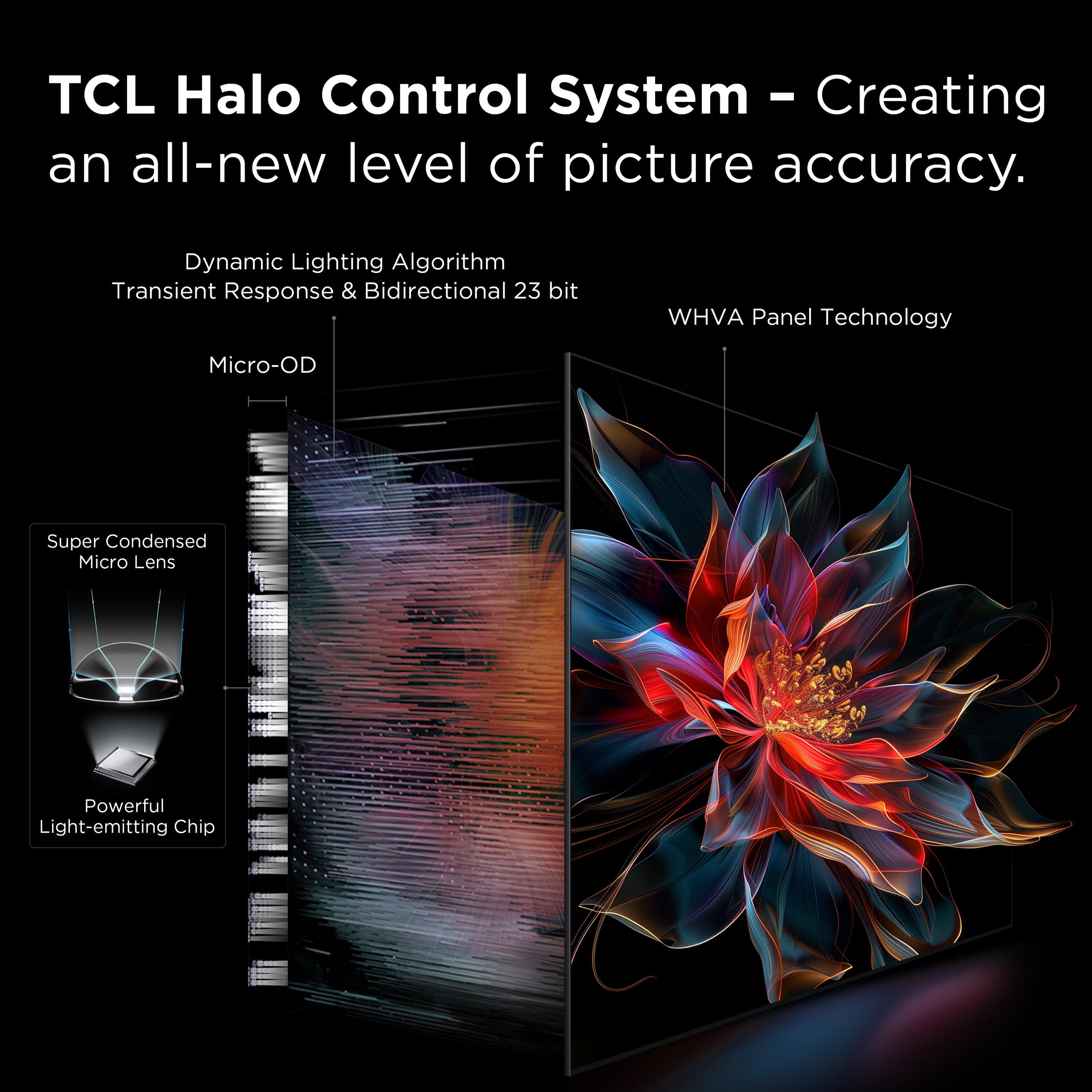
The TCL QM8K can't match this physically impossible standard, but it gets surprisingly close. With 3,800 local dimming zones and TCL's "Halo Control System," it minimizes the blooming effect that typically plagues LED-backlit TVs. Blooming occurs when bright objects on dark backgrounds create visible halos of light around them—think subtitles on a dark scene or stars in space.
In our research of expert reviews, most found the QM8K's blooming control impressive for Mini LED technology. You'll still notice some light leakage in extreme scenarios, but in normal viewing, the difference is less dramatic than you might expect.
Here's where the TCL QM8K absolutely destroys the competition. With up to 5,000 nits of peak brightness, it's roughly six times brighter than the Sony's ~800 nits. To put this in perspective, a sunny day outdoors measures around 10,000 nits, while most indoor lighting ranges from 100-400 nits.
This massive brightness difference transforms HDR (High Dynamic Range) content. HDR is designed to mimic how human eyes see light in the real world, with bright highlights like explosions, sunlight, or fire appearing genuinely bright rather than just "brighter gray." The QM8K can actually hit the brightness levels that HDR content masters intended, while the Sony A95K falls short in peak highlights.
For daytime viewing or bright rooms, this brightness advantage is game-changing. If your TV faces windows or you watch with room lights on, the Sony's image will appear washed out and lose contrast, while the TCL maintains vibrant colors and strong image quality.
Both TVs use Quantum Dot technology, but they apply it differently. Quantum Dots are microscopic crystals that emit pure colors when hit by light, creating more accurate and vibrant color reproduction than traditional LCD or OLED panels.
The Sony A95K uses its QD-OLED combination with something called XR Triluminos Max to prioritize natural, film-accurate colors. Sony's color science focuses on making skin tones look realistic and ensuring colors appear as filmmakers intended. It's a more conservative, cinema-focused approach.
The TCL QM8K covers 97% of the DCI-P3 color gamut (the standard used in digital cinemas) and pushes for more vibrant, eye-catching colors. It's designed to make HDR content "pop" with excitement, particularly beneficial for sports, gaming, and animated content.
Neither approach is wrong—it depends on your priorities. The Sony looks more natural, while the TCL looks more exciting.
Gaming reveals another significant difference between these models. The TCL QM8K was built for the modern gaming era with a native 144Hz refresh rate and support for up to 288Hz Variable Refresh Rate (VRR). VRR allows the TV to match its refresh rate to your gaming device's output, eliminating screen tearing and stuttering.
For PC gamers or those with the latest consoles, the TCL offers features like AMD FreeSync Premium Pro, Game Accelerator 288, and gaming-specific tools like Shadow Enhancer (brightens dark areas to spot enemies) and Aiming Aid (highlights crosshairs). These features cater to competitive gaming where every advantage matters.
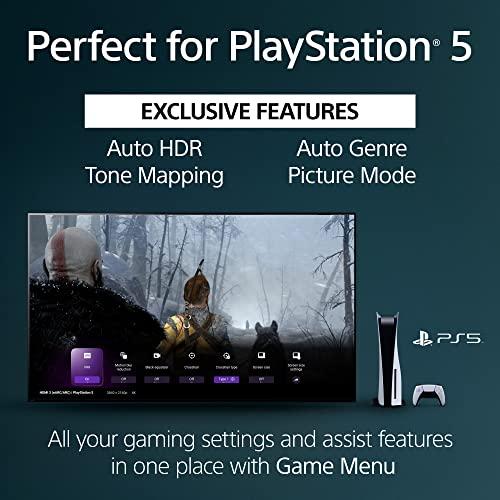
The Sony A95K takes a different approach. With a 120Hz refresh rate and standard HDMI 2.1 gaming features, it's capable but not cutting-edge. However, OLED technology provides essentially zero input lag for pixel response time. When Mario jumps, every pixel reacts instantly without the slight blur you might see on LCD-based displays.
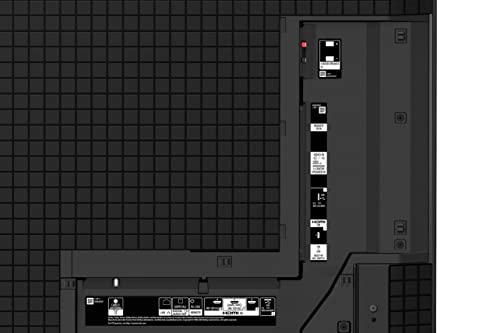
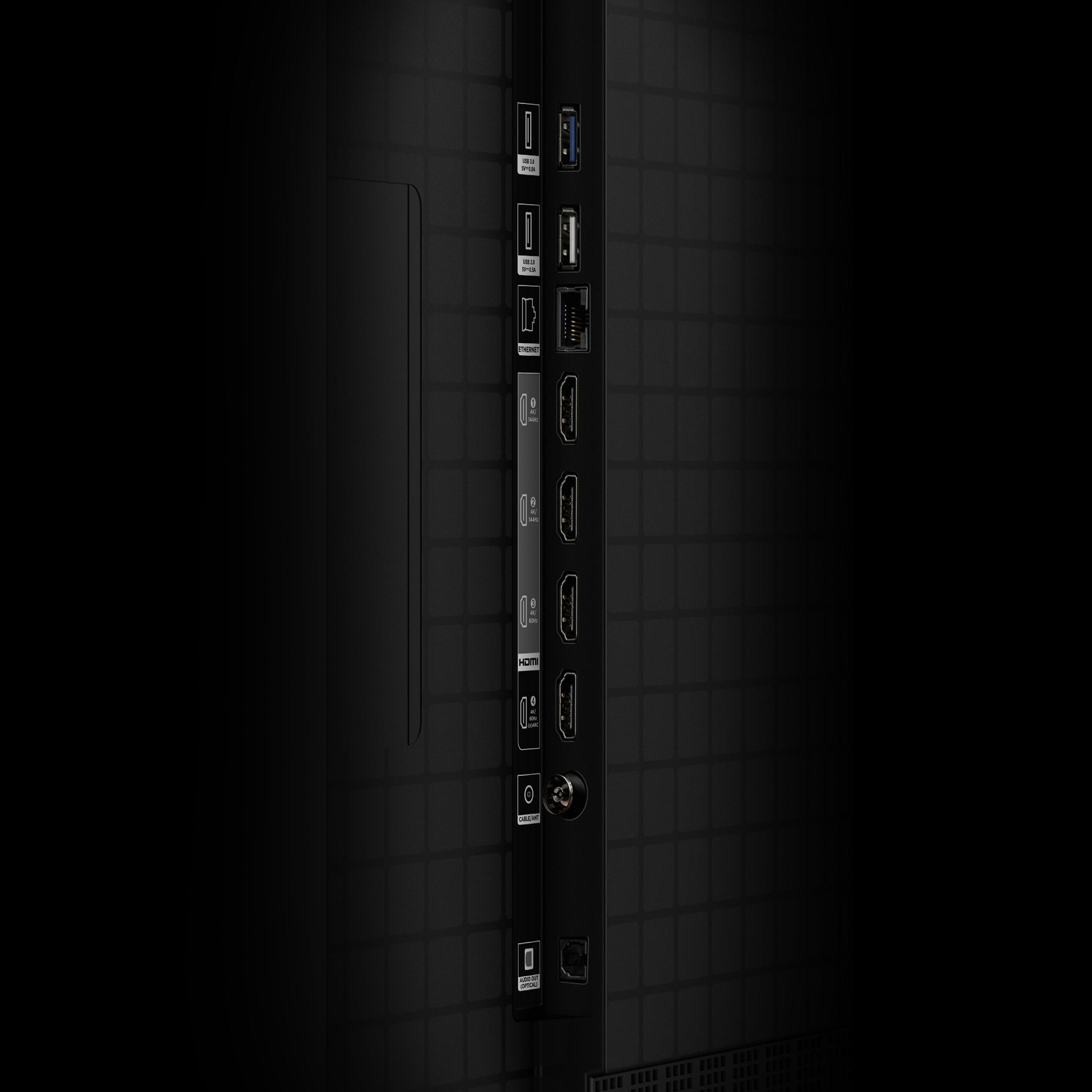
There's also a practical limitation: the Sony only has two HDMI 2.1 ports, and one is typically used for your soundbar's eARC connection. This leaves just one port for gaming at full resolution and refresh rates, which could be limiting if you have multiple current-generation consoles.
For cinematic single-player games where atmosphere matters more than competitive advantage, the Sony's perfect blacks create incredibly immersive experiences. For competitive gaming or high refresh rate PC gaming, the TCL is clearly superior.
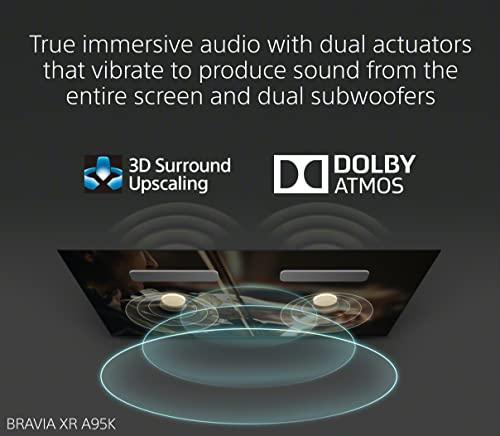
This might be the Sony A95K's most unique feature. Instead of traditional speakers, it uses "Acoustic Surface Audio+" technology where actuators on the back of the TV vibrate the entire screen to produce sound. The screen literally becomes a 60-watt speaker system.
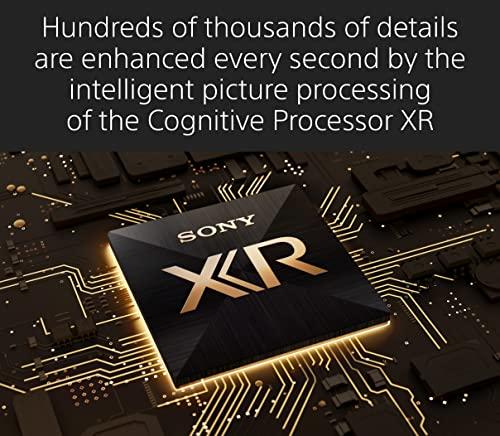
This creates remarkable sound localization—dialogue appears to come from actors' mouths rather than from speakers below the screen. When a helicopter flies across the screen, the sound follows it perfectly. The Sony's Cognitive Processor XR can even create a pseudo-surround effect from any audio source.
The TCL QM8K uses conventional speakers tuned by Bang & Olufsen with Dolby Atmos support. While respectable, it can't match Sony's innovative approach. Most users will likely want to add a soundbar to the TCL for the best audio experience.
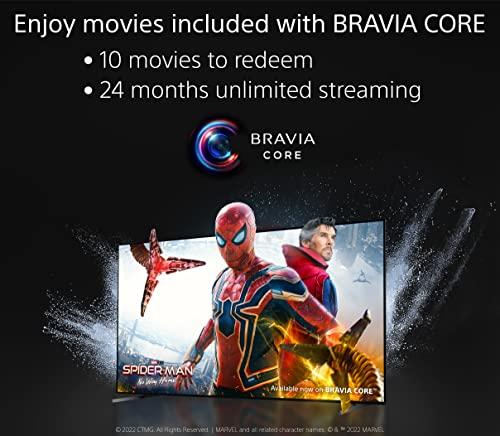
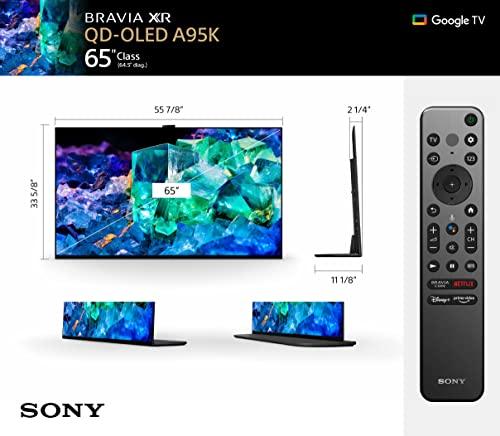
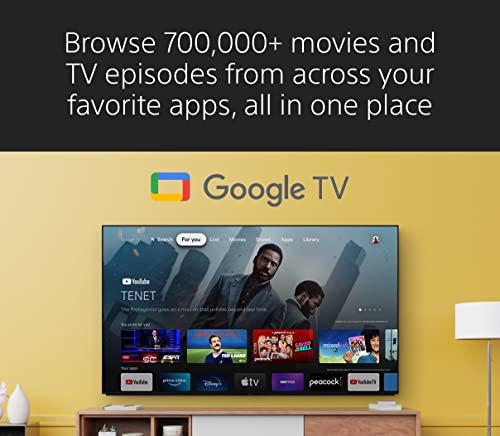
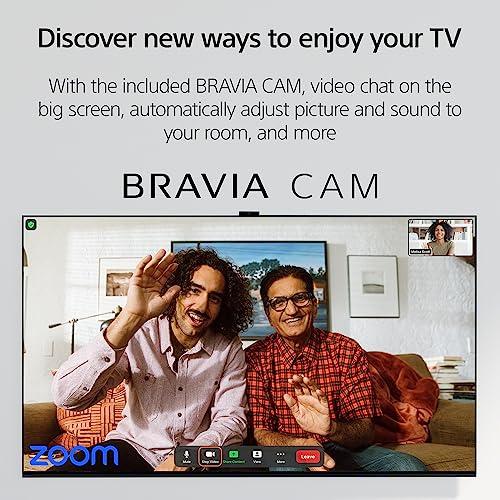
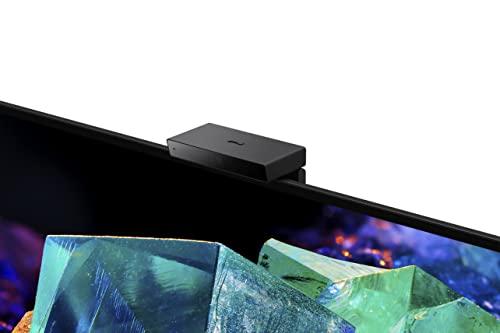
Both TVs run Google TV, so you'll have identical app selection and interface. However, the Sony A95K includes some unique features like the detachable BRAVIA CAM for video calls and gesture control, plus access to Sony's BRAVIA CORE streaming service with high-quality movie rentals.
The real difference lies in image processing. Sony's Cognitive Processor XR attempts to mimic how human brains process visual information. It identifies focal points in each scene and enhances details accordingly, creating more natural-looking images with better upscaling of lower-resolution content.
The TCL QM8K uses TCL's AiPQ Pro Processor, which performs well but doesn't match Sony's sophisticated approach. This becomes most noticeable when watching non-4K content like streaming shows or older movies, where Sony's processing provides cleaner, more detailed images.
Your viewing environment might be the most important factor in this decision. The Sony A95K transforms dark rooms into premium home theaters. With perfect blacks and Sony's refined processing, movies take on a cinematic quality that's genuinely impressive. The innovative audio system means you might not even need a soundbar, simplifying your setup.
However, introduce ambient lighting, and the equation changes dramatically. The Sony's limited brightness struggles against room lights or windows, losing contrast and color vibrancy. It's fundamentally designed for controlled lighting environments.
The TCL QM8K thrives in bright rooms where most people actually watch TV. Its extreme brightness maintains image quality regardless of ambient lighting, making it more versatile for everyday use. You can watch sports during the day, game with room lights on, or enjoy HDR movies without closing blinds.
At the time of writing, both TVs occupy similar price ranges, though the Sony A95K has seen significant price reductions from its original 2022 launch pricing. This makes it an interesting proposition—you're getting former flagship OLED technology at a discount.
The TCL QM8K typically costs slightly less while offering more current technology and features. It represents better value if brightness, gaming performance, and room versatility matter most to you.
Consider the total cost of ownership too. The Sony's exceptional built-in audio might eliminate the need for a soundbar, potentially saving several hundred dollars. The TCL will likely require external audio for the best experience.
For dedicated home theater rooms, the Sony A95K is compelling. Its perfect blacks create the immersive experience that home theater enthusiasts crave, while the screen-based audio system reduces equipment complexity. The refined processing and color accuracy better match the cinematic experience these setups aim to recreate.
However, if your "home theater" is really a multi-purpose living room, the TCL QM8K makes more sense. Its brightness ensures good performance regardless of lighting conditions, and the gaming features future-proof your investment.
Choose the Sony A95K if you primarily watch in darker rooms, prioritize natural color accuracy, value exceptional built-in audio, or want the most immersive movie experience possible. It's the choice for viewers who can control their environment and prioritize picture quality above all else.
Choose the TCL QM8K if your TV faces windows, you watch significant daytime content, gaming performance matters, you want maximum HDR impact, or you need a versatile TV that performs well in any lighting condition. It's the practical choice for most real-world viewing scenarios.
Both represent excellent examples of their respective technologies. The decision ultimately comes down to your room, your content preferences, and whether you prioritize the cinematic perfection of OLED or the versatile brightness of Mini LED. There's no wrong choice here—just different approaches to premium TV performance.
| Sony Bravia XR A95K 65" QD-OLED TV | TCL 65" QM8K Series QD-Mini LED 4K Smart TV |
|---|---|
| Display Technology - Determines black levels and room versatility | |
| QD-OLED with perfect pixel-level control | QD-Mini LED with 3,800 local dimming zones |
| Peak Brightness - Critical for HDR impact and bright room viewing | |
| ~800 nits (excellent for dark rooms, struggles in bright spaces) | 5,000 nits (exceptional for any lighting condition) |
| Black Level Performance - Key for contrast and movie immersion | |
| Perfect blacks (pixels turn completely off) | Near-black with minimal blooming (impressive for Mini LED) |
| Gaming Refresh Rate - Important for competitive gaming and PC use | |
| 120Hz with VRR support | 144Hz native with 288Hz VRR (Game Accelerator 288) |
| HDMI 2.1 Ports - Limits connectivity for multiple gaming devices | |
| 2 ports (one often used for eARC audio) | Multiple HDMI 2.1 ports with full gaming features |
| Audio System - Affects whether you need a separate soundbar | |
| Acoustic Surface Audio+ (screen produces sound, 60W) | Conventional speakers with Bang & Olufsen tuning |
| Color Processing - Impacts color accuracy vs vibrancy | |
| XR Triluminos Max (natural, cinema-accurate colors) | 97% DCI-P3 coverage (vibrant, eye-catching colors) |
| Motion Processing - Critical for sports and action content | |
| XR OLED Motion with instant pixel response | MEMC with Motion Rate 480 and 144Hz native panel |
| Smart Platform - Both identical for app selection and features | |
| Google TV with BRAVIA CAM and exclusive BRAVIA CORE access | Google TV with standard smart features |
| Best Use Case - Where each TV excels most | |
| Dark room home theaters and cinematic viewing | Bright living rooms and versatile daily use |
The Sony Bravia XR A95K delivers superior picture quality for movies with its QD-OLED technology providing perfect blacks and infinite contrast. The OLED pixels turn completely off for true black levels, creating a more cinematic experience. However, the TCL QM8K Series offers dramatically brighter HDR highlights that can make action scenes more impactful, though it can't match the Sony's black levels.
OLED technology in the Sony A95K uses self-illuminating pixels that can turn completely on or off individually, creating perfect blacks but limited brightness. Mini LED in the TCL QM8K uses thousands of tiny LEDs behind an LCD panel with local dimming zones, achieving extreme brightness but unable to produce true blacks since some light always leaks through.
The TCL QM8K Series is significantly better for bright rooms with its 5,000 nits peak brightness—about six times brighter than the Sony. This allows it to maintain vibrant colors and strong contrast even with windows or room lights on. The Sony A95K struggles in bright environments where its image can appear washed out.
The TCL QM8K offers superior gaming performance with its 144Hz native refresh rate, 288Hz VRR support, and gaming-specific features like Shadow Enhancer and Game Accelerator 288. The Sony A95K provides excellent gaming with 120Hz and instant pixel response, but has fewer gaming features and only two HDMI 2.1 ports.
The Sony A95K has revolutionary Acoustic Surface Audio+ technology where the screen itself produces sound, creating excellent sound localization and potentially eliminating the need for a soundbar. The TCL QM8K has conventional speakers tuned by Bang & Olufsen, which are decent but will likely benefit from an external sound system.
Both the Sony A95K and TCL QM8K Series run Google TV with identical app selection and interface. The Sony includes unique features like the BRAVIA CAM for video calls and access to BRAVIA CORE streaming service, while the TCL focuses on standard smart TV functionality.
The Sony A95K has only two HDMI 2.1 ports, which can be limiting for users with multiple gaming devices since one port is often used for eARC audio connections. The TCL QM8K Series provides more comprehensive HDMI 2.1 connectivity for gaming setups.
Both TVs offer good viewing angles, but the Sony A95K maintains consistent picture quality from any position due to OLED's inherent wide viewing angle advantage. The TCL QM8K Series has improved viewing angles compared to traditional LCD TVs but may show some brightness decrease when viewed from the side.
Value depends on your needs: the Sony A95K offers premium OLED technology at a discounted price from its original launch, with exceptional built-in audio potentially saving soundbar costs. The TCL QM8K provides more versatile performance across different lighting conditions with the latest gaming features, making it better value for most real-world use cases.
We've done our best to create useful and informative comparisons to help you decide what product to buy. Our research uses advanced automated methods to create this comparison and perfection is not possible - please contact us for corrections or questions. These are the sites we've researched in the creation of this article: tomsguide.com - audioadvice.com - wepc.com - bestbuy.com - tvsbook.com - rtings.com - youtube.com - flatpanelshd.com - rtings.com - youtube.com - reviewed.com - avsforum.com - youtube.com - youtube.com - rtings.com - youtube.com - electronics.sony.com - sonypremiumhome.com - valueelectronics.com - sony.com - displayspecifications.com - flatpanelshd.com - donstv.com - youtube.com - businessinsider.com - youtube.com - displayspecifications.com - bestbuy.com - tomsguide.com - youtube.com - businessinsider.com - rtings.com - youtube.com - avsforum.com - avsforum.com - bestbuy.com - tcl.com - tcl.com - tcl.com - flatpanelshd.com - romomattressfurniture.com - brandsmartusa.com - pcrichard.com - tvsbook.com - tcl.com - youtube.com - prnewswire.com - tcl.com - tcl.com

Privacy Policy
Terms and Conditions - Affiliate Policy
Home Security
© Copyright 2008-2026.
11816 Inwood Rd #1211, Dallas, TX 75244