

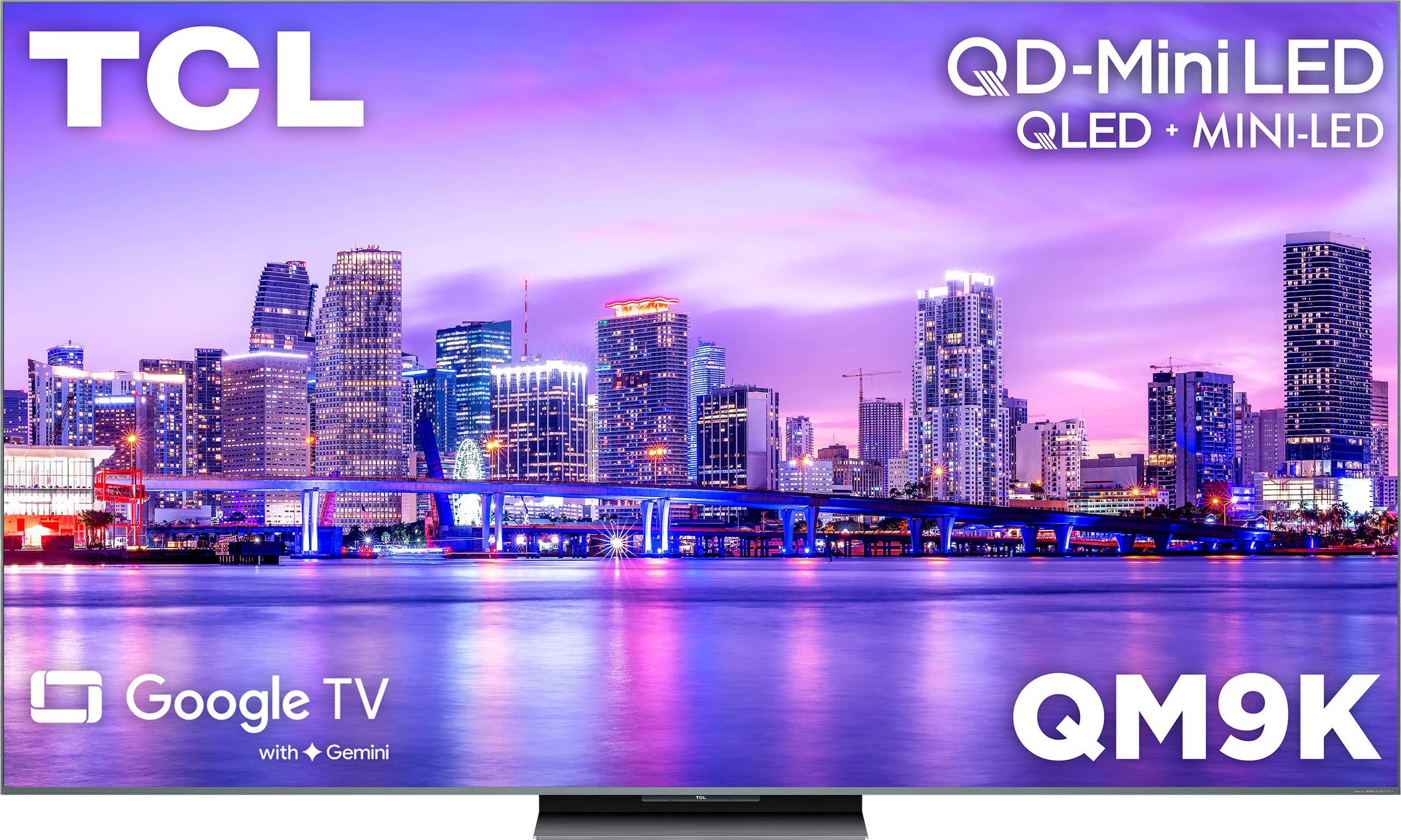
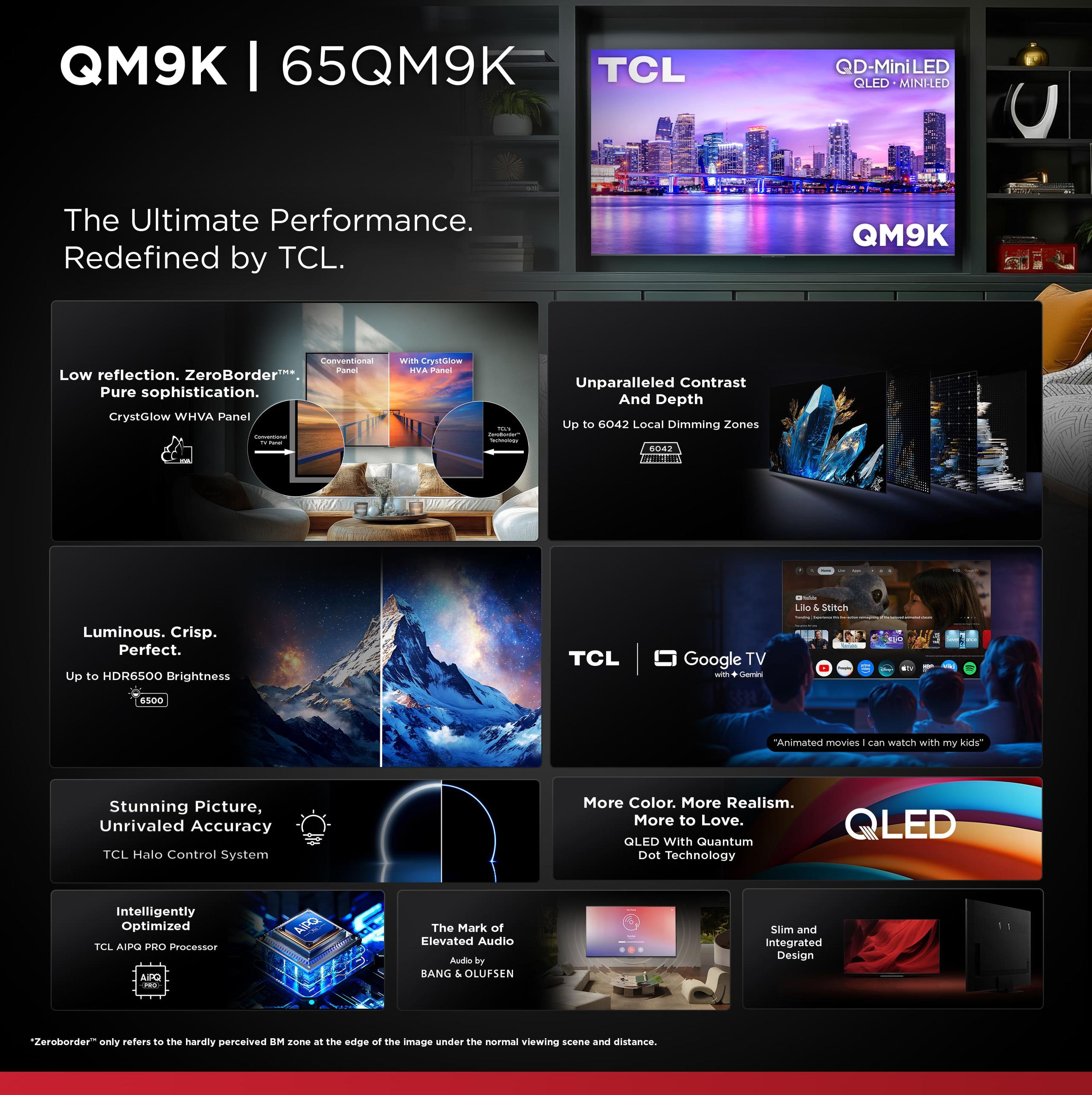
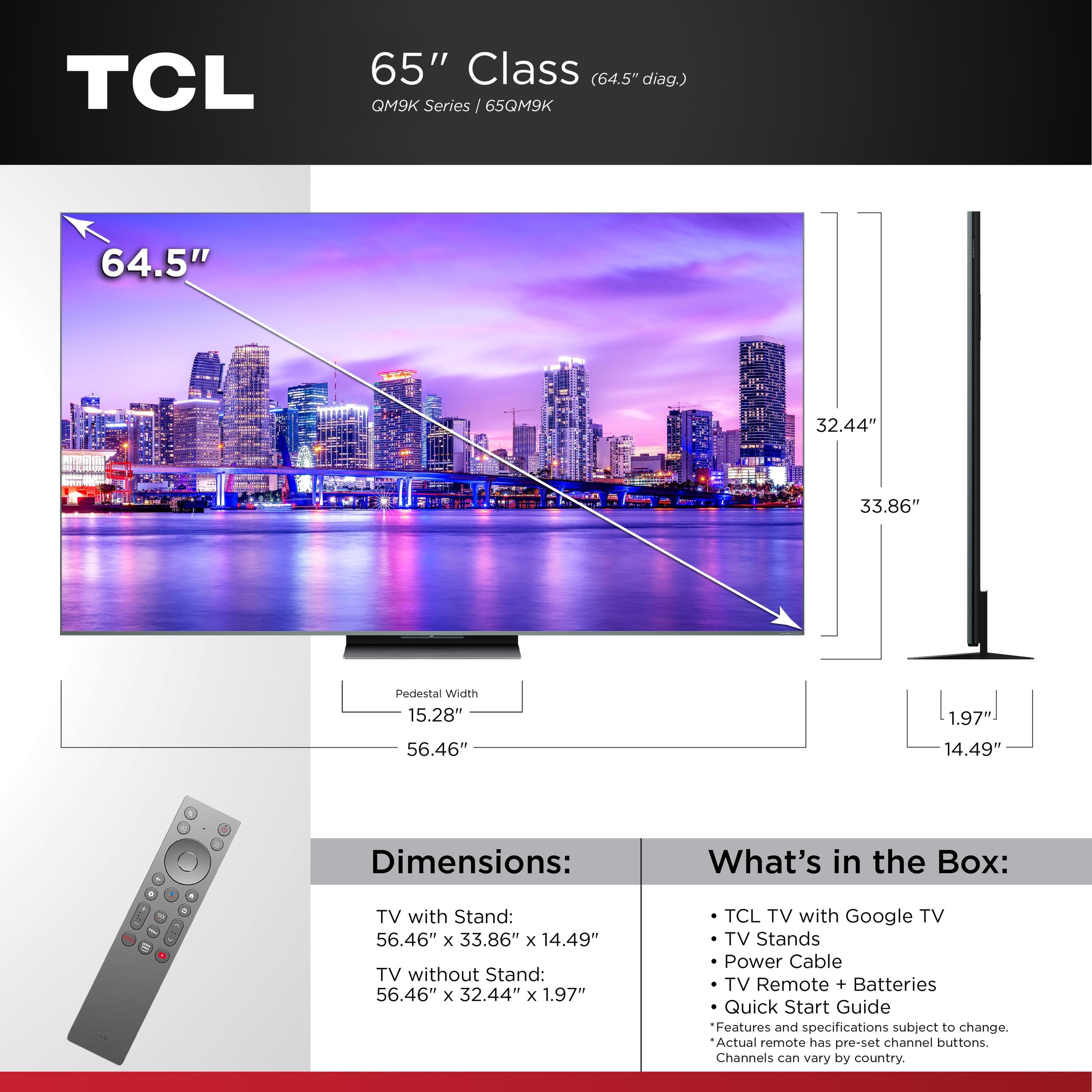
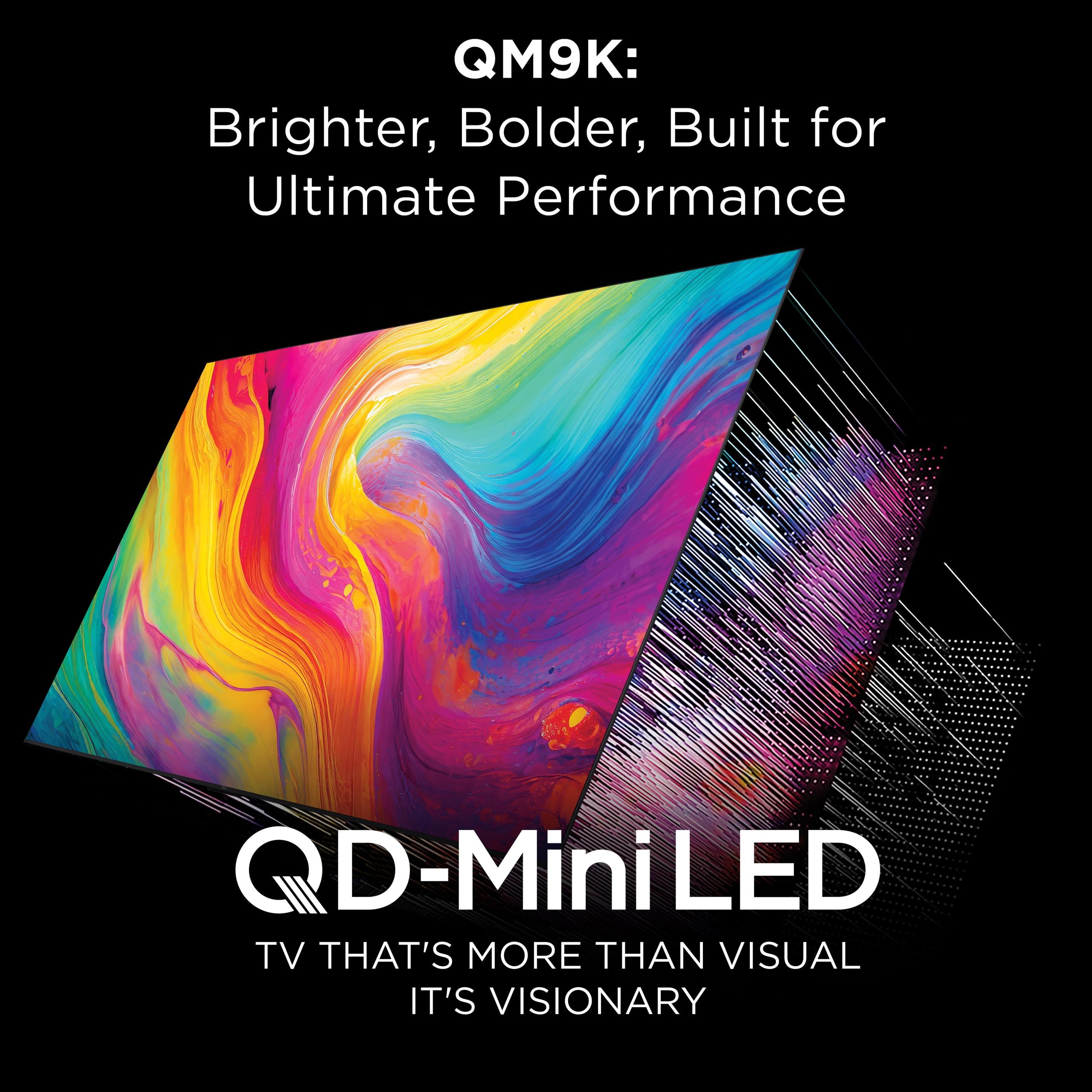
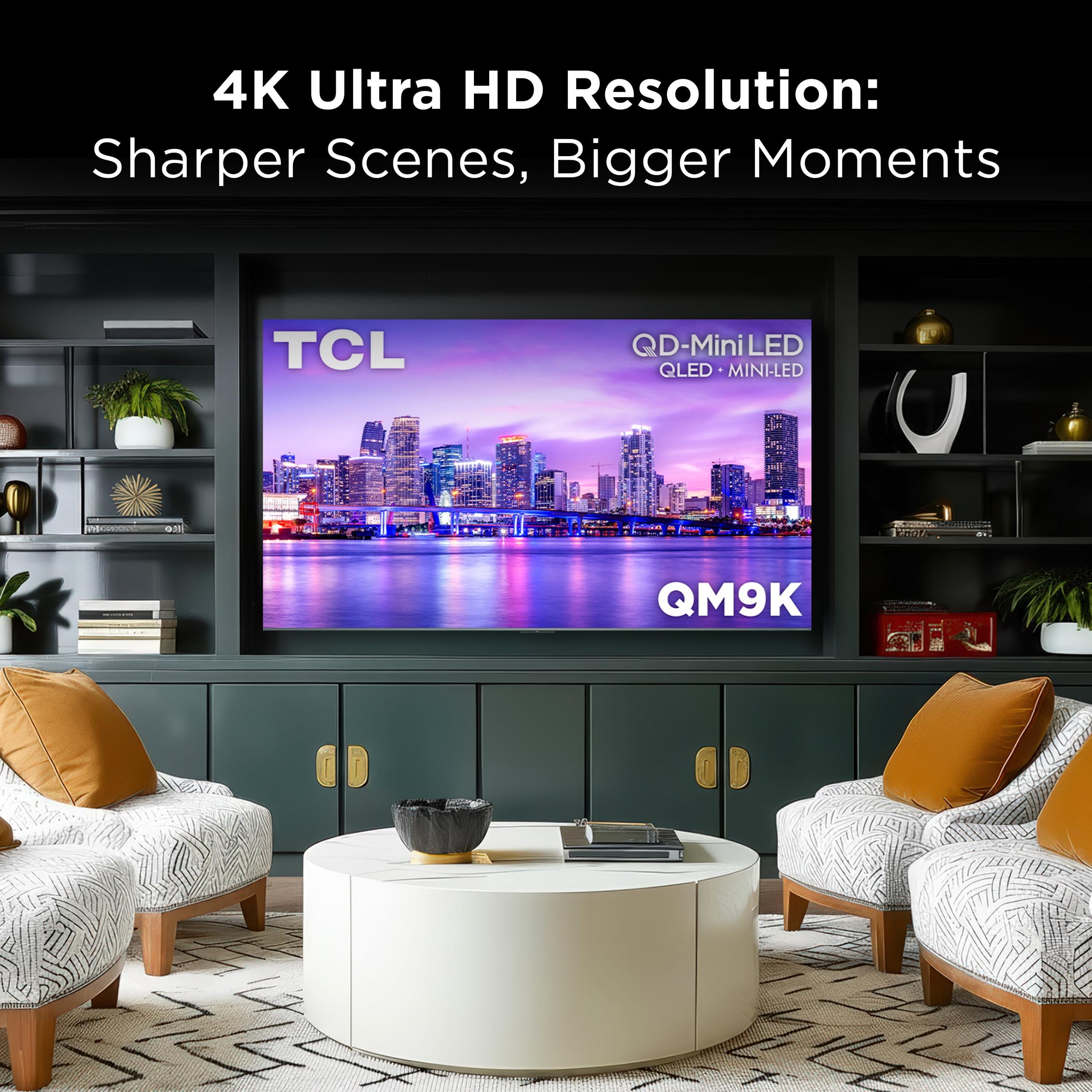
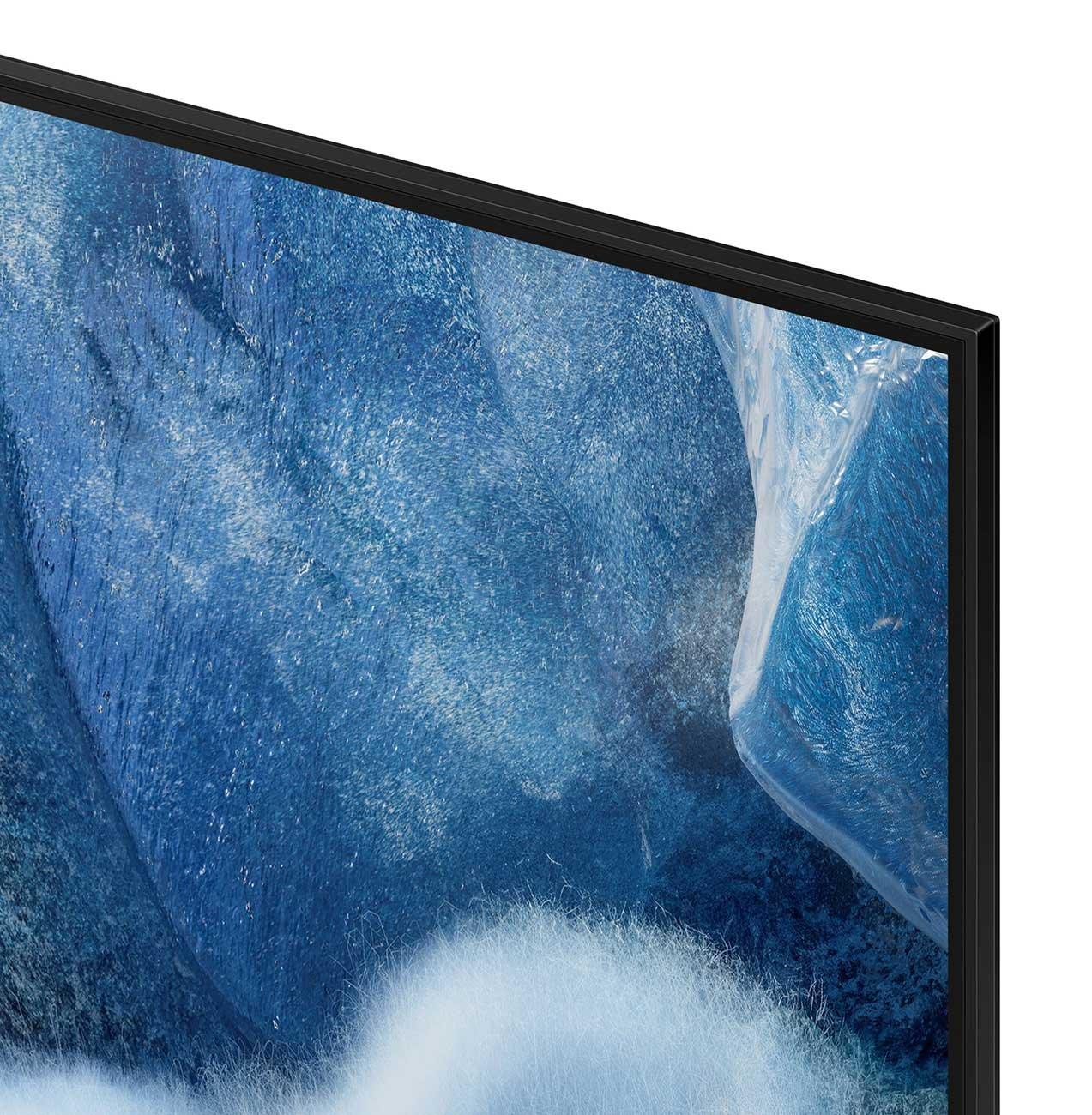
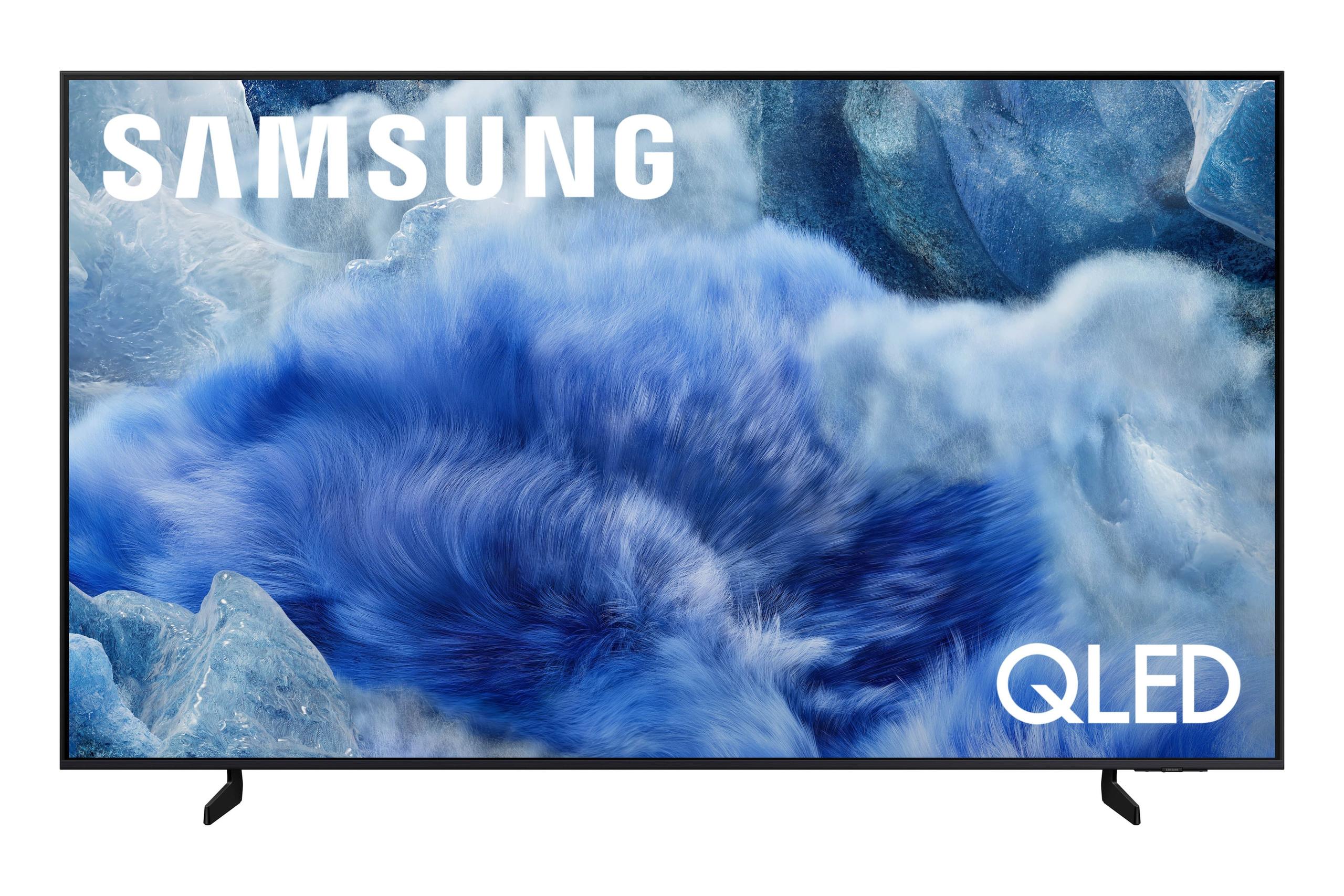
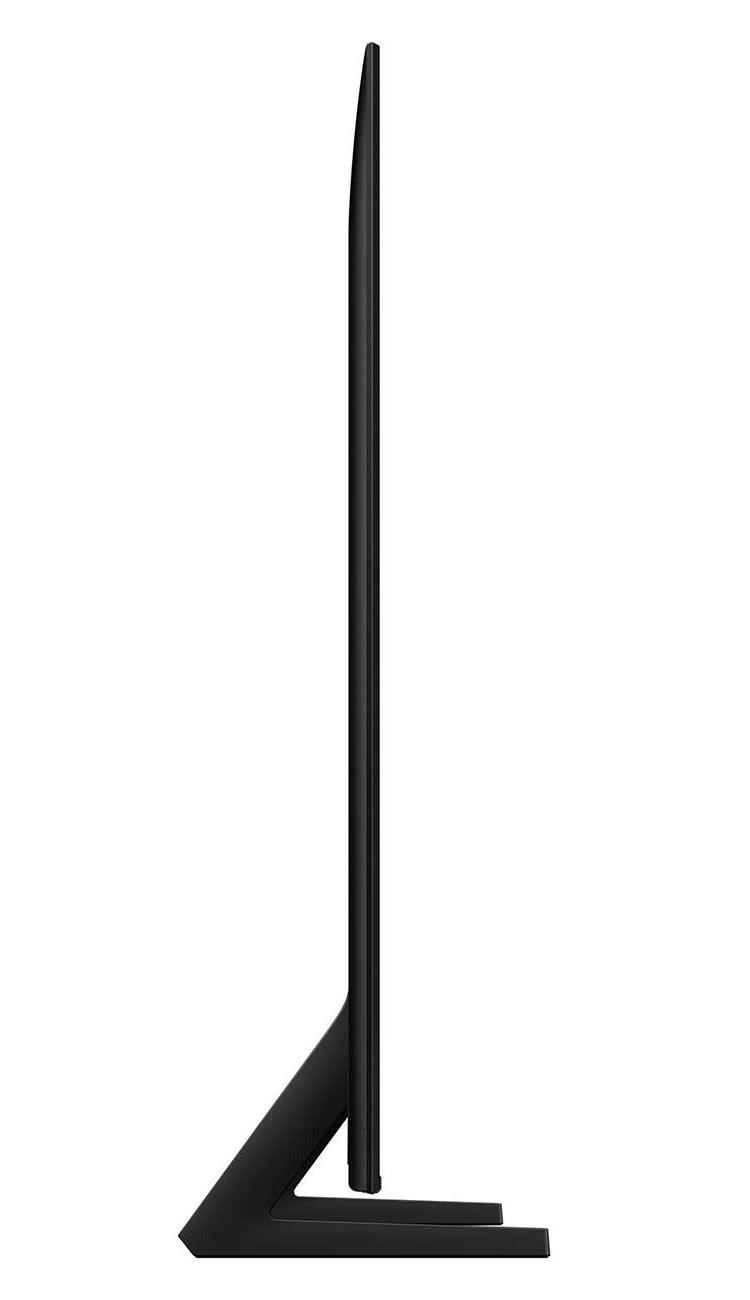
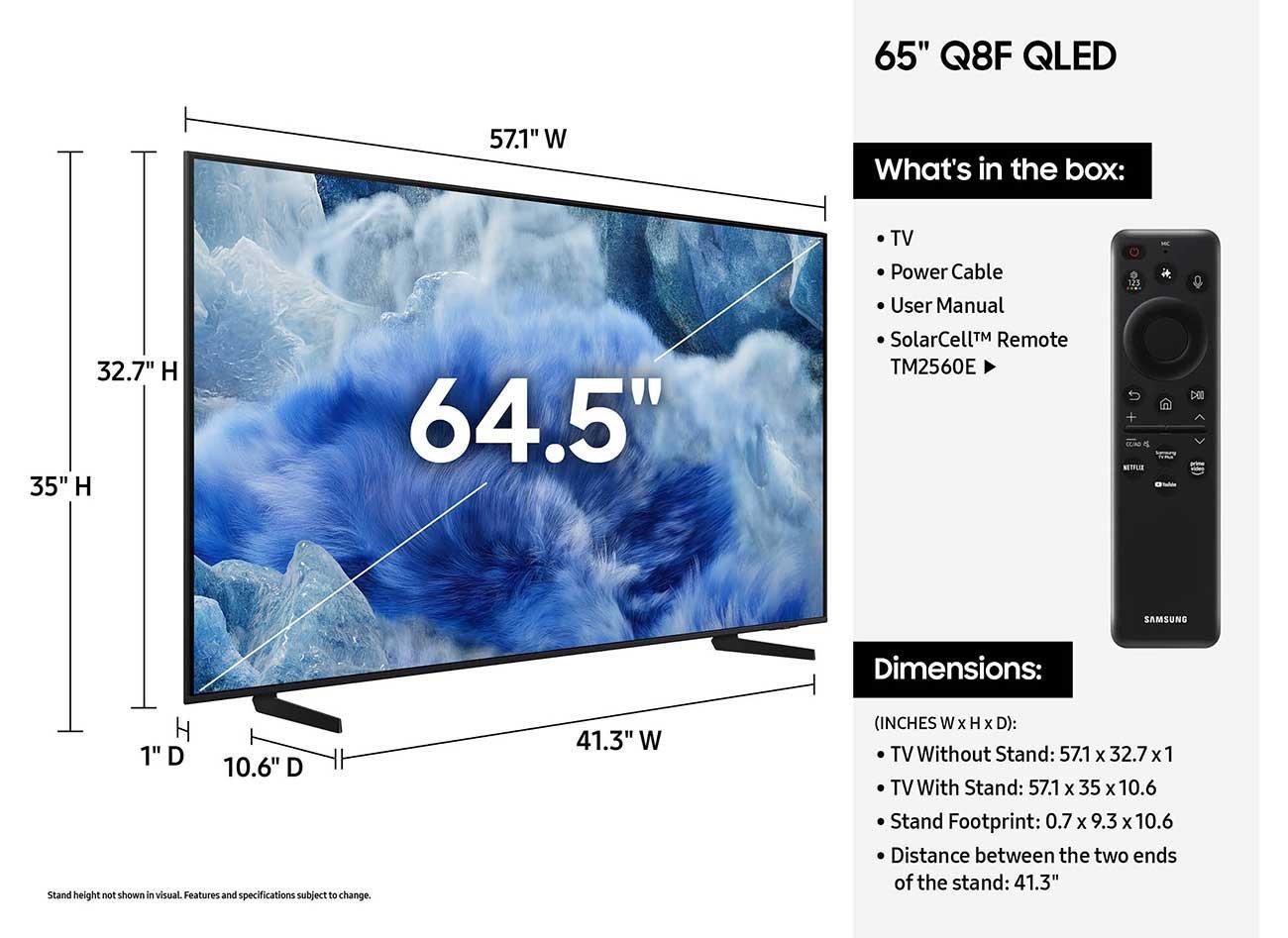
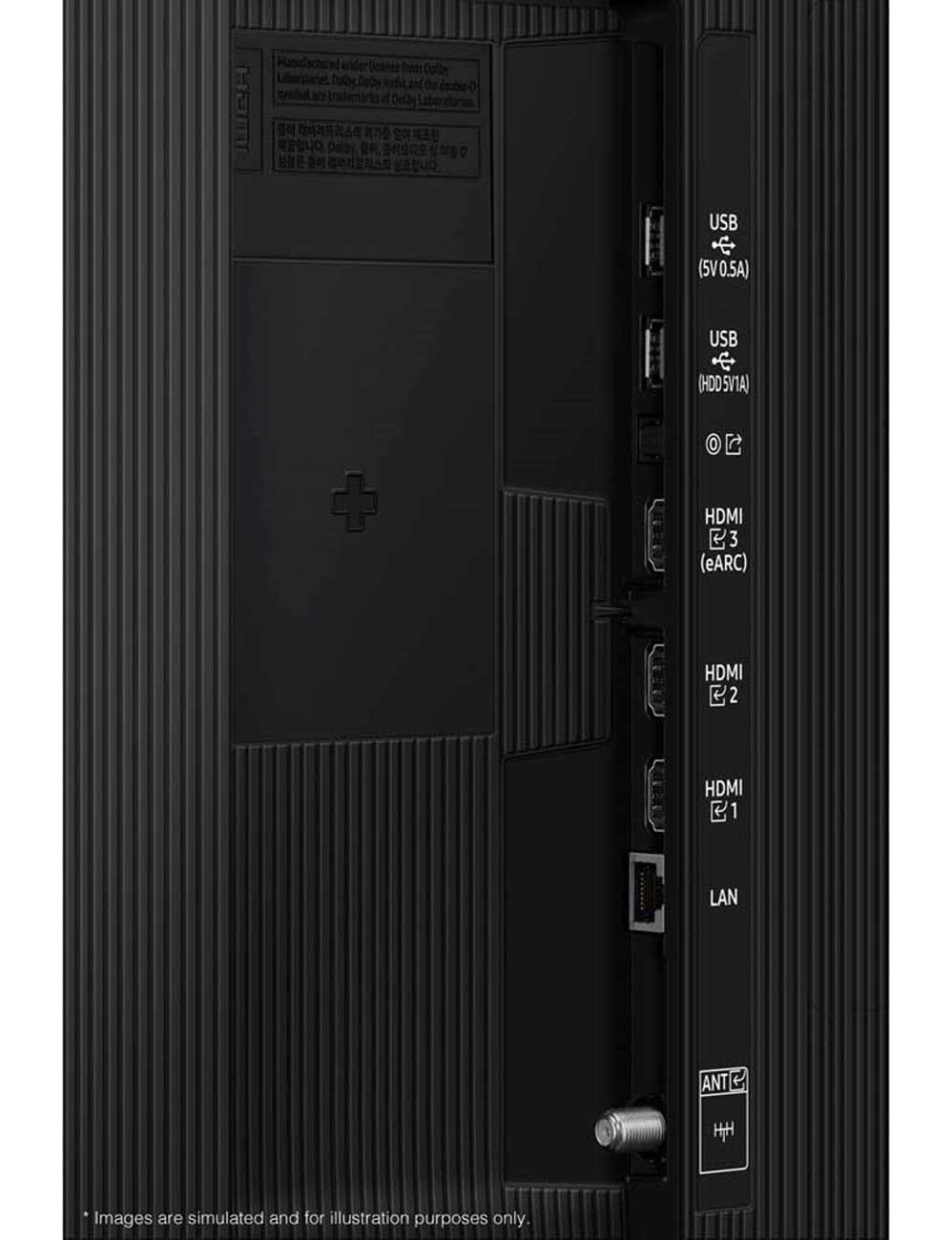
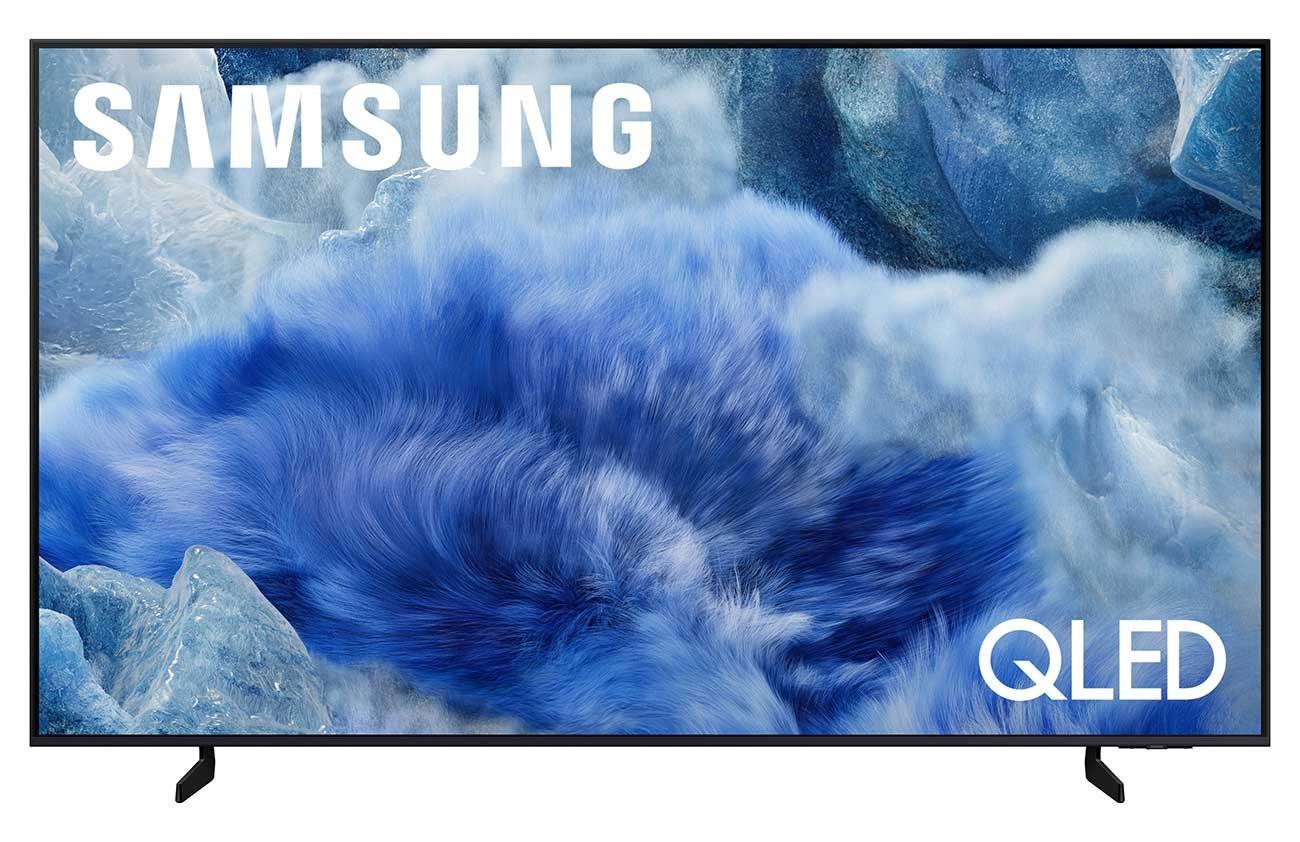
Shopping for a premium 65-inch TV in 2025 means choosing between two very different approaches to delivering stunning picture quality. The TCL 65" QM9K QD-Mini LED Smart TV represents the cutting edge of display technology, while the Samsung 65" QN8F Series QLED 4K Vision AI Smart TV focuses on refined performance and ecosystem integration. Both released in 2025, these TVs showcase how manufacturers are tackling the challenge of delivering cinema-quality visuals in your living room—but they take remarkably different paths to get there.
At the time of writing, premium 65-inch TVs typically range from $1,500 to $3,000, with these models positioned in the upper portion of that spectrum. The TCL QM9K generally offers more advanced display technology for the price, while the Samsung QN8F commands a premium for brand reputation and ecosystem benefits. Understanding what you're actually getting for your money requires diving deep into the technology that makes these TVs tick.
Before comparing these specific models, it's worth understanding how modern premium TVs create those jaw-dropping images. Both TVs use quantum dots—tiny semiconductor particles that emit pure colors when hit with light—but they implement this technology in fundamentally different ways.
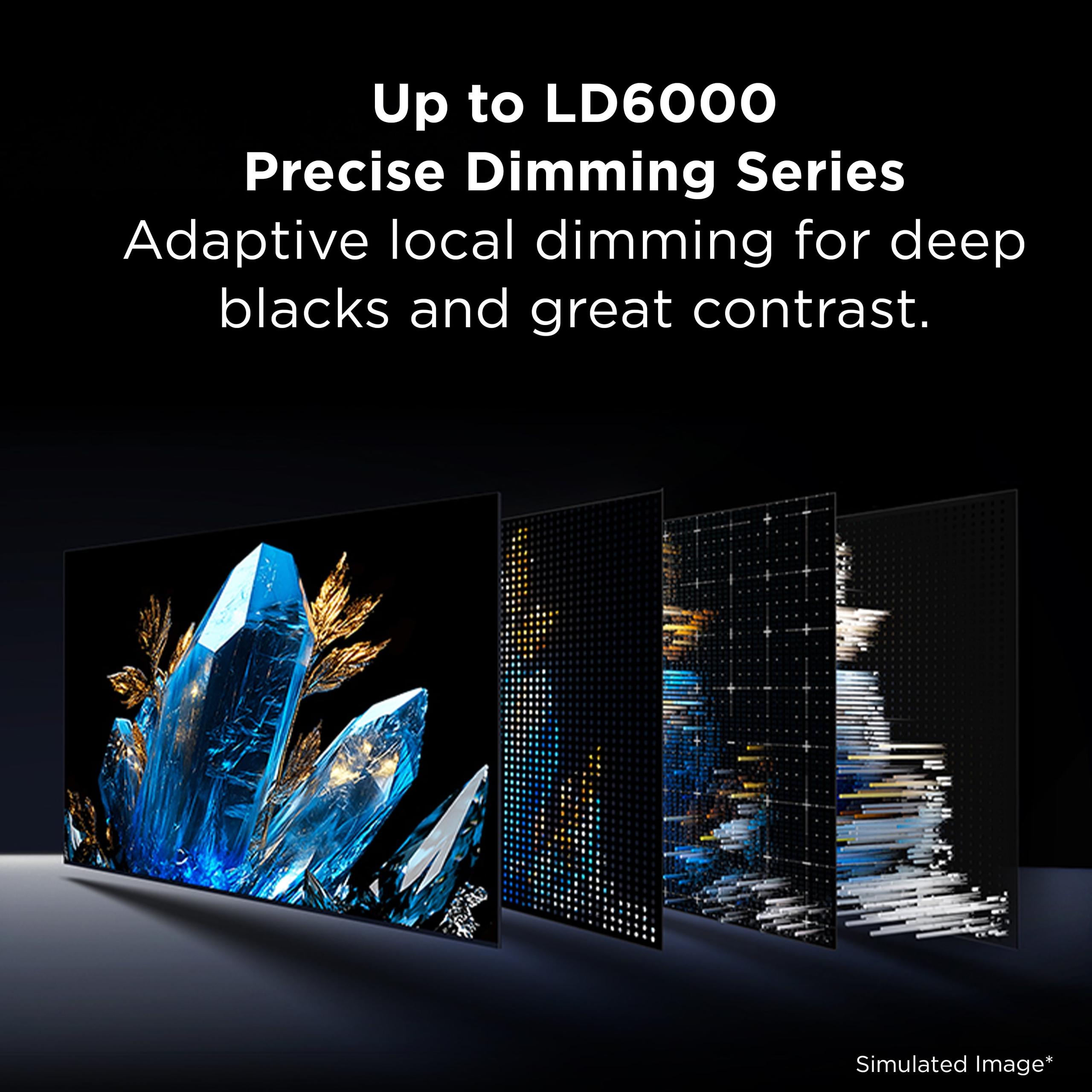
The TCL QM9K uses QD-Mini LED technology, which combines quantum dots with thousands of tiny LED backlights arranged in a grid behind the screen. Think of it like having thousands of individual flashlights, each capable of being dimmed or brightened independently. This creates what's called "local dimming zones"—the TCL QM9K has up to 6,000 of these zones, meaning it can control brightness in 6,000 different areas of the screen simultaneously.
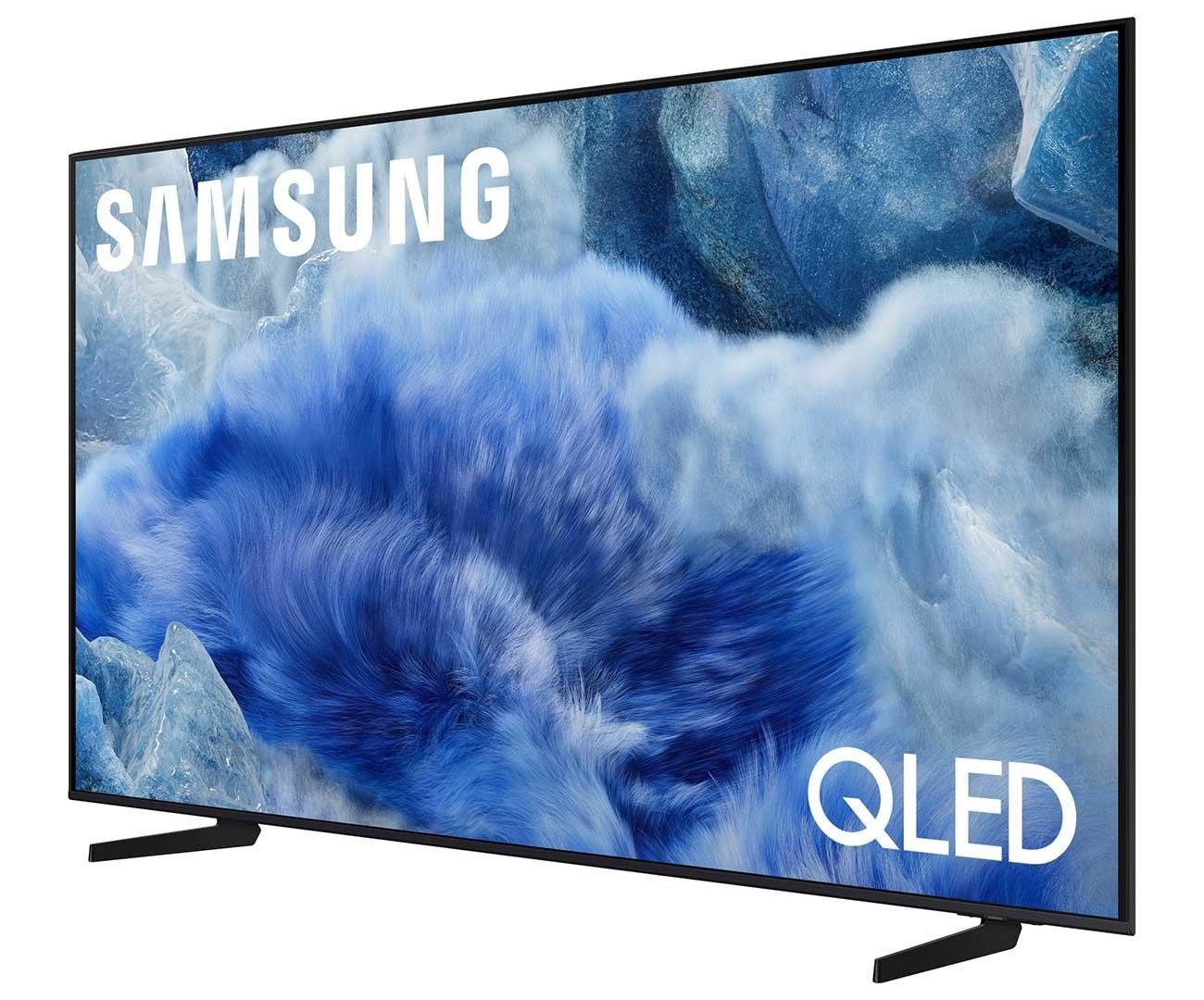
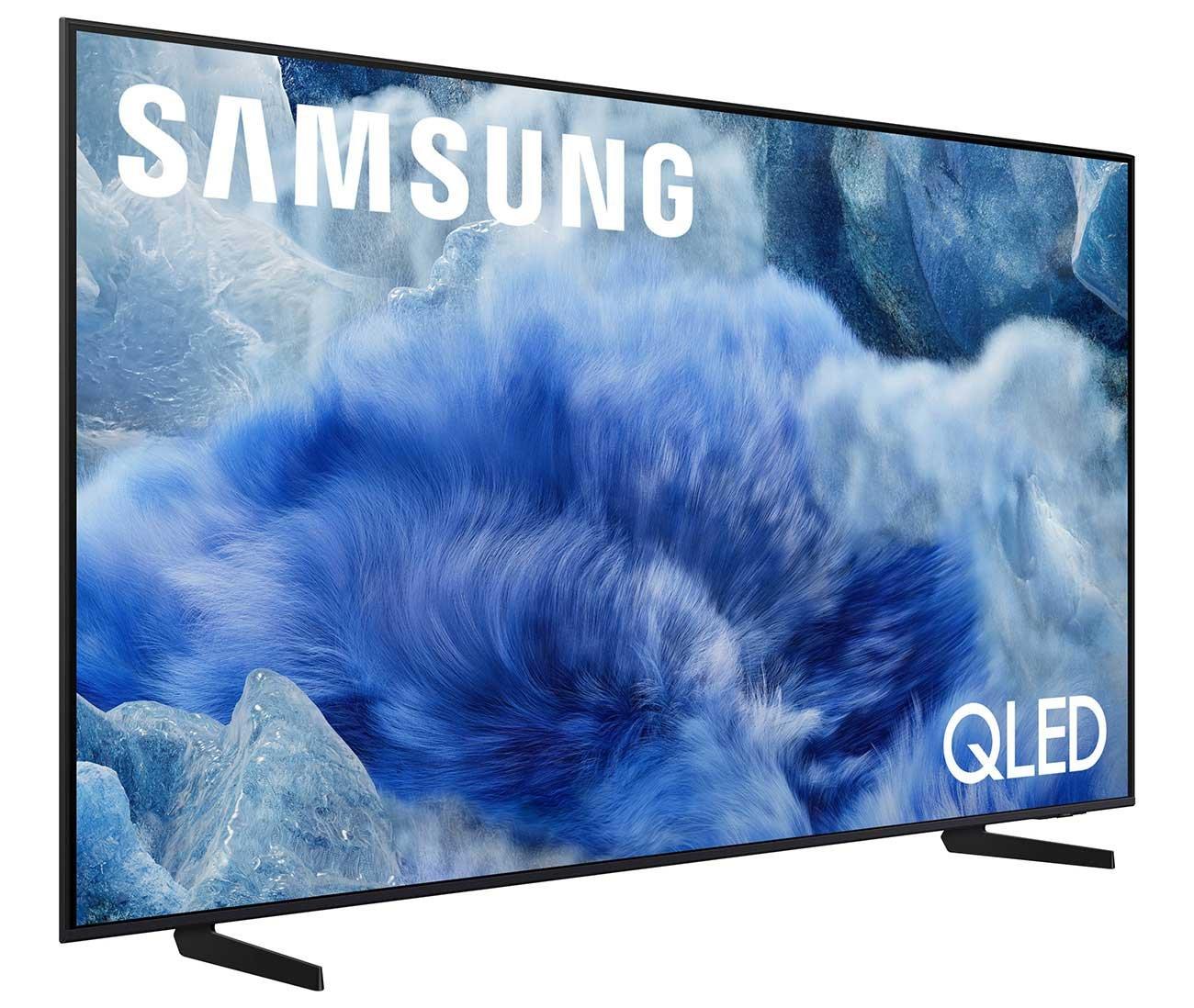
The Samsung QN8F uses traditional QLED technology with Dual LED backlighting. Instead of thousands of zones, it uses edge-mounted LEDs with sophisticated algorithms to control brightness across larger areas. Samsung's approach relies more heavily on software processing and their mature understanding of color science to deliver consistent, accurate images.
This is where the TCL QM9K absolutely shines—and it's probably the most important factor for overall picture quality. Those 6,000 local dimming zones allow the TV to achieve true blacks by completely shutting off LEDs in dark areas while keeping bright areas blazing. When you're watching a movie with a starry night scene, the TCL can make the black sky truly black while keeping the stars brilliantly white.
The Samsung QN8F, with its edge-lit design, can't achieve the same level of contrast. Dark scenes will appear more gray than black, especially when there are bright elements elsewhere on the screen. This isn't necessarily a dealbreaker—Samsung's processing is sophisticated enough that most casual viewers won't notice in normal viewing conditions—but it's a fundamental limitation of the technology.
Based on professional reviews and user feedback, the TCL QM9K delivers what many describe as "OLED-like" blacks with significantly higher brightness potential. This combination is particularly noticeable in home theater environments where you want that cinematic contrast between deep shadows and brilliant highlights.
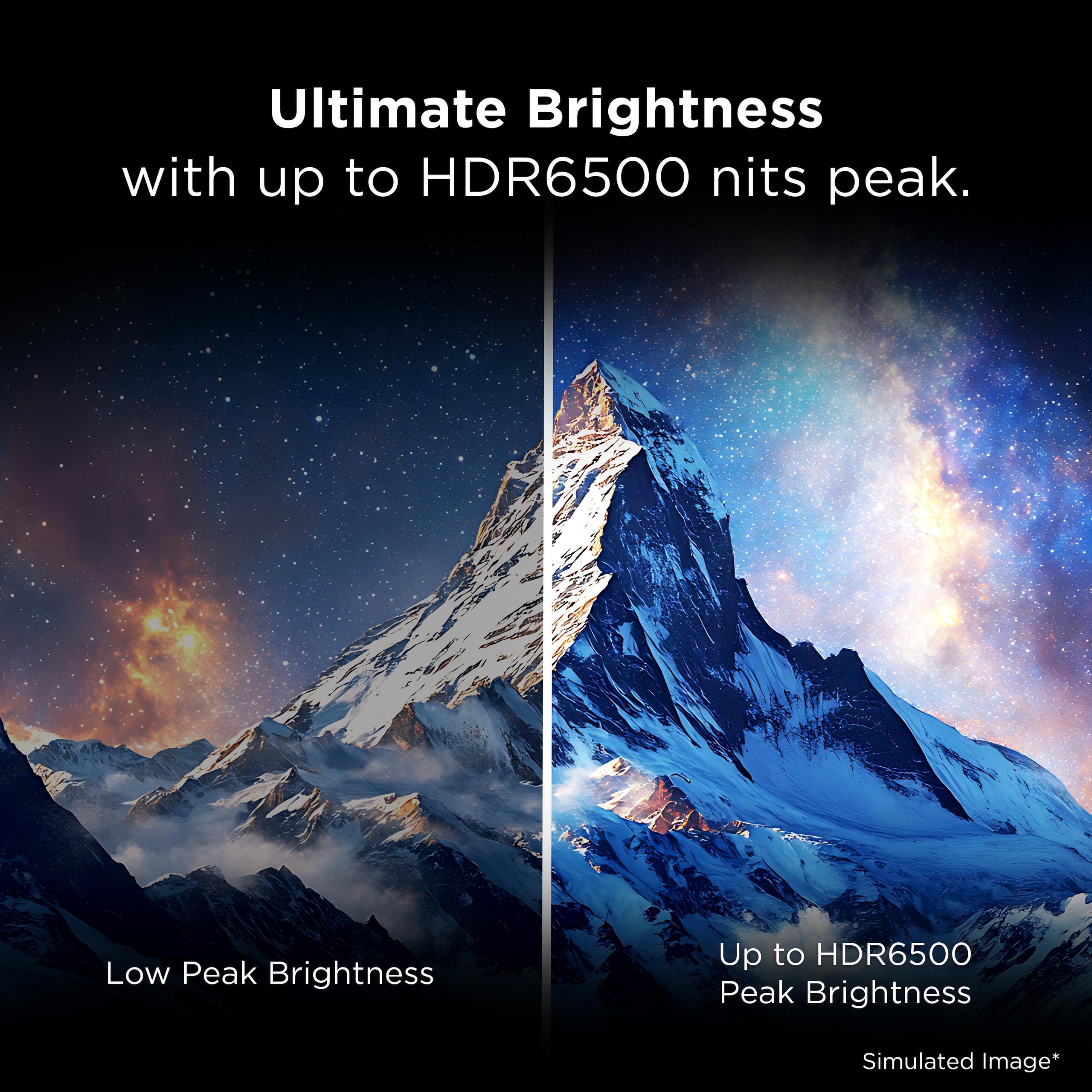
The brightness war has been heating up in recent years, and the TCL QM9K brings serious firepower with its HDR6500 certification—meaning it can hit 6,500 nits of peak brightness. To put this in perspective, that's brighter than most outdoor environments and about 65 times brighter than a typical indoor room. This extreme brightness serves two purposes: it makes HDR highlights truly pop, and it allows the TV to maintain excellent picture quality even in very bright rooms.
The Samsung QN8F doesn't publish specific brightness figures, but based on Samsung's typical specifications for this tier, it likely peaks around 1,000-2,000 nits. That's still plenty bright for most content, but the difference becomes apparent when watching HDR movies with sun glints, explosions, or other specular highlights that are meant to be eye-catchingly bright.
For bright room viewing—think afternoon football games or morning news—the TCL's superior brightness gives it a clear advantage in fighting glare and maintaining color saturation.
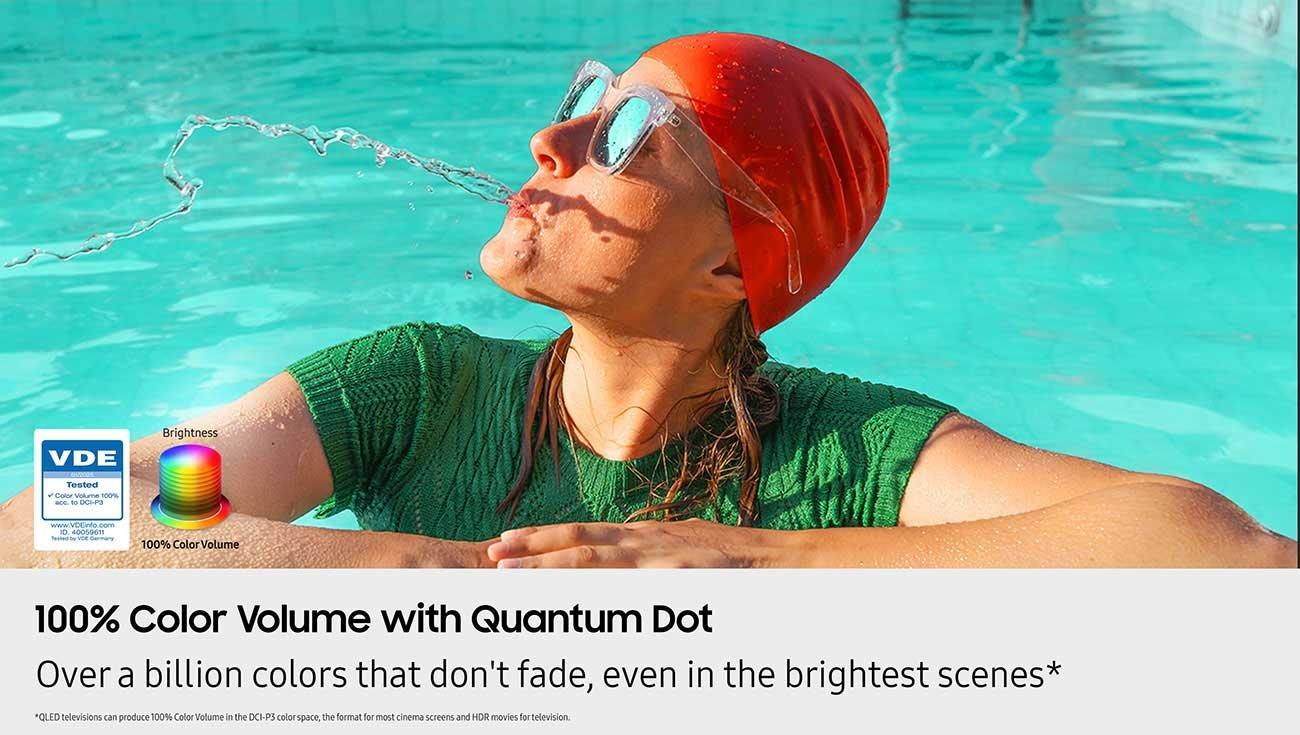
Here's where things get more nuanced. Samsung has been perfecting QLED technology for years, and their color science is exceptionally mature. The Samsung QN8F delivers what Samsung calls "100% Color Volume," meaning it can display a wide range of colors at various brightness levels. Out of the box, Samsung TVs typically have better color accuracy and more natural-looking skin tones.
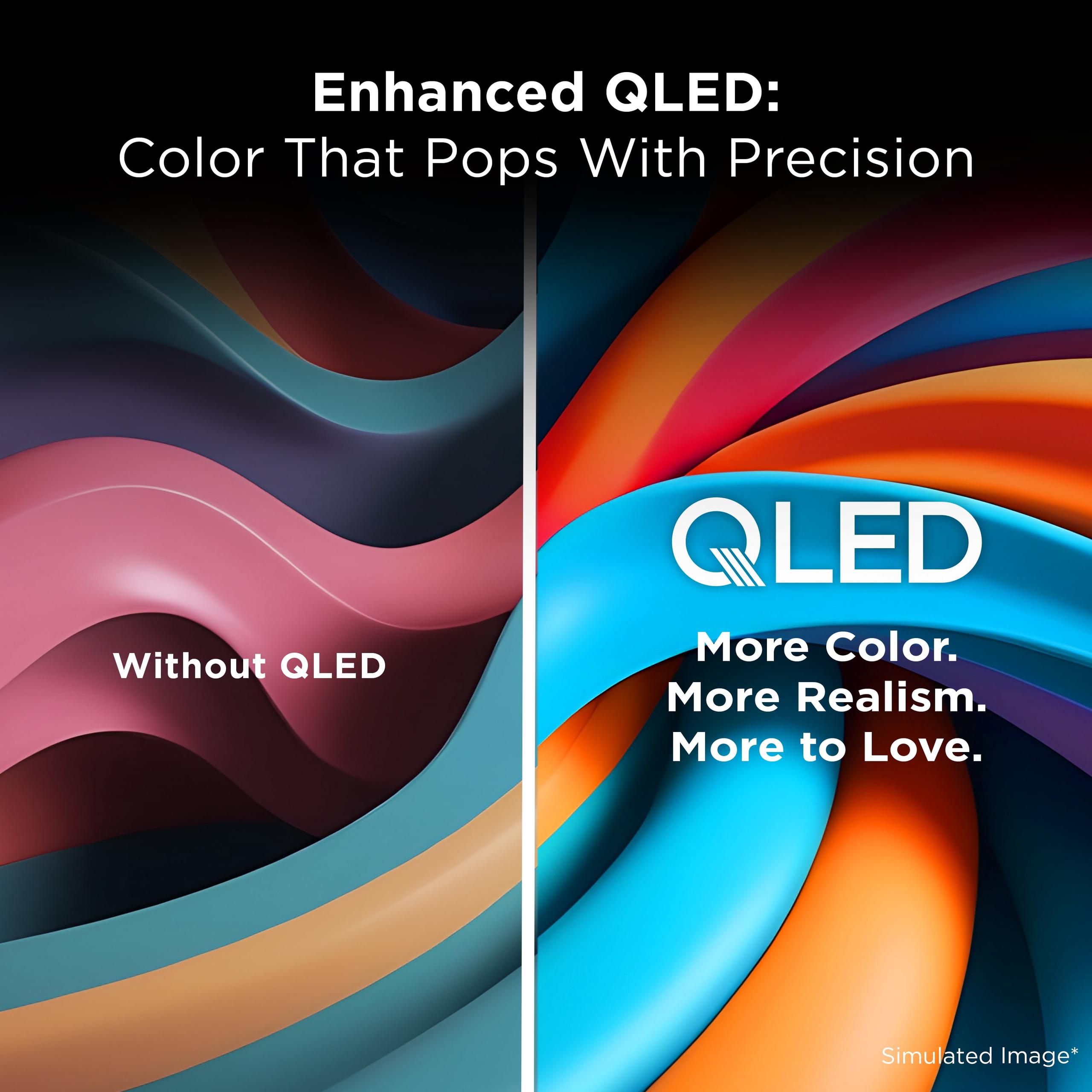
The TCL QM9K offers impressive color performance with its Enhanced QLED technology, covering 97% of the DCI-P3 color space—essentially the same range used in movie theaters. However, based on professional reviews, it may require some calibration to achieve optimal color accuracy, particularly in HDR modes where color mapping can be slightly aggressive.
For users who plan to use their TV straight out of the box without adjustment, the Samsung edges ahead. For enthusiasts willing to tweak settings or have the TV professionally calibrated, both can deliver excellent results.
Gaming on modern TVs has become incredibly important, especially with PlayStation 5 and Xbox Series X consoles capable of 4K gaming at high refresh rates. This is where the TCL QM9K demonstrates a clear technological advantage.
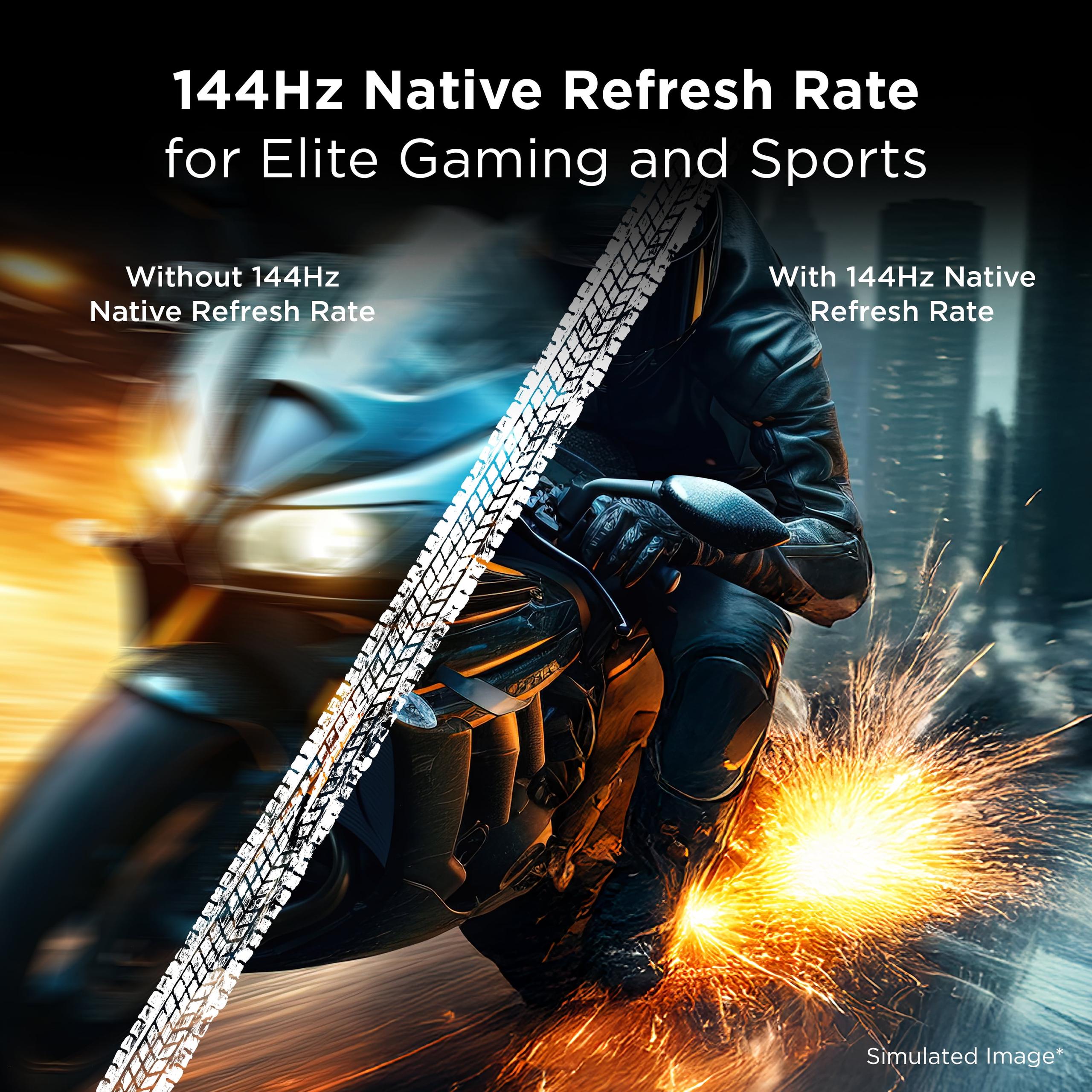
The TCL offers native 144Hz refresh rate across its entire display pipeline, meaning every component from input to screen is designed for high refresh rates. Its Game Accelerator 288 feature can push supported games to 288Hz at 1080p and 1440p resolutions—a frame rate so smooth it borders on ridiculous. Input lag measures just 5.3ms, which is essentially instantaneous for human perception.
The Samsung QN8F offers 120Hz native with Motion Xcelerator technology that can interpolate up to 144Hz. While this is perfectly adequate for most gaming scenarios, it's not quite as responsive as the TCL's native implementation.
For competitive gamers or anyone with a high-end PC, the TCL provides a noticeable advantage. The difference between 120Hz and 288Hz might sound academic, but in fast-paced shooters or racing games, that extra smoothness is genuinely perceptible.
Both TVs support Variable Refresh Rate (VRR) technology, which synchronizes the display's refresh rate with the console's output to eliminate screen tearing. However, the TCL's AMD FreeSync Premium Pro certification provides broader compatibility and better performance optimization.
The choice between Google TV and Samsung's Tizen platform often comes down to personal preference and existing device ecosystem.
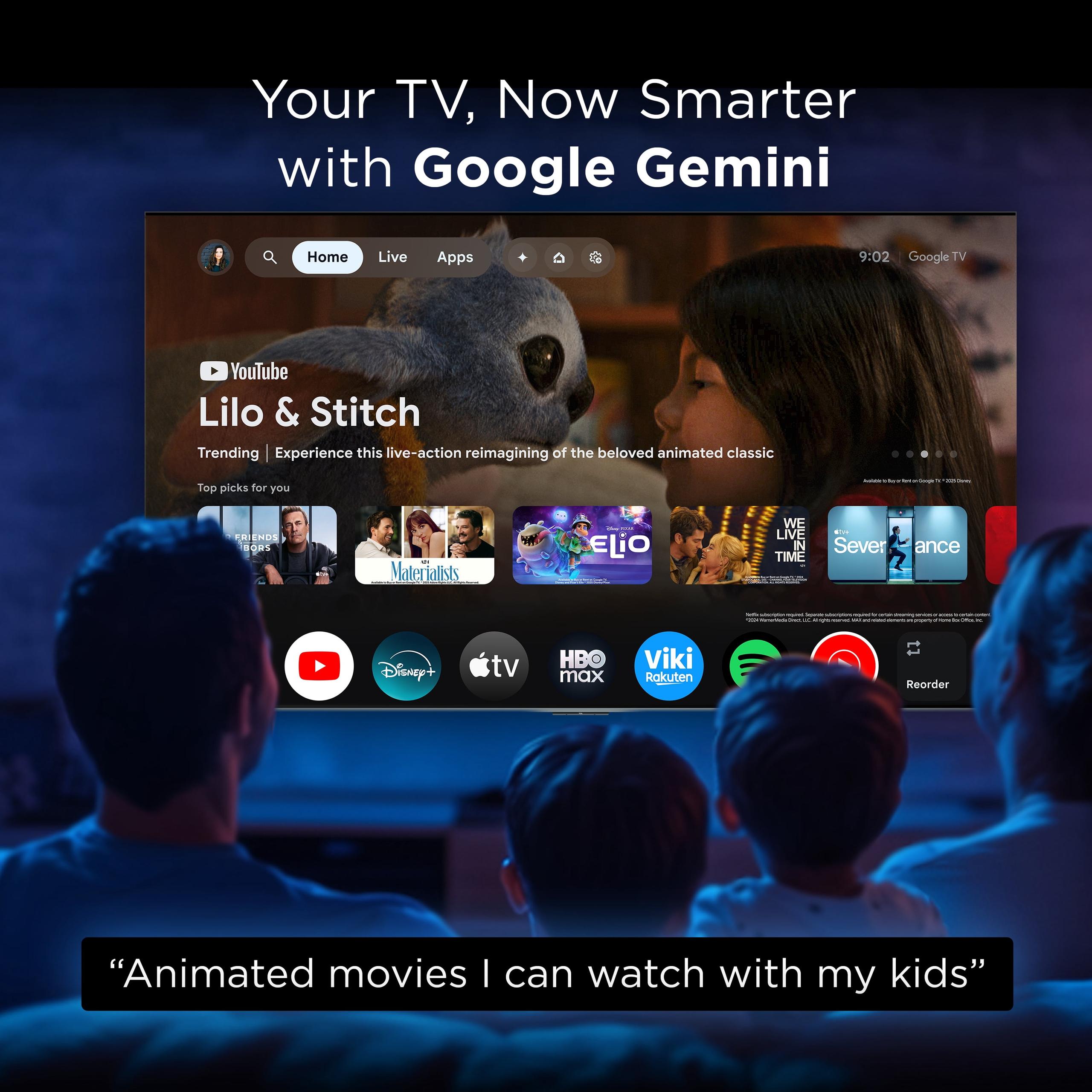
The TCL QM9K runs Google TV with integrated Gemini AI, representing Google's latest approach to smart TV interfaces. The platform excels at content discovery, using AI to recommend shows and movies across multiple streaming services. The interface is clean and focuses heavily on surfacing content you might want to watch. Voice control through Gemini is particularly impressive, handling complex queries like "show me action movies from the 1990s with good reviews."
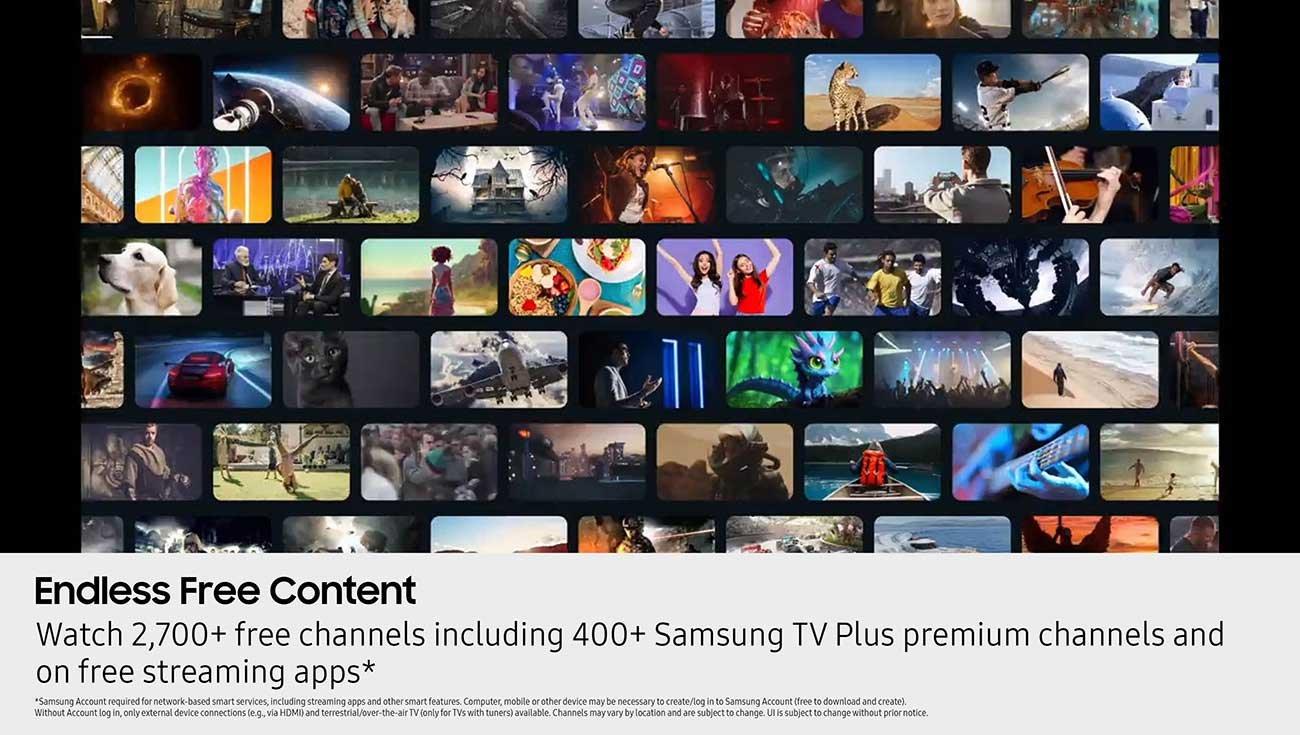
Samsung's Tizen platform on the QN8F has evolved into a mature, stable interface that integrates seamlessly with Samsung's broader ecosystem. If you own Samsung phones, tablets, or other smart home devices, the interconnectedness is genuinely useful. The 2025 version includes enhanced Bixby capabilities and unique features like Generative Wallpaper, which uses AI to create custom backgrounds based on your preferences.
From a pure functionality standpoint, both platforms handle the basics well—Netflix, YouTube, Disney+, and other major streaming services all work smoothly. The choice often comes down to whether you prefer Google's content-forward approach or Samsung's ecosystem integration.
TV audio has historically been an afterthought, but both manufacturers have made significant investments in sound quality. The TCL QM9K partners with Bang & Olufsen for audio tuning, resulting in a 2.1.1 channel system with a dedicated subwoofer on the 65-inch model. The sound is surprisingly full and dynamic, with Dolby Atmos support creating a sense of three-dimensional audio space.
The Samsung QN8F includes Adaptive Sound+ technology that analyzes content in real-time and adjusts audio settings accordingly. While the 20W 2-channel system isn't as powerful as the TCL's configuration, Samsung's processing creates surprisingly wide soundstage for a TV speaker system.
For most users, both will provide better audio than expected from built-in TV speakers, though serious home theater enthusiasts will likely add a dedicated sound system regardless.
In dedicated home theater environments where lighting can be controlled, the TCL QM9K becomes the clear choice. Those 6,000 local dimming zones create the kind of contrast that makes movies feel more cinematic. The combination of deep blacks and blazing highlights replicates the dynamic range that filmmakers intended when creating HDR content.
The TCL's support for virtually every HDR format—including Dolby Vision IQ, HDR10+, and IMAX Enhanced—ensures compatibility with premium content from streaming services and Ultra HD Blu-rays. The Motion Rate 480 with MEMC frame insertion helps smooth out motion in film content without introducing excessive artificial smoothness.
For home theater use, the Samsung QN8F performs well but can't match the TCL's contrast performance. However, Samsung's Filmmaker Mode preserves the director's intended color grading and motion cadence, which some purists prefer over any processing enhancements.
Samsung's reputation for reliability and long-term software support gives the QN8F an advantage for buyers who prioritize stability over cutting-edge features. Samsung typically provides software updates for 4-6 years and has a well-established service network.
TCL has improved significantly in recent years, but the QM9K represents relatively new technology implementation. While early reviews are positive, the long-term reliability of such complex local dimming systems remains to be proven over years of use.
Choose the TCL QM9K if you want the absolute best picture quality available at this price point. The superior contrast, extreme brightness, and advanced gaming features make it ideal for enthusiasts who prioritize performance. It's particularly compelling for dedicated home theater setups, serious gaming, or bright room viewing where its technical advantages are most apparent.
The Samsung QN8F makes more sense for users who value reliability, ecosystem integration, and refined user experience over cutting-edge specifications. It's the safer choice for buyers who want excellent performance without the complexity of adjusting advanced settings or dealing with potential early-adopter issues.
At the time of writing, the TCL typically offers more display technology for the money, while the Samsung commands a premium for brand reputation and polished software experience. For most buyers prioritizing picture quality and gaming performance, the TCL QM9K represents better value. For those who prefer proven reliability and seamless smart home integration, the Samsung QN8F justifies its premium pricing.
Both are excellent TVs that will satisfy most users, but understanding these fundamental differences helps ensure you choose the one that best matches your priorities and viewing environment.
| TCL 65" QM9K QD-Mini LED Smart TV | Samsung 65" QN8F Series QLED 4K Vision AI Smart TV 2025 |
|---|---|
| Display Technology - Determines contrast performance and black levels | |
| QD-Mini LED with up to 6,000 local dimming zones | QLED with Dual LED and Supreme UHD Dimming |
| Peak Brightness - Critical for HDR impact and bright room viewing | |
| 6,500 nits (HDR6500 certified) | Undisclosed, estimated 1,000-2,000 nits |
| Gaming Refresh Rate - Essential for smooth competitive gaming | |
| Native 144Hz, up to 288Hz with Game Accelerator | 120Hz native, up to 144Hz with Motion Xcelerator |
| Input Lag - Lower is better for responsive gaming | |
| 5.3ms (excellent for competitive gaming) | Not specified (likely 10-15ms typical for Samsung) |
| VRR Gaming Support - Eliminates screen tearing | |
| AMD FreeSync Premium Pro | Standard VRR support |
| Smart TV Platform - Affects daily user experience | |
| Google TV with Gemini AI | Tizen with enhanced Bixby |
| Audio System - Important if not using external speakers | |
| Bang & Olufsen tuned, 2.1.1 channels with subwoofer | 20W 2CH with Adaptive Sound+ |
| HDR Format Support - Ensures compatibility with premium content | |
| HDR10, HDR10+, Dolby Vision IQ, HLG, IMAX Enhanced | HDR10, HDR10+ (Adaptive/Gaming), Quantum HDR+ |
| Color Accuracy - Affects out-of-box picture quality | |
| Enhanced QLED, 97% DCI-P3 (may need calibration) | 100% Color Volume with mature color science |
| Motion Processing - Reduces blur in fast content | |
| Motion Rate 480 with MEMC | Motion Xcelerator 144Hz |
| HDMI 2.1 Ports - Future-proofs for next-gen consoles | |
| 4 HDMI ports (2 with full HDMI 2.1 at 4K/144Hz) | Not specified (likely 2-4 HDMI 2.1 ports) |
| Voice Control - Convenience for smart home integration | |
| Hands-free Google Gemini with presence sensor | Enhanced Bixby with far-field voice interaction |
| Build Quality Reputation - Long-term reliability expectations | |
| Improving but newer to premium segment | Established premium brand with proven reliability |
The TCL 65" QM9K QD-Mini LED Smart TV delivers superior picture quality with up to 6,000 local dimming zones and 6,500 nits peak brightness. This creates deeper blacks and brighter highlights compared to the Samsung 65" QN8F Series QLED 4K Vision AI Smart TV 2025, which uses traditional QLED technology. For home theater viewing, the TCL QM9K provides more cinematic contrast.
The TCL 65" QM9K QD-Mini LED Smart TV is clearly superior for gaming with native 144Hz refresh rate, 5.3ms input lag, and Game Accelerator 288 supporting up to 288Hz at lower resolutions. The Samsung QN8F offers 120Hz with good gaming features but can't match the TCL's performance for competitive gaming.
Both offer excellent smart platforms, but they serve different preferences. The Samsung 65" QN8F Series QLED 4K Vision AI Smart TV 2025 runs Tizen with seamless Samsung ecosystem integration, while the TCL QM9K uses Google TV with superior content discovery and Gemini AI voice control. Choose based on your existing device ecosystem.
The TCL 65" QM9K QD-Mini LED Smart TV excels in bright rooms thanks to its exceptional 6,500 nits peak brightness, easily overcoming glare and maintaining vibrant colors. The Samsung QN8F performs adequately in bright rooms but can't match the TCL's anti-glare capabilities.
The TCL QM9K offers superior audio with Bang & Olufsen tuning, a 2.1.1 channel system including a subwoofer, and Dolby Atmos support. The Samsung 65" QN8F Series QLED 4K Vision AI Smart TV 2025 provides decent 20W 2-channel audio with Adaptive Sound+ but lacks the depth and power of the TCL's audio system.
Samsung has a stronger reputation for long-term reliability and software support, with the Samsung QN8F backed by years of proven quality control. The TCL 65" QM9K QD-Mini LED Smart TV represents newer technology that's impressive but lacks Samsung's established track record for durability and ongoing updates.
The TCL QM9K typically offers more advanced display technology per dollar, with Mini LED backlighting and superior gaming features usually found in much more expensive TVs. The Samsung 65" QN8F Series QLED 4K Vision AI Smart TV 2025 commands a premium for brand reputation but may not match the TCL's performance-to-price ratio.
Both TVs support all major streaming services like Netflix, YouTube, Disney+, and Amazon Prime. The TCL QM9K with Google TV may have a slight edge in app availability through Google Play Store, while the Samsung QN8F offers excellent app support with Samsung's established developer relationships.
The TCL 65" QM9K QD-Mini LED Smart TV excels for sports viewing with superior brightness for daytime games, excellent motion handling with Motion Rate 480, and vivid colors that make games pop. The Samsung 65" QN8F Series QLED 4K Vision AI Smart TV 2025 also handles sports well but the TCL has the edge in bright room performance.
The TCL QM9K delivers superior HDR with 6,500 nits peak brightness and support for all major HDR formats including Dolby Vision IQ and IMAX Enhanced. The Samsung 65" QN8F Series QLED 4K Vision AI Smart TV 2025 supports HDR10+ and Quantum HDR+ but can't match the TCL's extreme brightness for HDR highlights.
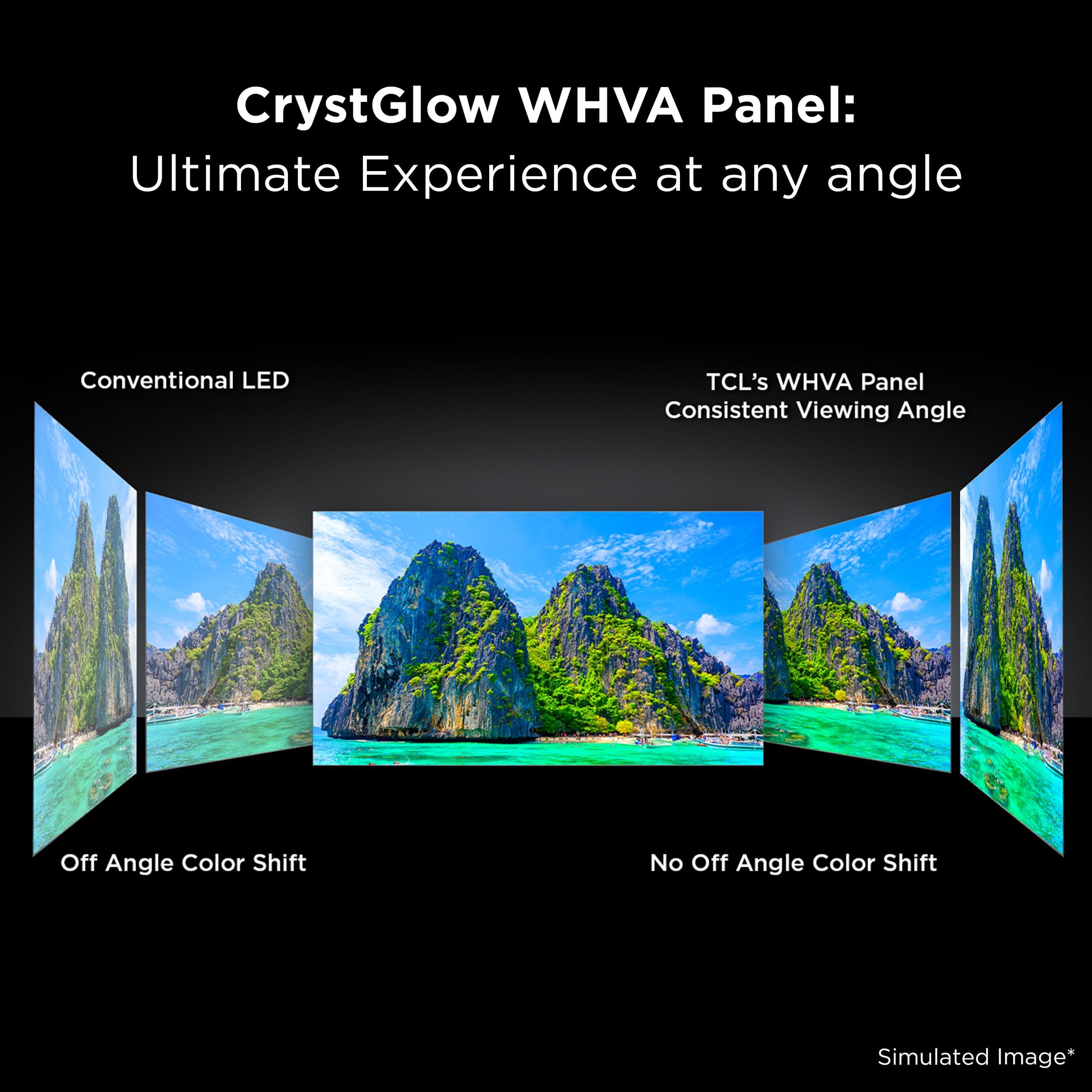
The Samsung QN8F typically offers better viewing angles due to its QLED panel design, maintaining color accuracy when viewed from the side. The TCL 65" QM9K QD-Mini LED Smart TV with its Mini LED technology may show some color shifting at extreme angles, though it's still acceptable for most living room setups.
For a dedicated home theater with controlled lighting, the TCL 65" QM9K QD-Mini LED Smart TV is the clear choice. Its superior contrast with 6,000 local dimming zones, exceptional HDR performance, and comprehensive format support create a more cinematic experience. The Samsung QN8F is excellent but can't match the TCL's contrast performance in dark room viewing.
We've done our best to create useful and informative comparisons to help you decide what product to buy. Our research uses advanced automated methods to create this comparison and perfection is not possible - please contact us for corrections or questions. These are the sites we've researched in the creation of this article: rtings.com - bestbuy.com - youtube.com - youtube.com - youtube.com - techaeris.com - displayspecifications.com - pcrichard.com - residentialsystems.com - us.tcl.com - displayspecifications.com - valueelectronics.com - woodruffappliance.com - tcl.com - pcrichard.com - tcl.com - techradar.com - tcl.com - us.tcl.com - youtube.com - youtube.com - bestbuy.com - youtube.com - bestbuy.com - samsung.com - rtings.com - youtube.com - samsung.com - pcrichard.com - abt.com - images.samsung.com - cnet.com - news.samsung.com - samsung.com - bestbuy.com

Privacy Policy
Terms and Conditions - Affiliate Policy
Home Security
© Copyright 2008-2026.
11816 Inwood Rd #1211, Dallas, TX 75244