

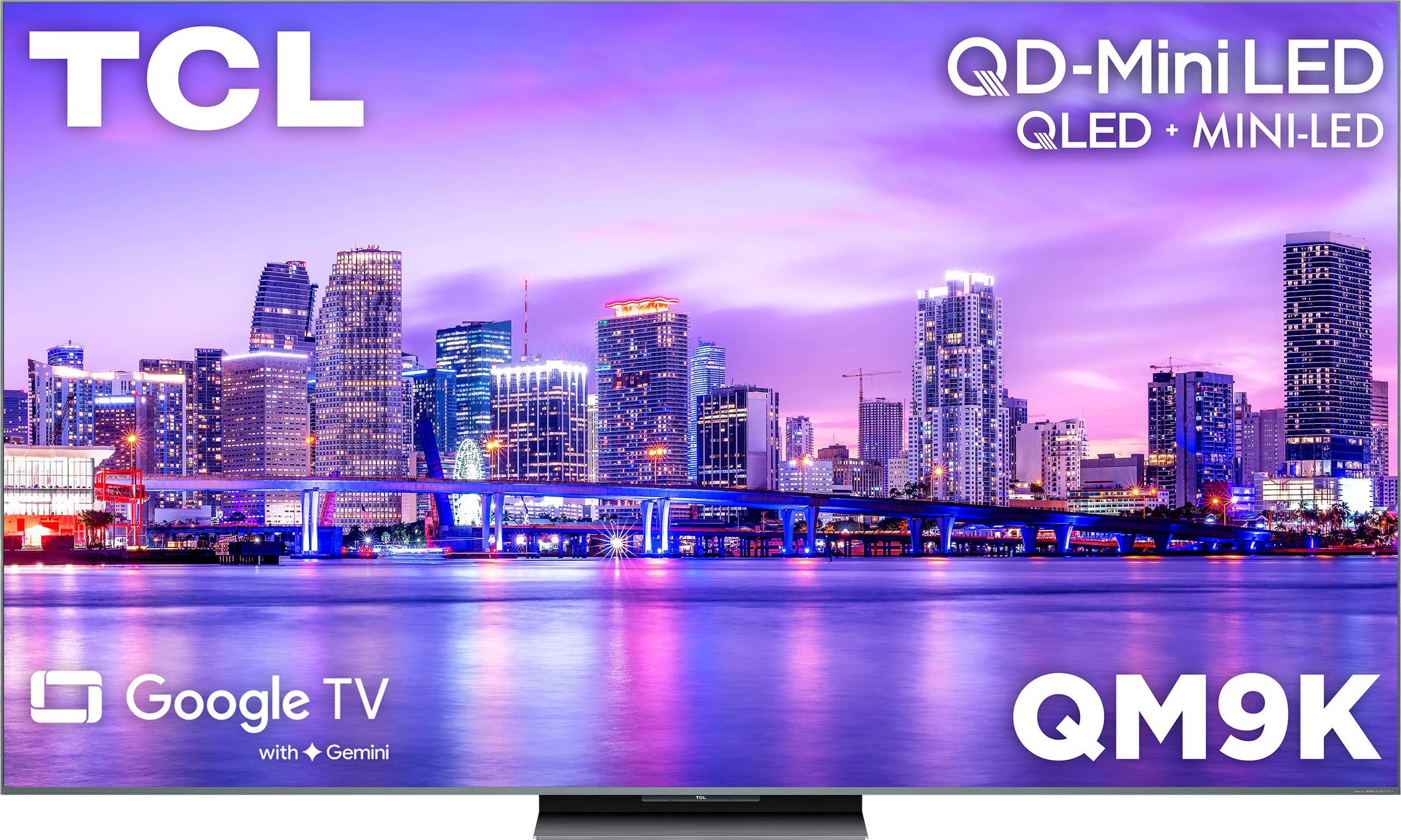
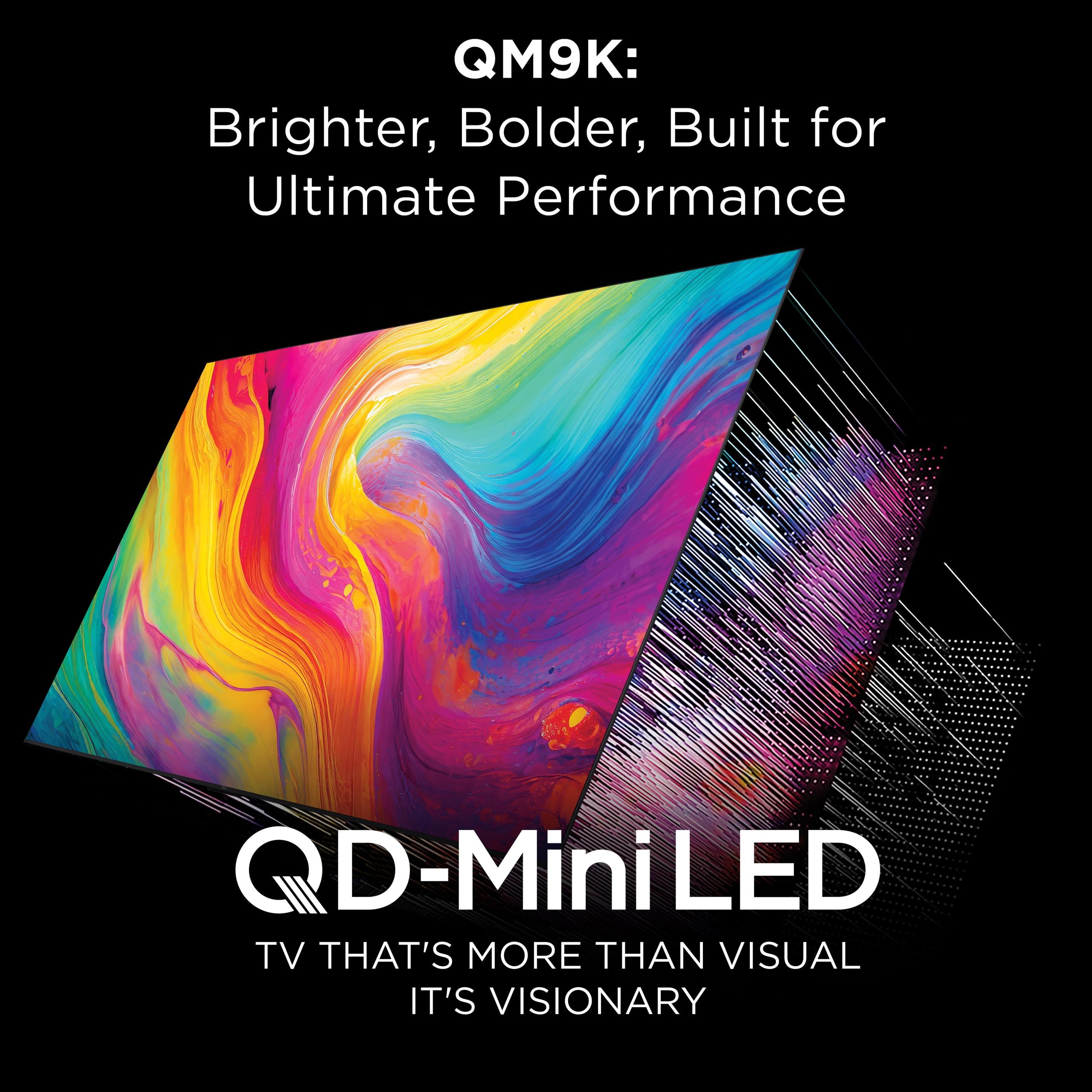
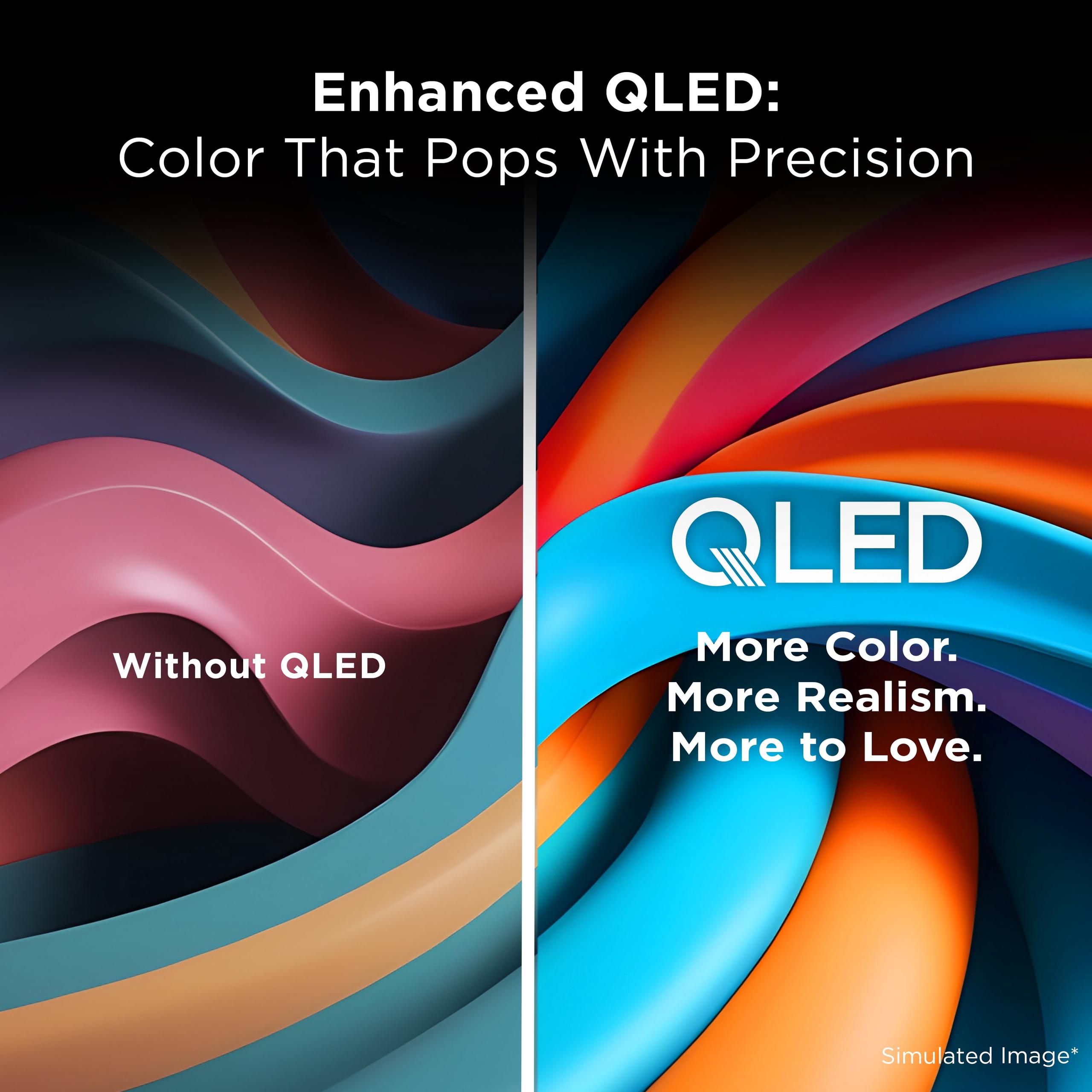
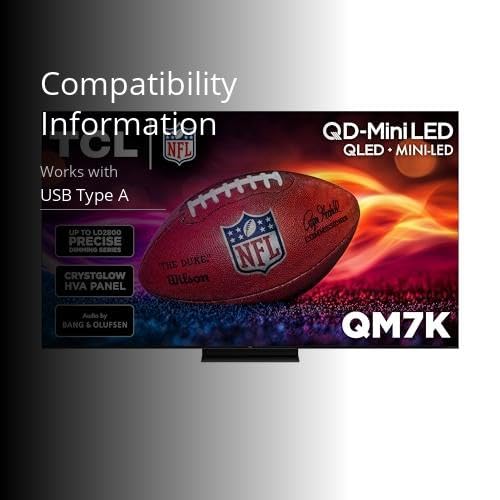
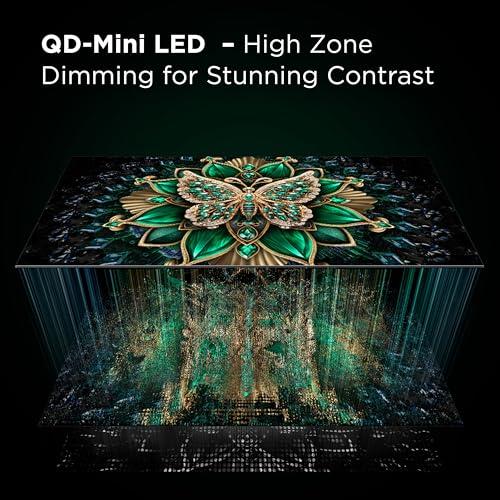
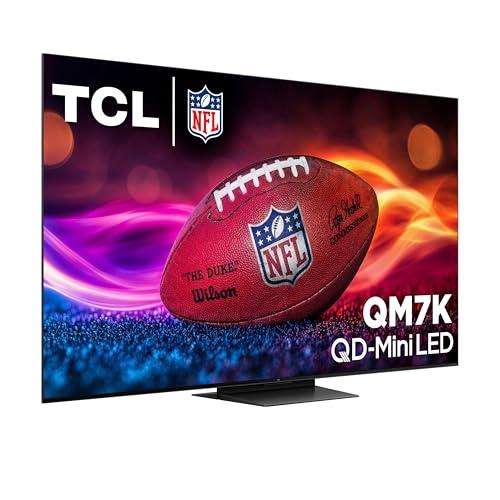
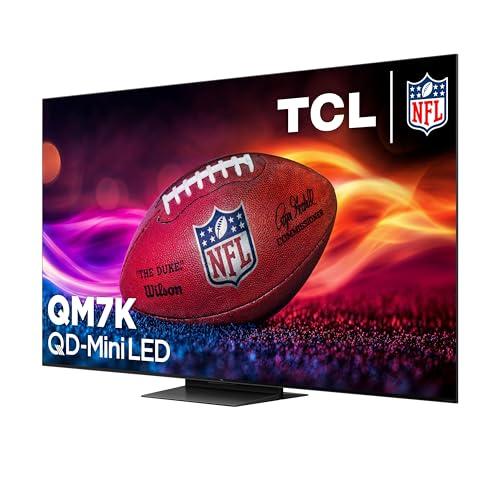
Mini-LED TVs have revolutionized the television landscape since their mainstream introduction around 2020, offering a compelling middle ground between traditional LED TVs and premium OLED displays. These displays use thousands of tiny LEDs as the backlight source, creating precise local dimming zones that can independently control brightness. Think of it like having thousands of individual flashlights behind your TV screen, each one able to dim or brighten to match what's happening in that specific area of the picture.
The result? You get the deep blacks and high contrast that make OLED TVs so appealing, but with the superior brightness that LED technology provides. This makes Mini-LED perfect for bright living rooms where OLED might struggle, while still delivering that cinematic experience in dark home theaters.
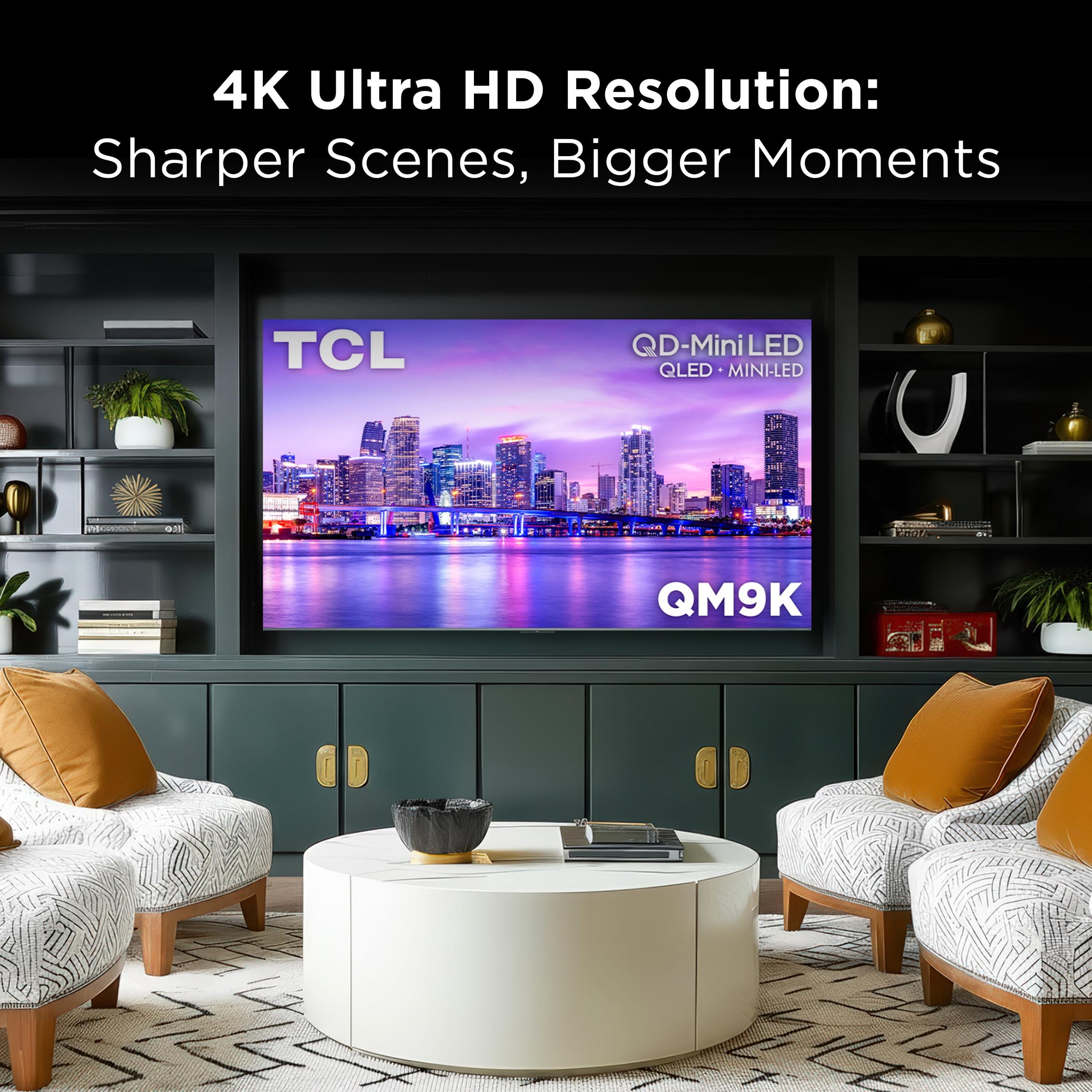
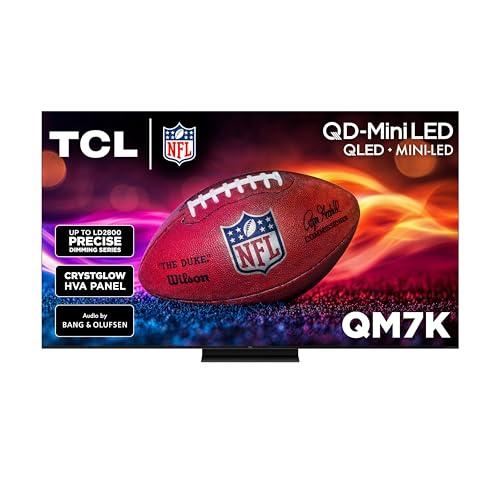
TCL has emerged as a leader in this space, and their 2025 lineup showcases just how far the technology has advanced. Today we're comparing two standout models: the flagship TCL QM9K and the premium mid-range TCL QM7K. Both represent significant improvements over their 2024 predecessors, but they target different audiences and budgets.
The TCL QM9K sits at the top of TCL's 2025 Mini-LED hierarchy as their flagship model. At the time of writing, it typically retails for around three thousand dollars, though sales can bring it closer to fifteen hundred. The TCL QM7K, meanwhile, serves as the premium mid-range option, usually priced around fifteen hundred dollars but often available for under a thousand during promotions.
This positioning is crucial because it reflects TCL's strategy of democratizing premium TV technology. The QM7K aims to deliver 90% of flagship performance at a significantly lower price, while the QM9K represents the no-compromises approach for enthusiasts who want the absolute best.
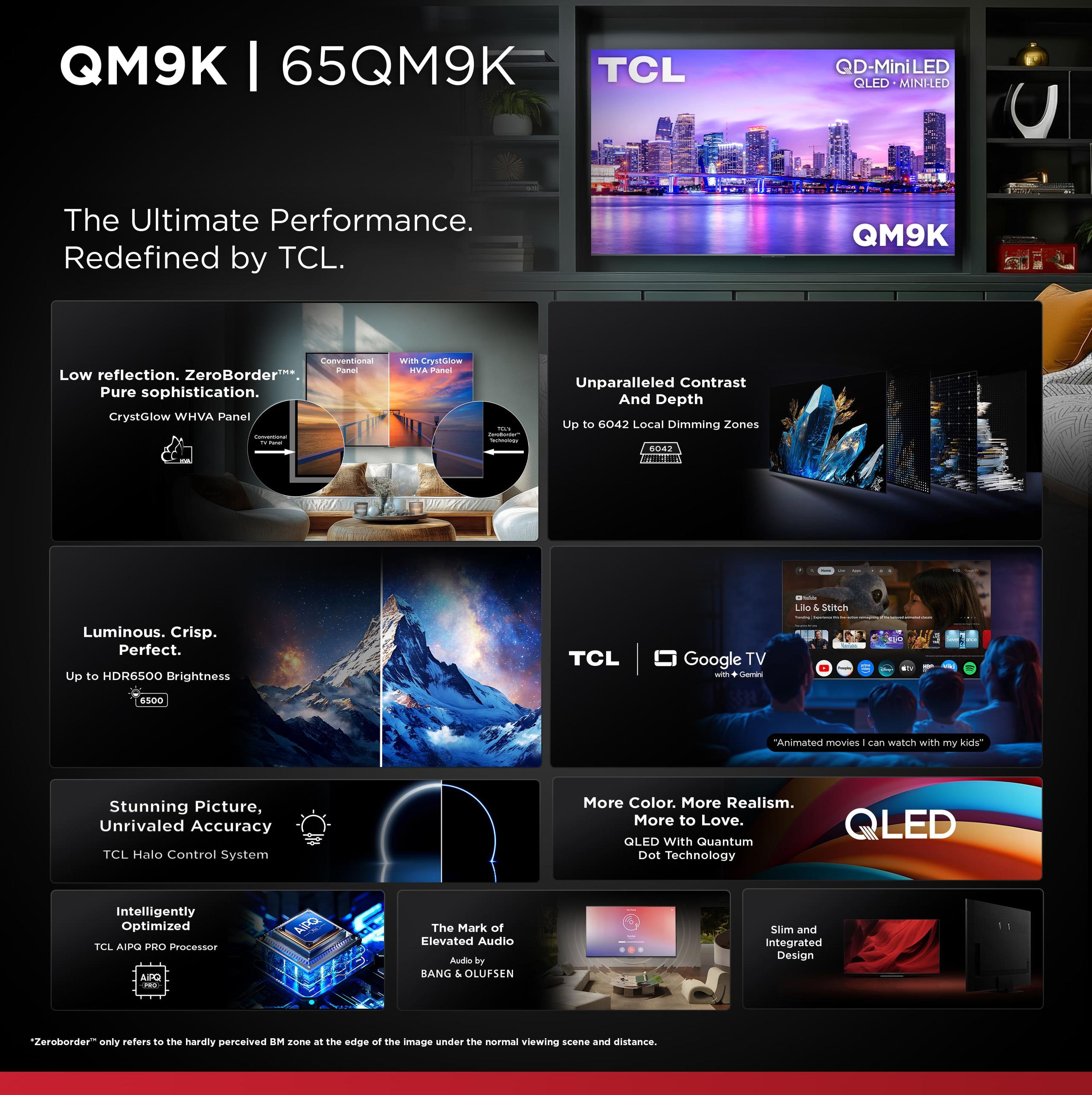
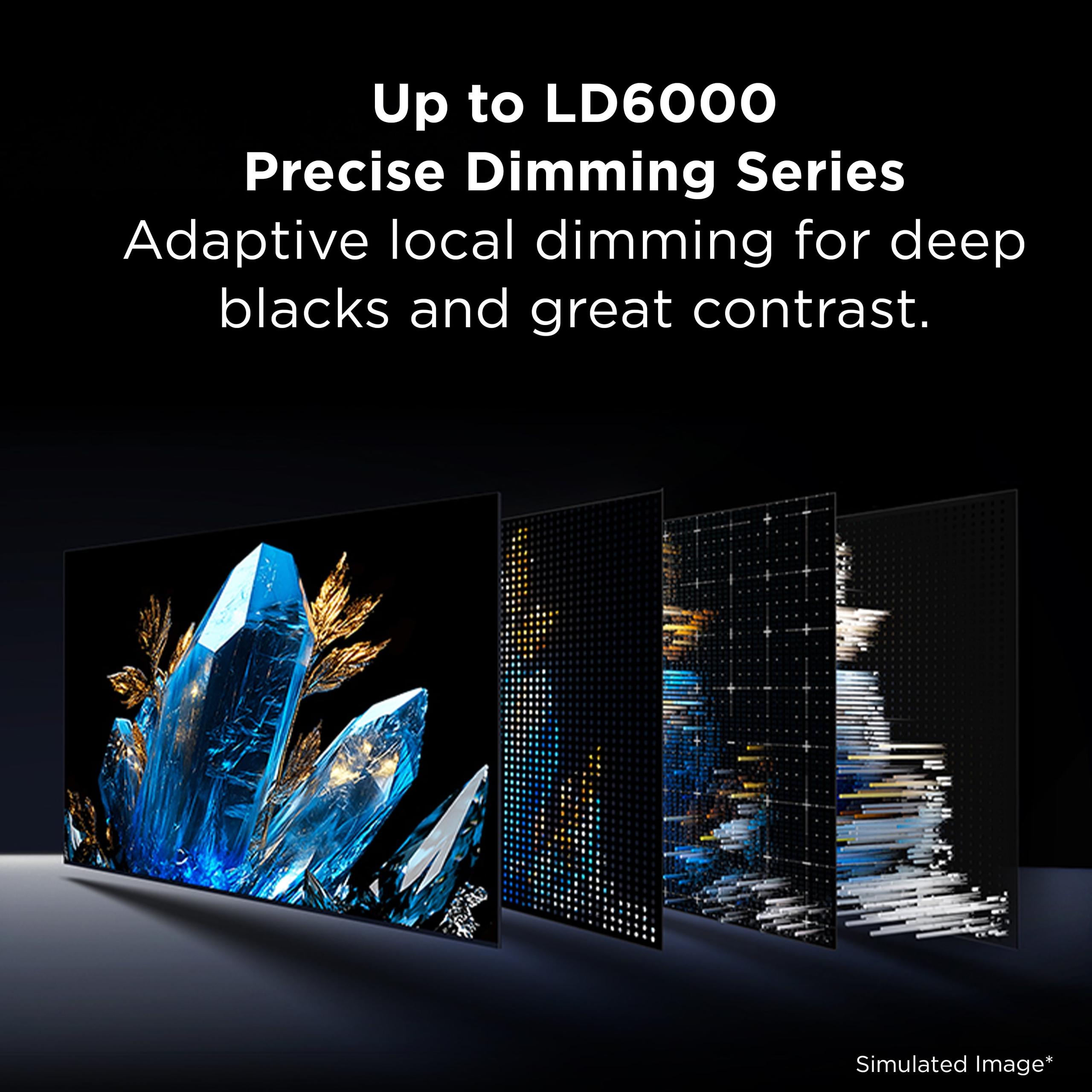
The most significant difference between these TVs lies in their approach to local dimming. The TCL QM9K features up to 6,000 precise dimming zones, while the QM7K offers around 2,500. To understand why this matters, imagine watching a movie scene with a bright full moon against a pitch-black sky. Each dimming zone can independently control its brightness, so more zones mean more precise control over light and shadow.
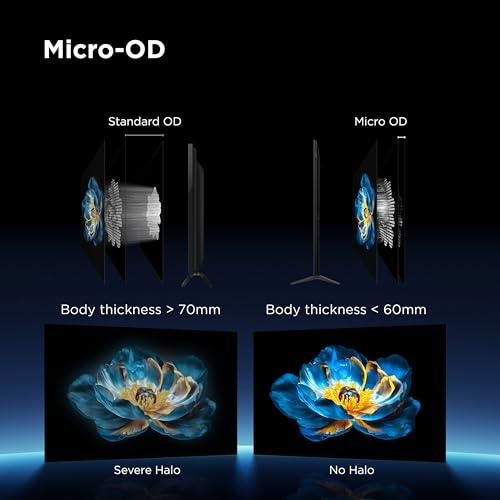
The QM9K's superior zone count translates directly to better contrast control and significantly reduced blooming—that annoying halo effect you sometimes see around bright objects on dark backgrounds. This becomes particularly noticeable in challenging content like space movies or dark TV shows with occasional bright elements.
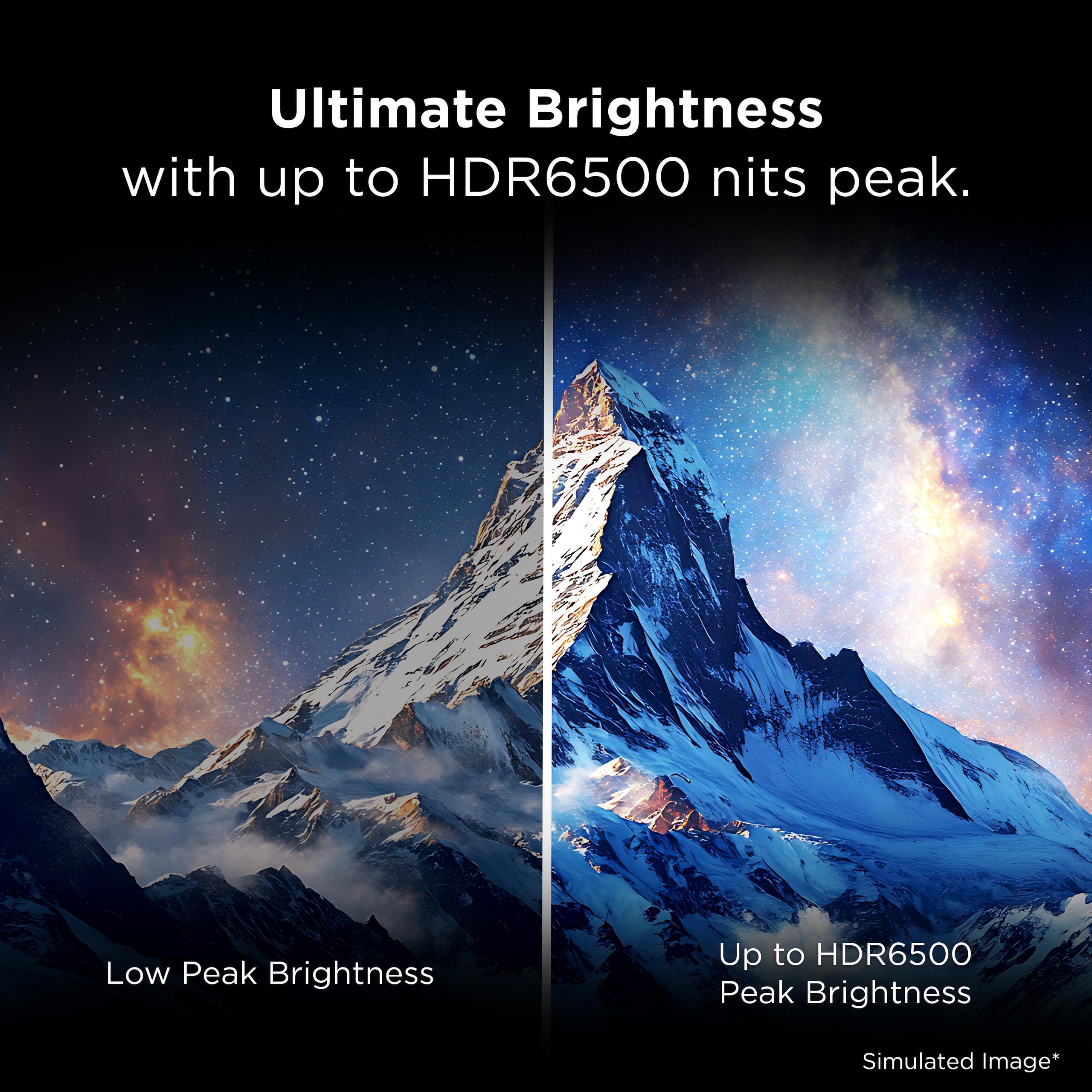
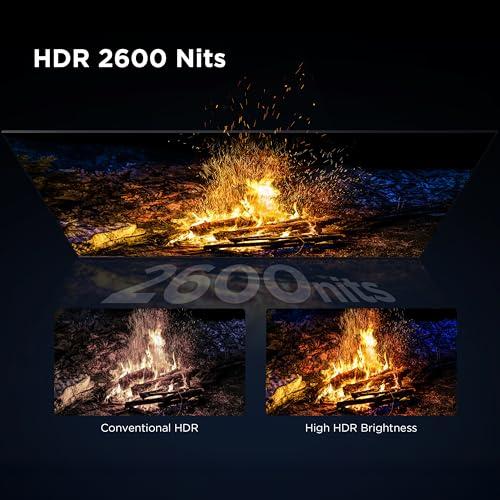
Peak brightness is another area where the QM9K flexes its flagship muscles. With HDR peak brightness reaching 6,500 nits compared to the QM7K's 2,600-3,000 nits, the difference is immediately apparent in HDR content. Those bright highlights—think explosions, sunlight, or car headlights—literally pop off the screen with an intensity that makes standard TVs look dull in comparison.
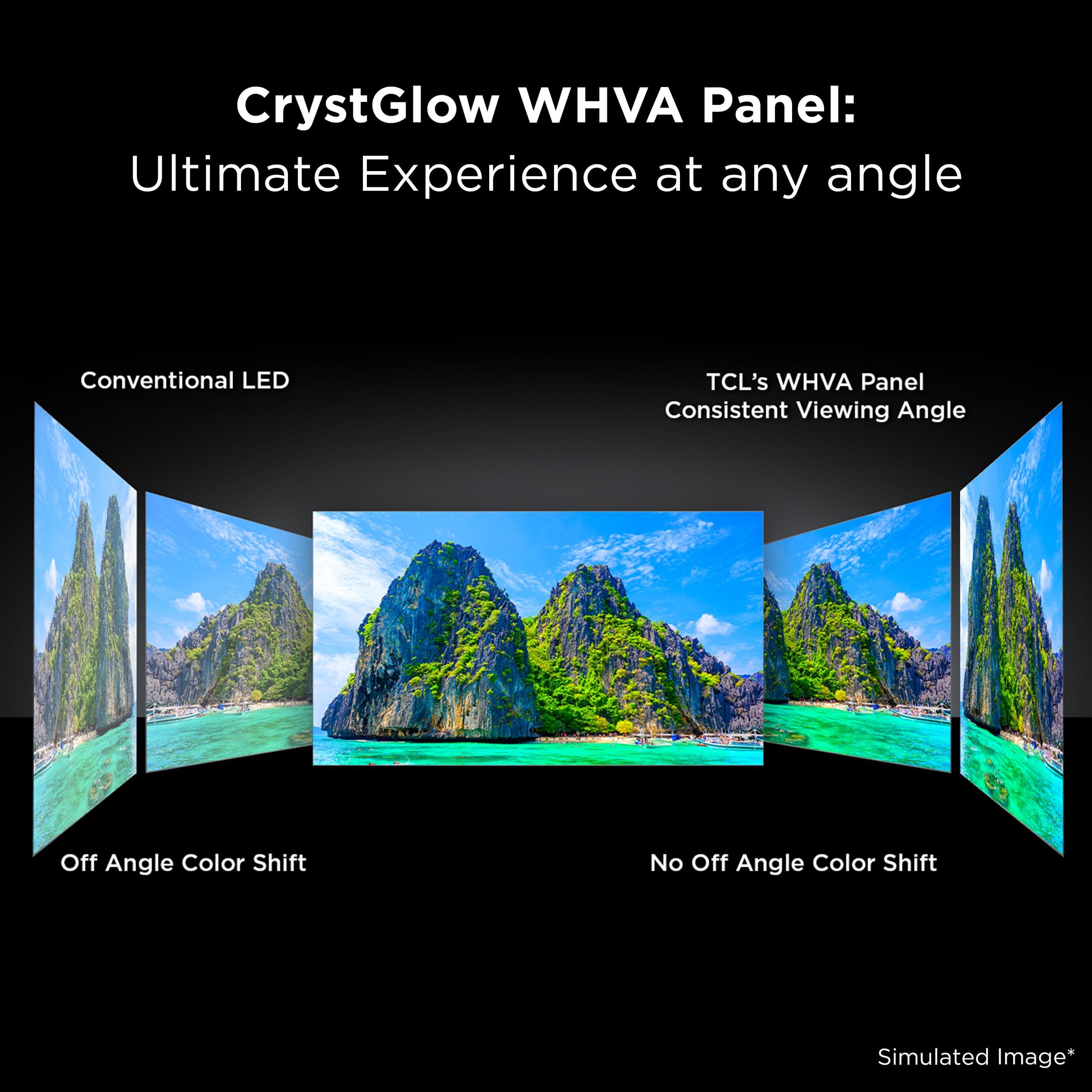
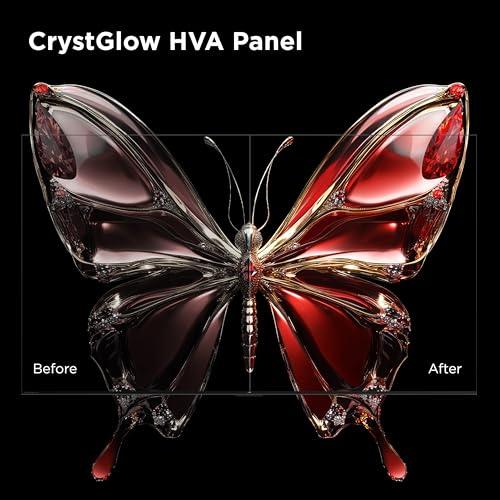
The QM9K also features TCL's advanced CrystGlow WHVA panel technology, an upgrade over the standard CrystGlow HVA panel in the QM7K. This isn't just marketing speak—the WHVA panel uses nanoscale bionic technology to create better light control and reduced reflections. In practical terms, this means clearer details in bright rooms and better off-angle viewing, though both TVs still work best when viewed straight-on.
Both TVs support the full range of HDR formats including Dolby Vision IQ, HDR10+, and standard HDR10. However, the QM9K's superior brightness and zone count mean it can actually display the full range of what these formats intended, especially in demanding scenes with mixed lighting.
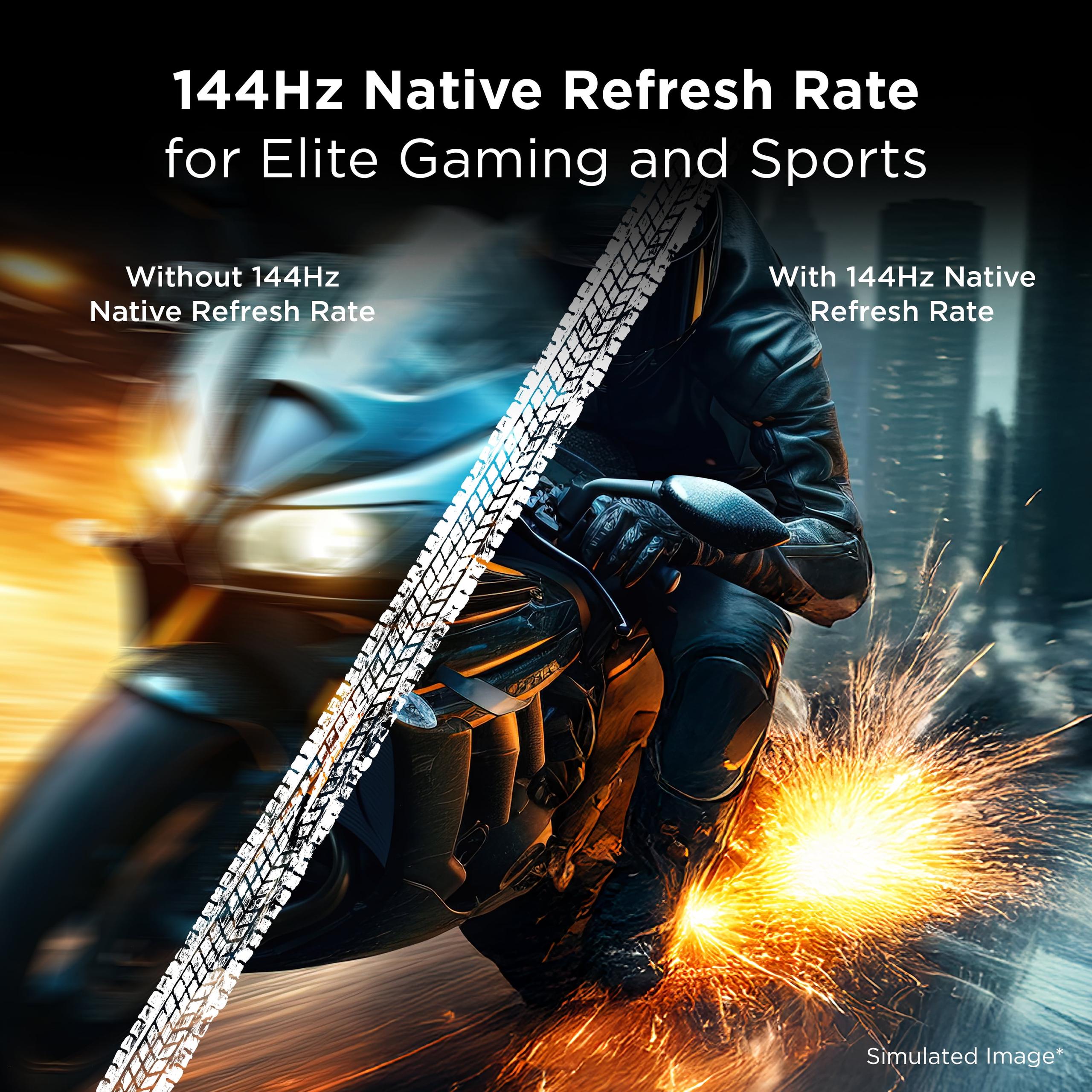
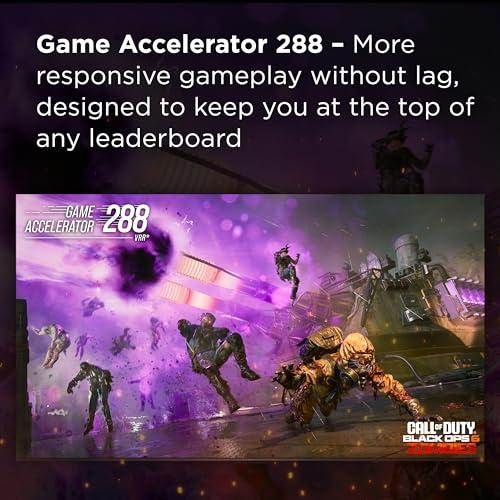
Gaming has become a crucial battleground for TV manufacturers, and both models deliver impressive performance. They share many core gaming features: 144Hz native refresh rate, support for Variable Refresh Rate (VRR) up to 288Hz at 1080p through TCL's "Game Accelerator 288," and AMD FreeSync Premium Pro certification.
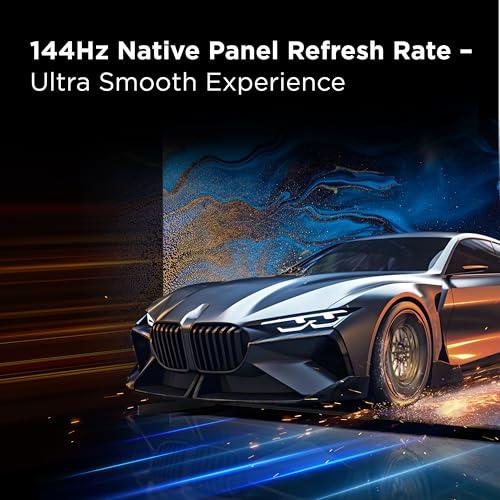
The 144Hz refresh rate is particularly noteworthy—this means the TV can actually display 144 unique frames per second, eliminating the motion blur that plagues traditional 60Hz displays. For gaming, this translates to smoother movement, clearer details during fast action, and a more responsive feel overall.
Where the QM9K pulls ahead is in input lag—the delay between pressing a button and seeing the result on screen. At just 5.3 milliseconds, it's among the most responsive TVs available. The QM7K, while still good at 33ms, shows a noticeable regression from TCL's 2024 models. For competitive gaming, particularly first-person shooters or fighting games, this difference matters significantly.
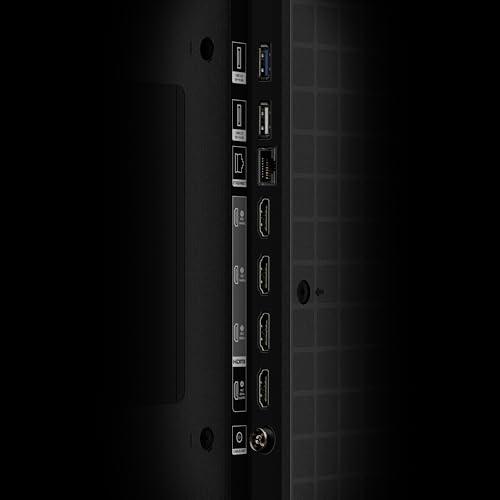
Both TVs include two HDMI 2.1 ports capable of handling 4K at 120Hz from PlayStation 5 or Xbox Series X. This might seem limiting compared to some competitors offering four HDMI 2.1 ports, but for most users, two high-speed ports prove adequate—one for a gaming console and one for a streaming device or PC.
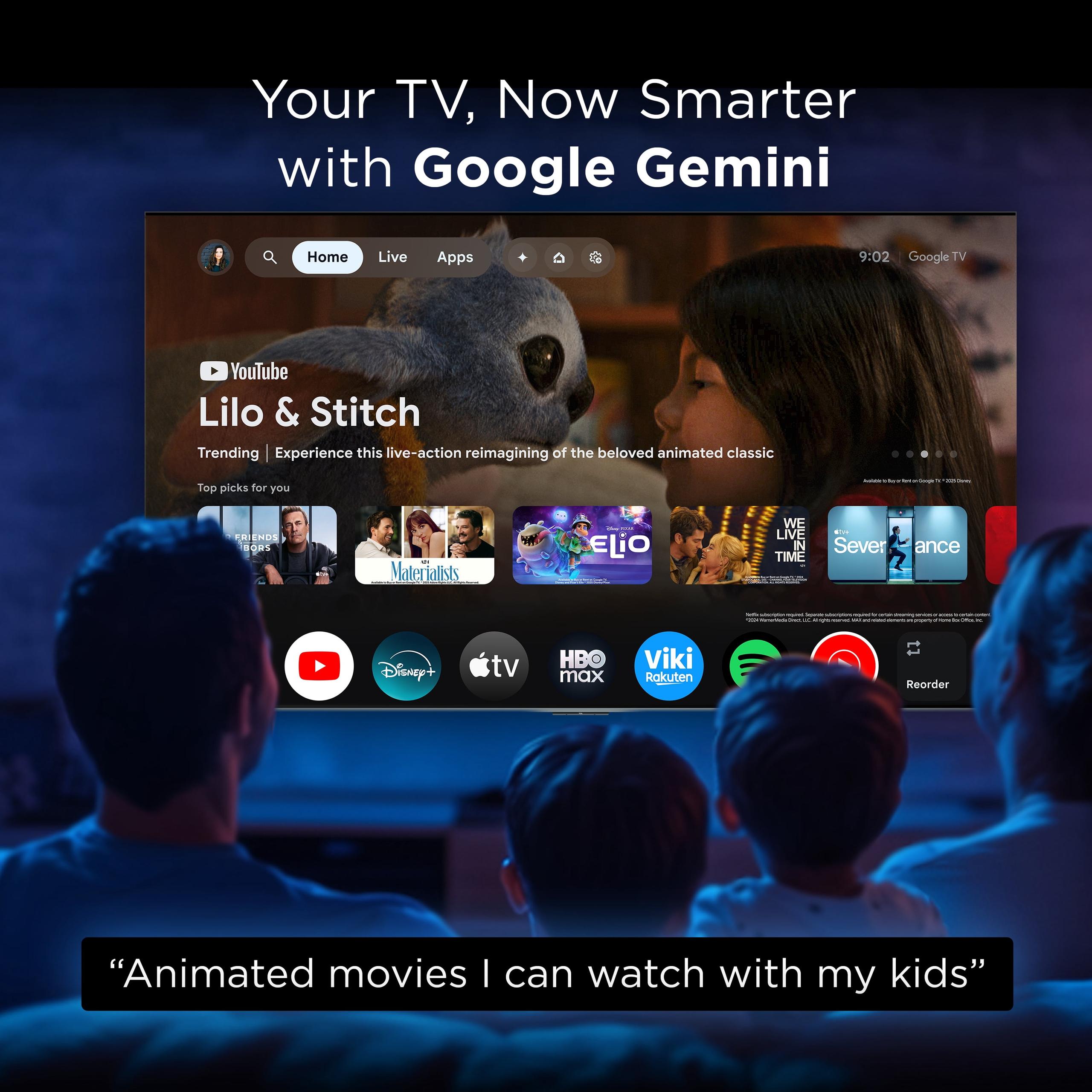
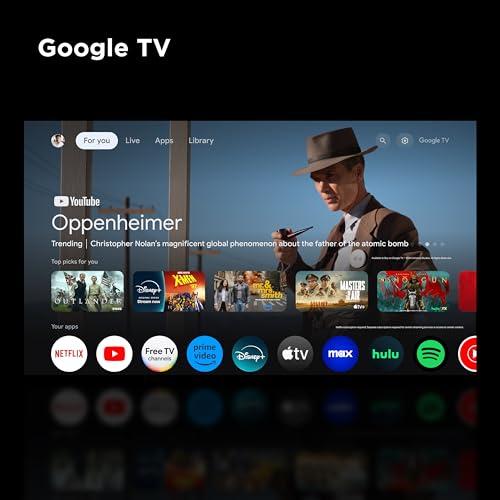
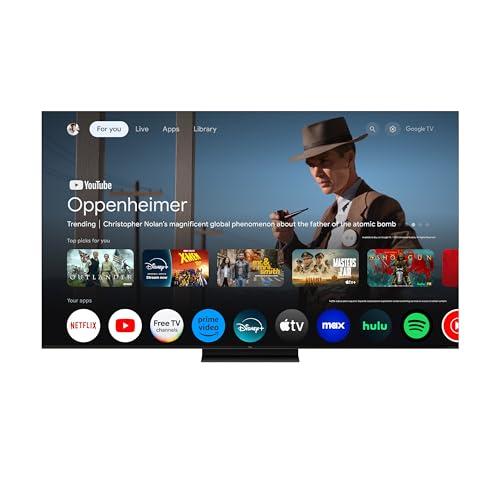
Both models run Google TV, which has evolved considerably since its rocky early days. The platform now offers excellent app selection, intuitive content recommendations, and smooth performance. Both TVs include Chromecast built-in, support for Apple AirPlay 2, and integration with Amazon Alexa and Google Assistant.
The QM9K distinguishes itself with Google Gemini AI integration and a presence sensor that automatically adjusts settings based on whether someone is in the room. These features feel more like luxury conveniences than necessities, but they contribute to a more premium experience overall.
Voice control works well on both models, with far-field microphones that can hear commands from across the room. This proves particularly useful for quickly adjusting volume or switching inputs without hunting for the remote.
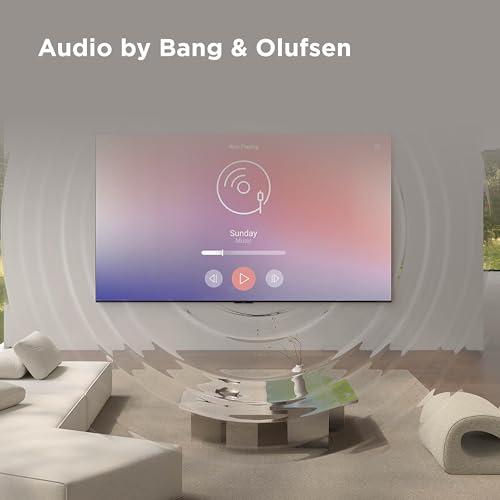
TV audio often gets overlooked, but both models feature respectable built-in sound systems tuned by Bang & Olufsen. The QM9K includes a 2.1.1 channel system with a dedicated subwoofer on the 65-inch model, providing noticeably better bass response and overall audio quality compared to the QM7K's standard speaker configuration.
Both support Dolby Atmos and DTS Virtual:X, which use psychoacoustic processing to create the illusion of surround sound from the TV's speakers. While impressive for built-in audio, serious home theater enthusiasts will still want to add a dedicated soundbar or surround system—but the QM9K at least provides a more satisfying experience straight out of the box.
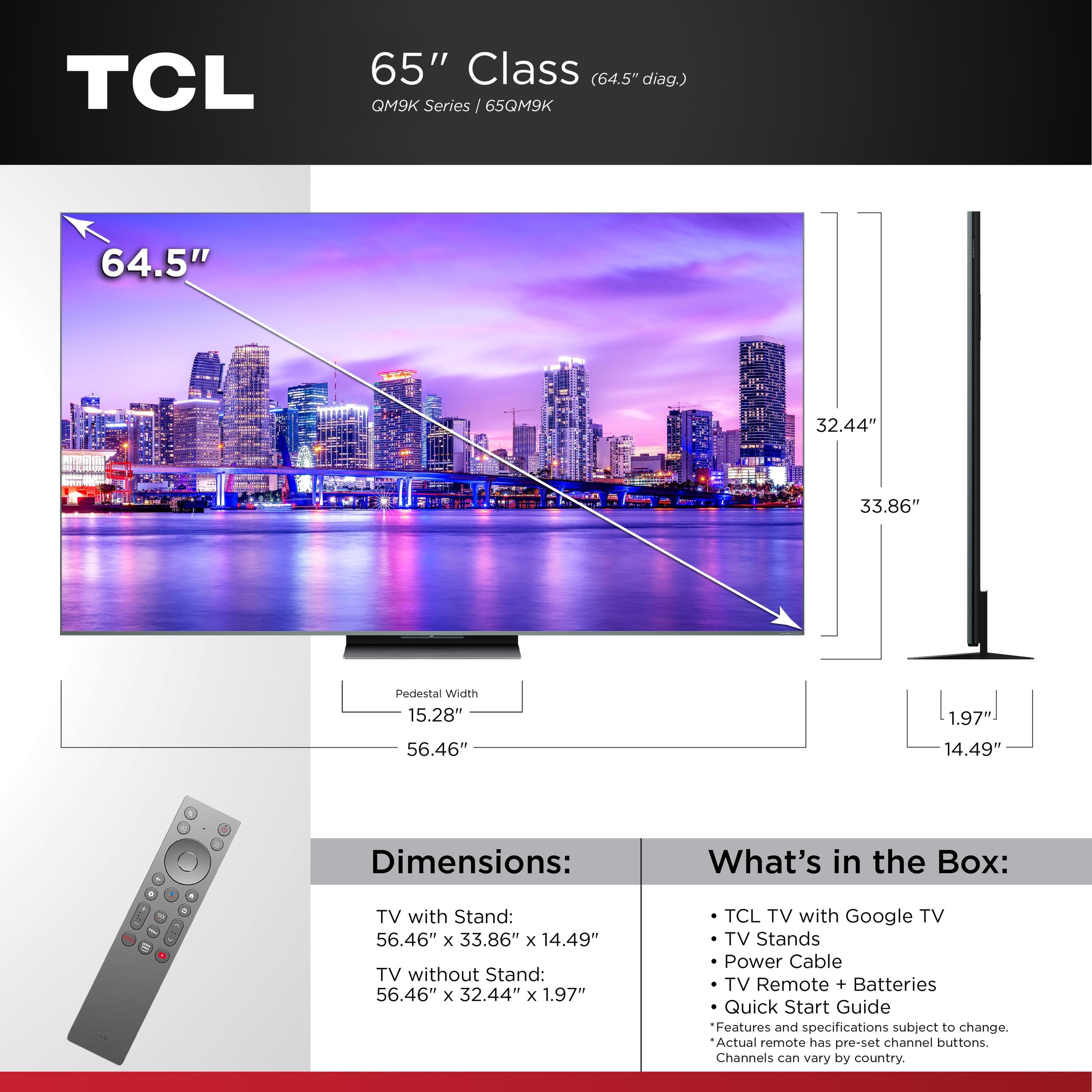
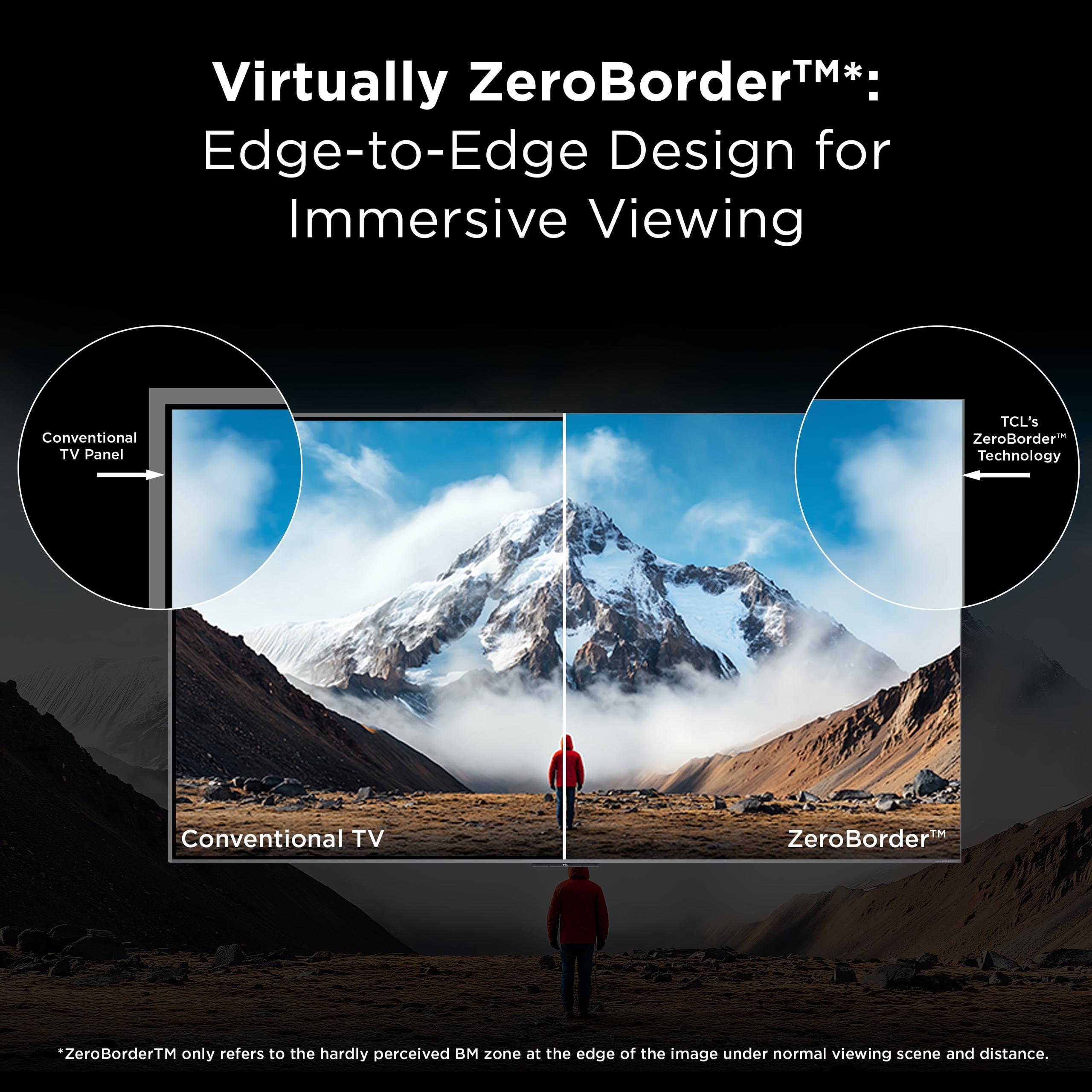
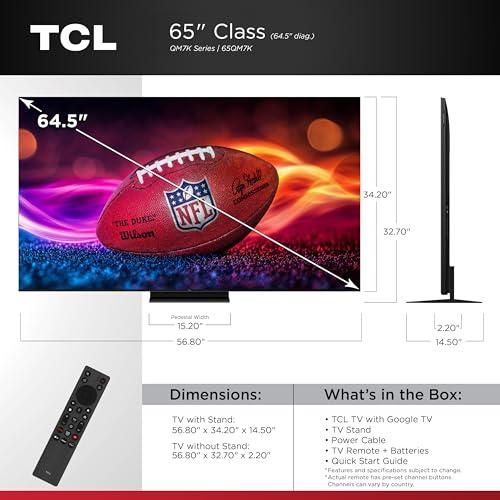
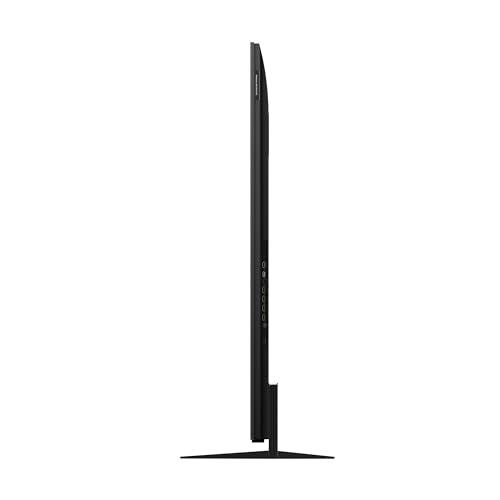
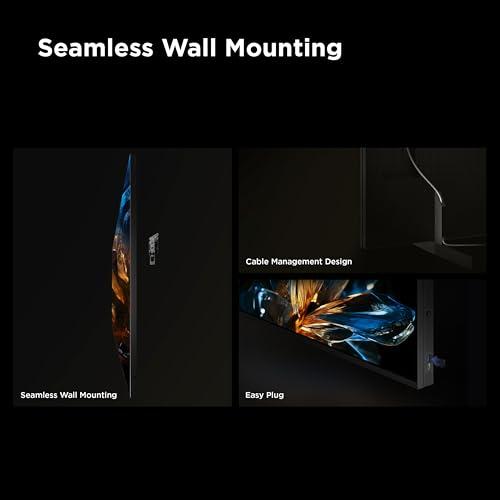
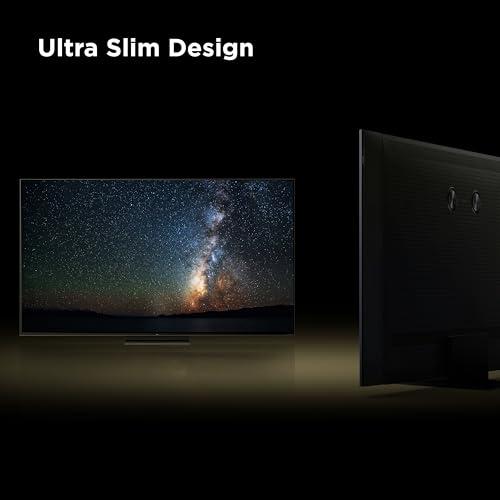
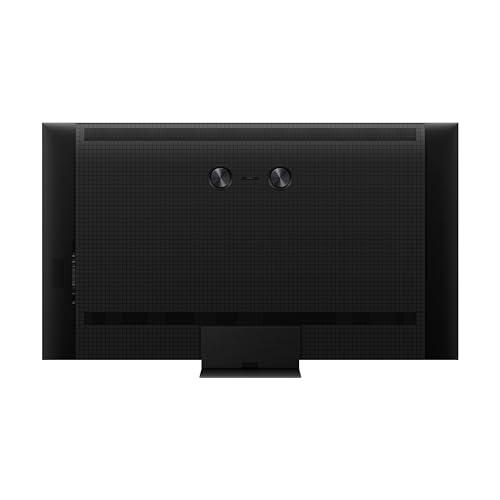
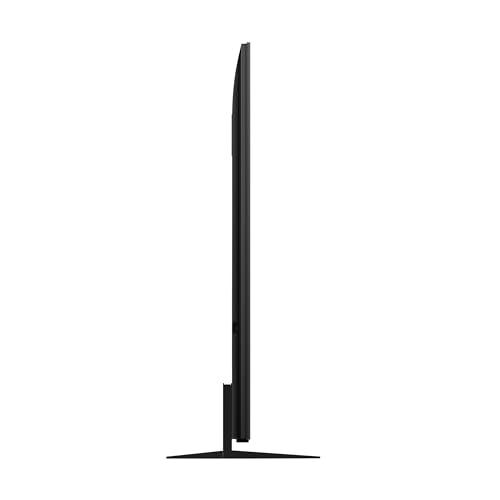
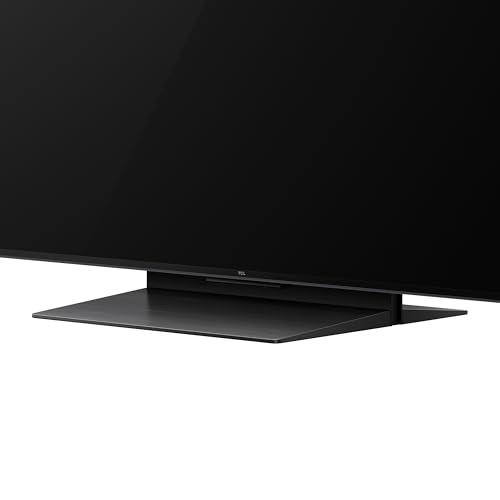
The design differences between these models reflect their market positioning. The QM9K features TCL's ultra-slim design with more premium materials and refined cable management. The QM7K maintains good build quality but with some practical compromises—the stand depth can interfere with soundbar placement, for example.
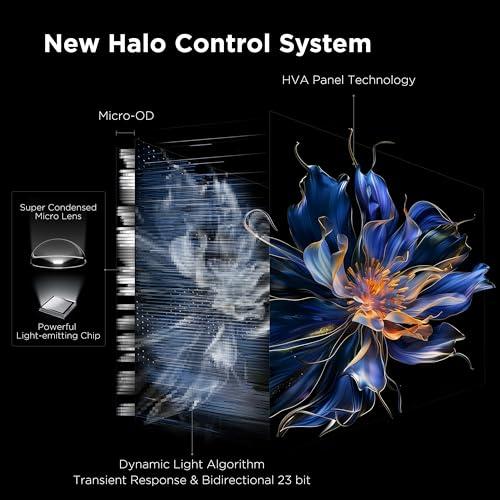
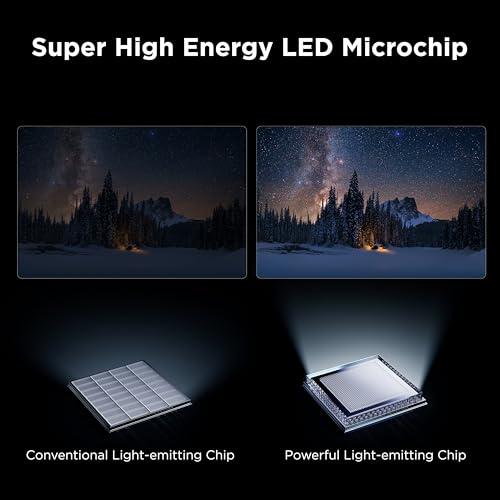
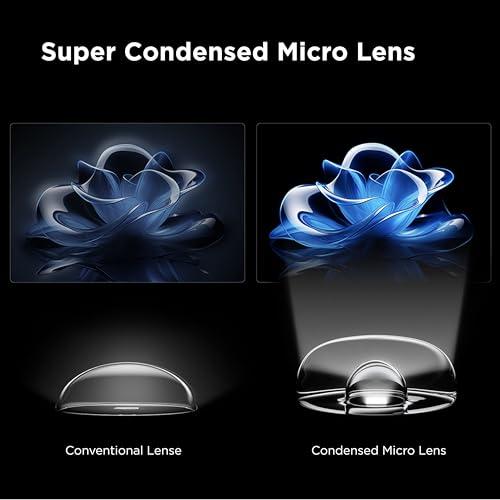
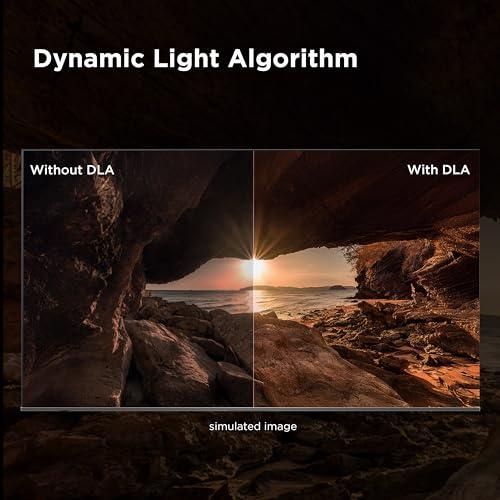
Both TVs use TCL's Halo Control System, a comprehensive approach to minimizing the blooming and light bleed that can plague Mini-LED displays. This system includes multiple components: Super High Energy LED microchips, condensed micro lenses, reduced optical distance (Micro-OD), and sophisticated backlight algorithms. The QM9K implements a more advanced version of this system, contributing to its superior contrast performance.
At the time of writing, the price difference between these models typically ranges from 50-70%, making the value calculation complex. The QM7K delivers roughly 90% of the QM9K's performance at significantly less cost, making it an obvious choice for budget-conscious buyers.
However, current market conditions often see the QM9K heavily discounted, sometimes approaching the QM7K's regular price. When this happens, the flagship becomes a much more compelling proposition, offering premium features for mid-range money.
The QM7K represents exceptional value in the Mini-LED space, competing favorably with models from Samsung, LG, and Sony that often cost considerably more. Its combination of gaming features, smart platform, and picture quality would have been flagship-level just a few years ago.
For dedicated home theater use, the differences between these models become more pronounced. The QM9K's superior local dimming and higher brightness translate directly to better performance in the demanding content that home theater enthusiasts prefer. Dark scenes retain detail without crushing shadows, while bright highlights maintain intensity even in large areas of the screen.
The QM7K can certainly handle home theater duties, but you'll notice more blooming around bright objects and less precise shadow detail in challenging content. For most viewers, this remains perfectly acceptable, but videophiles will appreciate the QM9K's refinement.
Both models support filmmaker mode, which disables motion smoothing and adjusts colors to match the creator's intent. This feature has become increasingly important as content creators push for more accurate home reproduction of their work.
Based on our research and evaluation of professional and user reviews, the TCL QM7K emerges as the better choice for most buyers. It delivers flagship-level performance from just two years ago at a price that makes premium Mini-LED technology accessible to mainstream audiences. The gaming features alone justify the purchase for console owners, while the picture quality satisfies all but the most demanding viewers.
Choose the QM7K if you want excellent performance without flagship pricing, need strong gaming capabilities for next-gen consoles, primarily watch streaming content and cable TV, or plan to use the TV in a family room or bedroom setting.
The QM9K justifies its premium for specific use cases and users. Its superior contrast control, exceptional brightness, and lower input lag make it ideal for competitive gaming, dedicated home theater rooms, or situations where the TV will be the centerpiece of your entertainment system for many years.
Choose the QM9K if picture quality is your top priority, you're building a dedicated home theater, you do competitive gaming where input lag matters, you frequently watch demanding HDR content, or you want the best TCL offers regardless of price.
The technology improvements in both 2025 models over their 2024 predecessors are substantial, particularly in processing power, local dimming algorithms, and gaming feature implementation. TCL has clearly learned from user feedback and professional reviews, addressing previous limitations while pushing brightness and contrast to new levels.
For most buyers reading this comparison, the QM7K provides the better value proposition, delivering premium performance at a price that won't break the bank. However, if current promotions bring the QM9K within reasonable reach of your budget, the flagship's additional capabilities make it worth serious consideration—especially for users who plan to keep their TV for many years.
Either way, both models represent excellent examples of how Mini-LED technology has matured, offering OLED-like picture quality with LCD brightness advantages at prices that were unimaginable just a few years ago.
| TCL 65" QM9K QD-Mini LED Smart TV | TCL 65QM7K QD-Mini LED 4K Google TV |
|---|---|
| Local Dimming Zones - Critical for contrast and reducing blooming around bright objects | |
| Up to 6,000 precise dimming zones (flagship-level control) | Up to 2,500 zones (excellent for the price point) |
| Peak Brightness - Determines HDR impact and bright room performance | |
| HDR 6,500 nits (among the brightest Mini-LED TVs available) | HDR 2,600-3,000 nits (very good for most content) |
| Panel Technology - Affects viewing angles and reflection handling | |
| CrystGlow WHVA with nanoscale bionic technology | CrystGlow HVA (still excellent quality) |
| Gaming Input Lag - Critical for competitive gaming responsiveness | |
| 5.3ms (exceptionally low for competitive play) | 33ms (adequate for casual gaming, regression from 2024) |
| Refresh Rate - Smoothness for gaming and sports | |
| 144Hz native with Game Accelerator 288 VRR | 144Hz native with Game Accelerator 288 VRR |
| HDMI 2.1 Ports - Next-gen console and PC gaming support | |
| 2 HDMI 2.1 ports (4K@144Hz capable) | 2 HDMI 2.1 ports (4K@144Hz capable) |
| Smart Features - AI and convenience capabilities | |
| Google TV with Gemini AI, presence sensor | Google TV with standard voice control |
| Audio System - Built-in sound quality | |
| Bang & Olufsen 2.1.1 channel with subwoofer | Bang & Olufsen 60W system |
| Contrast Ratio - Determines black level depth | |
| 50,000,000:1 dynamic (exceptional depth) | 30,000,000:1 dynamic (very good performance) |
| Value Position - Performance per dollar consideration | |
| Flagship features at premium pricing | 90% of flagship performance at mid-range price |
The TCL 65" QM9K delivers superior picture quality with 6,000 local dimming zones compared to the TCL 65QM7K's 2,500 zones. The QM9K also achieves much higher peak brightness at 6,500 nits versus 2,600-3,000 nits on the QM7K, resulting in better HDR performance and reduced blooming around bright objects.
The TCL QM9K justifies its premium for home theater enthusiasts and competitive gamers who need the absolute best performance. However, the TCL QM7K offers 90% of the flagship's performance at significantly lower cost, making it better value for most buyers who want excellent Mini-LED quality without flagship pricing.
For dedicated home theaters, the TCL QM9K is the clear winner with superior local dimming, exceptional brightness, and better audio. The precise zone control eliminates blooming in dark scenes while maintaining bright highlight details. The QM7K can handle home theater duties but shows more compromises in challenging content.
The TCL QM9K achieves a 50,000,000:1 dynamic contrast ratio compared to the QM7K's 30,000,000:1 ratio. More importantly, the QM9K has 2.4 times more local dimming zones, resulting in much better control over light and shadow with significantly reduced blooming around bright objects on dark backgrounds.
We've done our best to create useful and informative comparisons to help you decide what product to buy. Our research uses advanced automated methods to create this comparison and perfection is not possible - please contact us for corrections or questions. These are the sites we've researched in the creation of this article: rtings.com - bestbuy.com - youtube.com - youtube.com - youtube.com - techaeris.com - displayspecifications.com - pcrichard.com - residentialsystems.com - us.tcl.com - displayspecifications.com - valueelectronics.com - woodruffappliance.com - tcl.com - pcrichard.com - tcl.com - techradar.com - tcl.com - us.tcl.com - youtube.com - youtube.com - bestbuy.com - youtube.com - bestbuy.com - businessinsider.com - tomsguide.com - tomsguide.com - rtings.com - tomsguide.com - youtube.com - rtings.com - consumerreports.org - youtube.com - youtube.com - displayspecifications.com - youtube.com - tcl.com - tcl.com - tcl.com - youtube.com - rcwilley.com - bestbuy.com - tclcentral.com - displayspecifications.com - tomsguide.com - brandsmartusa.com - tcl.com - gizmochina.com - nfm.com - dolby.com - alexraytv.com

Privacy Policy
Terms and Conditions - Affiliate Policy
Home Security
© Copyright 2008-2026.
11816 Inwood Rd #1211, Dallas, TX 75244