

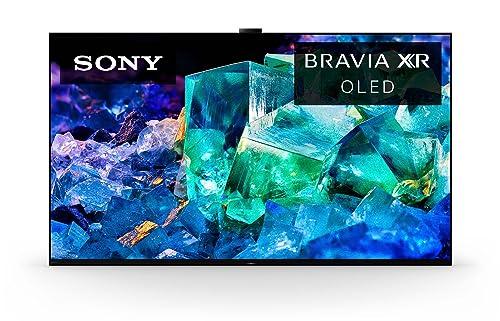



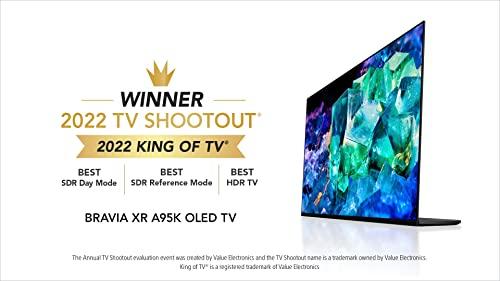
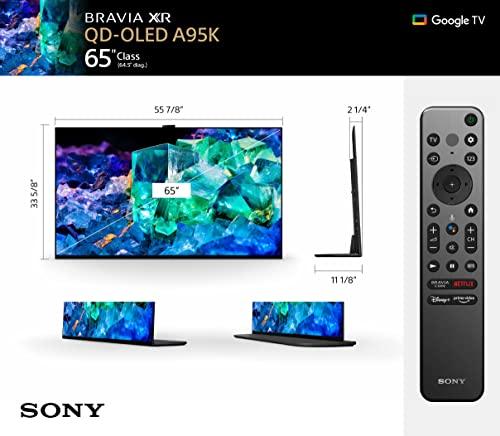



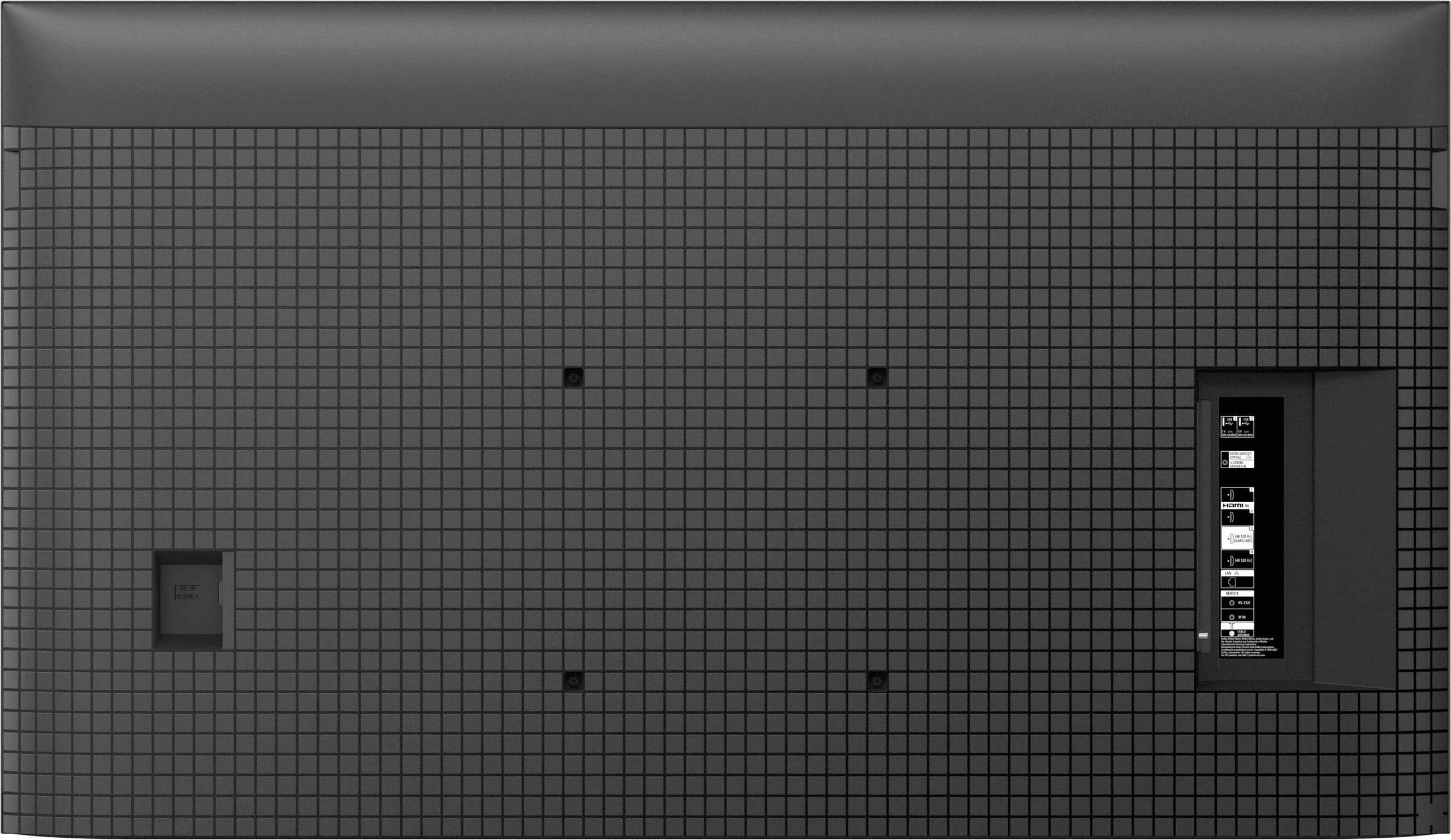
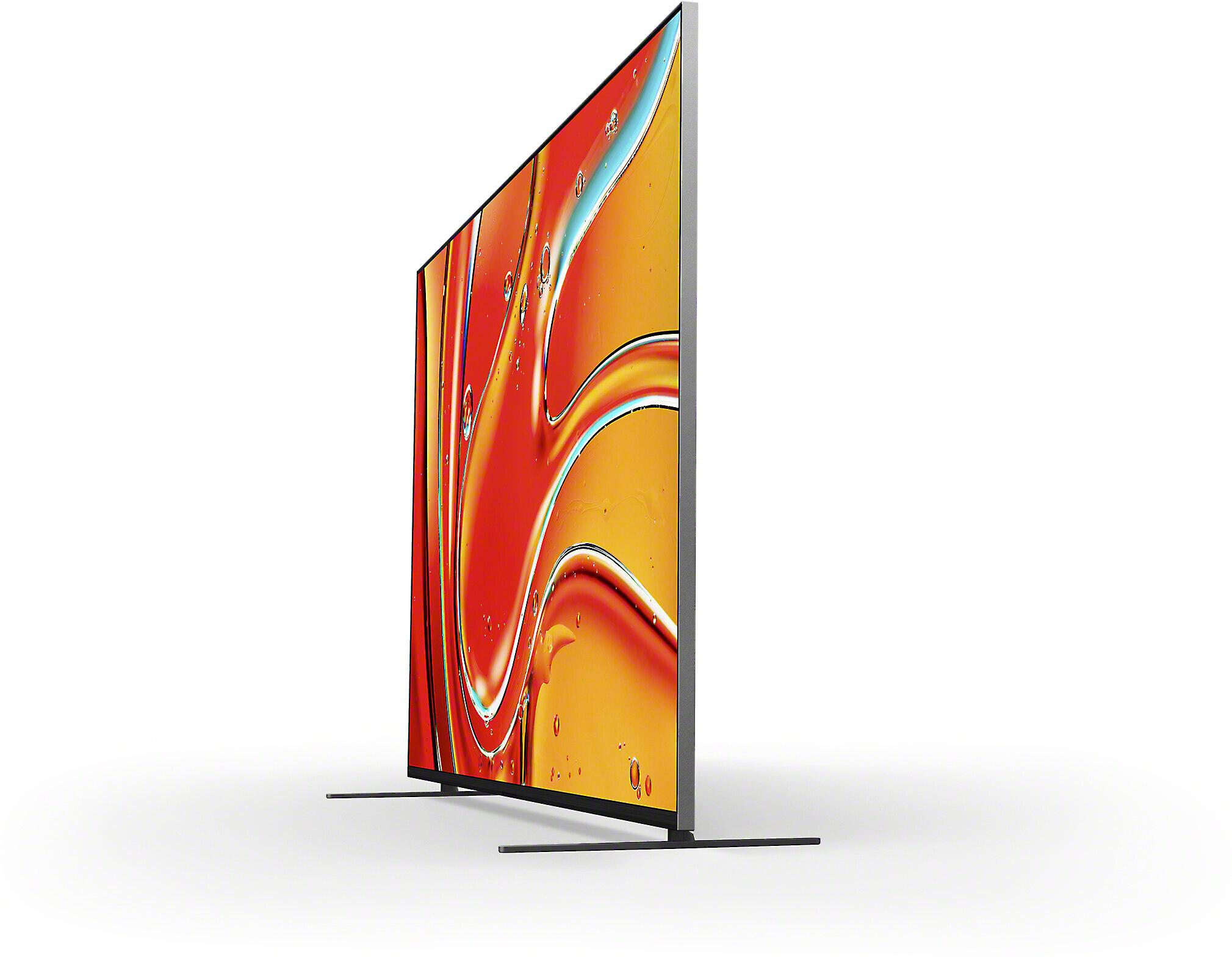
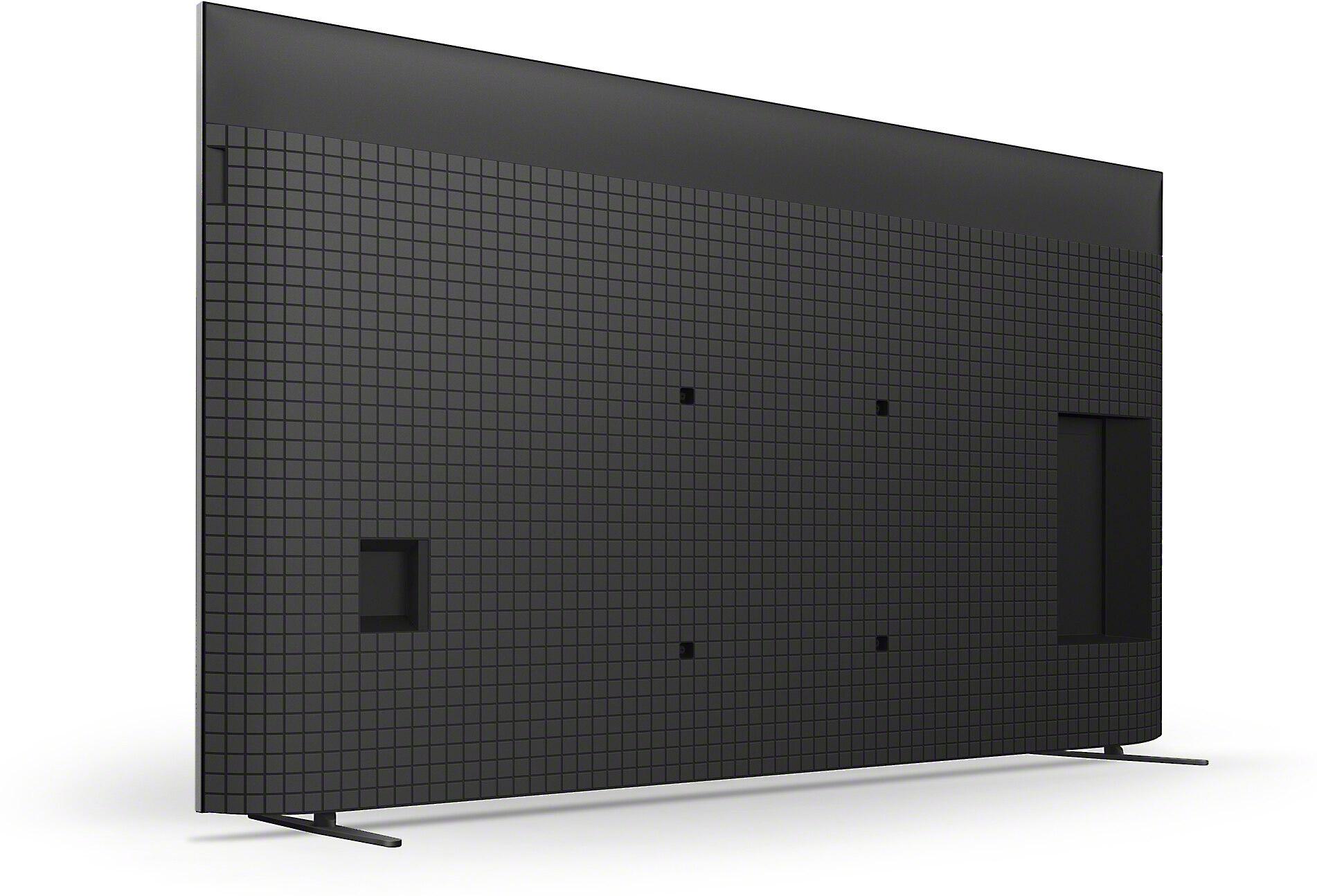
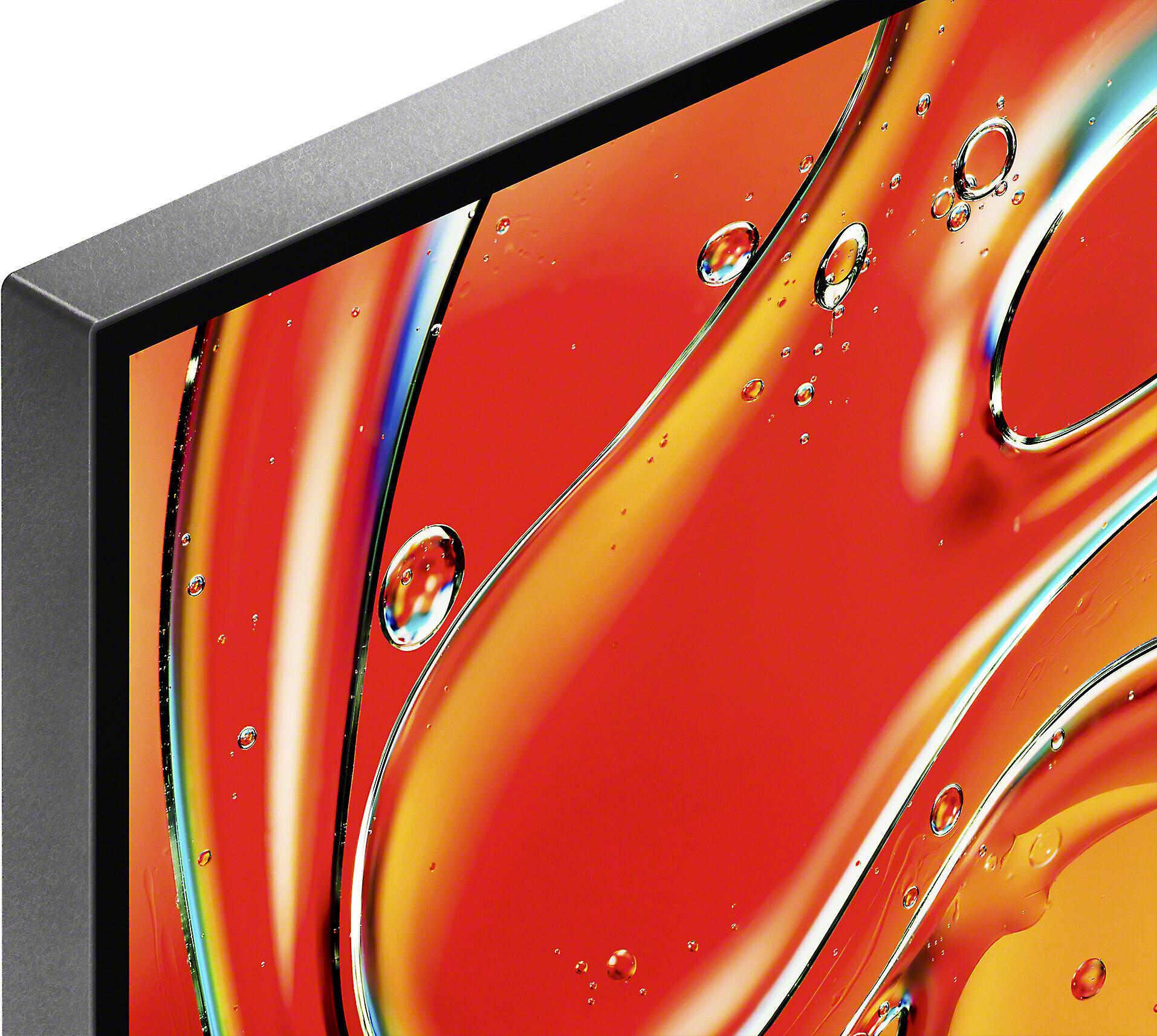
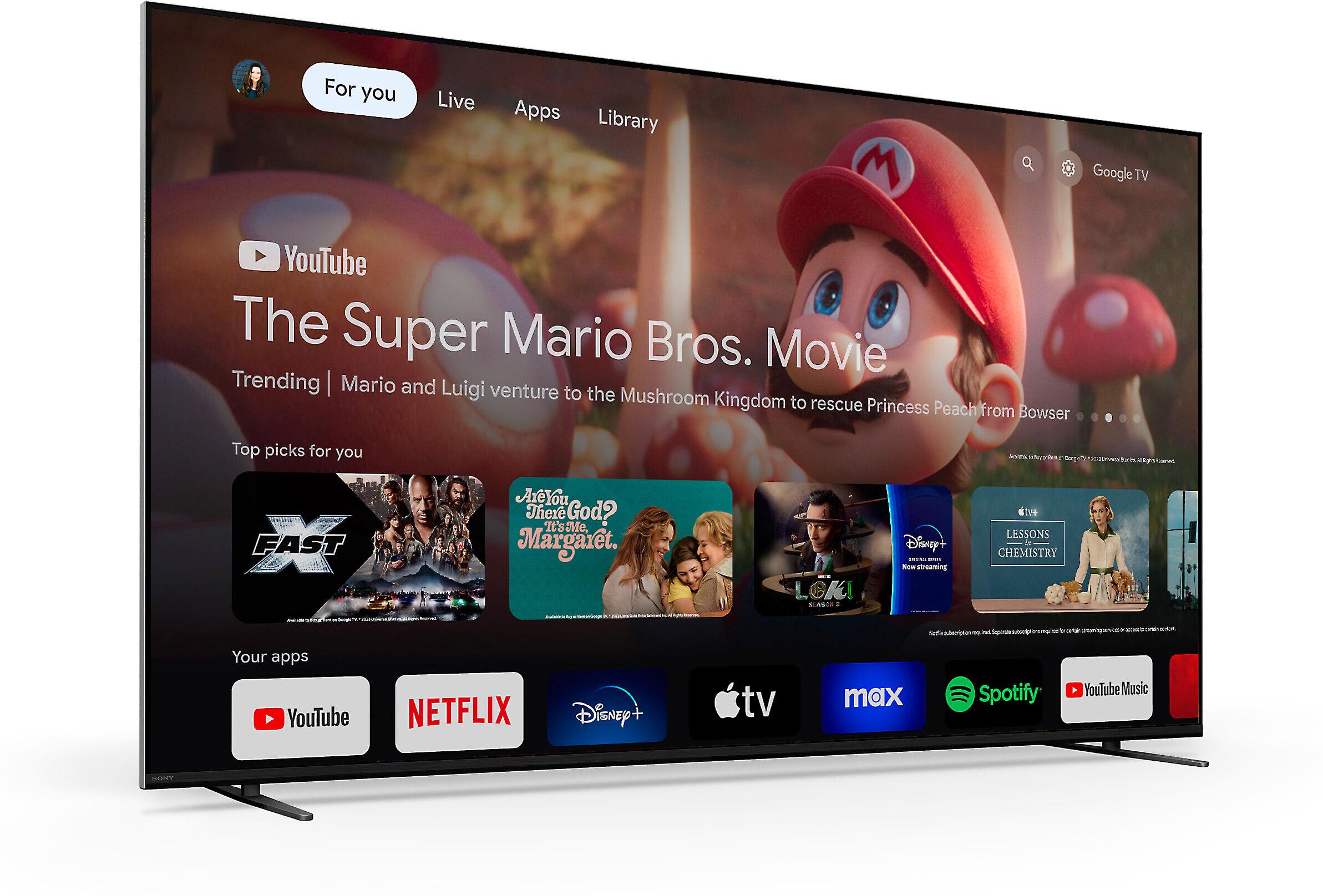
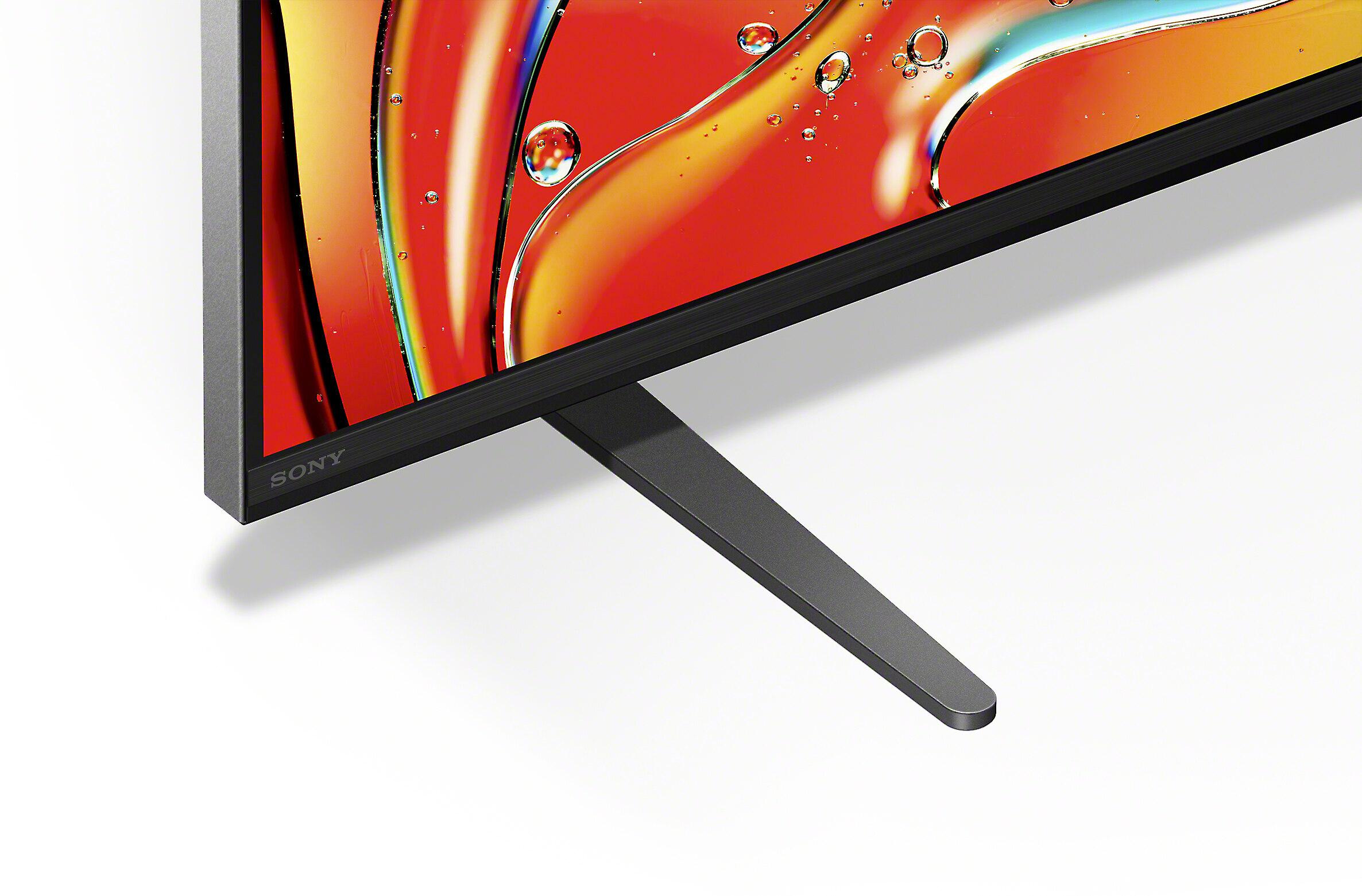
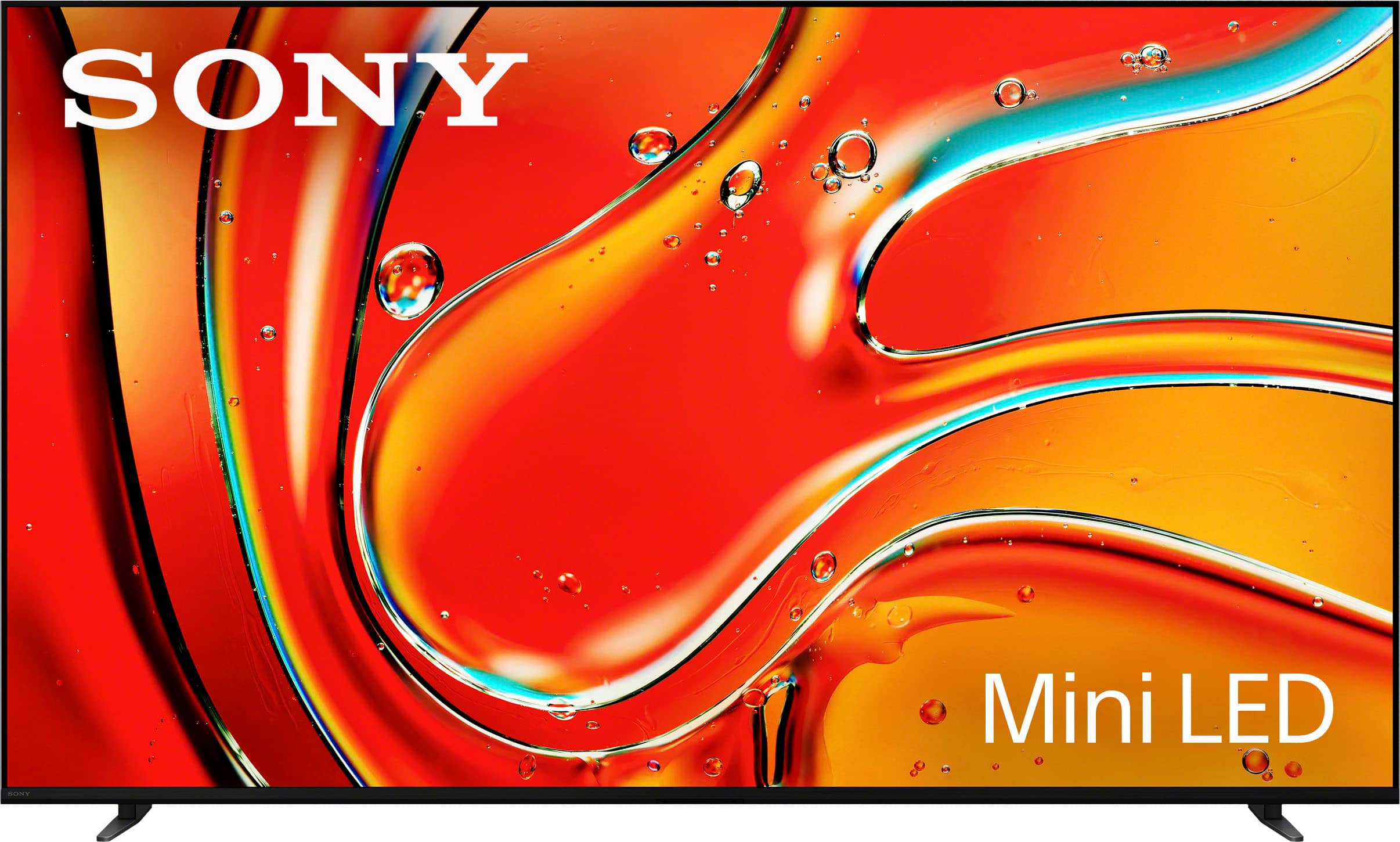
When shopping for a premium TV in 2024, Sony offers two compelling but fundamentally different approaches to delivering exceptional picture quality. The Sony Bravia XR A95K 65" QD-OLED TV, released in 2022 as Sony's flagship, represents a breakthrough in display technology. Meanwhile, the Sony BRAVIA 7 65" 4K UHD Smart Google TV, launched in 2024, showcases how far traditional LED technology has evolved with Mini LED backlighting.
These TVs illustrate the fascinating split in premium display technology today. One uses self-emitting pixels that can turn completely off, while the other relies on thousands of tiny LEDs behind an LCD panel. Both deliver stunning results, but in very different ways that matter significantly for your viewing experience.
Before diving into specifics, it's worth understanding what makes a great TV in 2024. The display panel is the foundation—it determines contrast (the difference between the darkest and brightest parts of an image), color accuracy, and viewing angles. The processing chip handles upscaling lower-resolution content and optimizing picture quality in real-time. Smart features provide your streaming apps and interface. Gaming performance has become crucial with PlayStation 5 and Xbox Series X requiring high refresh rates and minimal input delay.
Modern TVs also serve as the centerpiece of home entertainment systems, which means audio quality and connectivity options can make or break the experience. The best TVs excel across all these areas while offering good value for their performance tier.
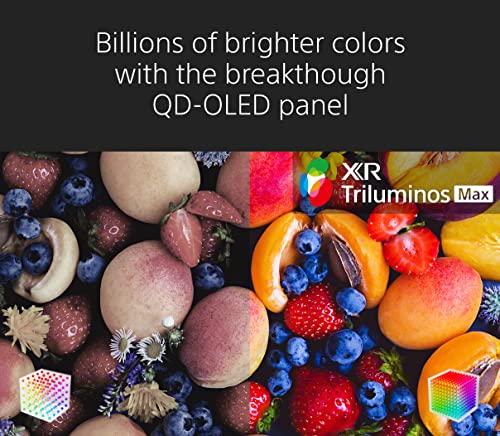
The Sony Bravia XR A95K was groundbreaking when it launched in 2022, marking Sony's first venture into QD-OLED (Quantum Dot OLED) technology. Unlike traditional OLEDs that use white light filtered through color filters, QD-OLED combines blue OLED emitters with quantum dot converters to create red and green light directly. This eliminates the typical OLED compromise between brightness and color saturation.
Each of the 8.3 million pixels can turn completely off, creating perfect blacks with infinite contrast ratios. When bright content appears next to dark areas, there's no blooming or light bleeding—something that still challenges even the best LED displays. The quantum dot enhancement means colors remain vivid even at high brightness levels, solving the traditional OLED weakness of dim colors in bright scenes.
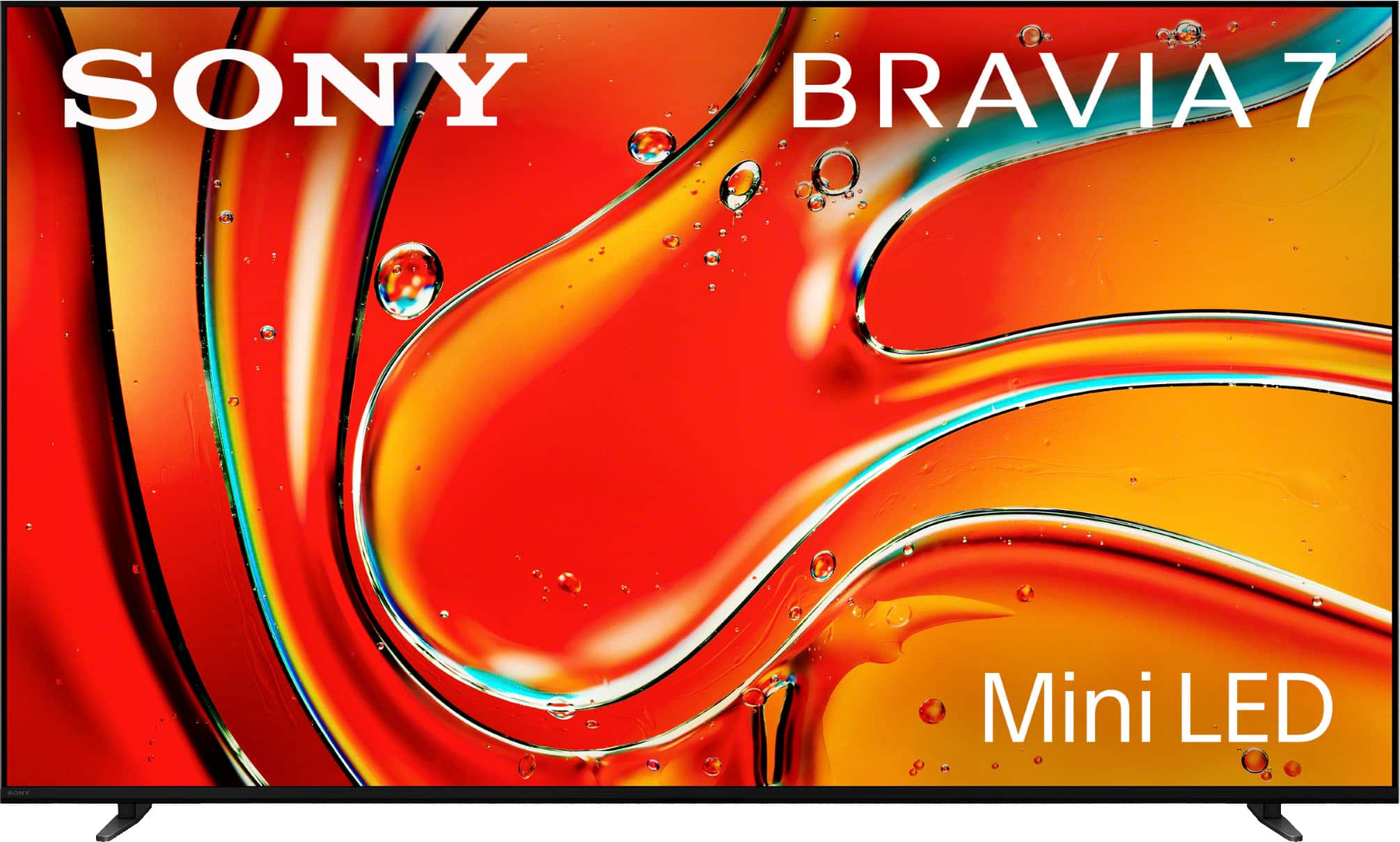
The Sony BRAVIA 7 takes a different path with Mini LED technology, which represents the evolution of traditional LED-LCD displays. Instead of using large LED zones that can create obvious blooming, Mini LED employs thousands of tiny LEDs (typically 2-5mm each) arranged behind the LCD panel. Sony's XR Backlight Master Drive precisely controls these LEDs with full array local dimming, meaning different screen areas can have dramatically different brightness levels simultaneously.
While Mini LED can't achieve true blacks like OLED, it excels at peak brightness. The BRAVIA 7 likely reaches 1,200+ nits compared to the A95K's approximately 1,000 nits. This brightness advantage becomes crucial in bright rooms where ambient light washes out darker displays.
Contrast ratio might be the most important specification that manufacturers often misrepresent. The Sony Bravia XR A95K achieves infinite contrast because its pixels turn completely off, creating true blacks. In practice, this means watching a space scene with stars against the void of space looks exactly as intended—the black areas are actually black, not dark gray.
The BRAVIA 7's Mini LED system delivers impressive contrast for an LED display, but it's physically impossible to match OLED's perfect blacks. Even with thousands of dimming zones, some light leakage occurs around bright objects. However, this becomes less noticeable in bright viewing environments where ambient light raises the perceived black level anyway.
Color performance separates these displays significantly. The A95K's QD-OLED panel delivers approximately 95% of the DCI-P3 color space used in movie production, with exceptional color volume (the ability to display saturated colors at various brightness levels). Sony's XR Triluminos Max technology maximizes this advantage, ensuring colors look natural rather than oversaturated.
The Sony BRAVIA 7 uses XR Triluminos Pro, which is excellent but can't match quantum dot color purity. Traditional LED displays filter white light through color filters, inherently limiting color saturation. However, for most content, the difference is subtle unless comparing side-by-side.
High Dynamic Range content reveals each display's strengths. The A95K excels at HDR tone mapping, accurately displaying the relationship between bright highlights and dark shadows as content creators intended. Its combination of perfect blacks and good peak brightness creates compelling HDR experiences, especially in darker viewing environments.
The BRAVIA 7 leverages its higher peak brightness for impactful HDR highlights—think sun glinting off water or explosions in action movies. This brightness advantage helps HDR content pop in brighter rooms where the A95K's perfect blacks become less noticeable.
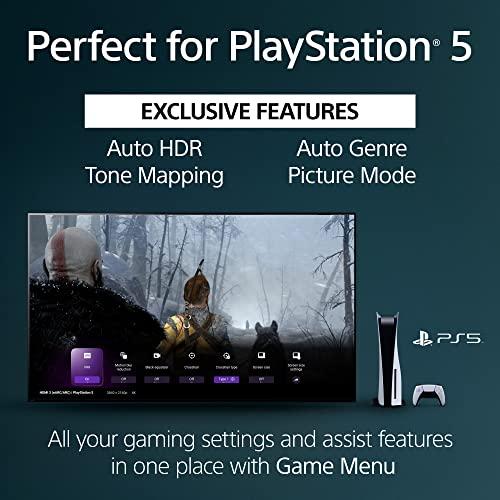
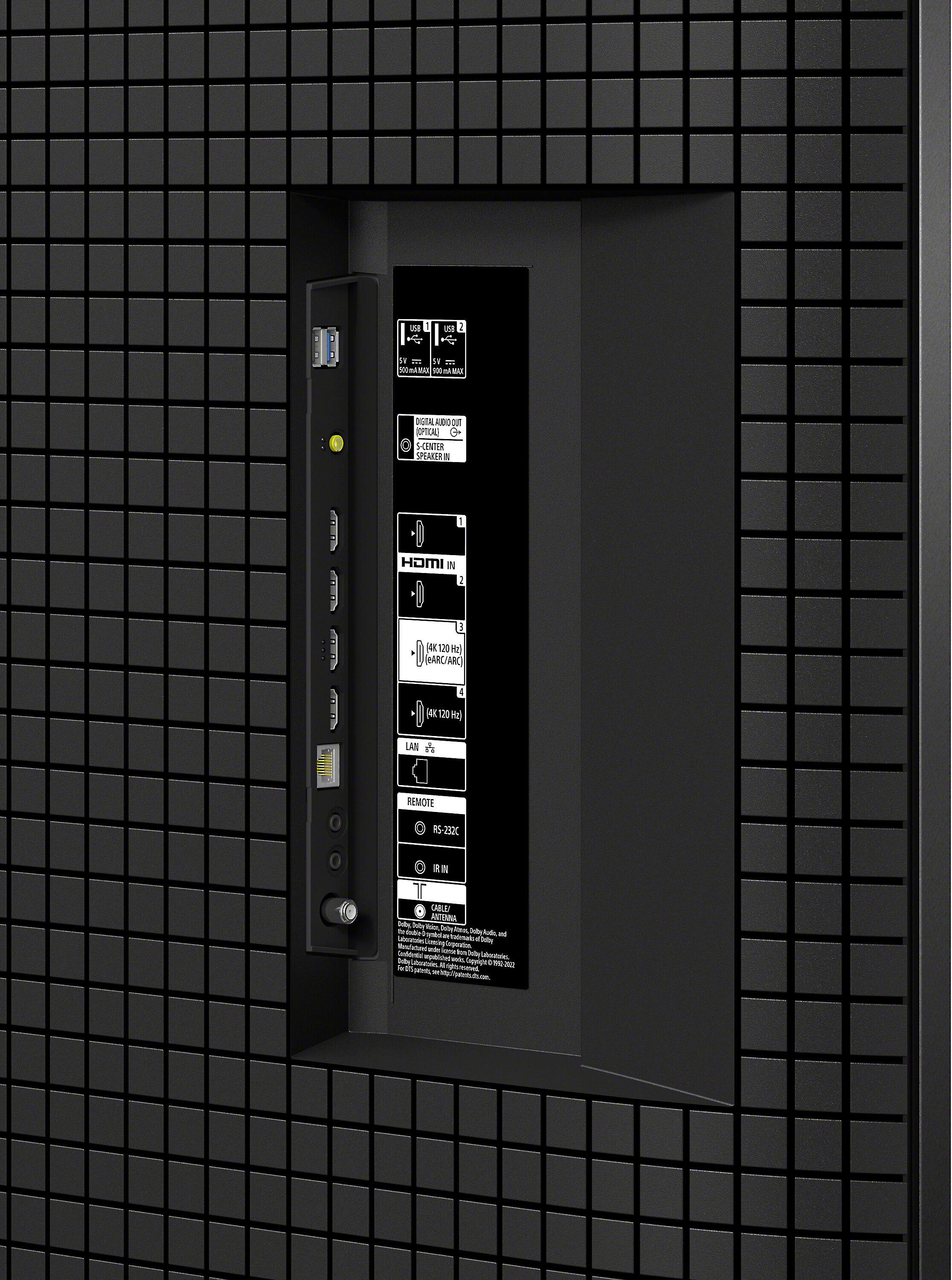
Both TVs support modern gaming requirements with HDMI 2.1 bandwidth, 4K resolution at 120Hz refresh rates, Variable Refresh Rate (VRR) for smoother gameplay, and Auto Low Latency Mode (ALLM) that automatically switches to game mode when detecting console input.
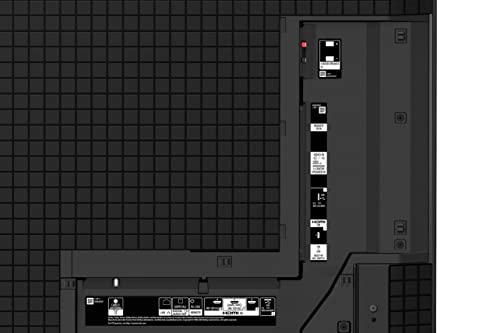
The Sony Bravia XR A95K provides exceptional gaming performance with near-instantaneous pixel response times—essentially zero motion blur. However, it has a significant limitation: only two HDMI 2.1 ports, with one typically reserved for eARC (Enhanced Audio Return Channel) connections to soundbars or receivers. This leaves just one port for 4K/120Hz gaming, problematic for users with both PlayStation 5 and Xbox Series X consoles.
The BRAVIA 7 likely offers four HDMI 2.1 ports, providing more flexibility for multiple gaming devices. While its response time can't match OLED's instantaneous switching, it's still excellent for gaming with minimal input lag.
An important quirk affects the A95K: Dolby Vision and VRR cannot be used simultaneously. Gamers must choose between the best HDR experience or variable refresh rate smoothness—an annoying limitation for a premium display.
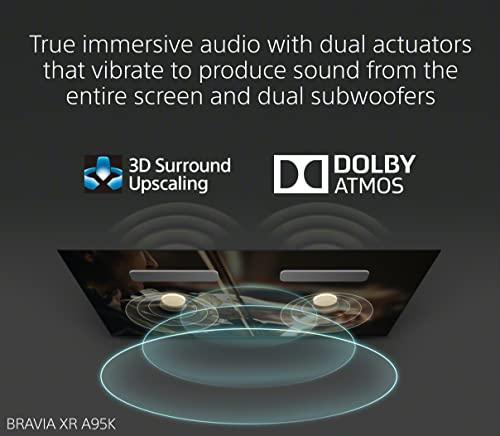
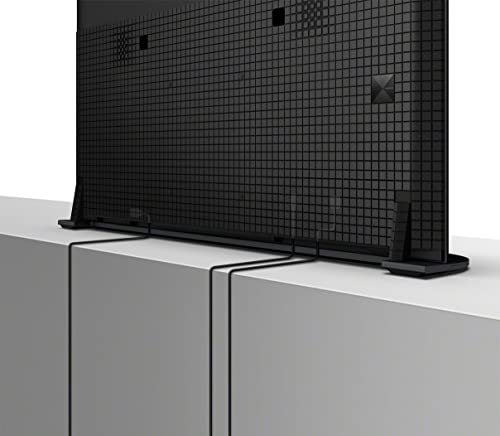
Here's where the Sony Bravia XR A95K truly differentiates itself. Sony's Acoustic Surface Audio+ technology uses actuators behind the screen to vibrate the display panel itself, turning it into a massive speaker. This creates a unique phenomenon where dialogue appears to come from actors' mouths on screen, and sound effects originate from their visual locations.
This isn't just a gimmick—the audio quality is genuinely impressive for TV speakers, with clear dialogue and reasonable bass response. The TV can even function as a center channel speaker in a surround sound setup, seamlessly blending with external speakers.
The BRAVIA 7 uses a conventional 40-watt speaker system with Dolby Atmos processing. While competent, it requires external audio equipment for truly immersive sound, which is typical for most TVs in this price range.
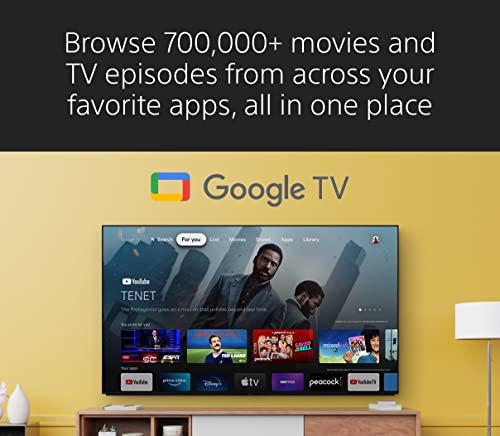
Both TVs run Google TV, providing identical app selection and interface experiences. The platform has matured significantly since Android TV, offering better content recommendations and smoother performance. Popular streaming services like Netflix, Disney+, and Prime Video are readily available with 4K and HDR support.
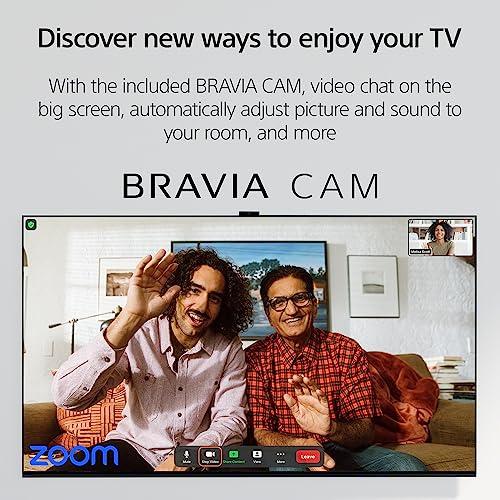
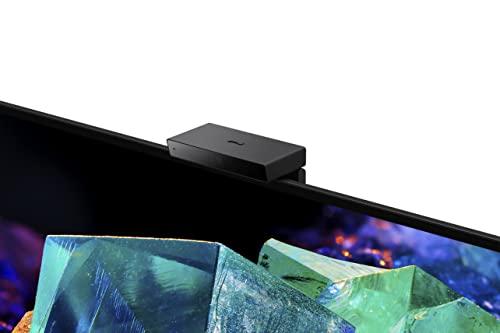
The A95K includes the BRAVIA CAM, a unique webcam accessory that enables gesture controls, video calling, and proximity-based optimizations. While novel, most users find limited practical value in these features beyond the initial novelty.
Both displays support Apple AirPlay and Chromecast for easy content streaming from mobile devices, plus voice control through Google Assistant.
At the time of writing, the Sony Bravia XR A95K commands a premium price reflecting its flagship status and innovative QD-OLED technology. The BRAVIA 7 offers substantial savings while delivering excellent performance, representing Sony's sweet spot for balancing features with value.
The price difference raises an important question: is QD-OLED's superior picture quality worth the premium? For dedicated home theater enthusiasts who prioritize the best possible image quality in controlled lighting, the answer is often yes. The A95K's perfect blacks and superior color reproduction create a more cinematic experience that's immediately noticeable in dark room viewing.
However, the BRAVIA 7 offers compelling value by delivering 80-90% of the A95K's performance at a significantly lower price. For most living room installations with ambient light, the practical performance difference narrows considerably.
In dedicated home theater environments with controlled lighting, the Sony Bravia XR A95K excels. Its perfect blacks maintain shadow detail in dark scenes, while the integrated Acoustic Surface Audio+ reduces the need for complex center channel speaker placement. The viewing angle performance ensures great picture quality from any seat in the room.
The BRAVIA 7 works well in home theaters but truly shines in family rooms and living spaces with ambient light. Its higher peak brightness helps maintain image quality when lights are on or windows introduce daylight. However, you'll likely want to invest in a proper sound system to match the visual performance.
Based on extensive research from professional reviews and user feedback, several patterns emerge. The A95K consistently impresses viewers with its contrast and color accuracy, particularly when watching high-quality movie content in darker environments. Users frequently comment on the immersive audio experience and how dialogue appears to come from the screen.
The BRAVIA 7 receives praise for its brightness and versatility across different viewing conditions. Users appreciate the multiple HDMI 2.1 ports for gaming setups and the newer processing capabilities from its 2024 release.
Choose the Sony Bravia XR A95K if you're building a dedicated home theater or primarily watch content in darker environments. The perfect blacks and superior color reproduction create a more cinematic experience that justifies the premium price. The integrated Acoustic Surface Audio+ is genuinely useful, potentially saving money on center channel speakers. This TV is ideal for movie enthusiasts who want the most film-like experience possible at home.
The BRAVIA 7 makes more sense for versatile living spaces with mixed lighting conditions. Its higher brightness handles ambient light better, while the additional HDMI 2.1 ports accommodate complex gaming setups. The newer processing technology and lower price point make it an excellent value for users who want premium Sony quality without flagship pricing.
The A95K's 2022 launch represented a pivotal moment when QD-OLED technology became accessible to consumers. Since then, the technology has proven reliable with minimal burn-in concerns that once plagued OLED displays. However, the manufacturing costs remain high, limiting adoption.
Mini LED technology in the BRAVIA 7 represents the LED industry's response to OLED's advantages. By 2024, Mini LED has matured significantly, offering much of OLED's visual impact at lower manufacturing costs. This technology trajectory suggests Mini LED will continue improving while remaining more affordable than OLED alternatives.
Both displays represent excellent choices within their respective categories. The Sony Bravia XR A95K delivers a more premium experience with superior picture quality and unique audio technology, justifying its higher price for discerning viewers in appropriate environments. The BRAVIA 7 offers exceptional value by providing most of the visual experience benefits at a more accessible price point with better connectivity options.
Your viewing environment and priorities should guide the decision. For dark room viewing where picture quality is paramount, the A95K is worth the investment. For versatile family spaces where brightness and value matter more, the BRAVIA 7 delivers impressive performance that will satisfy most viewers. Both represent Sony's commitment to quality and will provide years of excellent viewing experiences.
| Sony Bravia XR A95K 65" QD-OLED TV | Sony BRAVIA 7 65" 4K UHD Smart Google TV |
|---|---|
| Display Technology - Fundamentally affects contrast, blacks, and overall picture quality | |
| QD-OLED with self-emitting pixels | Mini LED with full array local dimming |
| Contrast Ratio - Most important spec for picture depth and realism | |
| Infinite contrast (perfect blacks) | Excellent but not perfect blacks due to LED backlight |
| Peak Brightness - Critical for HDR performance and bright room viewing | |
| ~1,000 nits (good for dark/medium lit rooms) | ~1,200+ nits (better for bright rooms and HDR highlights) |
| Color Performance - Affects how vibrant and accurate colors appear | |
| 95% DCI-P3 with quantum dot enhancement | Excellent but limited by traditional LED filtering |
| Gaming Connectivity - Important for console gamers with multiple devices | |
| 2 HDMI 2.1 ports (limiting for multi-console setups) | 4 HDMI 2.1 ports (accommodates multiple gaming devices) |
| Audio Technology - Determines if you need external speakers | |
| Acoustic Surface Audio+ (screen vibrates as speaker) | Traditional 40W speakers (requires external audio for best experience) |
| Motion Handling - Critical for sports and action content | |
| Near-instantaneous pixel response (~0.1ms) | Excellent but not quite OLED-level response time |
| Viewing Angles - Important for family viewing and room layout flexibility | |
| Perfect picture quality from any angle | Good but some color shift at extreme angles |
| Smart Platform - Same experience but unique features differ | |
| Google TV + BRAVIA CAM for gesture controls | Google TV (standard implementation) |
| Release Year - Affects available features and long-term software support | |
| 2022 (proven QD-OLED technology) | 2024 (latest processing and features) |
| Best Use Case - Where each TV excels most | |
| Dark room home theaters, movie enthusiasts | Bright living rooms, multi-device gaming setups |
| Value Proposition - Performance relative to typical pricing | |
| Premium price for flagship picture quality | Excellent performance-to-price ratio for Sony quality |
The Sony Bravia XR A95K 65" QD-OLED TV delivers superior picture quality with perfect blacks, infinite contrast, and more vibrant colors thanks to its QD-OLED technology. The Sony BRAVIA 7 65" 4K UHD Smart Google TV offers excellent picture quality with brighter highlights, but cannot match the A95K's perfect contrast and color accuracy.
The Sony Bravia XR A95K uses QD-OLED technology where each pixel emits its own light and can turn completely off for perfect blacks. The Sony BRAVIA 7 uses Mini LED backlighting with thousands of tiny LEDs behind an LCD panel, providing excellent brightness but unable to achieve true blacks like OLED.
The Sony BRAVIA 7 65" 4K UHD Smart Google TV is better for bright rooms due to its higher peak brightness (approximately 1,200+ nits) that helps combat ambient light. The Sony Bravia XR A95K reaches about 1,000 nits, making it better suited for darker viewing environments where its perfect blacks can shine.
Yes, both the Sony Bravia XR A95K 65" QD-OLED TV and Sony BRAVIA 7 support 4K gaming at 120Hz with HDMI 2.1, VRR (Variable Refresh Rate), and ALLM (Auto Low Latency Mode). However, the A95K has only 2 HDMI 2.1 ports compared to the BRAVIA 7's 4 ports.
The Sony Bravia XR A95K has superior built-in audio with Acoustic Surface Audio+ technology that turns the screen into a speaker, creating immersive sound where dialogue appears to come from actors' mouths. The Sony BRAVIA 7 has traditional speakers that are adequate but will likely require external audio equipment for the best experience.
The Sony Bravia XR A95K 65" QD-OLED TV is exceptional for dedicated home theaters with its perfect blacks, excellent contrast, and integrated high-quality audio. The Sony BRAVIA 7 65" 4K UHD Smart Google TV works well in home theaters but truly excels in multi-purpose living spaces with ambient light.
The Sony BRAVIA 7 typically offers better value, delivering excellent performance at a lower price point with more connectivity options. The Sony Bravia XR A95K commands a premium but justifies it with superior picture quality and unique audio technology for discerning viewers.
Yes, both the Sony Bravia XR A95K 65" QD-OLED TV and Sony BRAVIA 7 65" 4K UHD Smart Google TV run Google TV with identical app selection and interface. The A95K includes an additional BRAVIA CAM for gesture controls and video calling features.
The Sony BRAVIA 7 has 4 HDMI 2.1 ports, making it better for users with multiple gaming consoles or devices. The Sony Bravia XR A95K has only 2 HDMI 2.1 ports, with one typically used for eARC audio connections, leaving just one for high-refresh gaming.
The Sony Bravia XR A95K 65" QD-OLED TV has limited HDMI 2.1 connectivity and performs less optimally in very bright rooms. The Sony BRAVIA 7 cannot achieve perfect blacks like OLED and may show some blooming around bright objects in dark scenes.
The Sony BRAVIA 7 65" 4K UHD Smart Google TV is newer (2024 release) and features the latest processing technology and connectivity options. The Sony Bravia XR A95K was released in 2022 but still offers cutting-edge QD-OLED display technology that remains premium.
For dedicated movie watching in darker environments, choose the Sony Bravia XR A95K 65" QD-OLED TV for its superior contrast, perfect blacks, and more cinematic experience. For versatile movie watching in various lighting conditions, the Sony BRAVIA 7 offers excellent performance with better brightness handling and great value.
We've done our best to create useful and informative comparisons to help you decide what product to buy. Our research uses advanced automated methods to create this comparison and perfection is not possible - please contact us for corrections or questions. These are the sites we've researched in the creation of this article: tomsguide.com - audioadvice.com - wepc.com - bestbuy.com - tvsbook.com - rtings.com - youtube.com - flatpanelshd.com - rtings.com - youtube.com - reviewed.com - avsforum.com - youtube.com - youtube.com - rtings.com - youtube.com - electronics.sony.com - sonypremiumhome.com - valueelectronics.com - sony.com - displayspecifications.com - flatpanelshd.com - donstv.com - youtube.com - businessinsider.com - youtube.com - displayspecifications.com - bestbuy.com - bestbuy.com - bestbuy.com - avsforum.com - avsforum.com - crutchfield.com - sony.com - rtings.com - schaeferstv.com - youtube.com - displayspecifications.com

Privacy Policy
Terms and Conditions - Affiliate Policy
Home Security
© Copyright 2008-2026.
11816 Inwood Rd #1211, Dallas, TX 75244