






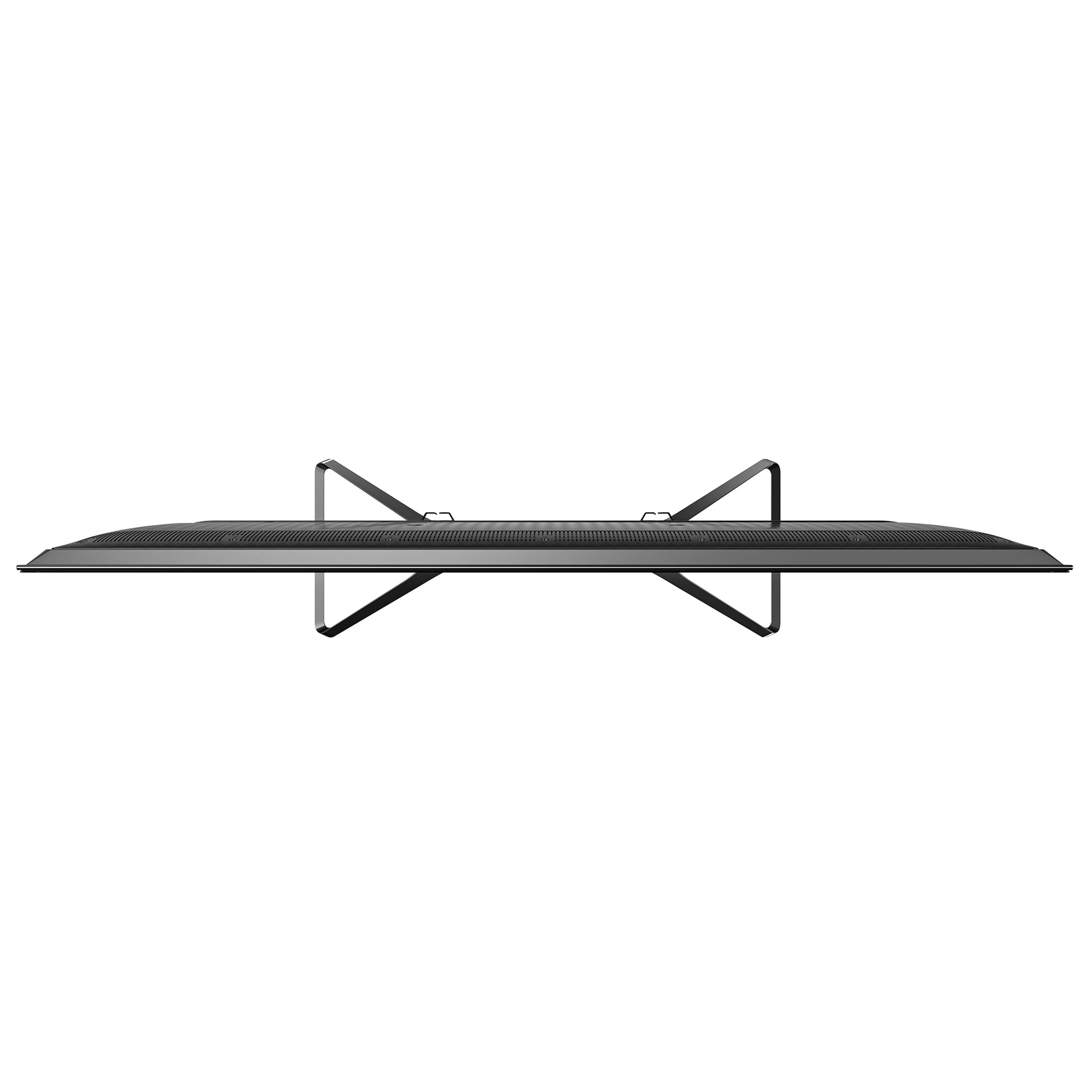
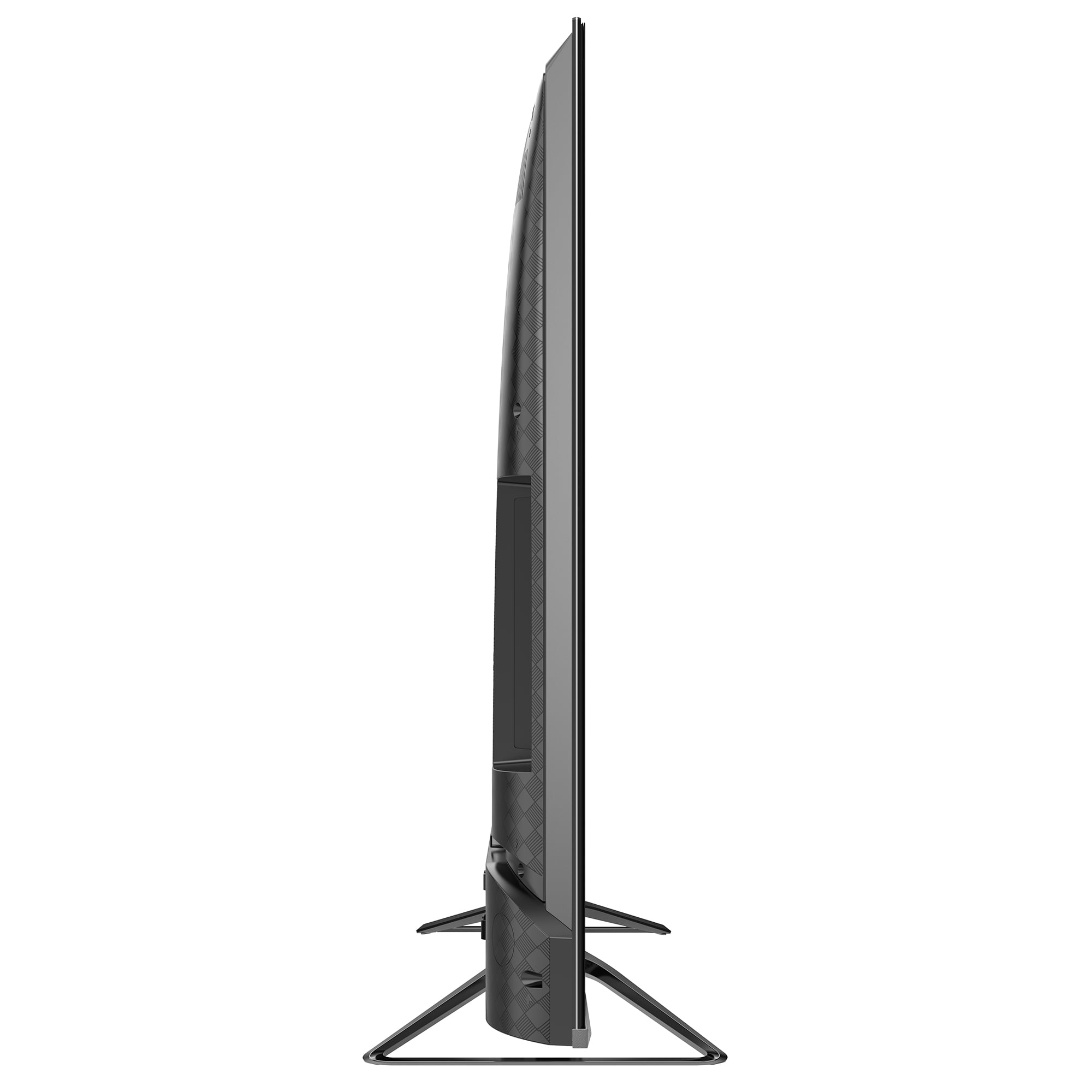
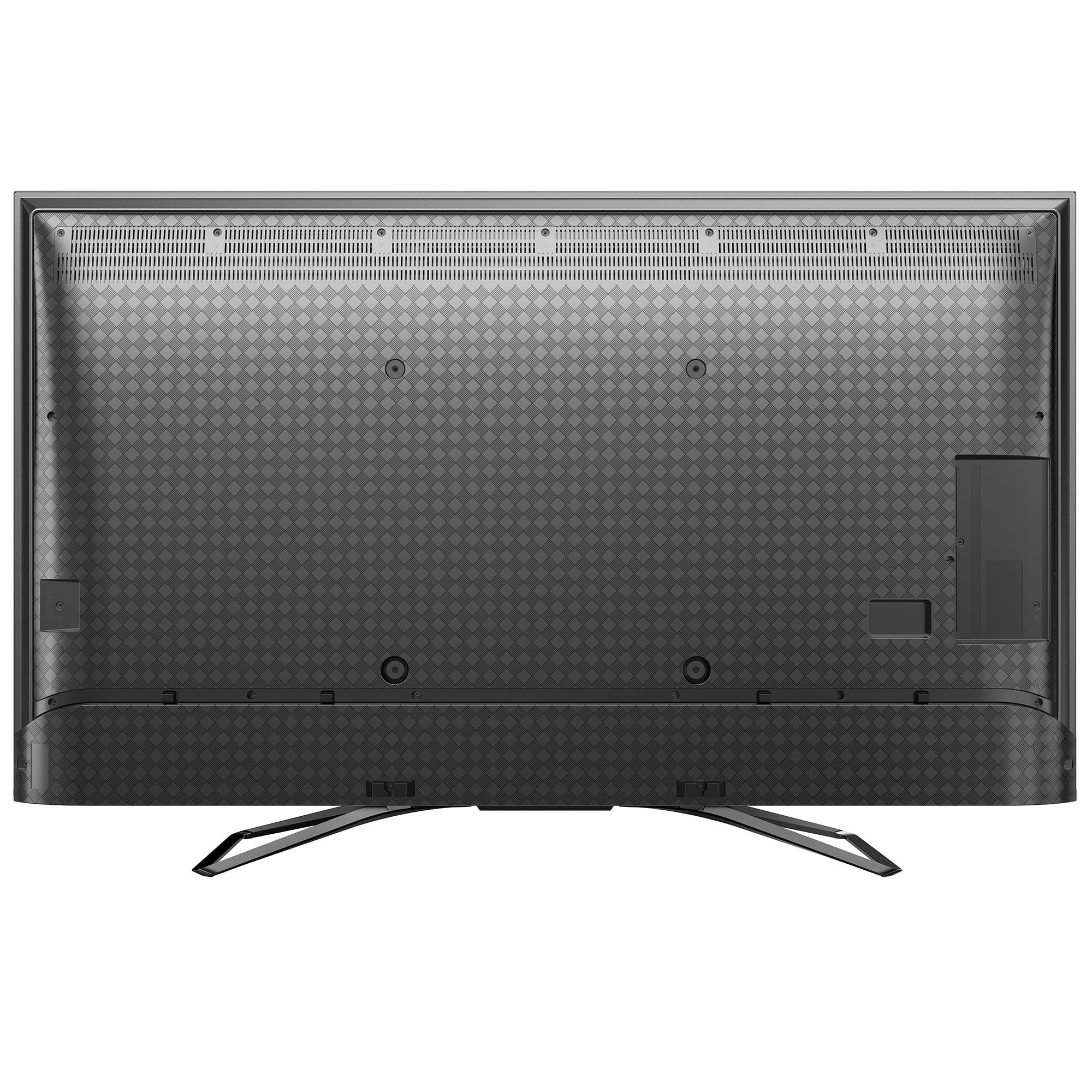
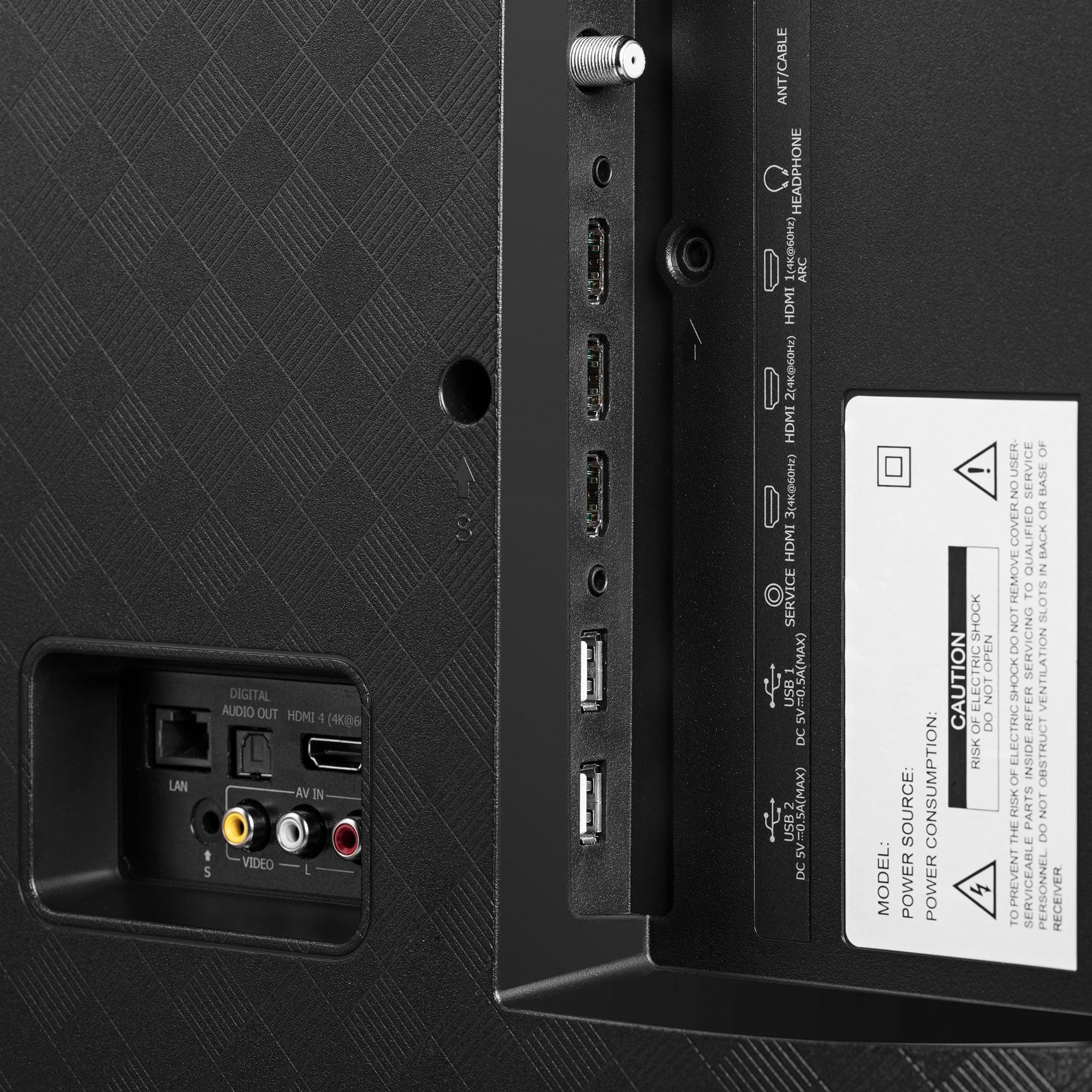
When you're shopping for a 65-inch 4K TV, you're entering a market packed with choices that range from budget-friendly options to flagship models costing several thousand dollars. The decision often comes down to a fundamental question: do you want the absolute best picture quality money can buy, or are you looking for the sweet spot where good performance meets reasonable pricing?
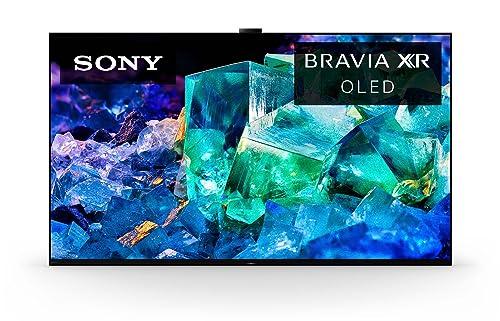
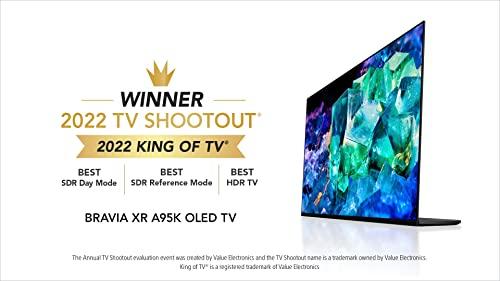
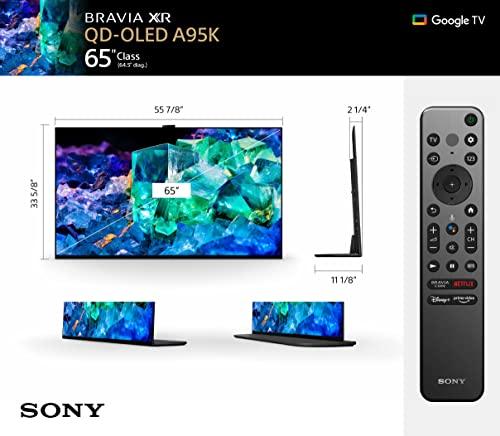
Today we're comparing two TVs that represent very different philosophies in TV design. The Sony A95K, released in 2022, showcases cutting-edge QD-OLED technology and premium features. The Hisense H9G, which hit the market in 2020, focuses on delivering premium features at a more accessible price point. At the time of writing, these TVs sit at opposite ends of the pricing spectrum, with the Sony commanding premium pricing while the Hisense offers exceptional value.
Before diving into specifics, it's worth understanding what separates today's TVs from older models. Modern 65-inch TVs focus on four main areas: display technology, smart features, gaming capabilities, and audio quality. The display technology—whether it's LED, OLED, or the newer QD-OLED—fundamentally determines how your TV produces images and affects everything from contrast to viewing angles.
Smart features have become table stakes, with most TVs running full operating systems like Google TV or Android TV. Gaming has exploded in importance since the release of PlayStation 5 and Xbox Series X consoles in 2020, driving demand for features like 120Hz refresh rates and variable refresh rate support. Audio quality varies dramatically, with some TVs barely adequate while others can genuinely replace a soundbar.
The key considerations when choosing between these categories include your viewing environment (bright room vs. dark room), content preferences (movies, sports, gaming), and budget flexibility.
The most significant difference between the Sony A95K and Hisense H9G lies in their fundamental display technologies, which affect virtually every aspect of picture quality.
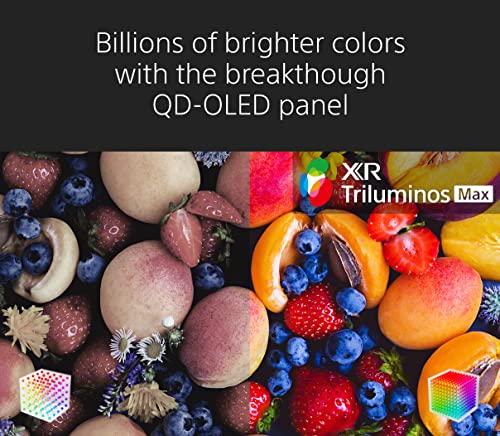
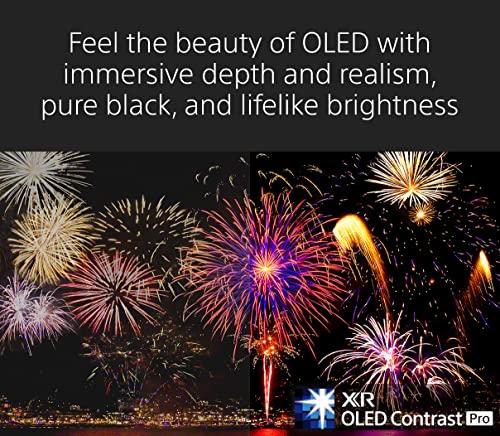
The Sony A95K uses QD-OLED technology, which represents a major breakthrough in TV display technology. Traditional OLED panels use organic compounds that emit light when electricity passes through them, creating perfect blacks by simply turning off pixels completely. However, traditional OLEDs struggle with brightness and can appear dim in bright rooms. QD-OLED solves this by combining self-emissive OLED pixels with quantum dots—microscopic particles that convert blue OLED light into pure red and green light.
This hybrid approach delivers the perfect blacks and infinite contrast of OLED while dramatically improving color brightness and saturation. The result is colors that pop with intensity while maintaining the cinematic contrast that makes OLED so appealing for movie watching. In our research of professional reviews and user feedback, the consensus is clear: QD-OLED represents a significant step forward in display technology.
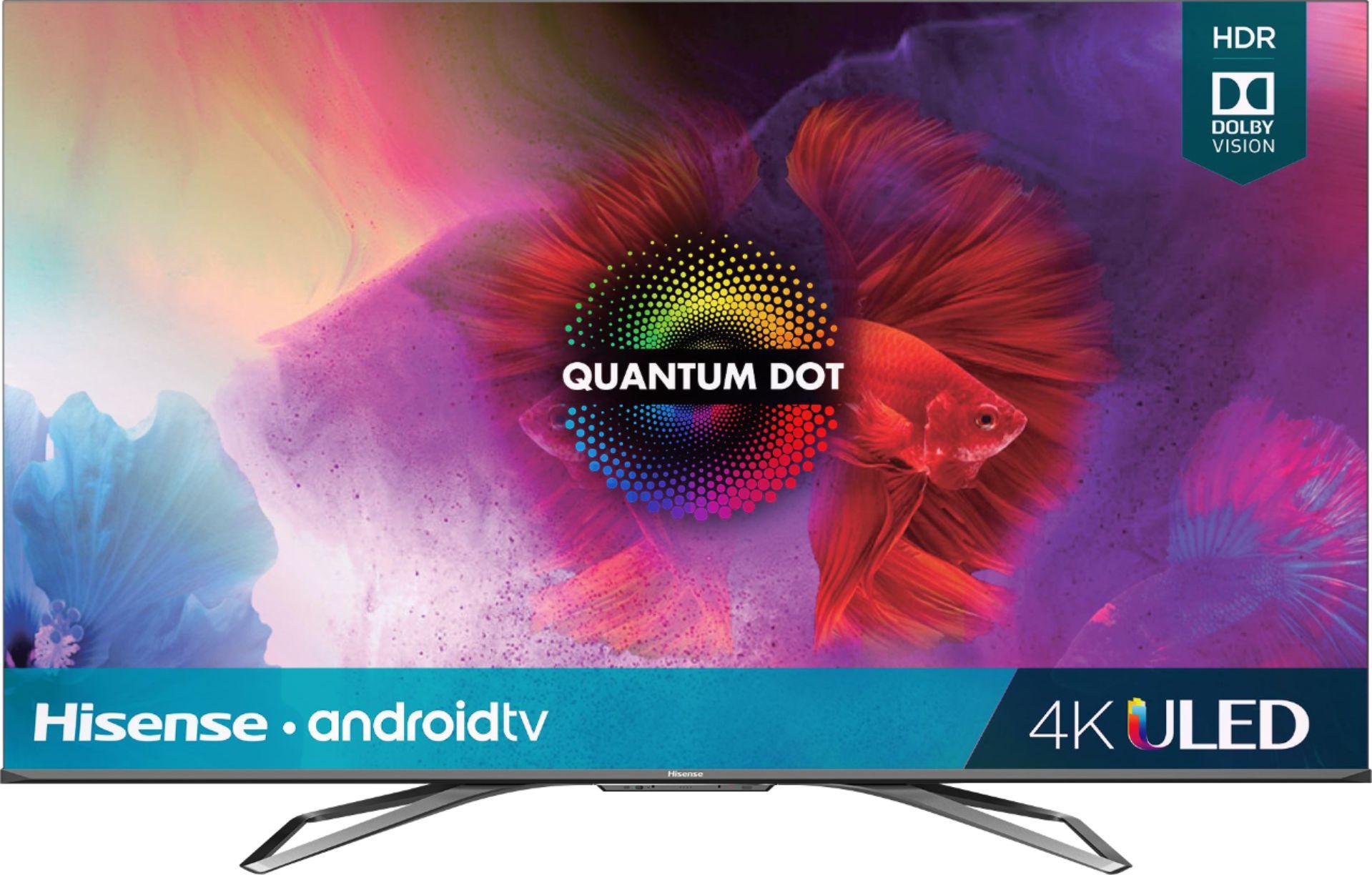
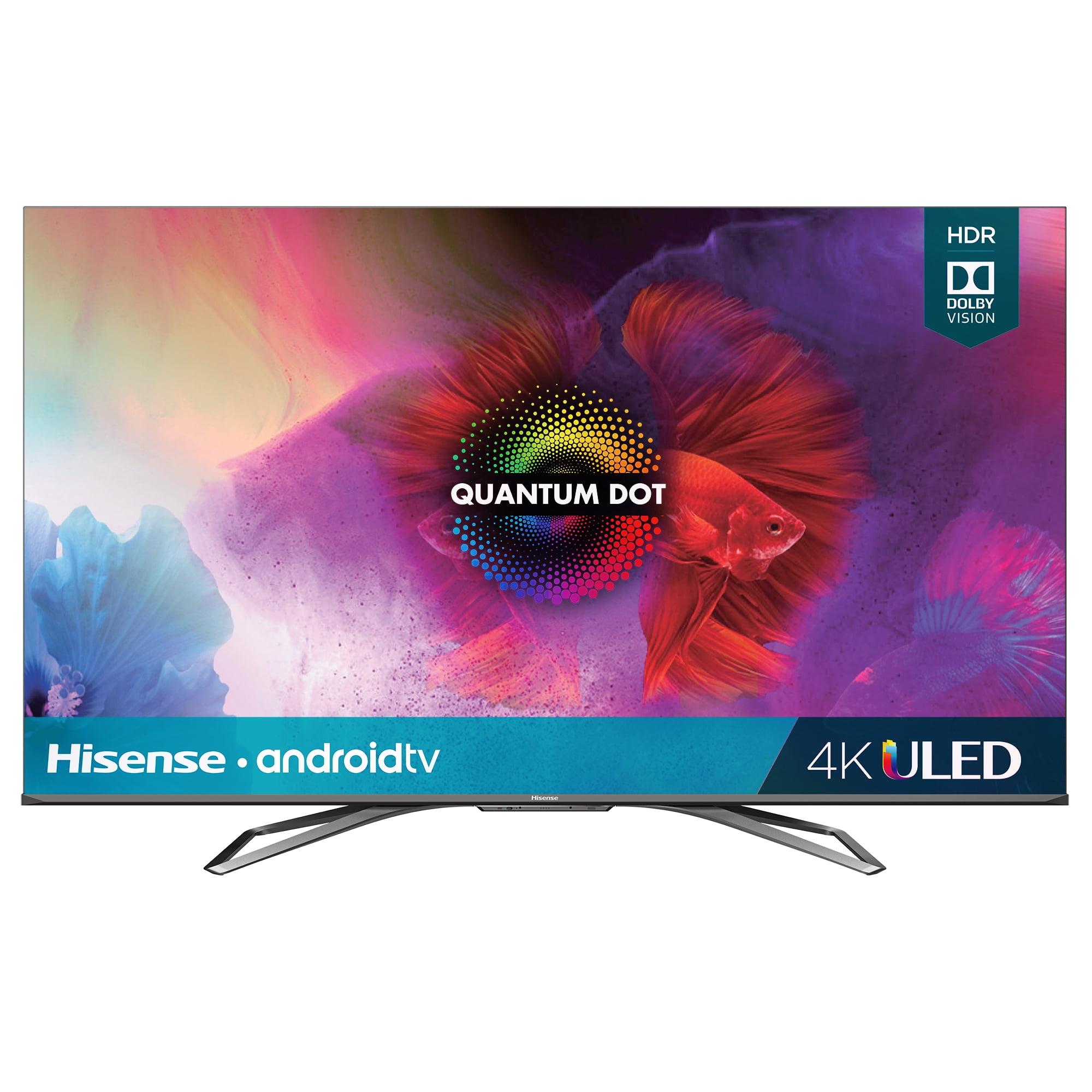
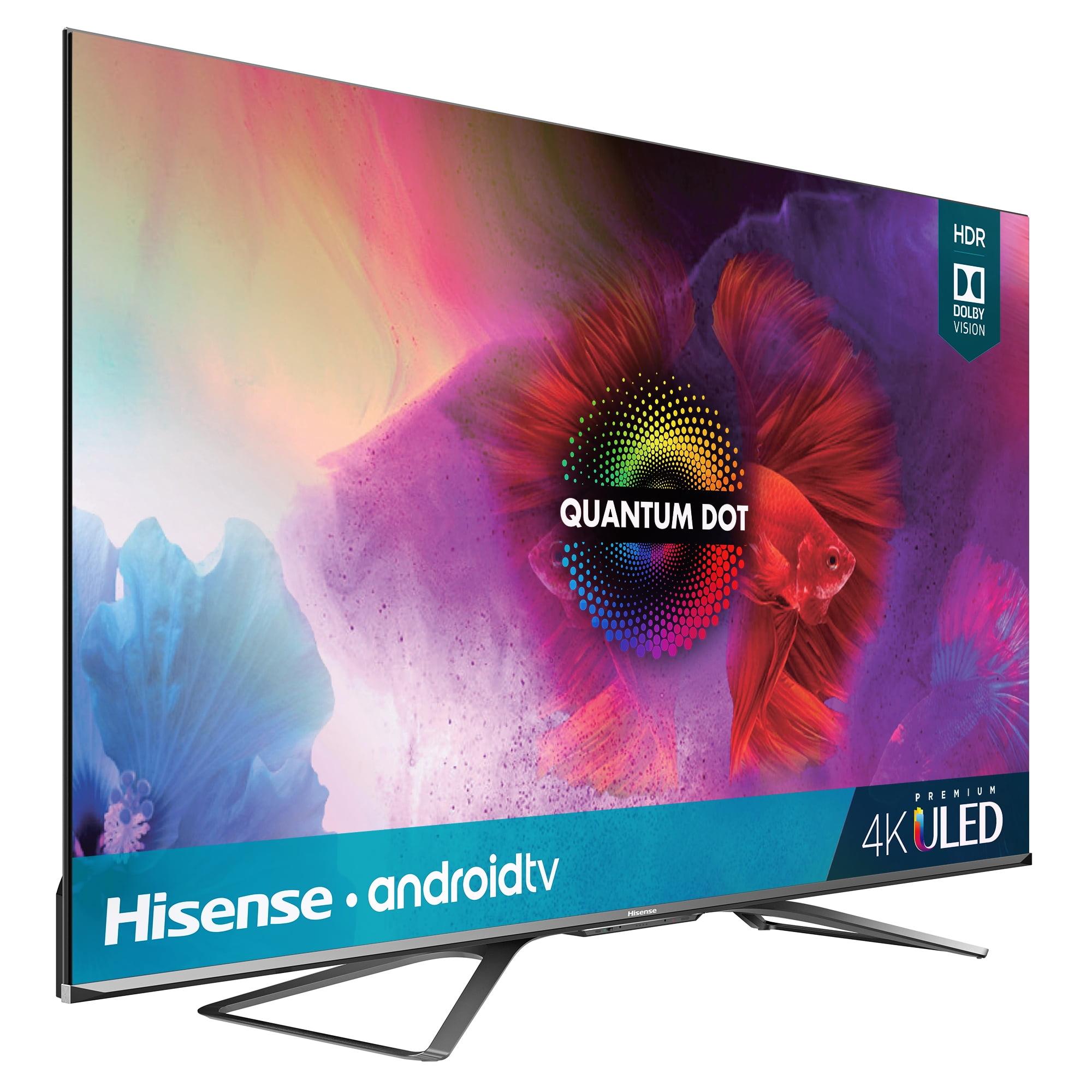
The Hisense H9G takes a different approach with LED backlighting enhanced by quantum dot technology and local dimming. LED TVs work by shining LED lights through an LCD panel, which acts like a sophisticated filter to create colors and control brightness. The quantum dot layer enhances color reproduction by converting some of the LED light into purer colors, while 180 local dimming zones allow different areas of the screen to dim independently.
This creates very good contrast and brightness—often higher peak brightness than OLED—but cannot achieve true blacks since the LED backlights are always somewhat illuminated. The trade-off is better performance in bright rooms and generally lower cost, making it an attractive option for many buyers.
Black levels represent one of the most crucial differences between these TVs. The Sony A95K achieves perfect blacks by completely turning off individual pixels, creating infinite contrast ratios that make dark scenes appear incredibly realistic. When you're watching a movie with dark scenes—think of the underground sequences in Dune or the space scenes in Interstellar—the difference is immediately apparent.
The Hisense H9G produces very good blacks for an LED TV, thanks to its 180 local dimming zones. These zones can dim different areas of the screen independently, but they can't achieve true black since there's always some light leakage from the LED backlights. In practice, this means dark scenes have a slight grayish tint, and you might notice some "blooming" where bright objects create a subtle halo effect against dark backgrounds.
For most casual viewing, the Hisense H9G's contrast performance is quite good and represents a significant improvement over basic LED TVs. However, if you're building a dedicated home theater or frequently watch content in dark rooms, the Sony A95K's perfect blacks create a more immersive and cinematic experience.
Peak brightness tells a different story. The Hisense H9G can reach up to 1000 nits of brightness, making it excellent for bright room viewing and HDR content that features bright highlights like explosions or sunshine. The Sony A95K typically reaches around 400 nits for full-screen brightness, but here's where QD-OLED technology shines: it can deliver much brighter colors than traditional OLEDs.
HDR (High Dynamic Range) content benefits both TVs, but in different ways. HDR expands the range between the darkest and brightest parts of an image, creating more realistic and impactful visuals. The Hisense H9G excels at bright HDR highlights—think of sun reflections on water or bright explosions—while the Sony A95K delivers more nuanced shadow detail and color gradation throughout the brightness range.
Both TVs support major HDR formats including Dolby Vision, which uses dynamic metadata to optimize each scene individually. The Sony A95K also includes specialized picture modes calibrated for different content types, including a Netflix Calibrated Mode that matches the filmmaker's intended appearance.
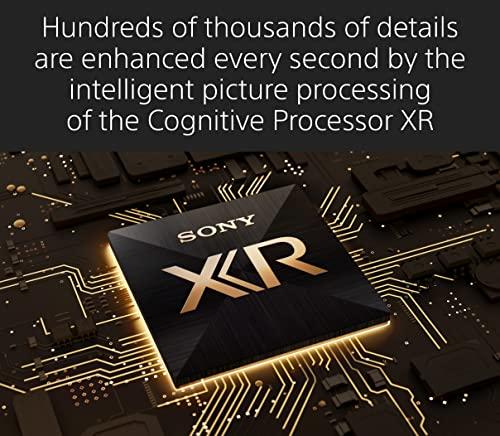
Color reproduction showcases another key difference. The Sony A95K delivers exceptional color accuracy out of the box, with Sony's XR Triluminos Max technology leveraging the QD-OLED panel to produce the widest color gamut Sony has ever achieved in a TV. The quantum dot layer ensures that reds are more saturated and greens more vivid than traditional OLEDs can produce.
The Hisense H9G also uses quantum dot technology to enhance colors, covering a wide color gamut that surpasses standard LED TVs. However, our research indicates that it tends toward slight oversaturation in some modes, particularly the Vivid setting that many users gravitate toward initially. The colors are certainly vibrant and appealing, but they may not be as accurate to the filmmaker's original intent.
For everyday viewing, both TVs produce satisfying, vibrant colors. The difference becomes more apparent when watching reference-quality content like 4K Blu-rays or premium streaming services where color accuracy directly impacts the viewing experience.
Gaming has become increasingly important since the launch of PlayStation 5 and Xbox Series X consoles, which can output 4K resolution at 120 frames per second. This requires specific TV features that weren't standard just a few years ago.
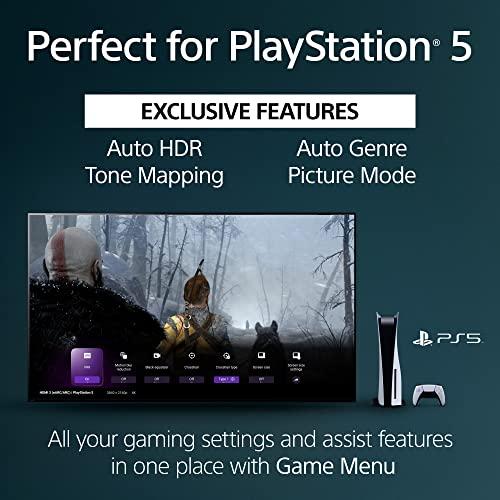
The Sony A95K includes two HDMI 2.1 ports that support the full suite of next-generation gaming features: 4K at 120Hz, Variable Refresh Rate (VRR), and Auto Low Latency Mode (ALLM). VRR synchronizes the TV's refresh rate with the console's output, eliminating screen tearing and providing smoother gameplay. ALLM automatically switches the TV to its lowest-latency game mode when it detects a gaming signal.
However, there's a notable limitation: the Sony A95K can only display Dolby Vision HDR at 60Hz, not 120Hz. This means gamers must choose between higher refresh rates and Dolby Vision's enhanced HDR processing. For competitive gaming, most players will choose the higher refresh rate, but it's worth noting this compromise.
The Hisense H9G, being a 2020 model, lacks many modern gaming features. While it has a 120Hz panel and game mode that reduces input lag, it doesn't support VRR or the full HDMI 2.1 specification. This makes it adequate for casual gaming but less ideal for users with new consoles who want to take full advantage of their capabilities.
Input lag measurements show both TVs performing well in game mode, with response times quick enough for competitive gaming. The Sony A95K has a slight edge in overall gaming experience due to its feature completeness, while the Hisense H9G provides good gaming performance for its price point.
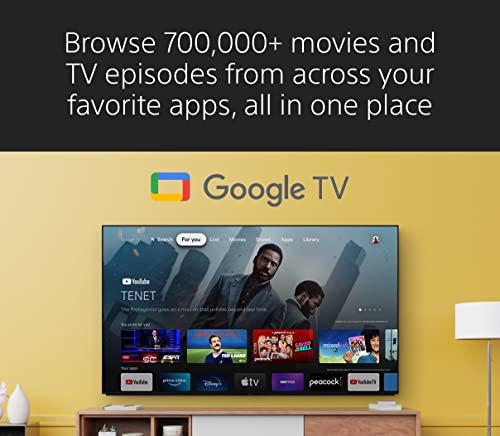
Both TVs run Google-based operating systems, but their implementations differ significantly. The Sony A95K uses Google TV, which is Google's newer, more refined interface that launched in 2021. It provides personalized recommendations, easier content discovery, and a cleaner overall experience compared to older Android TV implementations.
The Hisense H9G runs Android TV, which was Google's previous smart TV platform. While functional and offering access to the Google Play Store, it feels less polished and can be slower to navigate. Both systems support major streaming apps like Netflix, Disney+, and YouTube, along with Chromecast built-in for casting content from mobile devices.
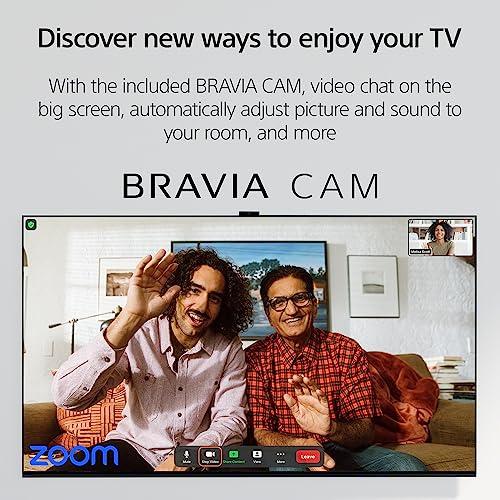
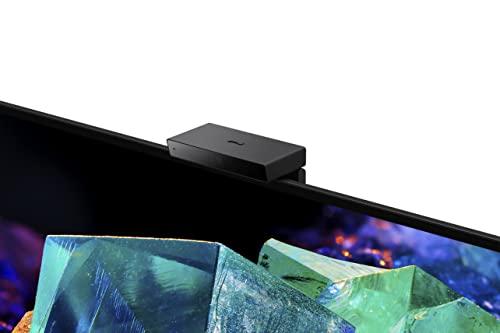
The Sony A95K includes some unique features like the BRAVIA CAM, a webcam that enables gesture controls and video calling. While not essential for most users, it demonstrates Sony's commitment to innovative features. The TV also includes built-in microphones for hands-free voice control.
Both TVs receive regular software updates, though Sony typically provides longer-term support and more frequent updates for their premium models. This can matter for long-term usability as streaming services evolve and new features are added.
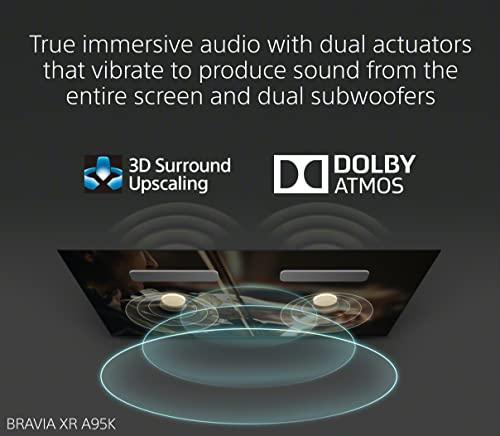
TV audio often gets overlooked, but it can significantly impact your viewing experience. The Sony A95K features Acoustic Surface Audio+ technology, which is genuinely innovative. Instead of traditional speakers, the TV uses actuators that vibrate the entire screen to produce sound. This creates the effect of dialogue and sound effects coming directly from their location on screen, rather than from speakers below or to the sides.
The system supports Dolby Atmos and can even function as the center channel in a surround sound setup, with the TV handling dialogue while external speakers handle other audio channels. For many users, this built-in audio system eliminates the need for a soundbar, at least initially.
The Hisense H9G includes more conventional speakers with 20 watts total power output. The sound quality is adequate for casual viewing but lacks the depth and immersive qualities of the Sony's system. Most users will likely want to add a soundbar for optimal audio performance, especially in larger rooms or for movie watching.
Your room setup significantly influences which TV will work better. The Sony A95K maintains excellent picture quality from wide viewing angles, making it suitable for rooms where people sit off to the sides or for open floor plans where the TV might be viewed from various positions.
LED TVs like the Hisense H9G typically have more limited viewing angles, with colors and contrast degrading when viewed from the sides. This isn't necessarily a dealbreaker—many living rooms have seating positioned directly in front of the TV—but it's worth considering for your specific setup.
The Sony A95K's anti-reflection coating also helps in bright rooms, though the Hisense H9G's higher peak brightness can sometimes overpower ambient light more effectively. If your TV will be in a room with large windows and significant daytime brightness, the Hisense might actually provide a better daytime viewing experience.
OLED technology has historically raised concerns about burn-in, where static images displayed for extended periods can leave permanent marks on the screen. The Sony A95K's QD-OLED technology appears to have reduced burn-in risk compared to traditional OLEDs, but it's still something to consider if you frequently display static content like news tickers or gaming HUDs.
The Hisense H9G's LED technology eliminates burn-in concerns entirely, making it a safer choice for users who might leave static content on screen regularly or use the TV for computer display purposes.
Both manufacturers provide warranties, though Sony typically offers more comprehensive support and longer software update cycles for their premium models. The Sony A95K represents newer technology that should remain relevant longer, while the Hisense H9G offers proven technology at a more accessible price point.
Choosing between the Sony A95K and Hisense H9G ultimately comes down to your priorities, budget, and viewing habits.
Choose the Sony A95K if you:
Choose the Hisense H9G if you:
The Sony A95K represents the cutting edge of TV technology, delivering reference-quality picture performance that justifies its premium positioning. It's the choice for enthusiasts who want the best possible viewing experience and don't mind paying for technological leadership.
The Hisense H9G offers tremendous value, delivering many premium features at a fraction of flagship pricing. It's an excellent choice for buyers who want to step up from basic TVs without stretching their budget to premium levels.
Both are solid choices within their respective market positions. The key is honestly assessing your needs, viewing environment, and budget constraints to determine which approach better matches your priorities. In my experience, most users will be happy with either choice, but the specific circumstances of your setup and preferences will determine which delivers better value for your situation.
| Sony Bravia XR A95K 65" QD-OLED TV | Hisense 65" H9G Quantum Series 4K UHD Smart Android TV |
|---|---|
| Display Technology - Fundamentally determines picture quality and viewing experience | |
| QD-OLED with perfect blacks and infinite contrast | LED with Quantum Dots and 180-zone local dimming |
| Peak Brightness - Critical for HDR performance and bright room viewing | |
| ~400 nits typical, but 200% brighter colors than traditional OLED | Up to 1,000 nits peak brightness across full screen |
| Black Levels - Most noticeable difference in dark scenes and movies | |
| Perfect blacks (pixels turn completely off) | Very good blacks with minimal light bleed from LED backlights |
| Gaming Features - Essential for PlayStation 5 and Xbox Series X owners | |
| 2x HDMI 2.1 ports with 4K@120Hz, VRR, ALLM support | Native 120Hz panel but no VRR or HDMI 2.1 features |
| Smart TV Platform - Affects daily usability and app performance | |
| Google TV (2021 platform) with faster interface | Android TV (older platform) with adequate performance |
| Audio System - Can eliminate need for separate soundbar | |
| Acoustic Surface Audio+ (screen vibrates to create sound) | Standard 20W speakers (10W x 2) requiring external audio |
| Color Accuracy - Important for filmmakers' intended appearance | |
| Exceptional out-of-box accuracy with XR Triluminos Max | Good quantum dot colors but tends toward oversaturation |
| Viewing Angles - Matters for off-center seating or open floor plans | |
| Excellent wide viewing angles maintain picture quality | Limited viewing angles with color/contrast degradation from sides |
| Burn-in Risk - Long-term reliability consideration | |
| Low risk with QD-OLED technology (some OLED precautions apply) | No burn-in risk with LED technology |
| Release Year - Indicates technology generation and future support | |
| 2022 flagship with cutting-edge QD-OLED innovation | 2020 model representing solid previous-generation value |
The Sony Bravia XR A95K delivers superior picture quality for movies with its QD-OLED technology that produces perfect blacks and infinite contrast. This creates a more cinematic experience in dark rooms, while the Hisense H9G offers good picture quality with bright highlights but cannot achieve true blacks due to its LED backlighting.
QD-OLED in the Sony A95K uses self-emitting pixels that can turn completely off for perfect blacks, combined with quantum dots for brighter colors. The Hisense H9G uses LED backlights shining through an LCD panel with quantum dot enhancement, providing good brightness but some light leakage in dark scenes.
The Sony Bravia XR A95K is significantly better for next-gen gaming with two HDMI 2.1 ports supporting 4K@120Hz, Variable Refresh Rate, and Auto Low Latency Mode. The Hisense H9G lacks these modern gaming features, making it adequate for casual gaming but not optimal for new consoles.
The Hisense H9G performs better in very bright rooms with its 1,000-nit peak brightness that can overpower ambient light. The Sony A95K has lower peak brightness but includes anti-reflection coating and delivers much brighter colors than traditional OLEDs, making it suitable for most lighting conditions.
The Hisense H9G offers exceptional value with quantum dot technology, local dimming, and solid performance at a mid-range price point. The Sony A95K commands premium pricing but delivers cutting-edge QD-OLED technology and reference-quality picture performance that justifies the higher cost for enthusiasts.
The Sony Bravia XR A95K features innovative Acoustic Surface Audio+ that uses the screen itself as a speaker, creating immersive sound that can eliminate the need for a soundbar initially. The Hisense H9G has adequate 20W speakers but most users will want to add external audio for optimal performance.
The Sony A95K runs Google TV, which is newer and more refined with better content recommendations and faster navigation. The Hisense H9G uses the older Android TV platform that's functional but less polished, though both provide access to major streaming apps.
The Sony Bravia XR A95K maintains excellent picture quality from wide viewing angles, perfect for open floor plans or off-center seating. The Hisense H9G has more limited viewing angles typical of LED TVs, with color and contrast degradation when viewed from the sides.
For a dedicated home theater, the Sony A95K is the clear choice with its perfect blacks, exceptional contrast, and Acoustic Surface Audio+ that creates cinema-quality viewing in dark environments. The Hisense H9G is better suited for multi-purpose living rooms with ambient lighting.
The Sony Bravia XR A95K has low burn-in risk thanks to QD-OLED technology improvements, though some OLED precautions still apply for static content. The Hisense H9G has no burn-in risk due to its LED technology, making it worry-free for extended use with static images.
Both TVs support major HDR formats, but the Sony A95K includes specialized picture modes like Netflix Calibrated Mode for filmmaker-intended viewing. The Hisense H9G supports Dolby Vision, HDR10, and HDR10+ with good performance, though color accuracy may require adjustment.
The Sony Bravia XR A95K being a 2022 flagship model will likely receive longer software support and more frequent updates. The Hisense H9G from 2020 represents solid proven technology but may have shorter update cycles typical of value-oriented models.
We've done our best to create useful and informative comparisons to help you decide what product to buy. Our research uses advanced automated methods to create this comparison and perfection is not possible - please contact us for corrections or questions. These are the sites we've researched in the creation of this article: tomsguide.com - audioadvice.com - wepc.com - bestbuy.com - tvsbook.com - rtings.com - youtube.com - flatpanelshd.com - rtings.com - youtube.com - reviewed.com - avsforum.com - youtube.com - youtube.com - rtings.com - youtube.com - electronics.sony.com - sonypremiumhome.com - valueelectronics.com - sony.com - displayspecifications.com - flatpanelshd.com - donstv.com - youtube.com - businessinsider.com - youtube.com - displayspecifications.com - bestbuy.com - rtings.com - bestbuy.com - techradar.com - youtube.com - digitaltrends.com - assets.hisense-usa.com - bestbuy.com - youtube.com - bestbuy.com

Privacy Policy
Terms and Conditions - Affiliate Policy
Home Security
© Copyright 2008-2026.
11816 Inwood Rd #1211, Dallas, TX 75244