

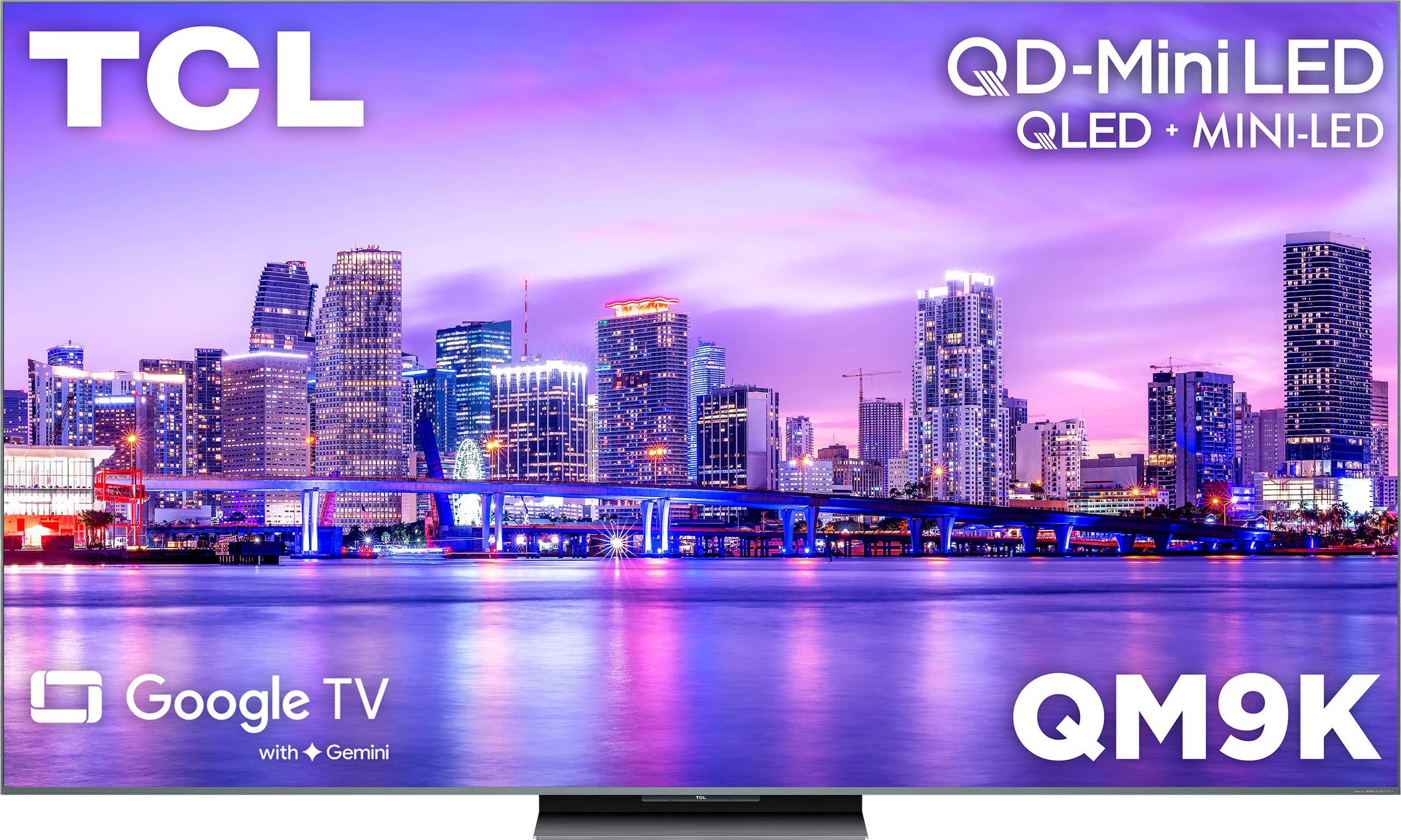
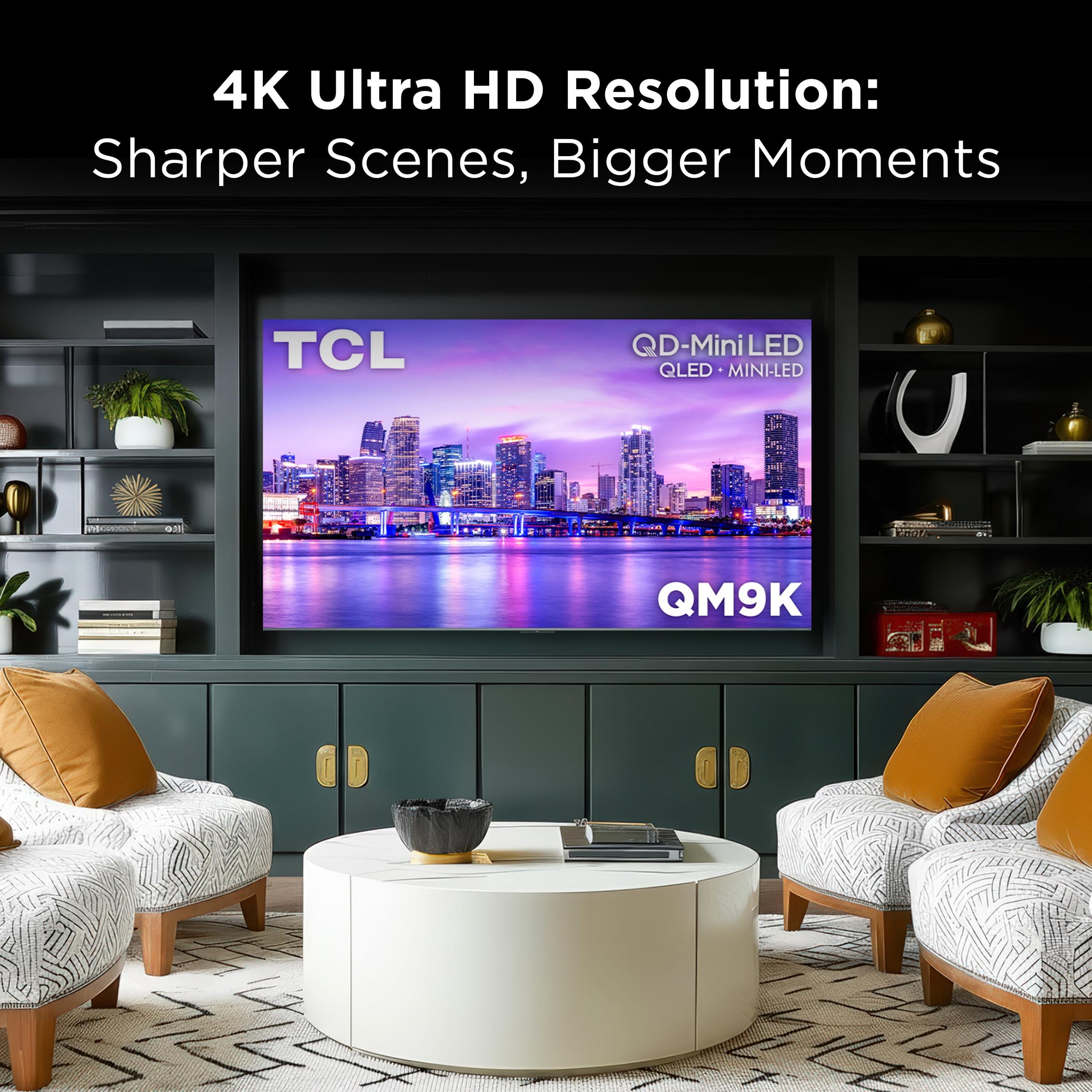
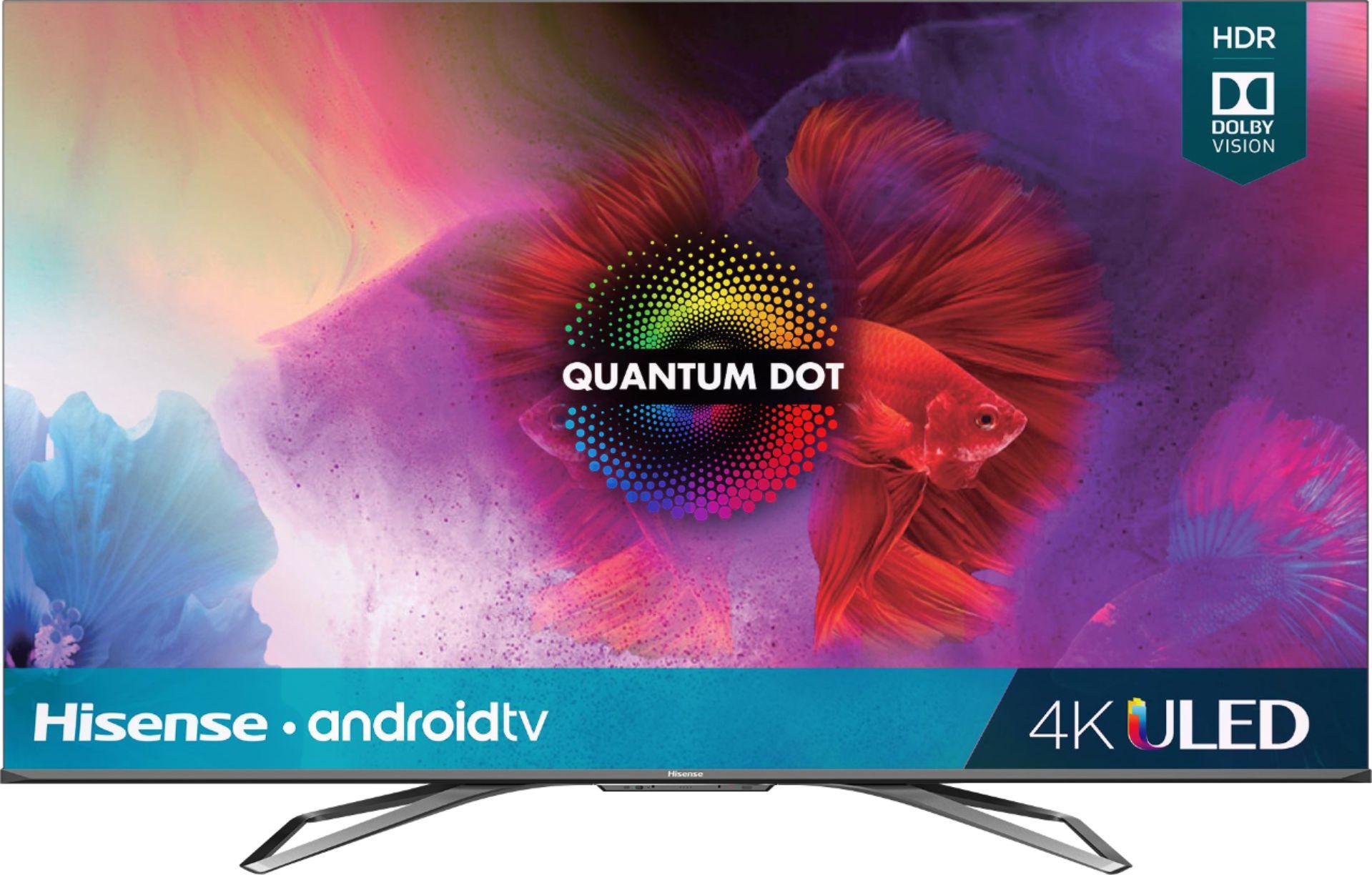
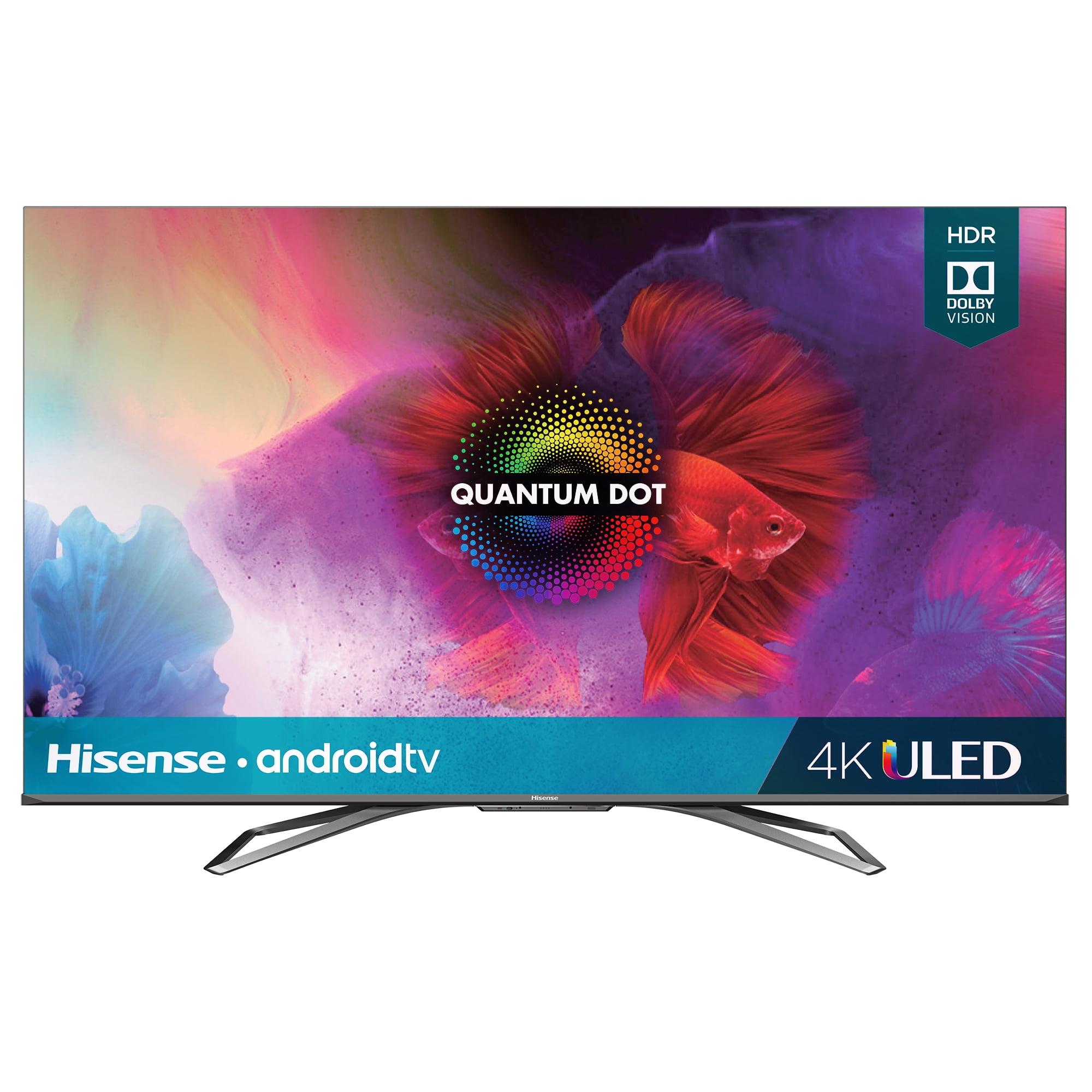
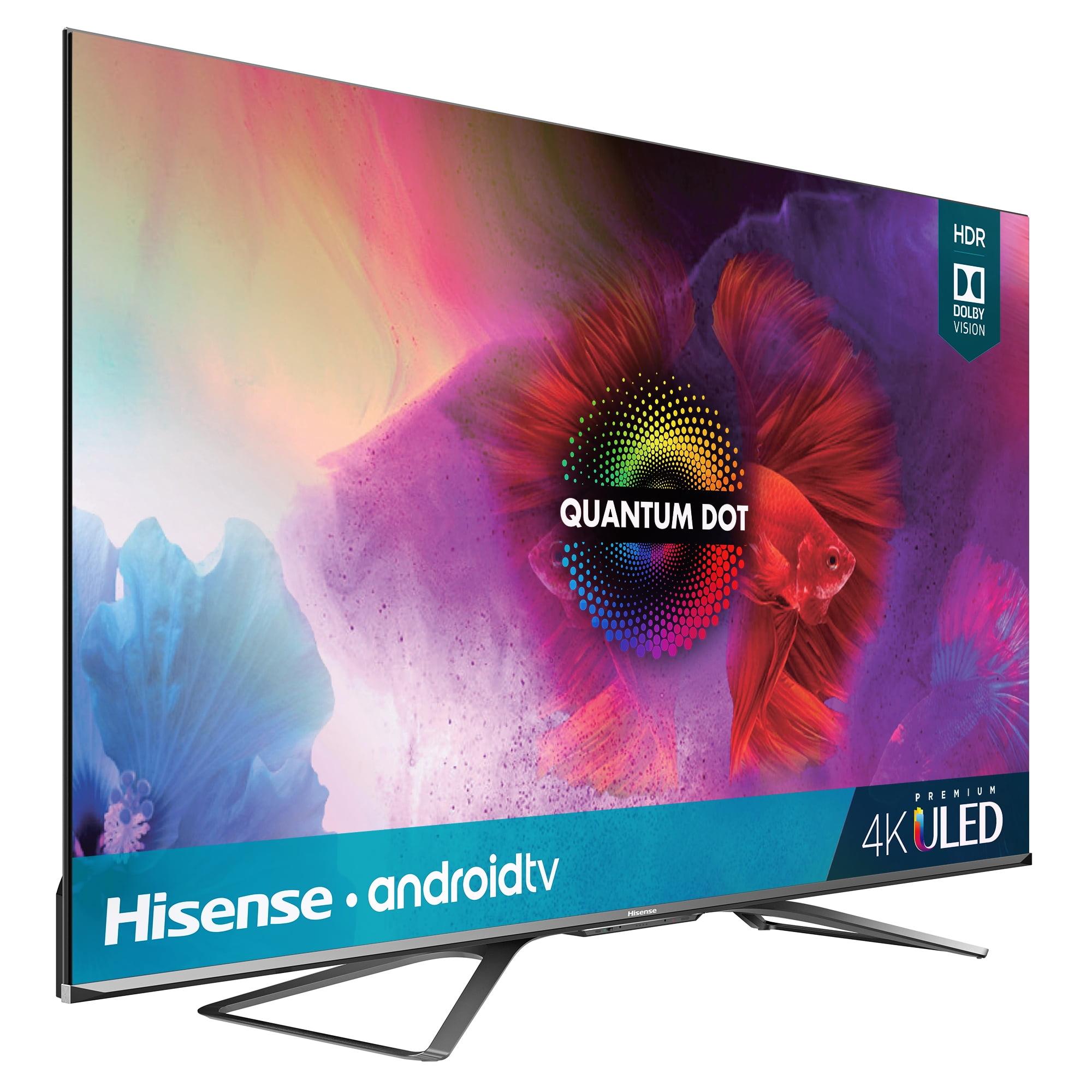

When shopping for a 65-inch TV, you'll encounter two fundamentally different approaches to premium picture quality. The TCL QM9K, released in 2024, represents the cutting edge of Mini LED technology, while the Hisense H9G, launched in 2020, offers proven quantum dot performance at a more accessible price point. Understanding these differences will help you make the right choice for your home theater.
The four-year gap between these TVs tells an important story about display technology evolution. When the Hisense H9G debuted in 2020, it was genuinely impressive—quantum dots combined with 180 local dimming zones delivered excellent contrast and color for the price. However, TV technology moves fast, and Mini LED has fundamentally changed what's possible in LED displays.
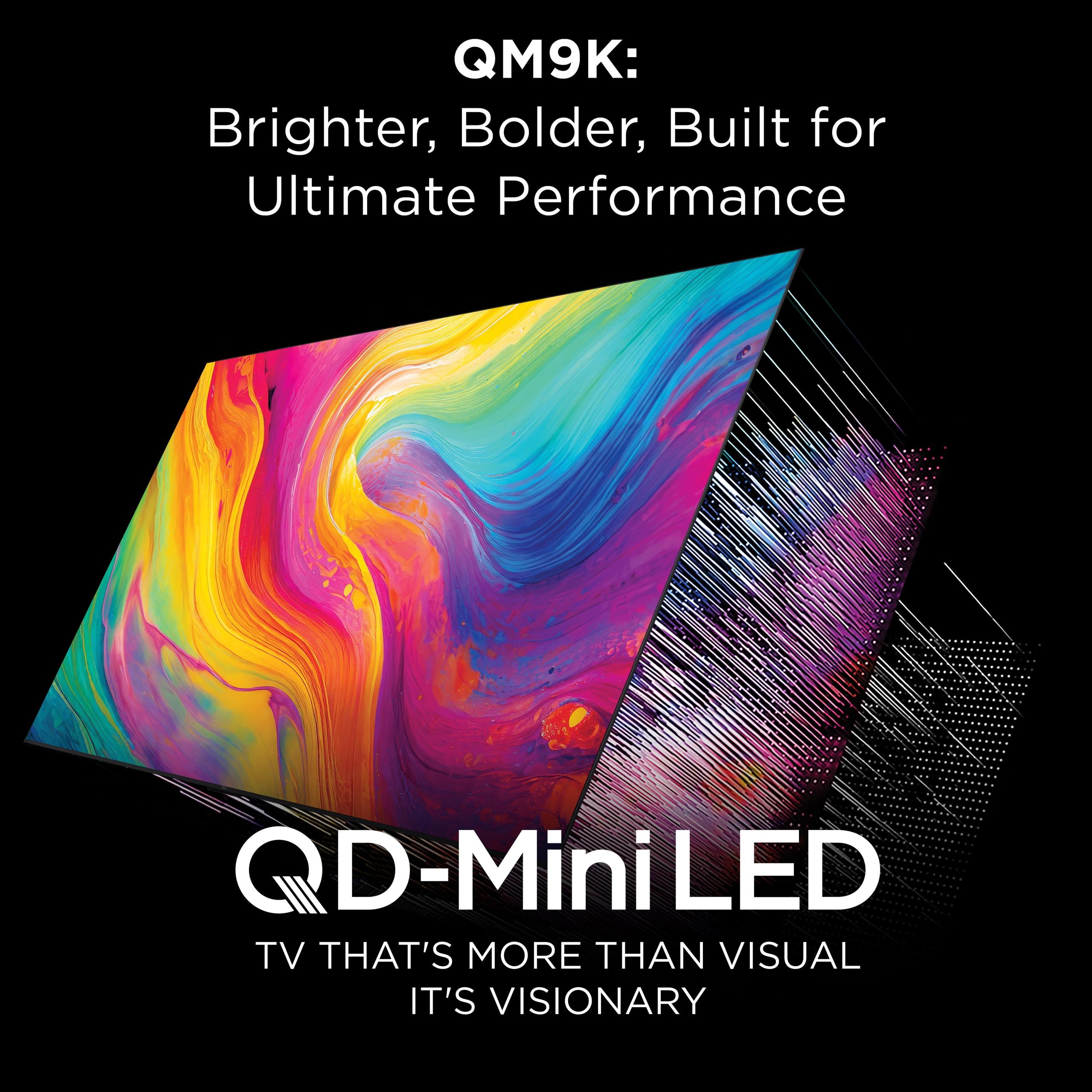
The TCL QM9K uses QD-Mini LED technology, which shrinks the LED backlight elements to microscopic sizes while adding quantum dot color enhancement. Think of regular LEDs as large lightbulbs behind your TV screen—they create zones of light and darkness, but the zones are relatively big, leading to "blooming" where light spills into areas that should be dark. Mini LEDs are like switching from those large lightbulbs to tiny pinpricks of light, allowing for incredibly precise control.
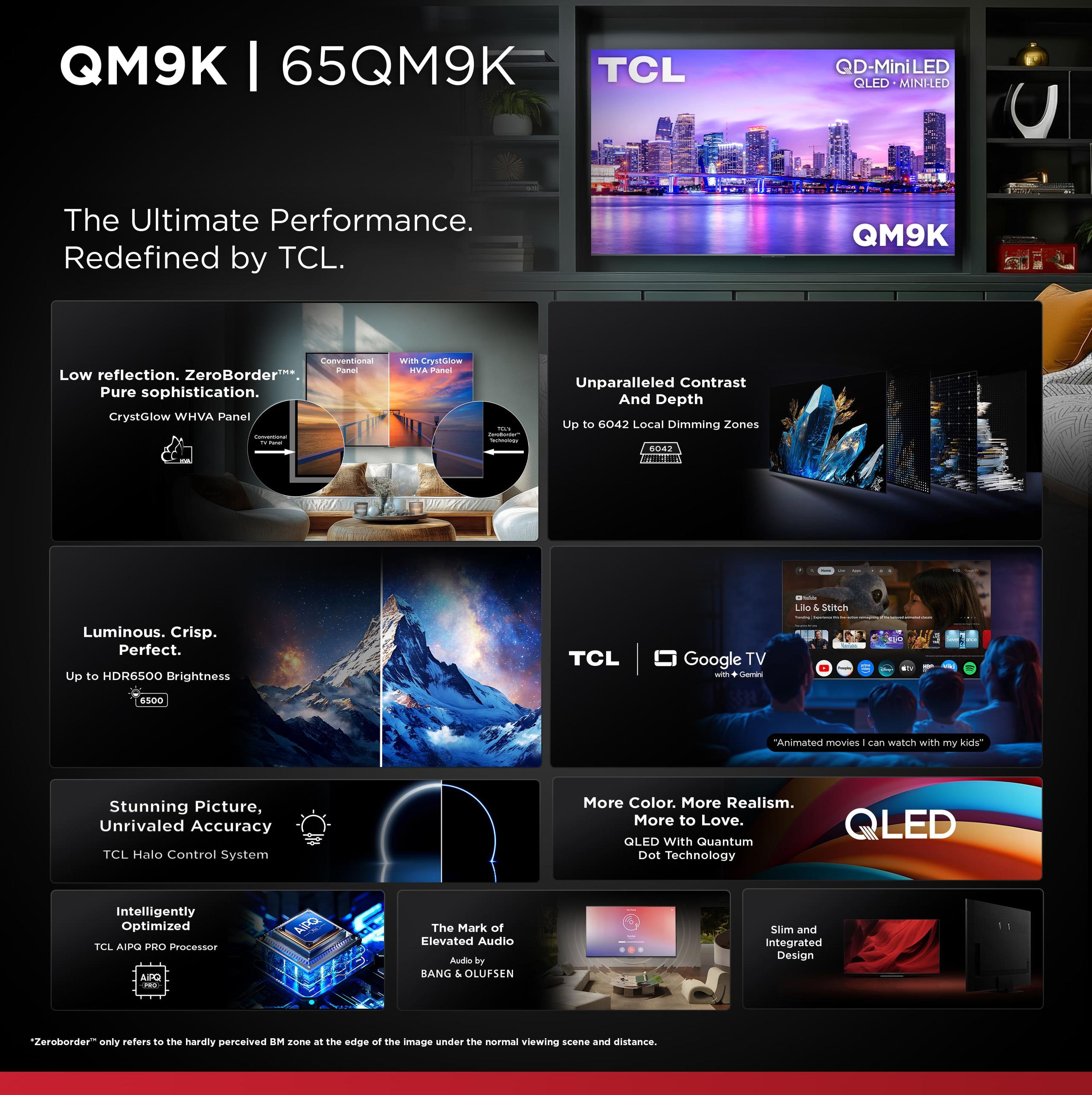
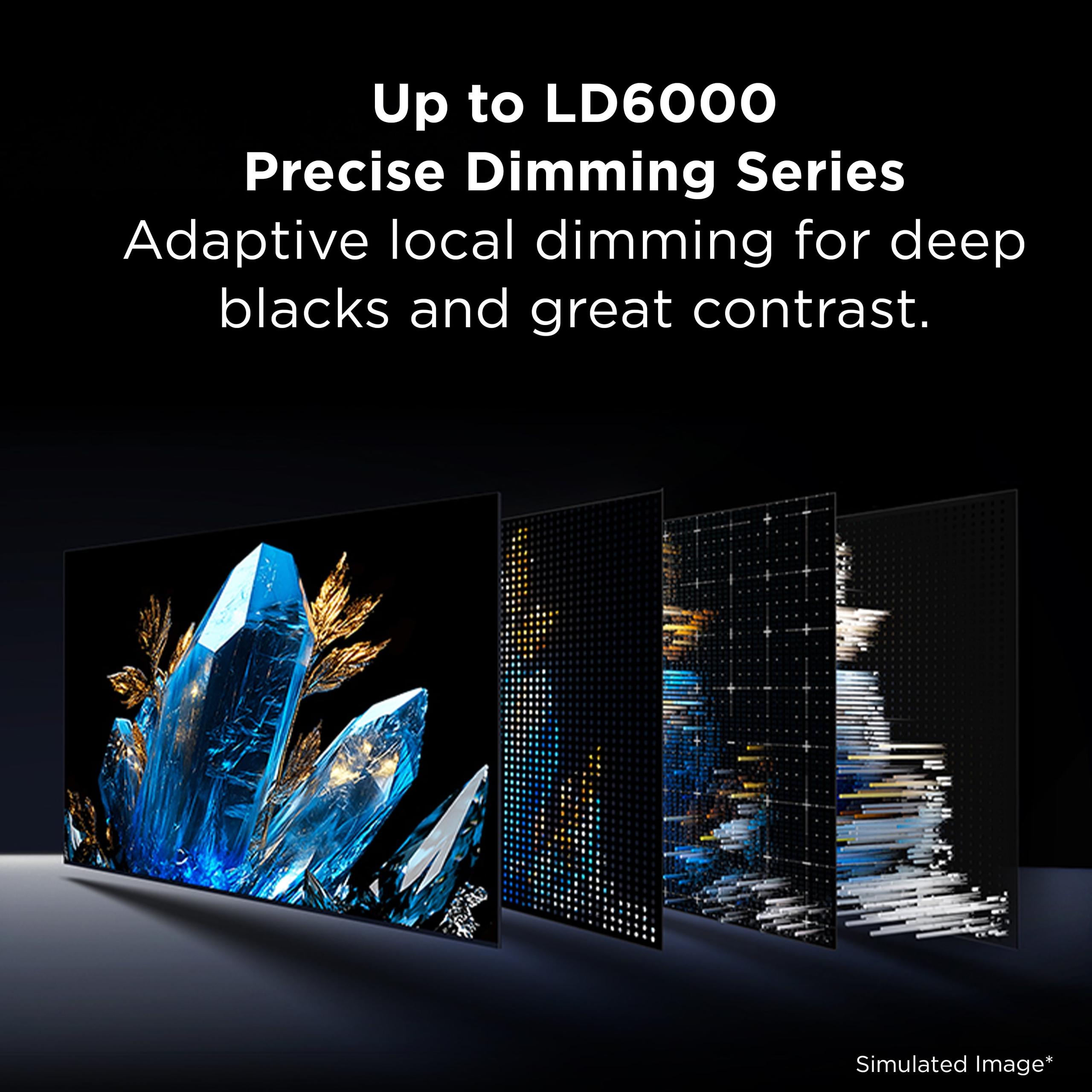
This precision shows up in the zone counts: the Hisense H9G manages 180 local dimming zones across its 65-inch screen, while the TCL QM9K delivers up to 6,000 zones. That's not just an incremental improvement—it's a fundamental leap that eliminates most blooming and creates OLED-like contrast at LED brightness levels.
Peak brightness determines how well your TV handles HDR (High Dynamic Range) content—those stunning nature documentaries, blockbuster movies, and modern games that showcase dramatic differences between bright and dark areas. The Hisense H9G reaches 1,000 nits of peak brightness, which was respectable in 2020 but feels limited today.
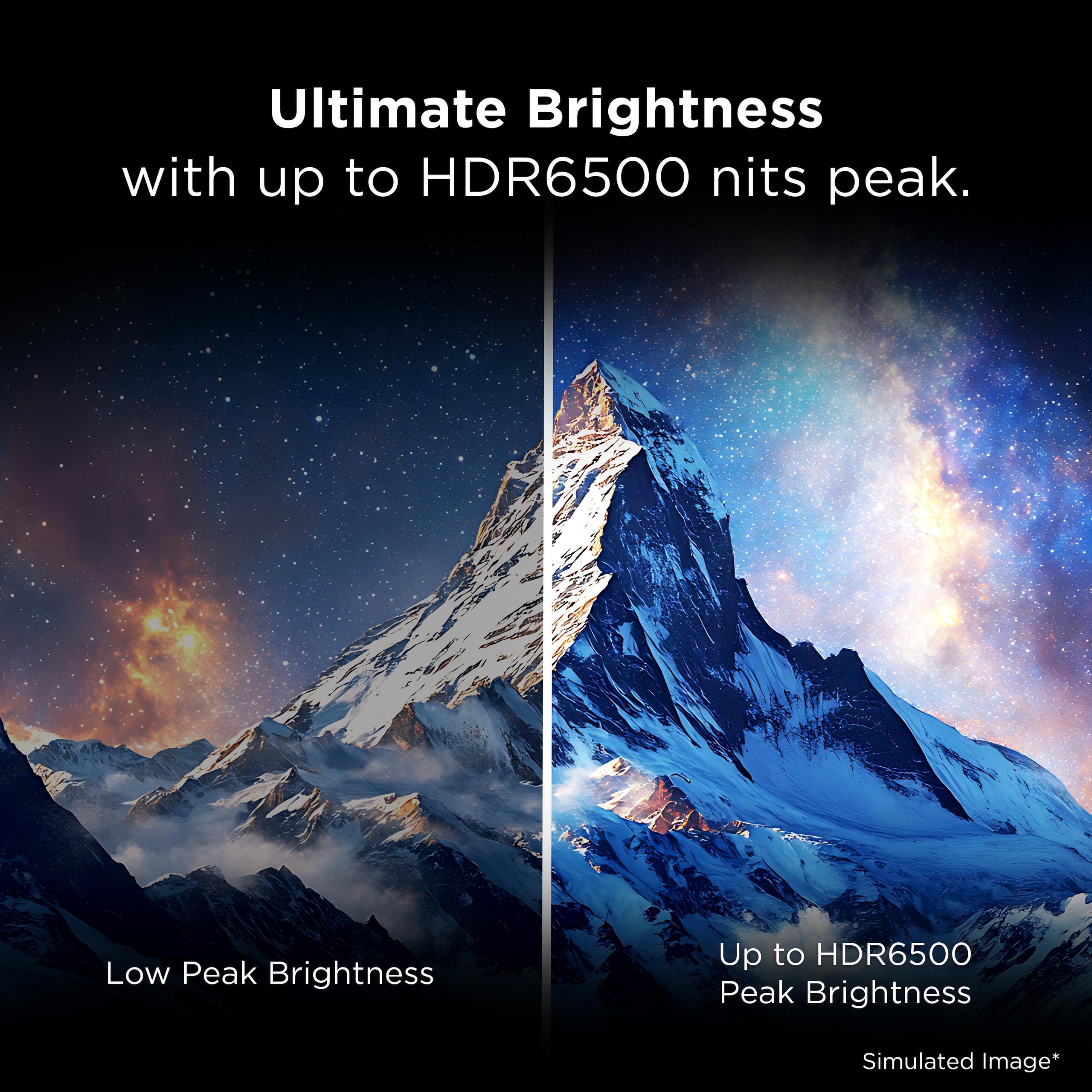
The TCL QM9K, however, peaks at an extraordinary 6,500 nits. This isn't just about bragging rights—this brightness level transforms how HDR content appears. When watching "Top Gun: Maverick" or nature documentaries like "Planet Earth," the sun reflections, explosions, and bright outdoor scenes appear genuinely dazzling without washing out the surrounding dark areas.
This massive brightness advantage means the TCL QM9K excels in bright rooms where ambient light typically washes out TV displays. If your TV sits near windows or in a well-lit family room, this brightness difference becomes immediately apparent in daily viewing.
Contrast ratio—the difference between the darkest blacks and brightest whites—determines how realistic and three-dimensional your picture appears. The Hisense H9G delivers solid contrast for a traditional LED TV, but you'll notice blooming around bright objects in dark scenes. This shows up as unwanted light halos around street lamps in night scenes or bright text on dark backgrounds.
The TCL QM9K virtually eliminates this problem through its Halo Control System and massive zone count. The TV can keep individual areas of the screen perfectly black while making adjacent areas blindingly bright—something that approaches OLED performance without OLED's brightness limitations.
In practical terms, this means watching dark movies like "The Batman" or playing atmospheric games becomes dramatically more immersive on the TCL QM9K. You see into shadow details while highlights pop with intensity, creating that premium cinema experience at home.
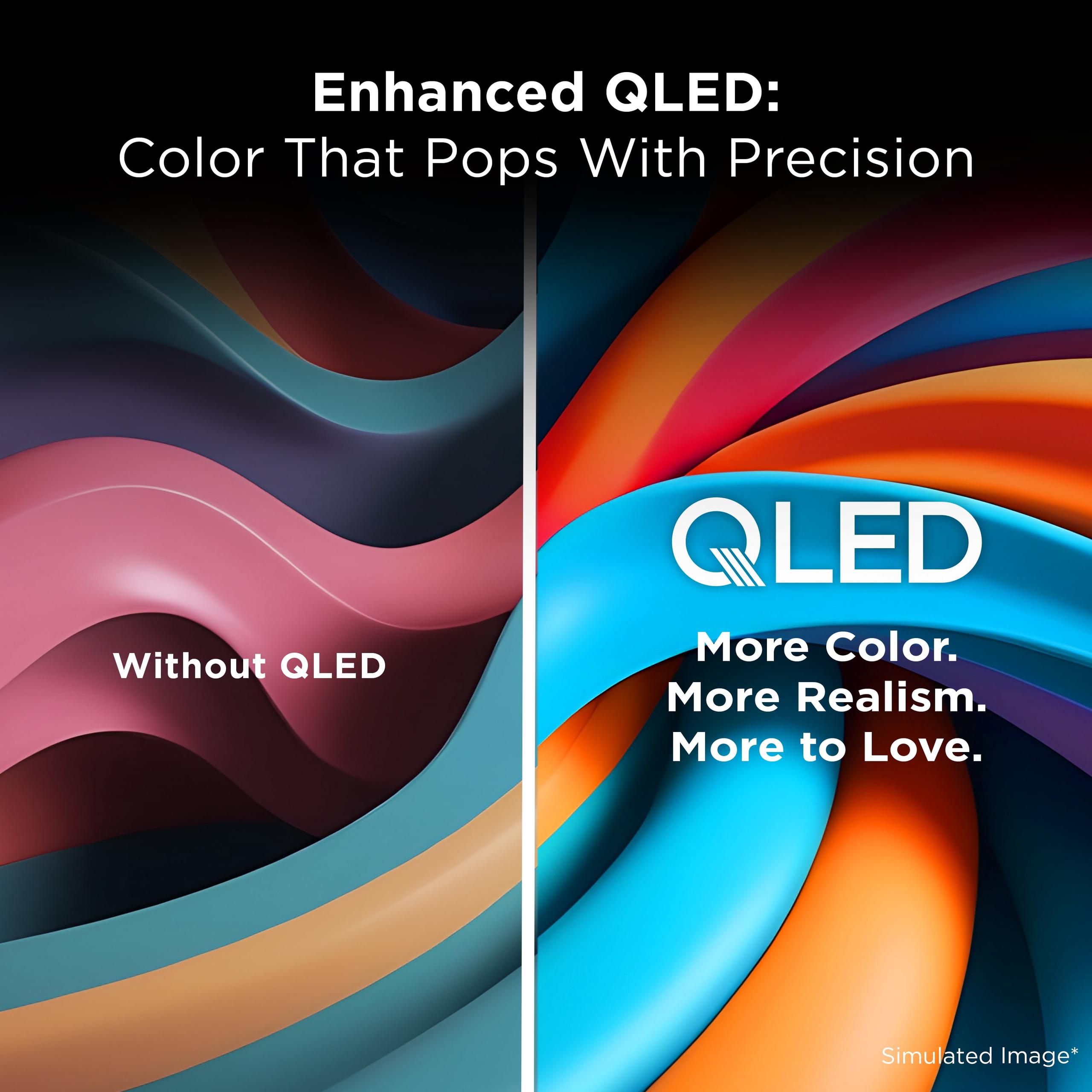
Both TVs use quantum dot technology, which enhances color reproduction by using nanocrystals to create more pure, saturated colors. However, the TCL QM9K implements Enhanced QLED with 97% DCI-P3 color coverage—the professional cinema standard—while the Hisense H9G offers good but less precise color reproduction.
The newer TV also includes more sophisticated processing that automatically adjusts colors based on content type and ambient lighting. This means less time tweaking settings and more consistent, accurate colors whether you're watching animated movies, sports, or documentaries.
Gaming capabilities reveal the most dramatic differences between these TVs, reflecting four years of rapid gaming technology advancement.
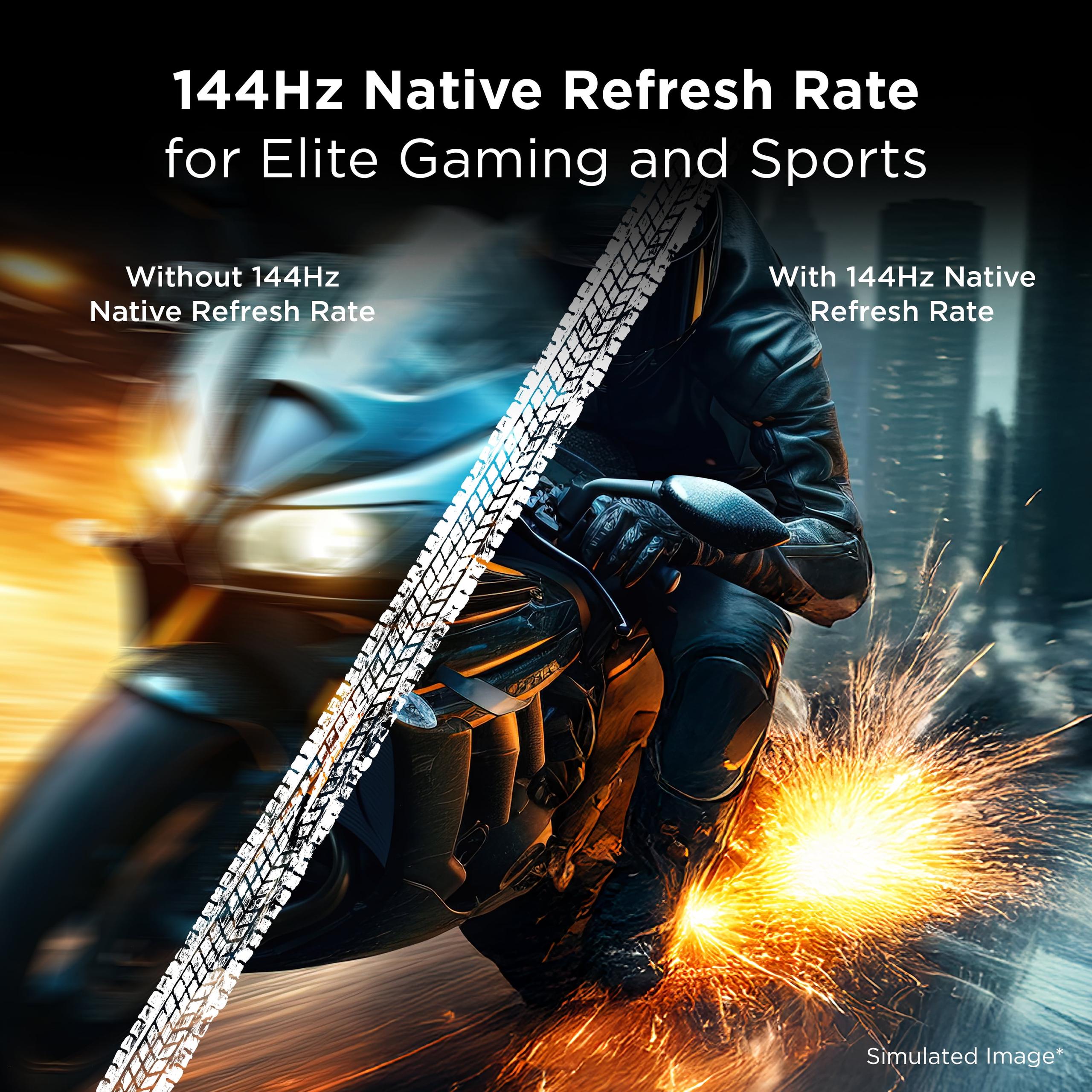
The TCL QM9K fully supports current-generation consoles with features that were barely emerging when the Hisense H9G launched. The newer TV offers 4K gaming at 144Hz—twice the refresh rate of the Hisense—plus variable refresh rate (VRR) support that eliminates screen tearing and stuttering.
For PlayStation 5 and Xbox Series X owners, this translates to noticeably smoother gameplay in supported titles. Racing games feel more responsive, first-person shooters appear less choppy during rapid movement, and even menu navigation feels snappier with the TCL QM9K's 5.3ms input lag versus the Hisense H9G's higher latency.
The TCL QM9K even supports gaming at 288Hz in 1080p and 1440p modes through its Game Accelerator 288 feature—useful for competitive PC gaming where every millisecond matters.
Gaming technology continues evolving rapidly, and the Hisense H9G's lack of HDMI 2.1 ports limits it to 4K at 60Hz maximum. This was acceptable in 2020 but feels restrictive as more games support higher refresh rates and advanced features.
The TCL QM9K includes multiple HDMI 2.1 ports, ensuring compatibility with future consoles and gaming devices for years to come. This future-proofing aspect significantly impacts the TV's long-term value proposition.
Software and user interface quality dramatically affect daily TV use, and here the age difference becomes apparent.
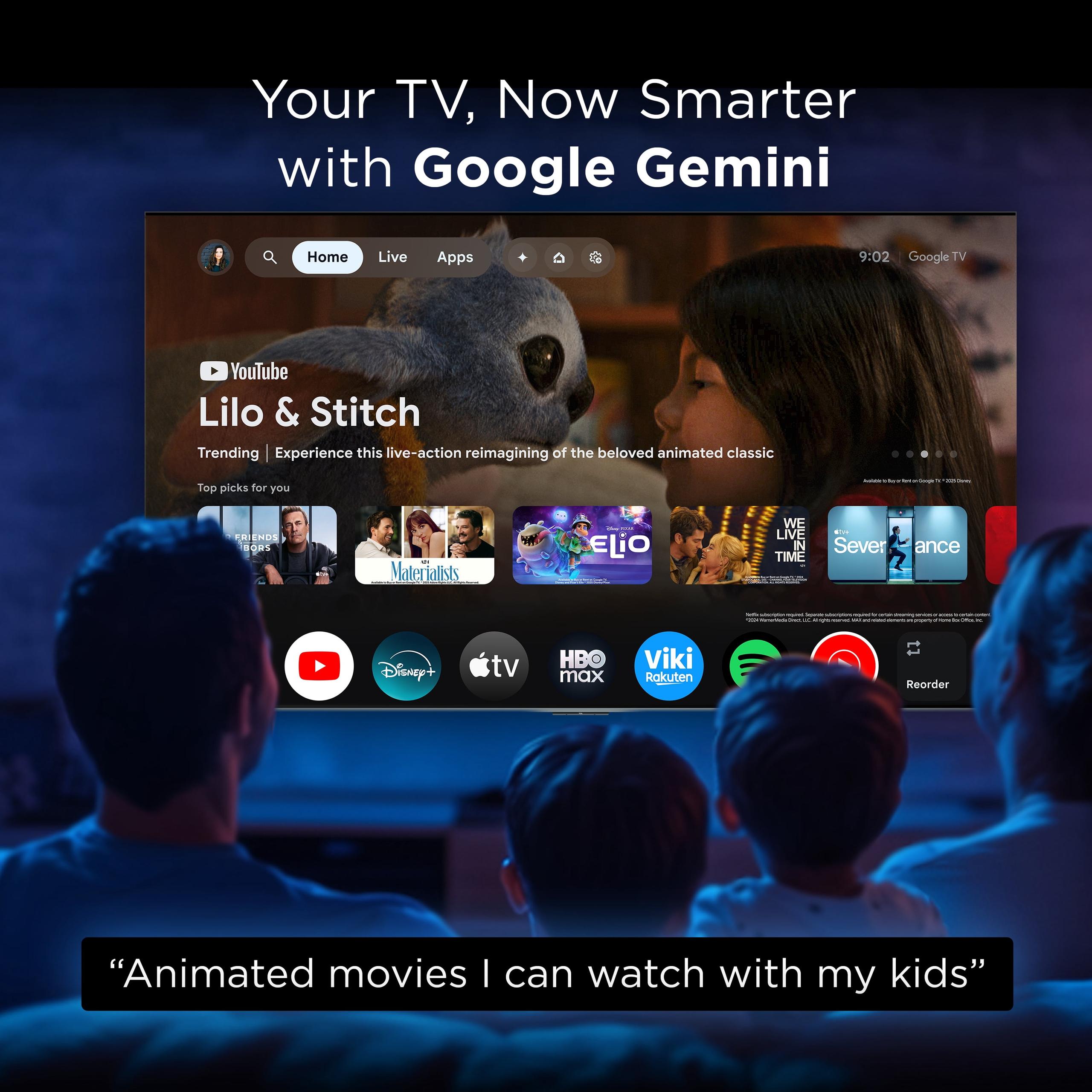
The TCL QM9K runs Google TV with integrated Google Gemini AI, offering conversational voice control and intelligent content recommendations. The presence sensor automatically turns the TV on when you enter the room and displays ambient information widgets—genuinely useful smart features that feel modern and responsive.
The Hisense H9G uses Android TV from 2020, which works adequately but lacks the polish and AI integration of newer platforms. You'll spend more time navigating menus and searching for content, and voice control feels less natural and responsive.
Modern streaming demands robust connectivity, and the TCL QM9K includes WiFi 6 and Bluetooth 5.4—standards that provide faster, more stable connections for 4K streaming and wireless audio. The Hisense H9G uses older wireless standards that may struggle with multiple high-bandwidth streams or congested networks.
TV audio often gets overlooked, but it significantly impacts the viewing experience, especially for those not using external sound systems.
The TCL QM9K features audio tuning by Bang & Olufsen with a 2.1.1 channel system that includes a dedicated subwoofer in the 65-inch model. This creates noticeably fuller sound with actual bass response—rare in flat-panel TVs.
The Hisense H9G includes basic stereo speakers that produce clear dialogue but lack depth and impact. For movie watching, you'll likely want to add a soundbar sooner rather than later.
At the time of writing, these TVs occupy different market segments that reflect their technological generations and target audiences.
The TCL QM9K commands a significant premium over the Hisense H9G, but this premium reflects genuine technological advancement rather than marketing fluff. You're paying for 6,000 local dimming zones versus 180, cutting-edge gaming features, modern smart TV capabilities, and brightness levels that were impossible in 2020.
For perspective, the contrast and gaming performance improvements alone would cost substantially more when upgrading to comparable OLED TVs, making the TCL QM9K excellent value within the premium LED category.
Technology longevity matters when investing in a large TV. The Hisense H9G, while capable today, already shows its age in gaming compatibility and smart features. Within a few years, it may feel genuinely outdated as 4K 120Hz gaming becomes standard and streaming requirements continue increasing.
The TCL QM9K includes current-generation features that should remain relevant for five to seven years, potentially making it more economical despite the higher upfront cost.
For dedicated home theater setups, picture quality takes precedence over convenience features, but both TVs offer different advantages.
In light-controlled environments, the TCL QM9K's superior contrast and black levels create a more cinematic experience. The virtually elimination of blooming means dark scenes maintain their atmosphere and detail, while bright scenes deliver impact without washing out surrounding areas.
The Hisense H9G performs respectably in dark rooms but can't match the newer TV's precision. You'll notice more light bleed and less shadow detail, though it still provides an enjoyable viewing experience for most content.
Many home theaters aren't perfectly light-controlled, and here the TCL QM9K's massive brightness advantage proves invaluable. Even with ambient light present, HDR content maintains its impact, and the screen remains visible and colorful.
The Hisense H9G struggles more with ambient light, requiring more careful room setup and light control for optimal performance.
You're a serious movie enthusiast or gamer who values cutting-edge performance and wants technology that will remain current for years. The premium pays for genuinely superior picture quality, modern gaming capabilities, and smart features that enhance daily use.
This TV particularly suits households with mixed lighting conditions, gamers with current-generation consoles, and anyone who watches lots of HDR content. The brightness and contrast improvements are immediately visible and enhance virtually all viewing.
Budget-conscious buyers who want solid 4K performance without premium pricing. If your viewing consists mainly of cable TV, basic streaming, and casual gaming, the H9G provides good value and respectable performance.
This choice makes sense for secondary TVs, guest rooms, or situations where cutting-edge features aren't priorities. The savings can fund other home theater components like a quality soundbar or streaming device.
The TCL QM9K represents a generational leap that justifies its premium through measurably superior performance in every key area. The contrast improvement alone transforms the viewing experience, while gaming and smart features ensure years of relevance.
The Hisense H9G remains a capable TV that delivers solid performance at a lower price point, but its age increasingly shows in gaming limitations and smart platform capabilities.
For most buyers prioritizing long-term value and premium performance, the TCL QM9K offers better investment despite its higher cost. The technology improvements are substantial enough to provide meaningfully better daily viewing experiences, making the premium worthwhile for serious TV enthusiasts.
However, if budget constraints are paramount and you primarily watch standard content with minimal gaming needs, the Hisense H9G still delivers satisfying performance at a more accessible price point. The key is honestly assessing your viewing habits and future needs before deciding where to invest your home theater budget.
| TCL 65" QM9K QD-Mini LED Smart TV | Hisense 65" H9G Quantum Series 4K UHD Smart Android TV |
|---|---|
| Release Year - Technology generation and feature relevance | |
| 2024 (Latest Mini LED technology) | 2020 (Mature but aging LED tech) |
| Peak Brightness - Critical for HDR content and bright room viewing | |
| 6,500 nits (exceptional HDR impact) | 1,000 nits (adequate for most content) |
| Local Dimming Zones - Controls blooming and contrast precision | |
| Up to 6,000 zones (virtually eliminates blooming) | 180 zones (noticeable blooming in dark scenes) |
| Display Technology - Affects overall picture quality and longevity | |
| QD-Mini LED with CrystGlow WHVA panel | Full-array LED with Quantum Dots |
| Gaming Refresh Rate - Smoothness for modern console gaming | |
| 144Hz native (4K@144Hz, 1080p@288Hz) | 120Hz native (4K@60Hz max due to no HDMI 2.1) |
| Input Lag - Responsiveness for competitive gaming | |
| 5.3ms (excellent for gaming) | Decent in Game Mode (exact specs vary) |
| VRR Support - Eliminates screen tearing in games | |
| AMD FreeSync Premium Pro | Not supported |
| HDR Formats - Compatibility with premium content | |
| HDR10, HDR10+, Dolby Vision IQ, HLG | HDR10, HDR10+, Dolby Vision, HLG |
| Smart Platform - User experience and app selection | |
| Google TV with Gemini AI (2024) | Android TV (2020 version) |
| Connectivity - Future-proofing and device compatibility | |
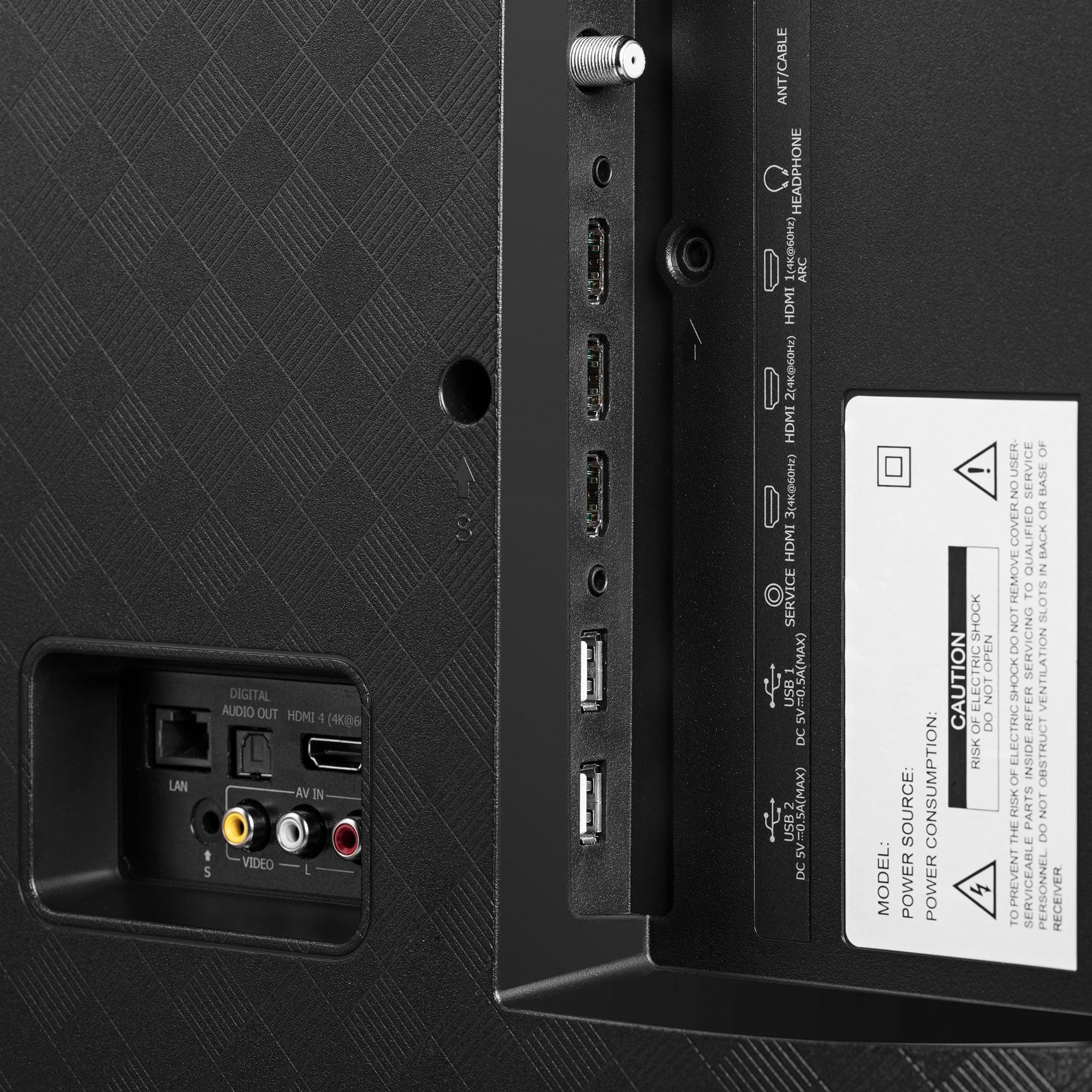
| WiFi 6, Bluetooth 5.4, HDMI 2.1 | WiFi 802.11ac, Bluetooth, HDMI 2.0 |
| Audio System - Sound quality without external speakers | |
| Audio by Bang & Olufsen 2.1.1 with subwoofer | Basic 20W stereo system |
| Processor - Picture optimization and smart features | |
| AIPQ PRO with AI enhancement | Standard Android TV processing |
| Motion Processing - Smoothness in fast-action content | |
| Motion Rate 480 with advanced MEMC | Motion Rate 480 with basic processing |
| Unique Features - Standout capabilities | |
| Presence sensor, Game Accelerator 288, Halo Control System | Hands-free voice control with built-in mics |
The TCL QM9K delivers significantly better picture quality with its QD-Mini LED technology, 6,500 nits peak brightness, and up to 6,000 local dimming zones compared to the Hisense H9G's 1,000 nits and 180 zones. This translates to deeper blacks, brighter highlights, and virtually no blooming around bright objects in dark scenes.
The TCL QM9K justifies its premium through generational improvements in display technology, gaming features, and smart capabilities. You get 6.5x brighter peak brightness, 33x more local dimming zones, modern gaming support, and years of future-proofing that the Hisense H9G cannot match despite its lower price.
The TCL QM9K excels for gaming with 4K@144Hz support, VRR, 5.3ms input lag, and Game Accelerator 288 features that work perfectly with PS5 and Xbox Series X. The Hisense H9G is limited to 4K@60Hz without VRR support, making it less suitable for modern console gaming.
While both support HDR formats like Dolby Vision and HDR10, the TCL QM9K handles HDR content far better with its 6,500 nits peak brightness and precise local dimming. The Hisense H9G's 1,000 nits brightness limits HDR impact, especially in bright room conditions.
The TCL QM9K runs modern Google TV with Gemini AI integration, presence sensors, and current app support. The Hisense H9G uses Android TV from 2020, which works adequately but lacks the polish, AI features, and regular updates of the newer platform.
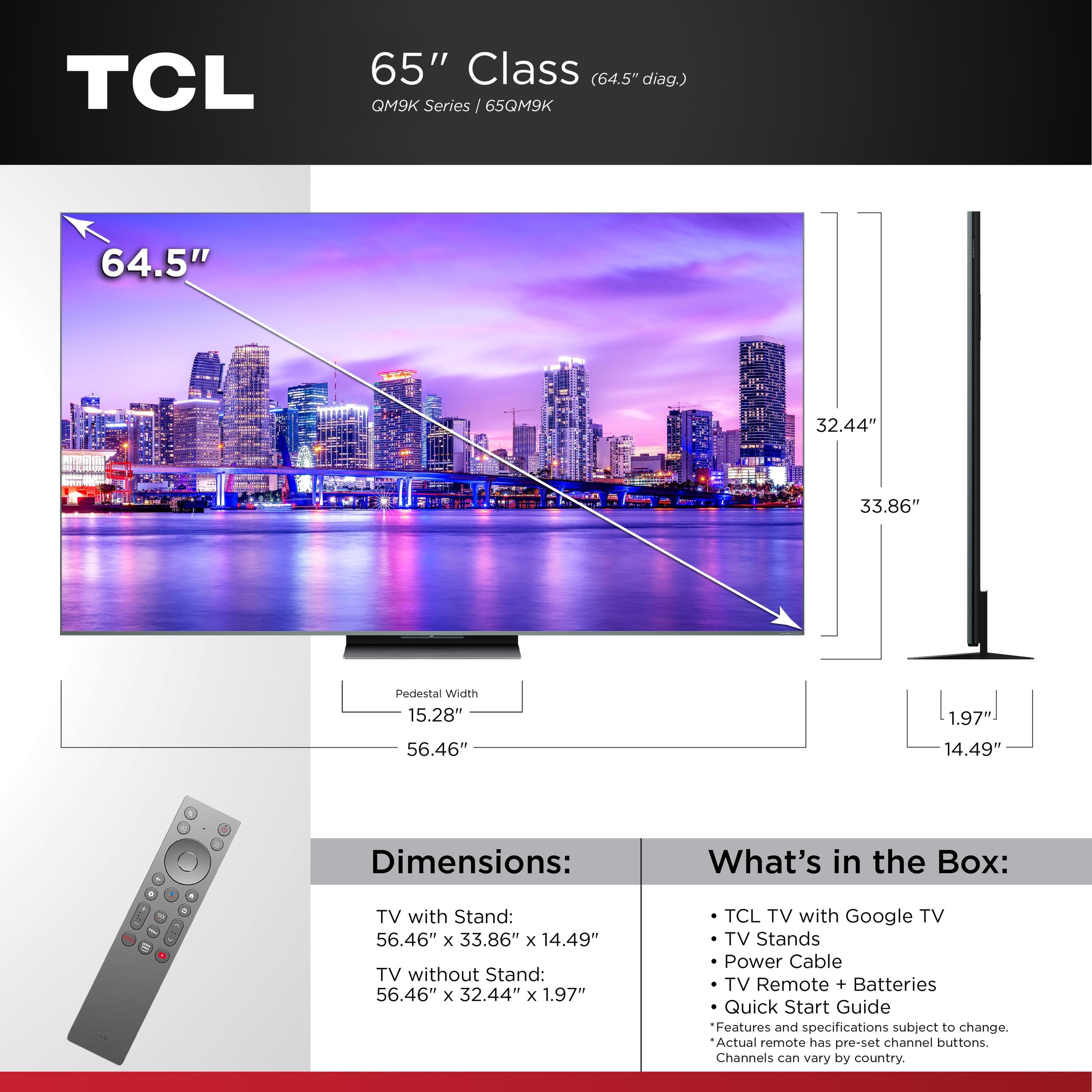
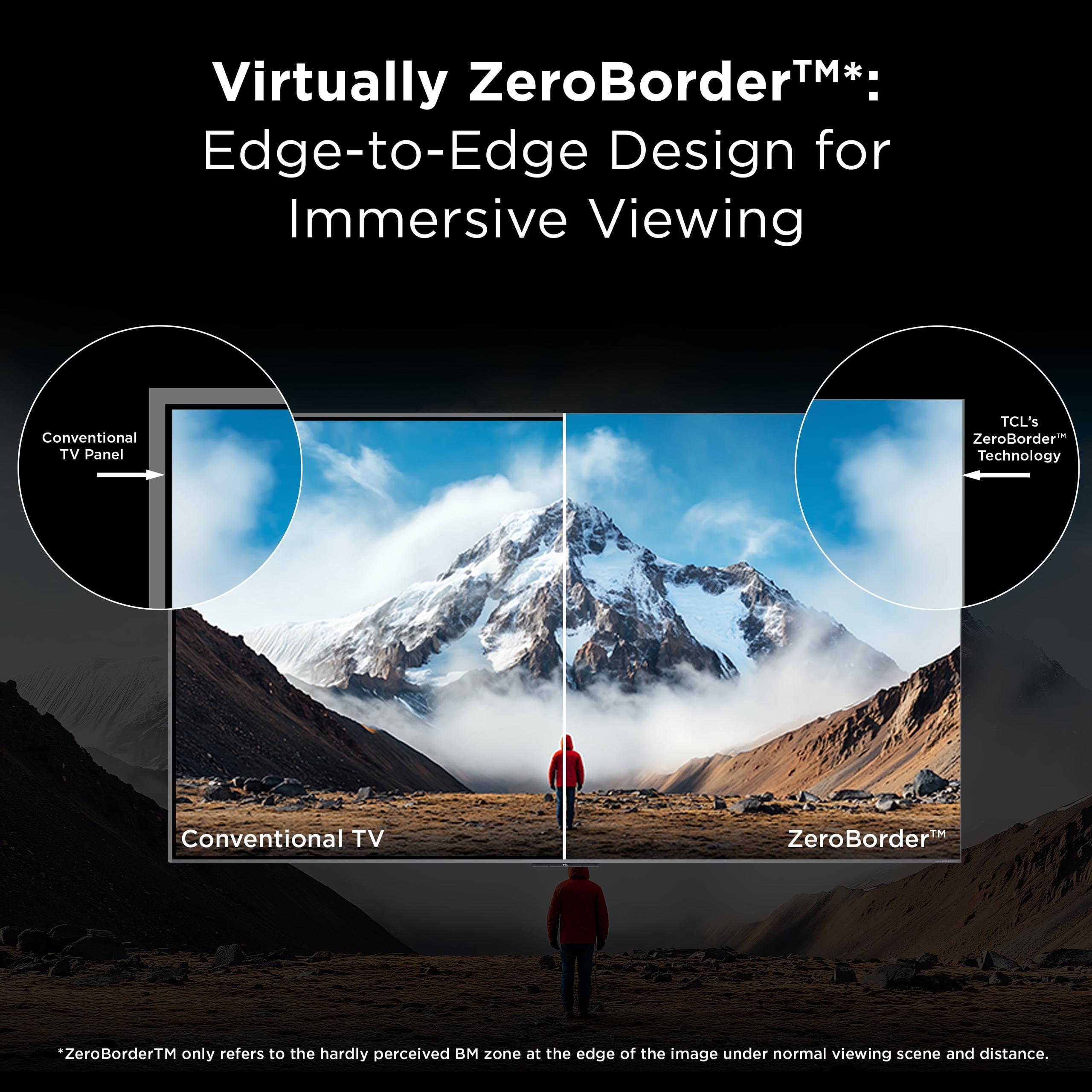
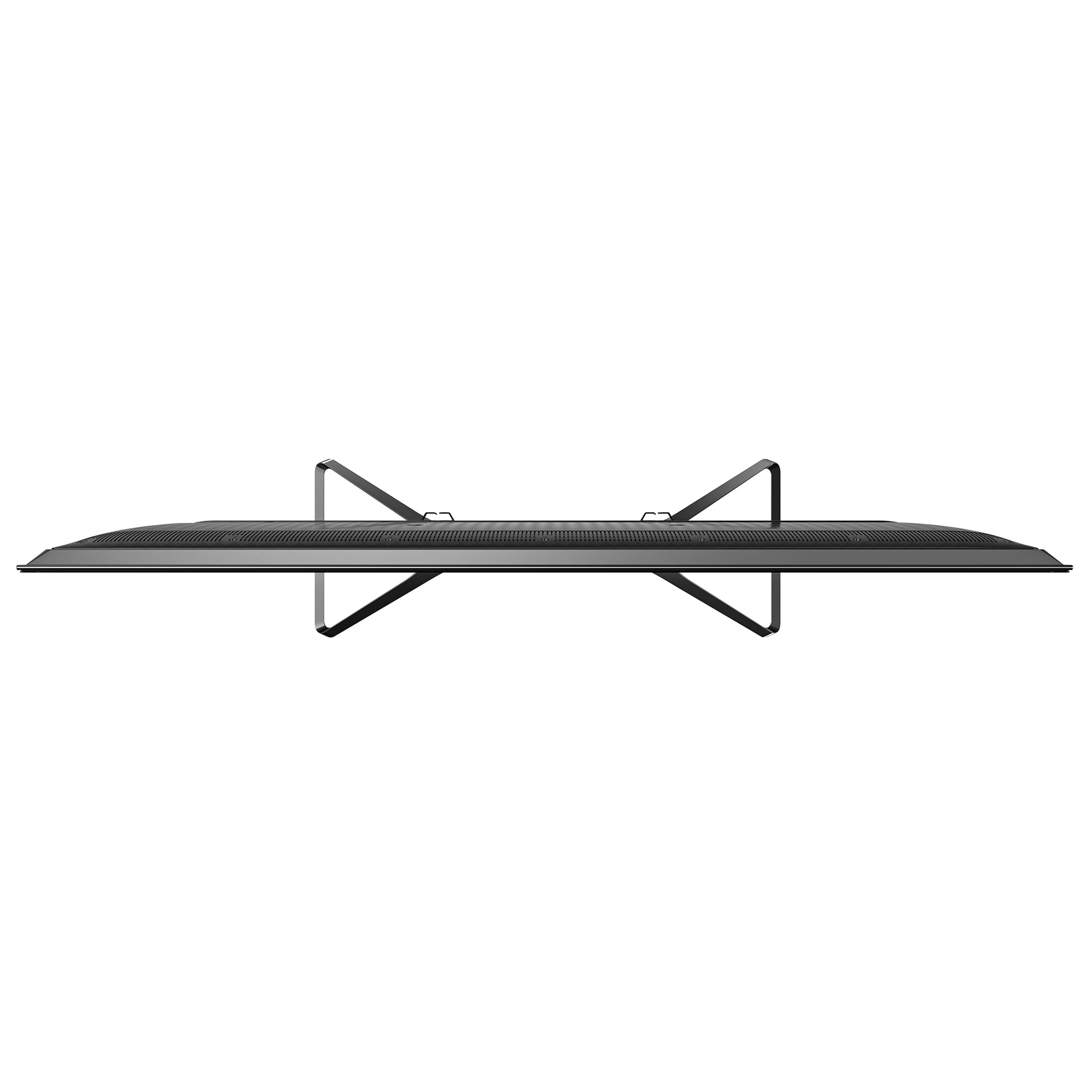
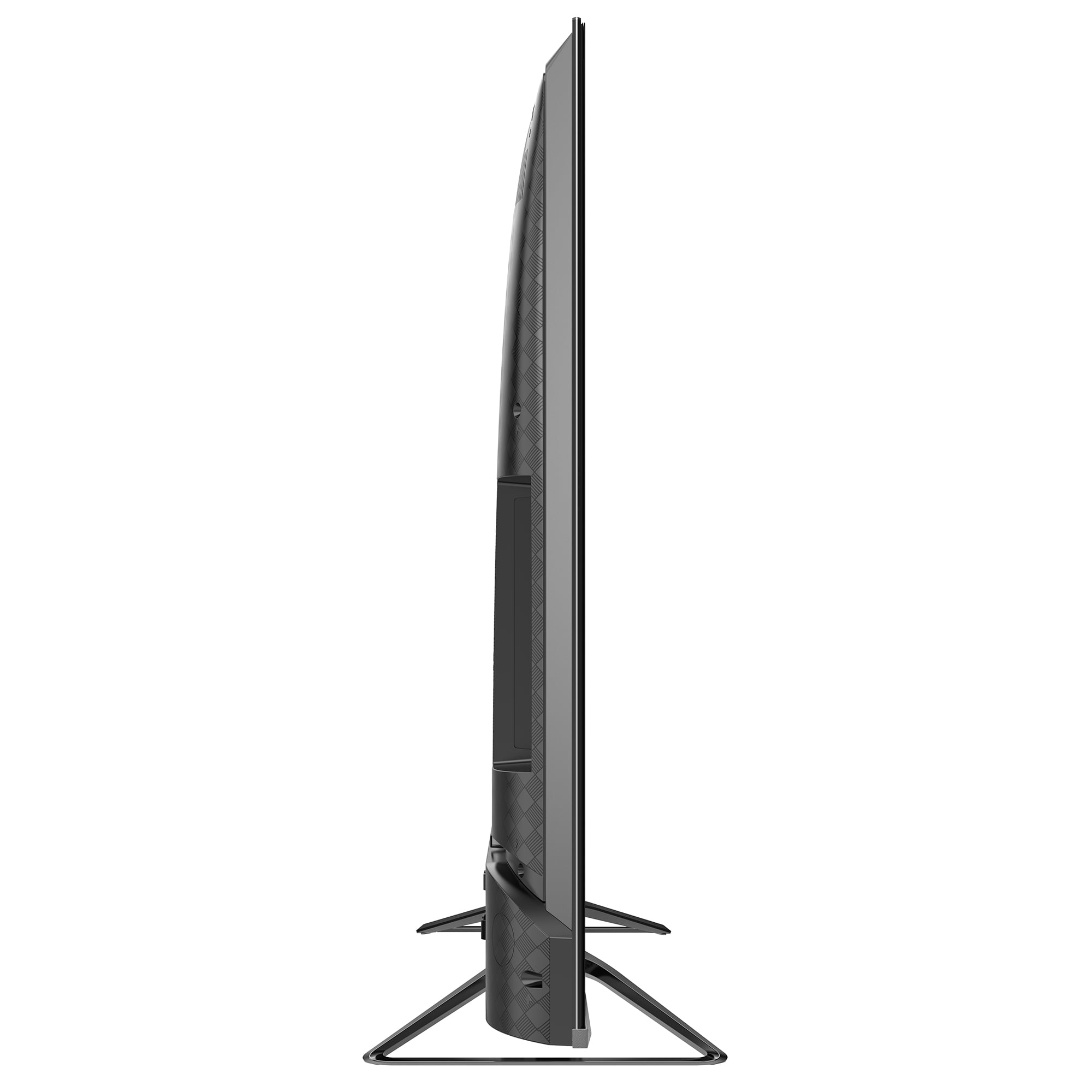
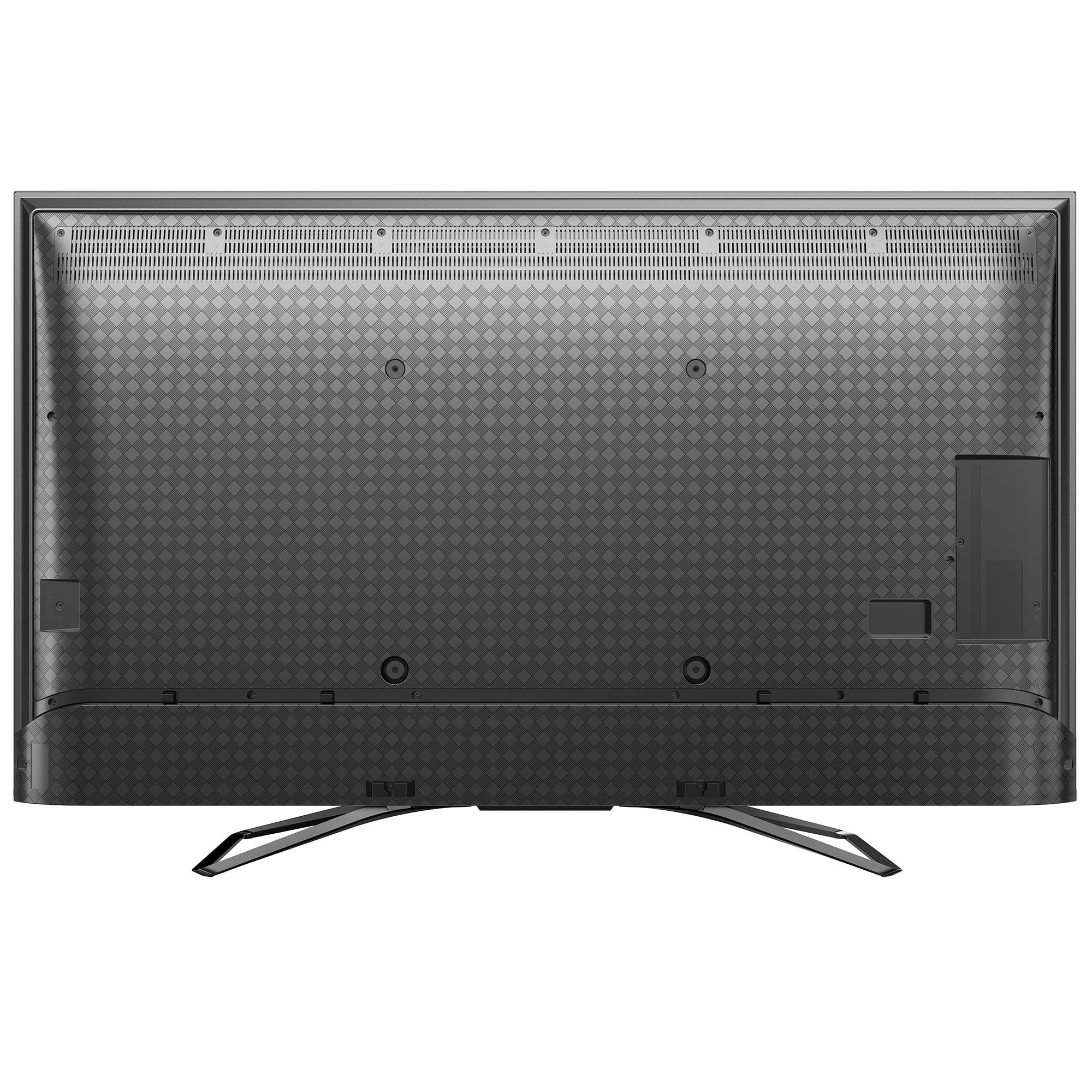
The TCL QM9K features a more premium ultra-slim design with better cable management and updated materials reflecting 2024 manufacturing standards. The Hisense H9G has solid build quality but uses a chunkier design typical of 2020 TVs, though both offer reliable construction.
The TCL QM9K dramatically outperforms in bright rooms thanks to its 6,500 nits peak brightness that easily overcomes ambient light. The Hisense H9G's 1,000 nits can struggle with glare and washed-out colors in well-lit environments, requiring more careful room setup.
The TCL QM9K includes Audio by Bang & Olufsen with a 2.1.1 channel system and dedicated subwoofer that delivers fuller sound with actual bass. The Hisense H9G has basic 20W stereo speakers that provide clear dialogue but lack depth and impact for movies.
For dedicated home theater setups, the TCL QM9K provides superior value despite higher upfront cost through its exceptional contrast, brightness, and color accuracy that create a truly cinematic experience. The Hisense H9G works for casual viewing but can't match the premium theater-like performance.
The TCL QM9K handles sports better with its advanced Motion Rate 480 processing, higher refresh rates, and superior brightness that maintains picture quality even in bright viewing conditions. The Hisense H9G provides decent sports viewing but with more motion blur and less vibrant colors during daytime viewing.
The TCL QM9K offers superior future-proofing with current-generation HDMI 2.1, WiFi 6, modern gaming features, and regular software updates that should keep it relevant for 5-7 years. The Hisense H9G already shows its age with limited connectivity and gaming capabilities that may feel outdated sooner.
The Hisense H9G makes sense for budget-conscious buyers who primarily watch standard cable and streaming content without demanding gaming needs. However, consider that the TCL QM9K's superior technology and longer relevance may provide better long-term value despite the higher initial investment.
We've done our best to create useful and informative comparisons to help you decide what product to buy. Our research uses advanced automated methods to create this comparison and perfection is not possible - please contact us for corrections or questions. These are the sites we've researched in the creation of this article: rtings.com - bestbuy.com - youtube.com - youtube.com - youtube.com - techaeris.com - displayspecifications.com - pcrichard.com - residentialsystems.com - us.tcl.com - displayspecifications.com - valueelectronics.com - woodruffappliance.com - tcl.com - pcrichard.com - tcl.com - techradar.com - tcl.com - us.tcl.com - youtube.com - youtube.com - bestbuy.com - youtube.com - rtings.com - bestbuy.com - techradar.com - youtube.com - digitaltrends.com - assets.hisense-usa.com - bestbuy.com - youtube.com - bestbuy.com

Privacy Policy
Terms and Conditions - Affiliate Policy
Home Security
© Copyright 2008-2026.
11816 Inwood Rd #1211, Dallas, TX 75244