

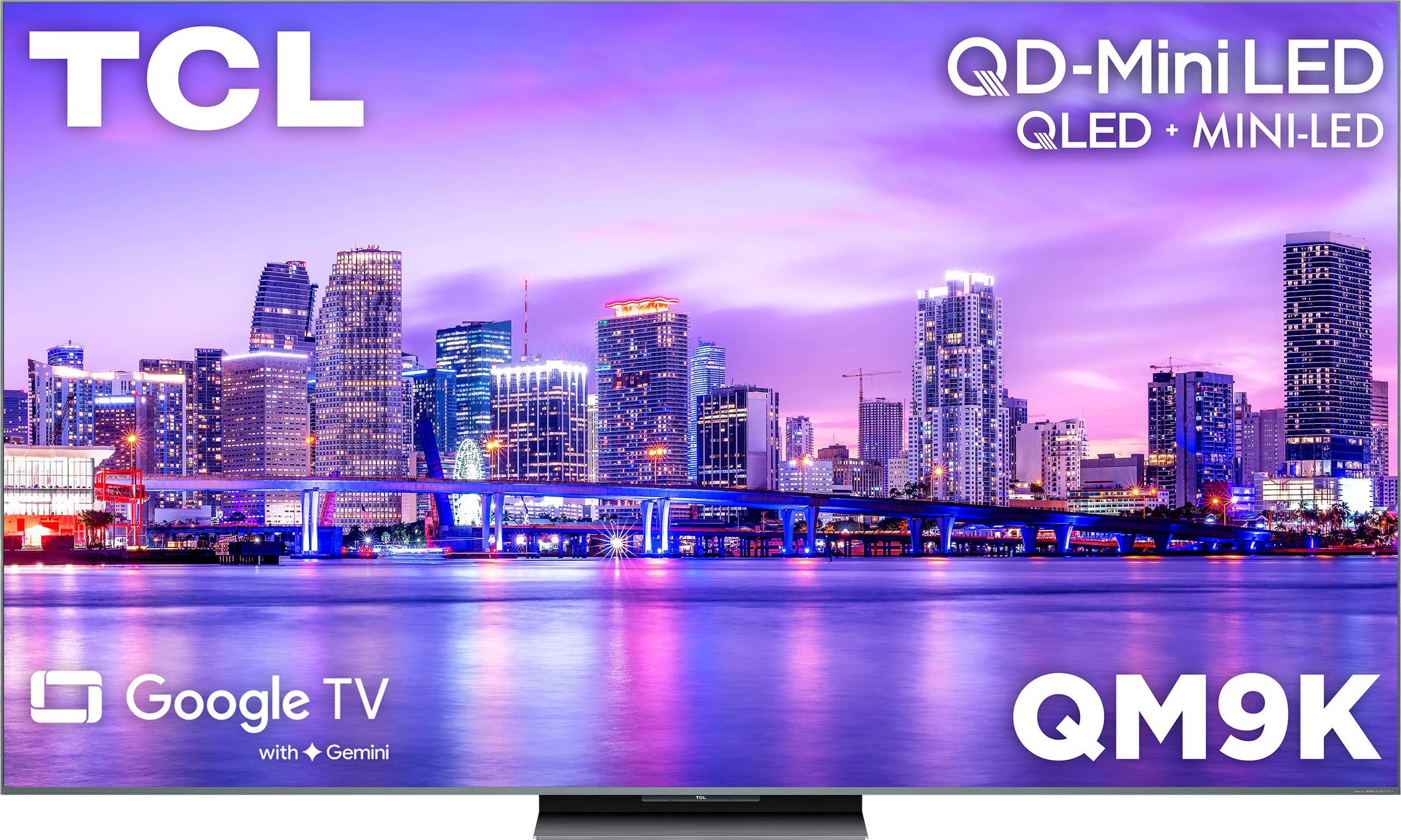
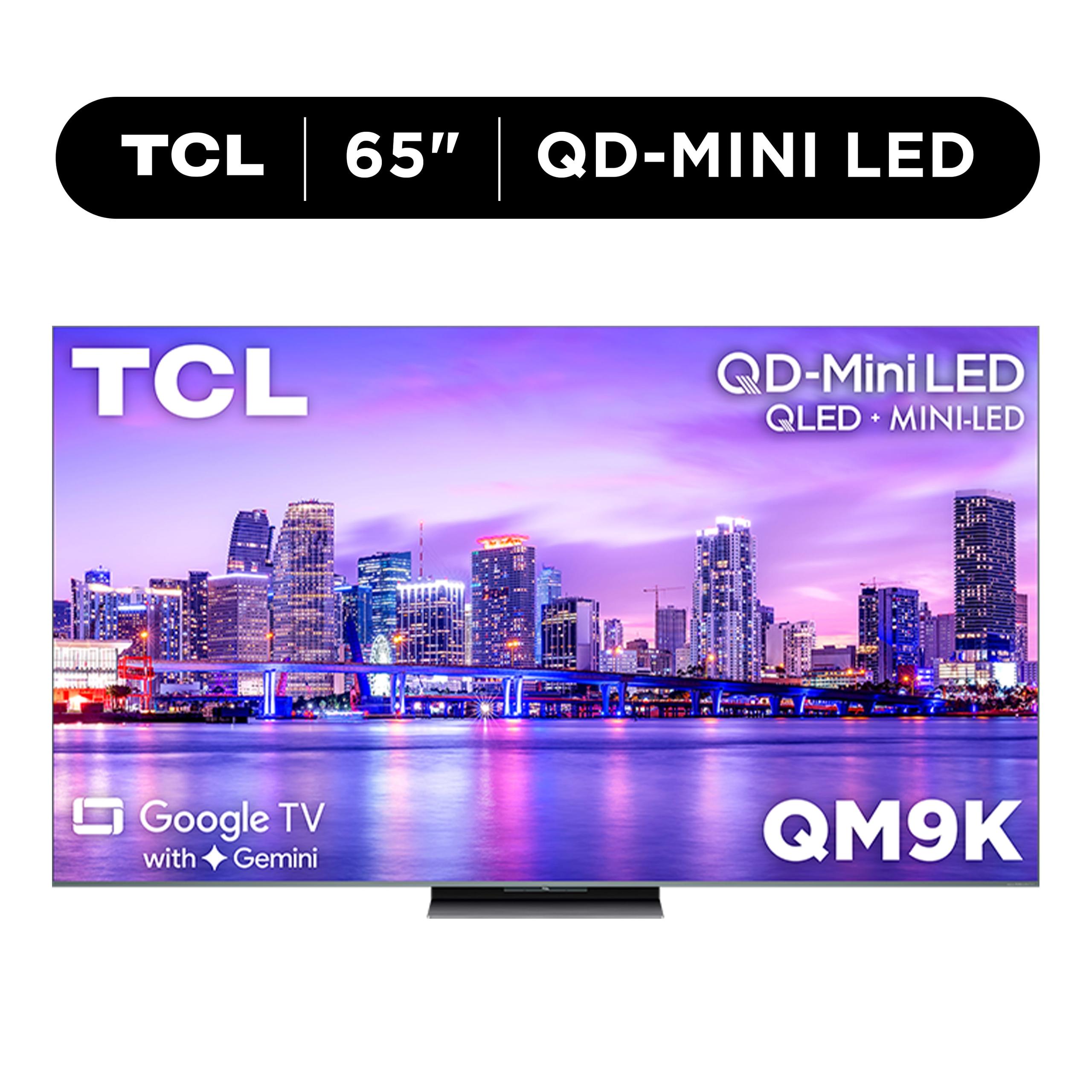
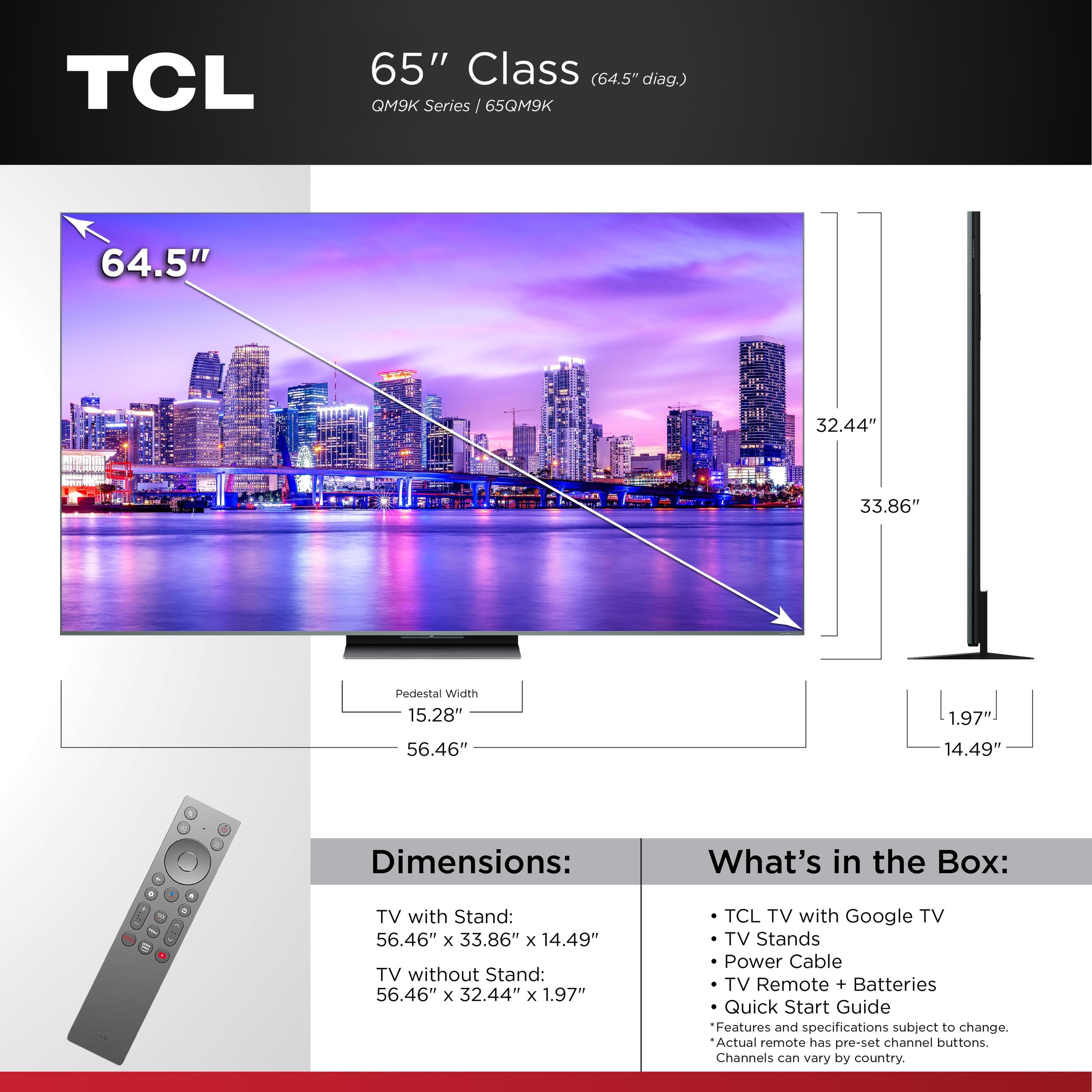
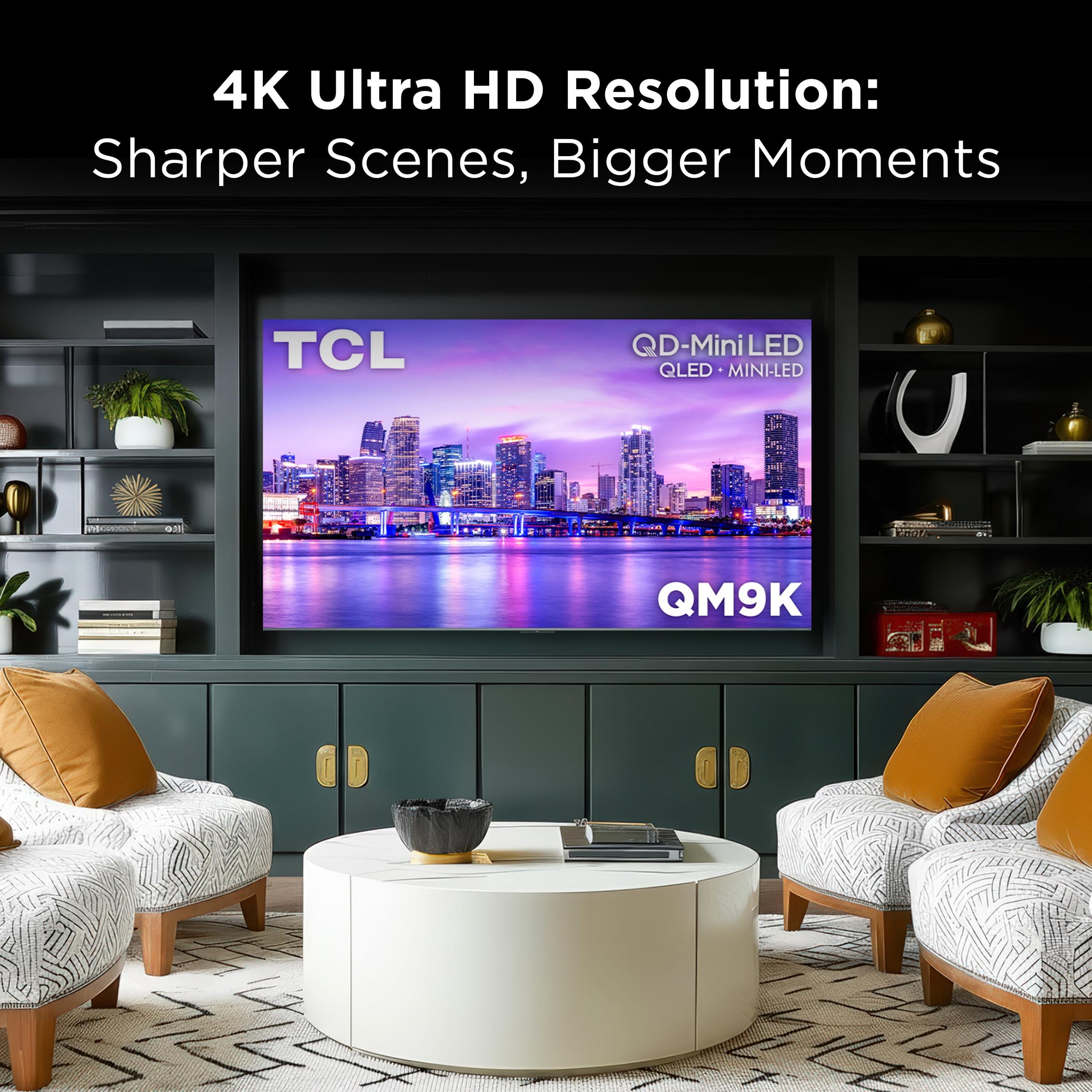
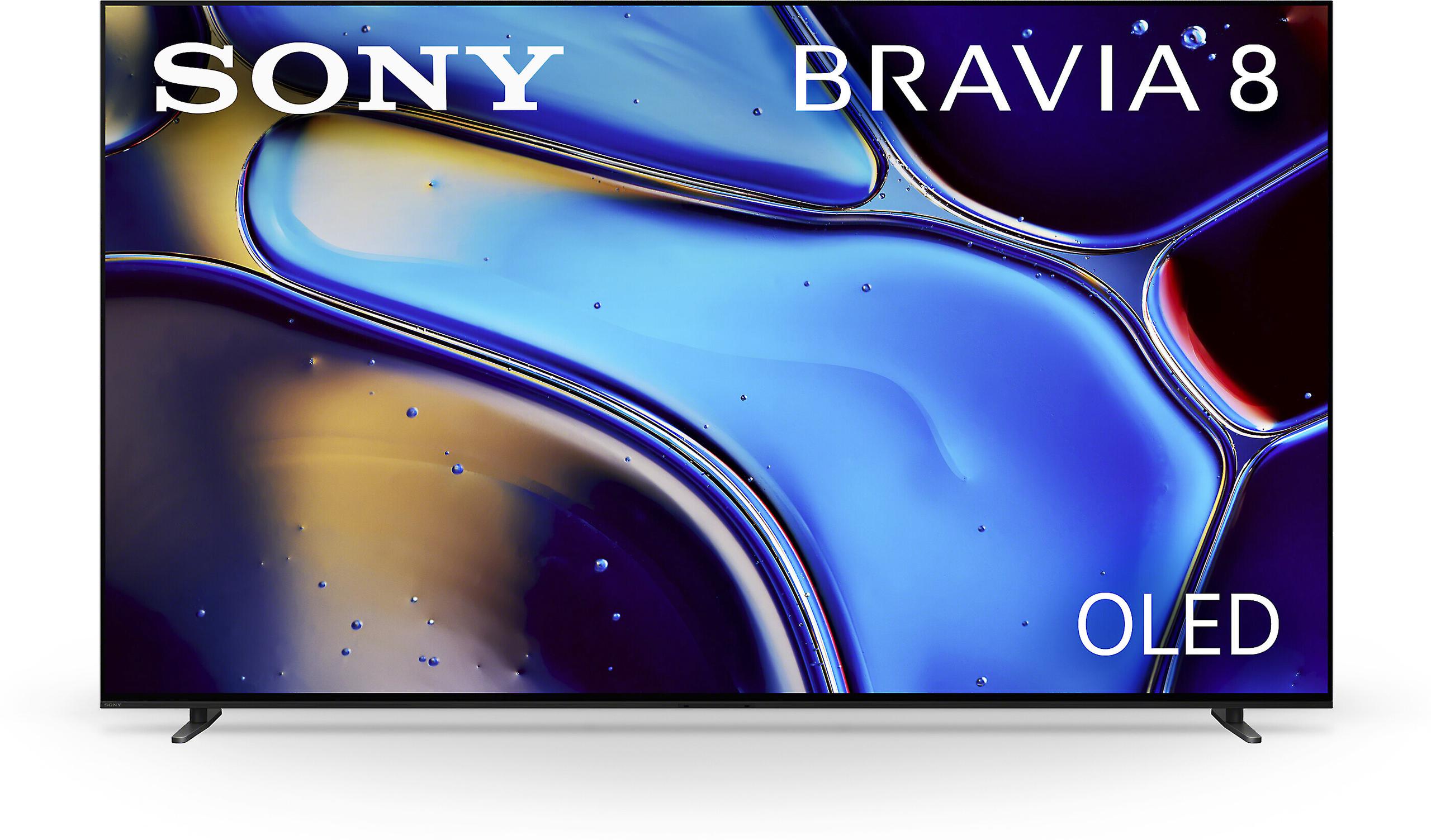
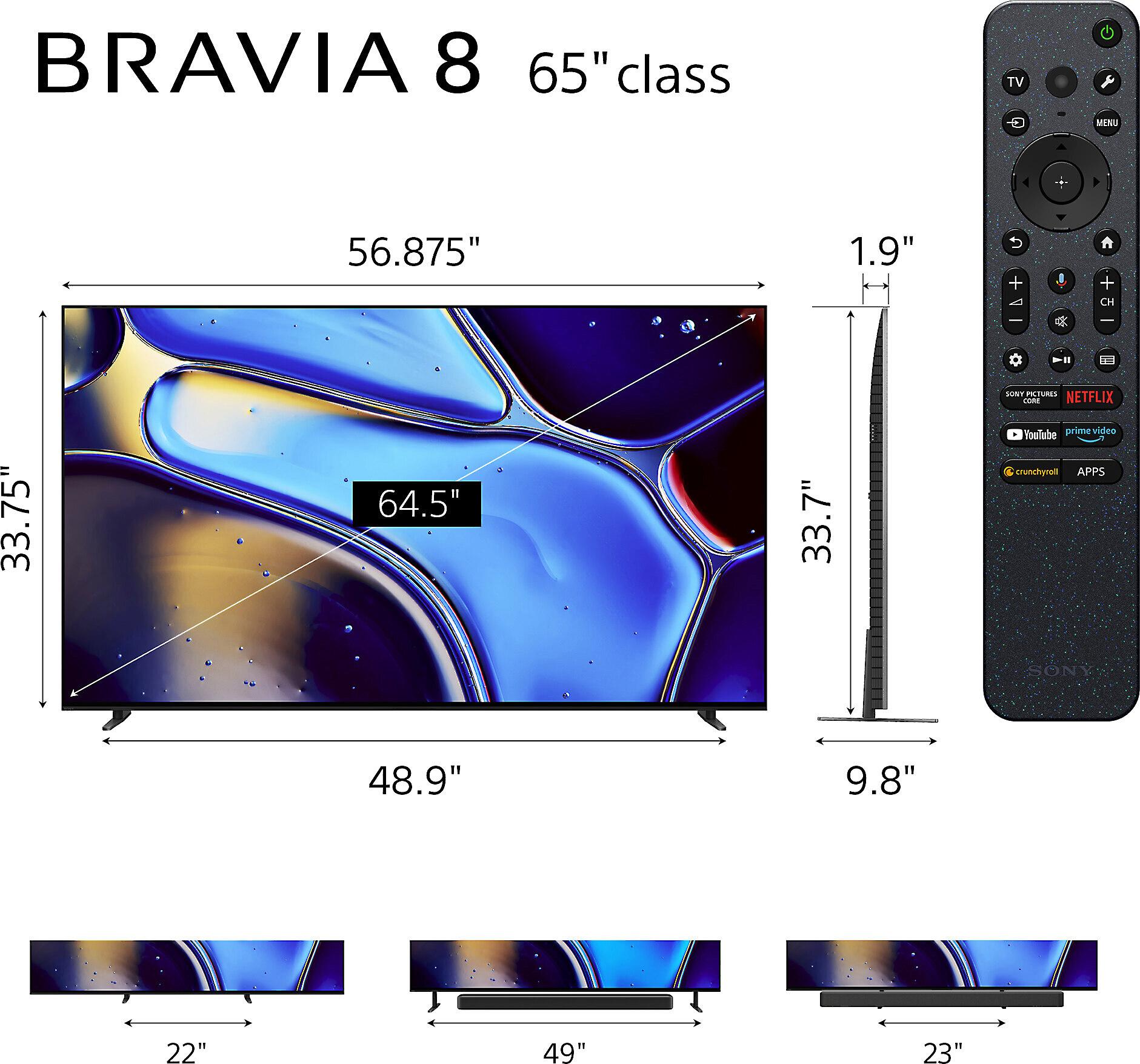
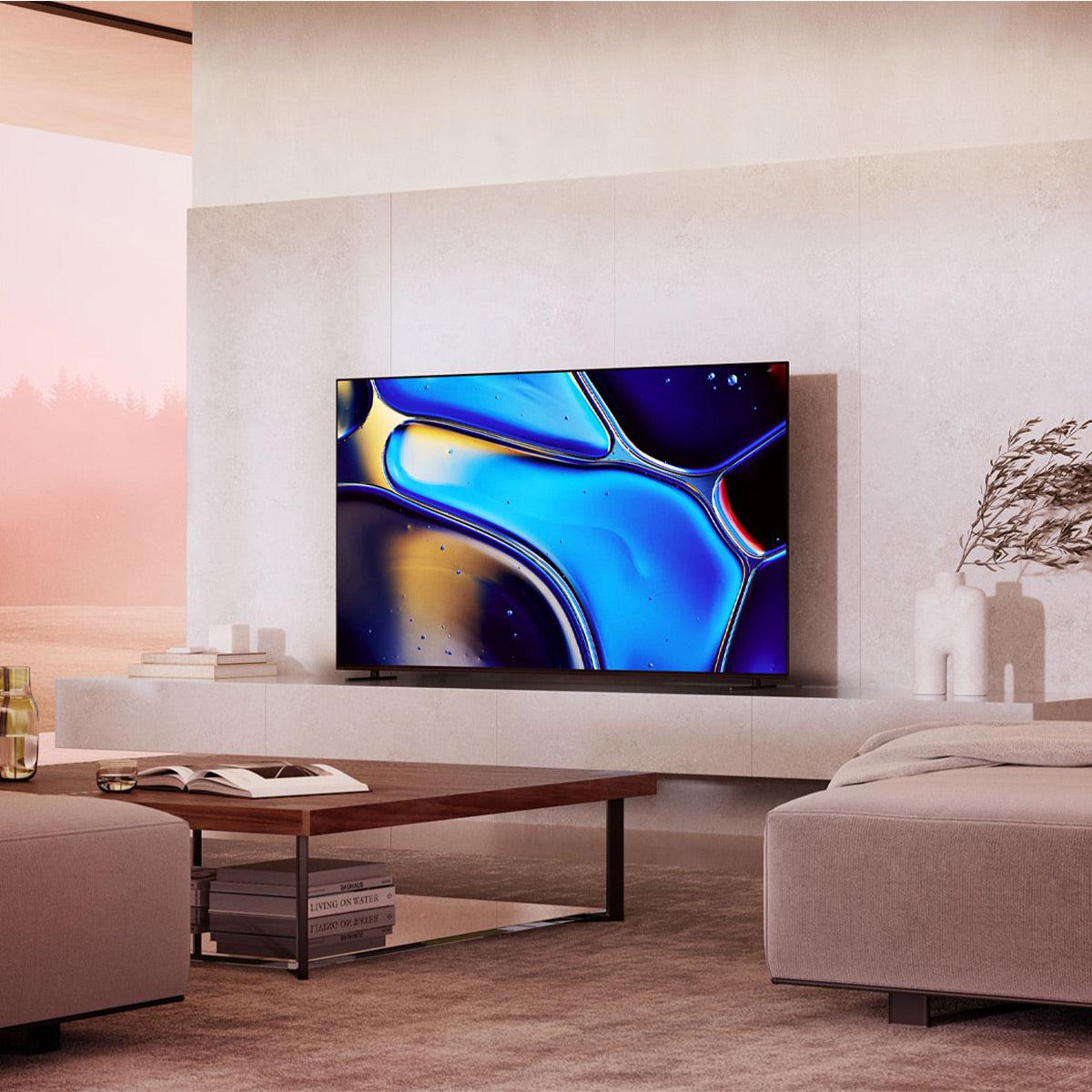
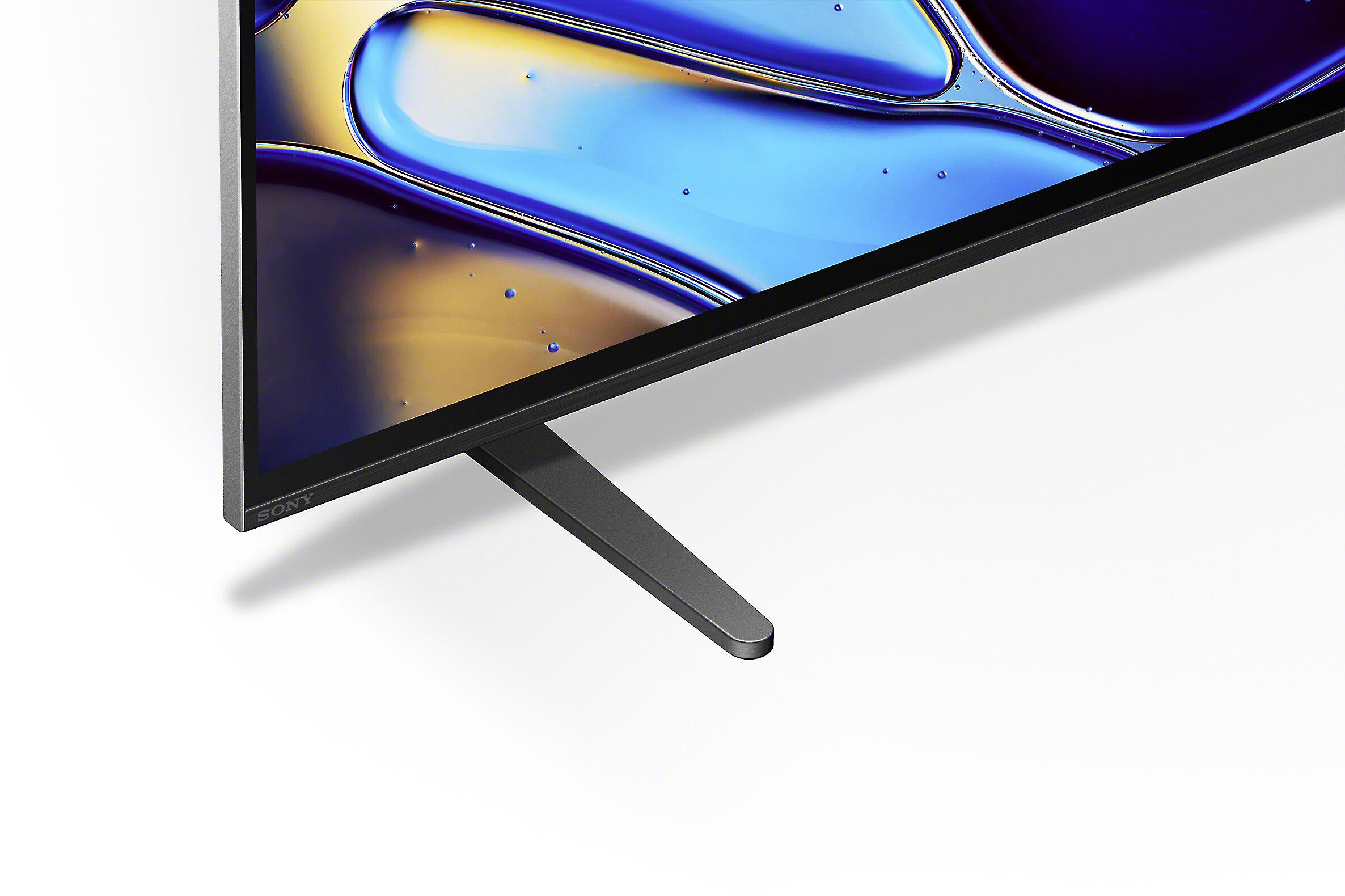
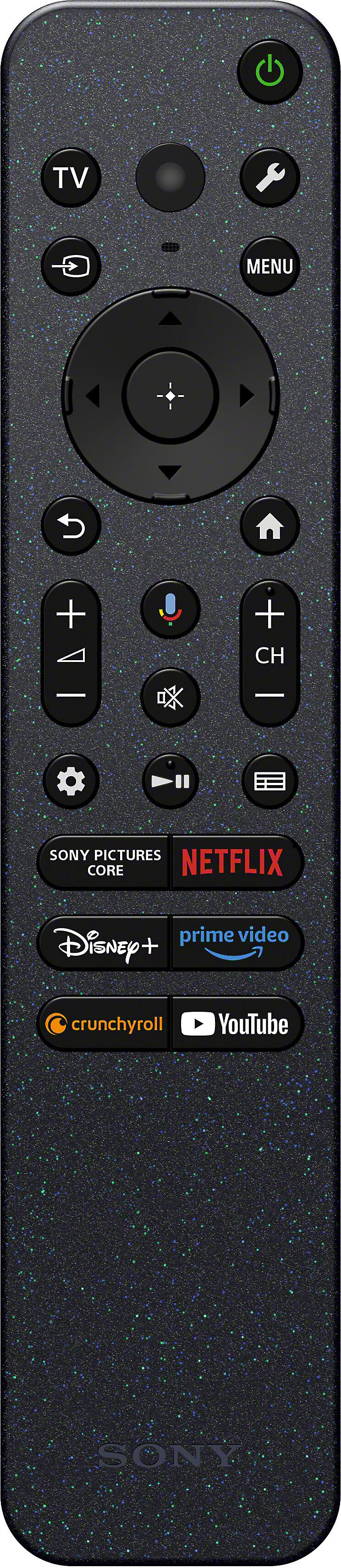
When you're shopping for a premium 65-inch TV, you're essentially choosing between two fundamentally different approaches to creating stunning pictures. The TCL QM9K, released in 2024, represents the cutting edge of Mini LED technology, while the Sony BRAVIA 8, also from 2024, showcases the refined elegance of OLED displays. Both aim to deliver exceptional viewing experiences, but they get there through completely different methods.
At the time of writing, these TVs sit in similar price ranges within the premium segment, though the Sony BRAVIA 8 typically commands a slight price advantage. The real question isn't just about cost—it's about which technology better serves your specific viewing habits and room setup.
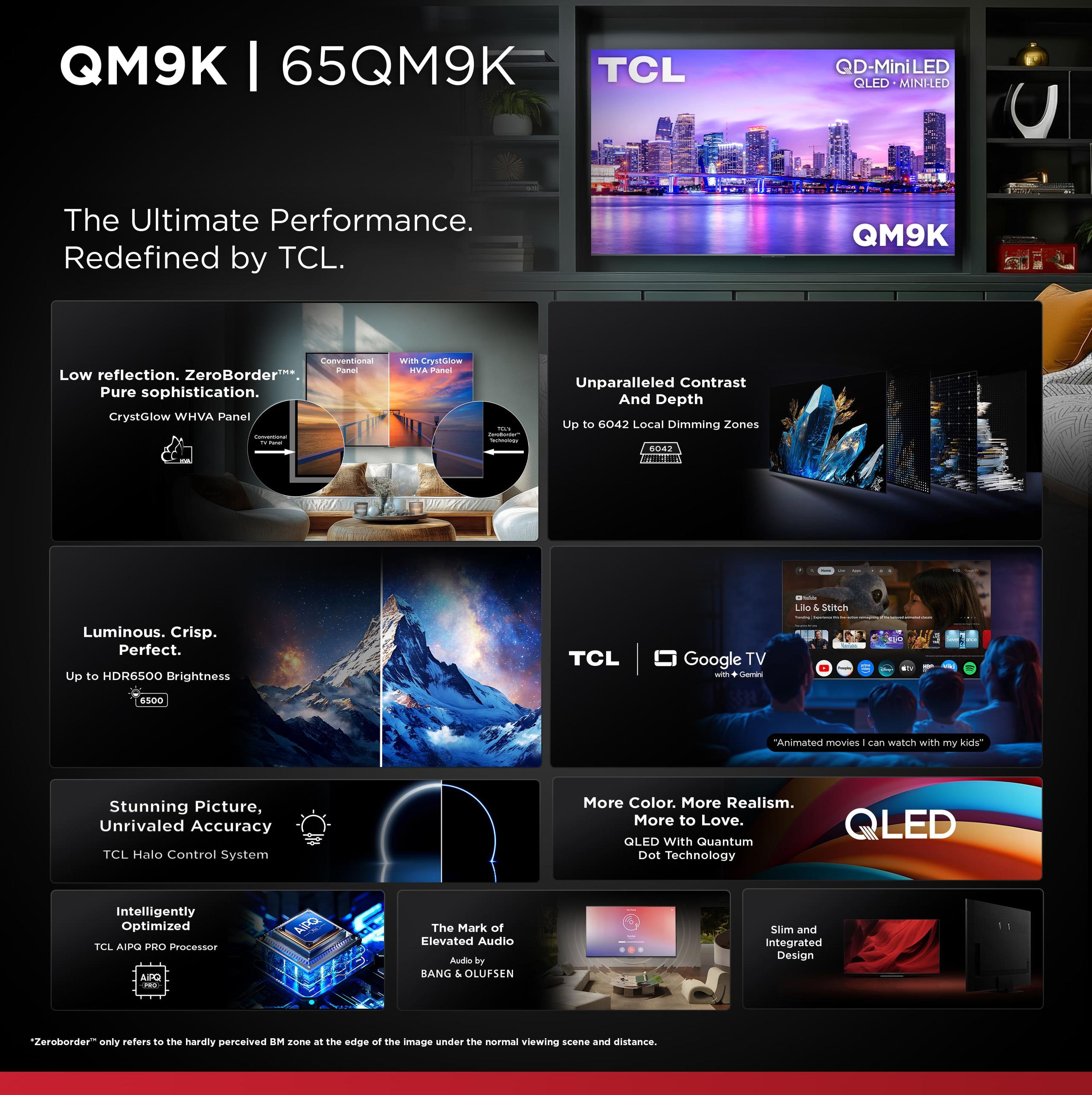
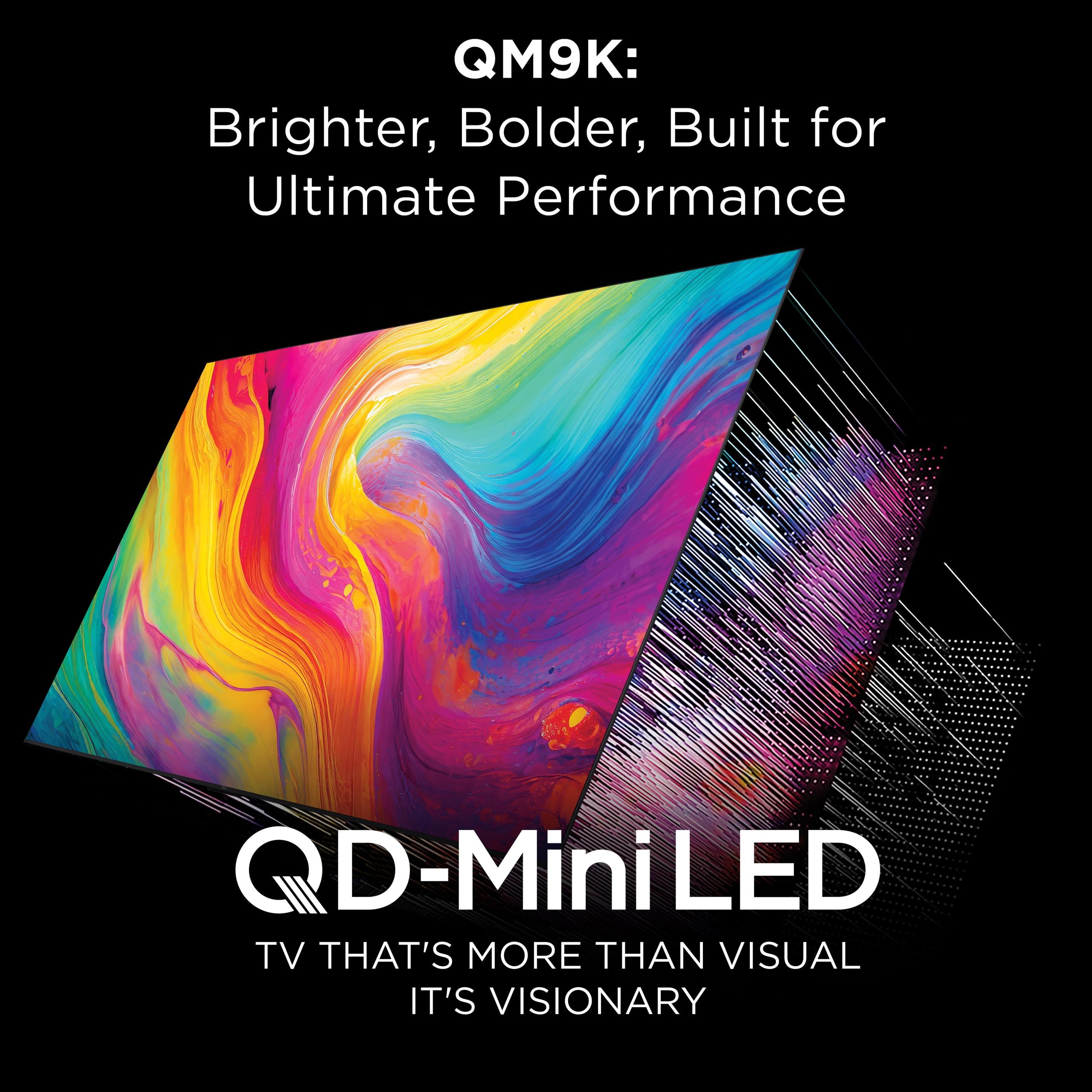
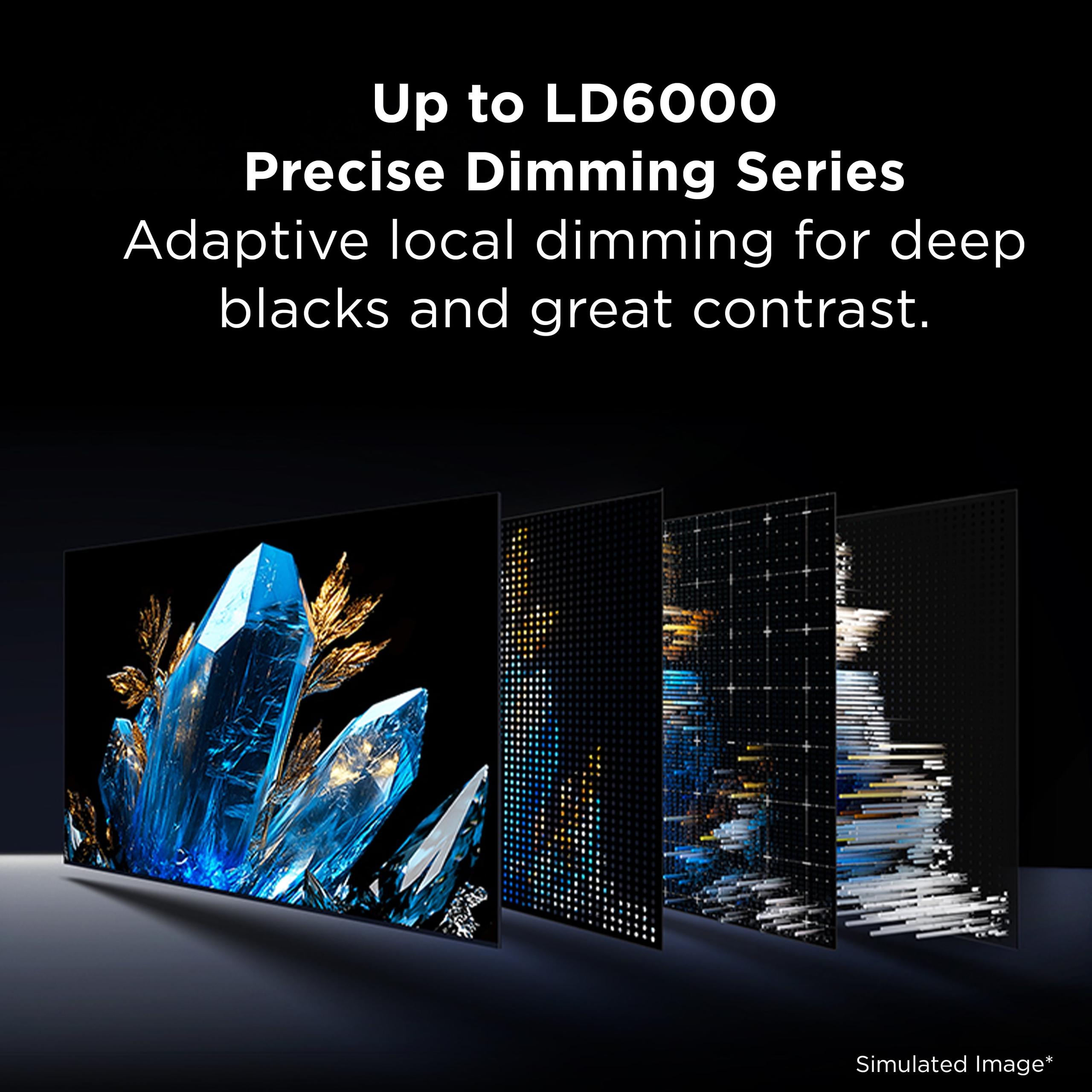
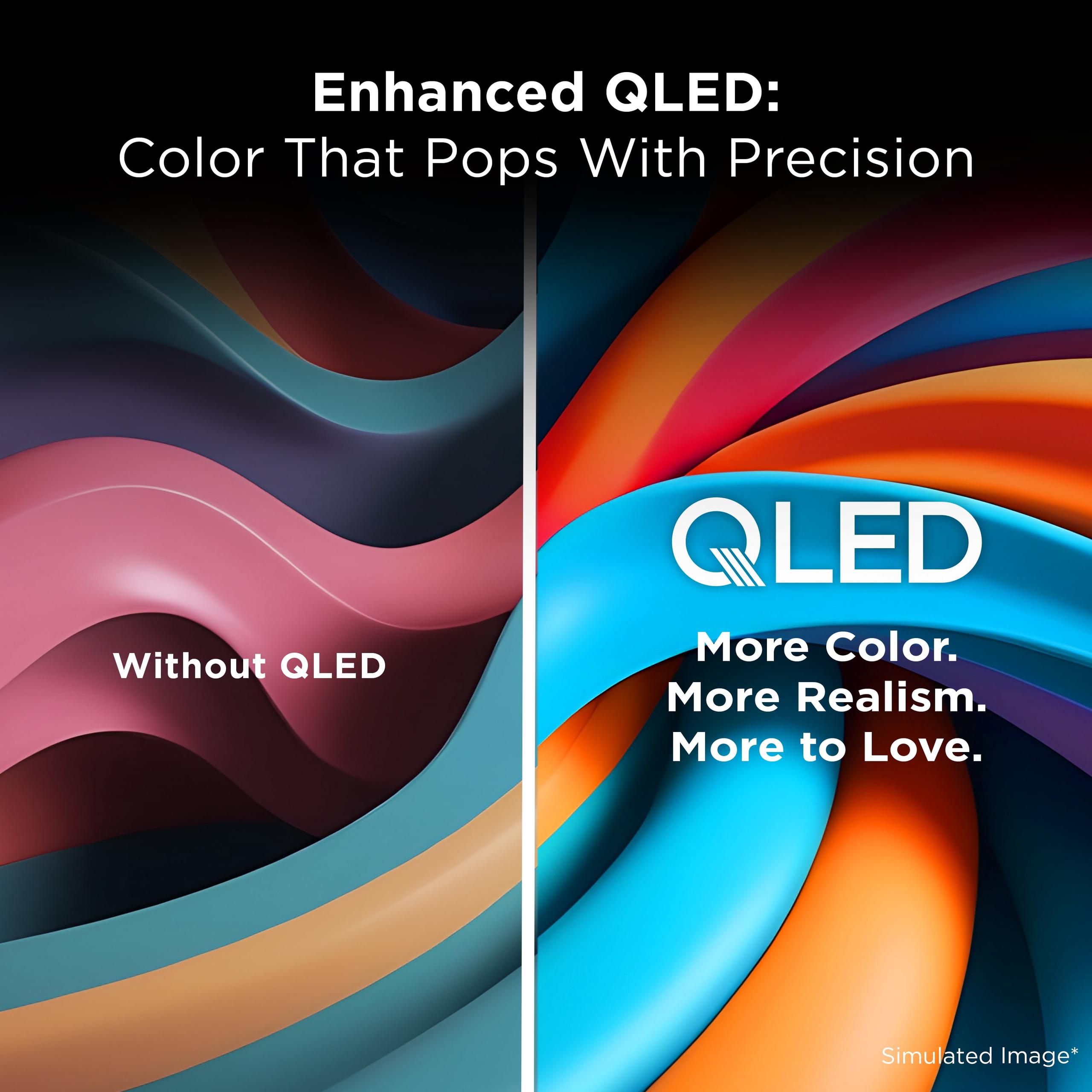
The heart of this comparison lies in how each TV creates light and color. The TCL QM9K uses what's called QD-Mini LED technology, which combines thousands of tiny LED backlights with Quantum Dot color filters. Think of it like having up to 6,000 individually controlled flashlights behind the screen, each capable of dimming or brightening independently. These "local dimming zones" work together to create bright highlights and deep shadows within the same frame.
The Sony BRAVIA 8, meanwhile, uses OLED technology where each pixel generates its own light. Instead of backlights, you have roughly 8 million individual pixels that can brighten, dim, or turn completely off. When an OLED pixel turns off, you get perfect black—no light escapes whatsoever.
Both approaches have evolved significantly since their early days. Mini LED technology has dramatically improved in recent years, with zone counts increasing from hundreds to thousands while reducing the size of individual LEDs. OLED has also advanced, with better brightness capabilities and improved longevity compared to earlier generations.
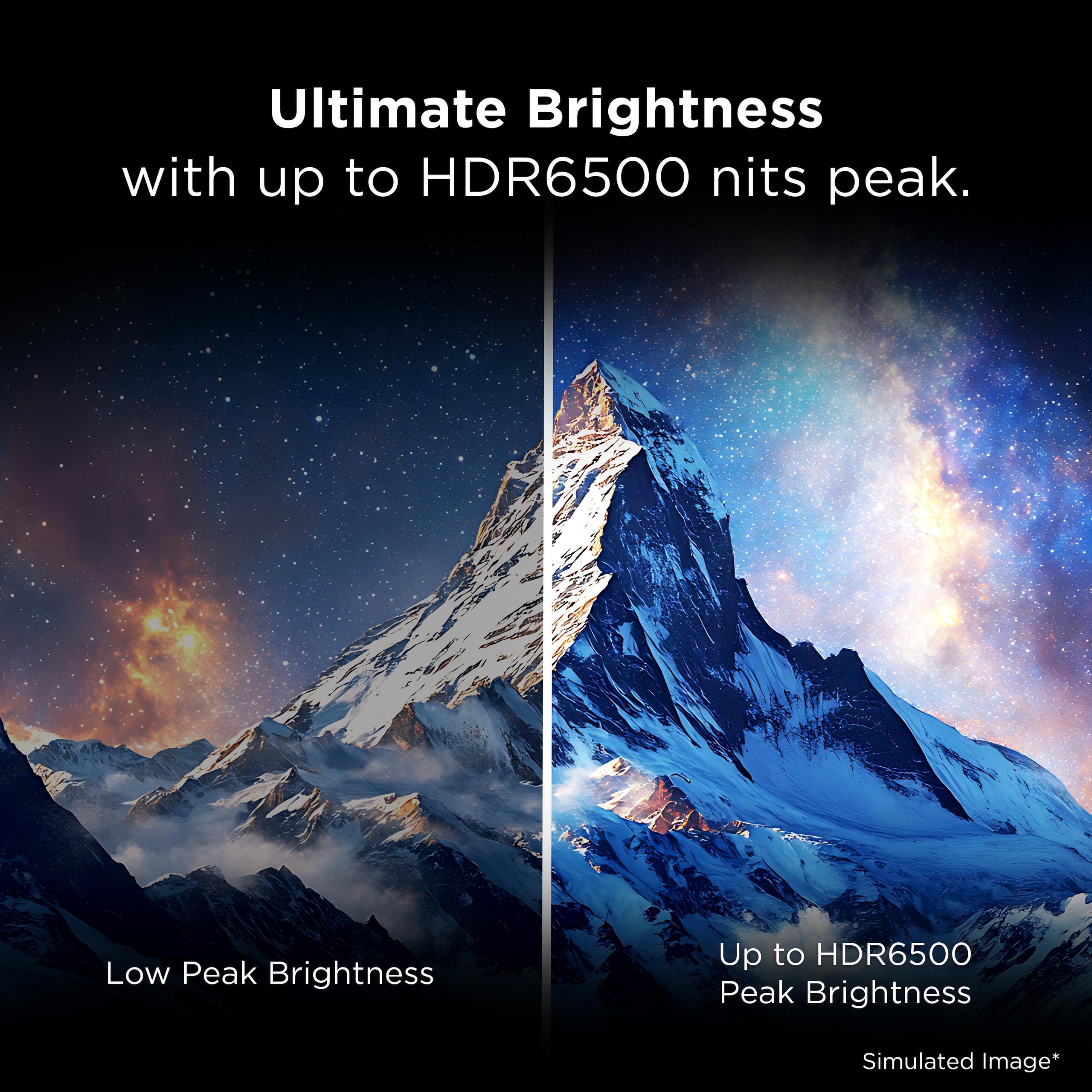
Here's where the TCL QM9K absolutely dominates. With peak brightness reaching HDR6500 (6,500 nits), this TV can produce eye-searing highlights that make HDR content truly pop. To put this in perspective, most premium TVs struggle to exceed 1,000-2,000 nits, while this Mini LED beast nearly triples that performance.
This extreme brightness capability means the TCL QM9K excels in bright rooms. Whether you're watching during the day with windows open or have numerous light fixtures on, the TV's picture remains vibrant and clear. The Quantum Dot technology enhances this further by maintaining color accuracy even at these intense brightness levels—something that becomes crucial when ambient light would normally wash out darker displays.
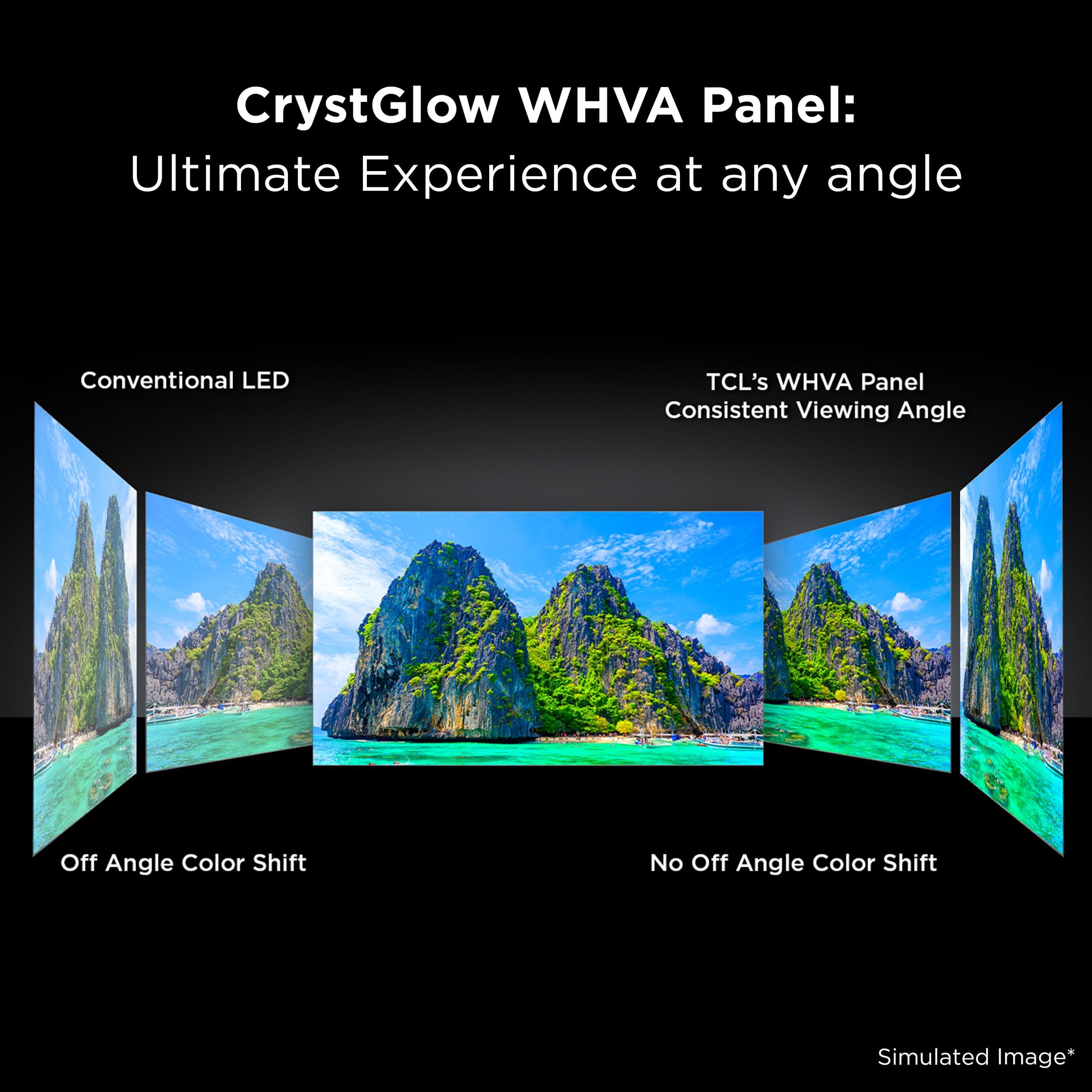
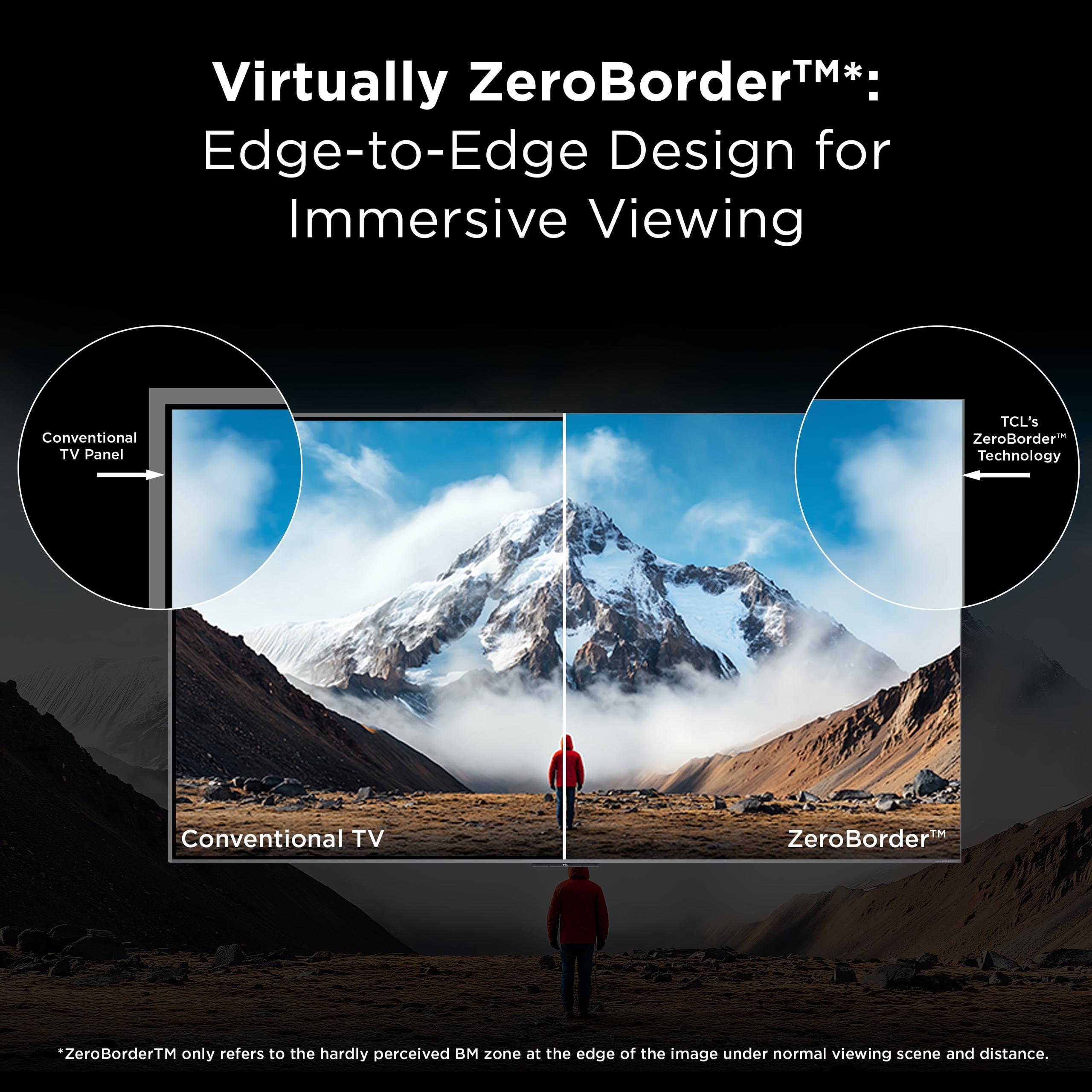
Our research into user feedback consistently shows that owners love how the TCL QM9K handles everything from bright sports broadcasts to HDR movies without losing detail to ambient lighting. The CrystGlow WHVA panel technology reduces reflections by about 40% compared to standard panels, making it genuinely usable in challenging lighting conditions.
The Sony BRAVIA 8 takes a completely different approach to picture quality. While it can't match the raw brightness of Mini LED, it achieves something the TCL QM9K cannot: perfect blacks. When you're watching a movie with a night sky, those black areas produce absolutely zero light. This creates an infinite contrast ratio that makes stars appear to float in true darkness.
This pixel-level control eliminates a phenomenon called "blooming" or "haloing"—where bright objects appear to glow into darker areas around them. The TCL QM9K, despite its advanced Halo Control System and 6,000 dimming zones, can still exhibit subtle blooming in extreme scenarios. It's minimal compared to cheaper LED TVs, but perfectionist viewers might notice it.
The OLED advantage becomes most apparent in dark room viewing. When you dim the lights for movie night, the Sony BRAVIA 8 delivers reference-quality shadows and depth that feel almost three-dimensional. Colors appear to emerge from true black backgrounds, creating a sense of depth that's immediately noticeable.
Both TVs deliver exceptional color, but through different methods. The TCL QM9K uses Quantum Dot technology to achieve 97% DCI-P3 coverage—the color space used in movie theaters. Combined with its extreme brightness, this creates incredibly vivid colors that can be sustained even in bright scenes. Red fire trucks look genuinely red, even when surrounded by brilliant sunlight.
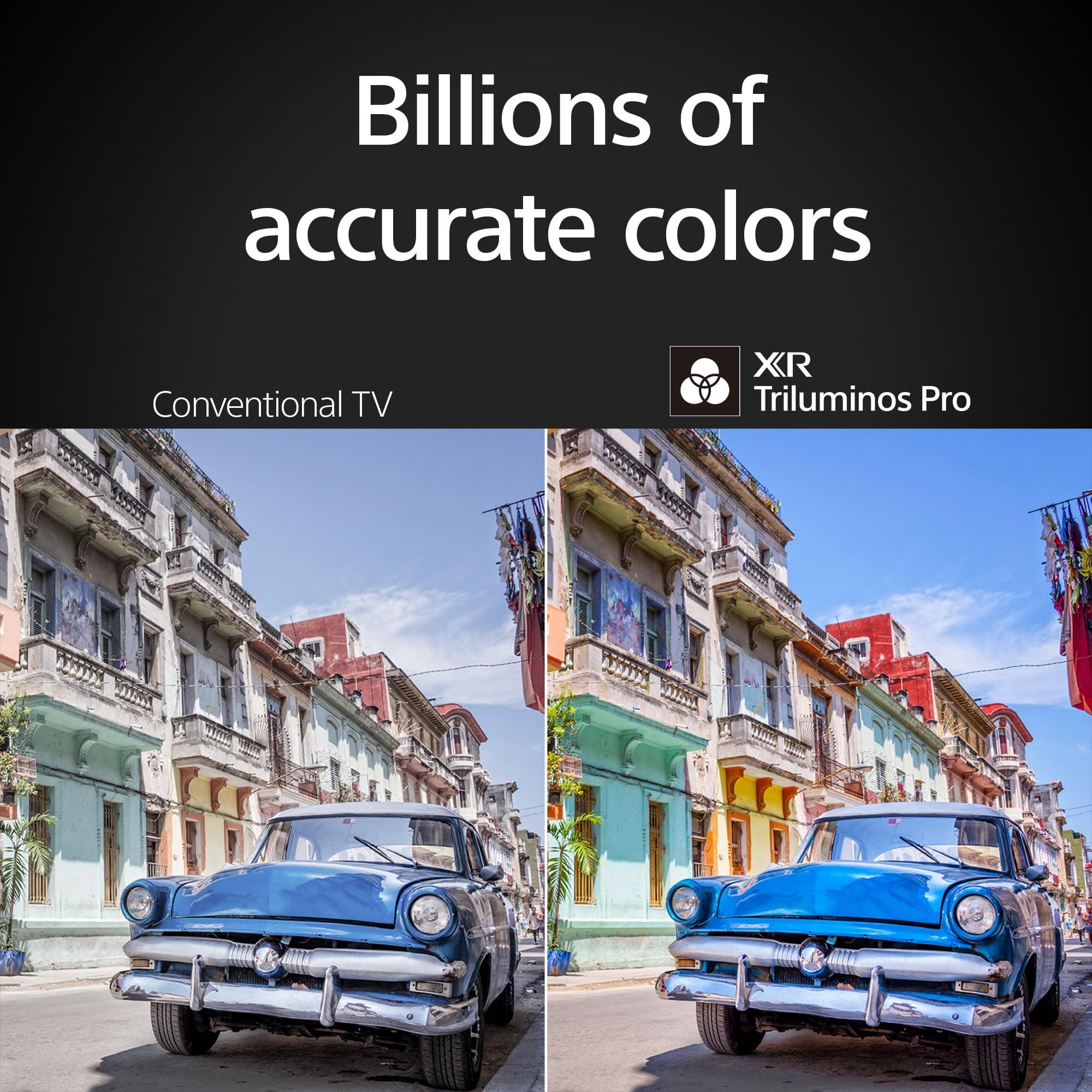
The Sony BRAVIA 8 employs XR Triluminos Pro technology, which focuses more on color accuracy and natural reproduction. Sony's approach prioritizes how colors appear to human perception rather than raw color volume. The result is subtly more realistic skin tones and natural-looking environments, though it sacrifices some of the "wow factor" vibrancy of Quantum Dot displays.
Gaming has become a crucial consideration for modern TV buyers, and both displays cater to this audience differently.
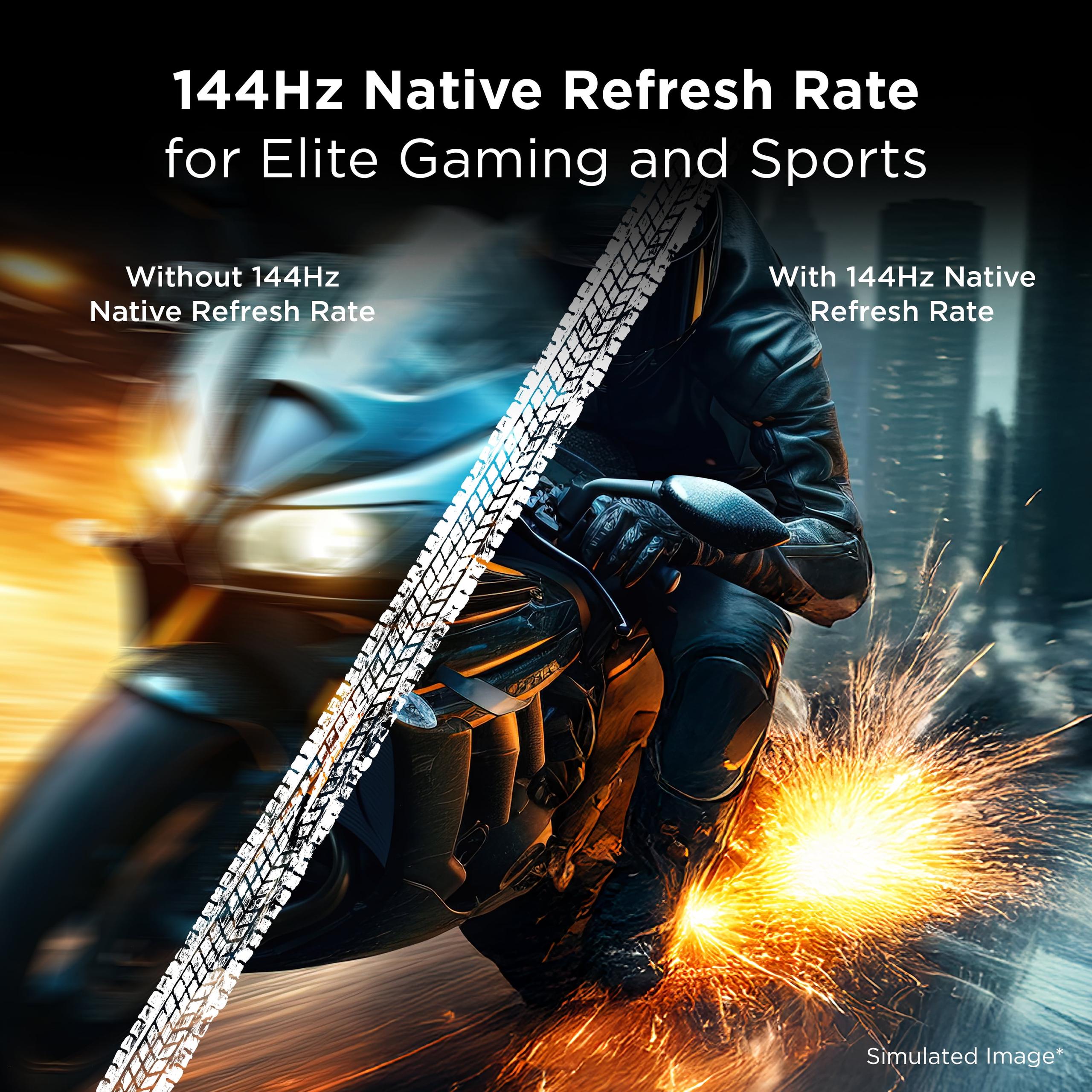
The TCL QM9K offers a true 144Hz native panel refresh rate, meaning it can display up to 144 frames per second at 4K resolution. More impressively, its Game Accelerator 288 feature can handle up to 288Hz at 1080p and 1440p resolutions. For competitive gaming on PC or future console generations, this future-proofing matters significantly.
The Sony BRAVIA 8 supports 120Hz, which covers current console gaming perfectly but doesn't leave room for future developments. Both PlayStation 5 and Xbox Series X max out at 120fps in most games, so this isn't currently limiting, but gaming technology continues advancing.
Input lag—the delay between pressing a button and seeing the result on screen—heavily influences gaming feel. The TCL QM9K achieves an impressive 5.3ms input lag, while the Sony BRAVIA 8 stays under 8.5ms in Game Mode. Both are excellent, but competitive gamers might appreciate every millisecond advantage.
Response times tell a different story. OLED technology naturally provides near-instantaneous pixel transitions, meaning moving objects appear sharp without ghosting or trailing. The TCL QM9K, despite its advanced processing, still shows some motion blur in fast-paced gaming scenarios—though it's vastly improved over traditional LED displays.
Sports viewing and action movies demand excellent motion processing, and both TVs approach this challenge uniquely.
The TCL QM9K uses Motion Rate 480 technology with MEMC (Motion Estimation, Motion Compensation) frame insertion. This system analyzes consecutive frames and creates intermediate frames to smooth motion. The 144Hz native refresh rate provides the foundation for this processing, resulting in remarkably smooth panning shots and fast action sequences.
The Sony BRAVIA 8 relies on XR OLED Motion processing, which focuses more on maintaining detail during motion rather than adding interpolated frames. The result feels more natural to some viewers, though it may not appear as artificially smooth as the TCL's approach.
Based on user feedback we've analyzed, sports enthusiasts often prefer the TCL QM9K for its ability to maintain brightness and clarity during rapid camera movements. The Sony BRAVIA 8 excels more in cinematic content where maintaining the filmmaker's original motion cadence matters.
Both TVs recognize that great picture deserves great sound, but they take different approaches to audio delivery.
The TCL QM9K features audio tuning by Bang & Olufsen, a premium Danish audio company. The 2.1.1 channel system includes a dedicated subwoofer on the 65" model, providing genuine bass response that most TV speakers lack. Dolby Atmos and DTS Virtual:X support create virtual surround sound that works surprisingly well for built-in speakers.
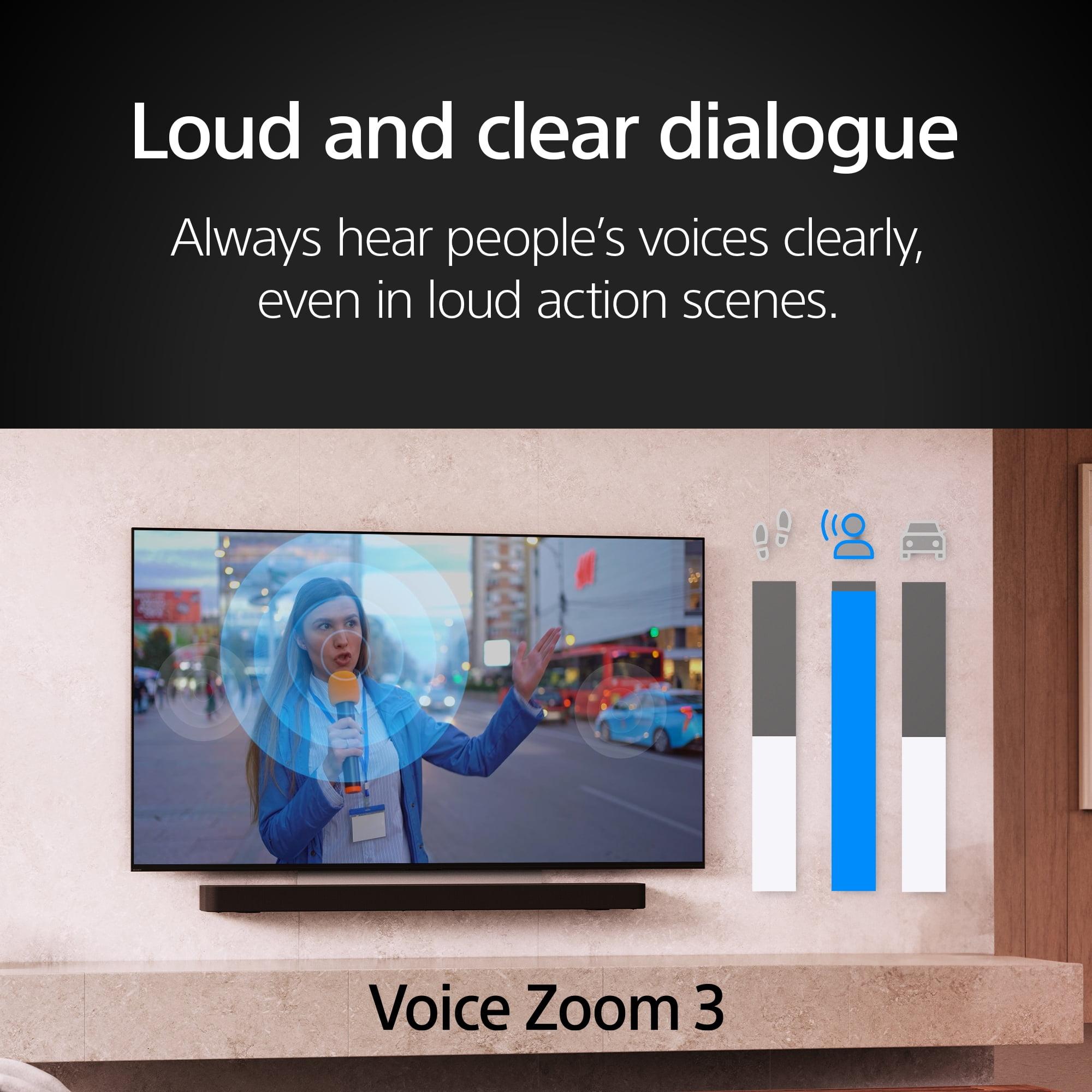
The Sony BRAVIA 8 uses Acoustic Surface Audio+, where the OLED screen itself acts as a speaker. This creates an interesting effect where dialogue appears to come directly from characters' mouths rather than from below the screen. The 2.1 channel system with 50 watts total power provides clear dialogue and reasonable dynamics, though it lacks the dedicated subwoofer of the TCL.
Neither TV replaces a dedicated sound system, but both offer respectable audio that works well for casual viewing. The TCL QM9K edges ahead for music and action content, while the Sony BRAVIA 8 excels for dialogue clarity.
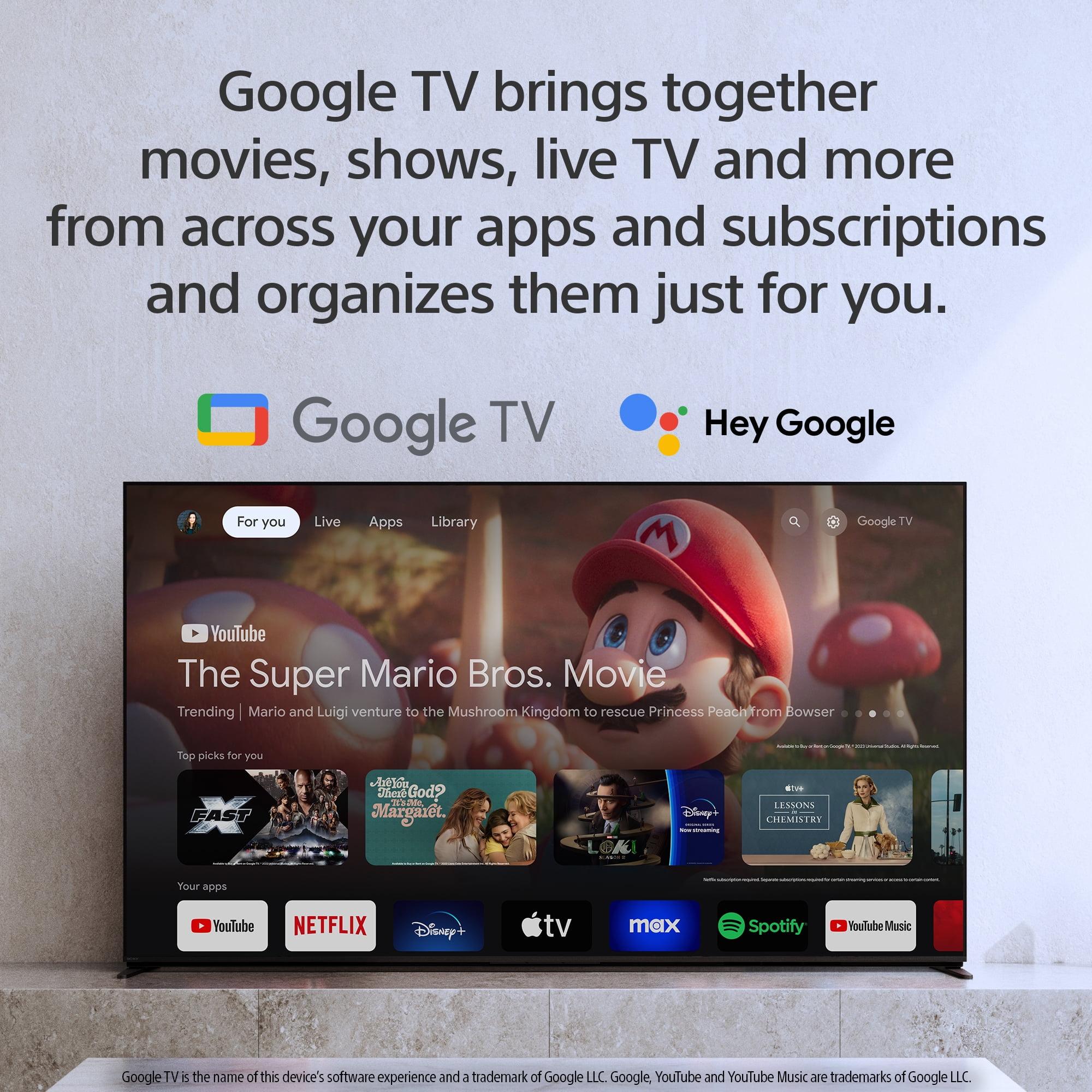
Both TVs run Google TV, but with different implementations and additional features.
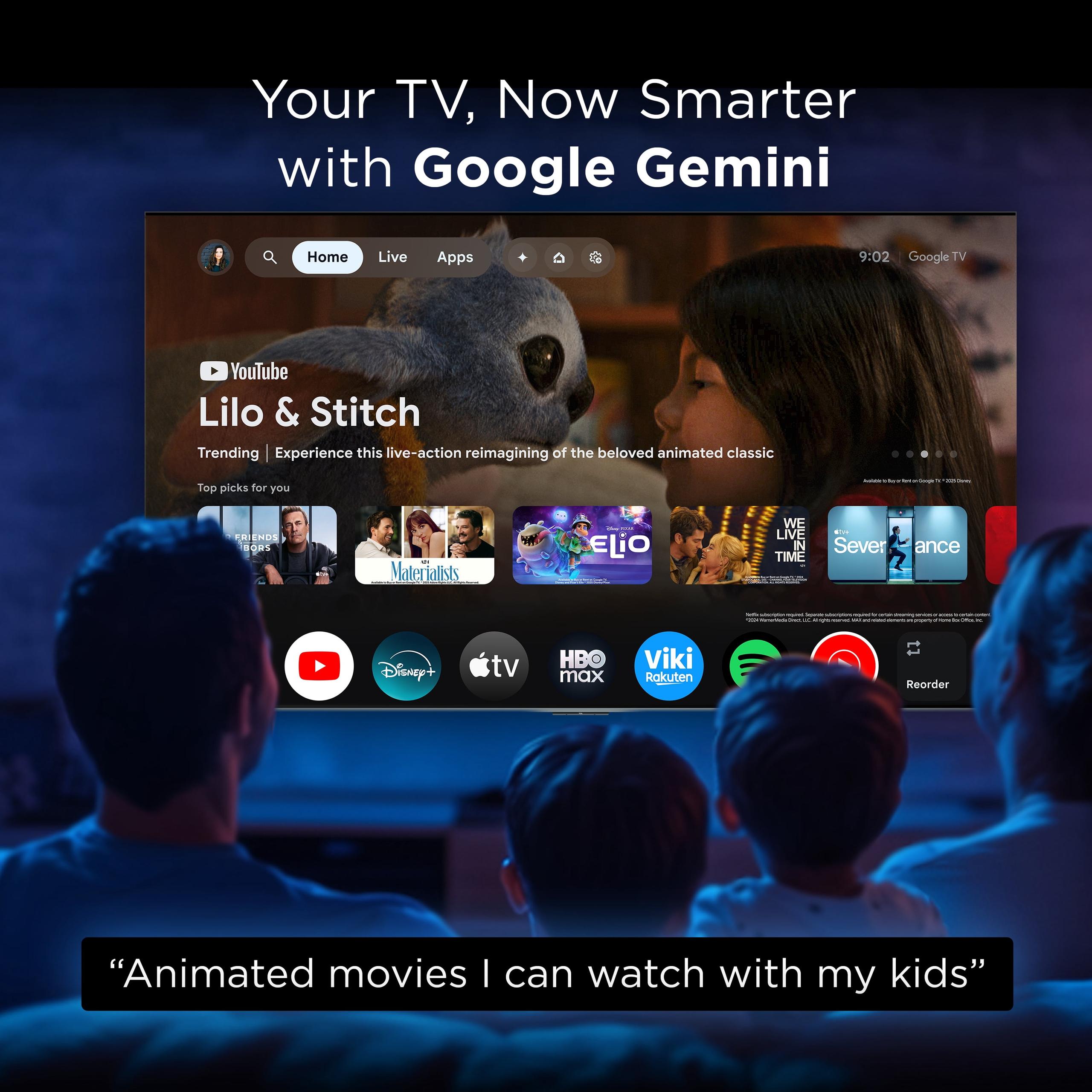
The TCL QM9K includes Google Gemini AI integration, offering more sophisticated voice control and contextual search capabilities. The Presence Sensor automatically detects when you approach, turning the TV on and displaying relevant widgets or screensavers. These smart features feel genuinely useful rather than gimmicky.
The Sony BRAVIA 8 focuses more on content optimization, with studio-calibrated modes for Netflix and Prime Video. Sony's XR Processor analyzes content in real-time, adjusting picture settings based on what type of content you're watching.
For dedicated home theater setups, the choice often comes down to your room's characteristics and viewing preferences.
In a light-controlled home theater, the Sony BRAVIA 8 delivers a more cinematic experience. The perfect blacks create that "infinite depth" feeling that makes movies feel more immersive. Colors pop from true darkness, and subtle shadow details remain visible without looking washed out.
The TCL QM9K still looks excellent in dark rooms, but the slight blooming around bright objects can be noticeable to critical viewers. However, its superior brightness means HDR highlights appear more impactful—explosions and sunsets can genuinely make you squint.
Most people don't have perfect light control, and this is where the TCL QM9K becomes compelling. Its extreme brightness and anti-reflective coating mean you can enjoy excellent picture quality even with ambient lighting. The Sony BRAVIA 8, while beautiful, can appear washed out in bright conditions.
At the time of writing, both TVs occupy similar price segments, though the Sony BRAVIA 8 typically offers a slight cost advantage. However, value extends beyond initial price to include feature completeness and future-proofing.
The TCL QM9K provides more gaming-focused features and higher peak performance in challenging viewing conditions. For buyers who prioritize maximum brightness, gaming capabilities, or mixed lighting usage, it delivers strong value despite any price premium.
The Sony BRAVIA 8 offers the refined OLED experience at a more accessible price point. Its strengths in dark room viewing, color accuracy, and overall elegance make it compelling for cinema enthusiasts and those prioritizing picture quality over raw performance metrics.
You primarily watch TV during the day or in rooms with significant ambient lighting. The extreme brightness capability makes this TV genuinely usable in conditions where other displays struggle. Gamers who want future-proofing for high refresh rate content should also lean toward this option.
Sports enthusiasts often prefer the TCL QM9K for its ability to maintain vibrant colors and sharp motion even in bright rooms. The Bang & Olufsen audio tuning also provides better built-in sound for sports broadcasts and action content.
You're building a dedicated home theater or primarily watch movies in controlled lighting. The OLED technology delivers reference-quality picture that truly showcases high-end content. Cinema purists who value color accuracy and natural reproduction over maximum brightness will appreciate Sony's approach.
The Sony BRAVIA 8 also makes sense for buyers who prioritize elegant design and brand prestige. Sony's reputation for longevity and software support provides additional peace of mind.
Both the TCL QM9K and Sony BRAVIA 8 represent excellent choices in the premium TV segment, but they excel in different scenarios. The TCL dominates in bright room performance and gaming capabilities, while the Sony delivers superior dark room cinema experience at a more accessible price point.
Your viewing environment and content preferences should drive this decision more than pure specifications. If you're unsure, consider which room the TV will occupy and when you typically watch it. The TCL QM9K handles versatile usage better, while the Sony BRAVIA 8 excels in its sweet spot of dark room movie watching.
Either choice will deliver years of excellent viewing, but understanding these fundamental differences ensures you'll pick the technology that best matches your specific needs and preferences.
| TCL 65" QM9K QD-Mini LED Smart TV | Sony BRAVIA 8 65" 4K OLED TV |
|---|---|
| Display Technology - Fundamental difference in how picture is created | |
| QD-Mini LED with up to 6,000 local dimming zones | OLED with 8+ million individually controlled pixels |
| Peak Brightness - Critical for HDR impact and bright room viewing | |
| HDR6500 (6,500 nits) - exceptional for daytime viewing | Typical OLED brightness (~800-1000 nits) - best in dark rooms |
| Black Levels - Determines contrast and dark scene detail | |
| Very deep blacks with minimal blooming from 6,000 zones | Perfect infinite blacks with complete pixel shutoff |
| Native Refresh Rate - Important for gaming and smooth motion | |
| 144Hz native (future-proof for high-end gaming) | 120Hz (covers all current console gaming needs) |
| Gaming Features - Competitive gaming performance | |
| Game Accelerator 288, 4K@144Hz, 1080p@288Hz, 5.3ms input lag | 4K@120Hz, VRR, ALLM, <8.5ms input lag, PS5 optimization |
| Motion Processing - Sports and action content smoothness | |
| Motion Rate 480 with MEMC frame insertion | XR OLED Motion with natural film cadence preservation |
| Color Technology - Color accuracy and vibrancy | |
| Quantum Dot with 97% DCI-P3 coverage (vivid colors) | XR Triluminos Pro (natural, accurate color reproduction) |
| Smart TV Platform - User interface and AI features | |
| Google TV with Gemini AI integration, Presence Sensor | Google TV with XR Processor optimization, studio modes |
| Audio System - Built-in sound quality | |
| Bang & Olufsen 2.1.1 with subwoofer, Dolby Atmos | Acoustic Surface Audio+ 2.1 system (screen as speaker) |
| Ideal Viewing Environment - Where each TV performs best | |
| Bright rooms, mixed lighting, daytime viewing | Dark rooms, controlled lighting, dedicated home theater |
| Best Use Cases - Primary strengths for different users | |
| Gaming enthusiasts, sports fans, bright living rooms | Cinema purists, movie lovers, dark room viewing |
The TCL 65" QM9K QD-Mini LED Smart TV is significantly better for bright rooms. Its HDR6500 peak brightness (6,500 nits) and anti-reflective CrystGlow panel technology maintain picture quality even with ambient lighting. The Sony BRAVIA 8 65" 4K OLED TV performs best in darker, controlled environments where its perfect blacks can shine.
The TCL QM9K uses Mini LED backlighting with up to 6,000 individual dimming zones behind the screen, while the Sony BRAVIA 8 uses OLED technology where each pixel produces its own light. Mini LED excels at extreme brightness, while OLED delivers perfect blacks and infinite contrast.
The TCL QM9K offers superior gaming features with 144Hz native refresh rate, Game Accelerator 288, and 5.3ms input lag. The Sony BRAVIA 8 handles current console gaming well with 120Hz and PS5 optimization, but the TCL QM9K provides better future-proofing for next-generation gaming.
The Sony BRAVIA 8 delivers superior black levels with perfect pixel-level darkness that creates infinite contrast. While the TCL QM9K produces very deep blacks through its 6,000 dimming zones, it cannot match the absolute darkness that OLED technology provides.
The TCL QM9K excels at sports viewing with its extreme brightness, Motion Rate 480 processing, and ability to maintain vibrant colors in bright rooms. The high refresh rate and advanced motion processing keep fast action smooth and clear, making it ideal for daytime sports viewing.
Both TVs offer quality built-in audio. The TCL QM9K features Bang & Olufsen tuning with a 2.1.1 system including subwoofer, while the Sony BRAVIA 8 uses Acoustic Surface Audio+ where the screen acts as a speaker. Neither replaces a dedicated sound system, but both provide respectable audio for casual viewing.
The Sony BRAVIA 8 typically performs better in dedicated home theaters due to its perfect blacks, infinite contrast, and accurate color reproduction in dark environments. However, if your theater room has any ambient lighting, the TCL QM9K might be preferable due to its superior brightness capabilities.
Both TVs run Google TV, but the TCL QM9K includes Google Gemini AI integration and a Presence Sensor for automatic adjustments. The Sony BRAVIA 8 focuses more on content optimization with studio-calibrated modes and real-time picture processing through its XR Processor.
The TCL QM9K offers more aggressive motion processing with Motion Rate 480 and MEMC frame insertion for artificially smooth motion. The Sony BRAVIA 8 uses XR OLED Motion that preserves more natural film cadence. Sports fans often prefer the TCL QM9K, while cinema purists may favor the Sony BRAVIA 8.
The Sony BRAVIA 8 maintains better color accuracy and contrast when viewed from the side due to OLED's inherent wide viewing angles. The TCL QM9K uses an HVA panel that shows some color shifting and brightness loss when viewed off-axis, though it's still acceptable for most room layouts.
Value depends on your priorities and viewing environment. The Sony BRAVIA 8 typically costs less while delivering premium OLED picture quality. The TCL QM9K offers more gaming features, higher brightness, and better versatility across different lighting conditions, justifying its positioning in the premium segment.
Both TVs should provide years of reliable service. The TCL QM9K uses Mini LED technology that doesn't suffer from potential OLED burn-in issues, while the Sony BRAVIA 8 benefits from Sony's established reputation for long-term software support and build quality. Modern OLED panels are much more durable than earlier generations.
We've done our best to create useful and informative comparisons to help you decide what product to buy. Our research uses advanced automated methods to create this comparison and perfection is not possible - please contact us for corrections or questions. These are the sites we've researched in the creation of this article: rtings.com - bestbuy.com - youtube.com - youtube.com - youtube.com - techaeris.com - displayspecifications.com - pcrichard.com - residentialsystems.com - us.tcl.com - displayspecifications.com - valueelectronics.com - woodruffappliance.com - tcl.com - pcrichard.com - tcl.com - techradar.com - tcl.com - us.tcl.com - youtube.com - youtube.com - bestbuy.com - youtube.com - bestbuy.com - bestbuy.com - crutchfield.com - avsforum.com - electronics.sony.com - sony.com - store.sony.co.nz - sony.com - displayspecifications.com

Privacy Policy
Terms and Conditions - Affiliate Policy
Home Security
© Copyright 2008-2026.
11816 Inwood Rd #1211, Dallas, TX 75244