

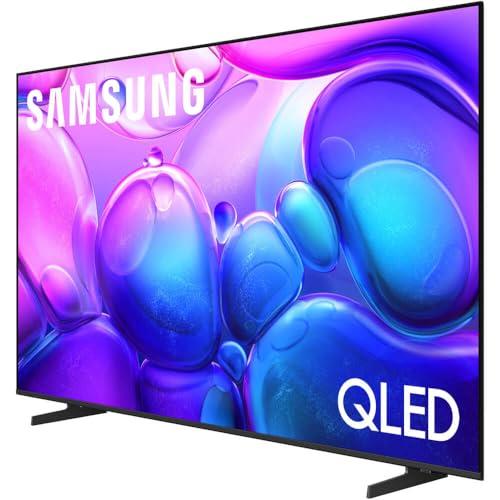
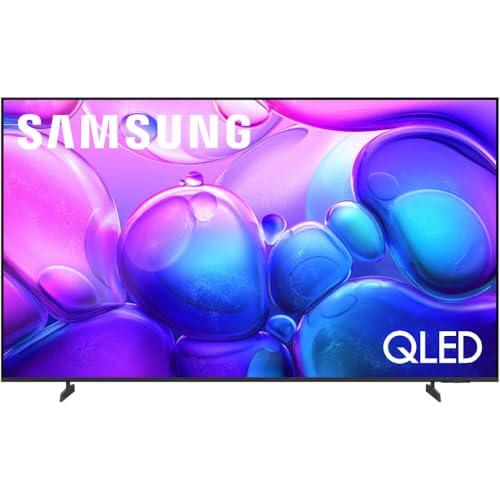
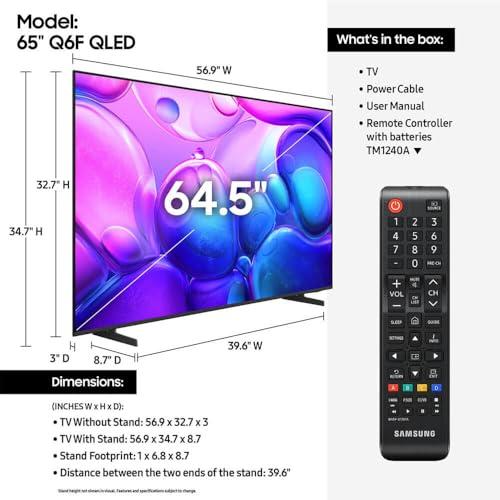
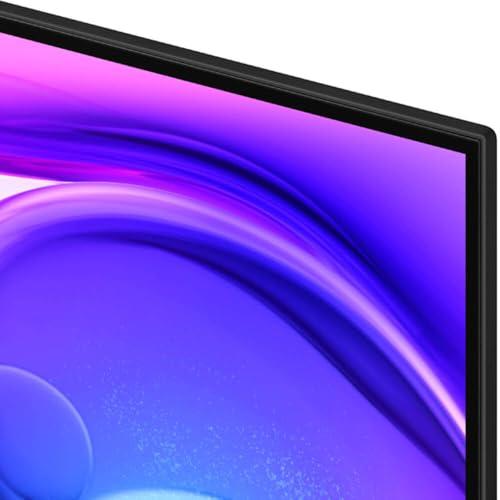
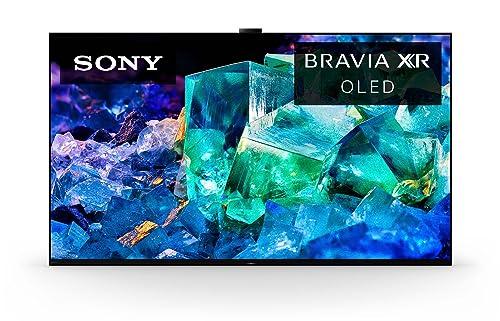





Choosing between the Samsung 65" QLED Q6F and Sony Bravia XR A95K isn't just about picking a TV—it's about deciding which display technology philosophy works best for your home. These two 65-inch models represent fundamentally different approaches to creating exceptional picture quality, and understanding those differences is crucial for making the right choice.
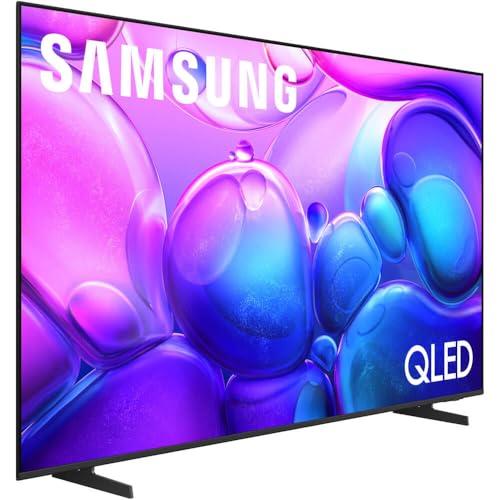
At the heart of this comparison lies one of the biggest technological shifts in TV history. The Samsung Q6F, released in 2025, represents the refined evolution of QLED (Quantum Dot LED) technology. Meanwhile, the Sony A95K, which debuted in 2022, pioneered QD-OLED—a breakthrough that combines the best aspects of OLED and quantum dot technologies.
QLED technology uses traditional LED backlights that shine through layers of quantum dots—tiny semiconductor particles that convert blue light into precise red and green wavelengths. This approach delivers vibrant colors and high brightness but still relies on a backlight system. QD-OLED, on the other hand, uses self-emissive OLED pixels (meaning each pixel creates its own light) enhanced with quantum dot converters, eliminating the need for backlighting entirely.
The fundamental question becomes: do you want the bright, punchy performance of refined QLED technology, or are you willing to invest significantly more for the cutting-edge picture quality that QD-OLED delivers?
When it comes to raw brightness output, the Samsung Q6F follows the traditional QLED advantage. Its LED backlighting system can push peak brightness levels high enough to make HDR (High Dynamic Range) content really pop, especially in bright living rooms where ambient light might otherwise wash out darker displays.
HDR content—which includes most modern movies and shows—requires displays that can show both very bright highlights and deep shadows simultaneously. The Samsung Q6F's Quantum HDR with HDR10+ support uses dynamic tone mapping, which means it adjusts the brightness and contrast scene by scene rather than applying the same settings to entire movies. This creates more realistic lighting that changes as the action moves from bright outdoor scenes to dark indoor moments.
The Sony A95K, however, takes a completely different approach. Its QD-OLED panel can't match the Samsung's peak brightness numbers, but it doesn't need to. Because each pixel can turn completely off, it creates perfect blacks—something the Samsung simply cannot achieve due to its LED backlighting. This infinite contrast ratio (the difference between the brightest whites and darkest blacks) makes HDR content appear more realistic, with details visible in both shadows and highlights that might get lost on other displays.
In practical terms, if you're watching in a bright living room during the day, the Samsung Q6F will maintain better picture quality. But in a darker environment—like a dedicated home theater room—the Sony A95K's perfect blacks and superior contrast create a more cinematic experience.
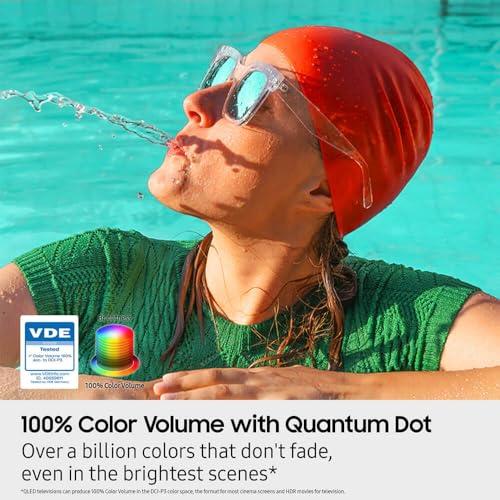
Both TVs use quantum dot technology, but they apply it differently. The Samsung Q6F achieves what Samsung calls "100% Color Volume," meaning it can display a billion different color shades that remain vibrant across all brightness levels. The quantum dots act as a color filter, converting the LED backlight into more precise red and green wavelengths than traditional LCD displays can manage.
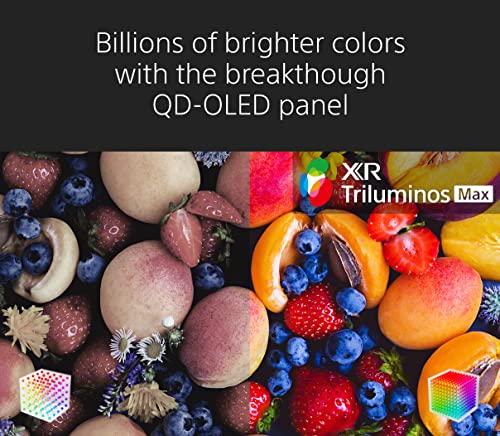
The Sony A95K takes quantum dots to the next level with QD-OLED technology. Instead of filtering backlight, it uses blue OLED pixels that emit light directly through quantum dot converters to create red and green light. This approach delivers what Sony calls "200% color brightness" compared to conventional displays—colors that are not only more accurate but significantly more vibrant, especially in brighter scenes.
Based on professional reviews and color accuracy measurements, the Sony A95K produces colors that more closely match professional reference monitors used in film production. This means movies and shows appear closer to how their creators intended. The Samsung Q6F produces colors that are punchy and satisfying but may be slightly oversaturated compared to the original content.
For most viewers, both approaches look excellent, but the Sony's color accuracy becomes more apparent with high-quality content like 4K Blu-rays or premium streaming services.
Motion clarity—how well a TV displays fast-moving content without blur—differs significantly between these models. The Samsung Q6F features Motion Xcelerator technology that estimates motion between frames to reduce blur, particularly beneficial for sports and action movies. However, its 60Hz refresh rate (50Hz in some regions) limits how smooth this motion can appear.
The Sony A95K operates at 120Hz and includes advanced motion processing that takes advantage of OLED's nearly instantaneous pixel response times. When a pixel needs to change from black to white or any other color, OLED can do so almost instantly, while LCD panels (like in the Samsung) have a slight delay as liquid crystals physically rotate.
For gaming, both TVs support modern console features, but with different strengths. The Samsung Q6F includes Samsung's Gaming Hub, which centralizes access to cloud gaming services, console games, and streaming apps in one interface. It supports Auto Low Latency Mode (ALLM), which automatically reduces input lag when gaming consoles are detected, and Variable Refresh Rate (VRR), which synchronizes the TV's refresh rate with the console's frame rate to prevent screen tearing.
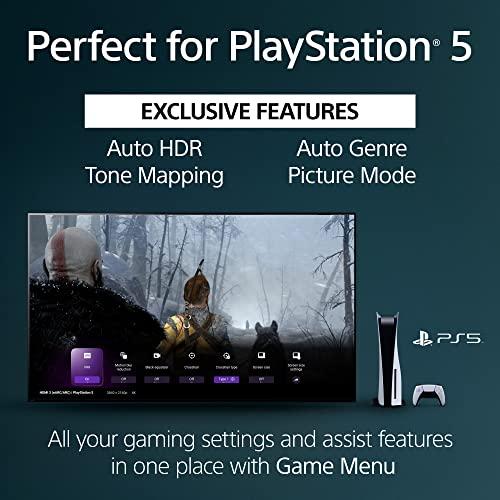
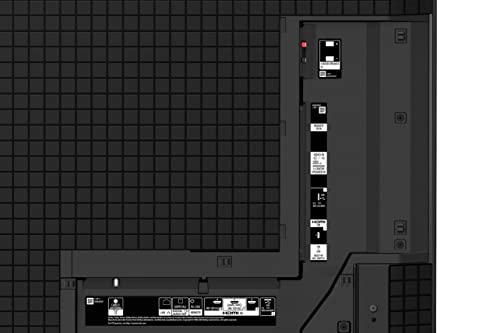
The Sony A95K goes further with HDMI 2.1 support that enables 4K gaming at 120 frames per second—double the Samsung Q6F's capability. For owners of PlayStation 5 or Xbox Series X consoles, this means smoother gameplay in supported titles. However, the Sony only includes two HDMI 2.1 ports compared to the Samsung's three HDMI ports, which could limit connectivity for users with multiple gaming devices.
The audio systems in these TVs reflect their overall design philosophies. The Samsung Q6F uses a conventional approach with two 10-watt speakers for a total of 20 watts. It includes Object Tracking Sound Lite (OTS Lite), which attempts to make audio appear to come from different parts of the screen based on where the action is happening. The TV also supports Q-Symphony, allowing it to work in harmony with Samsung soundbars for expanded audio.
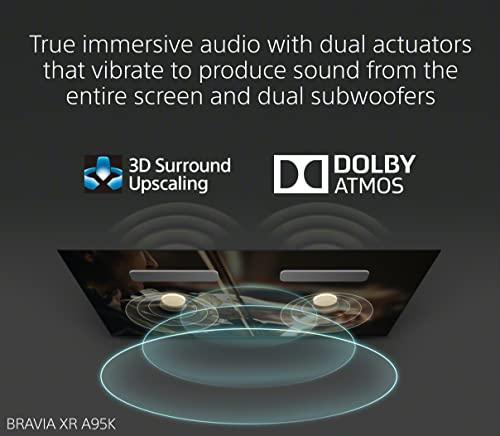
The Sony A95K pioneered something called Acoustic Surface Audio+, which uses actuators (small vibrating motors) positioned behind the screen to turn the entire display into a speaker. This creates a more immersive experience where dialogue appears to come directly from actors' mouths rather than from speakers below the screen. The technology also supports Dolby Atmos for three-dimensional audio effects.
In practice, the Sony's approach delivers noticeably better audio quality and positioning, though both TVs benefit from external sound systems for the best home theater experience.
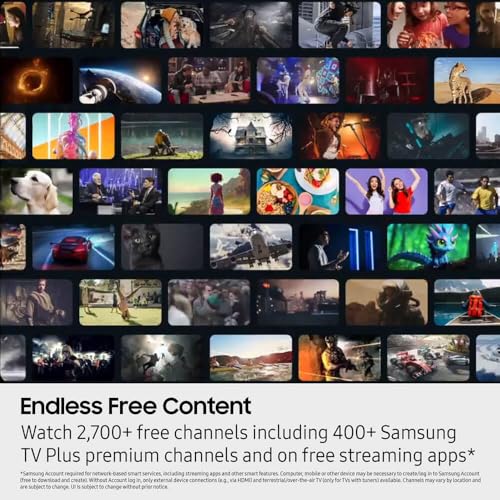
The Samsung Q6F runs Samsung's Tizen operating system with the One UI interface, which has evolved significantly since its introduction. Tizen provides access to all major streaming apps and includes Samsung TV Plus, which offers over 1,200 free channels supported by advertising. The platform integrates deeply with Samsung's ecosystem, including SmartThings for smart home control and Samsung Knox security for privacy protection.
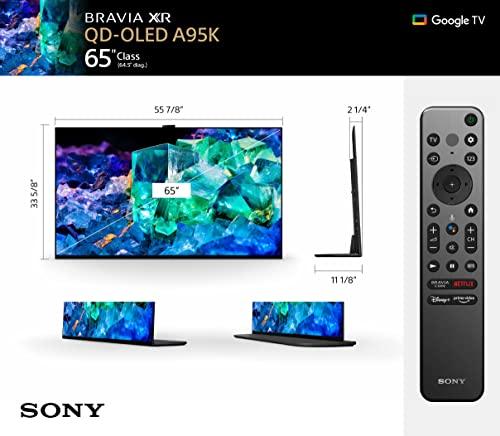
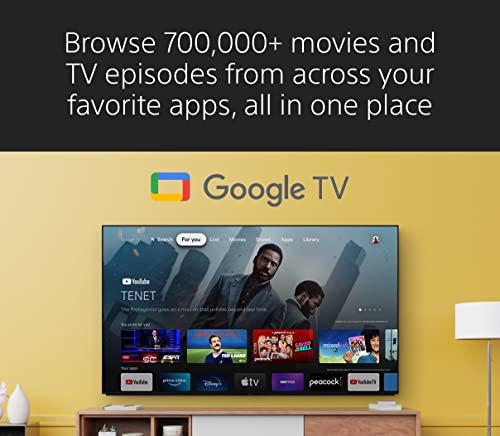
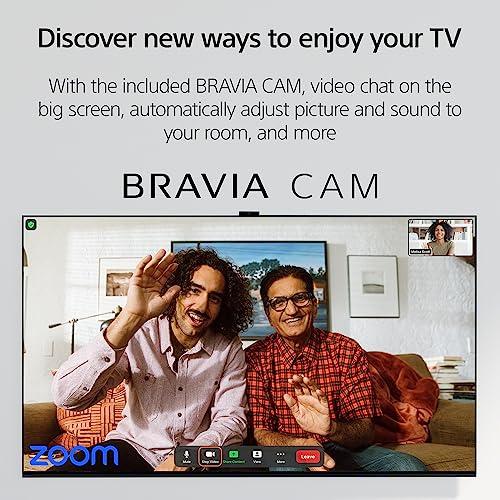
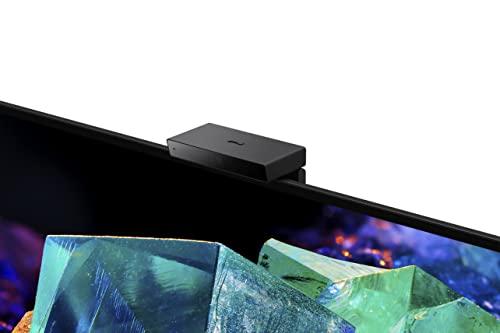
Google TV powers the Sony A95K, offering a more personalized experience with content recommendations across multiple streaming services. It includes Chromecast built-in, making it easy to cast content from phones and tablets, and supports both Google Assistant and Amazon Alexa for voice control. The Sony also includes a BRAVIA CAM—a detachable camera that enables gesture controls and video calling.
Both platforms work well, but Google TV generally offers more app compatibility and receives updates more consistently over time.
At the time of writing, these TVs represent very different value propositions. The Samsung Q6F positions itself as an accessible entry point into quantum dot technology, typically priced significantly lower than premium OLED models. It offers solid performance across most use cases while including comprehensive smart features and Samsung ecosystem integration.
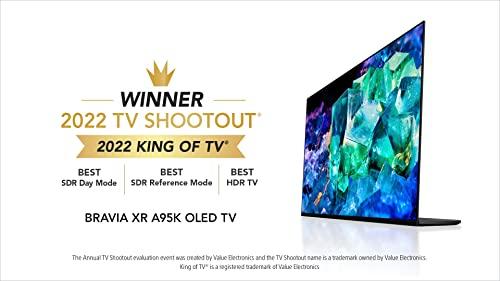
The Sony A95K commands a substantial premium—often double or more than the Samsung's price—but delivers cutting-edge display technology that wasn't available in consumer TVs just a few years ago. QD-OLED represents the current pinnacle of TV display technology, combining OLED's perfect blacks with quantum dot's enhanced color and brightness.
For dedicated home theater setups, the choice becomes clearer. The Sony A95K's perfect blacks, superior contrast, and accurate colors create a more cinematic experience that closely matches what you'd see in a commercial theater. Its Acoustic Surface Audio+ reduces the immediate need for external speakers, though serious home theater enthusiasts will eventually want a proper surround sound system.
The Samsung Q6F works well in home theaters but shines more in mixed-use environments where the TV serves multiple purposes throughout the day. Its higher brightness output maintains picture quality even when ambient light can't be completely controlled.
Choose the Samsung Q6F if you want solid quantum dot performance without the premium price tag. It's ideal for bright living rooms, families who value smart home integration, and viewers who prefer vibrant, punchy colors. The comprehensive Gaming Hub and multiple HDMI ports make it particularly appealing for households with multiple gaming devices.
The Sony A95K justifies its higher price for viewers who prioritize picture quality above all else. It's perfect for home theater enthusiasts, cinephiles who want the most accurate color reproduction, and early adopters who want cutting-edge technology. However, it requires a controlled lighting environment to showcase its strengths fully.
The technology gap between these models is significant. While the Samsung Q6F delivers excellent performance for its price point, the Sony A95K represents a generational leap in display technology that won't be surpassed easily.
Ultimately, both TVs excel in their intended markets. The Samsung provides accessible premium features with reliable performance, while the Sony pushes the boundaries of what's possible in home display technology. Your choice should align with both your budget and how much you value cutting-edge picture quality in your entertainment setup.
| Samsung 65" QLED Q6F 4K Smart TV 2025 | Sony Bravia XR A95K 65" QD-OLED TV |
|---|---|
| Display Technology - Fundamental difference in how picture is created | |
| QLED with LED backlighting and quantum dots | QD-OLED with self-emissive pixels and quantum dot converters |
| Peak Brightness - Critical for HDR and bright room viewing | |
| Higher peak brightness typical of QLED technology | Moderate brightness but perfect blacks create superior contrast |
| Black Levels - Determines contrast and dark scene detail | |
| Good blacks with UHD Dimming but limited by LED backlighting | Perfect blacks with each pixel turning completely off |
| Color Performance - Affects realism and vibrancy | |
| 100% Color Volume with vibrant, punchy colors | 200% color brightness with cinema-accurate reproduction |
| Refresh Rate - Important for gaming and motion clarity | |
| 60Hz (50Hz in some regions) with Motion Xcelerator | 120Hz native with superior OLED motion handling |
| Gaming Features - Next-gen console compatibility | |
| Gaming Hub, ALLM, VRR, 4K@60Hz, 3 HDMI ports | HDMI 2.1, 4K@120Hz, VRR, ALLM, only 2 HDMI 2.1 ports |
| Audio System - Built-in sound quality | |
| 20W 2-channel with Object Tracking Sound Lite | Acoustic Surface Audio+ turns screen into speaker |
| Smart Platform - Interface and app ecosystem | |
| Tizen OS with Samsung TV Plus (1200+ free channels) | Google TV with Chromecast built-in and BRAVIA CAM |
| Processor - Picture optimization and upscaling | |
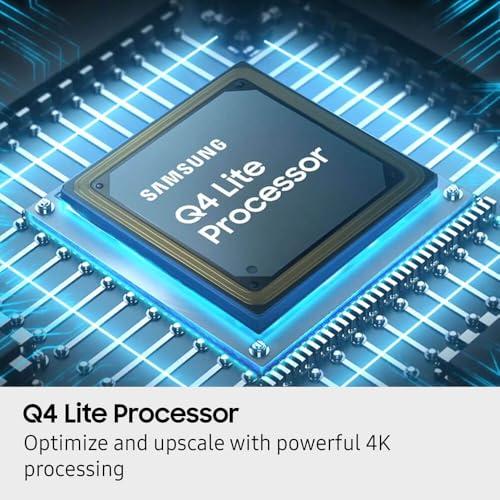
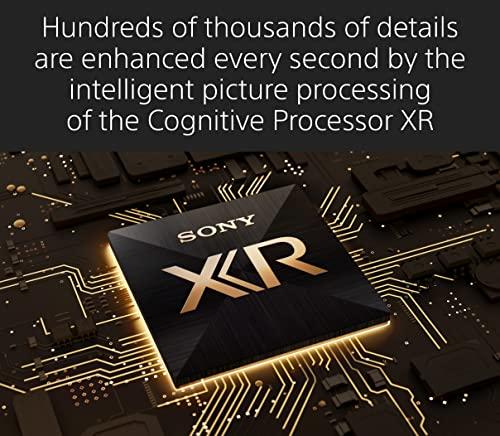
| Q4 Lite Processor with 4K upscaling | Cognitive Processor XR with advanced AI processing |
| HDR Support - High dynamic range capabilities | |
| Quantum HDR with HDR10+ dynamic tone mapping | HDR10, HLG, Dolby Vision with XR OLED Contrast Pro |
| Best Use Case - Where each TV excels | |
| Bright rooms, Samsung ecosystem users, value-focused buyers | Dark rooms, home theaters, picture quality enthusiasts |
| Release Year - Technology generation | |
| 2025 (latest entry-level QLED refinements) | 2022 (pioneering QD-OLED breakthrough technology) |
| Value Proposition - Price vs performance positioning | |
| Accessible QLED technology with comprehensive features | Premium pricing for cutting-edge display innovation |
The Samsung 65" QLED Q6F uses QLED technology with LED backlighting and quantum dots, while the Sony Bravia XR A95K features cutting-edge QD-OLED technology that combines self-emissive OLED pixels with quantum dot converters. This means the Sony can achieve perfect blacks and infinite contrast, while the Samsung offers higher peak brightness for bright rooms.
The Samsung Q6F is better for bright rooms due to its higher peak brightness from LED backlighting technology. The Sony A95K performs best in darker, controlled environments where its perfect blacks and superior contrast can shine without ambient light interference.
The Sony A95K delivers superior overall picture quality with perfect blacks, infinite contrast ratio, and more accurate colors that match professional cinema standards. The Samsung Q6F offers excellent picture quality for its price range with vibrant colors and good brightness, but cannot match the Sony's contrast performance.
Both TVs support modern gaming features. The Samsung Q6F offers Gaming Hub, VRR, ALLM, and 4K gaming at 60Hz with three HDMI ports. The Sony A95K provides superior gaming with 4K@120Hz capability, faster response times, and HDMI 2.1 support, though it only has two HDMI 2.1 ports.
The Sony A95K is significantly better for dedicated home theater rooms due to its perfect blacks, superior contrast, cinema-accurate colors, and Acoustic Surface Audio+ technology. The Samsung Q6F works well in multi-purpose rooms but cannot match the Sony's cinematic performance in dark environments.
The Samsung Q6F runs Tizen OS with Samsung TV Plus (1200+ free channels), SmartThings integration, and Samsung Knox security. The Sony A95K uses Google TV with Chromecast built-in, includes a BRAVIA CAM for gesture controls, and supports both Google Assistant and Alexa.
The Sony A95K has superior built-in audio with Acoustic Surface Audio+ technology that turns the entire screen into a speaker, creating more immersive directional sound. The Samsung Q6F features a standard 20W speaker system with Object Tracking Sound Lite and Q-Symphony soundbar compatibility.
The Samsung Q6F operates at 60Hz (50Hz in some regions) with Motion Xcelerator technology for smoother motion. The Sony A95K features a native 120Hz refresh rate with superior OLED motion handling, providing clearer fast-moving content and better gaming performance.
Both TVs support HDR content, but with different approaches. The Samsung Q6F offers Quantum HDR with HDR10+ dynamic tone mapping. The Sony A95K supports HDR10, HLG, and Dolby Vision with XR OLED Contrast Pro for more comprehensive HDR format compatibility.
The Samsung Q6F delivers 100% Color Volume with vibrant, punchy colors that remain consistent across brightness levels. The Sony A95K provides 200% color brightness compared to conventional displays with more accurate, cinema-standard color reproduction using advanced quantum dot technology.
The Samsung Q6F provides excellent value as an entry point into quantum dot technology with comprehensive smart features at a more accessible price point. The Sony A95K commands a premium price but delivers cutting-edge QD-OLED technology representing the current pinnacle of TV display innovation.
The Samsung Q6F includes three HDMI ports supporting 4K@60Hz, providing more connectivity options for multiple devices. The Sony A95K has four HDMI ports total but only two HDMI 2.1 ports with full 4K@120Hz capability, which may limit connectivity for users with multiple next-gen gaming consoles.
We've done our best to create useful and informative comparisons to help you decide what product to buy. Our research uses advanced automated methods to create this comparison and perfection is not possible - please contact us for corrections or questions. These are the sites we've researched in the creation of this article: samsung.com - samsung.com - youtube.com - rtings.com - samsung.com - bestbuy.com - manuals.plus - shopjetson.com - samsung.com - samsung.com - samsung.com - samsung.com - bestbuy.com - jefflynch.com - tomsguide.com - audioadvice.com - wepc.com - bestbuy.com - tvsbook.com - rtings.com - youtube.com - flatpanelshd.com - rtings.com - youtube.com - reviewed.com - avsforum.com - youtube.com - youtube.com - rtings.com - youtube.com - electronics.sony.com - sonypremiumhome.com - valueelectronics.com - sony.com - displayspecifications.com - flatpanelshd.com - donstv.com - youtube.com - businessinsider.com - youtube.com - displayspecifications.com - bestbuy.com

Privacy Policy
Terms and Conditions - Affiliate Policy
Home Security
© Copyright 2008-2026.
11816 Inwood Rd #1211, Dallas, TX 75244