

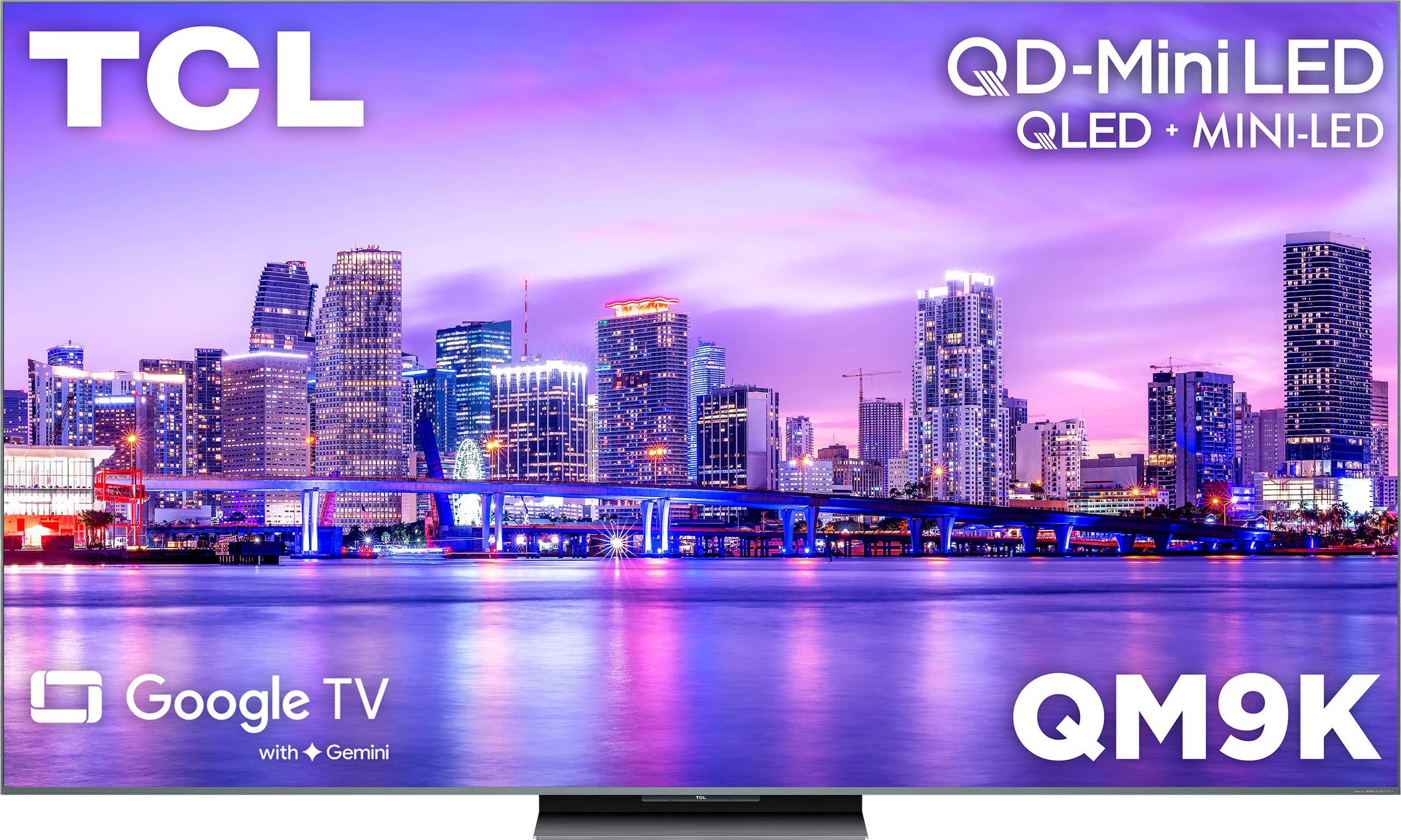
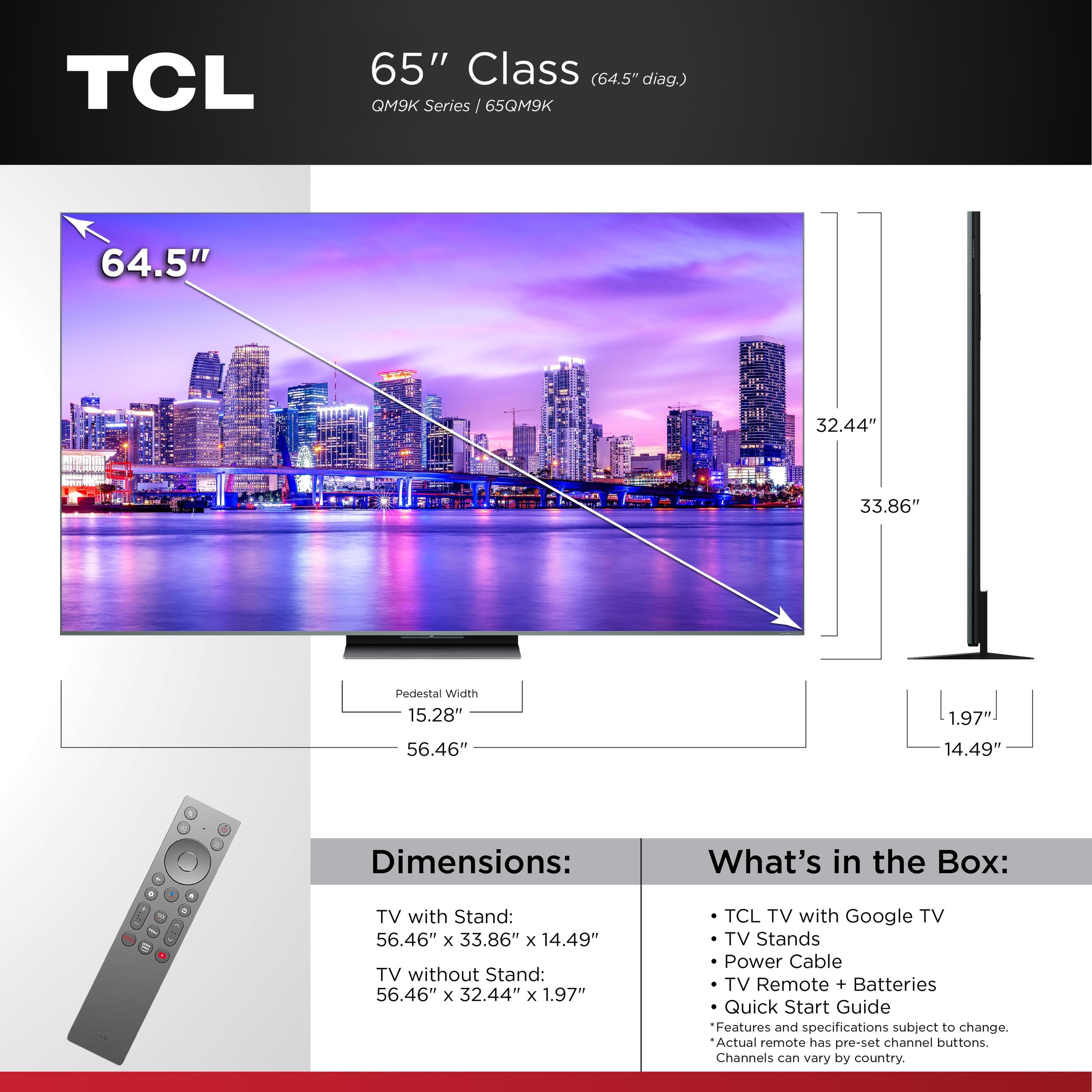
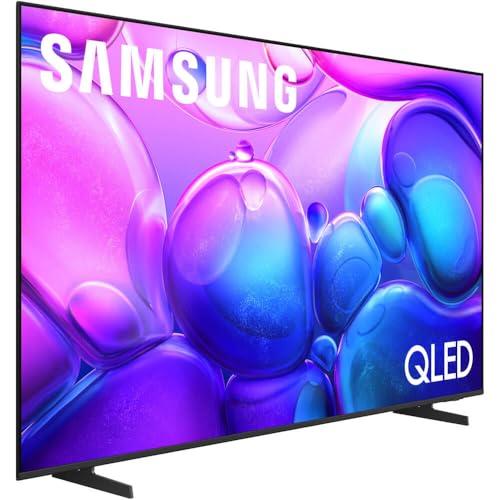
The 65-inch TV market in 2024-2025 has become incredibly competitive, with manufacturers pushing boundaries in both premium and budget segments. Two televisions that perfectly illustrate this divide are the TCL QM9K flagship and Samsung's entry-level Q6F. These represent fundamentally different approaches to delivering large-screen entertainment, and understanding their differences is crucial for making the right buying decision.
Before diving into specifics, it's worth understanding what separates today's televisions. The core differences come down to how they create light and color. Traditional LED TVs use a backlight behind the entire screen, while newer Mini LED technology (like in the TCL QM9K) uses thousands of tiny LEDs that can be controlled independently. This creates what's called "local dimming" – essentially allowing different parts of the screen to be brighter or darker as needed.
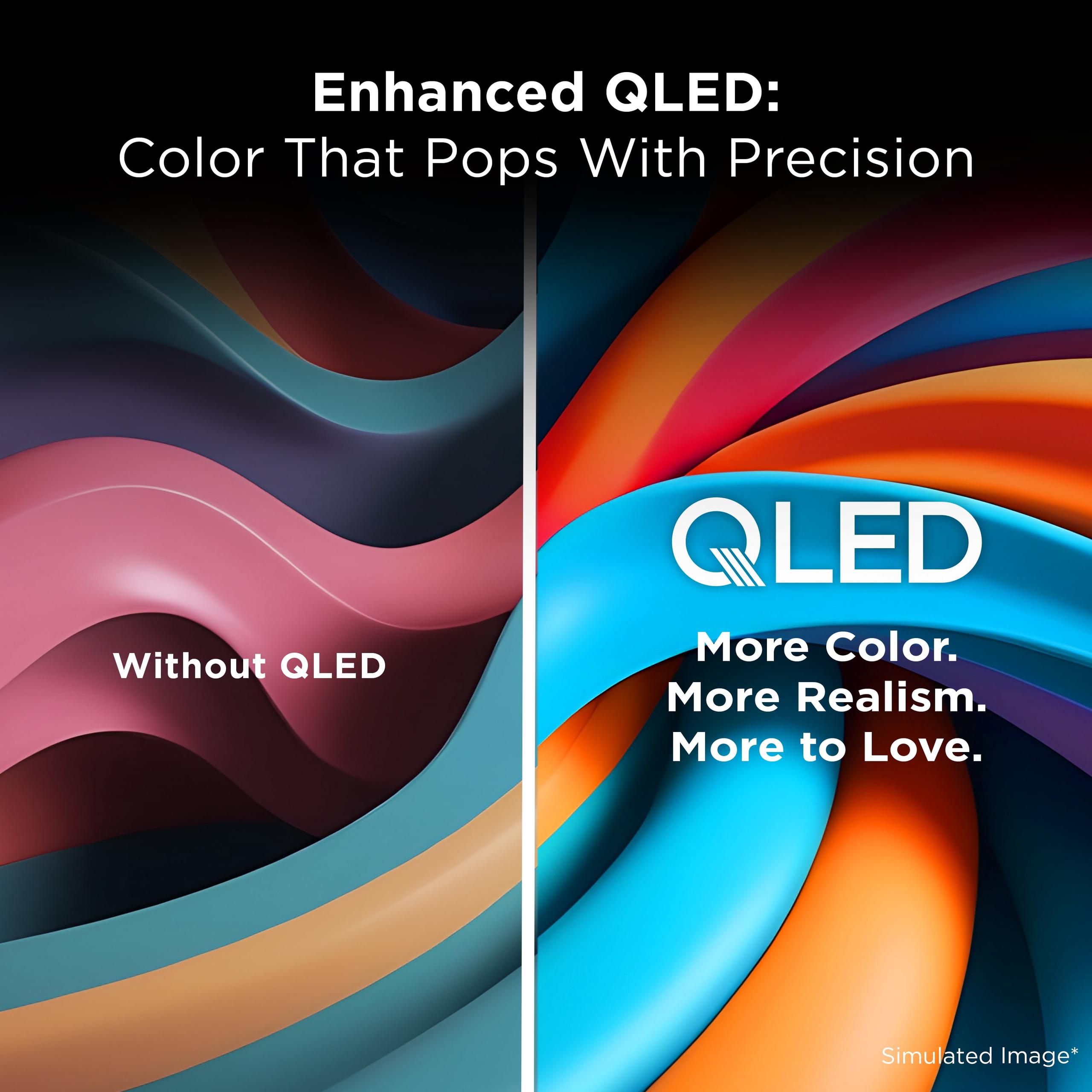
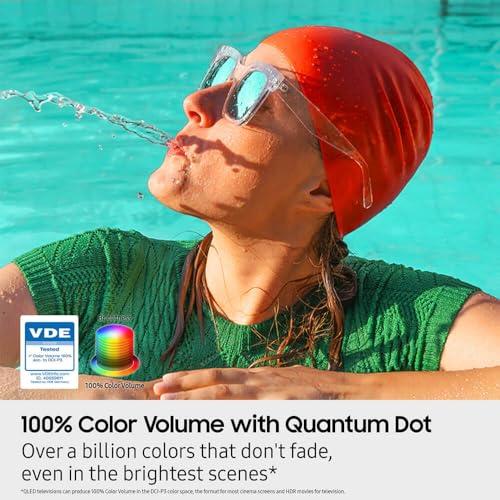
Quantum Dot technology, found in both TVs, uses microscopic crystals that emit specific colors when hit by light. Think of it like having millions of tiny color filters that make reds redder and blues bluer. The difference is how sophisticated the underlying backlight system is – and that's where these two TVs diverge dramatically.
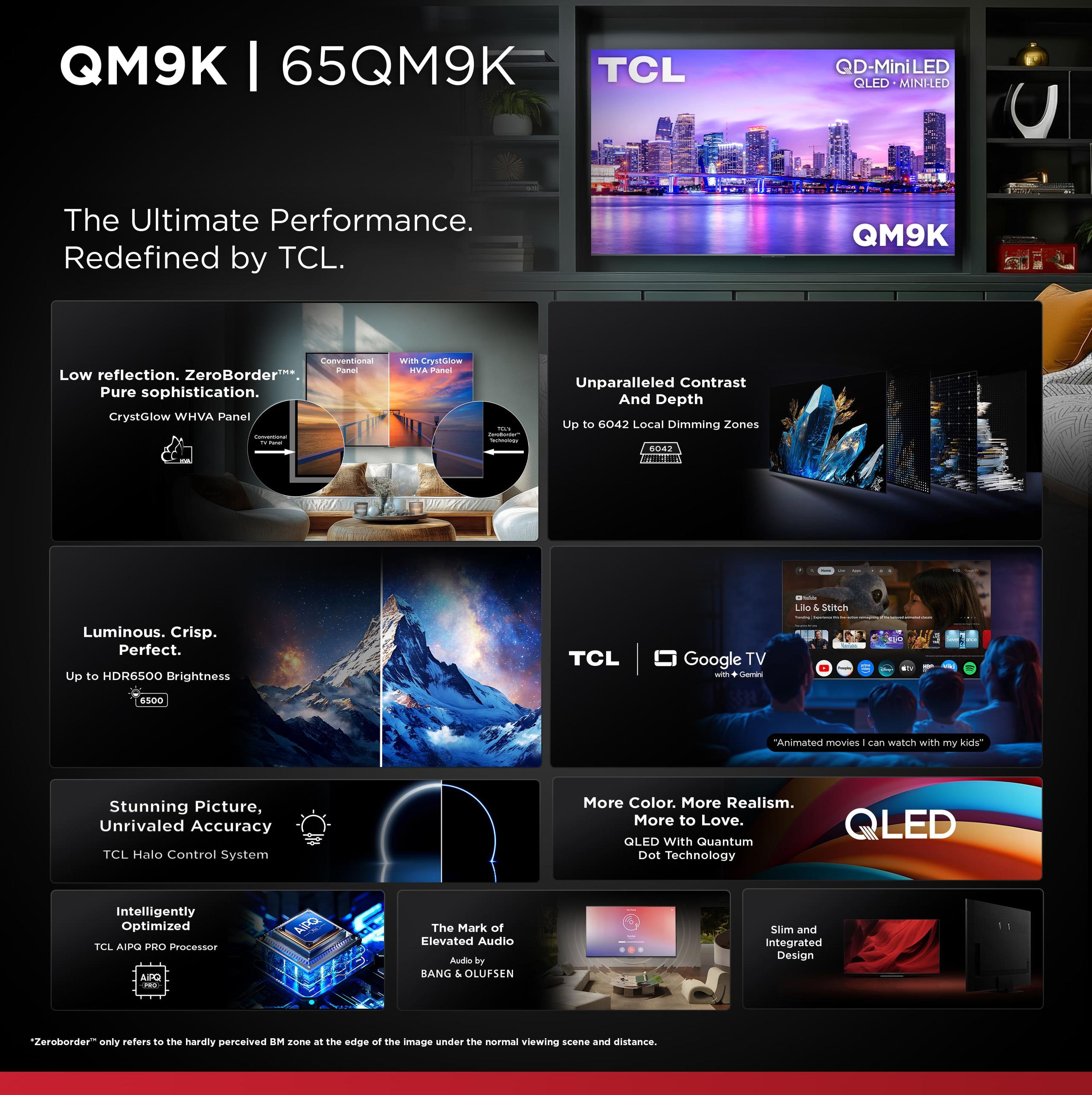
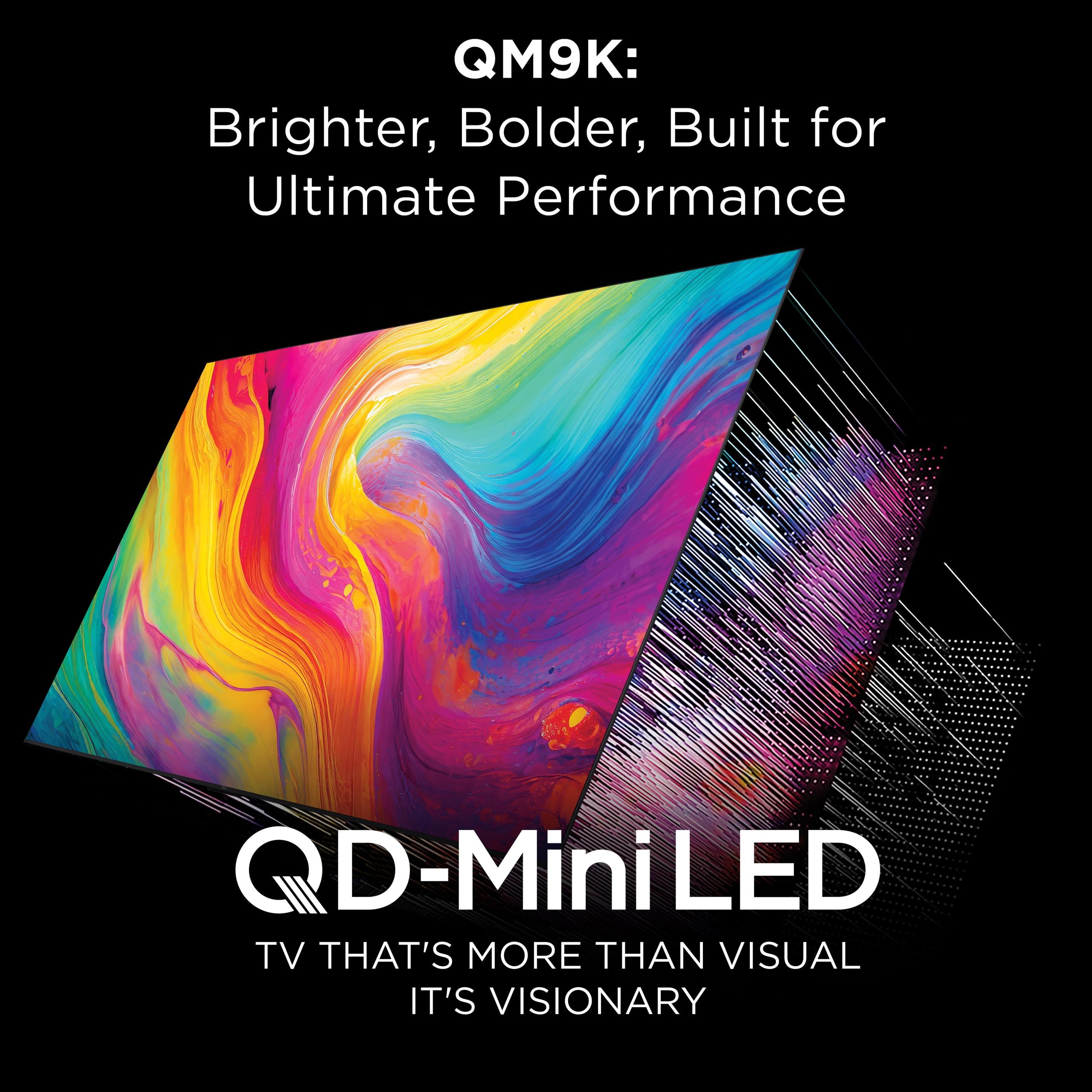
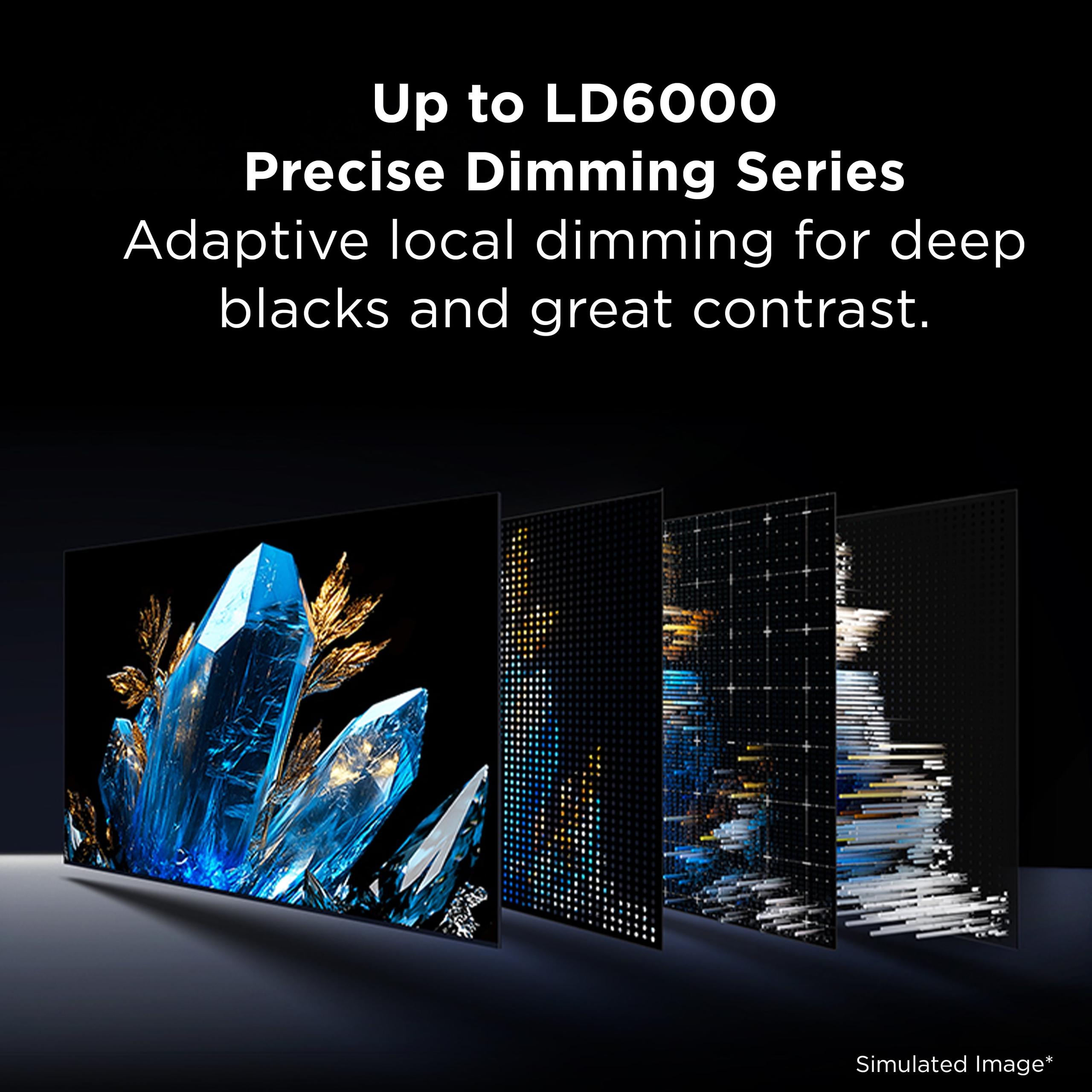
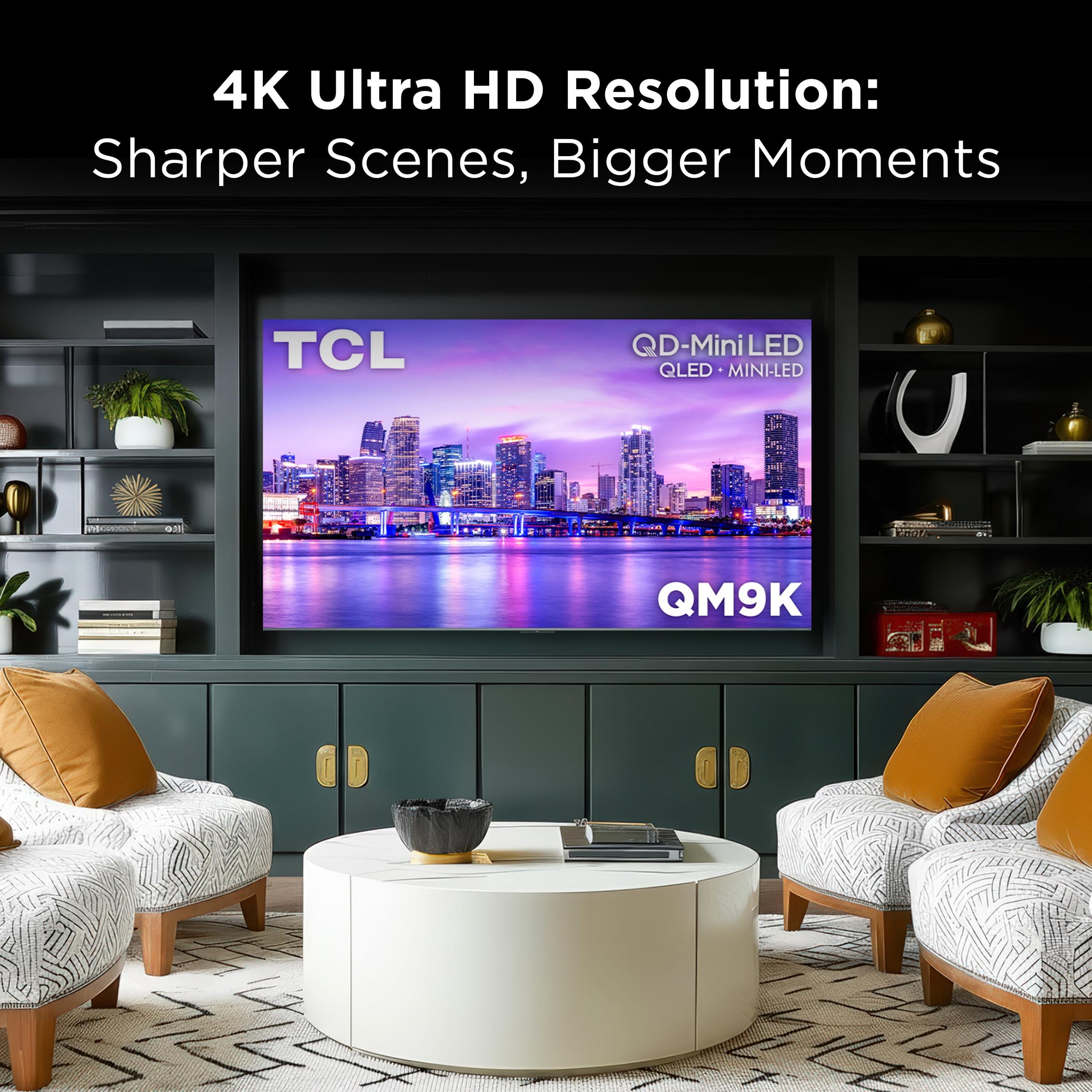
The TCL QM9K represents the cutting edge of display technology with its QD-Mini LED system. This isn't marketing fluff – it's a genuine technological advancement that uses up to 6,000 individual dimming zones. To put this in perspective, imagine your TV screen divided into 6,000 separate sections, each capable of getting brighter or darker independently. This creates incredibly precise control over contrast, allowing bright stars in a night sky to shine while keeping the surrounding darkness truly black.
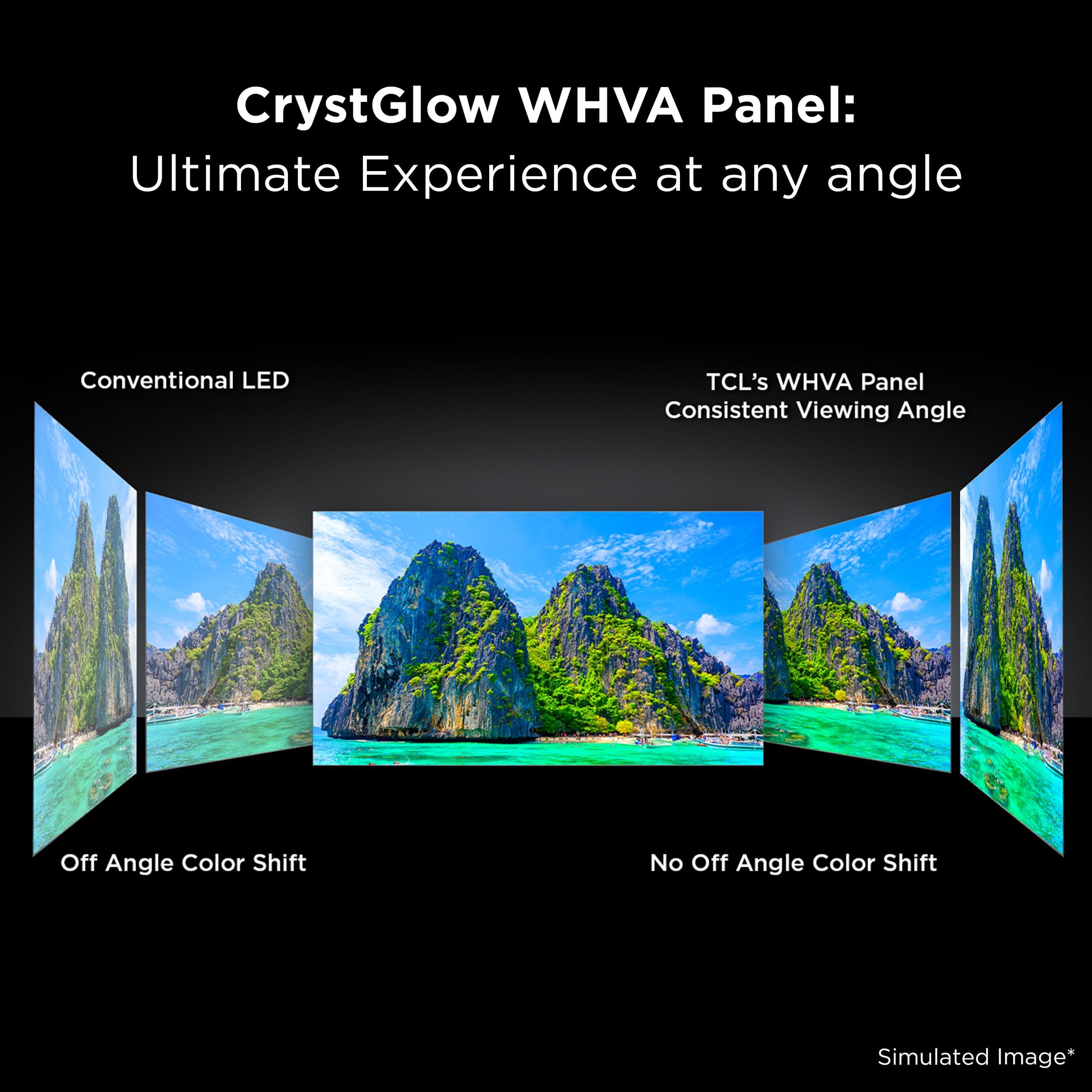
The system uses what TCL calls a "Six-Crystal Light-Emitting Chip," which sounds complicated but essentially means each tiny LED produces 27.5% more light while using less energy. The CrystGlow WHVA panel adds another layer of sophistication with specialized liquid crystal molecules that reduce reflections and improve contrast by five times compared to standard panels.
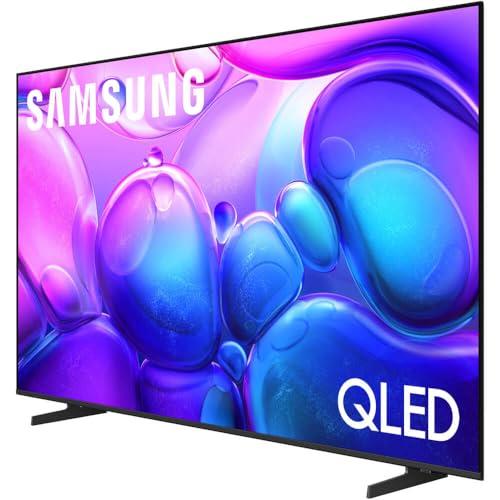
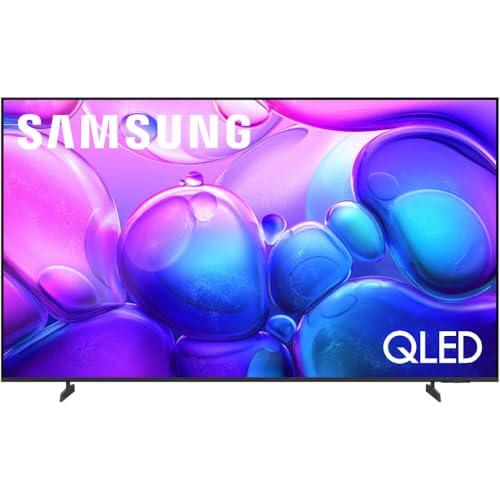
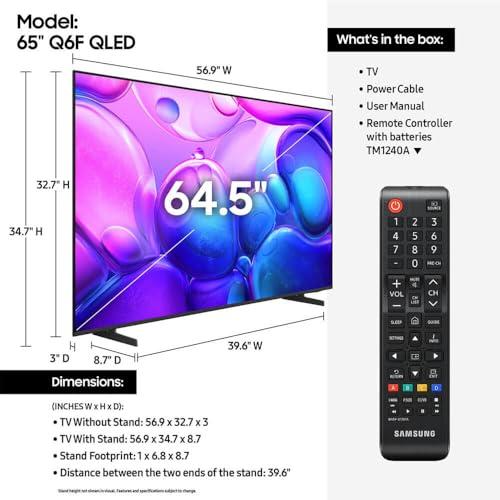
In contrast, the Samsung Q6F uses traditional LED backlighting without local dimming. While it still benefits from Quantum Dot color enhancement, it cannot selectively brighten or dim different areas of the screen. This means when you're watching a movie with both bright explosions and dark scenes, the entire backlight has to compromise between the two extremes.
The practical difference becomes obvious in real-world viewing. The TCL QM9K can display a bright campfire against a pitch-black forest with stunning realism, while the Samsung Q6F would make that forest appear grayish since the backlight needs to stay bright enough for the fire.
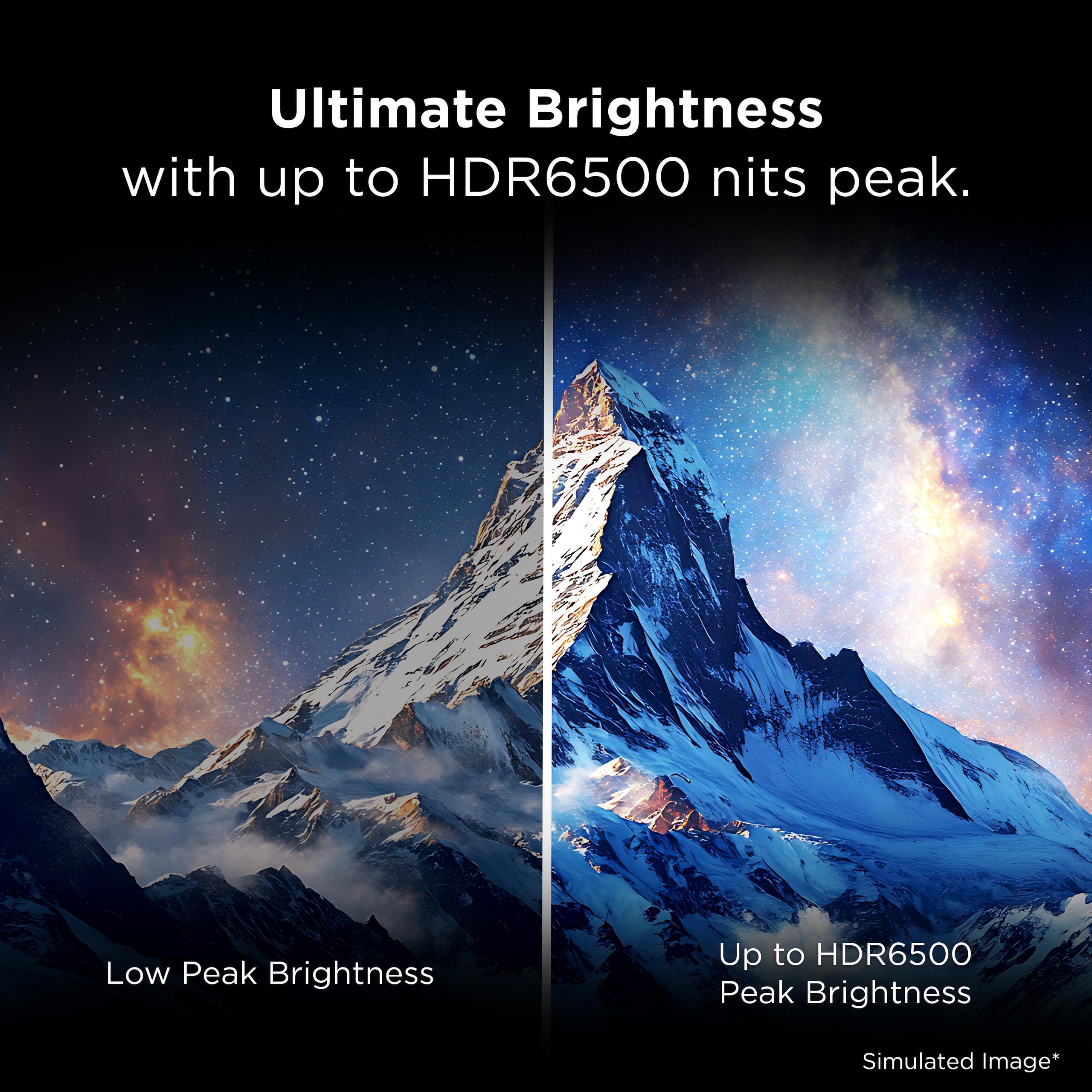
Peak brightness capabilities reveal perhaps the starkest difference between these televisions. The TCL QM9K achieves an impressive 6,500 nits peak brightness – enough to make HDR highlights literally pop off the screen. For context, a sunny day measures about 100,000 nits, while most indoor lighting is around 100-500 nits. Having 6,500 nits available means this TV can reproduce incredibly bright highlights that genuinely feel realistic, whether it's sunlight glinting off water or the glow of a lightsaber.
The Samsung Q6F, while respectable for its price point, operates in a completely different league brightness-wise. Our research suggests it delivers adequate brightness for most rooms but lacks the dramatic punch needed for premium HDR content. This matters because HDR (High Dynamic Range) content is specifically mastered to take advantage of these brightness extremes – without sufficient peak brightness, you're missing a significant portion of the intended experience.
HDR format support also differs significantly. The TCL QM9K supports virtually every HDR standard including Dolby Vision IQ, HDR10+, and IMAX Enhanced. Dolby Vision IQ is particularly clever – it adjusts the picture based on your room's ambient lighting, automatically optimizing brightness and contrast throughout the day. The Samsung Q6F notably lacks Dolby Vision support, which is increasingly common on streaming platforms like Netflix and Disney+.
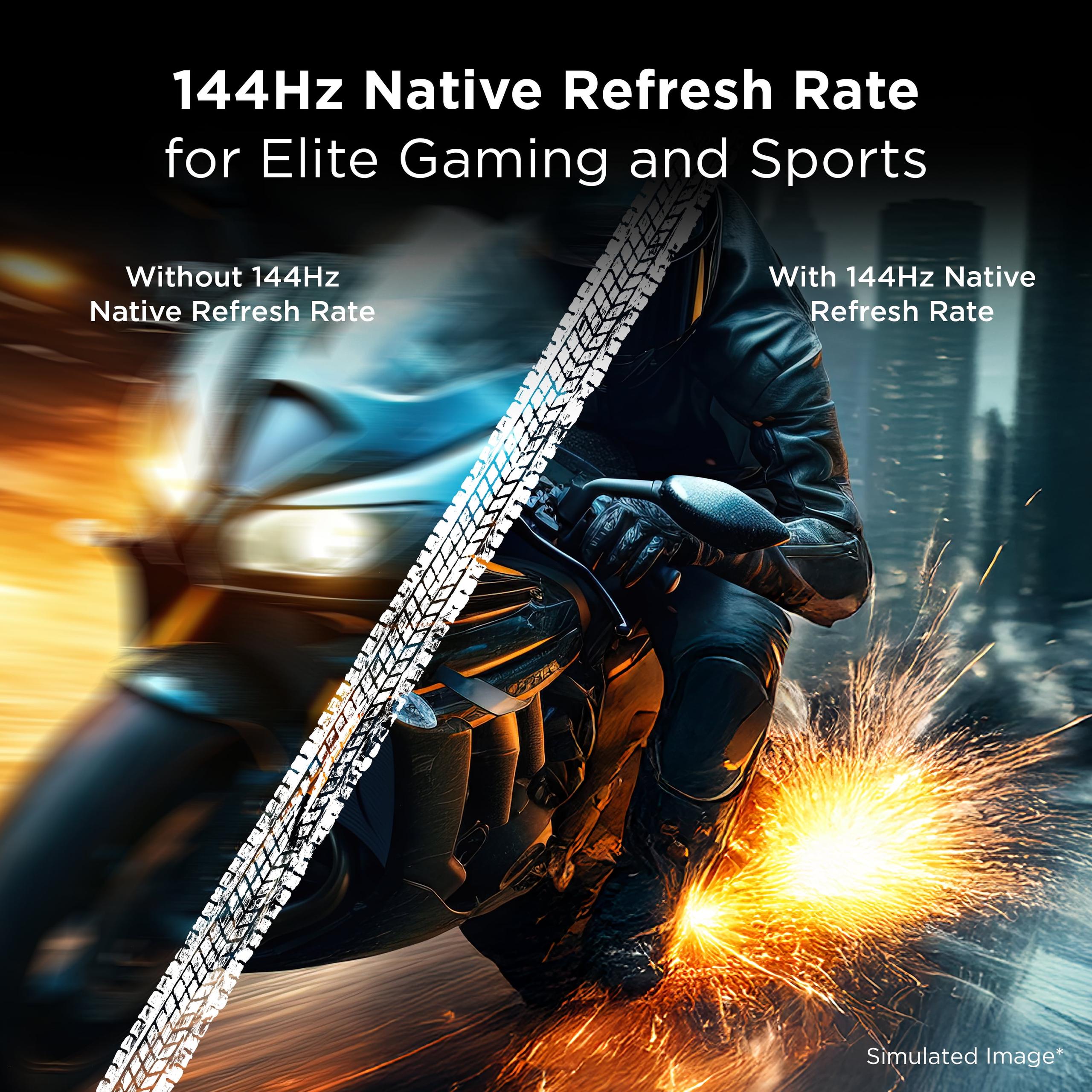
Gaming capabilities reveal another fundamental divide. The TCL QM9K is designed from the ground up for serious gaming with its native 144Hz refresh rate. This isn't just marketing – it means the TV can actually display 144 unique frames every second, creating incredibly smooth motion. The Game Accelerator 288 feature pushes this even further at lower resolutions, supporting up to 288Hz for competitive esports gaming.
More importantly, the TCL QM9K includes comprehensive next-generation gaming features: AMD FreeSync Premium Pro eliminates screen tearing, Variable Refresh Rate (VRR) synchronizes the TV's refresh with your console's output, and Auto Low Latency Mode (ALLM) automatically switches to game mode when it detects a gaming signal. Input lag measures just 5.3 milliseconds – fast enough that your button presses register almost instantaneously.
The Samsung Q6F takes a more traditional approach with 60Hz refresh rate and basic gaming features. While it includes Auto Game Mode and Samsung's Gaming Hub for accessing cloud gaming services, it lacks VRR support and high refresh rate capabilities. This makes it perfectly adequate for casual console gaming but limiting for competitive players or those with next-generation consoles capable of 120Hz gaming.
For PlayStation 5 or Xbox Series X owners, this difference is substantial. Many newer games offer 120Hz modes that provide smoother motion and reduced input lag – features only available on TVs like the TCL QM9K that support these higher refresh rates.
Motion processing reveals interesting trade-offs in both televisions. The TCL QM9K uses Motion Rate 480 technology with MEMC (Motion Estimation, Motion Compensation) frame insertion. This sophisticated system analyzes motion between frames and creates intermediate frames to smooth movement. While this can dramatically improve sports viewing and reduce judder in movies, our research indicates it sometimes struggles with fast dark-to-bright transitions, creating slight motion blur around moving objects.
The AI-powered AIPQ PRO processor continuously optimizes motion processing based on content type, but some users report occasional glitches in specific streaming apps, particularly Disney Plus. These issues appear to be software-related and potentially addressable through updates.
The Samsung Q6F uses Motion Xcelerator, a simpler but more reliable motion processing system. While it doesn't offer the same level of sophistication as the TCL QM9K, it provides consistent performance across all content types without the occasional artifacts that can plague more aggressive processing systems.
For home theater use, the TCL QM9K's superior motion processing generally provides a more cinematic experience, particularly for action movies and sports. However, purists might prefer the Samsung Q6F's more conservative approach, which alters the original content less dramatically.
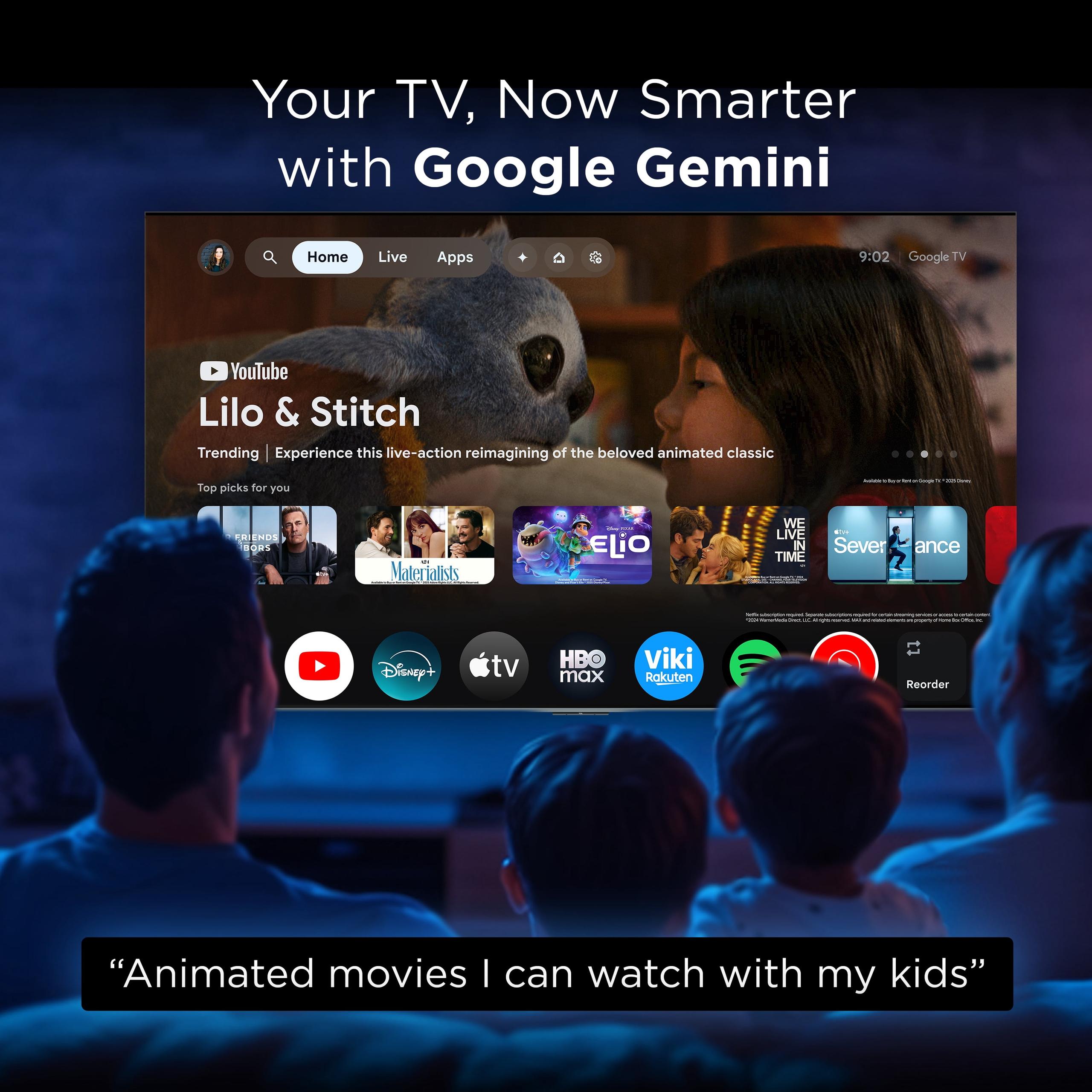
Smart TV platforms often determine long-term satisfaction, and these TVs offer distinctly different experiences. The TCL QM9K runs Google TV with built-in Google Gemini AI, representing Google's latest smart TV interface. This system excels at content discovery, using machine learning to recommend shows and movies across all your installed apps. The hands-free voice control is particularly impressive – you can search for content, adjust settings, or control smart home devices without touching the remote.
The presence sensor adds a futuristic touch, automatically turning the TV on when you approach and switching to ambient mode when you leave. While this might seem gimmicky, it's surprisingly useful in daily use, especially for displaying weather, photos, or smart home controls when the TV isn't actively being watched.
Samsung's Tizen platform on the Q6F represents a more mature, stable approach. While it lacks some of Google TV's AI-powered features, it offers excellent performance, comprehensive app support, and deep integration with Samsung's ecosystem. Samsung TV Plus provides hundreds of free streaming channels, and the platform's stability has been proven over years of development.
The choice often comes down to ecosystem preference. If you're heavily invested in Google services, Android phones, and Google smart home devices, the TCL QM9K's Google TV integration feels more natural. Samsung users will appreciate the Q6F's seamless connectivity with Samsung phones, tablets, and appliances.
Audio quality represents another area where premium positioning shows. The TCL QM9K features audio tuning by Bang & Olufsen, a respected audio company known for premium speakers and headphones. The 2.1.1 channel system includes a dedicated subwoofer (on the 65-inch model) and supports advanced formats like Dolby Atmos and DTS Virtual:X.
Dolby Atmos creates three-dimensional soundscapes, making audio appear to come from above, beside, and behind you. While TV speakers can't truly replicate the full Atmos experience (that requires ceiling speakers), the TCL QM9K's processing creates a convincing virtual surround effect that significantly enhances movies and shows mastered in Atmos.
The Samsung Q6F offers more modest but competent audio with Object Tracking Sound Lite and Q-Symphony support. Object Tracking Sound attempts to match audio movement with on-screen action, while Q-Symphony allows the TV to work harmoniously with Samsung soundbars rather than being disabled when external audio is connected.
For serious home theater use, both TVs benefit from external audio solutions, but the TCL QM9K's built-in audio provides a more immersive experience out of the box.
At the time of writing, these televisions occupy different value segments entirely. The TCL QM9K commands premium pricing that reflects its flagship technology and comprehensive feature set. While significantly more expensive than the Samsung Q6F, it competes favorably with other premium Mini LED displays from established brands, often offering superior specifications at lower prices than comparable Sony or Samsung flagship models.
The Samsung Q6F targets budget-conscious buyers who want QLED benefits without premium costs. Its value proposition centers on Samsung's brand reputation, proven reliability, and adequate performance for everyday viewing. While it lacks the TCL QM9K's advanced features, it provides solid performance across all basic TV functions.
For home theater enthusiasts, the TCL QM9K offers exceptional value in the premium segment. Its combination of Mini LED technology, high brightness, comprehensive HDR support, and advanced gaming features typically costs significantly more from traditional TV manufacturers.
Our research into professional reviews and user feedback reveals consistent themes. The TCL QM9K consistently impresses with its contrast performance and peak brightness, with reviewers praising its ability to handle both bright room viewing and dark room cinema experiences. However, some note color accuracy issues out of the box, particularly in HDR content, and occasional motion processing glitches.
The Samsung Q6F receives praise for reliability and consistent performance across all content types. While reviewers acknowledge its limitations compared to premium models, they consistently note its solid build quality and dependable operation. The main criticisms focus on limited viewing angles and the inability to deliver deep blacks due to the lack of local dimming.
User feedback for the TCL QM9K emphasizes its impressive gaming performance and stunning HDR highlights, though some report learning curve issues with the extensive feature set. Samsung Q6F users appreciate its straightforward operation and Samsung's customer support network.
The decision between these TVs ultimately depends on your priorities and budget. The TCL QM9K is the clear choice for enthusiasts who want cutting-edge display technology, serious gaming capabilities, and premium home theater performance. Its Mini LED technology, 144Hz refresh rate, and comprehensive feature set justify the higher price for users who will utilize these advanced capabilities.
Choose the TCL QM9K if you're a serious gamer with next-gen consoles, watch substantial HDR content, have varying lighting conditions in your viewing room, or simply want the best possible picture quality available in this price segment. The technology gap is significant enough that it's worth the investment for users who prioritize visual performance.
The Samsung Q6F makes sense for viewers who want reliable, straightforward performance without premium complexity or cost. It's ideal for general TV viewing, casual gaming, and users who prioritize Samsung ecosystem integration over cutting-edge features.
Choose the Samsung Q6F if you need dependable daily-use television, prefer Samsung's established platform and customer support, have a strict budget, or primarily watch standard definition and streaming content where the premium features won't provide substantial benefits.
Both televisions succeed in their respective segments, but they serve fundamentally different needs. The TCL QM9K pushes technological boundaries while the Samsung Q6F focuses on proven, reliable performance. Your choice should align with how you actually use your television and what visual experiences matter most to you.
| TCL 65" QM9K QD-Mini LED Smart TV | Samsung 65" QLED Q6F 4K Smart TV 2025 |
|---|---|
| Display Technology - The foundation of picture quality | |
| QD-Mini LED with up to 6,000 local dimming zones | Traditional QLED with edge-lit/direct-lit LED (no local dimming) |
| Peak Brightness - Critical for HDR performance and bright room viewing | |
| 6,500 nits (exceptional for HDR highlights) | ~400-600 nits (adequate for most content) |
| Refresh Rate - Essential for gaming and smooth motion | |
| 144Hz native (supports 4K@144Hz gaming) | 60Hz (basic gaming, no high refresh support) |
| Gaming Features - Next-gen console compatibility | |
| AMD FreeSync Premium Pro, VRR, ALLM, Game Accelerator 288 | Auto Game Mode (ALLM), Gaming Hub (no VRR) |
| Input Lag - Response time for gaming | |
| 5.3ms (excellent for competitive gaming) | ~20-30ms in game mode (adequate for casual gaming) |
| HDR Support - Streaming and disc compatibility | |
| Dolby Vision IQ, HDR10+, HDR10, HLG, IMAX Enhanced | HDR10+, HDR10, HLG (no Dolby Vision support) |
| Color Performance - Vibrancy and accuracy | |
| 97% DCI-P3, 10-bit, enhanced Quantum Dot | 100% color volume with Quantum Dot, some accuracy issues |
| Contrast Ratio - Black levels and overall picture depth | |
| Up to 50,000,000:1 (Mini LED local dimming) | Standard LED contrast (limited black levels) |
| Smart Platform - Interface and app ecosystem | |
| Google TV with Google Gemini AI, presence sensor | Samsung Tizen OS with One UI (mature, stable) |
| Audio System - Built-in sound quality | |
| Audio by Bang & Olufsen, 2.1.1 channel with subwoofer, Dolby Atmos | 2CH 20W, Object Tracking Sound Lite, Q-Symphony |
| HDMI Ports - Connectivity for devices | |
| 4 ports (2 HDMI 2.1 for high-refresh gaming) | 3 ports (standard HDMI, one eARC) |
| Motion Processing - Smoothness in fast action | |
| Motion Rate 480 with MEMC (advanced but occasional glitches) | Motion Xcelerator (basic but reliable) |
| Voice Control - Smart home integration | |
| Google Gemini, hands-free voice, presence detection | Bixby, Alexa, Google Assistant support |
| Build Quality - Design and reliability track record | |
| Premium construction, ultra-slim, newer brand in premium segment | Proven Samsung reliability, established service network |
The TCL QM9K delivers superior picture quality with its Mini LED technology and 6,000 local dimming zones, creating deeper blacks and brighter highlights. The Samsung Q6F offers decent QLED colors but lacks local dimming, resulting in less impressive contrast. For home theater viewing, the TCL QM9K provides a more cinematic experience with better HDR performance.
The TCL QM9K justifies its higher price with significantly advanced display technology, gaming features, and brightness capabilities. The Samsung Q6F offers better value for basic viewing needs and Samsung ecosystem integration. Choose the TCL QM9K if you want premium performance or the Samsung Q6F for reliable everyday use.
The TCL QM9K is clearly superior for next-gen gaming with 144Hz refresh rate, VRR support, and 5.3ms input lag. The Samsung Q6F only supports 60Hz gaming without VRR. Serious gamers should choose the TCL QM9K for the full next-gen console experience.
The TCL QM9K supports Dolby Vision IQ along with all major HDR formats, while the Samsung Q6F notably lacks Dolby Vision support. Since many Netflix and Disney+ shows use Dolby Vision, the TCL QM9K provides better streaming compatibility.
The TCL QM9K achieves exceptional 6,500-nit peak brightness, making it excellent for bright rooms and HDR content. The Samsung Q6F offers adequate brightness for most situations but cannot match the TCL QM9K's performance in challenging lighting conditions.
Samsung has an established reputation for reliability and widespread service support with the Q6F. TCL has improved significantly in recent years, and the TCL QM9K represents their premium engineering. Both should provide reliable performance, though Samsung offers more established customer support networks.
The Samsung Q6F uses Samsung's mature Tizen platform, which is stable and straightforward. The TCL QM9K runs Google TV with AI features and hands-free voice control. Both are user-friendly, but the TCL QM9K offers more advanced smart features while the Samsung Q6F focuses on simplicity.
The TCL QM9K features Bang & Olufsen-tuned audio with Dolby Atmos and a subwoofer, providing richer sound quality. The Samsung Q6F offers basic 2-channel audio with Object Tracking Sound Lite. For home theater use without a soundbar, the TCL QM9K delivers noticeably better audio.
Both TVs have limitations when viewed from the side, but the Samsung Q6F performs slightly better at wider angles. The TCL QM9K is best viewed directly in front for optimal picture quality. Neither excels at wide viewing angles compared to OLED alternatives.
The TCL QM9K integrates with Google Assistant, Amazon Alexa, and Apple HomeKit, plus includes presence sensors for automation. The Samsung Q6F supports SmartThings, Bixby, Alexa, and Google Assistant. Both offer good smart home integration, with the TCL QM9K providing more advanced AI features.
The TCL QM9K excels at sports viewing with its high brightness, advanced motion processing, and superior contrast for stadium lighting. The Samsung Q6F handles sports adequately with reliable motion processing. The TCL QM9K's brightness advantage makes it better for daytime sports viewing.
The TCL QM9K may have occasional motion processing glitches and color accuracy issues out-of-box, plus higher cost. The Samsung Q6F limitations include no local dimming, lack of Dolby Vision, and basic gaming features. Choose based on whether you prioritize advanced features (TCL QM9K) or proven reliability (Samsung Q6F).
We've done our best to create useful and informative comparisons to help you decide what product to buy. Our research uses advanced automated methods to create this comparison and perfection is not possible - please contact us for corrections or questions. These are the sites we've researched in the creation of this article: rtings.com - bestbuy.com - youtube.com - youtube.com - youtube.com - techaeris.com - displayspecifications.com - pcrichard.com - residentialsystems.com - us.tcl.com - displayspecifications.com - valueelectronics.com - woodruffappliance.com - tcl.com - pcrichard.com - tcl.com - techradar.com - tcl.com - us.tcl.com - youtube.com - youtube.com - bestbuy.com - youtube.com - tomsguide.com - bestbuy.com - samsung.com - rtings.com - youtube.com - rtings.com - bestbuy.com - samsung.com - samsung.com - samsung.com - manuals.plus - shopjetson.com - samsung.com - samsung.com - samsung.com - samsung.com - bestbuy.com - jefflynch.com

Privacy Policy
Terms and Conditions - Affiliate Policy
Home Security
© Copyright 2008-2026.
11816 Inwood Rd #1211, Dallas, TX 75244