

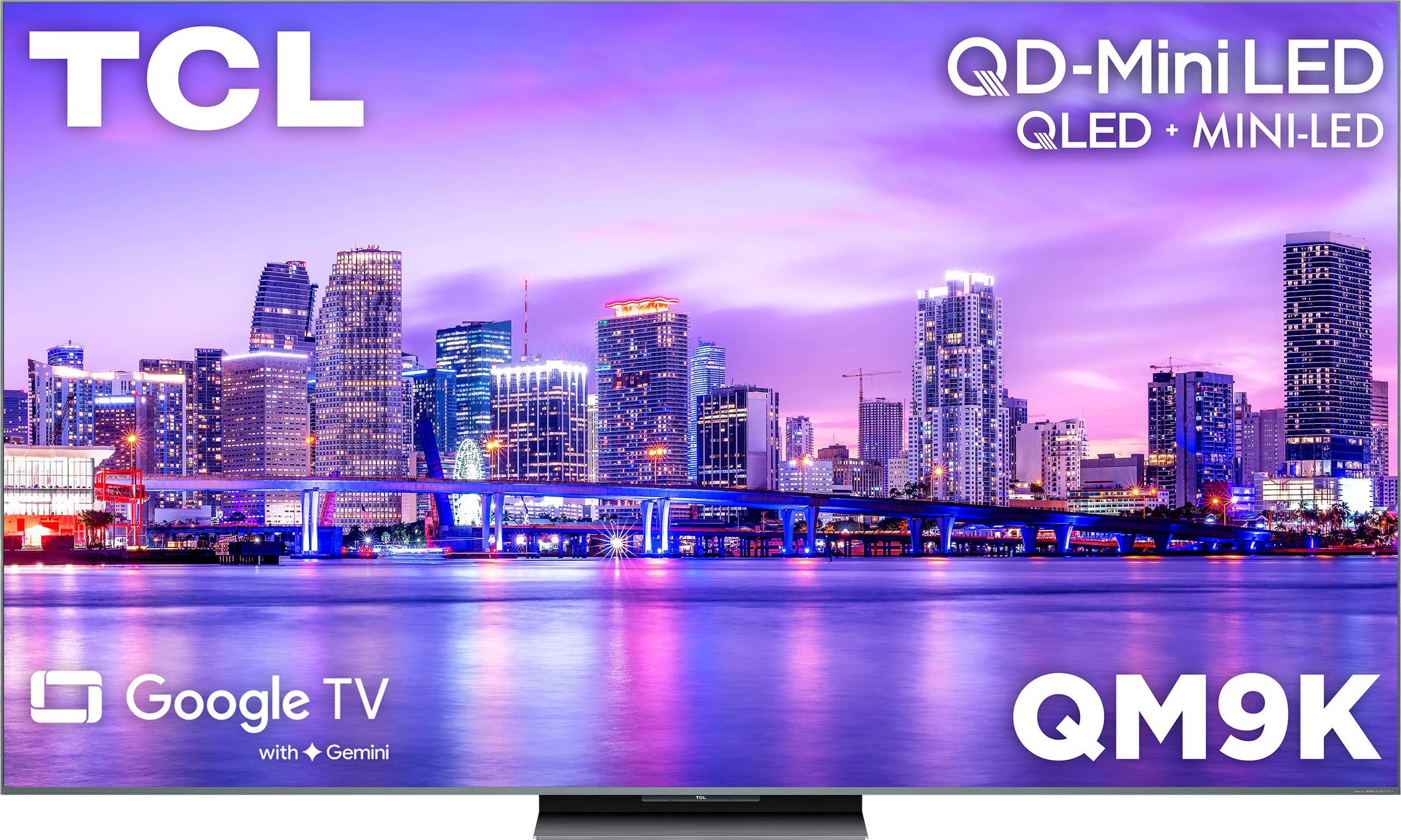
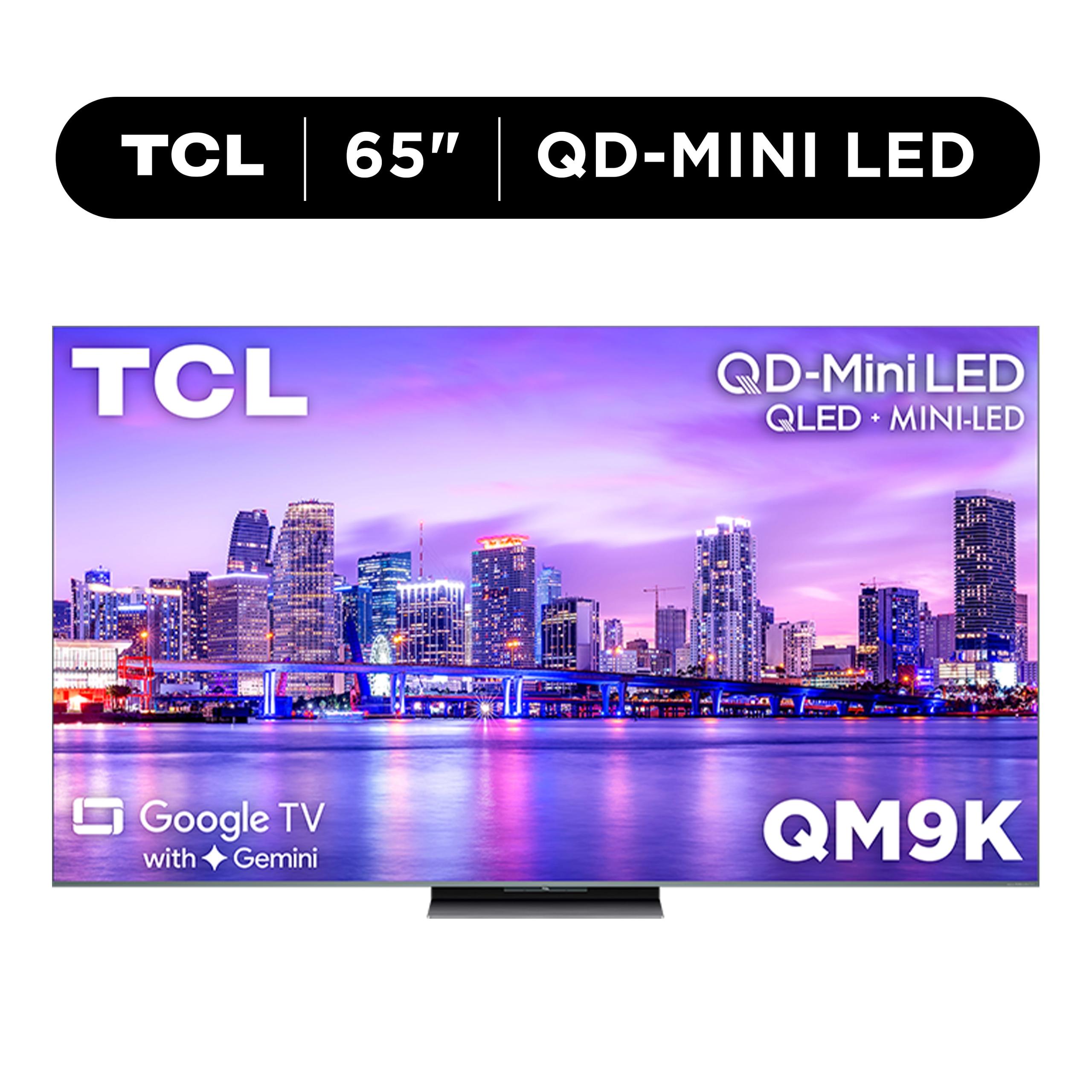
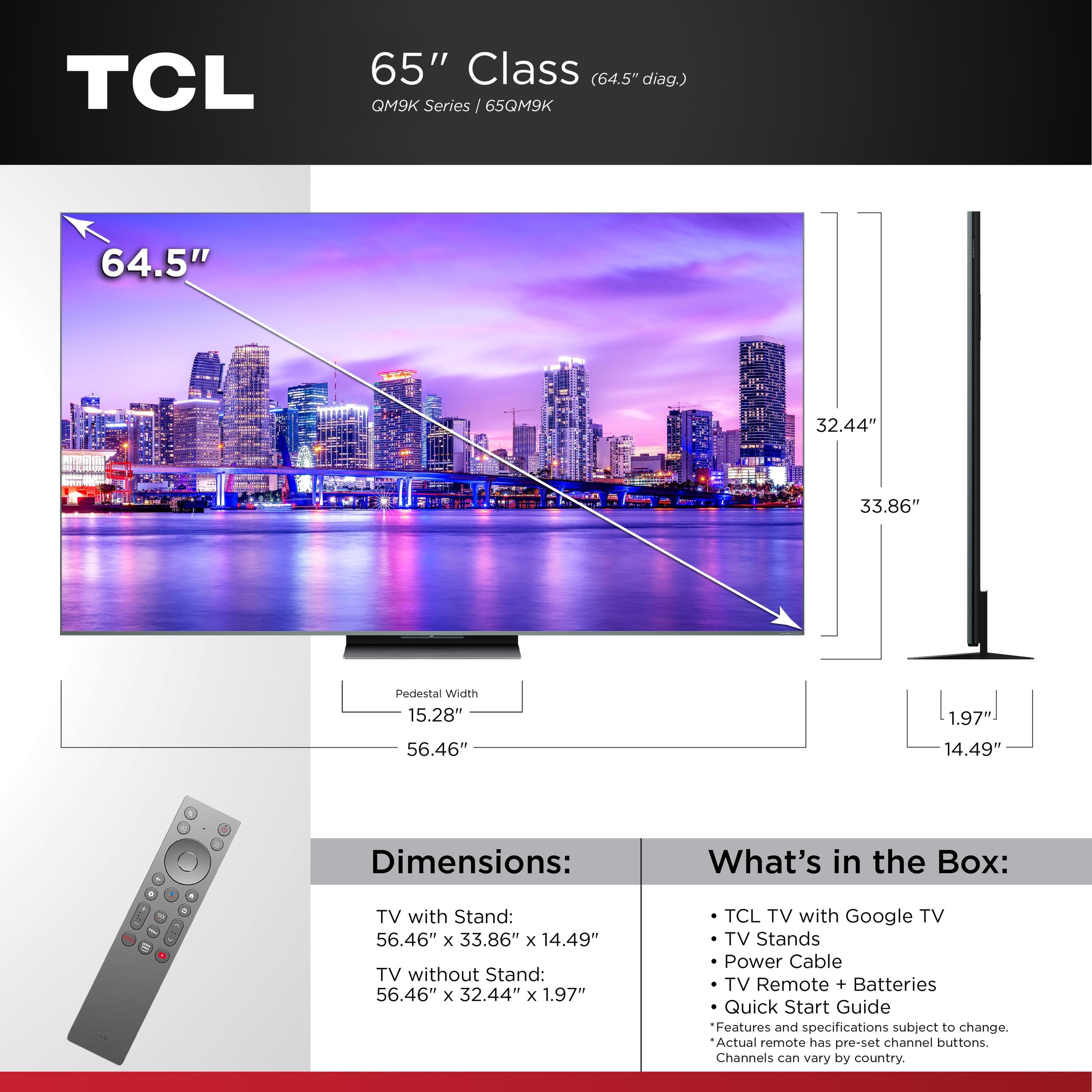
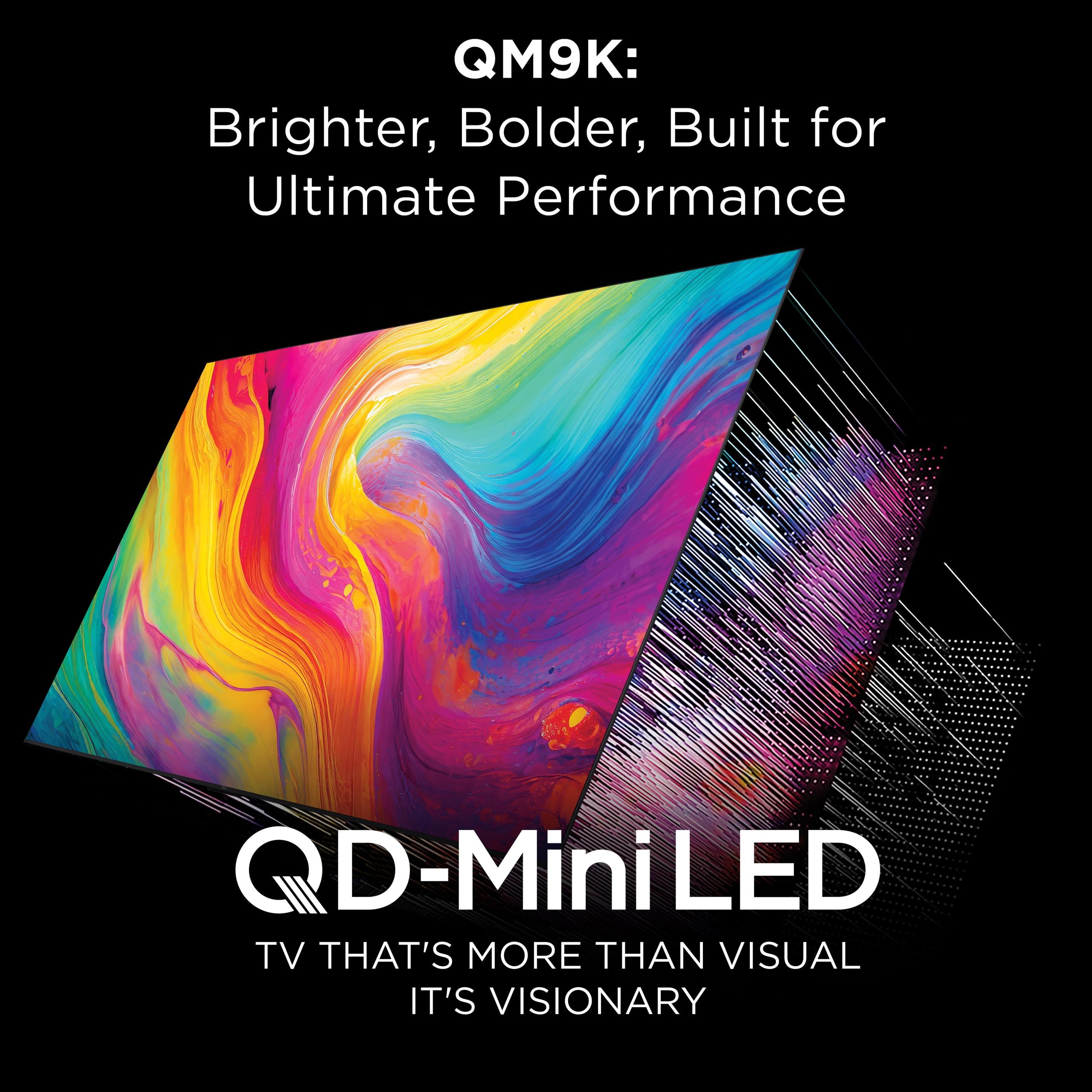

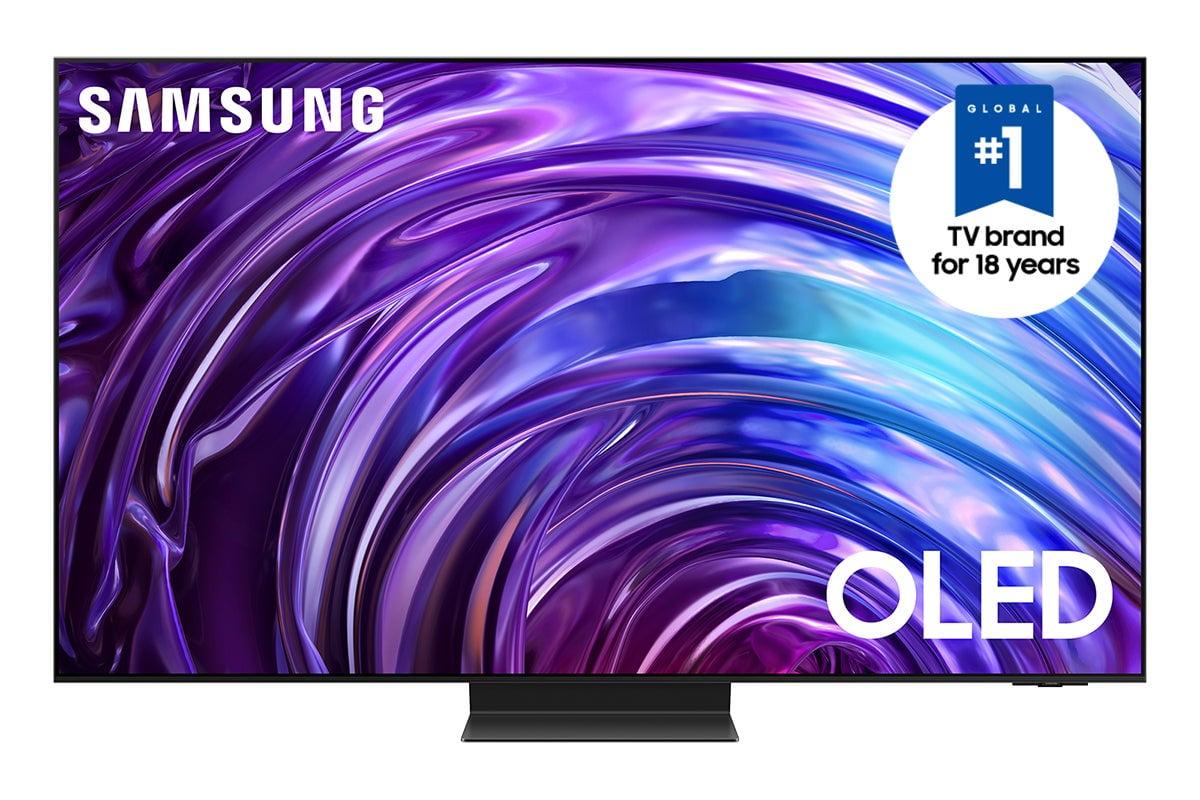
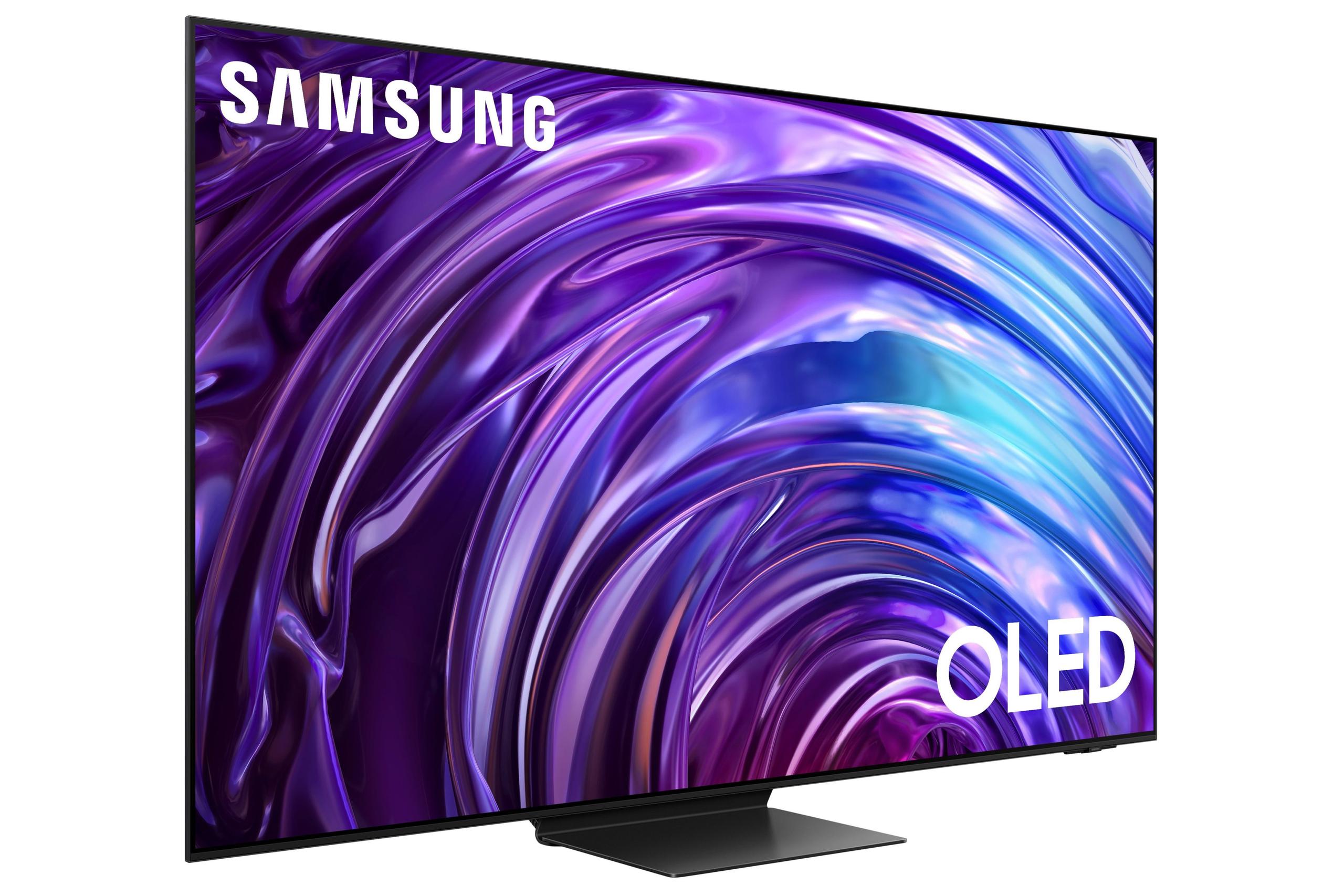
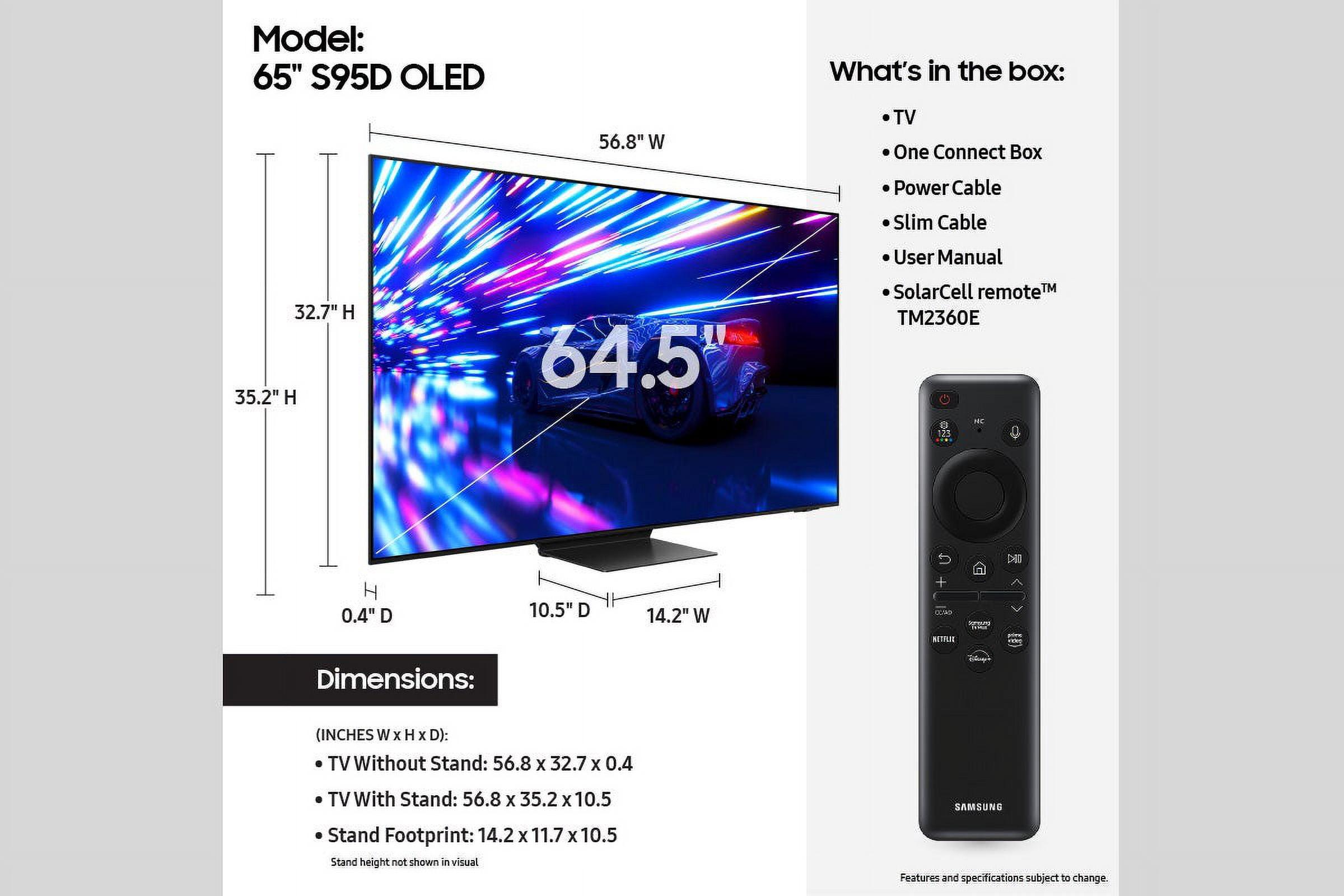
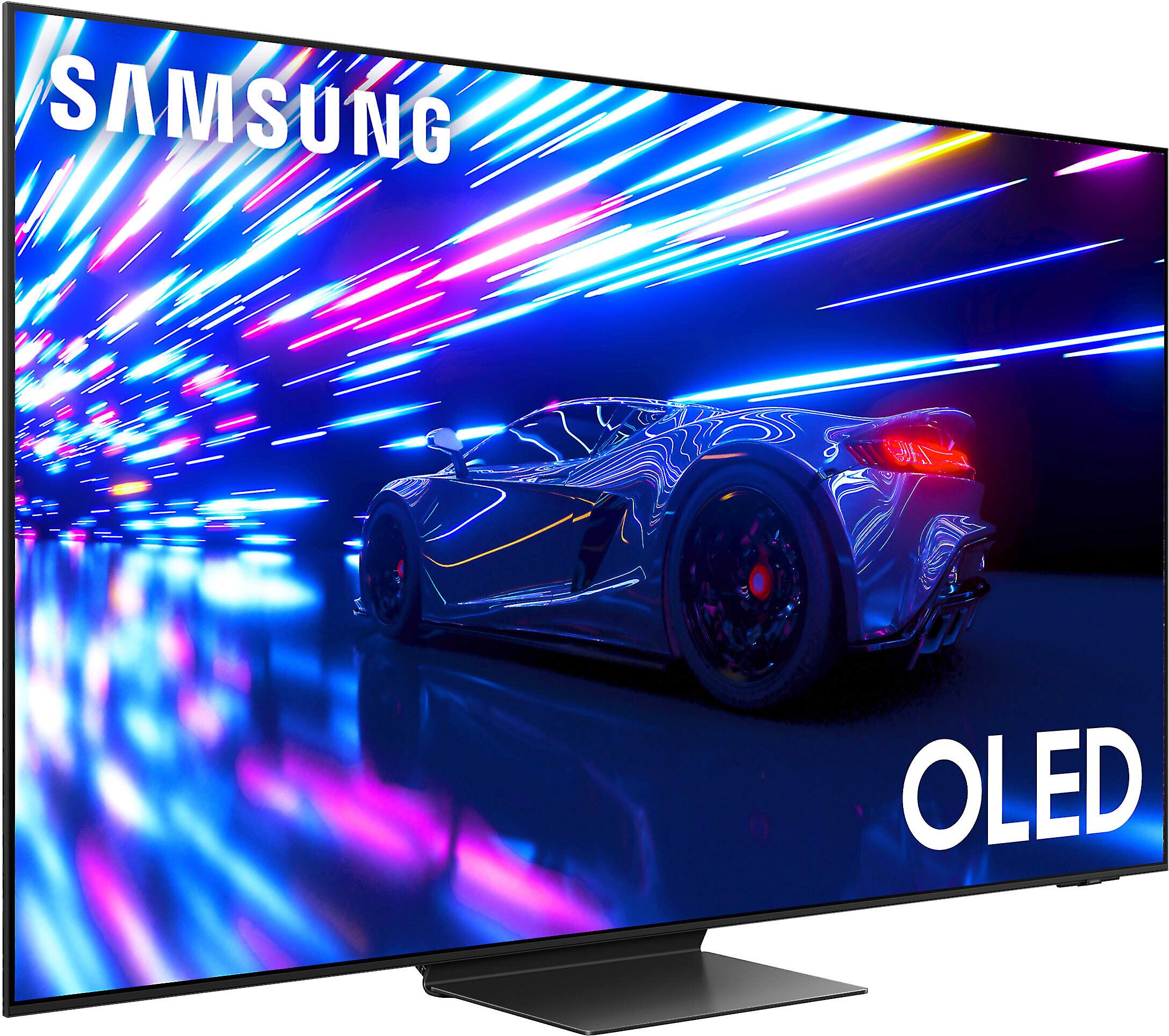
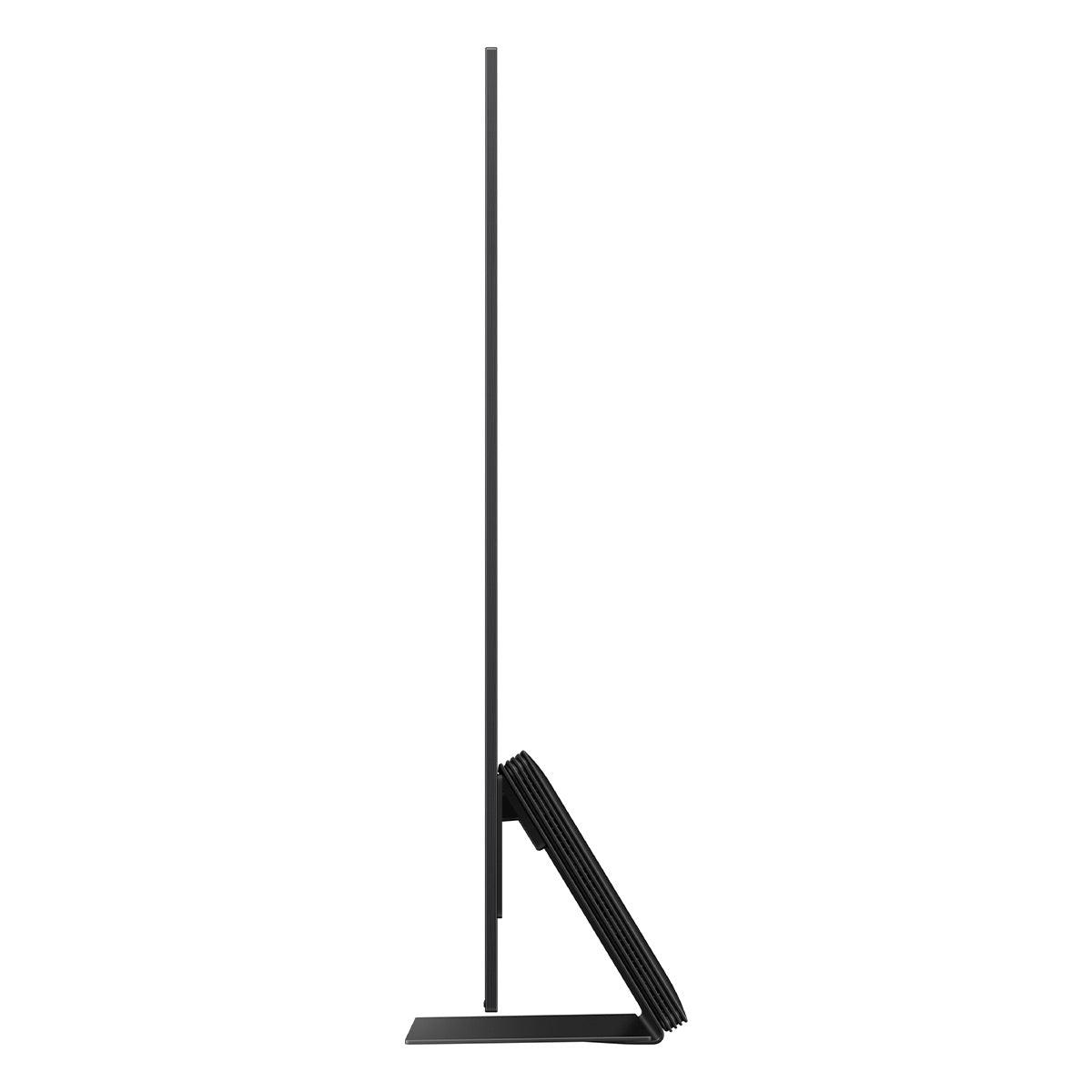
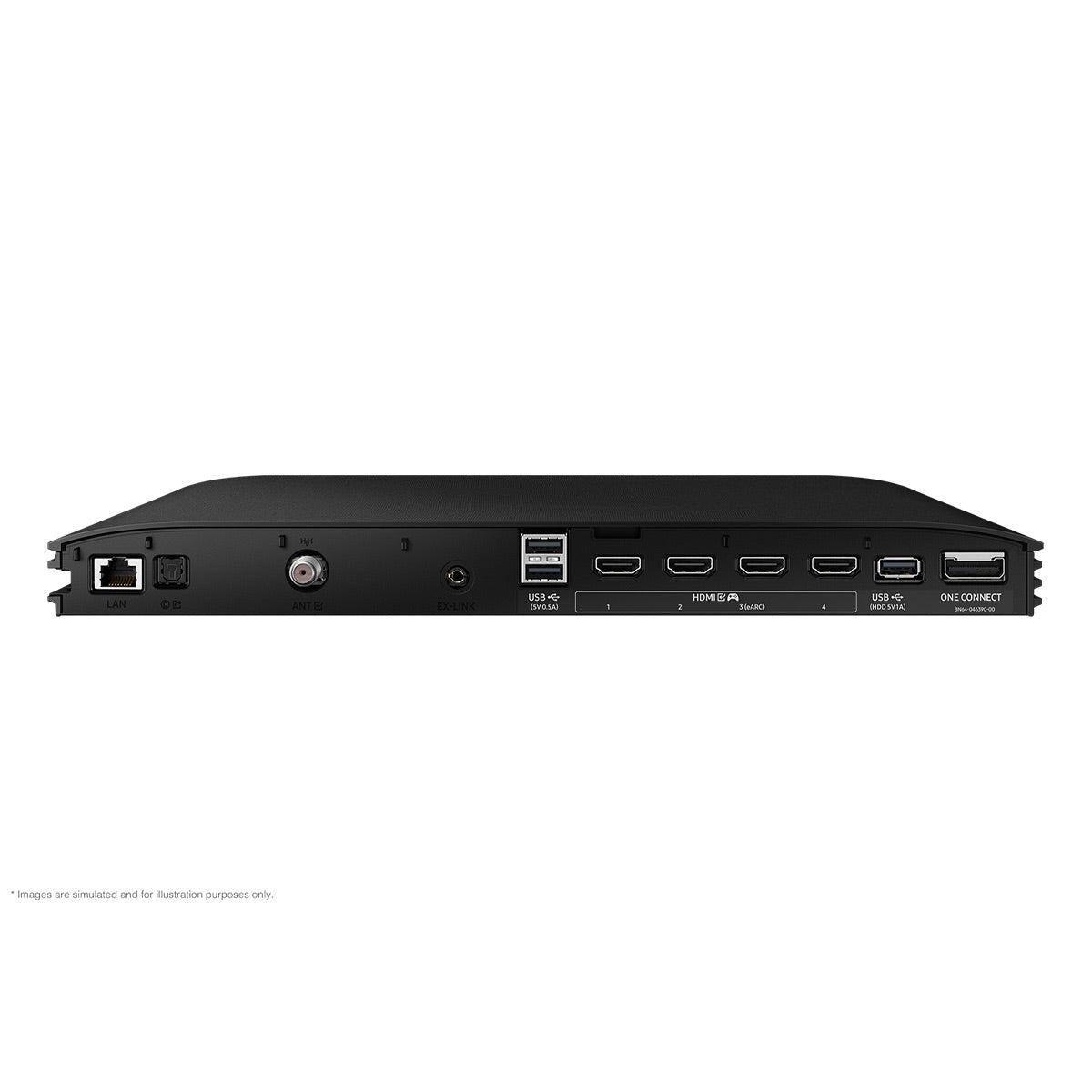
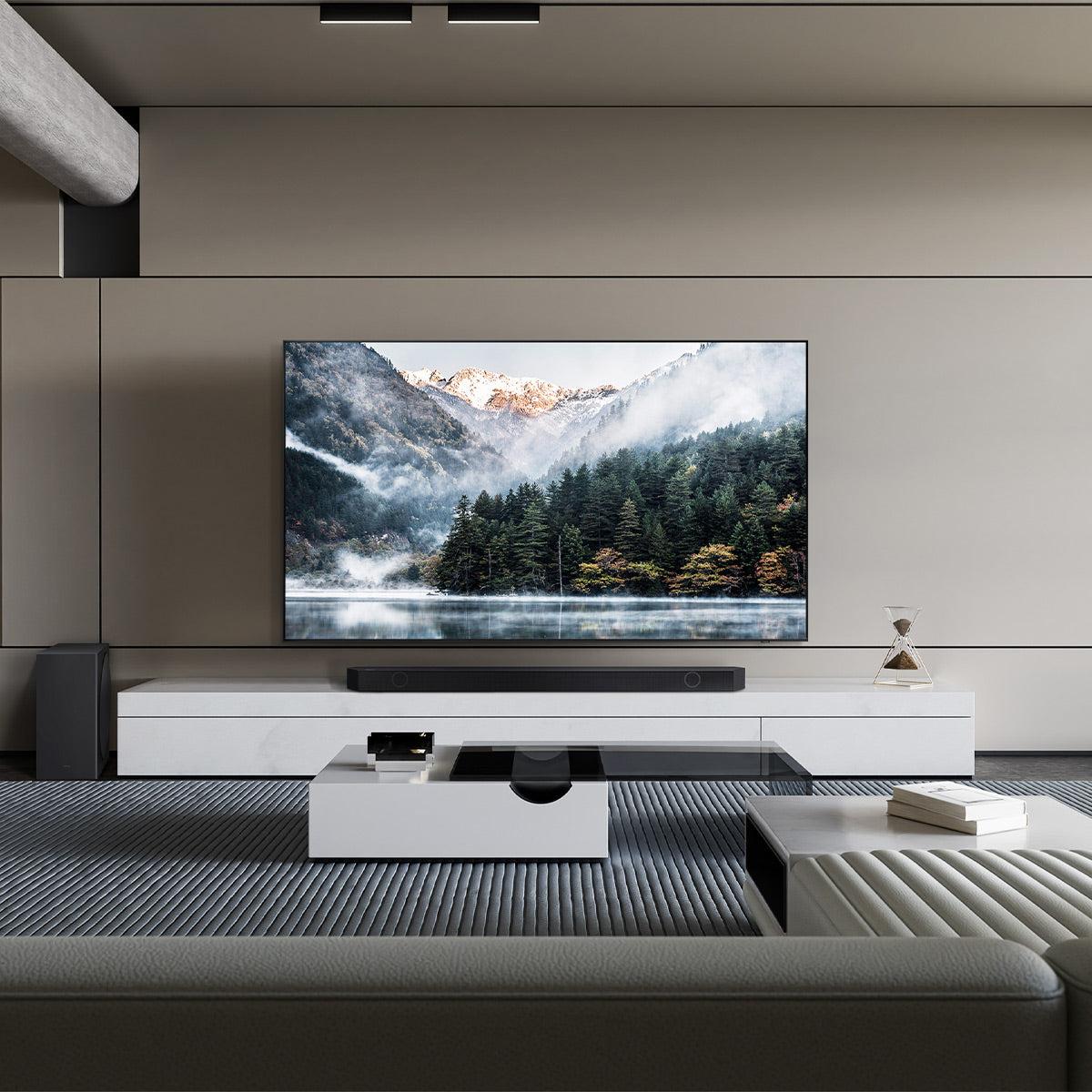
When you're shopping for a premium 65-inch TV, you're entering a fascinating battlefield between two completely different display technologies. The TCL QM9K, released in 2024, represents the cutting edge of QD-Mini LED technology—essentially thousands of tiny LEDs working together to create stunning brightness. Meanwhile, the Samsung S95D, also from 2024, showcases the latest evolution in OLED displays, where each pixel creates its own light and can turn completely off for perfect blacks.
At the time of writing, these TVs sit in different price tiers, with the TCL QM9K positioned as a premium value option while the Samsung S95D commands flagship pricing. But price alone doesn't tell the whole story—each TV excels in different scenarios, and understanding these differences will help you make the right choice for your living room.
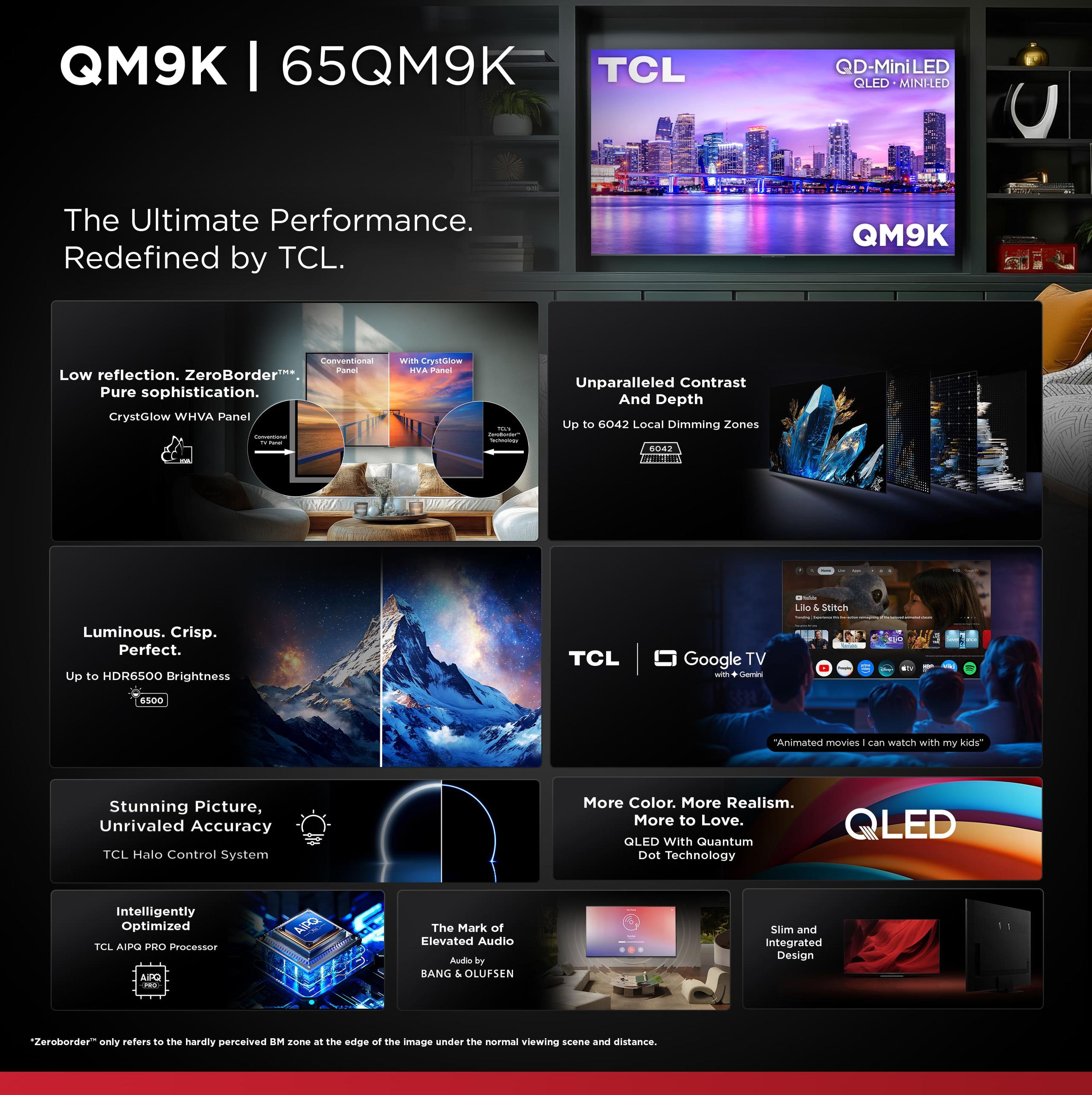
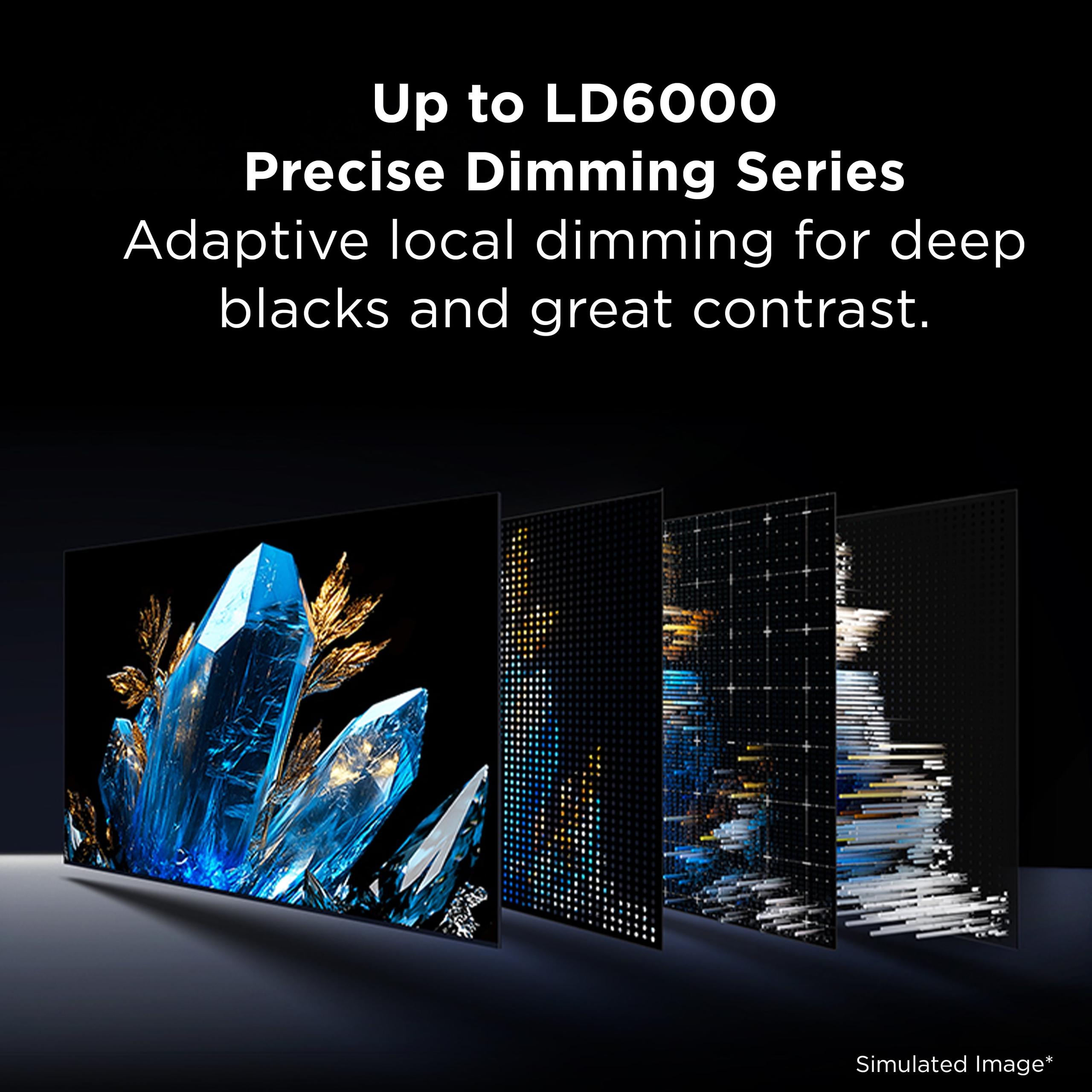
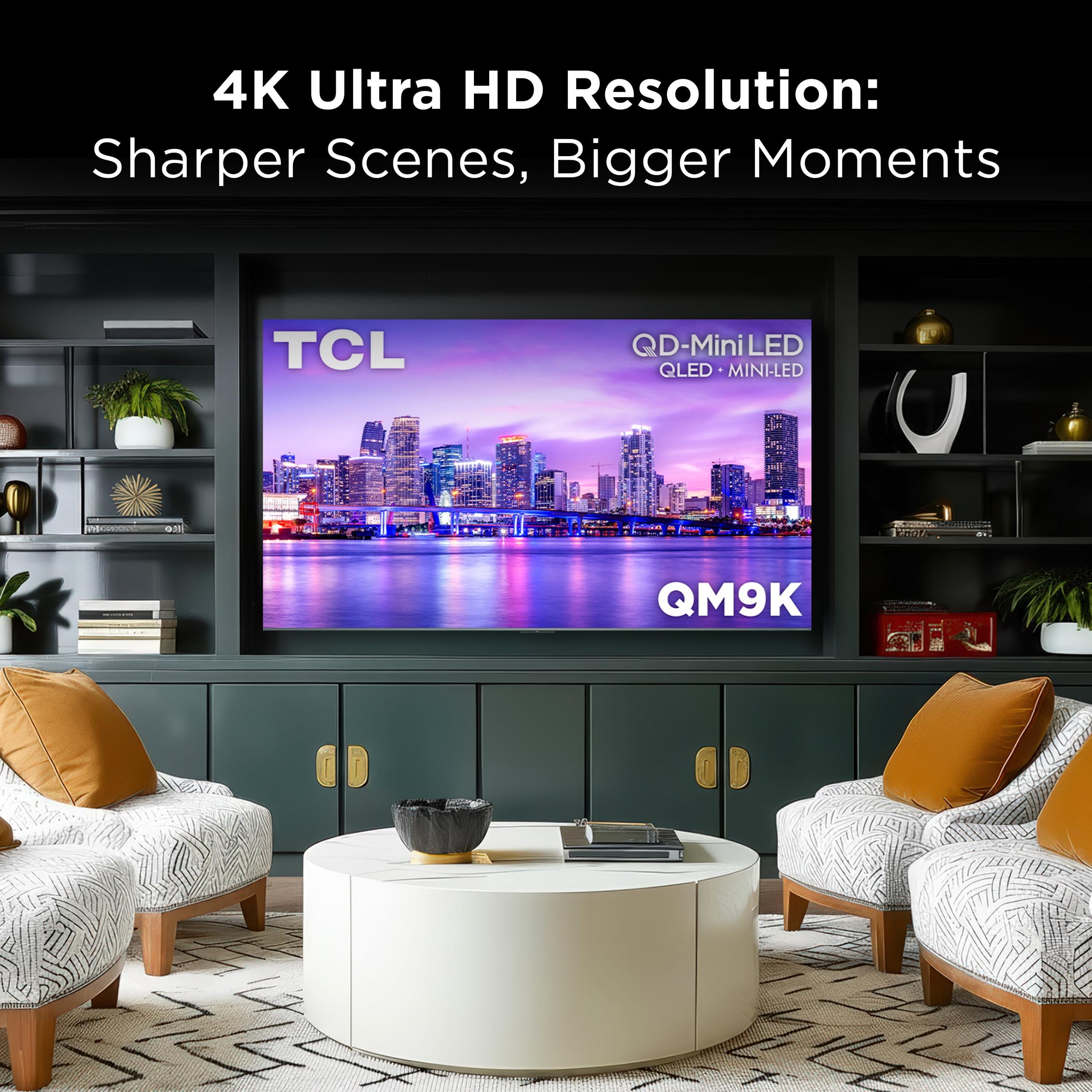
The core difference between these TVs lies in how they create the image you see. The TCL QM9K uses QD-Mini LED technology, which combines quantum dots (tiny crystals that enhance color) with thousands of Mini LEDs arranged behind the screen. Think of it like having up to 6,000 individual flashlights behind your TV, each one dimming or brightening to create the perfect amount of light for that part of the screen. This is called local dimming, and more zones generally mean better control over contrast.
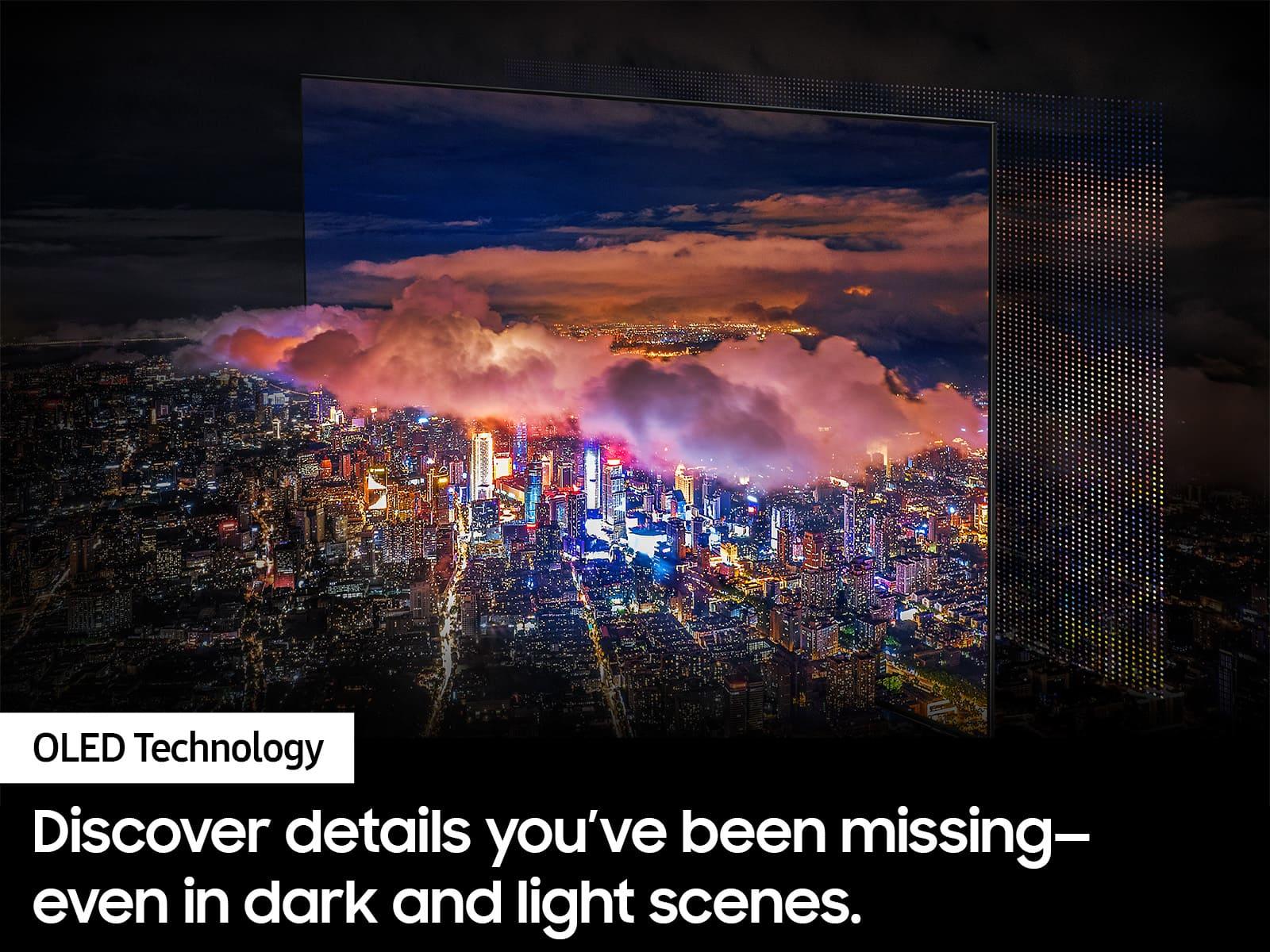
The Samsung S95D, on the other hand, uses QD-OLED technology. Here, each individual pixel creates its own light—imagine having over 8 million tiny light bulbs that can each turn on, off, or dim independently. When a pixel needs to show pure black, it simply turns off completely. This is why OLED TVs can achieve "infinite contrast"—the difference between their brightest whites and darkest blacks is theoretically unlimited.
Both approaches have evolved significantly since their introduction. OLED technology, while not new, has seen major brightness improvements in recent years. The 2024 Samsung S95D is roughly 30% brighter than Samsung's 2023 OLED models, addressing one of OLED's traditional weaknesses. Meanwhile, Mini LED technology like what's in the TCL QM9K has dramatically increased the number of dimming zones—early Mini LED TVs had hundreds of zones, while this model boasts up to 6,000.
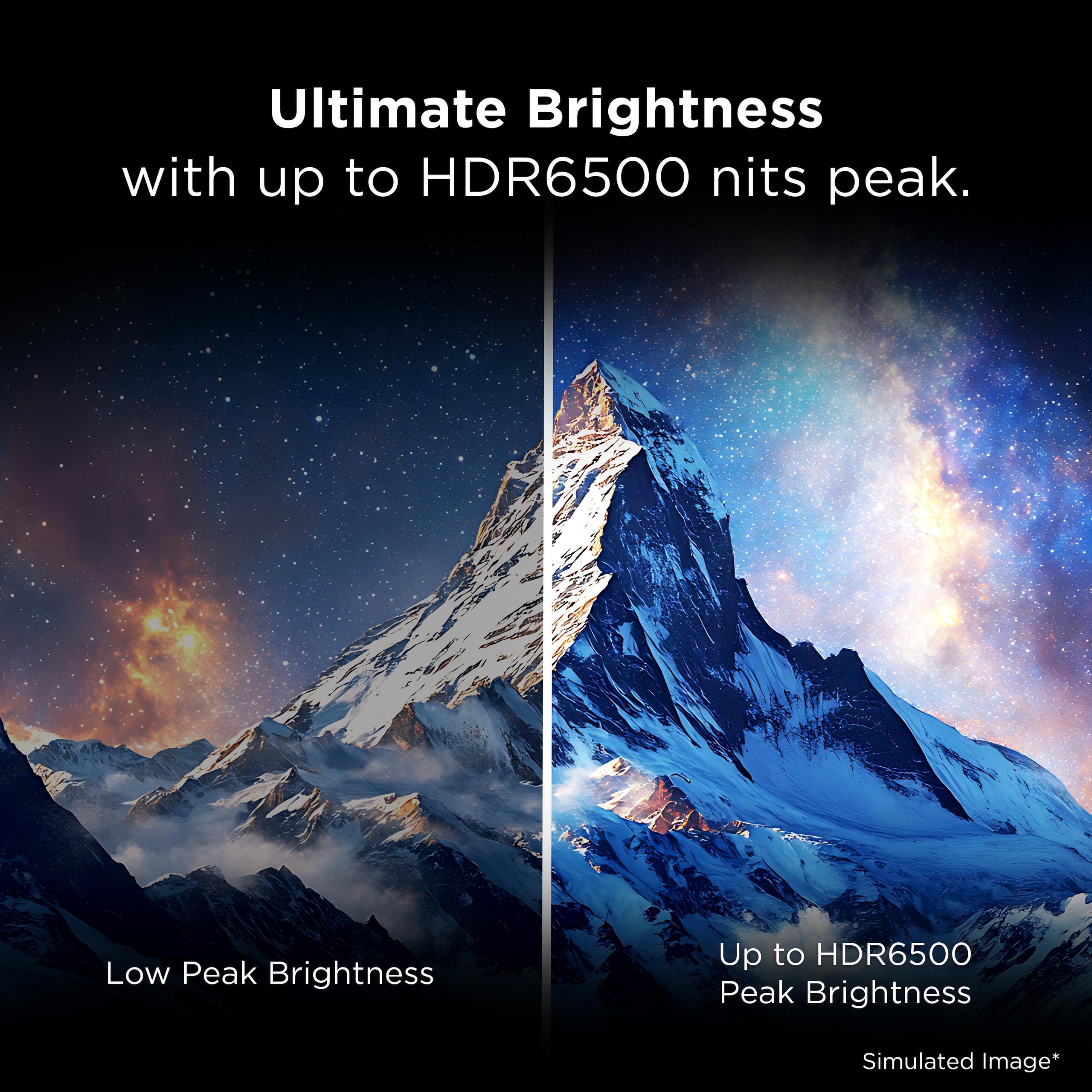
This is where the TCL QM9K absolutely shines—literally. With peak brightness reaching 6,500 nits (a nit is a unit of brightness measurement), this TV can get incredibly bright. To put that in perspective, a typical LED TV might peak around 1,000 nits, while the Samsung S95D reaches approximately 1,000 nits as well.
Why does this matter? Brightness determines how well your TV performs in bright rooms and how impactful HDR (High Dynamic Range) content looks. HDR content is mastered with the assumption that your TV can get very bright for highlights like the sun reflecting off water, explosions, or bright sky scenes. The brighter your TV can get, the more dramatic these moments feel.
In our evaluation of user feedback and professional reviews, the TCL QM9K consistently impresses viewers with its ability to maintain vibrant, clear images even in rooms with lots of windows or ambient lighting. If you have a bright living room where you watch TV during the day, this brightness advantage is transformative. Sports fans particularly appreciate how white jerseys, snow, and bright stadium lights pop off the screen with an intensity that feels almost three-dimensional.
However, extreme brightness isn't always better. Some users report that the TCL QM9K can appear too aggressive with its brightness out of the box, requiring calibration to achieve natural-looking colors. The TV's default settings prioritize impact over accuracy, which works great for casual viewing but might not satisfy videophiles seeking reference-quality images.
Here's where the Samsung S95D shows why OLED technology has captured the attention of home theater enthusiasts. When an OLED pixel displays black, it produces zero light—true black. This creates what's called infinite contrast because you're dividing any bright value by zero.
The TCL QM9K, despite its impressive 6,000 local dimming zones, still uses a backlight that can leak small amounts of light around bright objects. This creates a subtle glow called "blooming" or "haloing" around bright objects against dark backgrounds. While TCL's Halo Control System does an admirable job minimizing this effect—and it's barely noticeable in most content—it can't achieve the pixel-perfect control of OLED.
In dark room viewing, this difference becomes apparent. When watching movies with lots of dark scenes—think space movies, horror films, or dramatic night scenes—the Samsung S95D delivers an almost ethereal quality where dark areas seem to disappear into the screen itself. The TCL QM9K still looks excellent in these scenarios, with deep, rich blacks that satisfy most viewers, but side-by-side with OLED, you can see the difference.
Interestingly, Samsung has addressed one of OLED's traditional challenges with their anti-glare matte finish. Previous OLED TVs struggled in bright rooms because their perfect blacks would appear gray when ambient light hit the screen. The Samsung S95D's matte coating virtually eliminates reflections while maintaining image quality—a significant innovation that makes OLED more versatile than ever before.
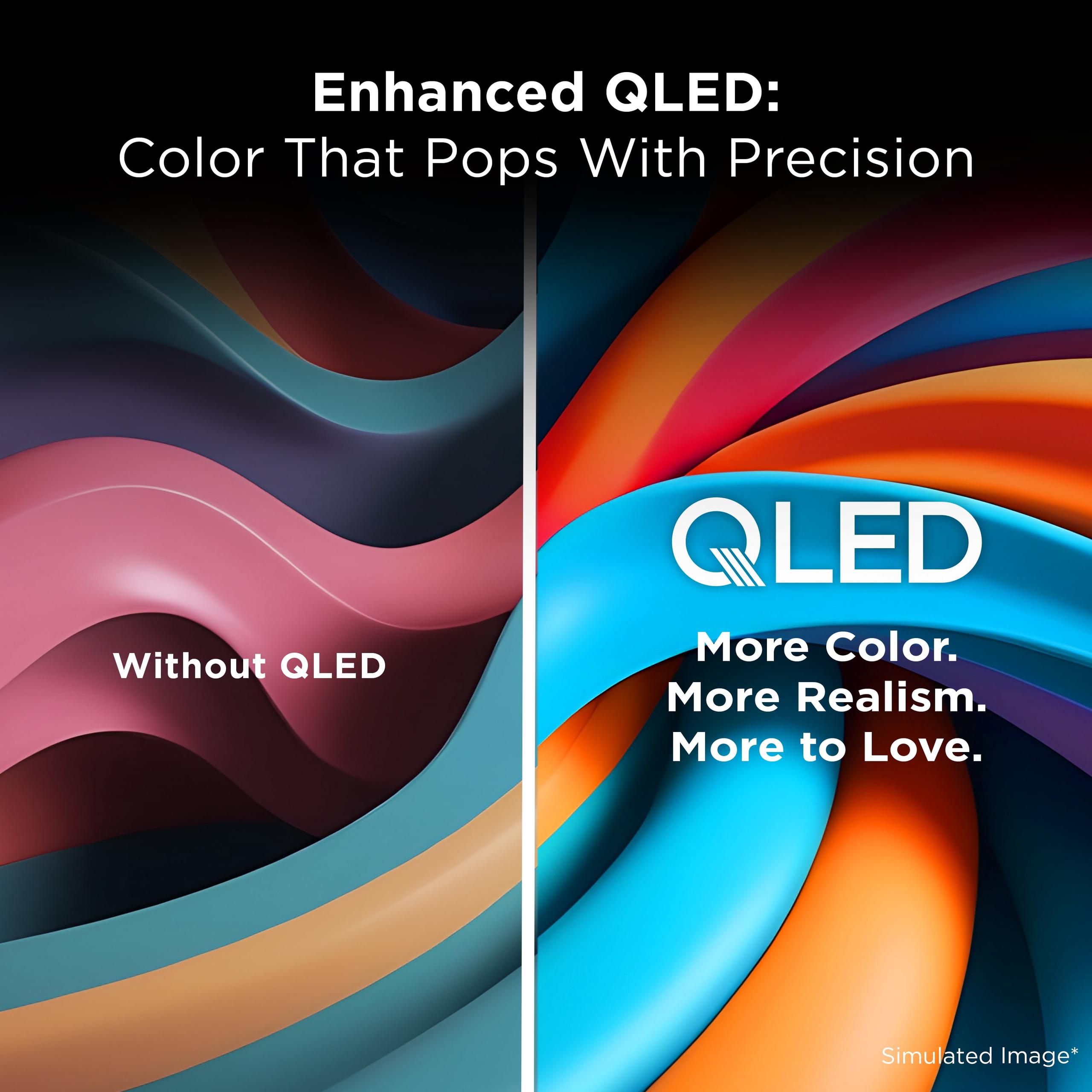
Both TVs deliver exceptional color, but they approach it differently. The TCL QM9K uses Enhanced QLED technology with quantum dots that can produce very wide color gamuts—covering 97% of the DCI-P3 color space used in movie theaters. The result is colors that feel vibrant and saturated, with particularly impressive performance in bright, colorful content like animated movies, nature documentaries, and sports.
However, our research into user reviews suggests the TCL QM9K ships with color settings that prioritize pop over accuracy. While this makes content look exciting and dynamic, it can also make skin tones appear oversaturated or unnatural until you adjust the settings or have the TV professionally calibrated.
The Samsung S95D takes a more refined approach with Pantone-validated colors and expert factory calibration. This means colors appear more natural and accurate out of the box, closer to what content creators intended. The combination of quantum dots and OLED technology gives Samsung excellent color volume—the ability to display bright, saturated colors without washing them out.
For most viewers, both approaches work well, but your preference might depend on your viewing habits. If you love the punchy, vibrant look of content that jumps off the screen, the TCL QM9K's more aggressive color tuning might appeal to you. If you prefer natural, reference-quality images that represent content as filmmakers intended, the Samsung S95D's approach is superior.
Gaming has become a crucial consideration for modern TVs, and both models deliver excellent performance with some key differences. Input lag—the delay between pressing a button and seeing the action on screen—is critical for competitive gaming. The TCL QM9K achieves an impressive 5.3ms input lag, while the Samsung S95D measures around 9ms. Both are excellent for gaming, though the TCL has a slight edge for the most demanding competitive gamers.
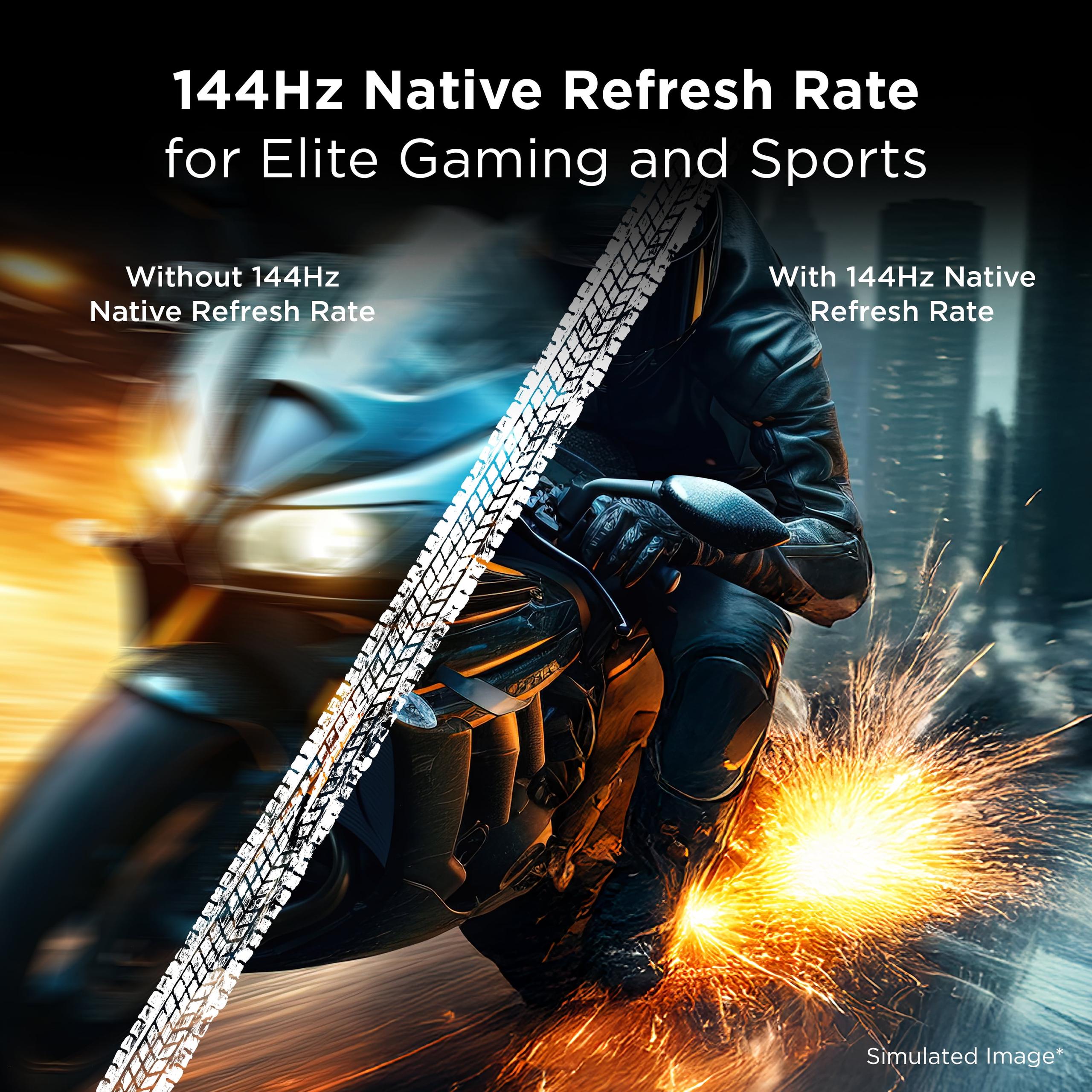
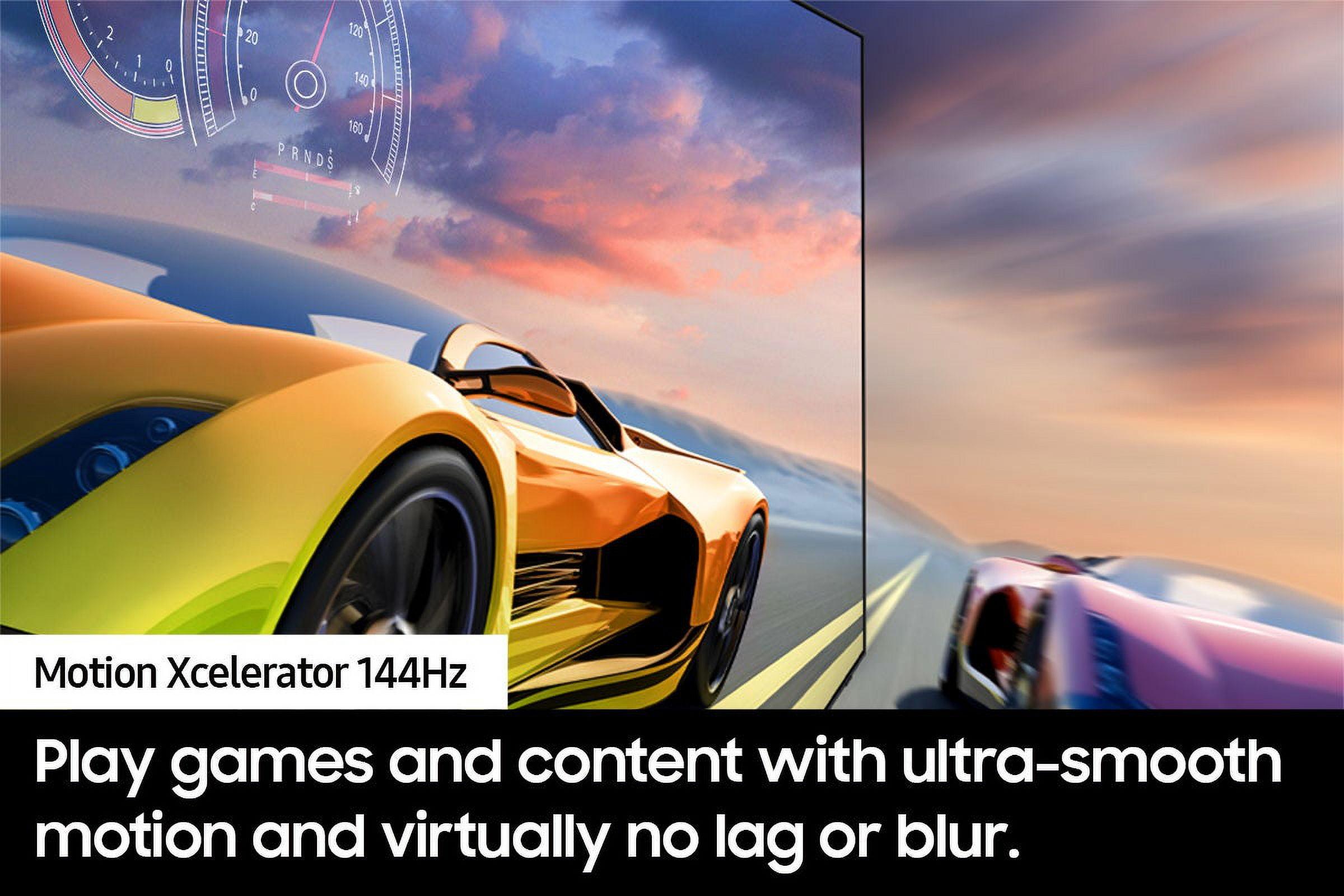
Where the TCL QM9K really pulls ahead is in refresh rate capabilities. It supports native 144Hz and can handle 4K gaming at 144Hz on two HDMI ports, plus even higher refresh rates at lower resolutions through its Game Accelerator 288 feature. This means smoother motion and reduced input lag that can provide a competitive advantage in fast-paced games.
The Samsung S95D supports 120Hz gaming, which is still excellent and matches what current game consoles can output. However, OLED's instant pixel response time means motion appears incredibly sharp and clear without the blur that can affect LCD-based displays during fast action.
Both TVs support Variable Refresh Rate (VRR) technology, which synchronizes the TV's refresh rate with your gaming console's output to eliminate screen tearing and stuttering. They also feature Auto Low Latency Mode (ALLM), automatically switching to game mode when they detect a gaming signal.
For most gamers, either TV will provide an excellent experience. Choose the TCL QM9K if you want maximum refresh rate headroom and the lowest possible input lag, or the Samsung S95D if you prioritize motion clarity and overall image quality in your games.
Motion processing—how well a TV handles fast-moving content—reveals another interesting difference between these technologies. The Samsung S95D benefits from OLED's near-instantaneous pixel switching, which means virtually no motion blur from the display itself. When objects move across the screen, they maintain sharp edges without the trailing or ghosting that can affect other display types.
The TCL QM9K compensates with advanced motion processing, including Motion Rate 480 with MEMC (Motion Estimation Motion Compensation) frame insertion. This technology analyzes the image and creates intermediate frames to smooth out motion. While effective, it can sometimes create the "soap opera effect" that makes movies look overly smooth and artificial.
Both approaches work well for different content types. The Samsung S95D excels with film content where you want to preserve the director's intended motion, while the TCL QM9K might be preferable for sports where ultra-smooth motion can enhance the viewing experience.
Both TVs offer comprehensive smart TV platforms, but with different approaches. The TCL QM9K runs Google TV with built-in Google Gemini AI for voice control and content recommendations. The interface is clean and intuitive, with good integration of streaming services and the Google ecosystem.
The Samsung S95D uses Samsung's Tizen OS, which offers excellent app support and smooth performance. Samsung's SmartThings integration allows control of connected home devices directly from the TV, and the overall interface feels polished and responsive.
Both platforms work well in practice, so your choice might come down to existing ecosystem preferences—Google services for the TCL or Samsung/SmartThings integration for the Samsung.
Neither TV will replace a dedicated sound system, but both offer respectable built-in audio. The TCL QM9K features Audio by Bang & Olufsen tuning with a 2.1.1 channel system that includes a built-in subwoofer in the 65-inch model. This provides fuller bass response than typical TV speakers.
The Samsung S95D offers a 4.2.2 channel system with Object Tracking Sound+, which attempts to move audio around the screen to match on-screen action. Both support Dolby Atmos for enhanced spatial audio when available.
While both sound systems are competent, serious movie and music listeners will want to pair either TV with a dedicated soundbar or audio system for the best experience.
For dedicated home theater use, your choice depends largely on your room setup. The Samsung S95D excels in controlled lighting environments where you can appreciate its perfect blacks and infinite contrast. The anti-glare coating also helps in rooms with some ambient lighting that you can't completely control.
The TCL QM9K might be better for multi-purpose family rooms where the TV needs to perform well in various lighting conditions throughout the day. Its extreme brightness ensures good visibility even with windows open or lights on.
Both TVs support the full range of HDR formats including Dolby Vision, HDR10+, and standard HDR10, making them compatible with virtually all premium content sources.
The TCL QM9K makes the most sense for viewers who:
The Samsung S95D is ideal for those who:
Both TVs represent the pinnacle of their respective technologies in 2024. The TCL QM9K offers remarkable performance at a more accessible price point, with brightness capabilities that excel in bright rooms and gaming features that satisfy enthusiasts. The Samsung S95D provides the ultimate in contrast performance and color accuracy, with innovations like anti-glare coating that address traditional OLED limitations.
Your choice ultimately comes down to your viewing environment, content preferences, and budget. There's no wrong choice here—both TVs will deliver years of exceptional viewing experiences. The TCL QM9K maximizes performance per dollar spent, while the Samsung S95D maximizes absolute image quality for those willing to invest in the premium tier.
Consider your primary use cases, room lighting, and what aspects of picture quality matter most to you. Either way, you'll end up with a TV that represents the current state of the art in home entertainment technology.
| TCL 65" QM9K QD-Mini LED Smart TV | Samsung 65" S95D 4K OLED Smart TV |
|---|---|
| Display Technology - Fundamentally different approaches to picture quality | |
| QD-Mini LED with up to 6,000 local dimming zones | QD-OLED with pixel-level dimming (8.3 million zones) |
| Peak Brightness - Critical for HDR impact and bright room viewing | |
| 6,500 nits (exceptional for daytime viewing) | ~1,000 nits (good but limited in bright rooms) |
| Black Levels - Determines contrast quality in dark scenes | |
| Excellent blacks with minimal blooming | Perfect blacks with infinite contrast |
| Screen Finish - Affects glare and reflection handling | |
| Glossy finish (requires careful room placement) | Anti-glare matte finish (revolutionary glare reduction) |
| Gaming Refresh Rate - Important for competitive gaming and future-proofing | |
| 144Hz native, up to 288Hz at lower resolutions | 120Hz native (matches current consoles) |
| Input Lag - Critical for responsive gaming | |
| 5.3ms (excellent for competitive gaming) | ~9ms (very good for all gaming types) |
| Color Accuracy - Affects natural image reproduction | |
| Vibrant but requires calibration for accuracy | Pantone-validated with factory calibration |
| Motion Processing - How well fast action is displayed | |
| Motion Rate 480 with MEMC frame insertion | Near-instant OLED pixel response |
| Smart TV Platform - Daily user experience | |
| Google TV with Gemini AI voice control | Samsung Tizen OS with SmartThings integration |
| Audio System - Built-in sound quality | |
| Audio by Bang & Olufsen, 2.1.1 channels with subwoofer | 4.2.2 channels (70W) with Object Tracking Sound+ |
| HDR Format Support - Compatibility with premium content | |
| HDR10, HDR10+, Dolby Vision, HLG, HDR ULTRA | HDR10, HDR10+, Dolby Vision, OLED HDR Pro |
| Ideal Room Conditions - Where each TV performs best | |
| Bright rooms with ambient light, multi-purpose spaces | Dark rooms or controlled lighting, dedicated home theaters |
| Long-term Reliability - Technology durability considerations | |
| Mini LED technology with no burn-in risk | OLED with potential burn-in from static content |
| Value Proposition - Performance per dollar at time of writing | |
| Flagship performance at premium value pricing | Ultimate image quality at flagship premium pricing |
The TCL 65" QM9K QD-Mini LED Smart TV is significantly better for bright rooms due to its exceptional peak brightness of 6,500 nits. This extreme brightness easily overcomes ambient light and glare, maintaining vibrant colors and clear details even during daytime viewing. While the Samsung 65" S95D 4K OLED Smart TV has innovative anti-glare coating, its lower peak brightness (~1,000 nits) makes it less ideal for very bright environments.
The Samsung 65" S95D 4K OLED Smart TV delivers superior black levels with perfect, true blacks since each pixel can turn completely off. This creates infinite contrast and eliminates blooming around bright objects. The TCL 65" QM9K QD-Mini LED Smart TV offers excellent blacks through its 6,000 local dimming zones but cannot achieve the pixel-perfect control of OLED technology.
Both TVs excel for gaming, but the TCL 65" QM9K QD-Mini LED Smart TV has a slight edge with 5.3ms input lag, 144Hz native refresh rate, and support for up to 288Hz at lower resolutions. The Samsung 65" S95D 4K OLED Smart TV offers excellent gaming with ~9ms input lag and 120Hz refresh rate, plus the benefit of instant pixel response for blur-free motion.
The TCL 65" QM9K QD-Mini LED Smart TV provides exceptional value, delivering flagship-level brightness, advanced gaming features, and premium picture quality at a significantly lower price point. The Samsung 65" S95D 4K OLED Smart TV commands premium pricing for its perfect blacks, anti-glare innovation, and superior overall refinement.
The Samsung 65" S95D 4K OLED Smart TV is superior for dark room viewing due to its perfect blacks, infinite contrast, and exceptional shadow detail. The anti-glare matte finish doesn't compromise dark room performance. The TCL 65" QM9K QD-Mini LED Smart TV still performs very well in dark rooms with deep blacks, though some minor blooming may be visible in extreme contrast scenes.
Both TVs offer respectable audio. The TCL 65" QM9K QD-Mini LED Smart TV features Audio by Bang & Olufsen tuning with a 2.1.1 channel system including a built-in subwoofer. The Samsung 65" S95D 4K OLED Smart TV has a 4.2.2 channel system (70W) with Object Tracking Sound+ and Dolby Atmos. Both are good for casual viewing but benefit from a dedicated soundbar for serious home theater use.
The Samsung 65" S95D 4K OLED Smart TV offers superior color accuracy with Pantone-validated colors and expert factory calibration, providing natural, reference-quality images immediately. The TCL 65" QM9K QD-Mini LED Smart TV delivers vibrant, punchy colors that many find appealing but may require calibration for the most accurate color reproduction.
Both excel with HDR, but differently. The TCL 65" QM9K QD-Mini LED Smart TV delivers more impactful HDR highlights due to its extreme 6,500-nit peak brightness, making bright scenes truly spectacular. The Samsung 65" S95D 4K OLED Smart TV provides more balanced HDR with better shadow detail preservation and tone mapping, though at lower peak brightness levels.
Both offer excellent smart platforms. The TCL 65" QM9K QD-Mini LED Smart TV runs Google TV with built-in Gemini AI for advanced voice control and seamless Google ecosystem integration. The Samsung 65" S95D 4K OLED Smart TV uses Samsung Tizen OS with comprehensive app support and SmartThings integration for connected home device control.
The TCL 65" QM9K QD-Mini LED Smart TV uses Mini LED technology that has no burn-in concerns, making it worry-free for varied content viewing. The Samsung 65" S95D 4K OLED Smart TV offers superior picture quality but OLED technology can potentially experience burn-in with prolonged static content display, though this is rare with normal viewing habits and Samsung's protective measures.
The TCL 65" QM9K QD-Mini LED Smart TV excels for sports due to its extreme brightness that fights daytime glare, vibrant colors that make team uniforms pop, and high refresh rate capabilities for smooth motion. The Samsung 65" S95D 4K OLED Smart TV also performs well with excellent motion clarity and anti-glare coating, but its lower brightness makes it less ideal for bright room sports viewing.
For a multi-purpose family room, choose the TCL 65" QM9K QD-Mini LED Smart TV due to its exceptional bright room performance, worry-free reliability, and excellent value. For a dedicated home theater with controlled lighting, the Samsung 65" S95D 4K OLED Smart TV provides the ultimate cinematic experience with perfect blacks, infinite contrast, and reference-quality picture reproduction.
We've done our best to create useful and informative comparisons to help you decide what product to buy. Our research uses advanced automated methods to create this comparison and perfection is not possible - please contact us for corrections or questions. These are the sites we've researched in the creation of this article: rtings.com - bestbuy.com - youtube.com - youtube.com - youtube.com - techaeris.com - displayspecifications.com - pcrichard.com - residentialsystems.com - us.tcl.com - displayspecifications.com - valueelectronics.com - woodruffappliance.com - tcl.com - pcrichard.com - tcl.com - techradar.com - tcl.com - us.tcl.com - youtube.com - youtube.com - bestbuy.com - youtube.com - techradar.com - videoandaudiocenter.com - avsforum.com - cnet.com - abt.com - merlinstv.com - nfm.com - rtings.com - flintsfurniture.com - samsung.com - bestbuy.com - displayspecifications.com

Privacy Policy
Terms and Conditions - Affiliate Policy
Home Security
© Copyright 2008-2026.
11816 Inwood Rd #1211, Dallas, TX 75244