

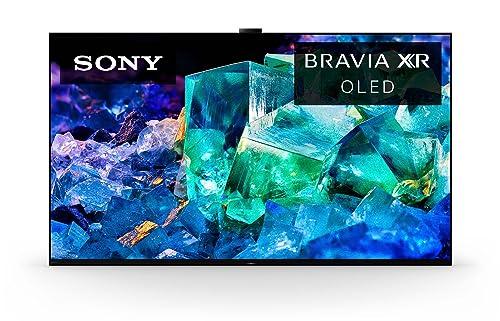


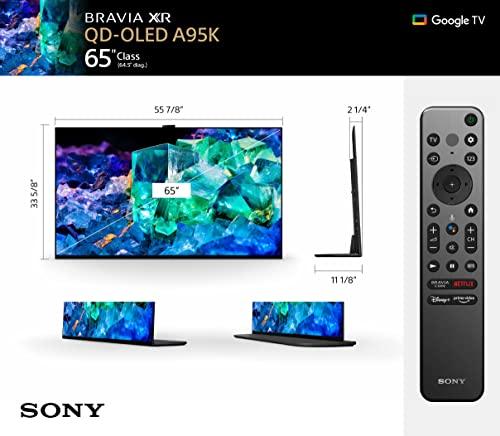



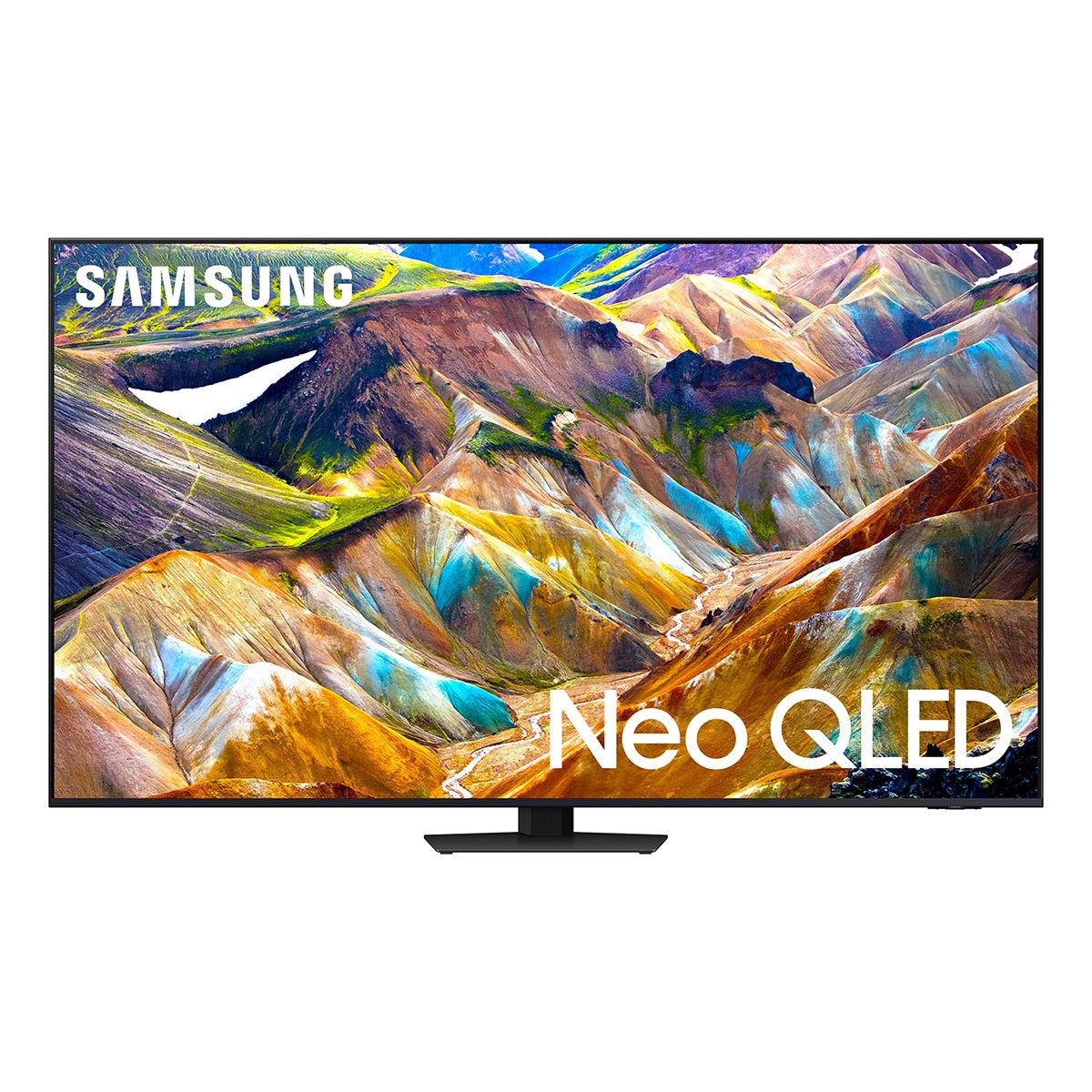
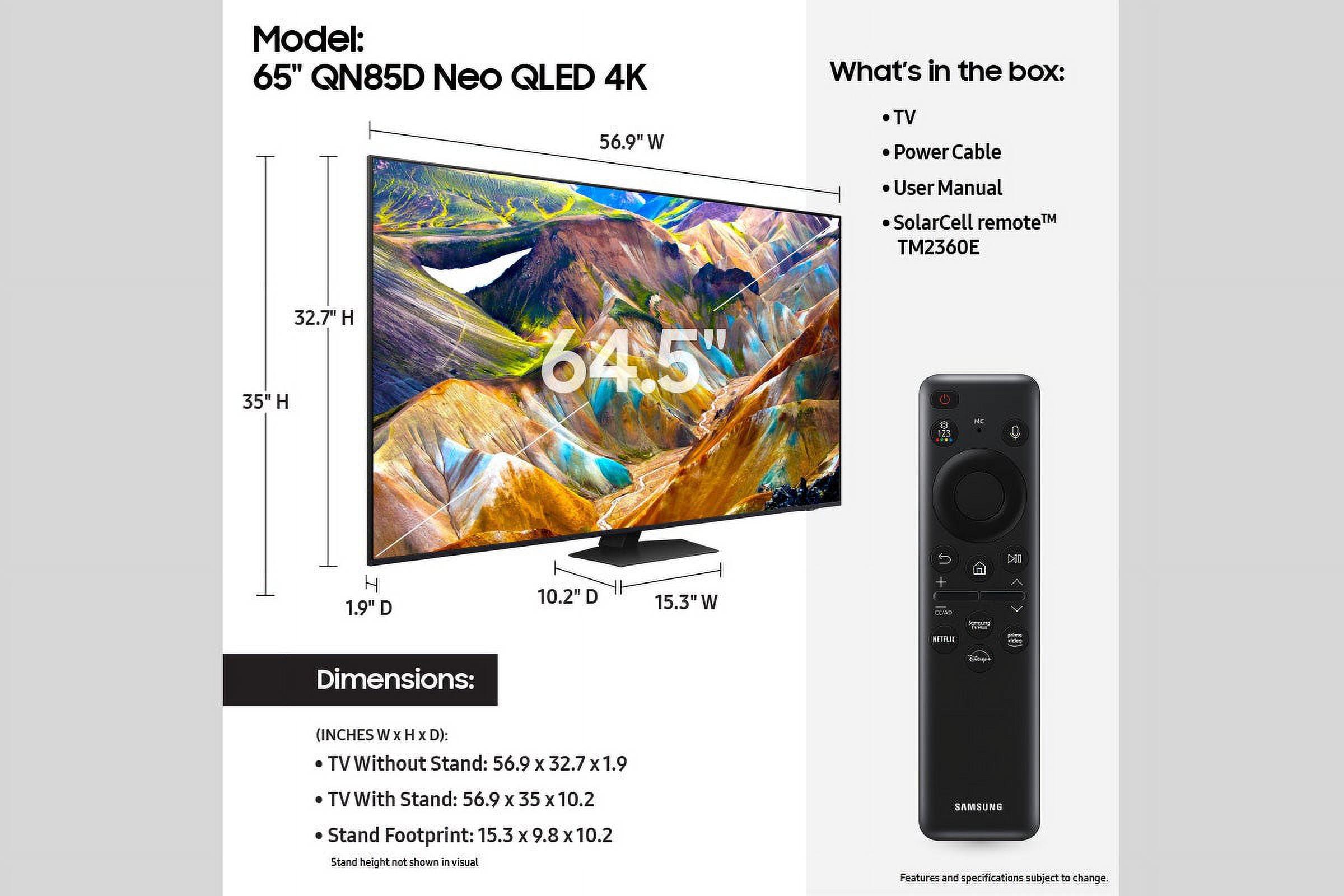

Choosing between premium TVs has become incredibly complex as manufacturers push different display technologies in various directions. Today we're comparing two fascinating approaches to premium 65-inch viewing: the Sony Bravia XR A95K, Sony's 2022 QD-OLED flagship, and the Samsung QN85D Neo QLED, Samsung's entry-level Mini-LED from 2024. While both deliver excellent performance, they represent fundamentally different philosophies about what makes a great TV.
Before diving into specifics, it's worth understanding what we're dealing with here. The Sony A95K uses QD-OLED technology—think of it as the marriage between OLED's perfect blacks and quantum dots' vibrant colors. Each pixel lights itself up and can turn completely off, creating infinite contrast. The quantum dot layer enhances color saturation beyond what traditional OLEDs can achieve.
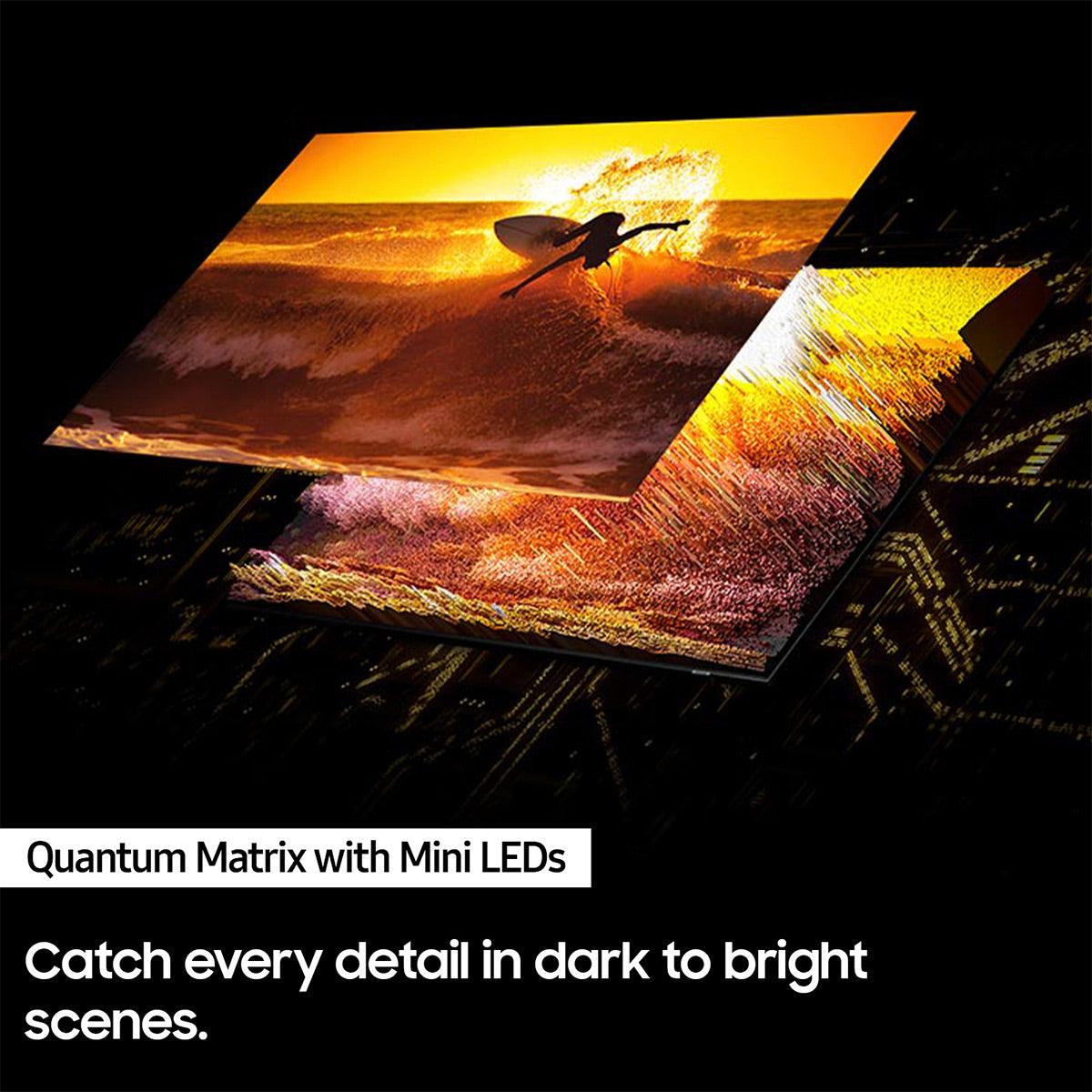
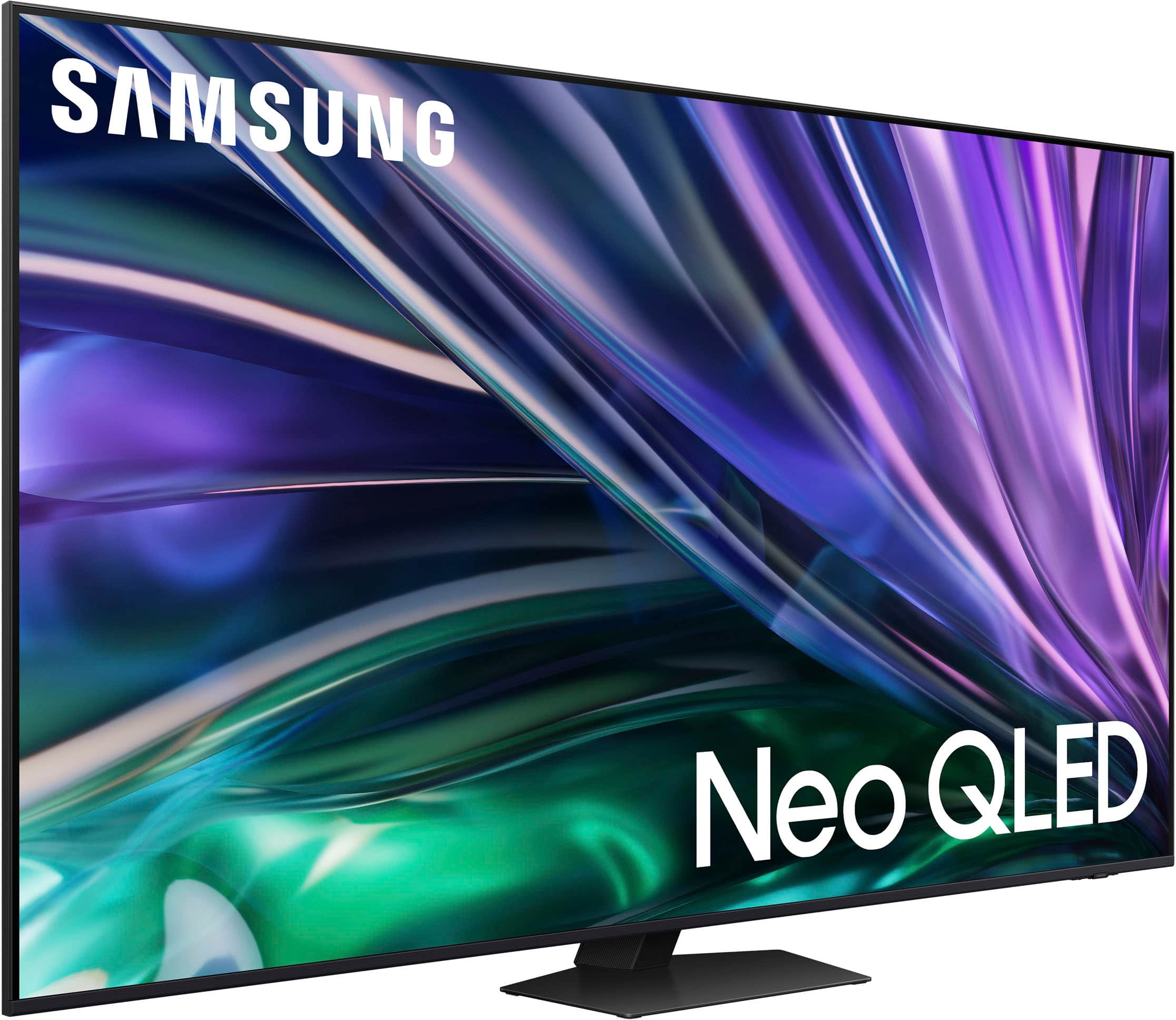
The Samsung QN85D takes a different approach with Neo QLED Mini-LED technology. Instead of self-lit pixels, it uses thousands of tiny LED lights behind the screen, organized into zones that can dim independently. This creates deeper blacks than regular TVs while achieving much higher brightness than most OLEDs.
These aren't just marketing terms—they fundamentally change how you'll experience everything from Netflix shows to PlayStation games. The choice between them often comes down to your viewing environment and priorities.
Contrast ratio—the difference between the darkest black and brightest white—is arguably the most important aspect of picture quality. Here's where the Sony A95K flexes its OLED muscles. When a pixel needs to show black, it simply turns off completely. No backlight bleed, no gray-ish "blacks"—just pure darkness. This creates what we call infinite contrast, meaning the difference between black and white is literally infinite.
The Samsung QN85D can't match this physically, but it comes surprisingly close for a backlit display. With 160 local dimming zones working together, it achieves contrast ratios exceeding 160,000:1 when measured properly. That's exceptional for any LED TV and creates impressively deep blacks in most content.
In practical terms, this means dark movie scenes look dramatically different. When watching something like "The Batman" or "Blade Runner 2049," the Sony A95K delivers inky shadows that seem to absorb light, while the Samsung QN85D shows very dark grays that still feel authentic in most lighting conditions.
However, the Samsung does show some "blooming"—a subtle halo effect around bright objects in dark scenes. When subtitles appear over black backgrounds, you might notice slight brightening around the text. It's not distracting for most viewers, but OLED purists will definitely notice the difference.
Here's where things get interesting. The Samsung QN85D absolutely crushes the Sony A95K in raw brightness output. This isn't just about numbers—it translates to real viewing advantages.
If your TV room gets significant daylight, the Samsung's superior brightness makes a huge difference. Colors stay vibrant, details remain visible, and HDR content maintains its impact even with windows open. The Sony A95K, while bright for an OLED, can look washed out in challenging lighting conditions.
But here's the nuance: the Sony's QD-OLED technology delivers something called "color brightness"—the ability to show saturated colors at high luminance levels. Traditional OLEDs struggle with bright, colorful scenes, often dulling colors to prevent overheating. The Sony A95K maintains vibrant reds and blues even in bright scenes, creating HDR experiences that feel more natural despite lower peak brightness.
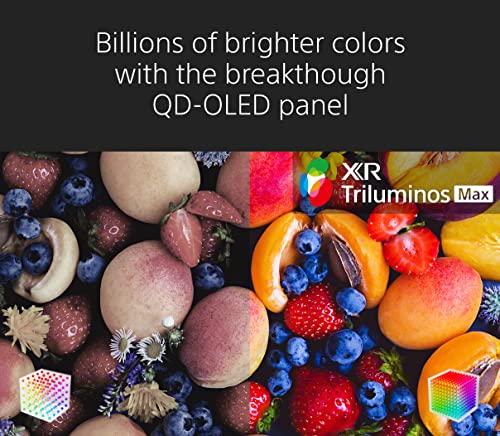
Color reproduction showcases both TVs' strengths beautifully. The Sony A95K uses XR Triluminos Max technology, leveraging its QD-OLED panel to achieve what Sony claims is the widest color gamut they've ever produced. The quantum dot layer converts blue OLED light into incredibly pure red and green wavelengths, resulting in colors that practically leap off the screen.
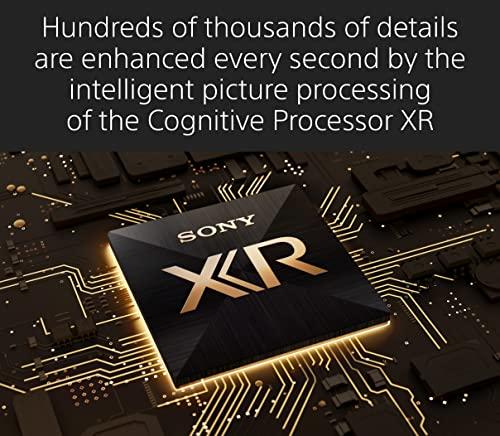
Professional colorists and film enthusiasts particularly appreciate the Sony's accuracy out of the box. Colors match professional reference monitors used in movie production, meaning you're seeing content closer to the creator's intent. The Cognitive Processor XR analyzes each scene to optimize color presentation, creating natural-looking skin tones and realistic environments.
The Samsung QN85D delivers impressive color performance through its quantum dot technology, though it can't quite match the Sony's sophistication. Samsung's approach tends toward more saturated, punchy colors that many viewers prefer for casual content. Sports, nature documentaries, and animated movies look particularly engaging with vibrant, eye-catching colors.
Both TVs support major HDR formats, but they handle them differently. The Sony A95K excels with Dolby Vision content, using its superior processing to maintain detail in both shadows and highlights. The Samsung QN85D provides excellent HDR10+ support with impressive brightness that makes HDR content feel impactful.
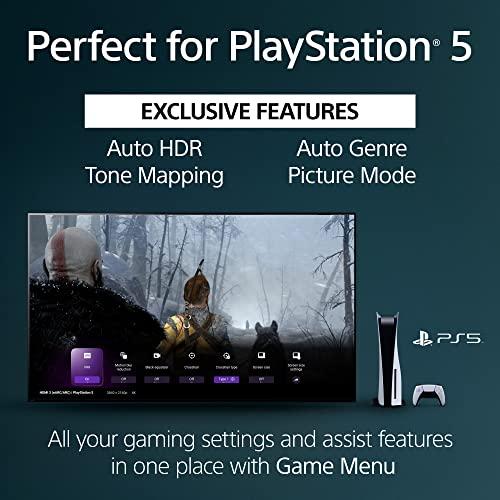
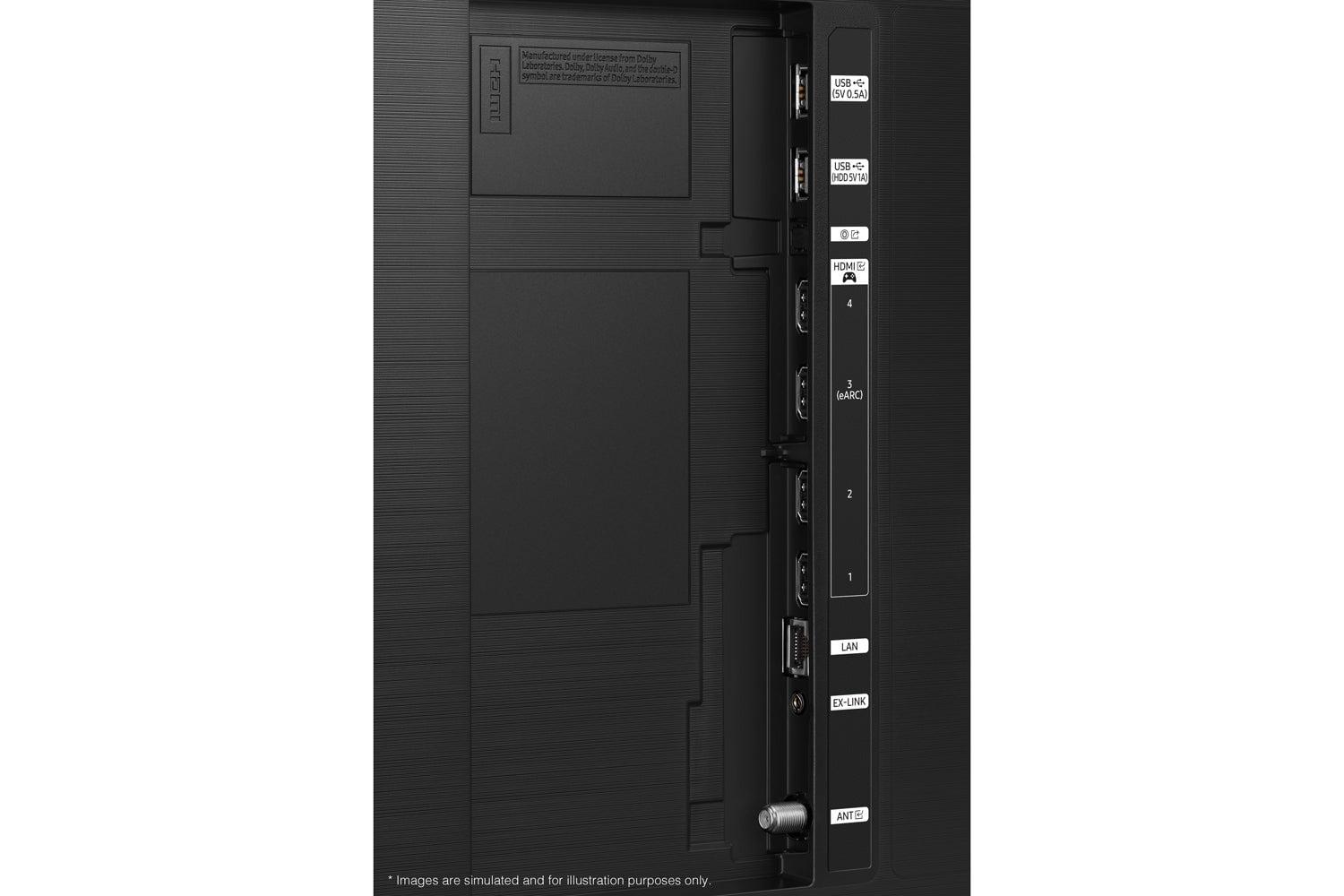
Gaming reveals some of the starkest differences between these TVs. The Samsung QN85D absolutely dominates connectivity with four full-bandwidth HDMI 2.1 ports. Every port supports 4K at 120Hz, Variable Refresh Rate (VRR), and Auto Low Latency Mode (ALLM). If you own multiple gaming consoles or plan to add a gaming PC, this flexibility is invaluable.
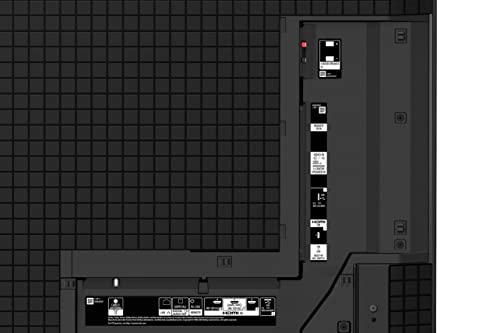
The Sony A95K offers only two HDMI 2.1 ports, which becomes problematic quickly. One port often handles your soundbar or receiver through eARC (Enhanced Audio Return Channel), leaving just one for 4K 120Hz gaming. This forces difficult choices between devices or requires constant cable swapping.
Both TVs support the major variable refresh rate technologies that eliminate screen tearing and stuttering. However, the Samsung QN85D offers more gaming-specific features like multiple game mode presets and on-screen gaming enhancements. Its faster pixel response times also provide slightly sharper motion in competitive gaming scenarios.
The Sony A95K counters with near-instantaneous OLED response times and superior image processing that makes games look more cinematic. Its motion handling excels with racing games and action titles where visual quality matters more than raw speed metrics.
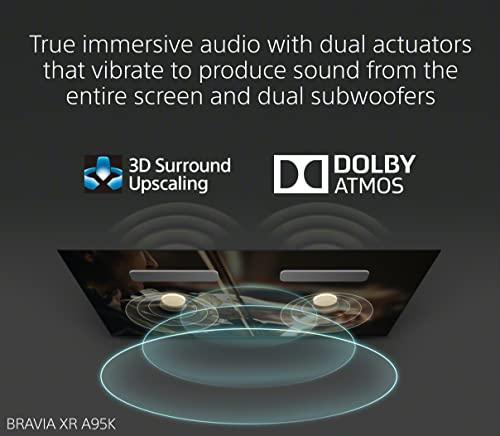
Audio performance represents one of the Sony A95K's most innovative features. Sony's Acoustic Surface Audio+ technology uses actuators to vibrate the entire screen, turning the display into a massive speaker. Sound appears to come directly from the action on screen—dialogue emerges from actors' mouths, explosions bloom from their visual locations.
This isn't just a gimmick. The screen-as-speaker approach creates surprisingly immersive audio that rivals many soundbars. The Sony A95K can even function as the center channel in a surround sound system, blending seamlessly with external speakers.
The Samsung QN85D includes Dolby Atmos support and Object Tracking Sound Lite, which attempts to match audio with on-screen movement. While effective, it can't replicate the physical immersion of the Sony's approach. However, Samsung's audio system pairs exceptionally well with their soundbars, offering enhanced integration features.
For home theater enthusiasts, the Sony's audio innovation provides immediate upgrade value without additional purchases. The Samsung requires external audio solutions to reach similar immersion levels.
Processing power significantly impacts daily usability. The Sony A95K's Cognitive Processor XR represents Sony's flagship AI processing technology from 2022. It analyzes content similarly to human perception, enhancing contrast, sharpness, and color in real-time. The upscaling performance particularly impresses—1080p content often looks nearly indistinguishable from native 4K material.
The Samsung QN85D uses the NQ4 AI Gen2 Processor, which sits at the entry level of Samsung's 2024 lineup. While capable, it lacks the sophisticated processing of Samsung's premium models or the Sony's flagship chip. This becomes noticeable with lower-quality streaming content or cable TV sources.
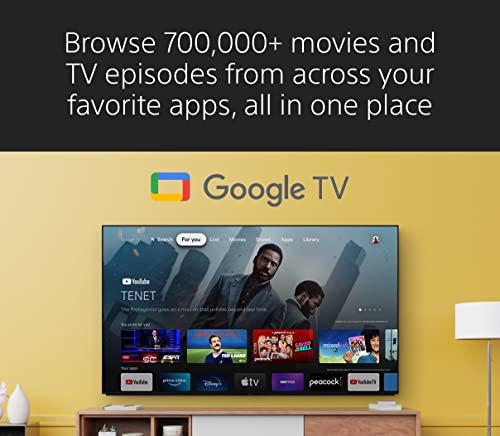
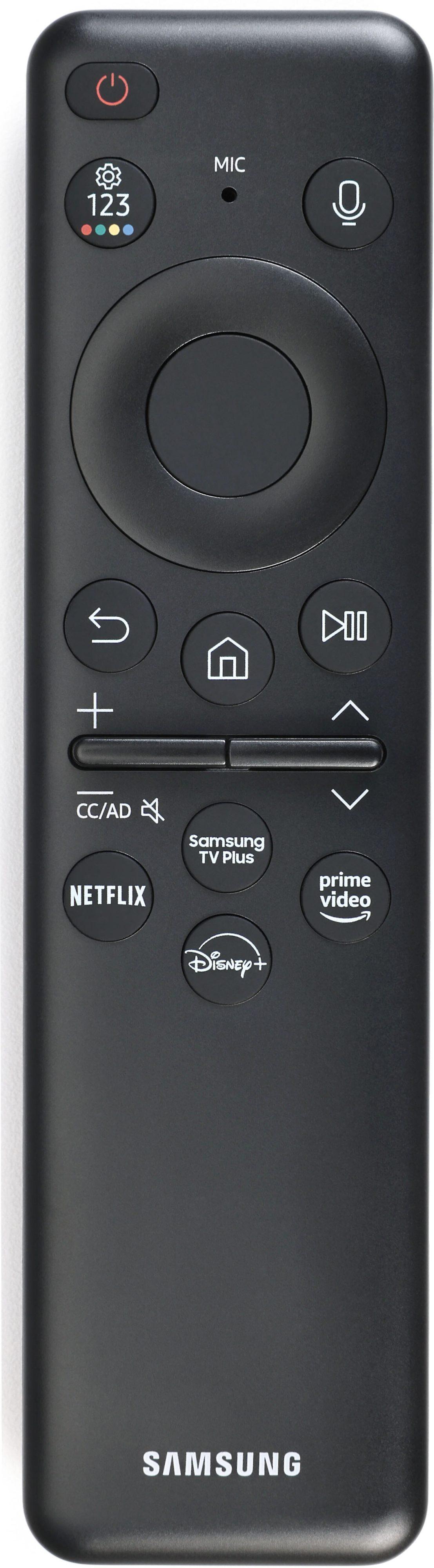
Both run mature smart TV platforms. Google TV on the Sony A95K provides excellent app selection and integrates well with Google services and Android devices. Samsung's Tizen OS on the QN85D offers fast navigation and Samsung's ecosystem integration, including Samsung TV Plus for free streaming channels.
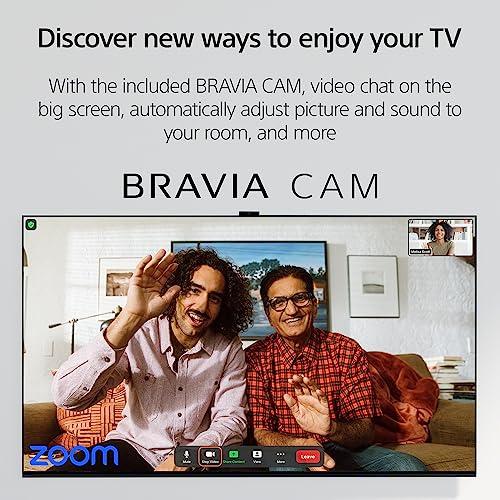
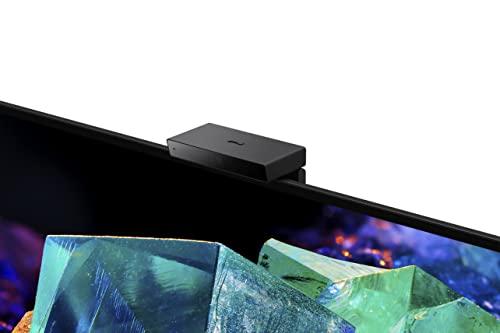
The Sony includes the BRAVIA CAM—a webcam enabling gesture controls and video calling. While novel, these features feel more experimental than essential. Samsung focuses on core smart TV functionality with reliable performance.
Your room setup dramatically influences which TV works better. The Sony A95K thrives in controlled lighting environments. Dark rooms showcase its infinite contrast beautifully, while moderate ambient lighting still allows excellent performance. However, bright rooms with windows opposite the screen can wash out the image.
The Samsung QN85D handles various lighting conditions more gracefully. Its superior brightness overcomes most ambient light, making it suitable for family rooms with large windows or irregular viewing schedules. The anti-glare coating helps manage reflections, though direct sunlight still causes issues.
Viewing angles tell another important story. The Sony A95K maintains excellent color and contrast from wide angles—perfect for sectional seating or large gatherings. The Samsung QN85D's VA panel technology means colors fade and contrast drops when viewed from the sides. This matters significantly for social viewing or rooms where seats aren't centered on the TV.
At the time of writing, the Sony A95K commands a significant premium over the Samsung QN85D, reflecting its flagship positioning versus Samsung's entry-level Mini-LED offering. However, value extends beyond initial pricing.
The Sony's QD-OLED technology represents cutting-edge display innovation that typically costs significantly more. You're essentially getting tomorrow's technology today, with performance that will likely remain impressive for many years. The superior processing also means better handling of future content formats and streaming improvements.
The Samsung QN85D provides exceptional value by bringing Mini-LED technology to more accessible pricing. Its 2024 vintage means the latest smart TV features and longer software support expectations. The superior gaming connectivity also future-proofs the TV for next-generation console capabilities.
Both TVs should provide years of excellent performance, but they'll age differently. The Sony's OLED panel faces potential burn-in risks with static content, though modern OLED technology has largely mitigated these concerns. The Samsung's LED backlighting should maintain consistent performance throughout its lifespan without degradation concerns.
Choose the Sony Bravia XR A95K if you prioritize absolute picture quality above all else. Its QD-OLED technology delivers the most cinematic viewing experience available, with perfect blacks, incredible colors, and immersive audio that transforms movie nights into premium experiences. This TV excels for dedicated home theaters, film enthusiasts, and anyone who values cutting-edge display technology. The premium pricing reflects flagship performance that justifies the investment for discerning viewers.
The Samsung QN85D Neo QLED makes more sense for versatile family use. Its superior brightness handles any lighting condition, extensive gaming features accommodate multiple devices, and accessible pricing provides excellent value. Choose this TV for bright living rooms, serious gaming setups, or when you want premium features without flagship pricing.
Both represent excellent choices within their respective strengths. The Sony pushes display technology boundaries with premium results, while the Samsung delivers practical excellence with broad appeal. Your viewing environment, content preferences, and feature priorities should guide this decision more than brand loyalty or specifications alone.
The TV market continues evolving rapidly, but both approaches—OLED's perfect blacks and Mini-LED's brightness advantages—will remain relevant for years. Either choice provides a solid foundation for future entertainment needs, just with different strengths for different viewing scenarios.
| Sony Bravia XR A95K 65" QD-OLED TV | Samsung 65" QN85D Neo QLED 4K Smart TV |
|---|---|
| Display Technology - Determines picture quality fundamentals | |
| QD-OLED with quantum dots (perfect blacks + vibrant colors) | Neo QLED Mini-LED with 160 local dimming zones |
| Contrast Ratio - Most important for dark room viewing | |
| Infinite contrast (pixels turn completely off) | 160,000:1 with local dimming (excellent for LED) |
| Peak Brightness - Critical for bright room performance | |
| Moderate OLED brightness (great for dark/medium rooms) | High Mini-LED brightness (excellent for bright rooms) |
| Viewing Angles - Important for wide seating arrangements | |
| 178° with consistent color/contrast | Limited due to VA panel (best viewed straight-on) |
| Gaming Connectivity - Essential for multiple consoles | |
| 2 HDMI 2.1 ports (4K 120Hz, VRR, ALLM) | 4 HDMI 2.1 ports (4K 120Hz, VRR, ALLM on all) |
| Color Performance - Affects content realism | |
| XR Triluminos Max with professional color accuracy | Quantum Dot with vibrant, punchy colors |
| Audio System - Built-in sound quality | |
| Acoustic Surface Audio+ (screen vibrates as speaker) | Dolby Atmos with Object Tracking Sound Lite |
| Processing Power - Impacts upscaling and image enhancement | |
| Cognitive Processor XR (flagship 2022 chip) | NQ4 AI Gen2 (entry-level 2024 processor) |
| Smart TV Platform - App selection and interface | |
| Google TV with BRAVIA CAM included | Samsung Tizen OS with Samsung TV Plus |
| HDR Support - Enhanced contrast and color range | |
| HDR10, Dolby Vision, HLG | Neo Quantum HDR, HDR10+, HDR10, HLG |
| Motion Handling - Important for sports and action | |
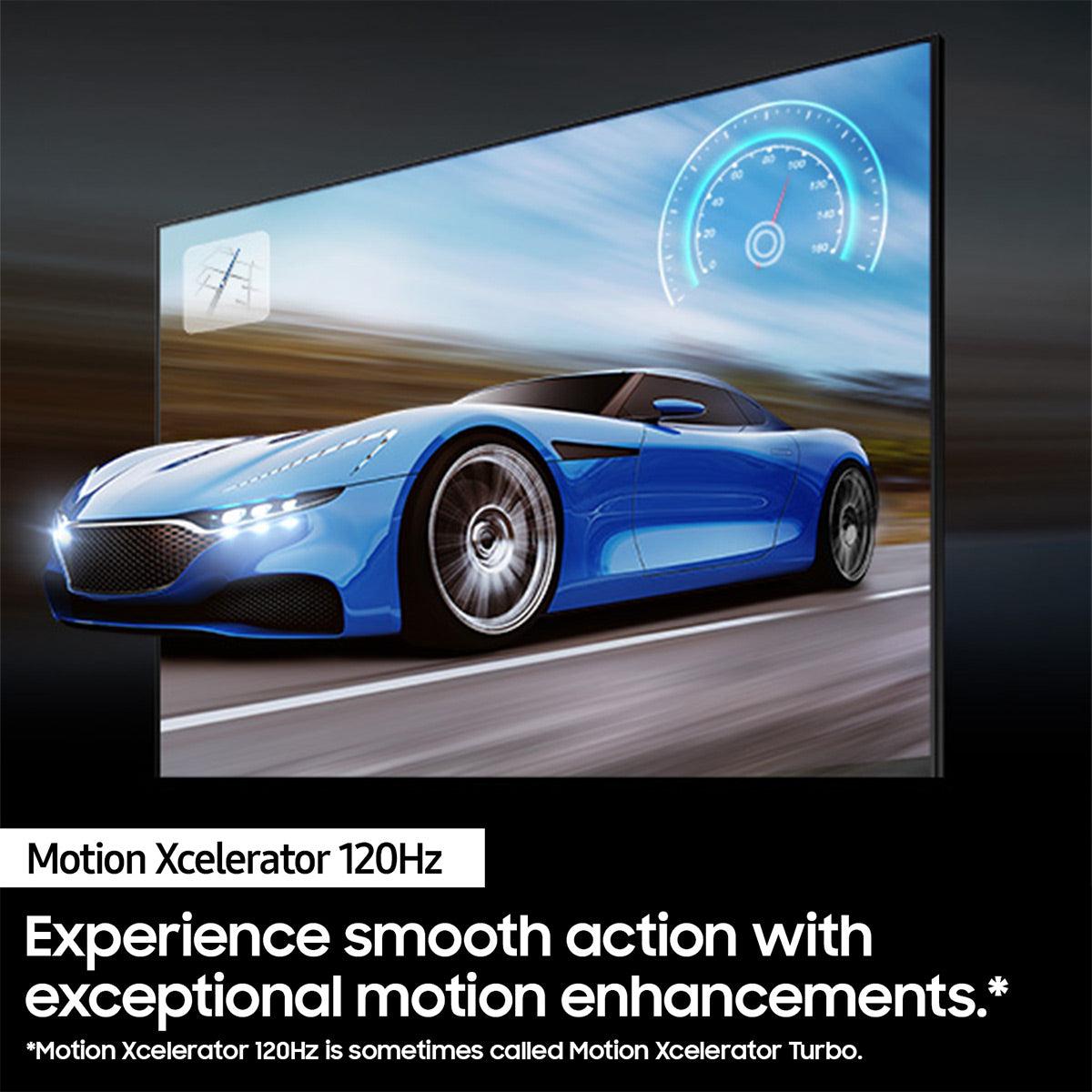
| XR OLED Motion with near-instant response | Motion Xcelerator Turbo 120Hz with excellent clarity |
| Release Year - Affects features and long-term support | |
| 2022 flagship model | 2024 entry-level Neo QLED |
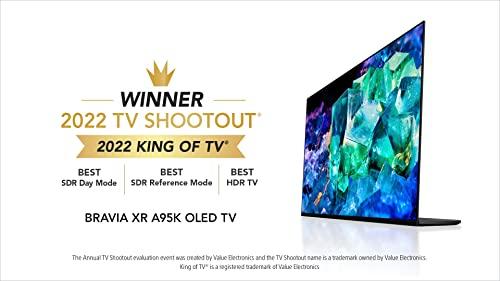
The Sony Bravia XR A95K delivers superior picture quality for movies due to its QD-OLED technology. It produces perfect blacks, infinite contrast, and professional-grade color accuracy that matches what filmmakers intended. The Samsung QN85D offers excellent picture quality with its Mini-LED technology, but can't match the Sony's true blacks and wide viewing angles that are ideal for home theater setups.
The Samsung QN85D Neo QLED is significantly better for bright rooms thanks to its superior peak brightness and better reflection handling. Its Mini-LED backlighting can overcome most ambient light conditions. The Sony A95K, while bright for an OLED, performs best in controlled lighting environments and may appear washed out in very bright rooms.
The Samsung QN85D is the clear winner for gaming with four HDMI 2.1 ports that all support 4K 120Hz, VRR, and ALLM. This allows you to connect multiple gaming consoles simultaneously. The Sony A95K only has two HDMI 2.1 ports, which limits your gaming setup options and may require frequent cable switching.
QD-OLED in the Sony A95K combines self-lit OLED pixels with quantum dot color enhancement, creating perfect blacks and vibrant colors. Neo QLED in the Samsung QN85D uses thousands of Mini-LEDs with local dimming zones behind a traditional LCD panel, achieving high brightness and good contrast but not true blacks. QD-OLED excels in dark rooms while Neo QLED performs better in bright environments.
Both TVs offer excellent smart platforms. The Sony A95K runs Google TV with extensive app selection and includes the BRAVIA CAM for gesture controls. The Samsung QN85D uses Tizen OS, which is fast and responsive, plus includes Samsung TV Plus for free streaming channels. Both support major streaming apps equally well.
The Sony A95K features innovative Acoustic Surface Audio+ technology that turns the entire screen into a speaker, creating immersive sound that appears to come from the action on screen. The Samsung QN85D includes Dolby Atmos and Object Tracking Sound Lite, which is good but more conventional. For built-in audio quality, the Sony offers a more unique and engaging experience.
The Samsung QN85D is generally better for sports viewing due to its superior brightness that maintains vibrant colors in bright rooms where sports are often watched. Both TVs handle fast motion well, but the Samsung's higher peak brightness and better daytime performance give it an edge for typical sports viewing scenarios.
The Sony A95K maintains excellent picture quality from wide viewing angles (178°), making it perfect for large seating arrangements or sectional sofas. The Samsung QN85D uses a VA panel that provides great contrast when viewed straight-on but colors and contrast degrade noticeably when viewed from the sides.
The Samsung QN85D typically offers better value, providing excellent Mini-LED performance at a more accessible price point. The Sony A95K commands a premium for its cutting-edge QD-OLED technology and flagship features. Your choice depends on whether you prioritize ultimate picture quality or practical performance per dollar.
Both TVs excel at HDR but in different ways. The Sony A95K supports Dolby Vision and leverages its perfect blacks for exceptional HDR contrast and detail retention. The Samsung QN85D offers Neo Quantum HDR with impressive brightness that makes HDR content feel impactful, especially in bright rooms. The Sony provides more cinematic HDR while the Samsung delivers brighter, more punchy HDR.
The Sony A95K is ideal for dedicated home theaters with controlled lighting. Its perfect blacks, infinite contrast, and wide viewing angles create the most cinematic experience possible. The innovative audio system also reduces the need for additional speakers. The Samsung QN85D can work well in home theaters but truly excels in multi-purpose rooms with varying lighting conditions.
Both TVs offer good long-term prospects but differently. The Samsung QN85D is a 2024 model with the latest smart TV features and extensive gaming connectivity for future console generations. The Sony A95K uses cutting-edge QD-OLED technology that should remain impressive for years, though it has fewer HDMI 2.1 ports. Consider your specific connectivity needs and whether you prioritize the latest features or premium display technology.
We've done our best to create useful and informative comparisons to help you decide what product to buy. Our research uses advanced automated methods to create this comparison and perfection is not possible - please contact us for corrections or questions. These are the sites we've researched in the creation of this article: tomsguide.com - audioadvice.com - wepc.com - bestbuy.com - tvsbook.com - rtings.com - youtube.com - flatpanelshd.com - rtings.com - youtube.com - reviewed.com - avsforum.com - youtube.com - youtube.com - rtings.com - youtube.com - electronics.sony.com - sonypremiumhome.com - valueelectronics.com - sony.com - displayspecifications.com - flatpanelshd.com - donstv.com - youtube.com - businessinsider.com - youtube.com - displayspecifications.com - bestbuy.com - bestbuy.com - rtings.com - youtube.com - youtube.com - avsforum.com - youtube.com - samsung.com - videoandaudiocenter.com - shopjetson.com - mysoundconcepts.com - samsung.com - merlinstv.com - youtube.com - samsung.com - samsung.com

Privacy Policy
Terms and Conditions - Affiliate Policy
Home Security
© Copyright 2008-2026.
11816 Inwood Rd #1211, Dallas, TX 75244