

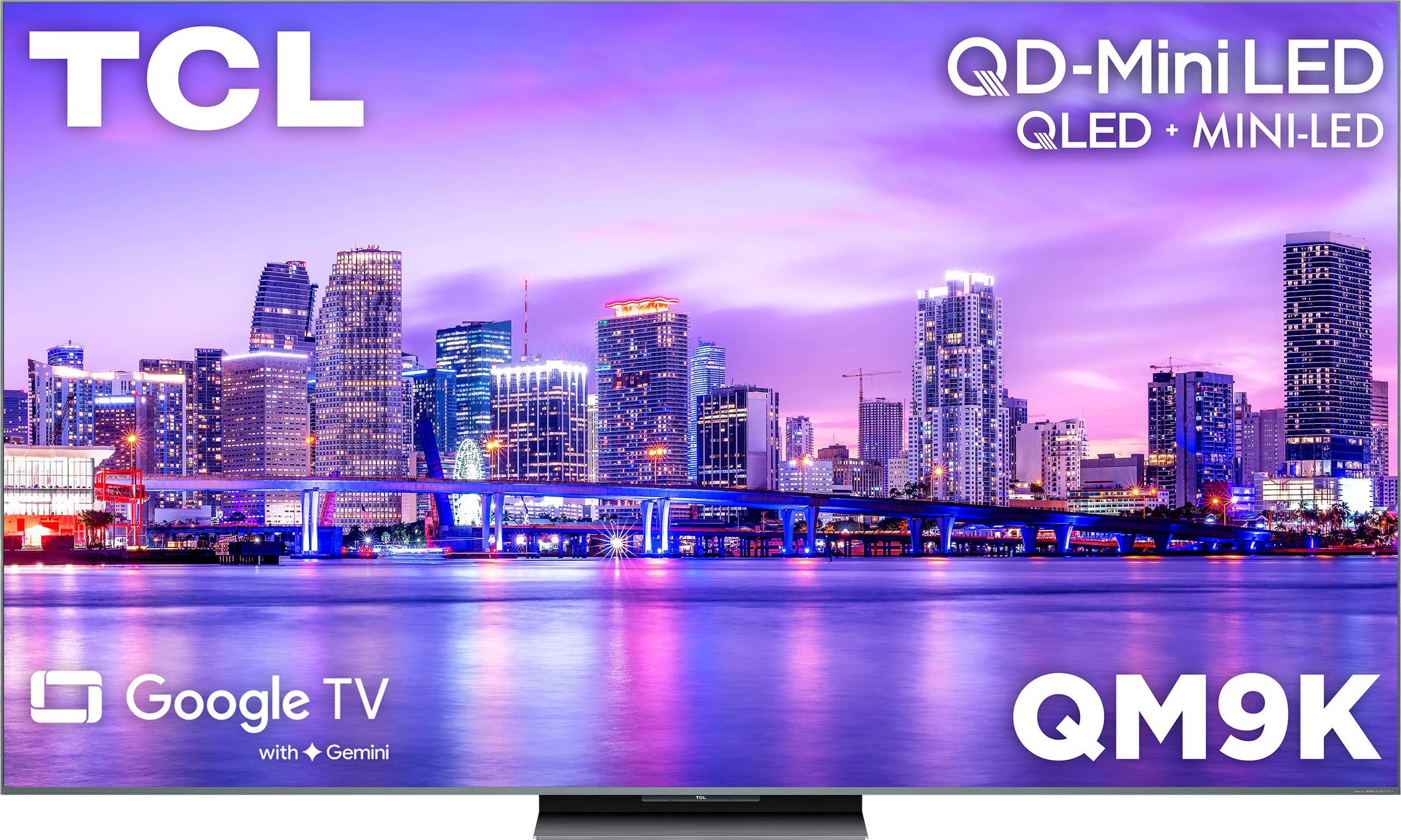
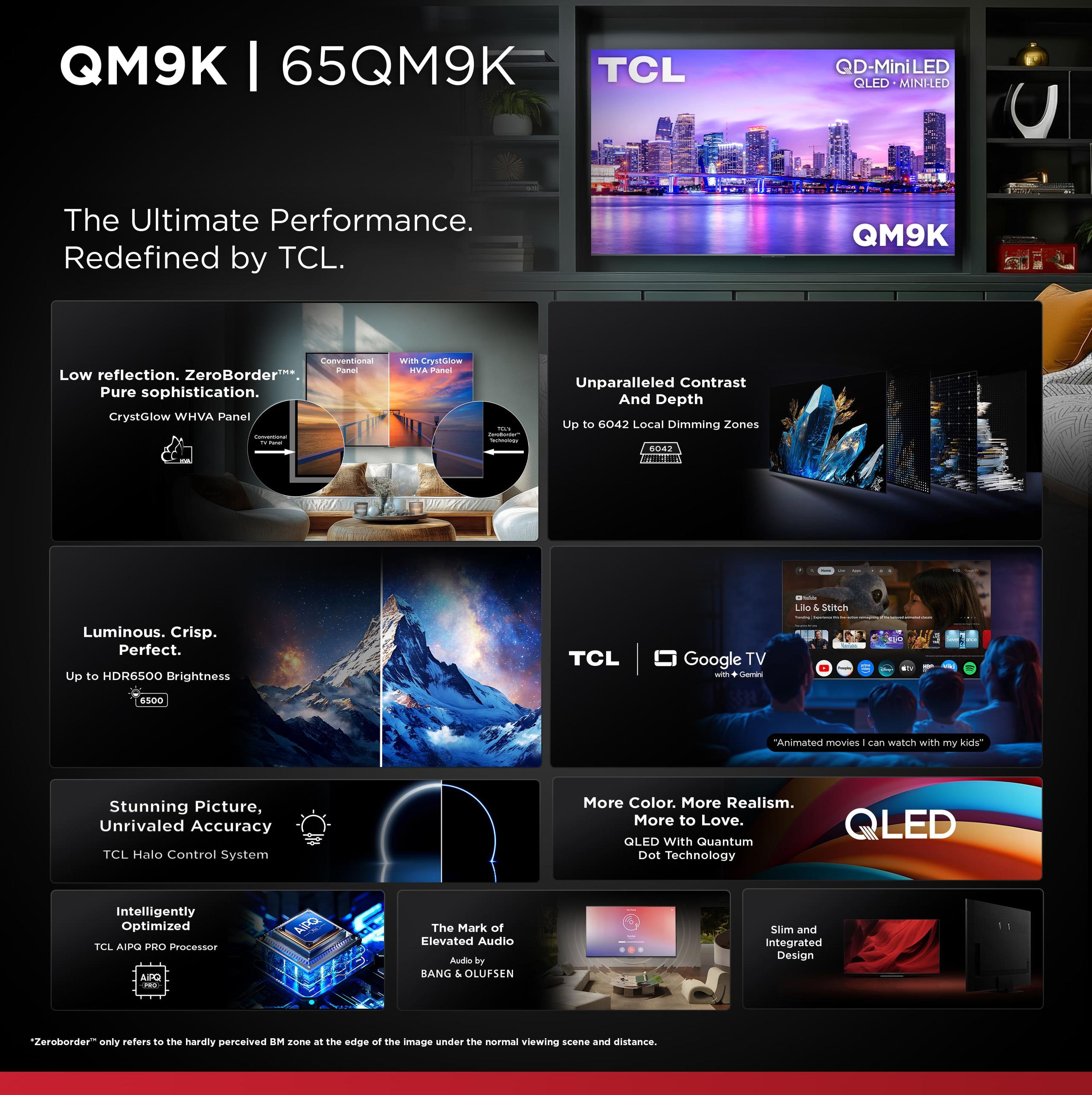
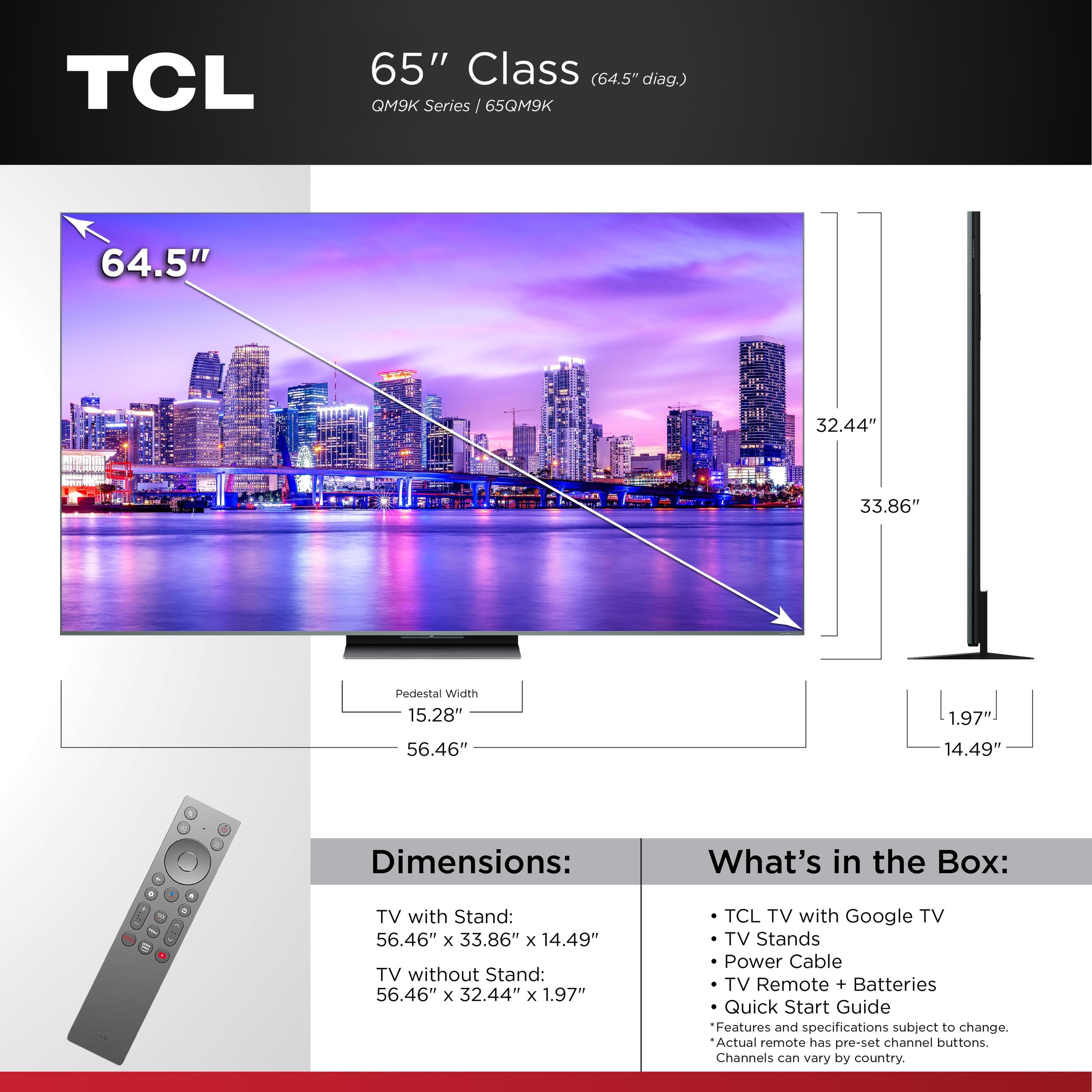
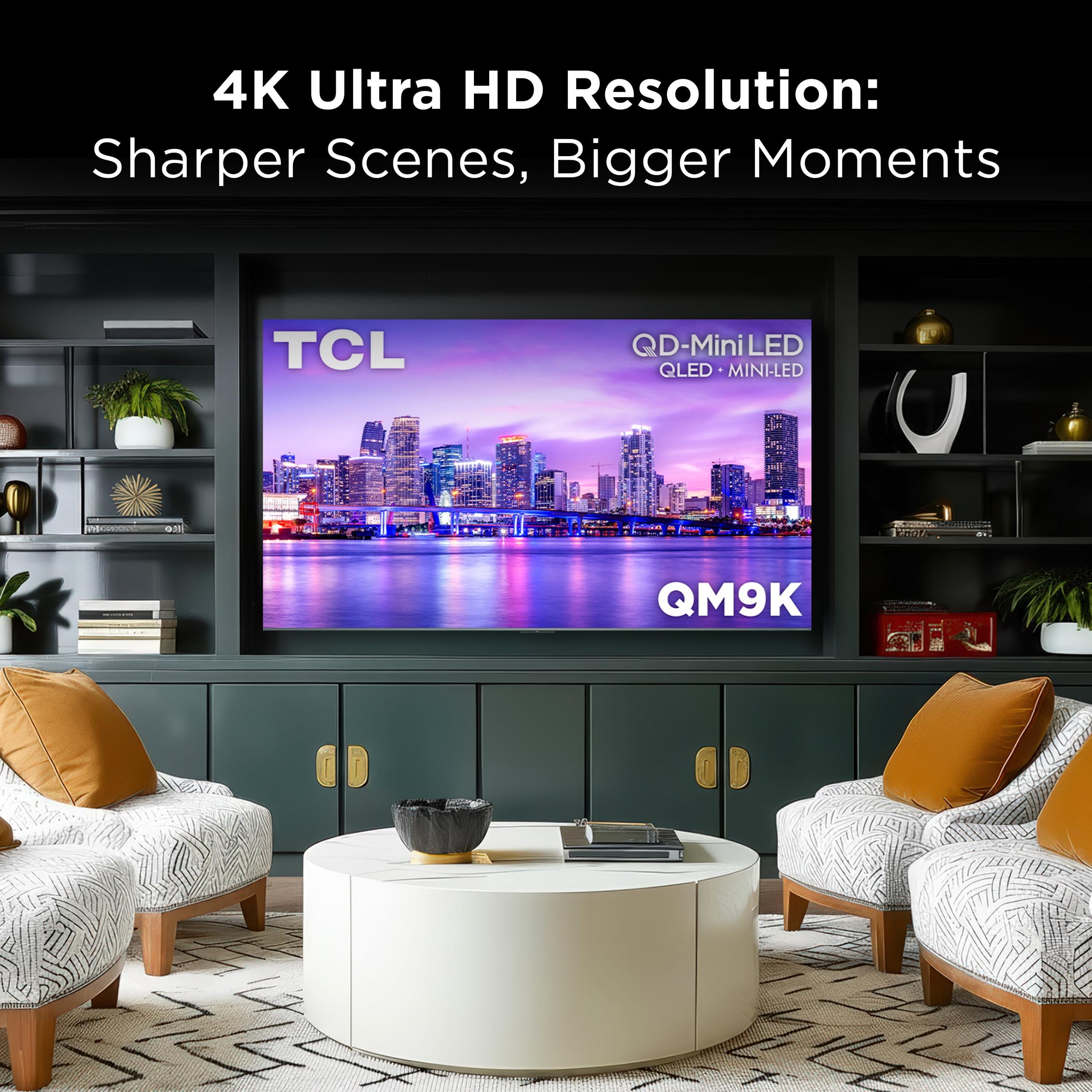


The 65-inch TV market has exploded with innovation over the past few years, and 2024-2025 brought us two fascinating approaches to premium television. The TCL 65" QM9K QD-Mini LED Smart TV represents the cutting edge of traditional TV technology, while the Hisense 65" S7N CanvasTV QLED 4K Smart Display reimagines what a TV can be when it's not actually showing TV content.
At the time of writing, these TVs sit in different price brackets—the TCL QM9K commands a premium price reflecting its flagship technology, while the Hisense CanvasTV offers compelling value with unique features you won't find elsewhere. But which one belongs in your living room?
When shopping for a premium 65-inch TV, you're looking at the sweet spot where screen size meets advanced technology without breaking into the truly expensive territory. The key factors that separate good TVs from great ones come down to brightness (measured in nits), contrast ratio (the difference between the darkest blacks and brightest whites), color accuracy, motion handling, and increasingly important gaming features.
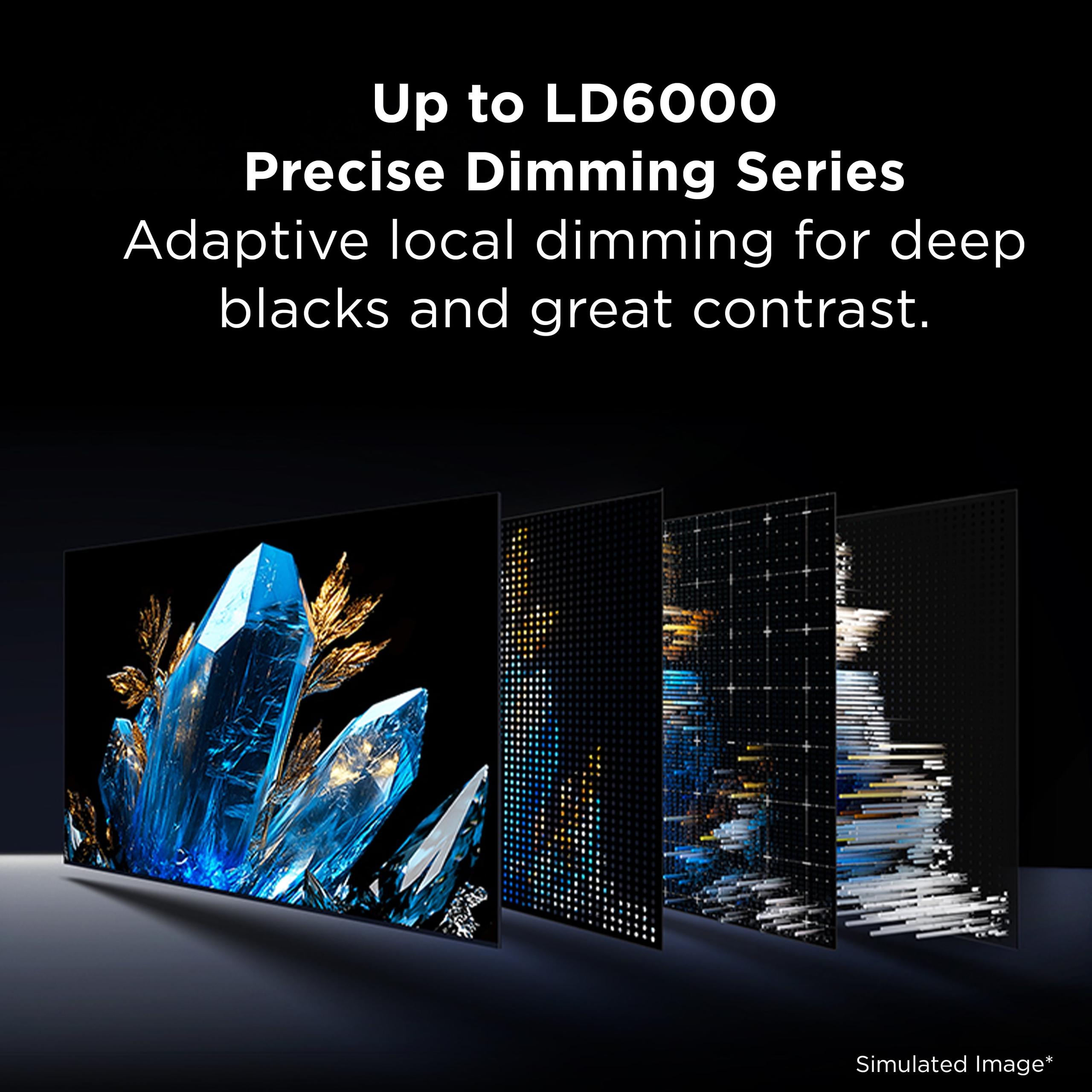
Local dimming deserves special attention—this technology divides the TV's backlight into hundreds or thousands of independently controlled zones. Think of it like having thousands of tiny dimmer switches behind your screen, allowing bright objects to shine while keeping dark areas truly black. The more zones you have, the more precise this control becomes.
HDR (High Dynamic Range) is another crucial element. HDR content contains more information about brightness and color than standard video, but your TV needs sufficient peak brightness and contrast to actually show you the difference. A TV that only gets bright enough for SDR content will make HDR movies look flat and lifeless.
The TCL QM9K and Hisense CanvasTV represent fundamentally different approaches to what a premium TV should do. The TCL focuses entirely on maximizing traditional TV performance—it wants to display the best possible picture whether you're watching movies, sports, or gaming. The Hisense asks a different question: what if your TV could be beautiful wall art when you're not watching it?
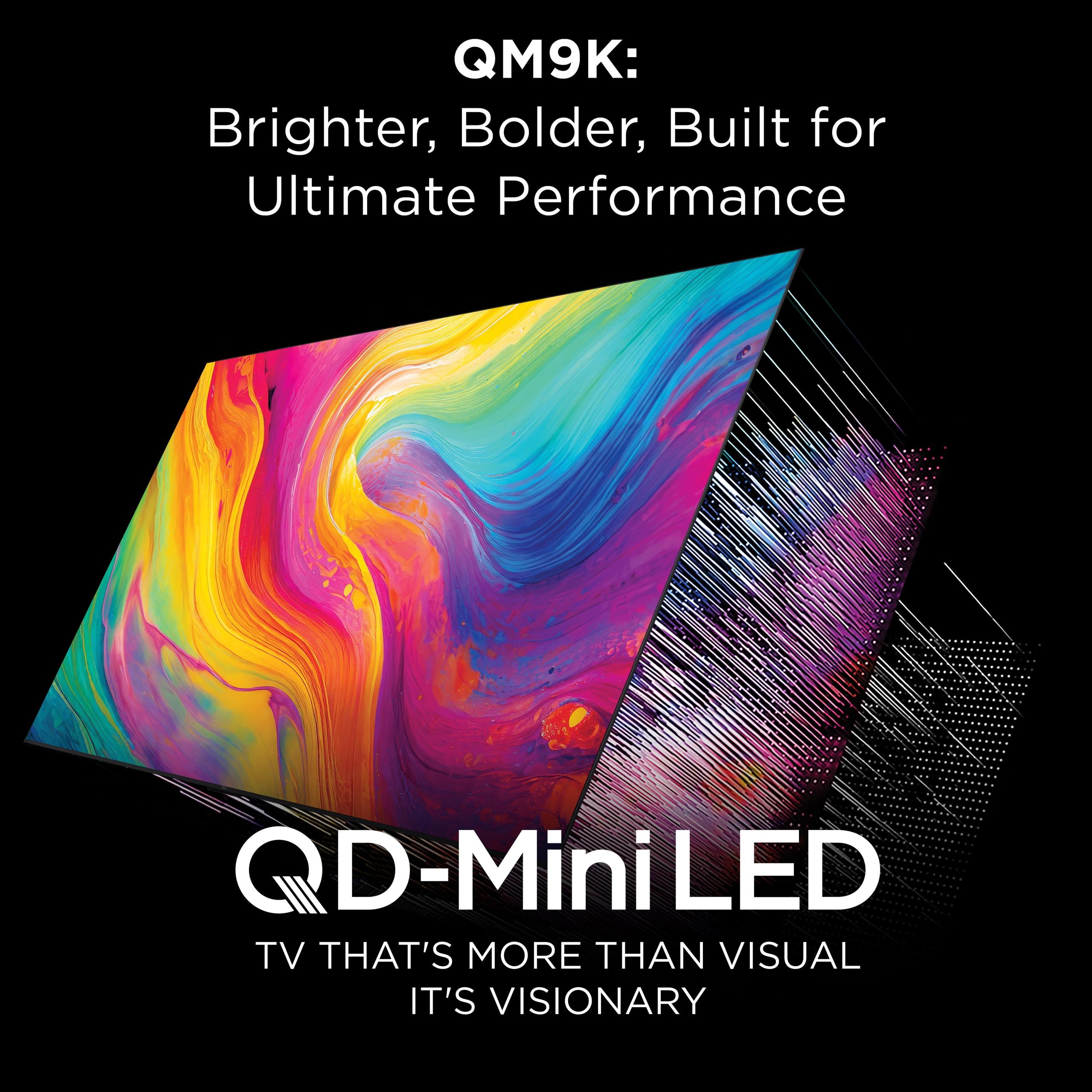
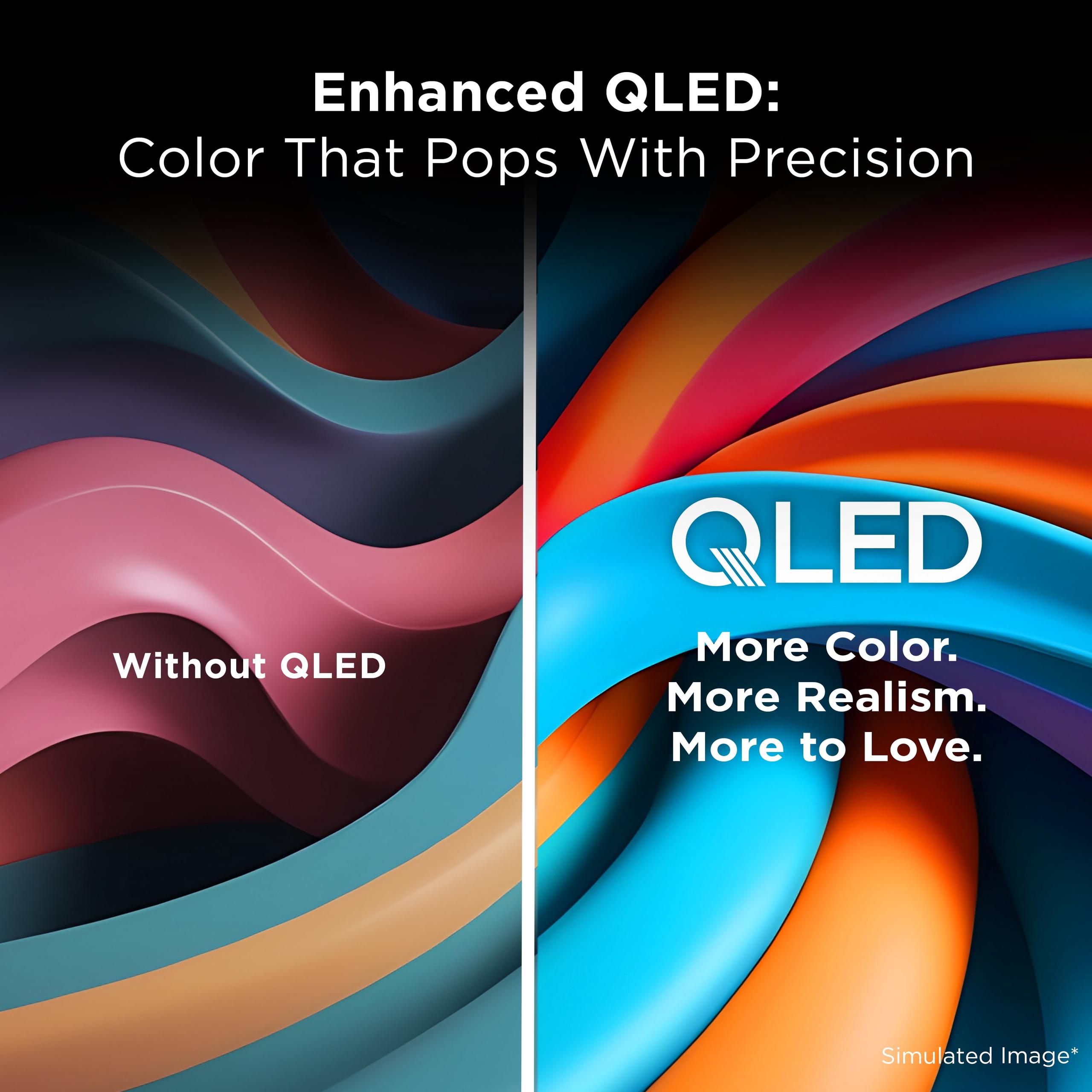
This philosophical difference shapes every design decision, from the display technology to the physical appearance. The TCL QM9K uses QD-Mini LED technology, which combines quantum dots (nanocrystals that produce pure colors) with Mini LEDs (backlights smaller than traditional LEDs, allowing for more precise control). The result is a display that can get extremely bright while maintaining excellent contrast.
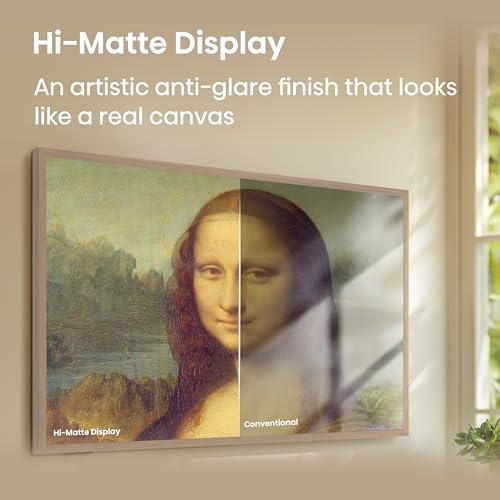
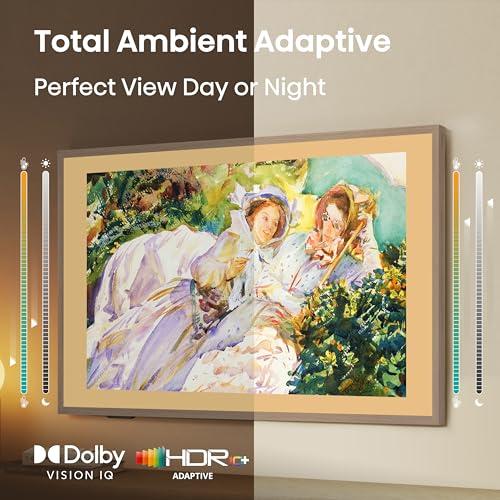
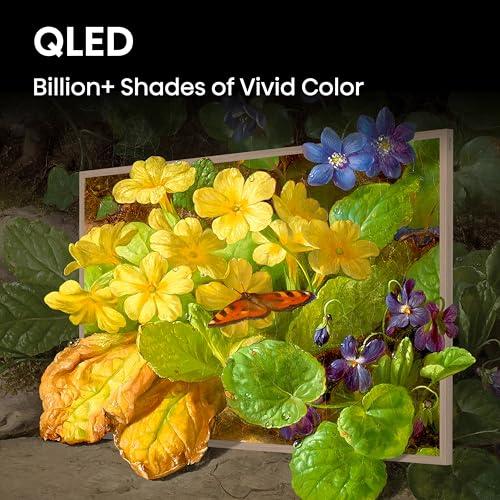
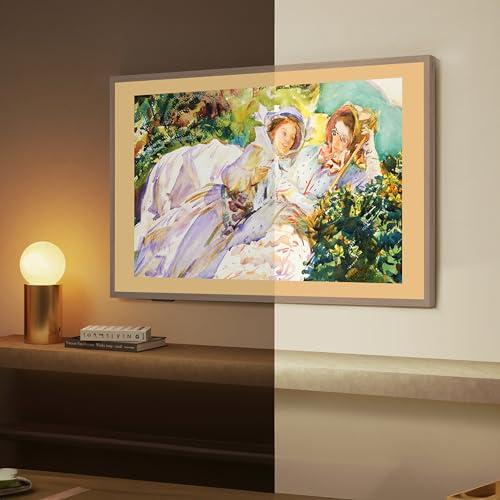
The Hisense CanvasTV uses QLED technology with a special Hi-Matte coating that reduces reflections to just 5% of what you'd see on a glossy screen. This coating gives the screen a texture similar to a painting canvas, supporting its art display function but also making it incredibly useful in bright rooms where glare typically ruins TV viewing.
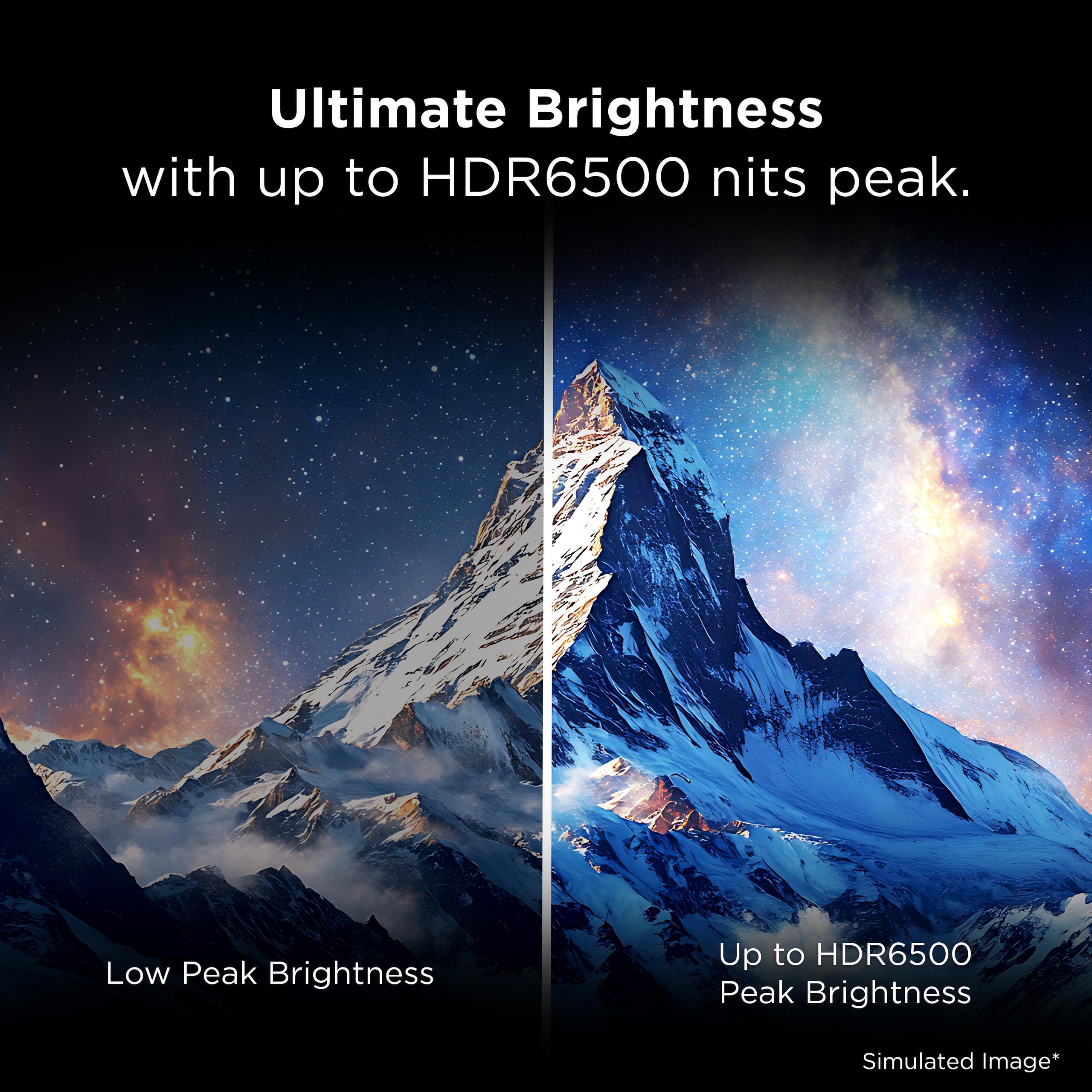
Here's where the TCL QM9K flexes its technological muscles. With peak brightness reaching HDR6500 levels (around 6,500 nits), this TV can make specular highlights—think sunlight glinting off water or car headlights—look genuinely bright and realistic. Most TVs struggle to get above 1,000 nits, so this level of brightness is exceptional.
Why does this matter? HDR content is mastered assuming your display can hit certain brightness levels. If your TV can't get bright enough, HDR movies will look dull and lifeless, missing the impact the director intended. The TCL QM9K has brightness to spare, making HDR content look spectacular in both dark and bright rooms.
The Hisense CanvasTV takes a different approach with peak brightness around 450 nits. While this sounds modest compared to the TCL, it's actually well-suited to the TV's design philosophy. The matte coating diffuses light differently than glossy screens, and the lower peak brightness helps maintain the natural, painting-like appearance that makes Art Mode so convincing.
The TCL QM9K achieves its impressive contrast through sheer technological force. With up to 6,000 local dimming zones, it can control light with remarkable precision. Each zone can brighten or dim independently, creating deep blacks right next to bright whites without the "blooming" effect (unwanted light spill) that plagues lesser TVs.
This level of local dimming control matters enormously for movie watching. In a scene with a bright moon in a dark sky, the TCL QM9K can make the moon shine brilliantly while keeping the sky truly black. TVs with fewer dimming zones or none at all would light up the entire area, ruining the scene's atmosphere.
The Hisense CanvasTV uses standard LED backlighting with its VA panel providing a respectable 5,000:1 contrast ratio. While it can't match the TCL's zone-based precision, VA panels naturally produce deeper blacks than IPS panels, and for most content, the difference isn't dramatic unless you're directly comparing them side-by-side in a dark room.
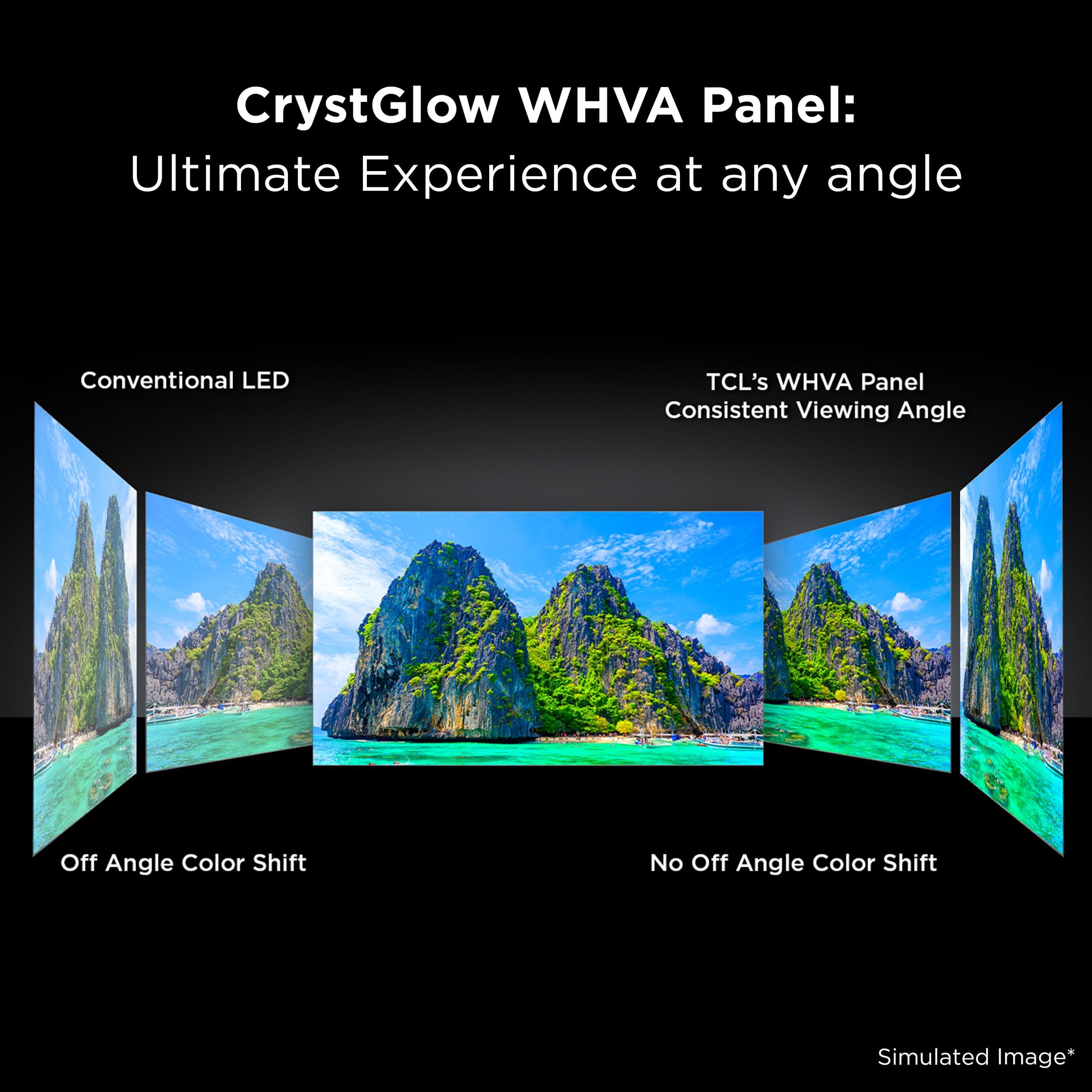
Both TVs use quantum dot technology for wide color gamuts, meaning they can display more of the colors your eyes can actually see. The TCL QM9K maintains color accuracy even when viewed from wide angles, making it excellent for family movie nights where people are sitting all around the room.
The Hisense CanvasTV's VA panel shows more color shift when viewed from the side—a common trade-off with VA technology. However, if you're mounting it on a wall as intended and sitting directly in front, this limitation rarely matters in practice.
The Hisense's unique strength lies in its anti-glare properties. If you've ever tried to watch TV with afternoon sunlight streaming through windows, you know how reflections can wash out the entire picture. The Hisense CanvasTV handles this scenario brilliantly, maintaining visible, colorful images even in challenging lighting conditions.
Both TVs arrived in 2024 with serious gaming credentials, recognizing that modern consoles like the PS5 and Xbox Series X need displays that can keep up with their capabilities.
The TCL QM9K includes Game Accelerator 288 technology, supporting variable refresh rates up to 288Hz. Variable refresh rate (VRR) synchronizes the TV's refresh rate with your gaming console's frame rate, eliminating screen tearing and stuttering. The higher the VRR ceiling, the smoother your games will look.
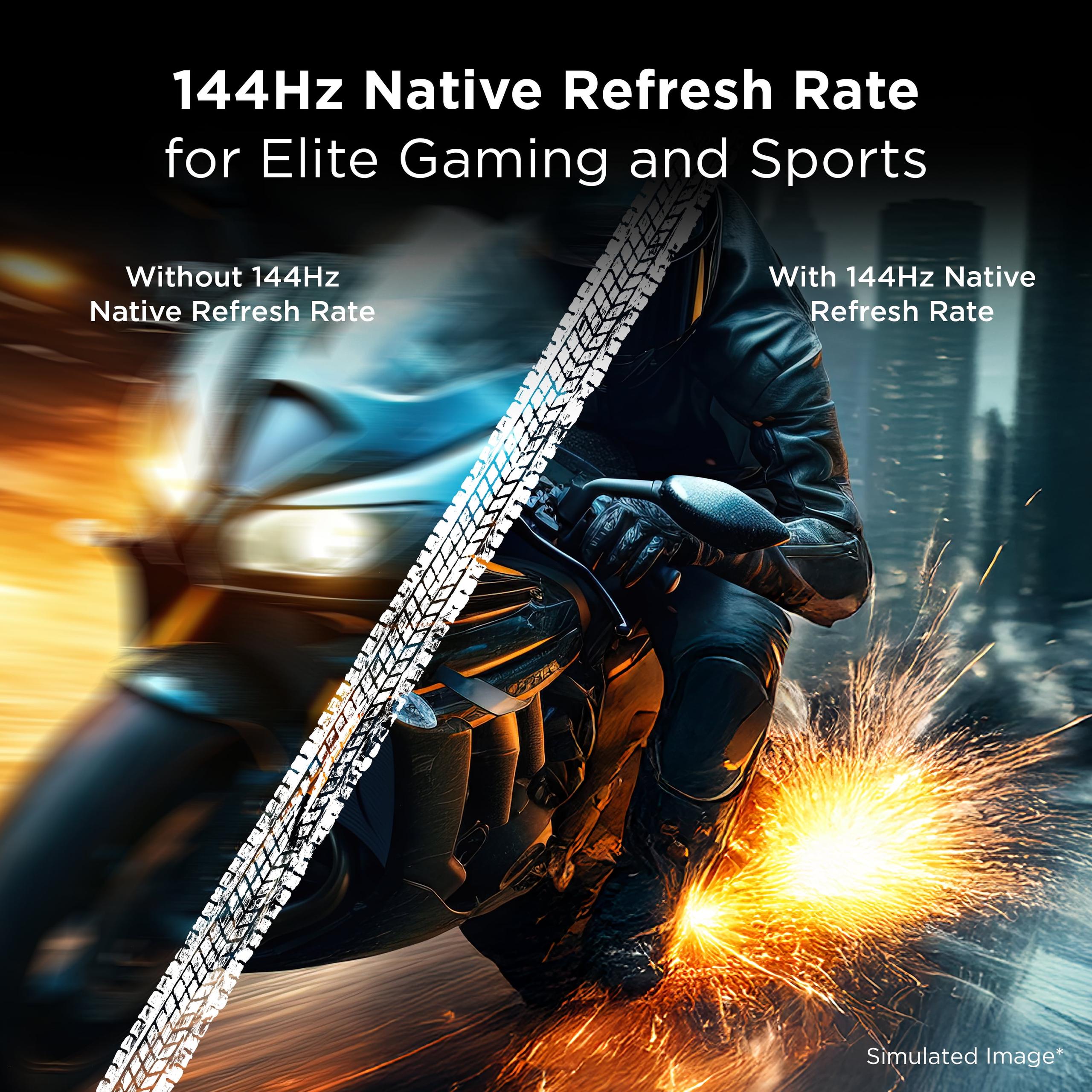
With 144Hz native refresh rate and support for 4K gaming at 144Hz, the TCL QM9K is ready for next-generation gaming. Its 5.3ms input lag means there's virtually no delay between pressing a button and seeing the action on screen—crucial for competitive gaming.
The Hisense CanvasTV matches the gaming performance with its own 144Hz refresh rate and supports both AMD FreeSync and NVIDIA G-Sync, giving it broader compatibility with PC gaming setups. Its slightly lower input lag of 5.4ms gives it a tiny edge for the most demanding competitive players, though the difference is practically insignificant.
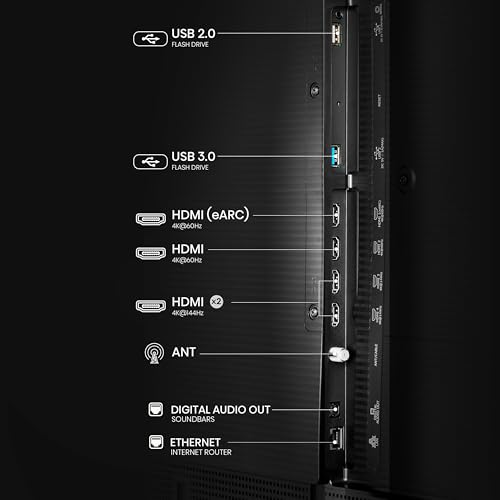
Both TVs include two HDMI 2.1 ports, which is the minimum needed for modern gaming. HDMI 2.1 provides the bandwidth necessary for 4K gaming at high refresh rates—something older HDMI versions simply cannot handle.
TV audio has traditionally been terrible, but both manufacturers made genuine efforts here. The TCL QM9K features Audio by Bang & Olufsen with a 2.1 channel system that includes a dedicated subwoofer on the 65-inch model. This setup provides genuine bass response and clear dialogue—rare for flat-panel TVs.
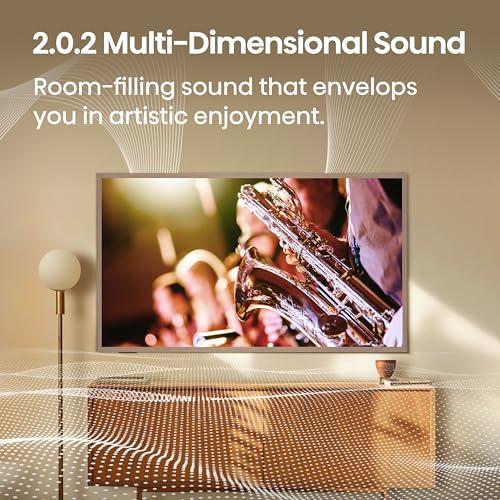
The Hisense CanvasTV takes a different approach with its 2.0.2 channel system featuring upward-firing speakers for Dolby Atmos effects. While it lacks the dedicated bass of the TCL, the spatial audio creates an impressive sense of height and dimension that works well with the TV's slim design.
Neither TV will replace a dedicated soundbar or surround sound system for serious home theater use, but both are surprisingly capable for casual viewing.
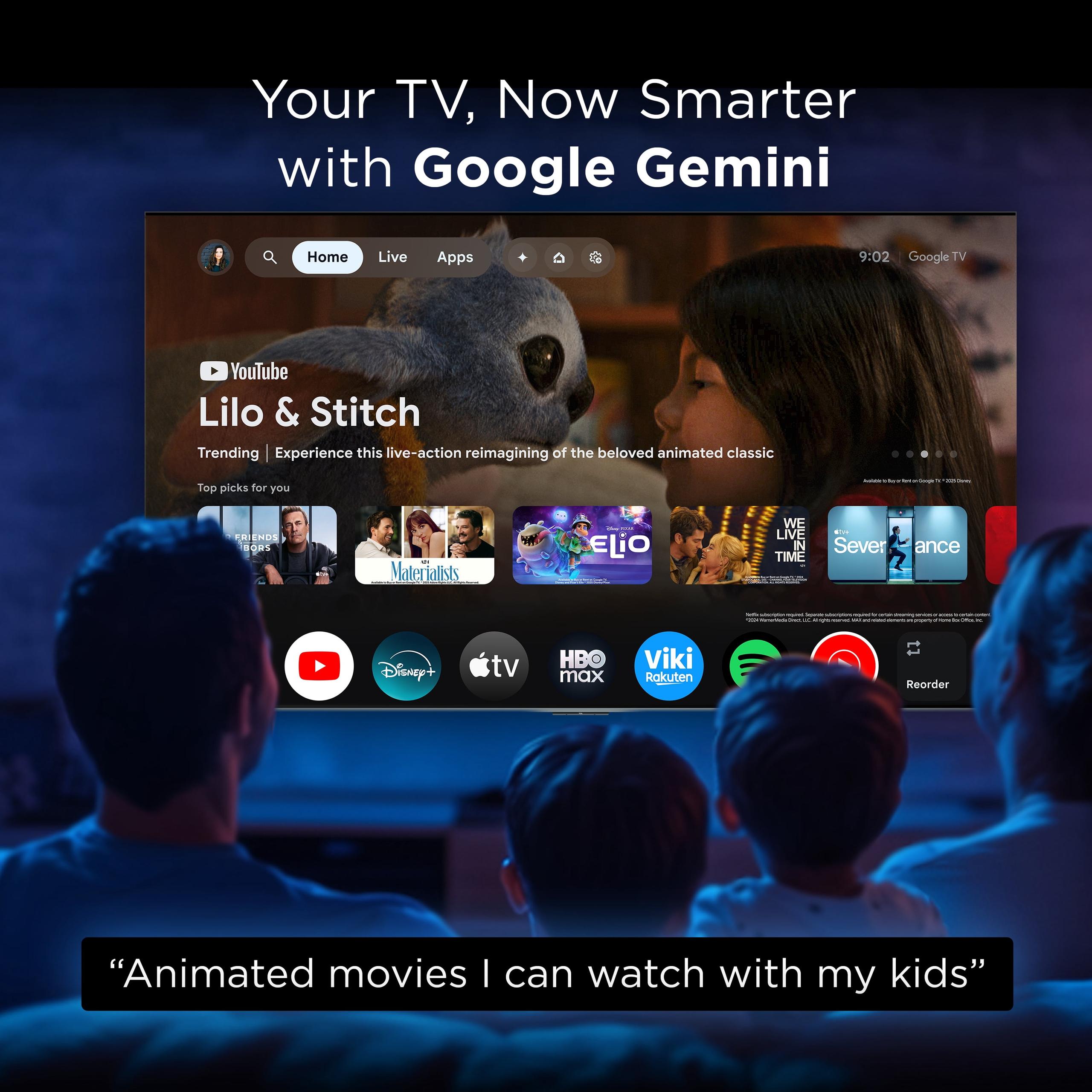
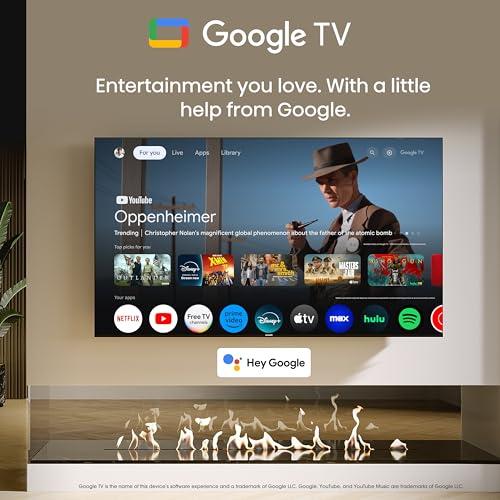
Both TVs run Google TV, which has become our preferred smart TV platform for its clean interface and excellent app selection. The TCL QM9K adds Google Gemini integration and includes a presence sensor that can automatically adjust settings when you enter or leave the room.
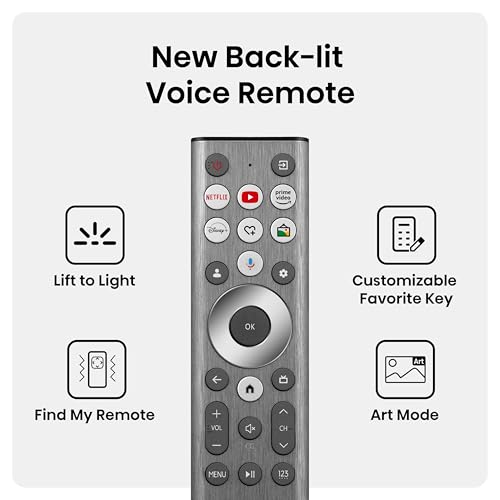
The Hisense CanvasTV focuses its smart features around Art Mode. Motion sensors detect when someone enters the room and can automatically display artwork, then switch to a power-saving mode when the room is empty. This might sound gimmicky, but it's actually quite practical and helps reduce energy consumption.
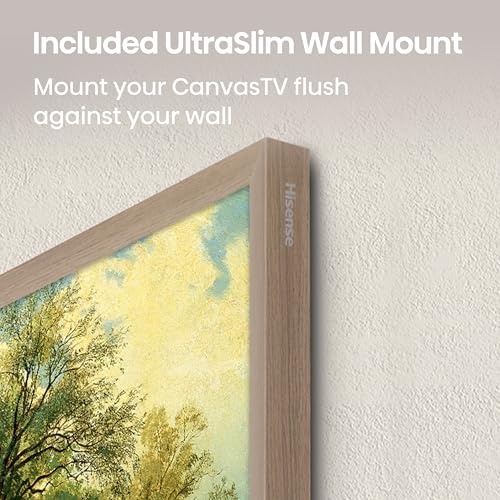
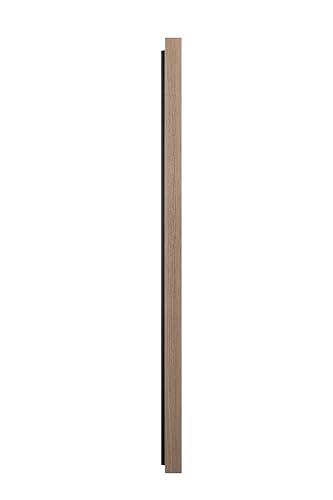
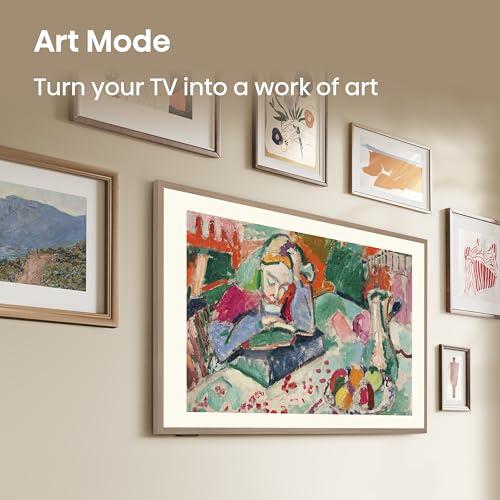
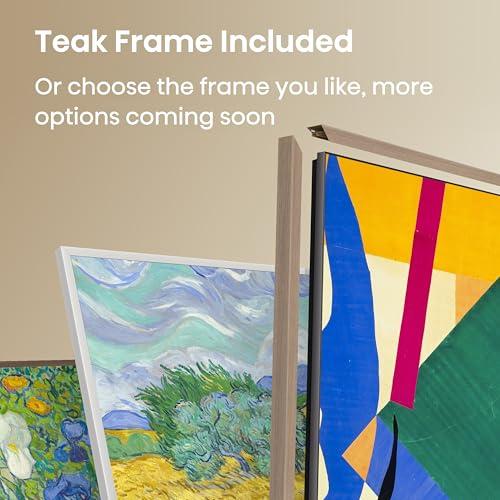
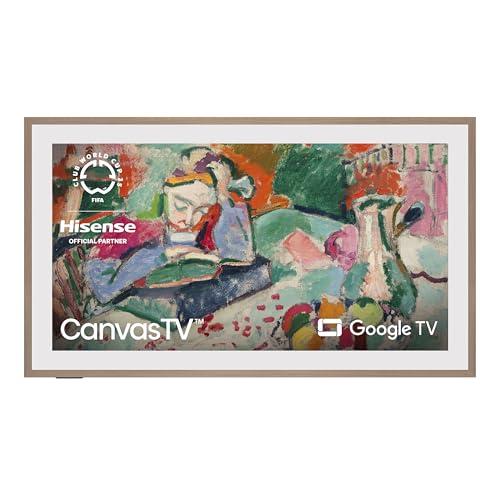
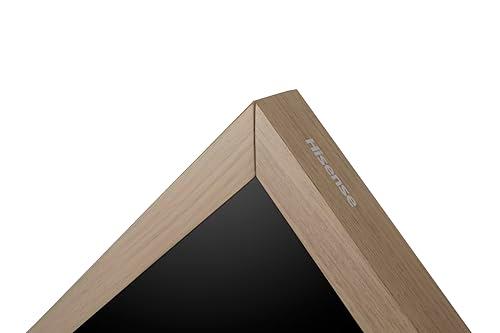
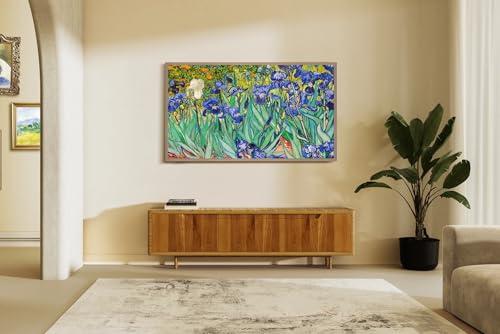
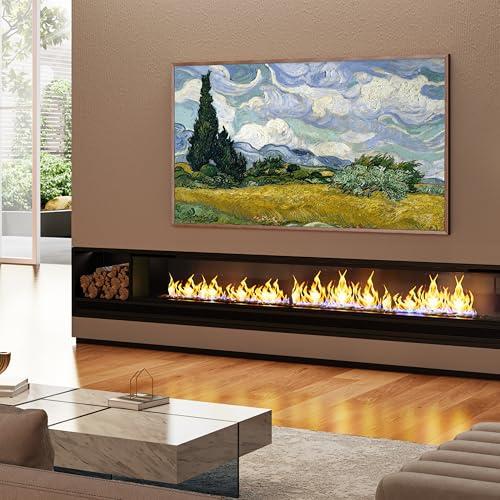
This is where the Hisense CanvasTV truly differentiates itself. Art Mode isn't just a screensaver—it transforms the TV into a legitimate piece of wall art. The included magnetic frames (with teak standard and white or walnut available separately) and ultra-slim wall mount create an installation that genuinely looks like a framed painting.
The TV comes with over 120 curated artworks at no additional cost—a significant advantage over Samsung's Frame TV, which requires ongoing subscriptions for its art library. You can also upload your own photos and artwork via USB or mobile app.
The Hi-Matte coating is crucial to this illusion. It eliminates the glossy reflection that immediately identifies most TVs as electronic displays, instead creating the subtle texture and light reflection you'd expect from a real painting or photograph.
For dedicated home theater use, the TCL QM9K is the clear winner. Its superior peak brightness, extensive local dimming, and excellent off-axis viewing make it ideal for movie watching in controlled lighting conditions. The wide viewing angles are particularly valuable in home theaters where multiple seating positions need good picture quality.
The Hisense CanvasTV works well in home theaters too, especially if you value its aesthetic benefits, but it's really optimized for living room use where its anti-glare properties and art display functionality provide unique value.
At the time of writing, the TCL QM9K commands a significant premium over the Hisense CanvasTV, but that premium buys you flagship-level display technology that typically costs much more in competing brands. If picture quality is your top priority and you want the best possible HDR experience, the TCL justifies its higher price.
The Hisense CanvasTV offers exceptional value by combining solid QLED performance with unique functionality you can't get elsewhere at this price point. It's particularly compelling if you're mounting the TV in a prominent location where aesthetics matter as much as performance.
Choose the TCL QM9K if you're a picture quality enthusiast who wants the absolute best HDR performance and contrast control. It's ideal for home theater setups, serious gaming, and situations where multiple people will be viewing from different angles. The premium price gets you genuinely premium technology.
Choose the Hisense CanvasTV if you need excellent glare resistance for bright rooms, value the unique art display functionality, or want solid performance at a more accessible price point. It's perfect for living rooms where the TV serves as both entertainment display and room décor.
Both TVs represent their categories well, but they serve different needs. The TCL QM9K maximizes traditional TV performance, while the Hisense CanvasTV reimagines what a TV can be. Your choice depends on whether you prioritize ultimate picture quality or unique functionality combined with strong value.
The TV market continues evolving rapidly, with new display technologies appearing regularly. Both of these 2024 models should remain competitive for years to come, but the TCL QM9K's advanced Mini LED technology gives it more future-proofing for increasingly demanding HDR content, while the Hisense CanvasTV's unique design approach ensures it will remain distinctive regardless of technological advances.
| TCL 65" QM9K QD-Mini LED Smart TV | Hisense 65" S7N CanvasTV QLED 4K Smart Display |
|---|---|
| Display Technology - Determines overall picture quality capabilities | |
| QD-Mini LED with 6,000 local dimming zones | QLED with standard LED backlighting |
| Peak Brightness - Critical for HDR impact and bright room viewing | |
| Up to 6,500 nits (exceptional HDR performance) | 450 nits (adequate for most content, optimized for matte coating) |
| Screen Coating - Affects glare and room placement flexibility | |
| Glossy (traditional TV appearance, more vivid colors) | Hi-Matte anti-glare (reduces reflections to 5%, painting-like texture) |
| Contrast Ratio - Determines black depth and overall dynamic range | |
| 7,000:1 with precise local dimming control | 5,000:1 from VA panel (good but no zone-based dimming) |
| Gaming Performance - Important for console and PC gaming | |
| 144Hz native, Game Accelerator 288 (up to 288Hz VRR), 5.3ms input lag | 144Hz native, AMD FreeSync + NVIDIA G-Sync, 5.4ms input lag |
| Audio System - Built-in sound quality | |
| Audio by Bang & Olufsen, 2.1 channels with subwoofer | 2.0.2 channels with upward-firing speakers for Dolby Atmos |
| Unique Features - Specialized capabilities that set each apart | |
| Advanced Mini LED technology, Halo Control System, Google Gemini AI | Art Mode with 120+ included artworks, magnetic swappable frames, ultra-slim wall mount |
| Design Philosophy - Primary intended use case | |
| Maximum traditional TV performance and picture quality | Dual-purpose TV and wall art display with anti-glare benefits |
| Best For - Target user and room scenarios | |
| Home theaters, serious gaming, wide seating arrangements, HDR enthusiasts | Bright living rooms, wall-mounted installations, users wanting TV-as-décor functionality |
| Value Proposition - What you get for the price difference | |
| Premium Mini LED technology typically found in much more expensive TVs | Solid QLED performance plus unique art display features at accessible pricing |
The TCL 65" QM9K QD-Mini LED Smart TV delivers superior picture quality with its advanced Mini LED technology and 6,000 local dimming zones. It produces deeper blacks, brighter highlights, and better contrast control compared to the Hisense 65" S7N CanvasTV. For movie watching and home theater use, the TCL QM9K provides a more cinematic experience with exceptional HDR performance.
The key difference is their design philosophy: the TCL 65" QM9K QD-Mini LED Smart TV focuses on maximum traditional TV performance with cutting-edge display technology, while the Hisense 65" S7N CanvasTV doubles as wall art when not in use, featuring a matte anti-glare coating and Art Mode with included artwork. The Hisense CanvasTV sacrifices some picture quality for unique aesthetic functionality.
The Hisense 65" S7N CanvasTV QLED 4K Smart Display excels in bright rooms thanks to its Hi-Matte anti-glare coating that reduces reflections to just 5%. This makes it ideal for living rooms with afternoon sunlight. The TCL QM9K has a glossy screen that can struggle with glare, though its higher peak brightness helps combat ambient light.
Yes, both the TCL 65" QM9K QD-Mini LED Smart TV and Hisense 65" S7N CanvasTV offer excellent gaming performance with 144Hz refresh rates, low input lag under 6ms, and HDMI 2.1 support for 4K gaming. The TCL QM9K includes Game Accelerator 288 technology, while the Hisense CanvasTV supports both AMD FreeSync and NVIDIA G-Sync for broader PC gaming compatibility.
The Hisense 65" S7N CanvasTV QLED 4K Smart Display includes over 120 pre-loaded artworks that display when the TV is off, transforming it into a digital art gallery. Motion sensors automatically activate Art Mode when someone enters the room. The TV comes with magnetic, swappable frames and mounts flush to the wall like a real painting. Unlike some competitors, there are no subscription fees for the art library.
The TCL 65" QM9K QD-Mini LED Smart TV features Audio by Bang & Olufsen with a 2.1 channel system including a dedicated subwoofer, providing better bass response and overall audio quality. The Hisense 65" S7N CanvasTV uses a 2.0.2 channel system with upward-firing speakers for Dolby Atmos effects. Both are above-average for built-in TV audio, but the TCL QM9K delivers richer, fuller sound.
Both the TCL 65" QM9K QD-Mini LED Smart TV and Hisense 65" S7N CanvasTV QLED 4K Smart Display run Google TV with access to all major streaming apps. The TCL QM9K includes Google Gemini AI integration and presence sensors, while the Hisense CanvasTV focuses on Art Mode automation with motion sensors for displaying artwork and power-saving features.
The Hisense 65" S7N CanvasTV QLED 4K Smart Display typically offers better value with solid QLED performance plus unique art display functionality at a more accessible price point. The TCL 65" QM9K QD-Mini LED Smart TV commands a premium but delivers flagship-level Mini LED technology that usually costs significantly more in competing brands. Your choice depends on whether you prioritize cutting-edge performance or unique features at a lower cost.
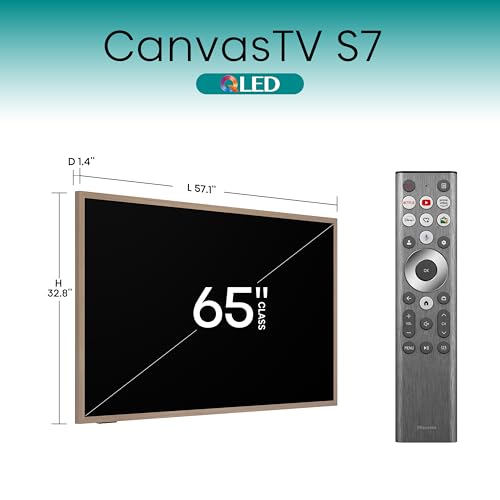
Yes, both TVs can be wall mounted. The Hisense 65" S7N CanvasTV QLED 4K Smart Display includes an ultra-slim wall mount that positions the TV just 1.4 inches from the wall, creating a painting-like appearance that's central to its design. The TCL 65" QM9K QD-Mini LED Smart TV supports standard wall mounting but doesn't include the specialized hardware, focusing instead on traditional placement flexibility.
The TCL 65" QM9K QD-Mini LED Smart TV maintains better color accuracy and brightness when viewed from wide angles, making it ideal for family rooms with multiple seating positions. The Hisense 65" S7N CanvasTV uses a VA panel that shows more color fade when viewed from the side, but this is less problematic when wall-mounted and viewed straight-on as intended.
For dedicated home theater use, the TCL 65" QM9K QD-Mini LED Smart TV is the superior choice. Its advanced Mini LED backlighting with 6,000 dimming zones, higher peak brightness, and excellent viewing angles make it ideal for controlled lighting environments where picture quality is paramount. The Hisense CanvasTV works well in home theaters but is optimized more for living room use.
Both the TCL 65" QM9K QD-Mini LED Smart TV and Hisense 65" S7N CanvasTV QLED 4K Smart Display support major HDR formats including HDR10, HDR10+, and Dolby Vision. However, the TCL QM9K can actually display HDR content with much greater impact due to its significantly higher peak brightness and superior contrast control, making HDR movies and shows look more realistic and immersive.
We've done our best to create useful and informative comparisons to help you decide what product to buy. Our research uses advanced automated methods to create this comparison and perfection is not possible - please contact us for corrections or questions. These are the sites we've researched in the creation of this article: rtings.com - bestbuy.com - youtube.com - youtube.com - youtube.com - techaeris.com - displayspecifications.com - pcrichard.com - residentialsystems.com - us.tcl.com - displayspecifications.com - valueelectronics.com - woodruffappliance.com - tcl.com - pcrichard.com - tcl.com - techradar.com - tcl.com - us.tcl.com - youtube.com - youtube.com - bestbuy.com - youtube.com - bestbuy.com - hisense.sg - tomsguide.com - content.syndigo.com - rtings.com - hisense-usa.com - youtube.com - bestbuy.com - youtube.com - displayspecifications.com - displayspecifications.com - manuals.plus - displayspecifications.com - bestbuy.com - hisense-canada.com - manuals.plus - bargainoutletandmore.com - bestbuy.com - device.report

Privacy Policy
Terms and Conditions - Affiliate Policy
Home Security
© Copyright 2008-2026.
11816 Inwood Rd #1211, Dallas, TX 75244