

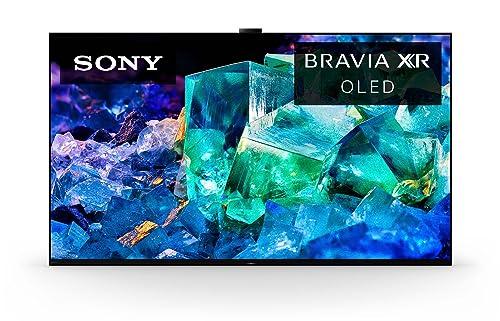


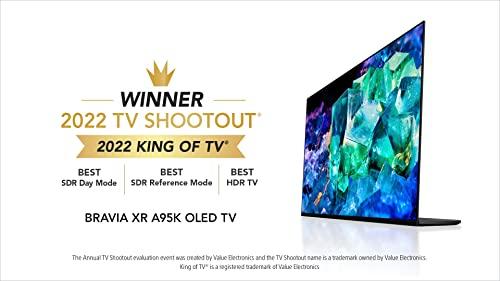
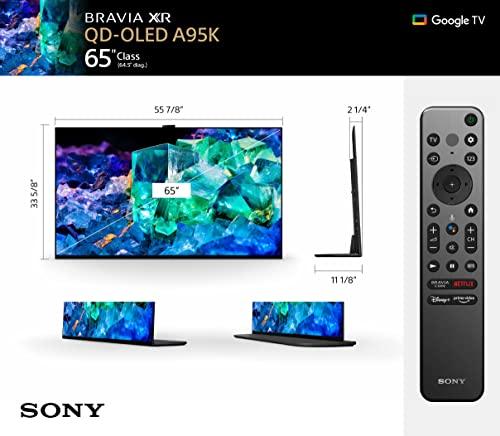




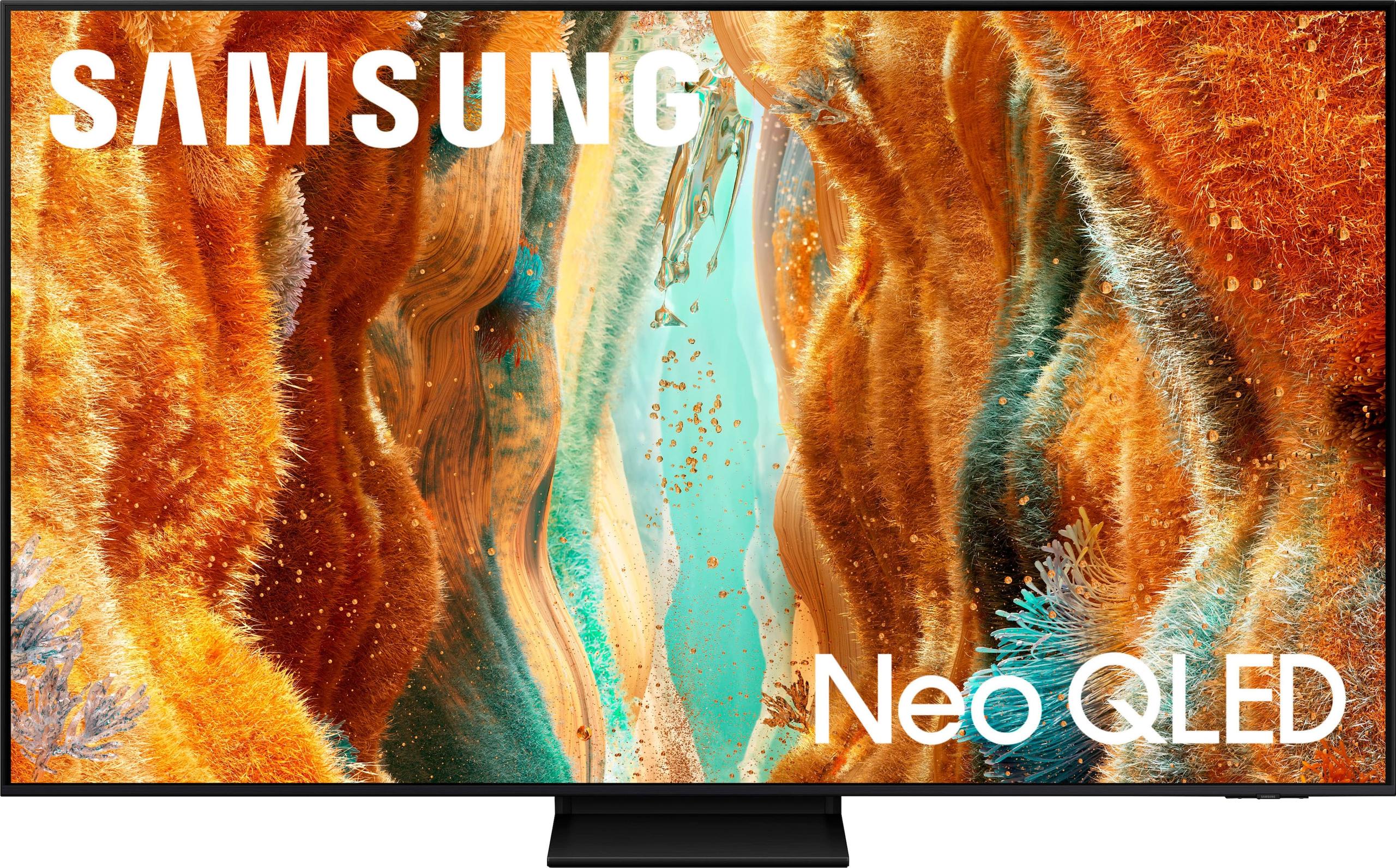
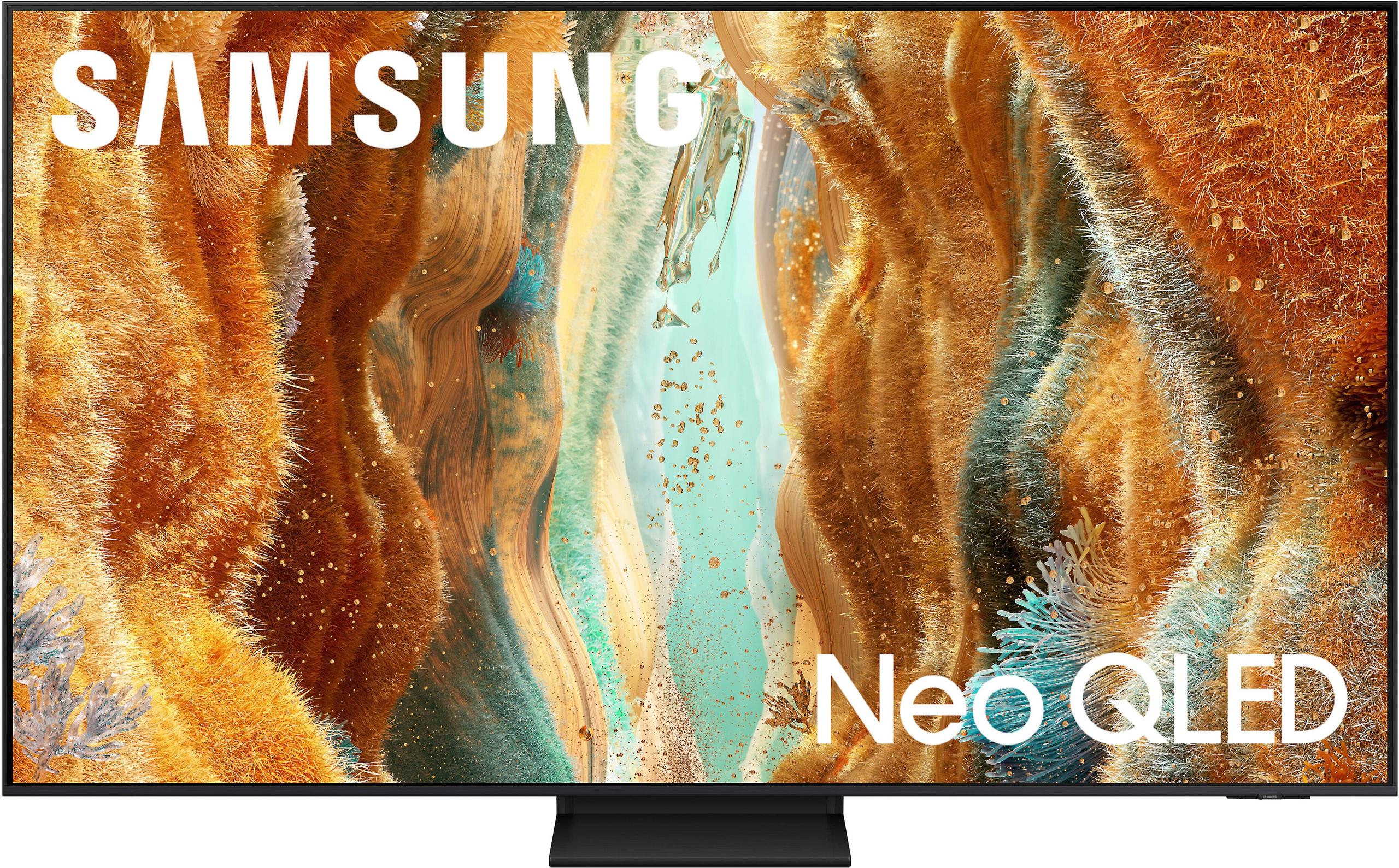
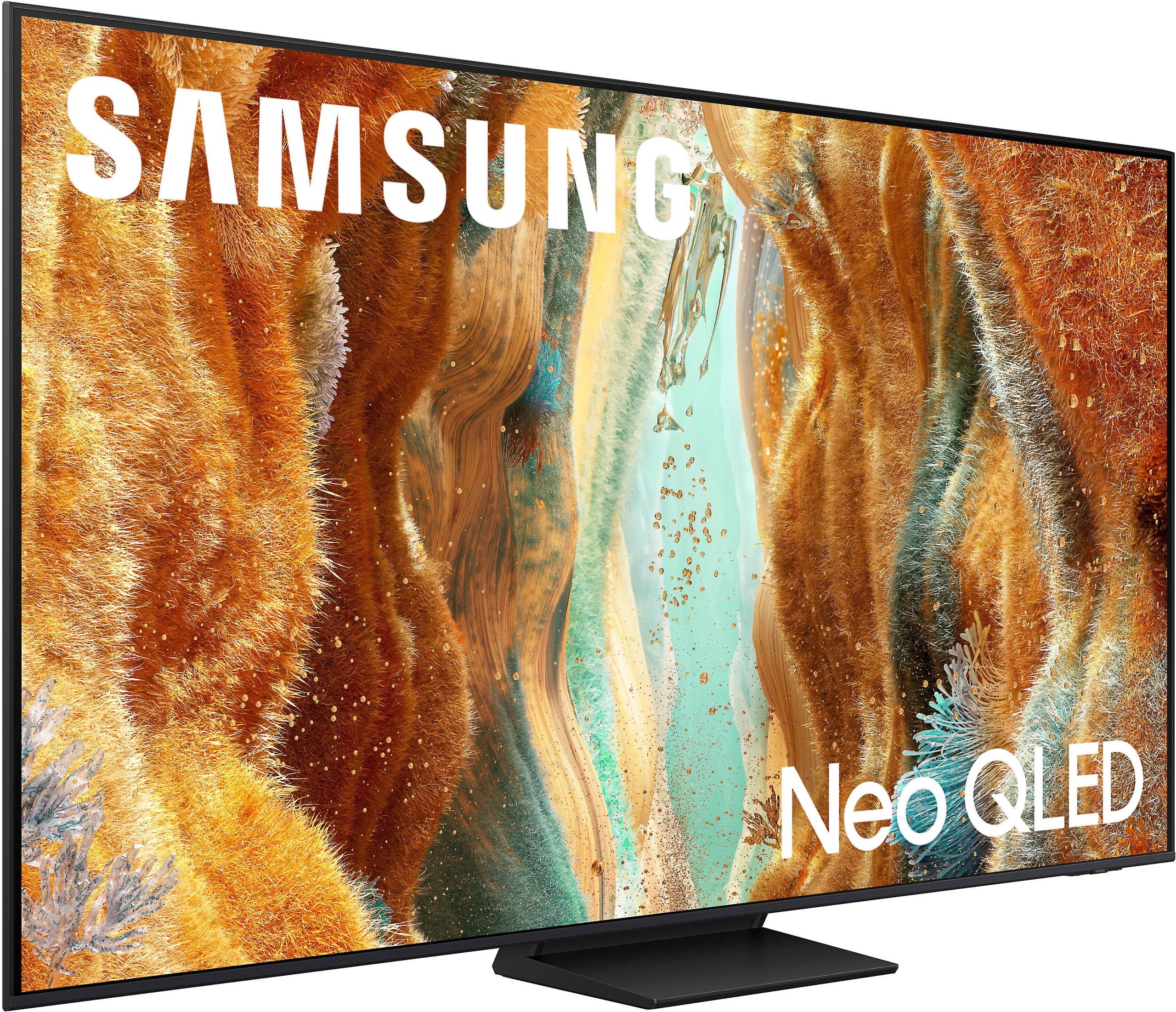
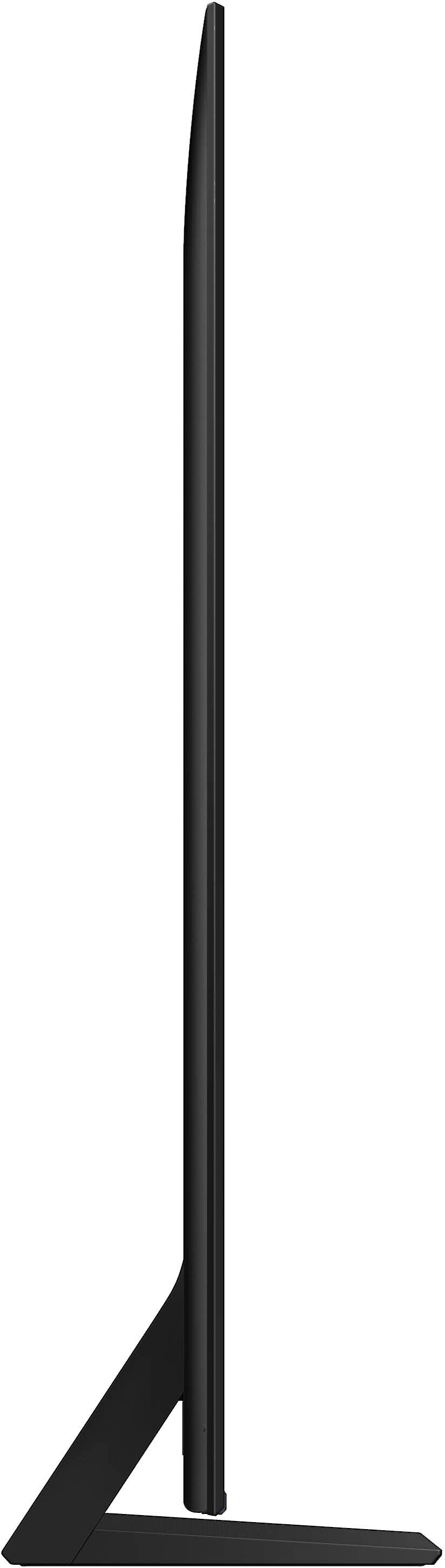

When shopping for a high-end television, you're essentially choosing between two fundamentally different approaches to creating stunning pictures. The Sony Bravia XR A95K, released in 2022, pioneered consumer QD-OLED technology—a breakthrough that combines the perfect blacks of OLED with quantum dot color enhancement. Meanwhile, the Samsung QN70F Neo QLED, launched in 2025, represents the latest evolution of Mini LED technology enhanced by artificial intelligence features.
At the time of writing, these TVs sit in very different price brackets. The Sony A95K commands a premium price reflecting its cutting-edge display technology, while the Samsung QN70F offers remarkable value by bringing advanced features to a much more accessible price point. This significant price difference reflects not just the technology inside, but also when these products were positioned in their respective company's lineups.
The television landscape has evolved dramatically over the past few years. Traditional LED TVs, which use a backlight behind the entire screen, have given way to more sophisticated technologies that offer better control over light and color.
OLED (Organic Light-Emitting Diode) displays create light at the pixel level—each individual dot on the screen can turn completely on or off independently. This means when you're watching a movie with a starry night scene, the black areas are truly black, not just "dark gray" like on traditional TVs. However, pure OLED panels have historically struggled with brightness, especially when displaying vivid colors in bright scenes.
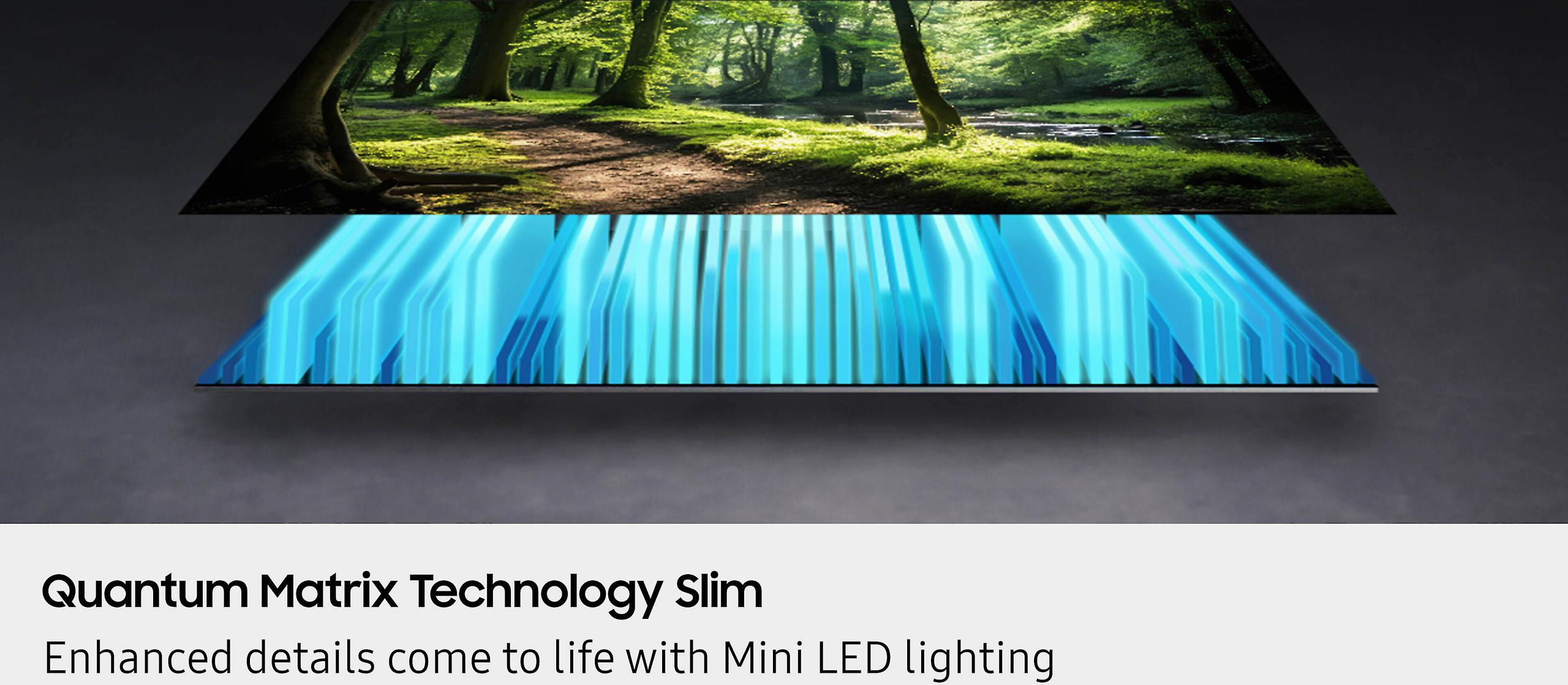
Mini LED technology takes a different approach. Instead of lighting the entire screen from behind, it uses thousands of tiny LED lights arranged in zones behind the screen. These zones can dim or brighten independently, creating much better contrast than traditional LED TVs. The "mini" part matters—these LEDs are significantly smaller than regular backlights, allowing for more precise control and less light bleeding between bright and dark areas.
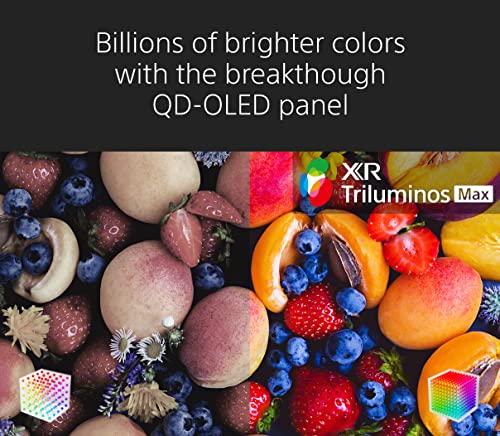
The Sony A95K represents something genuinely new in television technology. QD-OLED (Quantum Dot OLED) combines the best aspects of both technologies. It uses blue OLED pixels as a light source, then converts some of that blue light to red and green using quantum dots—microscopic particles that emit specific colors when excited by light.
This hybrid approach solves OLED's traditional brightness limitations. Where conventional OLED TVs might struggle to display bright, saturated colors, the Sony A95K delivers up to 200% higher color brightness. This means vibrant reds and lush greens remain vivid even in bright scenes, rather than appearing muted or washed out.
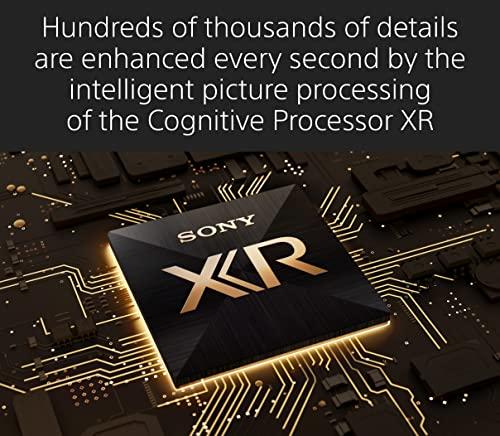
Sony's Cognitive Processor XR takes this technology further by analyzing content the way human brains process visual information. Rather than treating each pixel independently, it considers how different screen areas relate to each other, enhancing contrast and detail where your eyes naturally focus. The XR Triluminos Max color technology leverages Sony's decades of camera sensor expertise, drawing from the same color science used in their professional filmmaking equipment.
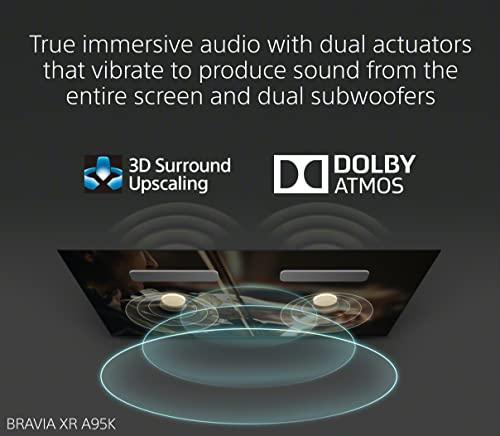
Perhaps most innovative is the Sony A95K's Acoustic Surface Audio+ system. Instead of traditional speakers, actuators behind the screen vibrate the display itself to produce sound. This creates an uncanny effect where dialogue seems to come directly from actors' mouths and sound effects appear to originate from their exact screen locations. The TV can even function as a center channel speaker in a surround sound system, seamlessly blending with external speakers.
Since the A95K's 2022 release, QD-OLED technology has continued evolving. Samsung has introduced their own QD-OLED panels, and brightness levels have improved further. However, the Sony A95K remains highly regarded for its color accuracy and professional-grade image processing.
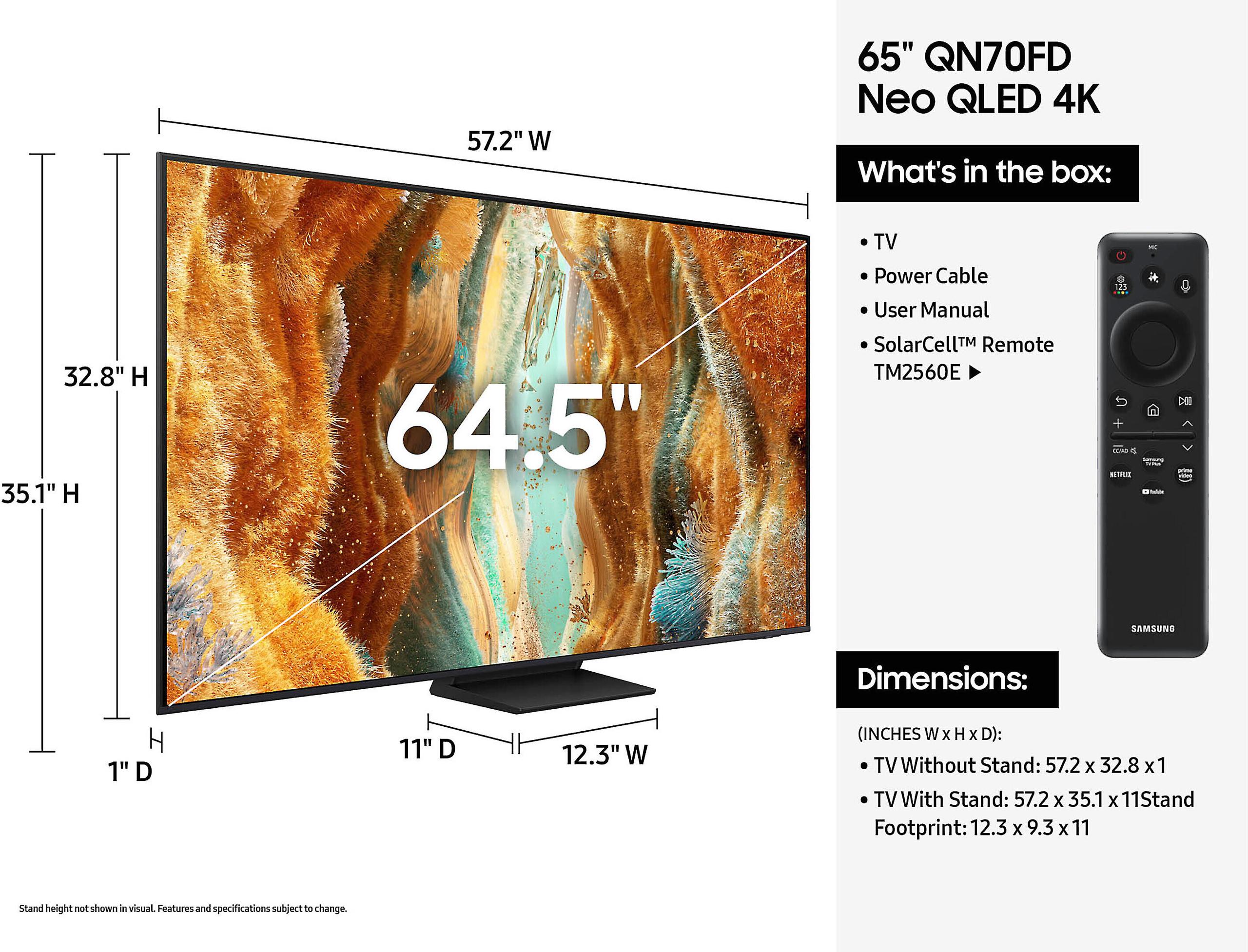
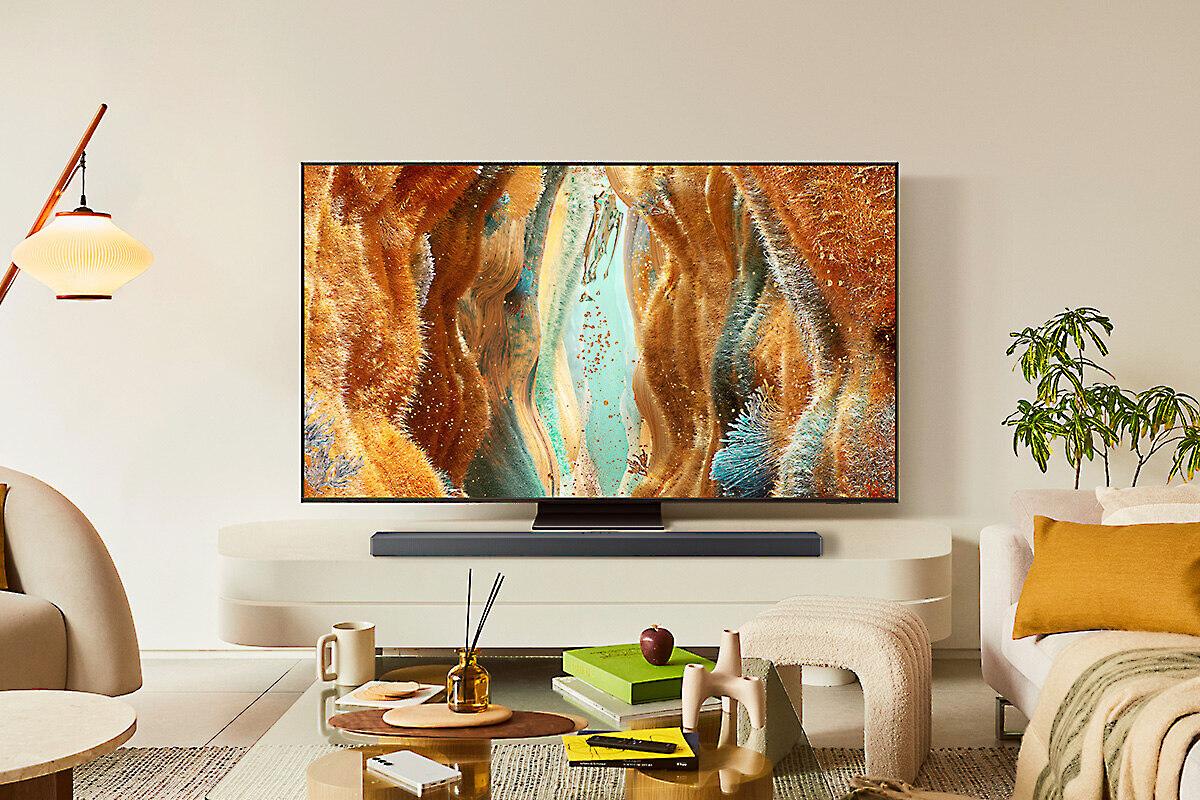
The Samsung QN70F represents Samsung's 2025 vision for accessible premium television technology. Built around Quantum Matrix Slim Mini LED technology, it uses precisely controlled mini LEDs to create impressive contrast while maintaining higher peak brightness than OLED alternatives.
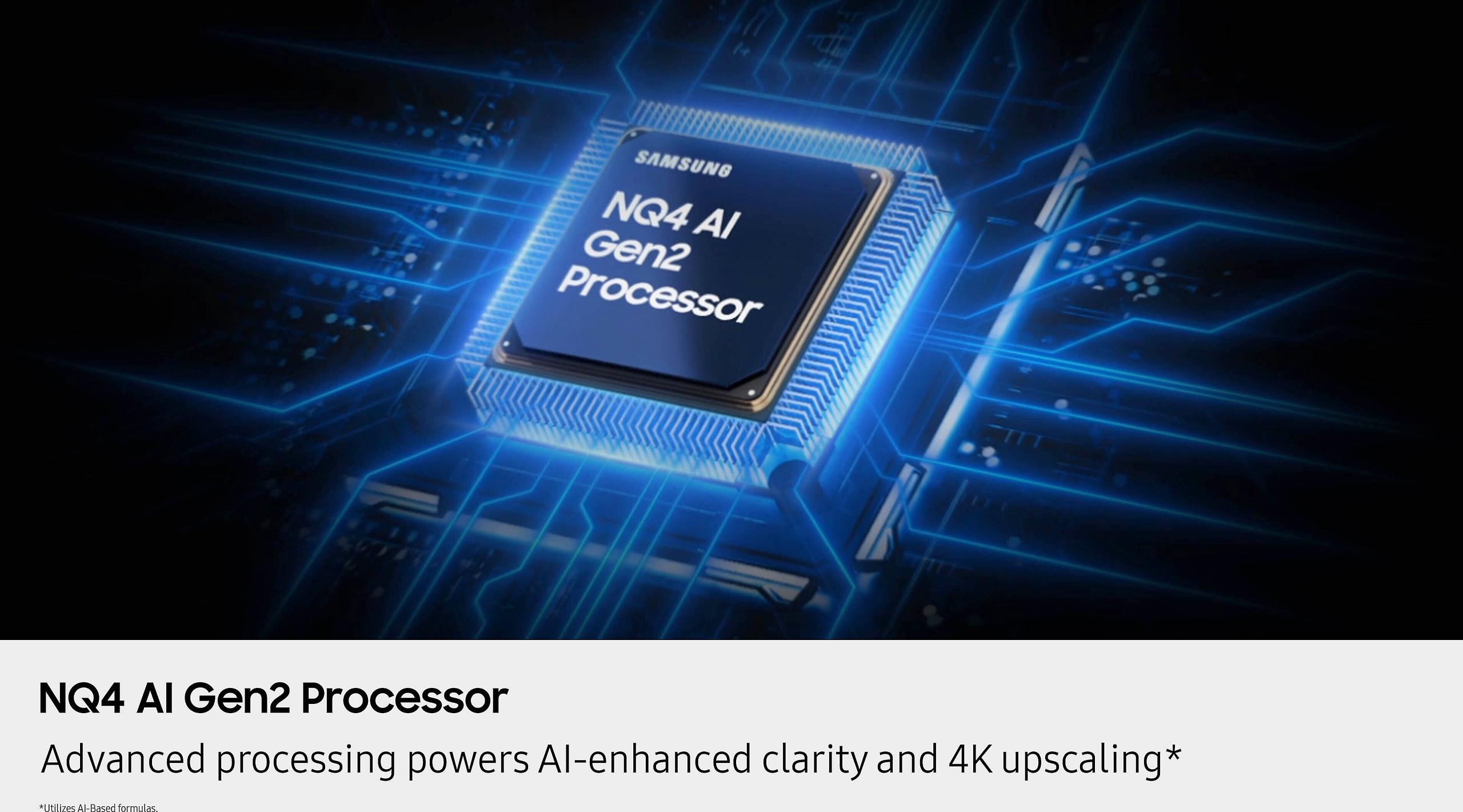
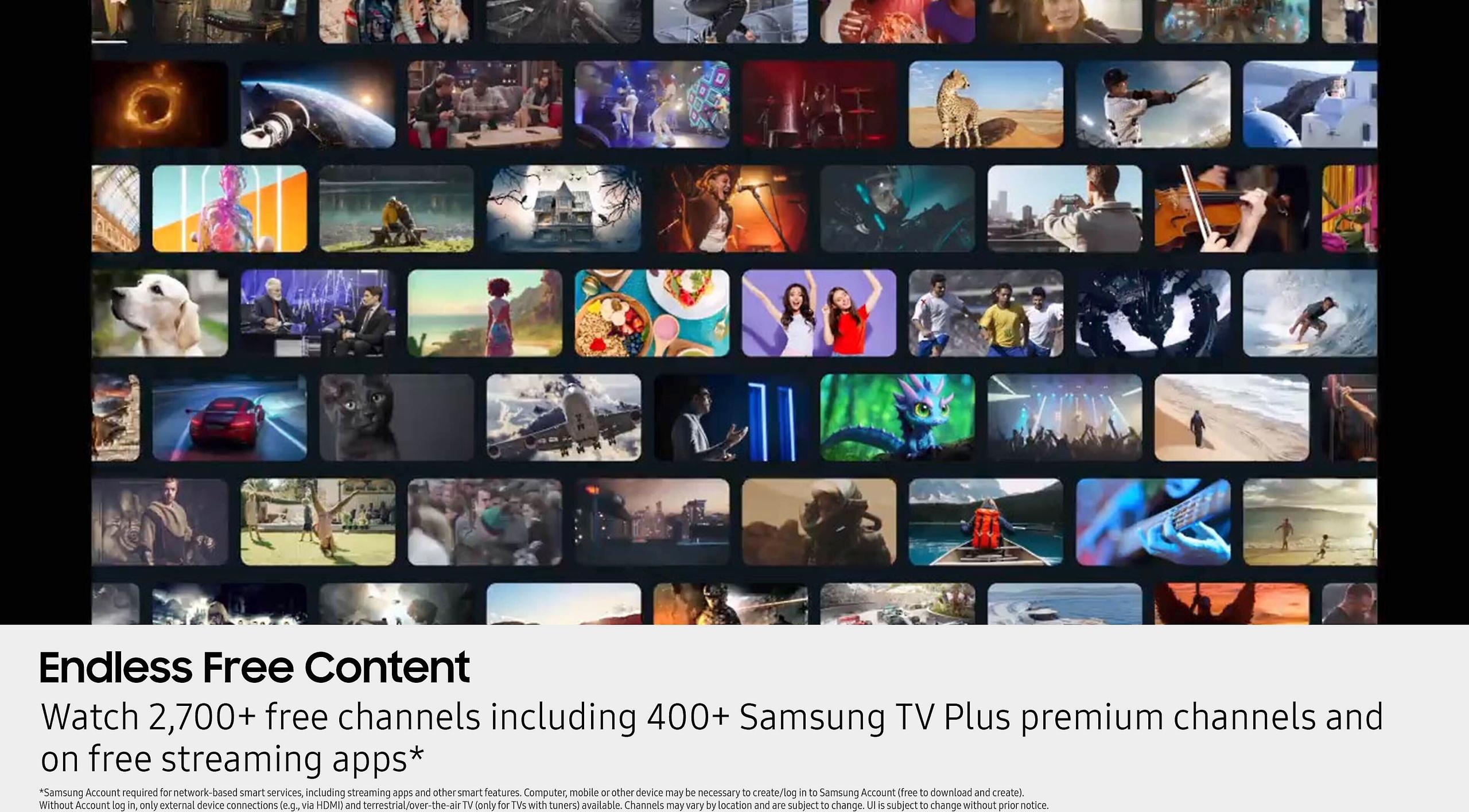
What sets the Samsung QN70F apart is its NQ4 AI Gen2 processor and Samsung Vision AI features. This isn't just marketing speak—the AI genuinely enhances the viewing experience in practical ways. The "Click to Search" feature can identify actors on screen and provide information about them, while "Live Translate" offers real-time subtitle translation for foreign content. These features showcase how AI can make TVs more interactive and informative.
The AI processing also handles traditional tasks like upscaling lower-resolution content to 4K. Rather than simply stretching pixels, the system analyzes the content type and applies appropriate enhancement techniques. Sports content receives different treatment than movies, and animation is processed differently than live action.
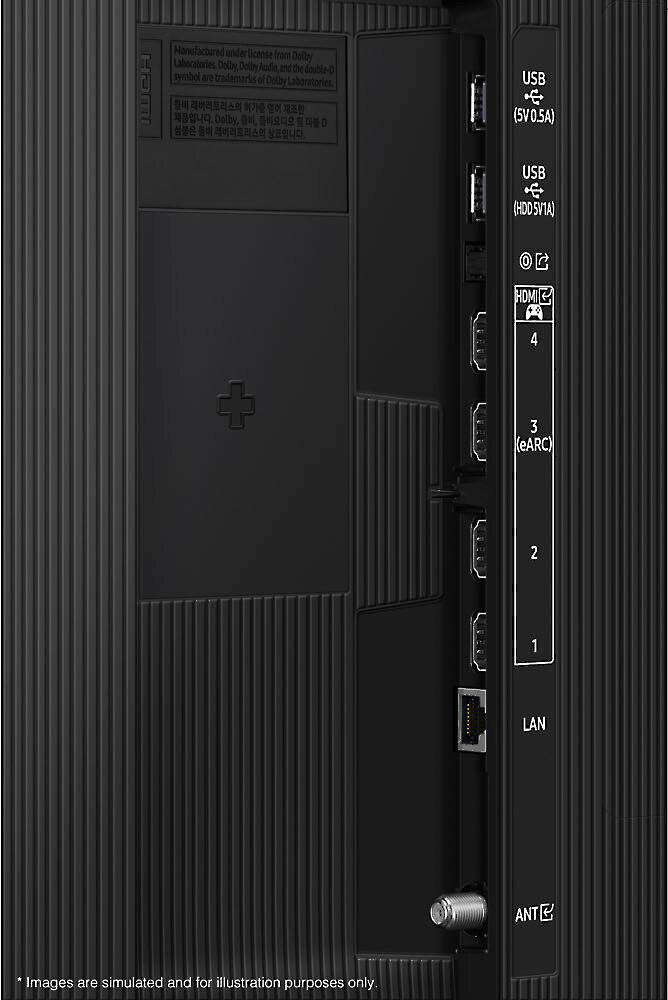
For gaming enthusiasts, the Samsung QN70F includes four HDMI 2.1 ports supporting up to 4K at 144Hz refresh rates. AMD FreeSync Premium Pro technology reduces screen tearing and stuttering while maintaining low input lag. This makes it particularly appealing for PC gamers who want to take advantage of high refresh rate gaming.
The most important question isn't which technology sounds more impressive, but which delivers better real-world viewing experiences. Based on our analysis of professional reviews and user feedback, each TV excels in different scenarios.
Contrast Performance: The Sony A95K achieves perfect blacks due to its OLED technology—when a pixel needs to be black, it simply turns off completely. This creates infinite contrast ratios that no backlit display can match. The Samsung QN70F delivers excellent contrast for a Mini LED TV, but some light bleeding around bright objects is inevitable due to the zone-based backlighting system.
Brightness Capabilities: Here, the Samsung QN70F likely has an advantage in peak brightness, making it better suited for bright living rooms with lots of windows. Mini LED technology generally achieves higher nit levels (brightness measurements) than OLED. The Sony A95K reaches impressive brightness for an OLED at around 1,000 nits peak, but Samsung's Mini LED can typically push brighter.
Color Accuracy: The Sony A95K excels with reference-quality color reproduction that closely matches how content creators intended their work to be seen. Sony's professional equipment heritage shows here—colors appear natural and film-like. The Samsung QN70F tends toward more vibrant, punchy colors that many viewers prefer for everyday content, though it may oversaturate compared to reference standards.
HDR Performance: Both TVs handle HDR (High Dynamic Range) content well, but with different strengths. The Sony A95K supports Dolby Vision, which provides scene-by-scene optimization and is widely considered the premium HDR format. The Samsung QN70F focuses on HDR10+ instead, which offers similar dynamic metadata but isn't as universally supported by streaming services.
Modern gaming requires TVs that can keep up with fast-paced action and high frame rates. Both TVs support HDMI 2.1 features like Variable Refresh Rate (VRR) and Auto Low Latency Mode (ALLM), but they implement these differently.
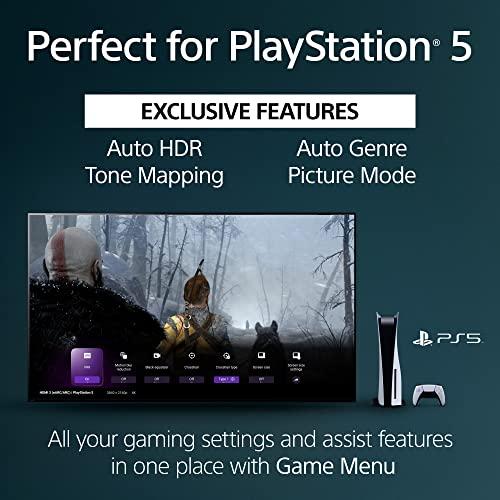
The Sony A95K offers excellent gaming performance with two HDMI 2.1 ports supporting 4K at 120Hz. It includes special PlayStation 5 optimizations like Auto HDR Tone Mapping, which automatically adjusts HDR settings for optimal gaming. However, you must manually switch between Dolby Vision mode and VRR—you can't use both simultaneously.
The Samsung QN70F provides more flexibility with four HDMI 2.1 ports and support for up to 144Hz refresh rates. This makes it better suited for users with multiple gaming devices or those wanting to future-proof their setup. The AMD FreeSync Premium Pro support is particularly beneficial for PC gamers with compatible graphics cards.
Input lag—the delay between pressing a controller button and seeing the action on screen—is crucial for competitive gaming. Both TVs achieve low input lag in game modes, though the Samsung QN70F may have a slight advantage based on Samsung's recent focus on gaming performance.
Audio often gets overlooked when comparing TVs, but it significantly impacts the viewing experience. The Sony A95K takes a revolutionary approach with its Acoustic Surface Audio+ technology. By using the screen itself as a speaker membrane, it creates precise audio positioning that traditional speakers cannot match. When characters speak, their voices seem to come directly from their mouths rather than from speakers below the screen.
This technology particularly benefits movies and shows with complex soundscapes. In action scenes, explosions and gunfire appear to originate from their exact screen locations, creating a more immersive experience without additional speakers.
The Samsung QN70F uses more conventional Object Tracking Sound Lite technology with traditional speaker placement. While it attempts to match sound to on-screen action, it cannot achieve the precise positioning of Sony's screen-based approach. However, it supports Q-Symphony for seamless integration with Samsung soundbars, potentially creating better overall audio systems when paired with external speakers.
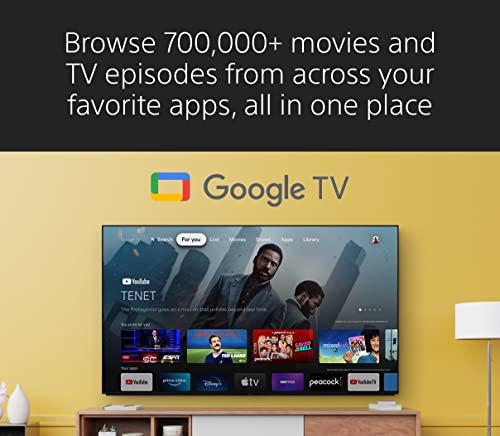
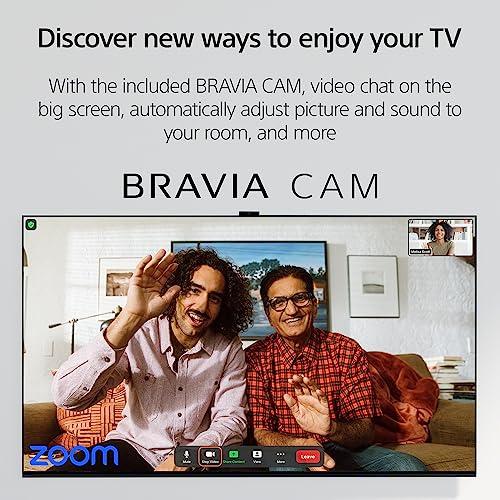
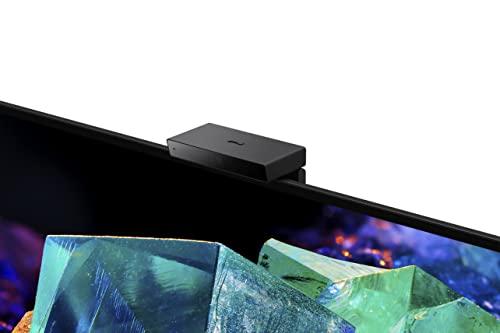
Smart TV platforms have become increasingly important as streaming replaces traditional cable viewing. The Sony A95K runs Google TV, which provides a clean, responsive interface with comprehensive app support. It includes the BRAVIA CAM for gesture controls and video calling, but generally focuses on core functionality over flashy features.
The Samsung QN70F showcases Samsung's vision for AI-enhanced television with Vision AI features that feel genuinely useful rather than gimmicky. Being able to identify actors or translate subtitles in real-time demonstrates how AI can enhance the viewing experience in practical ways.
Both platforms receive regular updates, but Samsung's Tizen OS has historically provided longer support lifecycles and more extensive smart home integration capabilities.
Your viewing environment significantly influences which TV will provide the better experience. The Sony A95K excels in dark to moderately lit rooms where its perfect blacks and color accuracy can shine. In bright rooms with lots of ambient light, the black levels may appear slightly elevated, reducing contrast.
The Samsung QN70F handles bright rooms better due to higher peak brightness and Mini LED's inherent resistance to ambient light interference. If your TV is in a living room with large windows or bright lighting, this becomes a significant advantage.
Viewing angles also matter if family members watch from different positions. OLED technology maintains color accuracy and contrast from extreme angles, while Mini LED displays may show some color shifting when viewed from the side.
At the time of writing, these TVs target different market segments despite both being considered "premium." The Sony A95K justifies its higher price through breakthrough display technology and exceptional picture quality. It's positioned for enthusiasts who prioritize cutting-edge performance and are building dedicated home theater spaces.
The Samsung QN70F offers remarkable value by delivering advanced features and solid performance at a more accessible price point. It brings technologies like 144Hz gaming and AI features to users who want premium capabilities without flagship pricing.
Since the Sony A95K's 2022 release, QD-OLED panel costs have decreased somewhat, but it remains a premium technology. The Samsung QN70F benefits from being Samsung's entry-level Neo QLED model, making Mini LED technology more affordable than ever.
Choose the Sony A95K if you prioritize absolute picture quality and have a dedicated viewing environment. Its QD-OLED technology delivers reference-quality images with perfect blacks and exceptional color accuracy. The innovative audio system creates an immersive experience that's hard to match. This TV is ideal for movie enthusiasts, home theater builders, and anyone who appreciates cutting-edge display technology.
Select the Samsung QN70F if you want modern features at practical pricing, especially in bright rooms. Its Mini LED technology, extensive gaming capabilities, and AI features provide excellent value. The higher brightness and multiple HDMI 2.1 ports make it particularly suitable for gaming enthusiasts and families who need versatility.
Both TVs represent significant investments in your entertainment setup. The Sony A95K offers a glimpse into the future of display technology with performance that justifies its premium positioning. The Samsung QN70F proves that advanced TV technology doesn't require flagship pricing, delivering features and performance that would have been unimaginable just a few years ago.
The choice ultimately depends on your priorities, budget, and viewing environment. Either way, you're getting technology that transforms how you experience movies, shows, and games at home.
| Sony Bravia XR A95K 65" QD-OLED TV | Samsung 65" QN70F Neo QLED 4K Vision AI Smart TV 2025 |
|---|---|
| Display Technology - The foundation that determines picture quality | |
| QD-OLED with perfect blacks and infinite contrast | Mini LED with precise dimming zones and higher peak brightness |
| Brightness Performance - Critical for bright room viewing | |
| Up to 1,000 nits peak (excellent for dark/moderate rooms) | Higher peak brightness typical of Mini LED (better for bright rooms) |
| Black Level Performance - Makes the biggest visual impact | |
| Perfect blacks with pixels that turn completely off | Excellent blacks for Mini LED but some light bleeding possible |
| Color Accuracy - Important for cinematic content | |
| Reference-quality color matching professional monitors | Vibrant, punchy colors that may oversaturate but appear more vivid |
| HDR Support - Affects streaming and gaming visual quality | |
| HDR10, HLG, Dolby Vision (premium format) | HDR10+, Neo Quantum HDR (good but less universal than Dolby Vision) |
| Gaming Features - Essential for console and PC gaming | |
| 2x HDMI 2.1, 4K@120Hz, VRR, PS5 optimizations | 4x HDMI 2.1, 4K@144Hz, VRR, AMD FreeSync Premium Pro |
| Audio Innovation - Impacts immersion without soundbar | |
| Acoustic Surface Audio+ (screen vibrates to create sound) | Object Tracking Sound Lite (traditional speakers with positioning) |
| Smart Platform - Determines app availability and updates | |
| Google TV with clean interface and BRAVIA CAM | Tizen with Samsung Vision AI (Click to Search, Live Translate) |
| Processor Technology - Handles upscaling and image enhancement | |
| Cognitive Processor XR (mimics human visual processing) | NQ4 AI Gen2 (AI-powered upscaling and content optimization) |
| Release Year & Technology Maturity | |
| 2022 QD-OLED pioneer (proven but premium technology) | 2025 Mini LED with latest AI features (newer tech at entry-level pricing) |
| Best Use Cases - Who should buy which TV | |
| Home theaters, movie enthusiasts, dark room viewing | Bright rooms, gamers, families wanting AI features at better value |
The Sony Bravia XR A95K delivers superior picture quality for movies with its QD-OLED technology that produces perfect blacks and reference-quality colors. Its Cognitive Processor XR mimics human visual processing for more natural images, while the infinite contrast ratio creates the cinematic experience that filmmakers intended. The Samsung QN70F Neo QLED offers excellent picture quality with vibrant colors and good contrast, but cannot match the perfect blacks of OLED technology.
QD-OLED in the Sony A95K uses self-emitting pixels that can turn completely off for perfect blacks and infinite contrast, enhanced with quantum dots for brighter colors. Mini LED in the Samsung QN70F uses thousands of tiny LED backlights in zones for precise dimming control, achieving excellent contrast while maintaining higher peak brightness than traditional OLED displays.
The Samsung QN70F Neo QLED performs better in bright rooms due to its Mini LED technology's higher peak brightness and better resistance to ambient light reflection. The Sony A95K excels in dark to moderately lit environments where its perfect blacks can shine, but may show slightly elevated black levels in very bright conditions.
The Samsung QN70F offers superior gaming connectivity with four HDMI 2.1 ports supporting up to 144Hz refresh rates and AMD FreeSync Premium Pro. The Sony A95K provides excellent gaming with two HDMI 2.1 ports at 120Hz, special PlayStation 5 optimizations, and low input lag, but fewer connection options for multiple gaming devices.
The Sony A95K features revolutionary Acoustic Surface Audio+ technology where the screen itself vibrates to produce sound, creating precise audio positioning where dialogue comes directly from actors' mouths. The Samsung QN70F uses traditional Object Tracking Sound Lite with conventional speakers, which is good but cannot match the immersive positioning of Sony's screen-based audio system.
The Samsung QN70F includes cutting-edge Samsung Vision AI with features like Click to Search for actor identification and Live Translate for real-time subtitle translation. The Sony A95K runs Google TV with a clean interface, comprehensive app support, and includes the BRAVIA CAM for gesture controls and video calling.
The Samsung QN70F provides exceptional value by offering Mini LED technology, AI features, and extensive gaming capabilities at an accessible price point. The Sony A95K justifies its premium pricing with breakthrough QD-OLED technology and superior picture quality, making it better value for those prioritizing cutting-edge display performance.
The Sony A95K supports HDR10, HLG, and Dolby Vision, with the latter being the premium HDR format widely used by streaming services and offering scene-by-scene optimization. The Samsung QN70F focuses on HDR10+ and Neo Quantum HDR, which provide good dynamic range enhancement but lack the universal support of Dolby Vision.
The Sony A95K excels in dedicated home theater environments with its perfect blacks, reference-quality colors, and innovative screen-based audio system that can even function as a center channel speaker. The cinema-grade image processing and support for Dolby Vision make it ideal for the darkened viewing conditions typical of home theaters.
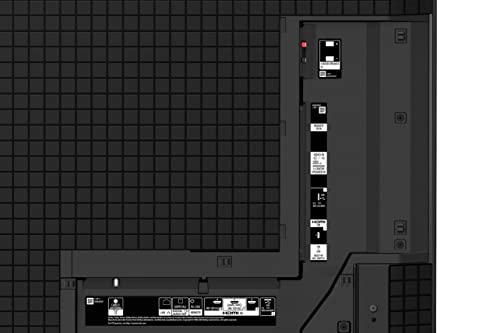
The Samsung QN70F offers more comprehensive connectivity with four HDMI 2.1 ports, making it better for users with multiple gaming consoles, streaming devices, and other equipment. The Sony A95K provides two HDMI 2.1 ports with eARC support, which is sufficient for most setups but may require careful port management for extensive equipment.
Both TVs excel at upscaling lower-resolution content to 4K. The Sony A95K uses XR 4K Upscaling with decades of camera sensor expertise for natural-looking enhancement. The Samsung QN70F employs AI-powered upscaling that analyzes content types and applies appropriate enhancement techniques for different media like sports, movies, and animation.
Both the Sony A95K and Samsung QN70F come from established manufacturers with good support records. The Sony model represents mature QD-OLED technology from 2022 that has proven reliable, while the Samsung model offers 2025's latest features with Samsung's historically strong smart TV update support and longer platform lifecycles.
We've done our best to create useful and informative comparisons to help you decide what product to buy. Our research uses advanced automated methods to create this comparison and perfection is not possible - please contact us for corrections or questions. These are the sites we've researched in the creation of this article: tomsguide.com - audioadvice.com - wepc.com - bestbuy.com - tvsbook.com - rtings.com - youtube.com - flatpanelshd.com - rtings.com - youtube.com - reviewed.com - avsforum.com - youtube.com - youtube.com - rtings.com - youtube.com - electronics.sony.com - sonypremiumhome.com - valueelectronics.com - sony.com - displayspecifications.com - flatpanelshd.com - donstv.com - youtube.com - businessinsider.com - youtube.com - displayspecifications.com - bestbuy.com - rtings.com - youtube.com - wifihifi.com - samsung.com - samsung.com - samsung.com - samsung.com - flatpanelshd.com - news.samsung.com - bestbuy.com

Privacy Policy
Terms and Conditions - Affiliate Policy
Home Security
© Copyright 2008-2026.
11816 Inwood Rd #1211, Dallas, TX 75244