





Choosing between the Samsung Q8F and Sony A95K feels like picking between two completely different philosophies of what makes a great television. After diving deep into user reviews and expert evaluations, these TVs represent fundamentally different approaches to premium display technology—and understanding these differences is crucial for making the right choice for your home.
The TV landscape has evolved dramatically over the past few years, with manufacturers pushing display technology in exciting new directions. At its core, the choice between premium TVs today often comes down to how they produce light and color. Traditional LCD TVs use a backlight behind the screen, while OLED displays create their own light at each pixel. Quantum dot technology adds another layer of complexity, using microscopic particles to enhance color reproduction.
When evaluating premium TVs, the most critical performance factors include peak brightness (how bright the screen can get for HDR content), contrast ratio (the difference between the darkest and brightest parts of an image), color gamut (the range of colors the TV can display), and local dimming (how precisely the TV can control brightness in different areas of the screen). These technical specifications directly impact your viewing experience, especially when watching movies with dramatic lighting or playing games with rich visual effects.
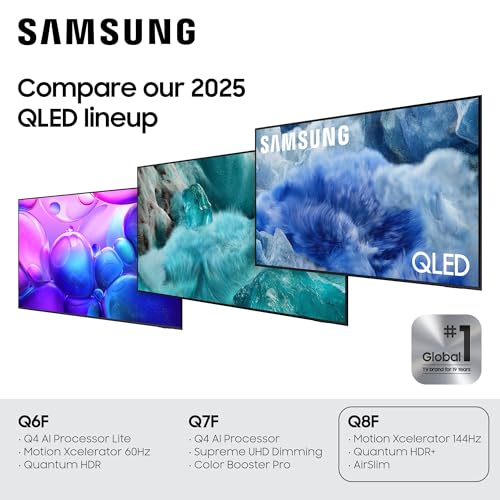
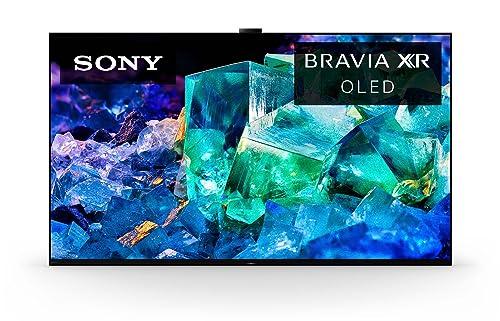
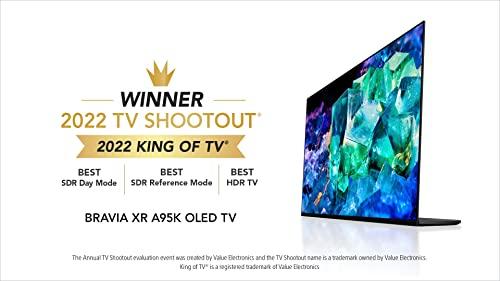
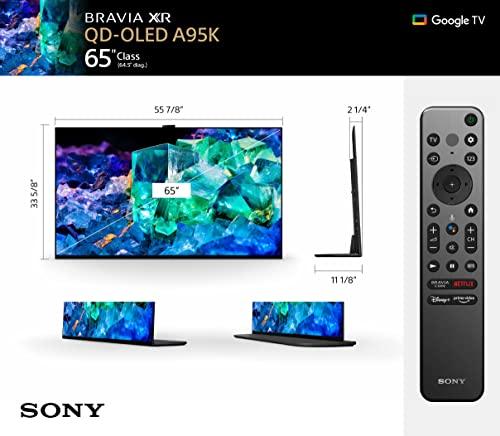
The Samsung Q8F launched in 2025 as part of Samsung's refreshed QLED lineup, incorporating improved quantum dot technology and enhanced AI processing compared to previous generations. Meanwhile, the Sony A95K debuted in 2022 as Sony's flagship introduction to QD-OLED technology, representing a breakthrough combination of OLED's perfect blacks with quantum dot's vibrant colors.
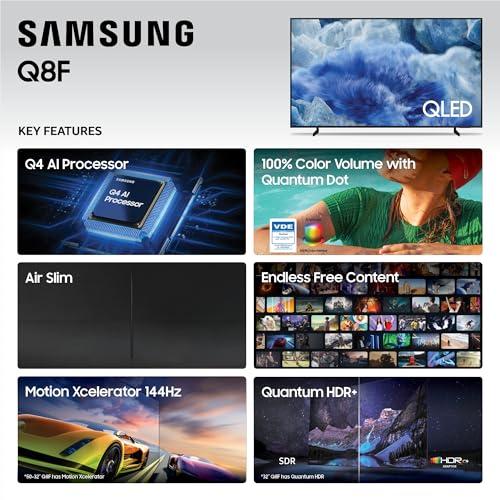
The fundamental difference between these TVs lies in how they create the images you see. The Samsung Q8F uses QLED (Quantum Dot LED) technology, which starts with a traditional LED backlight and adds a layer of quantum dots—tiny particles that convert blue light into pure red and green colors. This approach excels at producing incredibly bright images with vivid, saturated colors that really pop, especially in well-lit rooms.
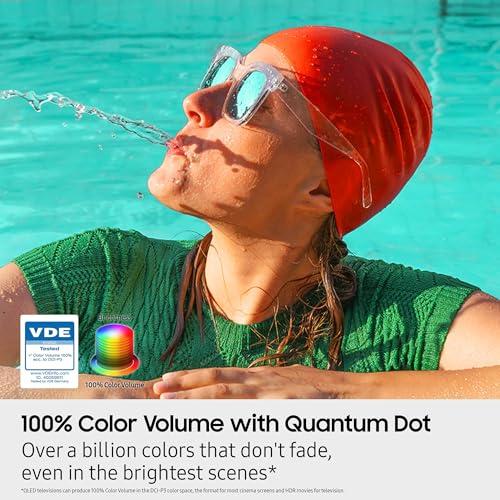
The quantum dot layer in the Samsung Q8F achieves what Samsung calls "100% Color Volume," meaning it can display vivid colors even at high brightness levels. Traditional TVs often struggle with this—colors tend to wash out as brightness increases. The Q8F's edge-lit LED design with local dimming helps control brightness across different areas of the screen, though it can't achieve the precise control of more expensive full-array systems.
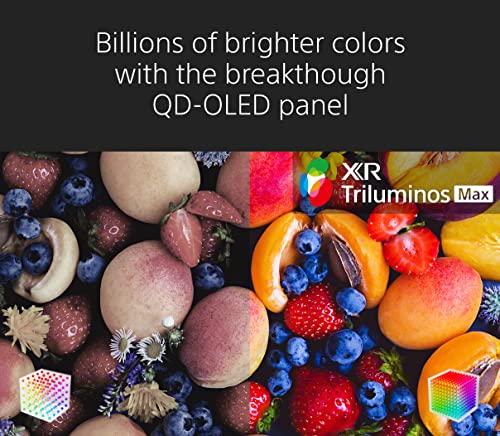
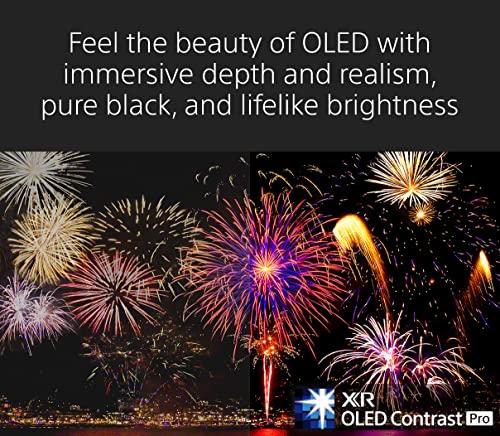
In contrast, the Sony A95K employs QD-OLED technology, which is genuinely revolutionary. Instead of using a backlight, each pixel creates its own light through organic compounds. But here's where it gets interesting: Sony combines this with quantum dots to convert blue OLED light into red and green, creating what's essentially a pure RGB display without the white subpixel found in traditional OLEDs.
This QD-OLED approach delivers several key advantages. First, you get perfect blacks because pixels can turn completely off—something impossible with any backlit display. Second, the quantum dot integration means colors are significantly brighter and more saturated than traditional OLEDs, addressing one of OLED's historical weaknesses. The result is a display that can show both perfect darkness and brilliant highlights within the same scene.
Based on extensive user feedback and professional reviews, the picture quality differences between these TVs are substantial and depend heavily on your viewing environment. The Samsung Q8F excels in bright rooms where its peak brightness of around 1,500 nits really matters. If you watch TV during the day with windows open or lights on, the Q8F maintains excellent image quality where many other displays would look washed out.
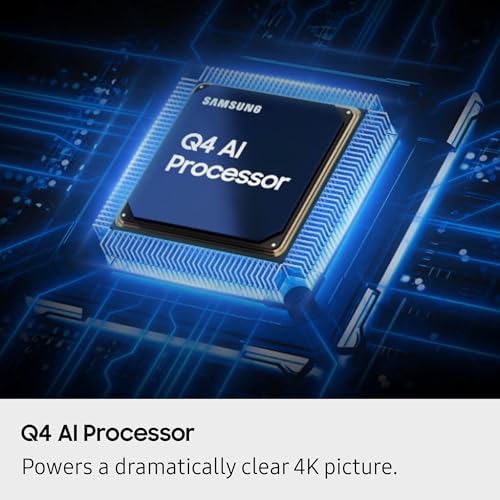
The Q8F's color performance is impressive, delivering the vivid, punchy look that many viewers prefer for sports, gaming, and HDR content. Its upscaling capabilities are particularly noteworthy—streaming content from Netflix or Disney+ looks remarkably sharp and detailed, thanks to Samsung's Q4 AI processor analyzing and enhancing lower-quality source material in real-time.
However, the Sony A95K takes picture quality to another level in most scenarios. The combination of perfect blacks and quantum dot-enhanced colors creates images that look almost three-dimensional. When watching movies with dramatic lighting—think dark space scenes with bright stars, or shadowy indoor scenes with sunlight streaming through windows—the A95K's contrast performance is simply unmatched.
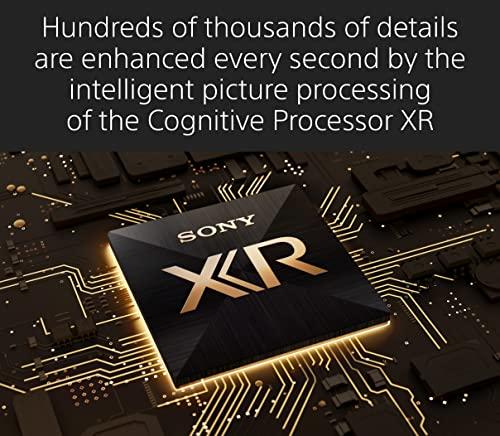
The Sony's Cognitive Processor XR deserves special mention here. Unlike traditional processors that optimize different picture elements separately, this system analyzes images the way human vision works, focusing on where your eyes naturally look and optimizing those areas for maximum impact. In practice, this means faces look more natural, motion appears smoother, and the overall image has a more lifelike quality.
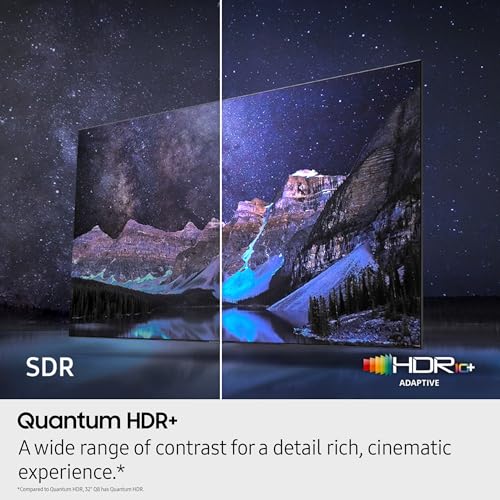
For HDR content, both TVs handle it well, but differently. The Samsung Q8F makes HDR highlights really pop with its superior peak brightness, creating that "wow factor" when bright objects appear on screen. The Sony A95K offers more nuanced HDR performance with better tone mapping—the process of converting HDR content to match your TV's capabilities—resulting in more filmlike presentation that stays true to the director's intent.
Gaming performance reveals another interesting contrast between these displays. The Samsung Q8F takes a more gaming-focused approach with lower input lag (the delay between pressing a button and seeing the result on screen) and more gaming-specific features. With input lag around 9.8ms in its fastest mode, competitive gamers will appreciate the responsive feel, especially for fast-paced shooters or fighting games.
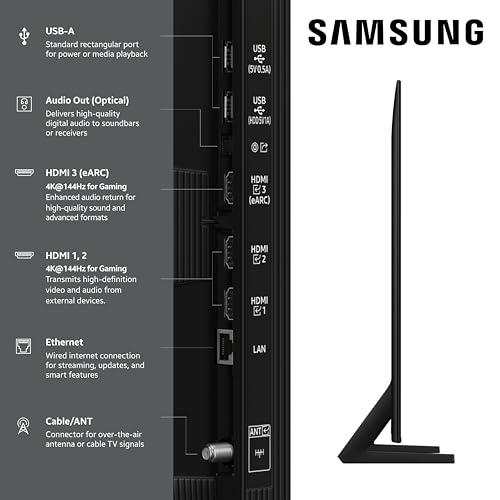
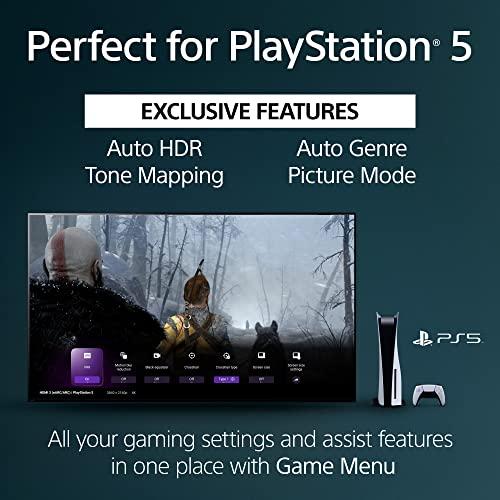
The Q8F also offers three HDMI 2.1 ports capable of handling 4K resolution at 120Hz refresh rates—crucial for next-generation consoles like PlayStation 5 and Xbox Series X. This means you can connect multiple gaming devices and a soundbar without compromising on features. The TV's Variable Refresh Rate (VRR) support eliminates screen tearing, while Auto Low Latency Mode (ALLM) automatically switches to the fastest settings when it detects a gaming signal.
The Sony A95K approaches gaming differently, prioritizing visual quality over absolute speed. While its input lag is slightly higher at around 15ms—still excellent for most gaming—the visual experience is extraordinary. Games look incredibly vibrant with perfect black levels, and the superior motion processing makes fast action sequences appear smoother and more detailed.
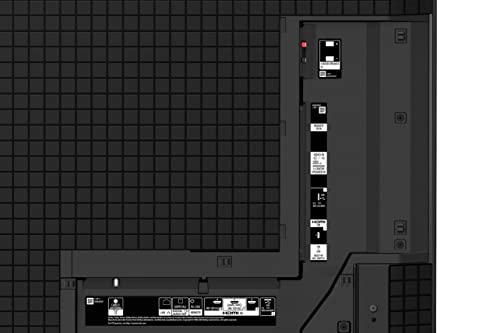
However, the A95K has some gaming limitations worth noting. It only includes two HDMI 2.1 ports, which can be restrictive if you have multiple current-generation consoles. Additionally, you can't use Dolby Vision (an advanced HDR format) simultaneously with 4K/120Hz gaming—you have to choose between the higher refresh rate or the better HDR processing.
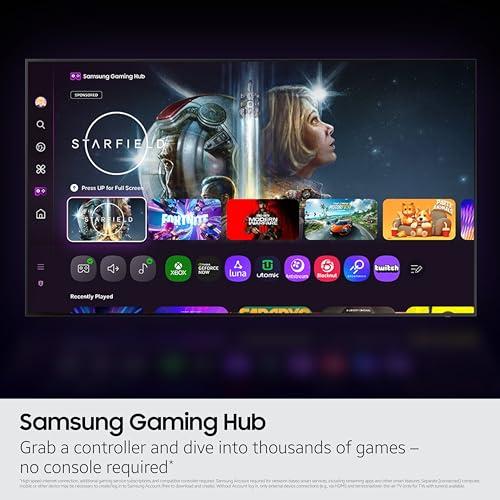
Both TVs offer comprehensive smart platforms, but with different strengths. The Samsung Q8F runs Samsung's Tizen operating system, which has matured into one of the most comprehensive smart TV platforms available. The interface is intuitive, with quick access to popular streaming services and Samsung's Gaming Hub, which allows cloud gaming without additional hardware.
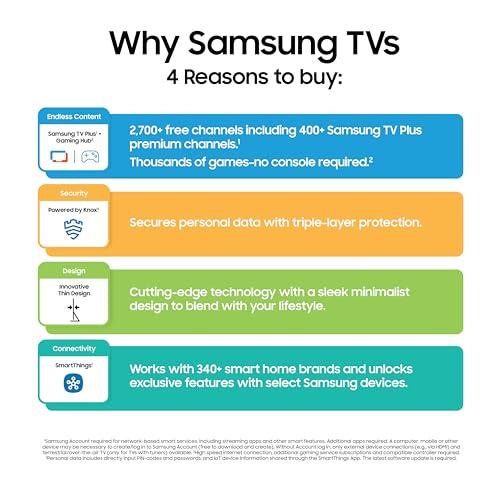
Samsung's integration with smart home systems is particularly strong. The Q8F can function as a SmartThings hub, controlling other smart devices in your home. Voice control works well with both Bixby and Alexa, and the TV can even display feeds from security cameras or control lights and thermostats.
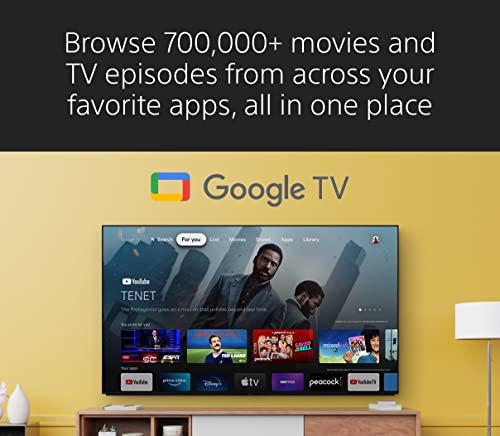
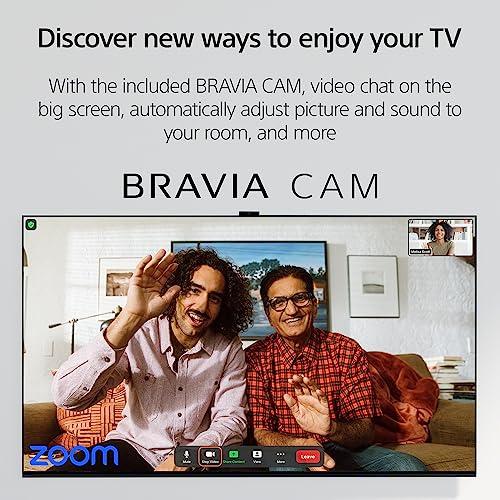
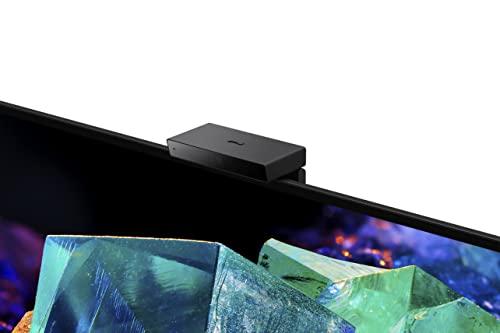
The Sony A95K uses Google TV, which excels at content discovery and recommendation. The platform learns your viewing preferences and suggests content across different streaming services, making it easier to find something to watch. The included BRAVIA CAM adds unique features like gesture control and video calling, though these feel more like nice-to-have extras than essential features.
Where the Sony really shines is in its picture processing and calibration options. It includes Netflix Calibrated Mode and BRAVIA CORE Calibrated Mode, which optimize the display specifically for these services. For movie enthusiasts who want the most accurate picture possible, these calibrated modes deliver reference-quality images.
Audio represents another area where these TVs take distinctly different approaches. The Samsung Q8F features a more traditional speaker setup with Object Tracking Sound Lite (OTS Lite), which attempts to make audio follow the action on screen. While the built-in speakers are adequate for casual viewing, they benefit significantly from pairing with a Samsung soundbar through the Q Symphony feature, which allows both the TV speakers and soundbar to work together.
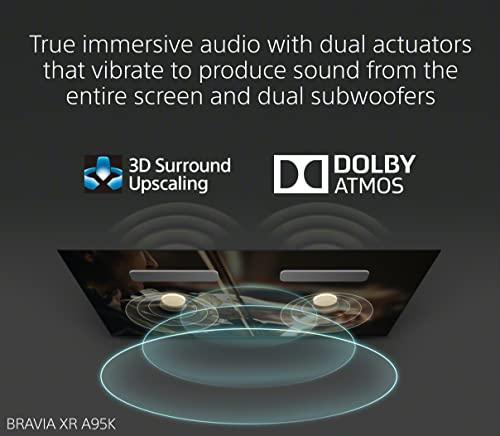
The Sony A95K incorporates one of the most innovative TV audio systems available: Acoustic Surface Audio+. Instead of traditional speakers, actuators behind the screen vibrate the display itself to produce sound. This creates a remarkably immersive experience where dialogue and effects seem to come directly from their location on screen. For a built-in TV audio system, it's genuinely impressive and reduces the immediate need for external speakers.
The Sony can even function as a center channel speaker in a home theater setup, seamlessly blending with external surround speakers. This flexibility makes it particularly appealing for home theater enthusiasts who want to build a high-quality audio system over time.
At the time of writing, these TVs occupy very different price segments, which significantly impacts their value propositions. The Samsung Q8F represents exceptional value in the premium QLED space, offering flagship-level features at a more accessible price point. For many buyers, it delivers 90% of the premium TV experience at roughly 60% of the cost of ultra-premium options.
The Q8F makes sense for families who want a significant upgrade from basic TVs without the premium associated with cutting-edge display technology. Its bright, vibrant picture works well for diverse viewing scenarios, from daytime TV watching to evening movie sessions.
The Sony A95K commands a substantial premium, reflecting its position as flagship technology. The QD-OLED panel remains expensive to manufacture, and Sony's target market consists of enthusiasts willing to pay for reference-quality performance. The price difference isn't just about brand premium—it reflects genuinely superior display technology and processing.
For home theater enthusiasts or those who prioritize absolute picture quality above all else, the Sony's premium can be justified. The improvement in contrast, color accuracy, and overall image quality is substantial and immediately noticeable in side-by-side comparisons.
Your room setup plays a crucial role in determining which TV will perform better. The Samsung Q8F excels in bright environments—living rooms with large windows, spaces with significant ambient lighting, or rooms where you watch TV throughout the day. Its high peak brightness ensures good visibility even with lights on or sunlight streaming in.
The Q8F's wider viewing angles, while not perfect, work reasonably well for larger families or frequent entertaining. The picture quality remains acceptable when viewed from the sides, though colors may shift slightly.
The Sony A95K performs best in controlled lighting environments where you can take advantage of its superior contrast ratio. Home theaters, media rooms, or living spaces where you can control ambient light will showcase the Sony's capabilities most effectively. The perfect blacks and subtle shadow details that make this TV special are less noticeable in bright environments.
However, the Sony offers excellent viewing angles thanks to its OLED technology, making it ideal for rooms where people sit at various positions relative to the screen.
After evaluating user feedback, expert opinions, and technical specifications, the decision comes down to your priorities and viewing habits. Choose the Samsung Q8F if you want excellent picture quality with strong value, need superior brightness for daytime viewing, prioritize gaming features and connectivity, or want a premium TV experience without flagship pricing.
The Q8F represents the sweet spot for most buyers—it delivers genuinely impressive performance across all categories while maintaining reasonable pricing. Its gaming capabilities and bright-room performance make it particularly appealing for active households with diverse viewing needs.
Opt for the Sony A95K if picture quality is your absolute priority, you watch primarily in controlled lighting, want cutting-edge display technology, or are building a dedicated home theater setup. The Sony justifies its premium through superior contrast, more accurate colors, and overall refinement that's immediately apparent in direct comparison.
The A95K is the choice for enthusiasts who view their TV as a long-term investment in display technology and are willing to pay significantly more for genuinely superior performance. Its QD-OLED technology represents the current state-of-the-art in consumer displays, and the improvement over traditional displays is substantial enough to warrant the premium for many buyers.
Both TVs excel in their respective categories, but they serve different audiences with different priorities. The Samsung offers exceptional value and practical performance, while the Sony delivers reference-quality results for those willing to invest in the absolute best display technology available.
| Samsung 65" QLED Q8F 4K Smart TV 2025 | Sony Bravia XR A95K 65" QD-OLED TV |
|---|---|
| Display Technology - Determines picture quality fundamentals | |
| QLED with Quantum Dots (LED backlight with color enhancement) | QD-OLED (Self-emissive pixels + quantum dots for perfect blacks) |
| Peak Brightness - Critical for HDR impact and bright room viewing | |
| 1,500 nits (excellent for daytime viewing and bright rooms) | ~1,000 nits (good but may struggle in very bright environments) |
| Contrast Ratio - How deep blacks appear against bright highlights | |
| High with local dimming (some blooming in dark scenes) | Near-infinite (perfect blacks, no blooming) |
| Color Gamut - Range and accuracy of colors displayed | |
| 100% DCI-P3 with vibrant, punchy colors | Wider than traditional OLED with superior color brightness |
| Gaming Input Lag - Response time for competitive gaming | |
| 9.8ms (excellent for fast-paced gaming) | ~15ms (still very good, slight disadvantage for competitive play) |
| HDMI 2.1 Ports - Next-gen console connectivity | |
| 3 ports (connect multiple consoles + soundbar) | 2 ports (may require switching devices) |
| HDR Format Support - Compatibility with premium content | |
| HDR10, HDR10+ (no Dolby Vision) | HDR10, HDR10+, Dolby Vision (full compatibility) |
| Refresh Rate - Smooth motion for sports and gaming | |
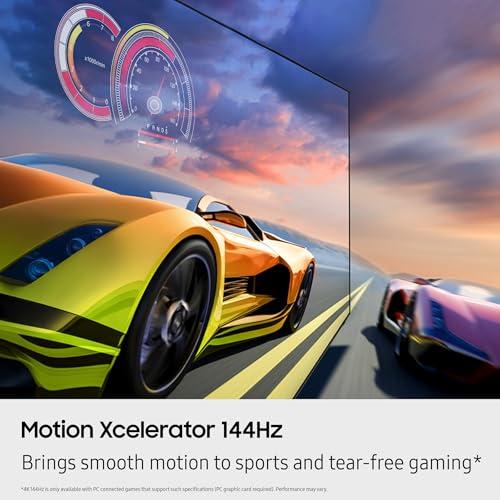
| 120Hz native with Motion Xcelerator 144Hz | 120Hz native with superior motion processing |
| Smart Platform - Apps, interface, and features | |
| Tizen OS with Gaming Hub and SmartThings integration | Google TV with superior content recommendations |
| Audio System - Built-in sound quality | |
| 20W speakers with OTS Lite (benefits from soundbar) | Acoustic Surface Audio+ (screen-as-speaker, impressive quality) |
| Viewing Angles - Picture quality from side positions | |
| Limited (typical for QLED technology) | Excellent (maintains quality at extreme angles) |
| Room Brightness Suitability - Best viewing environment | |
| Bright rooms, daytime viewing, family spaces | Controlled lighting, home theaters, evening viewing |
| Upscaling Quality - Enhancement of lower-resolution content | |
| Excellent AI upscaling with Q4 processor | Industry-leading with Cognitive Processor XR |
| Release Year - Technology generation and future support | |
| 2025 (latest QLED improvements) | 2022 (mature QD-OLED technology) |
The Sony A95K delivers superior overall picture quality with its QD-OLED technology, offering perfect blacks and exceptional contrast that the Samsung Q8F cannot match. However, the Samsung Q8F produces brighter images that perform better in well-lit rooms, making it ideal for daytime viewing where the Sony's advantages are less noticeable.
The Samsung Q8F uses QLED technology, which combines LED backlighting with quantum dots for enhanced color and brightness. The Sony A95K features QD-OLED, where each pixel creates its own light and uses quantum dots for color conversion, resulting in perfect blacks and superior contrast but slightly lower peak brightness.
The Samsung Q8F is better for gaming due to its lower input lag (9.8ms vs 15ms) and three HDMI 2.1 ports compared to the Sony A95K's two ports. However, the Sony A95K provides superior visual quality for gaming with perfect blacks and vibrant colors, making it ideal for single-player cinematic games.
The Samsung Q8F excels in bright rooms with its 1,500-nit peak brightness that maintains visibility even with windows open or lights on. The Sony A95K performs better in controlled lighting environments where its superior contrast can be fully appreciated, though it may struggle with glare in very bright spaces.
The Sony A95K has significantly better built-in audio with its Acoustic Surface Audio+ technology that uses the screen itself as a speaker, creating immersive sound placement. The Samsung Q8F has decent 20W speakers but benefits greatly from pairing with a Samsung soundbar using Q Symphony technology.
The Samsung Q8F runs Tizen OS with comprehensive smart home integration, Gaming Hub for cloud gaming, and support for Bixby and Alexa. The Sony A95K uses Google TV with superior content recommendations, includes a BRAVIA CAM for gesture control, and offers seamless integration with Google services and Chromecast.
The Sony A95K supports all major HDR formats including Dolby Vision, HDR10, and HDR10+, with superior processing for accurate tone mapping. The Samsung Q8F supports HDR10 and HDR10+ but lacks Dolby Vision, though it delivers more impactful HDR highlights due to its higher peak brightness.
The Samsung Q8F provides exceptional value, delivering premium QLED performance at a mid-range price point with excellent gaming features and bright-room performance. The Sony A95K commands a significant premium for its cutting-edge QD-OLED technology, justifying the cost for enthusiasts prioritizing absolute picture quality.
The Sony A95K is excellent for dedicated home theaters with its perfect blacks, superior contrast, and ability to function as a center channel speaker. The Samsung Q8F works well in multi-purpose rooms that double as home theaters, especially where some ambient light is present during viewing.
The Sony A95K offers excellent viewing angles typical of OLED technology, maintaining picture quality even at extreme side positions. The Samsung Q8F has more limited viewing angles common to QLED displays, with some color shifting when viewed from the sides, though it's still acceptable for most room layouts.
Both TVs handle motion well, but the Sony A95K has superior motion processing with its Cognitive Processor XR that delivers smoother, more natural motion especially for sports content. The Samsung Q8F offers good motion handling with Motion Xcelerator 144Hz and may appear more responsive for fast-paced action due to lower input lag.
The Samsung Q8F provides better gaming connectivity with three HDMI 2.1 ports supporting 4K/120Hz, plus comprehensive smart home integration through SmartThings. The Sony A95K has only two HDMI 2.1 ports but includes unique features like the BRAVIA CAM and excellent integration with Google services and Apple devices.
We've done our best to create useful and informative comparisons to help you decide what product to buy. Our research uses advanced automated methods to create this comparison and perfection is not possible - please contact us for corrections or questions. These are the sites we've researched in the creation of this article: bestbuy.com - rtings.com - tomsguide.com - youtube.com - samsung.com - youtube.com - youtube.com - youtube.com - rtings.com - rtings.com - linqcdn.avbportal.com - bestbuy.com - samsung.com - samsung.com - samsung.com - youtube.com - youtube.com - billsmith.com - samsung.com - samsung.com - samsung.com - hometechnologyreview.com - shopjetson.com - certappl.com - samsung.com - theapplianceplug.com - samsung.com - manuals.plus - bestbuy.com - device.report - samsung.com - shopsilica.com - dentonstv.com - tomsguide.com - audioadvice.com - wepc.com - bestbuy.com - tvsbook.com - rtings.com - youtube.com - flatpanelshd.com - rtings.com - youtube.com - reviewed.com - avsforum.com - youtube.com - youtube.com - rtings.com - youtube.com - electronics.sony.com - sonypremiumhome.com - valueelectronics.com - sony.com - displayspecifications.com - flatpanelshd.com - donstv.com - youtube.com - businessinsider.com - youtube.com - displayspecifications.com - bestbuy.com

Privacy Policy
Terms and Conditions - Affiliate Policy
Home Security
© Copyright 2008-2026.
11816 Inwood Rd #1211, Dallas, TX 75244