











When you're shopping for a premium OLED TV, you're entering the top tier of home display technology. These aren't your average TVs hanging on big box store walls – we're talking about displays that can transform your living room into something approaching a movie theater experience. But with that level of performance comes some serious decision-making, especially when comparing two fundamentally different approaches to OLED excellence.
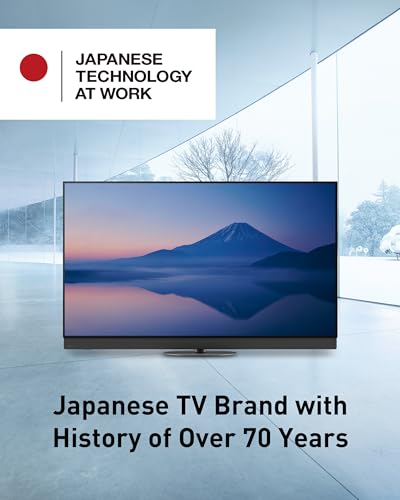
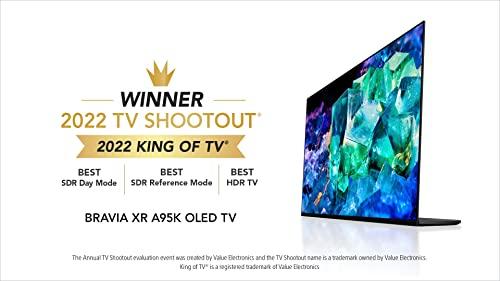
The Panasonic Z95B represents 2025's cutting-edge technology, while the Sony A95K showcases the refined QD-OLED innovation from 2022. At the time of writing, you're looking at a significant price gap – the newer Panasonic commands a premium price that's nearly double the Sony's current market value. That price difference tells a story about technology evolution, market positioning, and what you get for your money.
Before diving into the specifics, let's establish what separates premium OLEDs from everything else on the market. OLED stands for Organic Light-Emitting Diode, which means each pixel produces its own light and can turn completely off for perfect blacks. This creates what we call "infinite contrast" – the difference between the brightest whites and darkest blacks is theoretically unlimited.
But not all OLEDs are created equal. The key considerations that separate good from great include panel brightness (how vivid HDR content appears), color accuracy (how realistic images look), processing power (how well the TV improves lower-quality content), gaming capabilities, and overall user experience. These factors determine whether you're getting a display that merely looks good or one that genuinely elevates everything you watch.
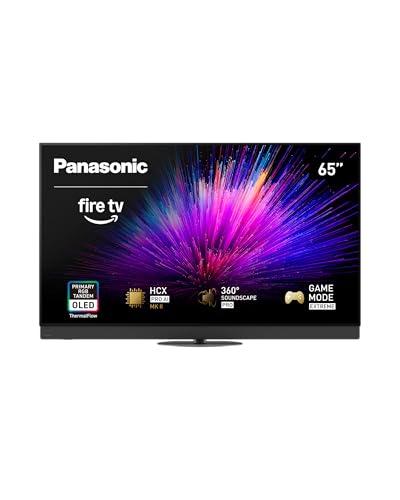
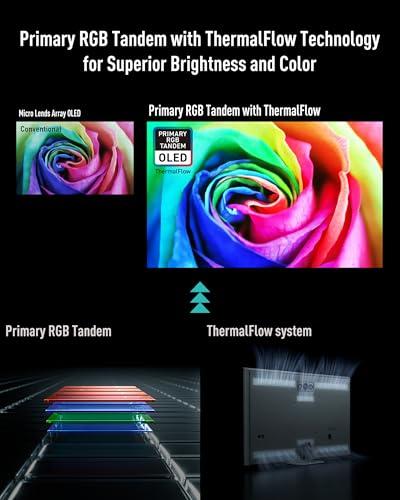
The Panasonic Z95B uses what's called Primary RGB Tandem OLED technology – essentially a four-layer OLED panel that stacks emission layers to achieve dramatically higher brightness. Think of it like having four flashlights pointing through the same colored filter instead of one. This approach, combined with something called ThermalFlow cooling (which manages heat like a computer's cooling system), allows the TV to sustain peak brightness levels that were impossible just a few years ago.
Our research shows this translates to real-world peak brightness exceeding 2,200 nits – that's bright enough to make HDR highlights genuinely dazzling even in well-lit rooms. For comparison, most OLEDs from even two years ago struggled to exceed 800 nits. This isn't just a numbers game; higher brightness means HDR content like nature documentaries or action movies display with the impact creators intended.
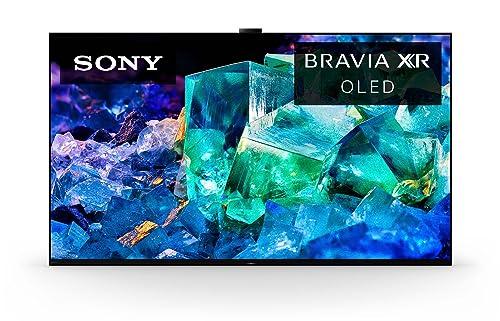
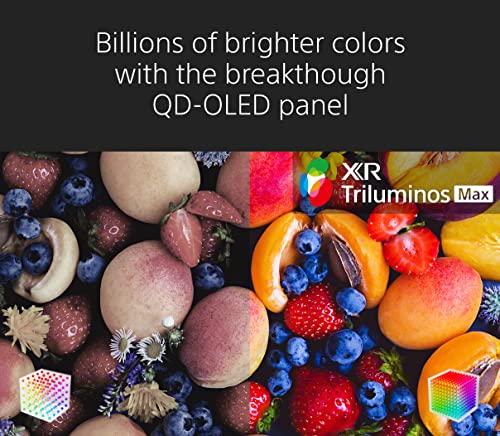
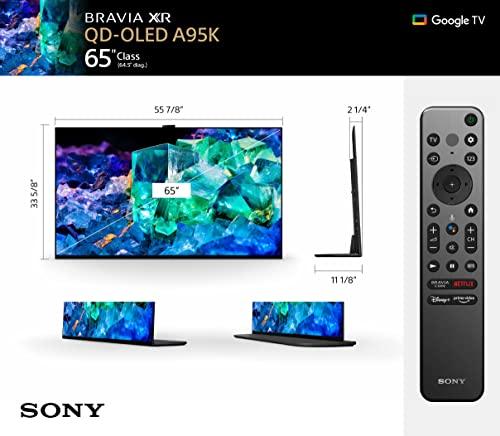
The Sony A95K, released in 2022, pioneered consumer QD-OLED technology. QD-OLED combines traditional blue OLED pixels with quantum dot converters that create red and green light. Without getting too deep into the physics, this eliminates the need for white subpixels and color filters, resulting in purer colors and improved efficiency.
What this means practically is that the A95K can display colors that are both more accurate and more vibrant than traditional OLEDs, particularly in brighter scenes. The quantum dot layer acts like a color purifier, ensuring that reds are truly red and greens are genuinely green, rather than slightly filtered versions of white light.
This is where the Panasonic Z95B shows its 2025 technology advantage most clearly. Based on professional measurements, it achieves peak brightness levels that put it among the brightest OLEDs ever made. In practical terms, this means HDR highlights in movies like "Dune" or "Top Gun: Maverick" will have genuine punch – bright enough to make you squint at sun reflections or explosions.
The Sony A95K, while not as bright, still delivers excellent HDR performance that surpasses most traditional OLEDs. The QD-OLED panel's efficiency means colors stay saturated even at higher brightness levels, something older OLED technology struggled with. For most viewing environments, the A95K provides more than adequate brightness, though side-by-side with the Panasonic, the difference is noticeable.
For home theater enthusiasts, this brightness difference matters significantly. If you're watching in a dedicated dark room, both TVs will deliver spectacular results. But if your TV is in a family room with windows and ambient light, the Z95B's extra brightness provides more flexibility for daytime viewing without washing out.
The Panasonic Z95B demonstrates exceptional color performance, achieving professional-level accuracy that rivals reference monitors used in film studios. Its HCX Pro AI Processor MK II (essentially a specialized computer chip dedicated to picture processing) excels at upscaling lower-resolution content, reducing digital noise, and optimizing different types of content automatically.
The Sony A95K takes a different approach with its Cognitive Processor XR, which attempts to mimic how human brains process visual information. This sounds marketing-heavy, but in practice, it creates very natural-looking images with excellent depth perception and realistic textures. The QD-OLED panel's inherently pure color reproduction gives Sony's processor excellent source material to work with.
For streaming content – which most people watch most of the time – both processors excel at cleaning up compression artifacts and improving detail. However, the Panasonic tends to be more aggressive in its processing, which can make low-quality sources look dramatically better at the risk of occasionally over-sharpening.
Modern gaming demands have pushed TV manufacturers to include features that were unthinkable just five years ago. Both TVs support 4K gaming at high refresh rates, but with important differences.
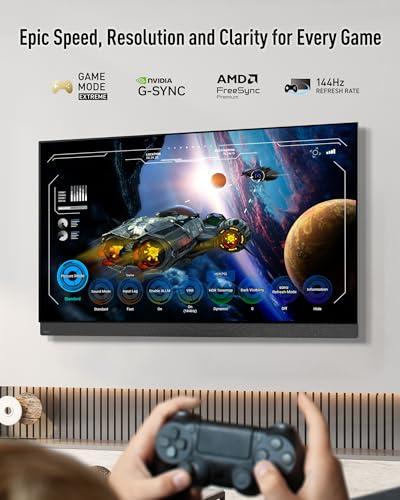
The Panasonic Z95B supports up to 144Hz refresh rates, making it particularly appealing for PC gaming where frame rates can exceed what consoles produce. This higher refresh rate means smoother motion in fast-paced games and reduced motion blur during quick camera movements. The TV's input lag – the delay between controller input and screen response – measures around 12.7 milliseconds, which is excellent for competitive gaming.
The Sony A95K caps out at 120Hz, which matches current PlayStation 5 and Xbox Series X capabilities perfectly. While it can't match the Panasonic's peak refresh rate, its gaming performance is still exceptional for console players. Both TVs support Variable Refresh Rate (VRR), which eliminates screen tearing by matching the display's refresh rate to the game's frame rate.
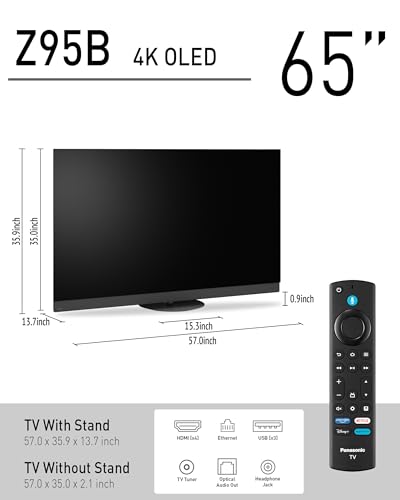
However, both TVs share a significant limitation: only two HDMI 2.1 ports. HDMI 2.1 is necessary for 4K gaming at high refresh rates, so if you have multiple next-gen consoles plus a high-end soundbar (which typically uses the eARC port), you'll need to make some connectivity compromises.
This might be the most interesting comparison point between these TVs, as they represent fundamentally different approaches to TV audio.
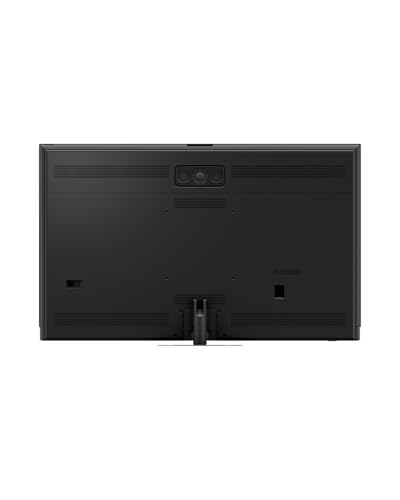
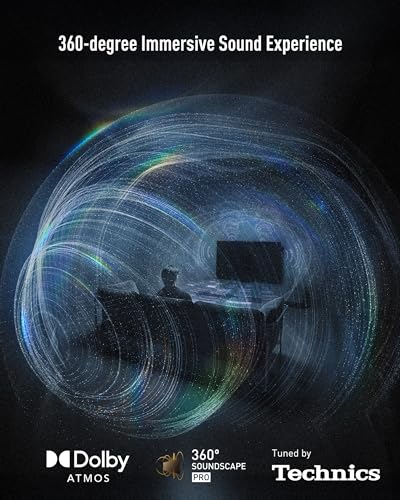
The Panasonic Z95B takes the traditional approach but executes it at an extraordinary level. Its 170-watt, 5.1.2-channel system includes front-firing speakers, upward-firing drivers for Dolby Atmos effects, side-firing speakers for width, and an integrated woofer system. In our research, this system produces some of the best built-in TV audio available, with genuine bass response and enough volume to potentially eliminate the need for a separate soundbar in smaller rooms.
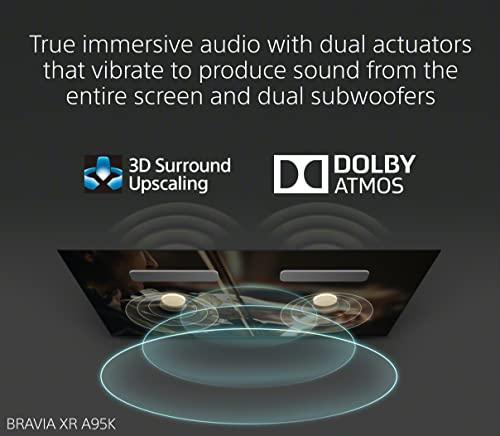
The Sony A95K uses Acoustic Surface Audio+, where actuators behind the screen vibrate the display itself to produce sound. This means dialogue appears to come directly from actors' mouths rather than from speakers below the screen. It's genuinely impressive technology that creates a more immersive experience, though it can't match the Panasonic's raw power or bass response.
For home theater setups, the Sony offers a unique advantage: it can function as a center channel speaker in a surround sound system. This allows seamless integration with external speakers while maintaining the screen-based audio effect for dialogue.
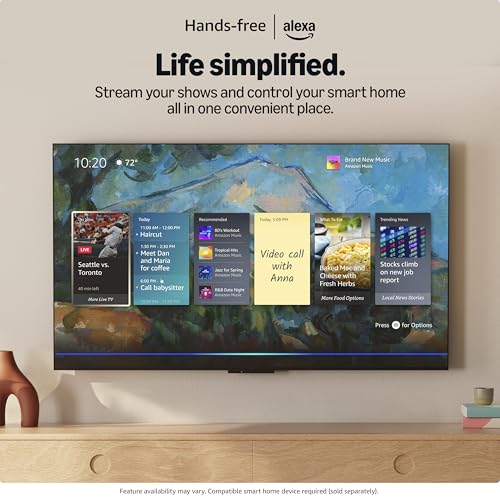
The platform difference here is significant and might influence your decision more than expected. The Panasonic Z95B runs Fire TV, Amazon's streaming platform that prioritizes content discovery and integration with Prime Video services. It includes built-in access to cloud gaming services like Xbox Game Pass and NVIDIA GeForce Now, which is excellent for casual gaming without a console.
However, Fire TV's interface can feel heavily promotional, with significant advertising for Amazon's content services. If you're not invested in the Amazon ecosystem, this can feel intrusive during daily use.
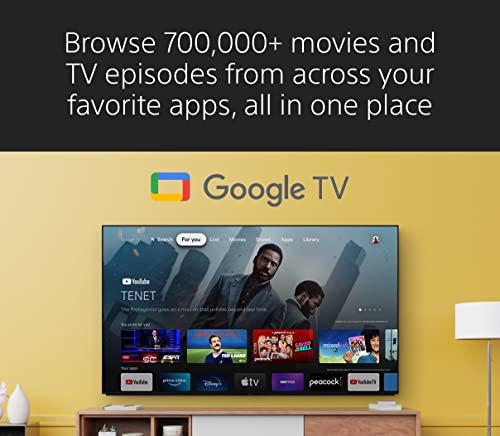
The Sony A95K uses Google TV, which provides a cleaner, more neutral interface with excellent voice control through Google Assistant. The platform feels less commercial and more focused on helping you find content across different streaming services rather than promoting specific ones.
Both platforms support all major streaming apps, but Google TV's integration tends to feel more seamless, while Fire TV offers better gaming integration.
At the time of writing, the price difference between these TVs is substantial – the Panasonic Z95B commands a significant premium as current flagship technology, while the Sony A95K has settled into a more accessible price point as mature technology.
The Sony A95K represents exceptional value for premium OLED performance. You're getting proven QD-OLED technology that still outperforms most competitors at a price that's become quite reasonable for this level of performance. For most buyers, the A95K delivers 90% of what the newest flagship offers at roughly half the cost.
The Panasonic Z95B justifies its premium through measurable performance advantages – higher brightness, better gaming capabilities, superior built-in audio, and the latest panel technology that should remain relevant longer. Whether these improvements warrant the price difference depends on your priorities and budget flexibility.
You want exceptional OLED performance without flagship pricing. The A95K is perfect for movie enthusiasts who primarily watch in controlled lighting conditions and value the unique screen-based audio experience. It's also ideal if you prefer Google's ecosystem and want a TV that integrates well as part of a larger home theater system.
The three-year technology maturity means you're getting a refined product with known performance characteristics and broad compatibility. For most viewers, the A95K provides a premium experience that rivals anything available.
You want absolute cutting-edge performance and don't mind paying for it. The Z95B makes sense for enthusiasts who watch significant amounts of HDR content in bright rooms, serious gamers who want 144Hz capabilities, or anyone who values having the latest technology.
If you're planning to keep this TV for many years, the Z95B's newer technology and superior brightness may provide better long-term satisfaction as content continues evolving toward higher brightness standards.
The built-in audio system is powerful enough to serve as your primary sound solution, potentially saving money on external audio equipment.
For most buyers, the Sony A95K represents the sweet spot between performance and value in premium OLED territory. Its QD-OLED technology delivers genuinely impressive picture quality with unique audio capabilities, all at a price that's become quite reasonable for this performance level.
The Panasonic Z95B is for those who want the absolute best available, regardless of cost. Its brightness leadership and advanced features make it the clear choice for demanding viewers who prioritize having the latest technology.
Both represent excellent choices within their respective value propositions. Your decision should align with how much you value having cutting-edge technology versus proven performance at a more accessible price point. Either way, you'll end up with an OLED TV that transforms how you experience movies, shows, and games at home.
| Panasonic Z95B Series 65" OLED 4K Smart Fire TV | Sony Bravia XR A95K 65" QD-OLED TV |
|---|---|
| Panel Technology - Determines brightness capability and color performance | |
| Primary RGB Tandem OLED (4-layer 2025 technology) | QD-OLED (Quantum Dot OLED from 2022) |
| Peak HDR Brightness - Critical for vivid highlights and daytime viewing | |
| 2,262 nits (among brightest OLEDs available) | ~1,000 nits (excellent but not class-leading) |
| Gaming Refresh Rate - Higher rates mean smoother motion for PC gaming | |
| Up to 144Hz (future-proof for high-end gaming) | 120Hz (perfect for current consoles) |
| HDMI 2.1 Ports - Needed for 4K@120Hz gaming and eARC | |
| 2 ports (limits multi-console setups) | 2 ports (same limitation as Panasonic) |
| Audio System - Affects whether you need a separate soundbar | |
| 170W 5.1.2 system with multiple driver types | Acoustic Surface Audio+ (screen vibrates to create sound) |
| Smart Platform - Daily user experience and app ecosystem | |
| Fire TV (Amazon-focused, gaming services included) | Google TV (cleaner interface, better voice control) |
| Color Gamut Coverage - How wide the range of displayable colors | |
| 81.42% Rec. 2020 (exceptional for OLED) | Quantum dot enhanced (very wide, pure colors) |
| Input Lag - Lower is better for responsive gaming | |
| 12.7ms (excellent for competitive gaming) | Low (competitive but specific measurement unavailable) |
| Release Year - Affects price and technology maturity | |
| 2025 (latest flagship technology) | 2022 (mature, proven QD-OLED implementation) |
| HDR Format Support - More formats mean better compatibility | |
| HDR10, HDR10+, Dolby Vision, HLG | HDR10, Dolby Vision, HLG (no HDR10+) |
| Cooling System - Maintains peak performance during bright scenes | |
| ThermalFlow aerodynamic cooling | Standard OLED thermal management |
| Value Proposition - Performance relative to current market pricing | |
| Premium price for cutting-edge 2025 technology | Excellent value for proven flagship performance |
Both TVs excel for home theater use, but they serve different priorities. The Panasonic Z95B delivers superior brightness for HDR movies and has exceptional built-in audio that may eliminate the need for a soundbar. The Sony A95K offers unique Acoustic Surface Audio where sound comes directly from the screen, plus it can function as a center channel in surround sound setups. For dedicated dark rooms, both perform excellently, but the Panasonic handles brighter rooms better.
The core difference is panel technology and generation. The Panasonic Z95B uses 2025's Primary RGB Tandem OLED technology for exceptional brightness (over 2,200 nits), while the Sony A95K features 2022's QD-OLED technology that delivers purer colors through quantum dots. The Panasonic is significantly brighter and newer, while the Sony offers mature, proven performance at a lower price point.
For PC gaming, the Panasonic Z95B wins with 144Hz support and excellent input lag. For console gaming, both TVs perform exceptionally well with 4K@120Hz support, VRR, and low input lag. However, both are limited to only 2 HDMI 2.1 ports, which can be restrictive for multi-console setups. The Sony A95K is perfectly suited for PlayStation 5 and Xbox Series X gaming at a more accessible price.
The Panasonic Z95B runs Fire TV, which offers excellent streaming integration and built-in cloud gaming services but can feel heavily promotional for Amazon content. The Sony A95K uses Google TV, providing a cleaner interface with better voice control and less intrusive advertising. Both support all major streaming apps, but Google TV generally offers a more neutral, user-friendly experience.
The Panasonic Z95B is significantly brighter, achieving over 2,200 nits peak brightness compared to the Sony A95K's approximately 1,000 nits. This makes the Panasonic much better for bright rooms with windows and daytime viewing, where HDR content will maintain its impact. The Sony is still bright enough for most viewing environments but may struggle in very bright rooms.
The Panasonic Z95B features a powerful 170W, 5.1.2-channel system with multiple speaker types that can potentially replace a soundbar in smaller rooms. The Sony A95K uses innovative Acoustic Surface Audio+ where the screen itself produces sound, creating immersive audio placement but with less power and bass. For home theater setups, the Sony can uniquely function as a center channel speaker.
The Sony A95K offers exceptional value as a 2022 flagship that's now more affordably priced while still delivering premium QD-OLED performance. The Panasonic Z95B commands a premium price for cutting-edge 2025 technology and superior brightness. Most buyers will find the Sony provides 90% of the performance at roughly half the cost of the newer Panasonic.
Both deliver exceptional picture quality but through different approaches. The Sony A95K uses quantum dots for inherently pure, vibrant colors that stay saturated at higher brightness levels. The Panasonic Z95B achieves professional-level color accuracy with 81.42% Rec. 2020 coverage and superior HDR processing. The Panasonic wins on brightness and processing, while the Sony excels in natural color reproduction.
Both TVs share the same major limitation: only 2 HDMI 2.1 ports, which restricts connectivity for multiple gaming consoles and high-end audio equipment. The Panasonic Z95B runs Fire TV which some find overly promotional, while the Sony A95K is three years old, meaning it may not receive software updates as long as the newer Panasonic.
Both excel at streaming with powerful processors that upscale and enhance compressed video. The Panasonic Z95B has more aggressive processing that can dramatically improve low-quality sources, while the Sony A95K provides more natural-looking enhancement. Platform preference matters here - Fire TV offers better gaming integration, while Google TV provides a cleaner, less commercial streaming experience.
The Panasonic Z95B supports more HDR formats including both Dolby Vision and HDR10+, plus its exceptional brightness makes HDR highlights truly impactful. The Sony A95K handles HDR beautifully with its QD-OLED panel maintaining color saturation at higher brightness levels, though it lacks HDR10+ support. For the brightest, most vivid HDR experience, the Panasonic leads, while the Sony offers excellent HDR at a better value.
Choose the Panasonic Z95B if you want cutting-edge technology, maximum brightness, superior built-in audio, and don't mind paying premium pricing for the latest features. Choose the Sony A95K if you want proven flagship performance with unique QD-OLED technology at a more accessible price point. The Sony delivers exceptional quality for most users, while the Panasonic is for enthusiasts who want the absolute best available.
We've done our best to create useful and informative comparisons to help you decide what product to buy. Our research uses advanced automated methods to create this comparison and perfection is not possible - please contact us for corrections or questions. These are the sites we've researched in the creation of this article: rtings.com - whathifi.com - techradar.com - tomsguide.com - youtube.com - youtube.com - youtube.com - avsforum.com - bestbuy.com - manuals.plus - na.panasonic.com - panasonic.com - displayspecifications.com - valueelectronics.com - flatpanelshd.com - valueelectronics.com - displayspecifications.com - flatpanelshd.com - tomsguide.com - audioadvice.com - wepc.com - bestbuy.com - tvsbook.com - rtings.com - youtube.com - flatpanelshd.com - rtings.com - youtube.com - reviewed.com - avsforum.com - youtube.com - youtube.com - rtings.com - youtube.com - electronics.sony.com - sonypremiumhome.com - valueelectronics.com - sony.com - displayspecifications.com - flatpanelshd.com - donstv.com - youtube.com - businessinsider.com - youtube.com - displayspecifications.com - bestbuy.com

Privacy Policy
Terms and Conditions - Affiliate Policy
Home Security
© Copyright 2008-2026.
11816 Inwood Rd #1211, Dallas, TX 75244