













When shopping for a premium 65" TV, you'll quickly discover that not all high-end displays are created equal. Some prioritize blending into your living space like a piece of art, while others focus purely on delivering the most stunning picture quality possible. The Samsung 65" The Frame QLED 4K 2024 and Sony Bravia XR A95K 65" QD-OLED represent these two philosophies perfectly—and choosing between them depends entirely on what matters most to you.
At the time of writing, both TVs sit in similar price ranges, though the Sony typically commands a slight premium for its advanced display technology. The real question isn't just about cost, but about value: which approach gives you more of what you actually want from a TV?
The premium TV market has evolved dramatically over the past few years. We're no longer just choosing between LCD and plasma (remember those?), but navigating a complex world of QLED, OLED, Mini-LED, and now QD-OLED technologies. Each has distinct strengths and trade-offs that affect how you'll actually use the TV in your home.
The most important factors to consider are picture quality in your specific room conditions, design integration, gaming performance, and smart TV capabilities. But here's what many people don't realize: the "best" TV on paper might not be the best TV for your lifestyle. A reference-quality display that looks amazing in a dark home theater might struggle in a bright living room, while a lifestyle TV designed for bright spaces might feel underwhelming during movie night.
The core difference between the Samsung Frame 2024 and Sony A95K lies in their display technology, and this choice affects everything else about these TVs.
The Samsung Frame uses QLED technology, which is essentially a high-quality LCD panel with LED backlighting and quantum dot enhancement. Quantum dots are tiny semiconductor crystals that emit very pure colors when hit by light—think of them as super-efficient color filters that make reds more red and greens more green. The 2024 model adds a matte anti-reflective coating that scatters ambient light, reducing glare significantly compared to glossy screens.
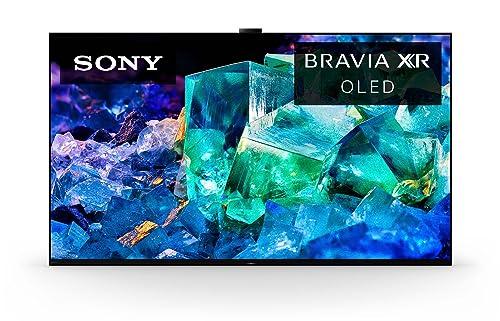
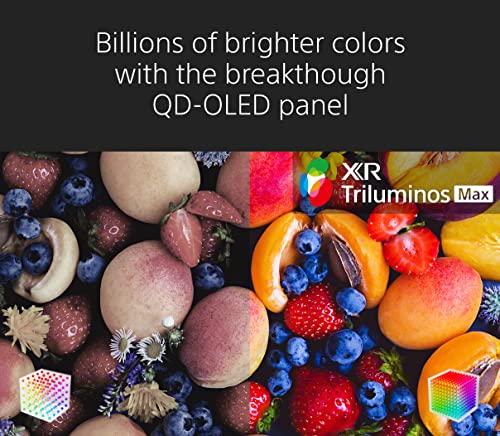
The Sony A95K, released in 2022, uses QD-OLED technology—a fascinating hybrid that combines the best aspects of OLED and quantum dot tech. In traditional OLED panels, each pixel produces its own light using organic compounds. But QD-OLED takes this further: blue OLED pixels emit light that hits quantum dot converters to create red and green pixels. This eliminates the need for white pixels found in regular OLEDs, allowing for much brighter, more saturated colors while maintaining perfect black levels.
What does this mean in practical terms? The Samsung can get much brighter and handles reflections better, making it superior for well-lit rooms. The Sony delivers perfect blacks and infinite contrast—meaning dark scenes look truly dark, not grayish—making it exceptional for movie watching in dim environments.
In a darkened home theater, the Sony A95K is simply in a different league. Each pixel can turn completely off, creating true blacks that make space scenes in movies look like you're peering into the void. This infinite contrast ratio means you can see subtle details in shadows while bright highlights pop with intensity.
The Samsung Frame, being an LCD-based TV, can't achieve true blacks because its LED backlight is always somewhat illuminating the panel. Even with local dimming zones that can dim sections of the backlight, you'll notice a subtle gray tint in what should be pure black areas. For casual viewing, this isn't a dealbreaker, but movie enthusiasts will definitely notice the difference.
Here's where the tables turn completely. The Samsung Frame's matte coating and higher peak brightness make it remarkably effective in bright rooms. The anti-reflective treatment doesn't just reduce glare—it transforms how the TV looks under ambient light, making displayed art appear more like a real painting on canvas rather than a glowing screen.
The Sony A95K, despite being significantly brighter than older OLED TVs, still struggles with reflections. In a bright living room with windows, dark scenes can appear washed out as the black levels rise to compete with ambient light. This is the classic OLED trade-off: perfect performance in dark rooms, compromised performance in bright ones.
Both TVs excel at color reproduction, but in different ways. The Sony A95K supports Dolby Vision, which provides 12-bit color depth capable of displaying 68 billion colors. More importantly, Sony's decades of experience with professional cameras and monitors shows in their color processing—colors look natural and film-accurate, exactly as directors intended.
The Samsung Frame uses HDR10+, which offers 10-bit color depth with about 1 billion colors. While this sounds like less, the quantum dot technology still produces vibrant, punchy colors that many people prefer for everyday viewing. The colors are more saturated and "pop" more, though they're not always as accurate to the source material.
For HDR content specifically, the Sony's Dolby Vision support provides dynamic metadata—essentially frame-by-frame instructions for how bright and colorful each scene should appear. HDR10+ on the Samsung offers similar capabilities, but Dolby Vision is more widely supported by streaming services and Ultra HD Blu-rays.
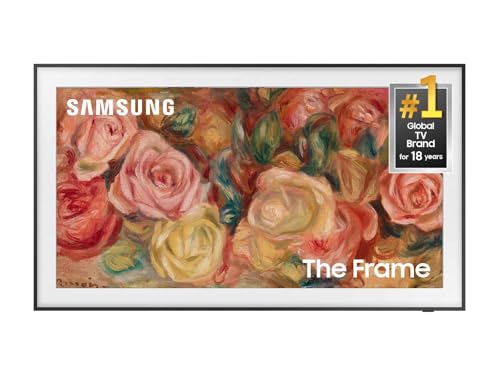
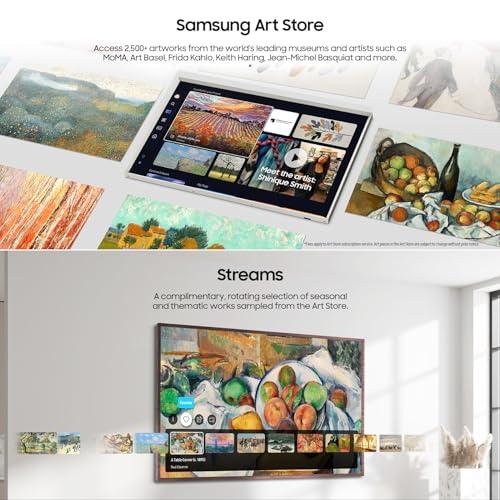
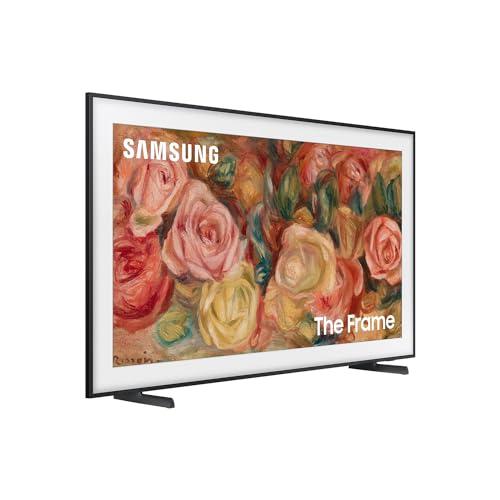
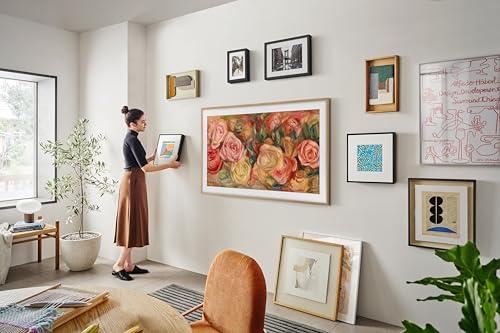
The Samsung Frame represents a radical rethinking of what a TV should be when you're not watching it. Art Mode transforms the display into a digital picture frame, complete with a motion sensor that activates the feature when you leave the room. You can display personal photos, choose from thousands of curated artworks (subscription required), or even upload your own art.
The customizable bezels are perhaps the cleverest feature—magnetic frames that snap on and off, allowing you to match your décor or change styles seasonally. Options range from basic black plastic to premium wood and metal finishes, though these add-on bezels do cost extra.
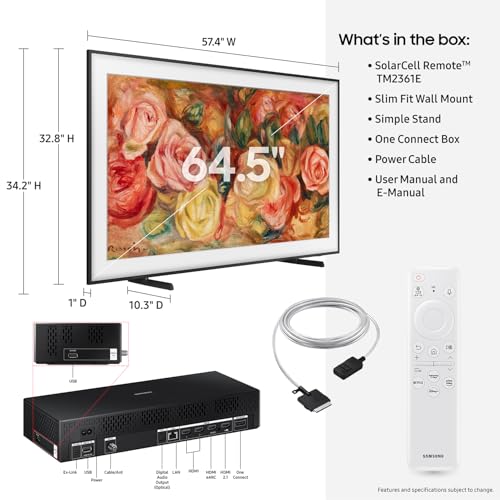
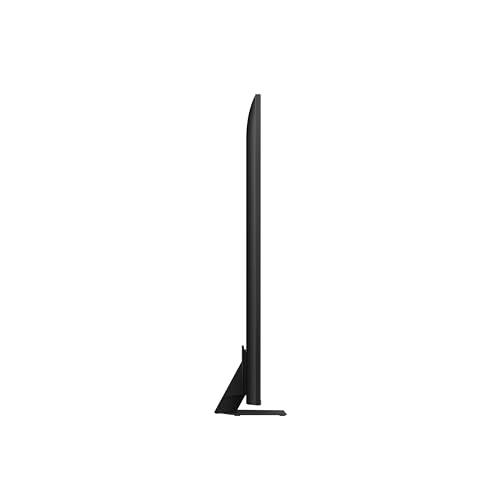
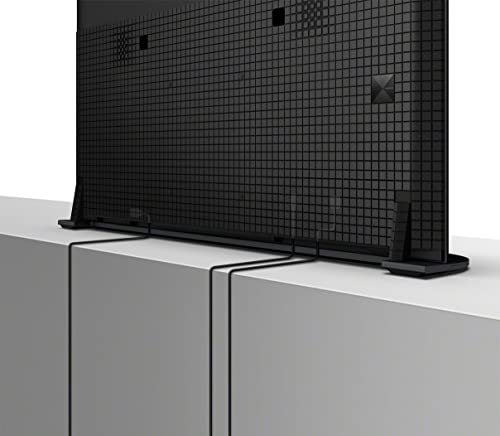
The One Connect Box centralizes all your device connections, running a single cable to the TV itself. For wall mounting, this creates an incredibly clean installation that truly mimics a framed artwork. The TV measures just over an inch thick, so it sits nearly flush against the wall.
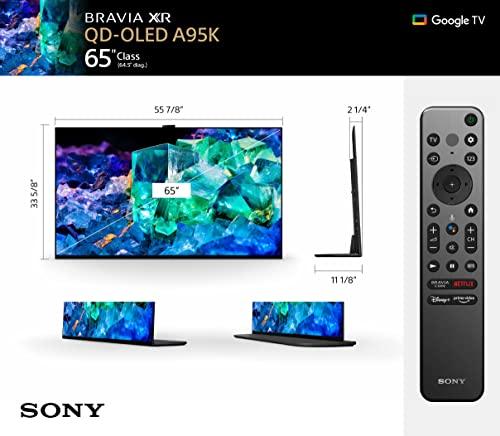
The Sony A95K takes a more traditional premium TV approach, focusing on build quality and performance over lifestyle integration. At about 1.7 inches thick, it's still relatively slim but more substantial than the Frame. The design is minimalist and elegant, but it clearly looks like a TV.
Sony's unique Acoustic Surface Audio+ technology deserves special mention—the screen itself functions as a speaker, with actuators vibrating the display to produce sound. This creates an incredibly immersive experience where dialogue appears to come directly from characters' mouths on screen. The TV can even function as a center channel speaker in a surround sound setup.
Both TVs cater to modern gaming, but with different strengths. The Samsung Frame 2024 offers four HDMI ports with two supporting full HDMI 2.1 bandwidth (48 Gbps). This means you can connect a PlayStation 5 and Xbox Series X simultaneously while still having ports available for other devices.
Gaming features include FreeSync Premium Pro support, which synchronizes the TV's refresh rate with your graphics card or console to eliminate screen tearing. The TV's input lag measures around 9.2 milliseconds in Game Mode, which is excellent for competitive gaming where every millisecond matters.
The Sony A95K offers similar gaming performance but with only two HDMI 2.1 ports. One of these typically gets used for eARC (enhanced Audio Return Channel) to connect soundbars or receivers, leaving just one full-bandwidth port for gaming. For single-console households, this isn't an issue, but it can be limiting if you have multiple next-gen consoles.
The Sony's OLED technology provides near-instantaneous pixel response times, making motion incredibly smooth and clear. This is particularly noticeable in fast-paced games where LCD-based displays might show motion blur or ghosting.
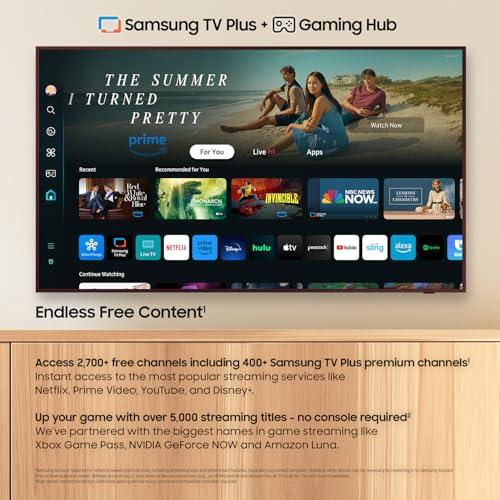
The Samsung Frame runs Tizen OS, Samsung's proprietary smart TV platform. The interface is clean and intuitive, with recently used apps prominently displayed. Samsung's SmartThings integration allows the TV to function as a smart home hub, controlling compatible lights, thermostats, and security devices.
Voice control comes via Bixby, Samsung's assistant, though it's primarily focused on TV functions rather than broader smart home control. The TV also supports Amazon Alexa and Google Assistant through external devices.
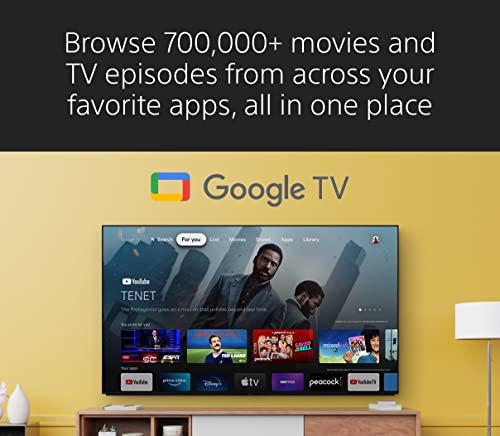
The Sony A95K uses Google TV (the evolution of Android TV), which offers a more comprehensive smart platform experience. Google Assistant integration is deeper and more capable, handling not just TV functions but broader smart home control and general queries. The app selection is also more extensive, and the recommendation engine does a better job of suggesting content across multiple streaming services.
For UK viewers specifically, the Sony includes YouView support for catch-up TV services, which can be valuable for accessing BBC iPlayer, ITV Hub, and other local content.
Audio represents another significant difference between these TVs. The Sony A95K's Acoustic Surface Audio+ is genuinely impressive, creating a soundstage that appears to come from the screen itself. Dialogue clarity is excellent, and the TV can output reasonable bass for such a thin display. Sony's sound processing is sophisticated enough that many users won't feel the immediate need for external speakers.
The Samsung Frame takes a more conventional approach with traditional speakers producing 40W of power. The sound quality is adequate for casual viewing, but it lacks the immersive quality of Sony's screen-based audio system. Most serious movie watchers will want to add a soundbar or surround system.
Both TVs support Dolby Atmos passthrough to external audio systems, though the Sony's ability to blend its own speakers with a soundbar (called Q-Symphony on Samsung) provides more flexibility for audio upgrades.
Based on our research into expert reviews and user feedback, these TVs succeed in their intended markets but serve very different needs.
The Samsung Frame represents exceptional value for buyers who prioritize lifestyle integration. The art functionality isn't just a gimmick—it genuinely transforms how the TV integrates into living spaces. For bright rooms, the anti-reflective coating and higher brightness make it more watchable than most OLED displays. The 2024 model also benefits from the latest connectivity standards and smart TV features.
However, critical viewers will notice limitations in dark room performance. Black levels simply can't match what OLED technology delivers, and the overall picture processing, while good, isn't quite as sophisticated as Sony's cinema-focused approach.
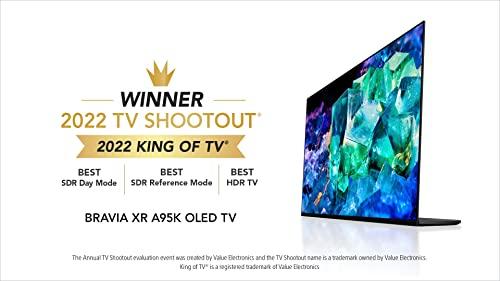
The Sony A95K, despite being a 2022 model, still represents some of the best picture quality available in the TV market. The QD-OLED technology delivers exceptional contrast and color accuracy that makes movies and high-quality content look stunning. The superior upscaling means even lower-resolution content from cable TV or older streaming sources looks significantly better than on most other displays.
The age of the Sony does show in some areas—it uses Bluetooth 4.2 instead of the more recent 5.2 standard, and future software updates may be limited. However, for picture quality, these concerns are largely academic.
For dedicated home theater setups, the Sony A95K is the clear choice. The combination of perfect blacks, accurate colors, and Dolby Vision support creates a truly cinematic experience. The screen's ability to produce its own sound also simplifies setup in smaller rooms where running wires for surround speakers might be challenging.
The Samsung Frame can work in a theater setting, but it's not optimized for this use case. The matte coating, while excellent for bright rooms, can slightly reduce perceived contrast in dark environments. The TV is better suited for living room installations where it needs to function as both entertainment device and room décor.
After extensive research into both professional reviews and user feedback, here's my take on who should choose which TV:
Choose the Samsung Frame 2024 if you want a TV that disappears into your living space when not in use, primarily watch in bright rooms, value having the latest connectivity features, or need multiple HDMI 2.1 ports for gaming. The art functionality is genuinely useful and well-executed, making this TV ideal for design-conscious buyers who don't want their entertainment center to dominate the room.
Choose the Sony A95K if picture quality is your top priority, you often watch in darker environments, or you're serious about movies and high-quality content. Despite being from 2022, the QD-OLED technology and Sony's processing expertise still deliver some of the best images available in consumer TVs.
The decision ultimately comes down to whether you value lifestyle integration or pure performance more highly. Both TVs excel in their intended roles, but they're solving fundamentally different problems. The Samsung makes your TV invisible when you want it to be, while the Sony makes your content look as good as it possibly can when you're actively watching.
At similar price points (at the time of writing), both offer good value for their respective strengths. The Samsung gives you unique lifestyle features plus solid performance, while the Sony delivers reference-quality picture quality that will satisfy the most demanding viewers. Your room conditions, viewing habits, and design preferences should guide your final decision.
| Samsung 65" The Frame QLED 4K 2024 | Sony Bravia XR A95K 65" QD-OLED |
|---|---|
| Display Technology - Determines picture quality and room suitability | |
| QLED with LED backlighting, quantum dot enhancement | QD-OLED with self-emissive pixels and quantum dot converters |
| Black Levels - Critical for dark scene detail and contrast | |
| Good blacks but not true black due to LED backlighting | Perfect blacks with infinite contrast ratio |
| Peak Brightness - Essential for HDR impact and bright room viewing | |
| Higher peak brightness, excellent for bright rooms | Good brightness but less than QLED panels |
| HDR Format Support - Affects compatibility with premium content | |
| HDR10+ (10-bit color depth) | Dolby Vision + HDR10+ (12-bit color depth) |
| Anti-Reflective Coating - Key for daytime and bright room viewing | |
| Premium matte coating that eliminates glare effectively | Standard coating, struggles with reflections |
| Design Philosophy - Impacts room integration and aesthetics | |
| Art Mode with customizable bezels, designed to look like framed art | Traditional premium TV design focused on performance |
| Smart TV Platform - Affects app selection and user experience | |
| Tizen OS with Samsung ecosystem integration | Google TV with comprehensive smart home control |
| Gaming Connectivity - Important for console gamers | |
| 4 HDMI ports (2 with full HDMI 2.1 bandwidth) | 4 HDMI ports (2 with HDMI 2.1 bandwidth) |
| Audio Technology - Built-in sound quality | |
| Traditional 40W speakers with Dolby Atmos support | Acoustic Surface Audio+ (screen acts as speaker) |
| Wall Mounting - Installation flexibility | |
| Ultra-thin profile with flush No Gap wall mount | Standard wall mounting, 1.7-inch depth |
| Motion Handling - Important for sports and action content | |
| 120Hz with good motion processing | Near-instantaneous OLED pixel response |
| Color Accuracy - Critical for movie enthusiasts | |
| Vibrant, saturated colors optimized for impact | Reference-quality colors with cinema accuracy |
| Release Year - Affects latest features and future support | |
| 2024 model with latest connectivity (Bluetooth 5.2) | 2022 model with proven QD-OLED technology |
| Best Use Case - Who should buy this TV | |
| Bright rooms, design-conscious buyers, art display functionality | Dark rooms, movie enthusiasts, picture quality priority |
The Sony Bravia XR A95K delivers superior picture quality for movies with its QD-OLED technology, perfect black levels, and Dolby Vision support. The self-emissive pixels create infinite contrast, while Sony's processing provides cinema-accurate colors. The Samsung Frame offers good picture quality but can't match OLED's dark room performance.
QLED (Samsung Frame) uses LED backlighting with quantum dot enhancement, providing bright, vibrant colors but limited black levels. QD-OLED (Sony A95K) combines self-emissive OLED pixels with quantum dots, delivering perfect blacks AND bright, saturated colors - essentially the best of both technologies.
The Samsung Frame QLED excels in bright rooms thanks to its anti-reflective matte coating and higher peak brightness. The coating reduces glare significantly, making content viewable even with direct sunlight. The Sony A95K struggles more with reflections despite being brighter than older OLEDs.
Only the Samsung Frame offers dedicated Art Mode, transforming into a digital picture frame with thousands of curated artworks and customizable bezels. The Sony A95K is a traditional TV focused on performance rather than aesthetic integration when powered off.
Both TVs offer excellent gaming performance. The Samsung Frame provides four HDMI ports with two supporting HDMI 2.1, plus FreeSync Premium Pro support. The Sony A95K has faster pixel response times but only two HDMI 2.1 ports, which may limit multi-console setups.
The Sony A95K has superior built-in audio with Acoustic Surface Audio+ technology that turns the screen into a speaker, creating immersive sound. The Samsung Frame has adequate speakers but most users will benefit from adding a soundbar for better audio quality.
The Sony A95K supports both Dolby Vision and HDR10+, with Dolby Vision offering superior dynamic range and being more widely supported by streaming services. The Samsung Frame supports HDR10+ but not Dolby Vision, which may limit compatibility with some premium content.
The Sony A95K is excellent for dedicated home theaters with its perfect blacks, accurate colors, and immersive screen-based audio. The Samsung Frame works for home theater but is better suited for living room installations where aesthetic integration matters more than pure performance.
The Sony A95K uses Google TV with comprehensive app selection, superior voice control, and better smart home integration. The Samsung Frame runs Tizen OS, which is clean and functional but has a more limited ecosystem compared to Google's platform.
Both TVs offer wide viewing angles, but the Sony A95K maintains better color accuracy and contrast when viewed from the side due to OLED technology. The Samsung Frame has decent viewing angles typical of premium QLED displays, adequate for most room layouts.
The Samsung Frame is specifically designed for wall mounting with its ultra-thin profile, flush No Gap mount, and customizable bezels that make it look like real artwork. The Sony A95K wall mounts well but maintains a traditional TV appearance at 1.7 inches thick.
Choose the Samsung Frame 2024 for latest features, bright room viewing, and lifestyle integration. Choose the Sony A95K 2022 for superior picture quality and movie watching despite being older. The Sony's QD-OLED technology still outperforms most newer TVs in dark room conditions.
We've done our best to create useful and informative comparisons to help you decide what product to buy. Our research uses advanced automated methods to create this comparison and perfection is not possible - please contact us for corrections or questions. These are the sites we've researched in the creation of this article: tomsguide.com - rtings.com - rtings.com - youtube.com - bestbuy.com - techlicious.com - youtube.com - smalllilystudio.com - theeverymom.com - livingetc.com - pcrichard.com - image-us.samsung.com - samsung.com - images.samsung.com - samsung.com - buydig.com - tvsbook.com - bestbuy.com - samsung.com - samsung.com - flatpanelshd.com - tomsguide.com - audioadvice.com - wepc.com - bestbuy.com - tvsbook.com - rtings.com - youtube.com - flatpanelshd.com - rtings.com - youtube.com - reviewed.com - avsforum.com - youtube.com - youtube.com - rtings.com - youtube.com - electronics.sony.com - sonypremiumhome.com - valueelectronics.com - sony.com - displayspecifications.com - flatpanelshd.com - donstv.com - youtube.com - businessinsider.com - youtube.com - displayspecifications.com - bestbuy.com

Privacy Policy
Terms and Conditions - Affiliate Policy
Home Security
© Copyright 2008-2026.
11816 Inwood Rd #1211, Dallas, TX 75244