

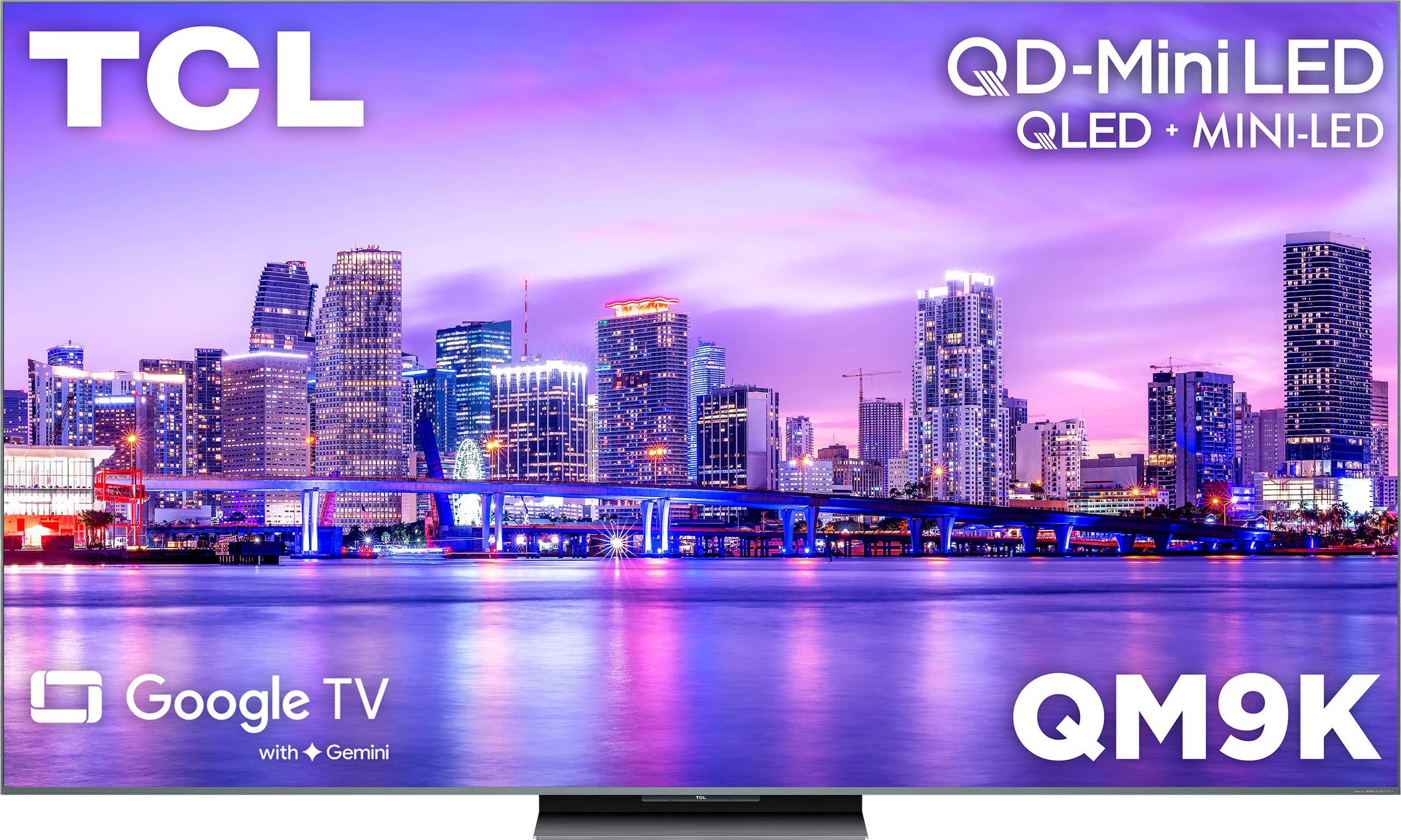
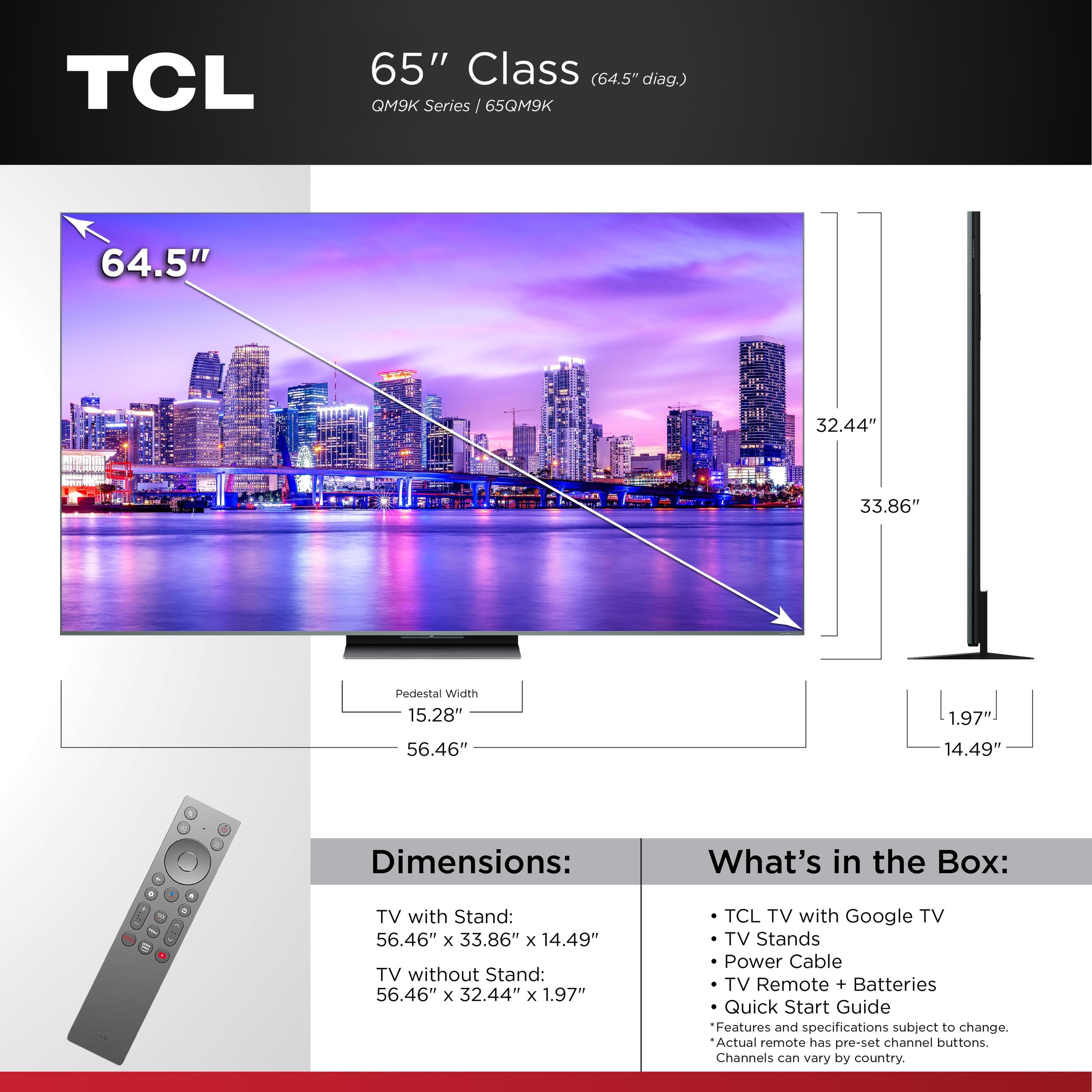
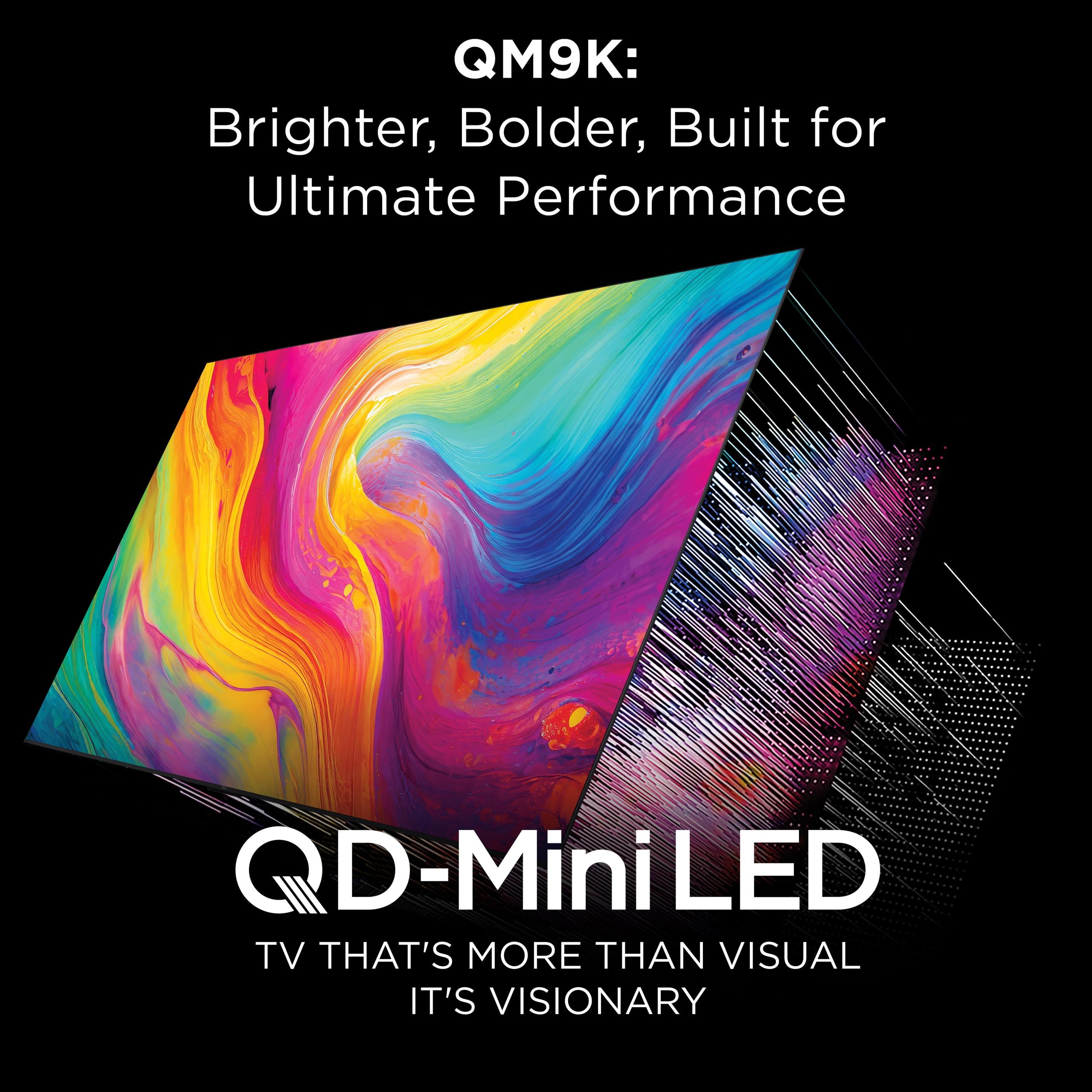
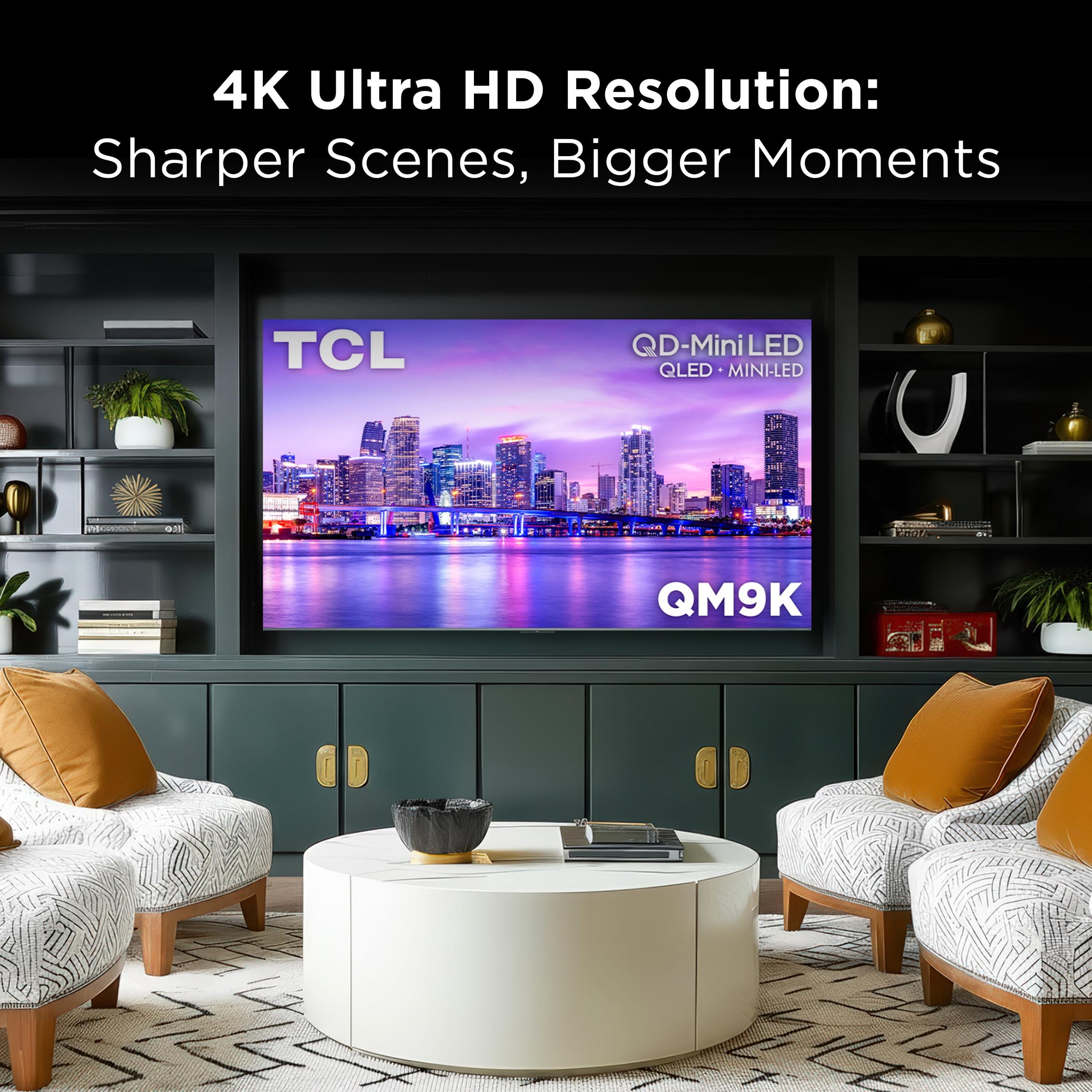
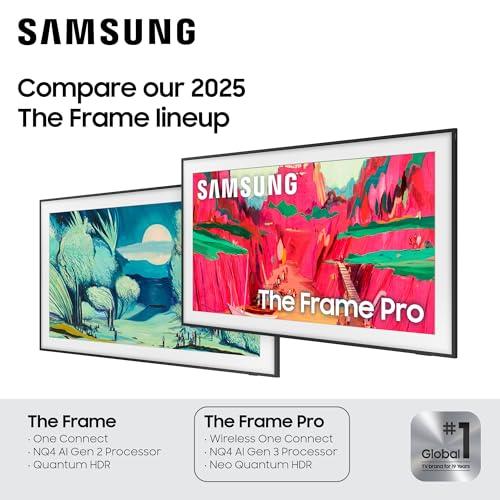
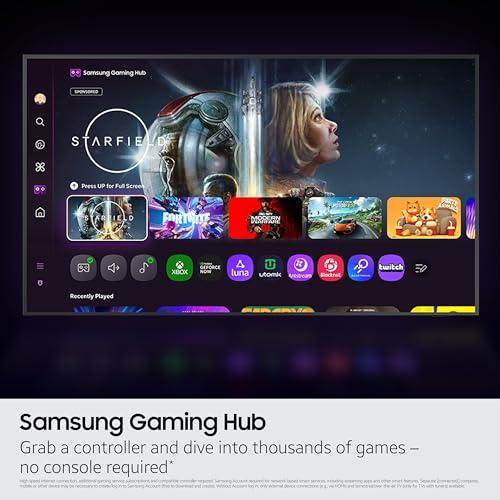
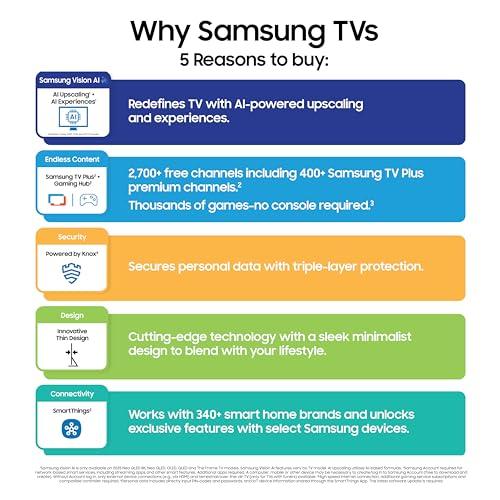
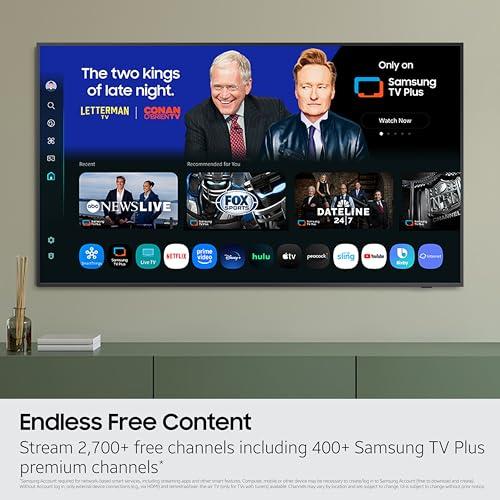


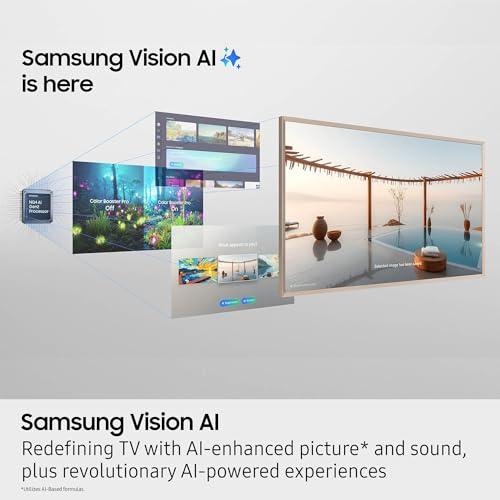
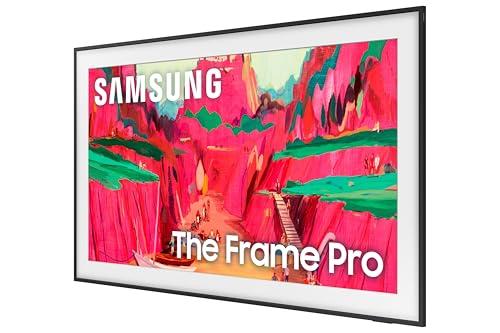
Shopping for a premium 65-inch TV in 2024 means entering the exciting world of Mini-LED technology, where thousands of tiny backlights create stunning contrast and brightness that was impossible just a few years ago. Two standout options that perfectly illustrate different approaches to this technology are the TCL 65" QM9K QD-Mini LED Smart TV and the Samsung 65" The Frame Pro 4K Neo QLED Smart TV.
Both TVs use Mini-LED backlighting—essentially thousands of microscopic LEDs behind the screen that can turn on and off independently to create deeper blacks and brighter highlights. However, they target completely different buyers. The TCL QM9K is built for performance enthusiasts who want the most impressive picture quality and gaming features, while the Samsung Frame Pro focuses on blending premium TV technology with lifestyle design, literally functioning as wall art when not displaying your favorite shows.
Before diving into the comparison, it's worth understanding what makes these TVs different from regular LED TVs. Traditional LED TVs use strips of lights around the edges or a grid of larger LEDs behind the screen. Mini-LED technology uses thousands of LEDs that are much smaller—about the size of a grain of rice—allowing for incredibly precise control over which parts of the screen are bright or dark.
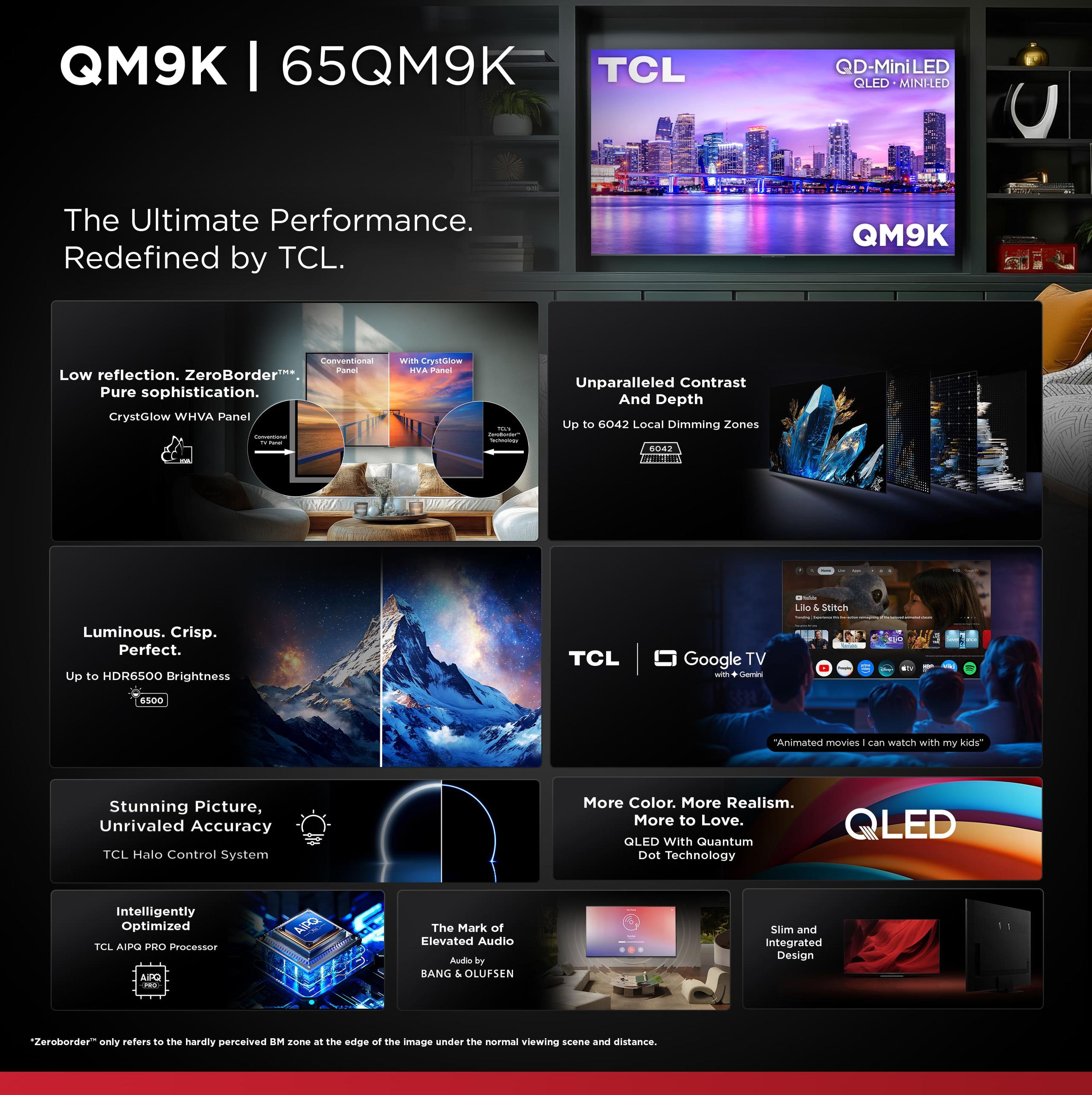
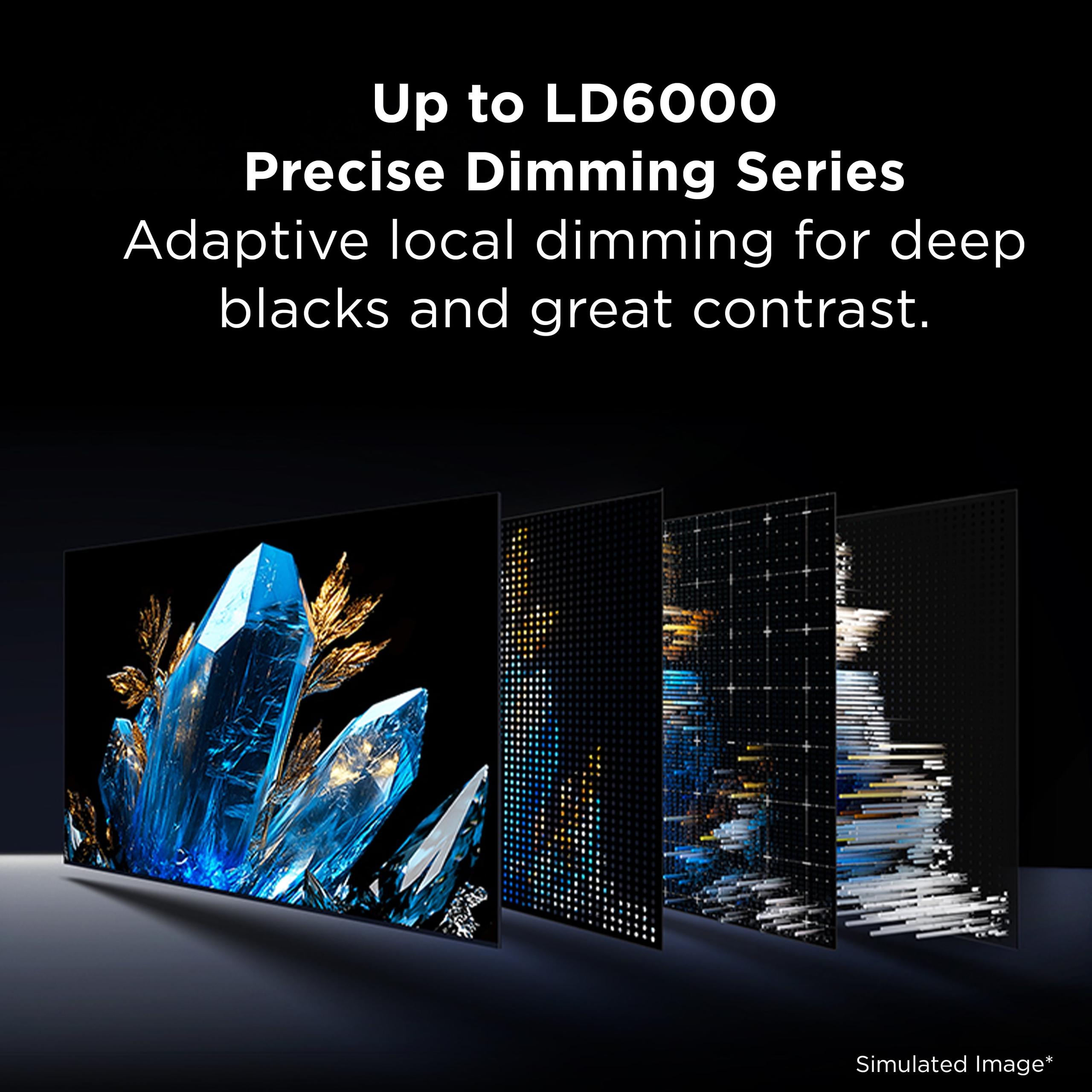
This precision is measured in "local dimming zones." Think of each zone as a neighborhood of pixels that can be controlled independently. The TCL QM9K boasts up to 6,000 local dimming zones, while the Frame Pro has several hundred. More zones generally mean better contrast control, though the implementation matters just as much as the raw numbers.
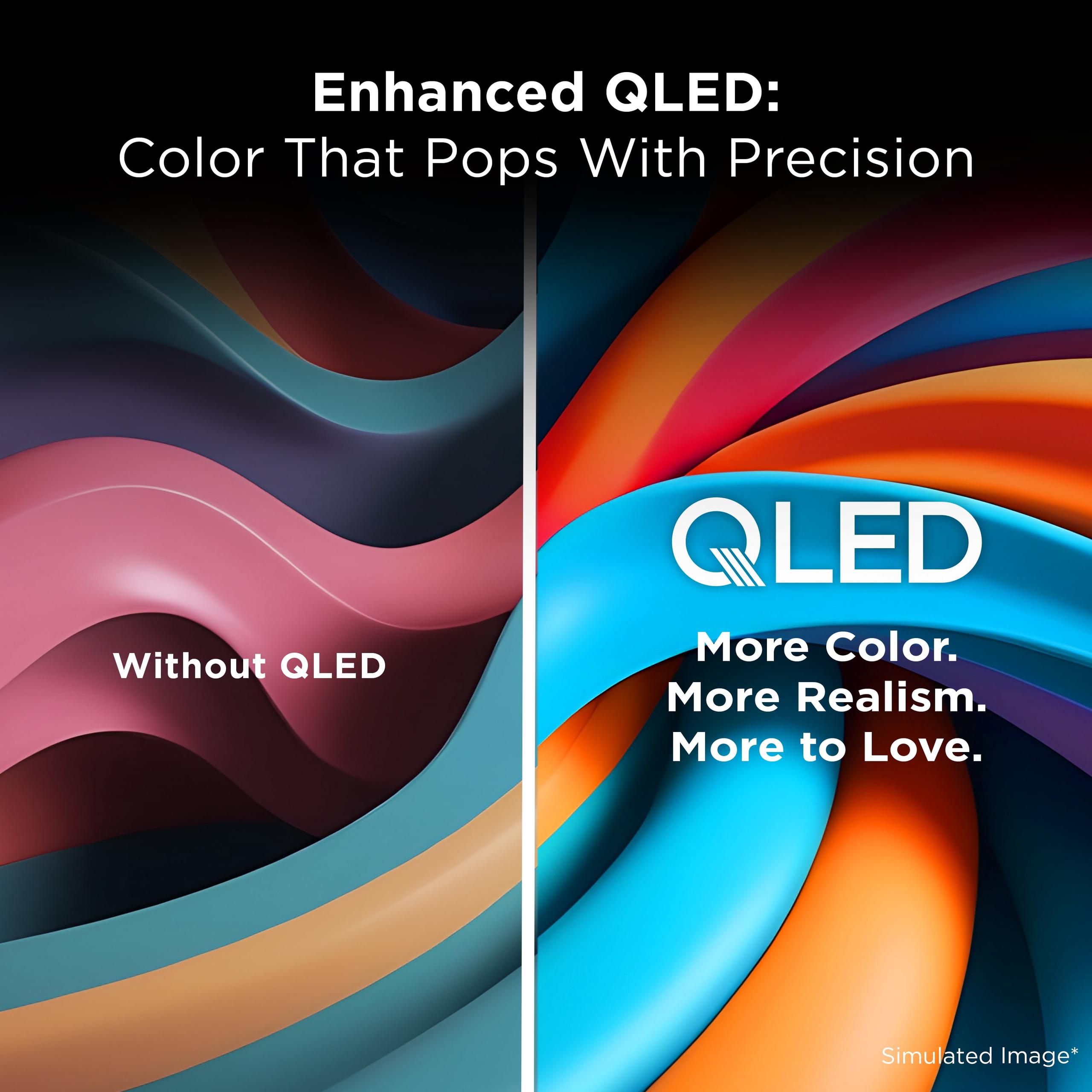
Both TVs also use Quantum Dot technology, which involves microscopic crystals that produce purer, more vibrant colors when hit with light. This combination of Mini-LED backlighting and Quantum Dots creates what many consider the sweet spot between OLED's perfect blacks and traditional LED's superior brightness.
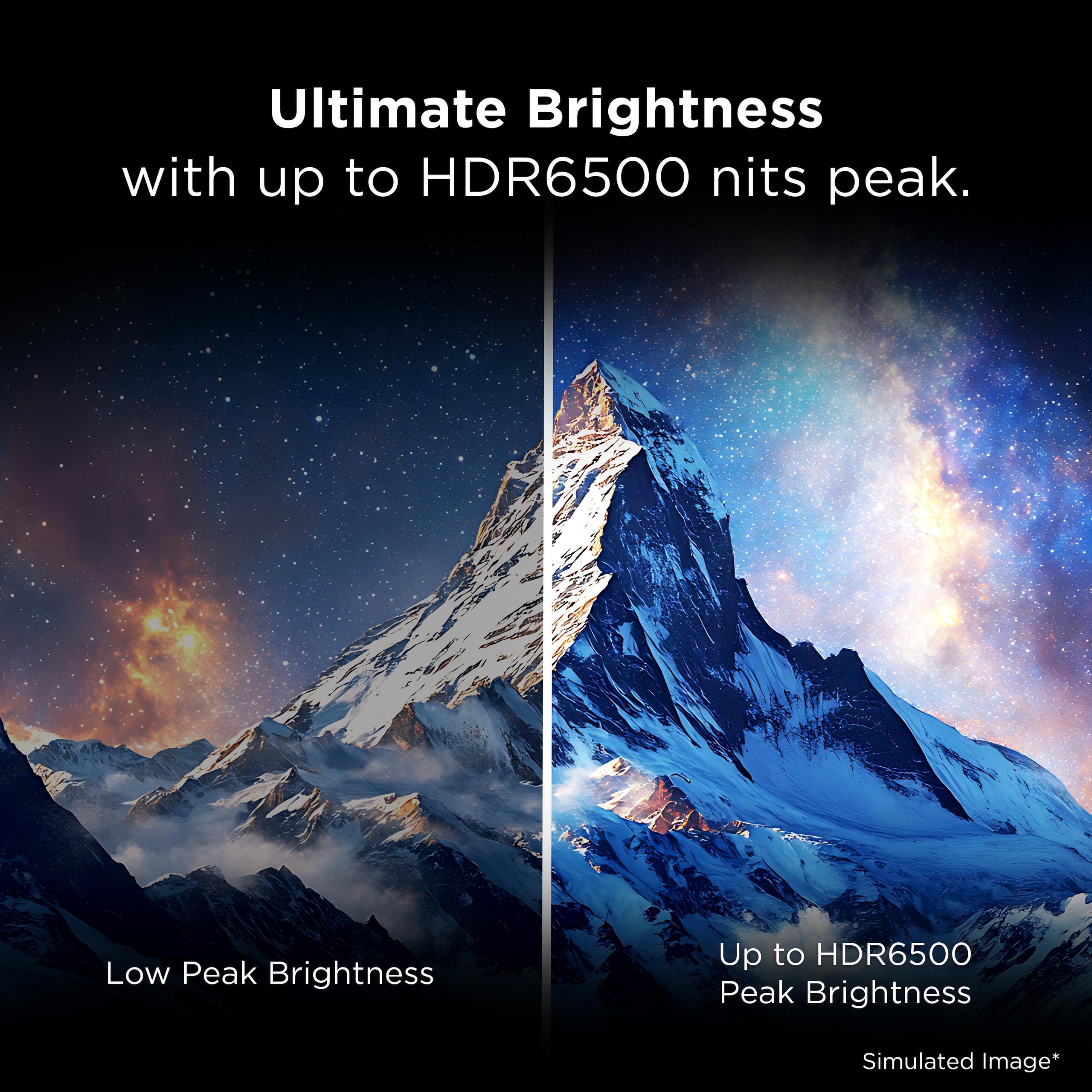
The most dramatic difference between these TVs is brightness capability, and it's not even close. The TCL QM9K reaches a staggering 6,500 nits peak brightness, while the Samsung Frame Pro maxes out at around 1,000 nits. To put this in perspective, most content is mastered at 1,000-4,000 nits, so the TCL can actually exceed the brightness levels that filmmakers intended.
In practical terms, this means HDR (High Dynamic Range) content looks dramatically more impactful on the TCL QM9K. When you're watching a scene with bright sunlight reflecting off water, neon signs in a city at night, or explosions in an action movie, these highlights pop with an intensity that genuinely makes you squint. It's the closest thing to looking at actual bright objects through a window.
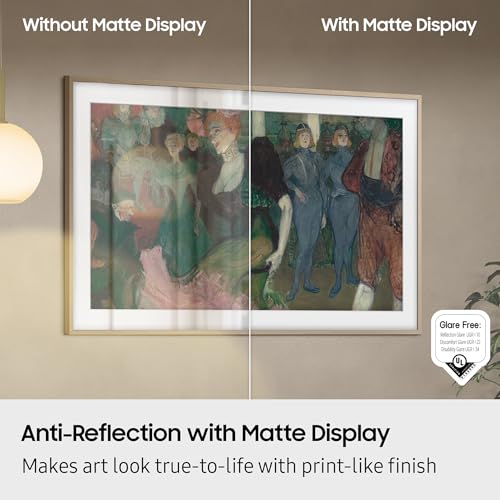
The Frame Pro, while significantly dimmer, compensates with its matte anti-reflective screen coating. This matte finish eliminates glare and reflections, which means even though it can't get as bright, it maintains better visibility in rooms with lots of ambient light. It's a trade-off between peak impact and consistent visibility.
For home theater use, brightness becomes crucial for HDR content. Movies and shows with dramatic lighting—think "Blade Runner 2049" or "The Mandalorian"—benefit enormously from displays that can actually reproduce the intended brightness levels. The TCL QM9K delivers this in spades, while the Frame Pro provides a more subdued but still satisfying HDR experience.
The TCL QM9K's 6,000 local dimming zones create incredibly precise contrast control. When you have a bright object on a dark background—like credits rolling over a black screen or a single candle in a dark room—the TV can illuminate just that small area while keeping the surrounding pixels completely black. This eliminates the "blooming" effect where light spills around bright objects, creating an unnatural glow.
The Frame Pro, with its lower zone count, struggles more with these challenging scenes. You'll notice more light spillage around bright elements, and overall black levels appear more grayish than the inky blacks the TCL achieves. However, for most everyday content—sitcoms, news, regular movies—this difference is less noticeable than you might expect.
Both TVs fall short of OLED's perfect blacks, where each pixel can turn completely off, but the TCL QM9K gets much closer to that ideal. For movie enthusiasts who watch a lot of dark, atmospheric content, this difference can be significant.
Gaming performance reveals perhaps the starkest contrast between these TVs. The TCL QM9K is built from the ground up for serious gaming, while the Frame Pro treats gaming as a secondary consideration.
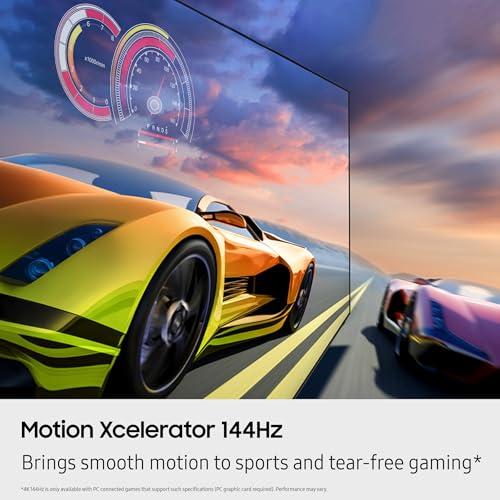
The TCL's Game Accelerator 288 technology supports refresh rates up to 288Hz for competitive gaming, compared to the Frame Pro's maximum 144Hz. More importantly, input lag—the delay between pressing a button and seeing the action on screen—measures just 5.3 milliseconds on the TCL QM9K. This puts it in elite gaming monitor territory.
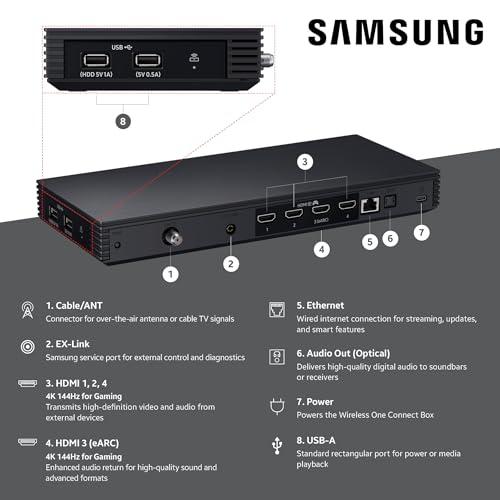
The Frame Pro suffers from input lag over 30 milliseconds, largely due to its Wireless One Connect Box processing. While Samsung includes a micro HDMI port on the TV itself to bypass this delay, it defeats the purpose of the wireless design. For casual gaming, this might be acceptable, but competitive gamers will notice the lag immediately.
Both TVs support Variable Refresh Rate (VRR), which synchronizes the display's refresh rate with your gaming console to eliminate screen tearing. However, the TCL QM9K includes additional gaming features like shadow enhancement for spotting enemies in dark areas and specialized gaming picture modes that the Frame Pro lacks.
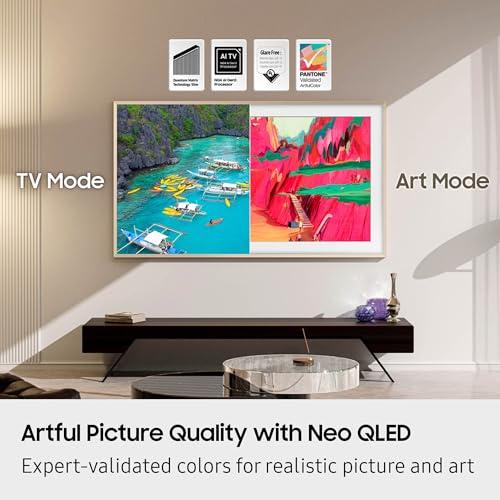
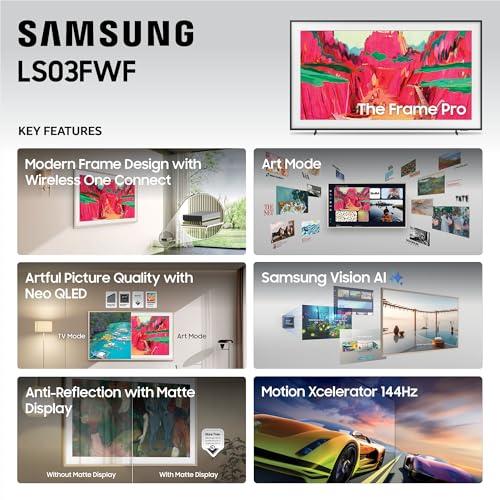
Here's where the fundamental difference between these TVs becomes clear. The Samsung Frame Pro is designed to disappear into your living space when not actively being watched, literally transforming into a piece of wall art. Its matte screen finish mimics the texture of actual paintings or photographs, and customizable bezels in wood, metal, or fabric allow it to match your decor perfectly.
Samsung's Art Mode provides access to thousands of curated artworks, and the TV can display your own photos with museum-quality color accuracy thanks to Pantone validation. The Wireless One Connect Box means no visible cables running to the TV, maintaining the illusion of a framed artwork hanging on your wall.
The TCL QM9K takes a more traditional approach, focusing on maximum performance rather than aesthetic integration. It's undeniably a television—a very impressive one, but it doesn't pretend to be anything else. The glossy screen coating maximizes picture quality but shows reflections in bright rooms.
For many buyers, this design difference will be the deciding factor. If you want your TV to blend seamlessly into a carefully designed living space, the Frame Pro offers something truly unique. If you want the best possible picture and don't mind having an obvious TV on your wall, the TCL QM9K delivers superior performance.
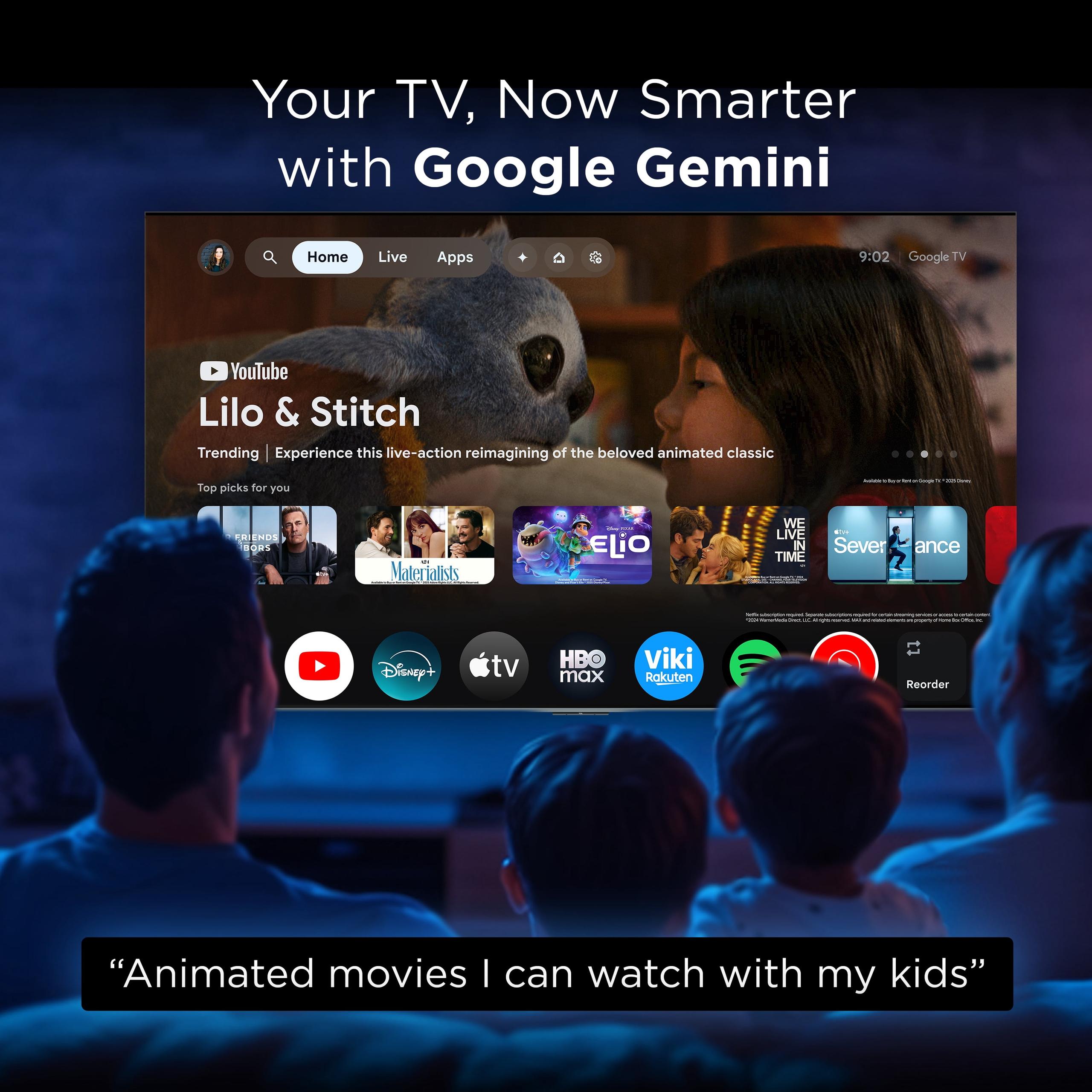
The software experience differs significantly between these models. The TCL QM9K runs Google TV, which excels at content discovery and integrates seamlessly with Android devices and Google services. The interface feels familiar if you use other Google products, and voice control through Google Assistant works reliably.
The Frame Pro uses Samsung's Tizen platform, which offers built-in Amazon Alexa and Samsung's Bixby assistant. While Tizen is polished and responsive, its content recommendations aren't quite as sophisticated as Google's algorithms. However, if you're already invested in Samsung's ecosystem—Galaxy phones, tablets, or appliances—the integration benefits are substantial.
Audio represents another clear winner for the TCL QM9K. Its Bang & Olufsen-tuned 2.1.1 channel system includes a dedicated subwoofer that provides genuinely impressive bass response for a built-in TV speaker system. Most viewers won't need additional audio equipment for casual viewing.
The Frame Pro's 2.0.2 channel system with Object Tracking Sound creates decent spatial audio effects, but lacks the bass impact of the TCL's dedicated subwoofer. Samsung's Q-Symphony feature allows compatible soundbars to work in harmony with the TV's speakers, but this requires additional equipment purchase.
For dedicated home theater use, the TCL QM9K is the clear choice. Its extreme brightness capability means HDR content displays with the impact that filmmakers intended. The precise local dimming creates the deep blacks necessary for atmospheric movies, and the glossy screen coating maximizes color saturation and contrast.
The TV's Motion Rate 480 technology with MEMC (Motion Estimation Motion Compensation) frame insertion creates incredibly smooth motion for sports and action sequences. While some purists prefer to disable motion smoothing for movies, the option to have it work effectively is valuable for sports viewing and certain types of content.
The Frame Pro provides a solid home theater experience, but with compromises. The matte screen coating, while excellent for art display and bright room viewing, slightly reduces color saturation and contrast compared to glossy panels. The lower peak brightness means less impactful HDR, though it's still enjoyable for most content.
However, the Frame Pro's design advantages might matter more in many living rooms than pure performance. If your "home theater" is actually your main living space where the TV needs to look good when off, the Samsung's approach makes complete sense.
At the time of writing, these TVs occupy different price tiers that reflect their different priorities. The TCL QM9K typically offers exceptional performance per dollar, delivering flagship-level picture quality and gaming features at a price point that undercuts traditional premium brands.
The Frame Pro commands a premium for its lifestyle integration features. You're paying extra for the wireless connectivity, customizable bezels, art display capabilities, and design refinement. This premium is justified if these features align with your needs, but represents poor value if you only care about picture quality.
Both TVs benefit from the rapid advancement in Mini-LED technology over the past few years. The 2024-2025 generation shows meaningful improvements in brightness, local dimming precision, and gaming features compared to earlier Mini-LED models from 2021-2022. Processing power has also increased significantly, enabling better upscaling of lower-resolution content and more sophisticated picture optimization.
The TCL QM9K is perfect for performance enthusiasts who want the most impressive picture quality available. If you're a serious gamer, movie buff, or just someone who appreciates cutting-edge display technology, this TV delivers exceptional value. It's also ideal for bright rooms where you need maximum brightness to overcome ambient light, and the glossy screen won't be problematic.
The Samsung Frame Pro serves a specific but important market: buyers who want premium TV performance wrapped in a package that enhances rather than dominates their living space. If you've carefully designed your room's aesthetic and want your TV to contribute to rather than detract from that design, the Frame Pro's unique approach justifies its premium pricing.
For home theater enthusiasts, the TCL QM9K is the obvious choice unless room aesthetics are paramount. Its superior brightness, contrast control, and audio system create a more impactful viewing experience for movies and shows.
Casual viewers who watch primarily in well-lit rooms and value design integration should seriously consider the Frame Pro. Its matte screen handles ambient light better than most TVs, and the art display functionality genuinely transforms how the TV functions in your space.
These TVs represent two compelling but fundamentally different approaches to premium Mini-LED technology. The TCL QM9K maximizes performance and value, delivering reference-quality brightness and contrast with serious gaming capabilities. The Samsung Frame Pro balances good performance with unique lifestyle integration, creating something closer to a piece of interactive furniture than a traditional television.
Your choice should depend on your priorities. If maximum picture impact and gaming performance matter most, the TCL QM9K delivers more impressive results. If you want a TV that disappears into your carefully designed living space while still providing solid performance, the Frame Pro offers something truly unique in the market.
Both represent the impressive state of Mini-LED technology in 2024-2025, showing how far display technology has advanced in making previously impossible brightness and contrast levels accessible to home users. Whichever you choose, you'll be getting a glimpse of the future of home entertainment display technology.
| TCL 65" QM9K QD-Mini LED Smart TV | Samsung 65" The Frame Pro 4K Neo QLED Smart TV 2025 |
|---|---|
| Peak Brightness - Most critical difference for HDR impact and bright room viewing | |
| 6,500 nits (exceptional HDR pop, overcomes any ambient light) | 1,000 nits (adequate for controlled lighting, matte screen helps with glare) |
| Local Dimming Zones - Controls contrast precision and blooming around bright objects | |
| Up to 6,000 zones (minimal blooming, deep blacks) | Several hundred zones (adequate contrast, some light spillage) |
| Gaming Performance - Input lag determines competitive gaming suitability | |
| 5.3ms input lag, 288Hz VRR support (elite gaming performance) | 30+ms input lag, 144Hz max (casual gaming only) |
| Display Finish - Affects picture quality vs room lighting flexibility | |
| Glossy (maximum color/contrast, shows reflections) | Matte anti-reflective (reduces glare, slightly muted colors) |
| Design Philosophy - Determines living space integration | |
| Traditional premium TV aesthetic | Customizable bezels, doubles as wall art display |
| Connectivity Innovation - Cable management and installation flexibility | |
| Standard wired connections | Wireless One Connect Box (10m range, eliminates cable clutter) |
| Smart TV Platform - Content discovery and ecosystem integration | |
| Google TV (superior recommendations, Android integration) | Samsung Tizen (Alexa/Bixby built-in, Samsung ecosystem benefits) |
| Audio System - Built-in sound quality without additional equipment | |
| 2.1.1 Bang & Olufsen with subwoofer (excellent bass) | 2.0.2 with Object Tracking Sound (adequate, benefits from soundbar) |
| Refresh Rate Technology - Smooth motion for sports and gaming | |
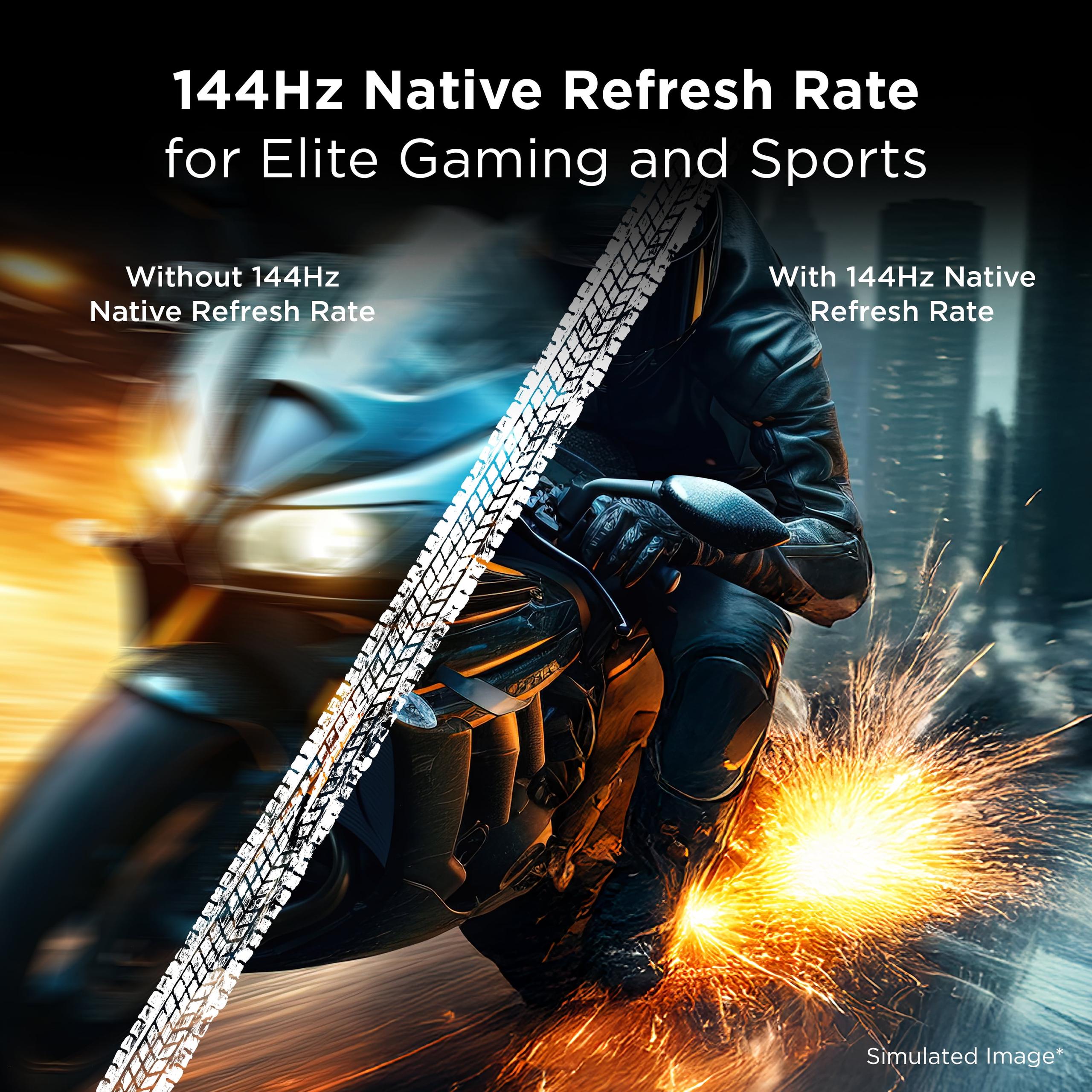
| 144Hz native + Game Accelerator 288 (up to 288Hz VRR) | 144Hz native maximum |
| HDR Format Support - Compatibility with streaming and disc content | |
| HDR10, HDR10+, Dolby Vision, HLG | Neo Quantum HDR, HDR10+ Adaptive (no Dolby Vision) |
| Color Accuracy Focus - Optimized for different use cases | |
| 97% DCI-P3 for vibrant movie colors | Pantone validated for accurate art reproduction |
| Art Display Features - Lifestyle integration when TV is off | |
| Standard screensaver options | Dedicated Art Mode with Samsung Art Store access |
The TCL 65" QM9K is significantly better for gaming with 5.3ms input lag and support for up to 288Hz refresh rates through its Game Accelerator technology. The Samsung Frame Pro has over 30ms input lag due to its wireless processing, making it unsuitable for competitive gaming. The TCL QM9K also includes gaming-specific features like shadow enhancement and AMD FreeSync Premium Pro support.
The most dramatic difference is brightness capability. The TCL QM9K reaches 6,500 nits peak brightness compared to the Samsung Frame Pro's 1,000 nits - making HDR content significantly more impactful on the TCL. The TCL QM9K also has up to 6,000 local dimming zones versus several hundred on the Frame Pro, resulting in better contrast control and deeper blacks.
Yes, the Samsung Frame Pro is specifically designed for this with its matte anti-reflective screen, customizable bezels in wood/metal/fabric finishes, and dedicated Art Mode. It displays thousands of curated artworks from Samsung's Art Store with Pantone-validated color accuracy. The wireless One Connect Box eliminates visible cables, completing the artwork illusion that the TCL QM9K cannot replicate.
This depends on your priorities. The TCL QM9K can overcome any ambient light with its extreme 6,500-nit brightness, but its glossy screen shows reflections. The Samsung Frame Pro has a matte anti-reflective coating that eliminates glare and reflections, though it's not as bright. For consistent visibility regardless of lighting, the Frame Pro has the advantage.
The TCL QM9K is superior for dedicated home theater use due to its exceptional brightness for HDR content, precise local dimming with 6,000 zones, and glossy screen that maximizes color saturation. The Samsung Frame Pro provides a good movie experience but with less impactful HDR and slightly muted colors due to its matte coating. Both support major streaming apps and high-quality upscaling.
The TCL QM9K runs Google TV, which offers excellent content discovery and seamless Android device integration. The Samsung Frame Pro uses Samsung's Tizen platform with built-in Alexa and Bixby voice assistants. Google TV generally provides better content recommendations, while Tizen offers superior integration if you use other Samsung devices.
The TCL QM9K has superior built-in audio with a Bang & Olufsen-tuned 2.1.1 channel system including a dedicated subwoofer for genuine bass response. The Samsung Frame Pro features a 2.0.2 channel system with Object Tracking Sound but lacks the bass impact of the TCL QM9K. Most users won't need additional speakers with the TCL.
The TCL QM9K typically offers better performance value with flagship-level brightness, contrast, gaming features, and audio at a competitive price point. The Samsung Frame Pro commands a premium for its unique lifestyle features like art display and wireless connectivity. Choose the TCL QM9K for maximum performance per dollar, or the Frame Pro if design integration justifies the extra cost.
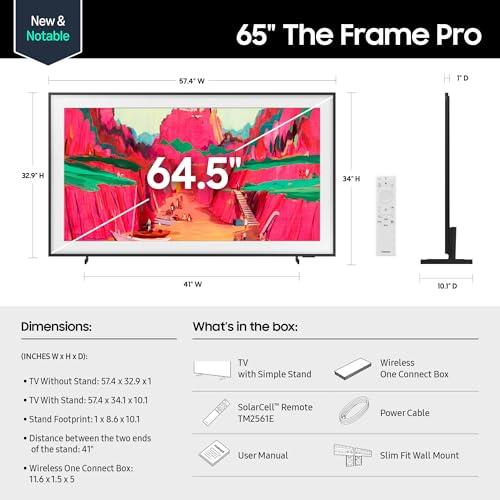
The Samsung Frame Pro features a revolutionary Wireless One Connect Box that transmits video wirelessly up to 10 meters, eliminating cable clutter for clean wall installation. The TCL QM9K uses traditional wired connections requiring cable management. Both offer multiple HDMI 2.1 ports, but the Frame Pro's wireless approach is unique in the TV market.
Both TVs handle motion well with 144Hz native refresh rates, but the TCL QM9K has an edge with its Motion Rate 480 technology and the ability to extend up to 288Hz for certain content. The superior brightness of the TCL QM9K also helps maintain clarity during fast-paced sports in bright viewing environments, while the Frame Pro provides smooth motion with less dramatic brightness.
The TCL QM9K supports HDR10, HDR10+, Dolby Vision, and HLG - covering all major formats used by streaming services and 4K Blu-rays. The Samsung Frame Pro supports HDR10+ Adaptive and Samsung's Neo Quantum HDR but notably lacks Dolby Vision support, which is used by Netflix, Apple TV+, and many 4K discs. This gives the TCL QM9K broader compatibility.
The Samsung Frame Pro offers easier installation for wall mounting due to its Wireless One Connect Box - you only need to run power to the TV while all video sources connect to the separate box up to 10 meters away. The TCL QM9K requires traditional cable management from all sources directly to the TV. However, the Frame Pro's wireless system has no wired backup option if connectivity issues occur.
We've done our best to create useful and informative comparisons to help you decide what product to buy. Our research uses advanced automated methods to create this comparison and perfection is not possible - please contact us for corrections or questions. These are the sites we've researched in the creation of this article: rtings.com - bestbuy.com - youtube.com - youtube.com - youtube.com - techaeris.com - displayspecifications.com - pcrichard.com - residentialsystems.com - us.tcl.com - displayspecifications.com - valueelectronics.com - woodruffappliance.com - tcl.com - pcrichard.com - tcl.com - techradar.com - tcl.com - us.tcl.com - youtube.com - youtube.com - bestbuy.com - youtube.com - tomsguide.com - youtube.com - smarthomesounds.co.uk - images.samsung.com - rtings.com - samsung.com - bestbuy.com - bestbuy.com - businessinsider.com - dentonstv.com - samsung.com - flatpanelshd.com - samsung.com - jefflynch.com - youtube.com - costco.com

Privacy Policy
Terms and Conditions - Affiliate Policy
Home Security
© Copyright 2008-2026.
11816 Inwood Rd #1211, Dallas, TX 75244