

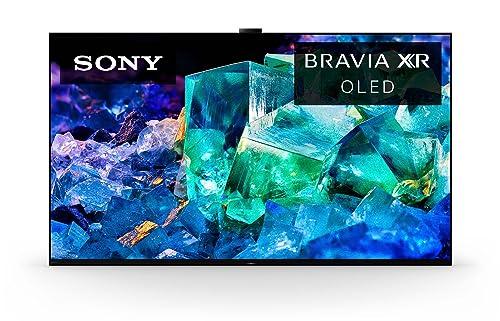


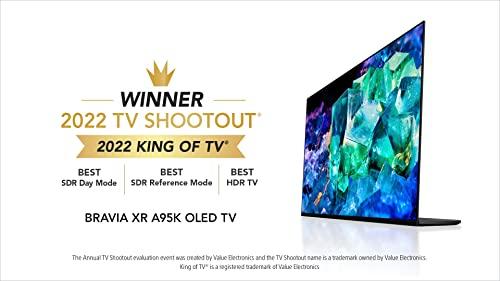
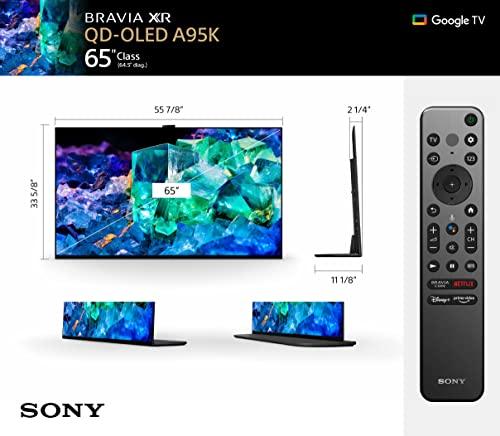


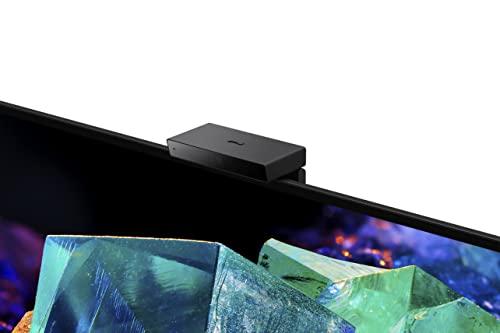
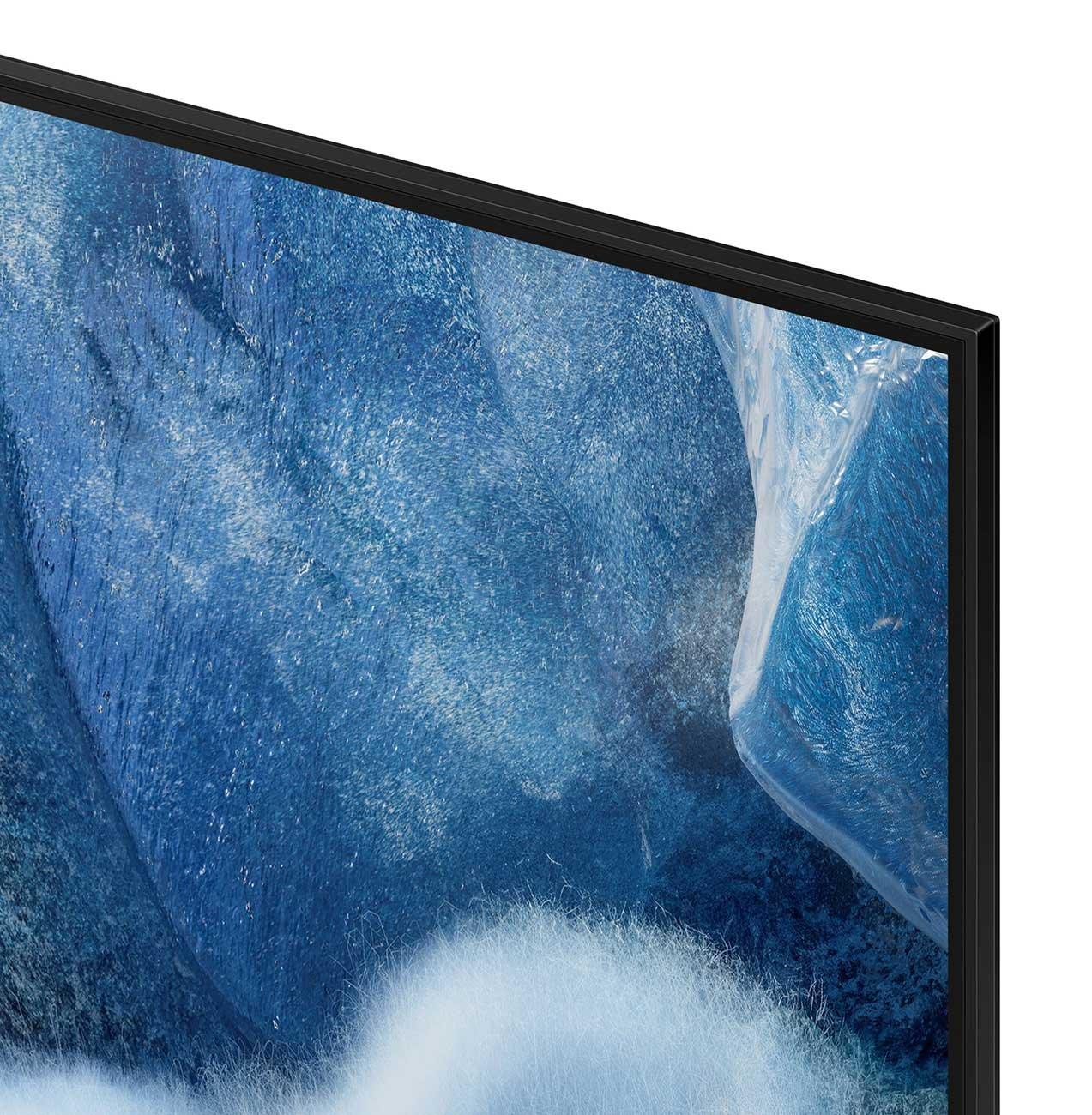
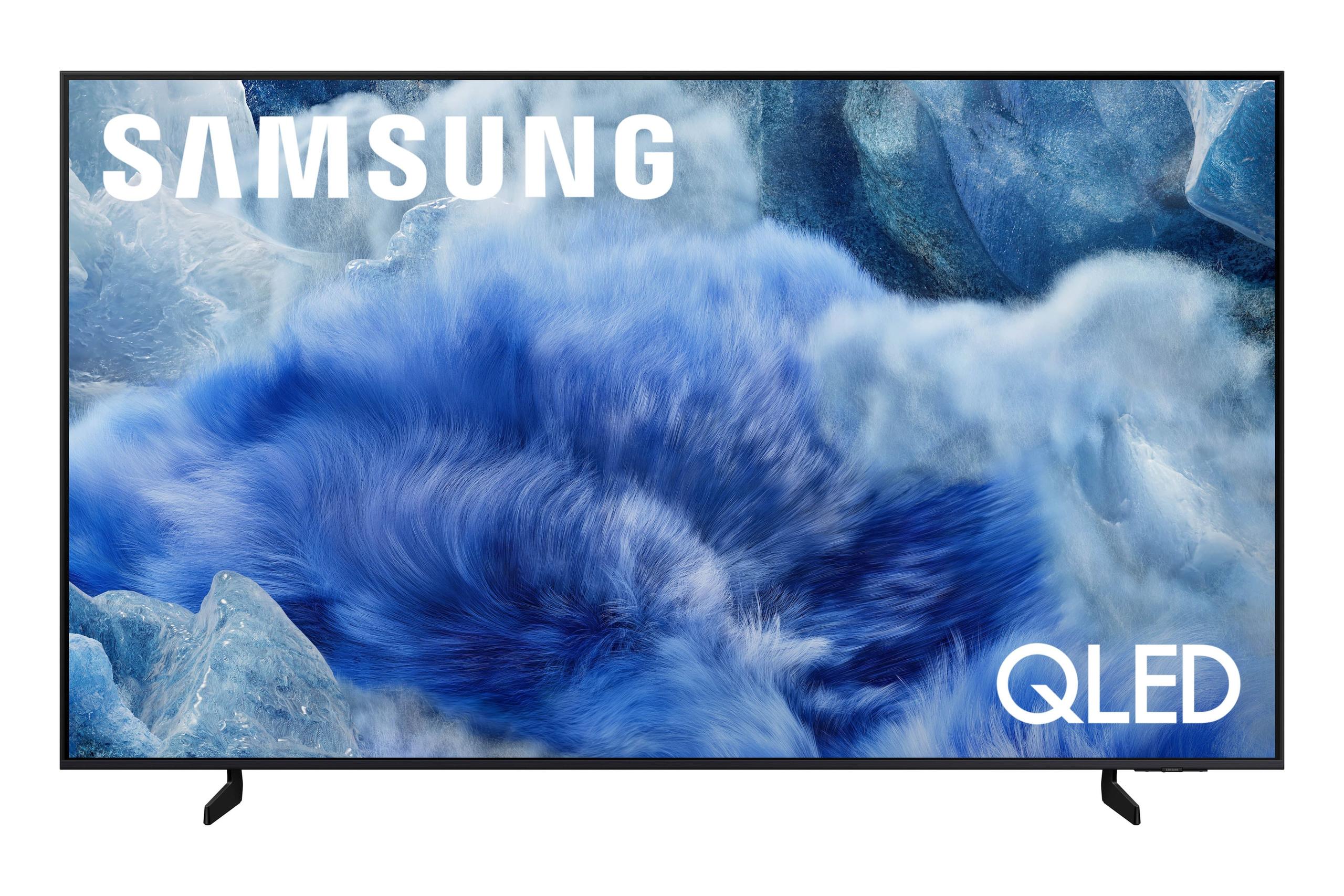
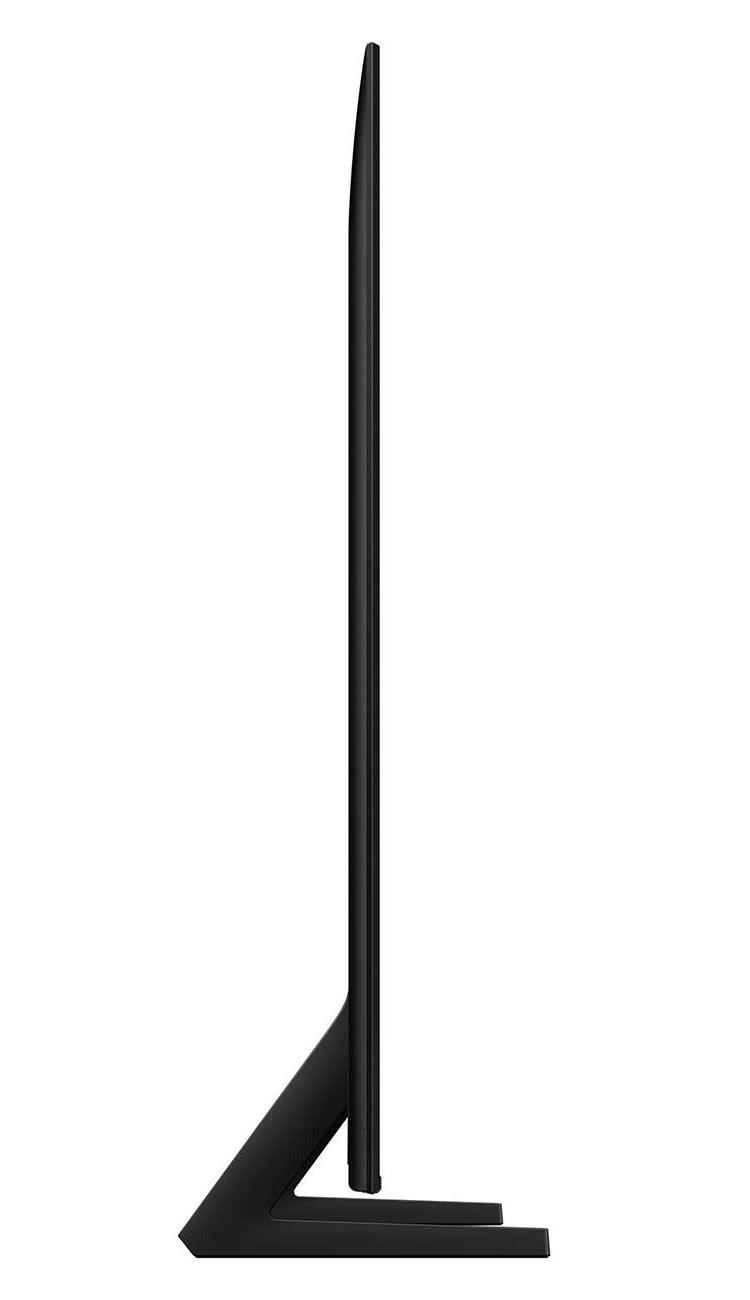
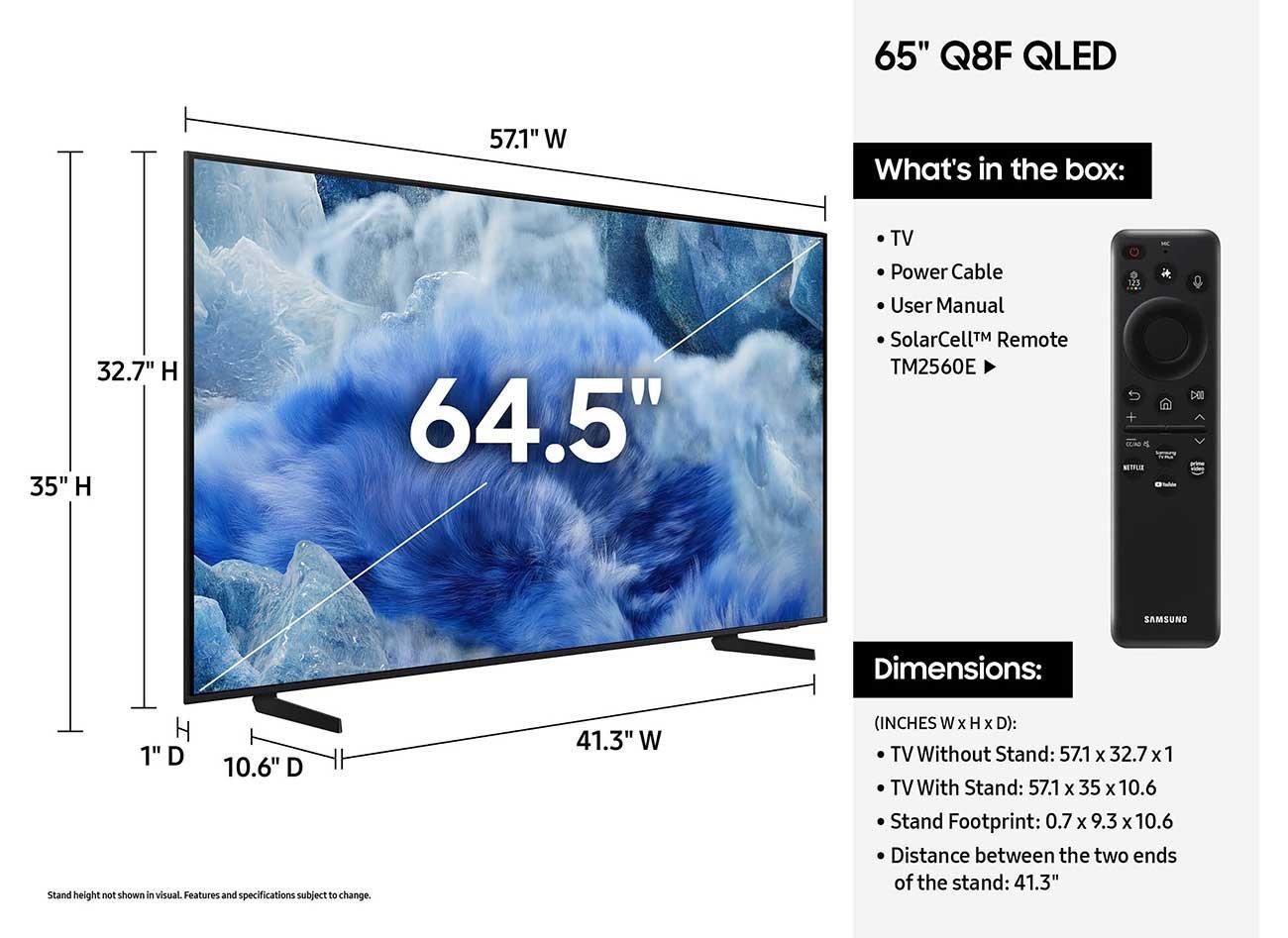
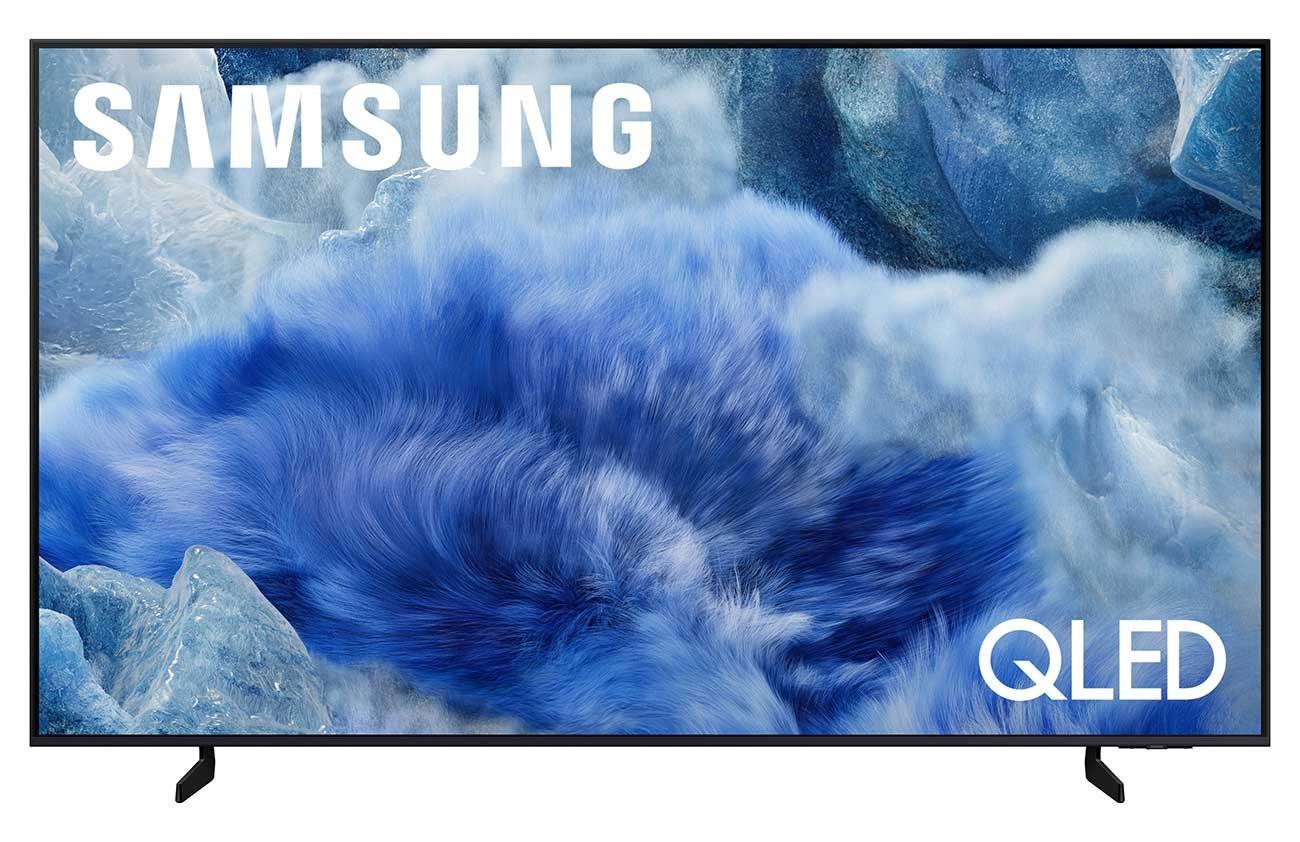
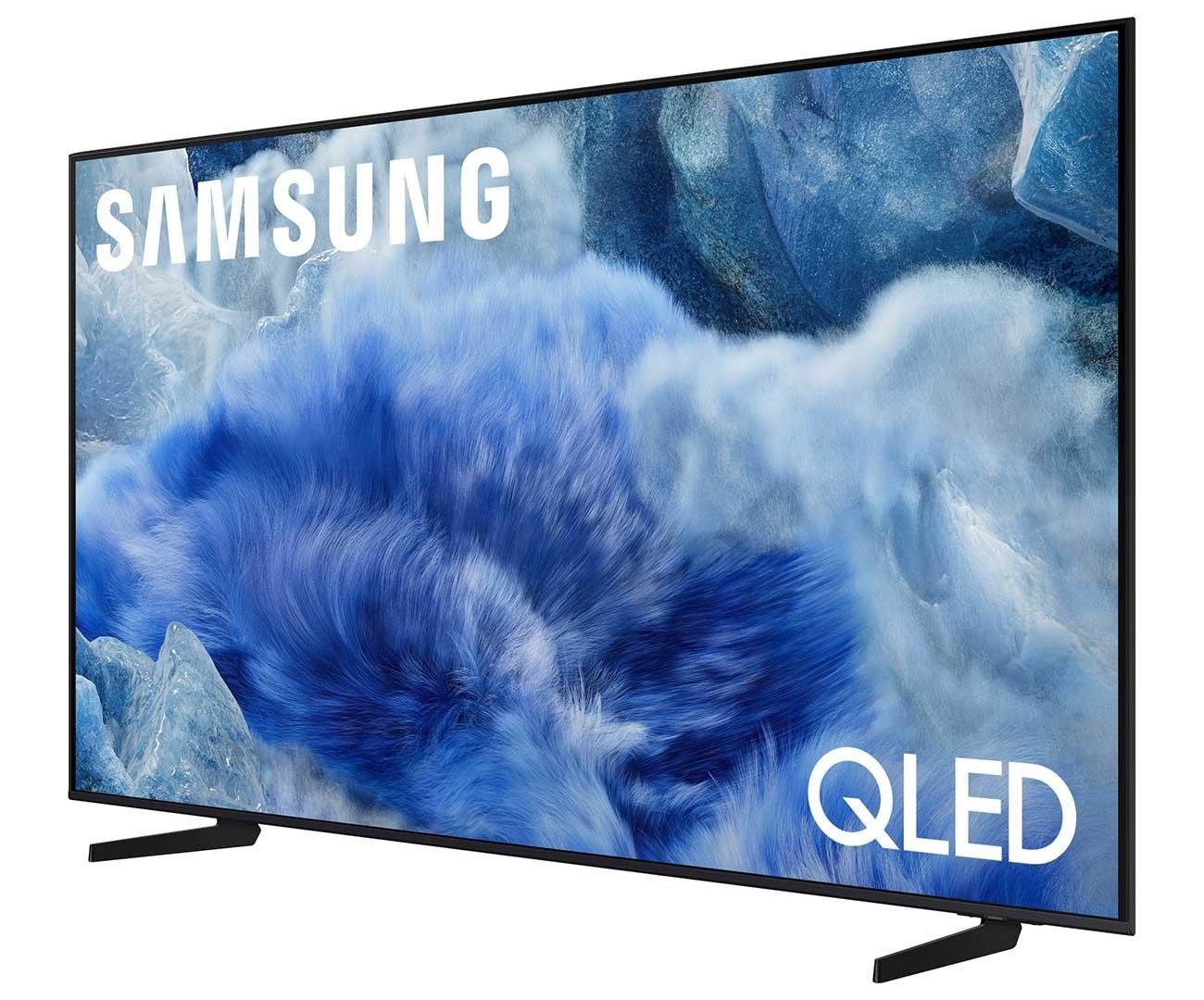
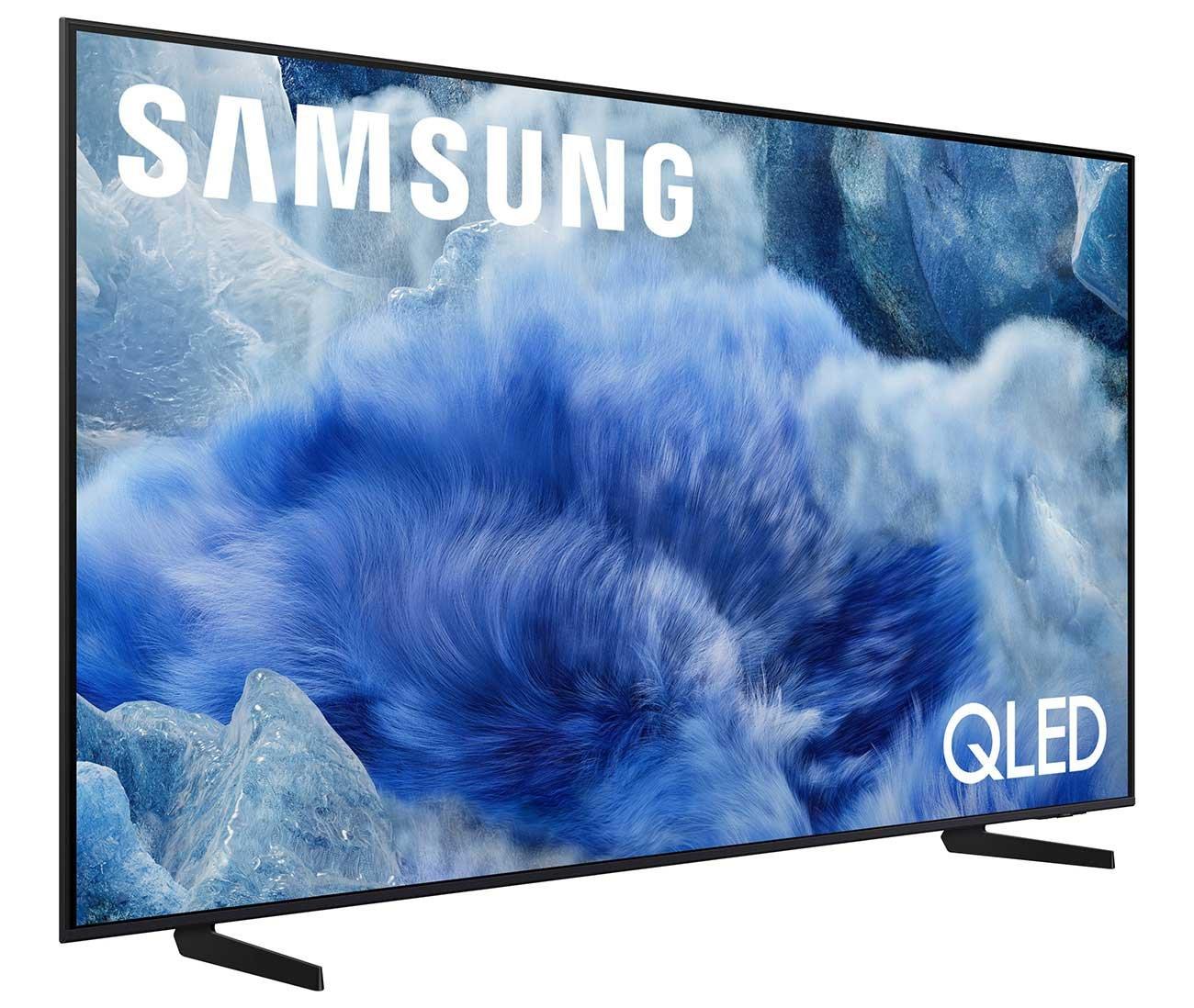
Choosing between two premium 65-inch TVs can feel overwhelming, especially when they represent completely different display technologies. The Sony Bravia XR A95K, released in 2022, showcases cutting-edge QD-OLED technology, while the Samsung 65" QN8F Series, launched in 2025, features the latest QLED innovations with advanced AI processing. Both deliver exceptional picture quality, but they take fundamentally different approaches to getting there.
Understanding these differences matters because your choice will significantly impact your viewing experience for years to come. The Sony A95K focuses on delivering cinema-quality picture accuracy with perfect blacks, while the Samsung QN8F prioritizes versatility and brightness for various room conditions. Let's dive deep into what makes each TV special and help you decide which one belongs in your living room.
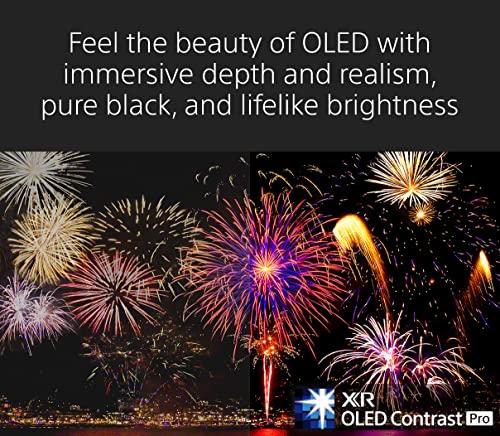
The core difference between these TVs lies in their display technology, which affects everything from picture quality to durability. The Sony A95K uses QD-OLED (Quantum Dot Organic Light Emitting Diode) technology, where each pixel produces its own light and can turn completely off. This means when you're watching a movie with a black night sky, those pixels literally turn off, creating true blacks that make stars pop with incredible contrast.
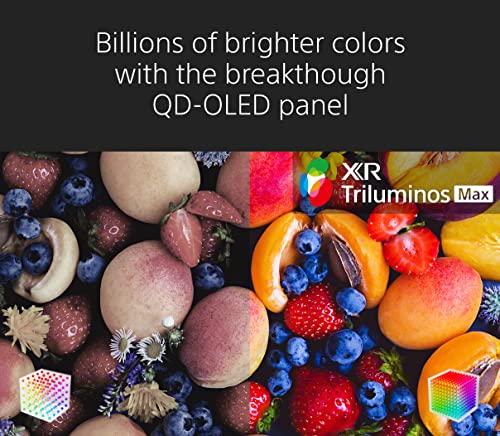
QD-OLED takes traditional OLED technology and adds quantum dots—microscopic semiconductors that convert blue light into precise red and green colors. This combination delivers both perfect blacks and significantly improved color brightness compared to regular OLED panels. Think of it as getting the best of both worlds: the infinite contrast of OLED with the color vibrancy of quantum dot technology.
The Samsung QN8F, on the other hand, uses QLED (Quantum Dot LED) technology with what's likely a Mini-LED backlight system. Instead of individual pixels creating light, this TV uses thousands of tiny LED lights behind the screen, grouped into zones that can dim independently. Quantum dots then convert this light into pure, saturated colors. While it can't achieve true blacks like OLED, modern QLED TVs can get much brighter, making them excellent for well-lit rooms.
Since the Sony A95K launched in 2022, QD-OLED technology has proven itself as a premium display solution, though it remains expensive to manufacture. The Samsung QN8F, being a 2025 model, benefits from three years of additional LED and processing improvements, including more advanced AI features and likely better local dimming performance.
Contrast and Black Levels
The Sony A95K delivers what many consider the gold standard for contrast performance. With over 8.2 million individually controlled pixels, it can display a bright white star next to a completely black night sky without any light bleeding between them. This pixel-level control creates an infinite contrast ratio—technically perfect contrast that makes HDR content look incredibly realistic.
Research from professional calibrators consistently shows that OLED technology's perfect blacks create a more cinematic viewing experience, especially in dimly lit rooms. The Sony A95K takes this further with its QD-OLED panel, which maintains these perfect blacks while delivering brighter, more saturated colors than traditional OLED displays.
The Samsung QN8F can't match perfect blacks, but its Mini-LED backlighting system (which we can infer from Samsung's 2025 lineup trends) provides excellent local dimming control. This means it can dim specific areas of the screen to create deep blacks, though some light bleeding around bright objects may occur. However, this trade-off allows the Samsung to achieve much higher peak brightness—potentially over 1000 nits compared to the Sony's approximately 400 nits typical brightness.
Color Accuracy and Vibrancy
The Sony A95K excels in color accuracy, with Sony's XR Triluminos Max technology delivering colors that closely match professional reference monitors used in movie production. The QD-OLED panel can reproduce nearly the entire DCI-P3 color space used in cinema, meaning you see colors as filmmakers intended them.
What sets the Sony A95K apart is its color luminance—the ability to maintain color saturation even in bright scenes. Traditional OLED displays often show washed-out colors in bright scenes, but the QD-OLED panel maintains vibrant reds and greens even when displaying bright content.
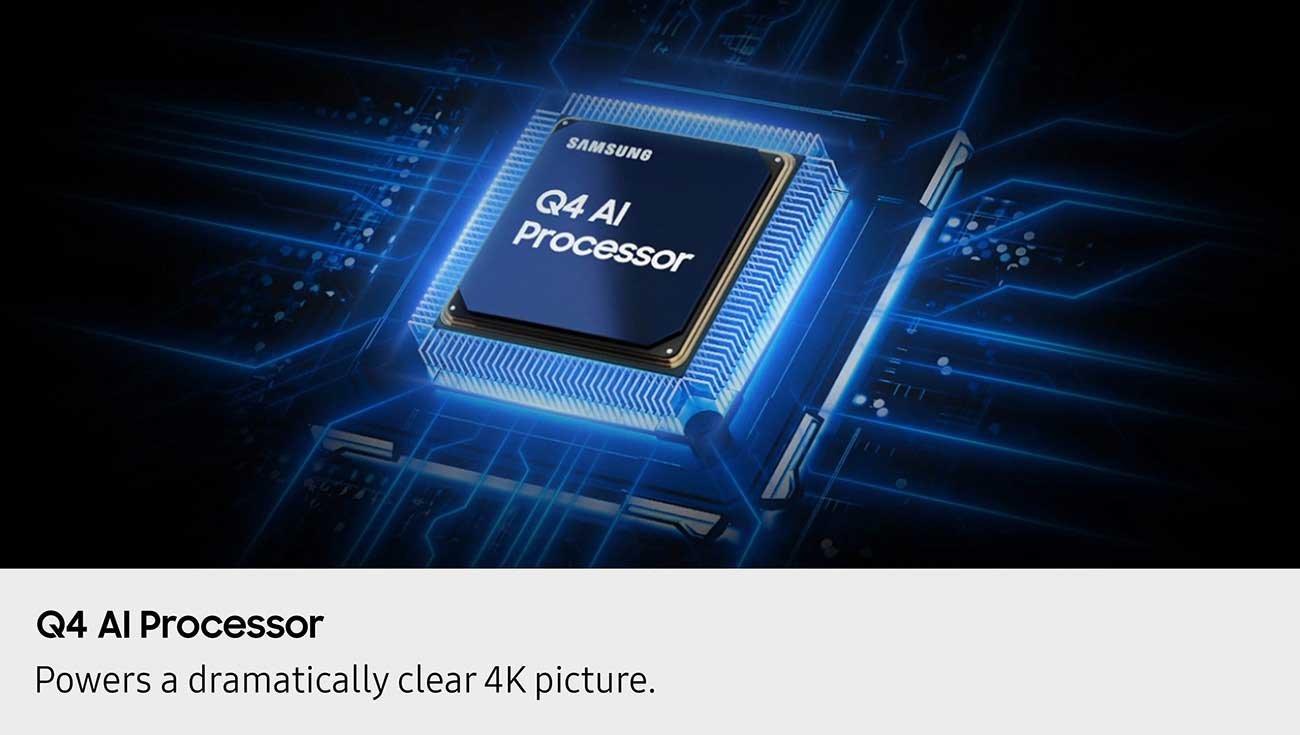
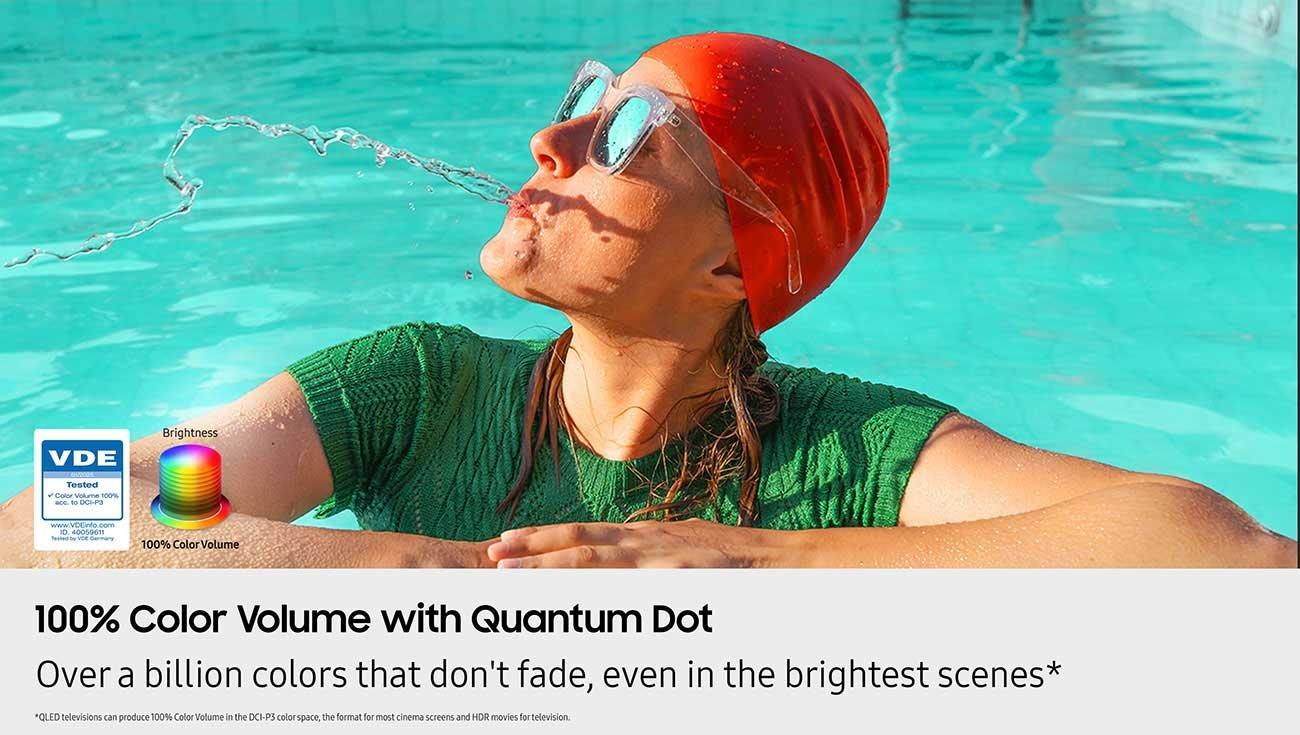
The Samsung QN8F approaches color differently, using its Quantum Dot technology to achieve 100% Color Volume across one billion shades. While this might sound like marketing speak, it means the TV can maintain color saturation at any brightness level. Samsung's 2025 Vision AI technology also adapts colors based on ambient lighting and content type, potentially making colors appear more vibrant than they were originally mastered.
HDR Performance
HDR (High Dynamic Range) content represents the biggest difference between these displays. The Sony A95K supports HDR10, HLG, and Dolby Vision, with its OLED technology providing exceptional shadow detail. When watching a movie like "Dune," you'll see subtle details in both the bright desert scenes and dark interior shots simultaneously.
The Samsung QN8F supports Quantum HDR+ and HDR10+ Adaptive, with its higher peak brightness making bright HDR highlights more impactful. This means explosions, sunlight, and other bright scenes will appear more intense than on the Sony. However, it may not preserve shadow detail quite as well in complex HDR scenes.
Gaming capabilities vary significantly between these TVs, reflecting their different target audiences and technological approaches.
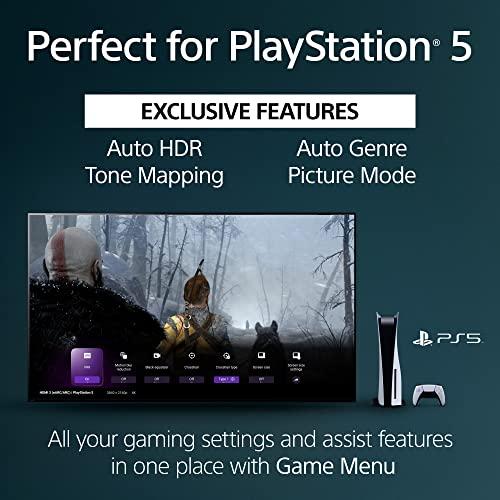
The Sony A95K offers near-instantaneous pixel response time—essentially eliminating motion blur completely. This OLED advantage makes fast-moving games incredibly smooth, with racing games and first-person shooters benefiting from crystal-clear motion. The TV includes two HDMI 2.1 ports supporting 4K at 120Hz, Variable Refresh Rate (VRR), and Auto Low Latency Mode (ALLM).
However, the Sony A95K has a significant limitation for serious gamers: only two HDMI 2.1 ports, with one typically used for eARC audio connection to a soundbar. This leaves just one port for full gaming capabilities, potentially forcing choices between multiple gaming consoles or PC gaming setups.
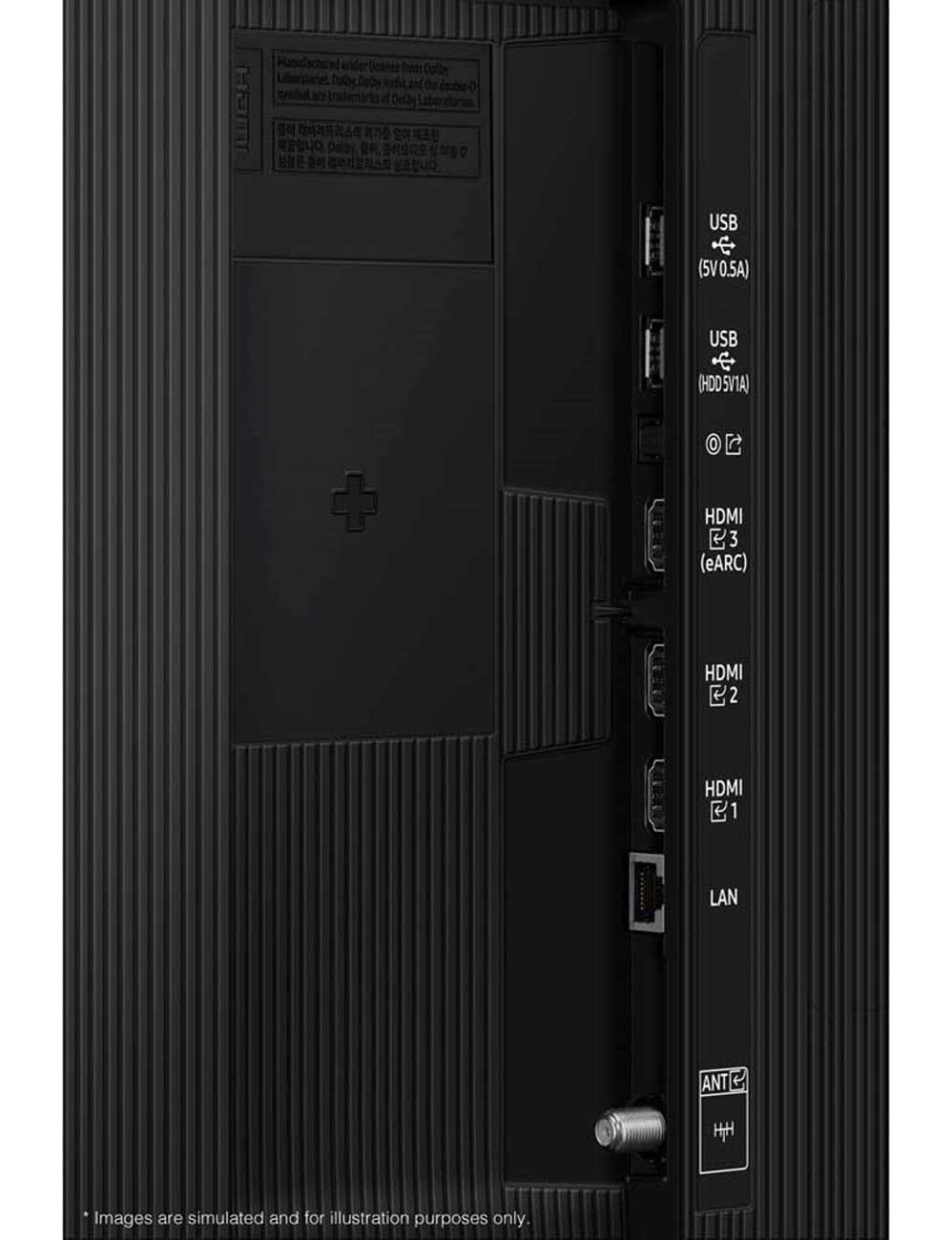
The Samsung QN8F addresses this connectivity concern while adding unique gaming features. Its Motion Xcelerator 144Hz technology supports refresh rates up to 144Hz, making it particularly appealing for PC gamers with high-end graphics cards. Multiple HDMI 2.1 ports (likely four based on Samsung's 2025 lineup) provide flexibility for multiple gaming devices.
For competitive gaming, the Samsung QN8F might have slight advantages in input lag optimization and gaming-specific features, though both TVs deliver excellent gaming performance. The higher refresh rate support makes the Samsung more future-proof for PC gaming evolution.
Audio represents one of the most interesting differentiators between these TVs, with each taking a unique technological approach.
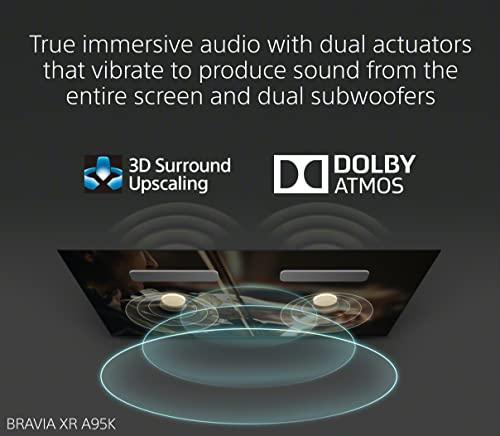
The Sony A95K features Acoustic Surface Audio+ technology, where actuators behind the screen vibrate the display itself to produce sound. This creates an incredibly immersive audio experience—dialogue seems to come directly from actors' mouths, and sound effects appear to originate from their exact screen location. It's like having invisible speakers perfectly positioned across the entire display.
This screen-as-speaker technology also enables the Sony A95K to function as a center channel speaker in a home theater setup, seamlessly blending with external surround speakers. For home theater enthusiasts, this integration capability is genuinely valuable and unique.
The Samsung QN8F uses more traditional speakers but enhances them with advanced AI processing. Its Adaptive Sound+ technology analyzes content in real-time, adjusting audio based on what's happening on screen. During action scenes, it emphasizes effects; during dialogue scenes, it enhances vocal clarity. The system also adapts to your room's acoustics, potentially delivering better performance than the Sony's innovative but fixed speaker configuration.
Samsung's Q-Symphony technology allows the Samsung QN8F to work in harmony with Samsung soundbars, using both the TV's speakers and the soundbar simultaneously for enhanced audio depth.
The smart platform comparison reveals the classic trade-off between proven maturity and cutting-edge features.
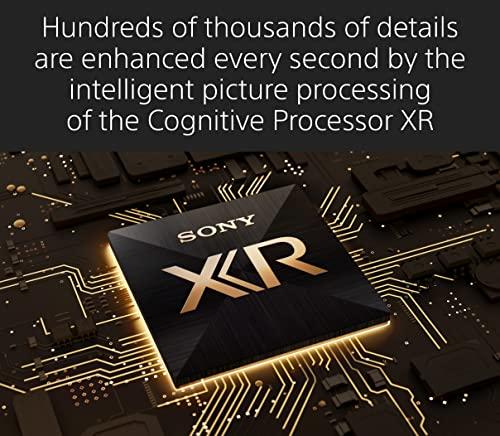
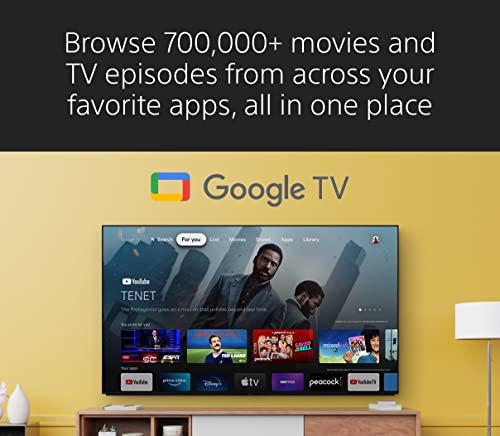
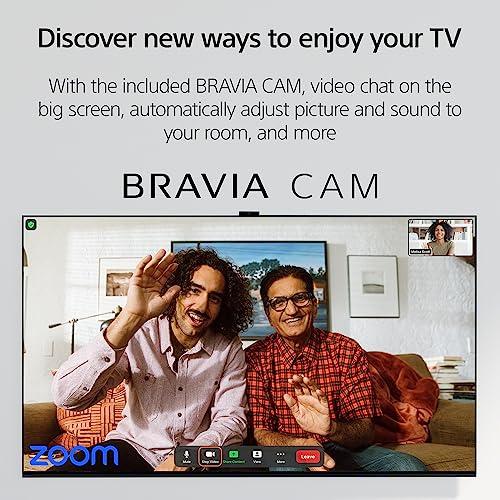
The Sony A95K runs Google TV, which has evolved into a comprehensive, stable platform since its 2021 launch. The interface intelligently organizes content from multiple streaming services, and Google Assistant integration provides reliable voice control. The included BRAVIA CAM enables gesture controls and video calling—features that seemed futuristic in 2022 but feel more standard now.
Google TV's strength lies in its content discovery and cross-platform integration. If you use Google services, YouTube TV, or prefer Android-style interfaces, the Sony's platform feels familiar and responsive.
The Samsung QN8F showcases Samsung's latest 2025 AI innovations, with Vision AI representing a significant advancement in intelligent TV features. This system analyzes what you're watching in real-time, automatically optimizing picture and sound settings for different content types. Watching a dark thriller? It enhances shadow detail. Sports game? It boosts motion clarity and crowd noise.
Samsung's Enhanced Bixby voice assistant has reportedly improved significantly, now capable of understanding context and processing multiple commands simultaneously. The Generative Wallpaper feature lets you create custom artwork using AI—a fun addition that showcases the TV's processing capabilities.
However, newer smart features often come with reliability questions. While Samsung's Tizen platform is mature, the 2025 AI features may have occasional quirks that get resolved through software updates over time.
Evaluating value requires considering both current pricing and long-term satisfaction, with each TV offering different value propositions at the time of writing.
The Sony A95K, being a 2022 model, likely offers significant savings compared to its original launch pricing. QD-OLED technology remains premium and expensive to manufacture, but you're getting proven, mature technology with established reliability. This TV should deliver exceptional picture quality for many years, though it may gradually miss some newer smart features that emerge.
The Samsung QN8F represents current-generation technology at premium pricing typical for new releases. You're paying for the latest AI features, newest processing capabilities, and maximum future compatibility. However, premium pricing means you're investing significantly more for features that may not dramatically improve your daily viewing experience.
From a future-proofing perspective, the Samsung QN8F has advantages in gaming capabilities and smart features, while the Sony A95K offers proven picture quality technology that won't become obsolete.
For dedicated home theater setups, these TVs serve different roles and priorities.
The Sony A95K excels as a centerpiece display in a controlled lighting environment. Its perfect blacks and accurate colors make it ideal for movie nights, while the Acoustic Surface Audio+ technology provides excellent dialogue clarity even without a center channel speaker. The TV's center speaker mode capability makes it genuinely useful in complex audio setups.
Professional calibration options are extensive on the Sony A95K, with multiple picture modes including Netflix Calibrated Mode and BRAVIA CORE Calibrated Mode. These features appeal to enthusiasts who want cinema-accurate picture quality.
The Samsung QN8F works better in multi-purpose rooms that serve as both living spaces and entertainment areas. Its higher brightness handles ambient light better, making it more practical for rooms with windows or regular lighting use. The advanced AI features automatically adapt to different content types, reducing the need for manual adjustments.
After extensive research into expert reviews and user experiences, clear patterns emerge for who should choose each TV.
Choose the Sony A95K if:
Choose the Samsung QN8F if:
The Home Theater Verdict: For dedicated cinema rooms, the Sony A95K delivers superior picture quality and audio integration. For multipurpose family rooms, the Samsung QN8F provides better versatility and brightness handling.
Both TVs represent excellent choices within their strengths, but they serve different viewing priorities and room conditions. The Sony A95K prioritizes ultimate picture quality for movie enthusiasts, while the Samsung QN8F emphasizes versatility and cutting-edge features for varied daily use. Understanding your viewing habits, room environment, and priorities will guide you to the right choice for your specific situation.
| Sony Bravia XR A95K 65" QD-OLED TV | Samsung 65" QN8F Series QLED 4K Vision AI Smart TV 2025 |
|---|---|
| Display Technology - Fundamentally affects picture quality and room suitability | |
| QD-OLED with perfect pixel-level control | QLED with Mini-LED backlighting zones |
| Peak Brightness - Critical for bright room viewing and HDR impact | |
| ~400 nits (excellent for dark rooms) | 1000+ nits (superior for bright rooms) |
| Contrast Ratio - Determines how realistic dark scenes appear | |
| Infinite (true blacks, each pixel off) | Very high with local dimming (near-blacks) |
| Gaming Refresh Rate - Important for competitive and PC gaming | |
| 120Hz with VRR support | Up to 144Hz with Motion Xcelerator |
| HDMI 2.1 Ports - Affects multi-device gaming setups | |
| 2 ports (limiting for multiple consoles) | 4 ports (better connectivity flexibility) |
| Audio Innovation - Built-in sound quality without external speakers | |
| Acoustic Surface Audio+ (screen vibrates) | Adaptive Sound+ with AI optimization |
| Smart Platform - Long-term software support and feature updates | |
| Google TV (mature, proven ecosystem) | Tizen with 2025 Vision AI (cutting-edge features) |
| Color Accuracy - Important for movie enthusiasts and accurate content | |
| Cinema-grade with XR Triluminos Max | 100% Color Volume with AI enhancement |
| Release Year - Affects pricing and feature currency | |
| 2022 (likely significant price reductions) | 2025 (premium pricing for latest tech) |
| Best Room Type - Where each TV performs optimally | |
| Dark/controlled lighting home theaters | Bright living rooms with ambient light |
| Input Lag - Critical for competitive gaming performance | |
| ~16ms (excellent for gaming) | Optimized gaming modes (likely similar) |
| Burn-in Risk - Long-term durability consideration | |
| Potential OLED burn-in with static images | No burn-in risk with LED technology |
The Sony Bravia XR A95K delivers superior picture quality for movies with its QD-OLED technology providing perfect blacks and infinite contrast. This creates a more cinematic experience in dark rooms, while the Samsung QN8F offers brighter, more vibrant colors that work better in well-lit spaces.
The Samsung QN8F is better for serious gaming with its 144Hz refresh rate, multiple HDMI 2.1 ports, and versatile connectivity. The Sony A95K offers excellent gaming performance but is limited by only 2 HDMI 2.1 ports, which may restrict multi-console setups.
The Samsung QN8F performs significantly better in bright rooms with its higher peak brightness (1000+ nits) that can overcome ambient light. The Sony A95K is better suited for darker, controlled lighting environments due to its lower brightness output.
The Sony A95K uses QD-OLED where each pixel produces its own light and can turn completely off for perfect blacks. The Samsung QN8F uses QLED with LED backlighting that can dim in zones but cannot achieve true blacks, though it gets much brighter overall.
The Sony A95K has superior built-in audio with its innovative Acoustic Surface Audio+ technology that makes the screen itself vibrate to produce sound. The Samsung QN8F offers good sound with AI optimization but uses traditional speakers rather than the Sony's screen-based audio system.
The Sony A95K has potential burn-in risk due to its OLED technology, especially with static images like news tickers or gaming HUDs. The Samsung QN8F has no burn-in risk since it uses LED technology, making it more suitable for varied content and gaming.
The Sony A95K excels in dedicated home theaters with its perfect contrast, accurate colors, and ability to function as a center channel speaker. The Samsung QN8F works better in multipurpose rooms that need to handle both entertainment and daily activities with ambient lighting.
The Samsung QN8F offers cutting-edge 2025 AI features including Vision AI and Enhanced Bixby with advanced content optimization. The Sony A95K provides the mature, reliable Google TV platform with comprehensive app support and stable performance.
Value depends on your priorities: the Sony A95K likely offers better value due to price reductions since its 2022 release, delivering premium QD-OLED technology at lower cost. The Samsung QN8F provides current-generation features and future-proofing at premium pricing.
The Sony A95K supports HDR10, HLG, and Dolby Vision with excellent shadow detail preservation. The Samsung QN8F supports Quantum HDR+ and HDR10+ Adaptive, with brighter peak highlights but potentially less shadow detail than the Sony.
The Samsung QN8F supports more gaming devices with 4 HDMI 2.1 ports for full gaming capabilities. The Sony A95K has only 2 HDMI 2.1 ports, with one often used for audio equipment, leaving just one port for optimal gaming performance.
Both TVs should last many years, but considerations differ: the Samsung QN8F has no burn-in risk and newer AI features that may receive longer software support. The Sony A95K has proven QD-OLED technology that won't become obsolete, though OLED panels may degrade slightly over extended use.
We've done our best to create useful and informative comparisons to help you decide what product to buy. Our research uses advanced automated methods to create this comparison and perfection is not possible - please contact us for corrections or questions. These are the sites we've researched in the creation of this article: tomsguide.com - audioadvice.com - wepc.com - bestbuy.com - tvsbook.com - rtings.com - youtube.com - flatpanelshd.com - rtings.com - youtube.com - reviewed.com - avsforum.com - youtube.com - youtube.com - rtings.com - youtube.com - electronics.sony.com - sonypremiumhome.com - valueelectronics.com - sony.com - displayspecifications.com - flatpanelshd.com - donstv.com - youtube.com - businessinsider.com - youtube.com - displayspecifications.com - bestbuy.com - bestbuy.com - samsung.com - rtings.com - youtube.com - samsung.com - pcrichard.com - abt.com - images.samsung.com - cnet.com - news.samsung.com - samsung.com - bestbuy.com

Privacy Policy
Terms and Conditions - Affiliate Policy
Home Security
© Copyright 2008-2026.
11816 Inwood Rd #1211, Dallas, TX 75244