

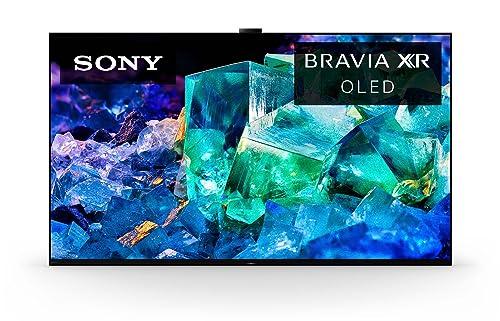


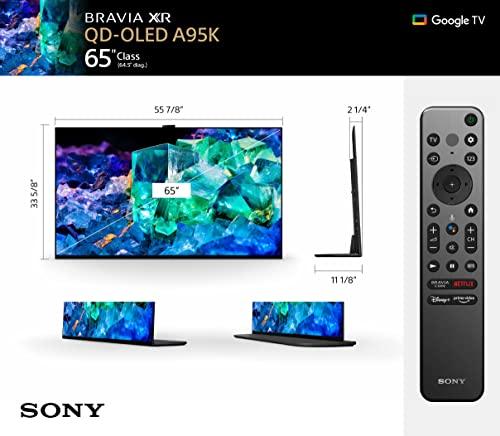



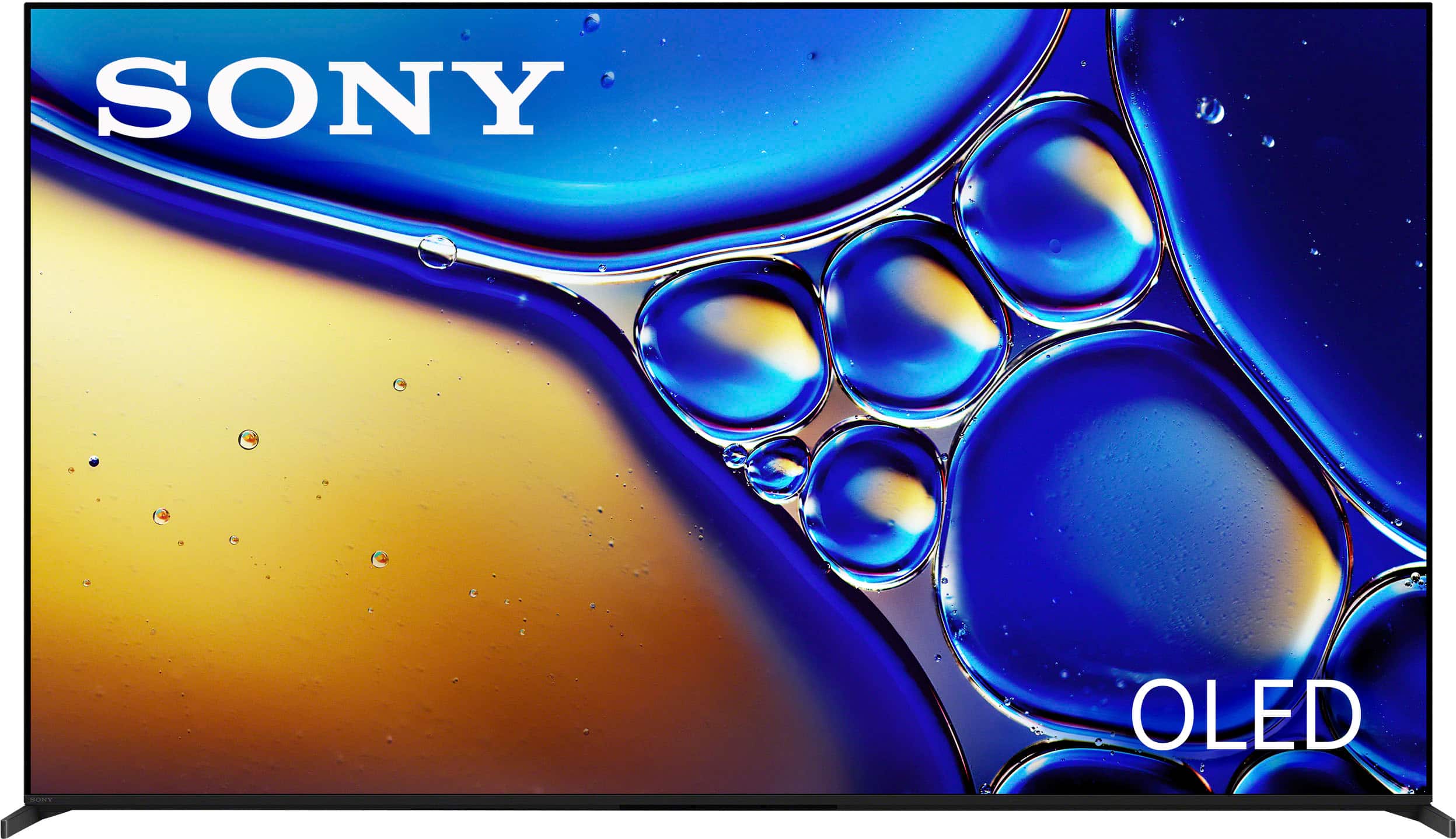
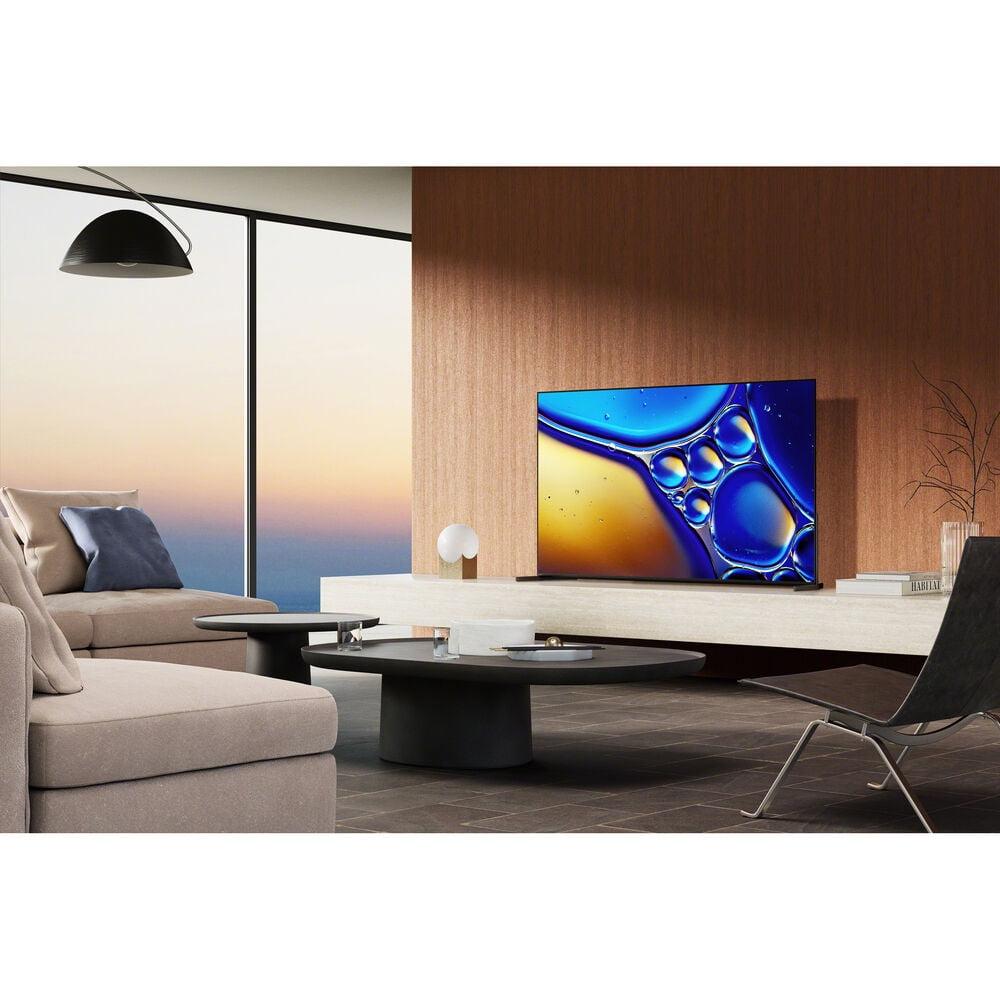


If you're shopping for a premium television in 2025, you've probably encountered Sony's impressive QD-OLED lineup. These aren't your typical TVs—they represent some of the most advanced display technology available to consumers. Today, we're comparing two standout models: the Sony Bravia XR A95K from 2022 and the newer Sony BRAVIA 8 II from 2025.
Both televisions use QD-OLED technology, which combines the perfect blacks of OLED panels with quantum dots for enhanced color reproduction. Think of quantum dots as tiny particles that can convert light into incredibly pure colors—they're what make these TVs capable of displaying colors that look almost impossibly vivid and accurate.
When you're spending serious money on a flagship television, you're entering a category where the differences can be subtle but meaningful. QD-OLED represents the cutting edge of TV technology, offering perfect pixel-level dimming (meaning each individual pixel can turn completely off for true blacks) combined with quantum dot color enhancement that delivers a wider range of colors than traditional displays.
The key considerations in this premium space revolve around brightness performance, color accuracy, smart features, and long-term value. Unlike budget TVs where you might compromise on picture quality for price, premium models like these are about finding the right balance between performance and investment.
The Sony A95K launched in 2022 as Sony's first QD-OLED television, representing a significant leap forward from their previous OLED offerings. At the time, it was groundbreaking—offering colors that were up to 200% brighter than conventional OLEDs while maintaining those perfect blacks that OLED is famous for.
Fast forward to 2025, and the BRAVIA 8 II represents three years of technological refinement. Sony has improved the QD-OLED panel technology, enhanced the processing power, and added AI-driven features that weren't available in 2022. This generational gap matters more than you might expect, particularly in brightness performance and smart processing capabilities.
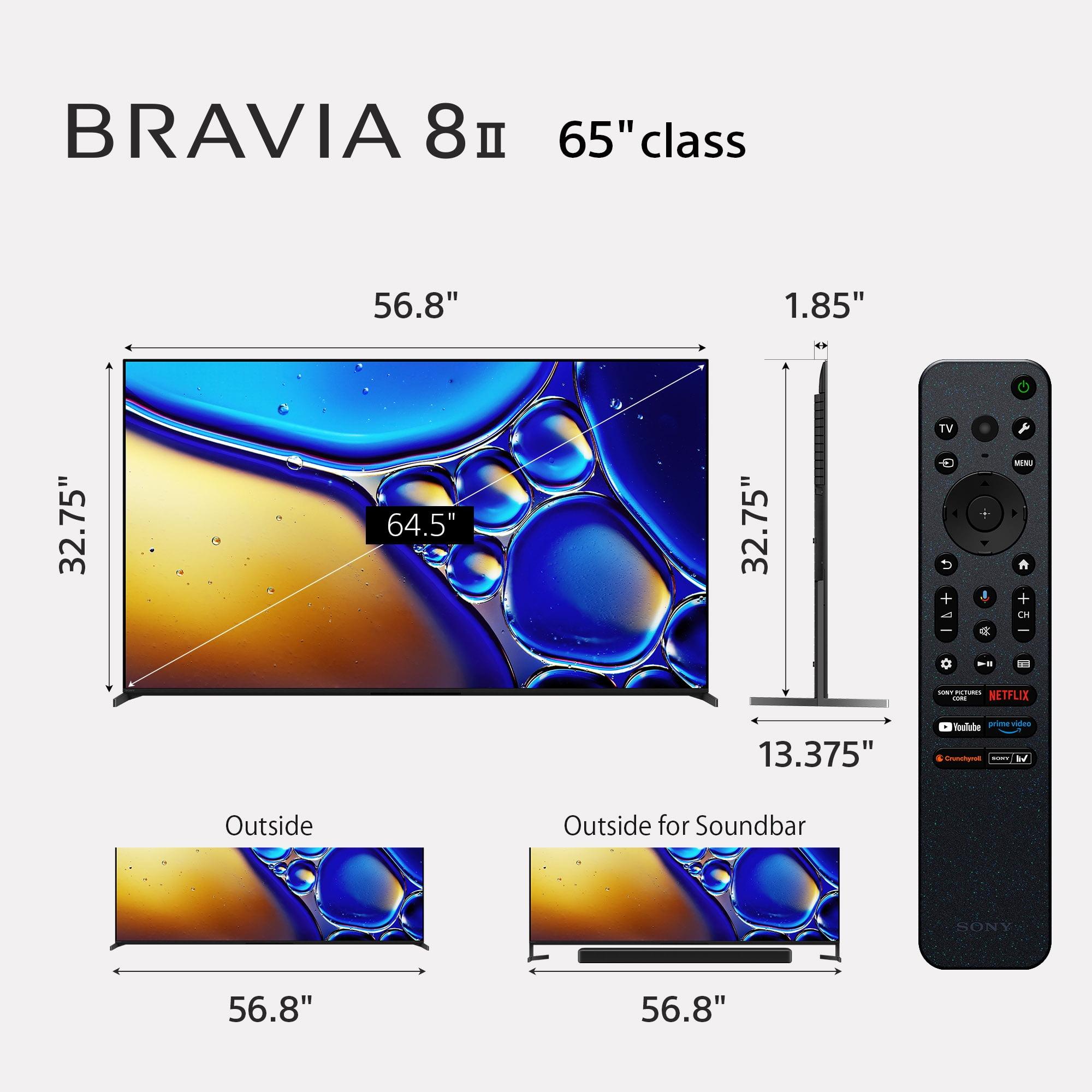
The most significant upgrade in the BRAVIA 8 II is its brightness capability. While the A95K achieved respectable brightness levels for an OLED at around 400 cd/m² typical brightness, the newer model pushes peak brightness to approximately 1,880 nits—that's about 25% brighter than Sony's previous flagship OLEDs.
Why does this matter? HDR (High Dynamic Range) content relies on bright highlights to create that "wow" factor. When you're watching a sunset scene or an explosion in a movie, those bright elements need to really pop off the screen to create the intended visual impact. The BRAVIA 8 II delivers this in a way that the A95K, while still impressive, simply cannot match.
This brightness difference also affects daytime viewing. If your TV room gets natural light during the day, the brighter panel of the BRAVIA 8 II will maintain better image quality and color saturation in those conditions. The A95K isn't terrible in bright rooms, but it's more at home in a dedicated home theater environment with controlled lighting.
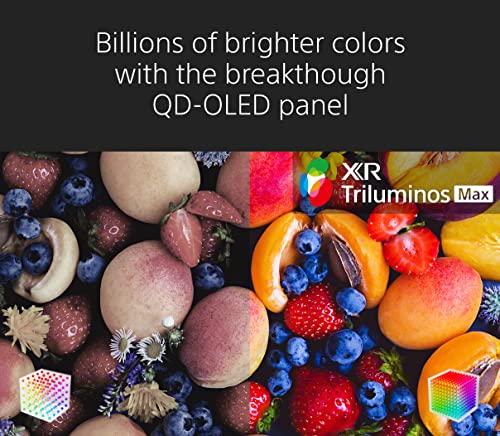
Both TVs feature Sony's XR Triluminos Max technology, which leverages the quantum dot layer to produce what Sony claims are billions of accurate colors. The underlying color reproduction is excellent on both models—skin tones look natural, grass appears genuinely green, and those sunset scenes we mentioned display warm, golden hues that feel authentic.
However, the BRAVIA 8 II includes Sony's second-generation Cognitive XR Processor with a new AI Scene Recognition feature. This system analyzes content in real-time and adjusts picture settings based on what type of scene is being displayed—whether it's a dark thriller, a bright nature documentary, or fast-paced sports action. The A95K lacks this intelligent optimization, relying instead on fixed picture modes and manual adjustments.
In our research of user experiences and expert reviews, this AI processing makes a noticeable difference in everyday viewing. The newer TV consistently delivers more optimized images without requiring manual tweaking, while the A95K benefits from more hands-on calibration to achieve its best performance.
Both models excel in contrast performance thanks to their OLED technology. Each pixel can turn completely off, creating perfect blacks with no light bleeding or blooming around bright objects. This is where OLED technology shines compared to LED-backlit displays, and both Sony models deliver this benefit excellently.
The advantage for the BRAVIA 8 II comes from its higher peak brightness creating greater overall dynamic range—the difference between the darkest darks and brightest brights. This translates to more three-dimensional, lifelike images that seem to have greater depth and realism.
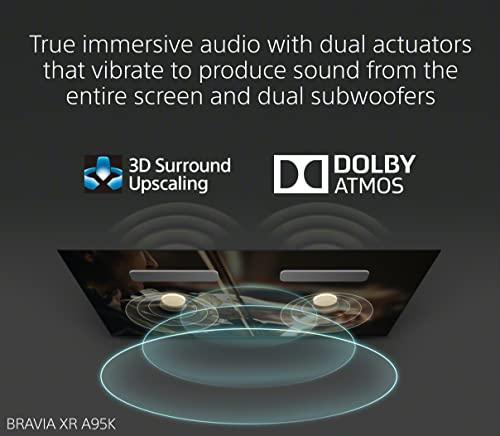
Both televisions use Sony's Acoustic Surface Audio+ technology, which is genuinely innovative. Instead of traditional speakers, actuators behind the screen vibrate the display panel itself to produce sound. This creates an immersive effect where dialogue and sound effects appear to come directly from their location on screen.
The BRAVIA 8 II enhances this with Voice Zoom 3 technology, which uses AI to enhance dialogue clarity even during loud action sequences. It also includes dual subwoofers for improved bass response. While the A95K offers good screen-based audio, the newer model provides noticeably clearer dialogue and fuller sound.
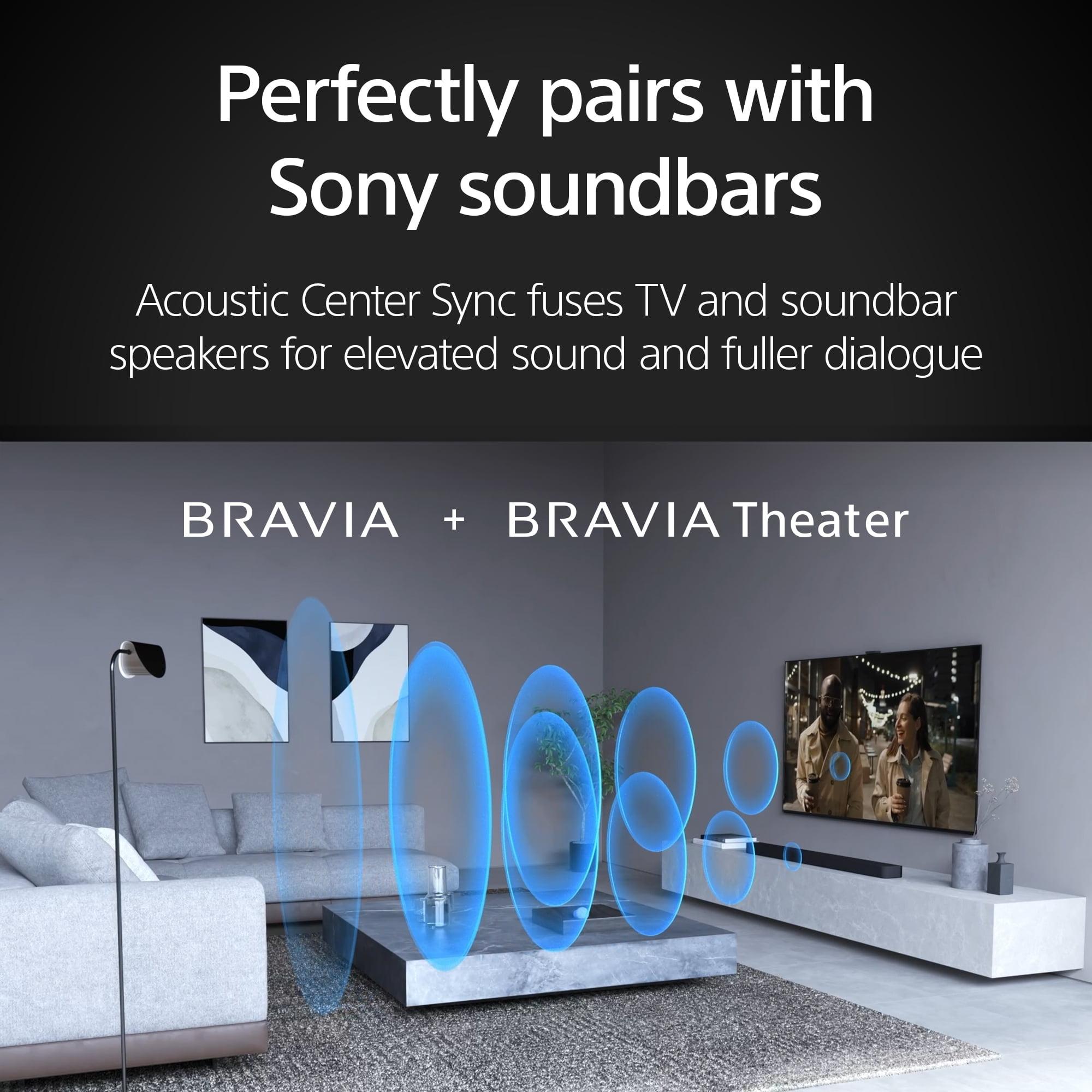
Both models can function as a center channel in a home theater setup, but the BRAVIA 8 II offers more sophisticated integration with Sony's BRAVIA Theater soundbar lineup through Acoustic Center Sync. If you're planning a full home theater system, this enhanced integration capability could be valuable.
Modern gaming demands specific features, and both TVs deliver the essentials: HDMI 2.1 support, 4K resolution at 120Hz refresh rates, Variable Refresh Rate (VRR) to eliminate screen tearing, and Auto Low Latency Mode (ALLM) for responsive gameplay.
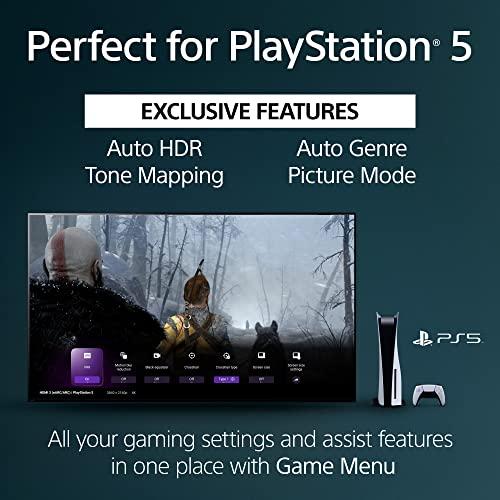
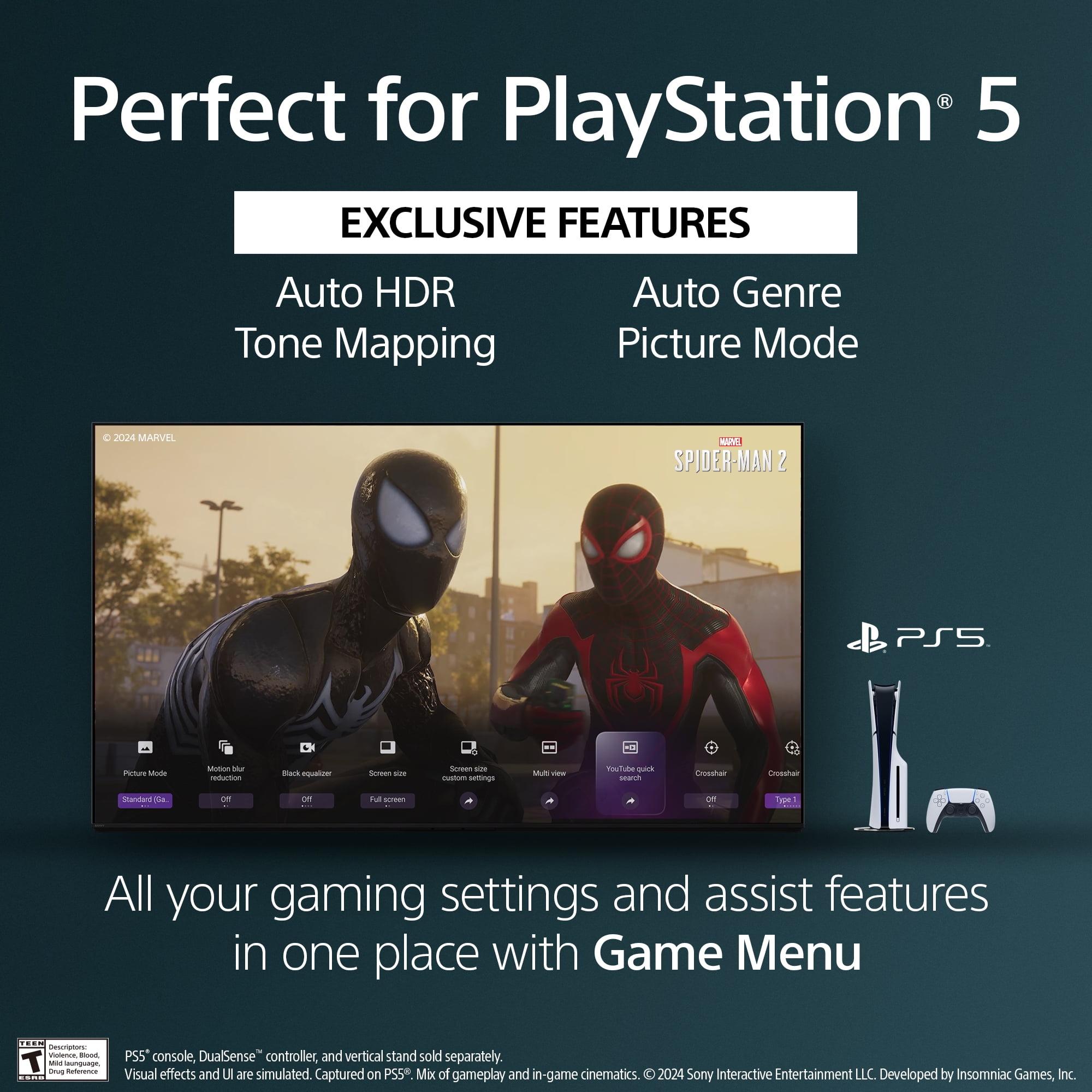
The BRAVIA 8 II provides meaningful improvements for gamers with input lag as low as 8.5ms and enhanced Auto Genre Picture Mode specifically optimized for PlayStation 5 consoles. The A95K offers solid gaming performance but with higher input lag and less sophisticated game-specific optimizations.
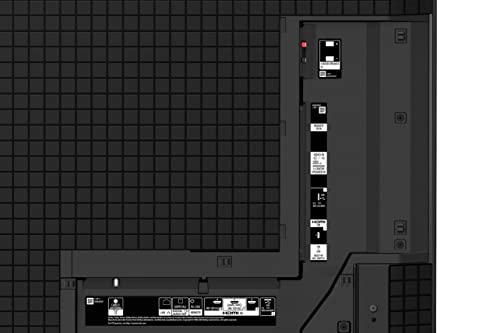
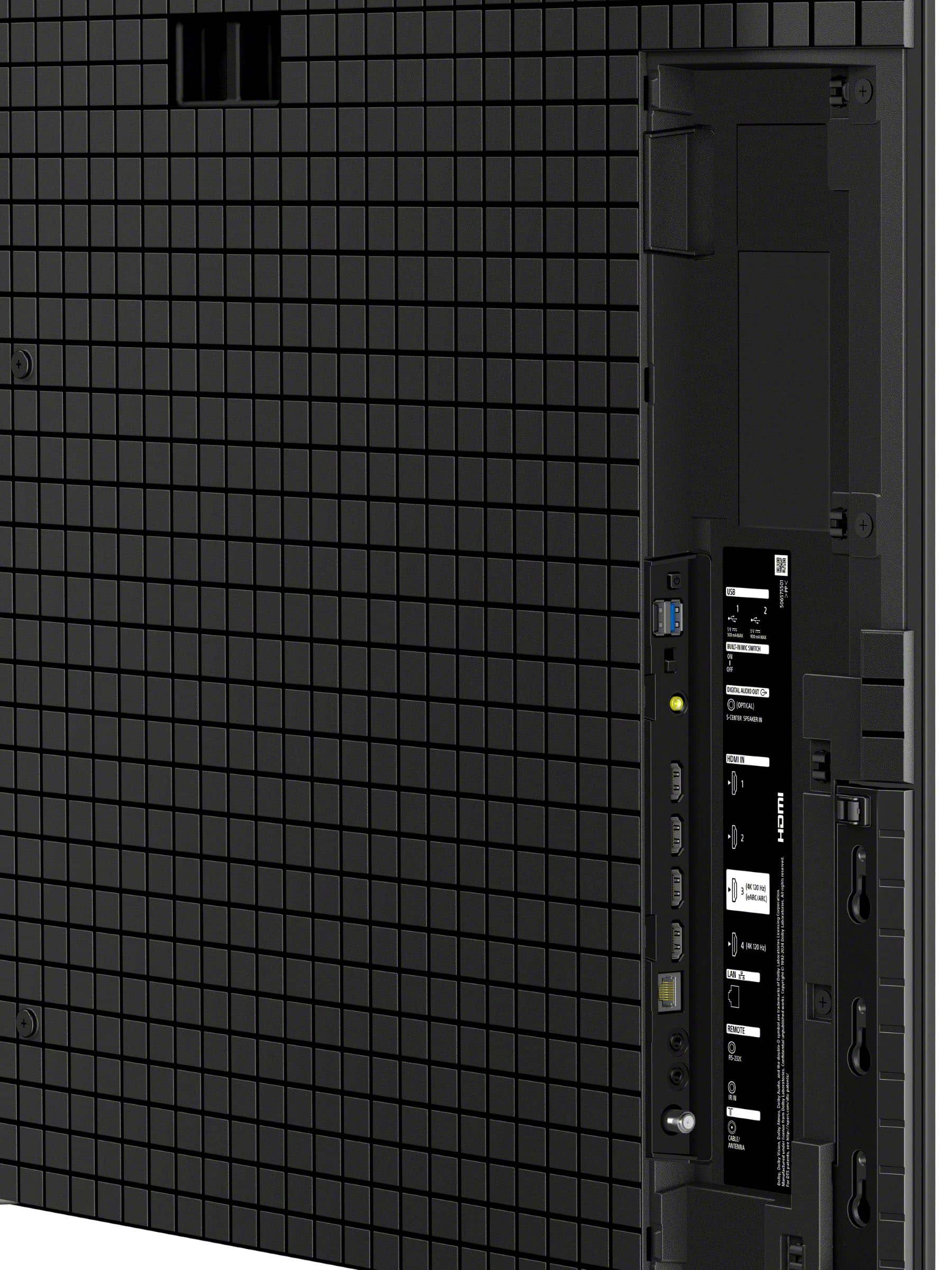
Both models include only two HDMI 2.1 ports, which can be limiting if you have multiple next-generation consoles. One port typically handles audio return channel (eARC) functions, leaving just one available for full-bandwidth gaming.
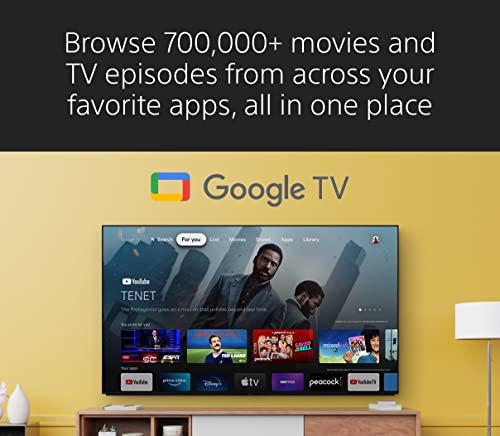
The smart TV experience has evolved significantly between 2022 and 2025. The BRAVIA 8 II runs Google TV OS version 12 with improved responsiveness and a more refined interface. The A95K uses an earlier version that, while functional, feels less polished in direct comparison.
Both TVs include Google Assistant integration and support for major streaming services. However, the newer model benefits from three additional years of app optimization and streaming service partnerships. Netflix Calibrated Mode, Prime Video Calibrated Mode, and Sony Pictures Core Calibrated Mode are all enhanced on the BRAVIA 8 II.
The processing power difference is noticeable in menu navigation and app loading times. While neither TV feels sluggish, the BRAVIA 8 II provides a smoother, more responsive experience that becomes apparent with daily use.
For dedicated home theater enthusiasts, both TVs excel, but with different strengths. The A95K performs beautifully in controlled lighting environments where its slightly lower brightness isn't a limitation. Its color accuracy and black level performance create that cinematic experience that home theater aficionados prize.
The BRAVIA 8 II offers more flexibility for multi-purpose rooms that serve as both living spaces and entertainment areas. Its superior brightness means HDR content maintains impact even with some ambient lighting, while the AI scene optimization reduces the need for manual picture adjustments between different types of content.
Both models support IMAX Enhanced content and studio calibrated picture modes, ensuring you're seeing movies as filmmakers intended. The BRAVIA 8 II adds more recent calibration partnerships and improved processing for these reference modes.
At the time of writing, the A95K represents exceptional value as a previous-generation flagship model. You can often find it for significantly less than the BRAVIA 8 II—sometimes $1,500 to $2,000 less for the 65-inch model. This price difference makes the value equation compelling for many buyers.
The A95K delivers about 85% of the BRAVIA 8 II's performance at potentially 60% of the cost. For buyers who prioritize the core QD-OLED benefits—perfect blacks, excellent colors, and premium build quality—without requiring cutting-edge brightness and AI features, the older model offers outstanding value.
However, the BRAVIA 8 II justifies its premium pricing for users who want maximum brightness performance, latest processing capabilities, and better future-proofing. The brightness improvement alone can be worth the extra cost if you frequently watch HDR content or use your TV in varied lighting conditions.
Technology purchases at this level require thinking beyond immediate performance. The A95K, being a 2022 model, will likely receive fewer software updates and new features going forward. While it will continue to perform excellently, it may miss out on future streaming service enhancements or smart TV features.
The BRAVIA 8 II is positioned for several more years of active support and feature updates. Its more powerful processor also provides headroom for future capabilities that may be added through software updates.
The Sony A95K makes sense if you have a dedicated home theater room with controlled lighting, prioritize value over having the absolute latest features, and don't need maximum HDR brightness. It's an excellent choice for movie enthusiasts who appreciate high-end picture quality but don't want to pay current flagship prices.
The Sony BRAVIA 8 II is the better choice if you want maximum HDR impact, use your TV in rooms with varied lighting throughout the day, value AI-driven picture optimization, are a serious gamer wanting the best performance, or simply prefer having the latest technology generation.
Both televisions deliver exceptional QD-OLED performance that will satisfy even demanding viewers. The decision often comes down to brightness requirements versus budget considerations. The A95K proves that previous-generation flagships can offer tremendous value when the technology gap isn't revolutionary, while the BRAVIA 8 II demonstrates how meaningful improvements in brightness and processing can justify premium pricing for the right buyer.
For most buyers, the A95K delivers enough performance to create an outstanding viewing experience, especially in home theater environments. However, if brightness performance and having the latest features matter to you—and the budget allows—the BRAVIA 8 II represents the current pinnacle of Sony's QD-OLED technology.
The choice ultimately depends on your specific viewing environment, content preferences, and how much value you place on having the latest technology versus proven performance at a lower price point.
| Sony Bravia XR A95K 65" QD-OLED TV | Sony BRAVIA 8 II 65" QD-OLED 4K Google TV 2025 |
|---|---|
| Peak Brightness - Critical for HDR impact and daytime viewing | |
| ~400 cd/m² typical (good for dark rooms) | ~1,880 nits peak (25% brighter, excellent HDR impact) |
| Processor Technology - Affects picture optimization and responsiveness | |
| Cognitive Processor XR (fixed picture modes) | 2nd Gen Cognitive XR with AI Scene Recognition (automatic optimization) |
| Release Year - Impacts pricing and future support | |
| 2022 (significantly discounted flagship) | 2025 (current premium pricing) |
| QD-OLED Panel Generation - Affects overall picture quality | |
| 1st generation Sony QD-OLED | 4th generation QD-OLED (improved brightness and efficiency) |
| Audio System - Important for built-in sound quality | |
| Acoustic Surface Audio+ (good screen-based sound) | Acoustic Surface Audio+ with Voice Zoom 3 AI and dual subwoofers |
| Gaming Input Lag - Critical for responsive gaming | |
| Standard HDMI 2.1 performance | 8.5ms input lag with PlayStation 5 optimization |
| Smart TV Platform - Affects long-term usability and updates | |
| Google TV (earlier version, fewer updates expected) | Google TV OS 12 (latest version, ongoing support) |
| Color Technology - Both excellent, minor processing differences | |
| XR Triluminos Max with quantum dots | XR Triluminos Max with enhanced processing algorithms |
| HDMI 2.1 Ports - Limits connectivity for multiple gaming devices | |
| 2 ports (4K@120Hz, VRR, ALLM support) | 2 ports (4K@120Hz, VRR, ALLM support) |
| Anti-Reflective Coating - Important for bright room performance | |
| Standard coating (moderate reflection handling) | Improved anti-reflective properties |
| Value Proposition - Key consideration for purchase decision | |
| Excellent performance at reduced flagship pricing | Premium performance at current flagship pricing |
| Best For | |
| Home theaters, value seekers, controlled lighting | Mixed lighting rooms, latest features, maximum brightness |
For dedicated home theater use, both the Sony Bravia XR A95K and Sony BRAVIA 8 II deliver exceptional performance. The A95K offers outstanding value with perfect blacks and excellent color accuracy that's ideal for dark viewing environments. The BRAVIA 8 II provides superior HDR brightness and AI scene optimization, making it better for rooms with some ambient lighting.
The biggest difference is brightness performance. The Sony BRAVIA 8 II delivers approximately 25% brighter peak brightness (~1,880 nits) compared to the Sony Bravia XR A95K (~400 cd/m²). The newer model also features AI Scene Recognition processing that automatically optimizes picture settings, while the A95K relies on manual adjustments.
Yes, the Sony Bravia XR A95K remains an excellent choice for buyers prioritizing value. As a 2022 flagship model, it offers premium QD-OLED performance at significantly reduced pricing. It's particularly appealing for home theater enthusiasts with controlled lighting who don't need the absolute latest features of the BRAVIA 8 II.
The Sony BRAVIA 8 II offers superior gaming performance with 8.5ms input lag and PlayStation 5-specific optimizations. While the Sony Bravia XR A95K supports all essential gaming features like 4K@120Hz and VRR, it has higher input lag and less sophisticated game mode processing.
Both the A95K and BRAVIA 8 II run Google TV and support all major streaming services. However, the BRAVIA 8 II runs the latest Google TV OS version 12 with better app optimization and enhanced calibrated modes for Netflix, Prime Video, and Sony Pictures Core.
The Sony BRAVIA 8 II is significantly brighter and better suited for daytime viewing with its improved peak brightness and anti-reflective coating. The Sony Bravia XR A95K performs best in darker environments and may struggle to maintain color saturation in bright rooms.
Yes, the BRAVIA 8 II includes newer smart features like AI Scene Recognition, Voice Zoom 3 for dialogue clarity, and the latest Google TV interface. The A95K has solid smart TV functionality but lacks the AI processing and enhanced integration features of the newer model.
Both use Acoustic Surface Audio+ technology, but the Sony BRAVIA 8 II offers enhanced audio with Voice Zoom 3 AI, dual subwoofers, and better integration with Sony soundbars through Acoustic Center Sync. The A95K provides good built-in sound but with fewer audio enhancements.
Both the A95K and BRAVIA 8 II use QD-OLED technology with XR Triluminos Max for excellent color reproduction. The BRAVIA 8 II has slight advantages in color processing algorithms and can display colors more vibrantly at higher brightness levels due to its improved panel technology.
The Sony Bravia XR A95K typically offers better value as a discounted flagship model, delivering about 85% of the BRAVIA 8 II's performance at a significantly lower cost. The BRAVIA 8 II provides better value for users who need maximum brightness and latest features.
Both excel with movies and HDR content, but the Sony BRAVIA 8 II delivers more impactful HDR with its superior brightness capabilities. The A95K still provides excellent movie performance with perfect blacks and accurate colors, making both suitable for serious movie watching.
Choose the Sony BRAVIA 8 II if you want maximum brightness, AI features, and future-proofing, especially for mixed lighting conditions. Select the Sony Bravia XR A95K if you prioritize value, have a dedicated dark viewing room, and don't need the absolute latest technology. Both deliver premium QD-OLED performance.
We've done our best to create useful and informative comparisons to help you decide what product to buy. Our research uses advanced automated methods to create this comparison and perfection is not possible - please contact us for corrections or questions. These are the sites we've researched in the creation of this article: tomsguide.com - audioadvice.com - wepc.com - bestbuy.com - tvsbook.com - rtings.com - youtube.com - flatpanelshd.com - rtings.com - youtube.com - reviewed.com - avsforum.com - youtube.com - youtube.com - rtings.com - youtube.com - electronics.sony.com - sonypremiumhome.com - valueelectronics.com - sony.com - displayspecifications.com - flatpanelshd.com - donstv.com - youtube.com - businessinsider.com - youtube.com - displayspecifications.com - bestbuy.com - techradar.com - rtings.com - bestbuy.com - whathifi.com - rtings.com - hometechnologyreview.com - youtube.com - hometechnologyreview.com - hometechnologyreview.com - hometechnologyreview.com - valueelectronics.com - smarthomesounds.co.uk - electronics.sony.com - valueelectronics.com - bestbuy.com - youtube.com - displayspecifications.com - hometechnologyreview.com - flatpanelshd.com

Privacy Policy
Terms and Conditions - Affiliate Policy
Home Security
© Copyright 2008-2026.
11816 Inwood Rd #1211, Dallas, TX 75244